Shape Recognition Normal Worksheets for Ages 3-9
50 filtered results
-
From - To
Discover the perfect resource for enhancing shape recognition skills with our Normal Worksheets tailored for ages 3-9. These engaging activities are designed to help children identify and understand various shapes through fun and interactive exercises. Our worksheets not only boost cognitive development but also support fine motor skills as kids trace, color, and match shapes. Ideal for classroom use or at-home learning, these worksheets provide a foundation for future success in math and geometry. Visit Kids Academy to access our comprehensive collection and watch your child's excitement as they master the world of shapes!
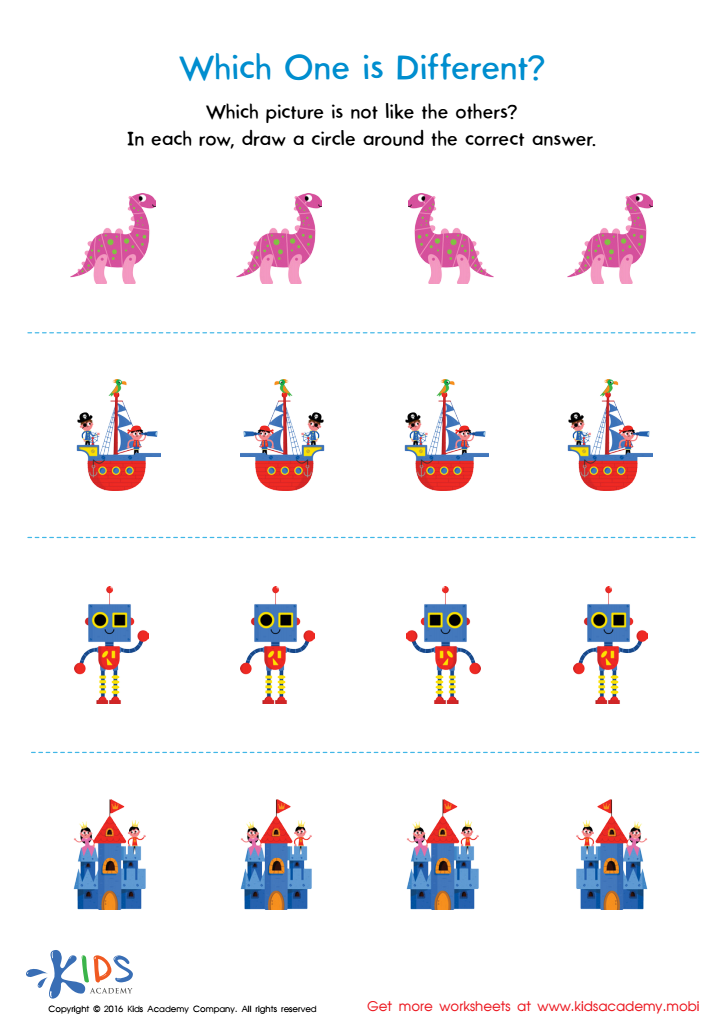
Which One Is Different Worksheet
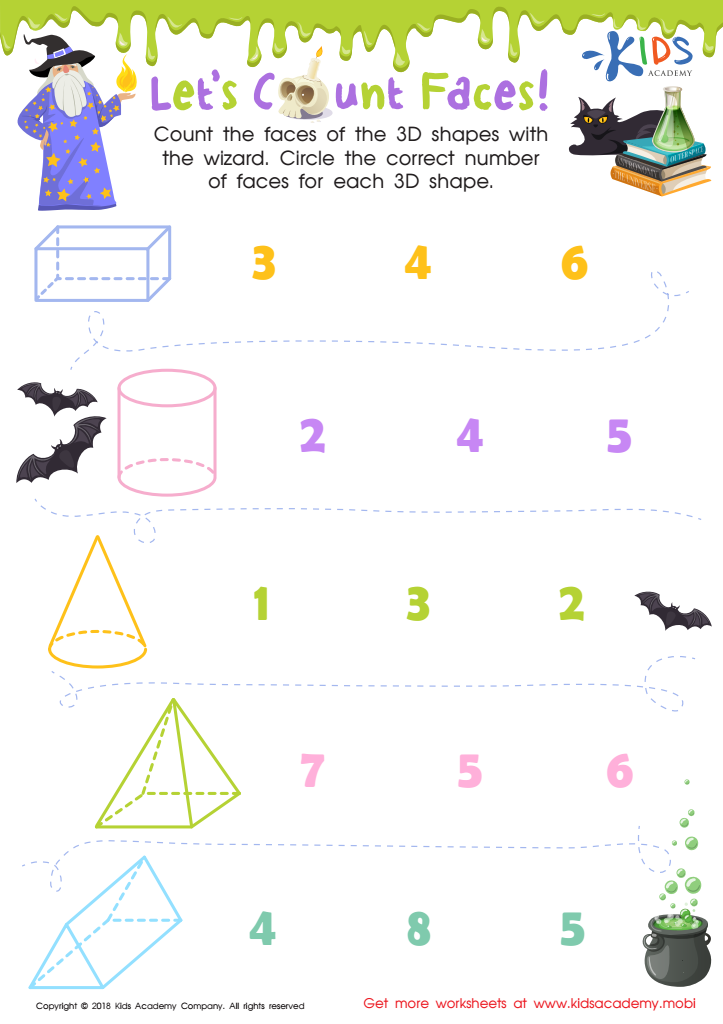
Let's Count Faces! Worksheet
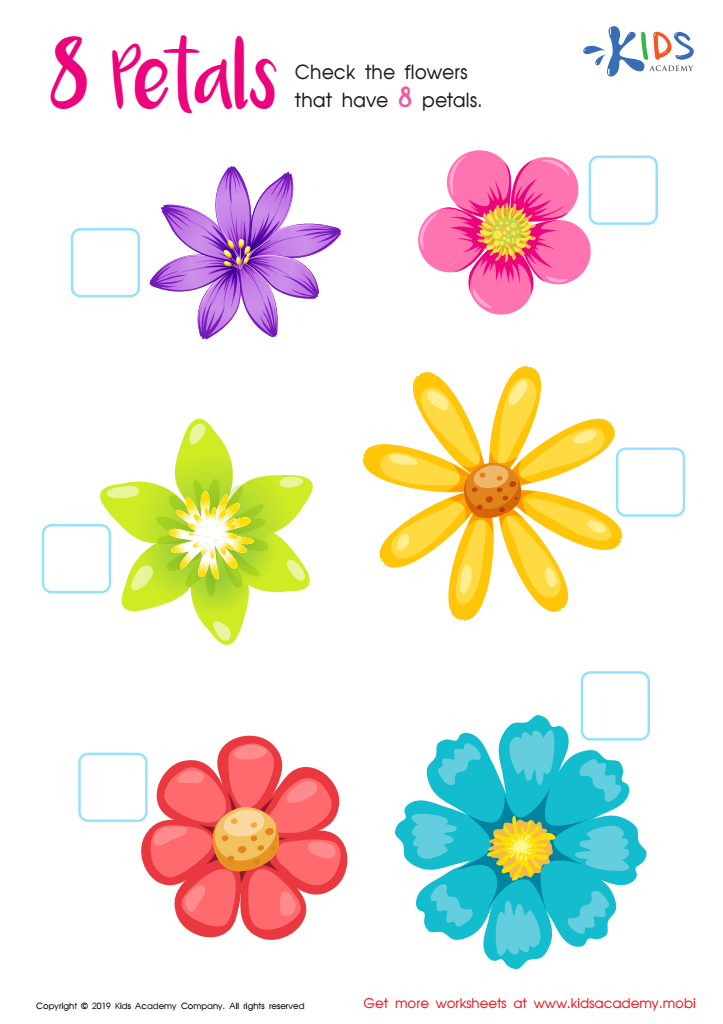
8 Petals Worksheet
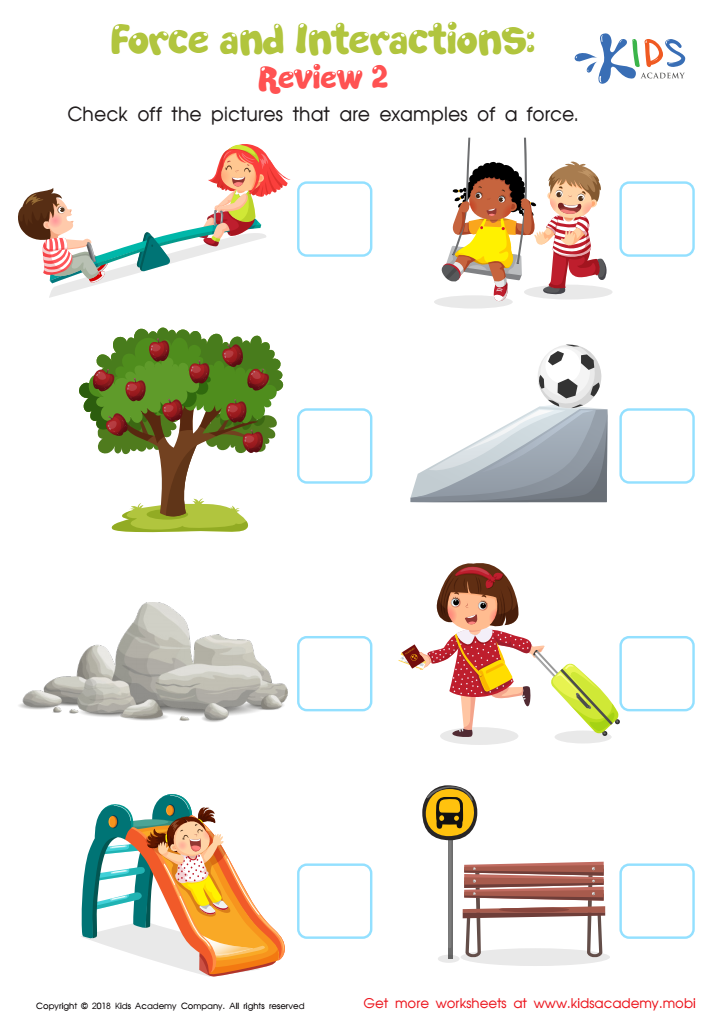
Force and Interactions: Review 2 Worksheet
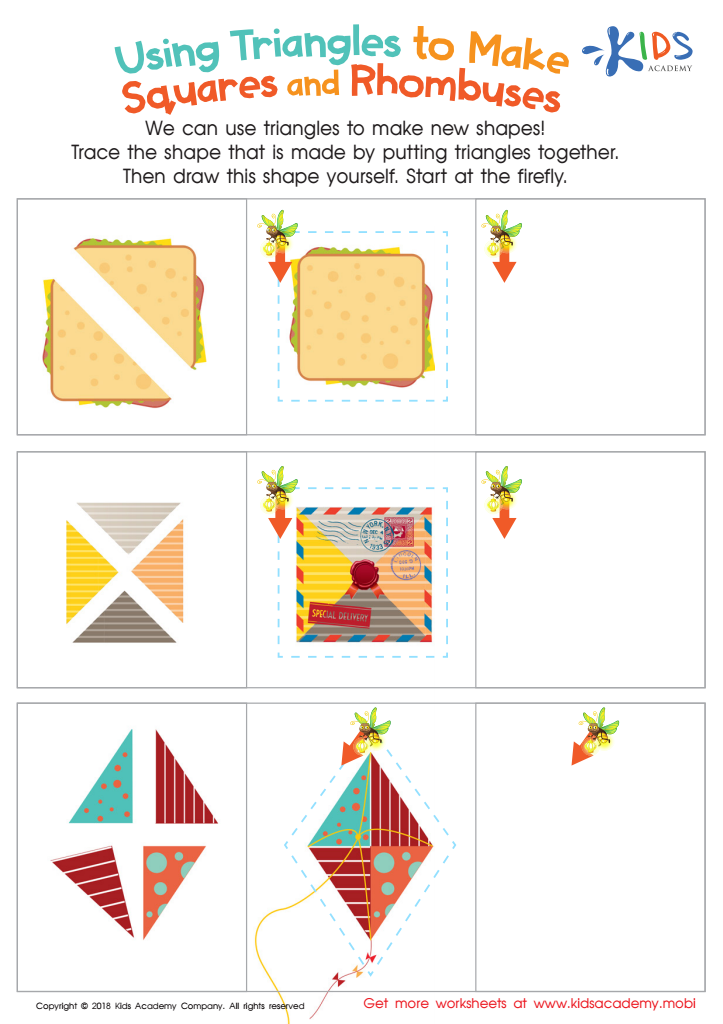
Using Triangles to Make Squares and Rhombuses Worksheet
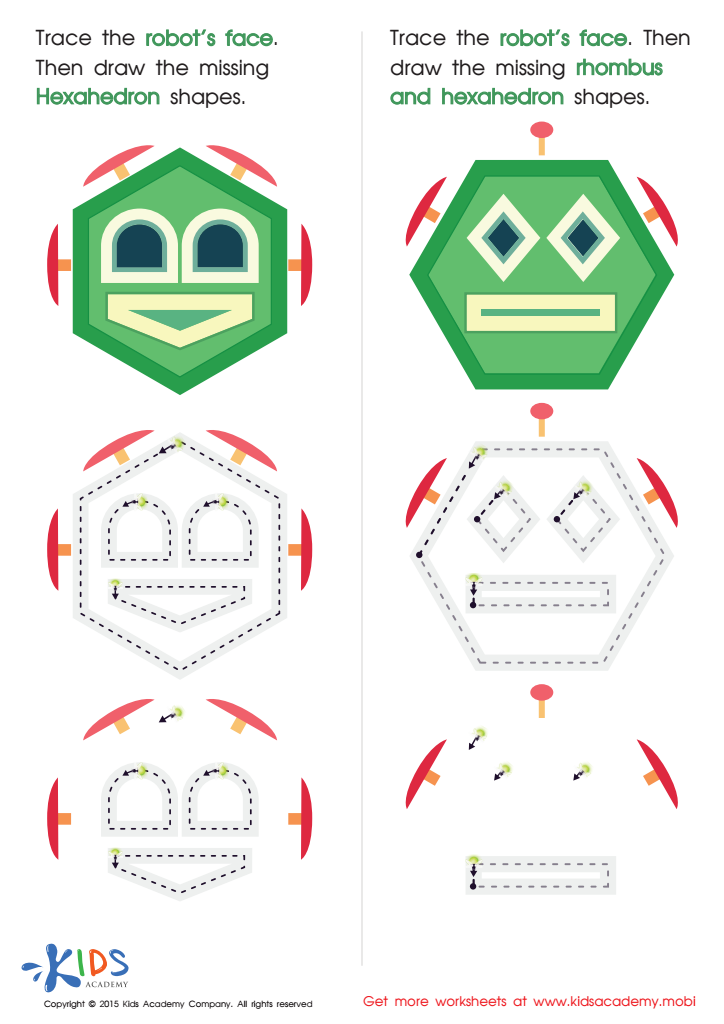
Practice Drawing Hexahedrons And a Rhombus Worksheet
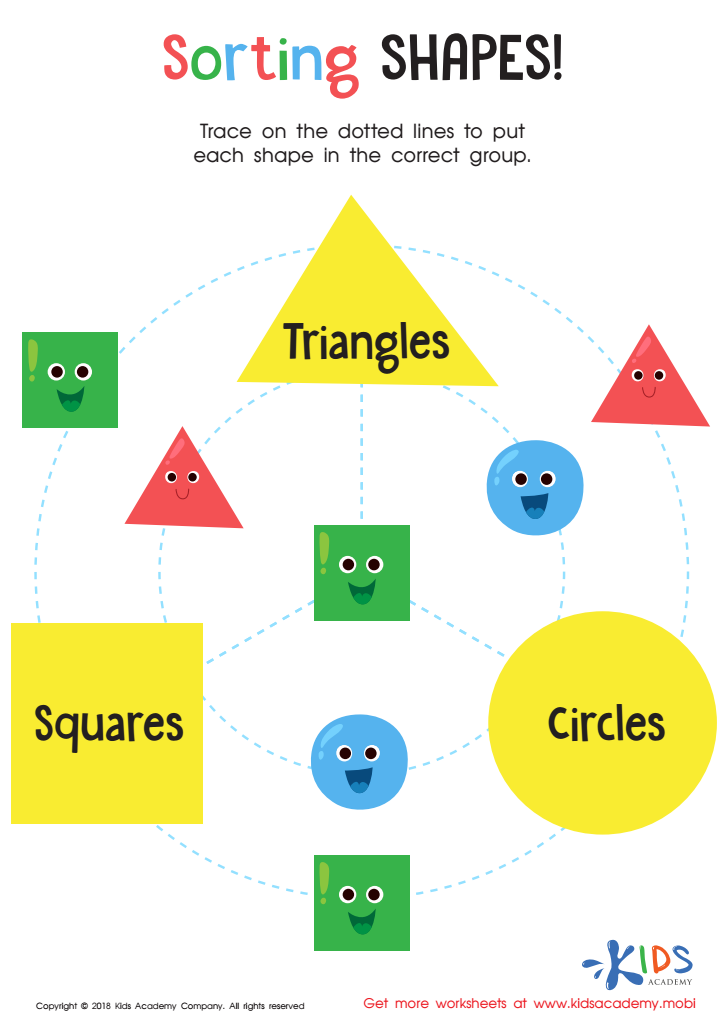
Sorting Shapes - Part 3 Worksheet
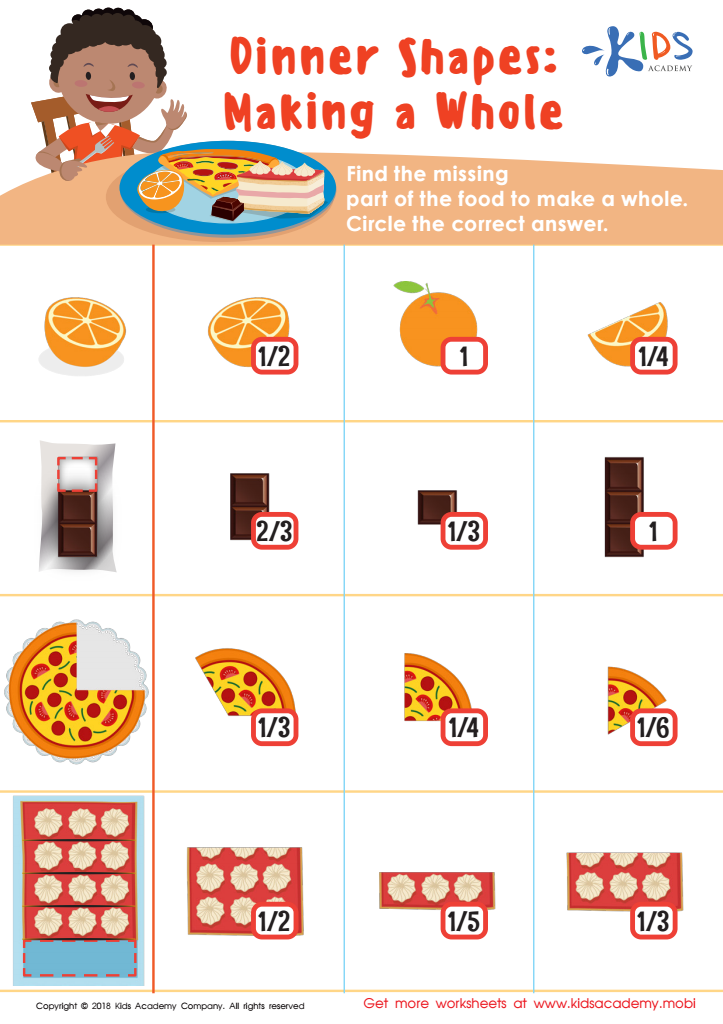
Dinner Shapes: Making a Whole Worksheet
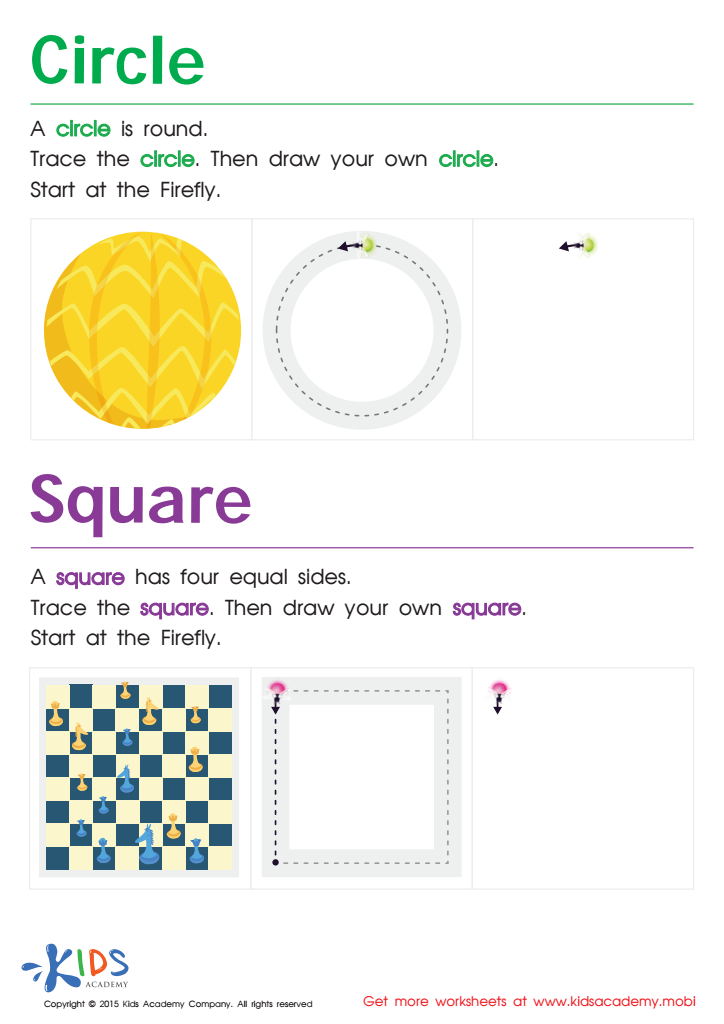
Trace And Draw a Circle And a Square Worksheet
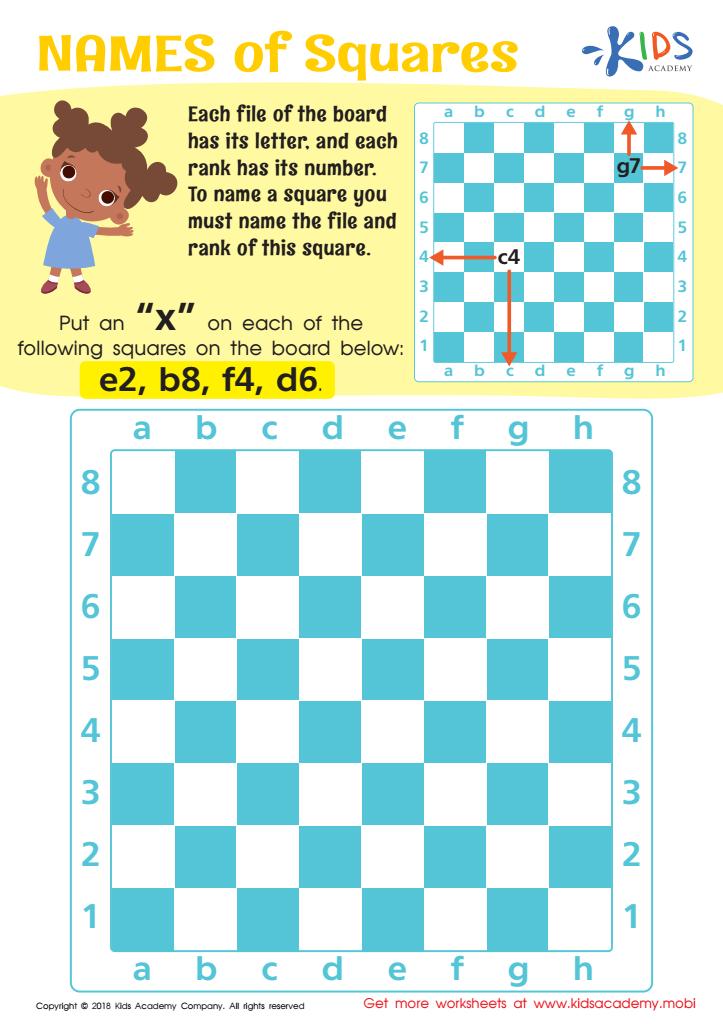
Names of Squares Worksheet
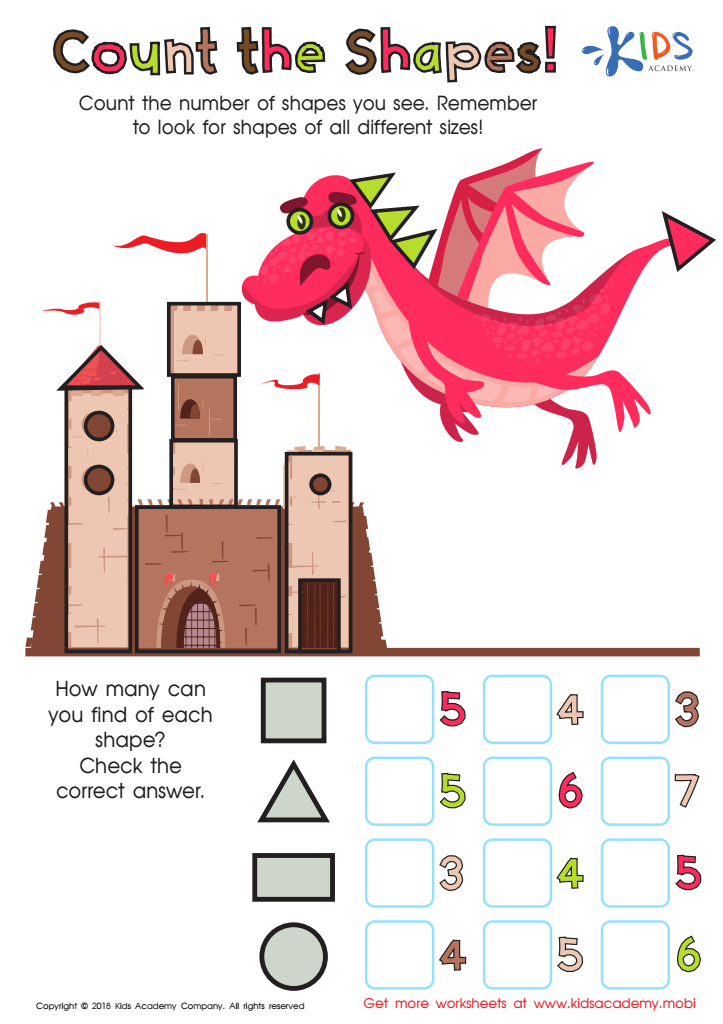
Count the Shapes Worksheet
Halloween: A Funny Monster Worksheet
 Assign to My Students
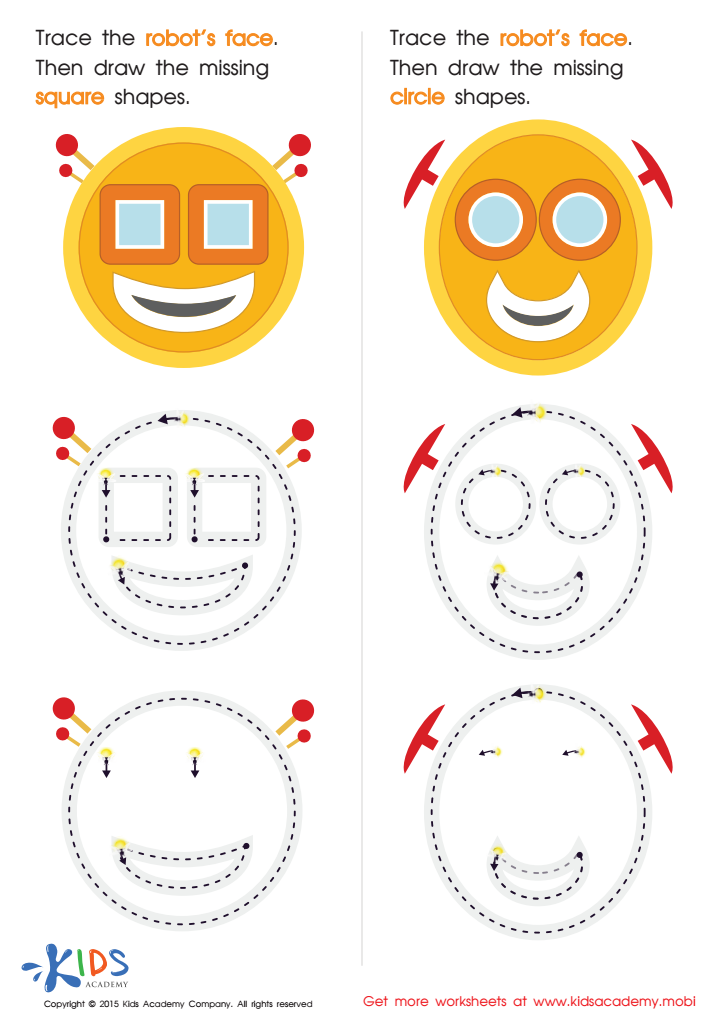
Practicing to Draw Circles And Squares Printable
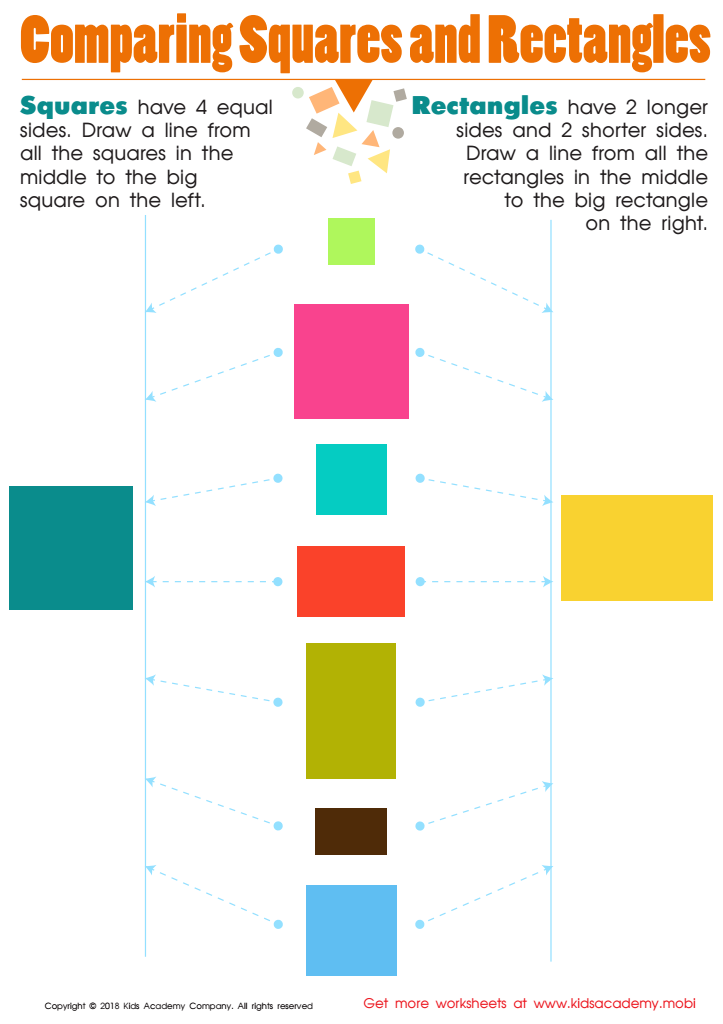
Comparing Squares Rectangles Worksheet
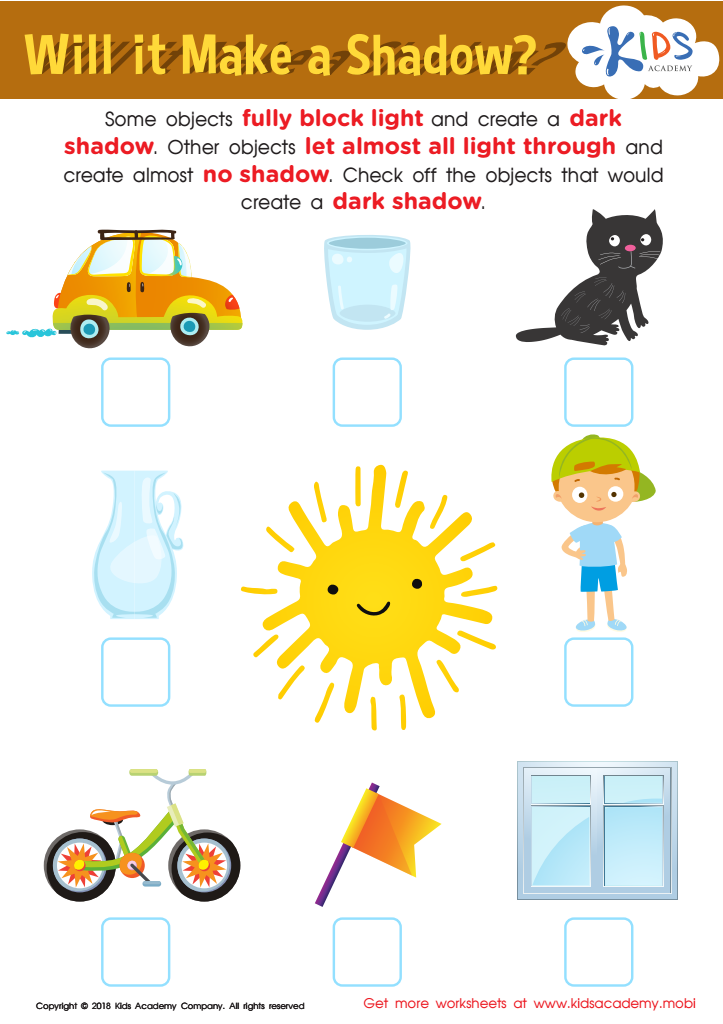
Will It Make a Shadow? Worksheet
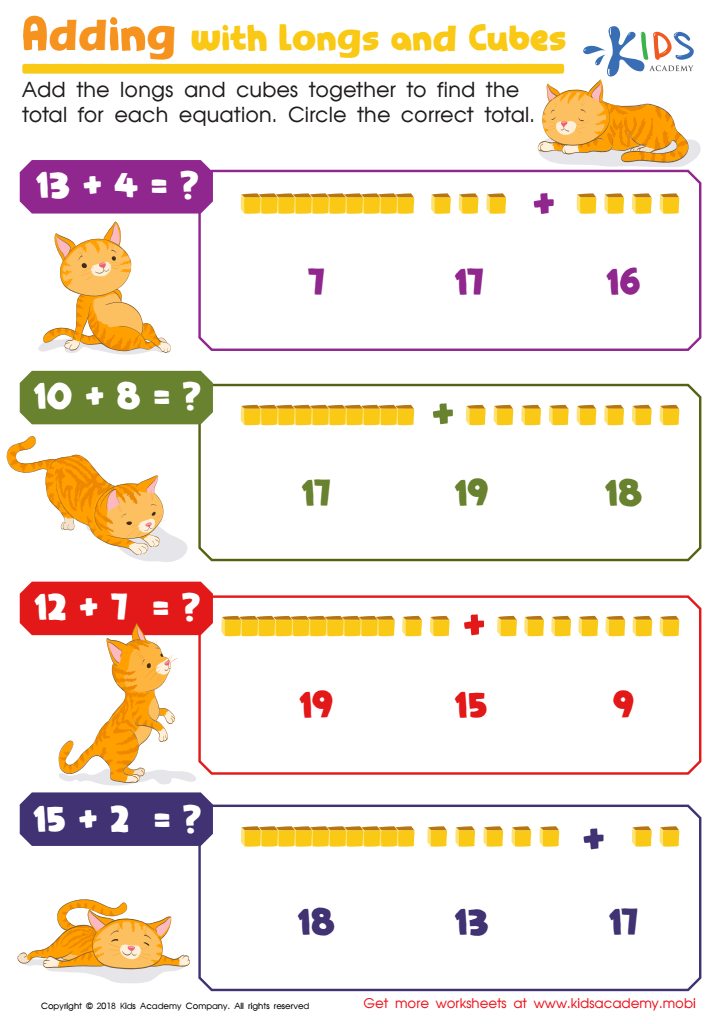
Adding With Longs and Cubes Worksheet
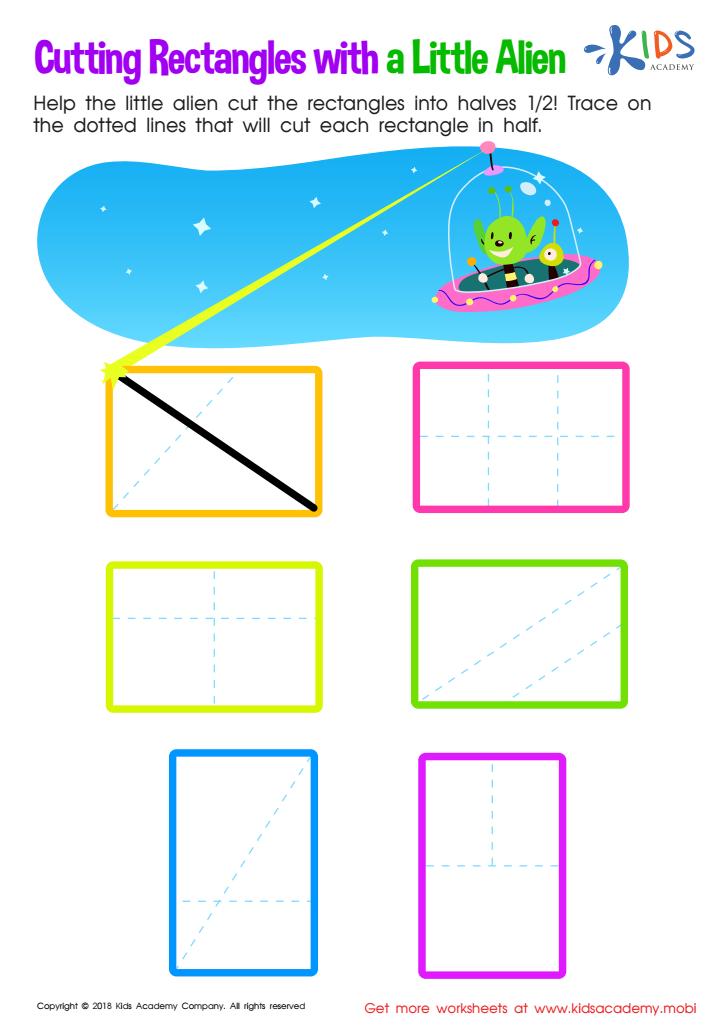
Cutting Rectangles with Alien Worksheet
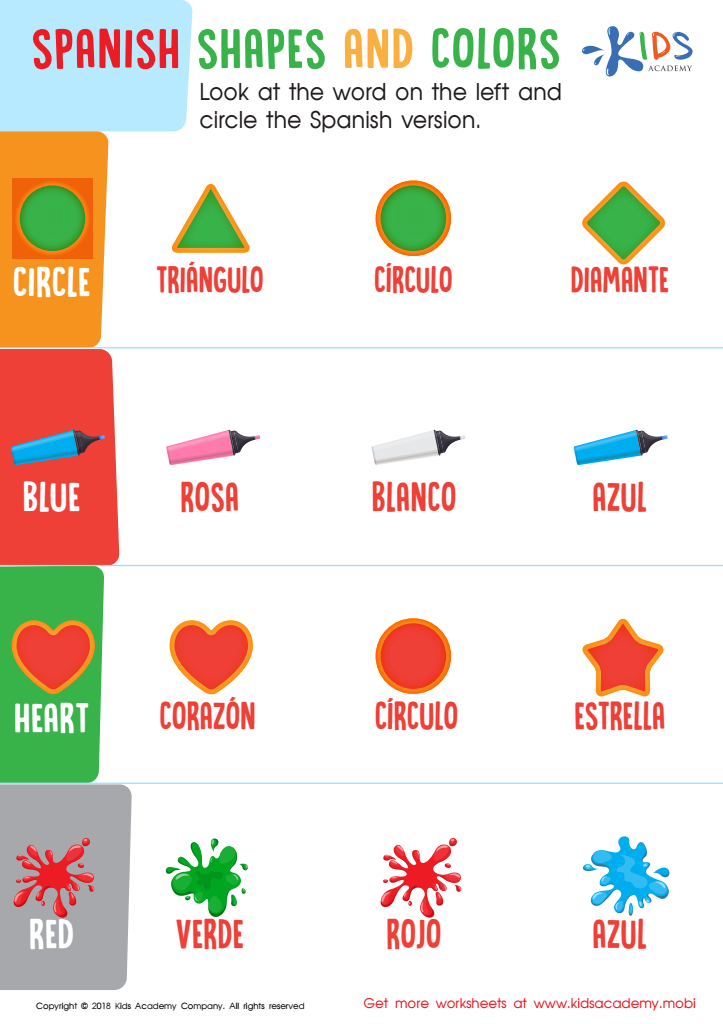
Spanish Shapes and Colors Worksheet
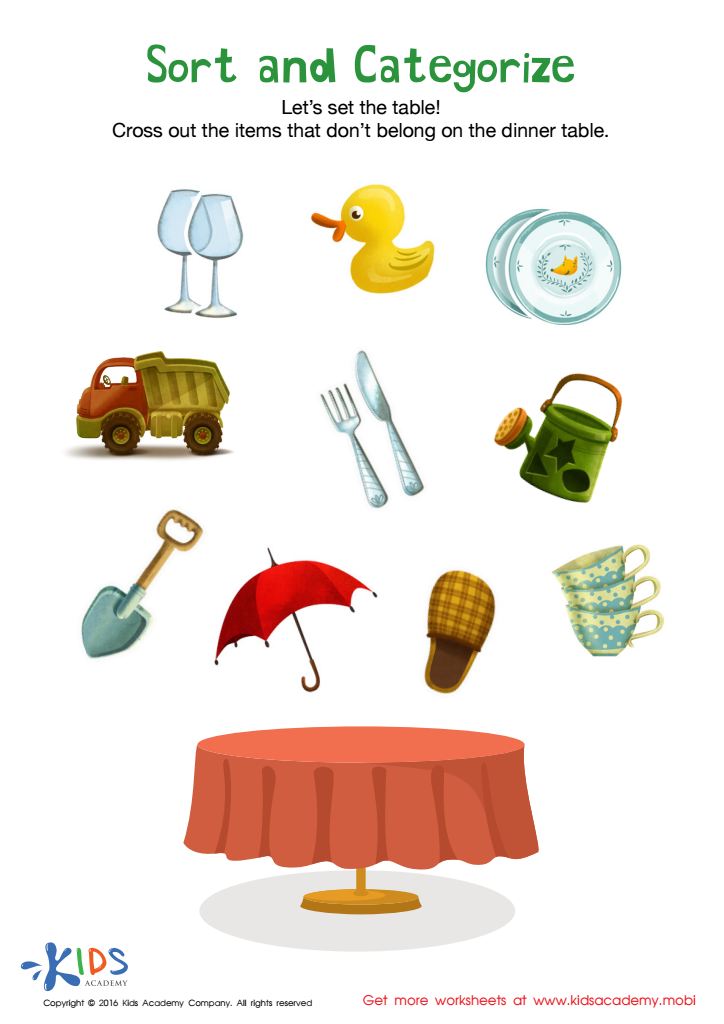
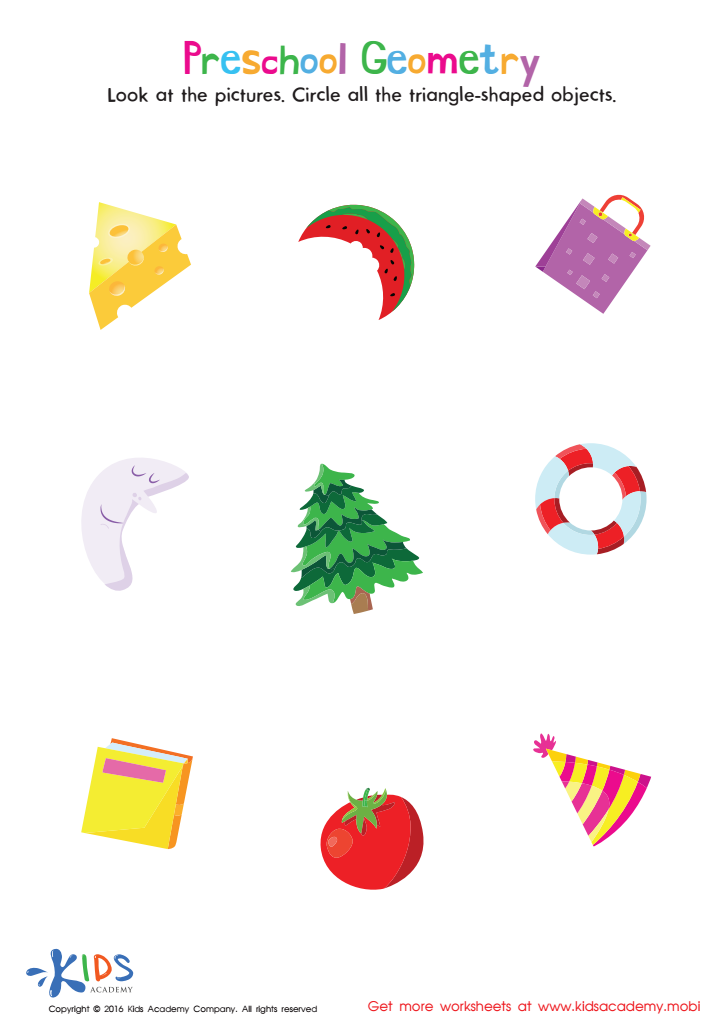
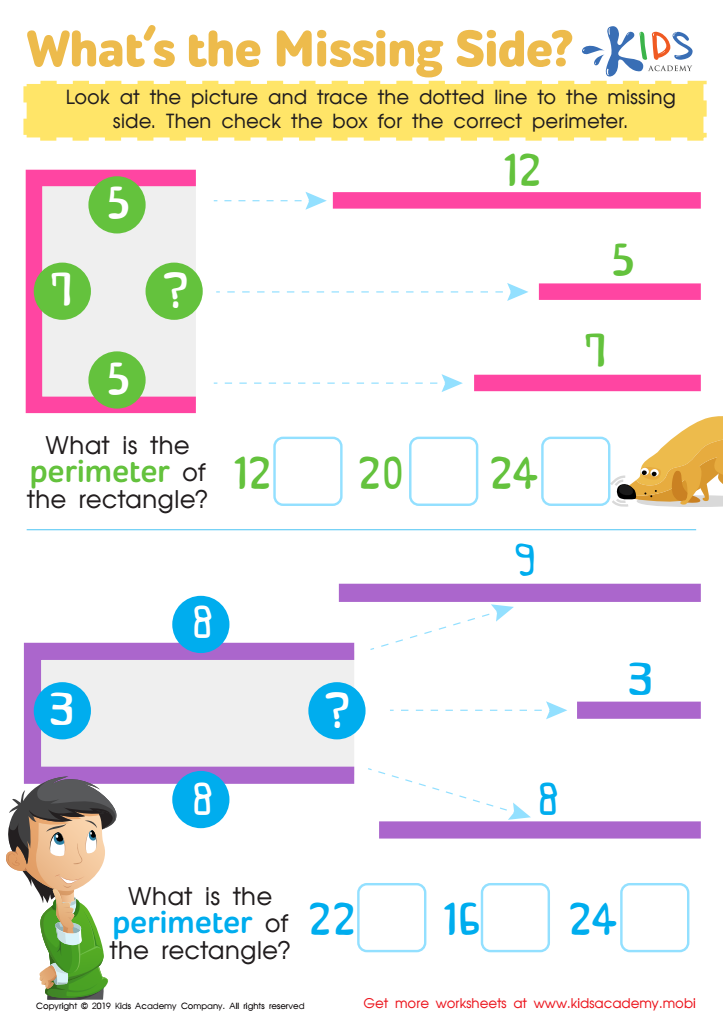
What's the Missing Side Worksheet
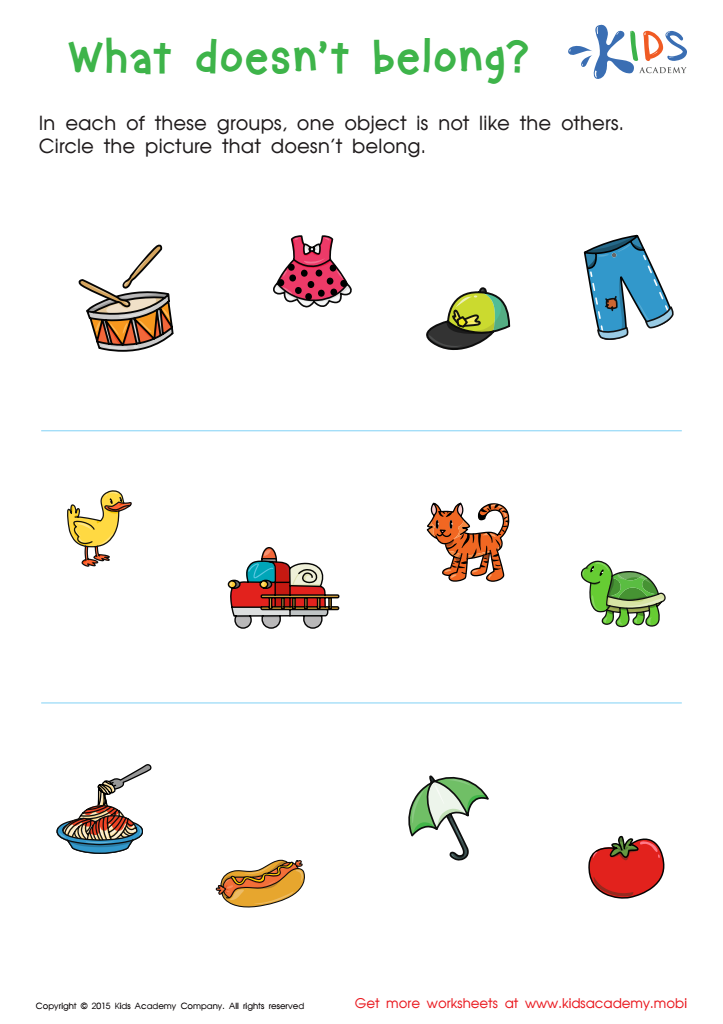
First Words: What Doesn't Belong Worksheet
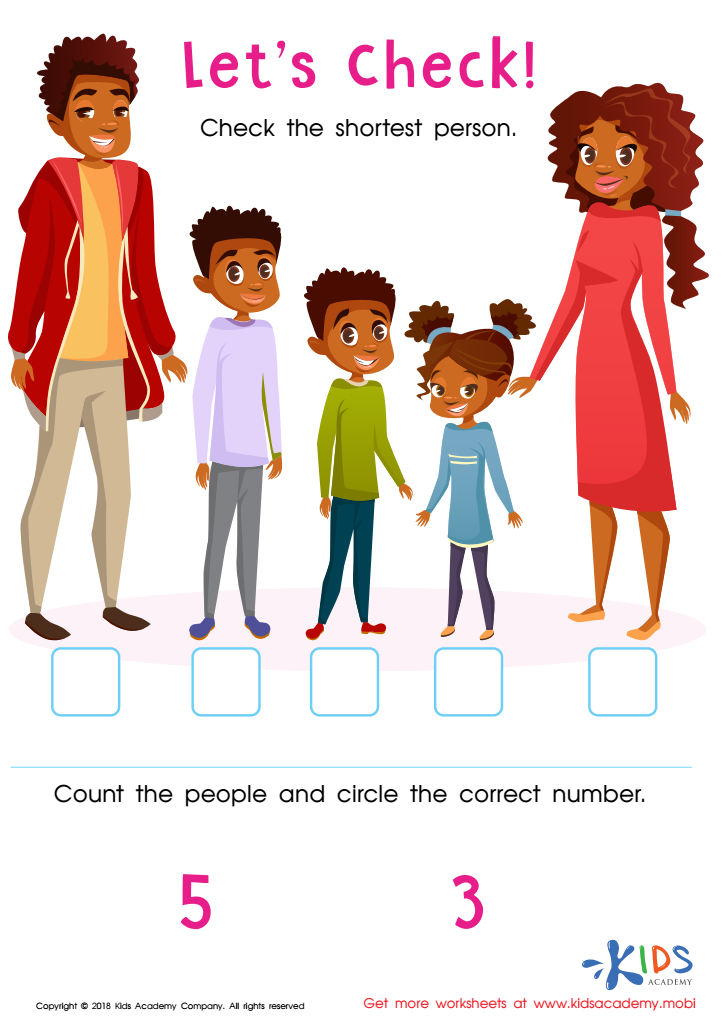
Let's Check! Assessment Worksheet
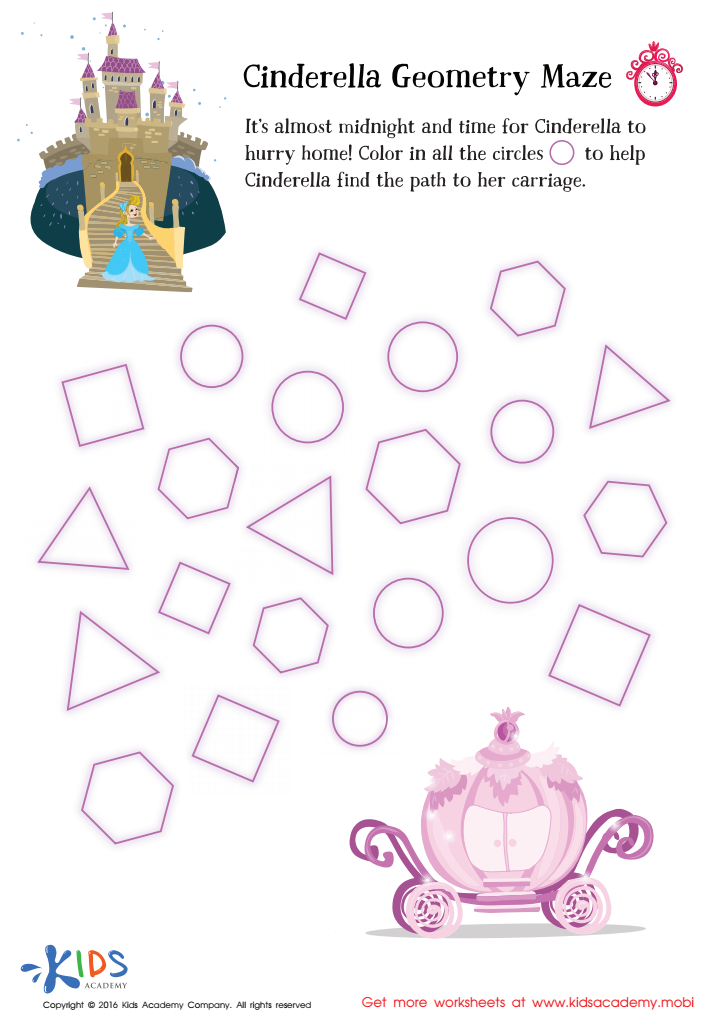
Cinderella Geometry Maze Worksheet






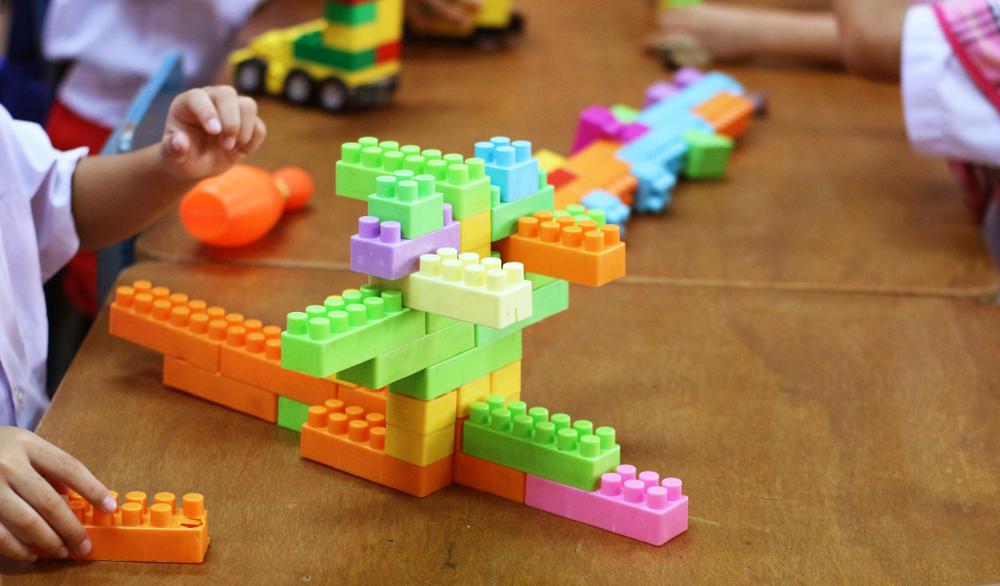
Shape recognition is a foundational cognitive skill crucial during the developmental years of ages 3-9. This multi-dimensional ability not only aids in visual perception but also in categorizing and organizing the world. Understanding basic shapes—such as circles, squares, and triangles—lays the groundwork for learning more complex concepts in mathematics, language, and reasoning.
Early shape recognition helps in identifying patterns, an essential function in mathematical problem-solving and numerical understanding later. For example, recognizing the difference between a square and a rectangle helps children grasp diverse geometry concepts and spatial awareness that are vital for success in STEM subjects.
Moreover, related linguistic skills also develop through shape recognition. Describing and differentiating shapes enhances vocabulary and language skills. Asking a child to find circular objects or pointing out different shapes communicates everyday educational opportunities, thus making learning part of their natural environment.
Teachers and parents should care about shape recognition as it promotes fine motor skills through activities like drawing or sorting shapes. Additionally, shape-awareness fosters analytical and critical thinking when children learn to group or classify objects based on their shapes.
Igniting interest early in shape recognition helps mold confident, skilled thinkers ready to grasp various academic subjects, setting a solid foundation for future learning and problem-solving capabilities.








