Normal Comparing Numbers Worksheets for Ages 3-9 - Page 2
32 filtered results
-
From - To
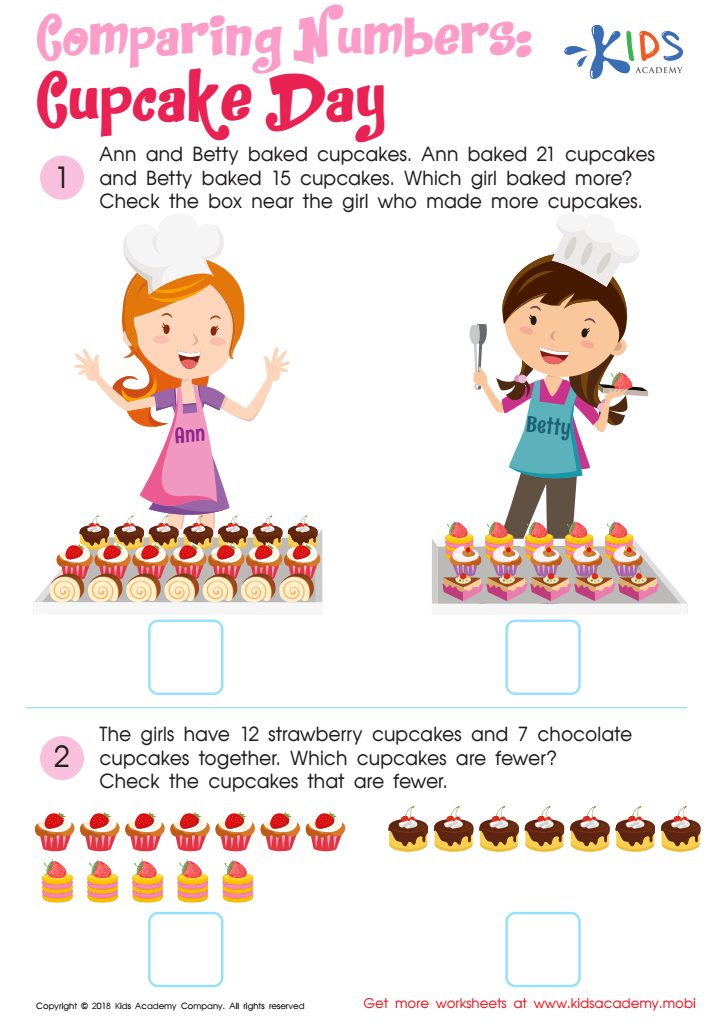
Cupcake Day Worksheet
 Assign to My Students
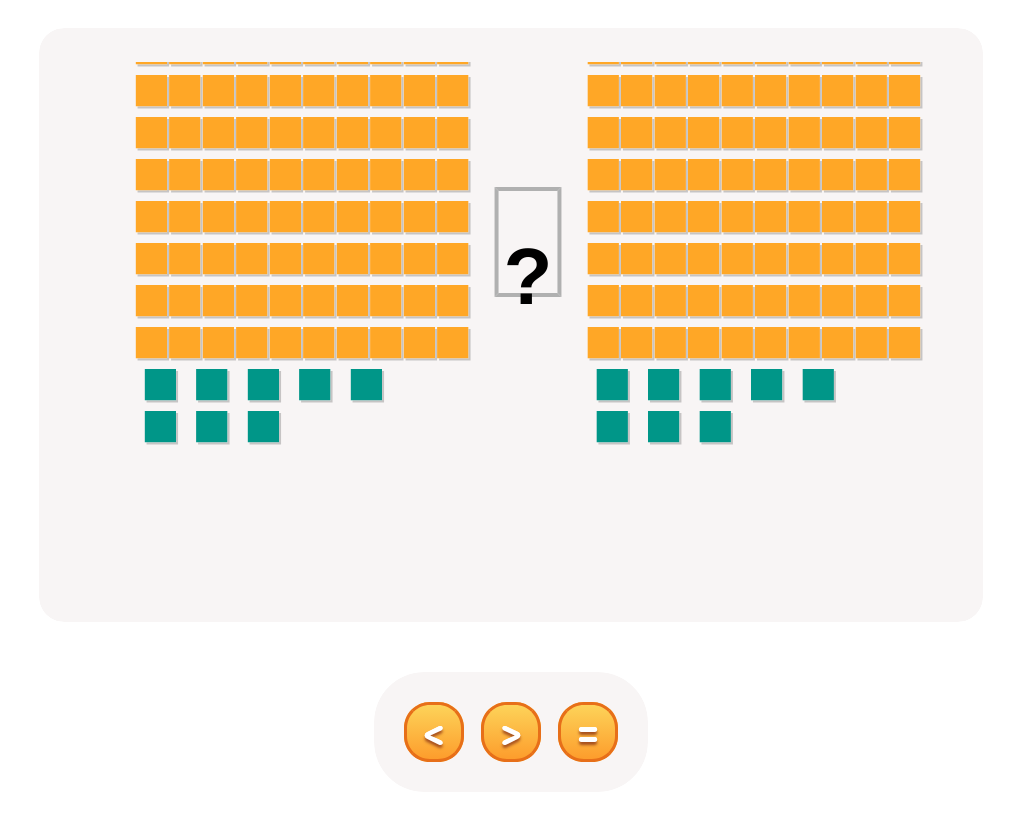

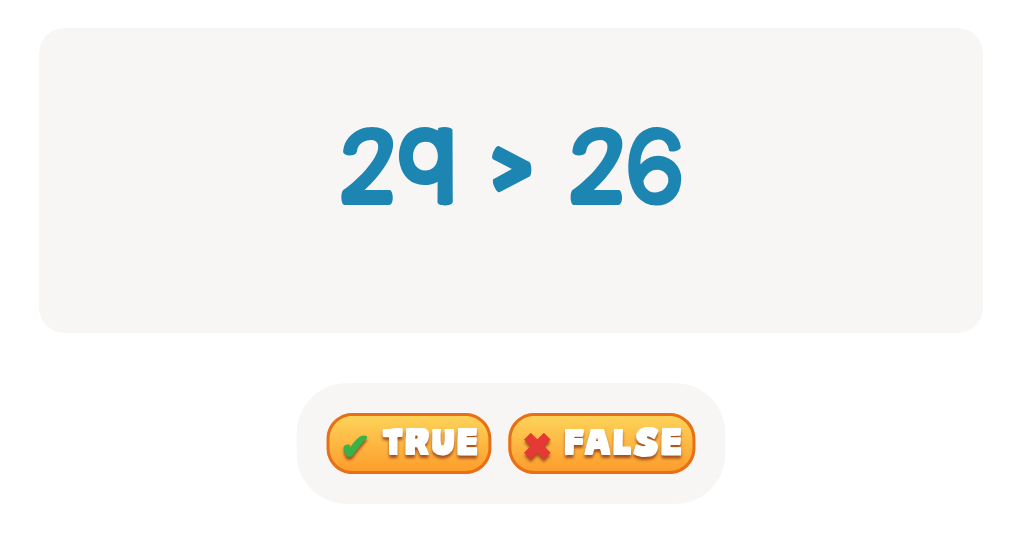
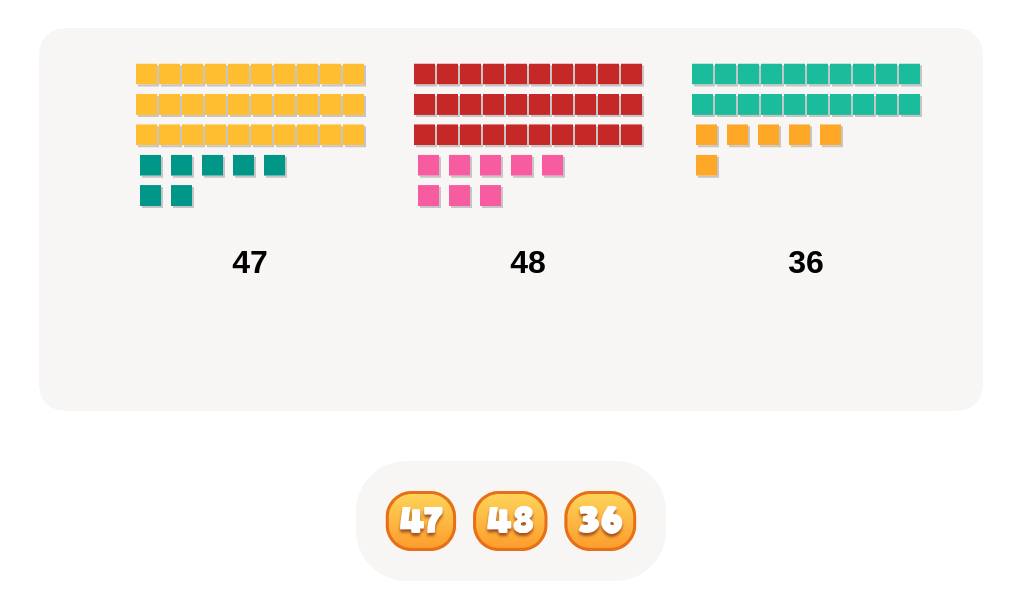
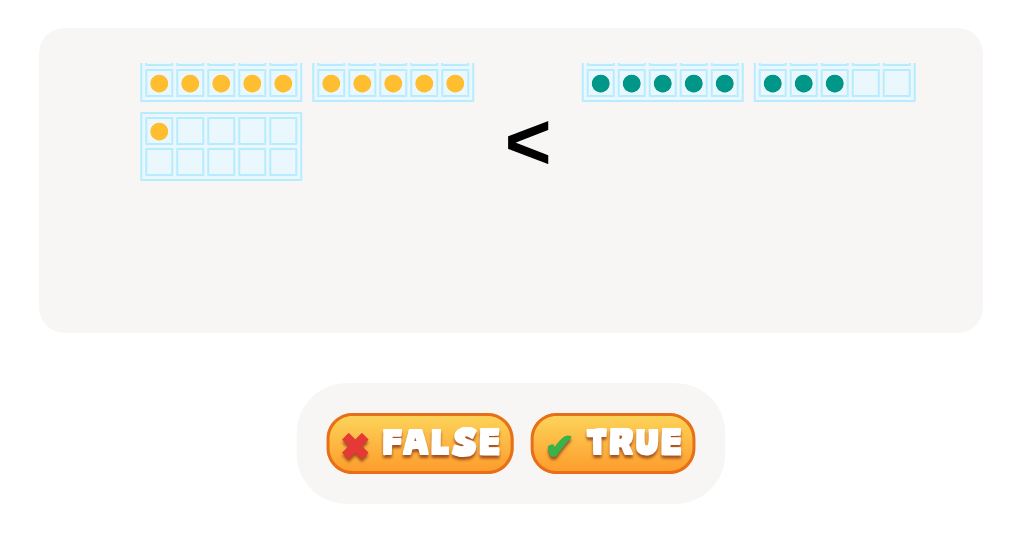
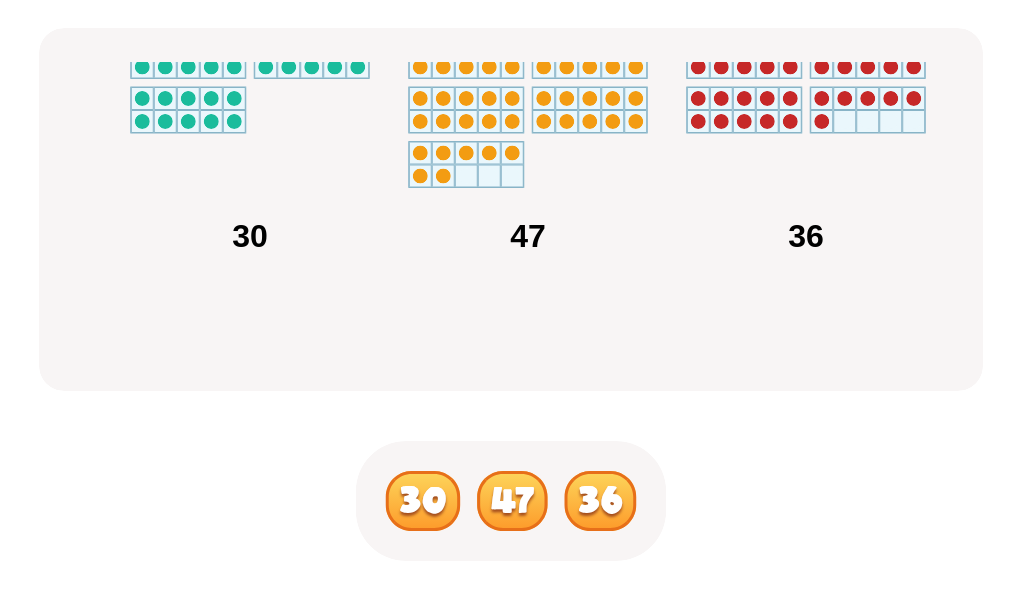
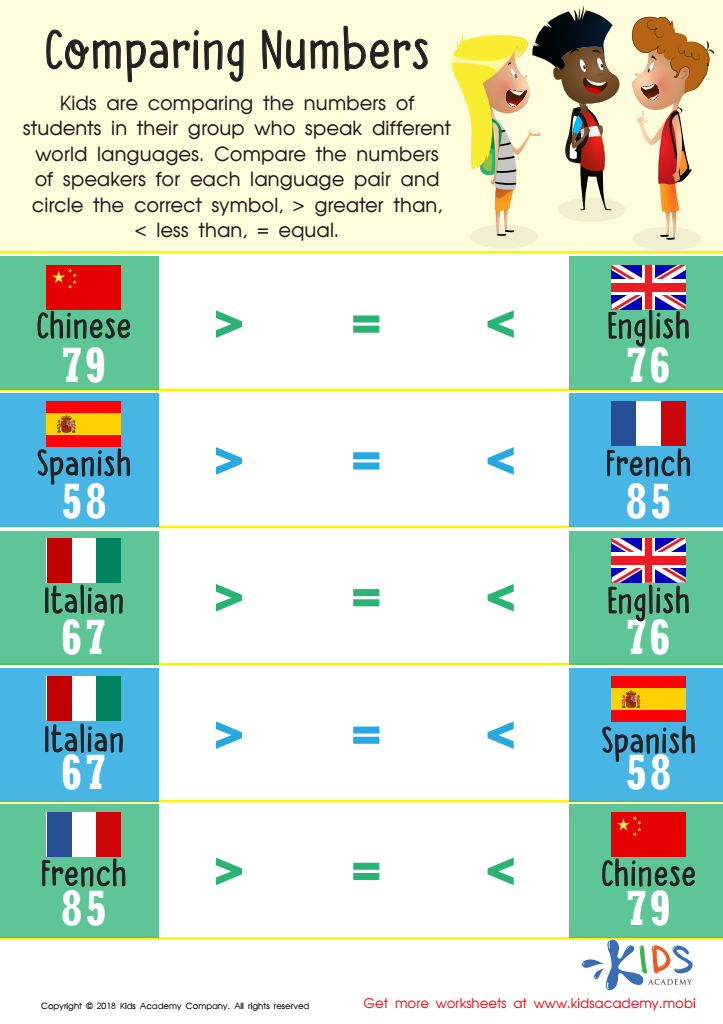
Comparing Numbers Worksheet for 1st Grade
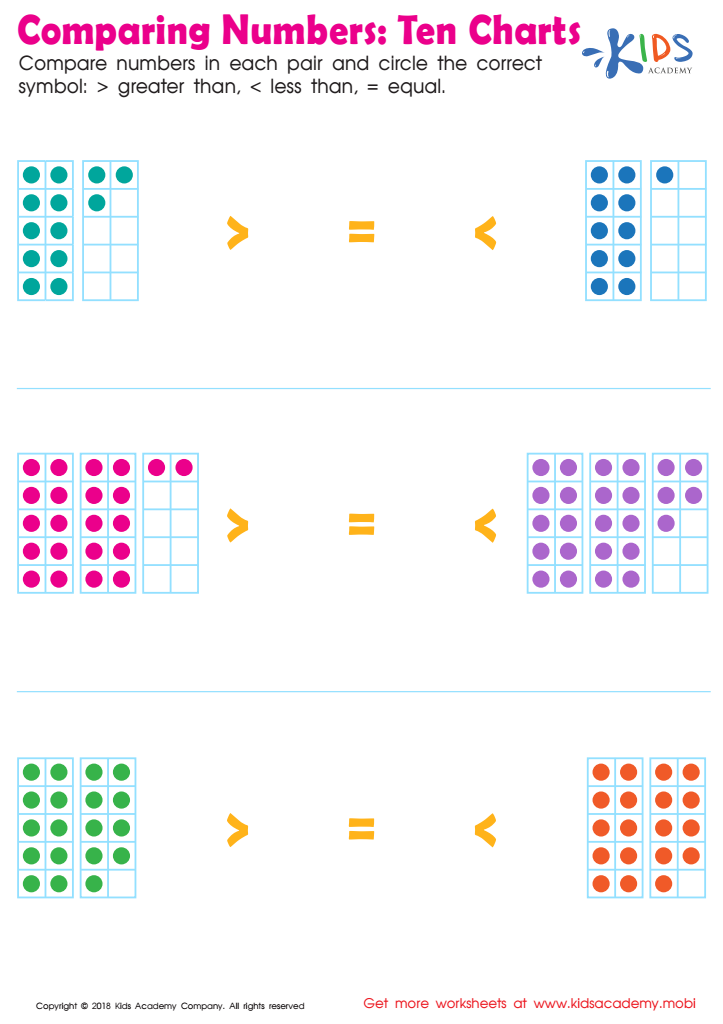
Ten Charts Worksheet
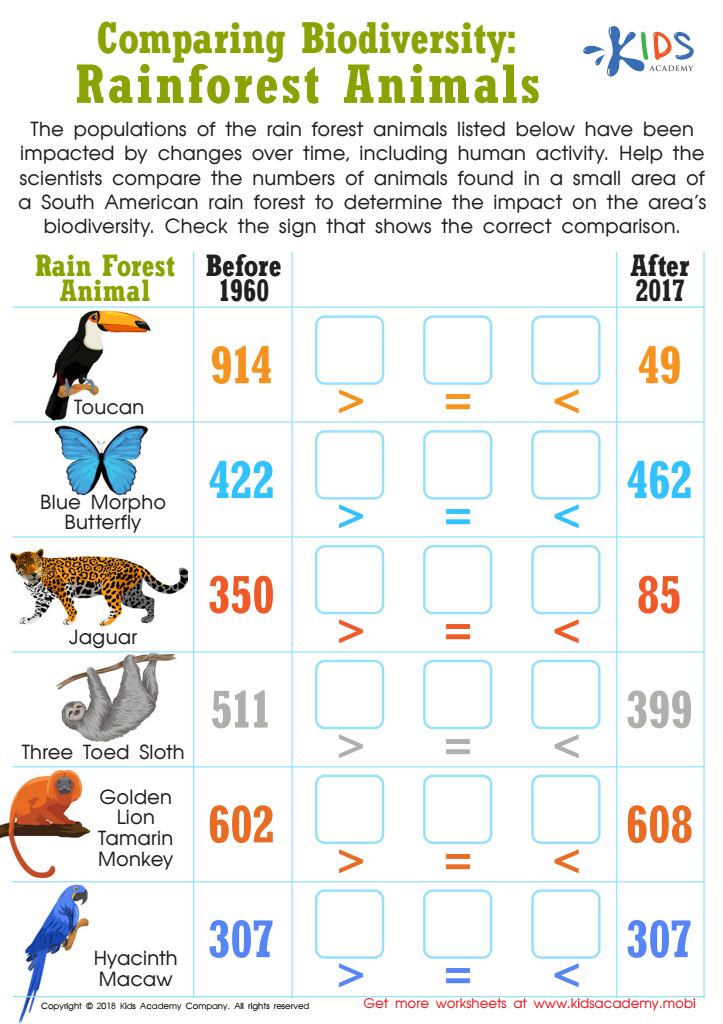
Comparing Biodiversity: Rainforest Animals Worksheet
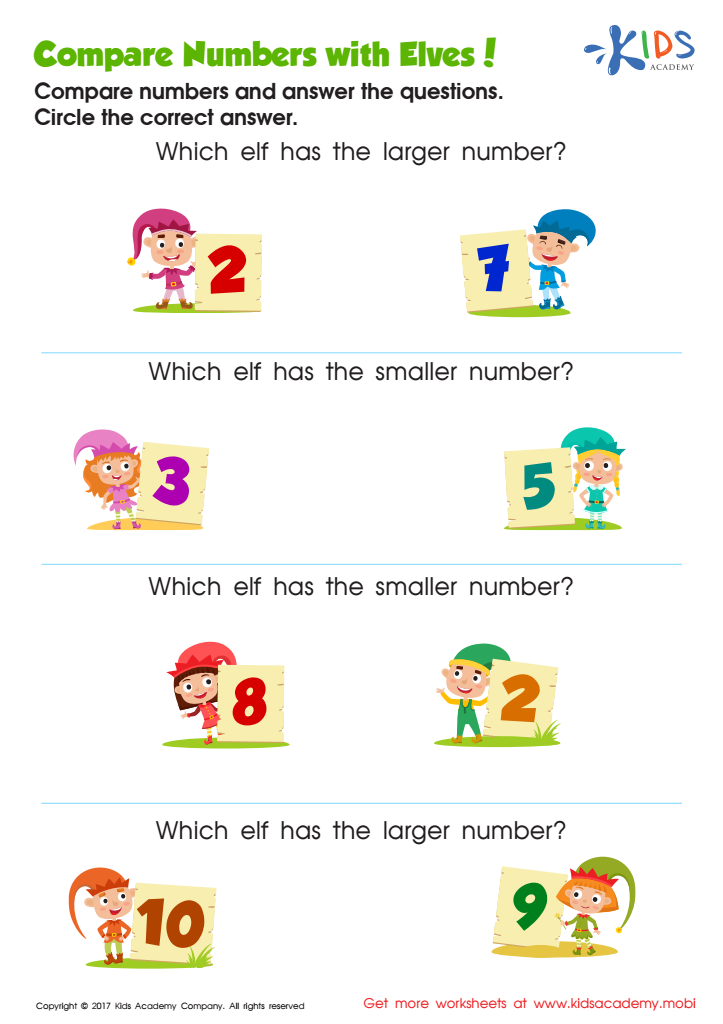
Comparing Numbers Worksheet for Kindergarten
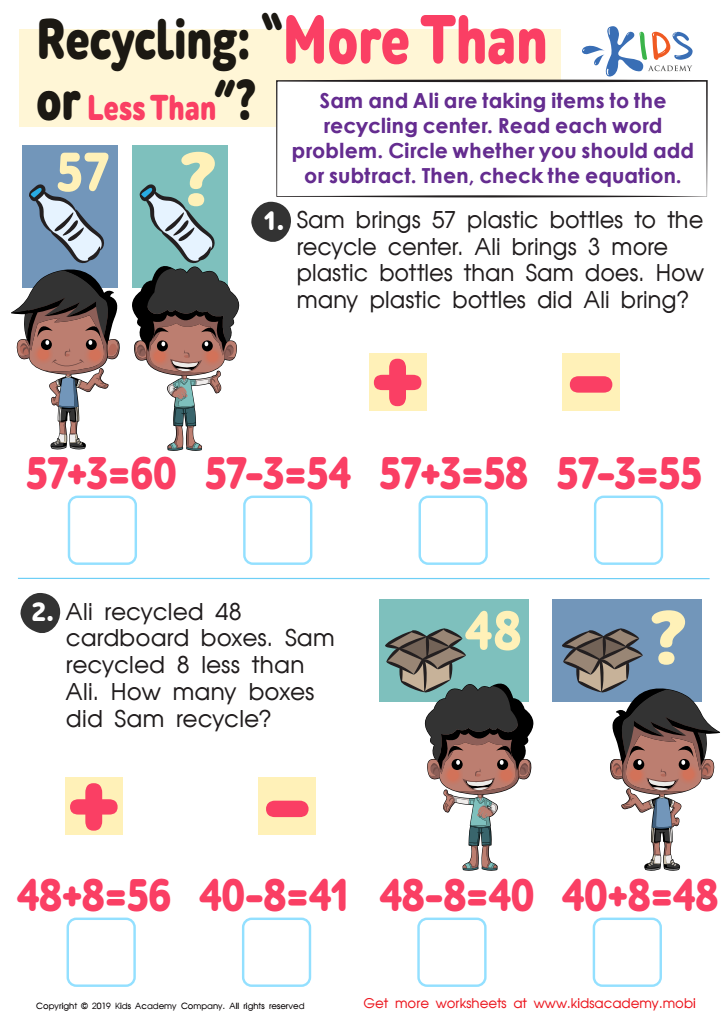
Recycling - More or Less Worksheet
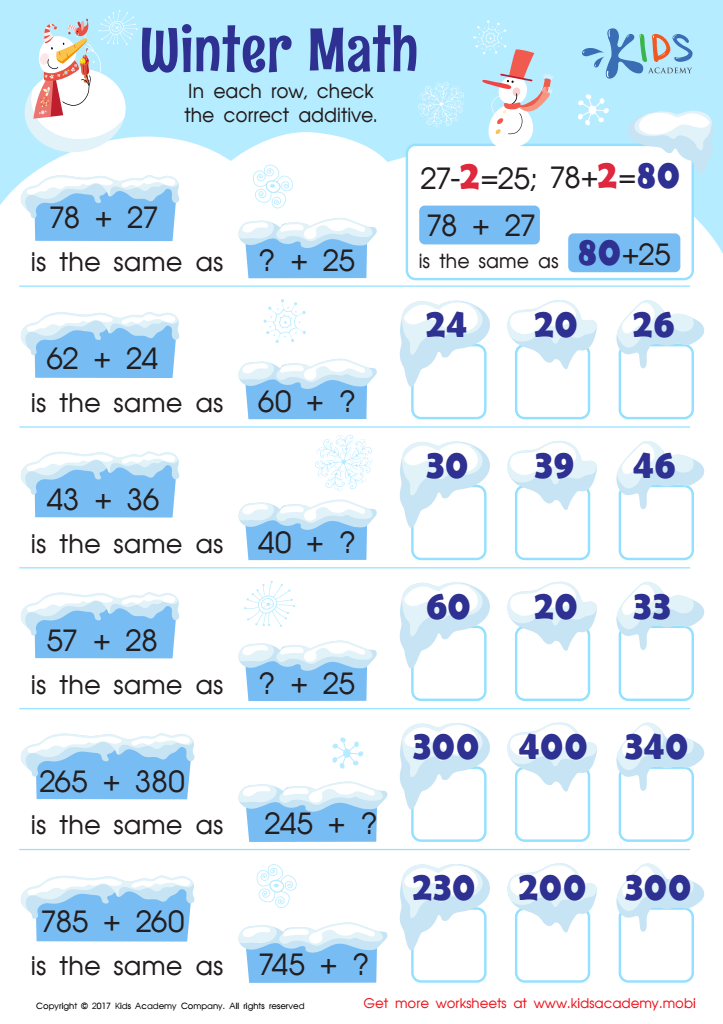
Free Addition Worksheet
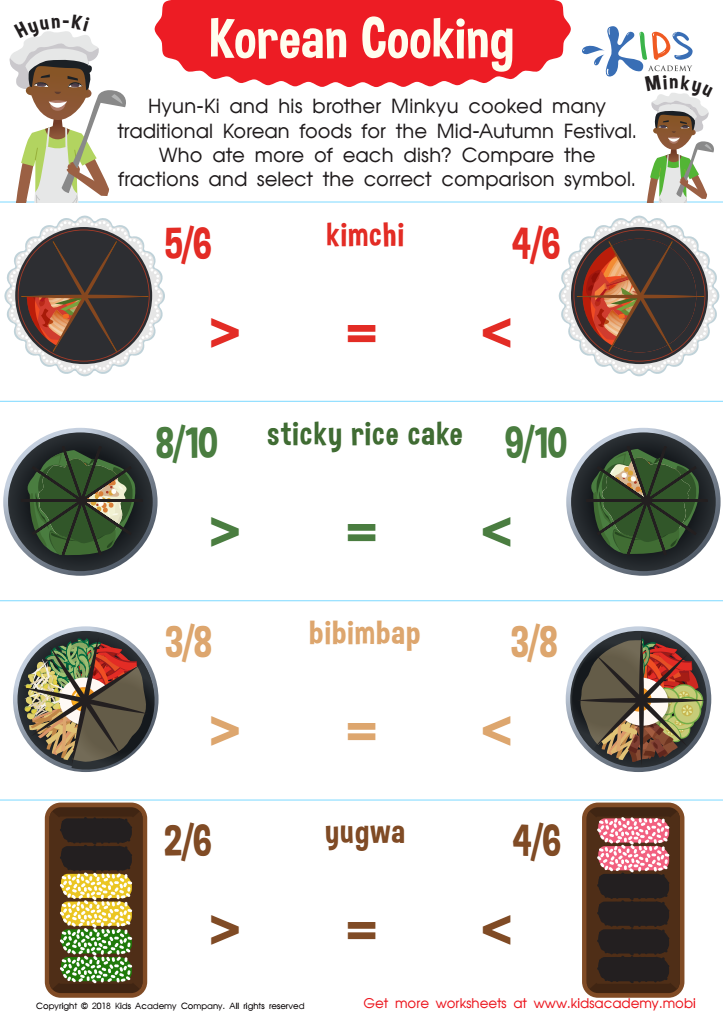
Korean Cooking Worksheet






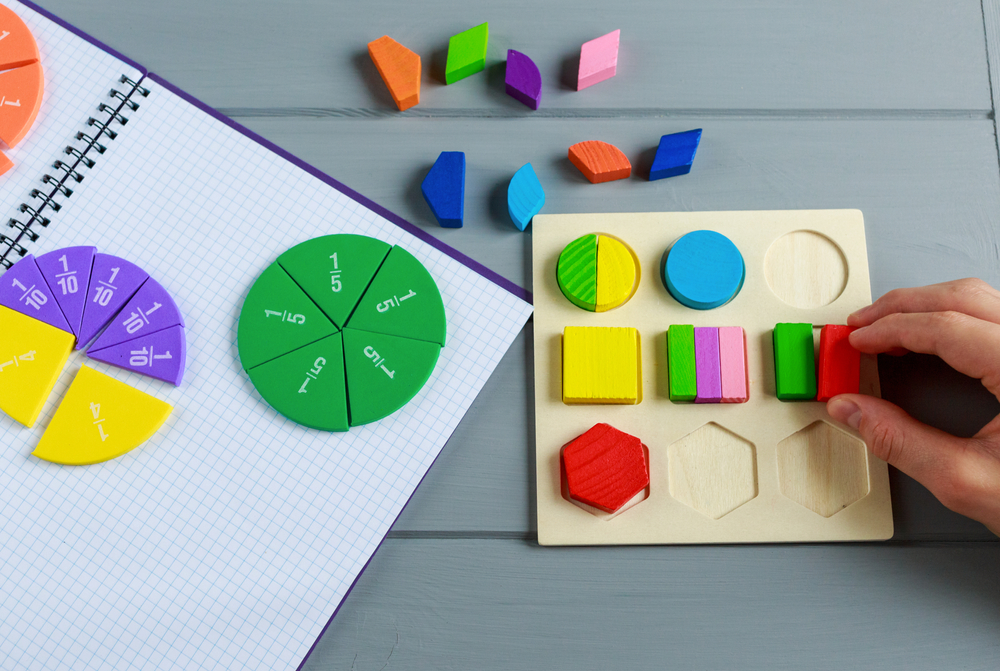

Normal comparing numbers is a fundamental concept in early childhood education, particularly for children aged 3-9. Understanding how to compare numbers sets the foundation for essential mathematical skills. As children learn to compare, they develop number sense, which helps them grasp relationships between quantities, such as more, less, and equal.
For parents and teachers, fostering this skill is crucial. It encourages critical thinking and problem-solving abilities, allowing children to make comparisons in various contexts. For instance, comparing numbers is not just about math but also extends to practical life situations, such as evaluating items in a store or understanding quantities while cooking.
Moreover, competency in comparing numbers positively influences children's self-confidence and prepares them for more advanced concepts like addition, subtraction, and even fractions as they progress. Early exposure to these comparisons lays a solid groundwork.
Additionally, engaging children in number comparison through interactive games and activities makes learning enjoyable and stimulates their cognitive development. This active involvement helps to establish a love for math, making it an integral part of their identity as learners. Therefore, parents and teachers should prioritize this skill to enhance children's overall mathematical competence and confidence.