Normal Place Value Worksheets for Ages 3-9 - Page 2
43 filtered results
-
From - To
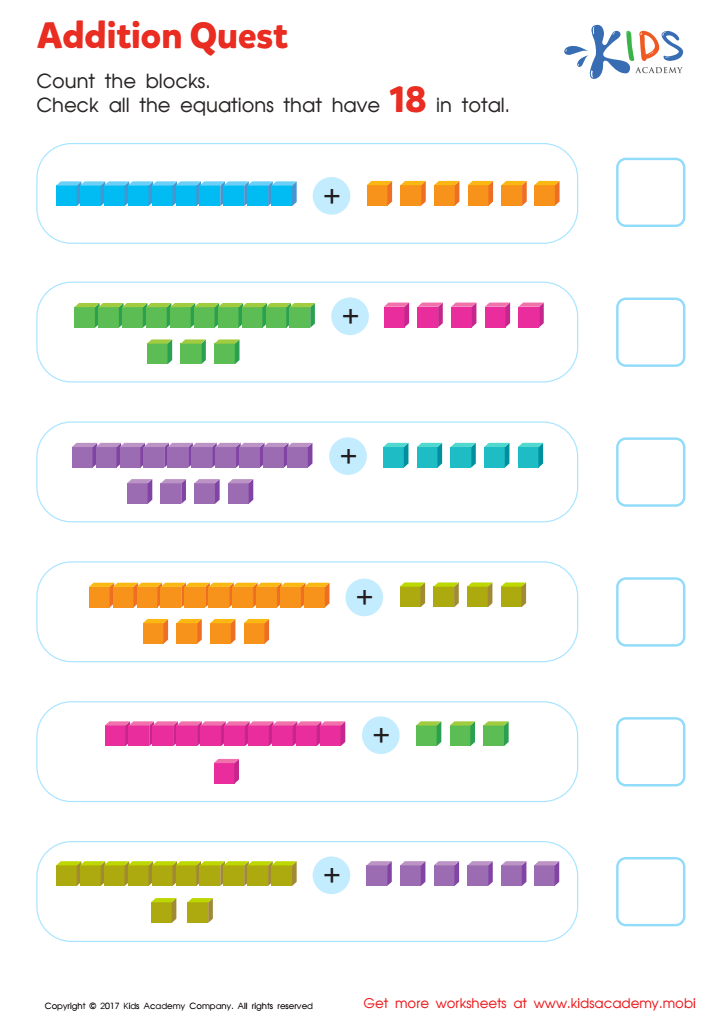
Addition Quest Worksheet: Part 2
 Assign to My Students
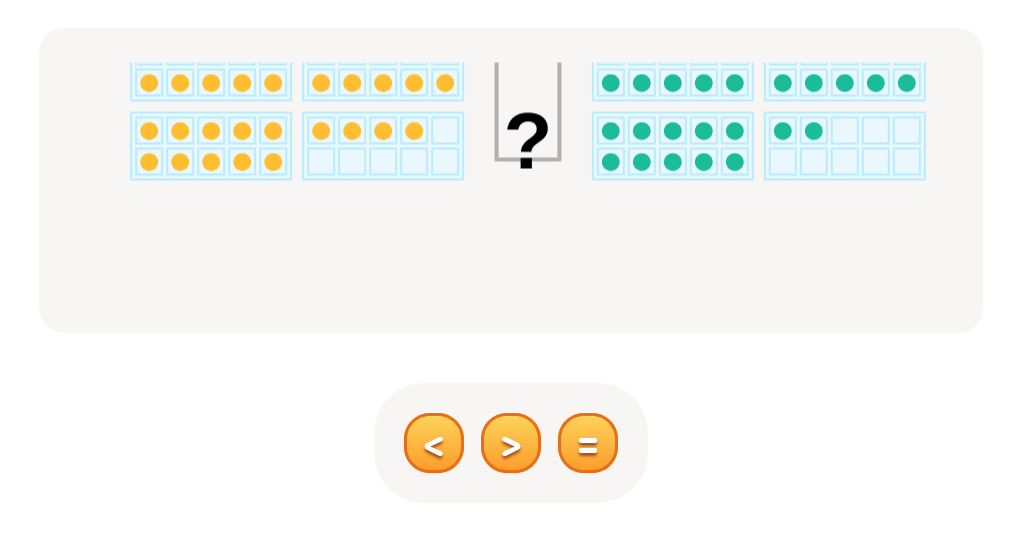

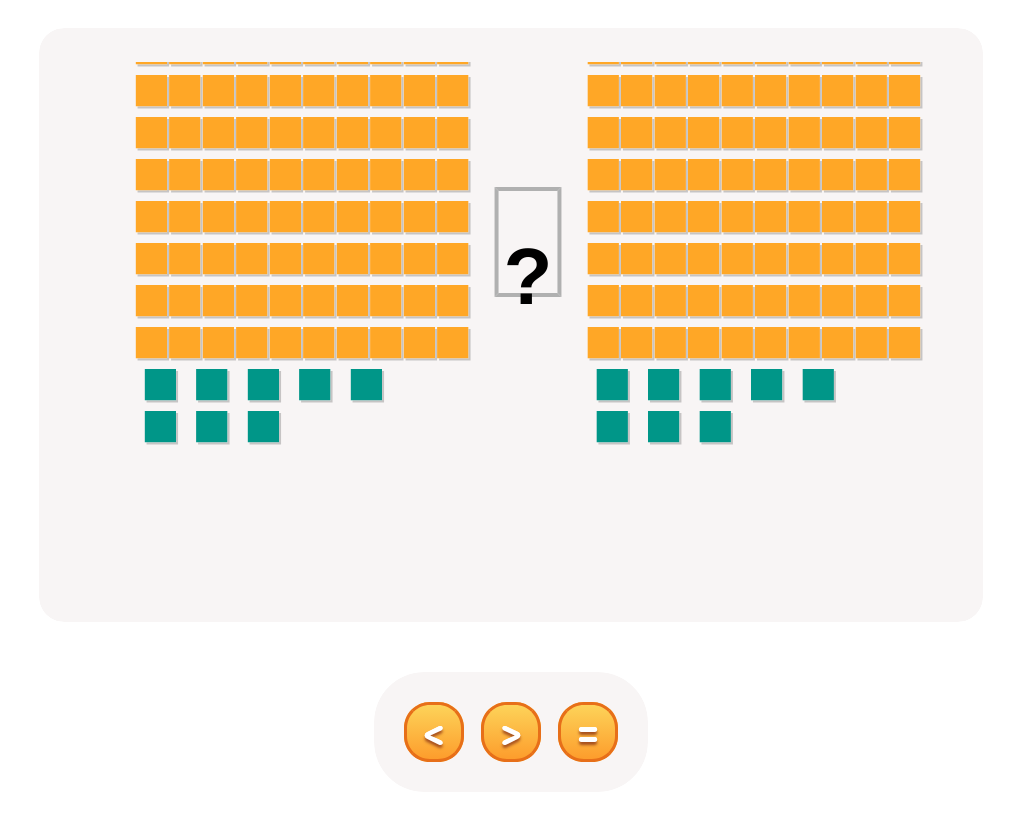
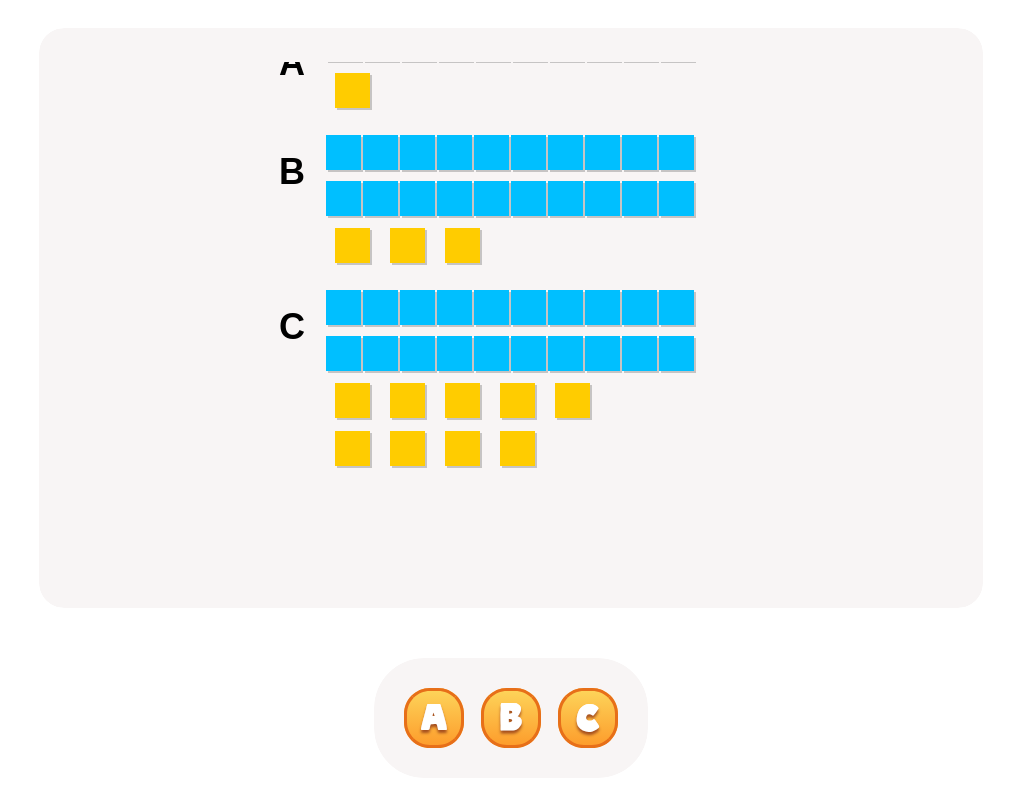
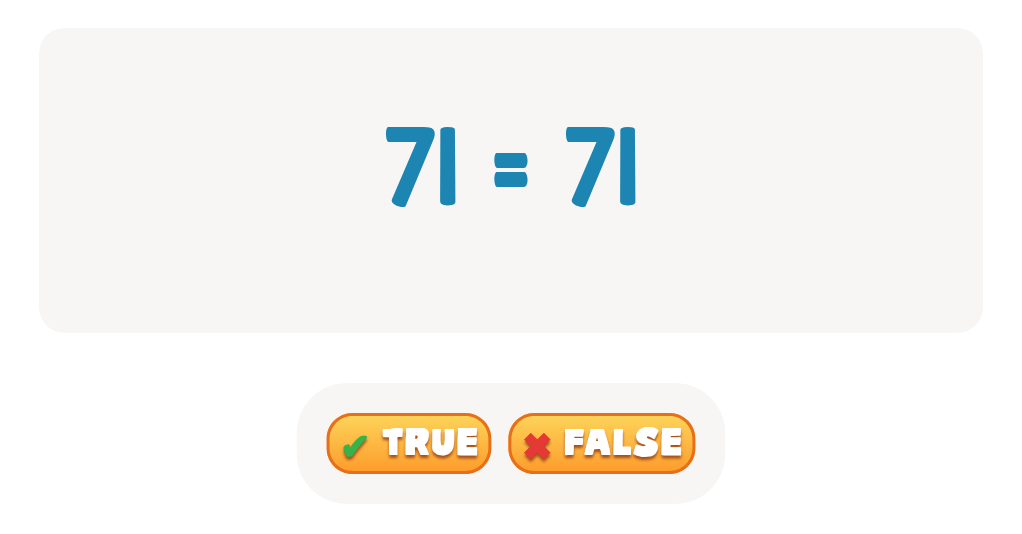
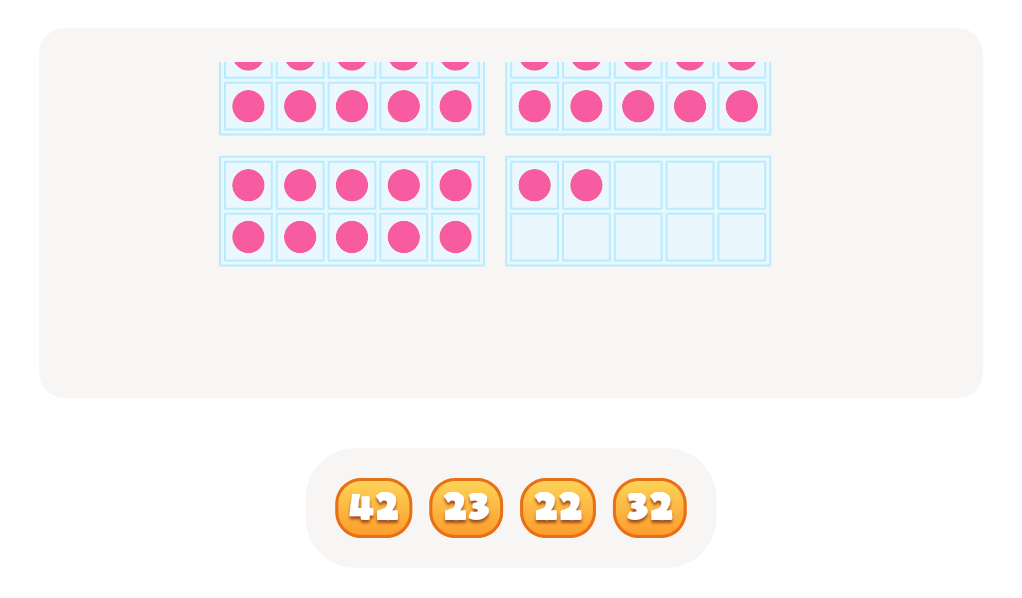
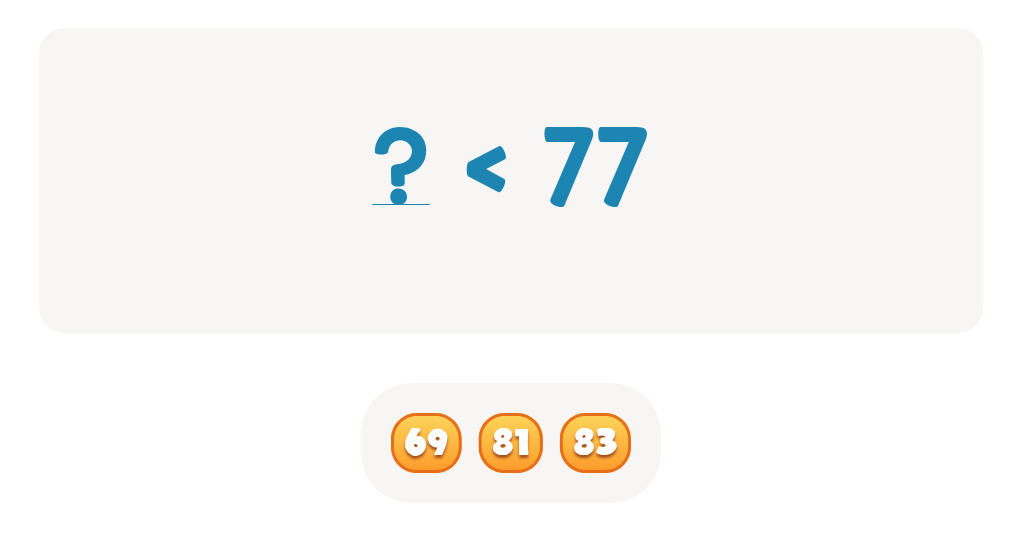
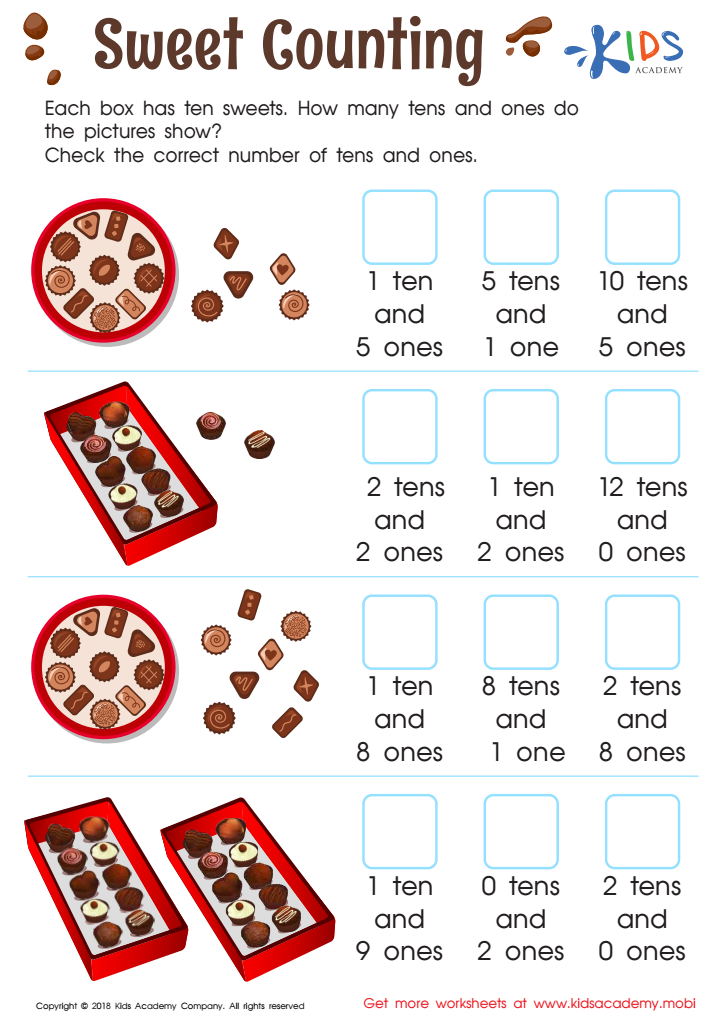
Sweet Counting - Part 2 Worksheet
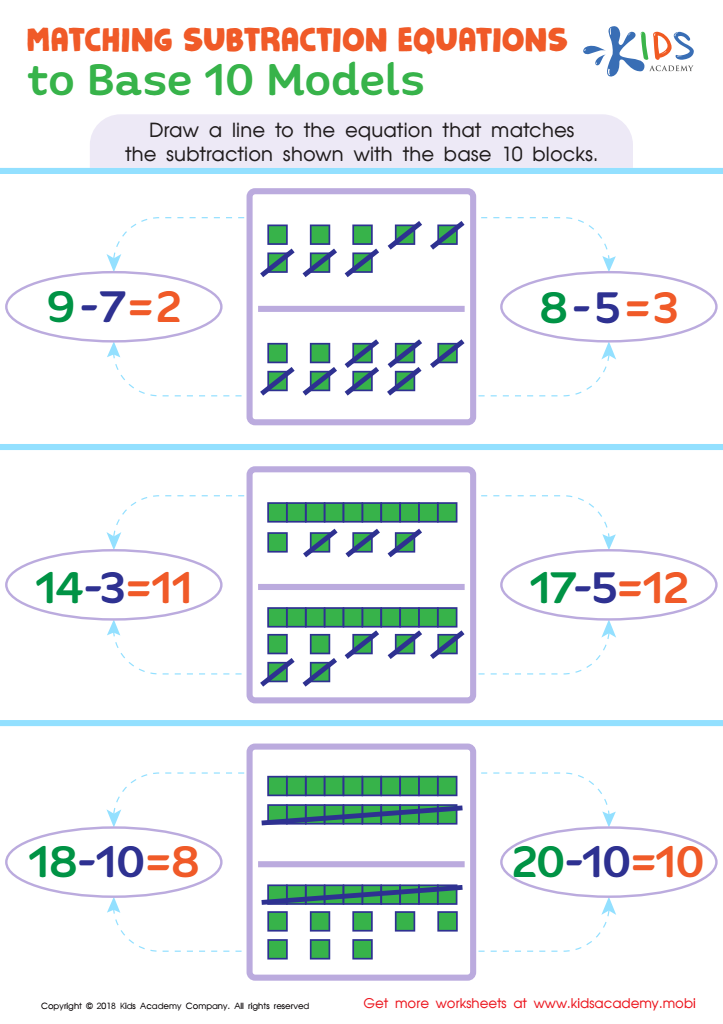
Matching Subtraction Equations To Base 10 Models Worksheet
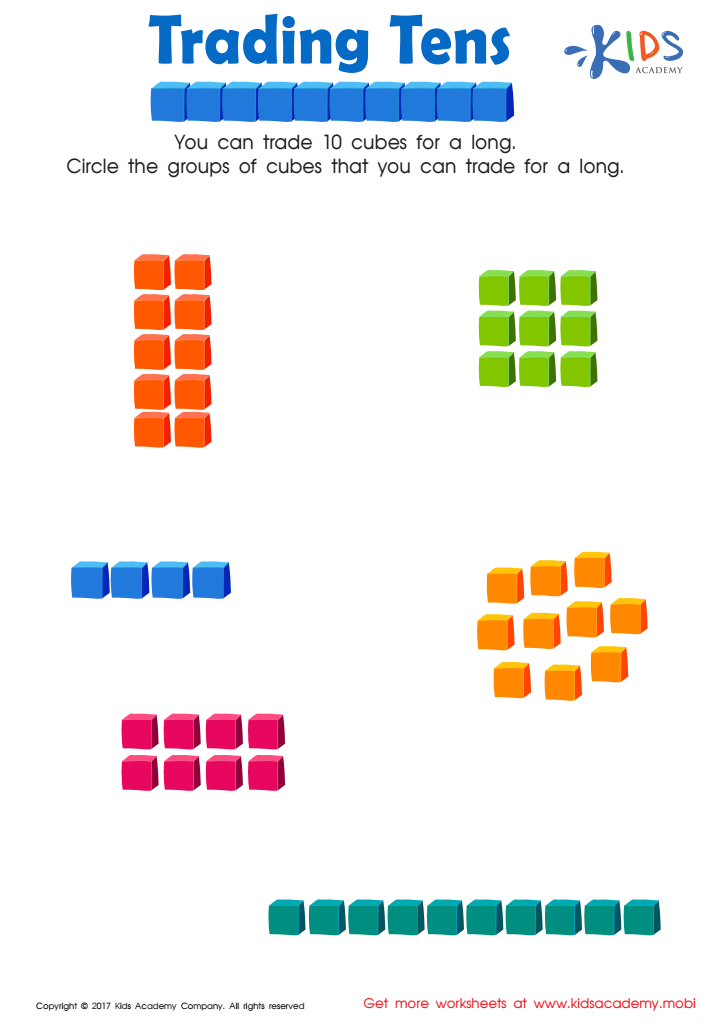
Trading Tens Worksheet
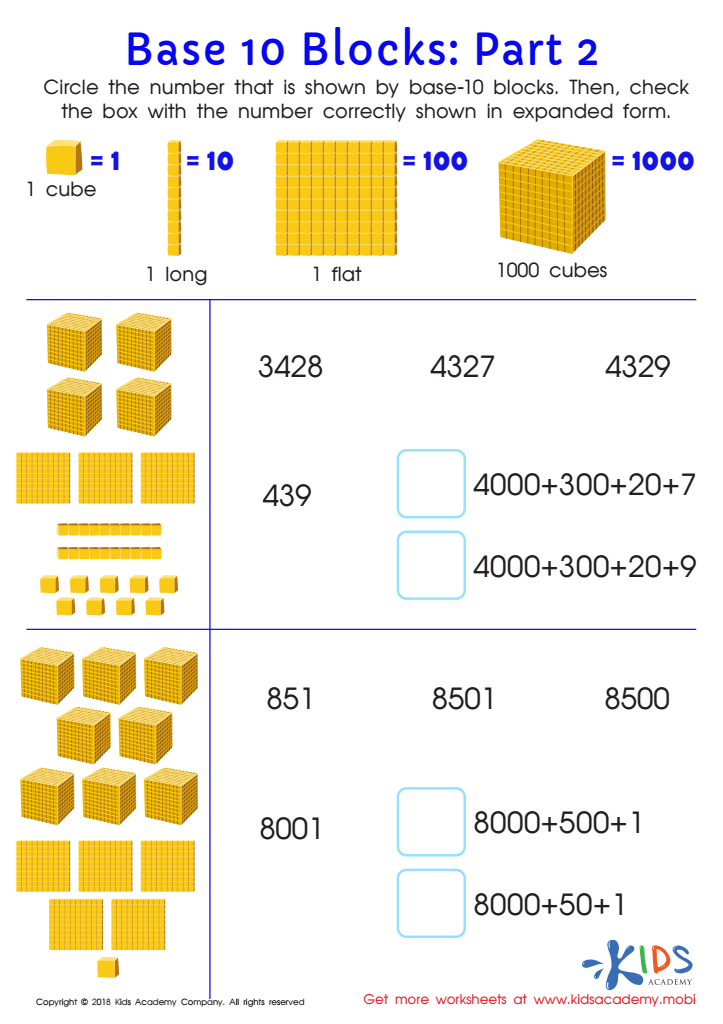
Base 10 Blocks Worksheet: Part 2
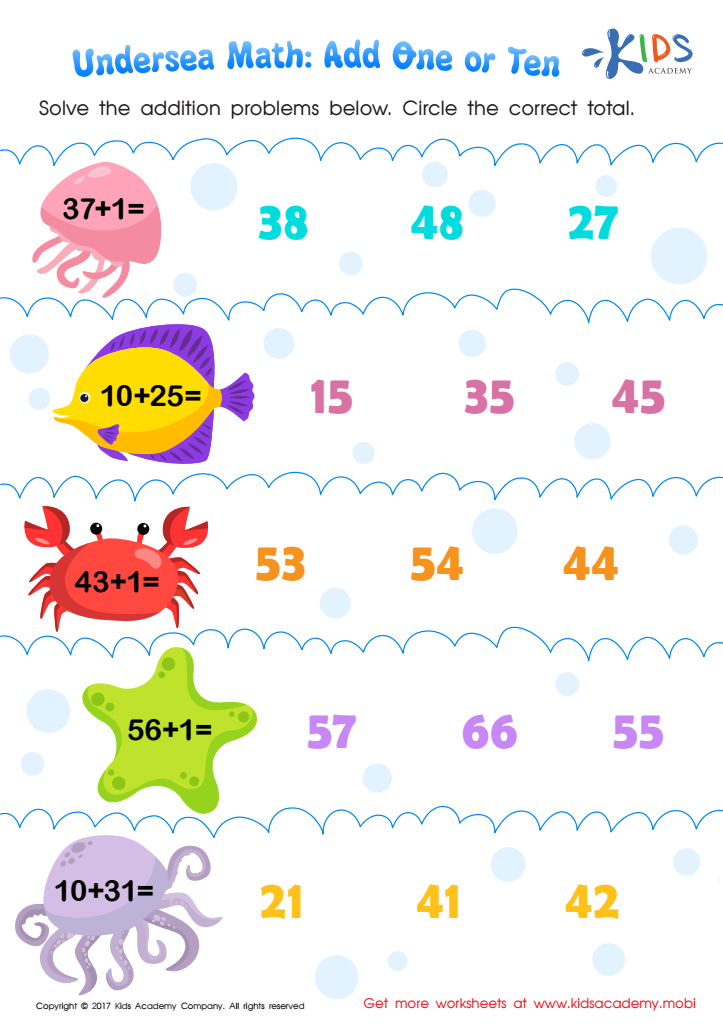
Undersea Math Worksheet
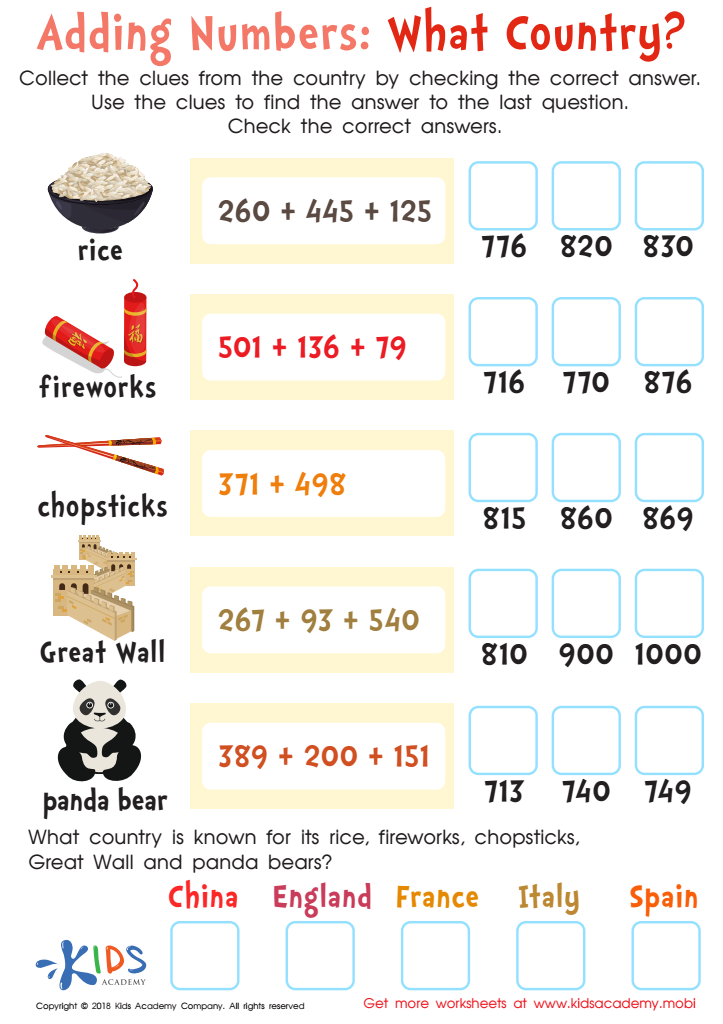
Adding Numbers: What Country Worksheet
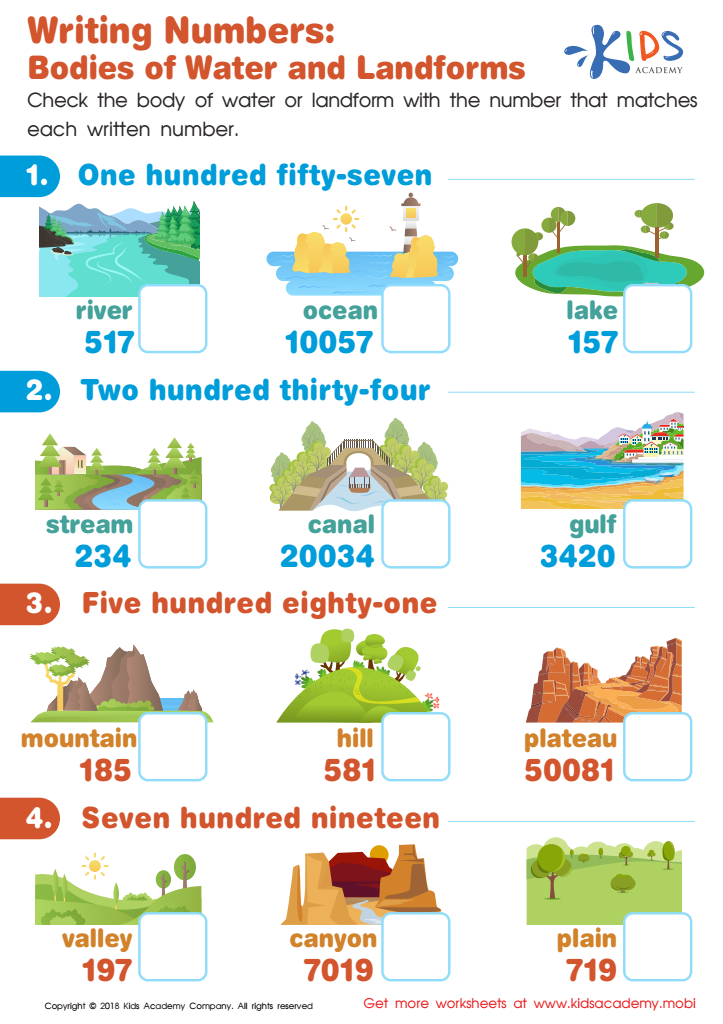
Bodies of Water and Landforms Writing Numbers Worksheet
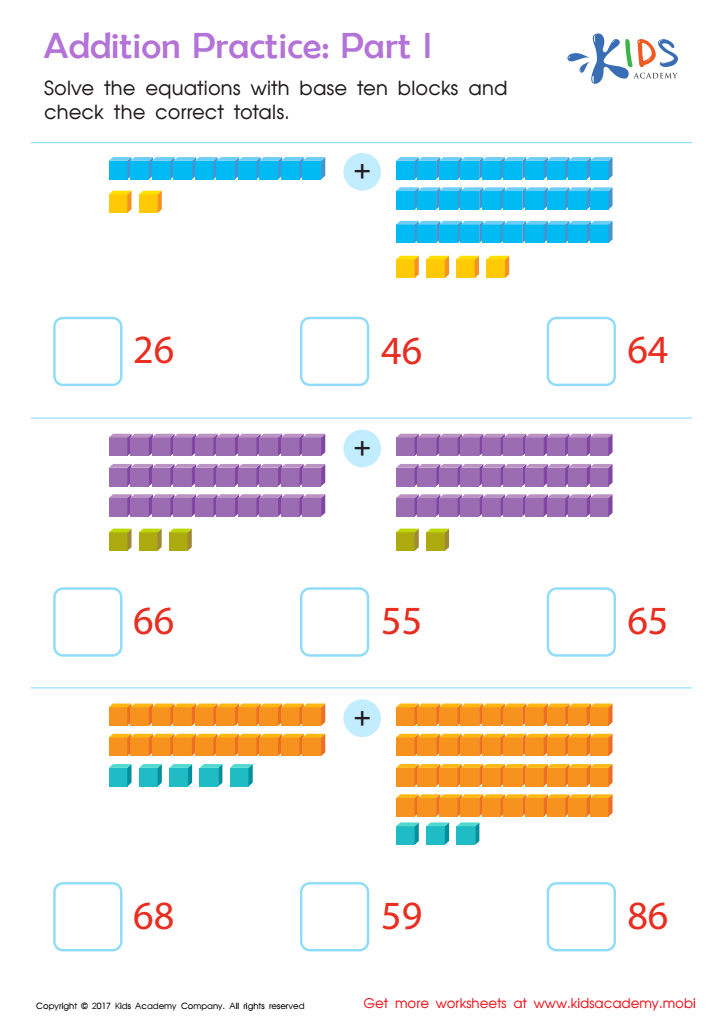
Addition Practice Sheet: Part 1
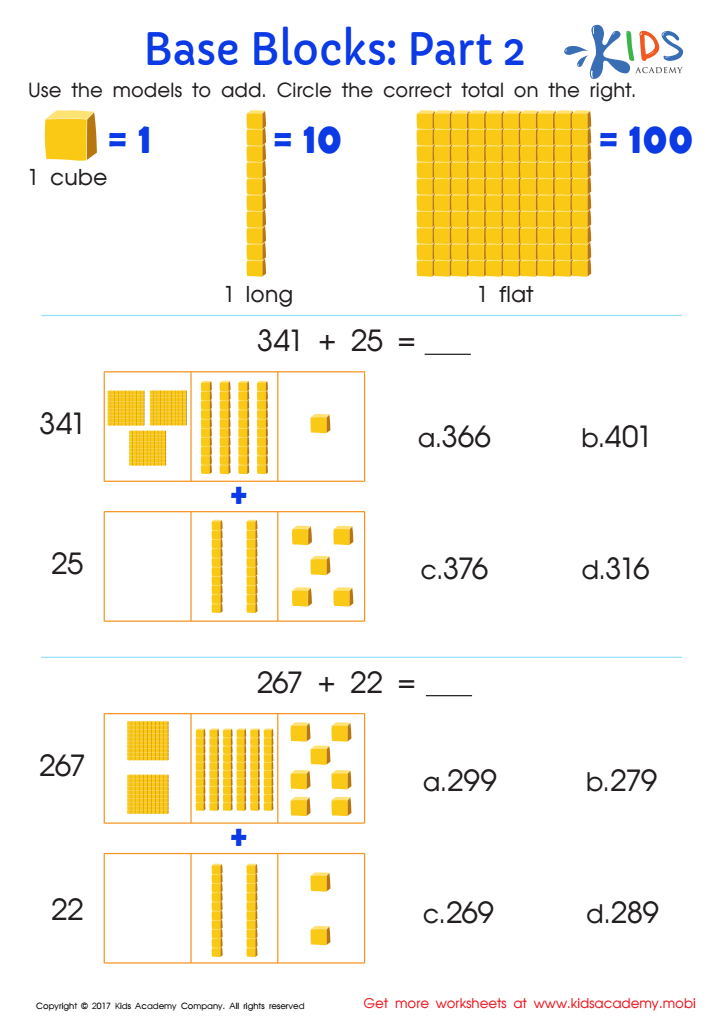
Base Ten Blocks Worksheet: Part 2
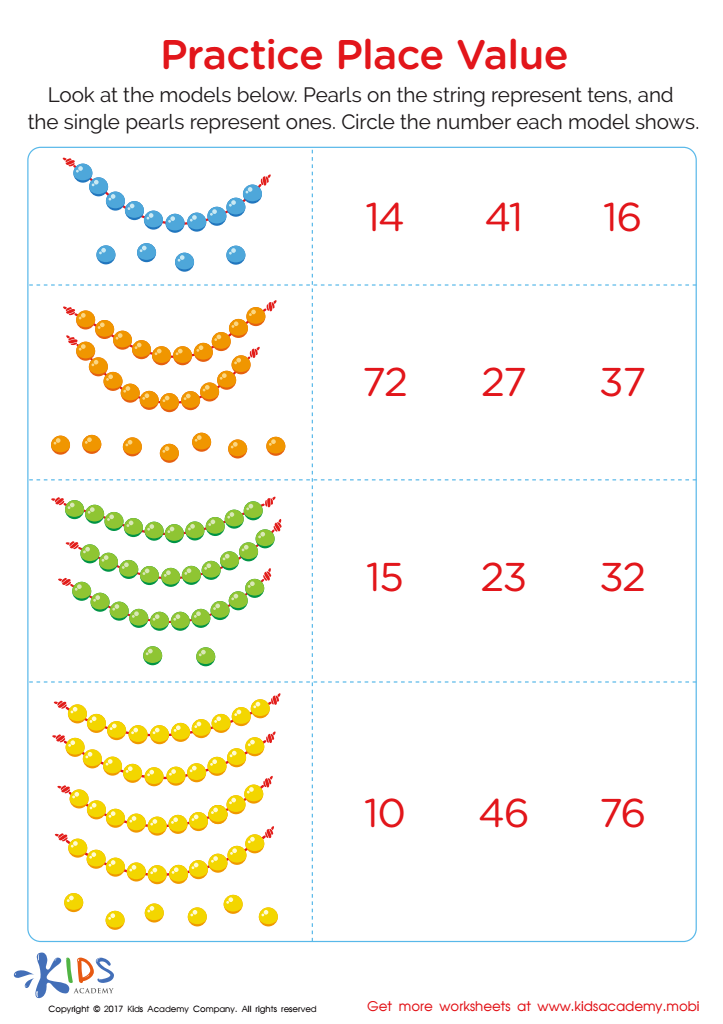
Practice Place Value Printable
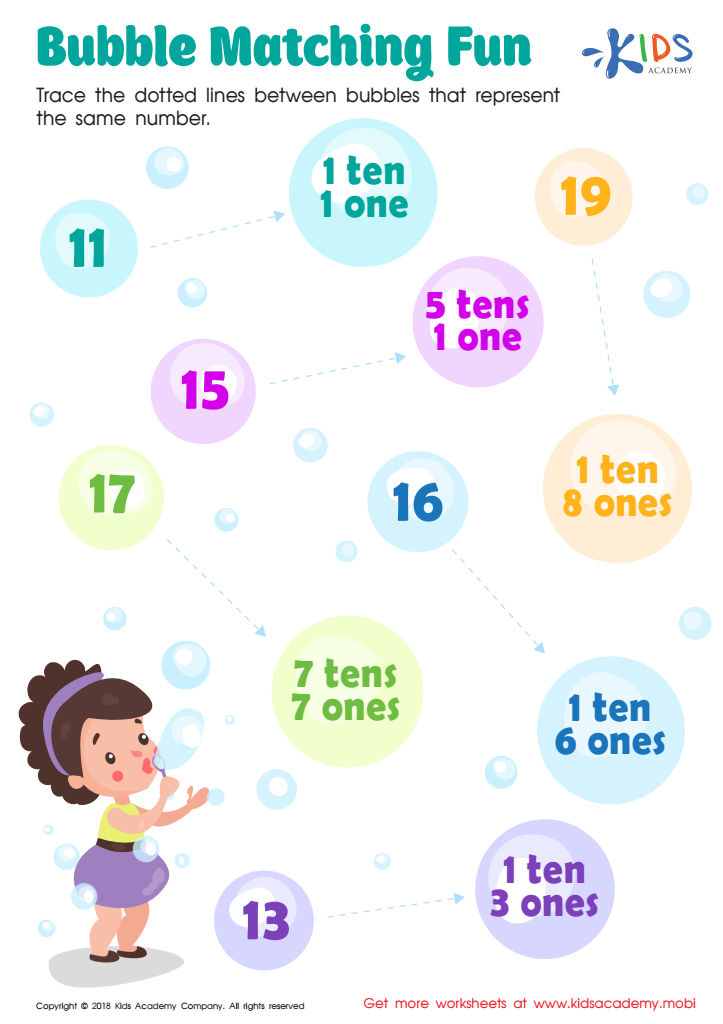
Bubble Matching Fun Worksheet
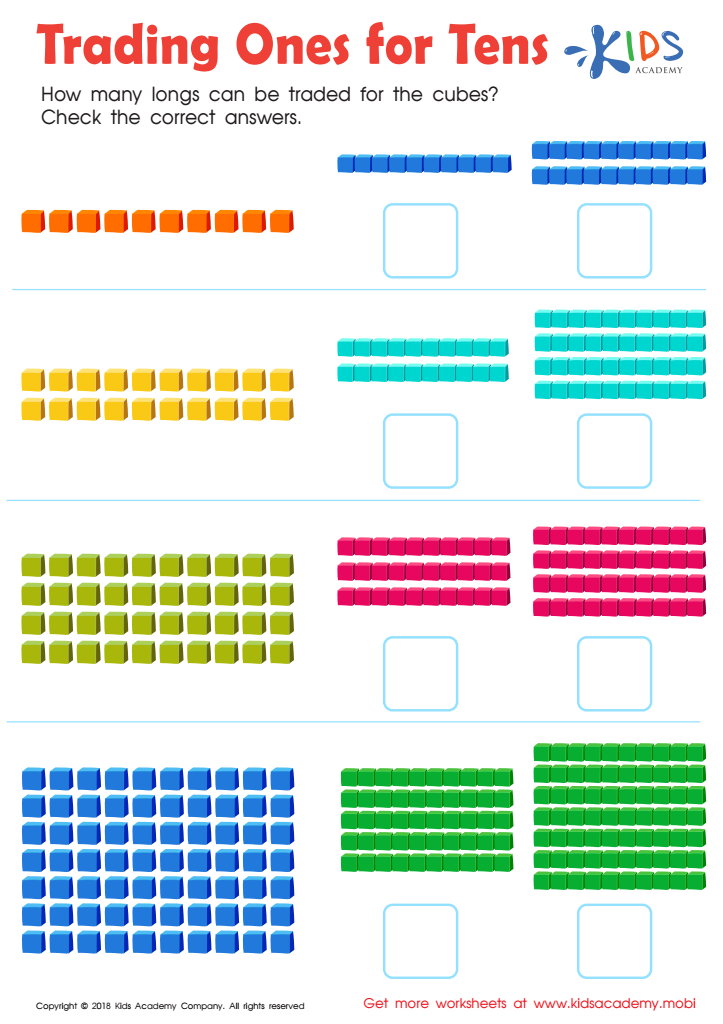
Trading Ones for Tens Worksheet: Part 2
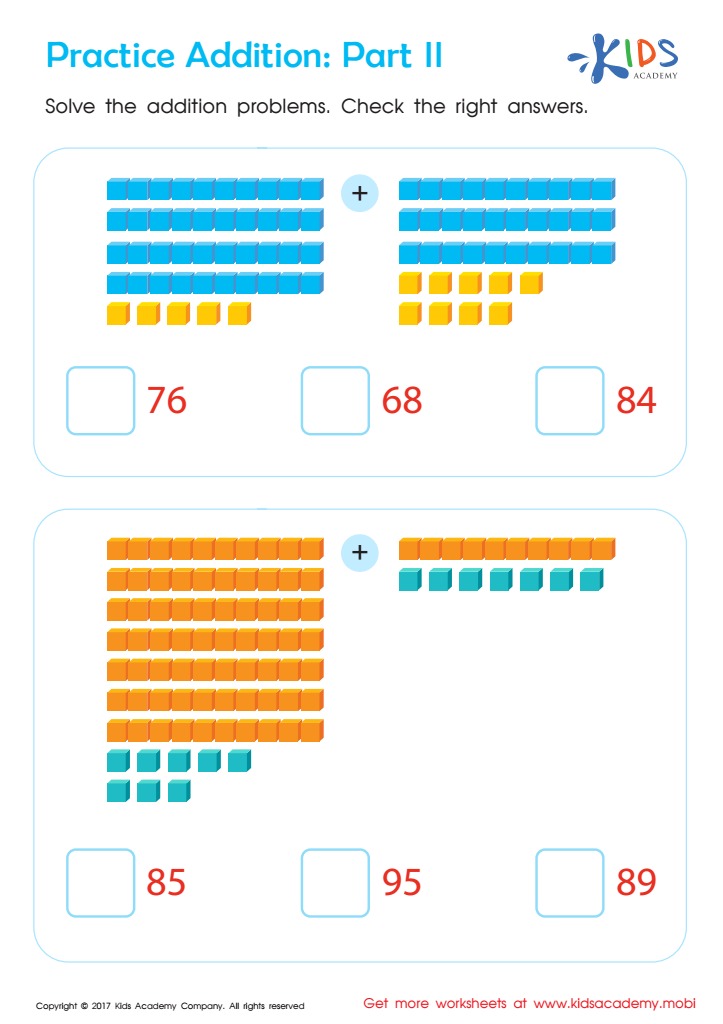
Practice Addition: Part 2 Worksheet
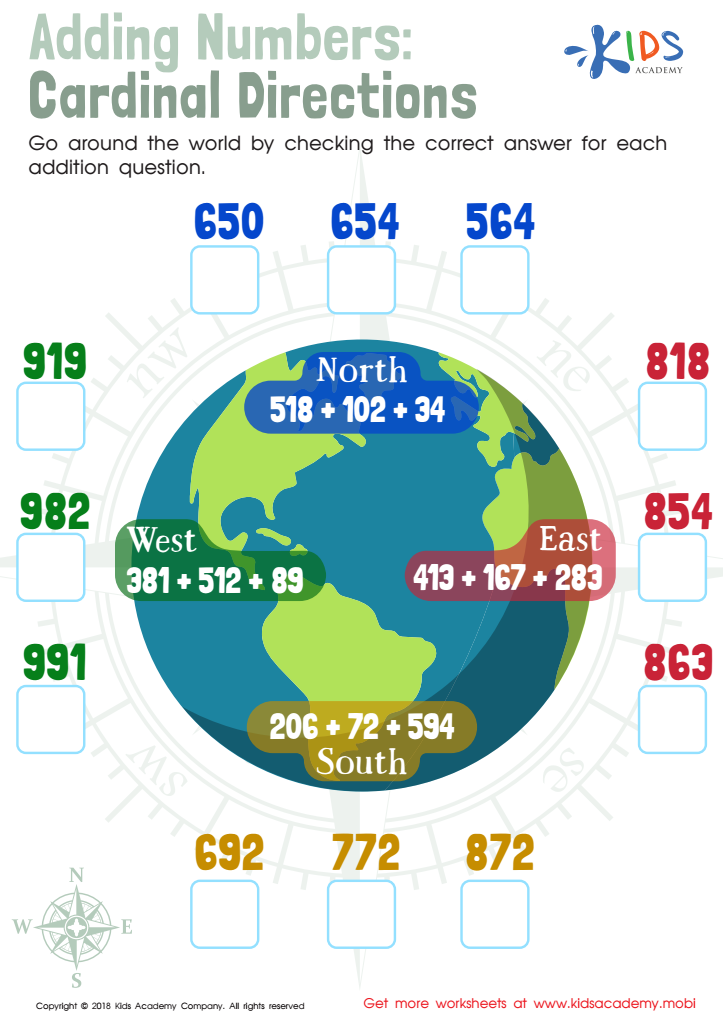
Adding Numbers: Cardinal Directions Worksheet
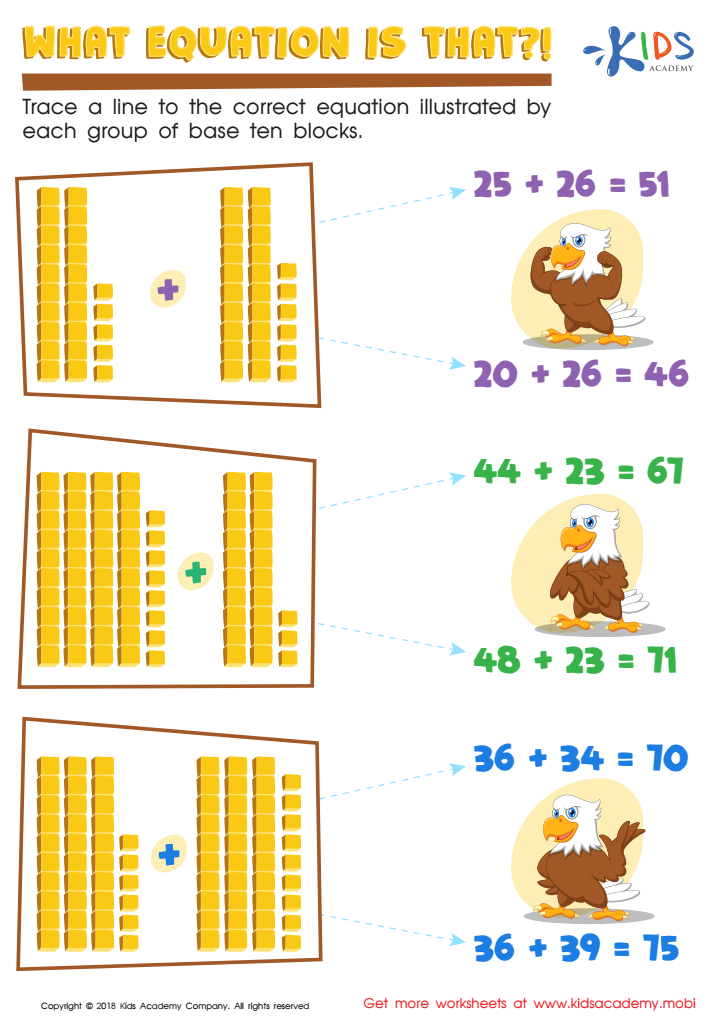
What Equation Is That? Worksheet
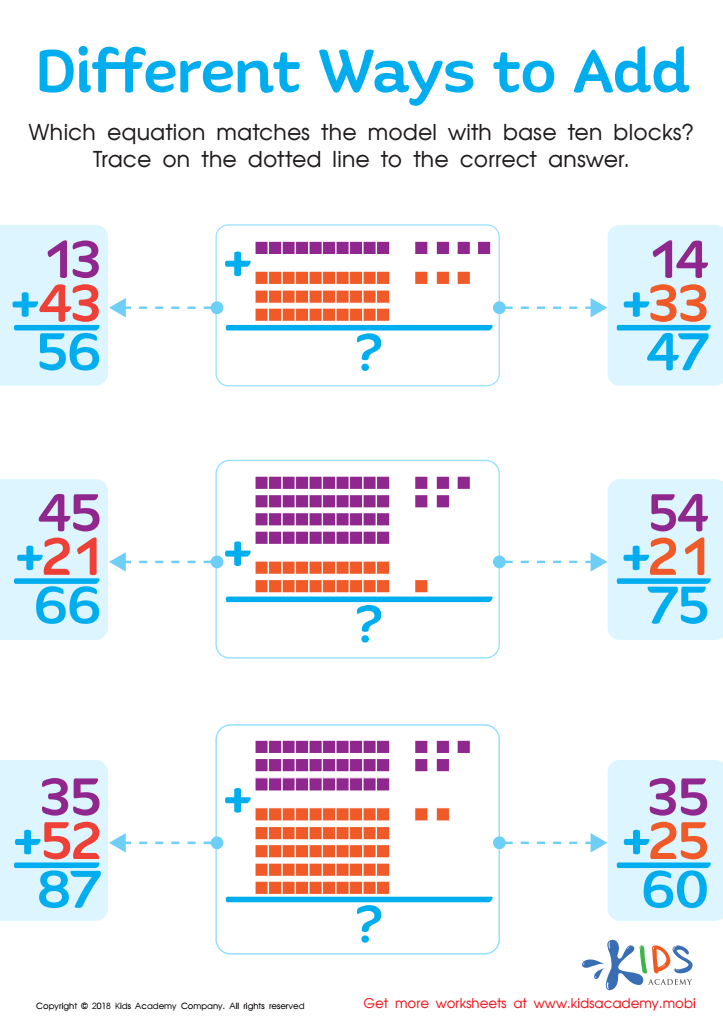
Different Ways to Add Worksheet
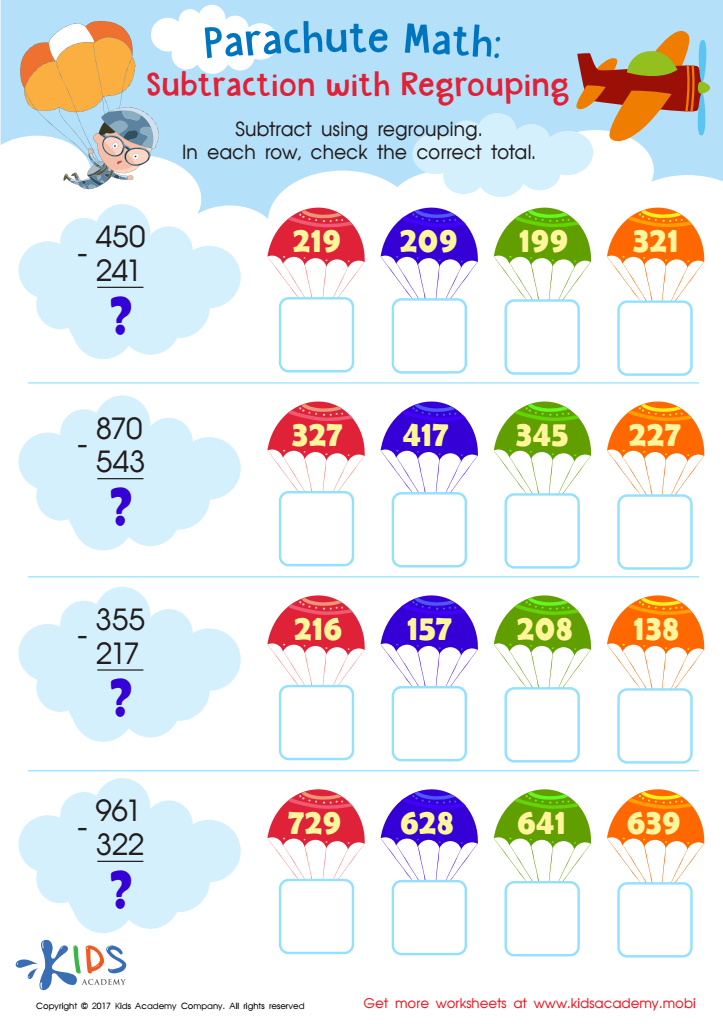
Subtraction with Regrouping for 3rd Grade Worksheet
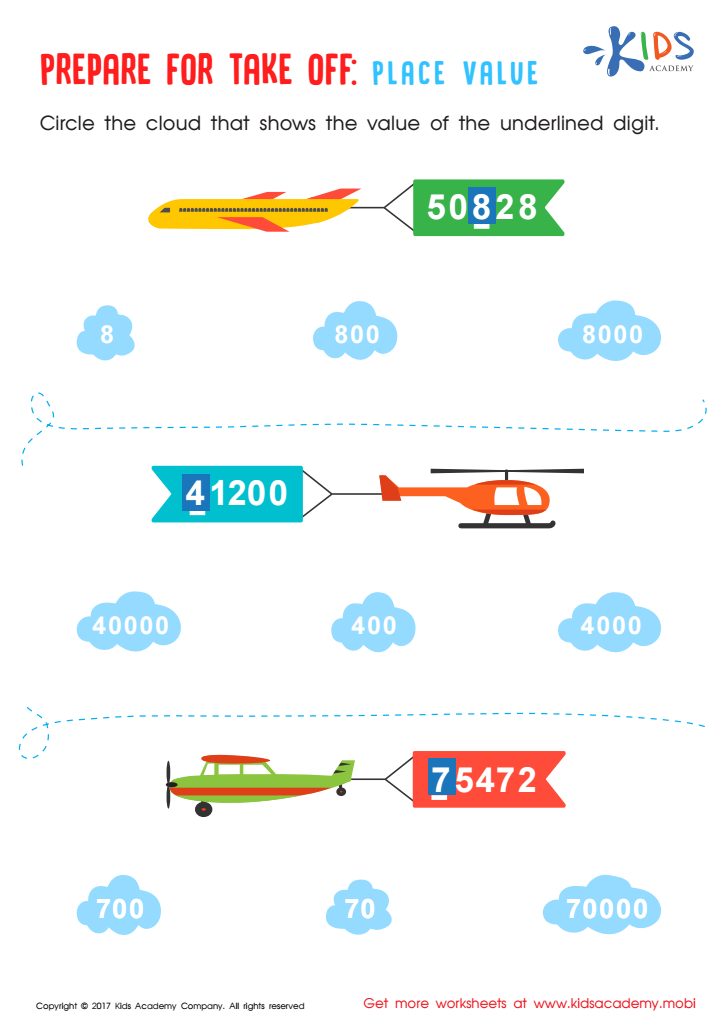
Free Place Value Worksheet for 3rd Grade







Understanding normal place value is crucial for children aged 3-9 as it forms the foundation for all future mathematical learning. At this early stage, children begin to recognize numbers and their significance in the world around them. Place value helps them understand that the position of a digit affects its value—this concept is essential when moving on to addition, subtraction, and beyond into multiplication and division.
Parents and teachers should care about place value because it enhances numerical comprehension and promotes effective problem-solving skills. A strong grasp of place value enables children to manipulate and organize numbers with confidence, setting the trajectory for more complex mathematical concepts in later years, including decimals and fractions.
Moreover, fostering an understanding of place value supports cognitive development, helping children develop logical thinking and analytical skills. Engaging students in place value activities—such as using base-ten blocks or visual aids—can make learning both interactive and enjoyable. By prioritizing normal place value understanding during these formative years, parents and teachers help cultivate a positive attitude towards math and build a foundation for academic success. Ultimately, this foundational knowledge empowers children to approach math challenges with confidence, laying a pathway for lifelong learning.