Normal Plants and Animals Worksheets for Ages 3-9 - Page 4
100 filtered results
-
From - To
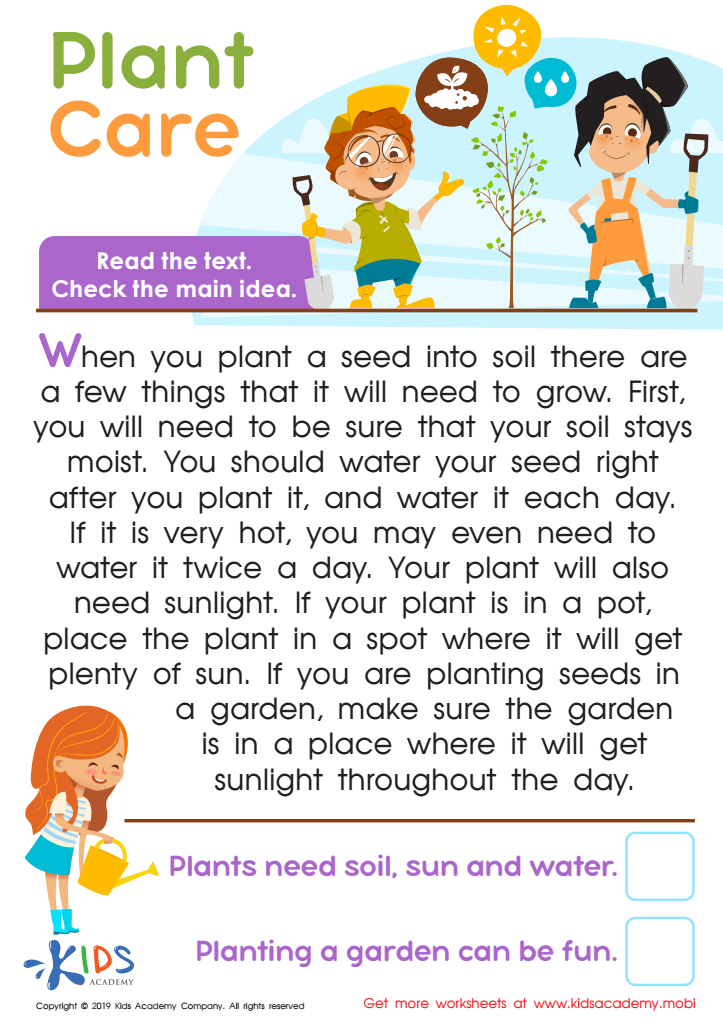
Plant Care Worksheet
 Assign to My Students
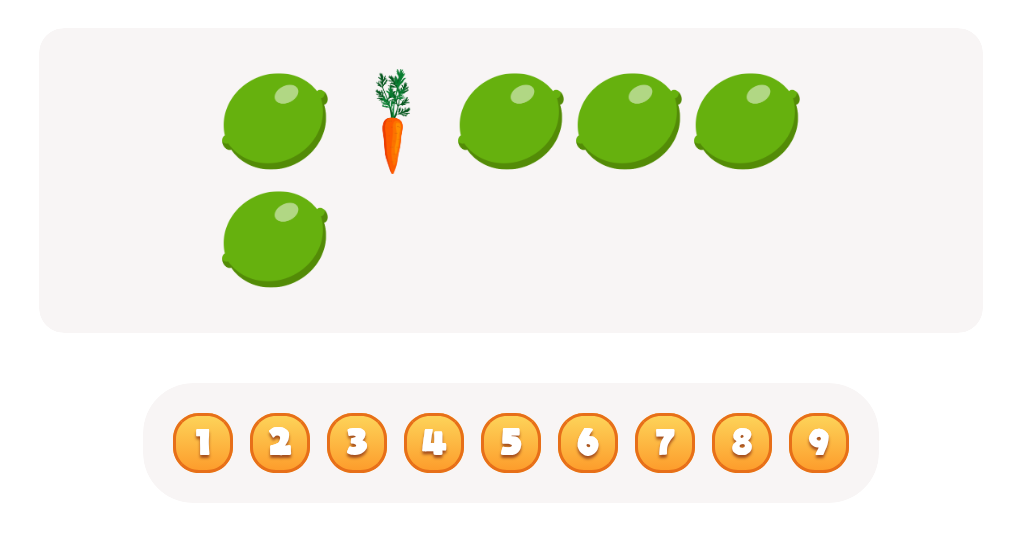

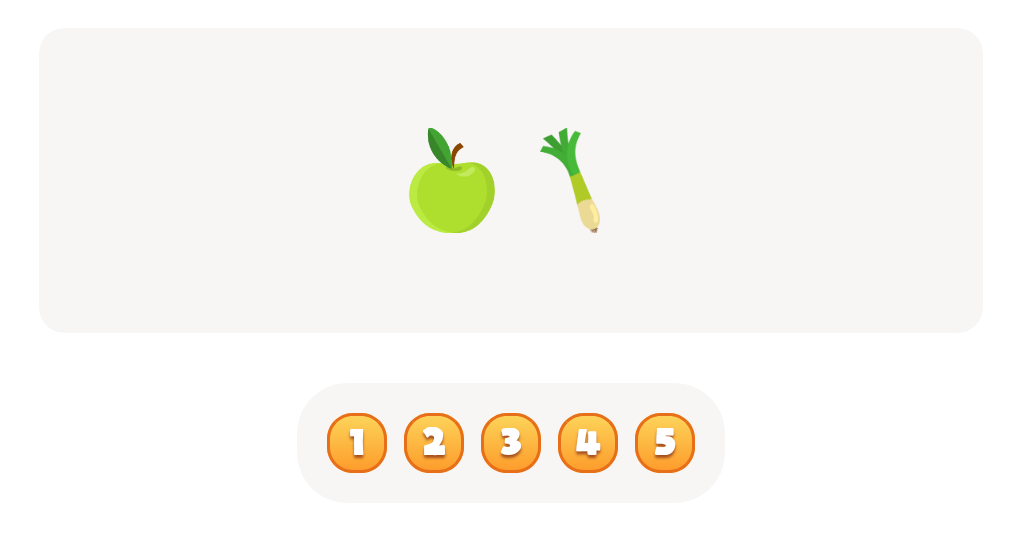
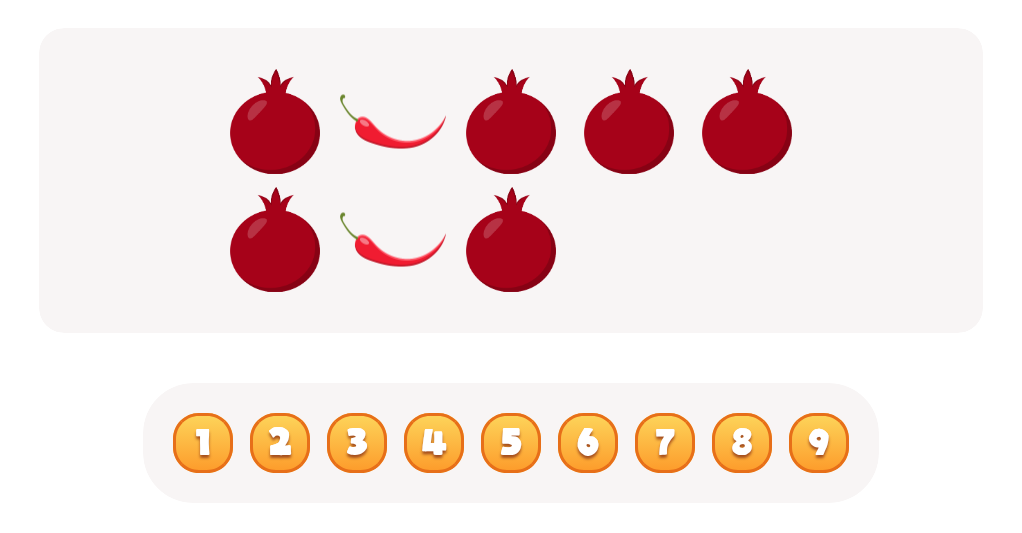
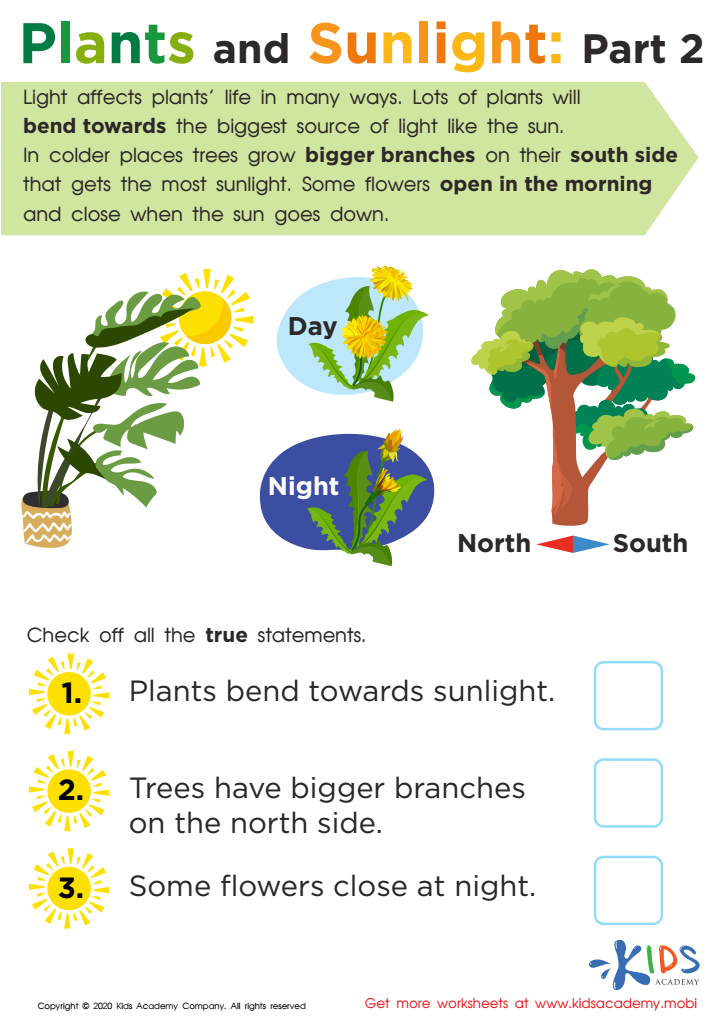
Plants and Sunlight: Part 2 Worksheet
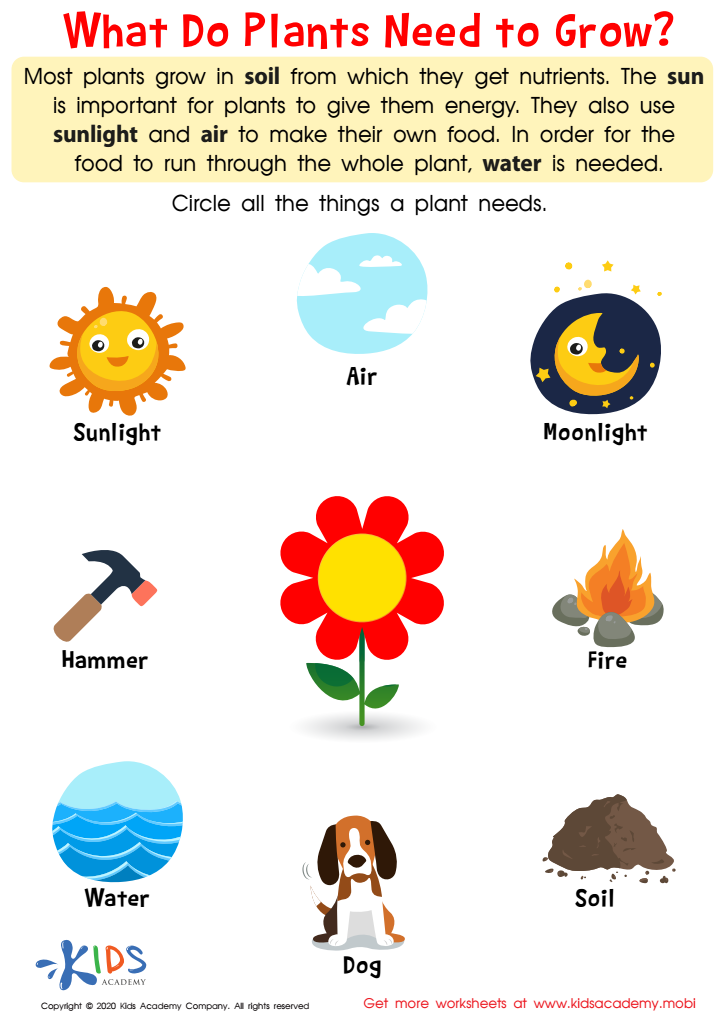
What Do Plants Need to Grow Worksheet
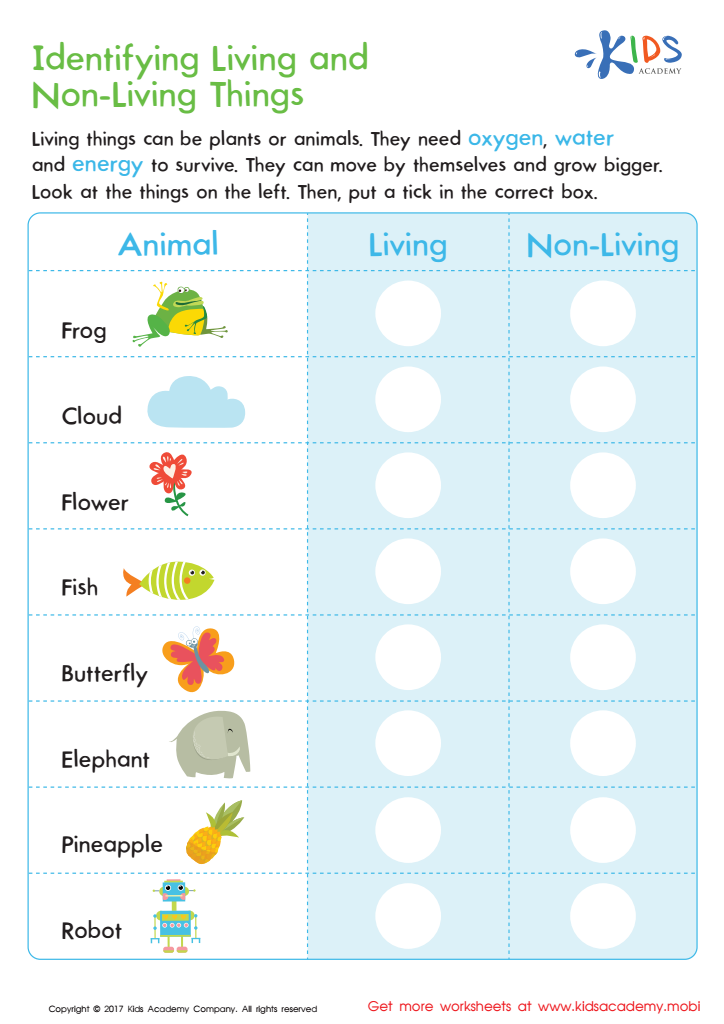
Identifying Living or Non–living Worksheet
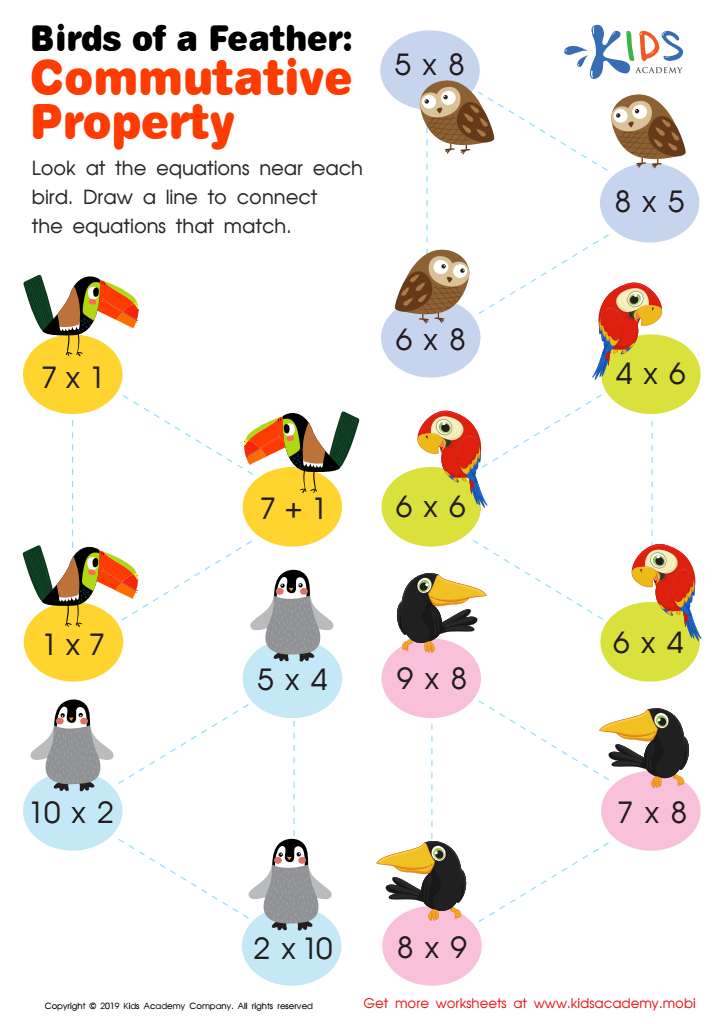
Birds of a Feather: Commutative Property Worksheet
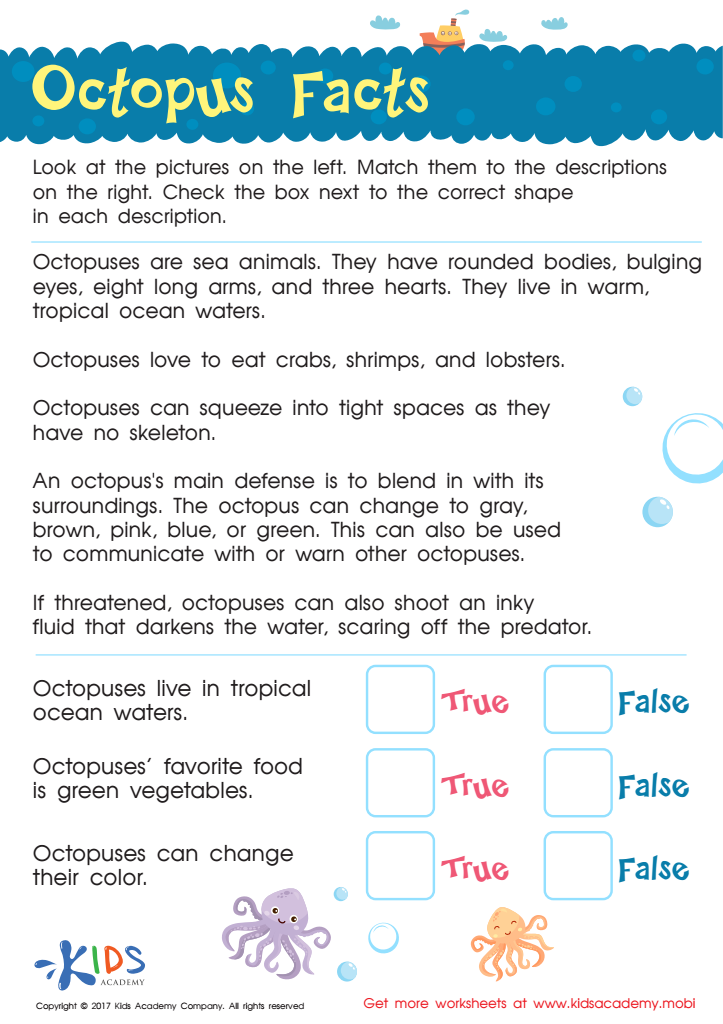
Octopus Facts Worksheet For Kids
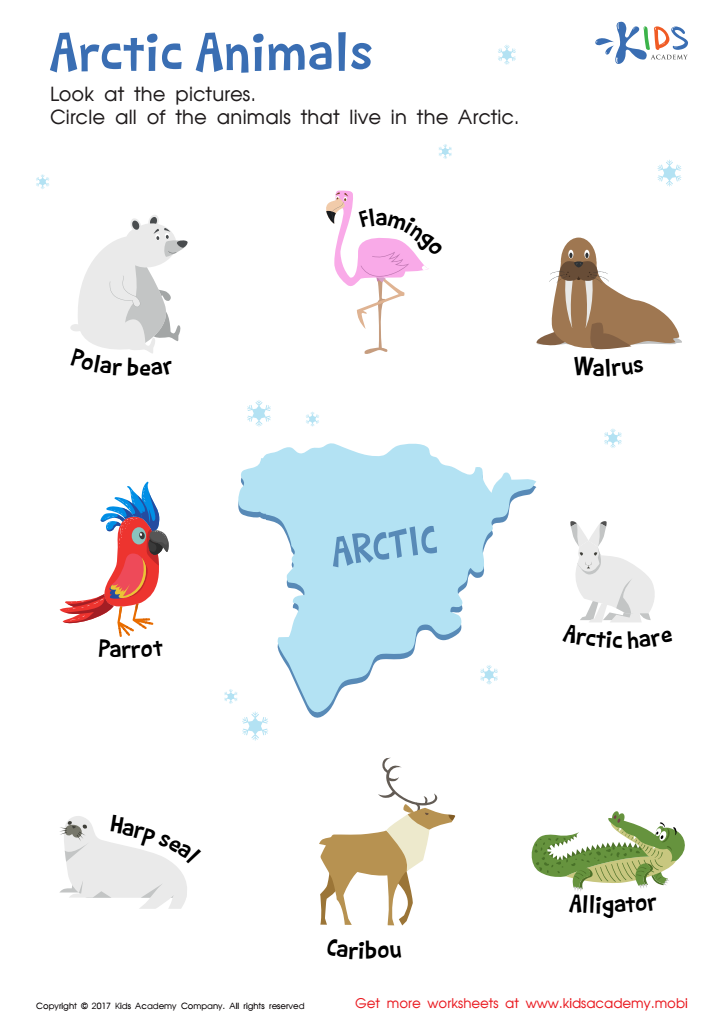
Arctic Animals Worksheet
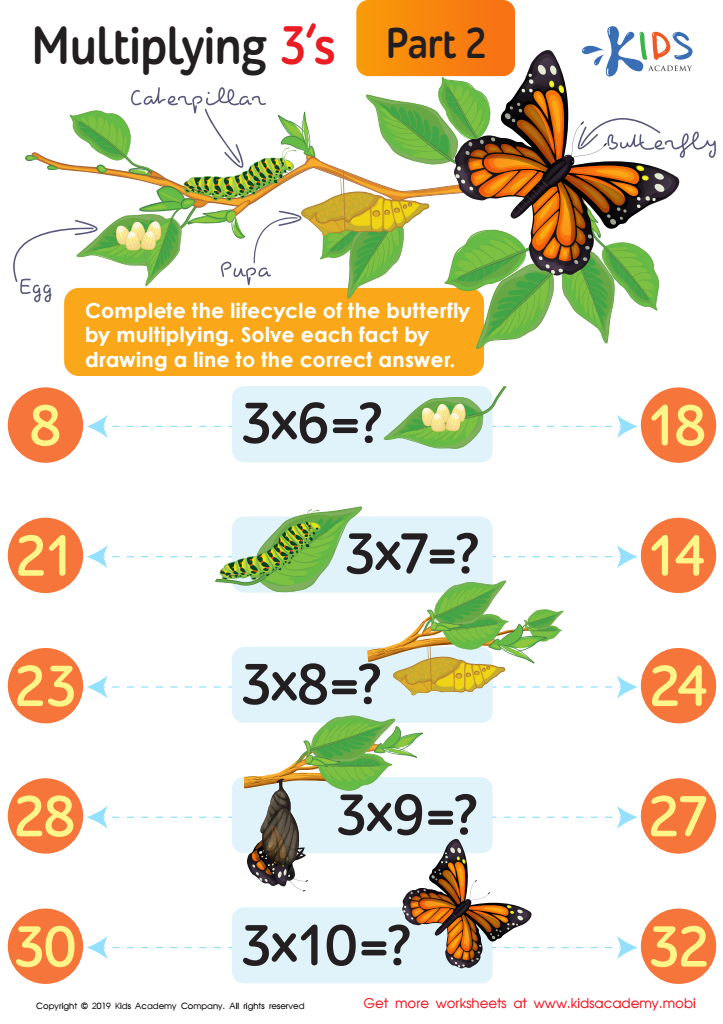
Multiplying 3s Part 2 Worksheet
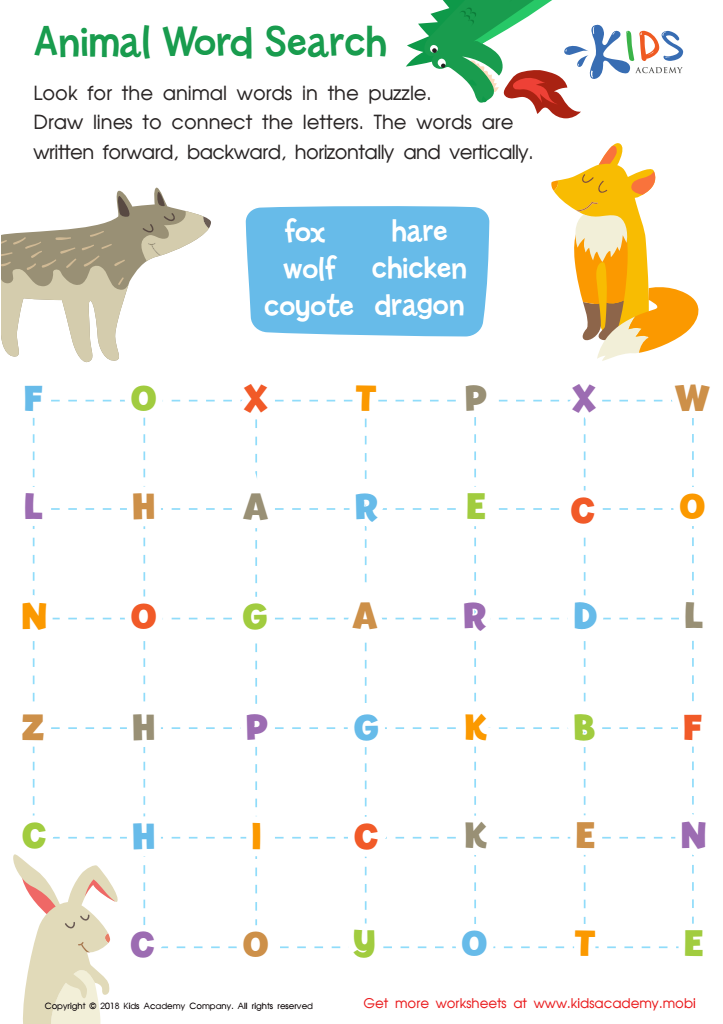
Animal Word Search Worksheet
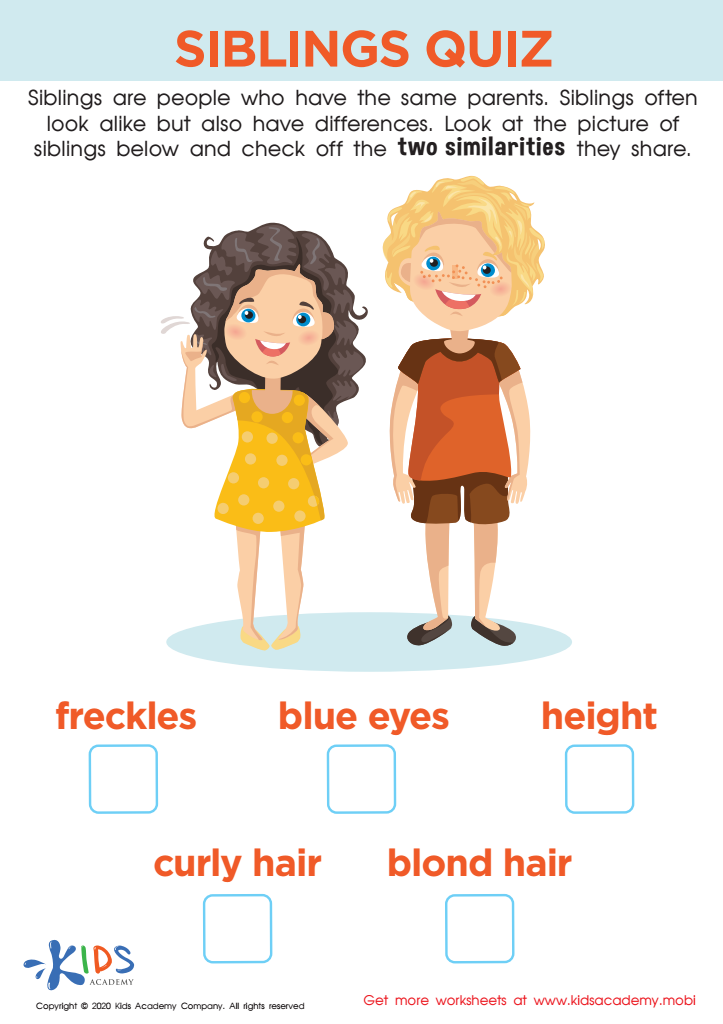
Siblings Quiz Worksheet
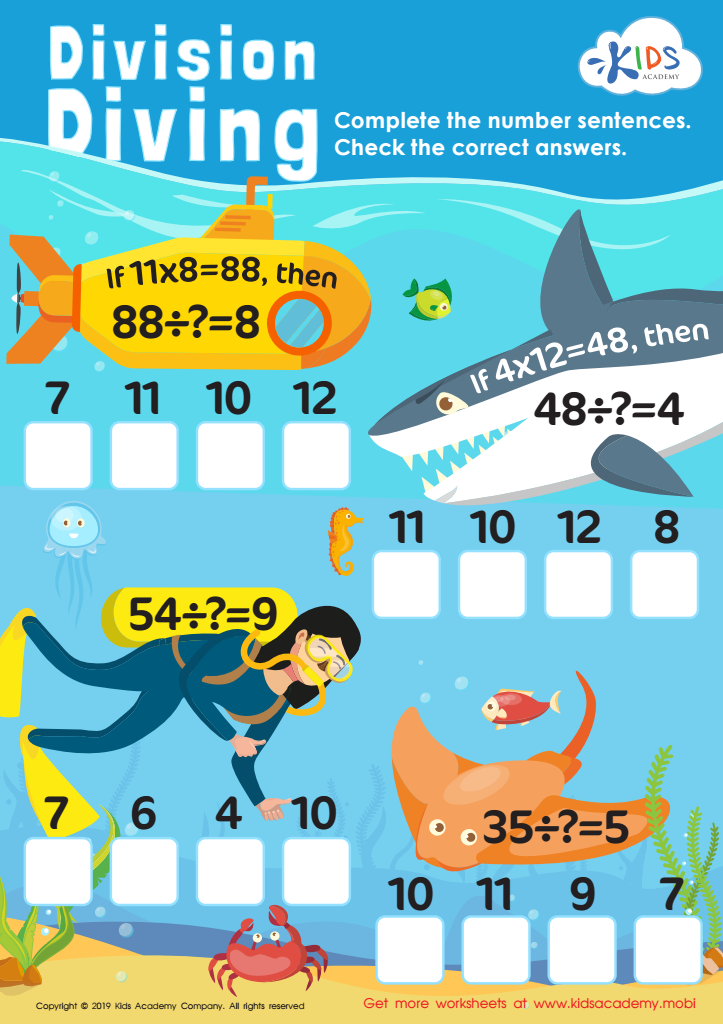
Division Diving Worksheet
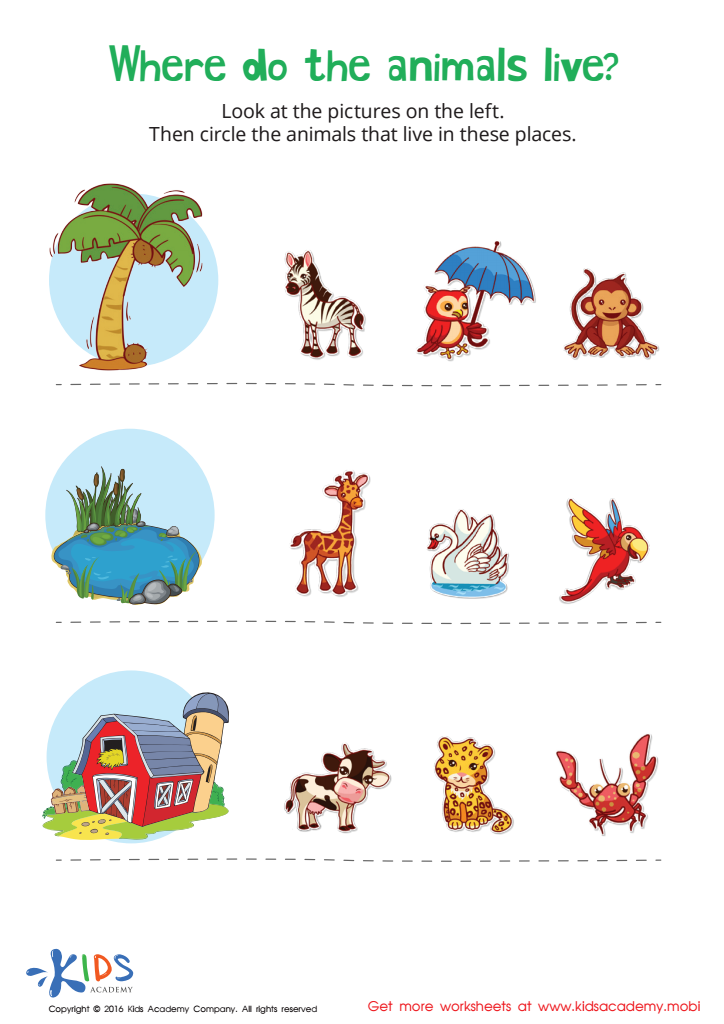
Where Animals Live Worksheet
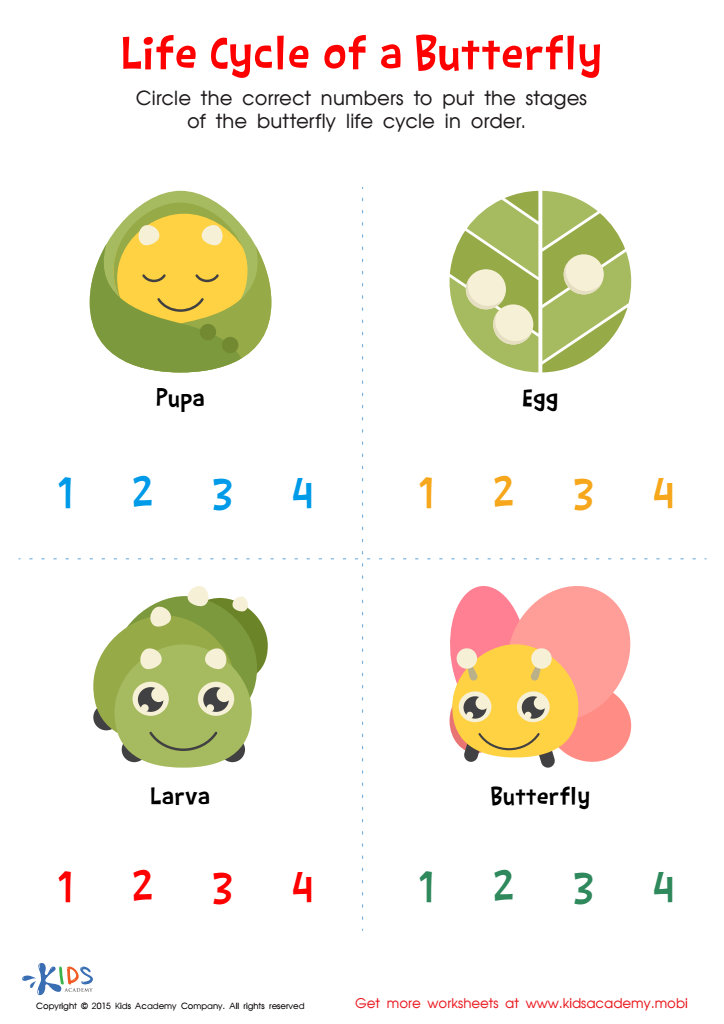
Life Cycle of Butterfly Printable
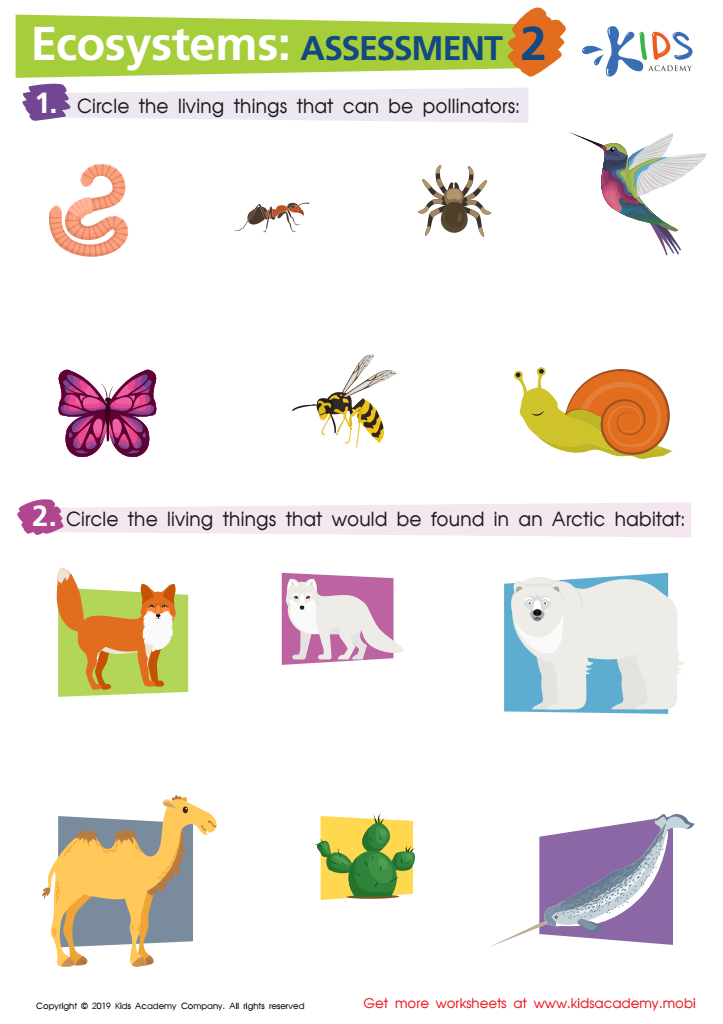
Ecosystems: Assessment 2 Worksheet
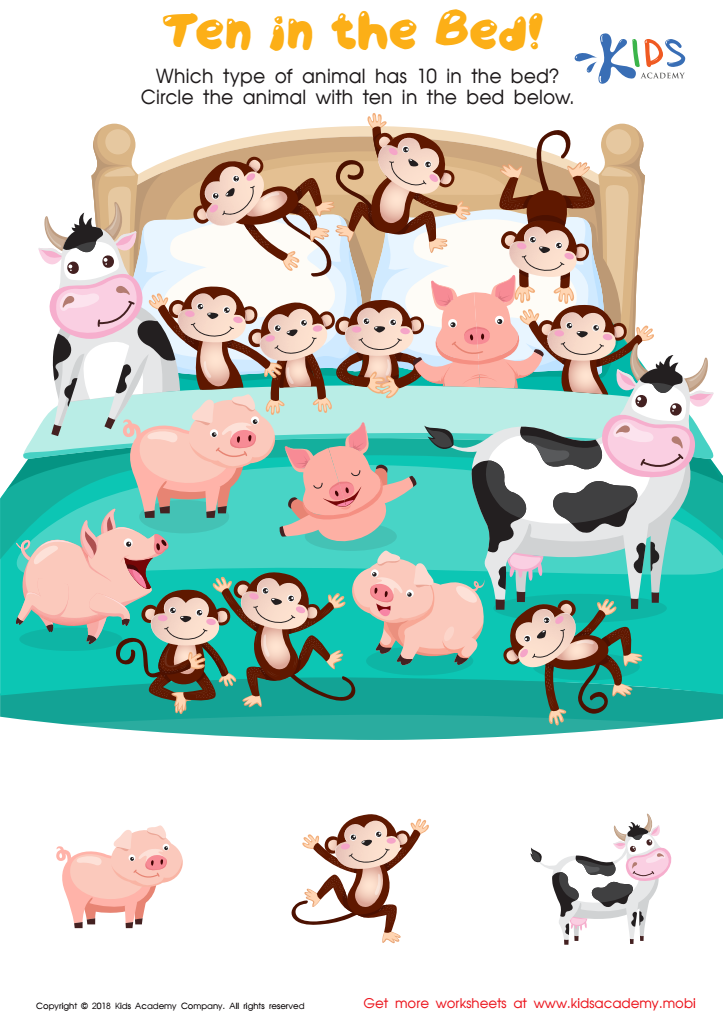
Ten in the Bed Worksheet
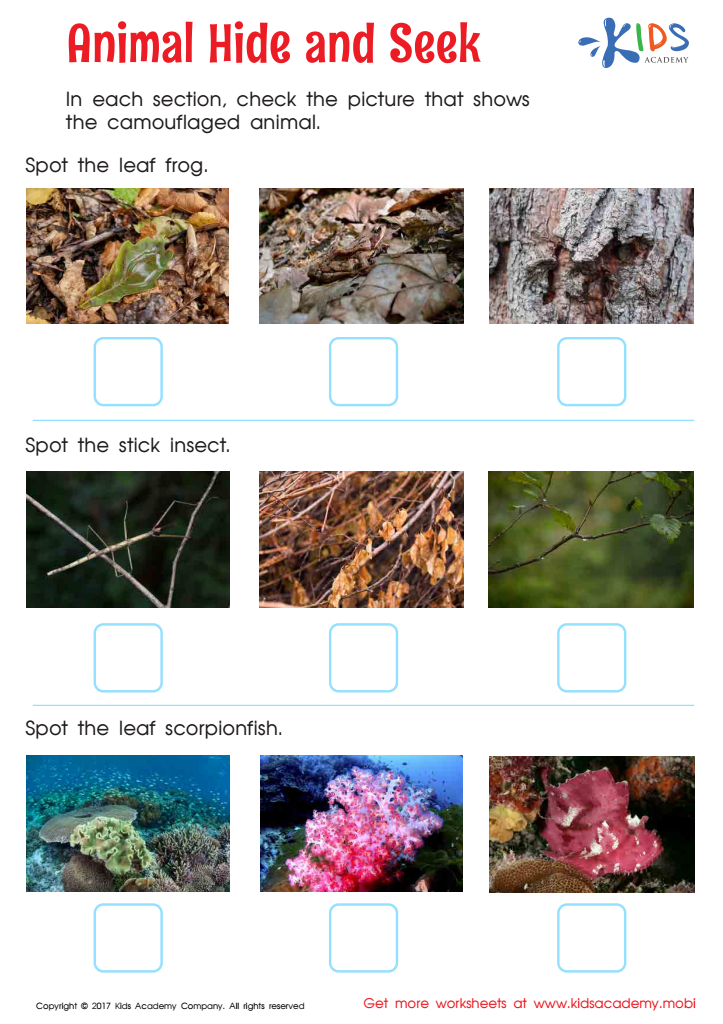
Animal Hide and Seek Worksheet
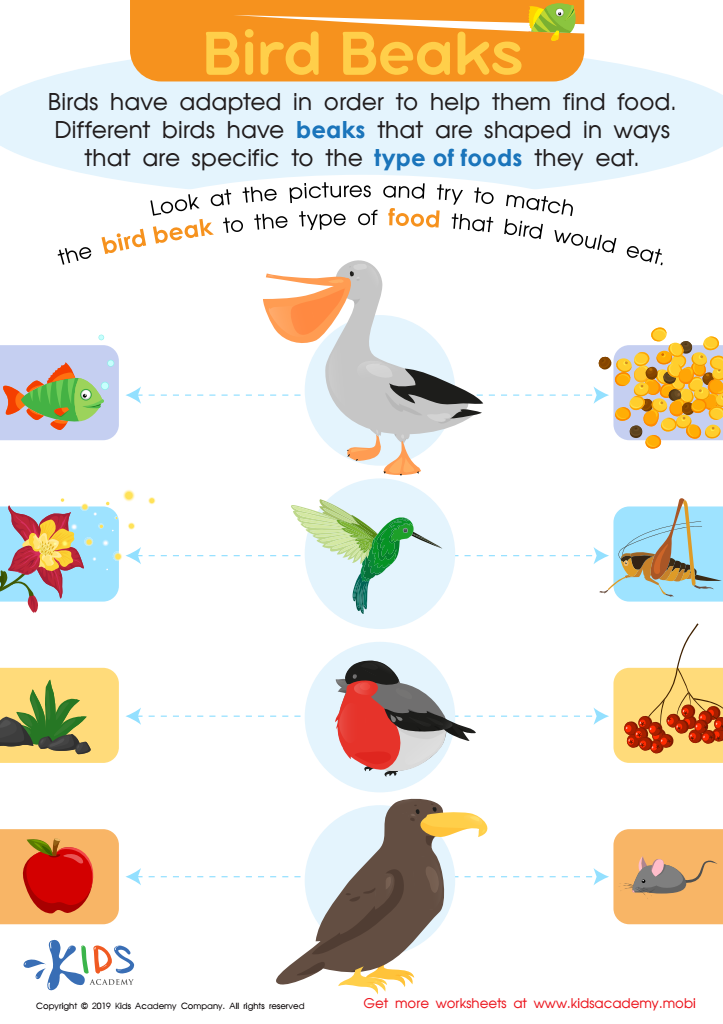
Bird Beaks Worksheet
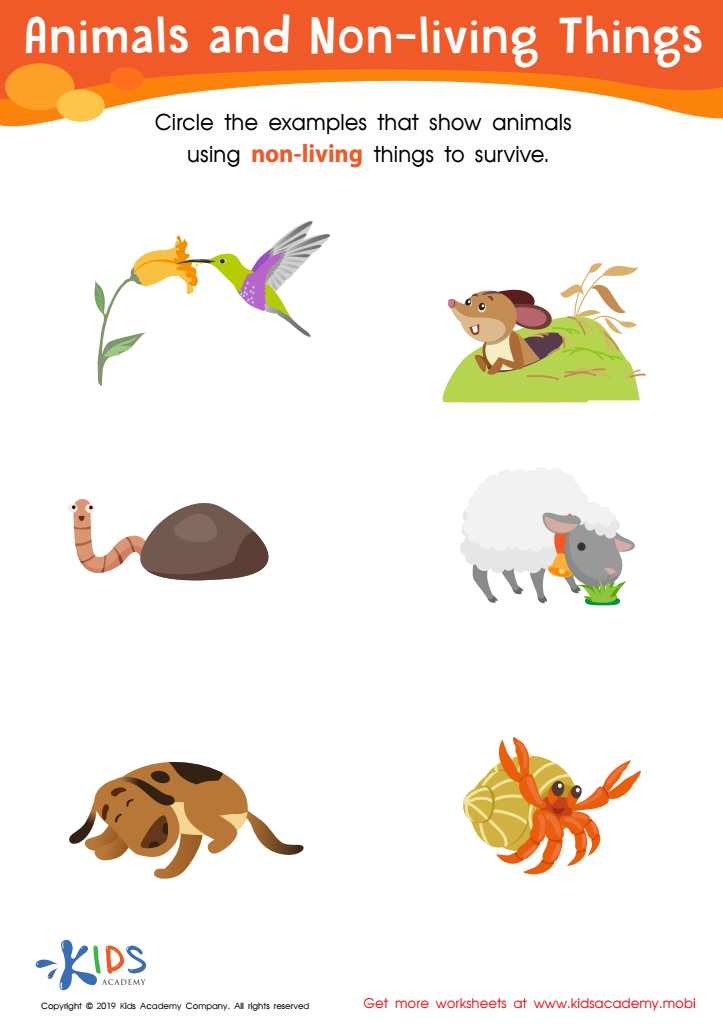
Animals and Non-Living Things Worksheet
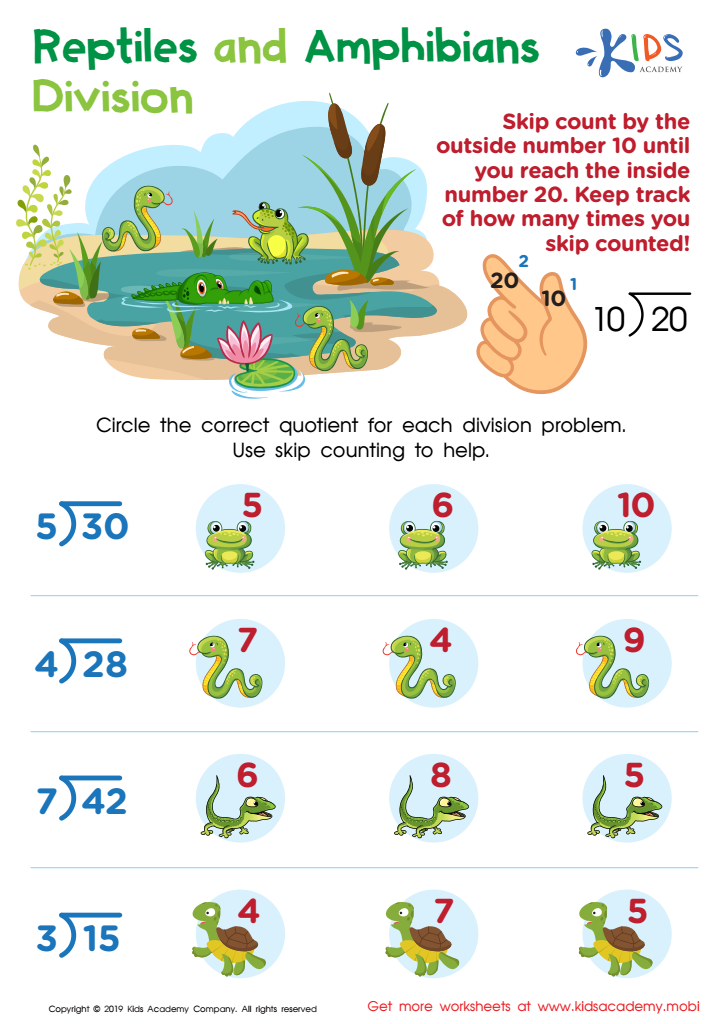
Reptile and Amphibians Division Worksheet
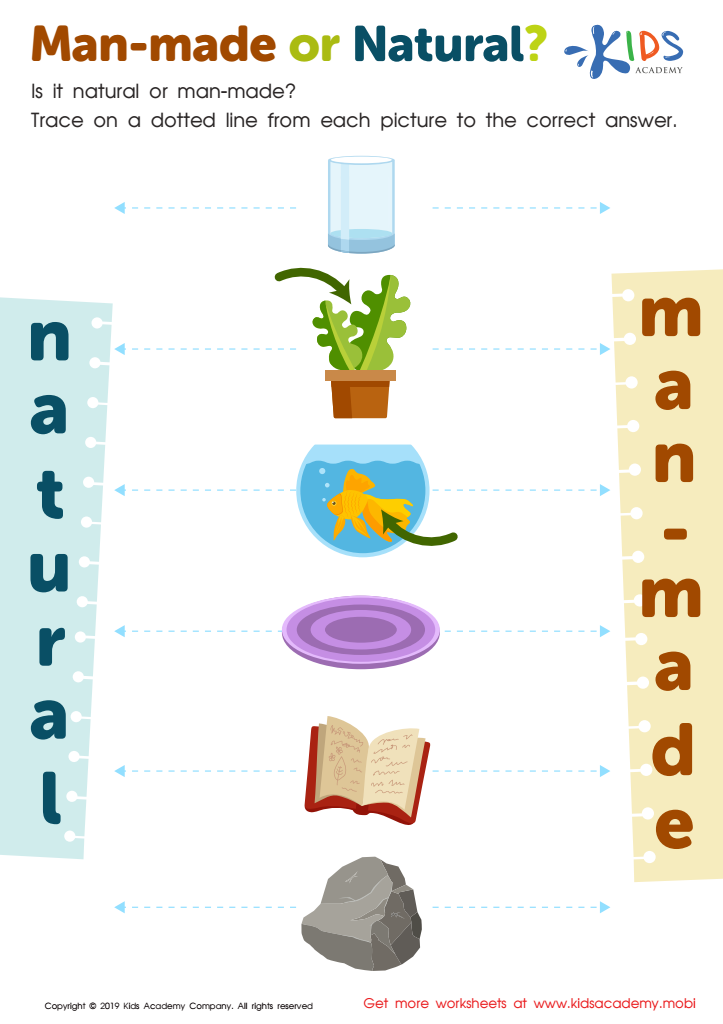
Man-Made or Natural? Worksheet
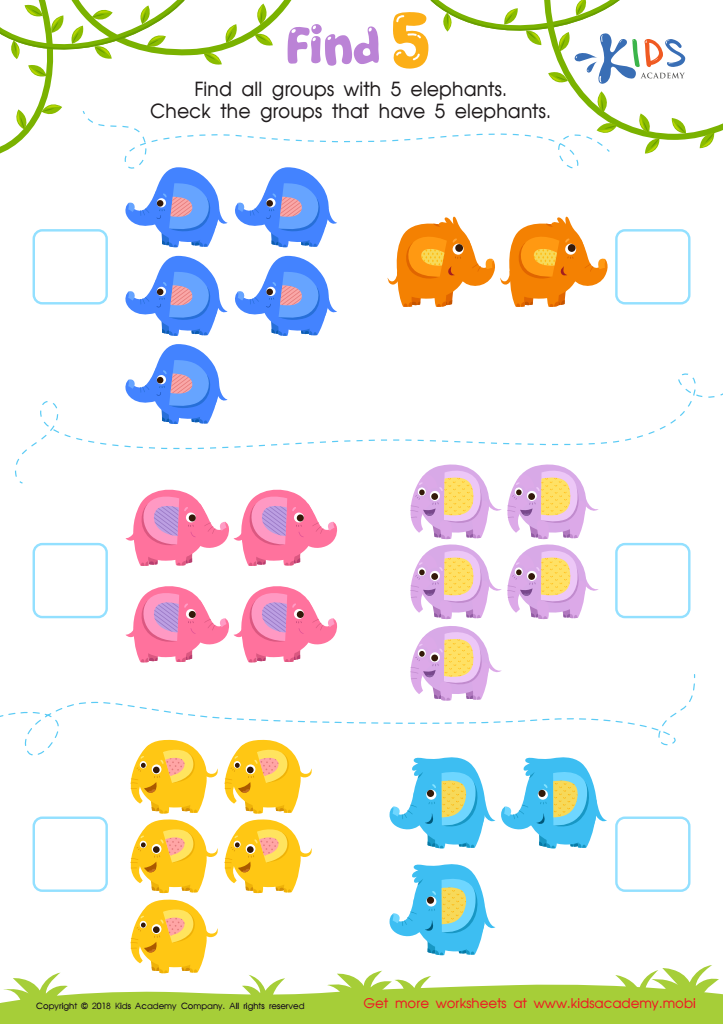
Find 5 Worksheet
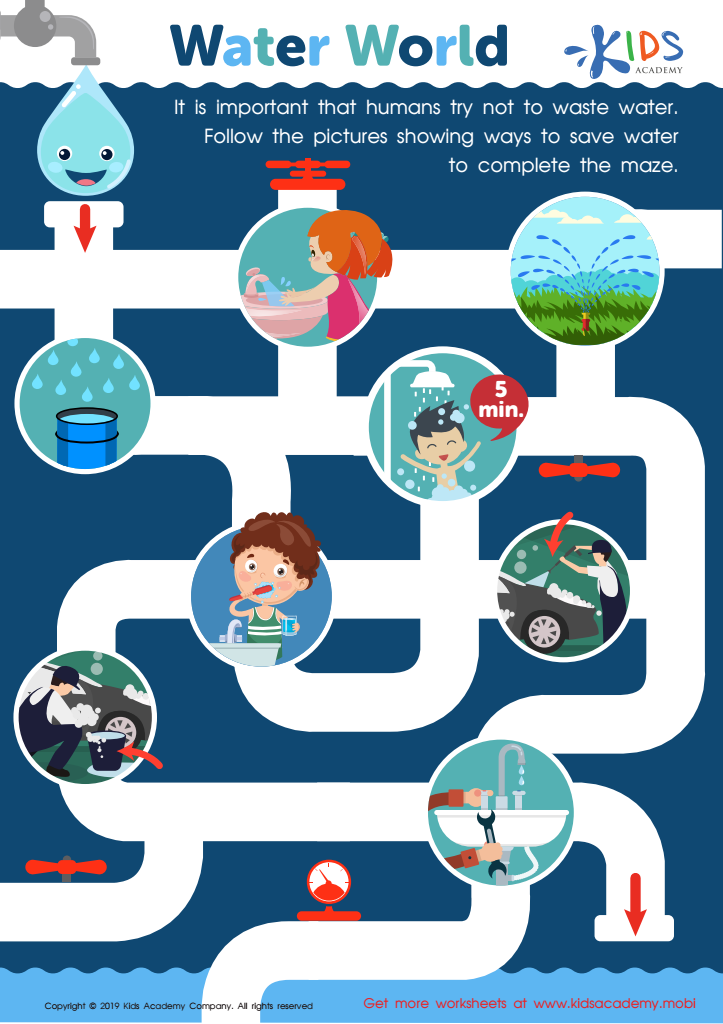
Water World Worksheet
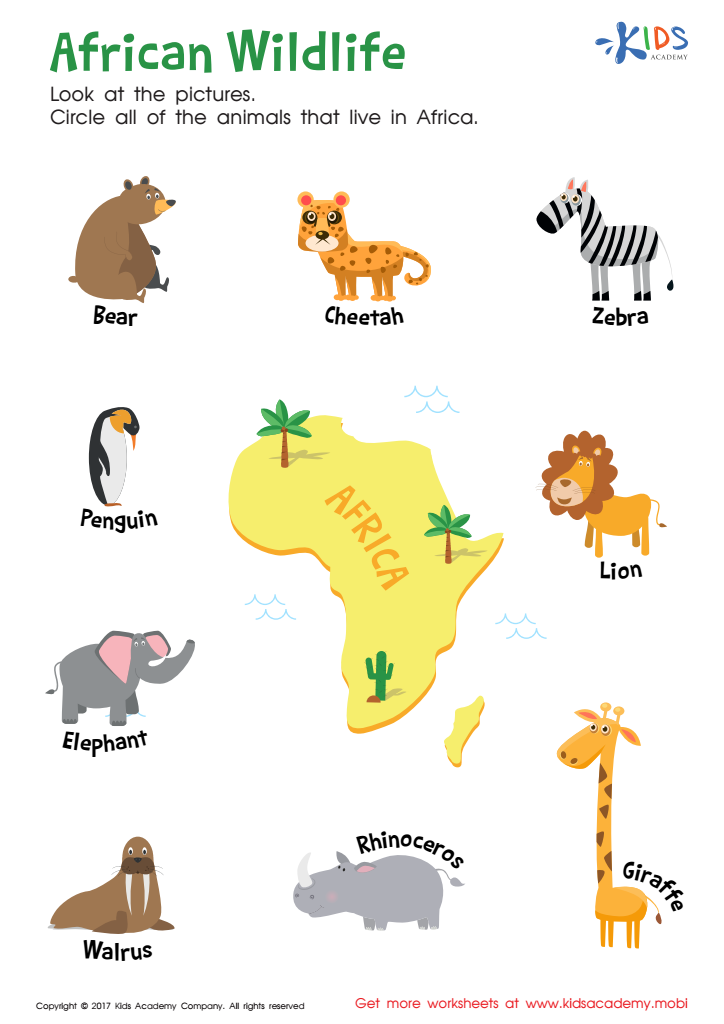
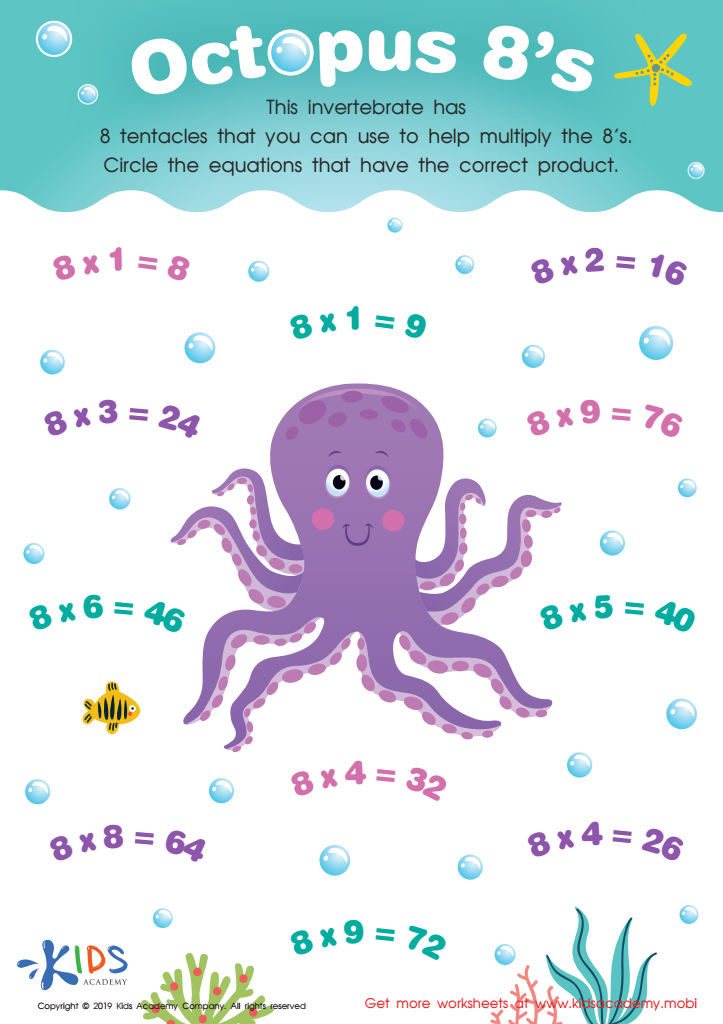
Octopus 8’s Worksheet







Understanding normal plants and animals is crucial for young children aged 3-9 as it lays the foundation for a lifelong respect and curiosity for the natural world. At this developmental stage, children are naturally curious and enthusiastic about their surroundings. Introducing them to common plants and animals helps nurture this innate curiosity, making learning an engaging and enjoyable process.
For parents and teachers, fostering this connection is essential for several reasons. Firstly, it promotes environmental awareness and responsibility. When children learn about the different species that inhabit their world, they are more likely to develop empathy towards nature and understand the importance of conservation and biodiversity. This early education can lead to more environmentally conscious behaviors in the future.
Secondly, interacting with nature has numerous developmental benefits. Activities like observing plants grow, watching birds, or learning about different animal habitats can enhance cognitive skills, improve attention spans, and bolster language and communication abilities. It also encourages physical activity, such as walking in parks or gardening.
Lastly, learning about plants and animals can foster a sense of wonder and joy. This connection to the natural world supports emotional well-being, providing a calming break from technology and structured indoor activities. By capturing the interest of young children through nature, educators and parents set the stage for well-rounded, mindful, and curious individuals.







