Normal Math Worksheets for Ages 4-7 - Page 2
438 filtered results
-
From - To
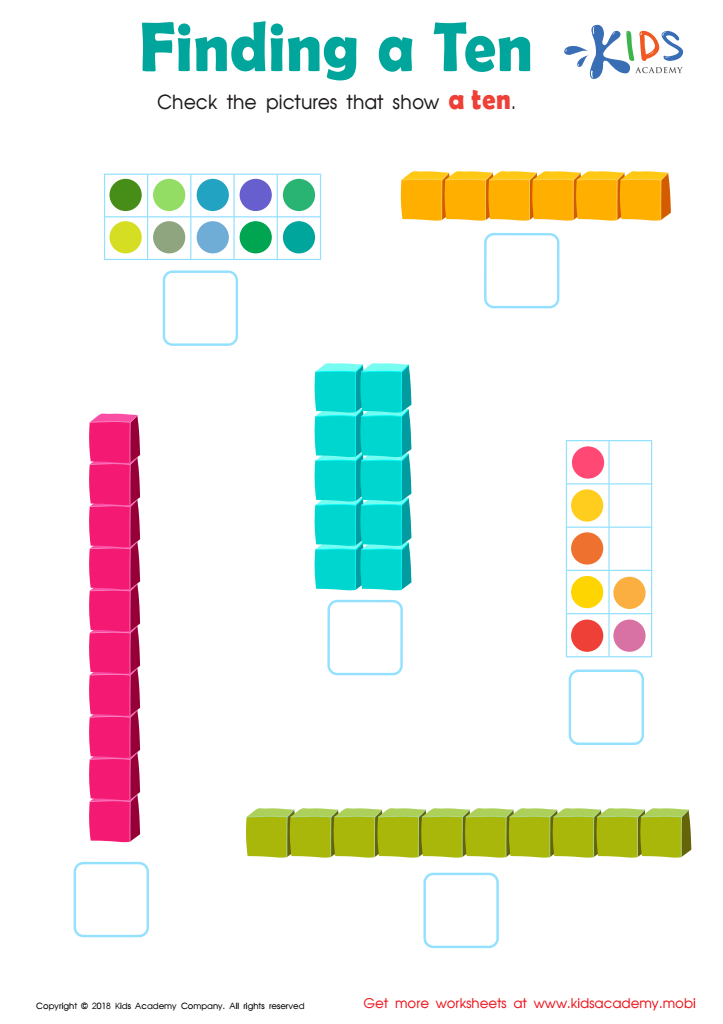
Finding a Ten Worksheet
 Assign to My Students
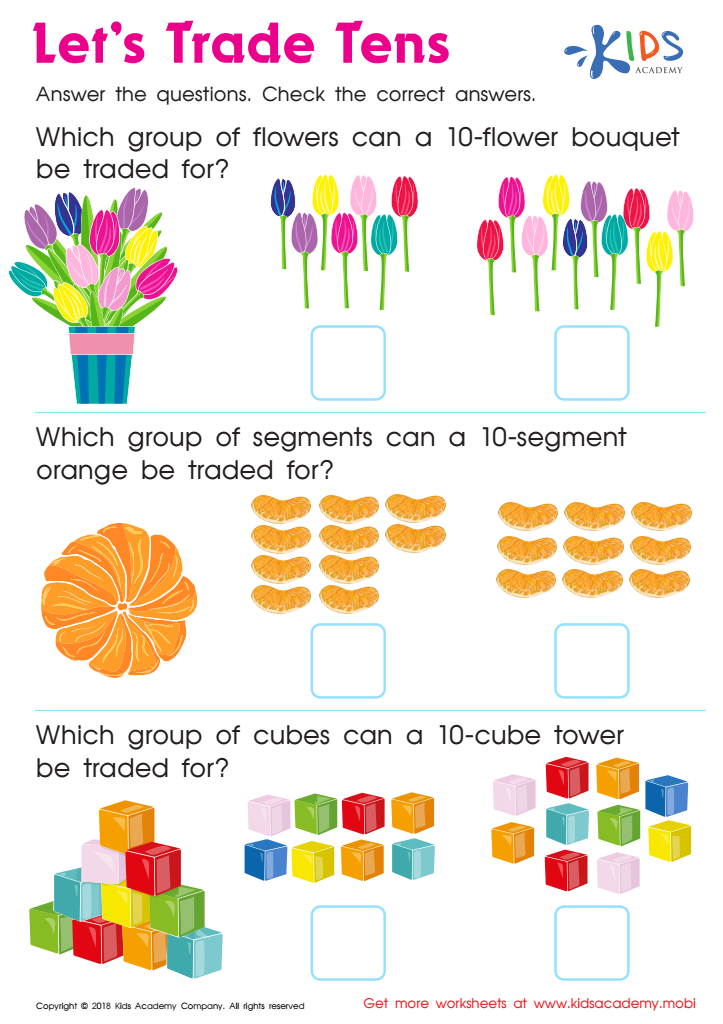
Lets Trade Tens Worksheet
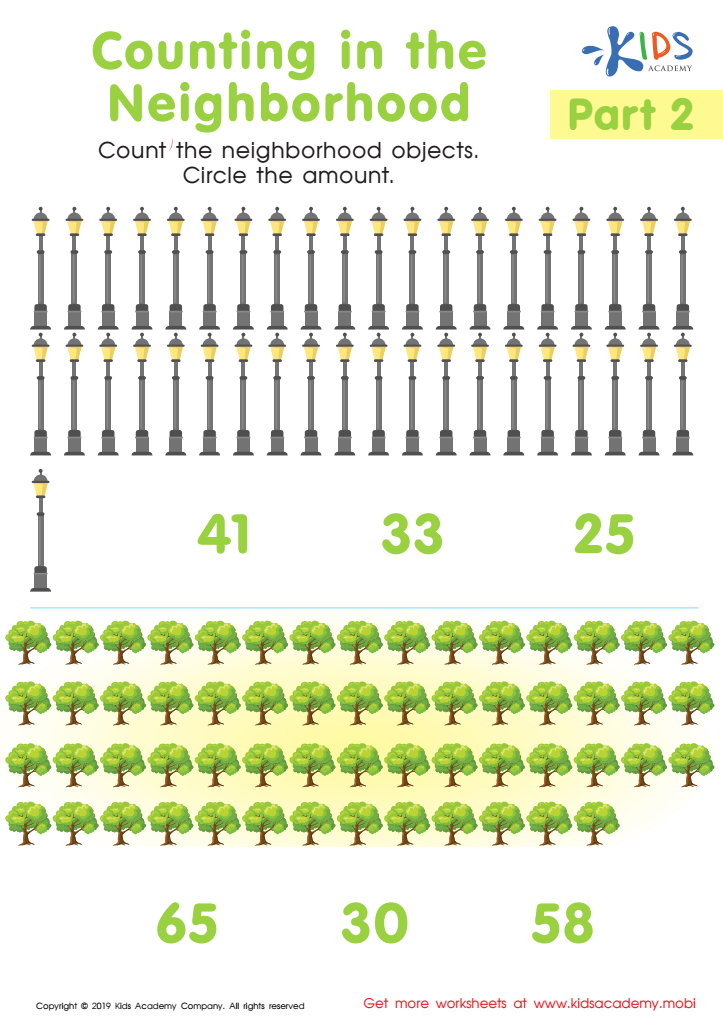
Counting In The Neighborhood Part 2 Worksheet
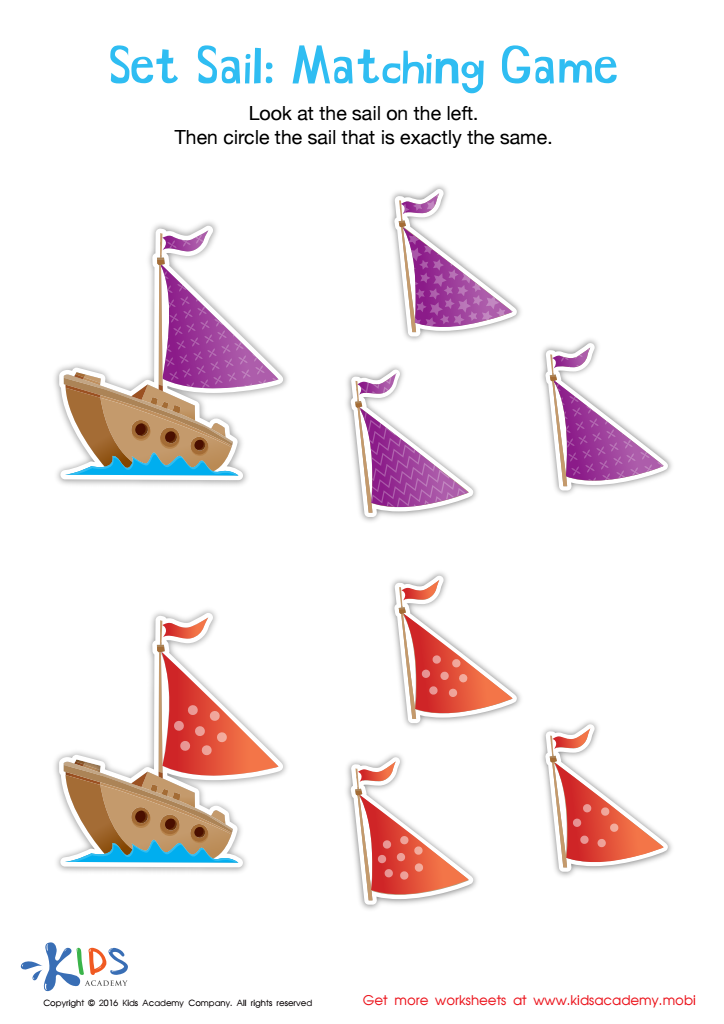
Set Sail Worksheet
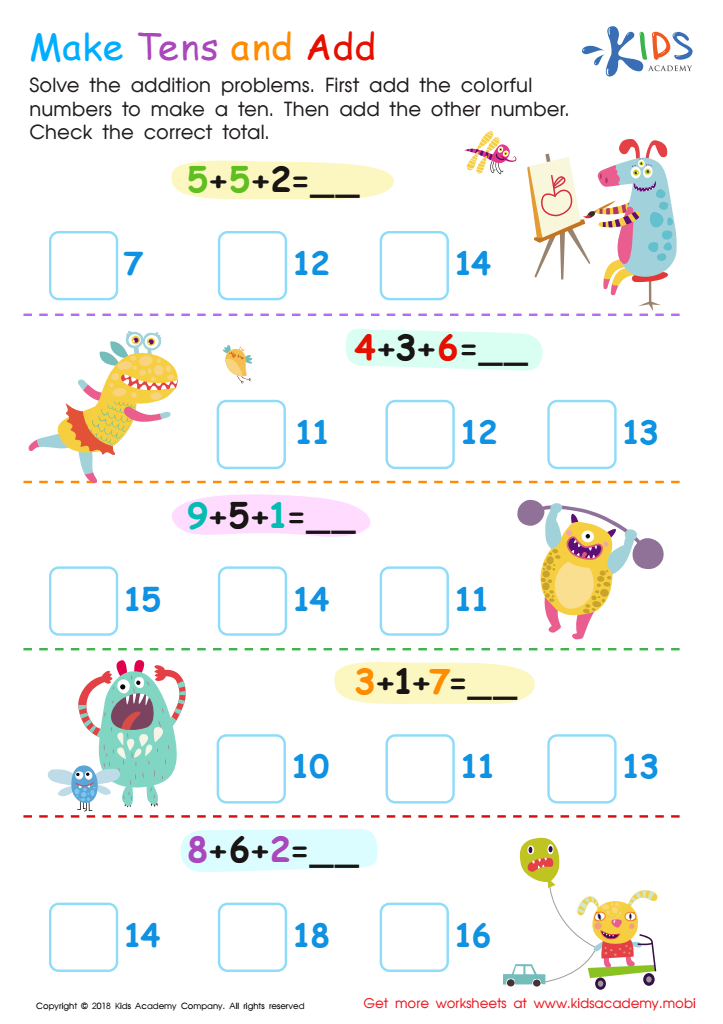
Make Tens and Add Worksheet
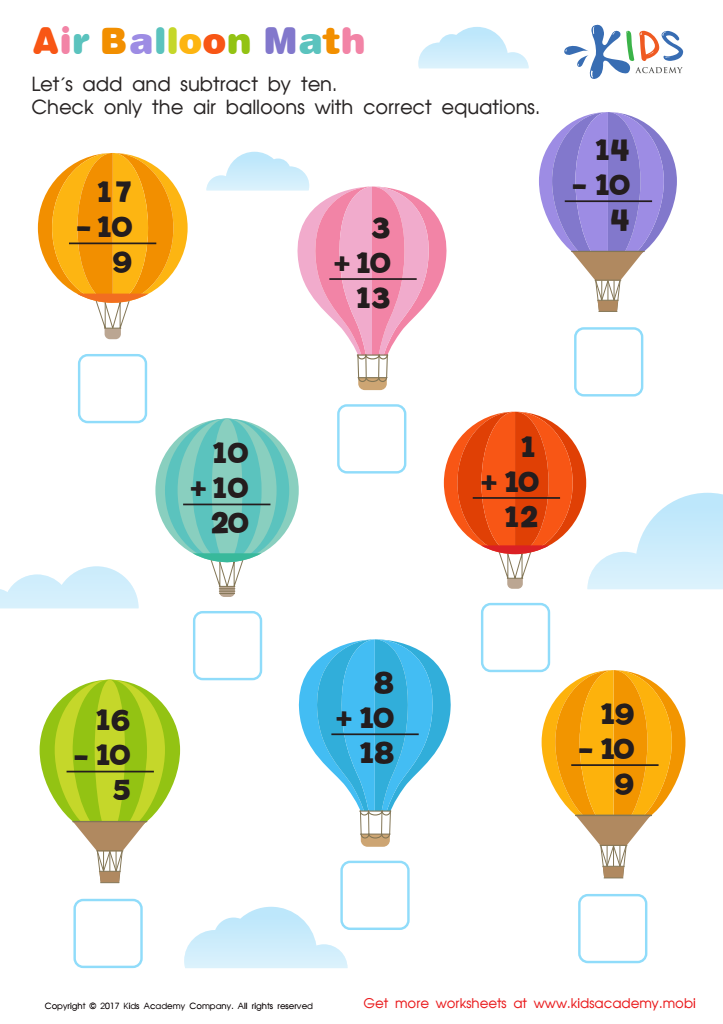
Air Balloon Math Worksheet
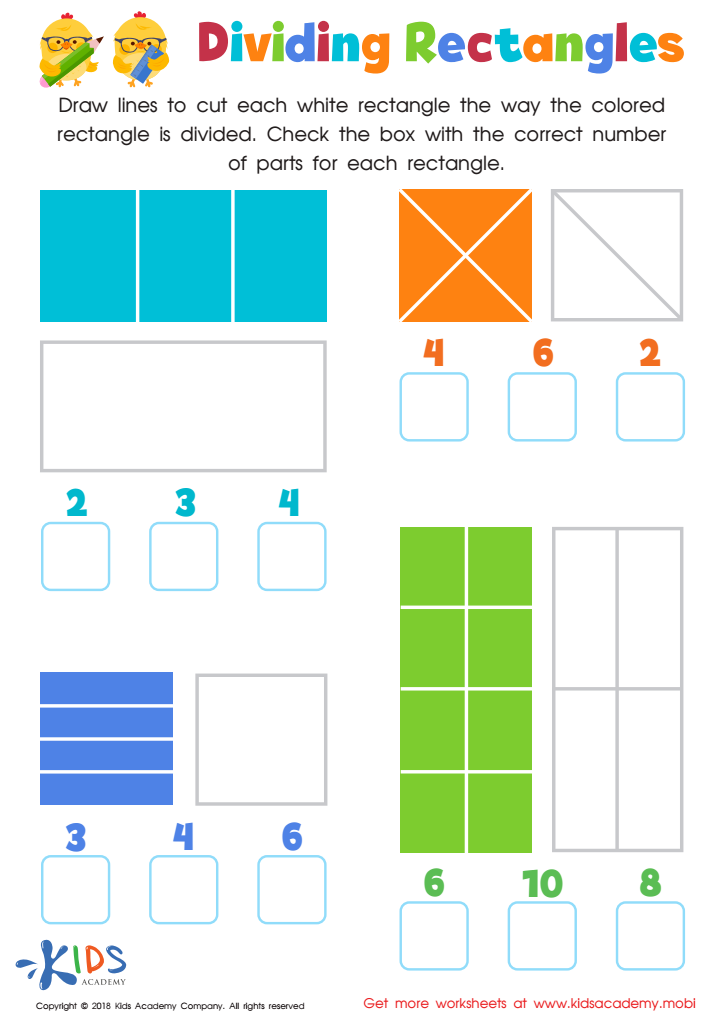
Dividing Rectangles Worksheet
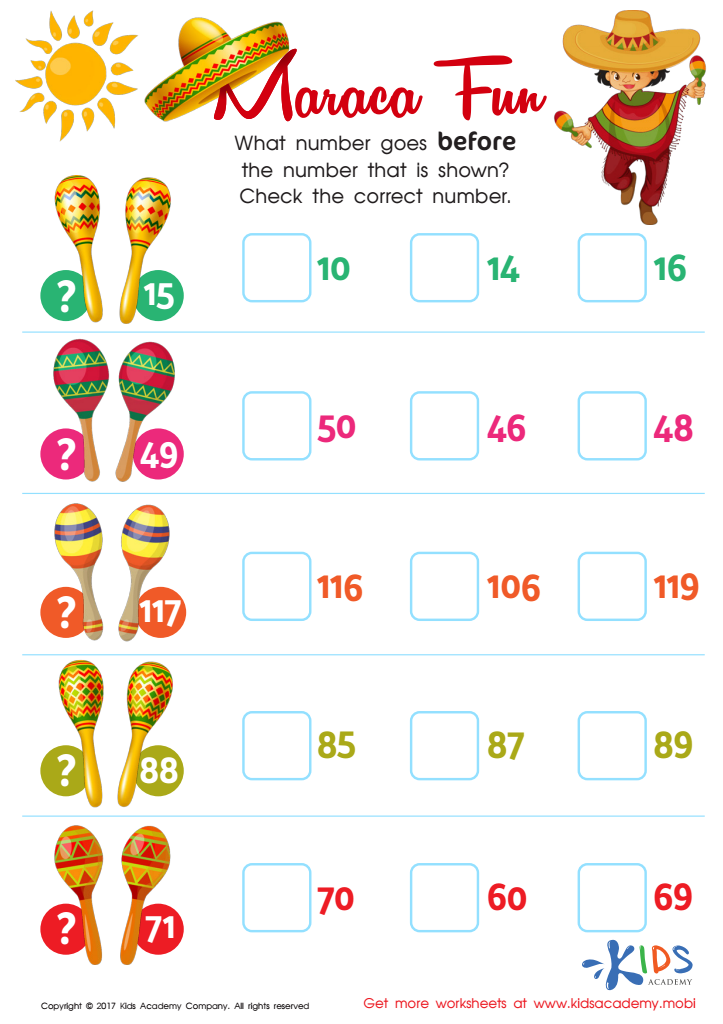
Counting: Maraca Fun Worksheet

Count and Match Boxes with Vegetables
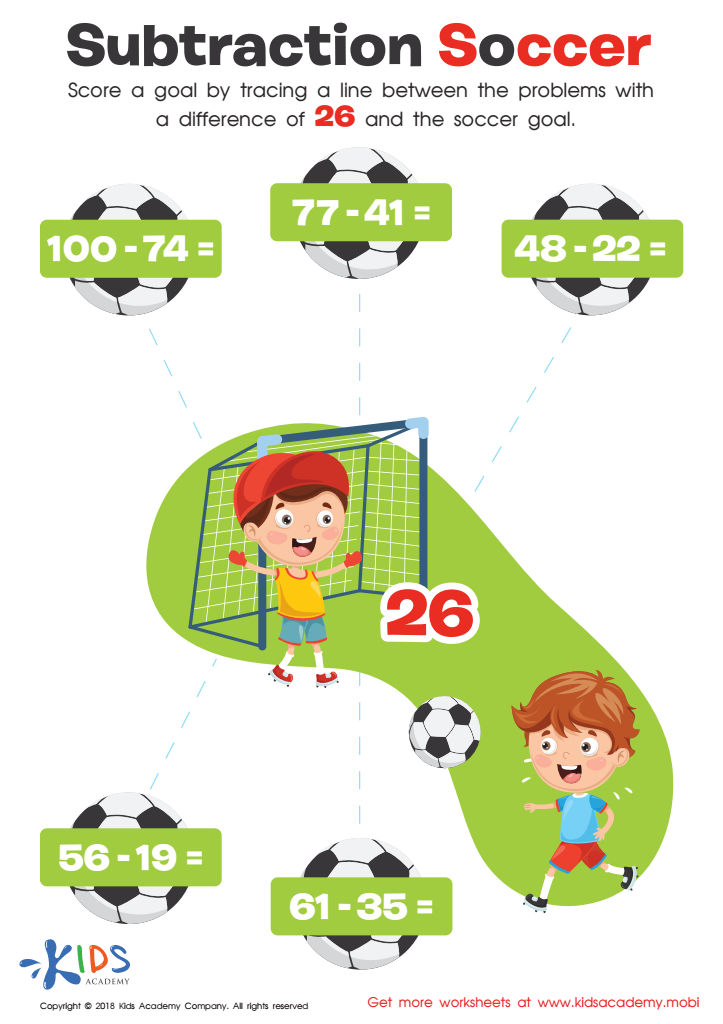
Subtraction Soccer Worksheet
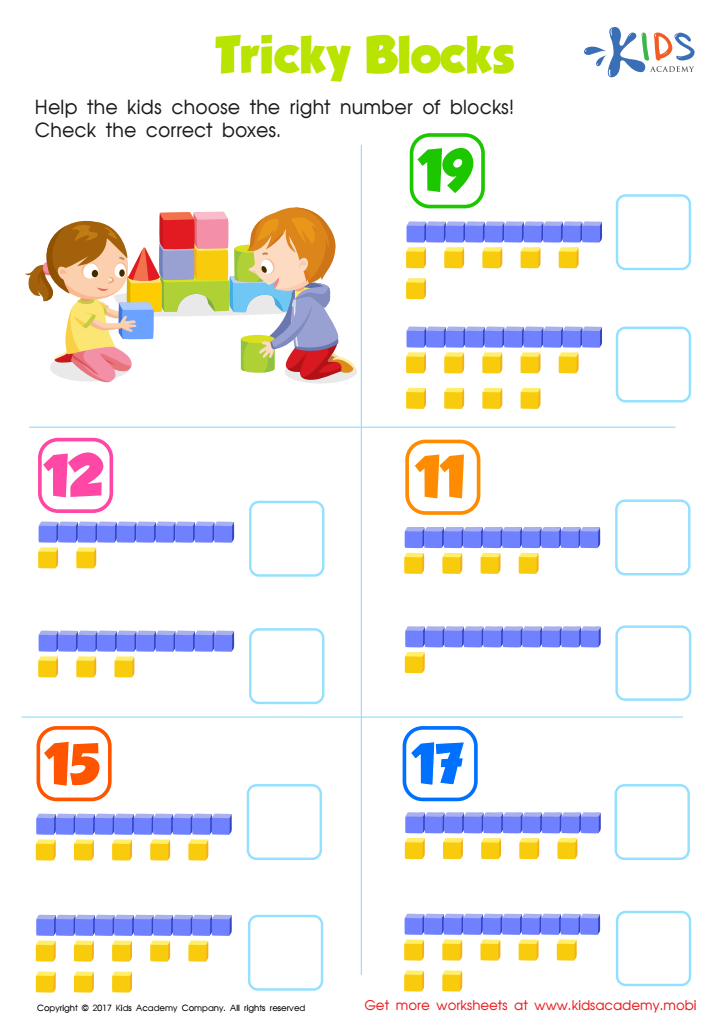
Tricky Blocks Worksheet
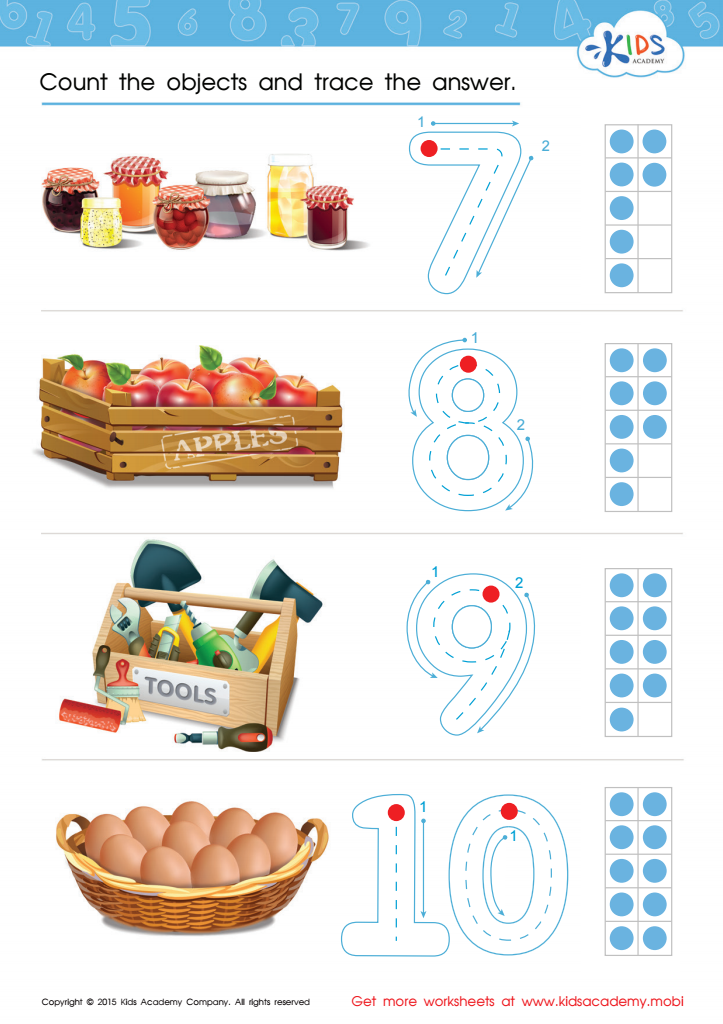
Count and Trace 7 – 10 Worksheet

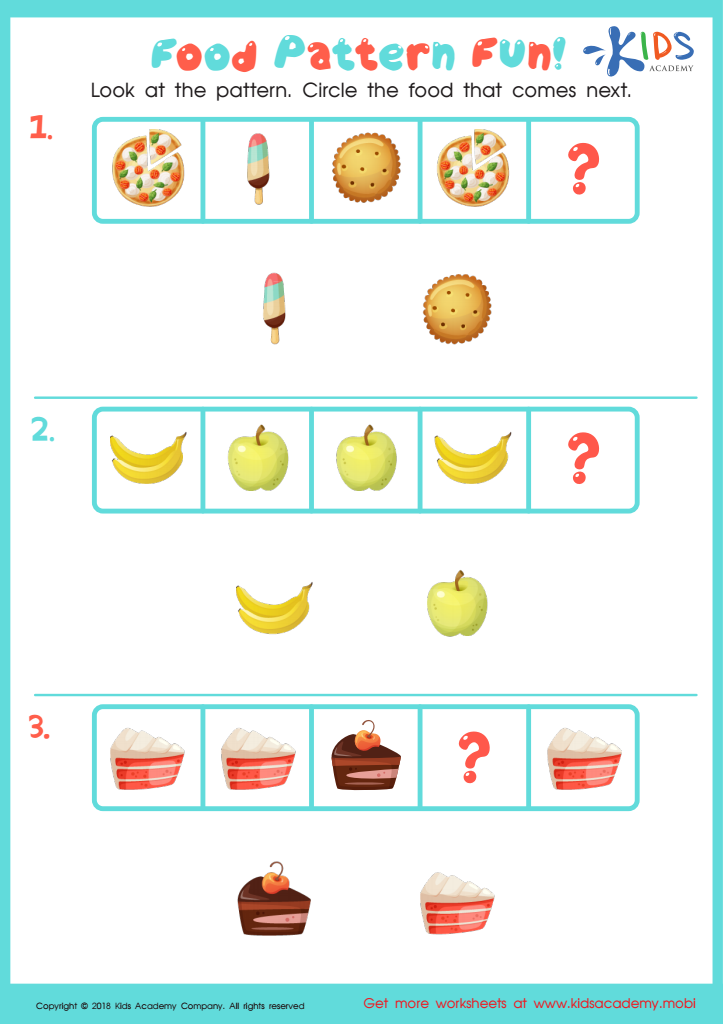
Food Pattern Fun Worksheet
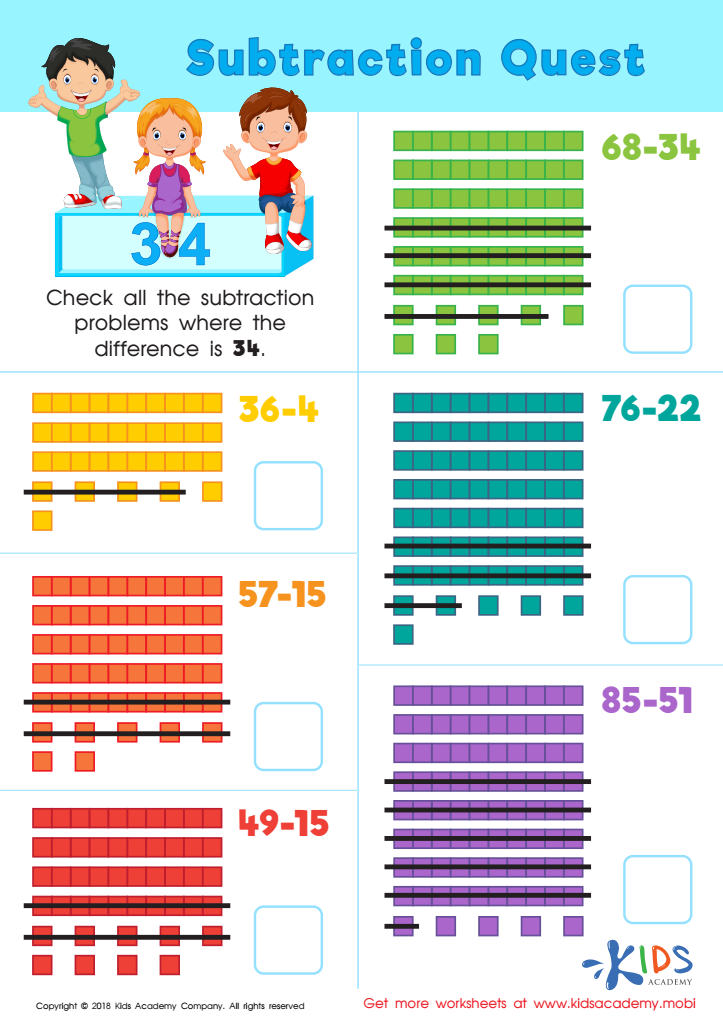
Subtraction Quest Worksheet
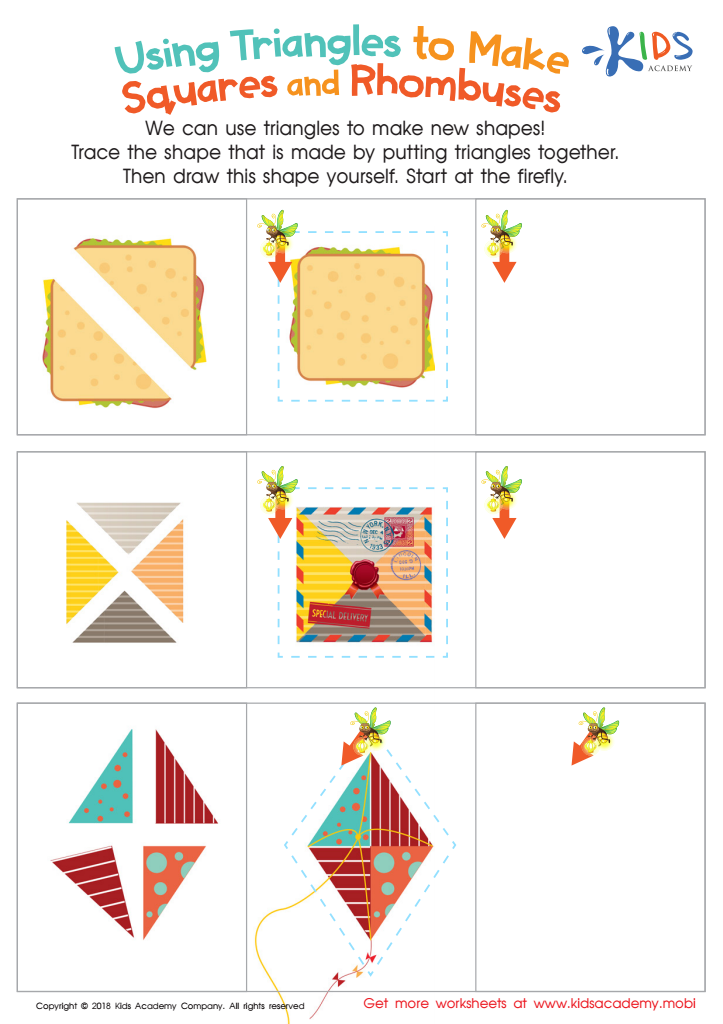
Using Triangles to Make Squares and Rhombuses Worksheet
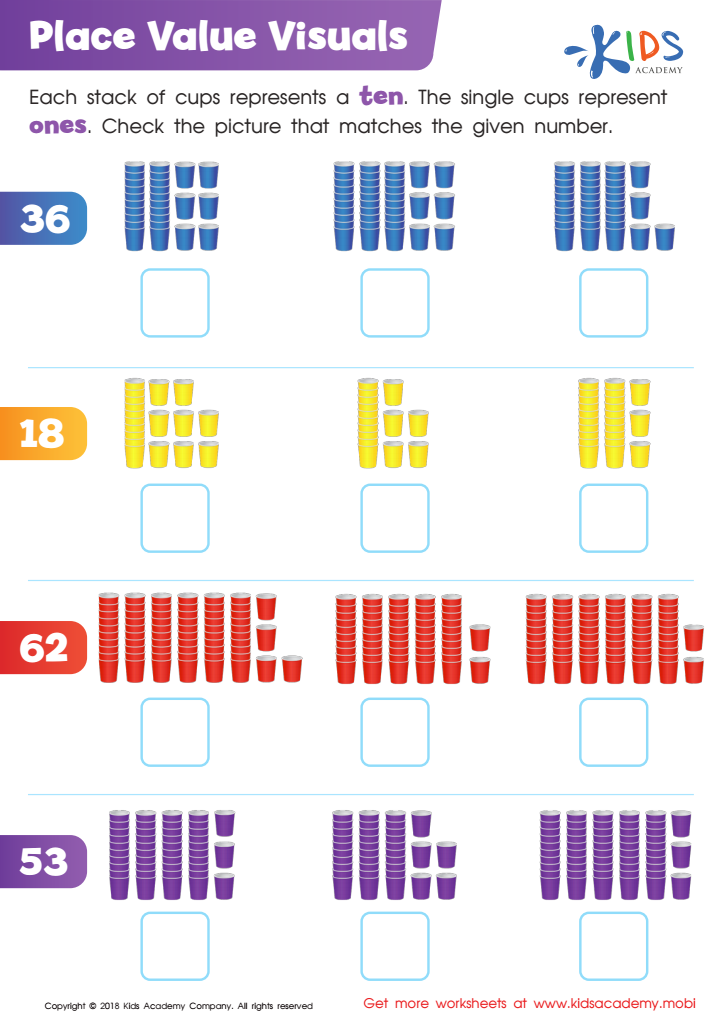
Place Value Visuals Worksheet
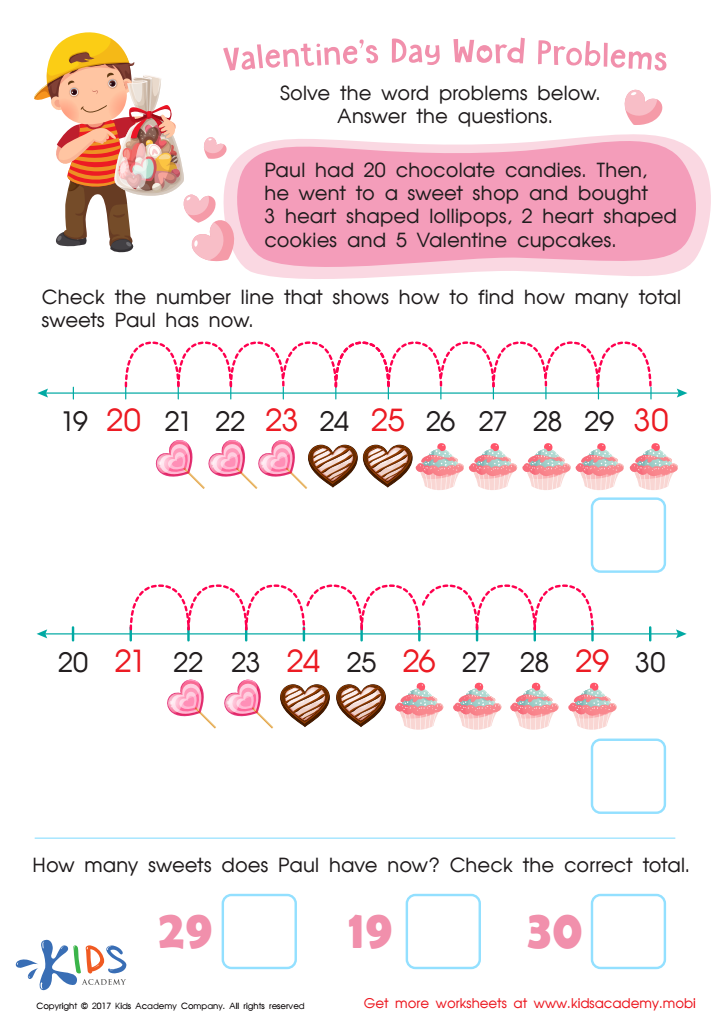
Valentines Day 2 Printable
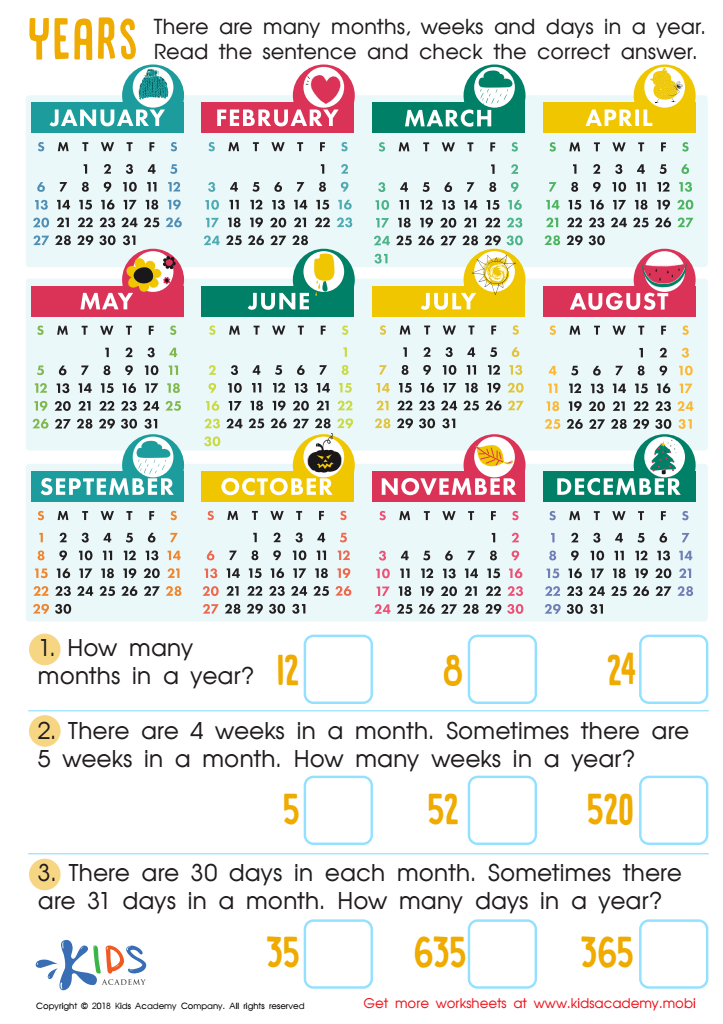
Years Worksheet
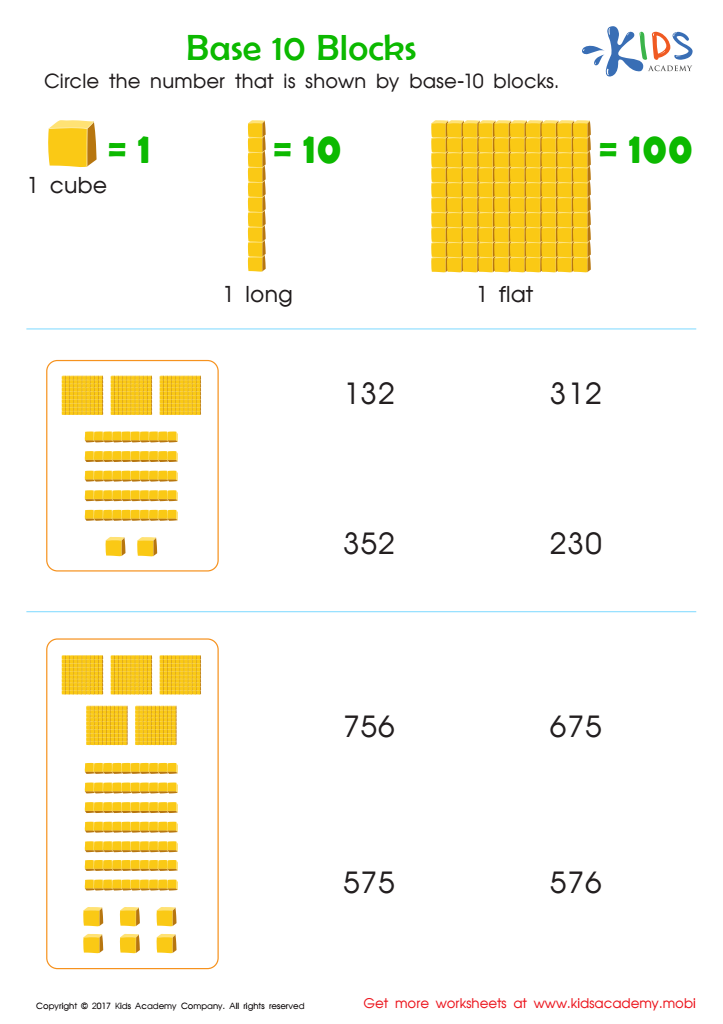
Base Ten Blocks Worksheet
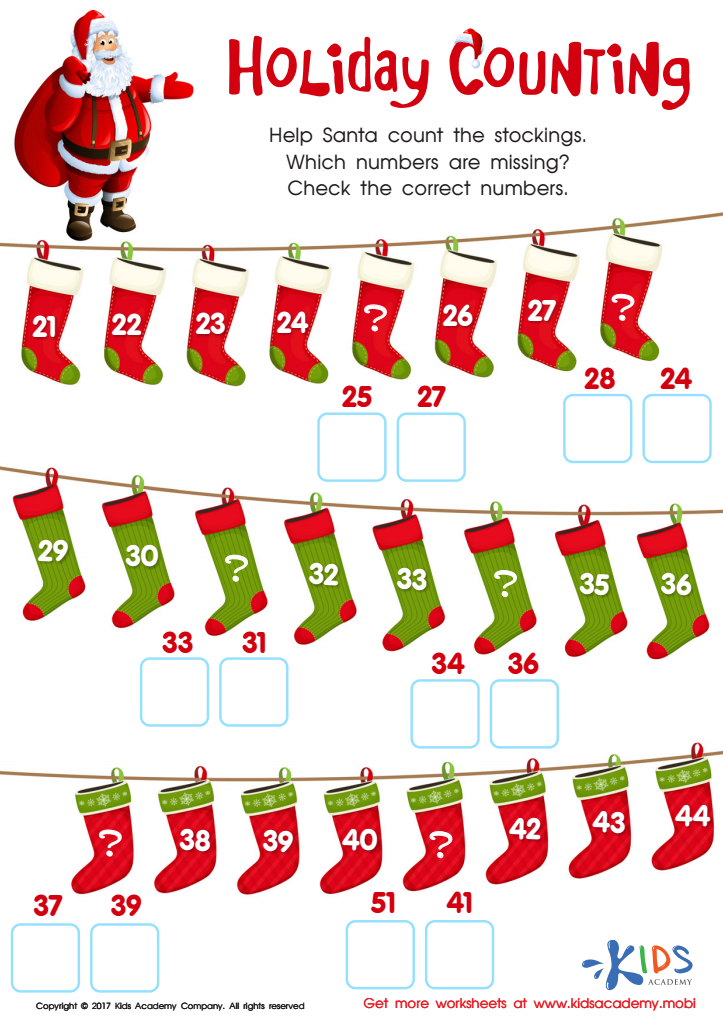
Holiday Counting Worksheet
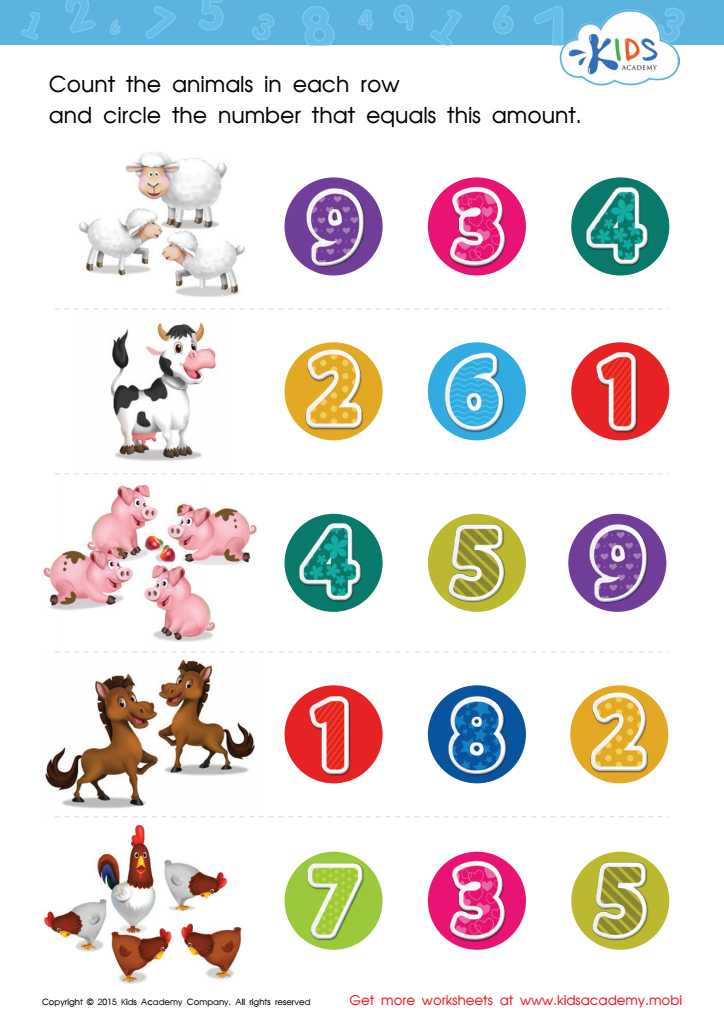
Count and Match 1 – 5 Math Worksheet
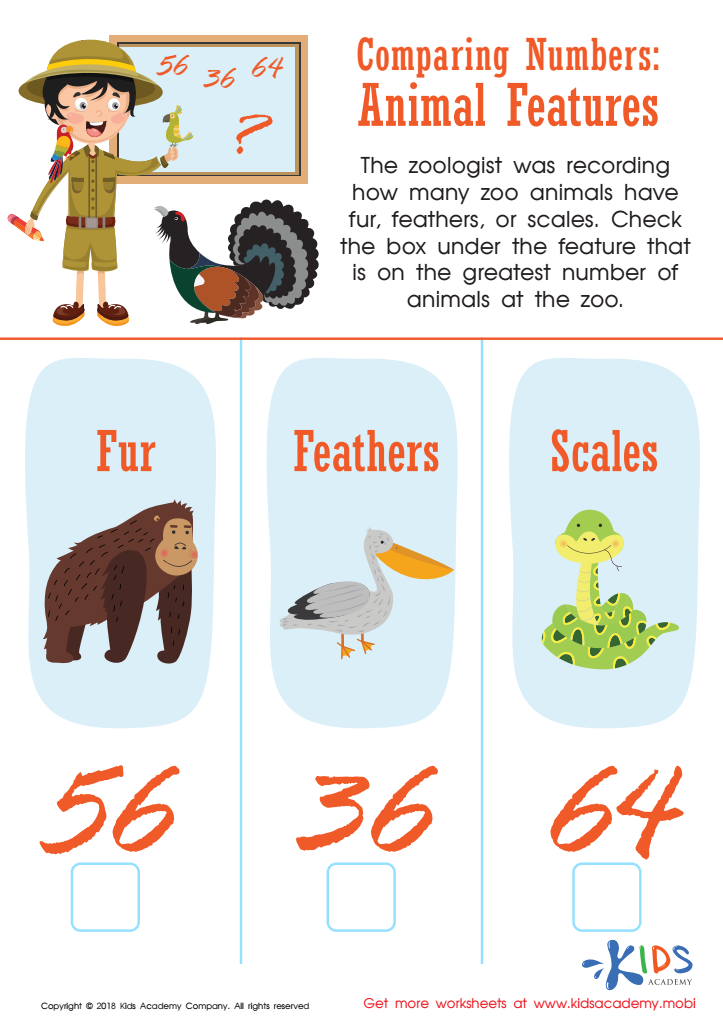
Animal Features Worksheet
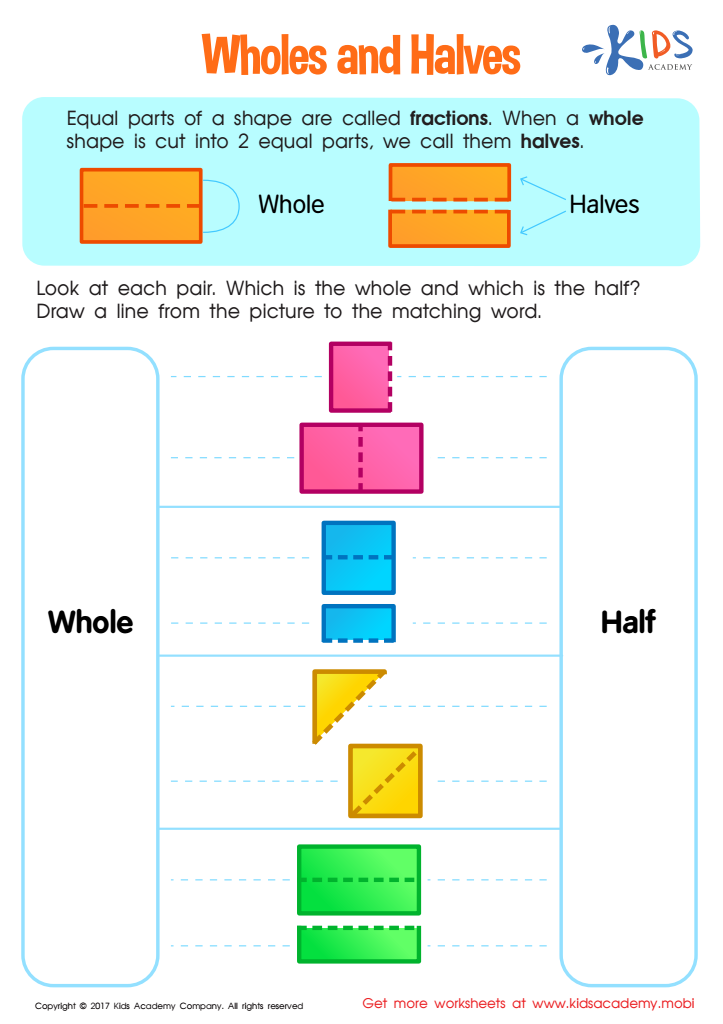
Wholes and Halves Worksheet








Normal Math for children aged 4-7 is essential for multiple reasons, and both parents and teachers should recognize its importance. Early exposure to basic mathematical concepts, such as counting, addition, subtraction, and understanding shapes and patterns, lays a strong foundation for future mathematical learning and cognitive development.
Engaging young children in math in a playful and engaging manner enhances their problem-solving skills and logical thinking. At this age, children's brains are highly receptive to new concepts, and introducing math can help improve their spatial awareness and ability to categorize and sort objects, which are cornerstone skills for later academic success in various subject areas.
Parents and teachers play a crucial role in shaping a child's attitude toward learning. By fostering a positive and fun environment for math activities—such as using games, interactive apps, and hands-on learning tools—children are more likely to develop a love for math, which can result in greater confidence and willingness to challenge themselves. Positive early experiences with math lead to higher achievement and better performance in school as these children progress.
Moreover, early math skills are often indicative of later academic success. Investing time and effort in teaching math concepts to children aged 4-7 not only ensures immediate educational benefits but also sets the stage for lifelong learning and problem-solving capabilities.








