Critical Thinking Normal Worksheets for Ages 4-8
99 filtered results
-
From - To
Unlock your child's potential with our engaging Critical Thinking Normal Worksheets for ages 4-8! Designed to foster analytical skills, these worksheets challenge young minds through fun puzzles, logical reasoning, and problem-solving activities. Tailored for early learners, each worksheet encourages creativity and independent thinking while allowing kids to explore and interact with the world around them. Our user-friendly format makes learning enjoyable and accessible for parents and teachers alike. Cultivate essential skills now, and lay the foundation for future academic success. Discover a world of critical thinking activities that inspire curiosity and cognitive development with our comprehensive collection of worksheets today!
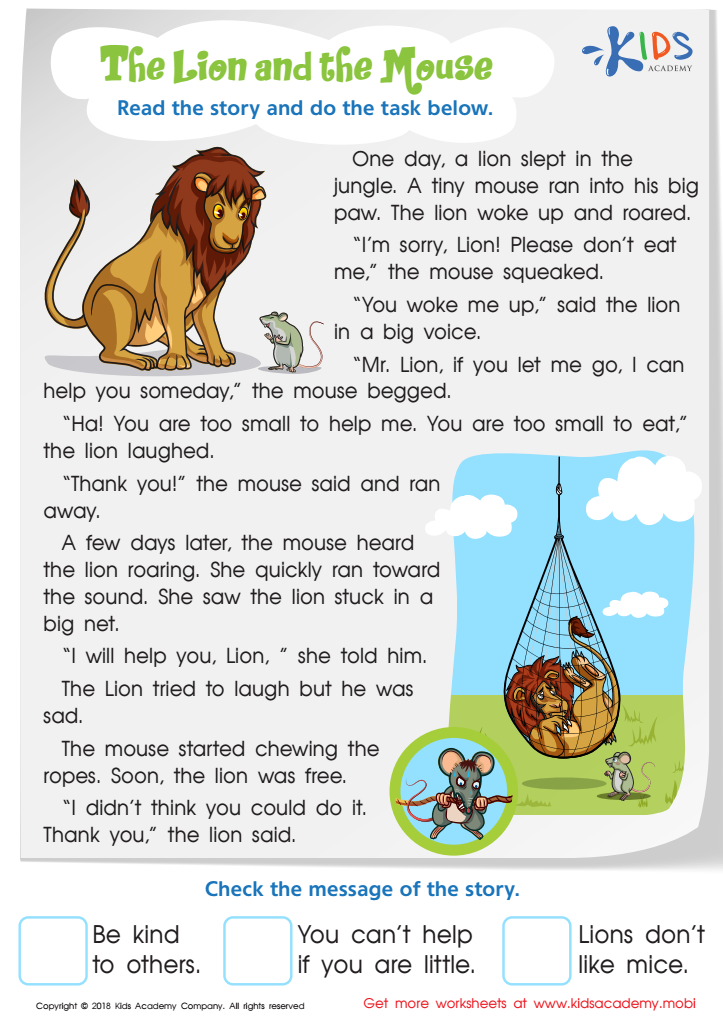
The Lion and the Mouse Worksheet
 Assign to My Students
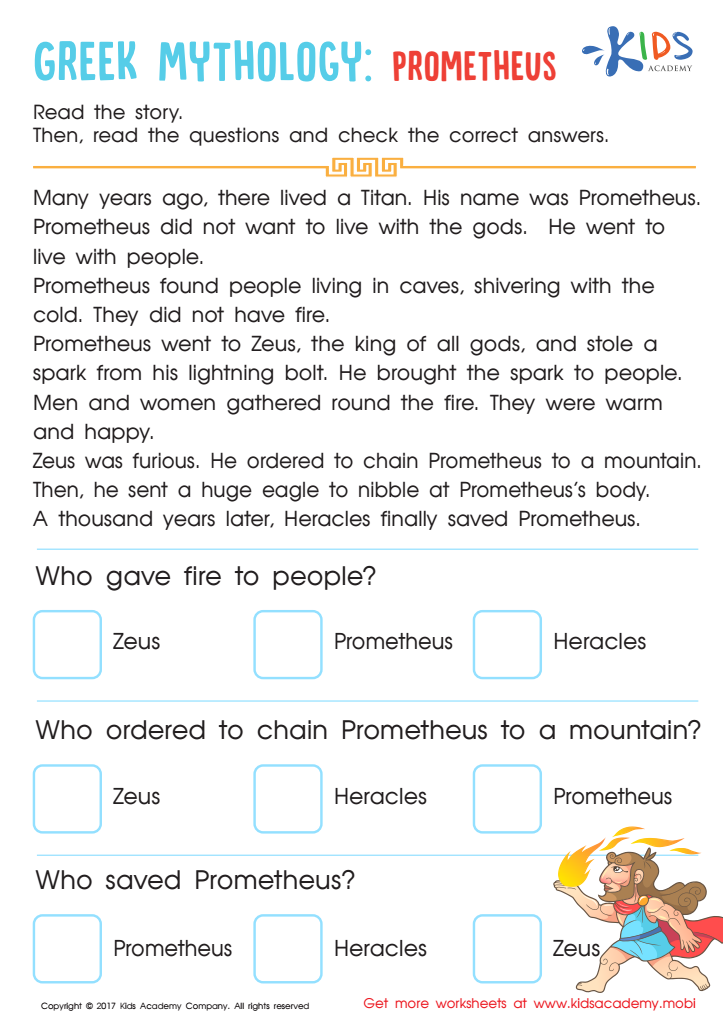
Prometheus Story Worksheet
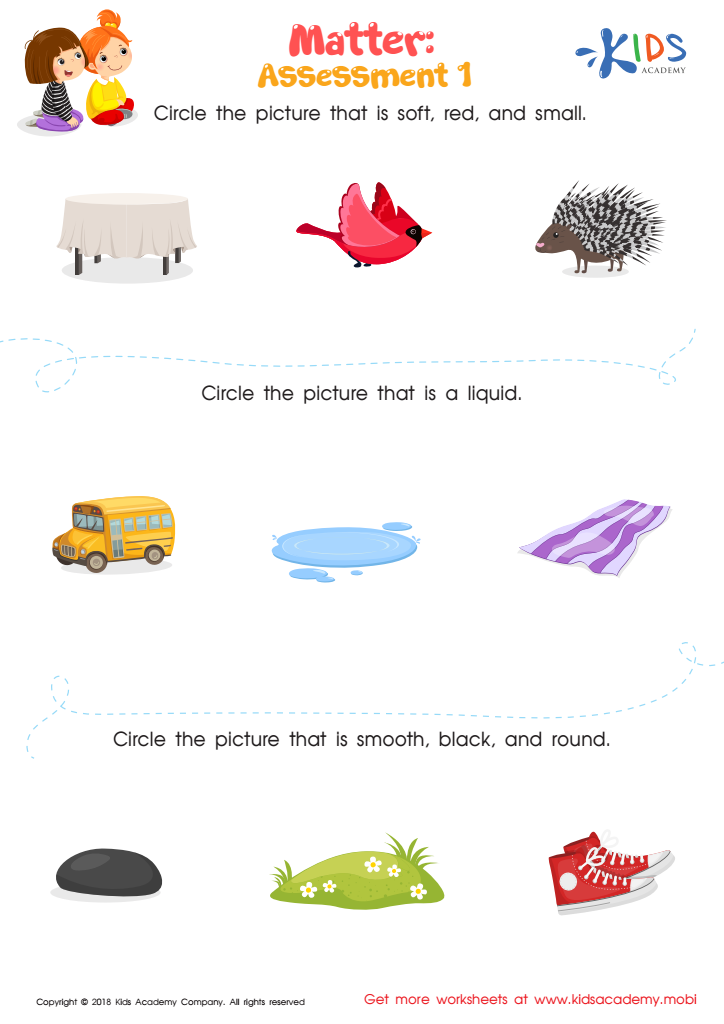
Matter: Assessment 1 Worksheet
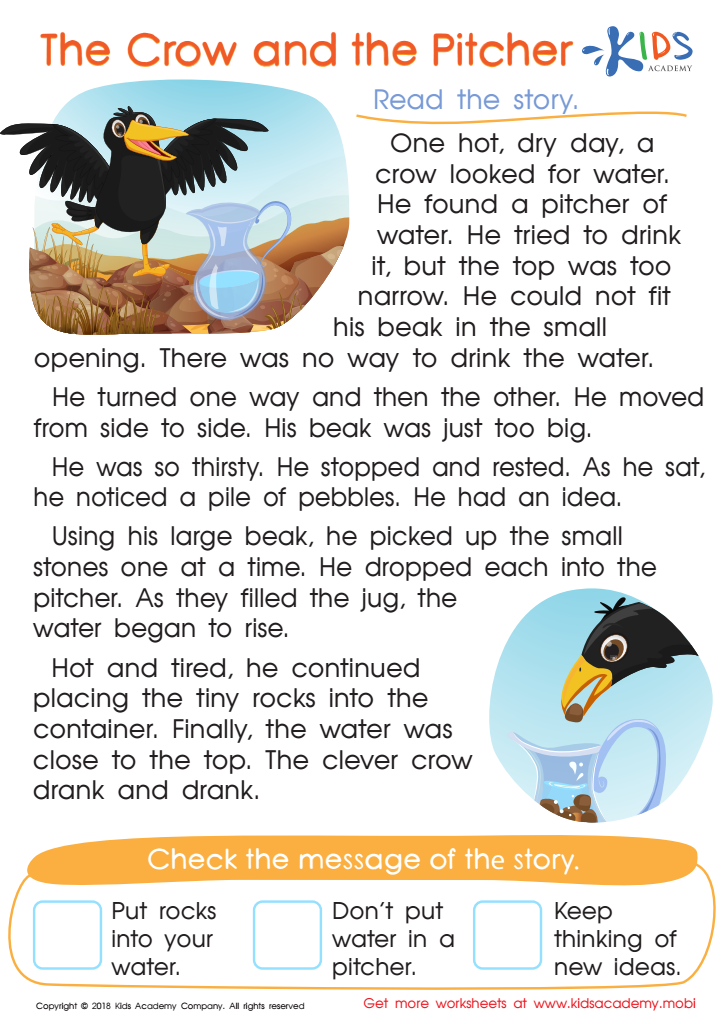
The Crow and the Pitcher Worksheet
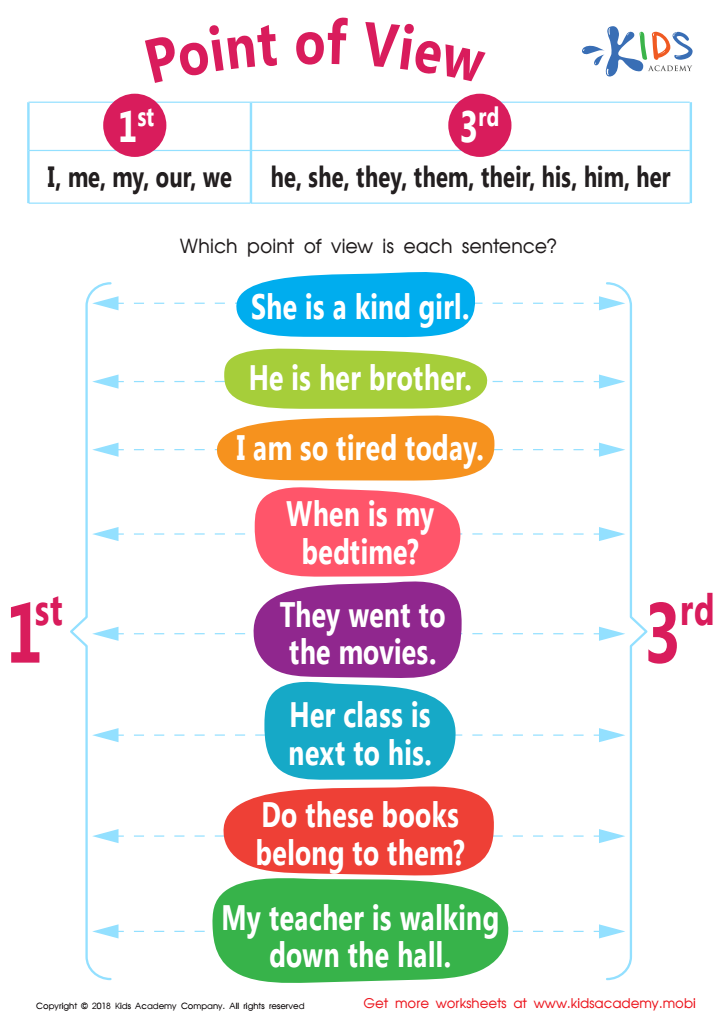
Point of View Worksheet
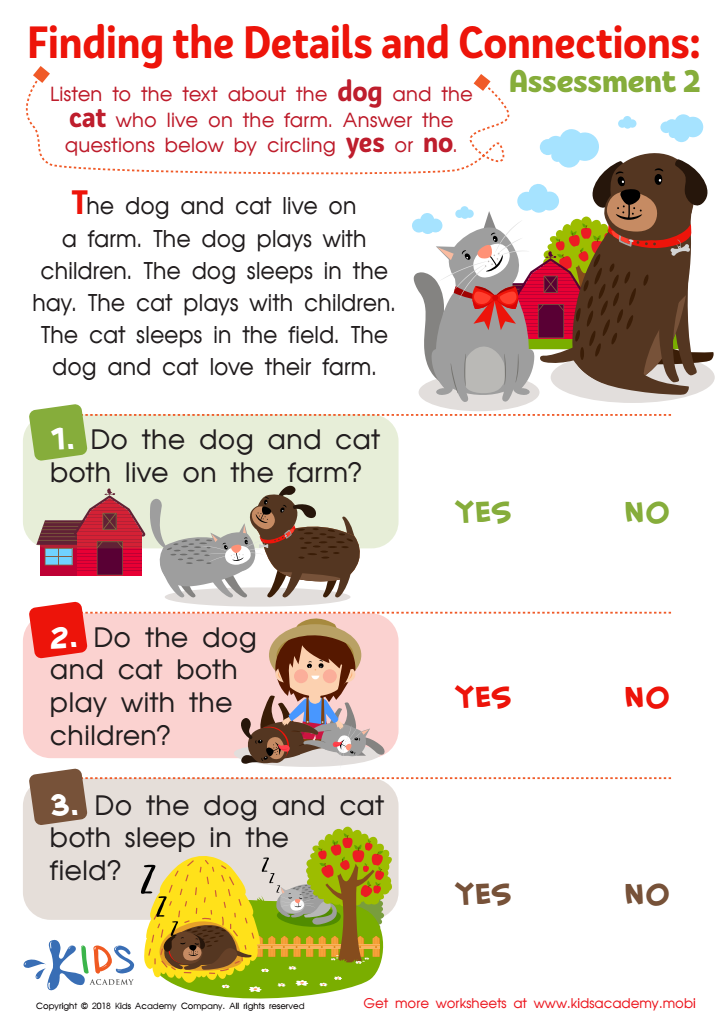
Finding the Details and Connections: Assessment 2 Worksheet
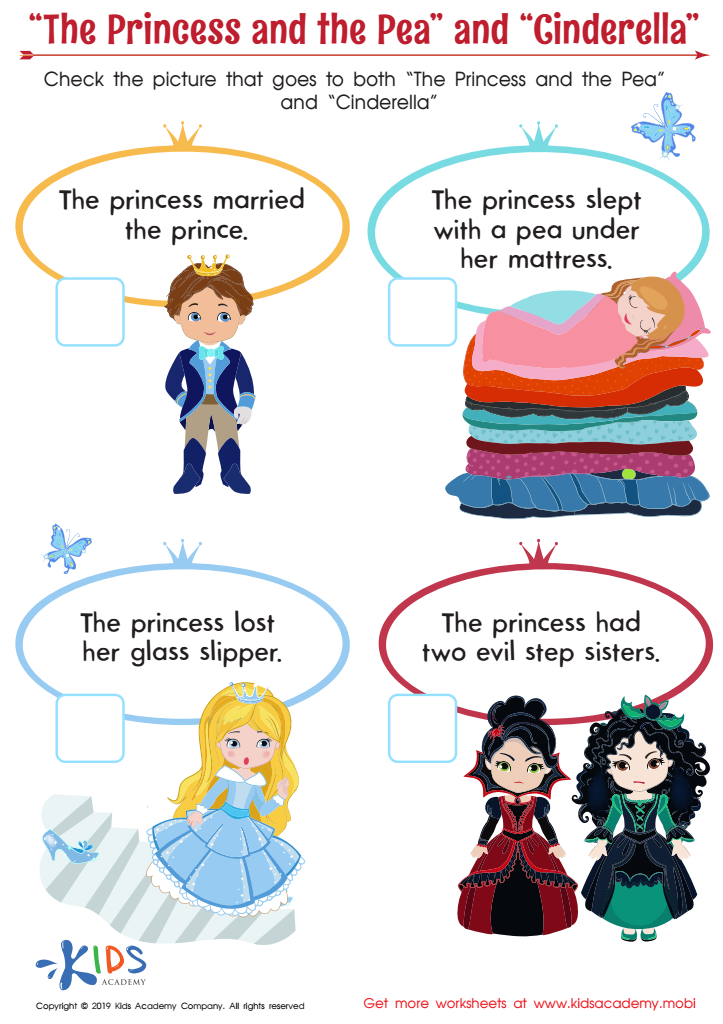
“The Princess and the Pea” and “Cinderella” Worksheet
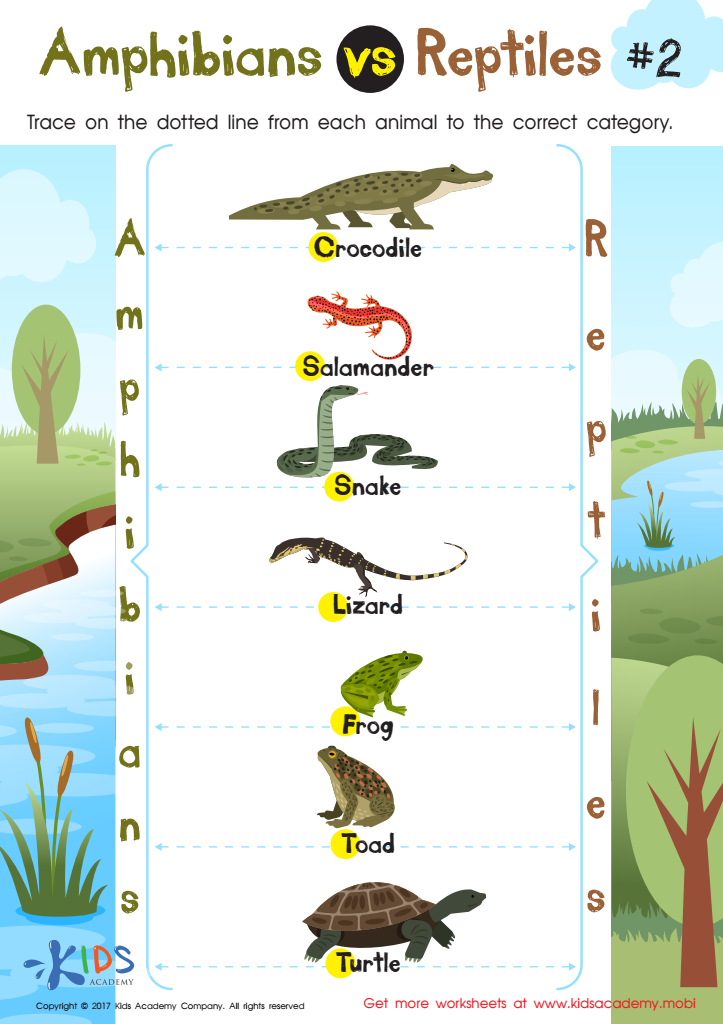
Amphibians vs Reptiles Worksheet for 3rd Grade
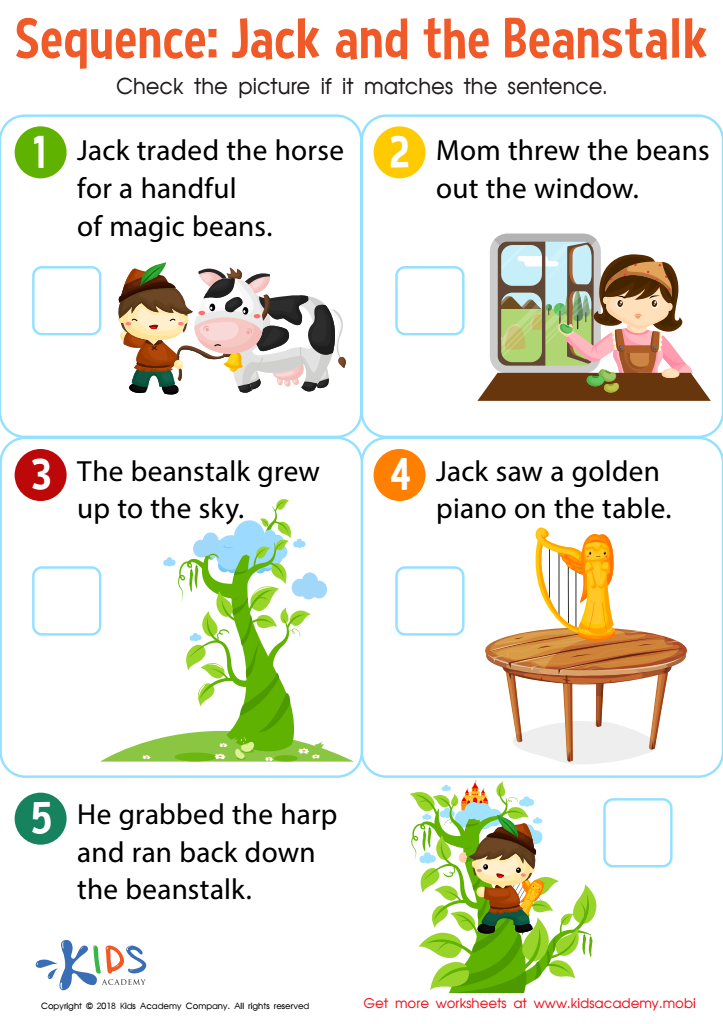
Sequence: Jack and The Beanstalk Worksheet
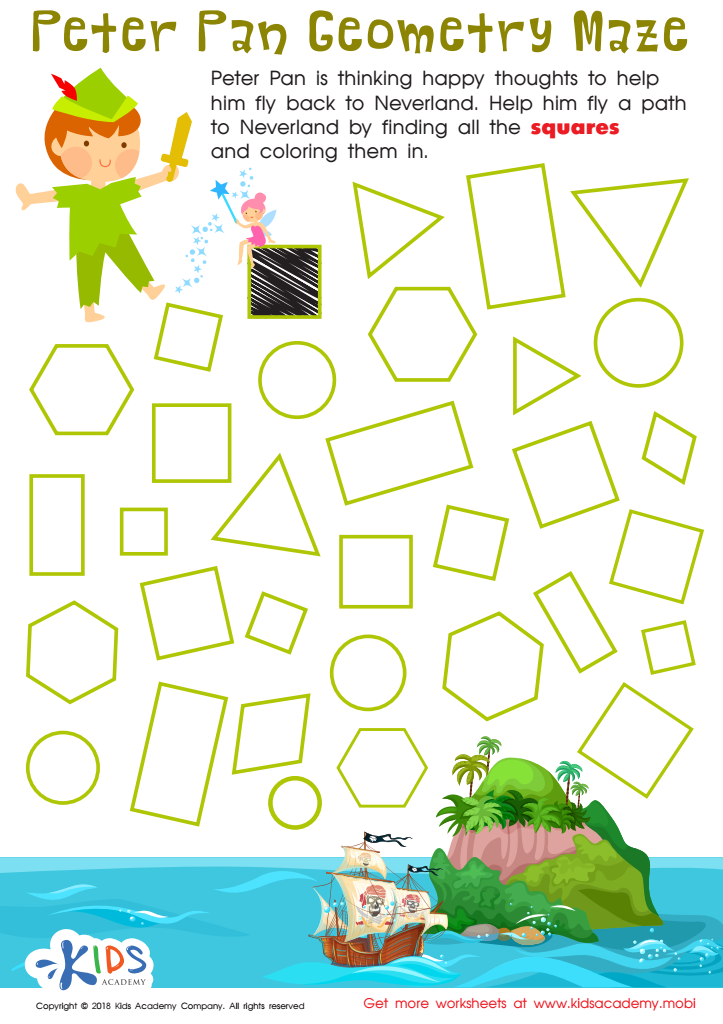
Peter Pan Worksheet
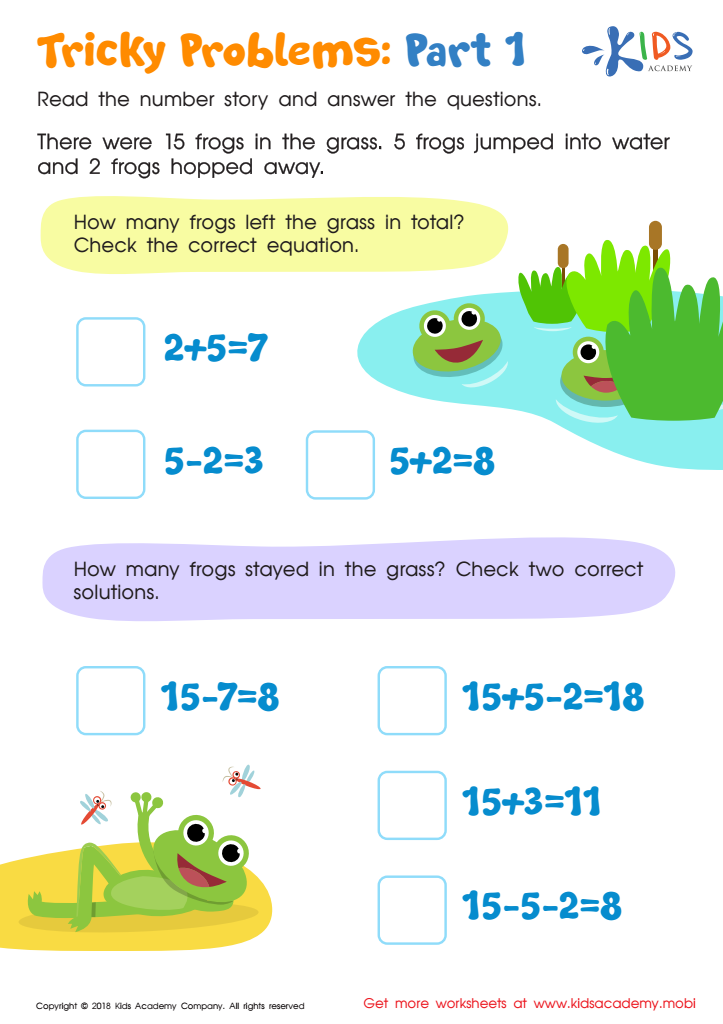
Tricky Problems Worksheet: Part 1
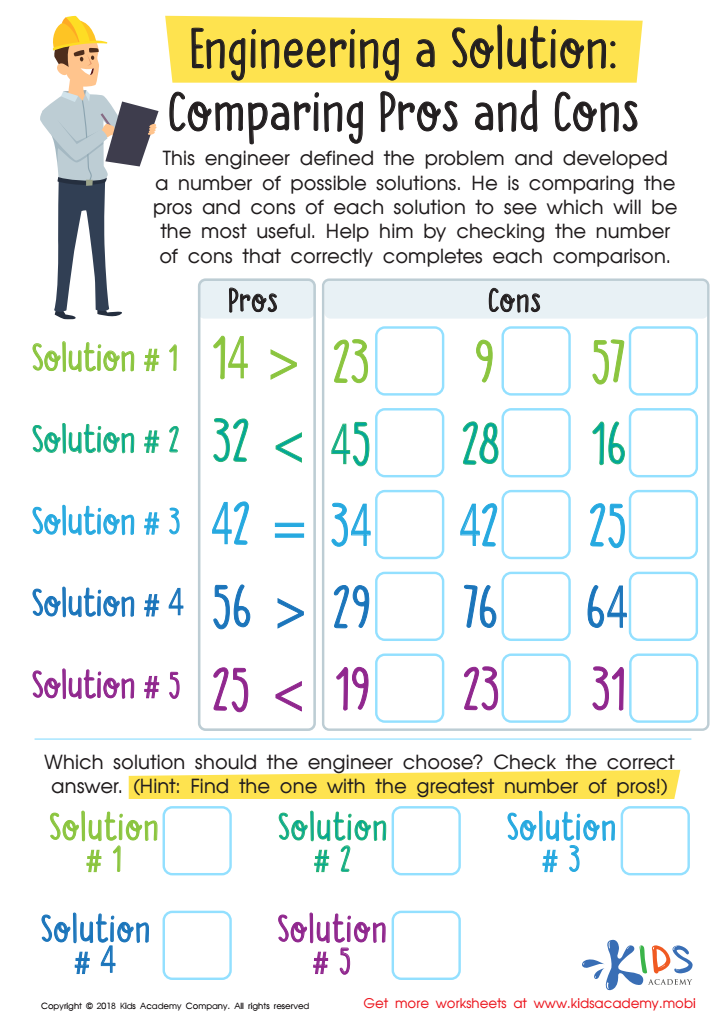
Engineering a Solution: Comparing Pros and Cons Worksheet
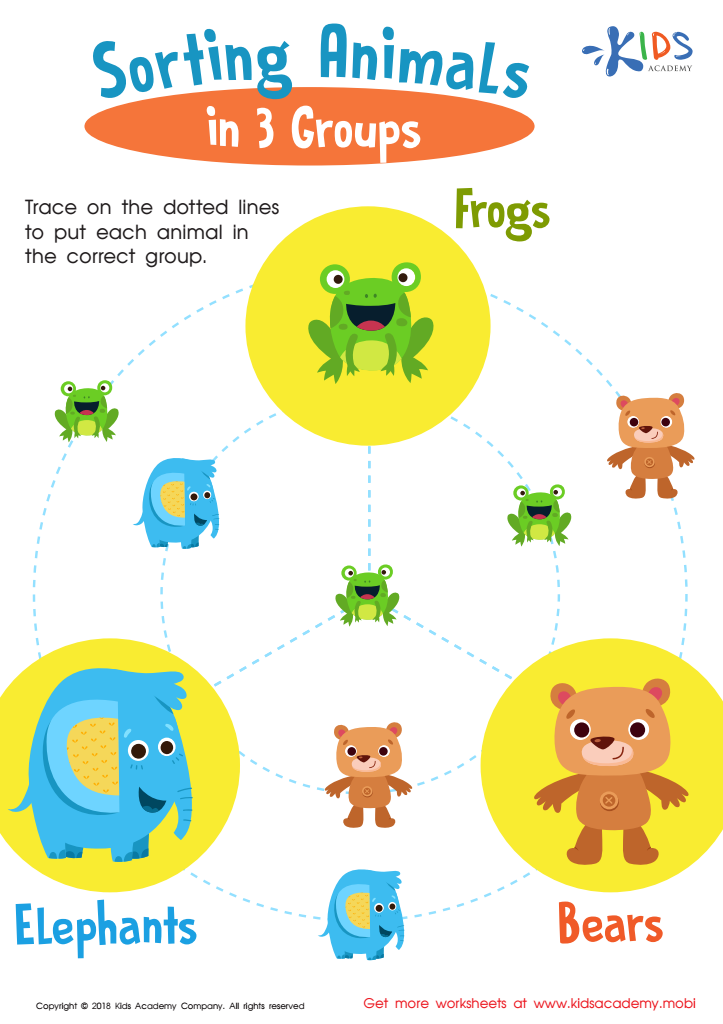
Sorting Animals in 3 Groups Worksheet
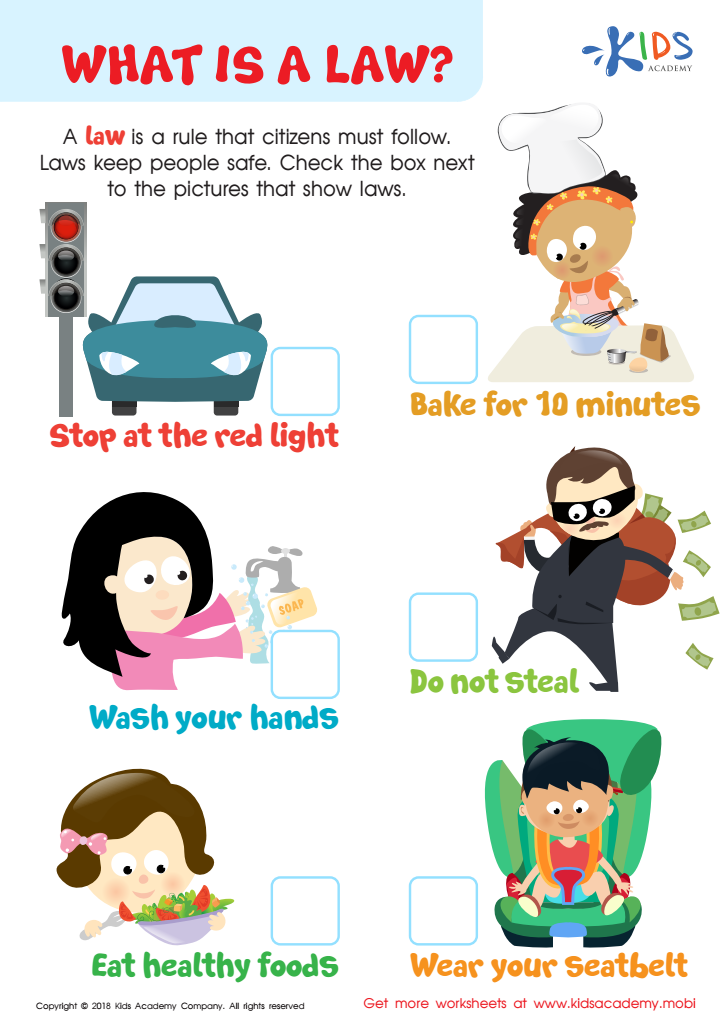
What is a Law? Worksheet
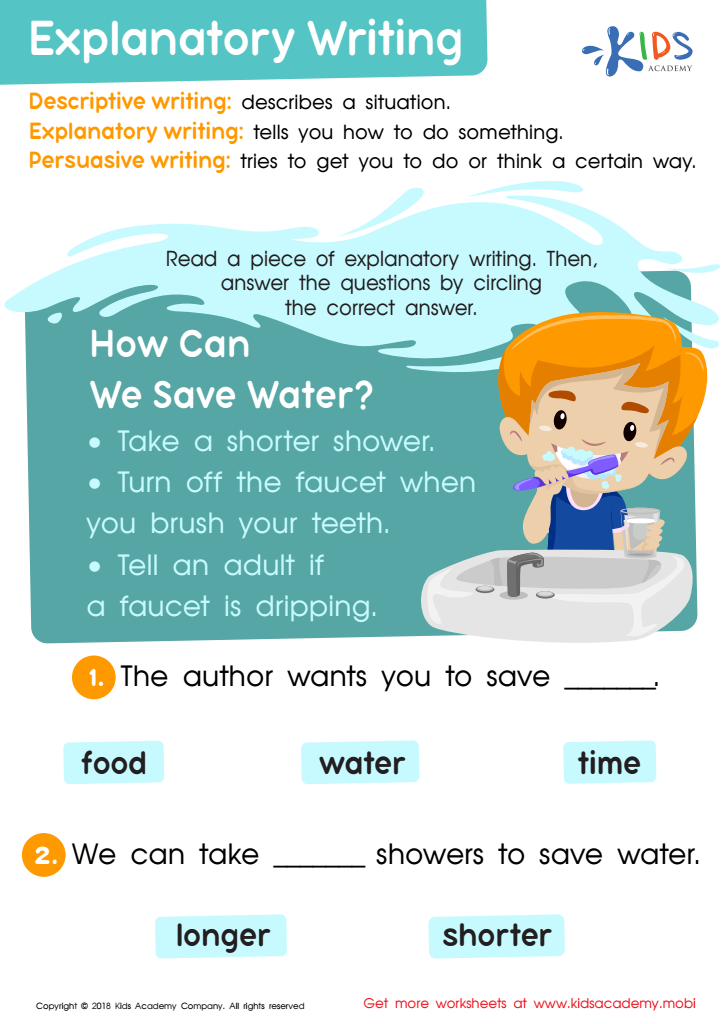
Explanatory Writing Worksheet
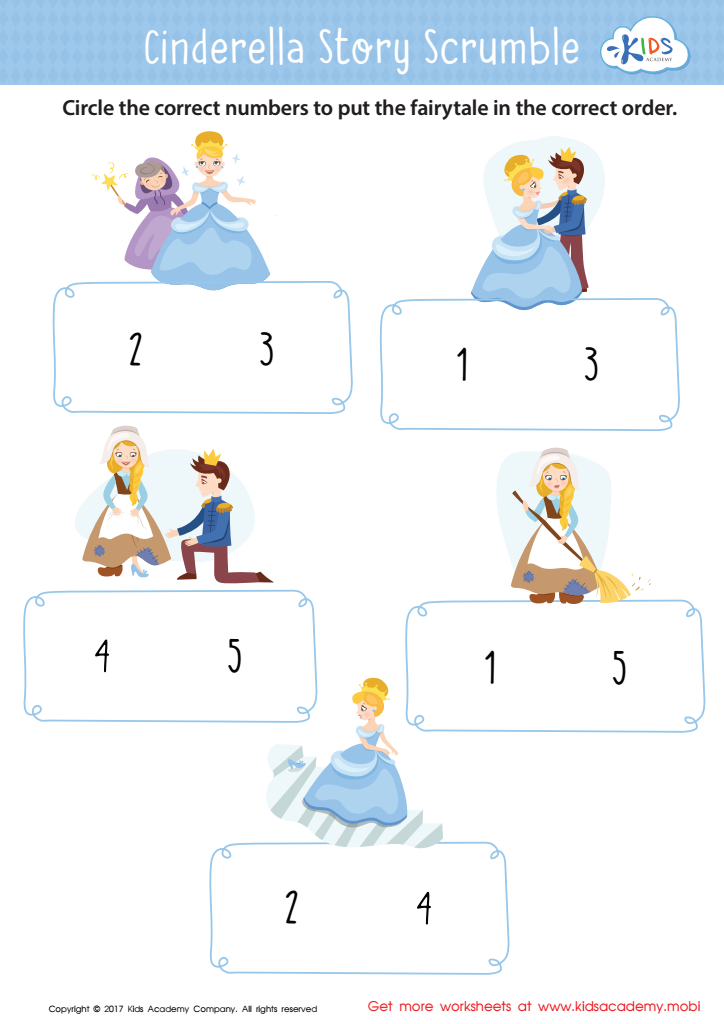
Cinderella Story Sequencing Worksheet

Native American Word Search Printable
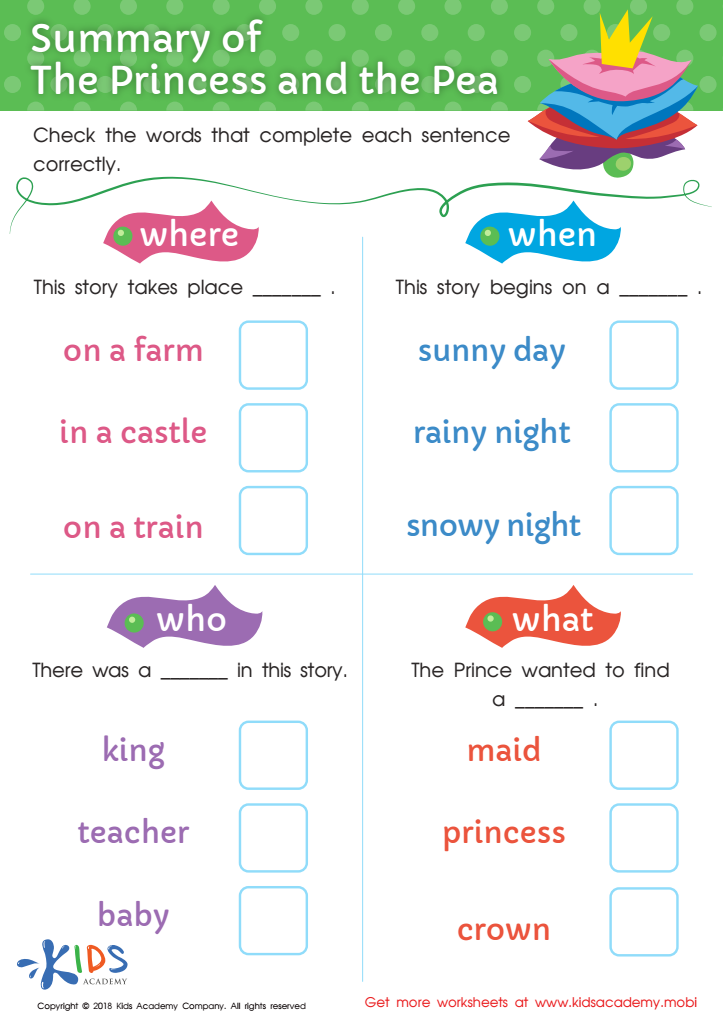
The Summary of the Princess and the Pea Worksheet
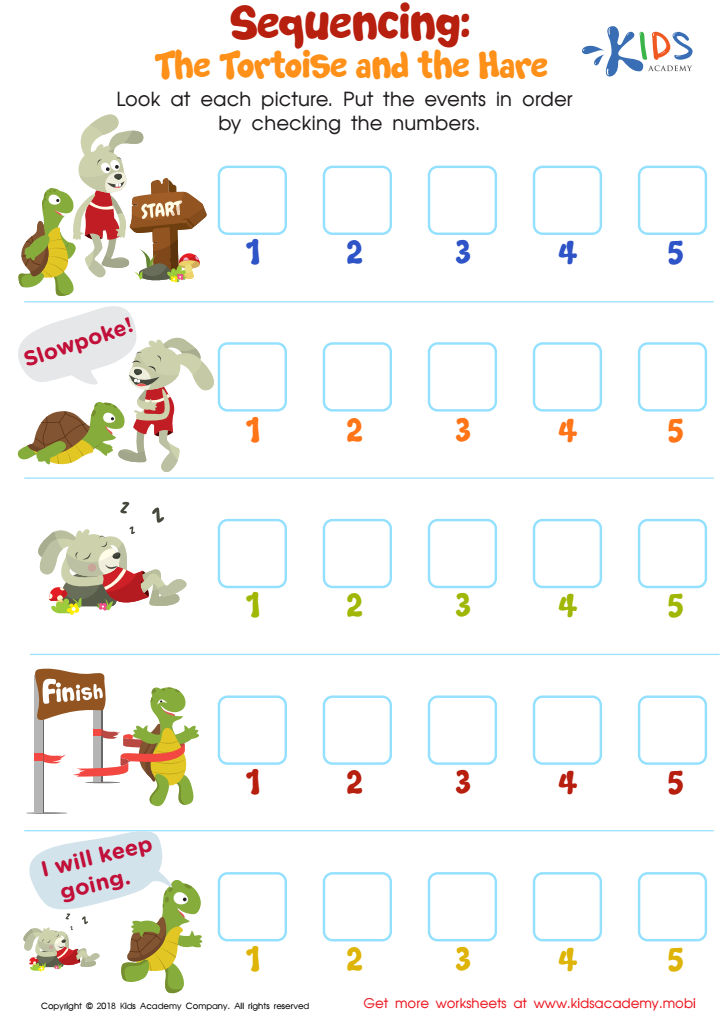
Sequencing: The Tortoise and the Hare Worksheet

Find the Pattern Worksheet
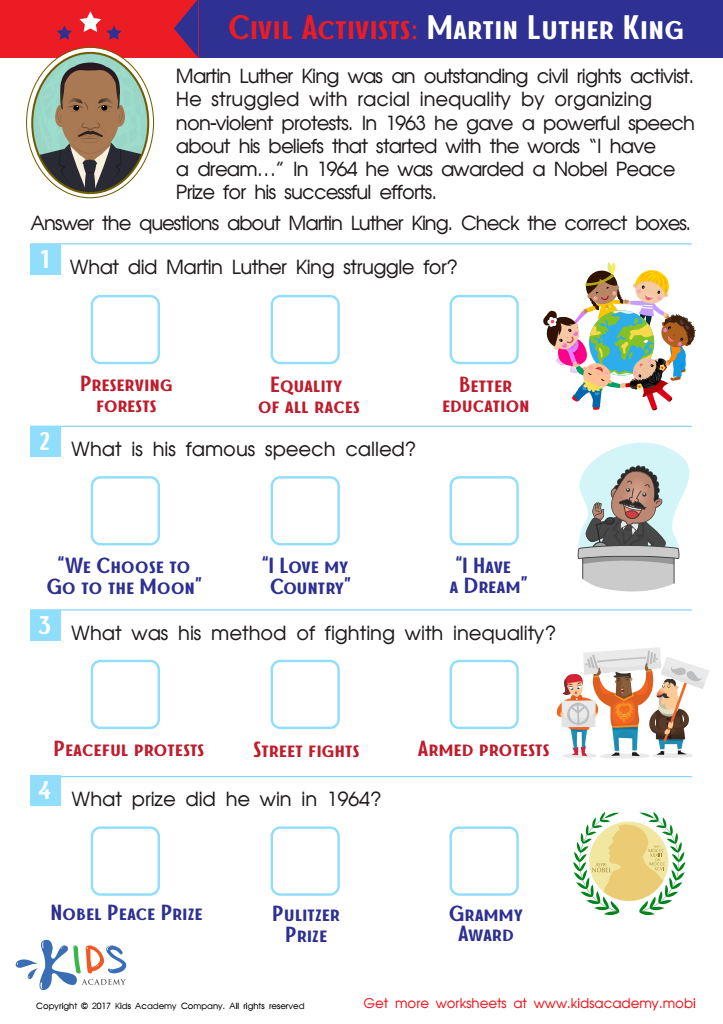
Martin Luther King Worksheet
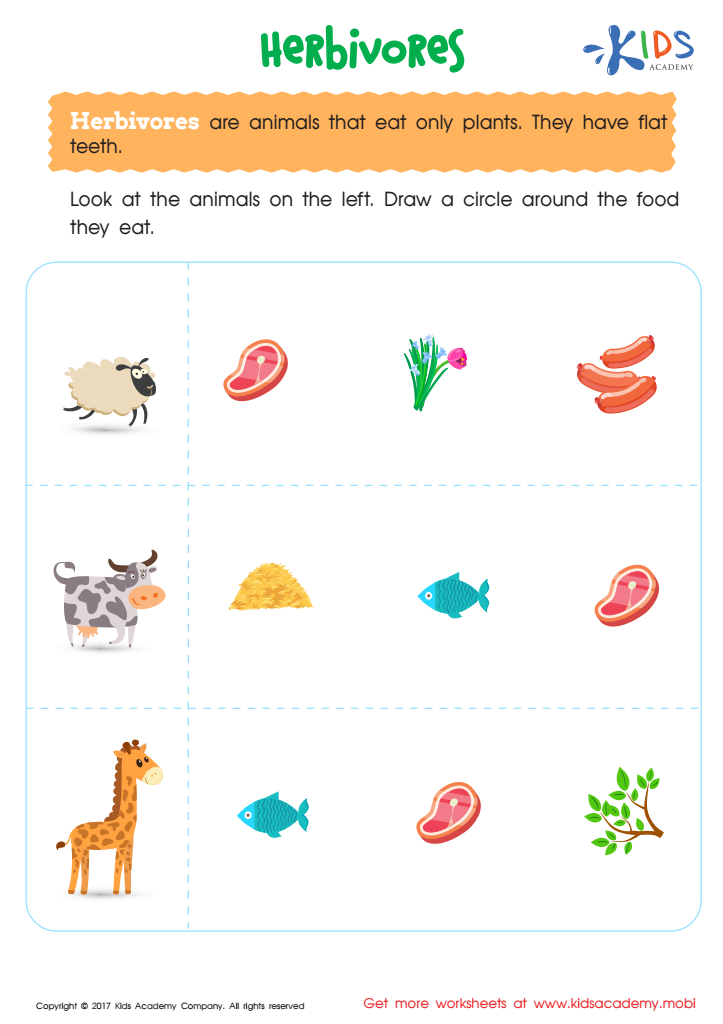
Herbivores Printable
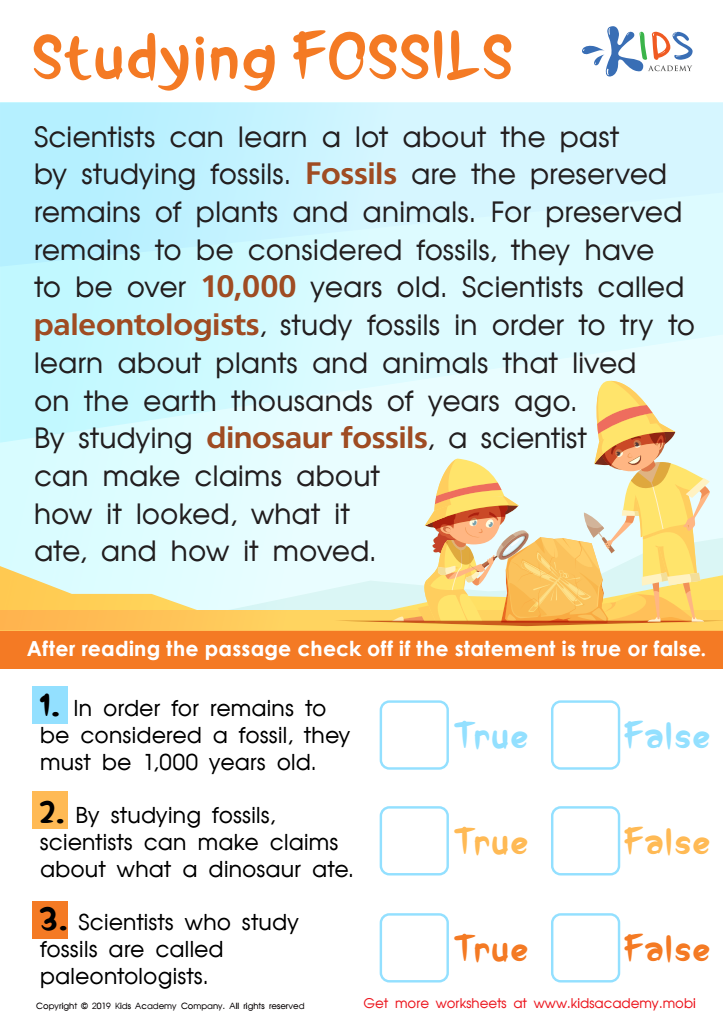
Studying Fossils Worksheet







.jpg)
Critical thinking skills are essential for children aged 4-8 as they lay the foundation for lifelong learning and problem-solving abilities. At this developmental stage, children are naturally curious and eager to explore their environment. Encouraging critical thinking enables them to ask questions, analyze information, and draw conclusions based on their observations.
Parents and teachers should care about fostering critical thinking because it empowers children to become independent thinkers. Through activities that promote inquiry, discussion, and exploration, children learn to evaluate situations, recognize patterns, and consider multiple perspectives. These skills enhance their ability to navigate social interactions and academia, preparing them for future challenges.
Moreover, critical thinking helps children develop resilience as they learn to approach problems methodically. Rather than relying solely on memorization, they are equipped to tackle real-world issues creatively and confidently. This flexibility in thinking supports emotional intelligence and adaptability, crucial traits in today’s increasingly complex world.
Additionally, teaching critical thinking at an early age helps cultivate a love for learning, encouraging children to seek knowledge beyond the classroom. By nurturing these abilities, parents and teachers can ensure that children grow into competent, resourceful adults who are capable of making informed decisions throughout their lives.








