Normal Addition & Subtraction Worksheets for Ages 4-9 - Page 2
171 filtered results
-
From - To
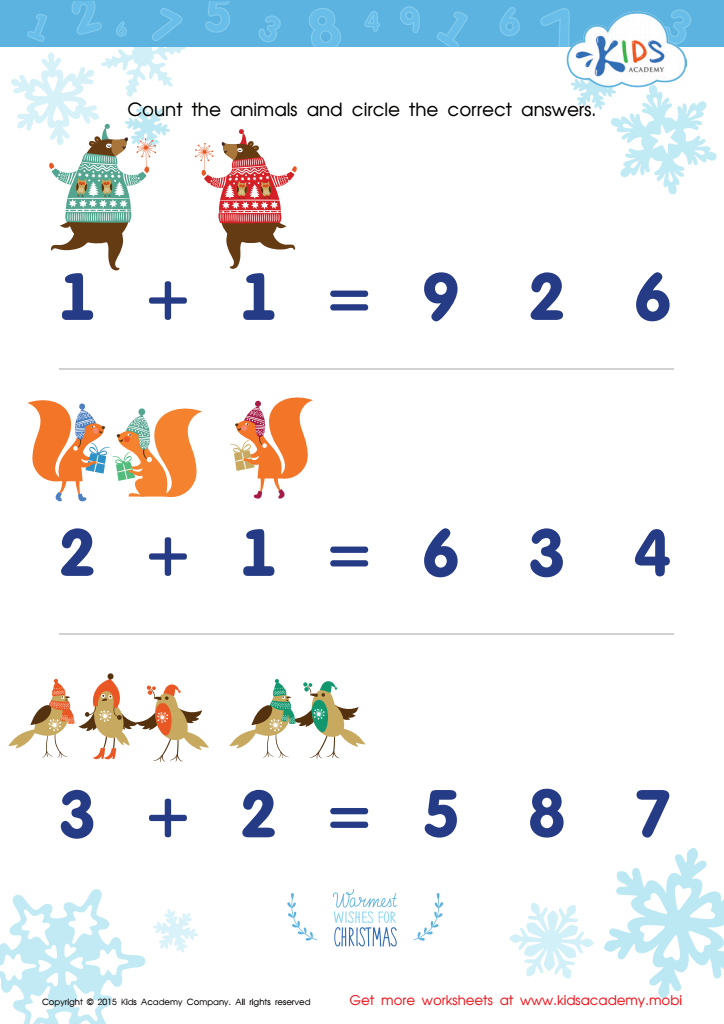
Count Funny Animals Worksheet
 Assign to My Students
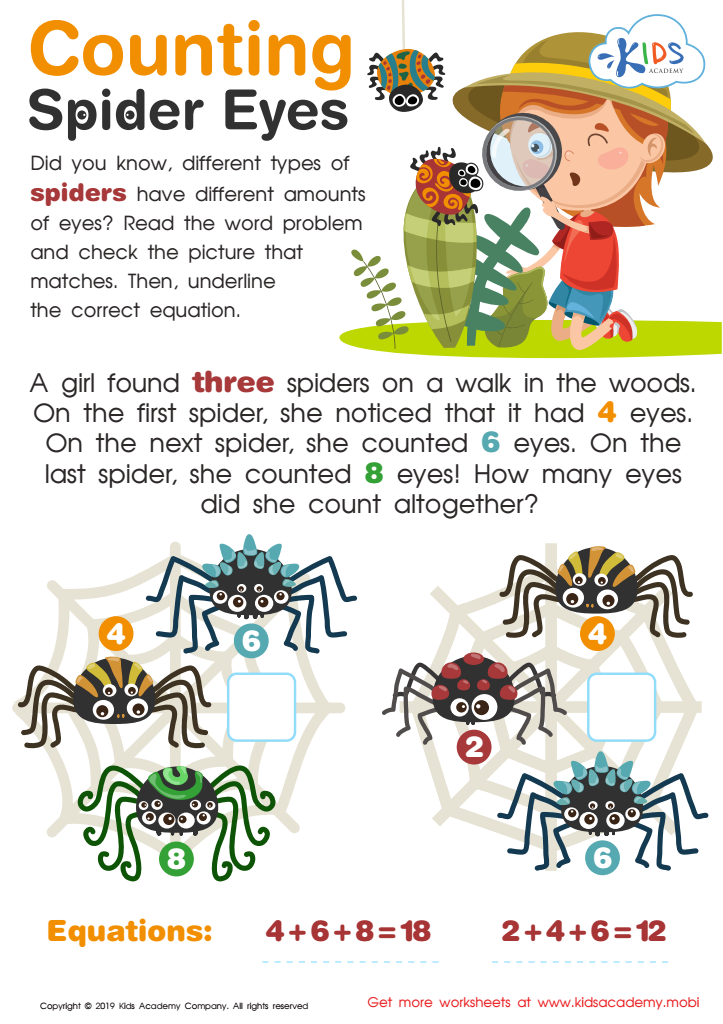
Counting Spider Eyes Worksheet
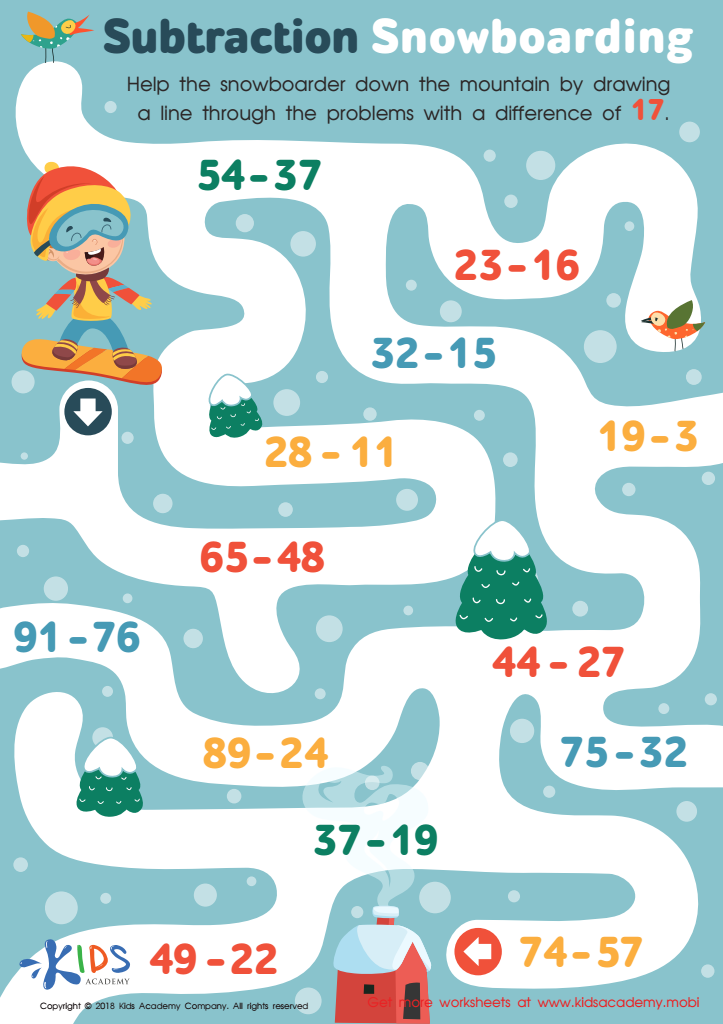
Subtraction Snowboarding Worksheet
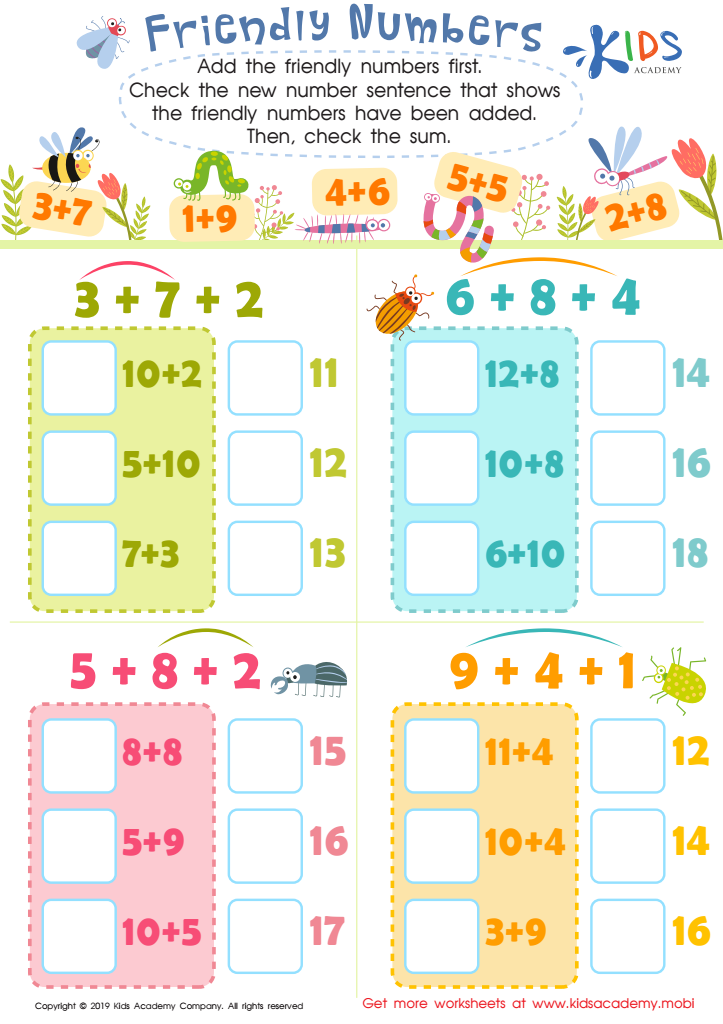
Friendly Numbers Worksheet
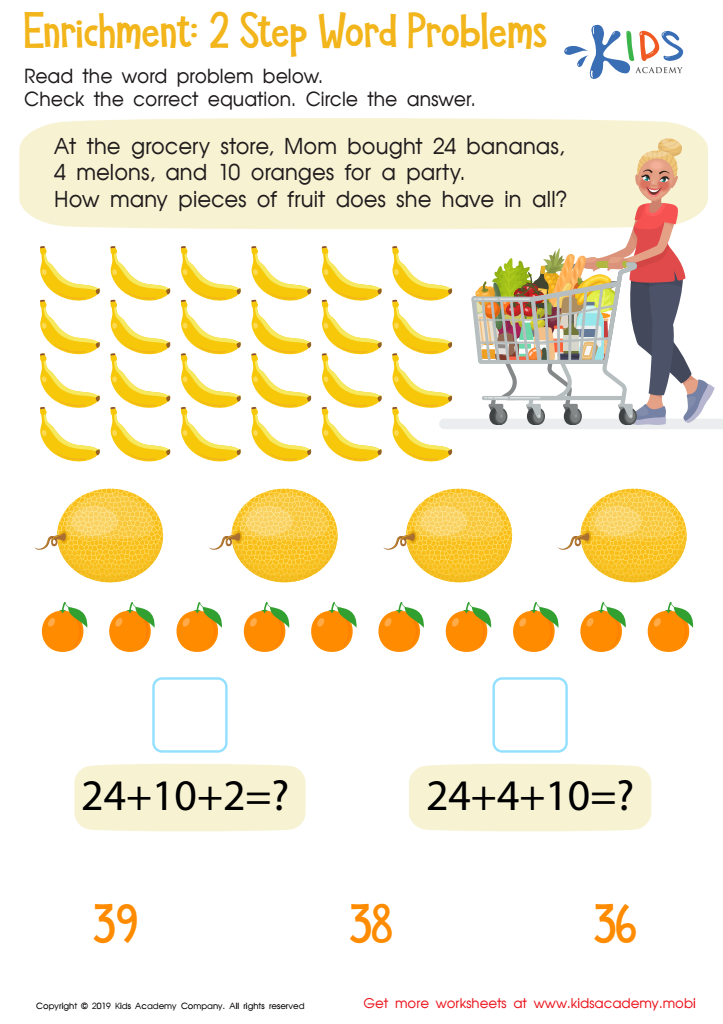
Enrichment -2 Step Word Problems Worksheet
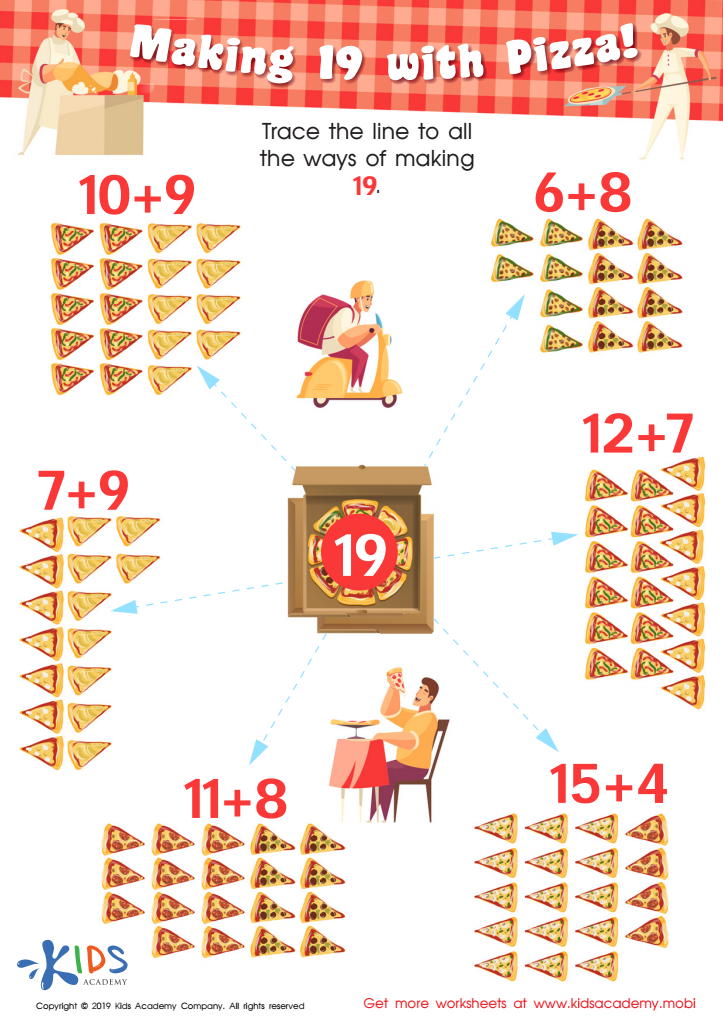
Making 19 with Pizza! Worksheet
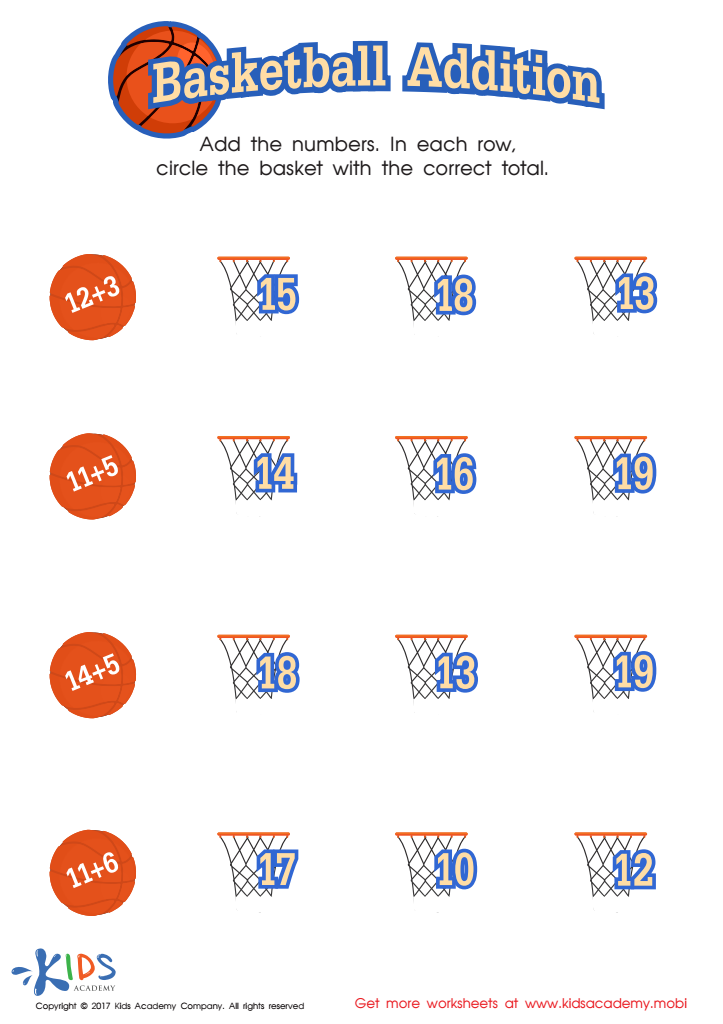
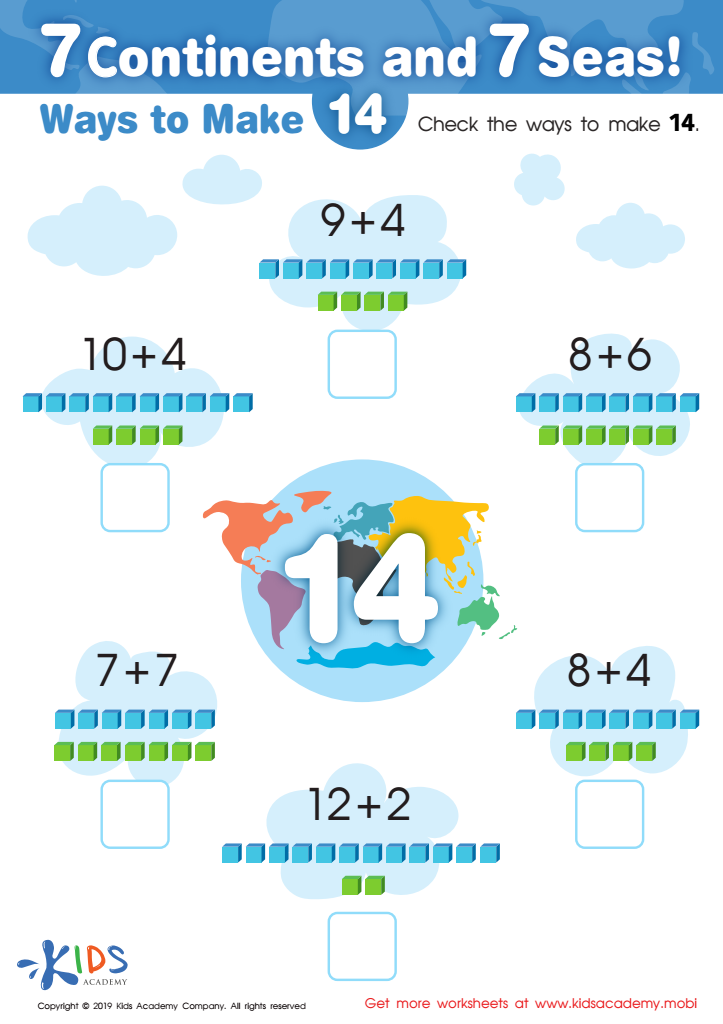
7 Continents and 7 Seas Worksheet
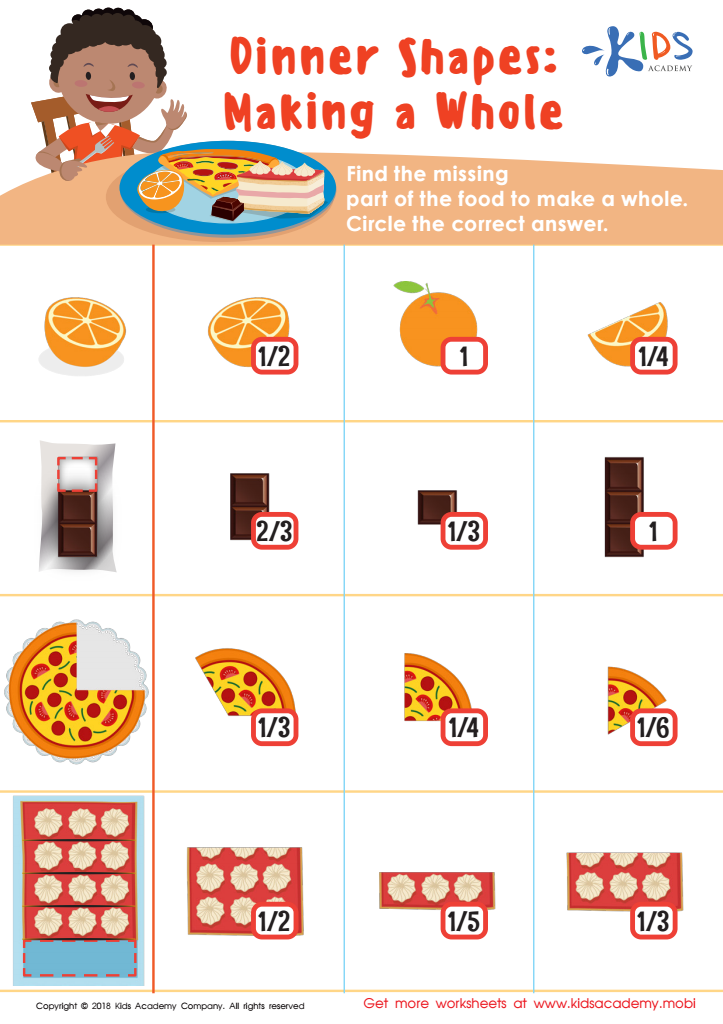
Dinner Shapes: Making a Whole Worksheet
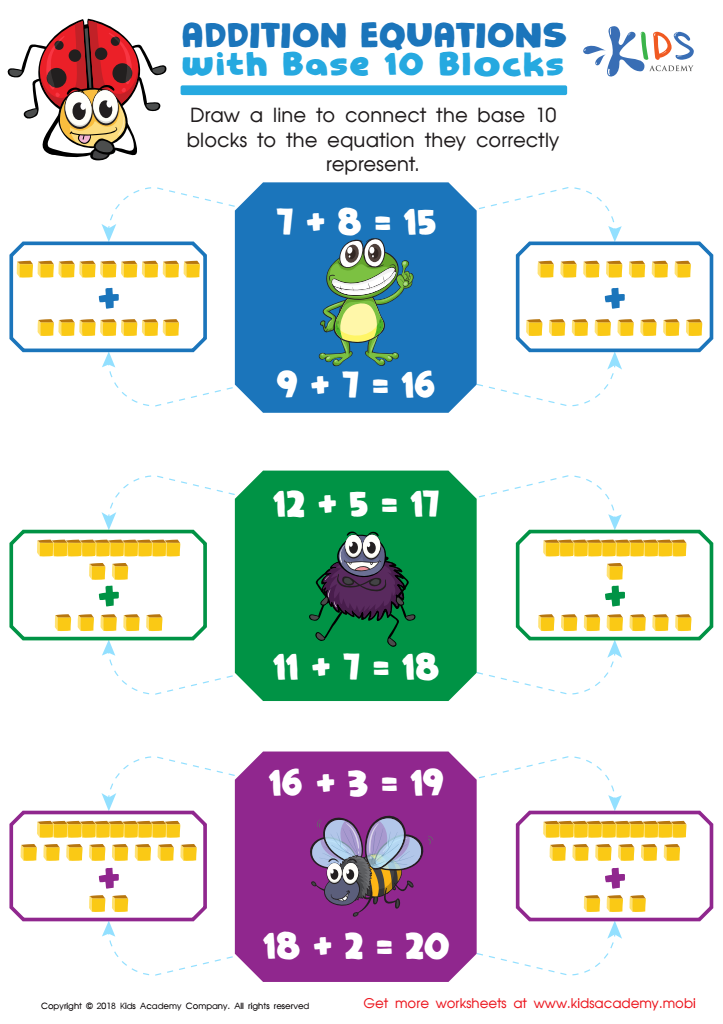
Addition Equations With Base 10 Blocks Worksheet
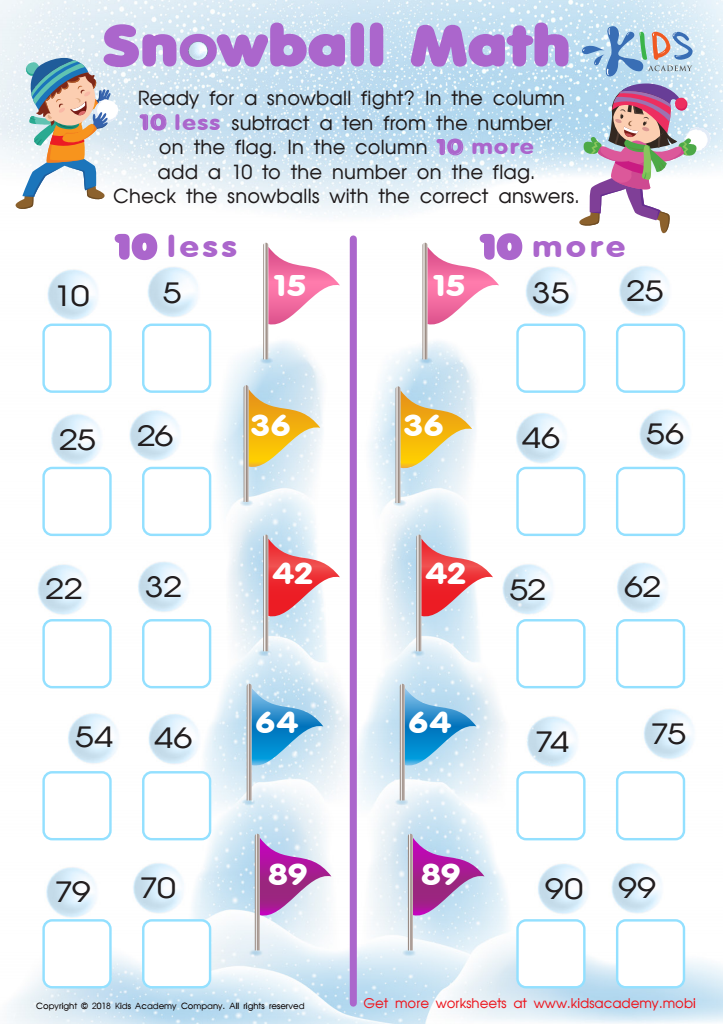
Snowball Math Worksheet
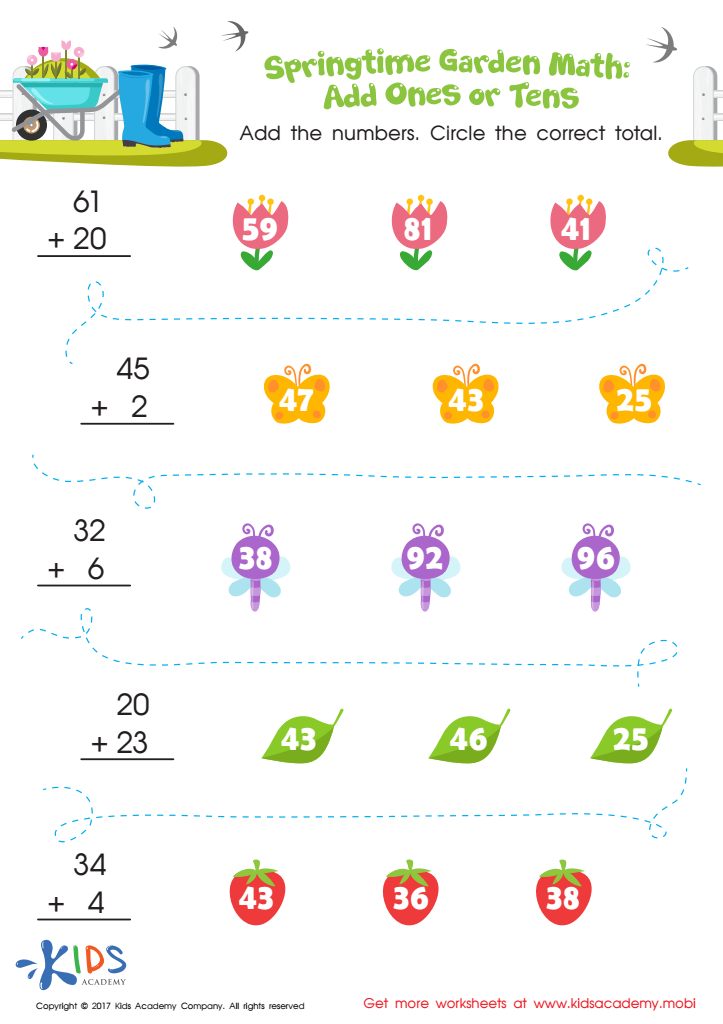
Springtime Garden Math Worksheet
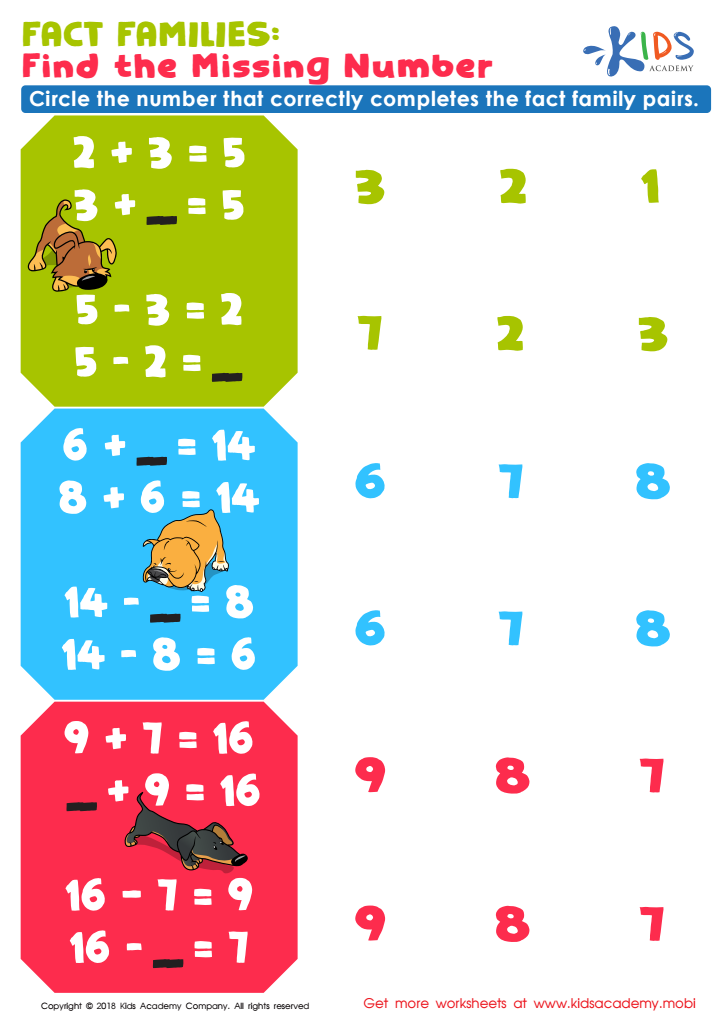
Fact Families: Find Missing Number Worksheet
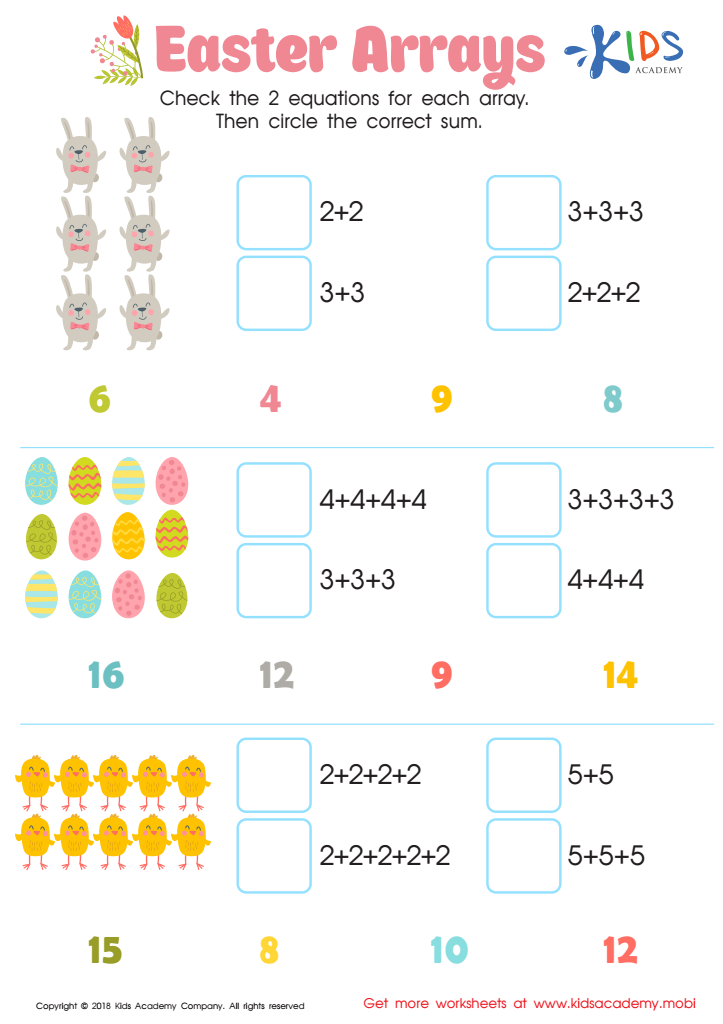
Easter Arrays Worksheet
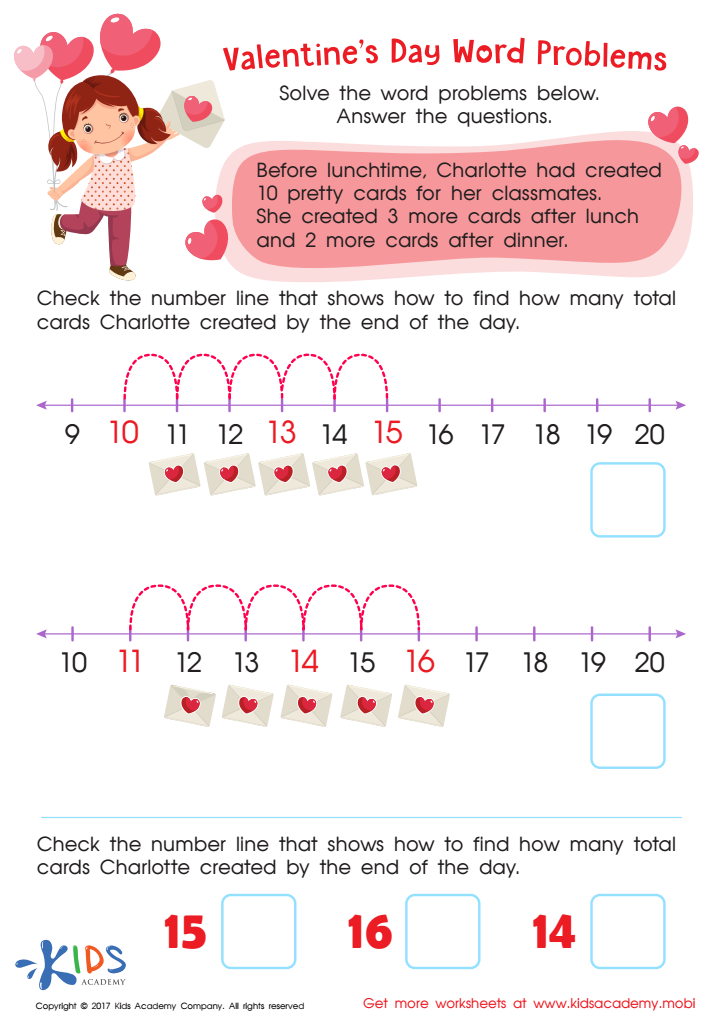
Valentines Day Word Problem Worksheet
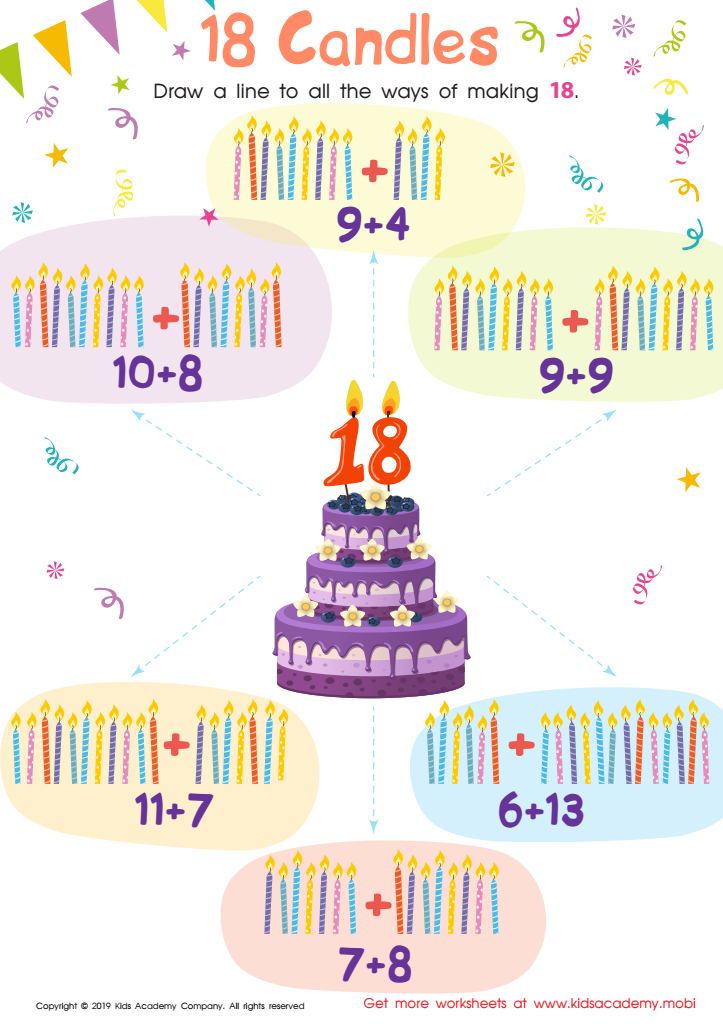
18 Candles Worksheet
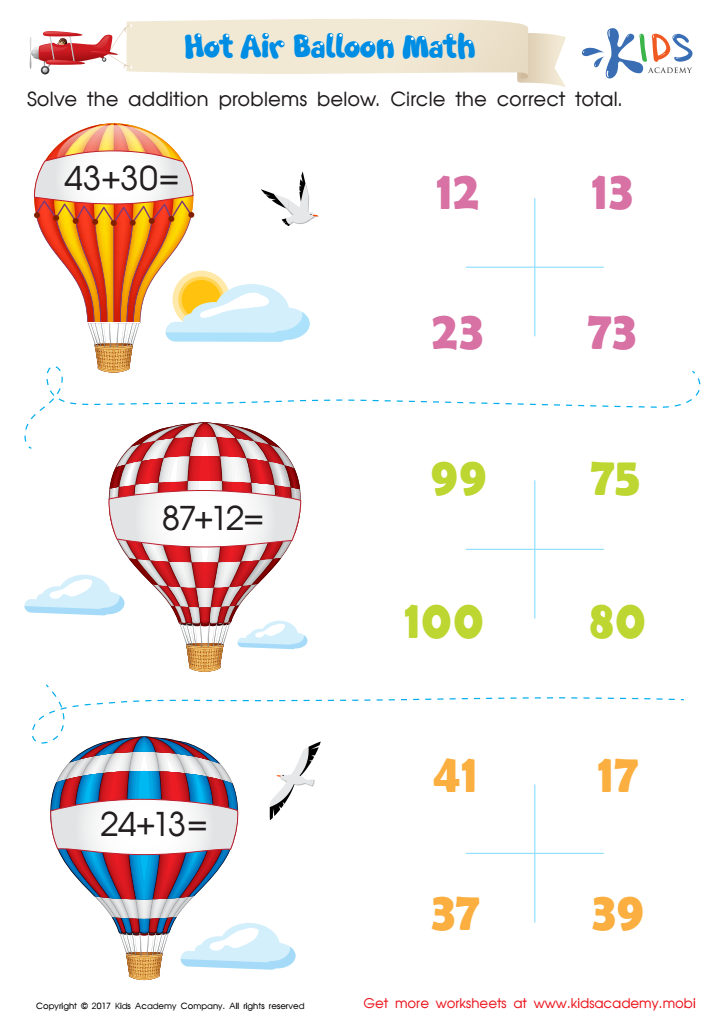
Hot Air Balloon Math Worksheet
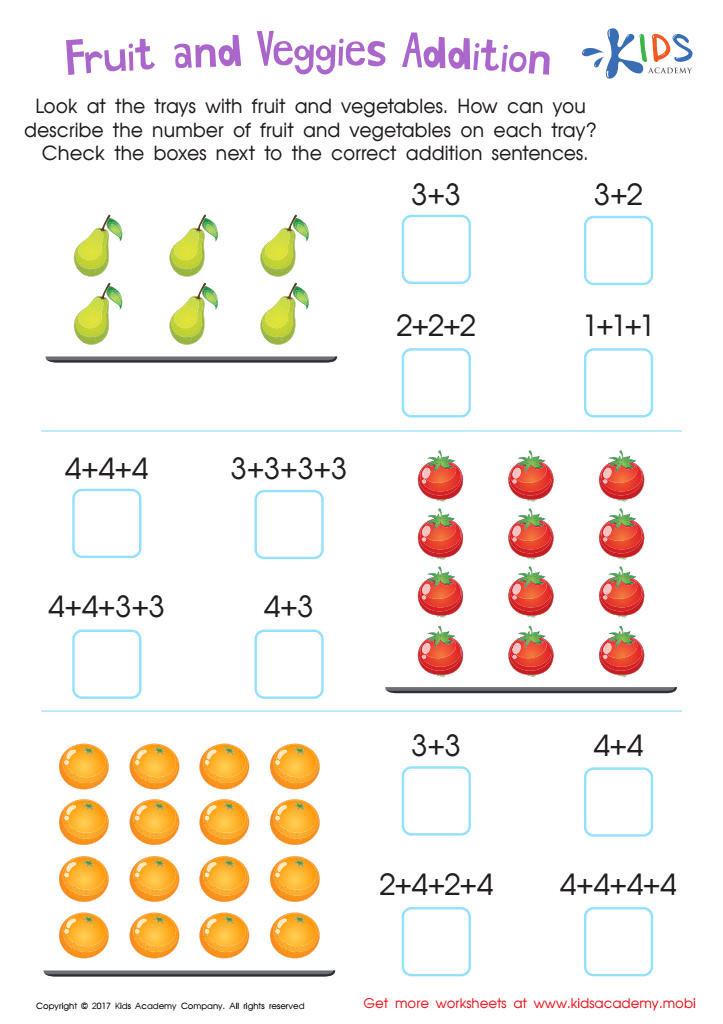
Fruit and Veggies Worksheet
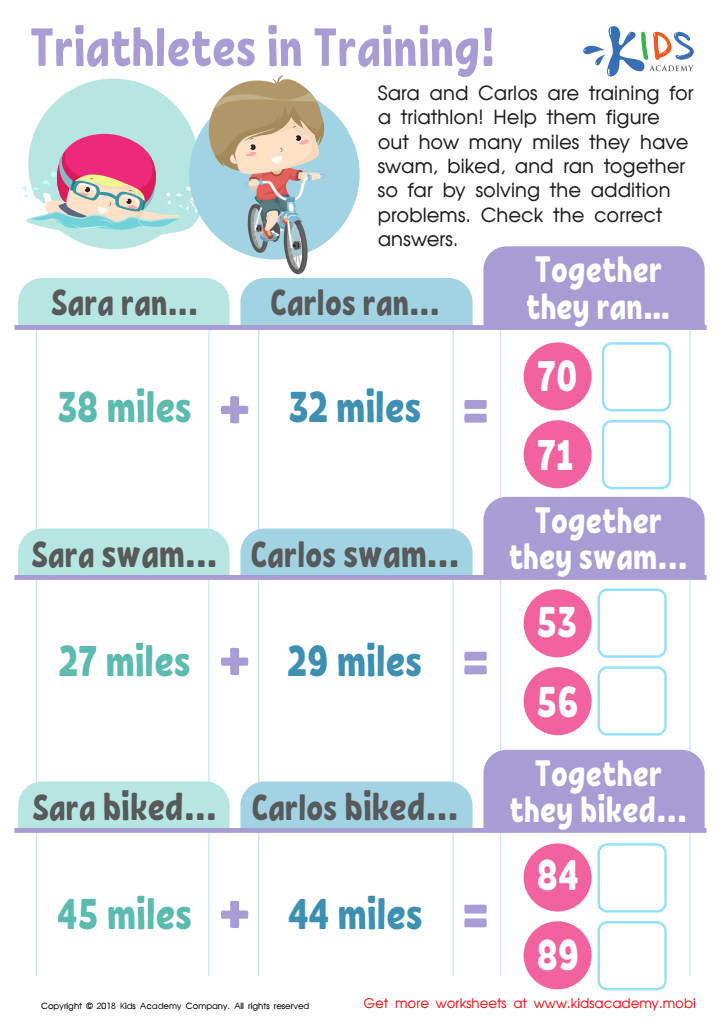
Triathletes in Training Worksheet
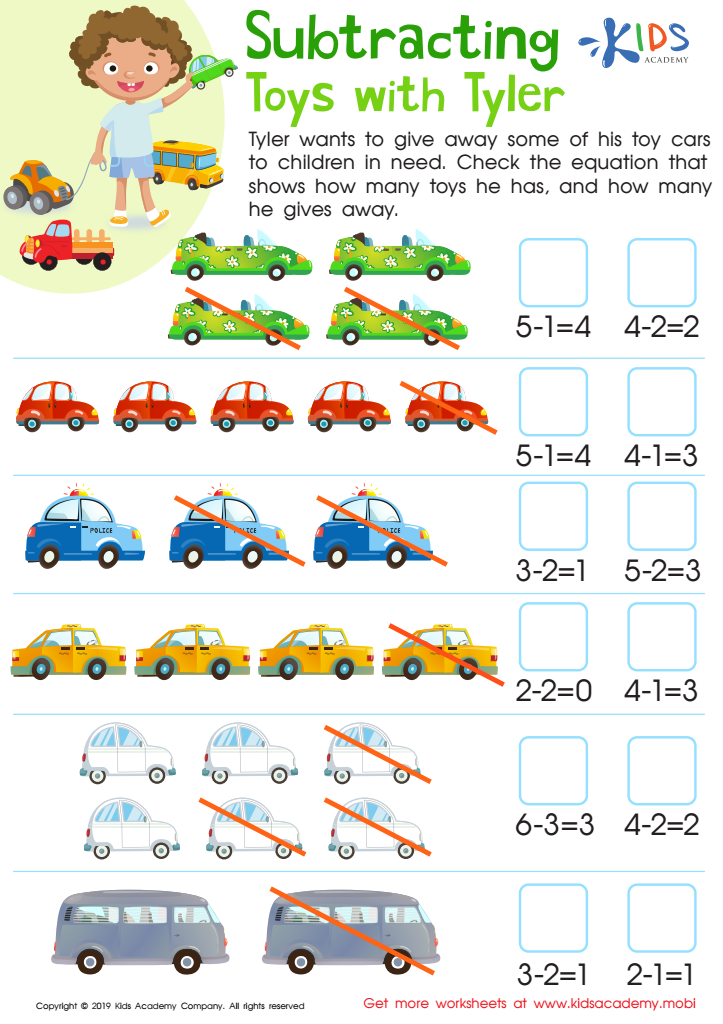
Subtracting Toys with Tyler Worksheet
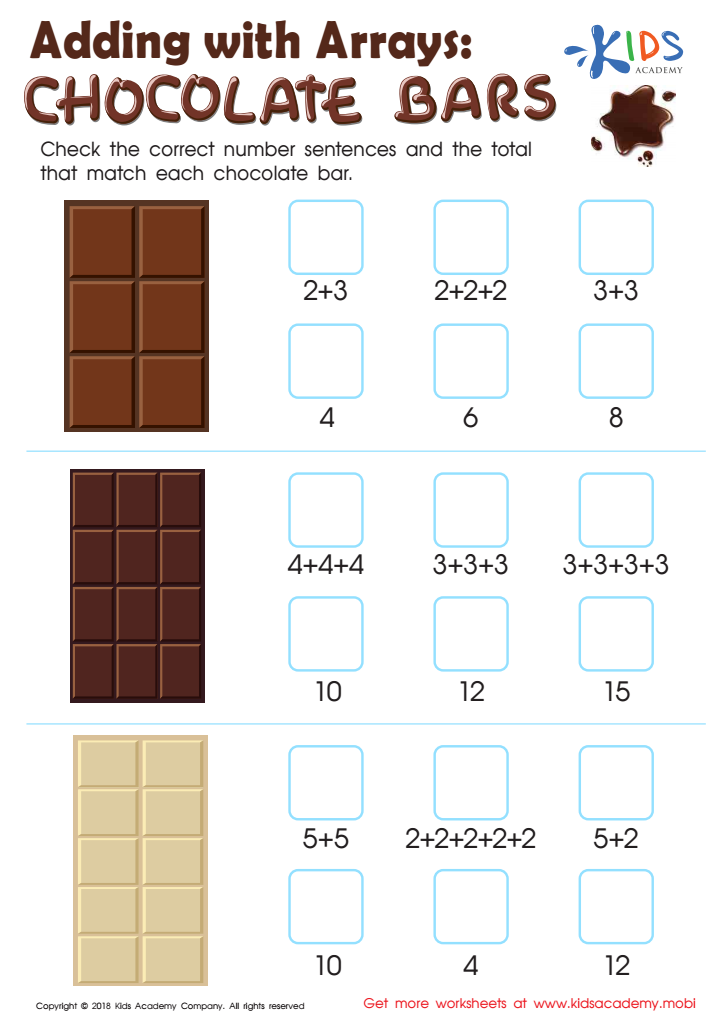
Adding with Arrays: Chocolate Bars Worksheet
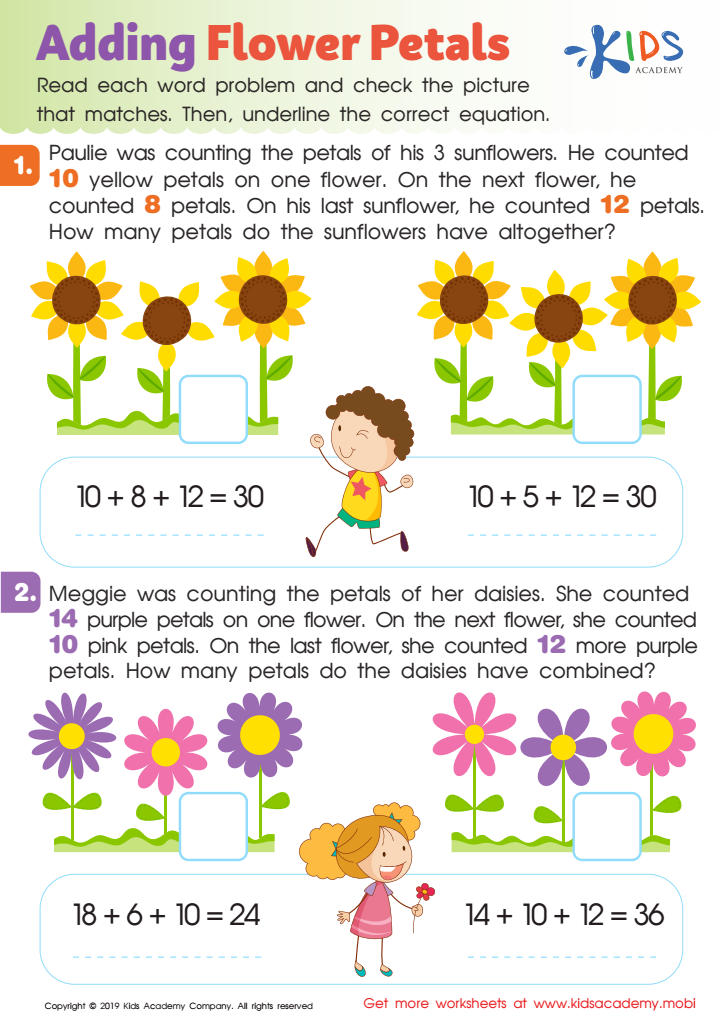
Adding Flower Petals Worksheet
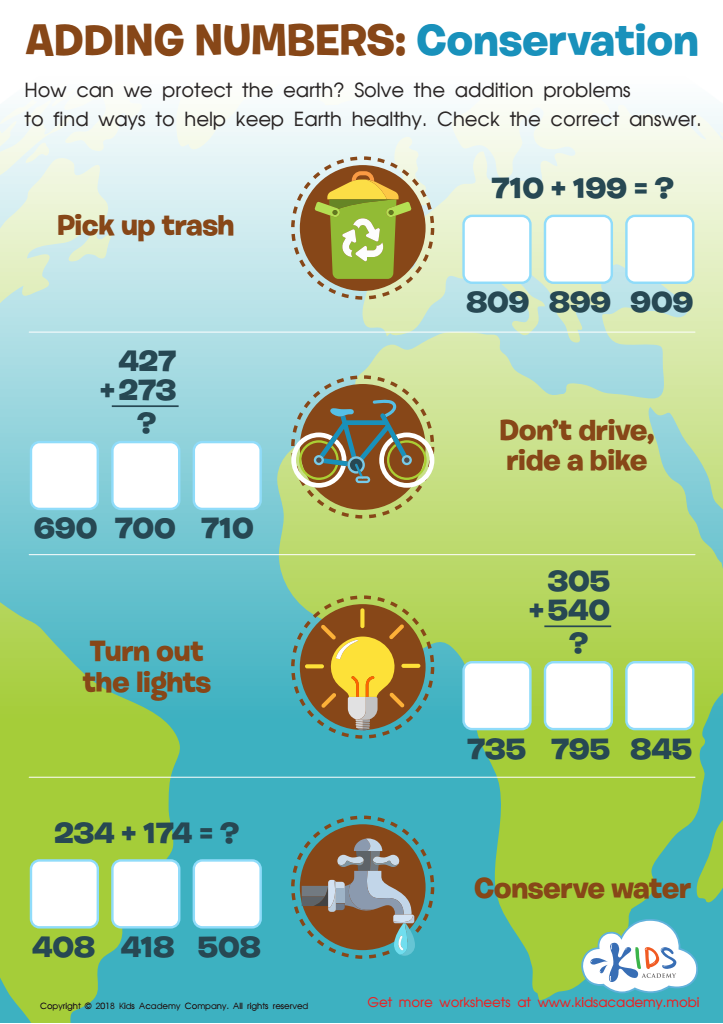
Adding Numbers: Conservation Worksheet








Parents and teachers should care about normal addition and subtraction for children ages 4-9 because these foundational math skills are crucial for their cognitive development, problem-solving abilities, and overall confidence in learning. At this age, children are beginning to make sense of numbers and their relationships, laying the groundwork for more complex math concepts. Mastering basic addition and subtraction enhances their ability to work with larger numbers and introduces them to more advanced operations as they progress.
Furthermore, these skills foster critical thinking and logic, encouraging children to approach problems systematically and develop persistence. When young children grasp these concepts, they are not just learning math; they are also developing essential life skills—like planning, organization, and decision-making.
Moreover, early mathematical proficiency is linked to academic success later in life. Understanding addition and subtraction in the early years can significantly impact a child's confidence and curiosity about learning. By engaging in fun and interactive ways to teach these skills, parents and teachers can create an enjoyable learning environment, fostering a love for math that will benefit the child throughout their educational journey and beyond.








