Problem-Solving Skills Normal Addition & Subtraction Worksheets for Ages 4-9
33 filtered results
-
From - To
Enhance your child's problem-solving skills with our engaging Normal Addition & Subtraction Worksheets, specially designed for ages 4-9. These worksheets provide a fun and interactive way for young learners to master the basics of addition and subtraction. By tackling a variety of problems, kids will develop critical thinking and analytical skills essential for their educational journey. Our user-friendly worksheets feature colorful graphics and relatable scenarios, making math enjoyable. Perfect for classroom or home use, these activities encourage independent learning and reinforce key concepts while building confidence. Download our worksheets today and watch your child thrive in their math skills!
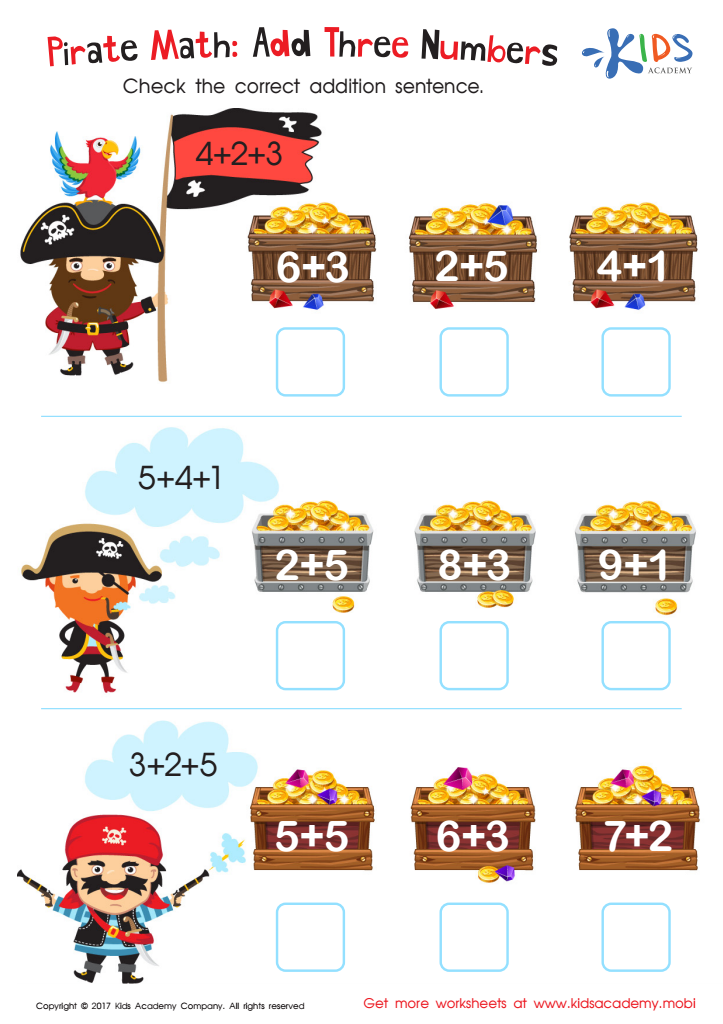
Pirate Math Printable
 Assign to My Students
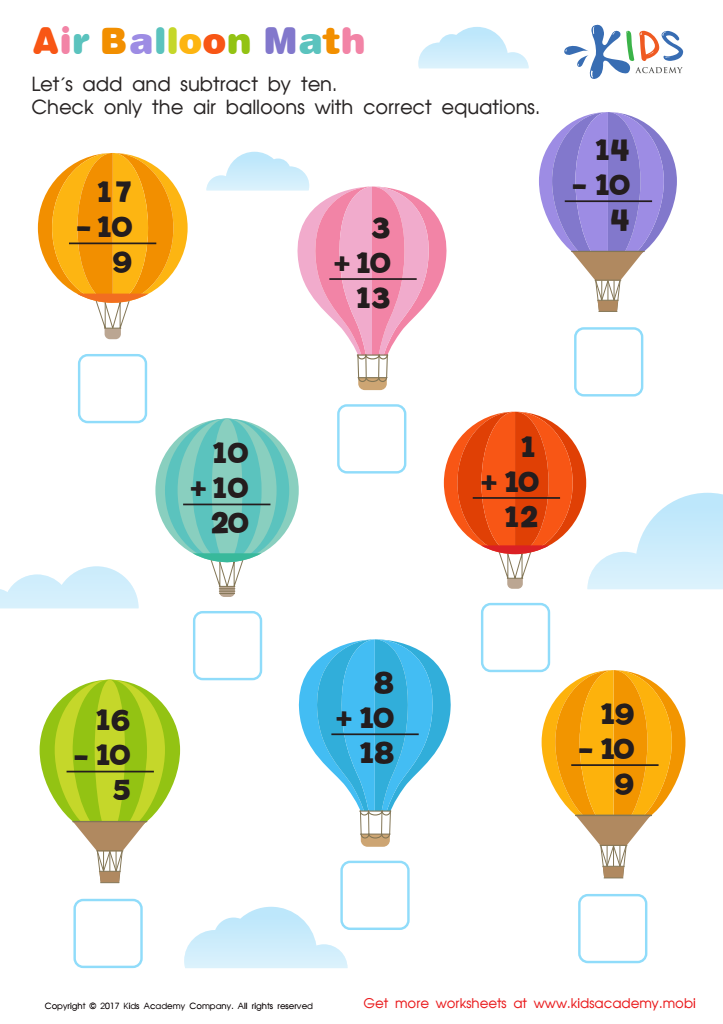
Air Balloon Math Worksheet
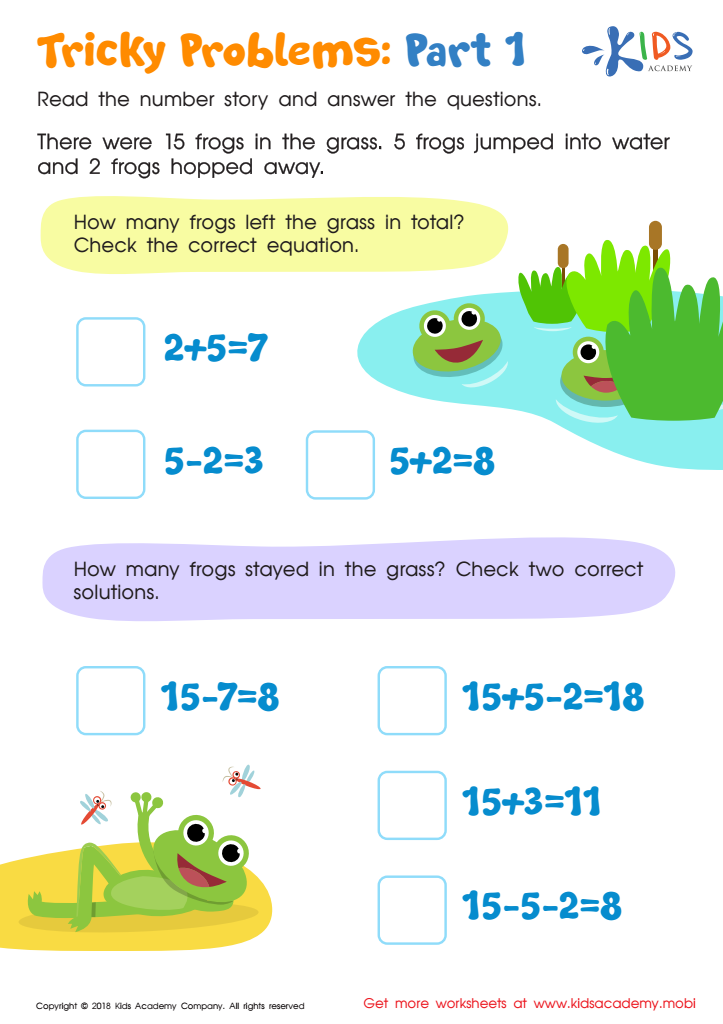
Tricky Problems Worksheet: Part 1
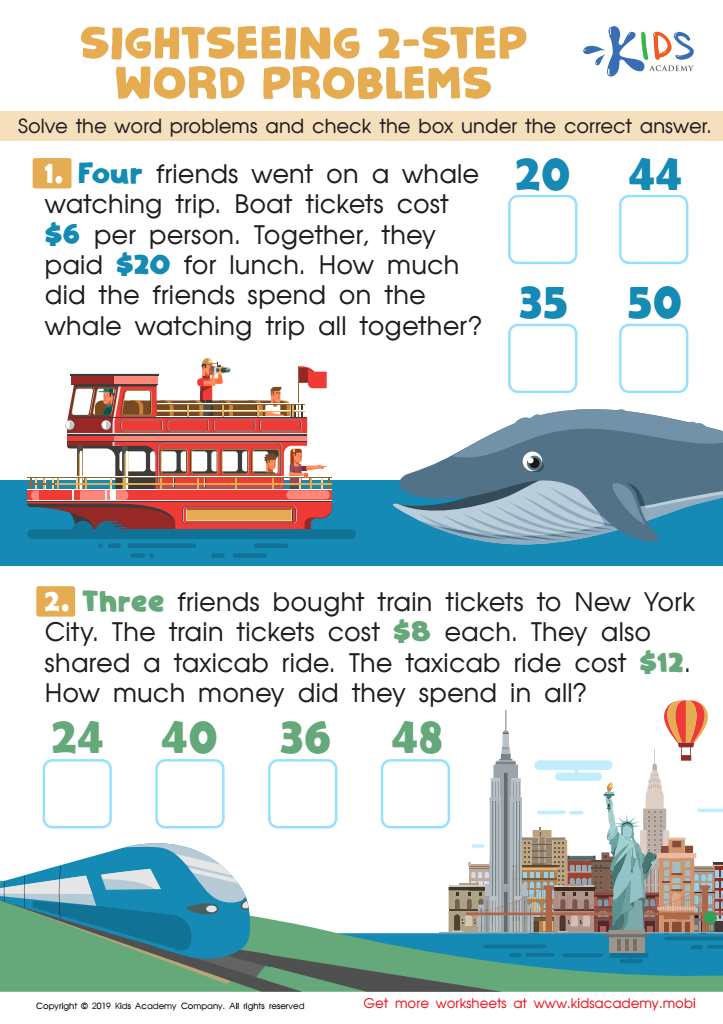
Sightseeing 2-Step Word Problems Worksheet
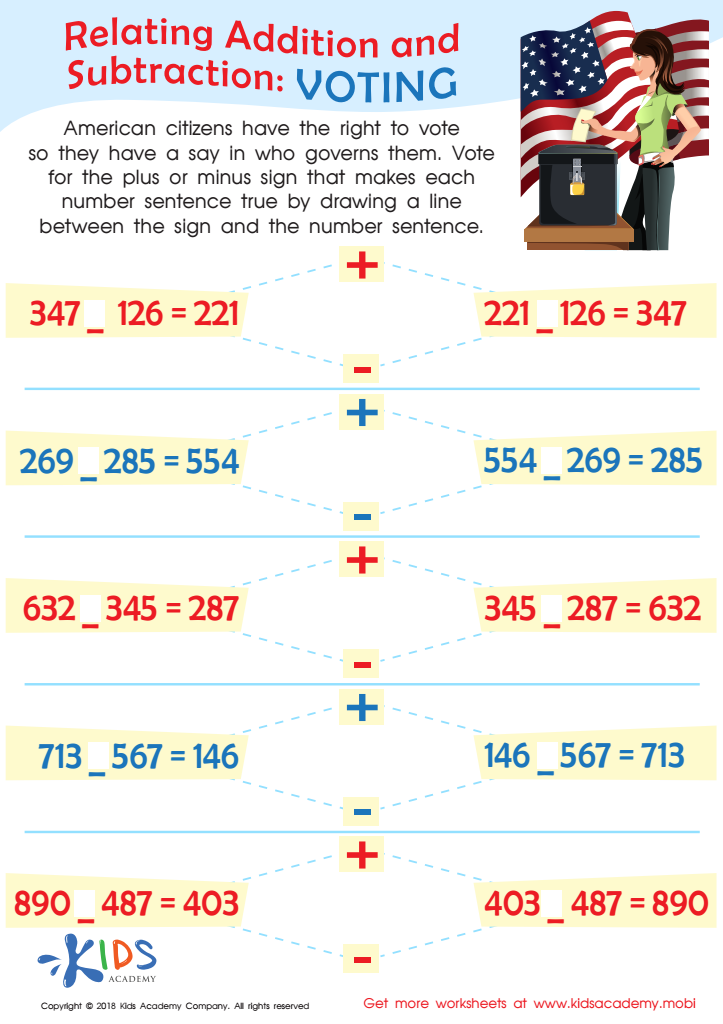
Voting Worksheet
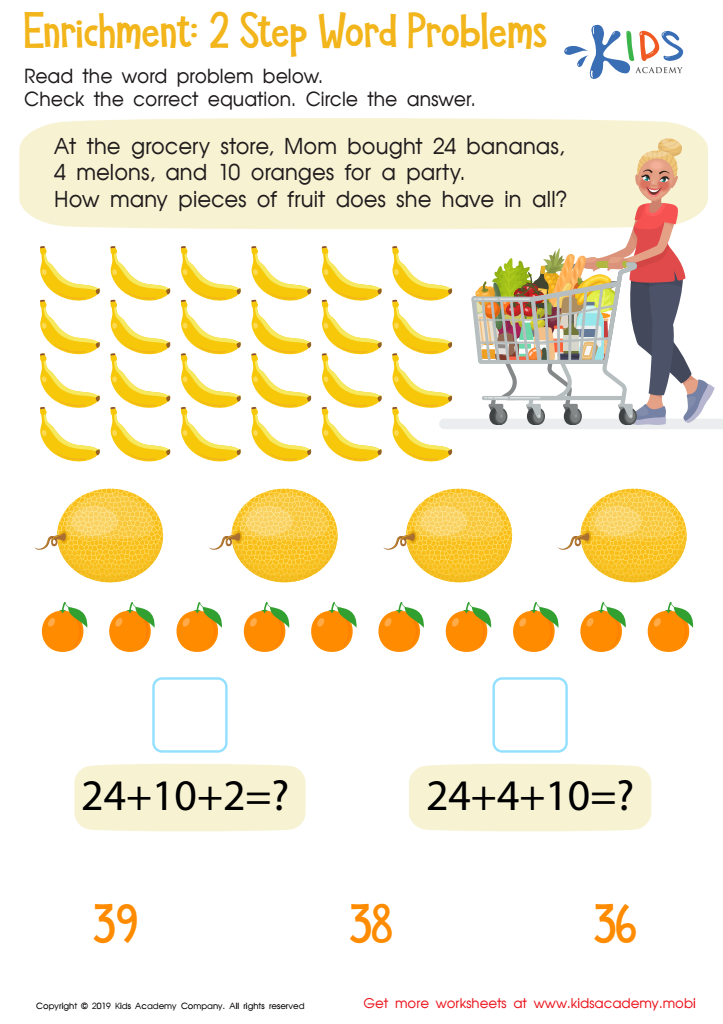
Enrichment -2 Step Word Problems Worksheet
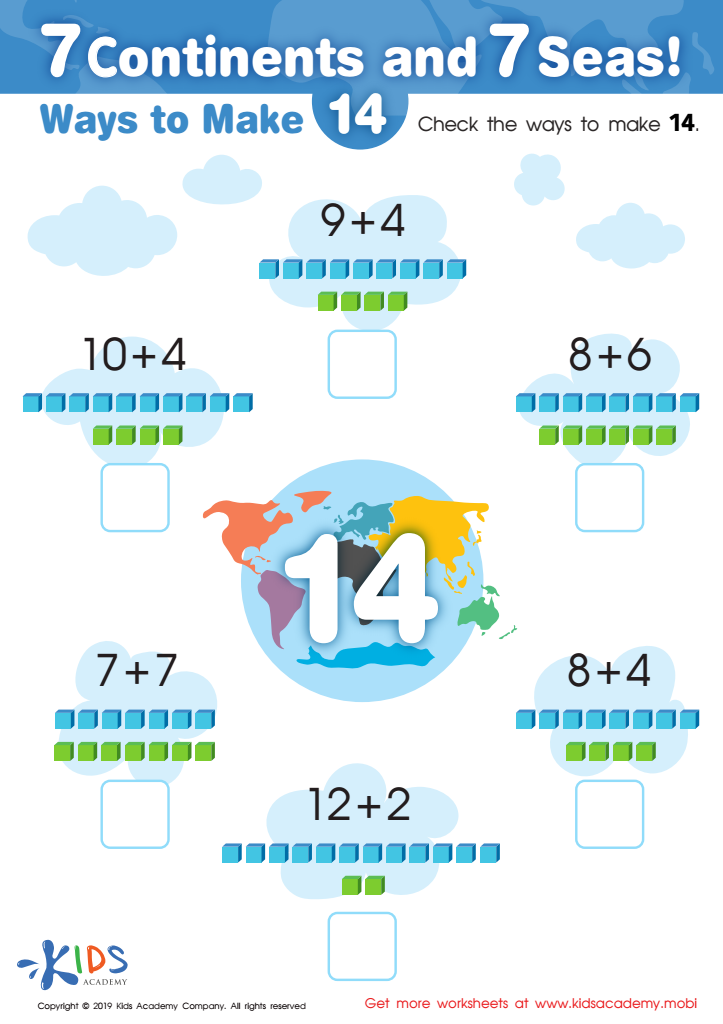
7 Continents and 7 Seas Worksheet
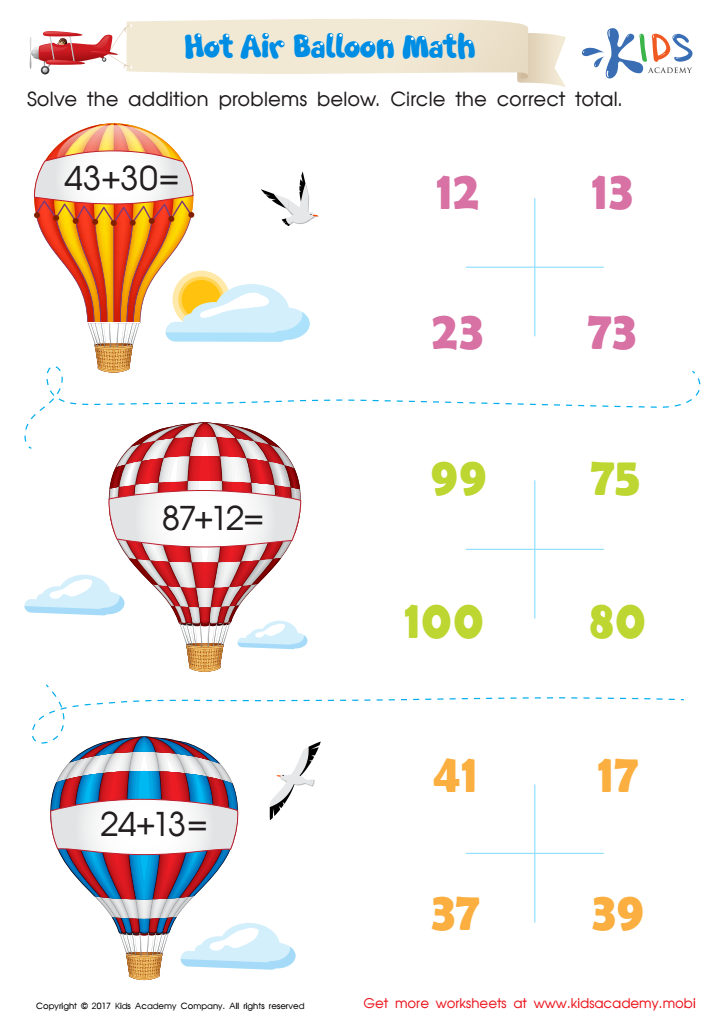
Hot Air Balloon Math Worksheet
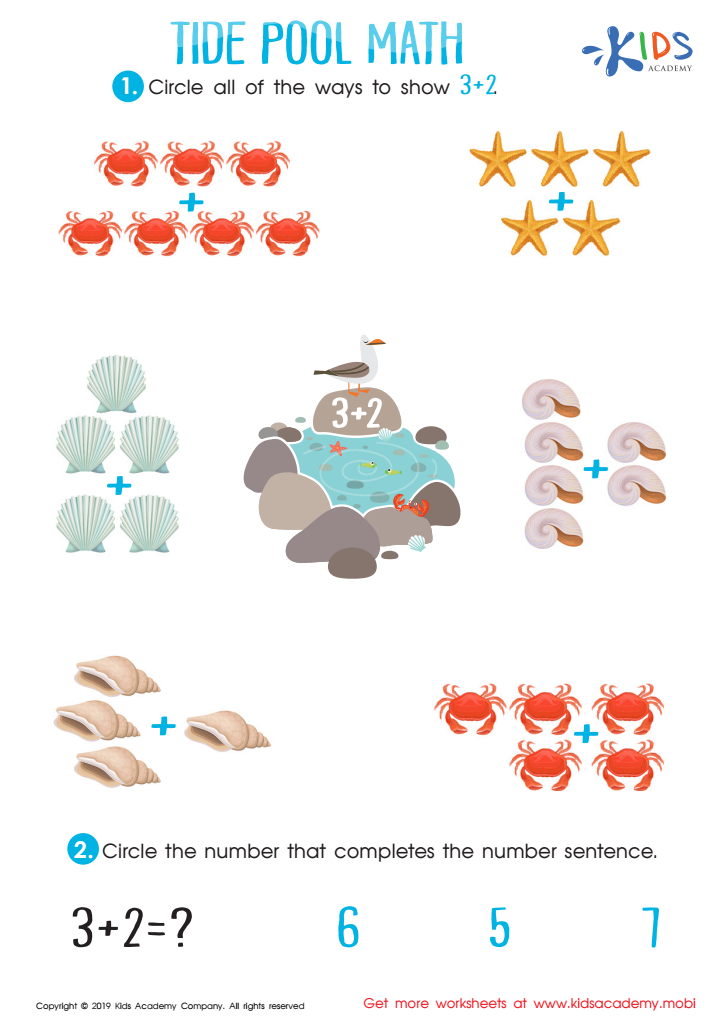
Tide Pool Math Worksheet
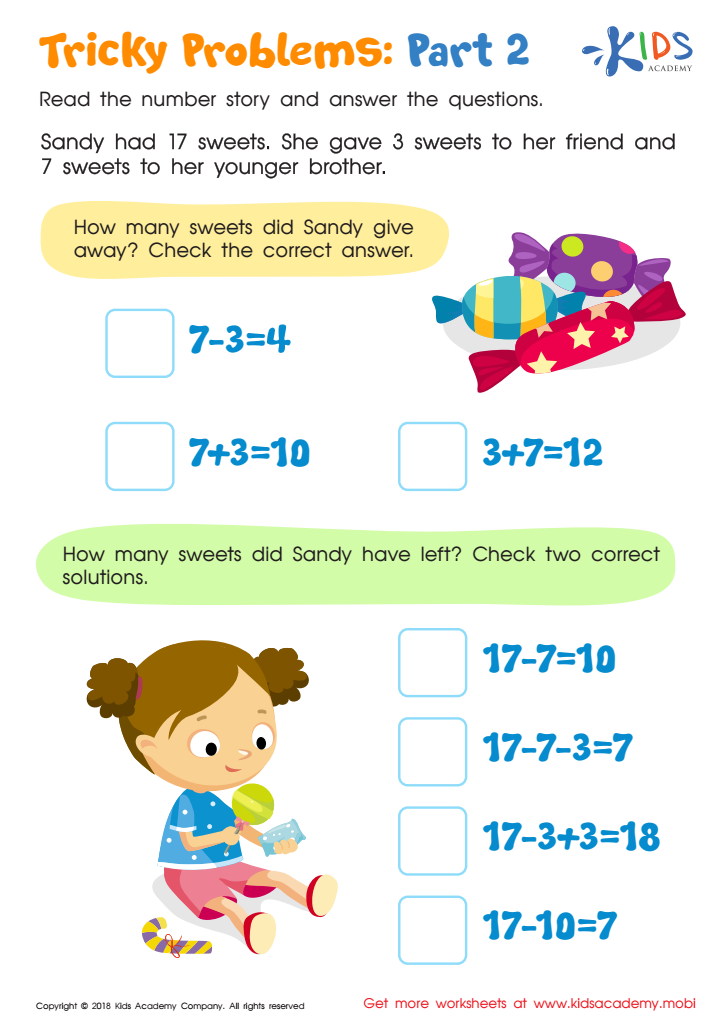
Tricky Problems Worksheet: Part 2
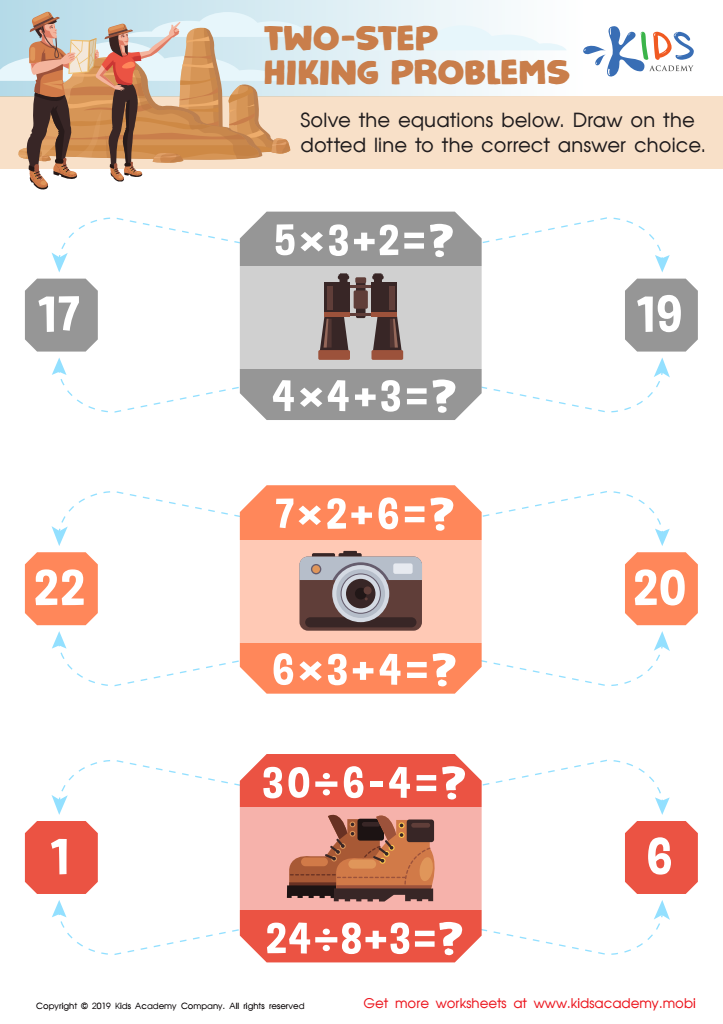
Two-Step Hiking Problems Worksheet
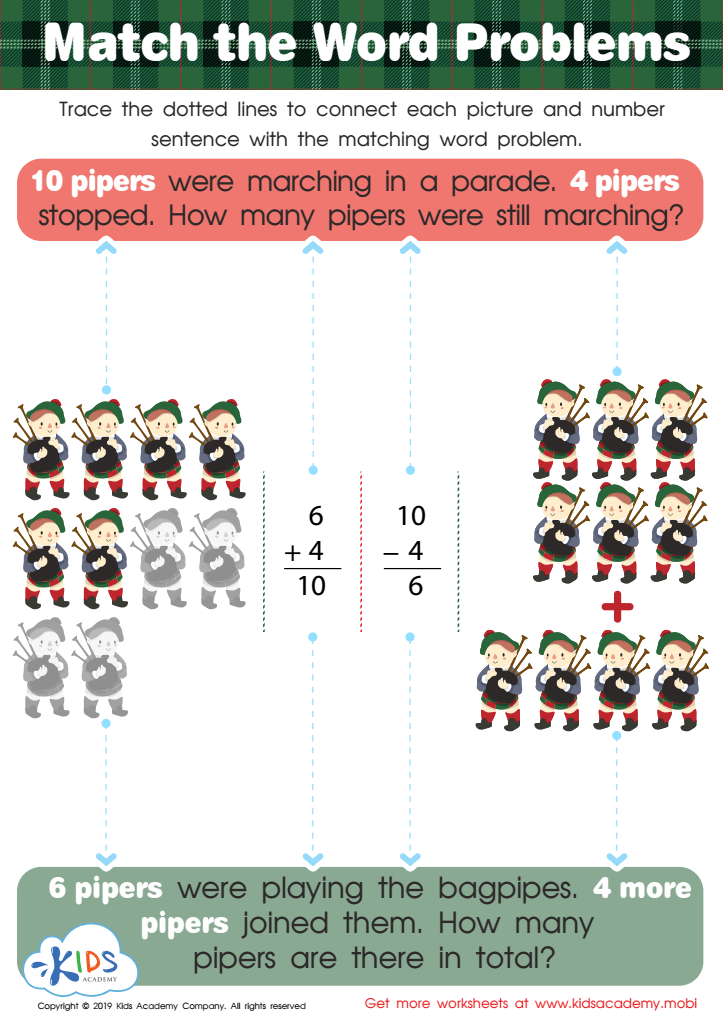
Match the Word Problems Worksheet
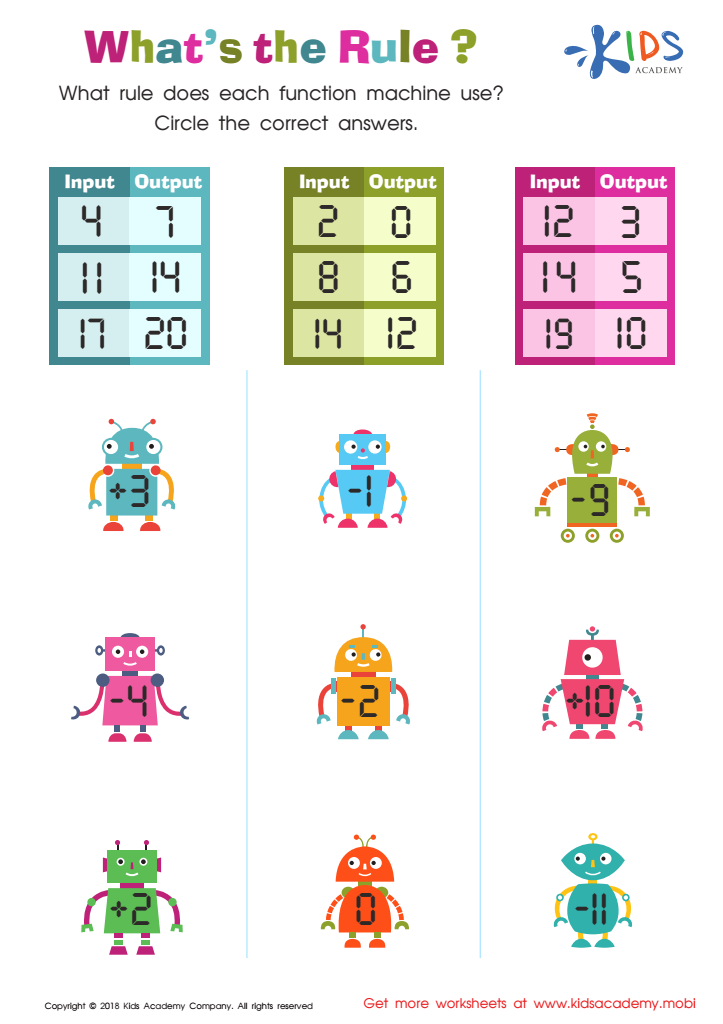
What's the Rule Worksheet
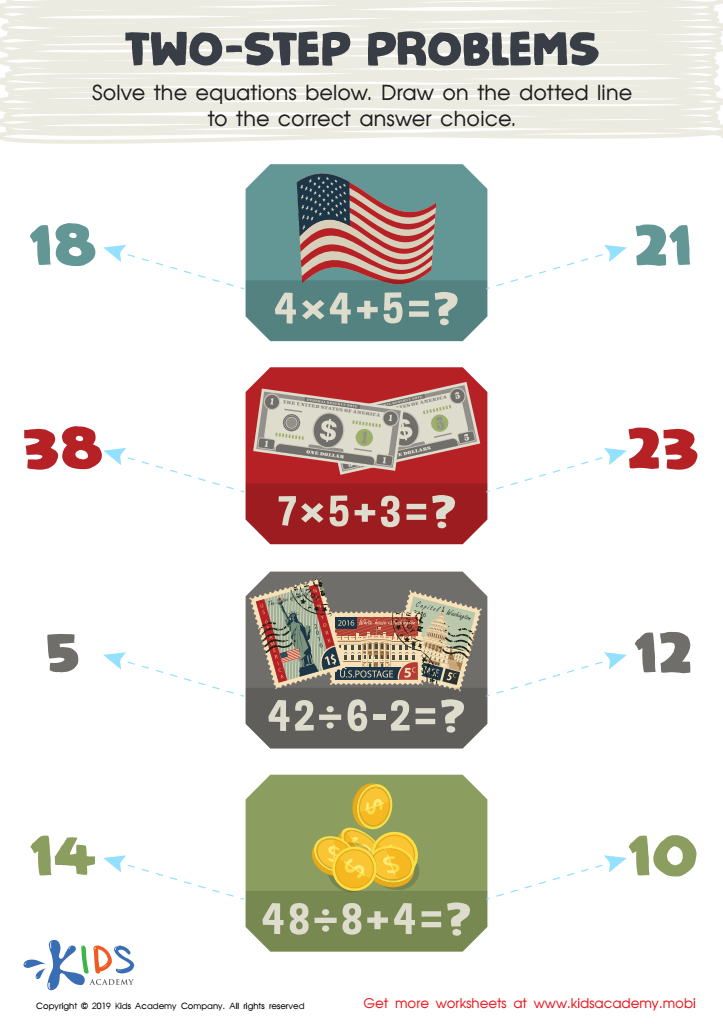
Two-Step Problems Worksheet
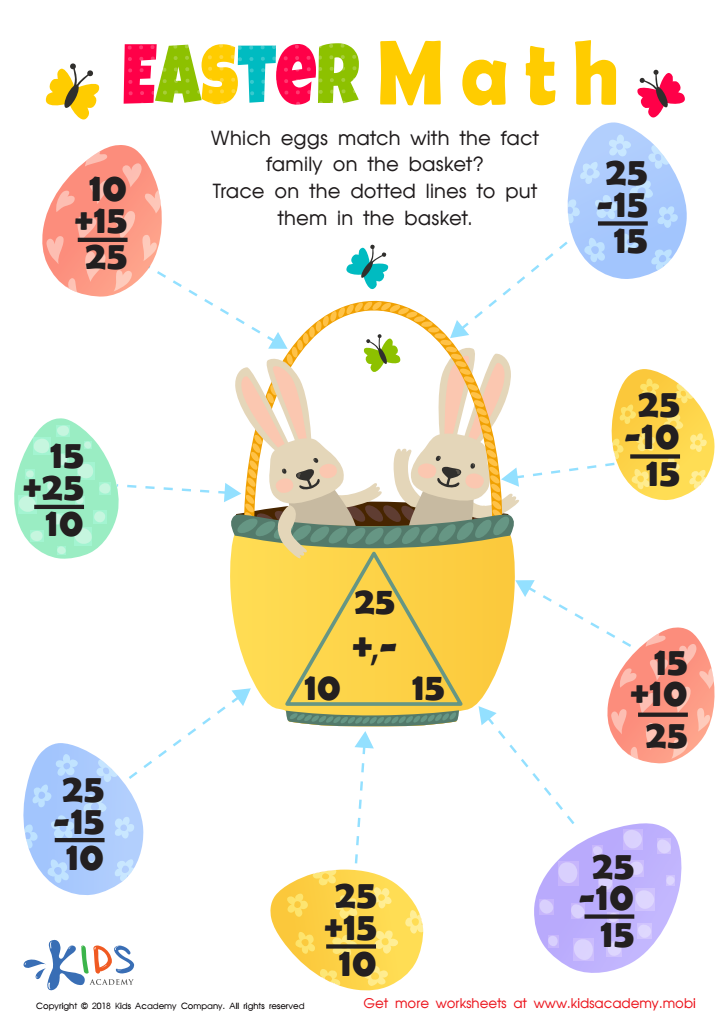
Fact Families: Easter Math Worksheet
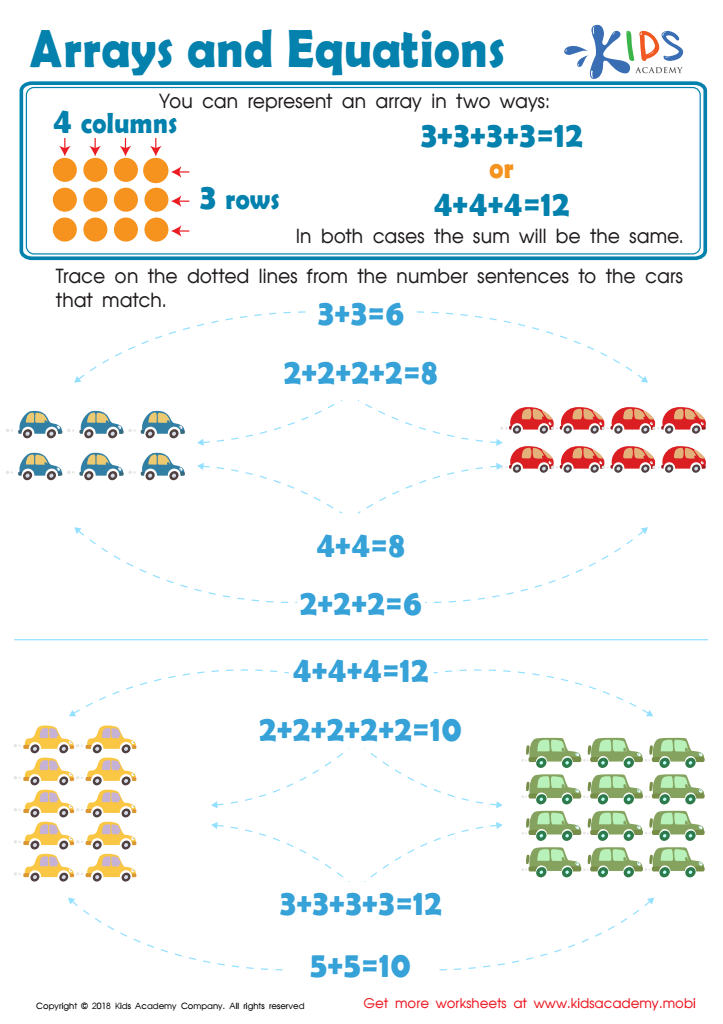
Arrays and Equations Worksheet
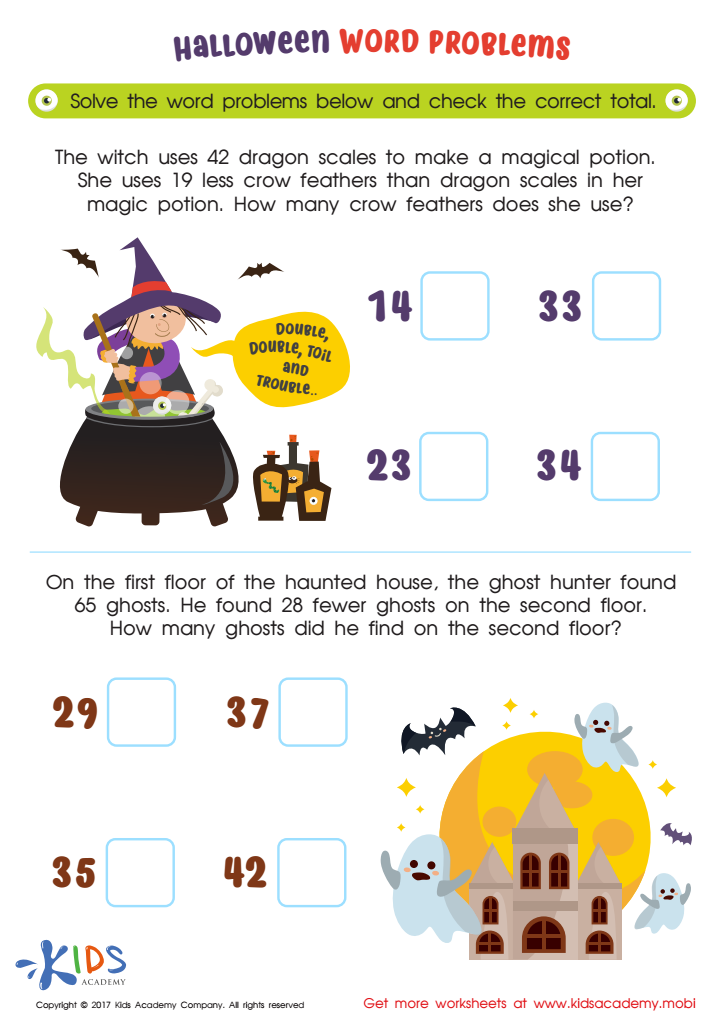
Halloween Word Problems Printable
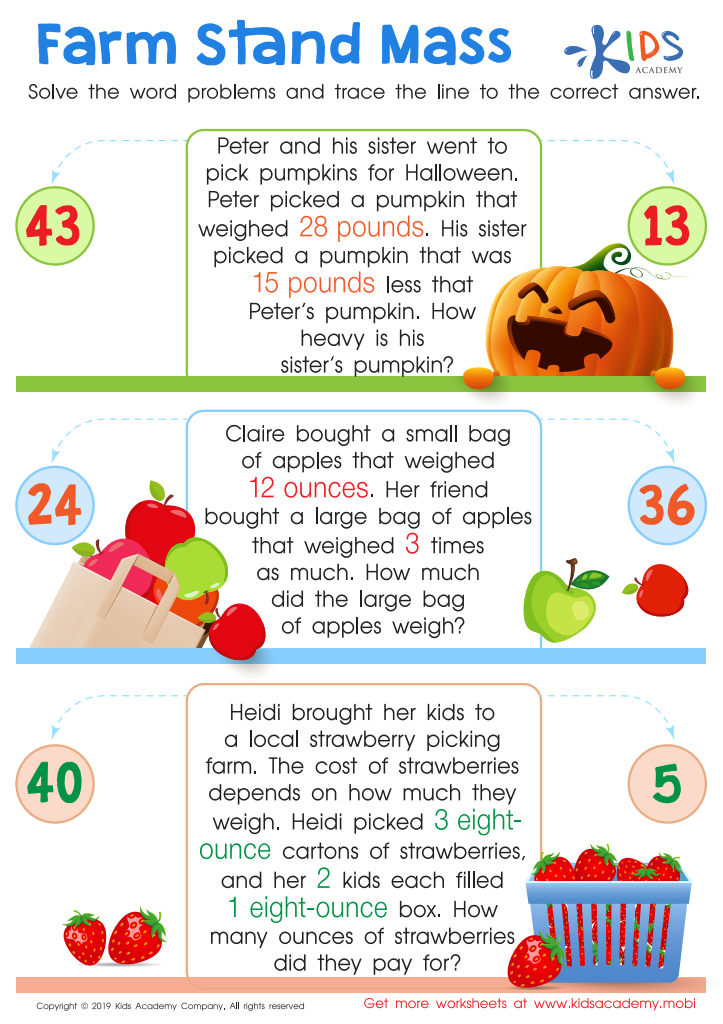
Farm Stand Mass Worksheet
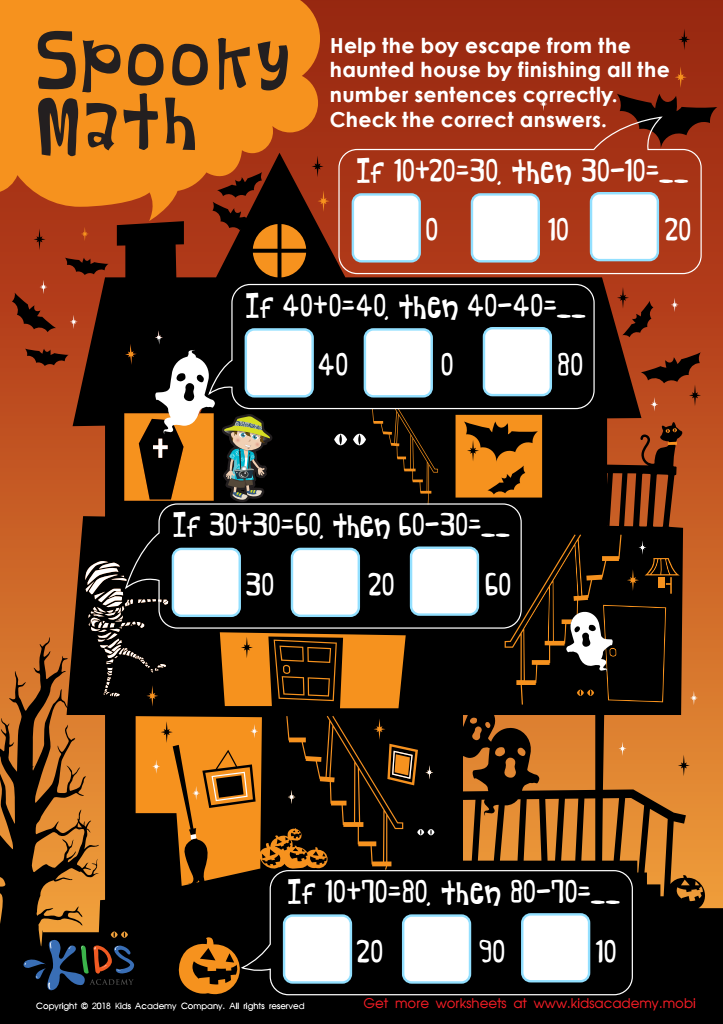
Subtract Tens: Spooky Math Worksheet
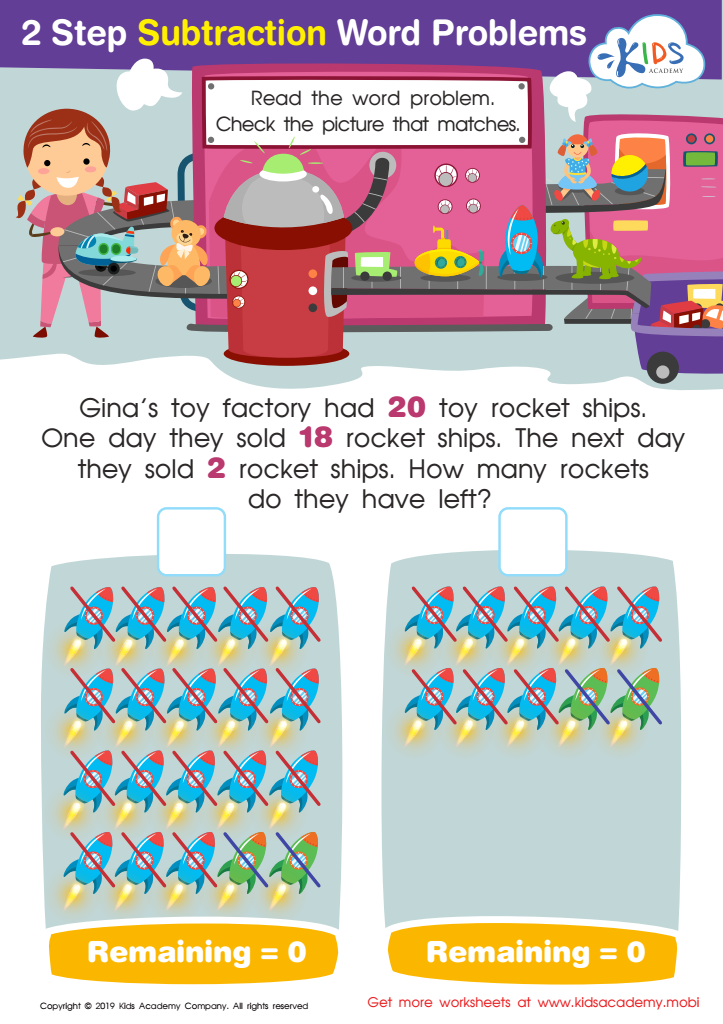
Step Subtraction Word Problems Worksheet
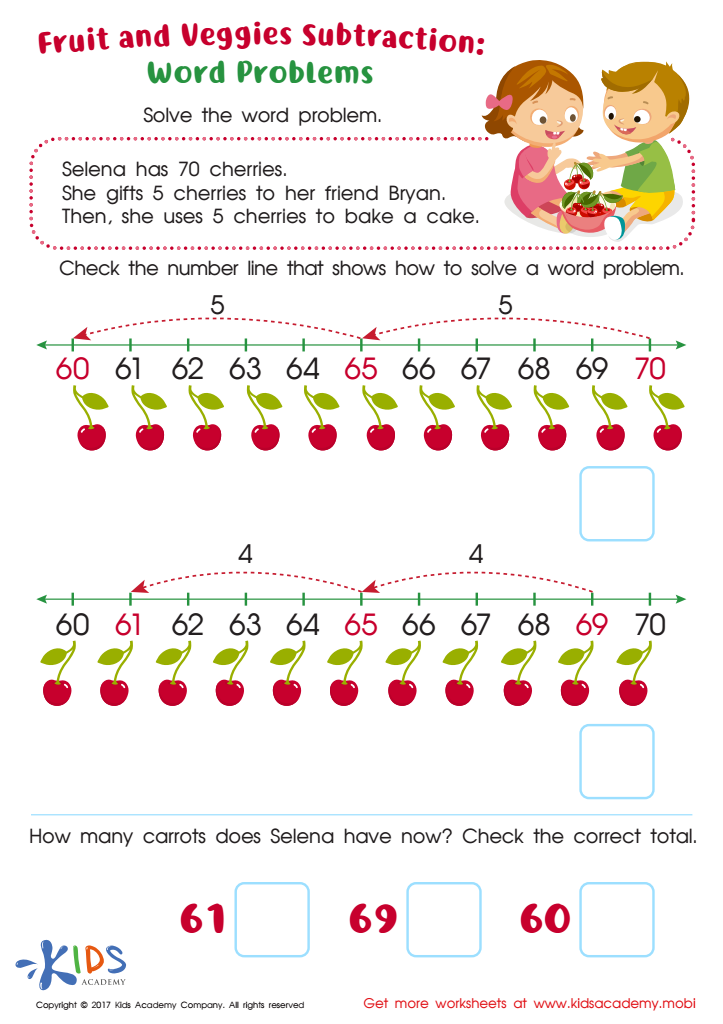
Subtraction Word Problems Free Printable
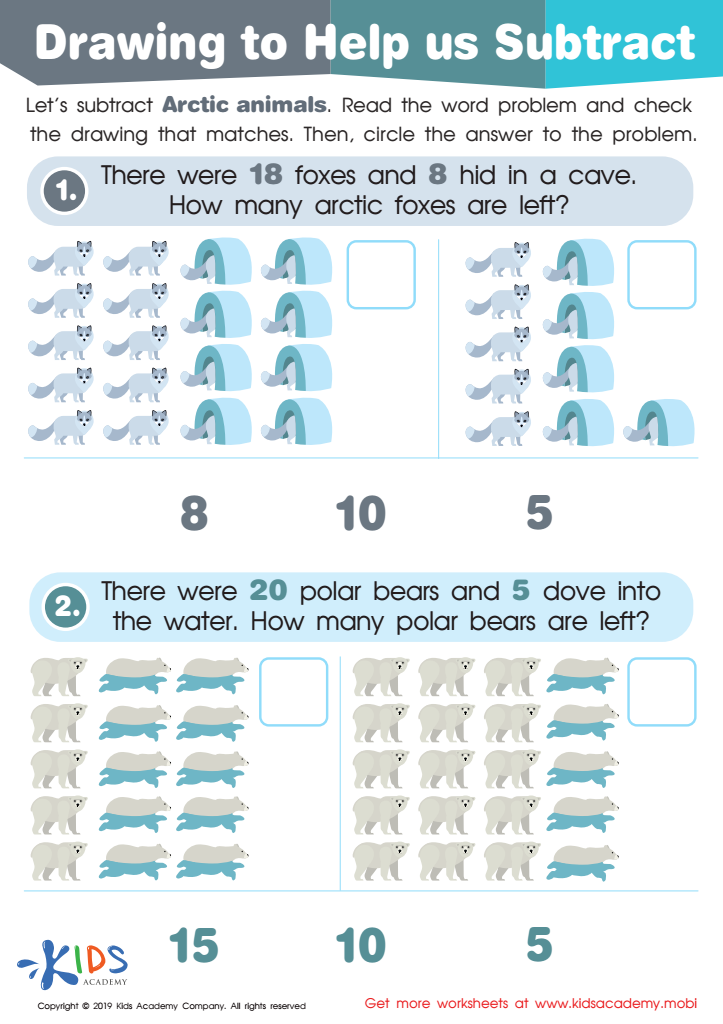
Drawing to Help Us Subtract Worksheet
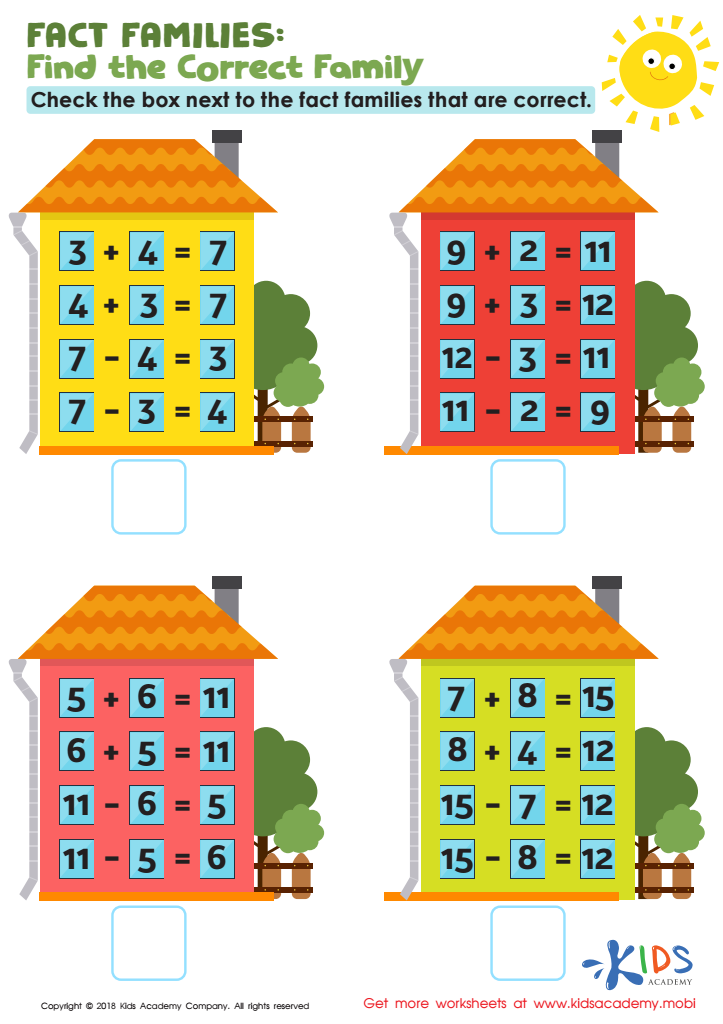
Fact Families: Find Correct Family Worksheet
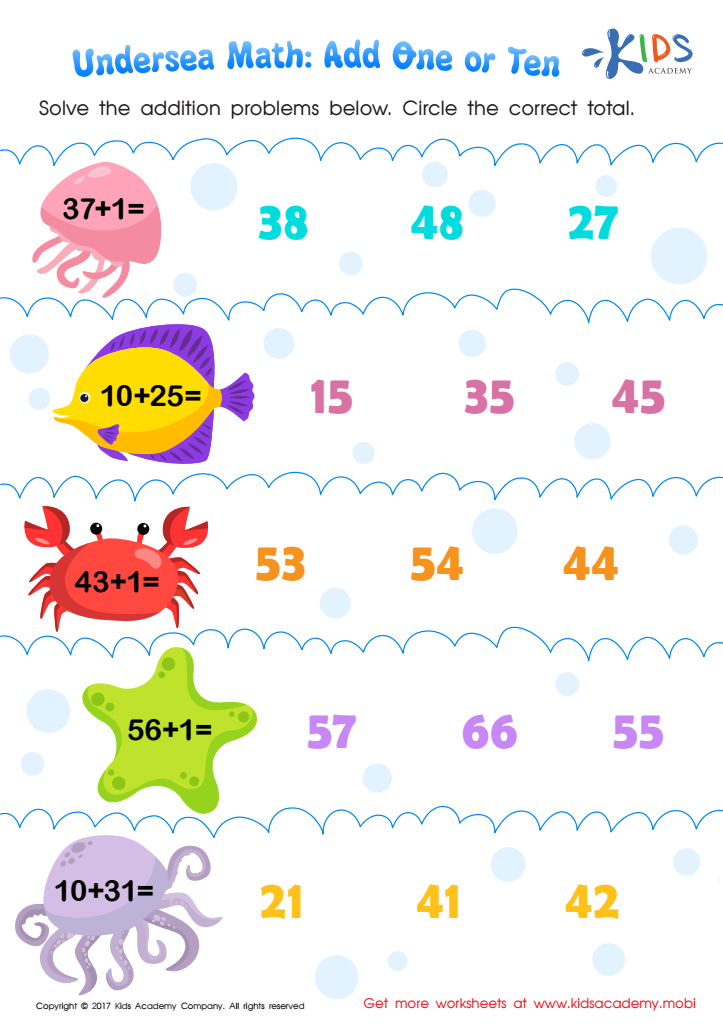
Undersea Math Worksheet








Problem-solving skills in normal addition and subtraction are essential for children aged 4-9, forming the foundation for their mathematical understanding and critical thinking. At this stage, children are not only learning to perform basic calculations; they are developing cognitive skills that help them approach a variety of situations logically and efficiently.
By fostering these skills, parents and teachers can significantly enhance children's ability to assess problems, choose appropriate strategies, and evaluate outcomes, which are crucial for their academic success and everyday life. Engaging with addition and subtraction through problem-solving also encourages a growth mindset, helping children understand that persistence and effort lead to improvement and mastery.
Moreover, early proficiency in basic math operations lays the groundwork for more complex concepts later on, such as multiplication, division, and fraction work. Children who struggle with these foundational skills may find themselves facing greater challenges in subsequent grades.
When parents and teachers prioritize problem-solving in math, they encourage exploration and discovery, making learning more enjoyable. Ultimately, investing in these early skills equips children with the tools to navigate not only their educational pathways but also real-world challenges, fostering lifelong learners who can think critically and creatively.








