Fine Motor Skills Normal Geometry Worksheets for Ages 4-9
11 filtered results
-
From - To
Enhance your child's fine motor skills with our engaging Fine Motor Skills Normal Geometry Worksheets for ages 4-9! Designed to promote hand-eye coordination, these fun and interactive worksheets combine geometry concepts with hands-on activities. Each worksheet features colorful shapes and patterns that encourage kids to trace, cut, and manipulate materials, fostering both creativity and crucial motor abilities. Perfect for early learners, these worksheets also support cognitive development as children explore various shapes and basic geometric principles. Ideal for homeschoolers, preschoolers, or supplemental learning, our resources ensure a well-rounded approach to fine motor skill enhancement while making geometry fun and accessible!
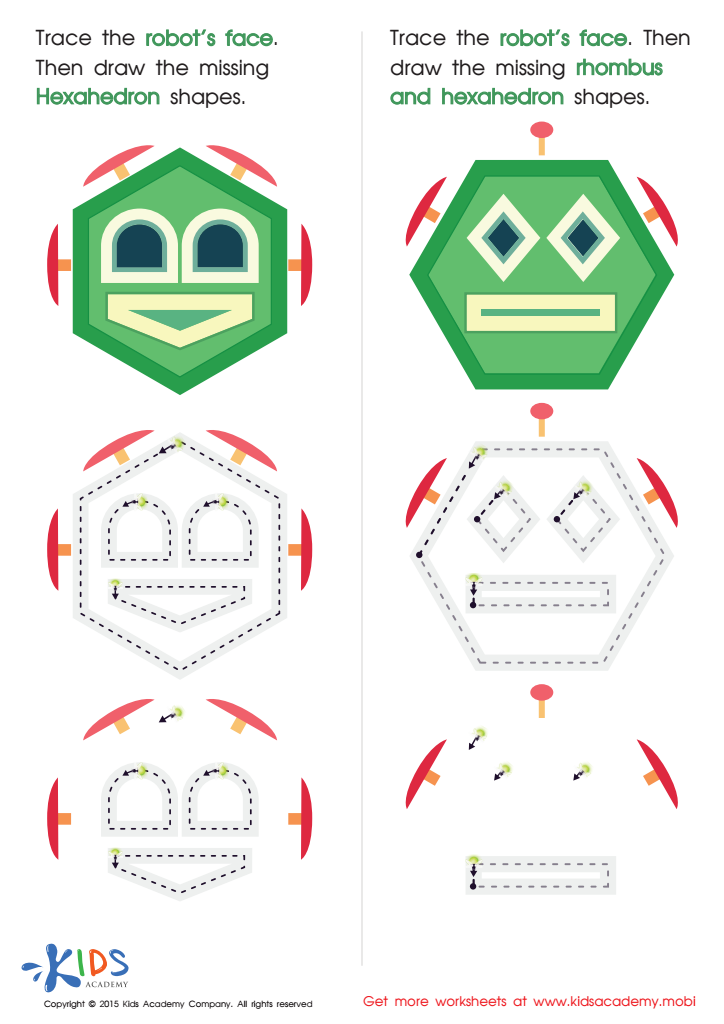
Practice Drawing Hexahedrons And a Rhombus Worksheet
 Assign to My Students











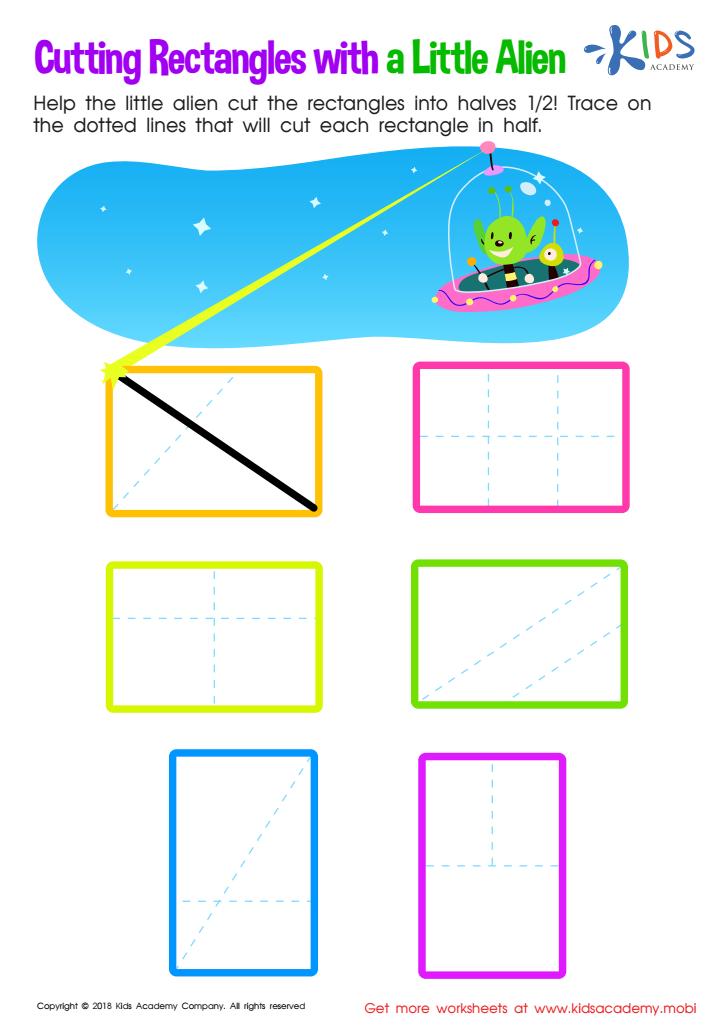
Cutting Rectangles with Alien Worksheet
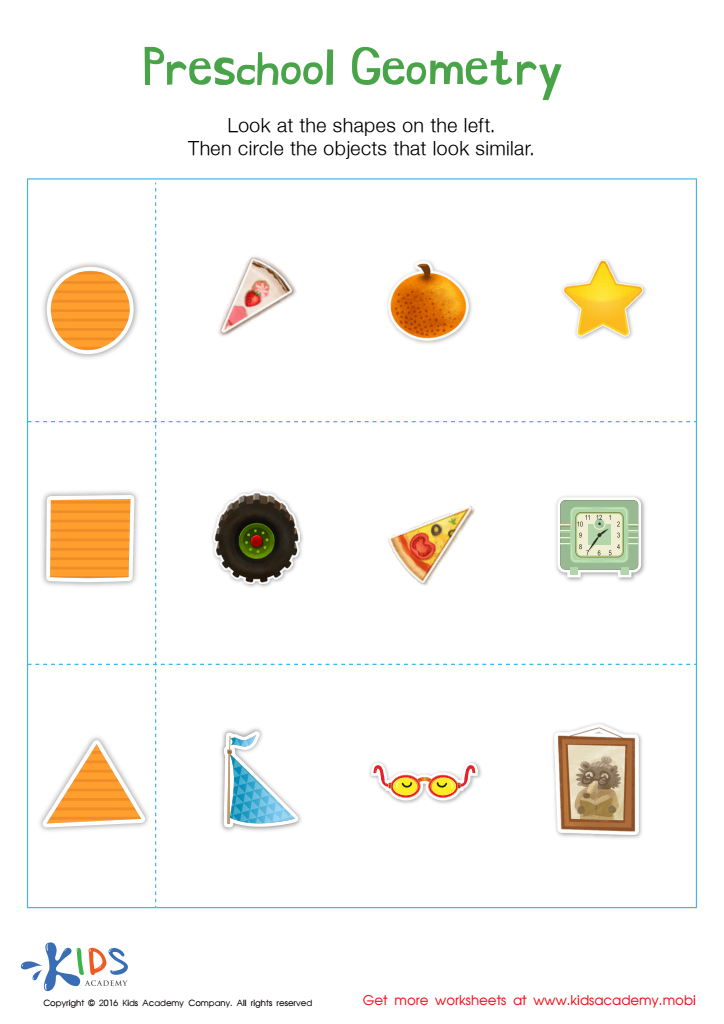
Preschool Geometry Match Up Worksheet
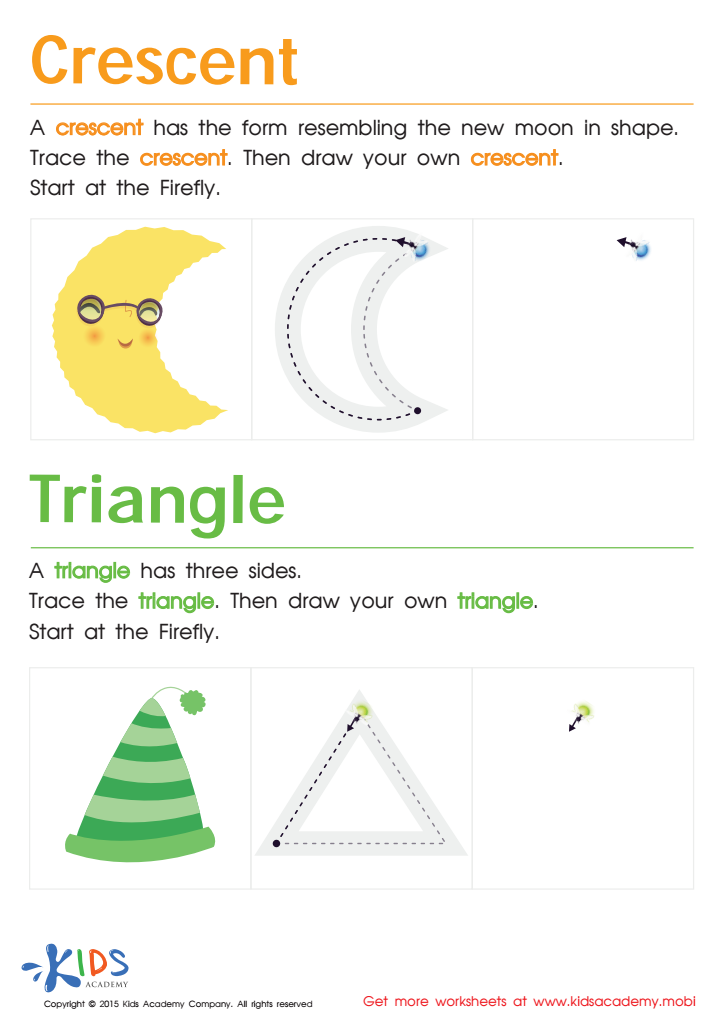
Learning to Draw Crescents And Triangles Worksheet
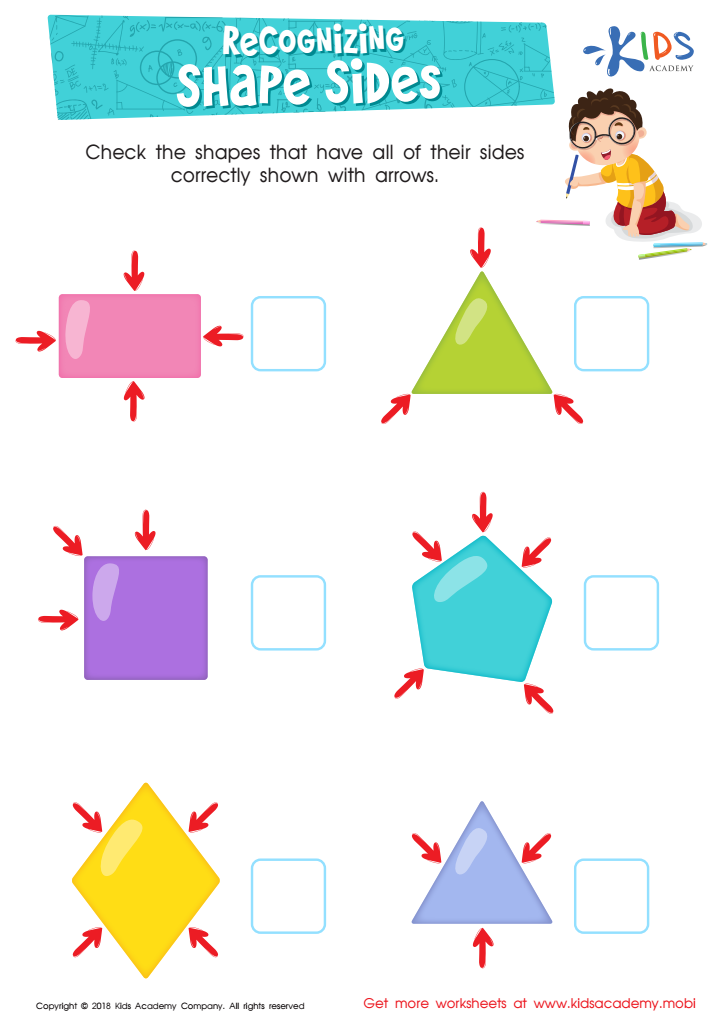
Recognizing Shape Sides Worksheet

Three–Dimensional Shapes: Cylinder Worksheet
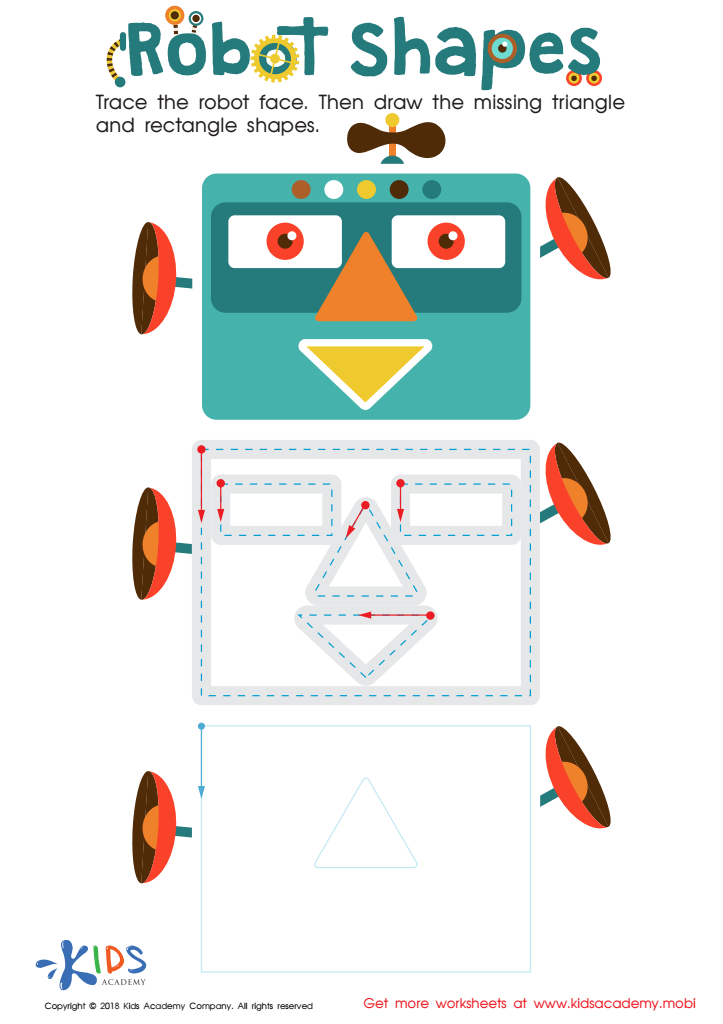
Robot Shapes Worksheet
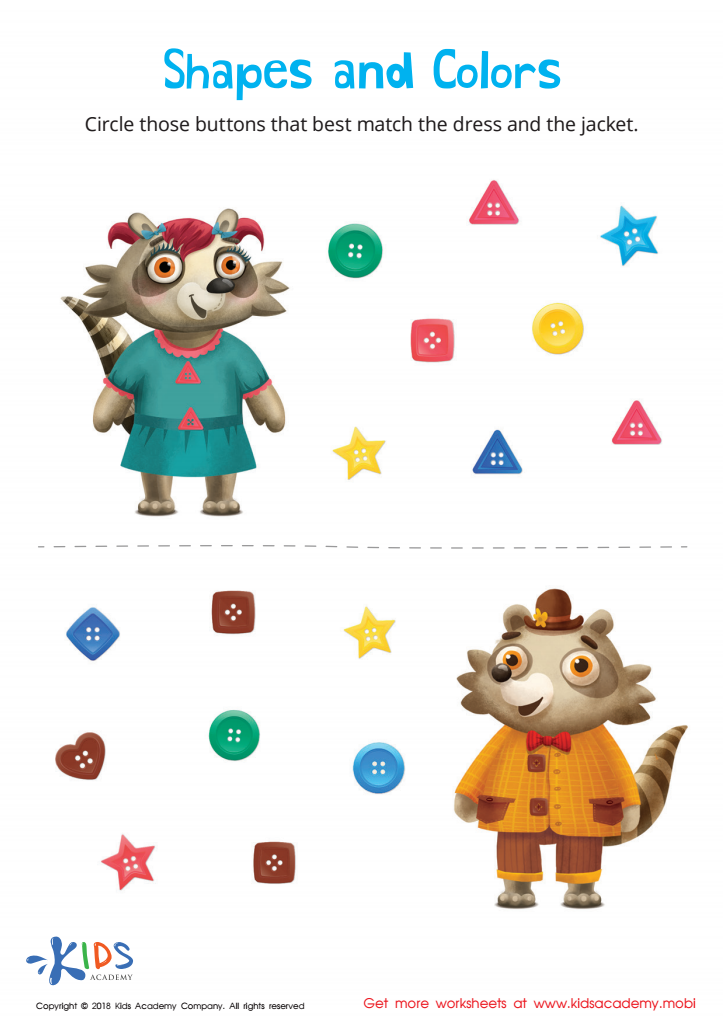
Shapes and Colors Worksheet
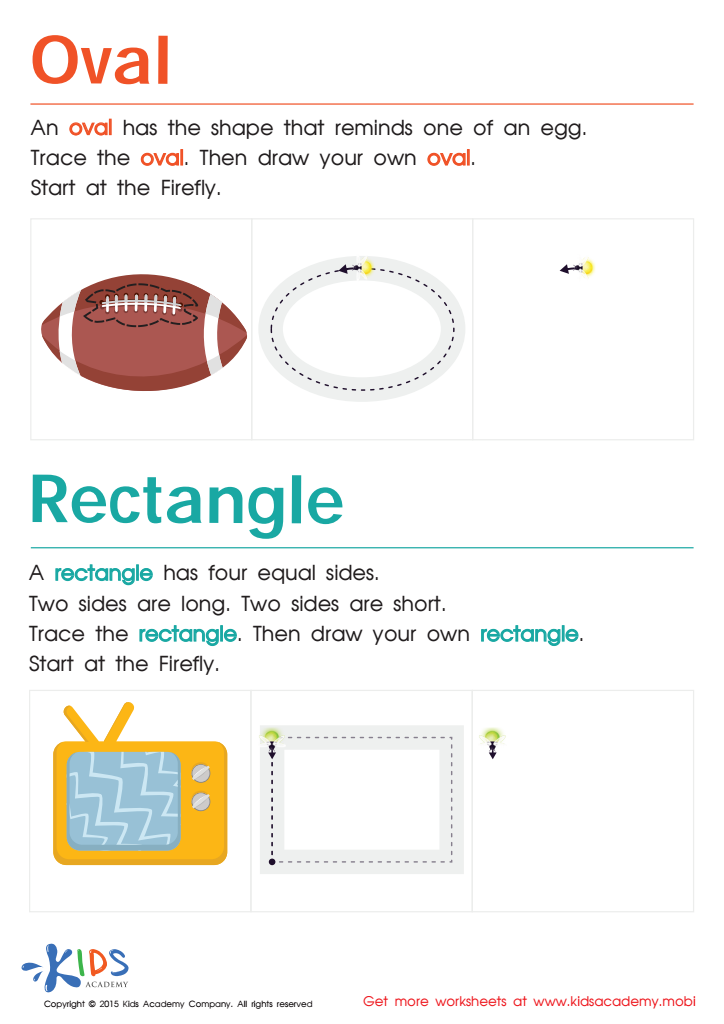
Easy Drawing of Ovals And Rectangles Worksheet
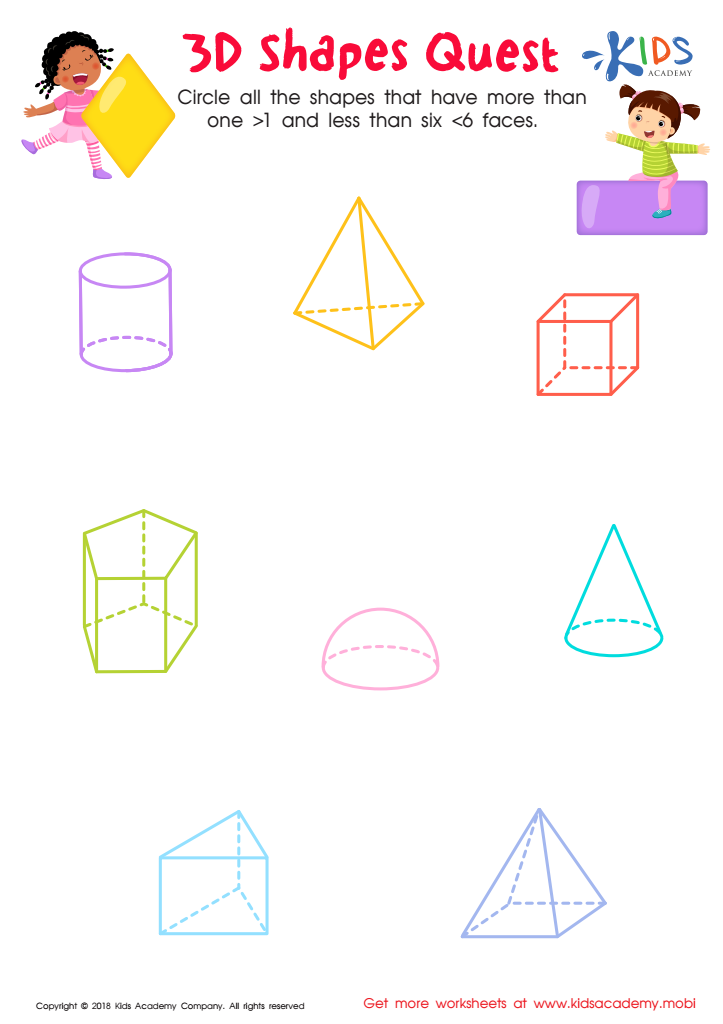
3D Shapes Quest Worksheet
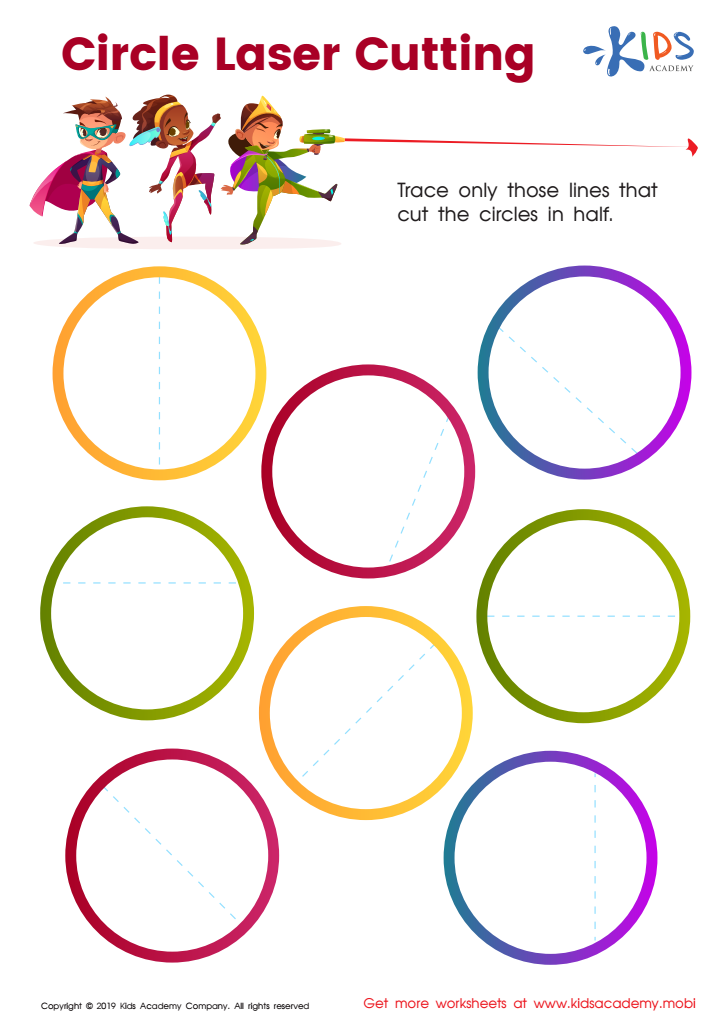
Circle Laser Cutting Worksheet








Fine motor skills play a crucial role in the development of children aged 4-9, particularly in relation to their understanding of geometry. These skills involve the coordination of small muscles in hands and fingers, enabling tasks such as writing, drawing, cutting, and manipulating small objects. When children have strong fine motor skills, they can better engage with geometric concepts through hands-on activities.
Engaging with shapes and spatial awareness is essential for children as it lays the foundation for more complex math skills. For instance, cutting out shapes, tracing lines, and building with blocks require fine motor precision and help reinforce geometry understanding. When parents and teachers facilitate activities that enhance fine motor skills, such as crafting or puzzles, they provide opportunities for children to explore these concepts creatively and practically.
Moreover, developing fine motor skills can enhance a child’s confidence in completing tasks independently, fostering better problem-solving abilities. Children well-versed in fine motor tasks are often more prepared for future academic challenges and daily life skills. In summary, nurturing fine motor skills during these formative years not only supports geometric learning but contributes to overall cognitive, social, and emotional growth. Parents and teachers play a vital role in this developmental journey.








