Fine Motor Skills Normal Math Worksheets for Ages 4-9 - Page 2
43 filtered results
-
From - To
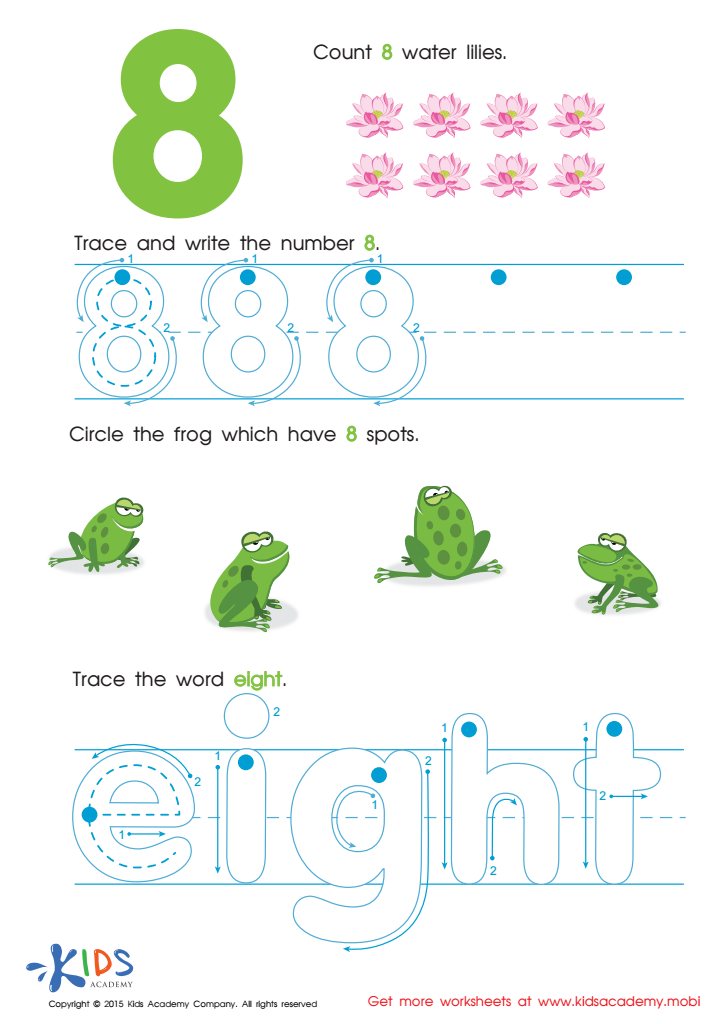
Learn Number 8 Easily Worksheet
 Assign to My Students
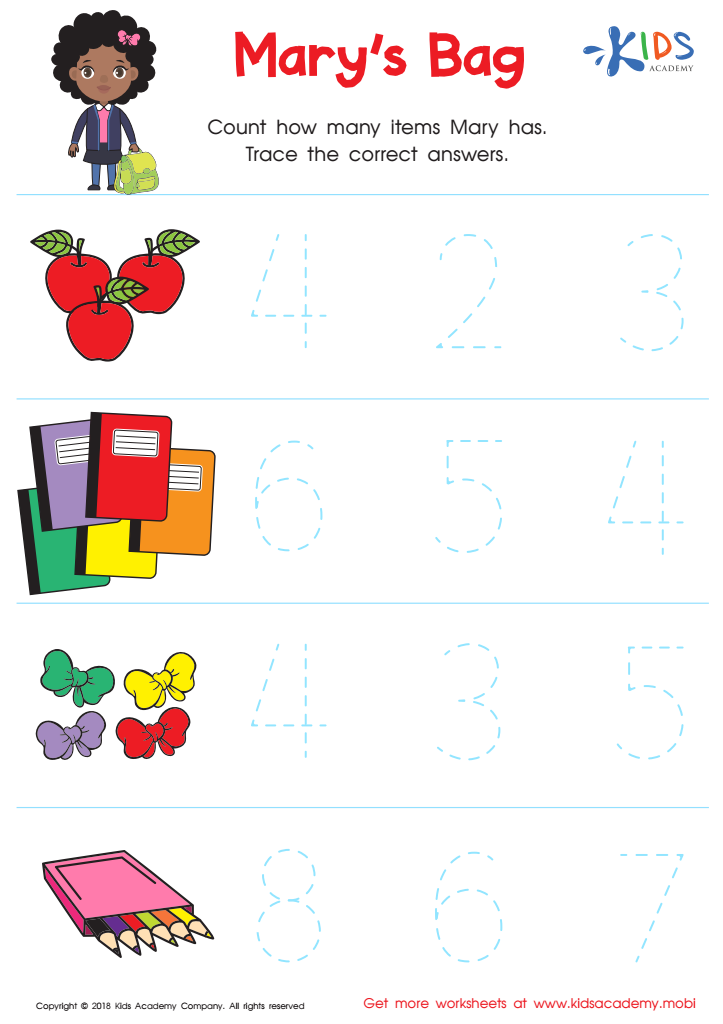
Kindergarten Number Tracing: Mary's Bag Worksheet

Three–Dimensional Shapes: Cylinder Worksheet
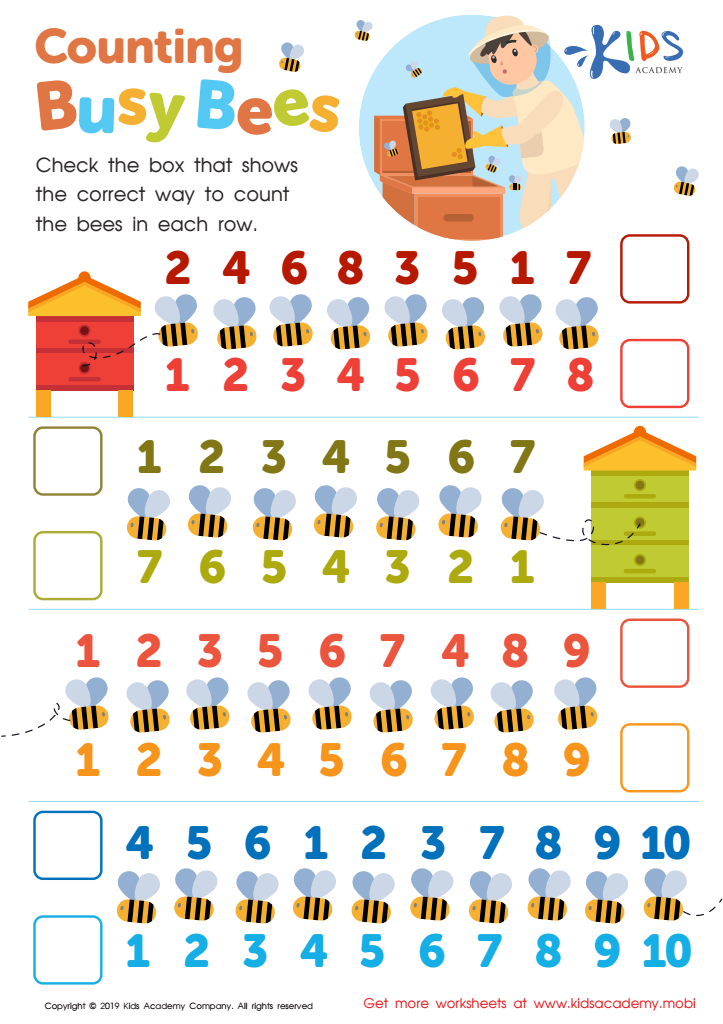
Counting Busy Bees Worksheet
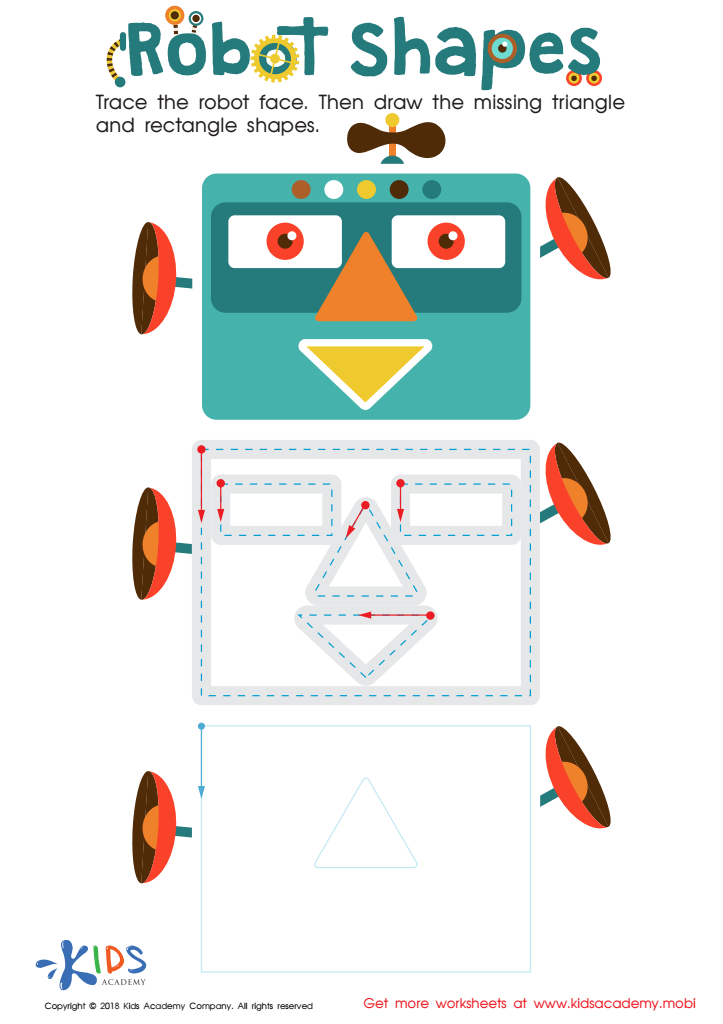
Robot Shapes Worksheet
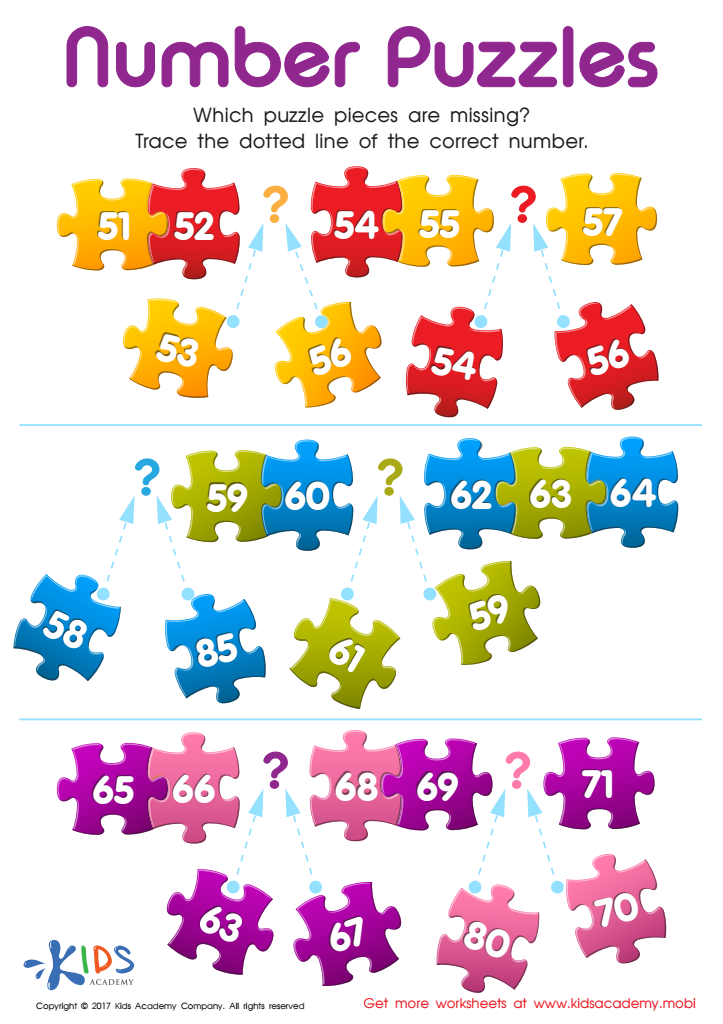
Number Puzzles Worksheet
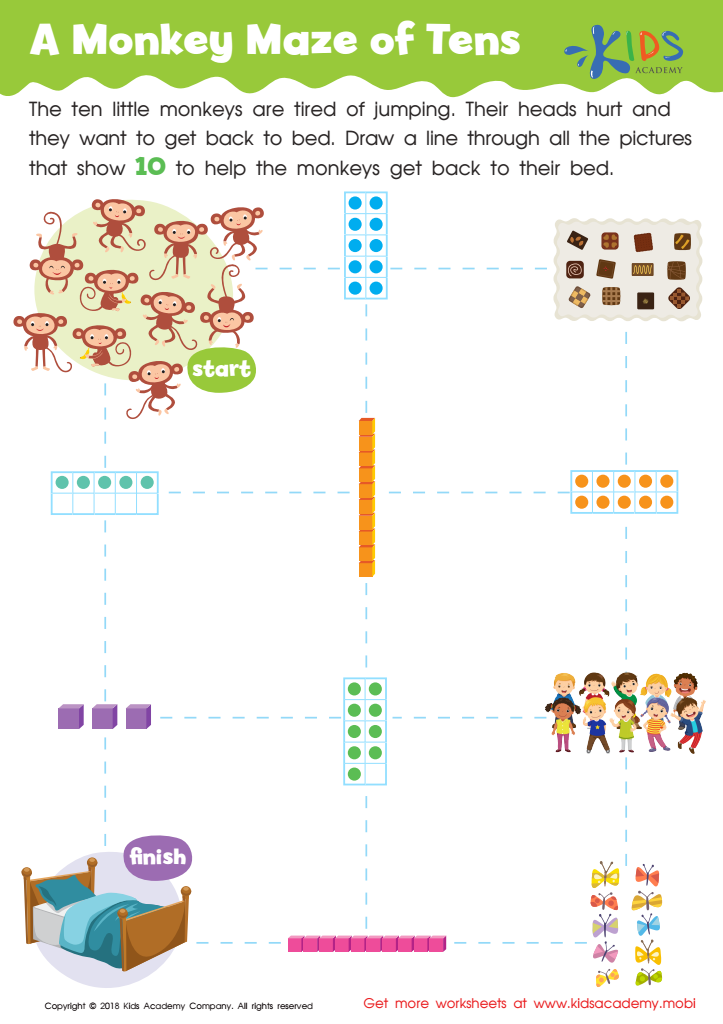
A Monkey Maze of Tens Worksheet
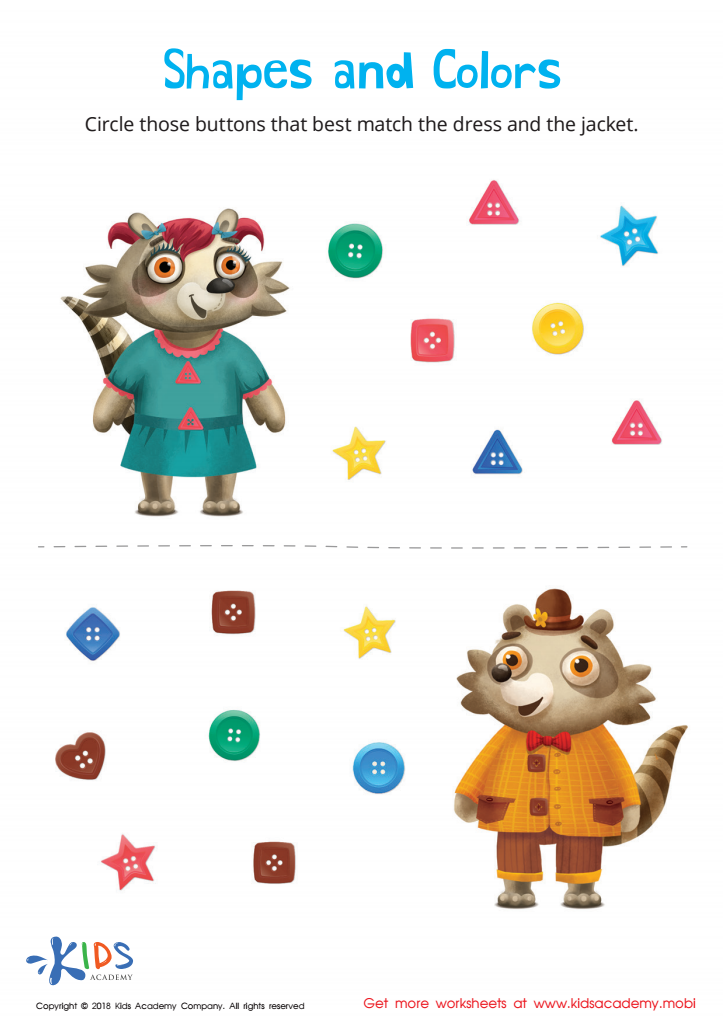
Shapes and Colors Worksheet
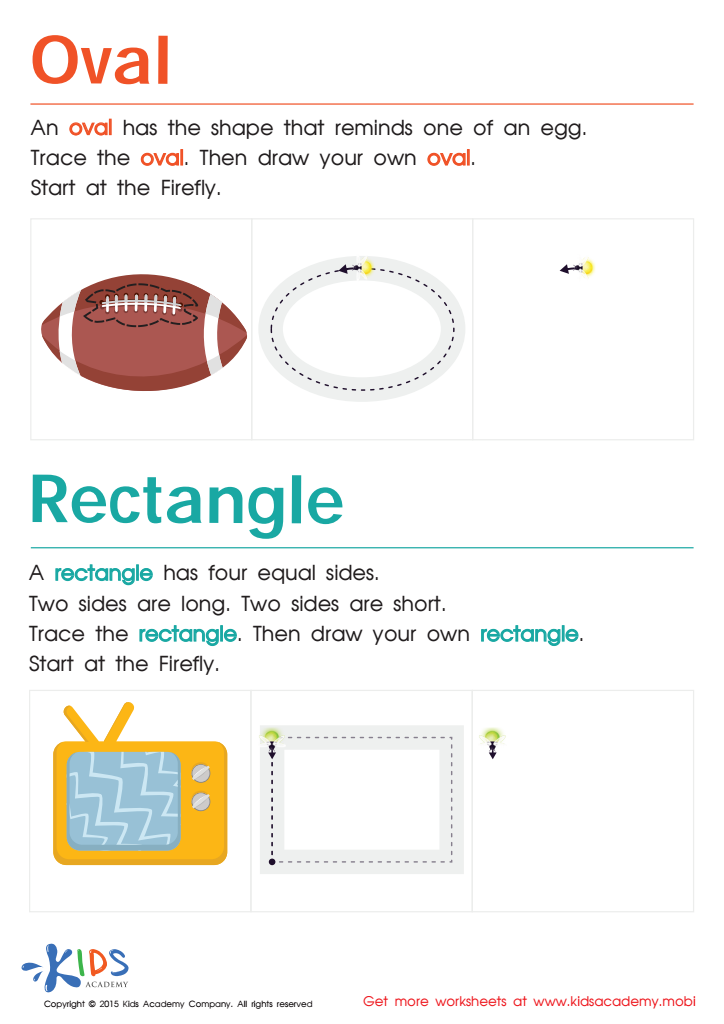
Easy Drawing of Ovals And Rectangles Worksheet
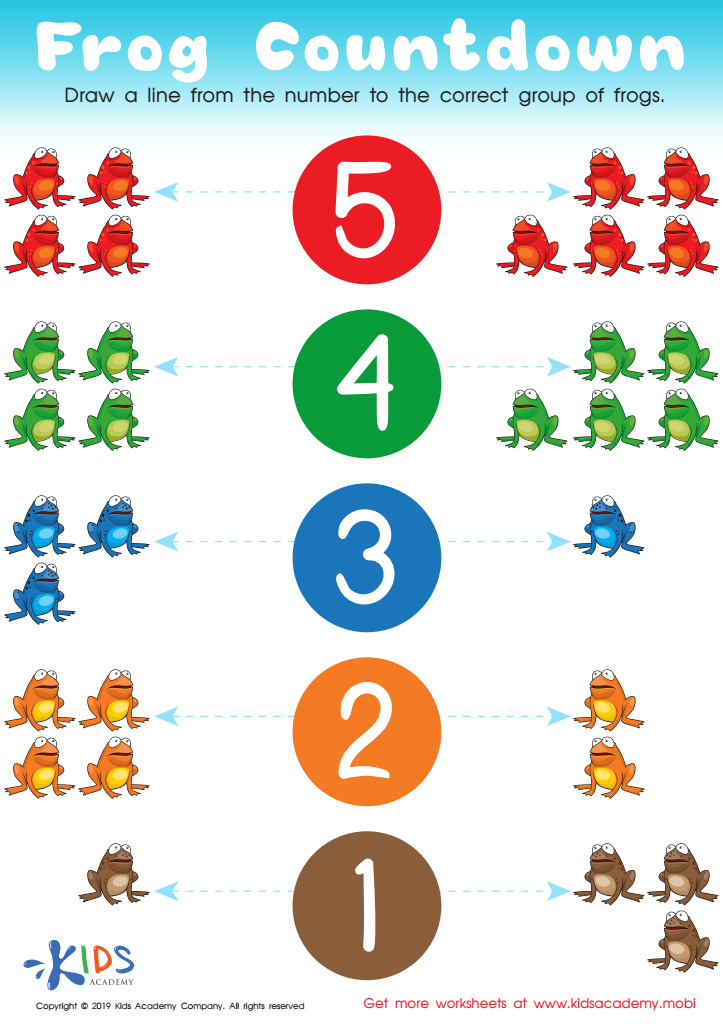
Frog Countdown Worksheet
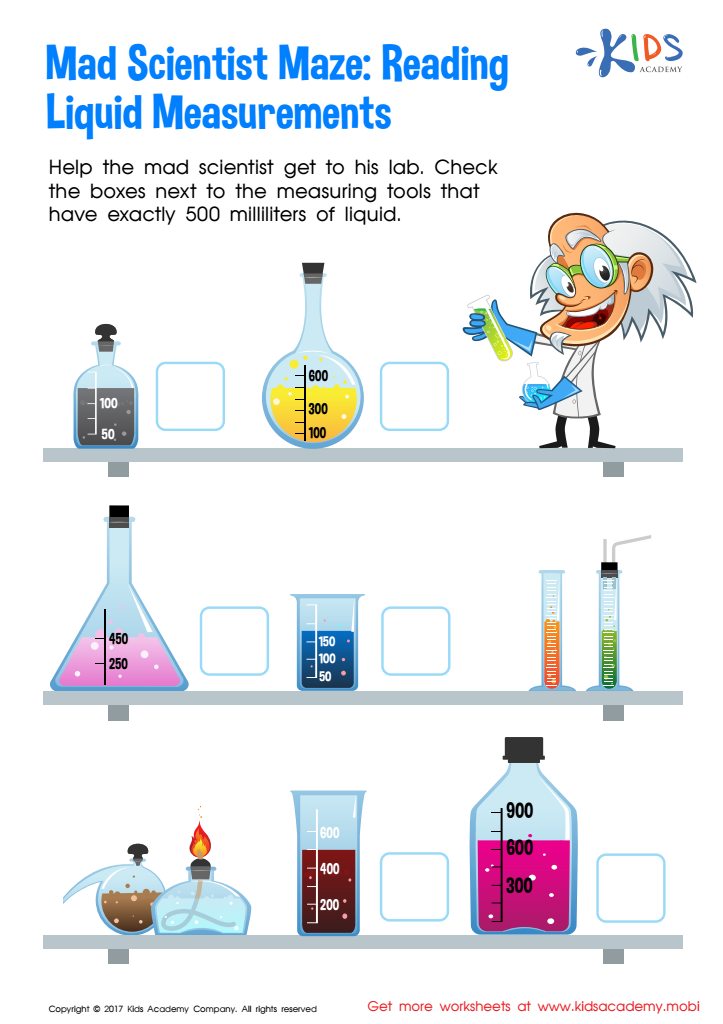
Reading Liquid Measurement Worksheet
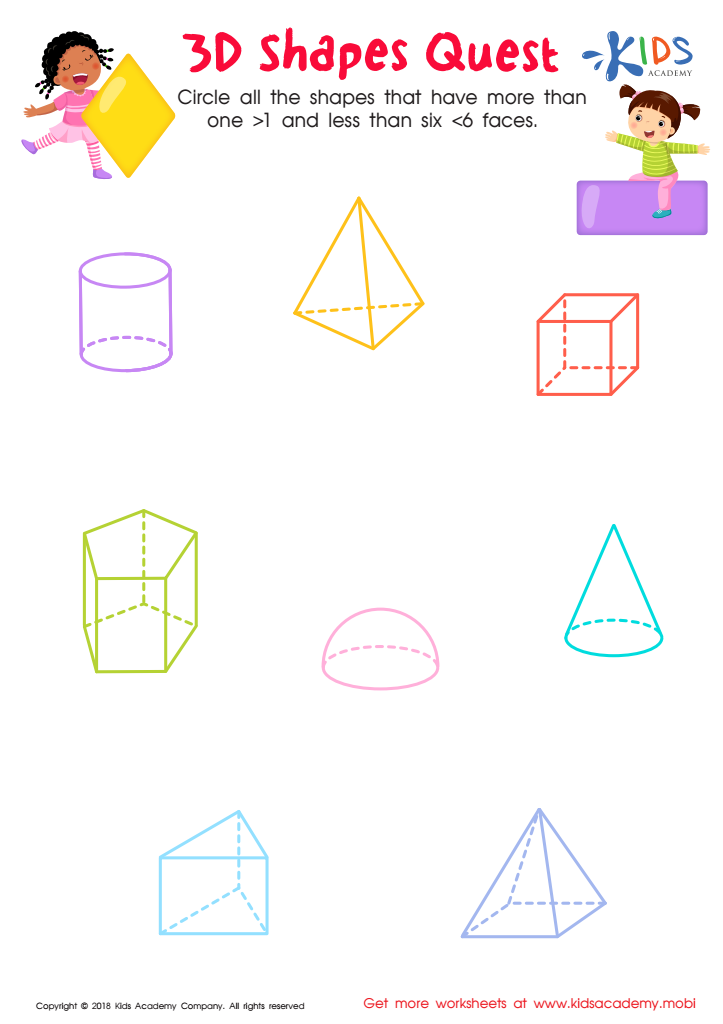
3D Shapes Quest Worksheet
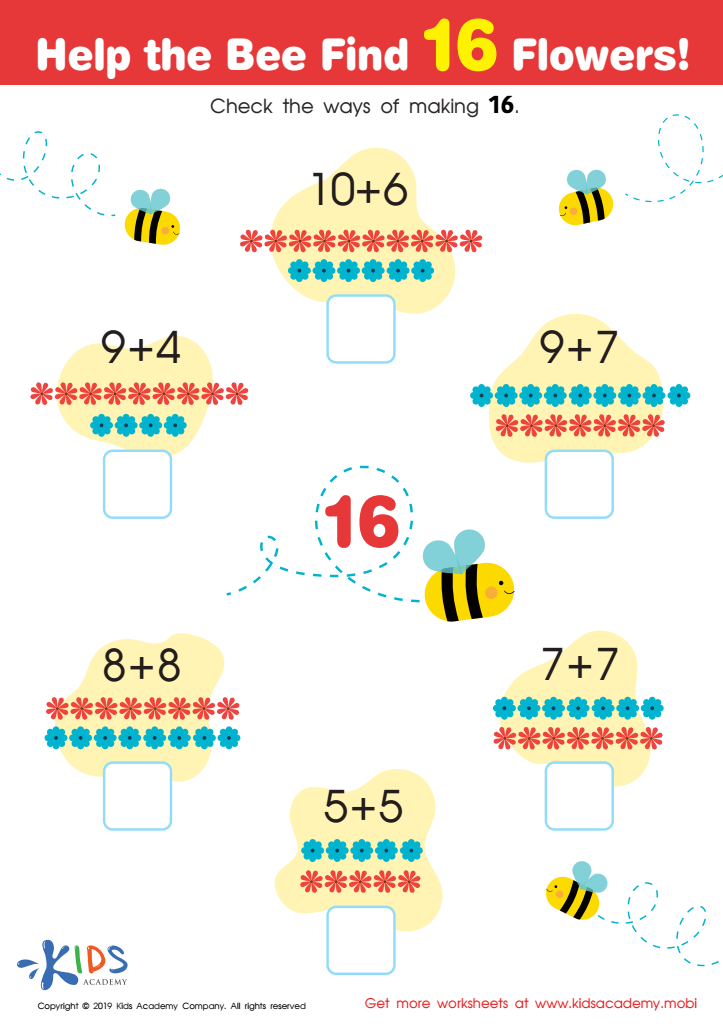
Help the Bee Find 16 Flowers Worksheet
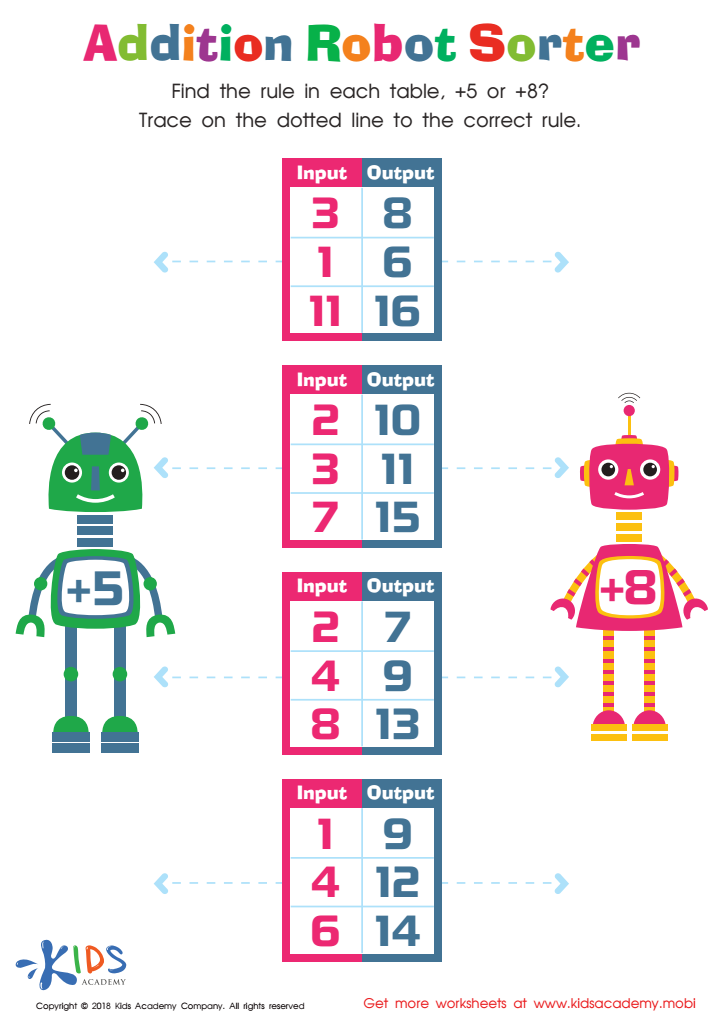
Addition Robot Sorter Worksheet
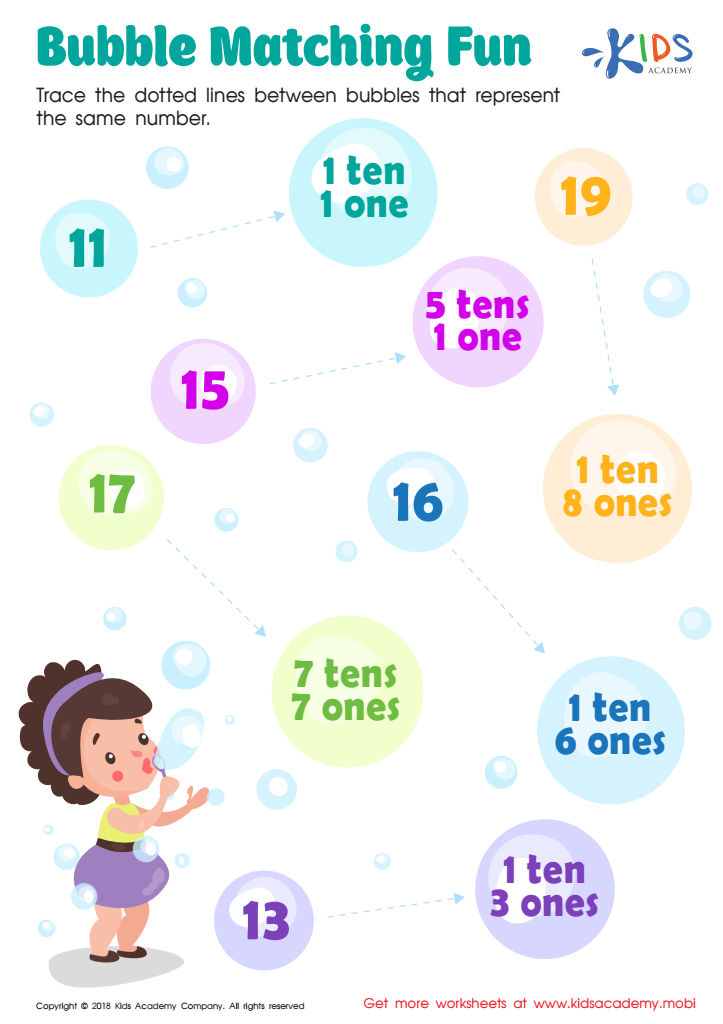
Bubble Matching Fun Worksheet
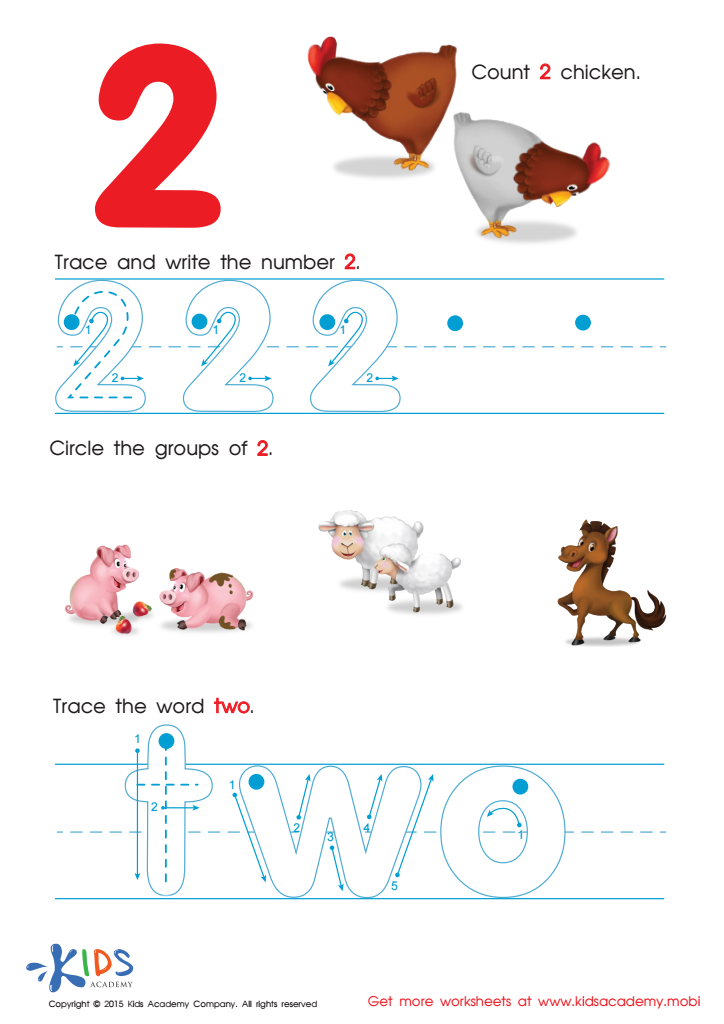
Learn to Write the Number 2 Worksheet
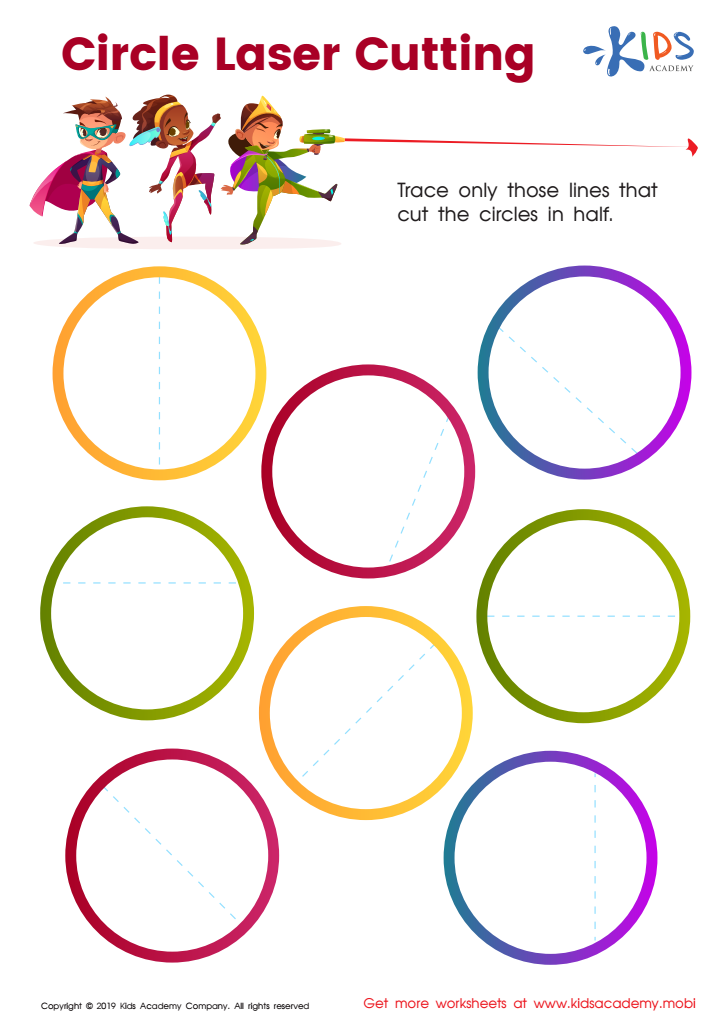
Circle Laser Cutting Worksheet
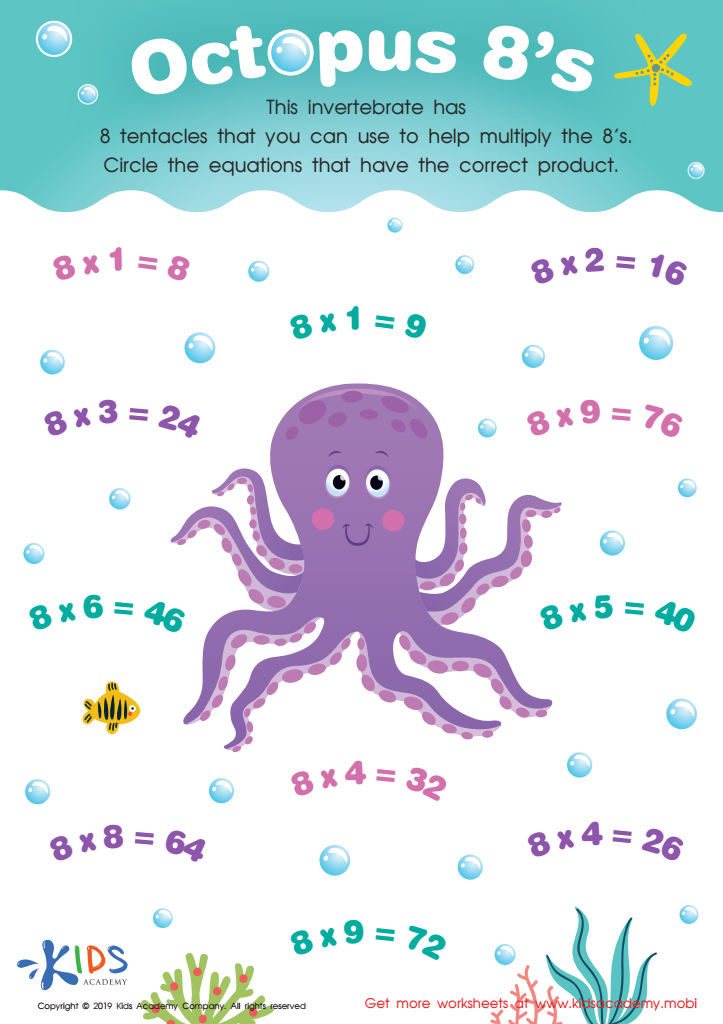
Octopus 8’s Worksheet
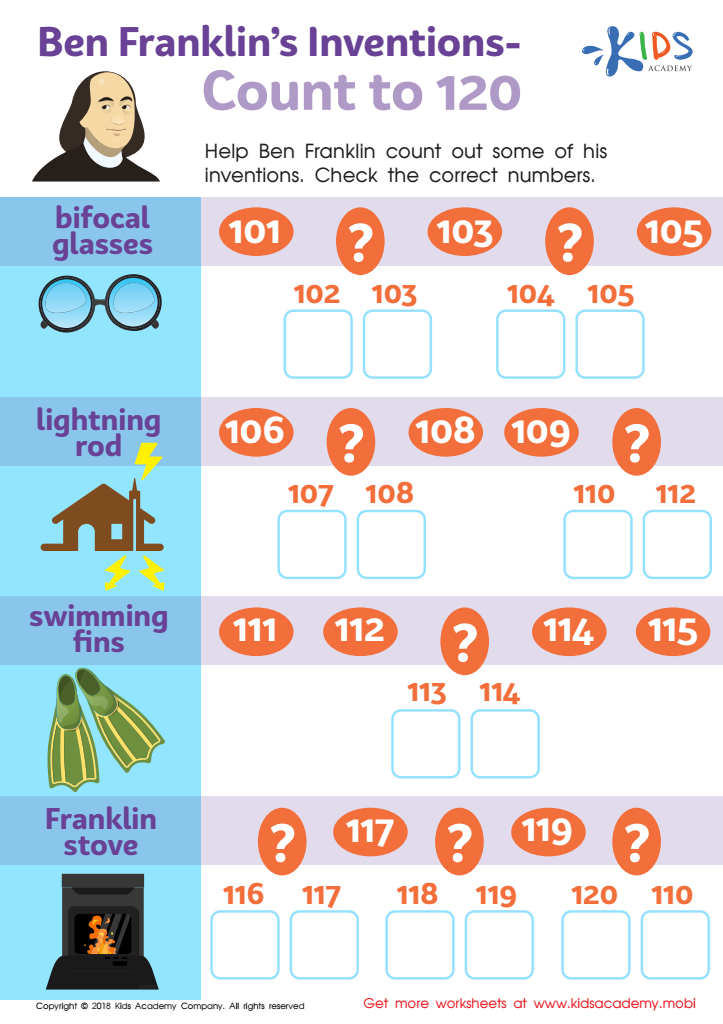
Ben Franklin’s Inventions – Count to 120 Worksheet


.jpg)



Fine motor skills are essential for young children between the ages of 4-9 because they form the foundation for many critical academic and daily activities. Developing strong fine motor skills aids in a child’s ability to perform tasks such as writing, drawing, buttoning clothes, and cutting with scissors. For educators and parents, supporting the development of these skills is crucial because these activities contribute both to academic success and overall independence.
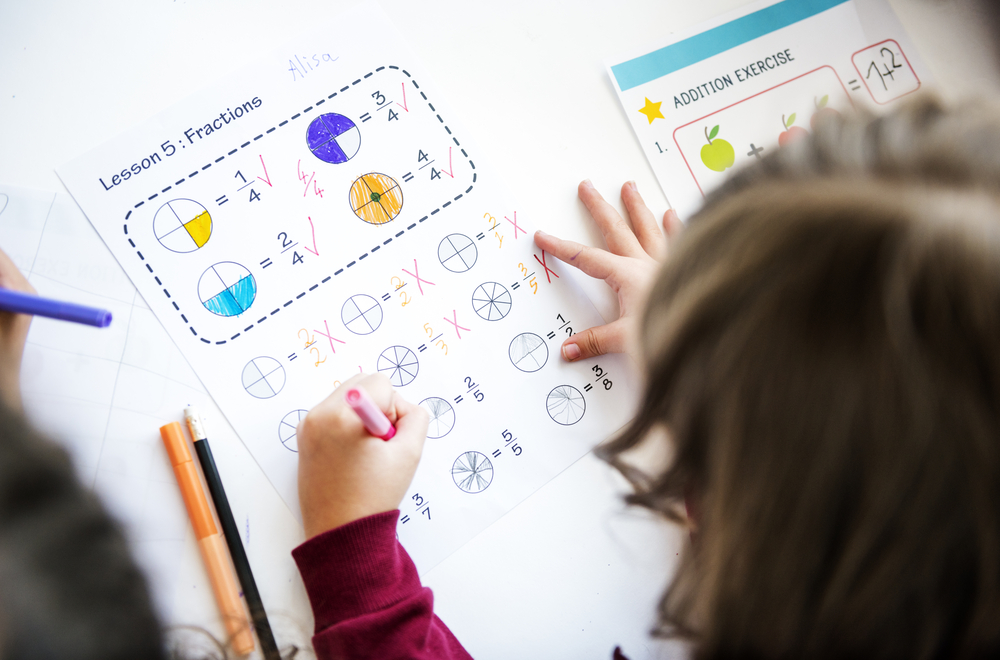
Fine motor skills are closely linked to cognitive development, particularly in mathematical abilities. Handling tools like pencils, rulers, and manipulatives in math activities depends on refined movements. Skills such as counting small objects, aligning numbers, and drawing geometric shapes require precise muscle control. For instance, sorting beads helps in understanding patterns, which is a fundamental math skill.
Children struggling with fine motor tasks may also face higher emotional distress, impacting their social relationships and eagerness to engage in learning environments. Notably, early mastery of fine motor skills can lead to improved self-esteem as children become more competent and confident in their abilities.
Therefore, the development of fine motor skills isn't just about physical capability; it involves cognitive and emotional growth, preparing children for a lifetime of learning and daily functioning. By paying close attention to fine motor development, teachers and parents lay the groundwork for children's holistic success.








