Normal Matching Worksheets for Ages 4-9 - Page 2
43 filtered results
-
From - To
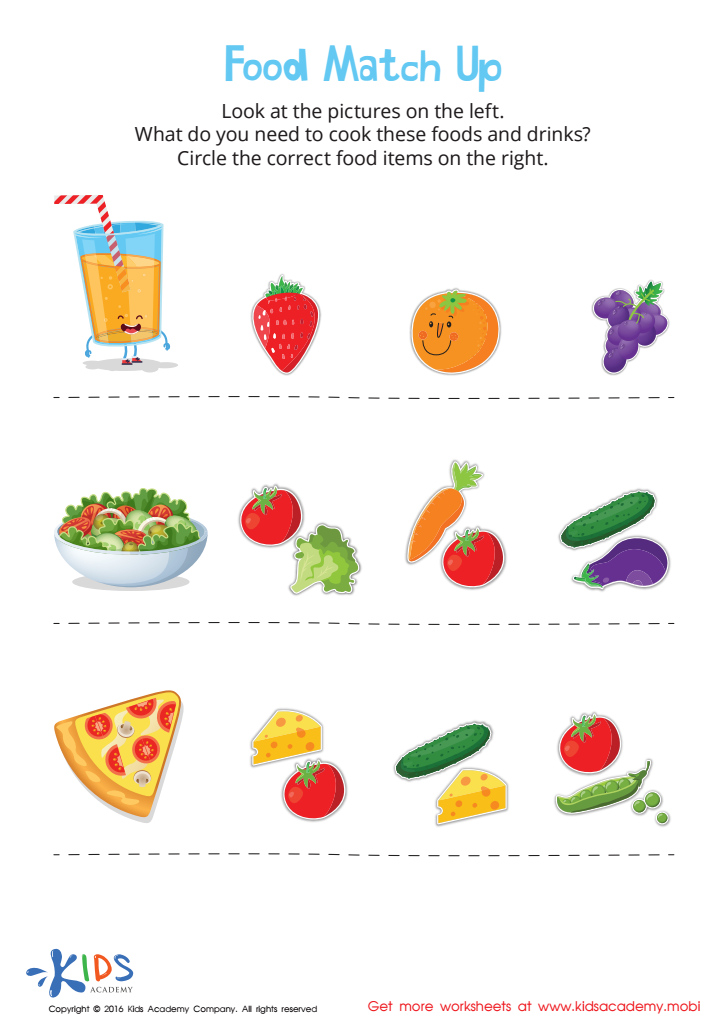
Food Match Up Worksheet
 Assign to My Students
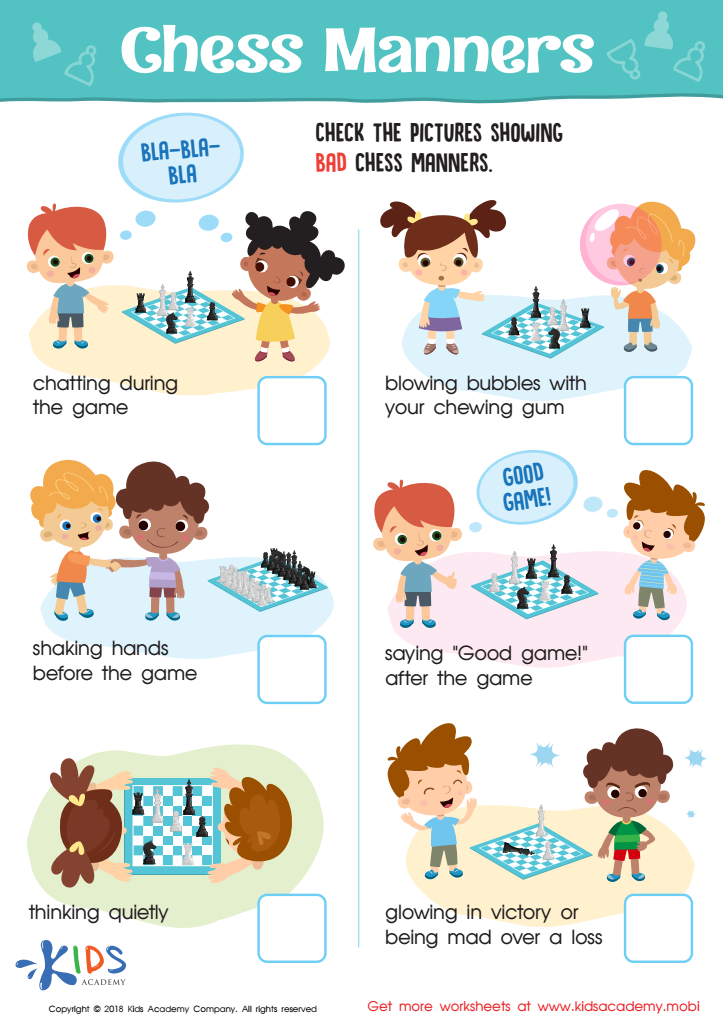
Chess Manners Worksheet
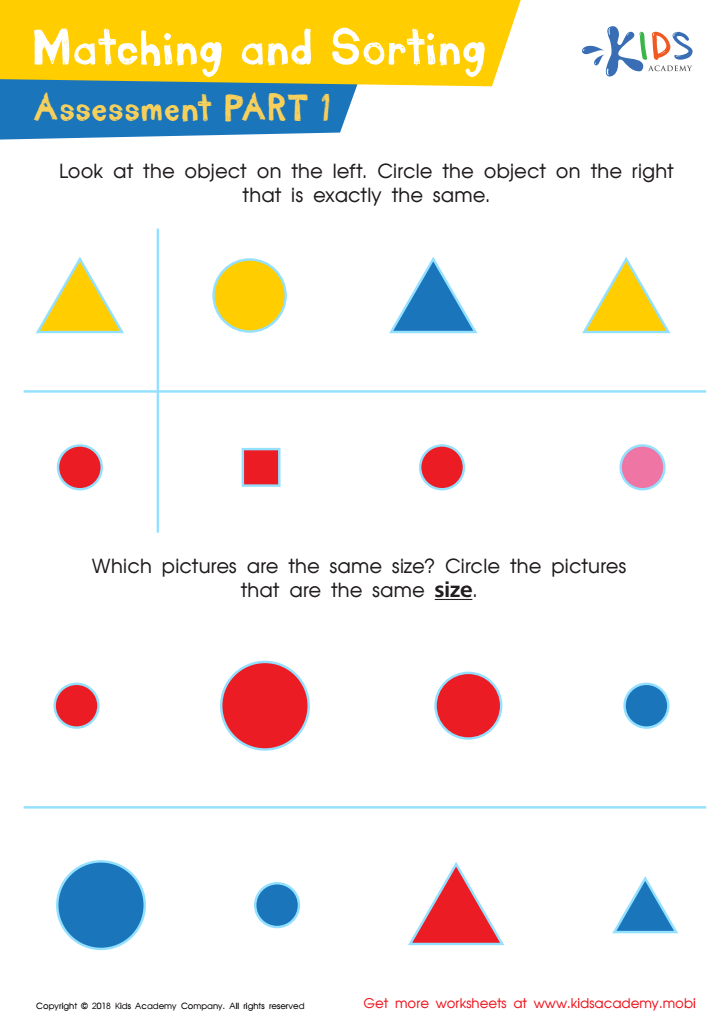
Matching and Sorting for Kindergarten: Assessment 1 Worksheet
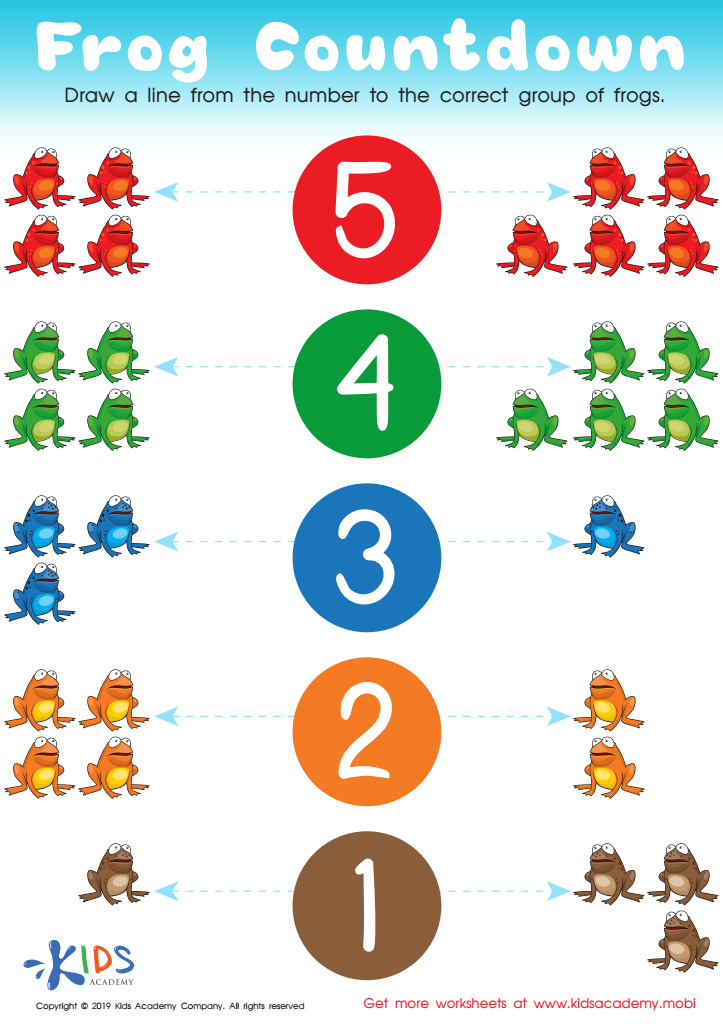
Frog Countdown Worksheet
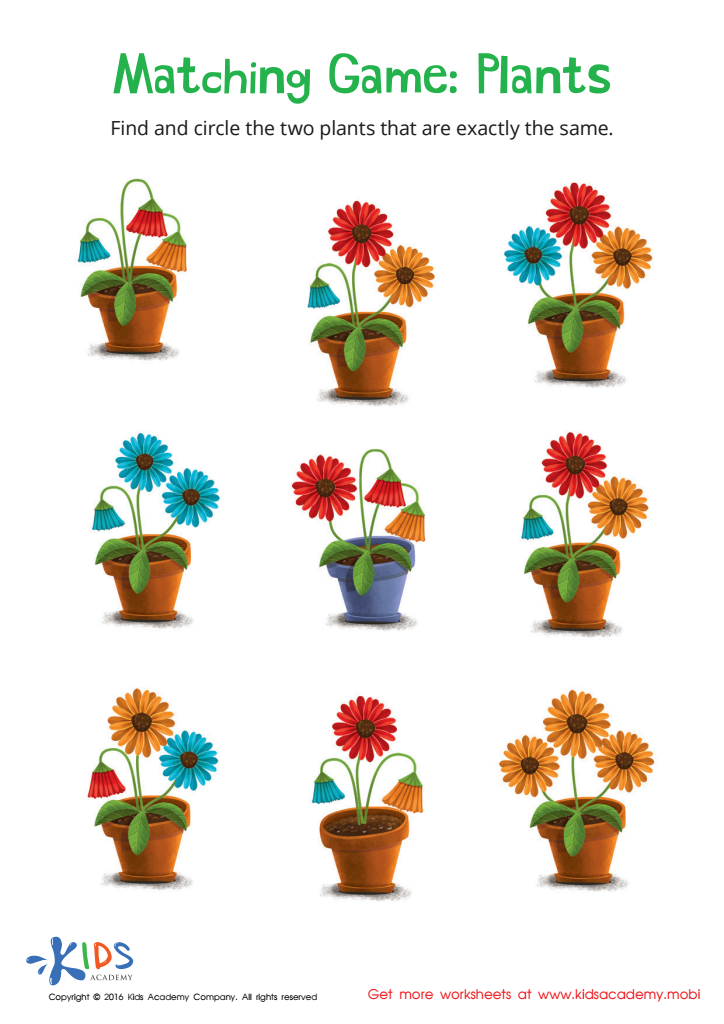
Matching: Plants Worksheet
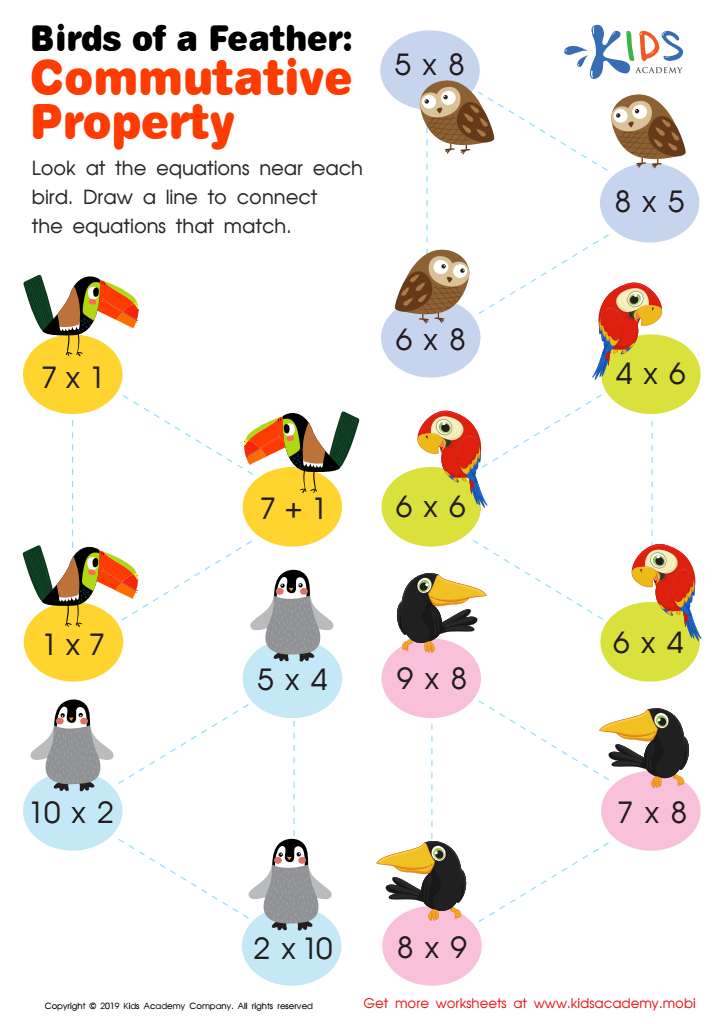
Birds of a Feather: Commutative Property Worksheet
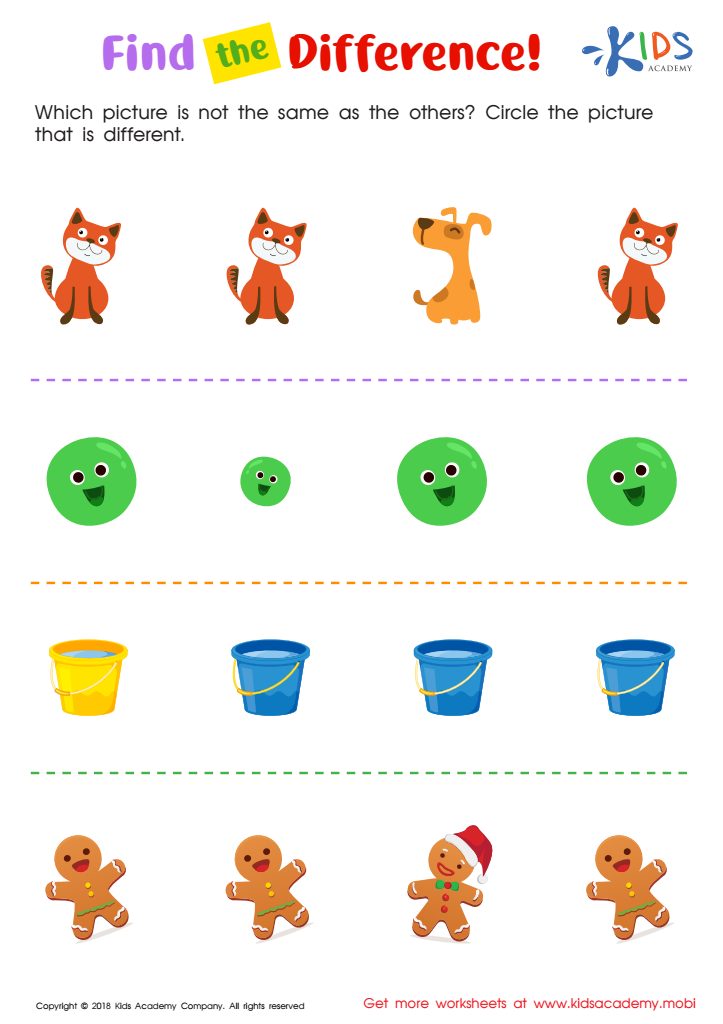
Find the Difference Worksheet
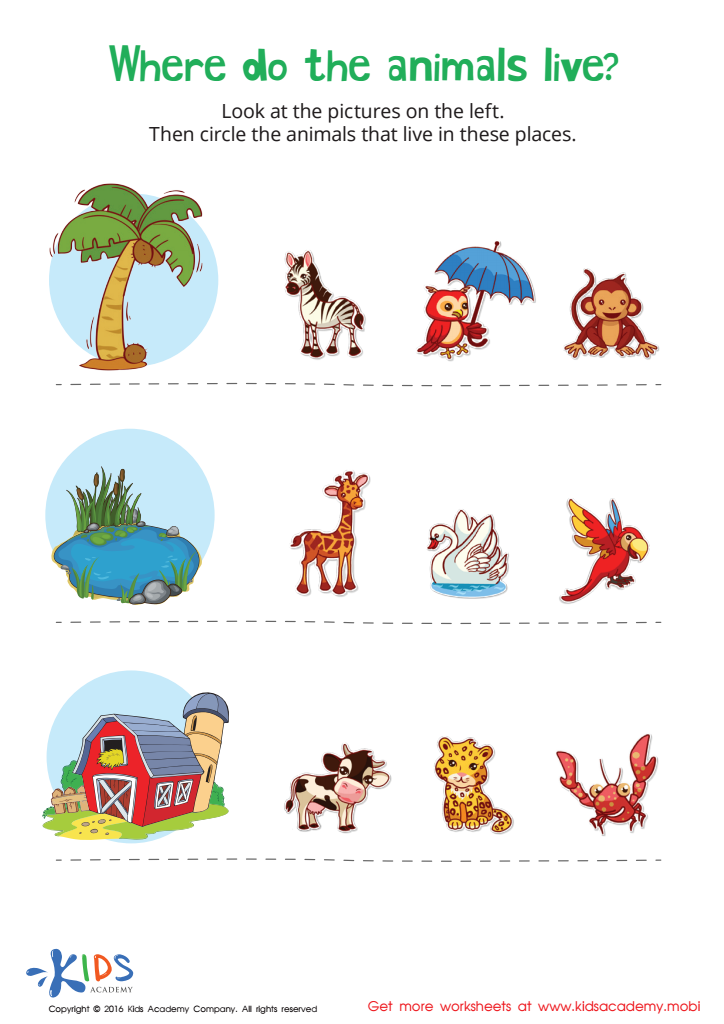
Where Animals Live Worksheet
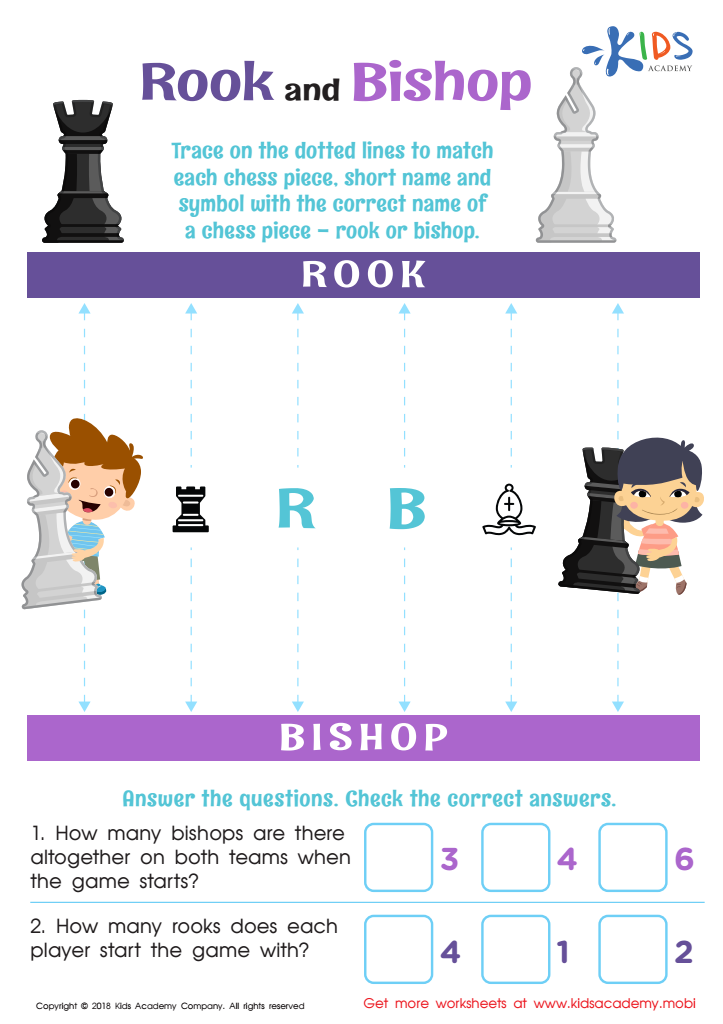
Rook and Bishop Worksheet
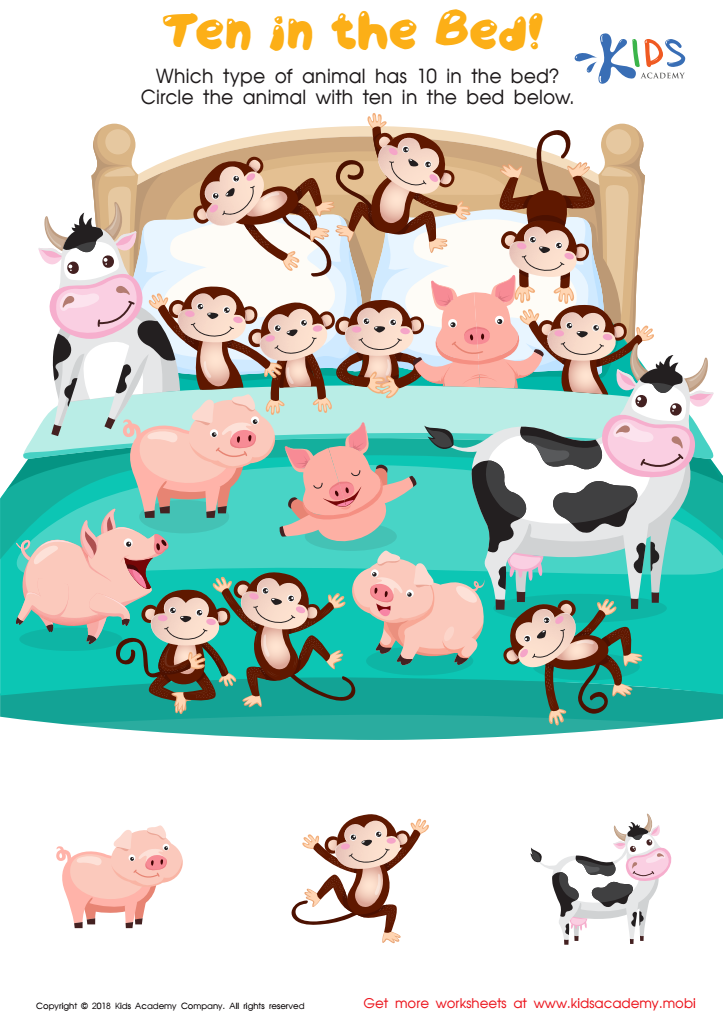
Ten in the Bed Worksheet
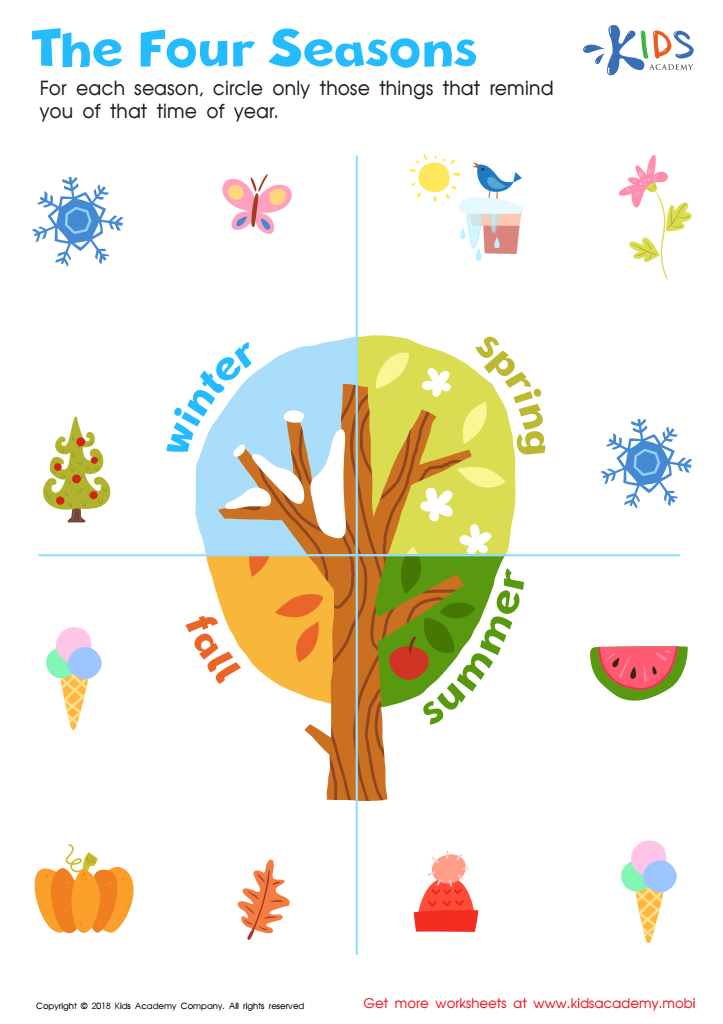
The Four Seasons Worksheet
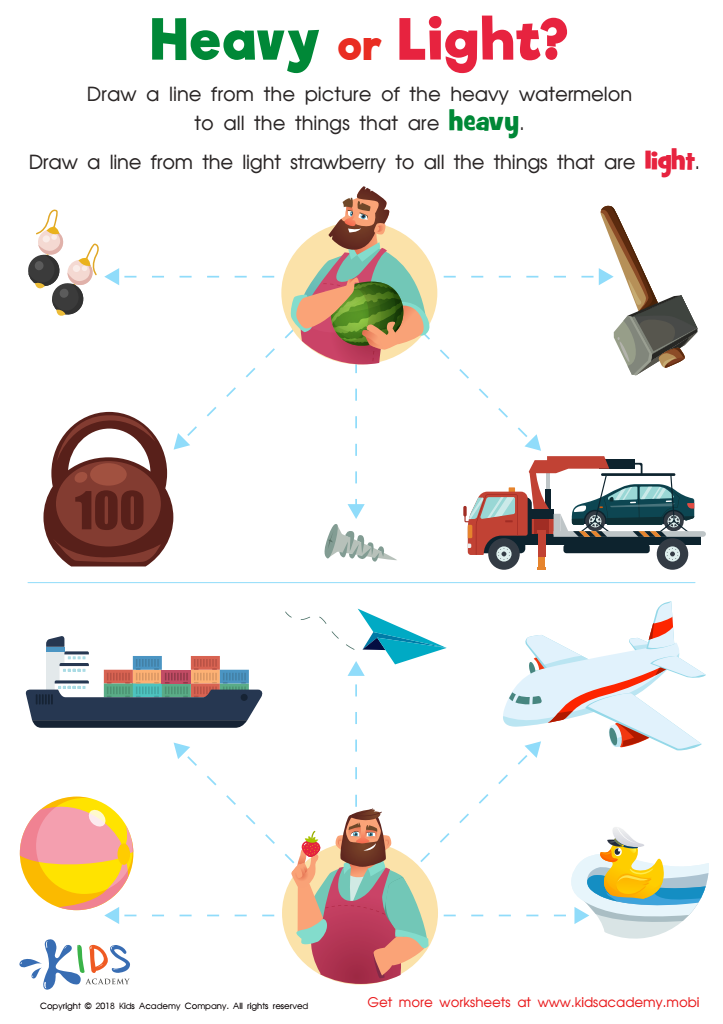
Heavy or Light? Worksheet
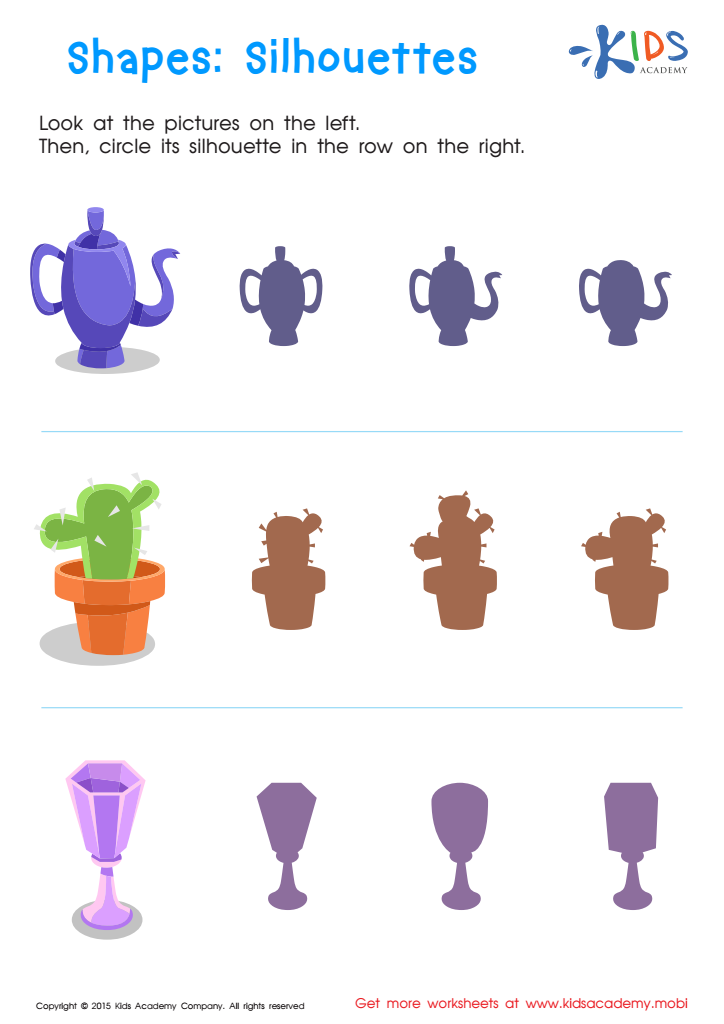
Silhouettes – Shapes Worksheet
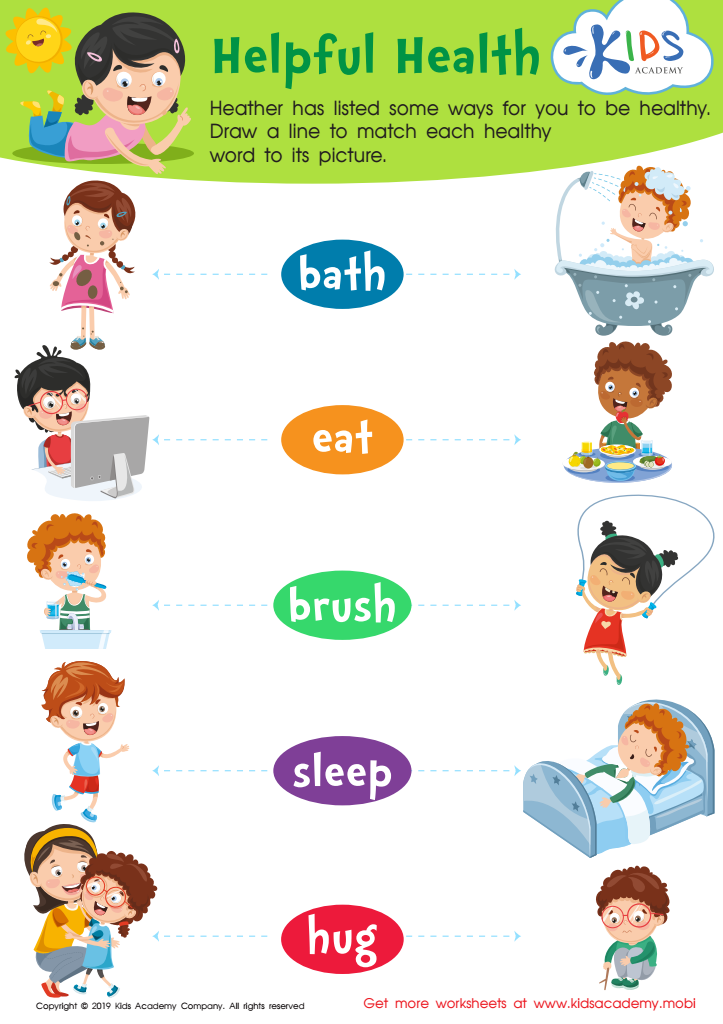
Helpful Health Worksheet
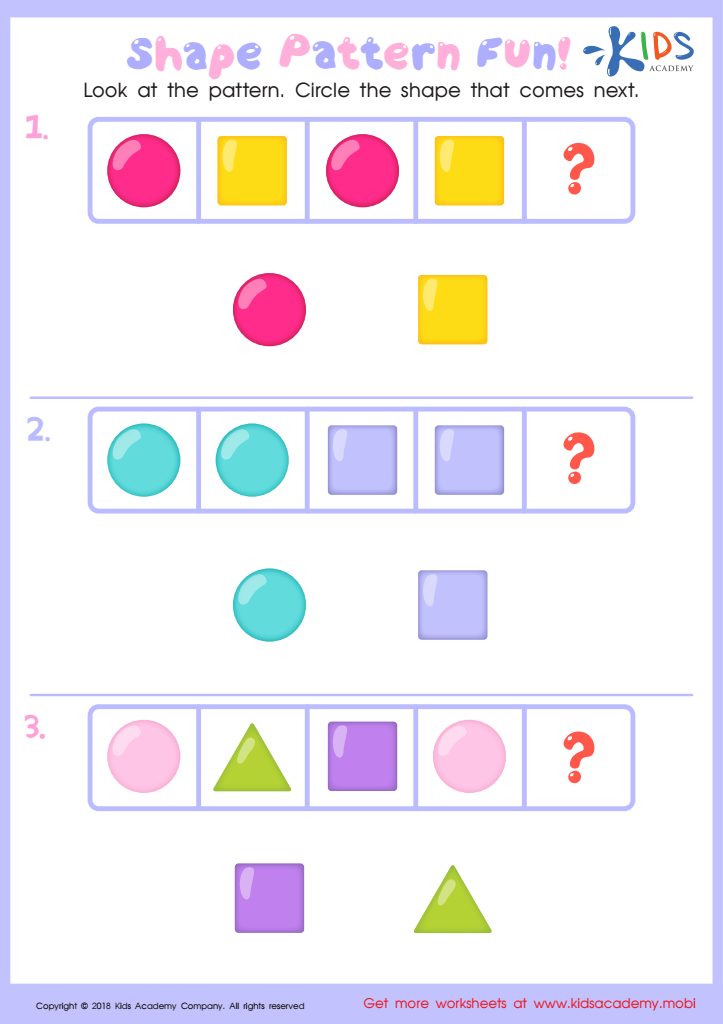
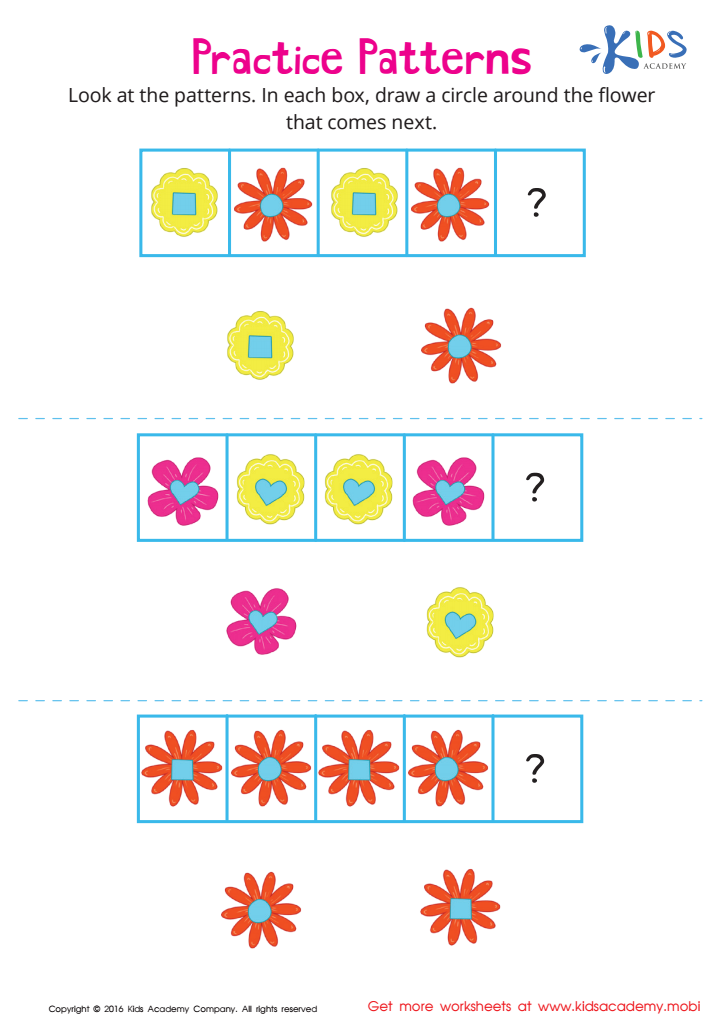
Shape Pattern Fun Worksheet
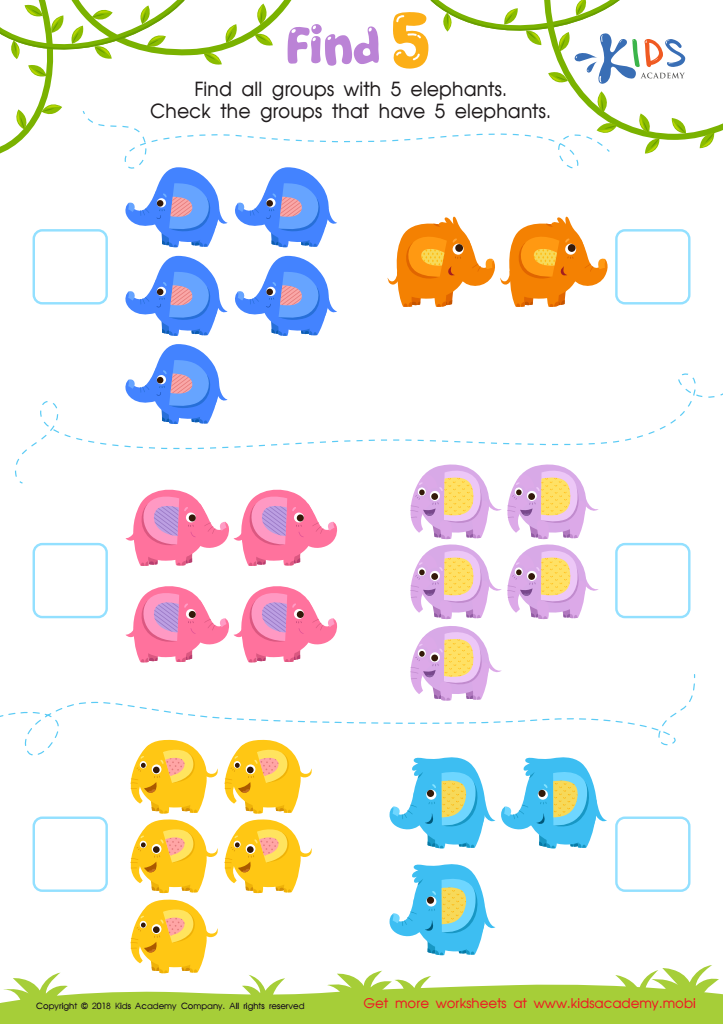
Find 5 Worksheet
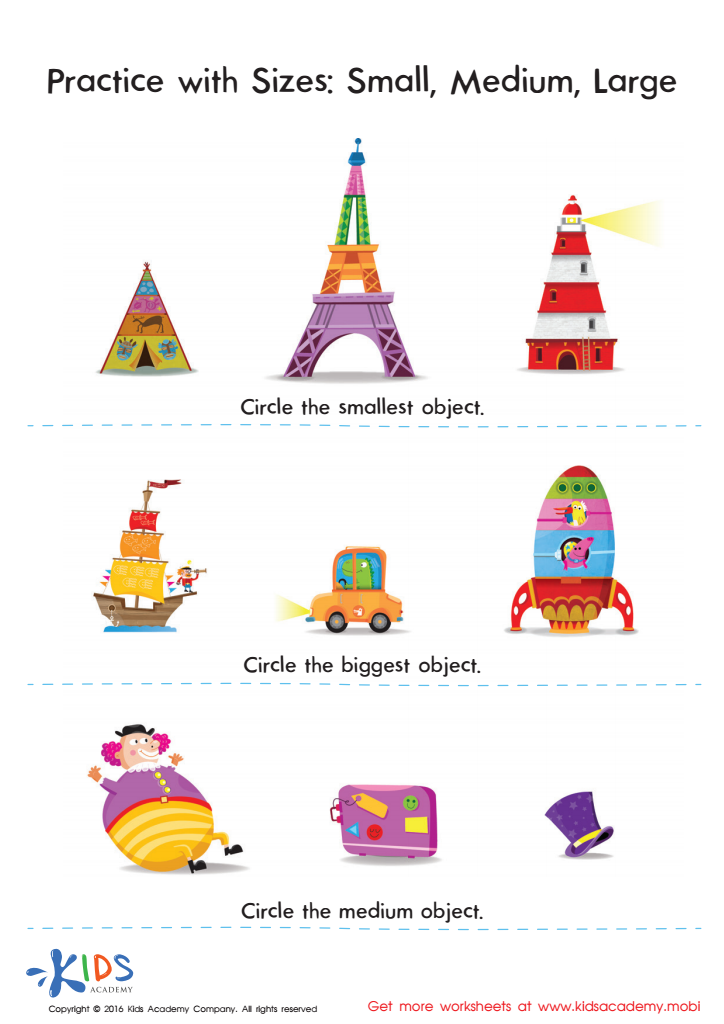




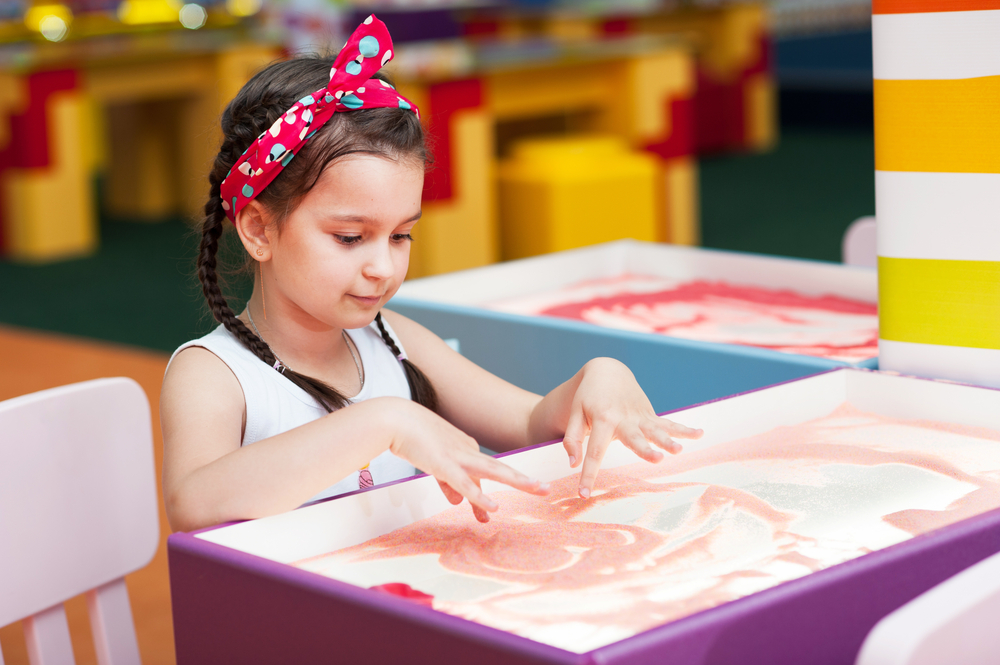



Normal Matching is a crucial developmental milestone for children aged 4-9, and it holds significant importance for both parents and teachers. At this stage, children are honing their cognitive skills, particularly in categorization and critical thinking. Normal Matching activities allow children to identify similarities and differences among various objects, enhancing their ability to recognize patterns and make connections. This skill is foundational for more complex concepts in math, science, and reading later on.
For parents, engaging in Normal Matching activities at home fosters a supportive learning environment, promoting bonding and communication skills. It encourages children to observe their surroundings more keenly and enhances their problem-solving abilities. For teachers, implementing Normal Matching in the classroom sparks curiosity and aids in language development through discussions about the attributes of items being matched.
Moreover, mastering Normal Matching can boost a child’s confidence and independence, as they learn to tackle challenges methodically. It is a critical stepping stone that sets the groundwork for academic success and lifelong learning. Understanding and prioritizing these activities ensures that both parents and teachers contribute effectively to a child's holistic development during these formative years.








