Problem-Solving Skills Normal Worksheets for Ages 5-7
86 filtered results
-
From - To
Discover our engaging Problem-Solving Skills Normal Worksheets designed for children ages 5-7. These worksheets help young learners develop critical thinking and analytical skills through fun activities tailored to their comprehension level. Each worksheet encourages children to explore various problem-solving strategies in relatable scenarios, promoting independence and confidence in their abilities. Our easy-to-follow illustrations and instructions make learning enjoyable and effective, providing a solid foundation for future academic success. Ideal for home or classroom use, these worksheets are perfect for fostering collaboration, creativity, and resilience. Enhance your child's problem-solving skills today with our thoughtfully crafted resources! Explore a world of learning now!
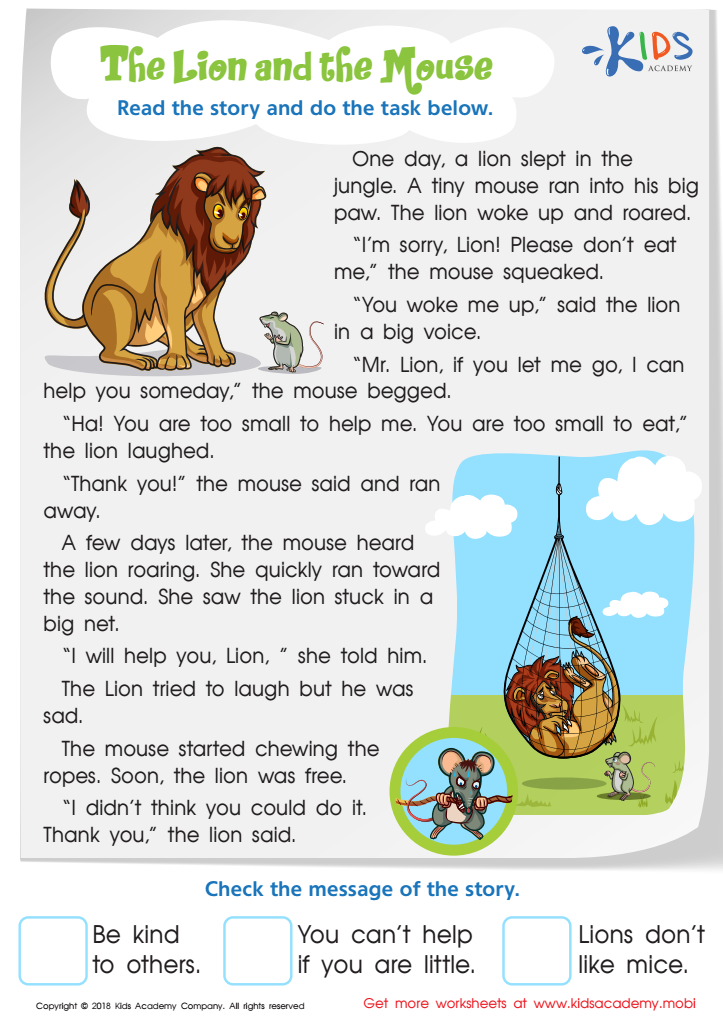
The Lion and the Mouse Worksheet
 Assign to My Students
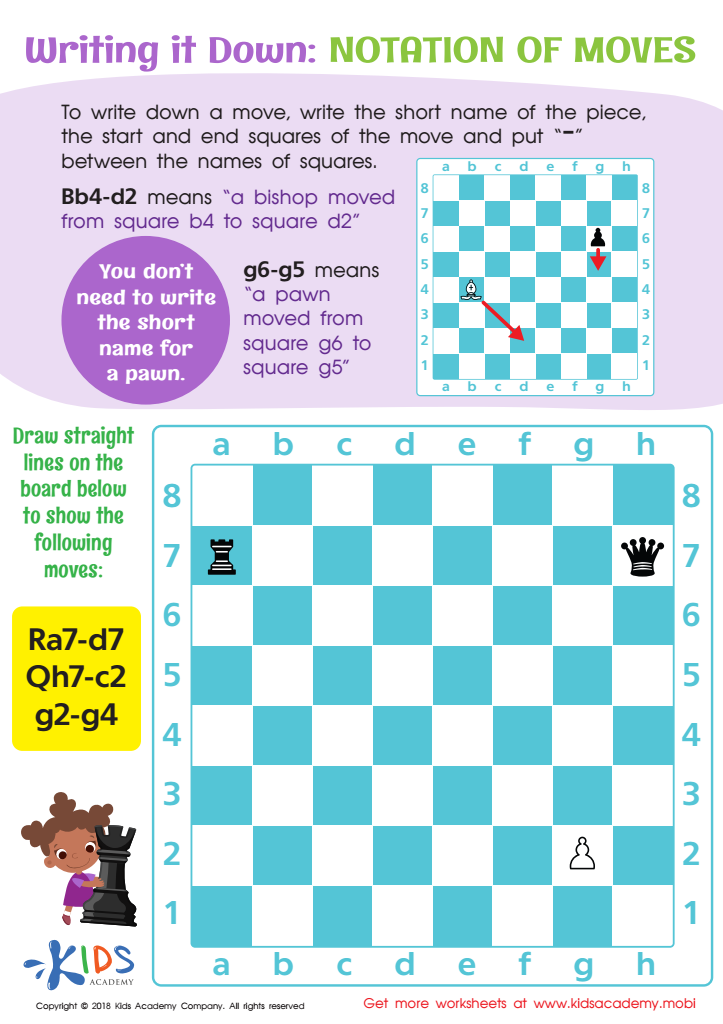
Notation of Moves Writing it Down Worksheet
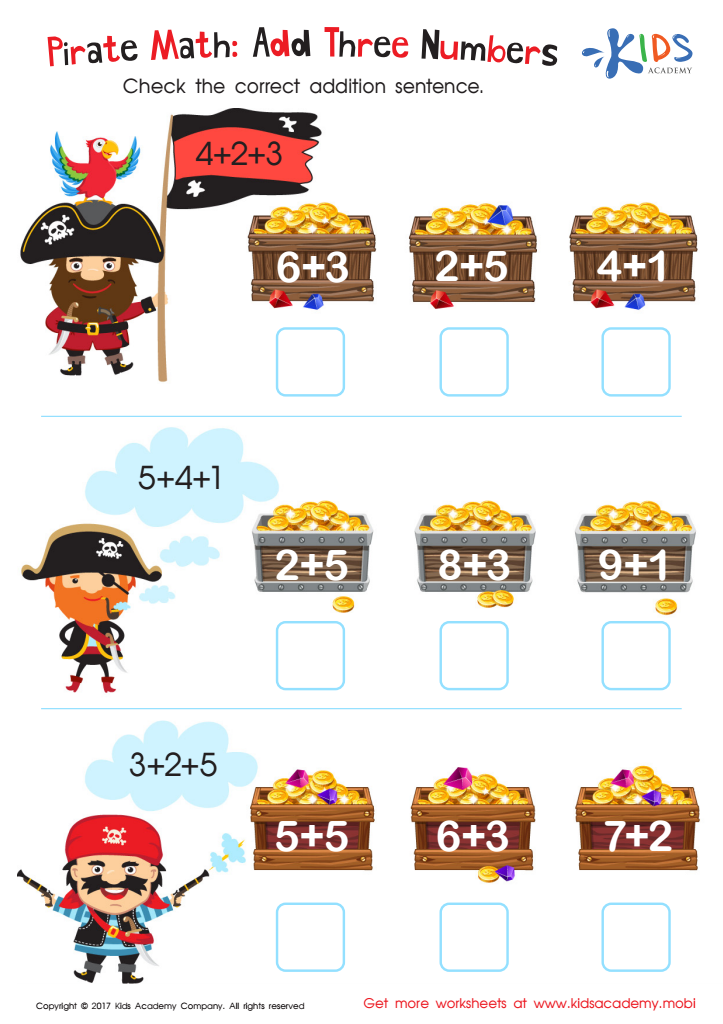
Pirate Math Printable
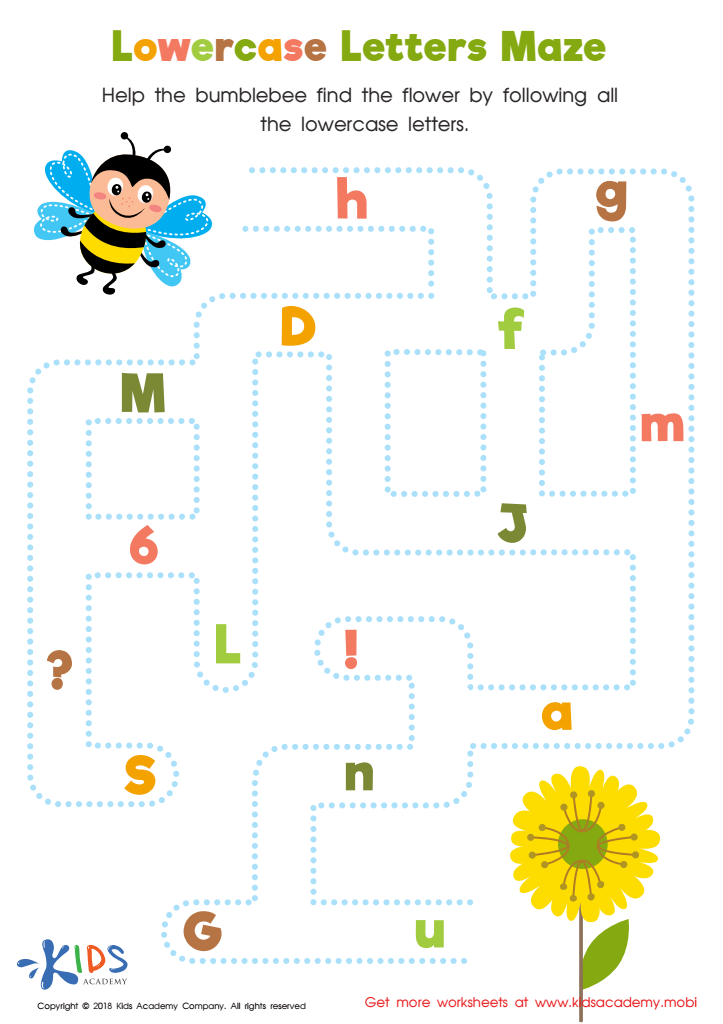
Lowercase Letters Maze Worksheet
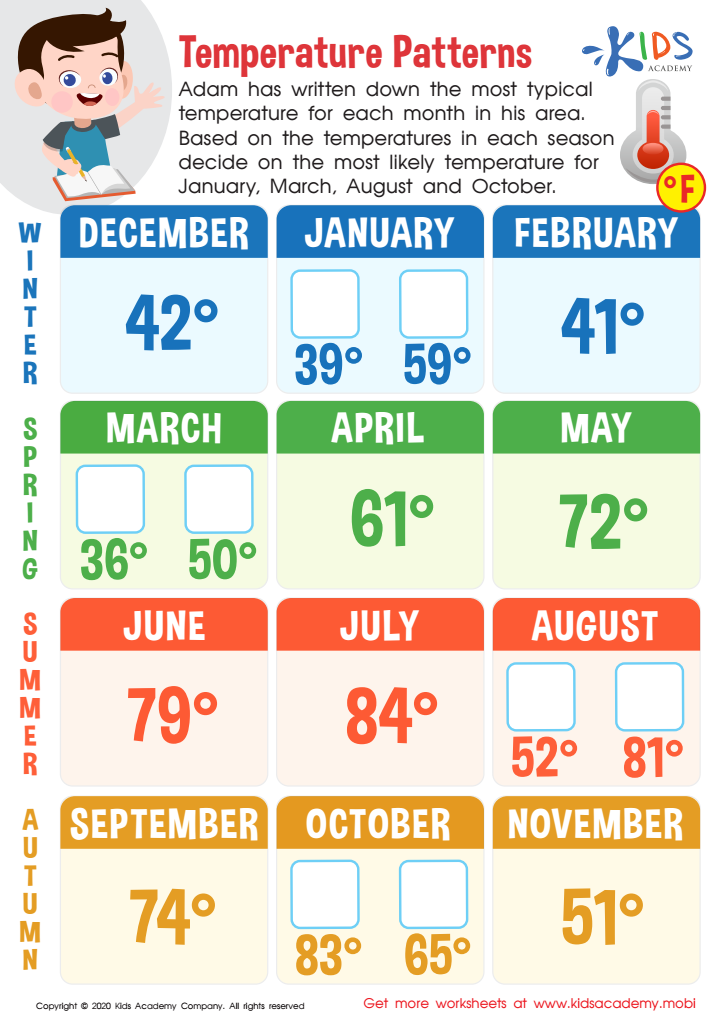
Temperature Patterns Worksheet
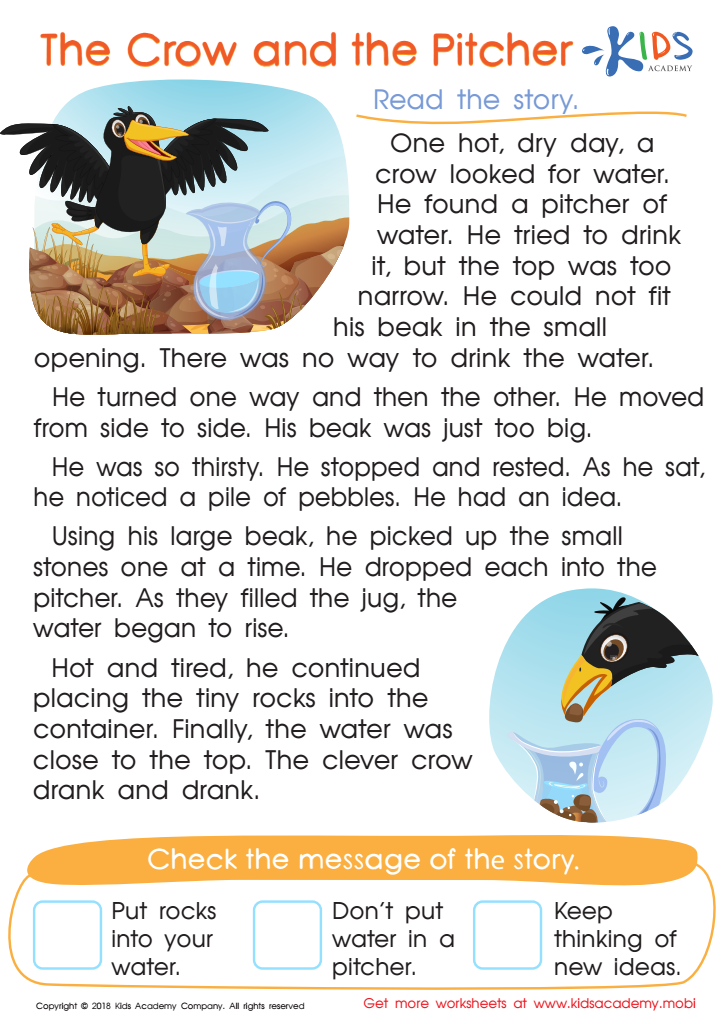
The Crow and the Pitcher Worksheet
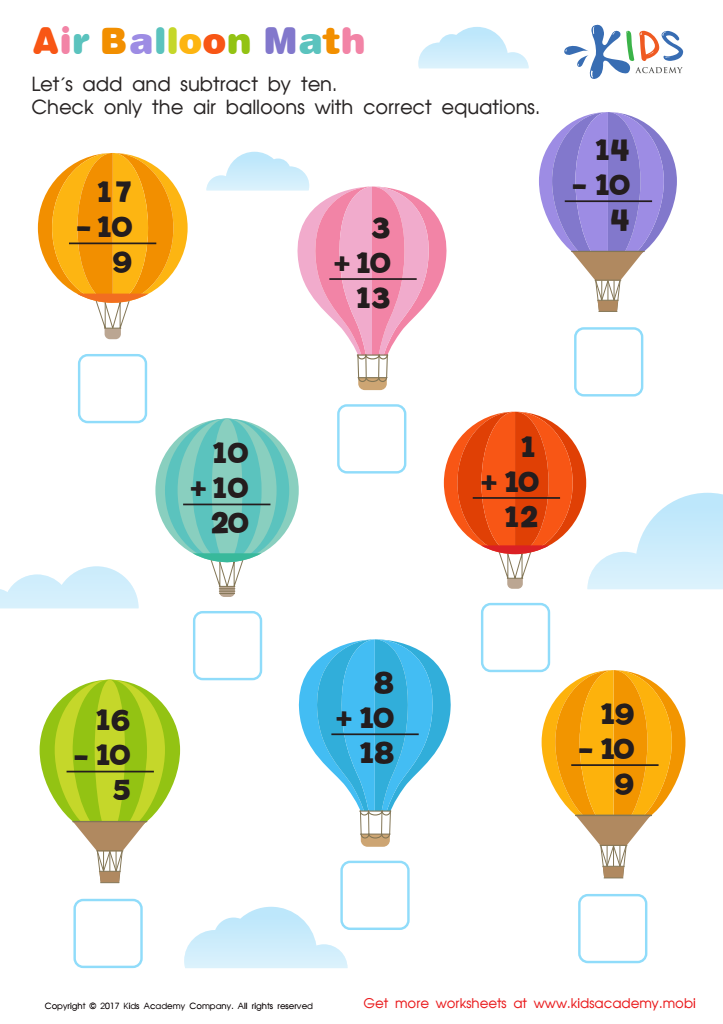
Air Balloon Math Worksheet
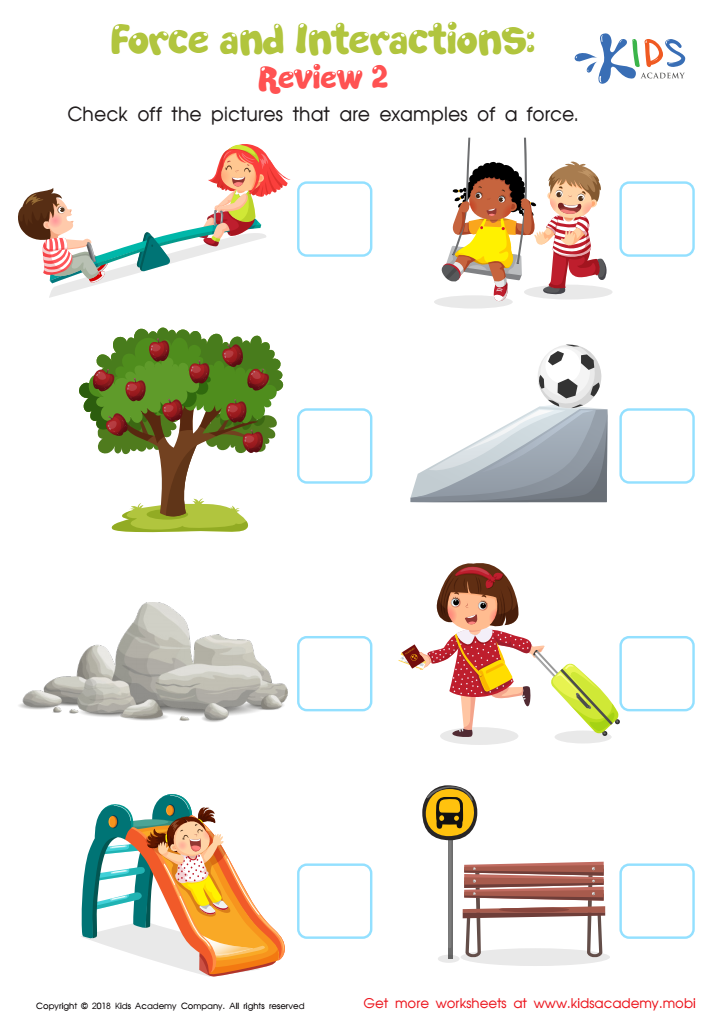
Force and Interactions: Review 2 Worksheet
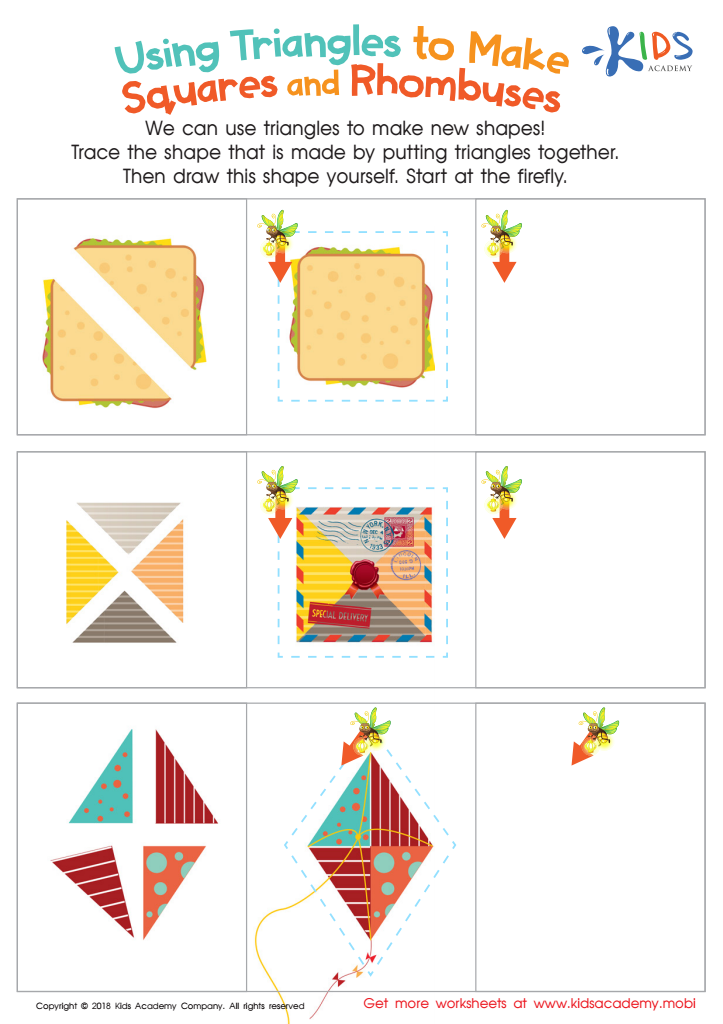
Using Triangles to Make Squares and Rhombuses Worksheet
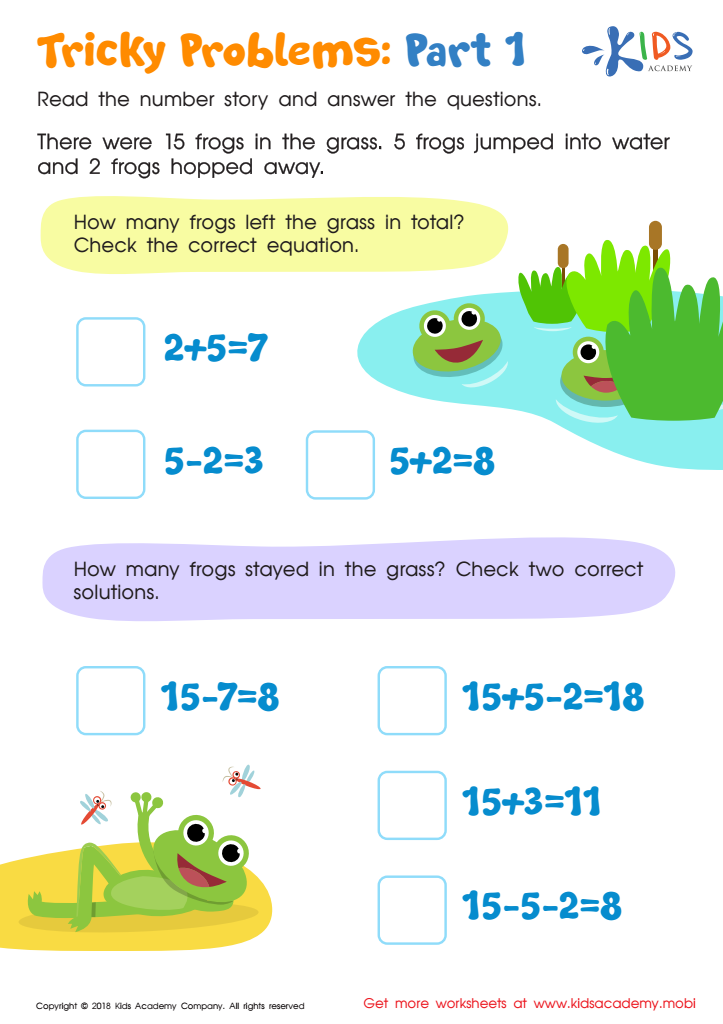
Tricky Problems Worksheet: Part 1

Cupid Maze: An Printable
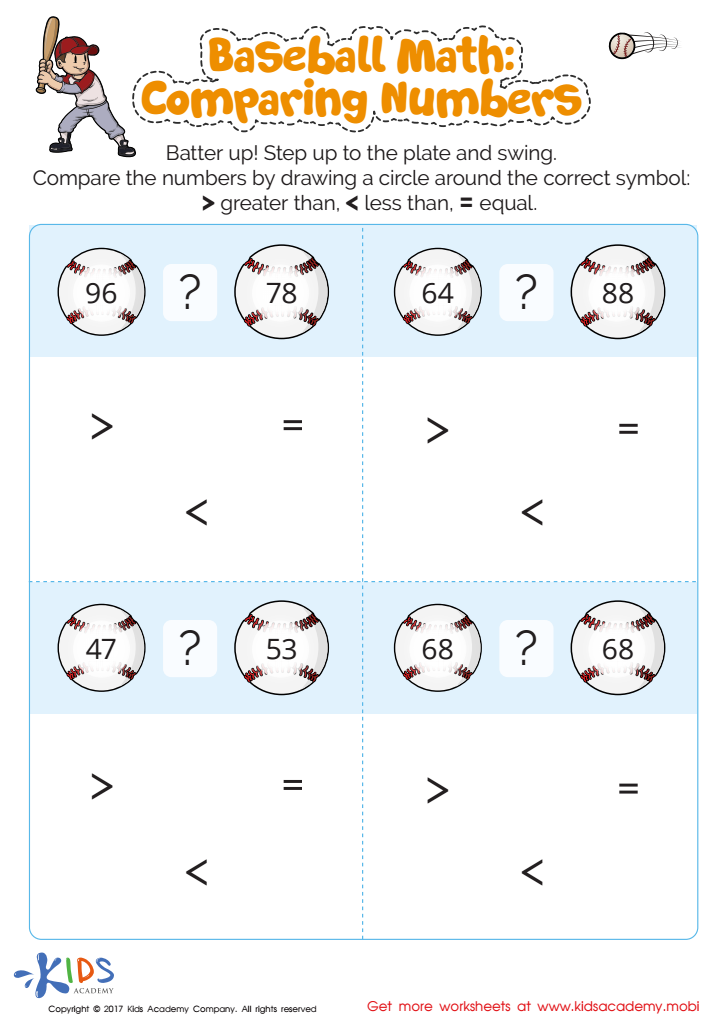
Compare Numbers Printable
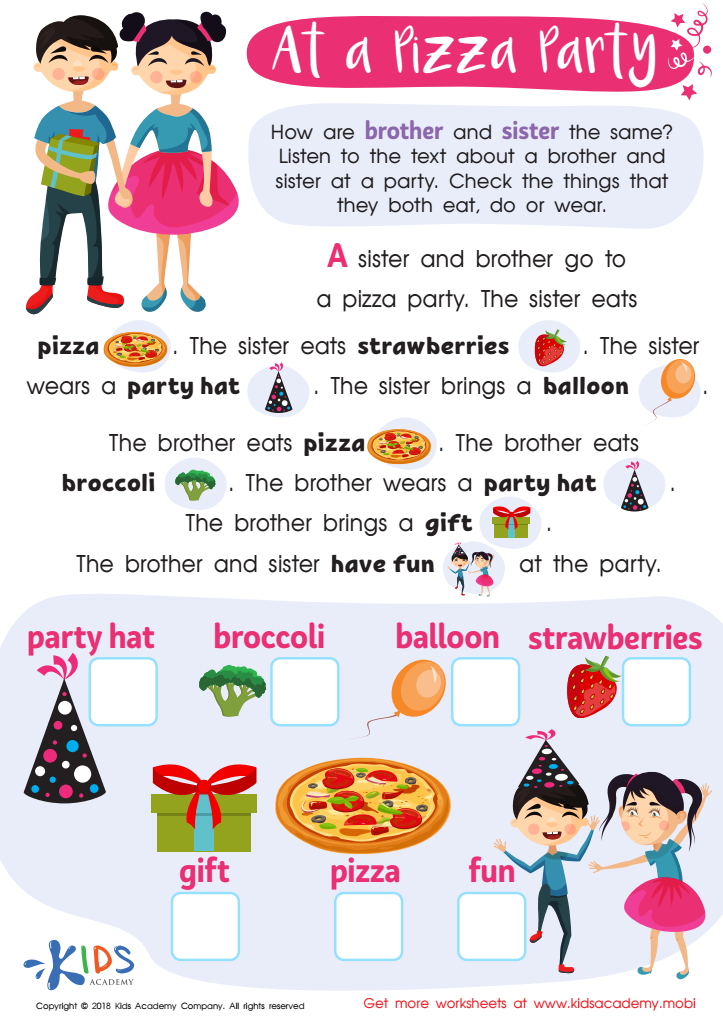
At a Pizza Party Worksheet
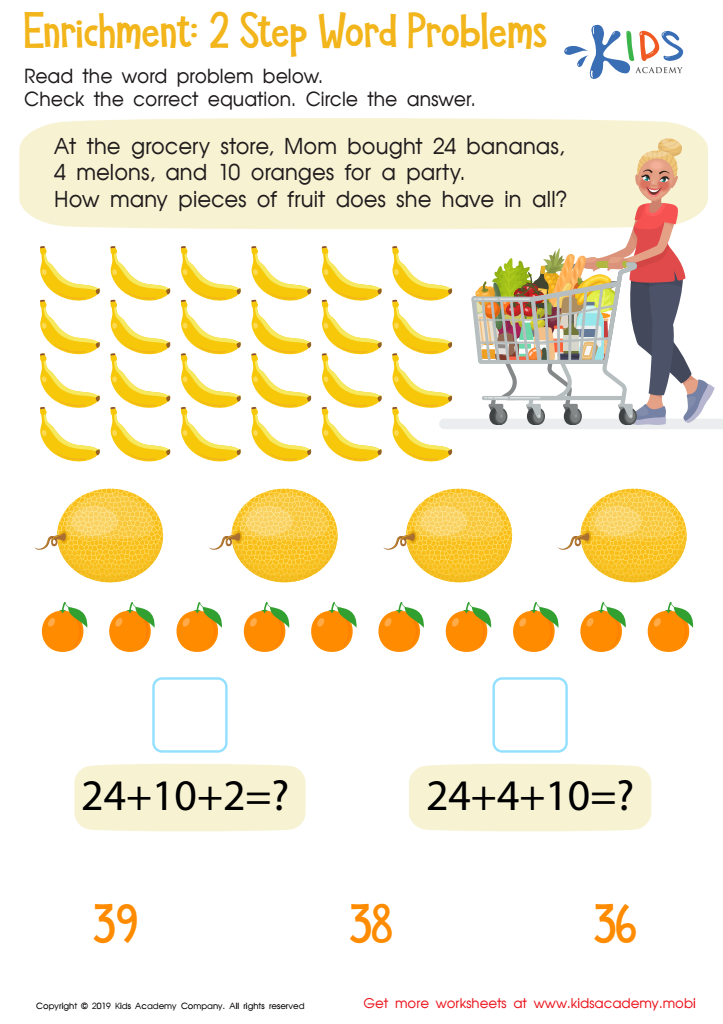
Enrichment -2 Step Word Problems Worksheet
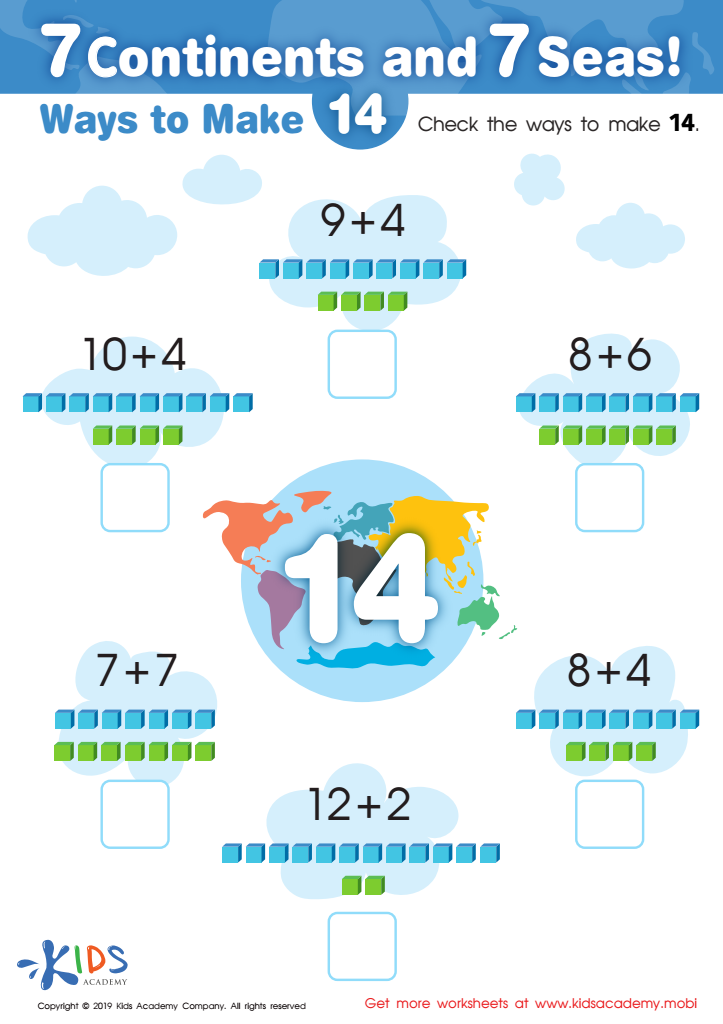
7 Continents and 7 Seas Worksheet

Community Doctors: Maze Printable
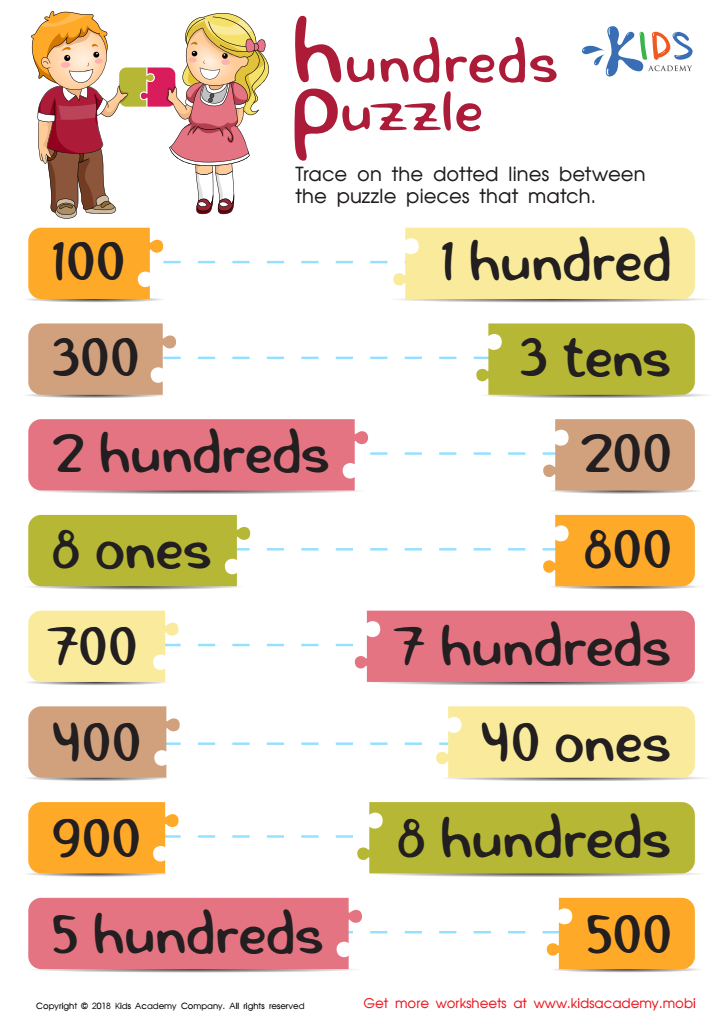
Hundreds Puzzle Worksheet
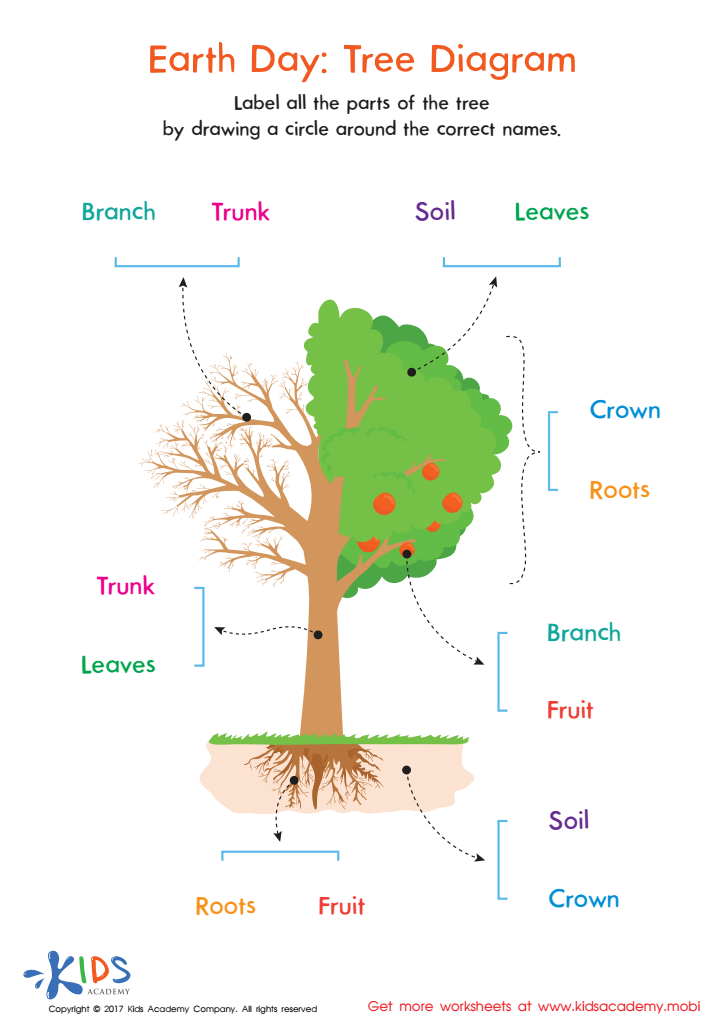
Earth Day: Tree Diagram Worksheet
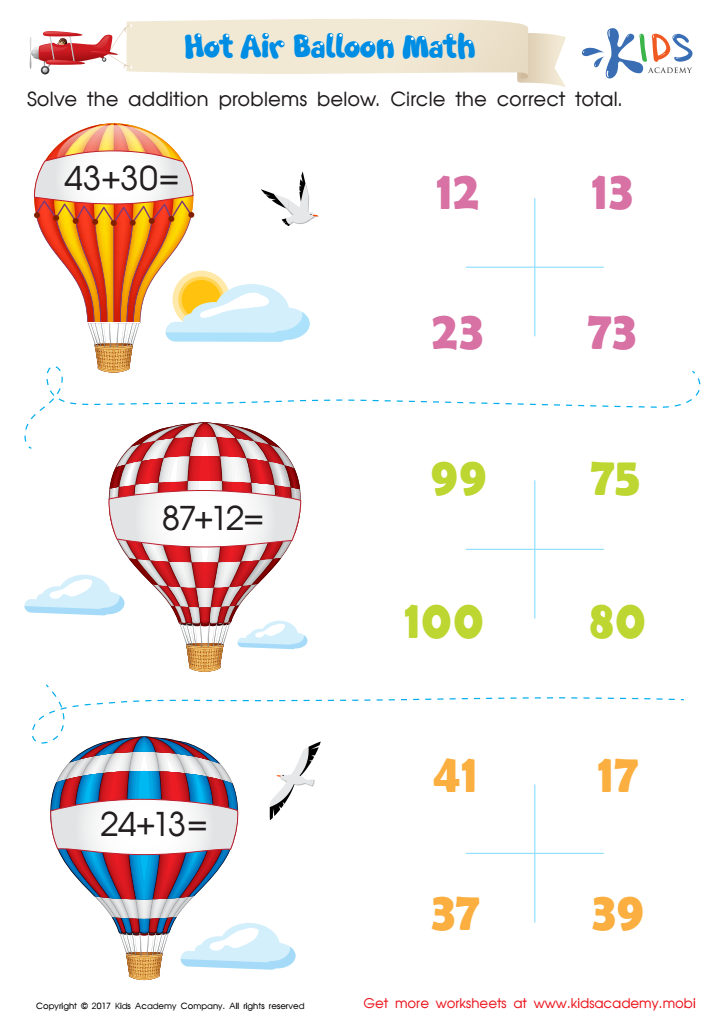
Hot Air Balloon Math Worksheet

Spaceship Maze: Galaxies Worksheet
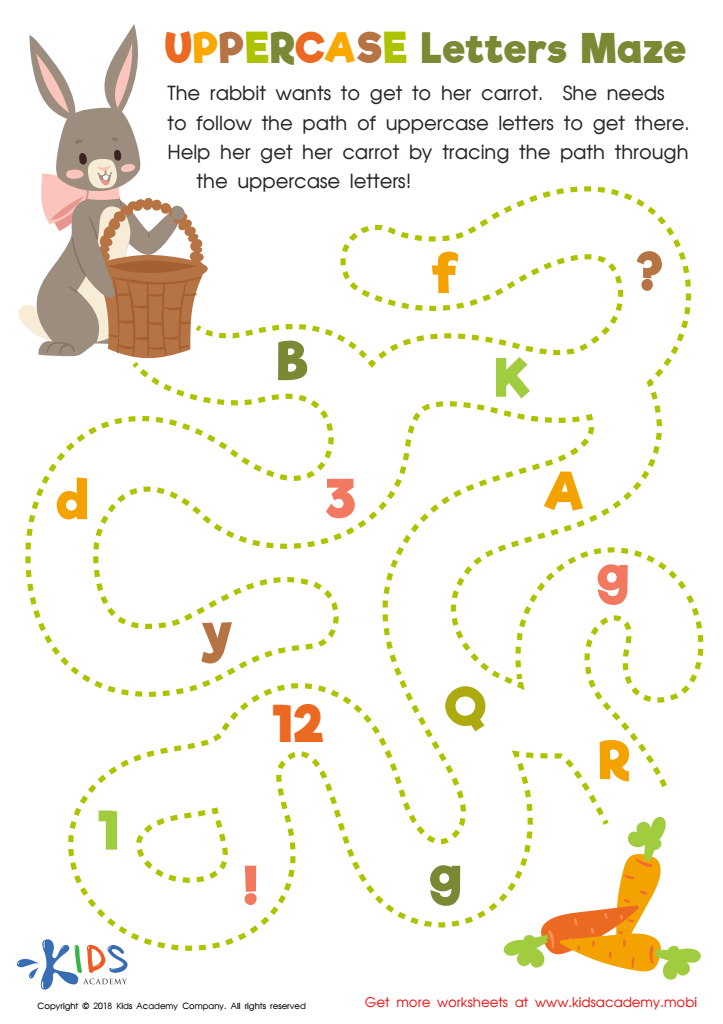
Uppercase Letters Maze Worksheet
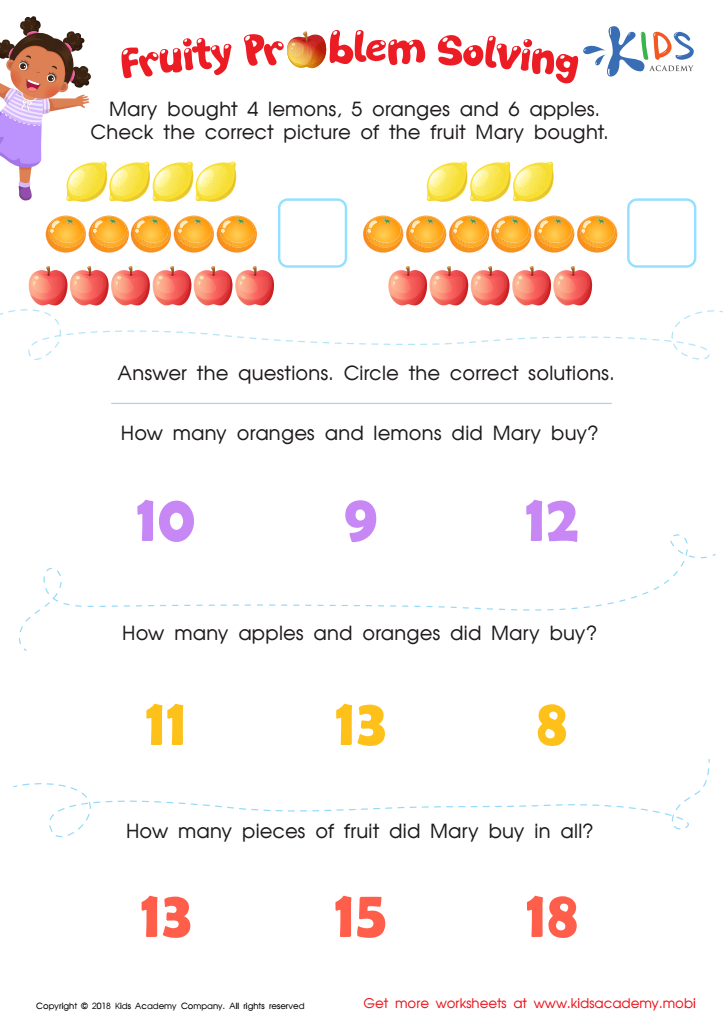
Fruity Problem Solving Worksheet
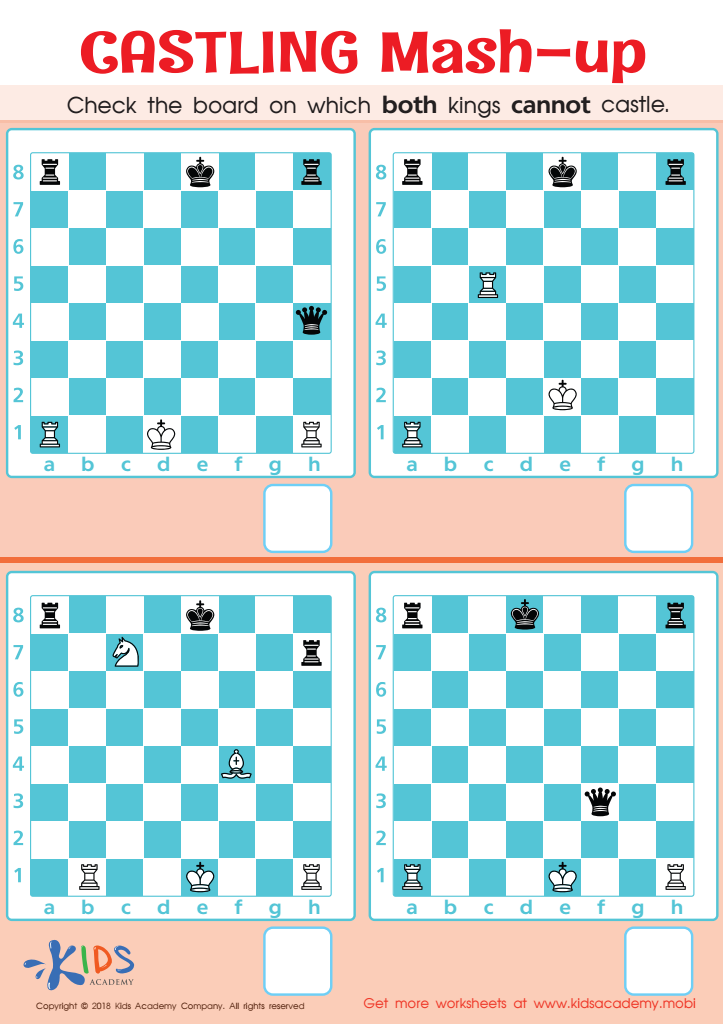
Castling Mash–up Worksheet
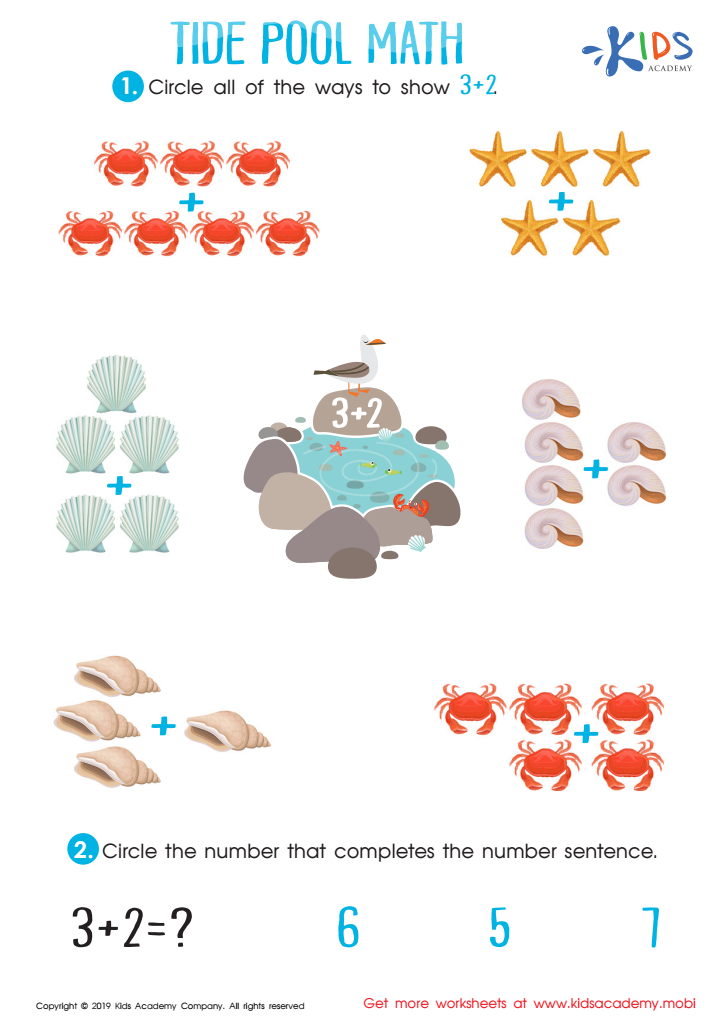
Tide Pool Math Worksheet



.jpg)




Problem-solving skills are crucial for children aged 5-7, as this is a formative period in their cognitive development. During these early years, children begin to encounter challenges that require them to think critically and creatively. Parents and teachers should care about fostering these skills because they lay the foundation for lifelong learning.
At this age, children are eager explorers, and honing their problem-solving abilities can enhance their independence and boost their confidence. By encouraging children to tackle age-appropriate problems, adults help them develop resilience and perseverance when faced with obstacles. Problem-solving also promotes collaboration and communication skills, as children often work with peers or adults to find solutions.
Moreover, nurturing problem-solving skills prepares children for more complex tasks in later years, including academic challenges and everyday life situations. As critical thinking becomes increasingly vital in our rapidly changing world, early development of these skills can lead to better academic performance and improved social interactions.
Ultimately, fostering problem-solving skills enables children to navigate challenges effectively, making it essential for parents and teachers to emphasize this development at an early age. By doing so, they equip children with tools to succeed both in school and in life.








