Normal Alphabet Worksheets for Ages 5-8 - Page 11
279 filtered results
-
From - To
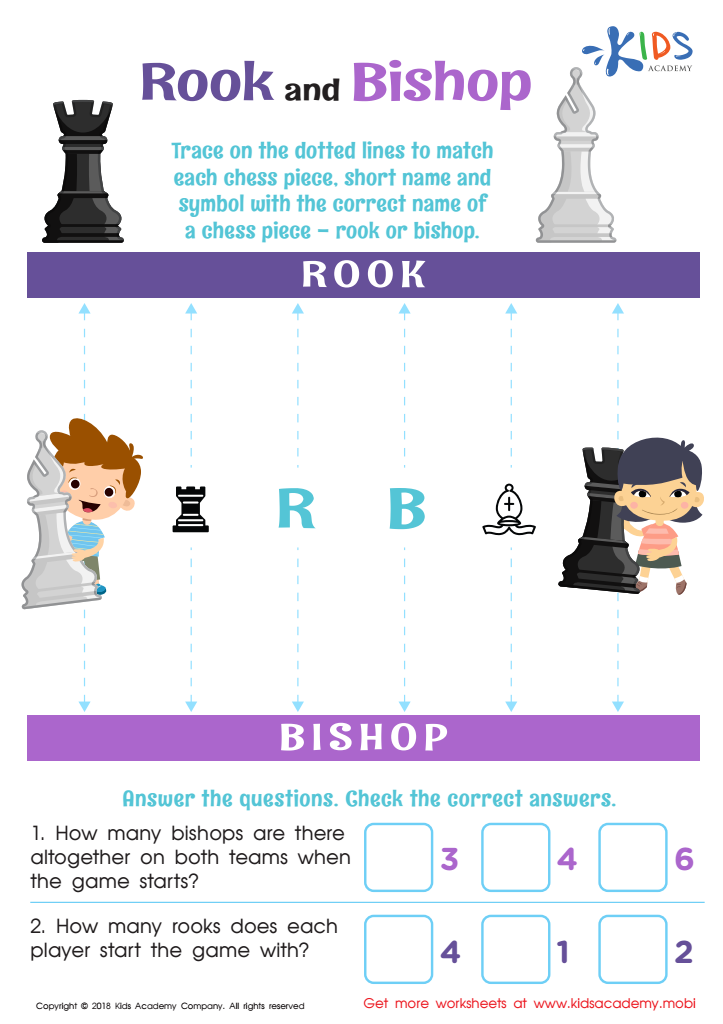
Rook and Bishop Worksheet

Uppercase Letters Y Z Worksheet
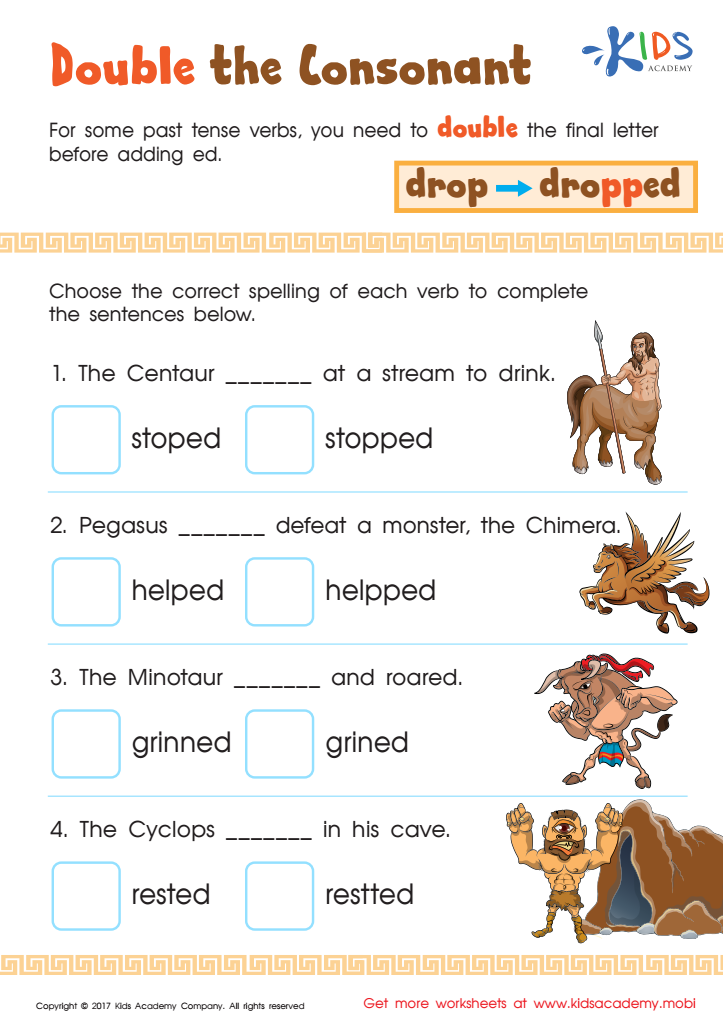
Double Consonant Spelling Worksheet
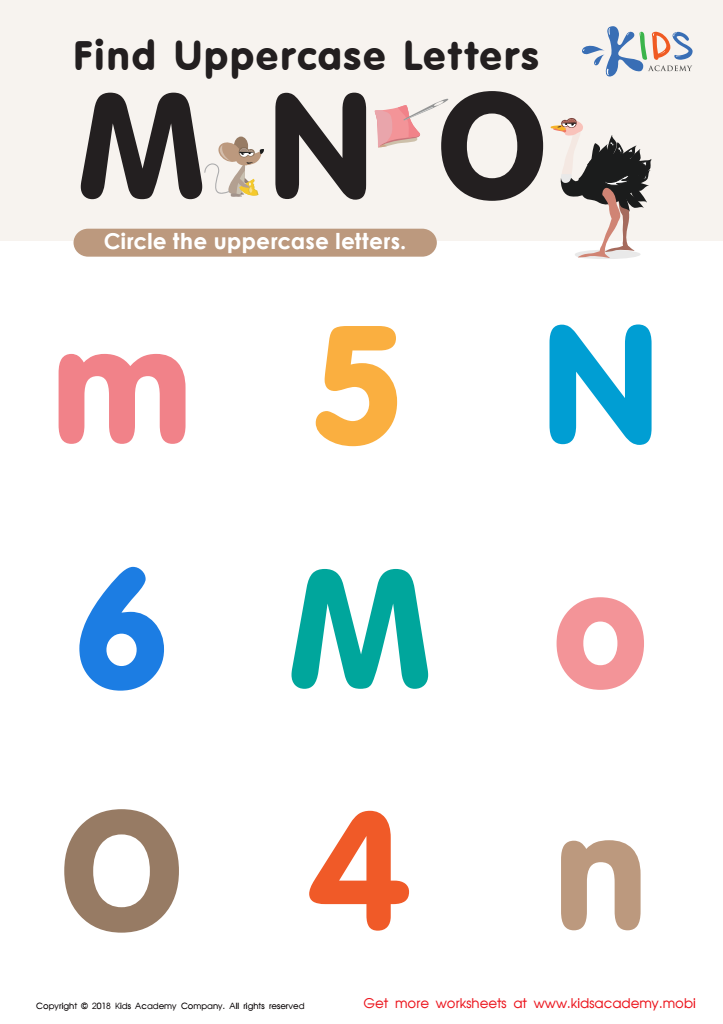
Find Uppercase Letters M, N, and O Worksheet
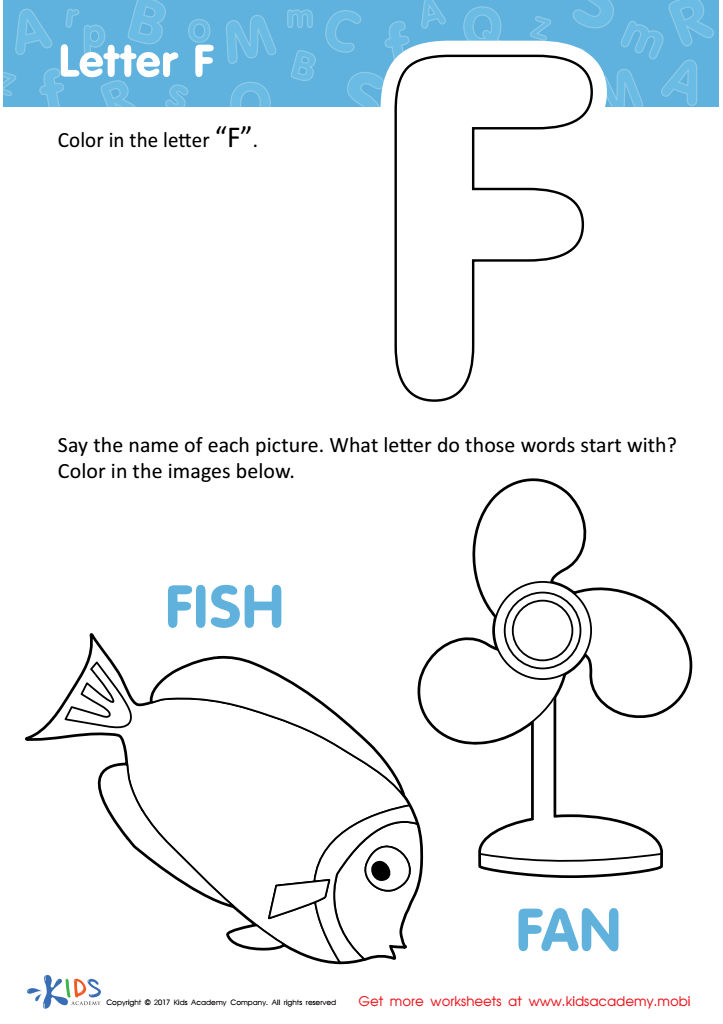
Letter F Coloring Sheet
 Assign to My Students
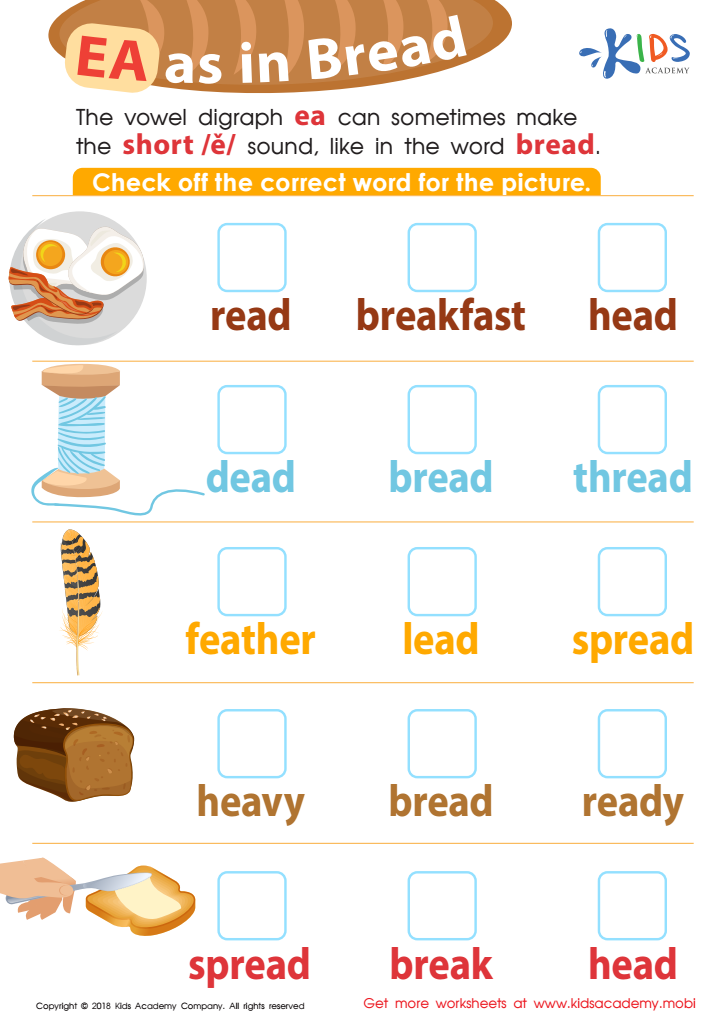
Reading: EA as in Bread Worksheet
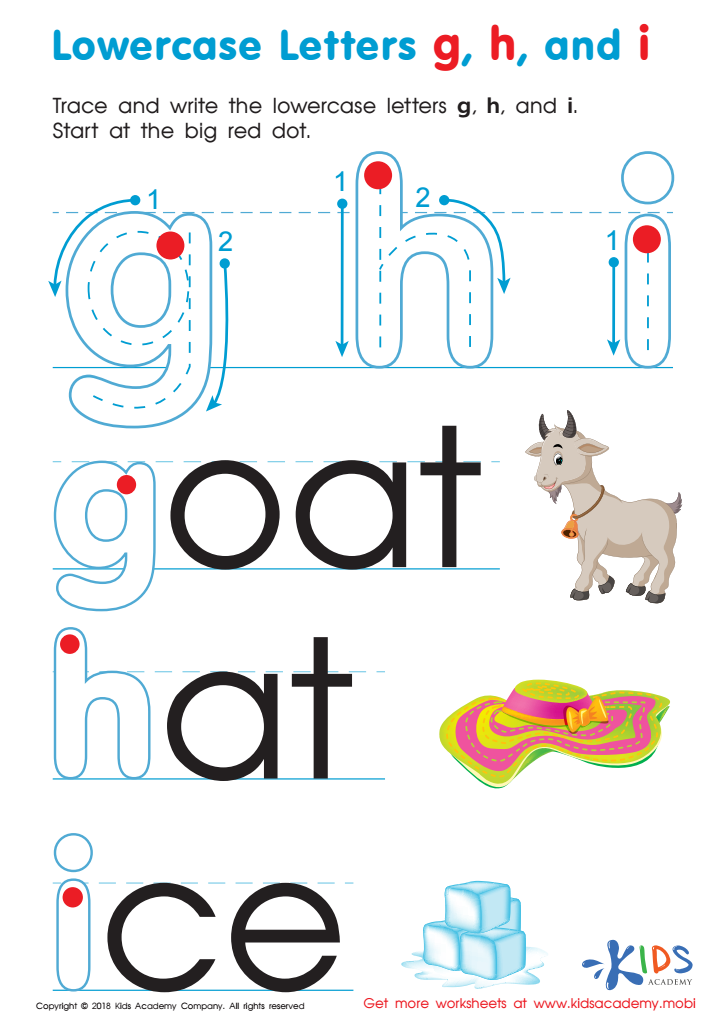
Lowercase Letters g h i Worksheet
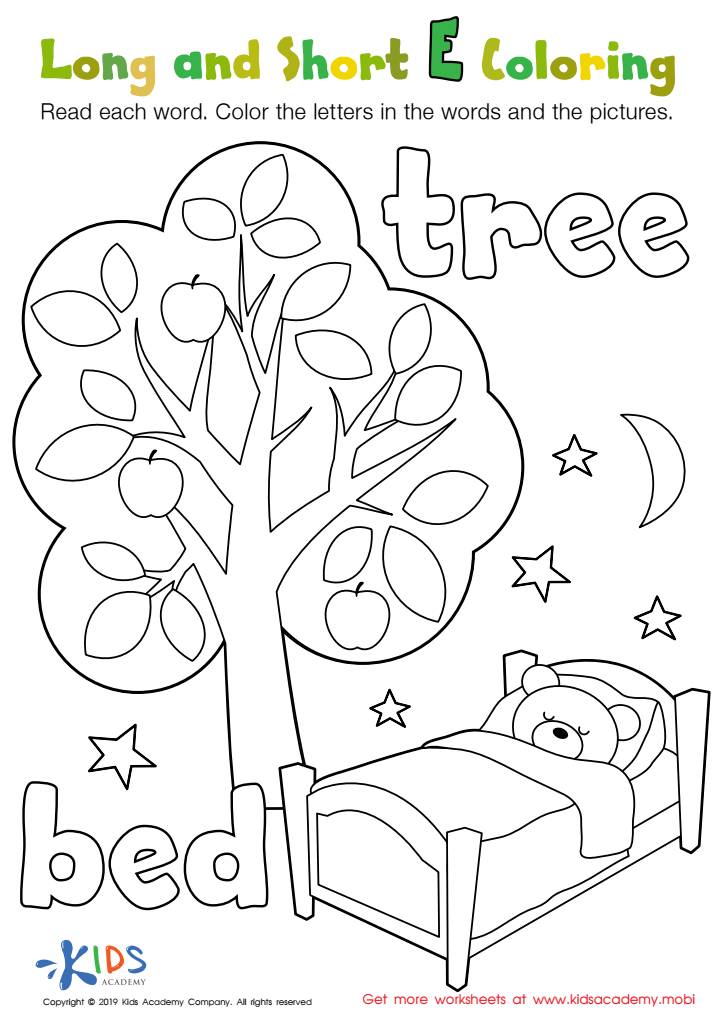
Long and Short E Worksheet
Assign to My Students
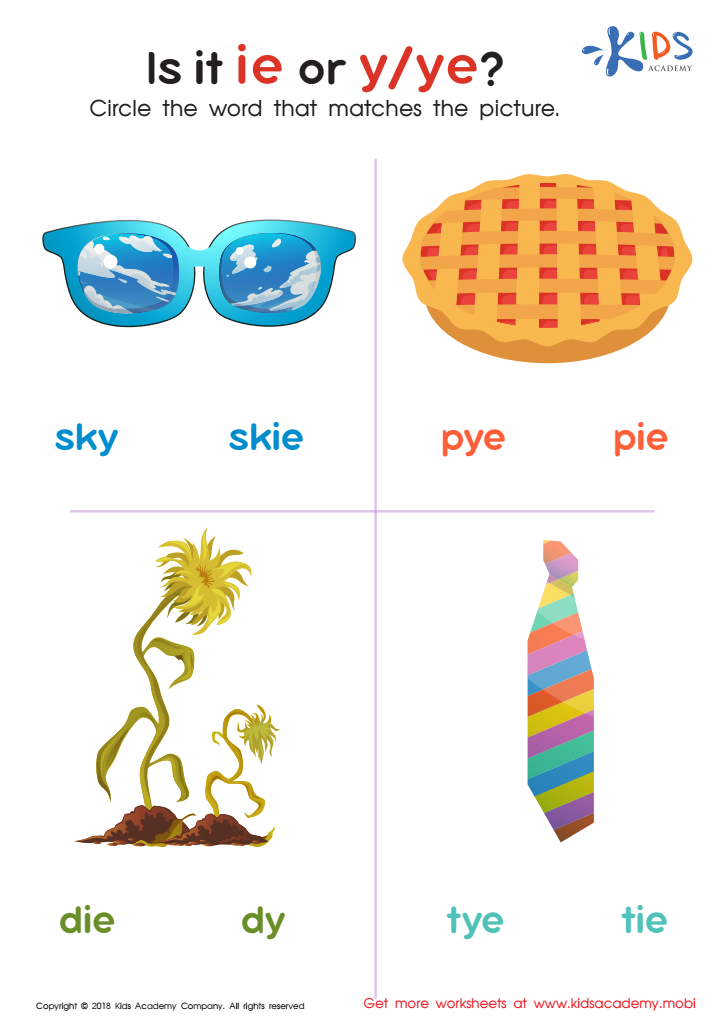
Is It IE or Y/Ye? Worksheet
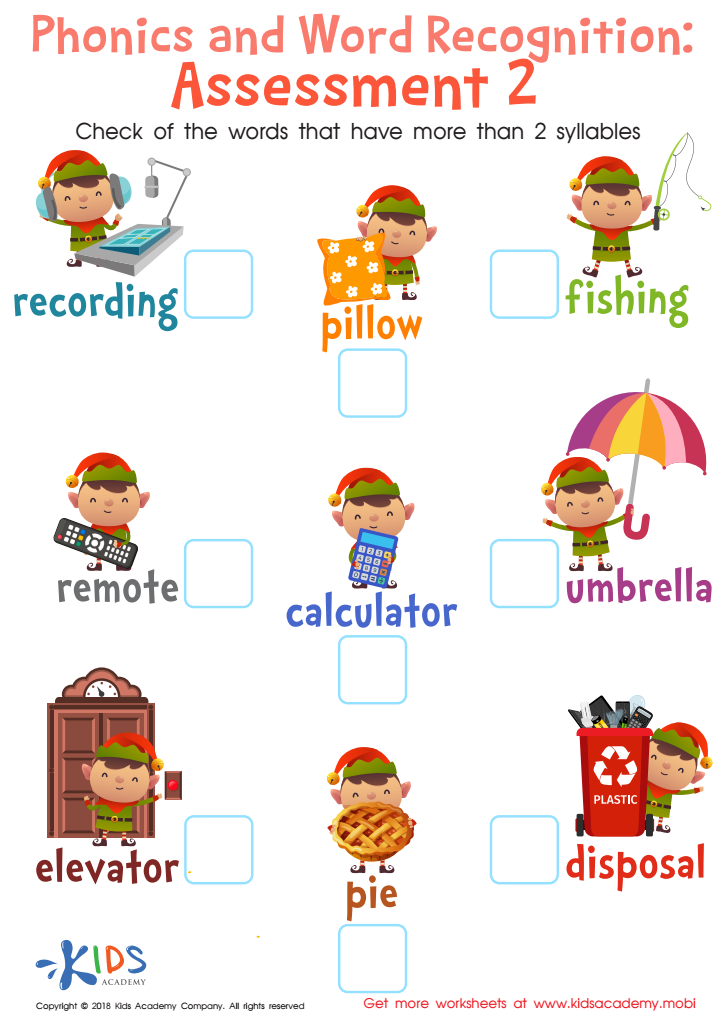
Phonics and Word Recognition: Assessment 2 Worksheet
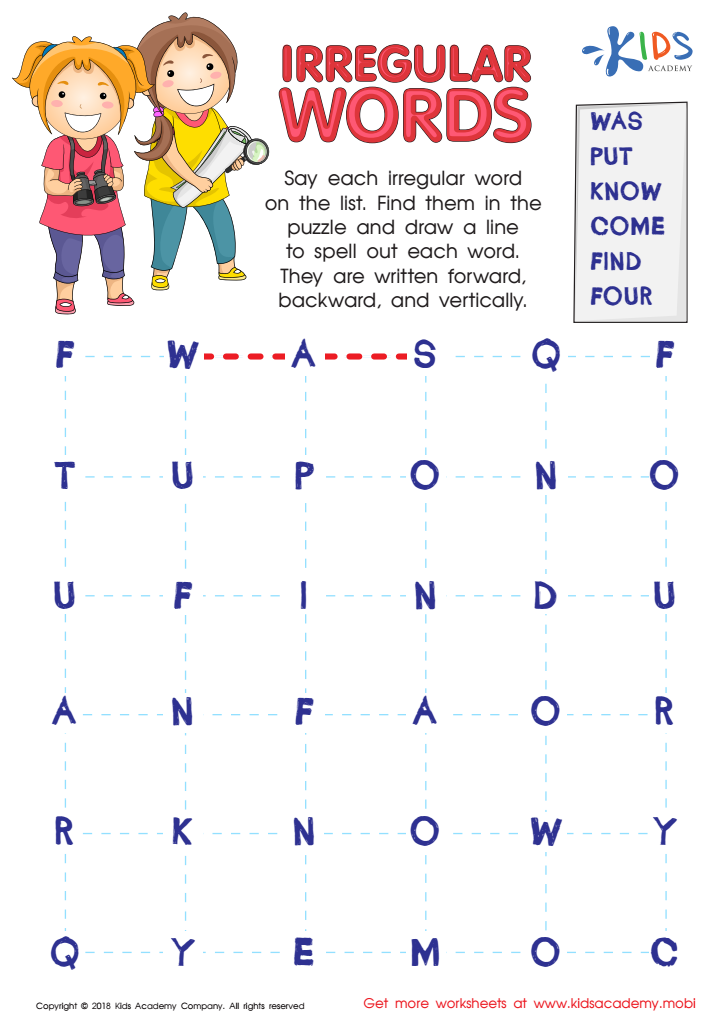
Irregular Words Worksheet
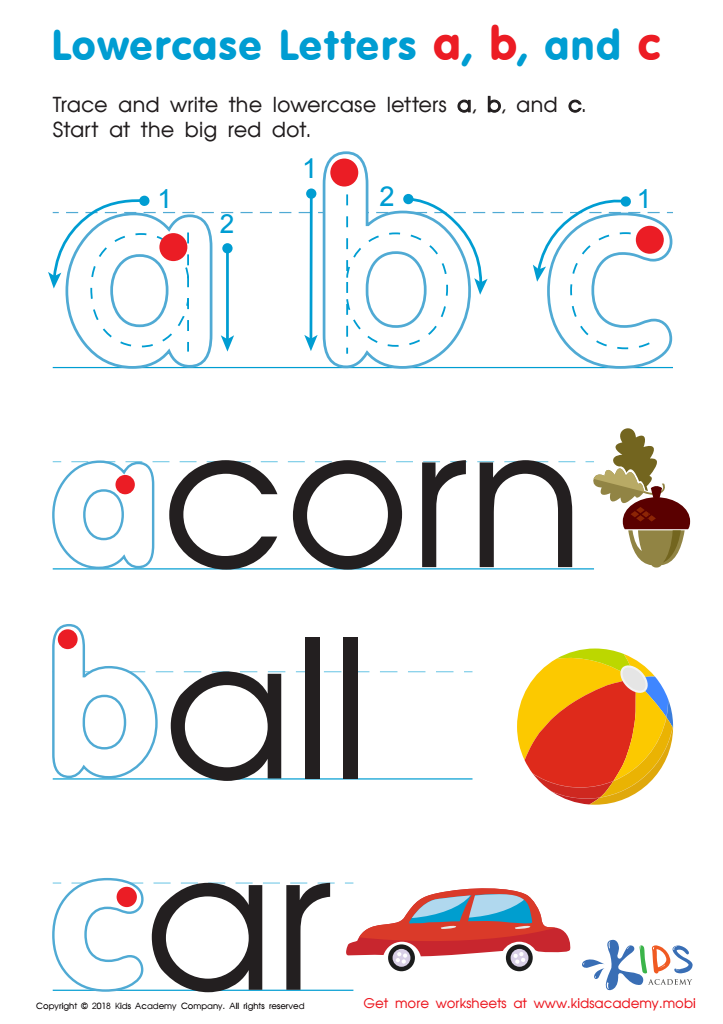
Lowercase Letters a b c Worksheet
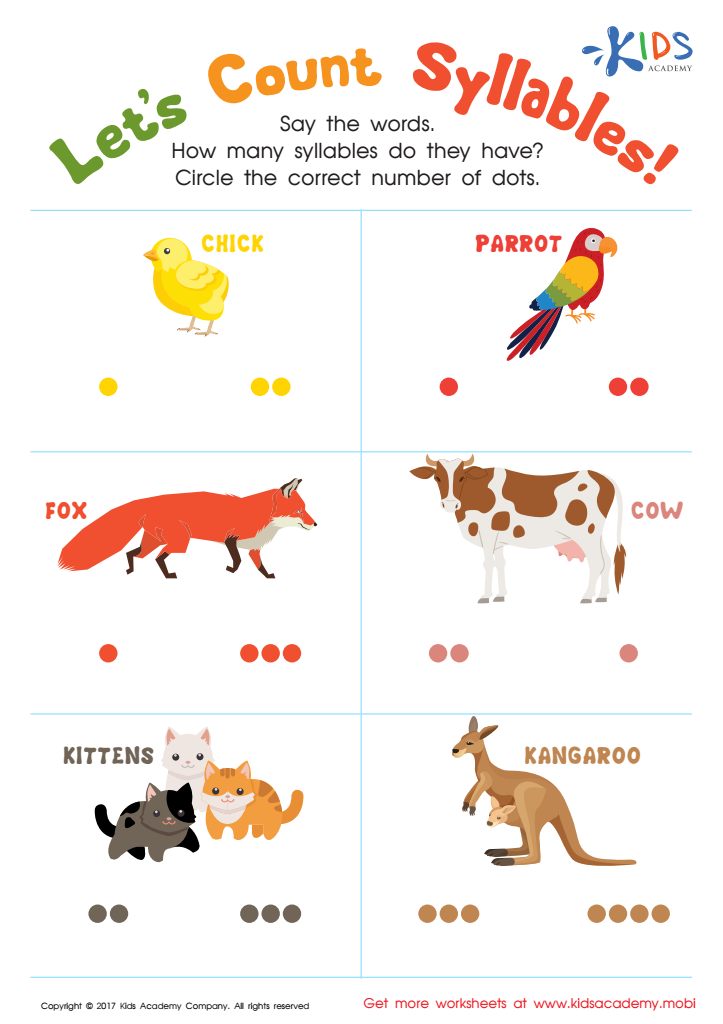
Lets Count Syllables Worksheet
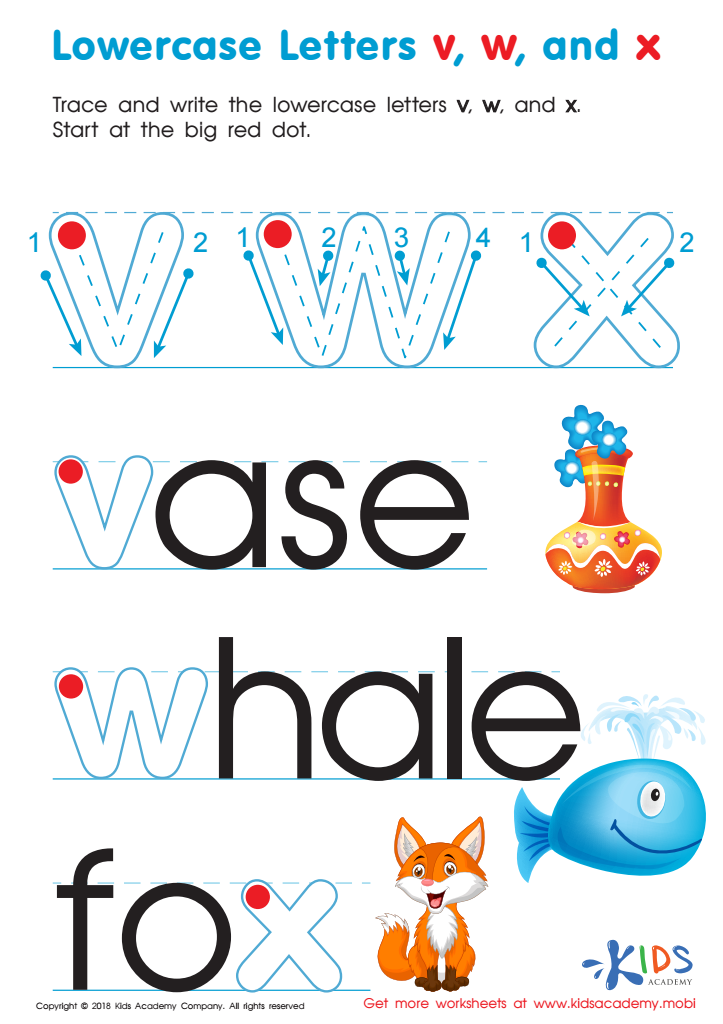
Lowercase Letters v w x Worksheet
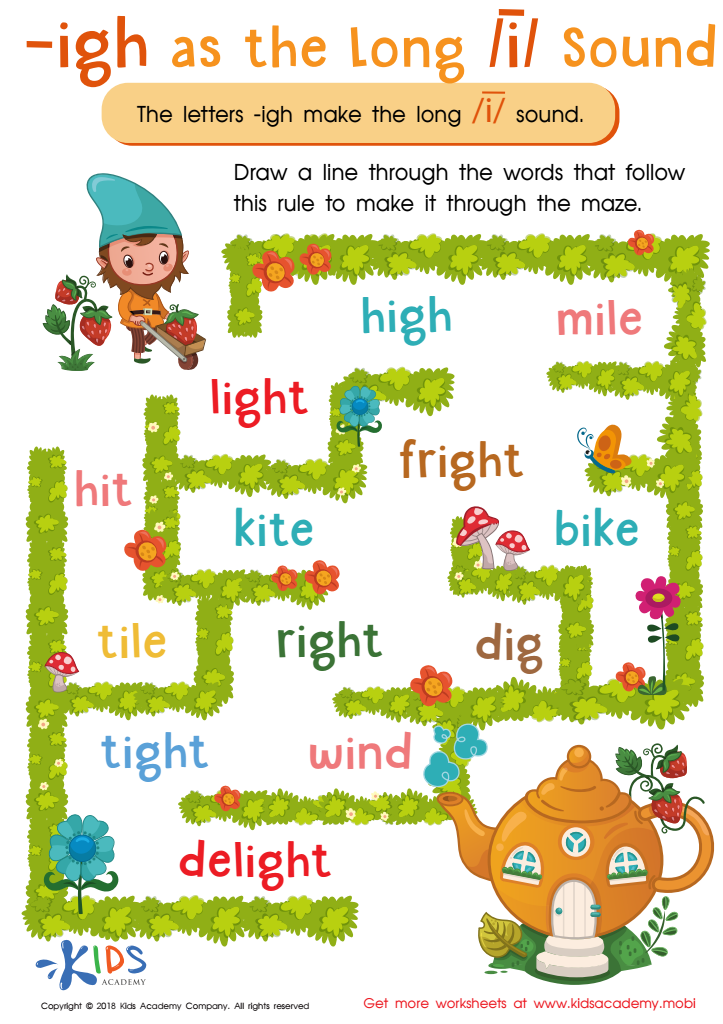
Reading: IGH as Long I Worksheet
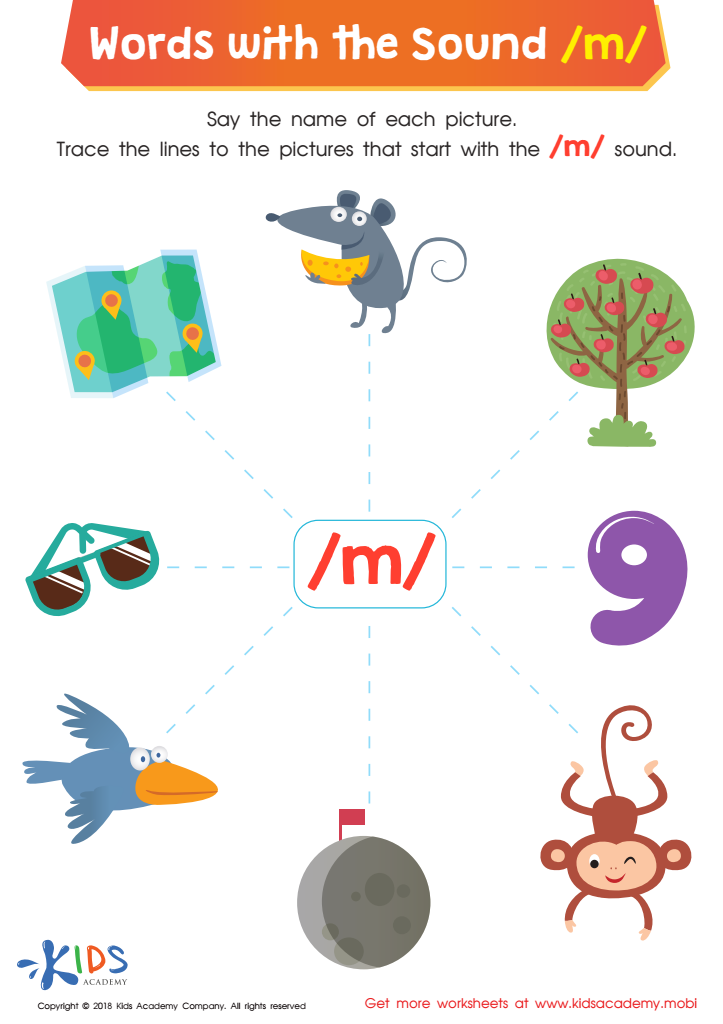
Words with Sound M Reading Worksheet
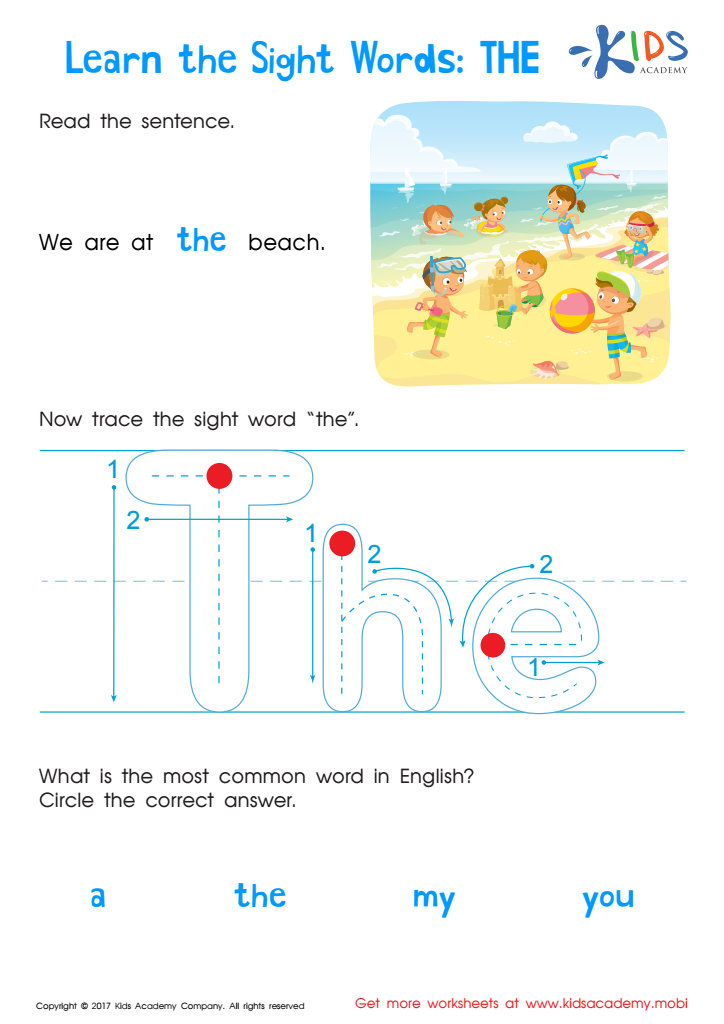
Sight Words: The Worksheet
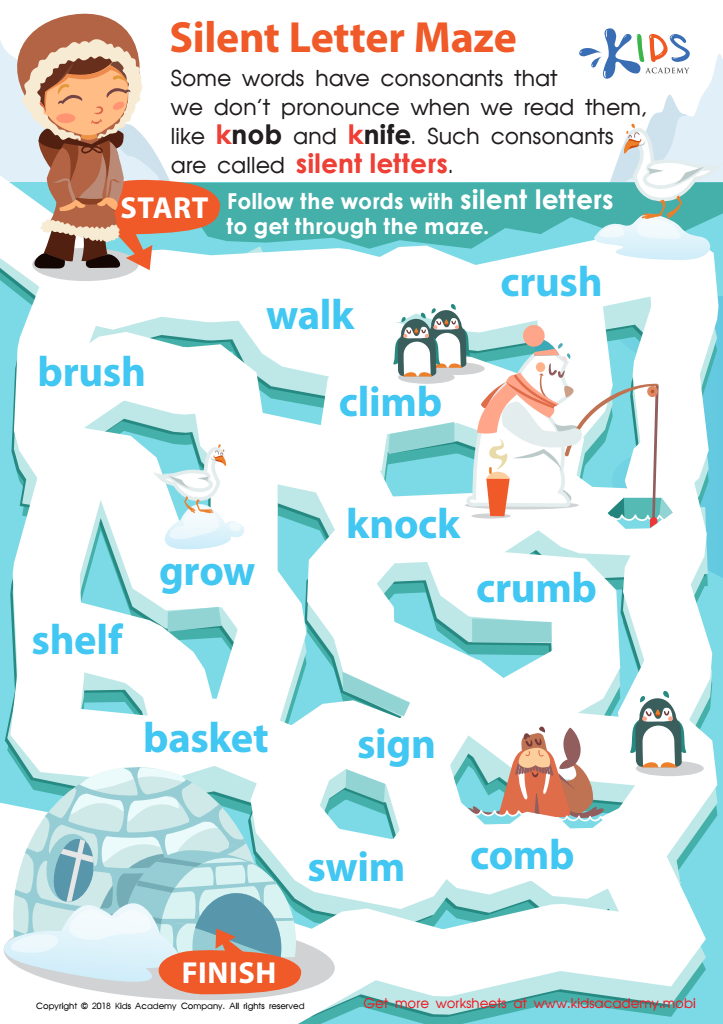
Silent Letter Maze Worksheet
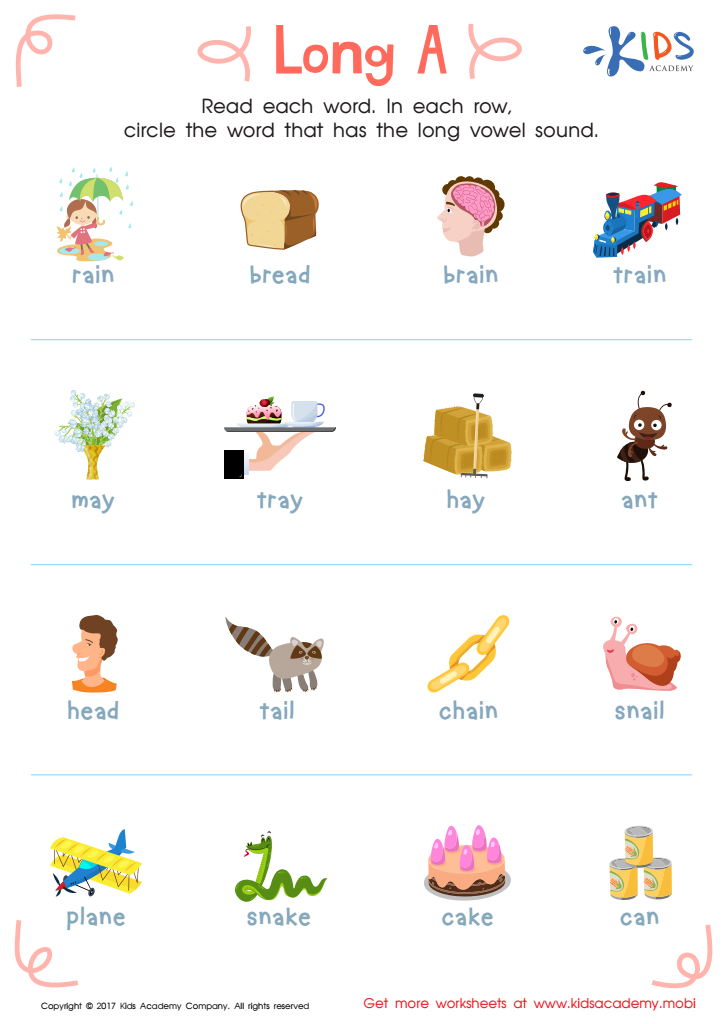
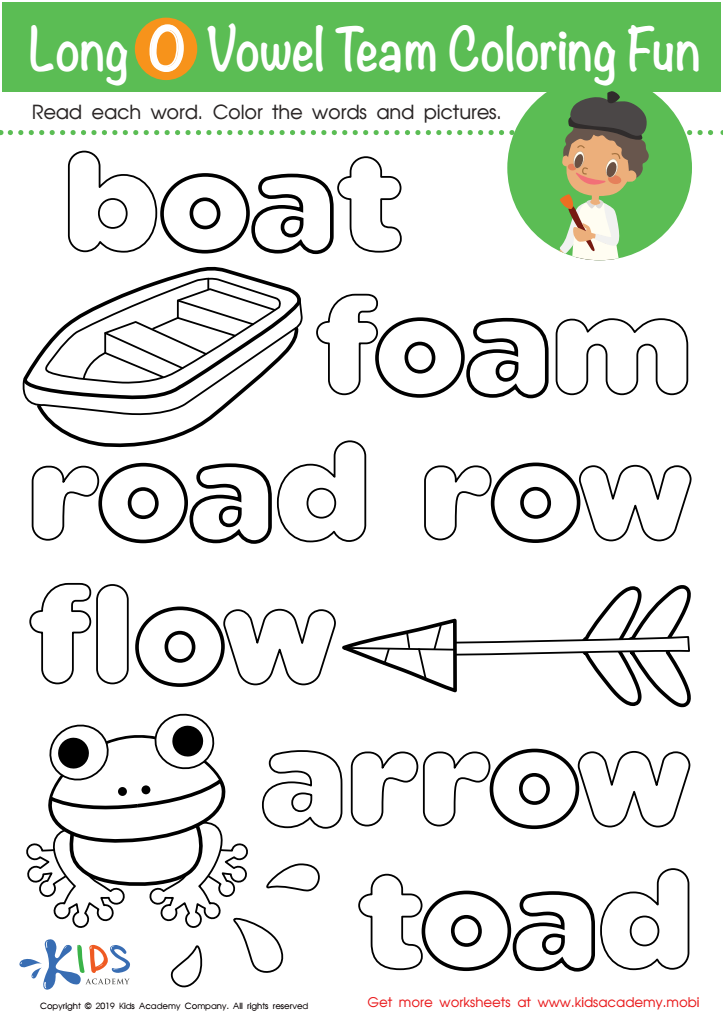
Long O Vowel Team Coloring Worksheet
Assign to My Students
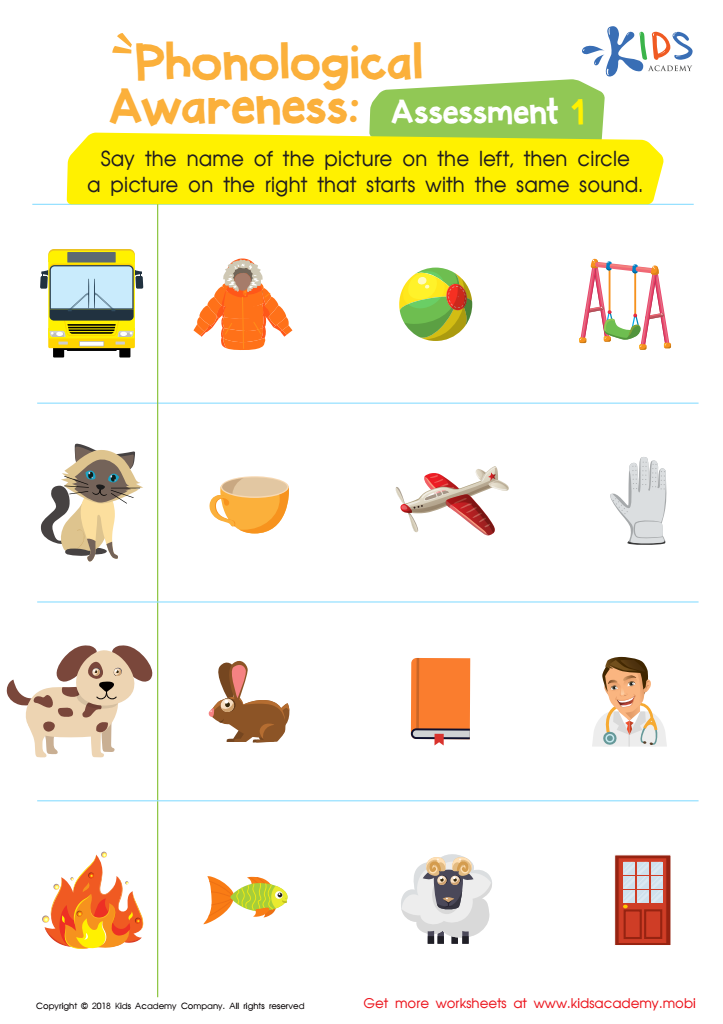
Phonological Awareness: Assessment 1 Worksheet
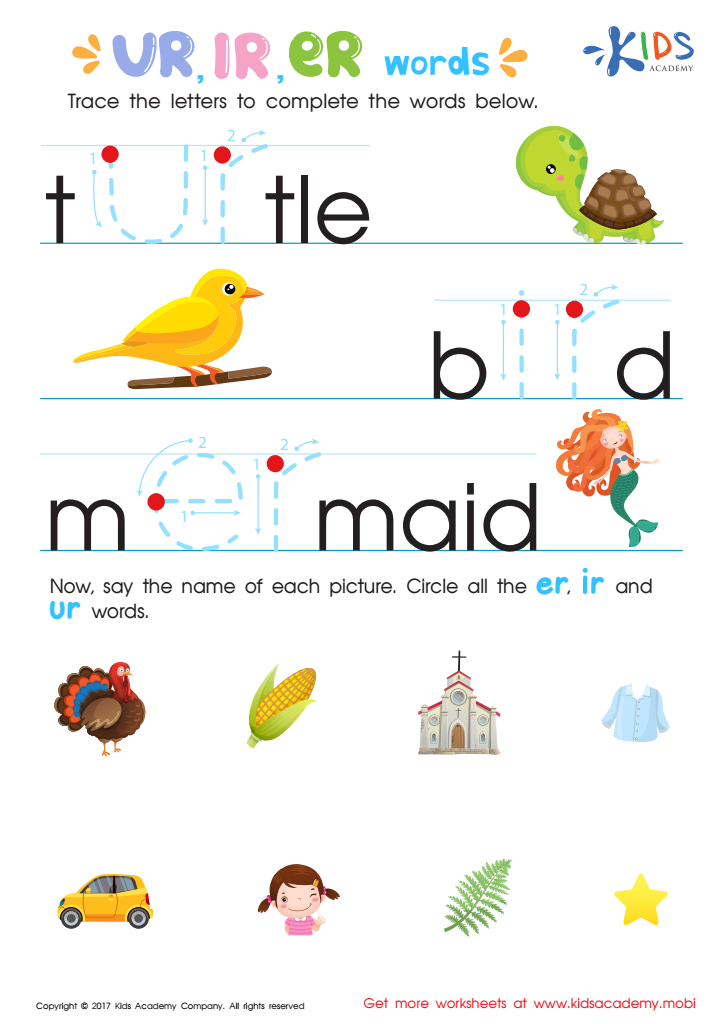
IR UR ER Words Worksheet
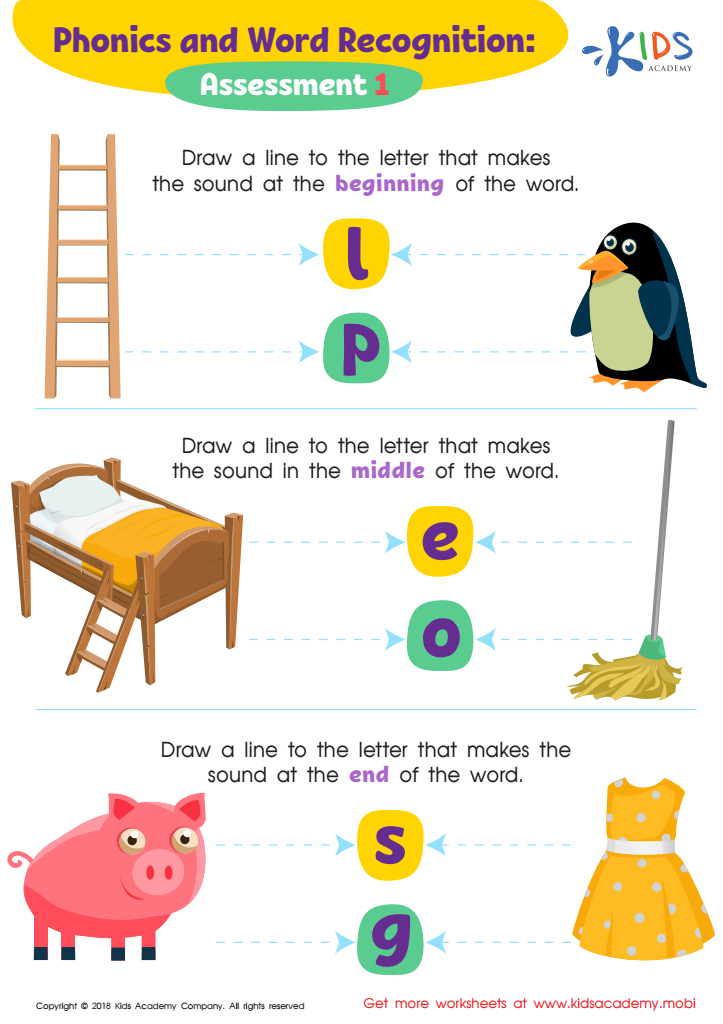
Phonics and Word Recognition: Assessment 1 ELA Worksheet
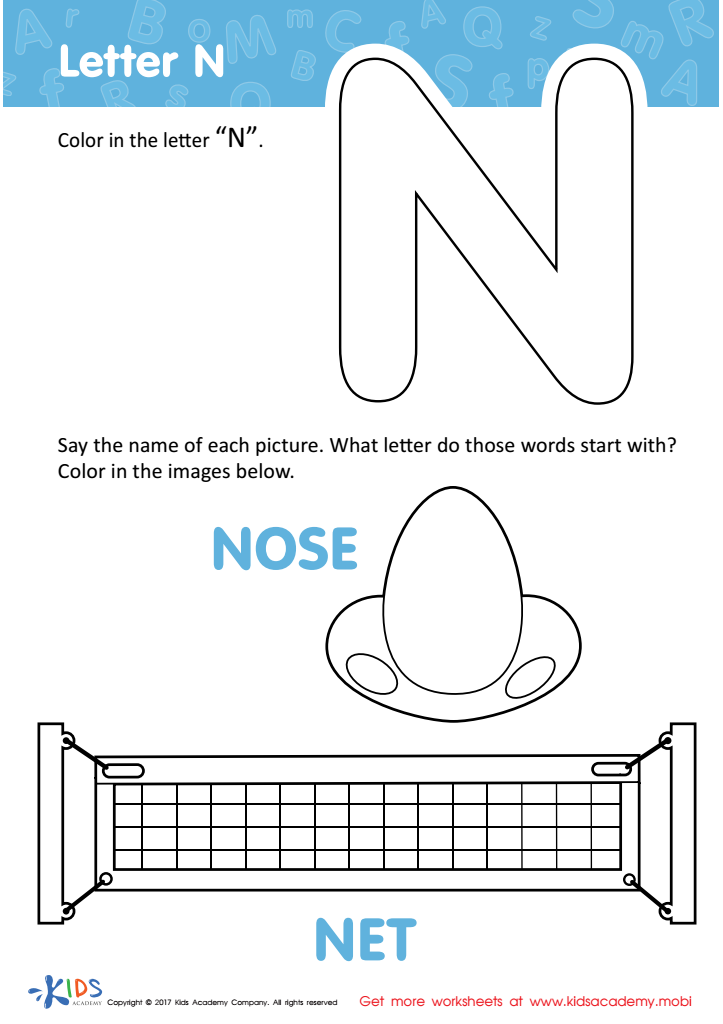
Letter N Coloring Sheet
Assign to My Students







Parents and teachers should prioritize teaching the Normal Alphabet to children ages 5-8 because this foundational literacy skill is essential for early reading and writing development. During these formative years, children develop their language skills, and the ability to recognize and use letters enables them to decode words, thereby enhancing their communication abilities.
Understanding the alphabet allows children to express themselves more effectively, paving the way for future academic success. Additionally, interacting with letters fosters cognitive skills, encouraging problem-solving and critical thinking. As children learn the Normal Alphabet, they also grasp phonemic awareness, understanding how different sounds correspond to letters, which is crucial for reading fluency.
Moreover, early engagement with the alphabet can spark a lifelong love for reading and learning. When children feel confident in their literacy skills, they are more likely to engage with educational materials, participate in classroom discussions, and build stronger social skills through communication.
Lastly, the collaboration between parents and teachers in this learning journey can strengthen bonds and promote a supportive learning environment, resulting in a holistic approach to education. Therefore, investing time and effort in teaching the Normal Alphabet is invaluable for nurturing well-rounded, literate individuals.







