Normal Addition Worksheets for Ages 5-8 - Page 2
68 filtered results
-
From - To
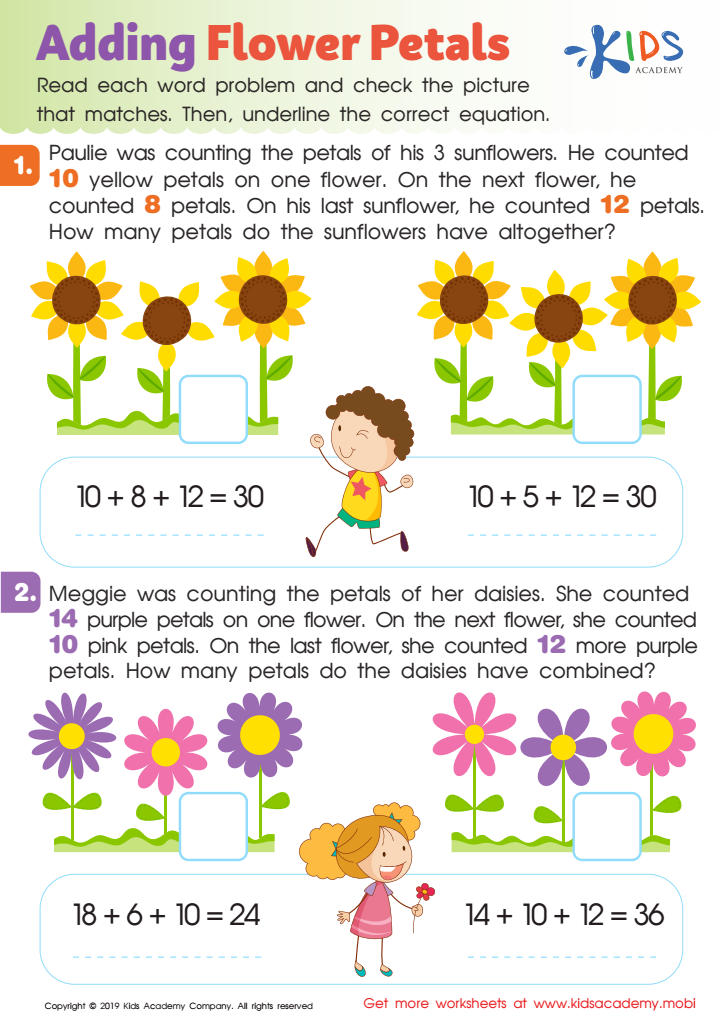
Adding Flower Petals Worksheet
 Assign to My Students
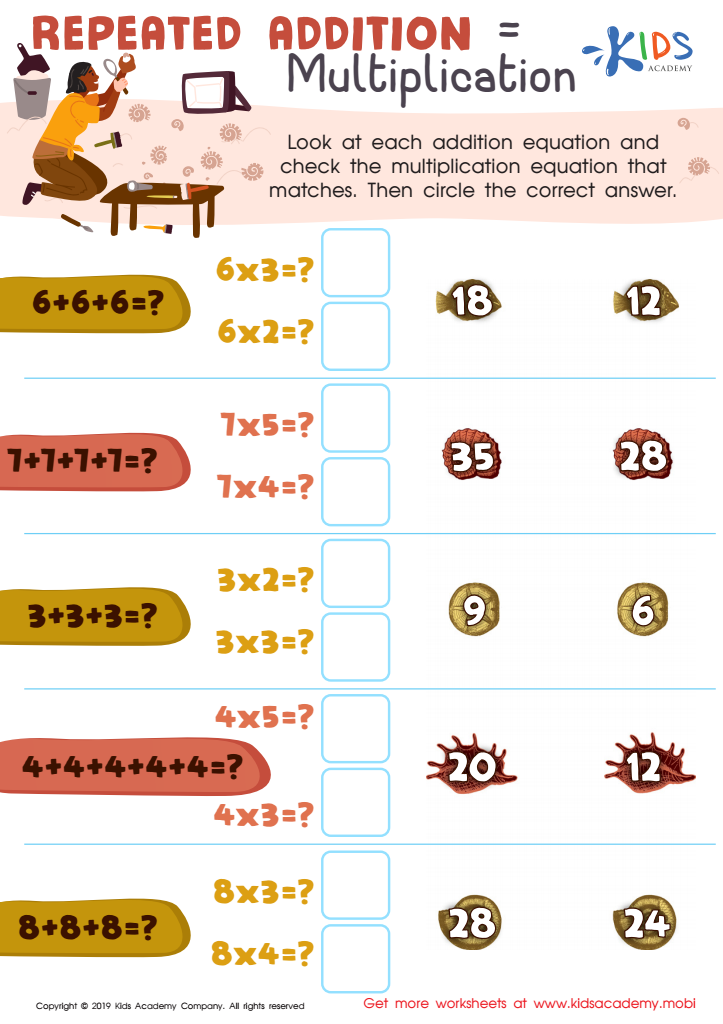
Repeated Addition = Multiplication Worksheet
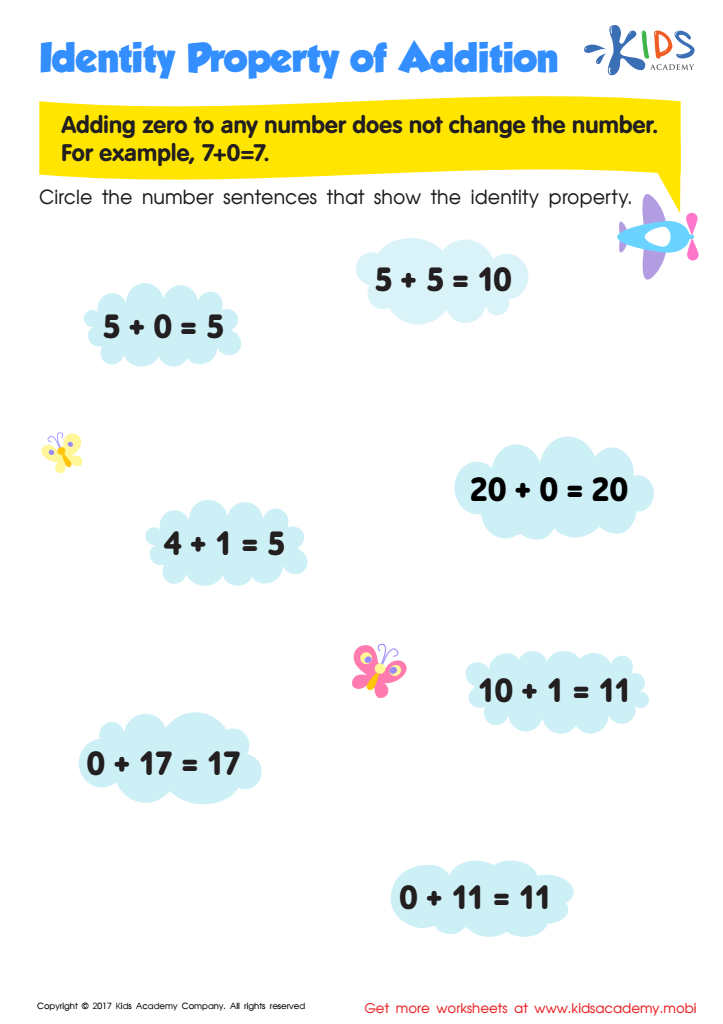
Identity Property of Addition Worksheet
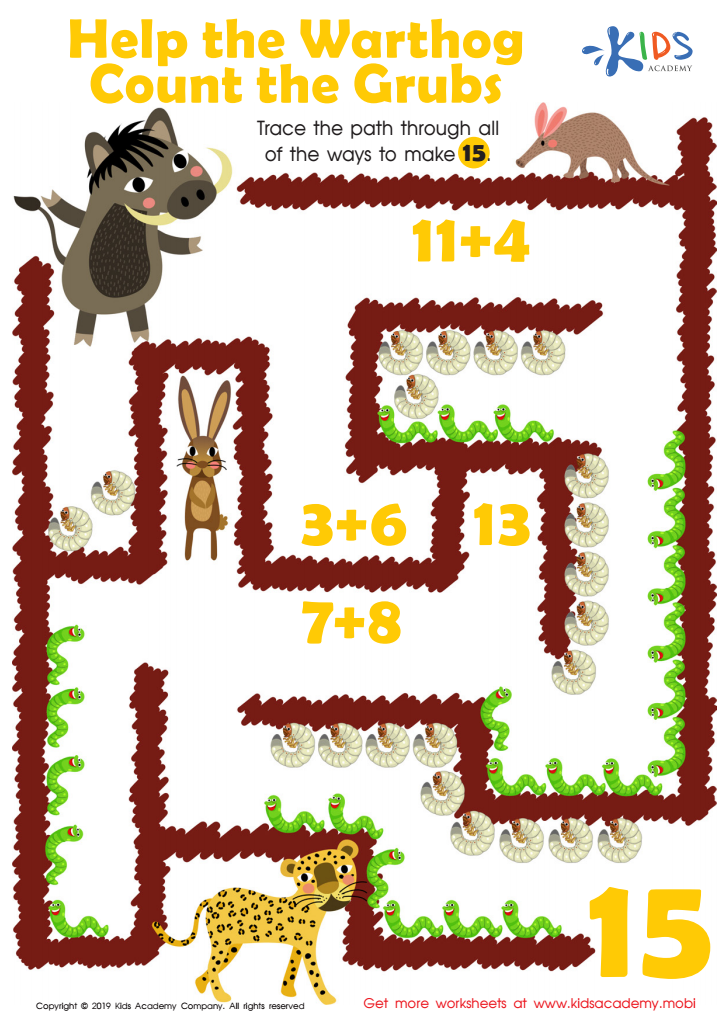
Help the Warthog Count the Grubs Worksheet
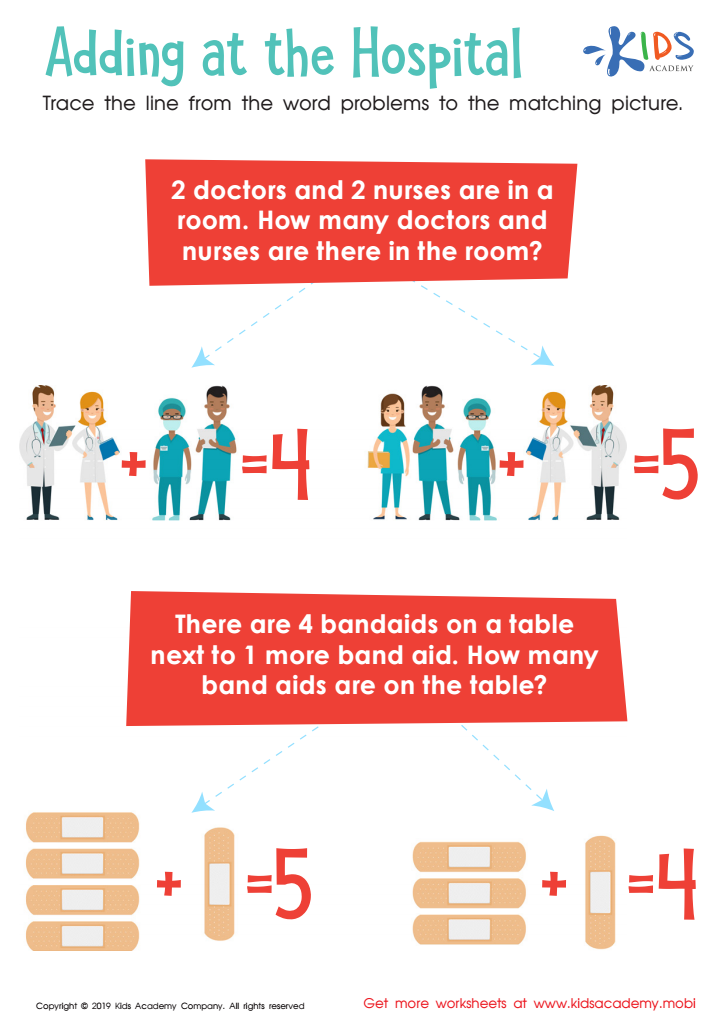
Adding at the Hospital Worksheet
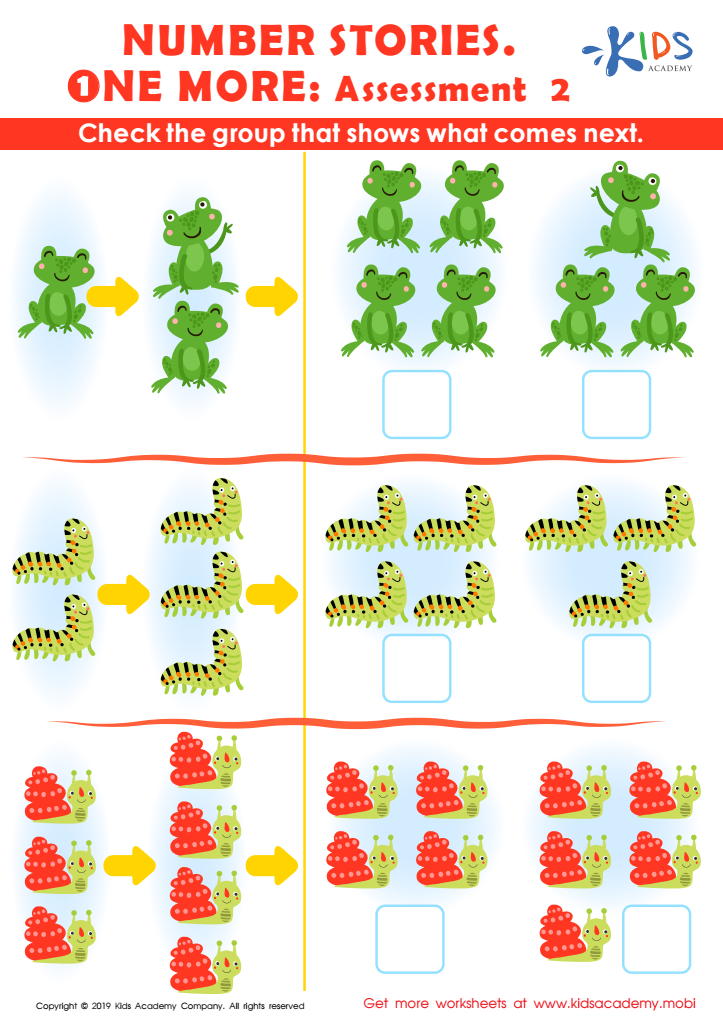
Number Stories One More – Assessment 2 Worksheet
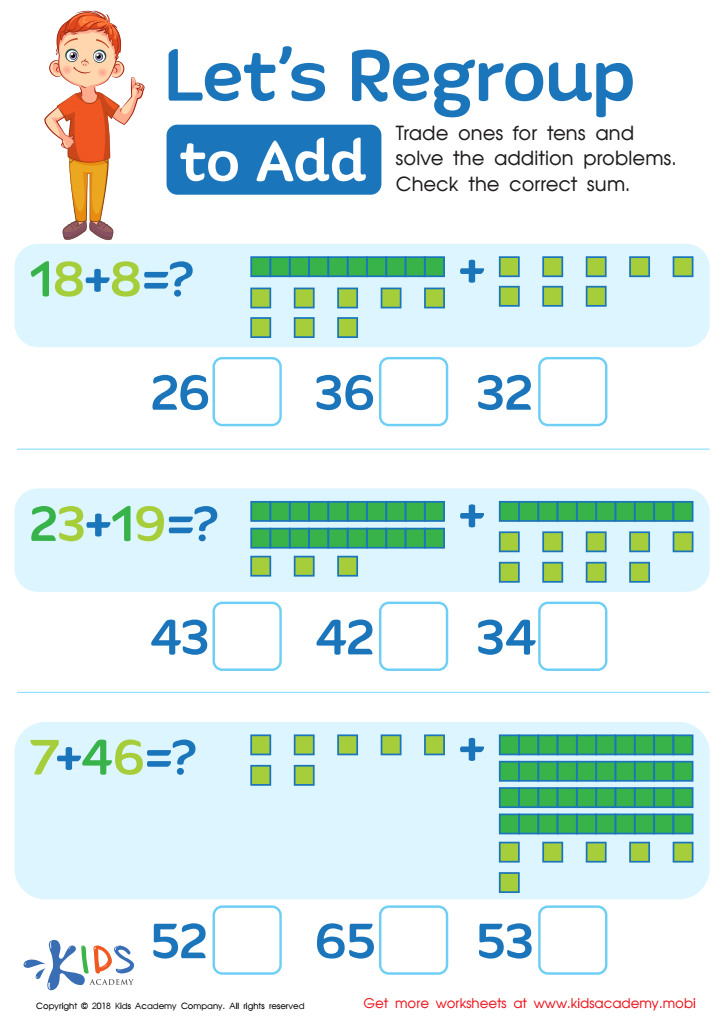
Let's Regroup to Add Worksheet
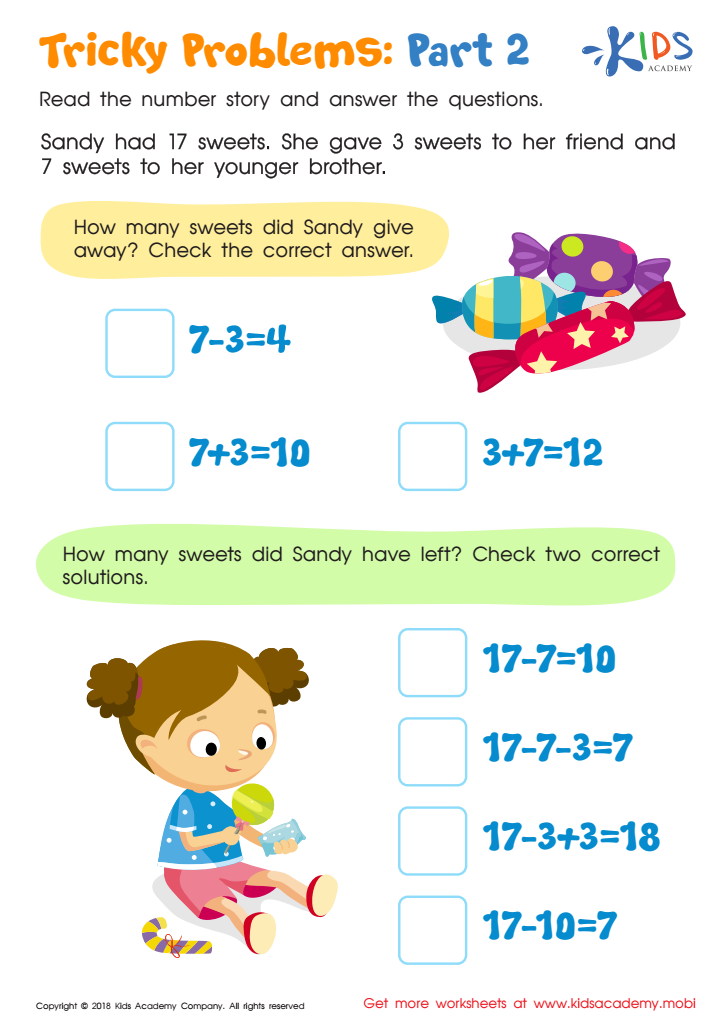
Tricky Problems Worksheet: Part 2
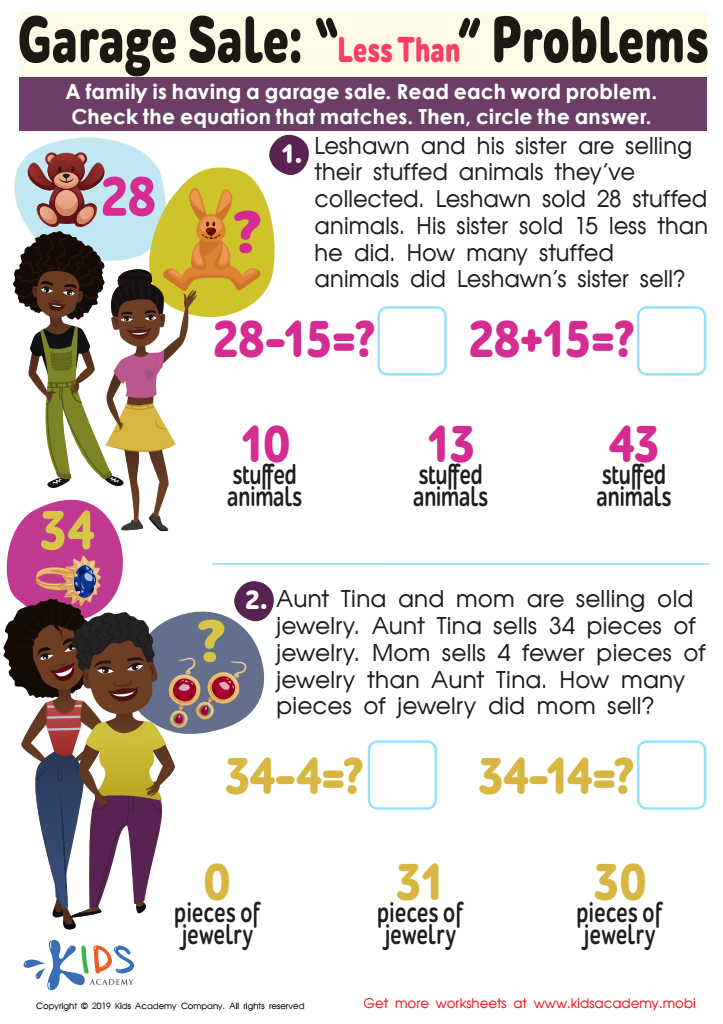
Garage Sale Less Than Worksheet
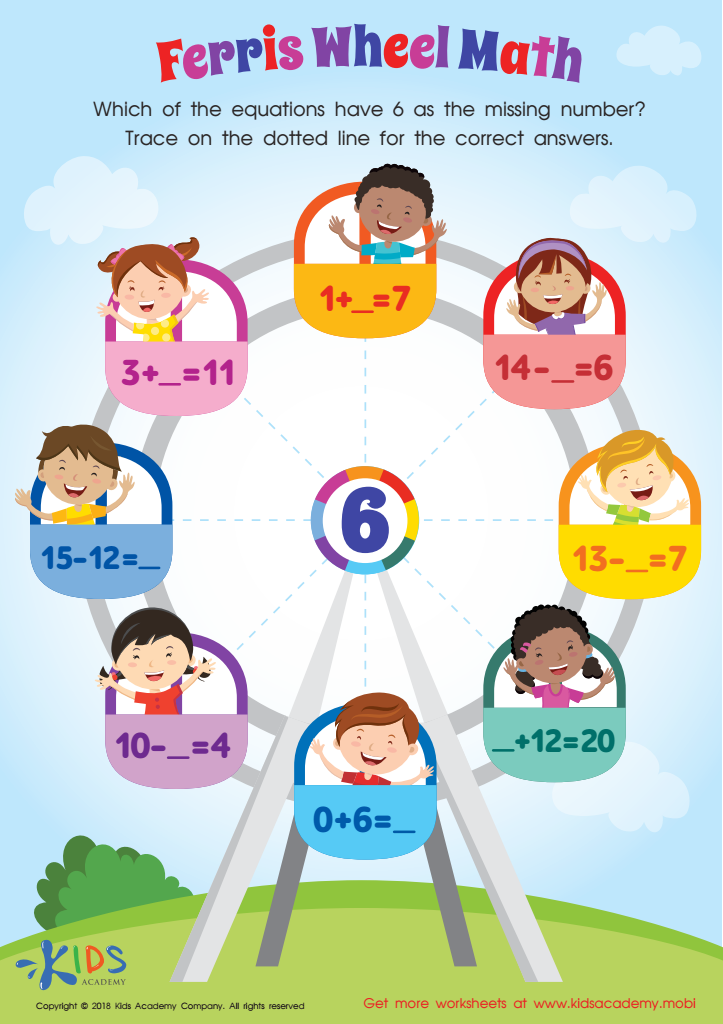
Missing Number: Ferris Wheel Math Worksheet
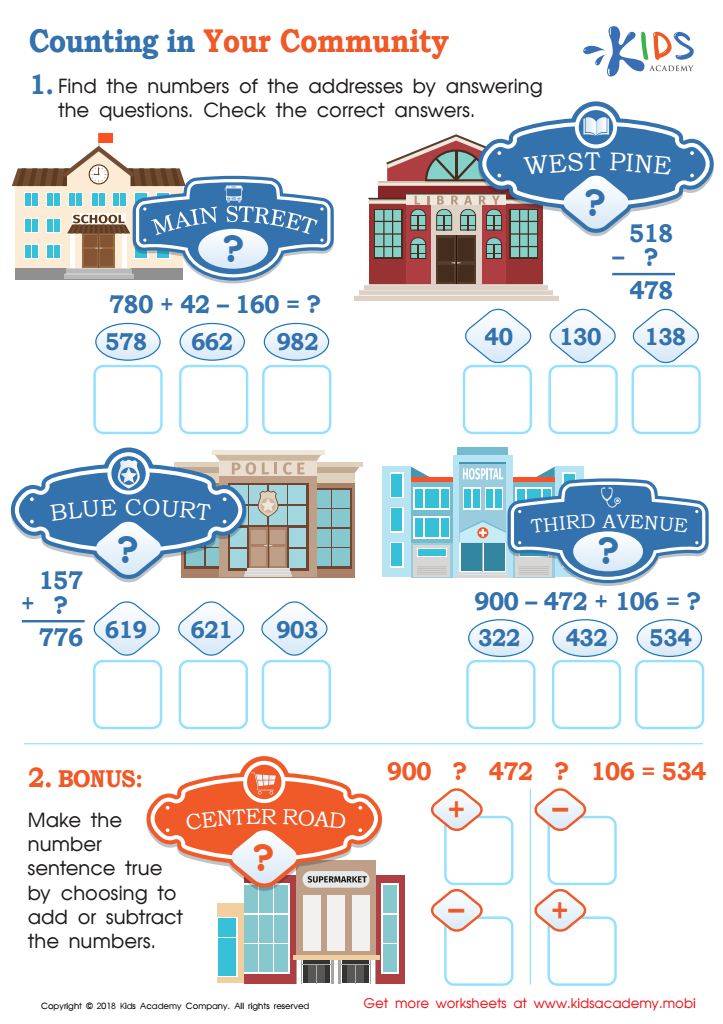
Counting in Your Community Worksheet
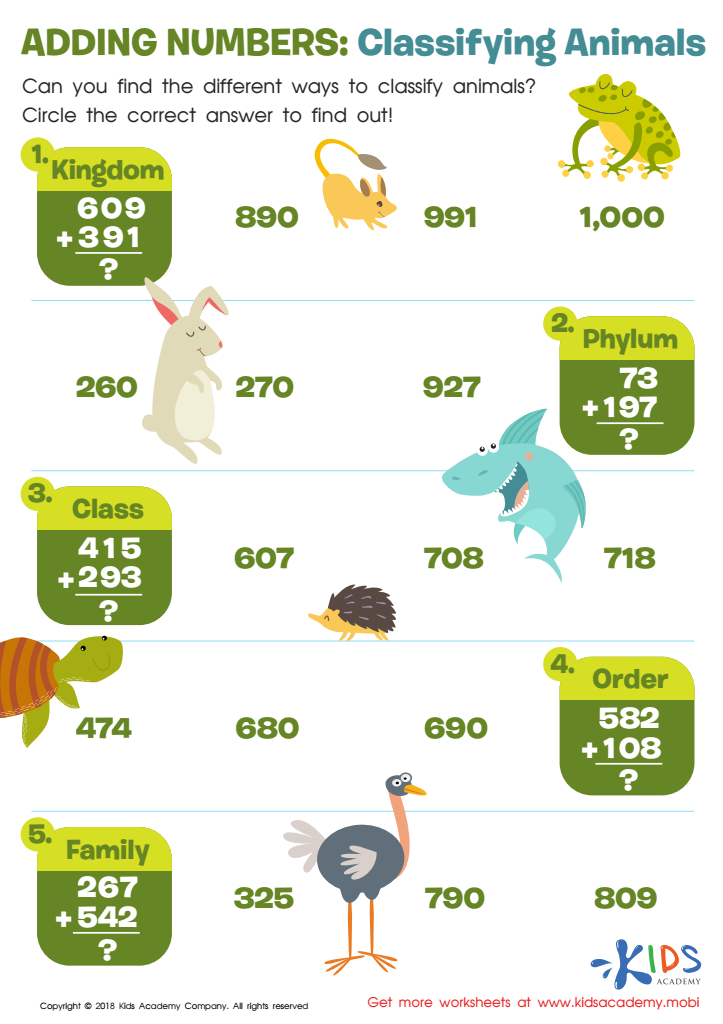
Adding Numbers: Classifying Animals Worksheet
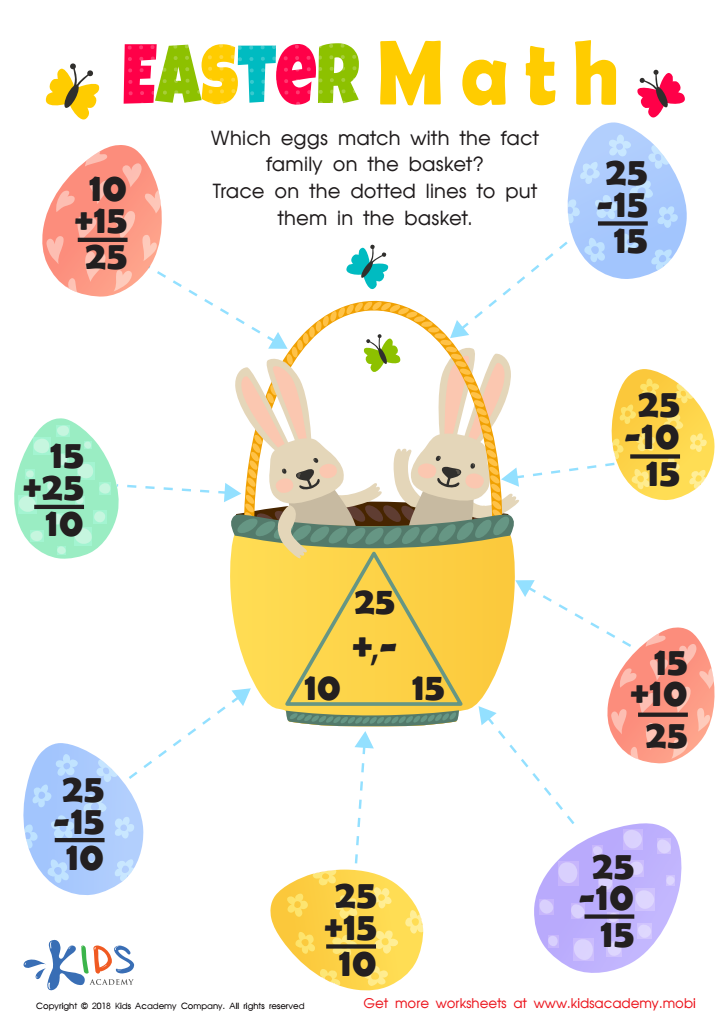
Fact Families: Easter Math Worksheet
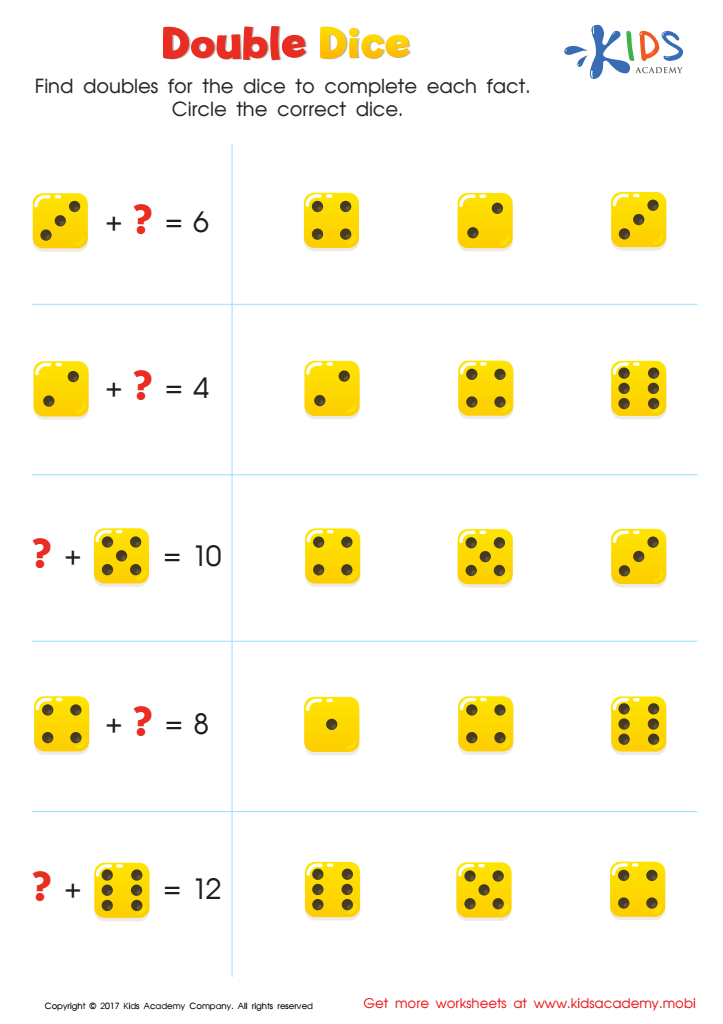
Addition Facts: Double Dice Worksheet
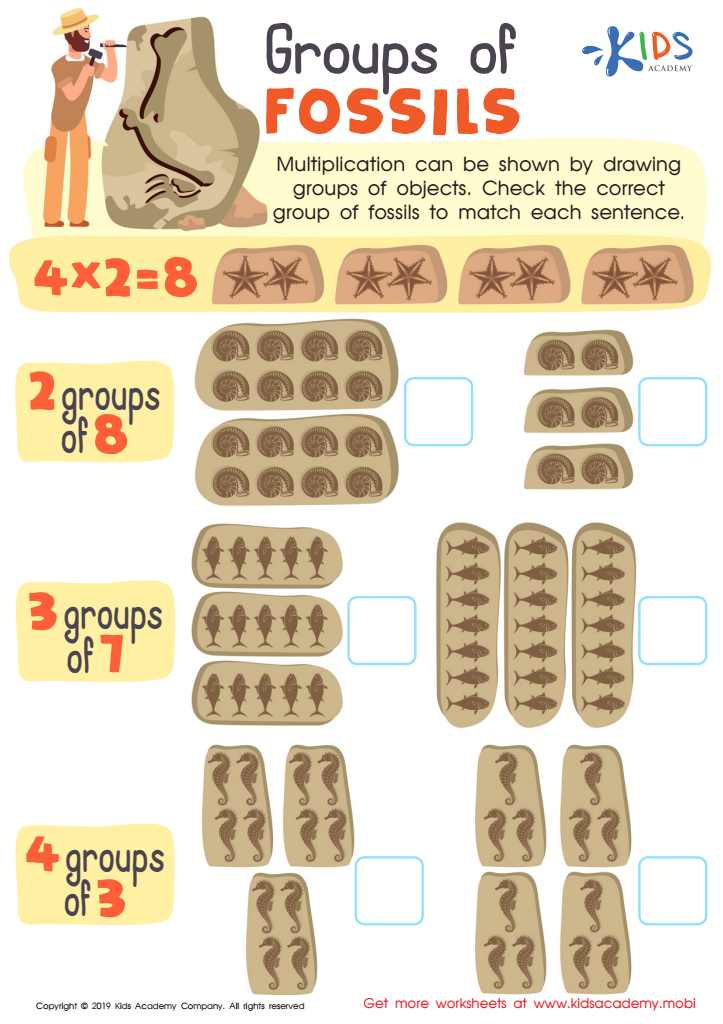
Groups of Fossils Worksheet
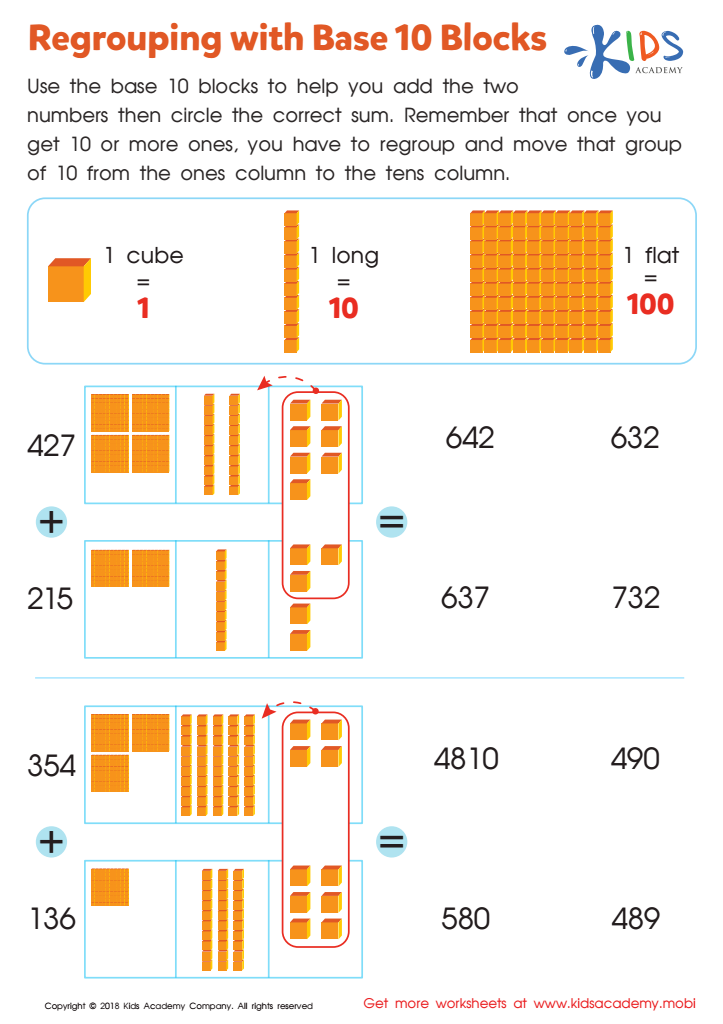
Regrouping with Base 10 Blocks Worksheet
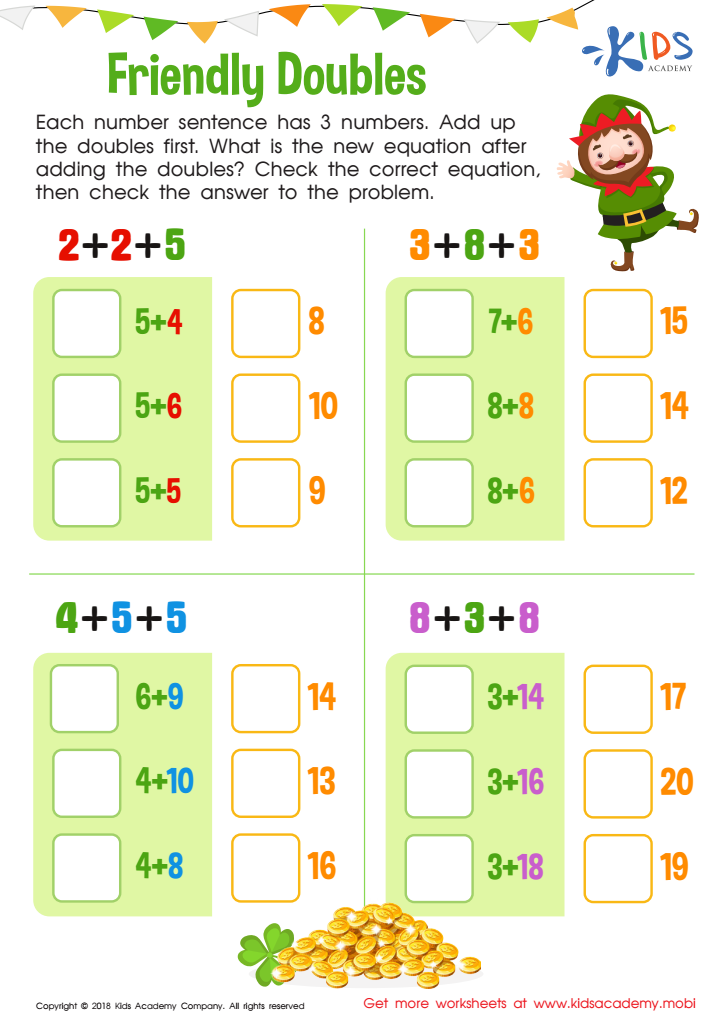
Friendly Doubles Worksheet
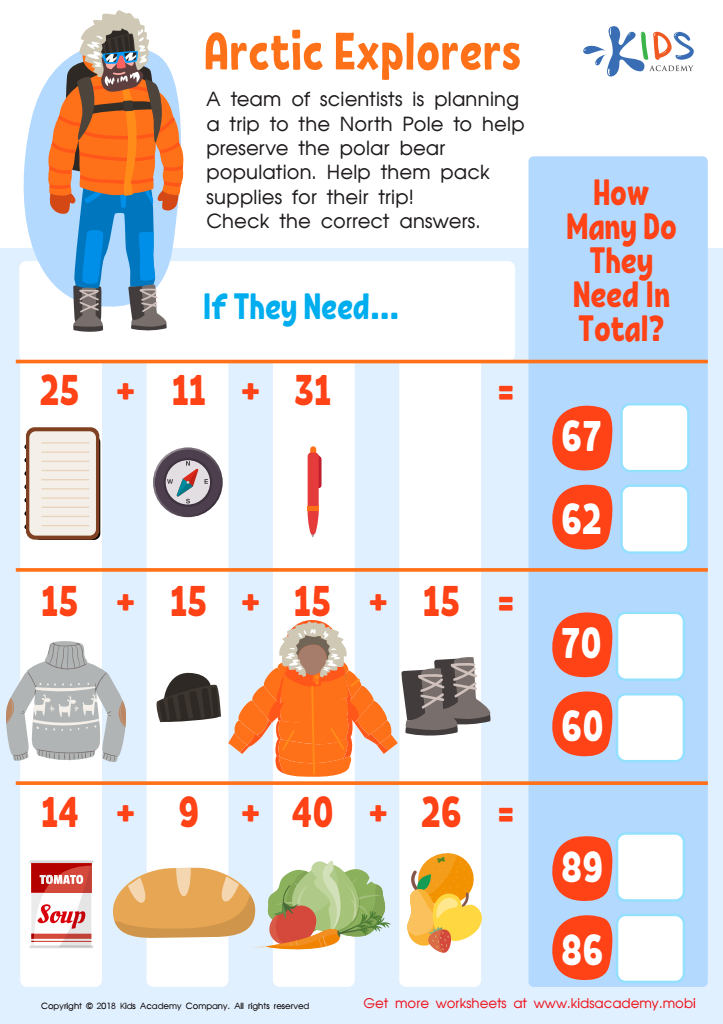
Arctic Explorers Worksheet
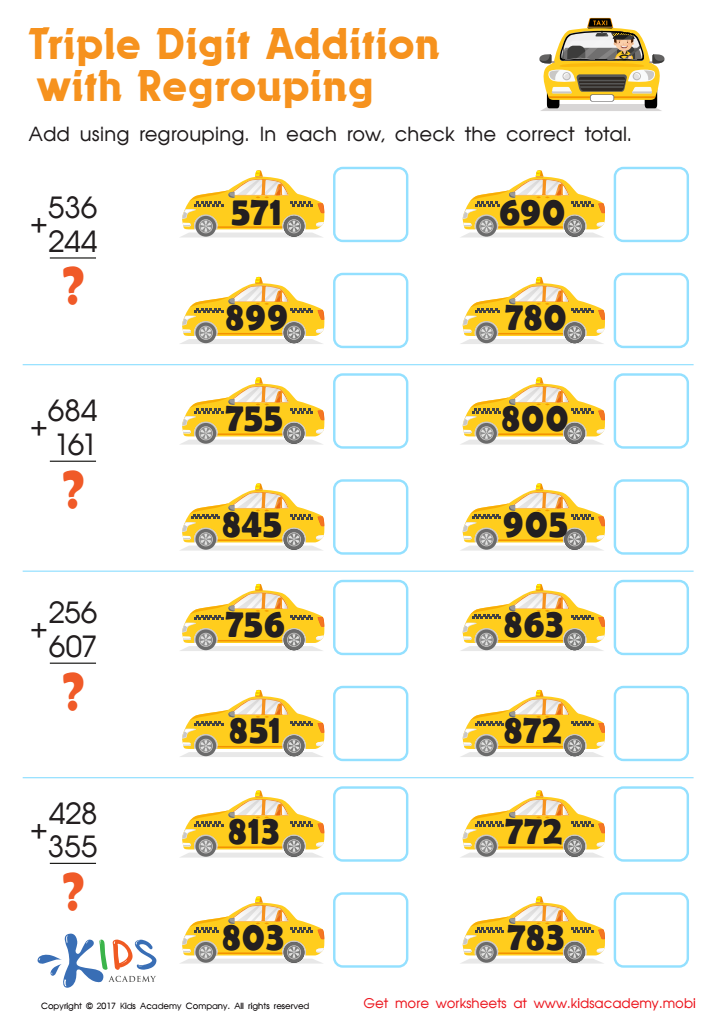
Triple Digit Addition with Regrouping Worksheet
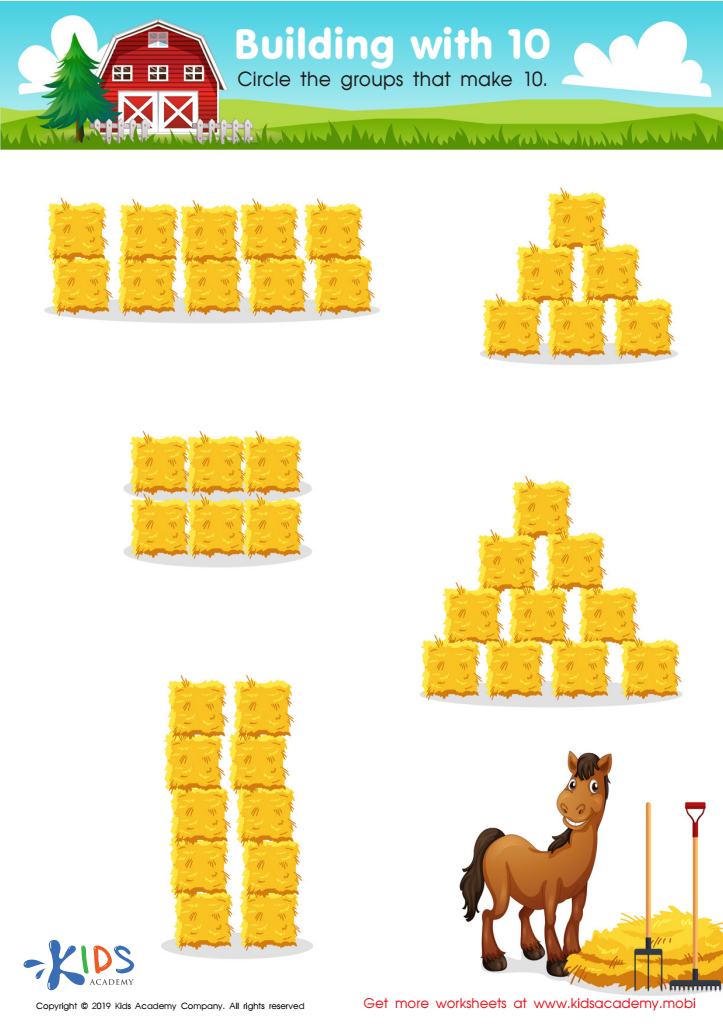
Building with 10 Worksheet
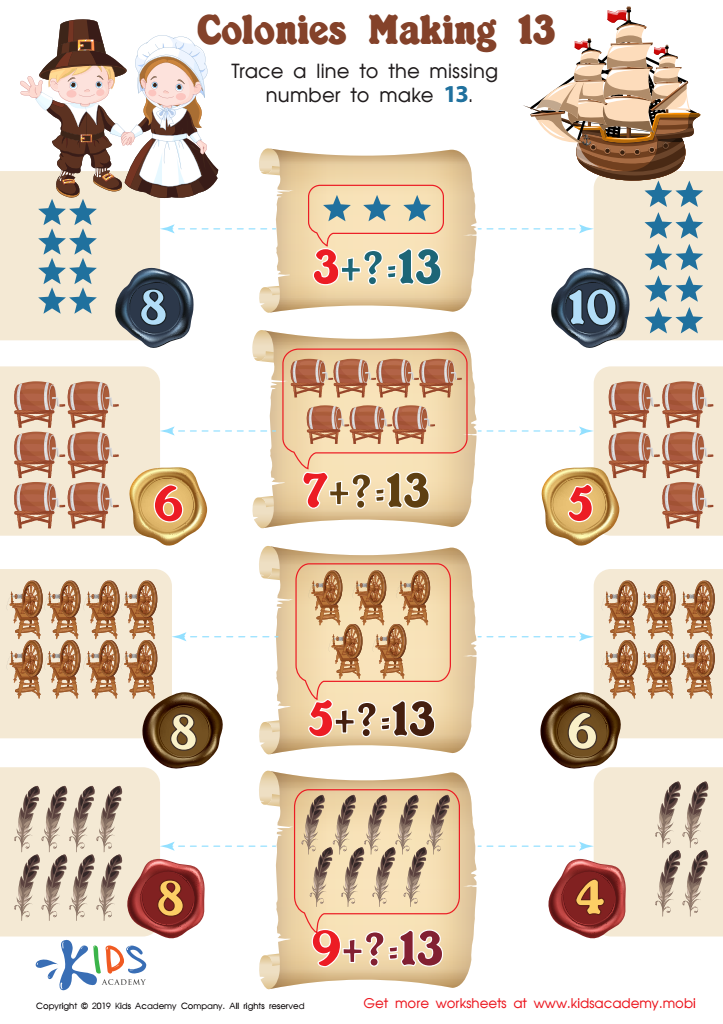
Colonies Making 13 Worksheet
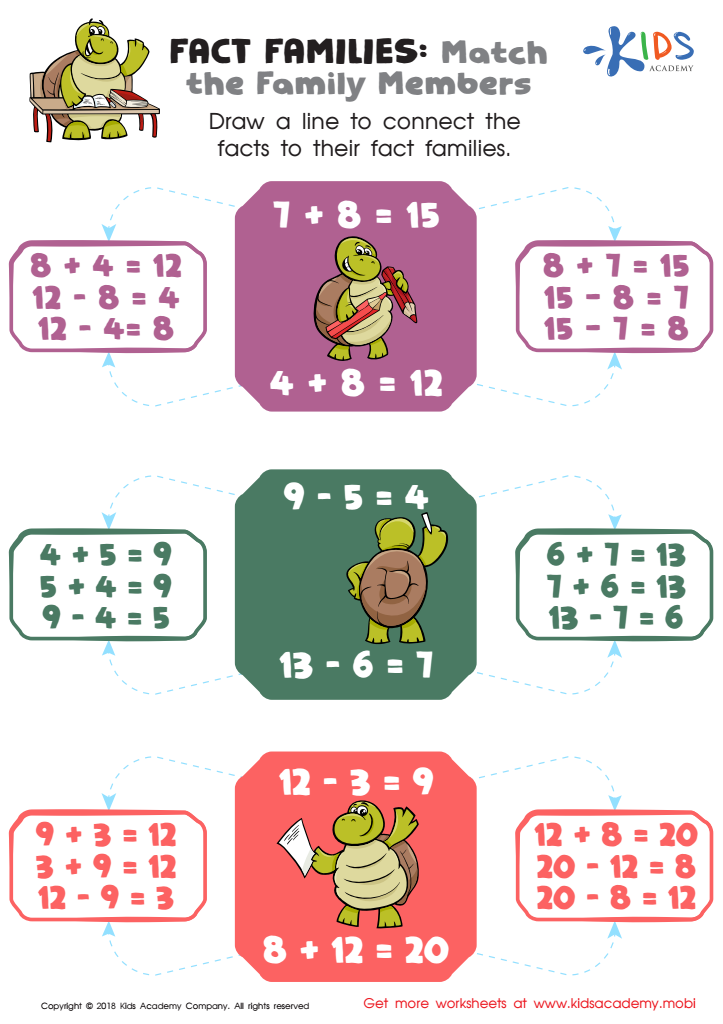
Fact Families: Match Family Members Worksheet
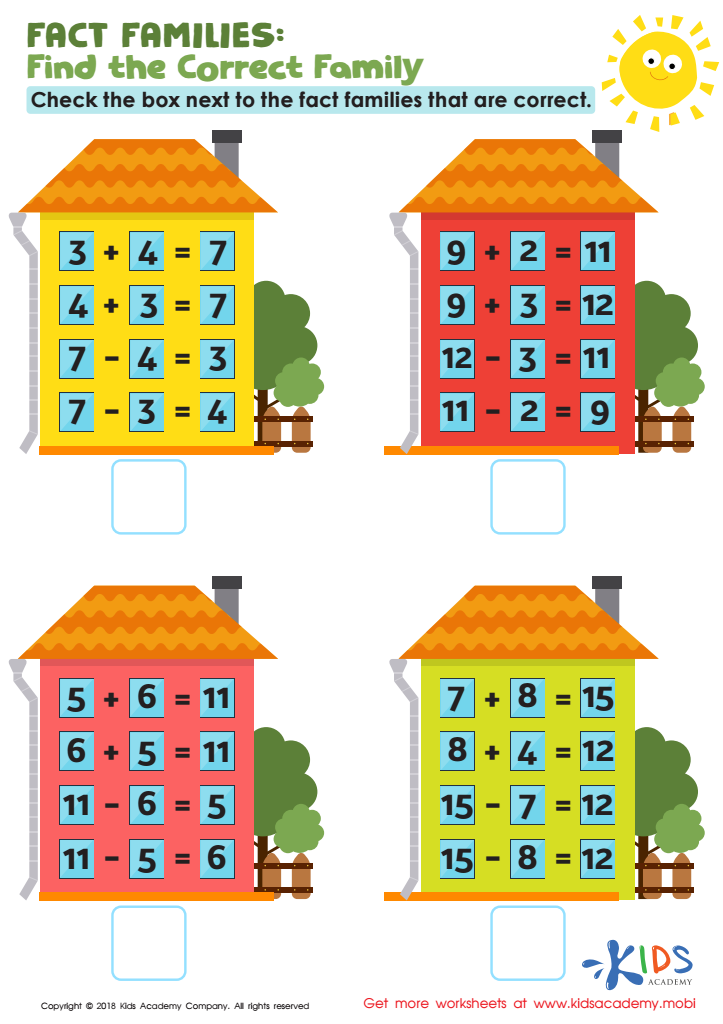
Fact Families: Find Correct Family Worksheet
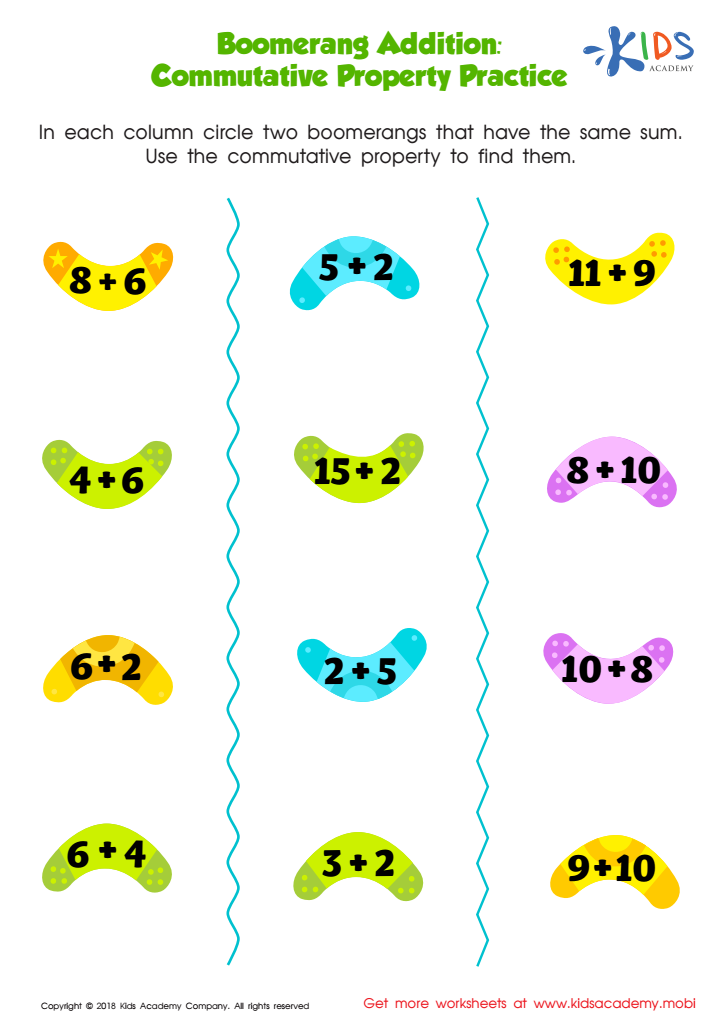
Boomerang Addition Worksheet








Normal Addition, or the standard algorithm for addition, is a foundational mathematical concept that not only crunches numbers but also fosters critical cognitive skills for children aged 5-8. Understanding this method provides young learners with the tools to confidently tackle more complex math problems as they advance through their education. When parents and teachers prioritize Normal Addition, they also help children cultivate perseverance and problem-solving abilities.
Learning addition through a structured algorithm enhances students' understanding of number relationships and promotes mental math skills. It allows children to decompose numbers and use strategies like regrouping, which strengthens their overall numeracy fluency. Furthermore, as children learn this method in a supportive environment, they also develop essential social skills, such as collaboration and communication, especially when discussing strategies with peers.
Moreover, mastering Normal Addition is crucial for academic success, as it lays the groundwork for more advanced mathematical operations, including subtraction, multiplication, and division. By investing time and effort into teaching this concept, parents and teachers can emphasize the importance of a strong mathematical foundation, ultimately empowering children to approach math with confidence, enjoy the learning process, and develop a lifelong appreciation for numeracy.