Shape Recognition Normal Math Worksheets for Ages 5-8 - Page 2
36 filtered results
-
From - To
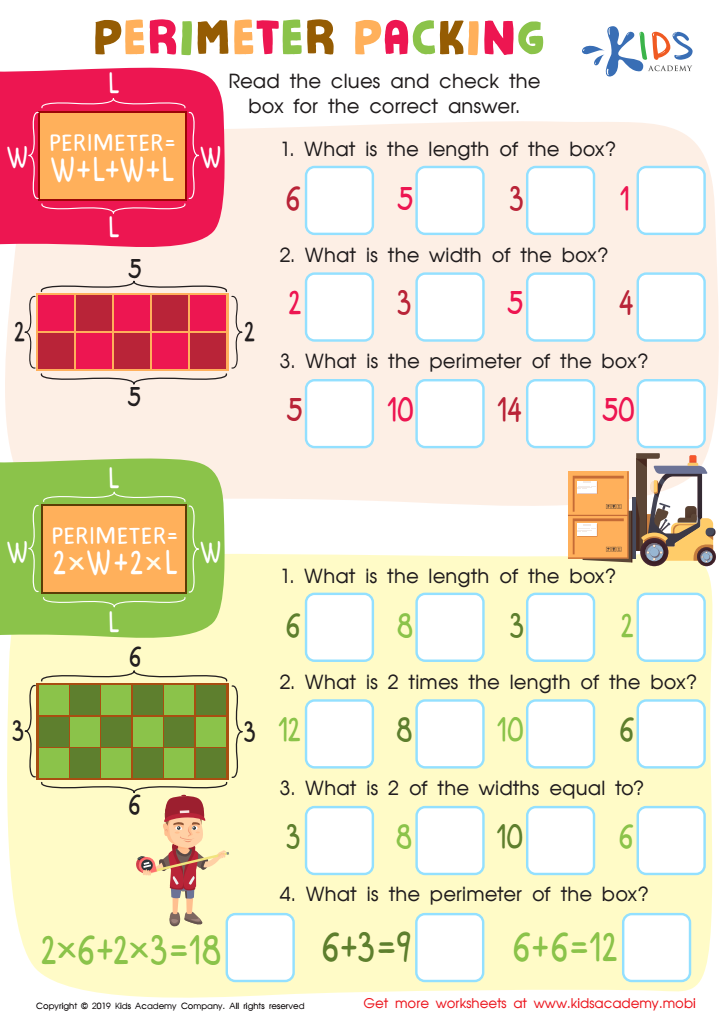
Perimeter Parking Worksheet
 Assign to My Students
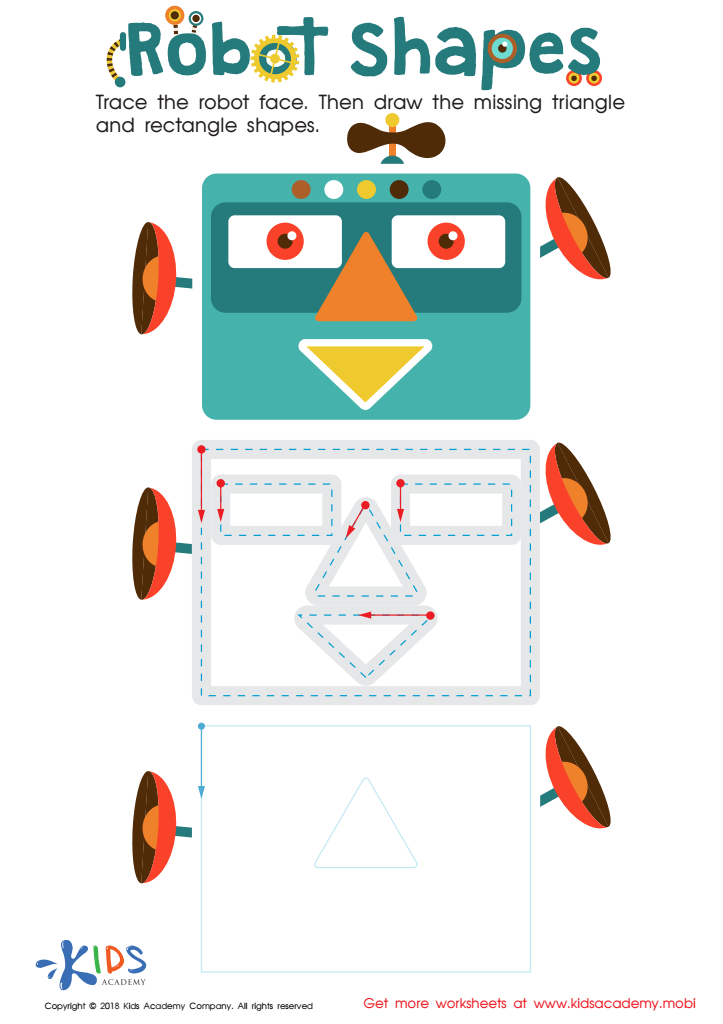
Robot Shapes Worksheet
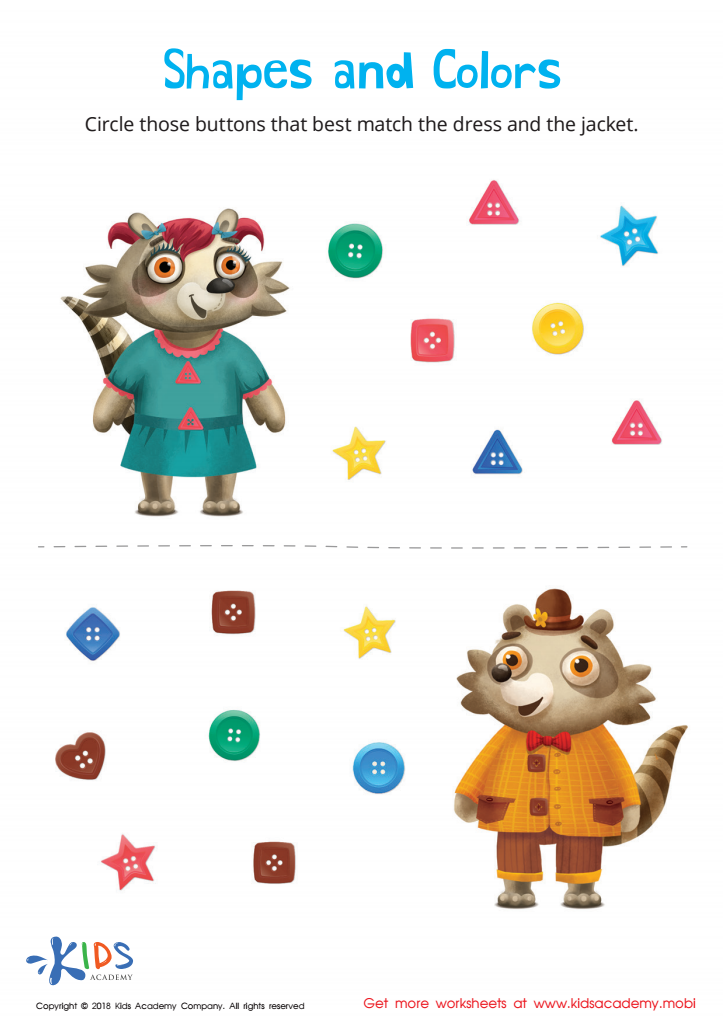
Shapes and Colors Worksheet
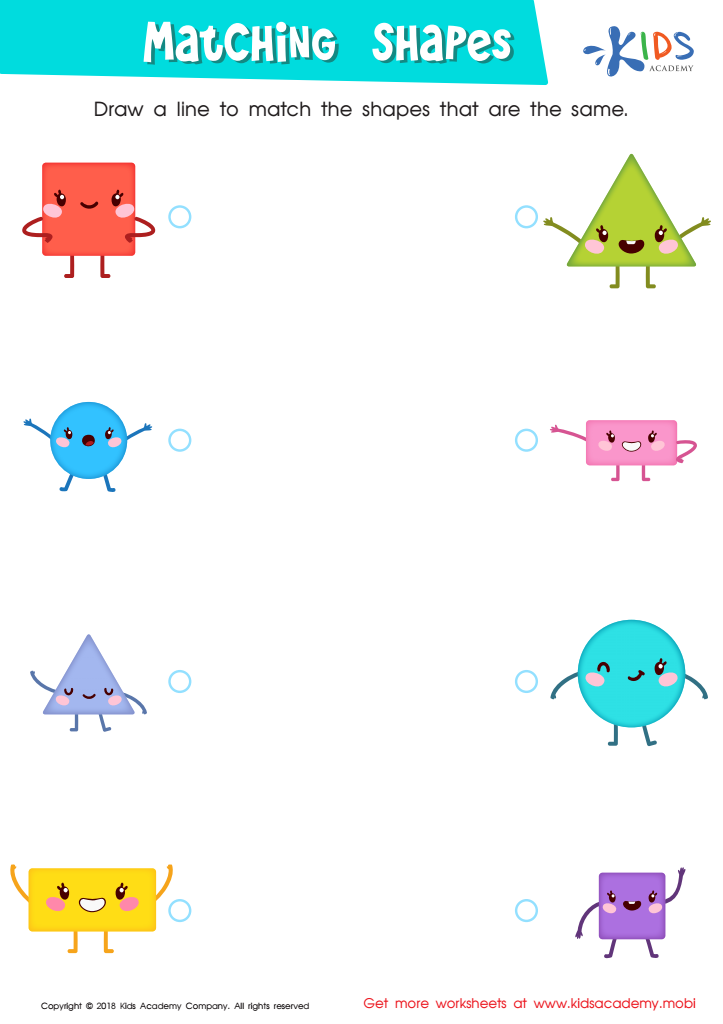
Matching Shapes Worksheet
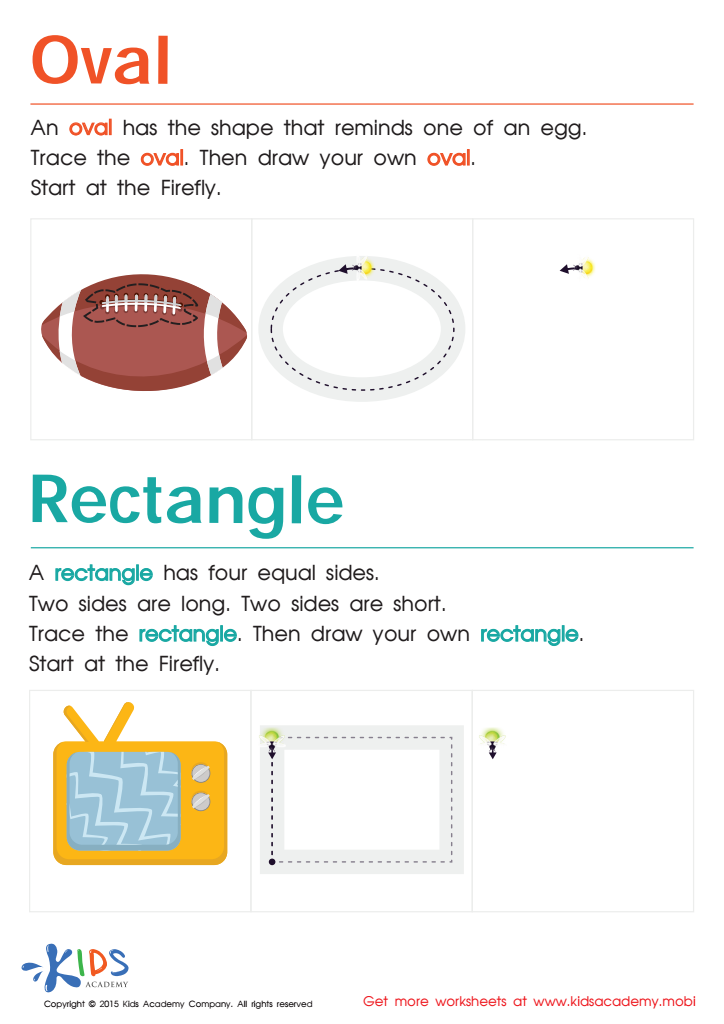
Easy Drawing of Ovals And Rectangles Worksheet
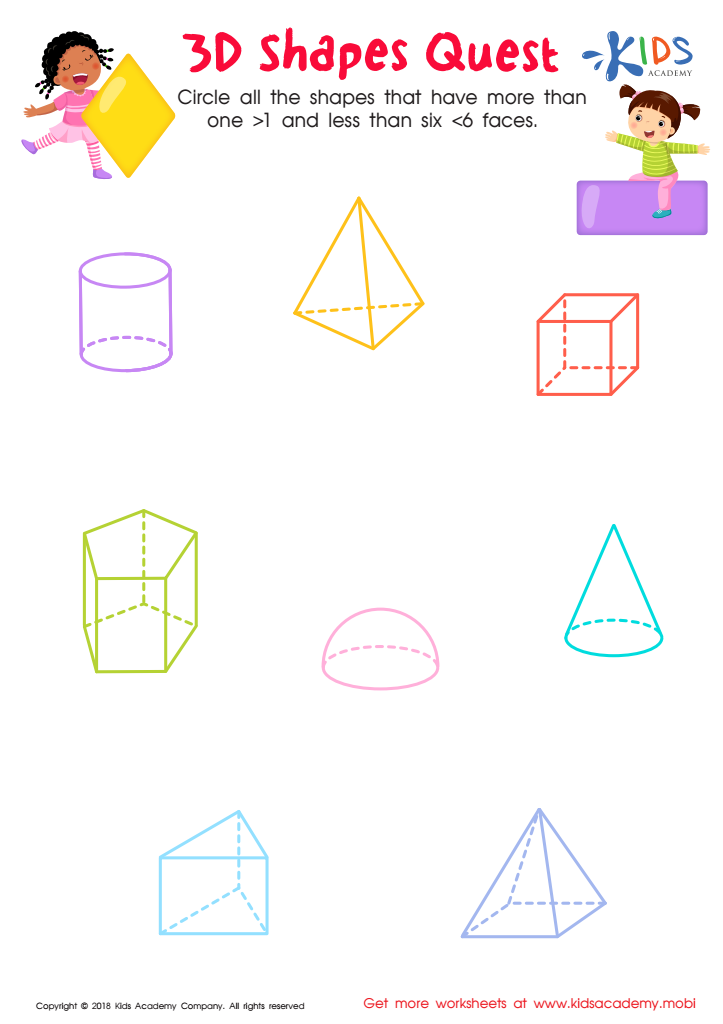
3D Shapes Quest Worksheet
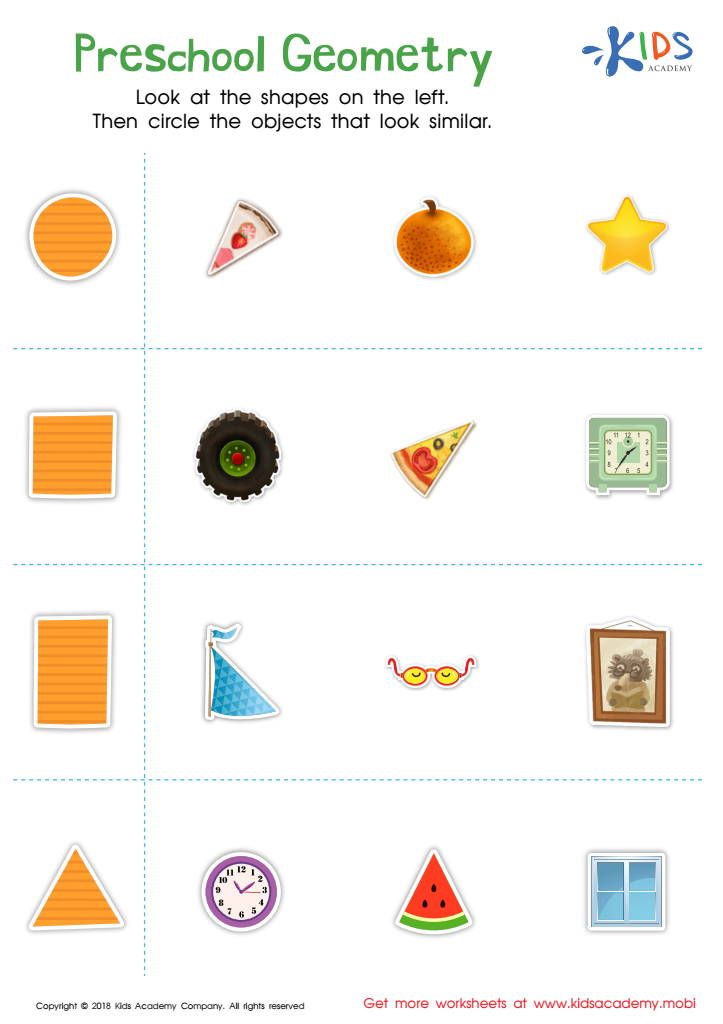
Preschool Geometry Worksheet
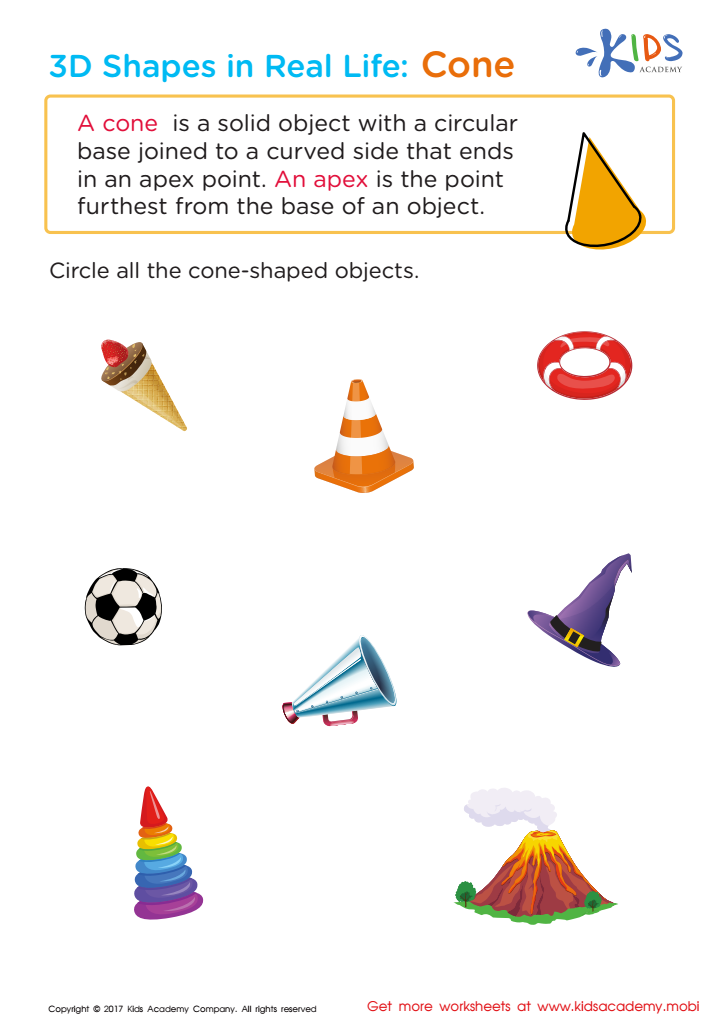
Shapes in Real Life: Cone Worksheet
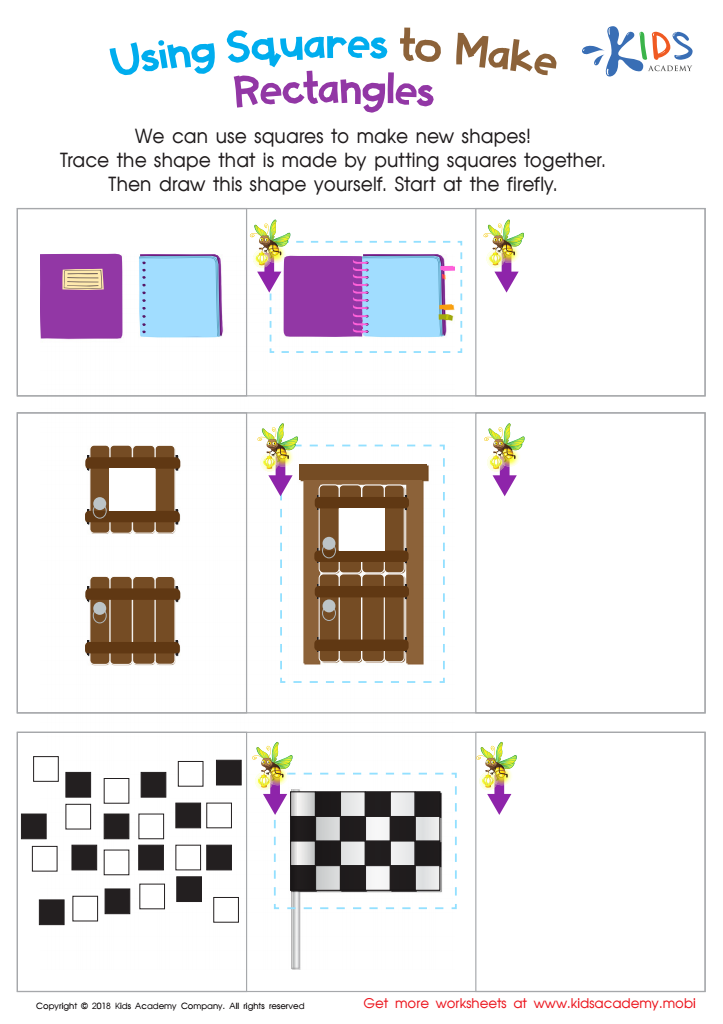
Using Squares to Make Rectangles Worksheet
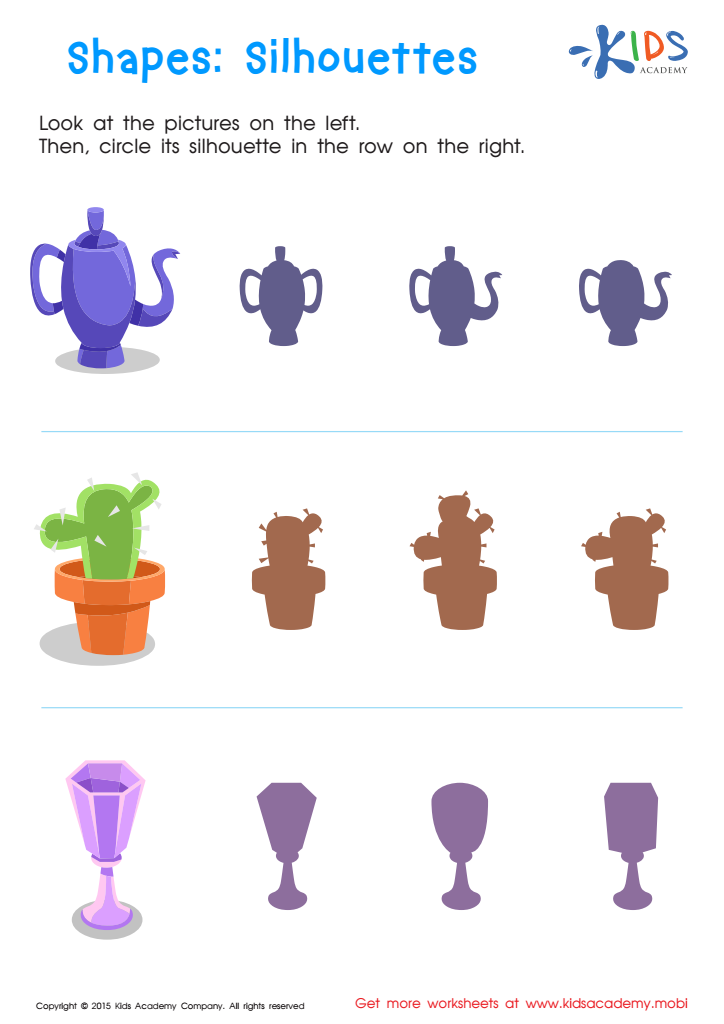
Silhouettes – Shapes Worksheet
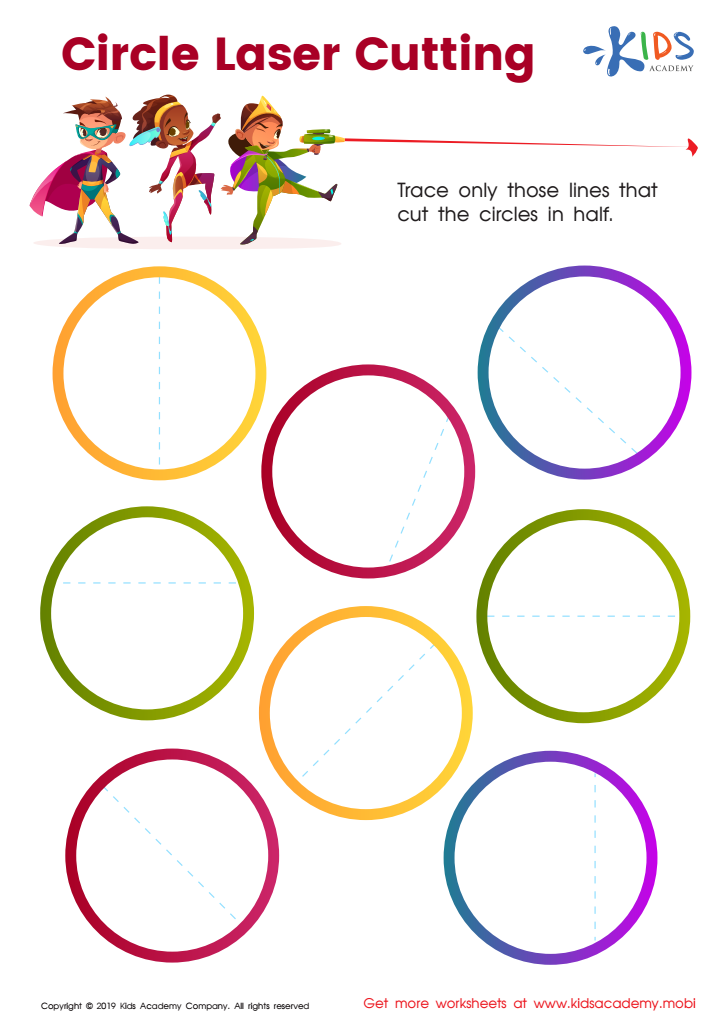
Circle Laser Cutting Worksheet
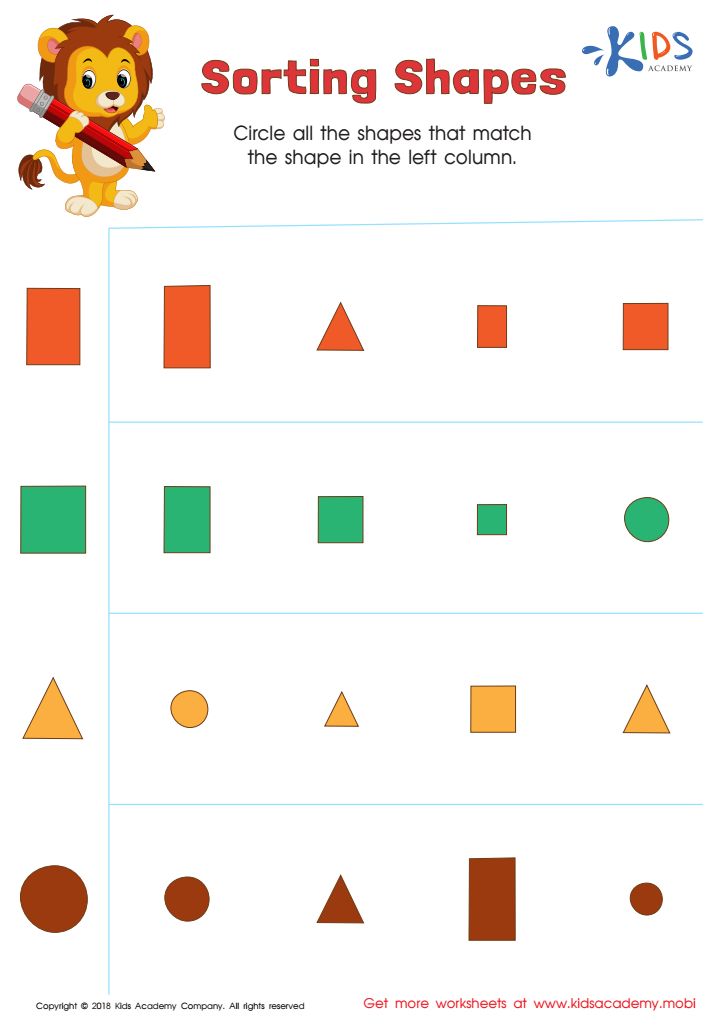
Sorting Shapes - Part 2 Worksheet








Shape recognition is a foundational aspect of early math education for children ages 5-8, and both parents and teachers should prioritize it for several reasons. Firstly, understanding shapes helps children develop spatial awareness, which is crucial for everyday tasks and later mathematical concepts like geometry. Through recognizing and categorizing shapes, children begin to make connections between the physical world and abstract ideas.
Additionally, shape recognition enhances problem-solving skills and critical thinking. When children identify shapes and understand their properties, they engage in systematic thinking and start forming their own logical reasoning patterns. This also supports cognitive development; as they mentally manipulate shapes, it promotes memory retention.
Moreover, shape recognition is often linked to art and creativity. Children explore colors, symmetry, and patterns, fostering their imagination and encouraging them to express their understanding in diverse ways.
Finally, a solid grasp of shape recognition contributes to academic success. Strong math foundations build confidence and prepare students for more complex topics in the future. When parents and teachers actively engage with shape recognition activities—through play, drawing, or real-world exploration—they nurture not only foundational math skills but a love for learning that lasts a lifetime.








