Counting skills Normal Worksheets for Ages 5-9 - Page 2
108 filtered results
-
From - To
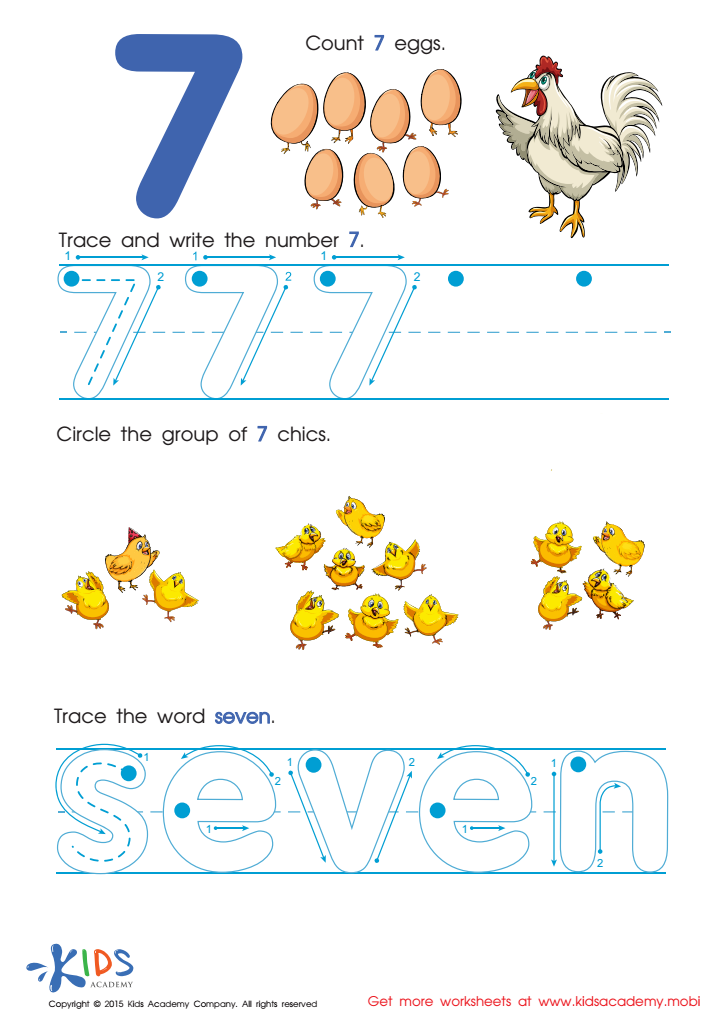
Trace And Write Number 7 with Fun Worksheet
 Assign to My Students
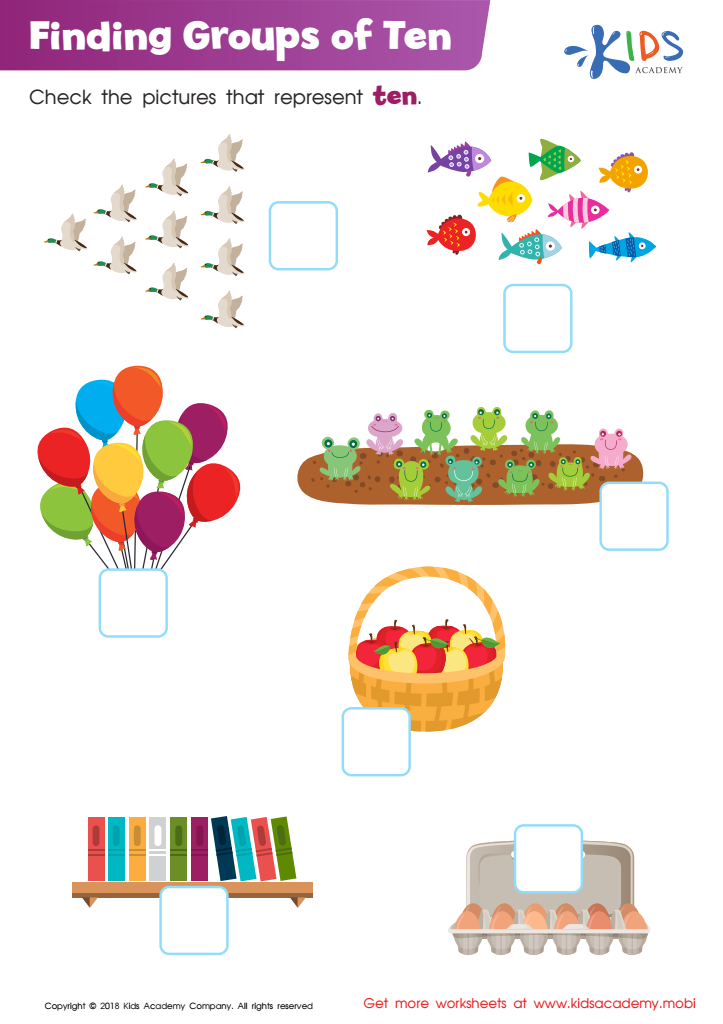
Finding Groups of Ten Worksheet
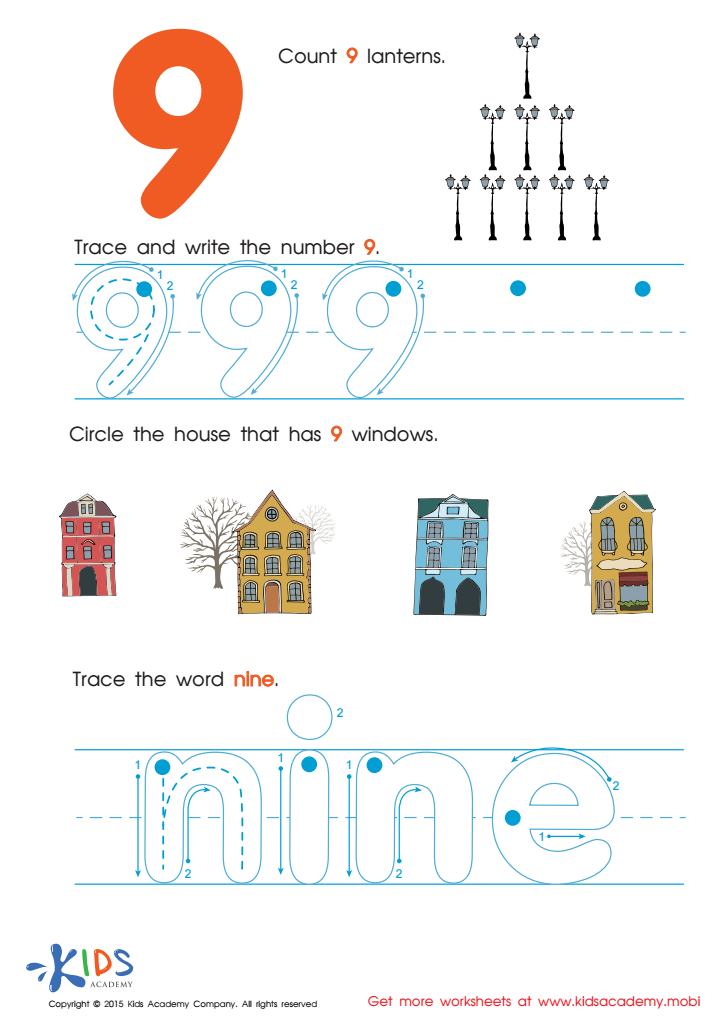
Tracing And Learning to Write Number 9 Worksheet
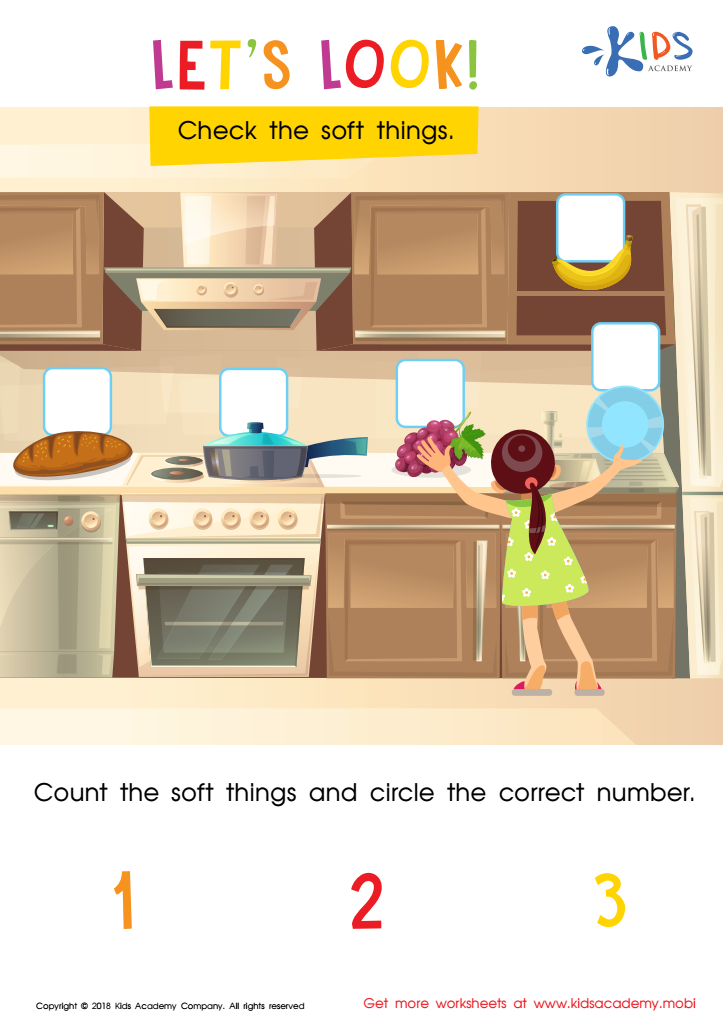
Let's Look! Assessment Worksheet

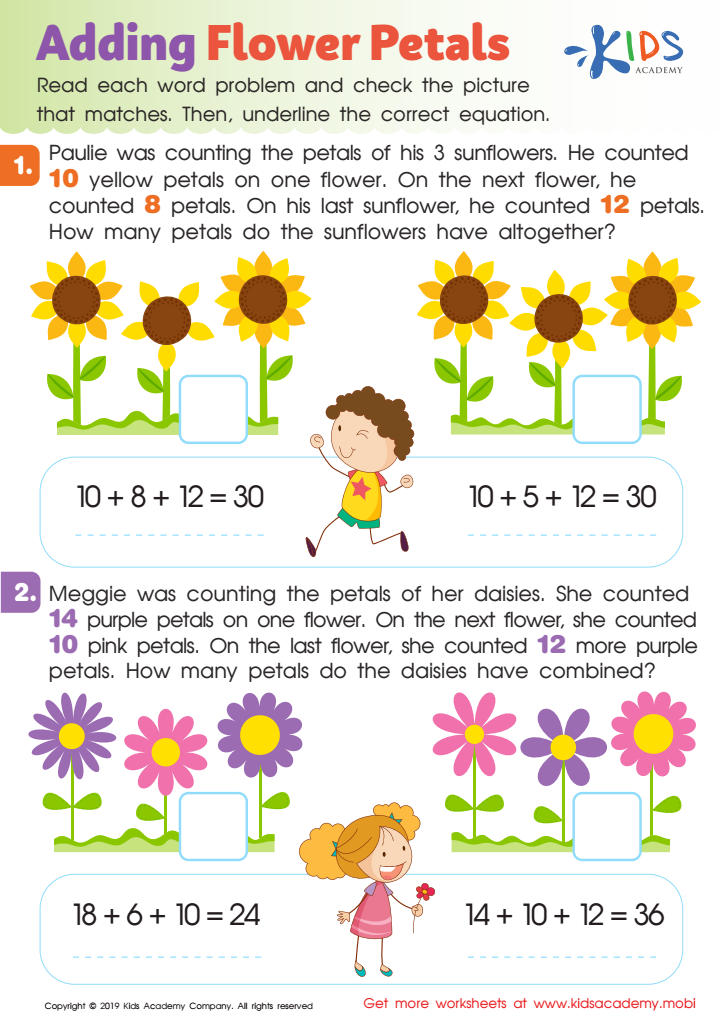
Adding Flower Petals Worksheet
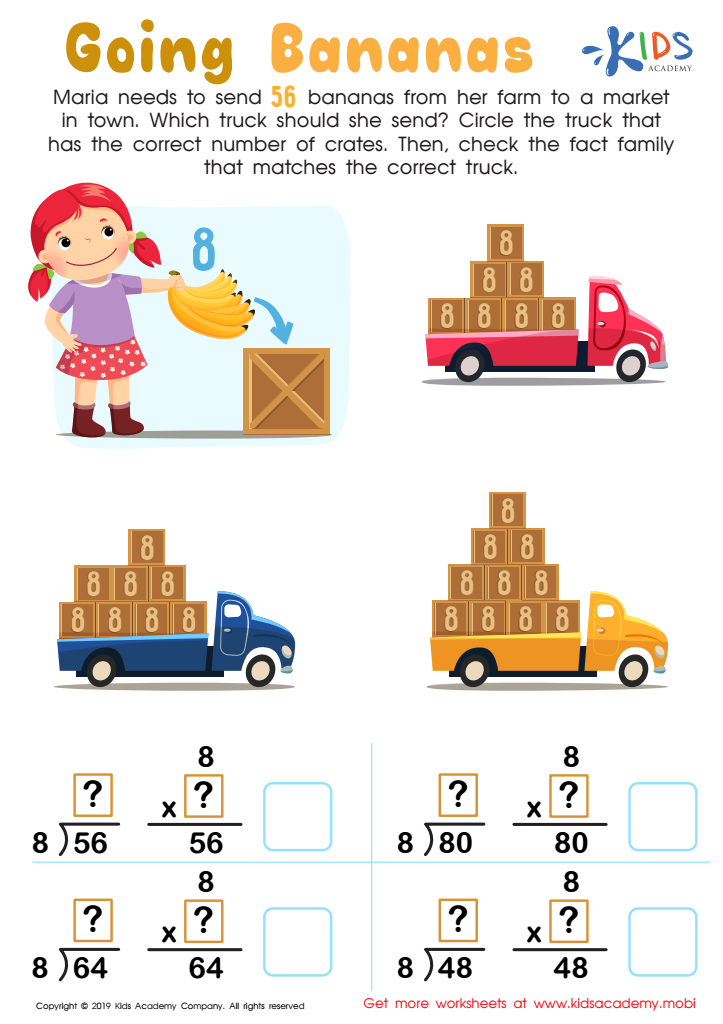
Going Bananas Worksheet
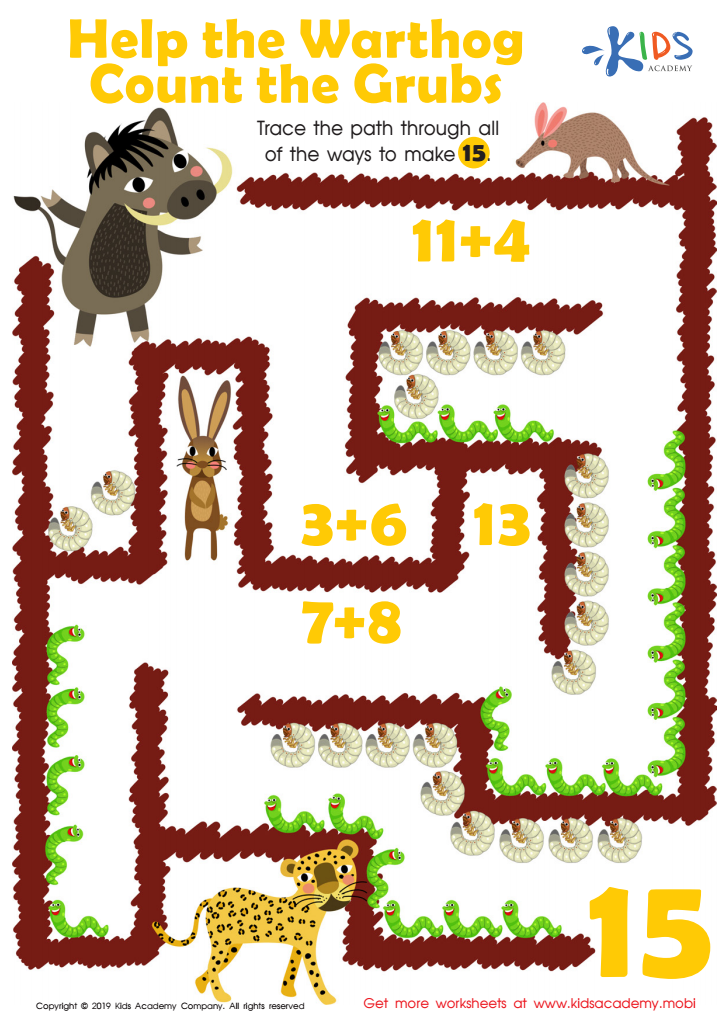
Help the Warthog Count the Grubs Worksheet
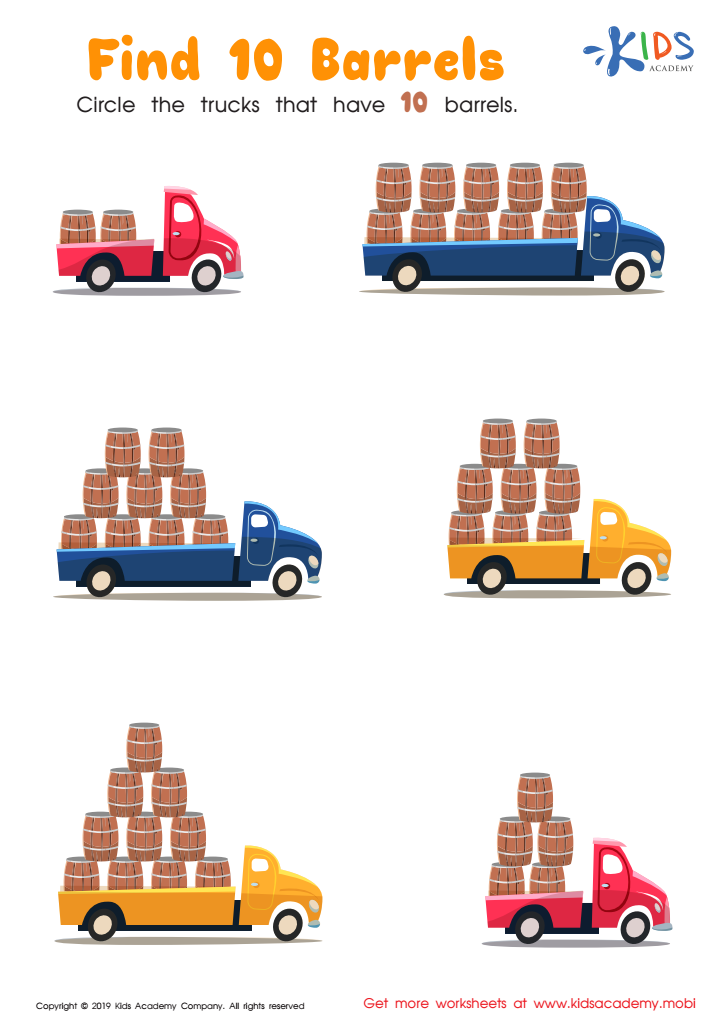
Find 10 Barrels Worksheet
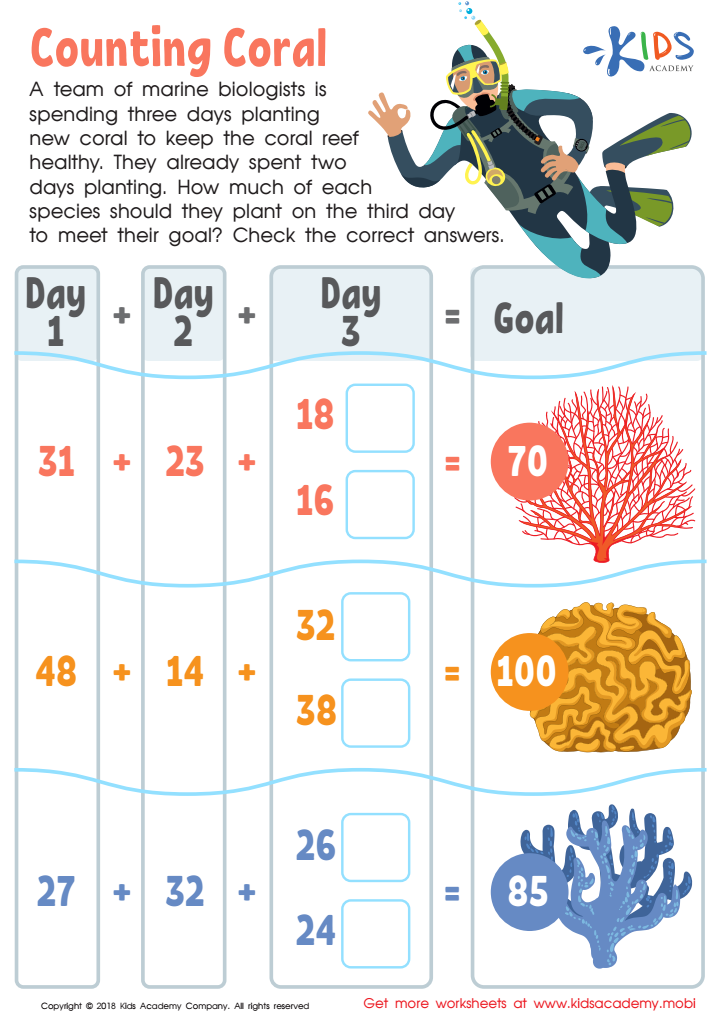
Counting Coral Worksheet

Count the Deer Worksheet
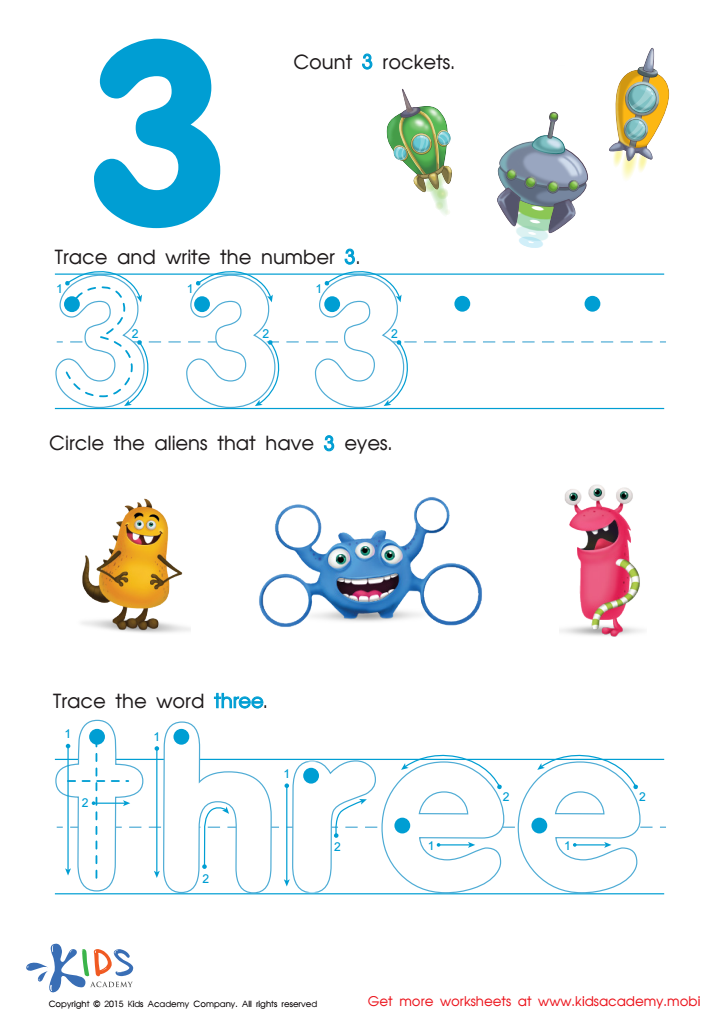
Learning Number Three Worksheet
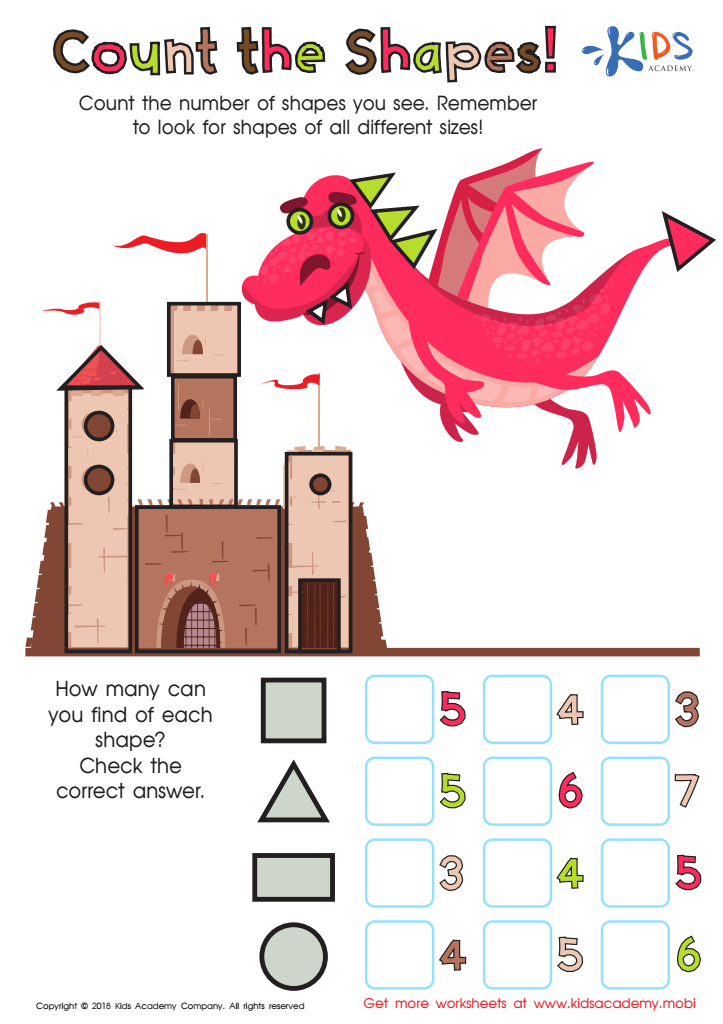
Count the Shapes Worksheet
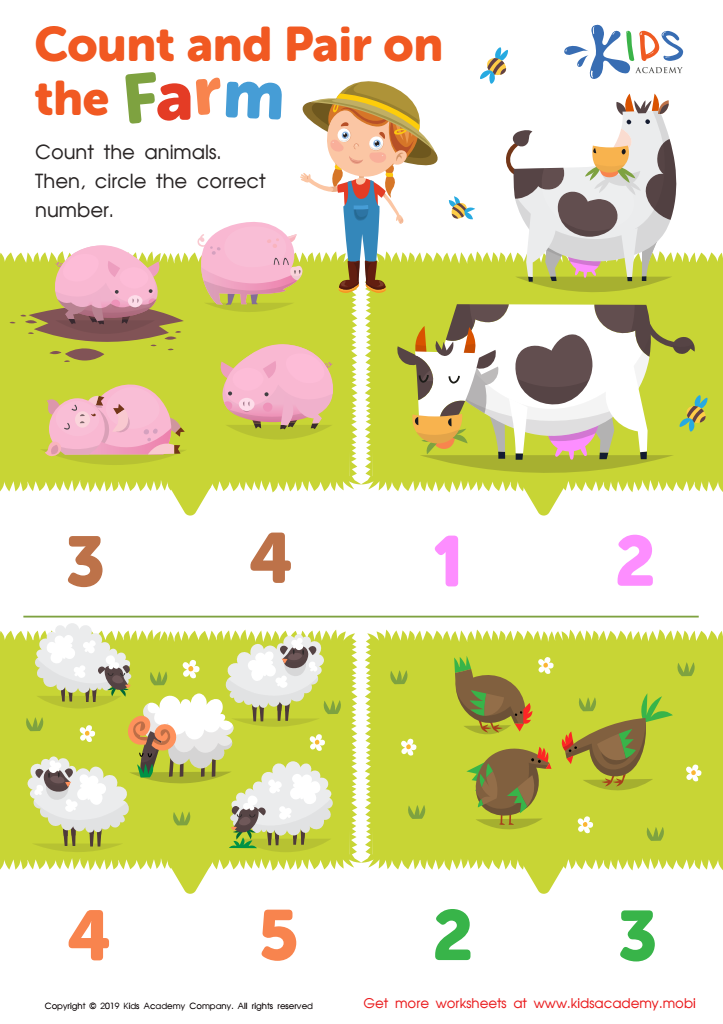
Count and Pair on the Farm Worksheet
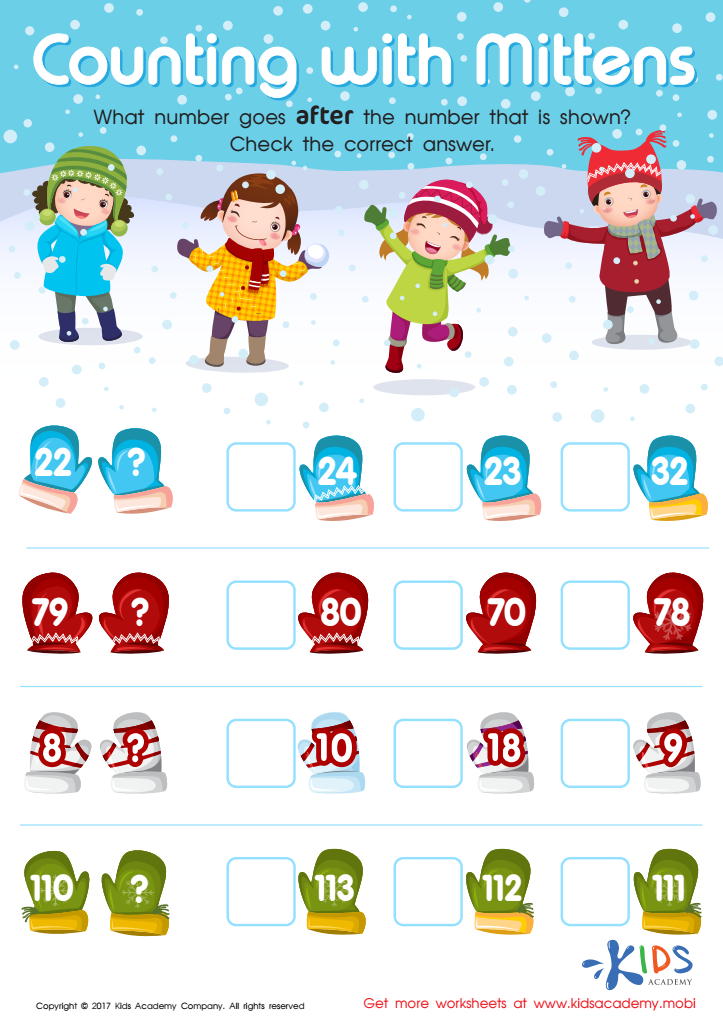
Counting with Mittens Worksheet
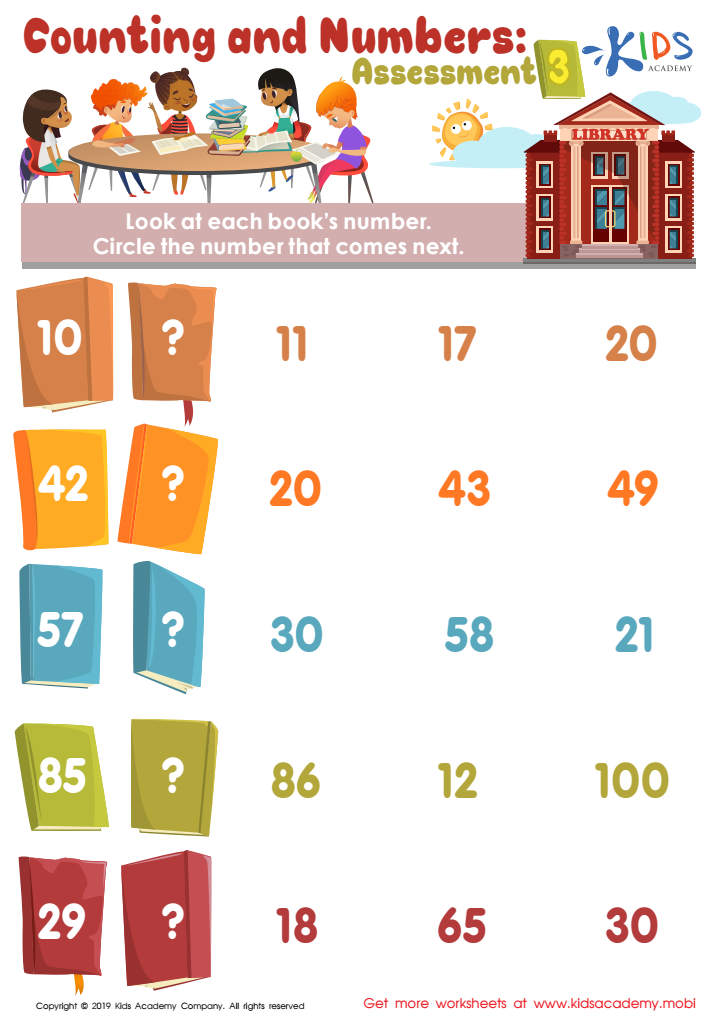
Counting and Numbers: Assessment Worksheet
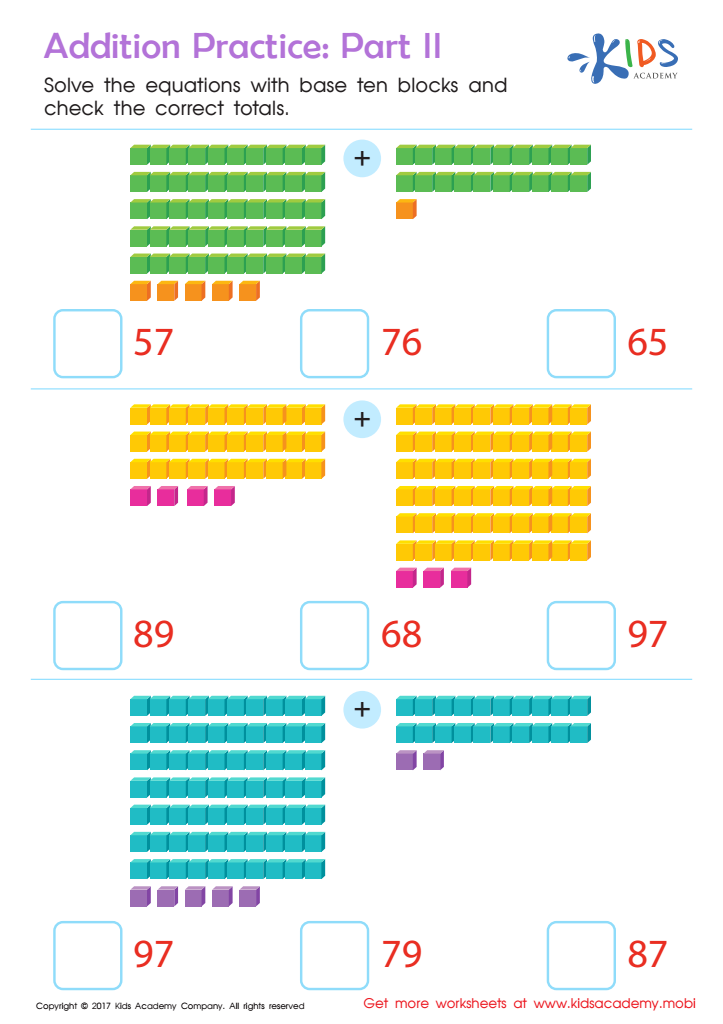
Addition Practice Sheet: Part 2
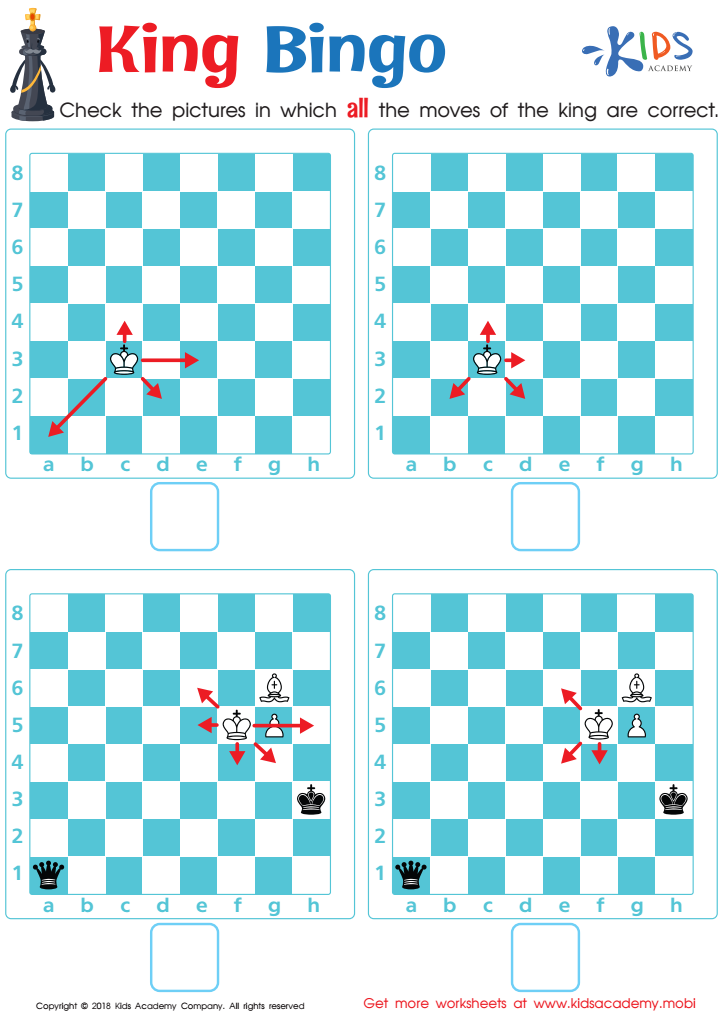
King Bingo Worksheet
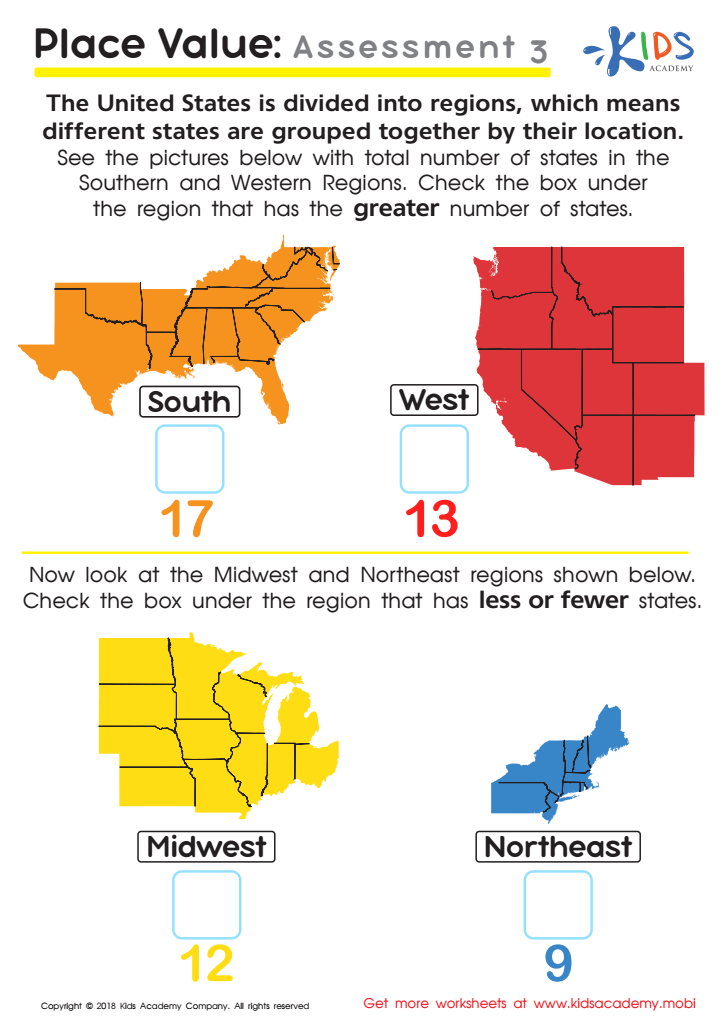
Place Value: Assessment 3 Worksheet
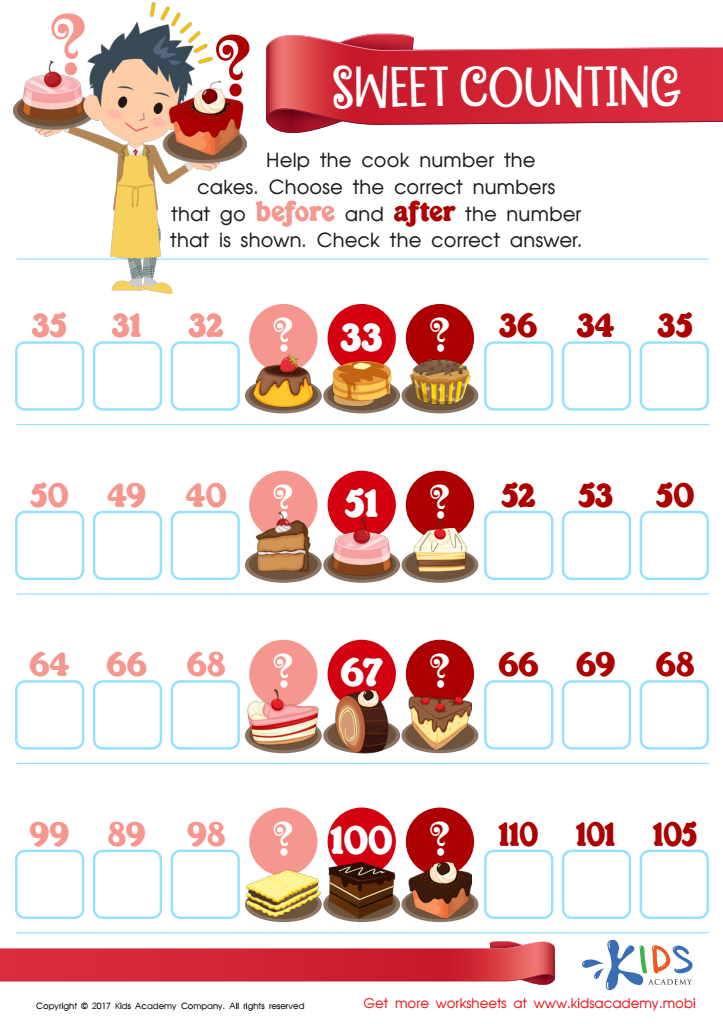
Sweet Counting - Part 1 Worksheet
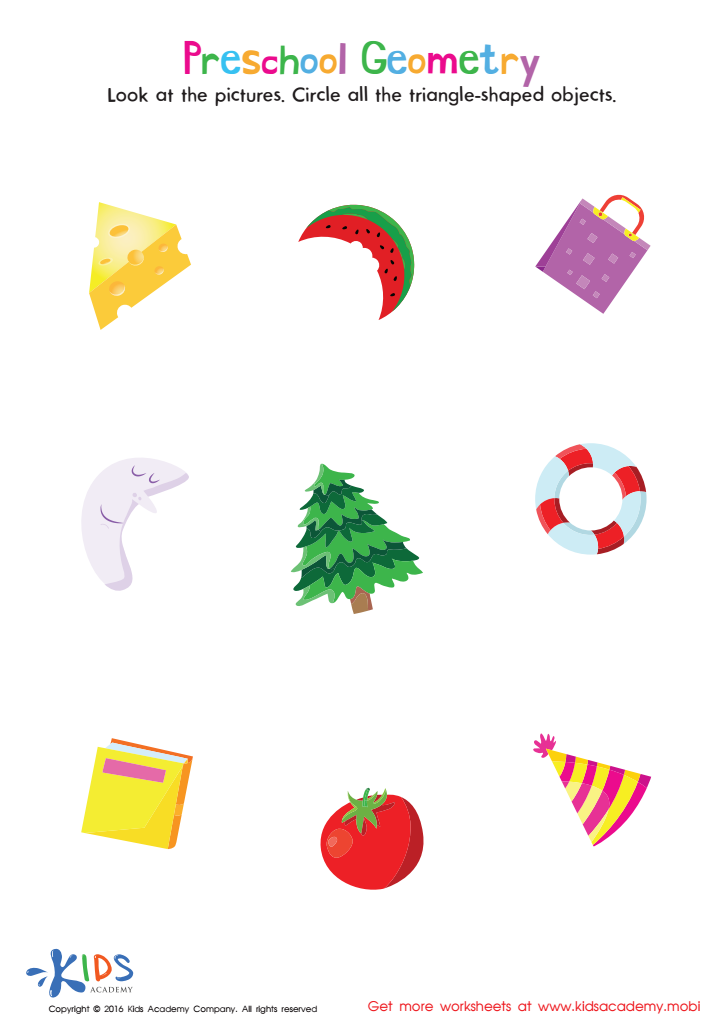
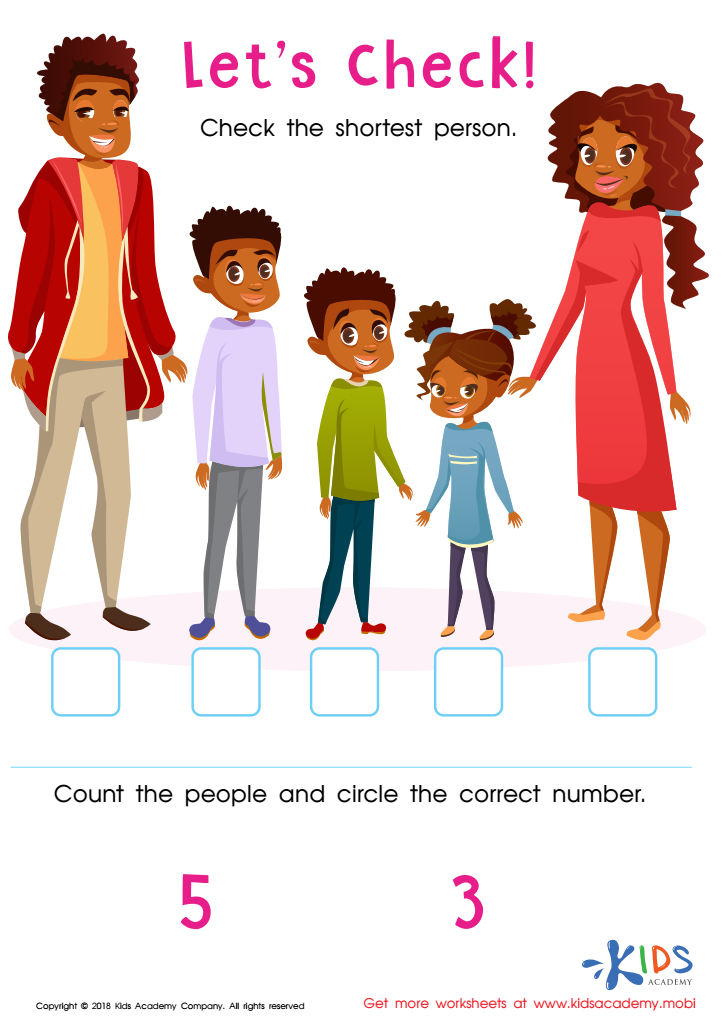
Let's Check! Assessment Worksheet
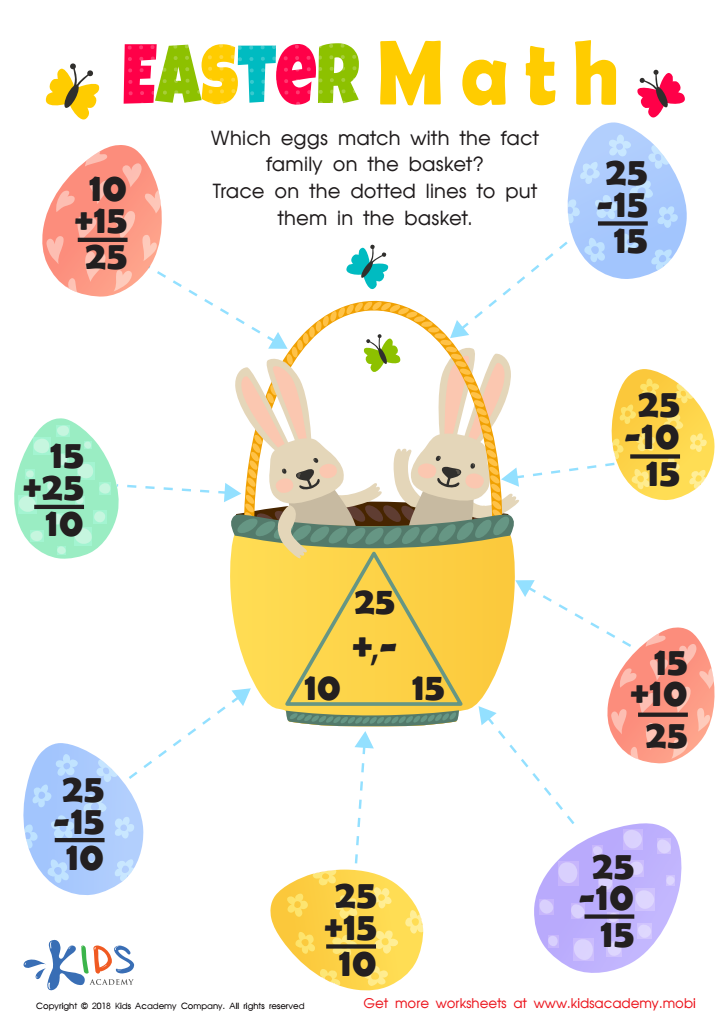
Fact Families: Easter Math Worksheet
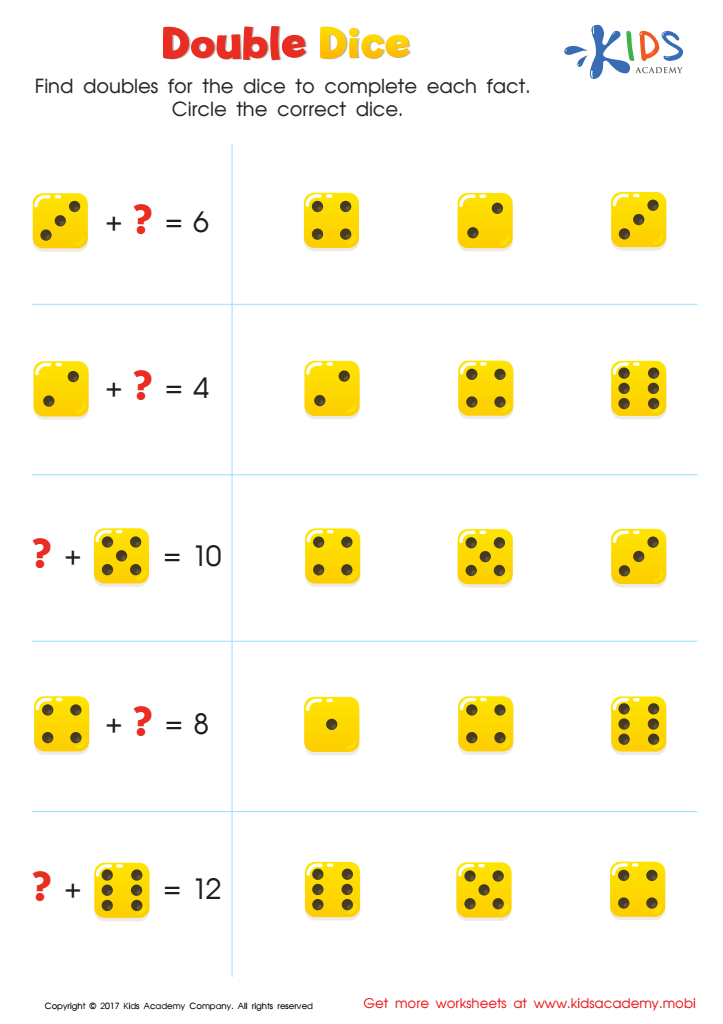
Addition Facts: Double Dice Worksheet








Counting skills are crucial for children aged 5-9 as they lay the foundation for mathematical understanding and cognitive development. At this stage, children begin to transition from basic counting to more complex arithmetic concepts. By mastering counting, they develop critical problem-solving abilities, enabling them to tackle daily tasks and future academic challenges more effectively.
For parents and teachers, nurturing counting skills can foster a child’s confidence and enthusiasm in learning mathematics, as success in early math can positively influence their overall school experience. Additionally, strong counting skills support future learning in areas such as addition, subtraction, and even geometry.
Moreover, counting helps children develop essential life skills, such as understanding quantities, categorizing objects, and recognizing patterns. These skills are integral to making sense of the world around them, from managing money to organizing their belongings.
Engaging in counting activities promotes a rich parent-child or teacher-student interaction, making learning fun and collaborative. By prioritizing counting skills, caregivers can ensure that children not only achieve academic success but also build a strong foundation for lifelong learning. In summary, counting skills play a significant role in shaping a child’s mathematical abilities and overall development, making it a vital area of focus for parents and educators.








