Logical thinking Normal Worksheets for Ages 5-9
16 filtered results
-
From - To
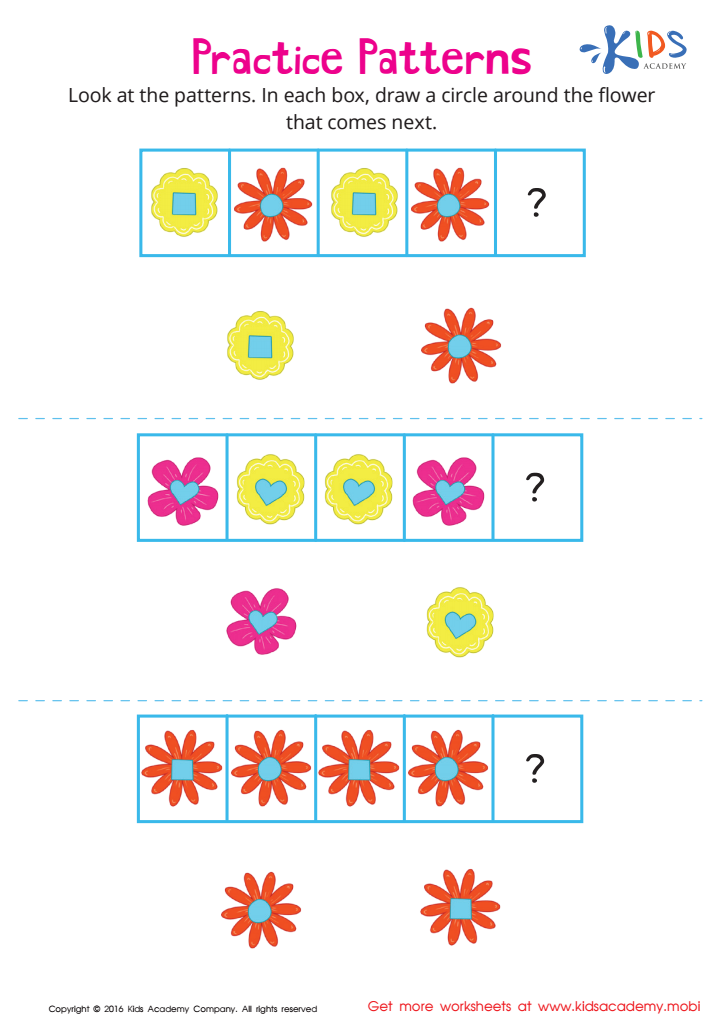
Explore our collection of Logical Thinking Worksheets, designed for children ages 5 to 9. These engaging and interactive resources foster critical thinking and problem-solving skills, essential for a strong foundation in learning. Each worksheet features age-appropriate challenges that encourage young minds to think logically and develop reasoning abilities. From puzzles and pattern recognition to sequencing activities, our worksheets make learning enjoyable while enhancing cognitive development. Perfect for classroom use or at-home practice, these materials align with educational standards and promote analytical skills that serve children throughout their academic journeys. Enrich your child's learning experience today!
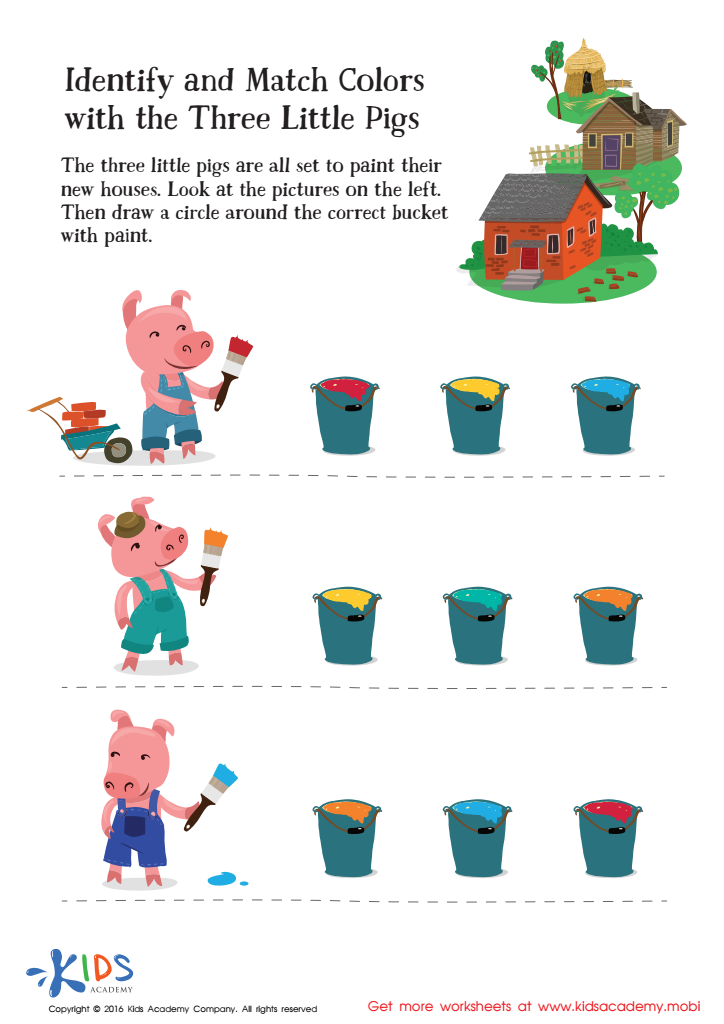
Fairy Tale Worksheet: Identify and Match Colors with Three Little Pigs
 Assign to My Students
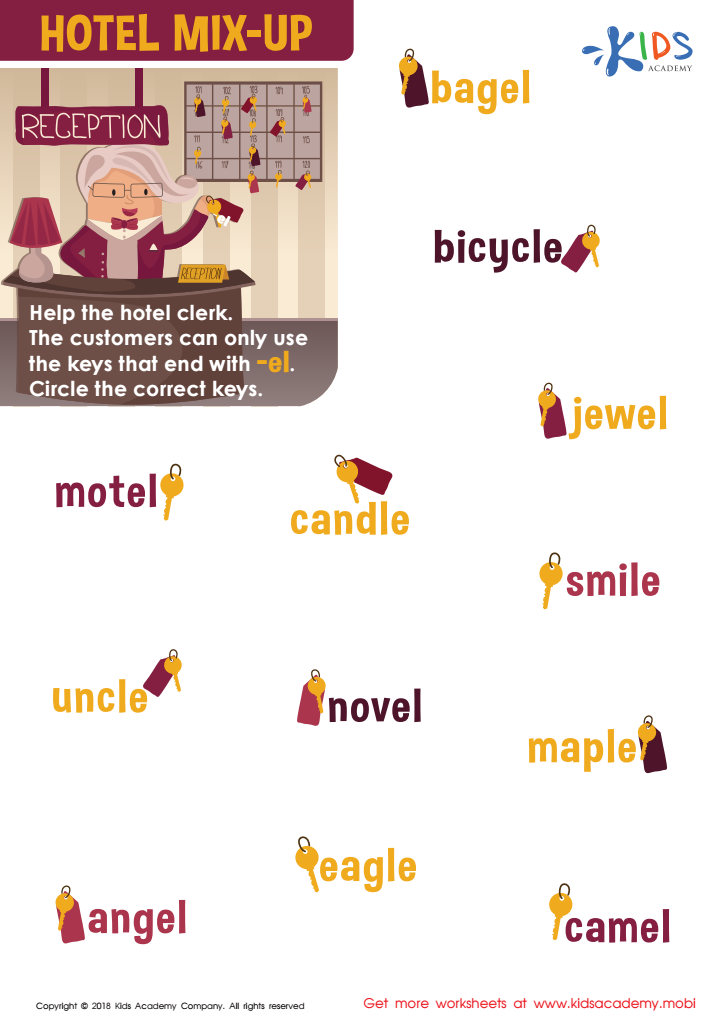
Hotel Mix-up Worksheet
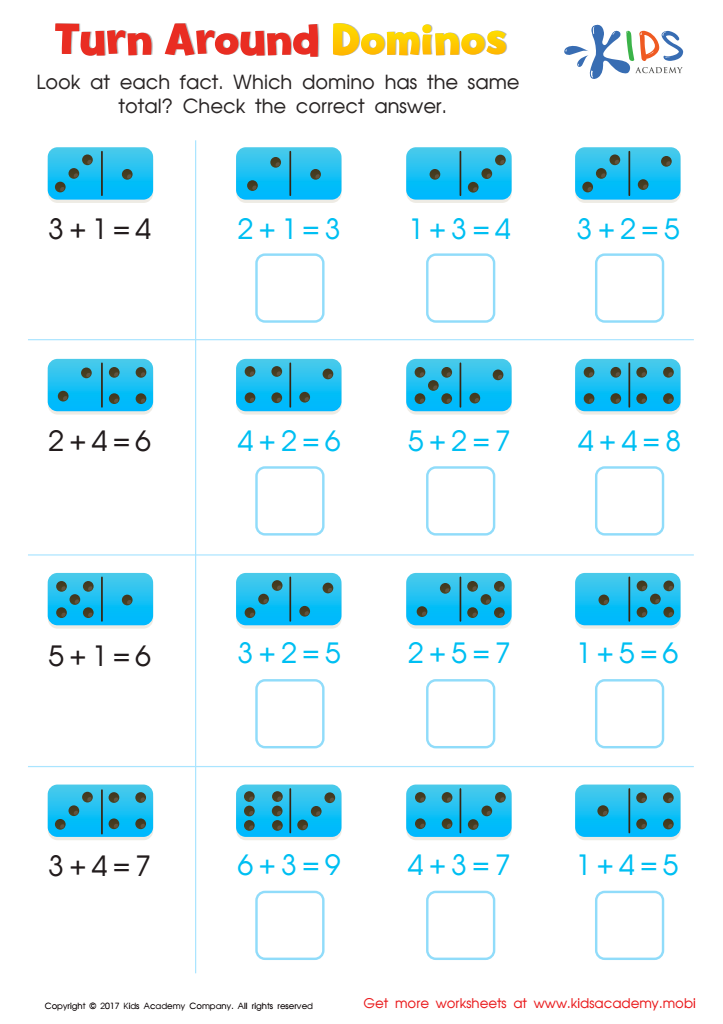
Turn Around Dominos Worksheet
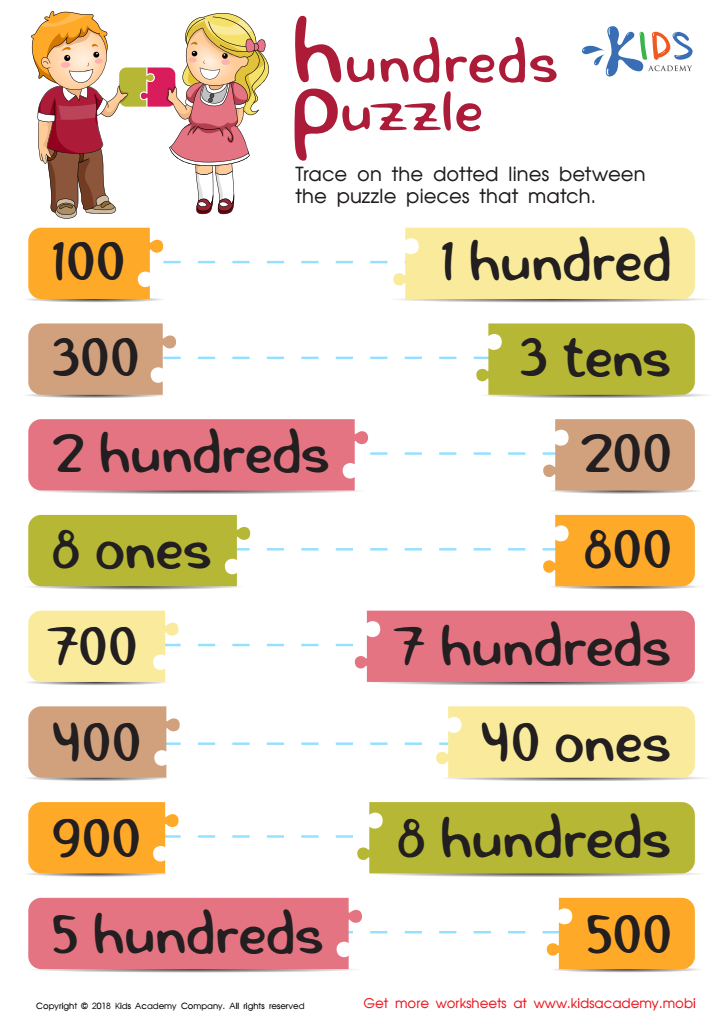
Hundreds Puzzle Worksheet

The Dog and His Bone Worksheet
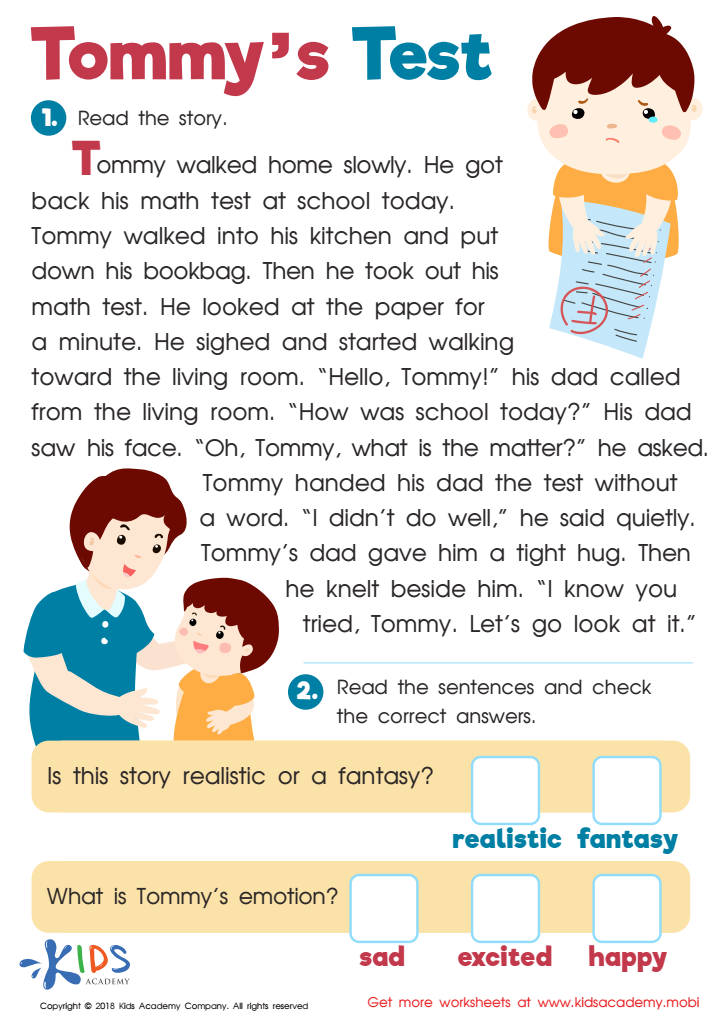
Tommys Test Worksheet
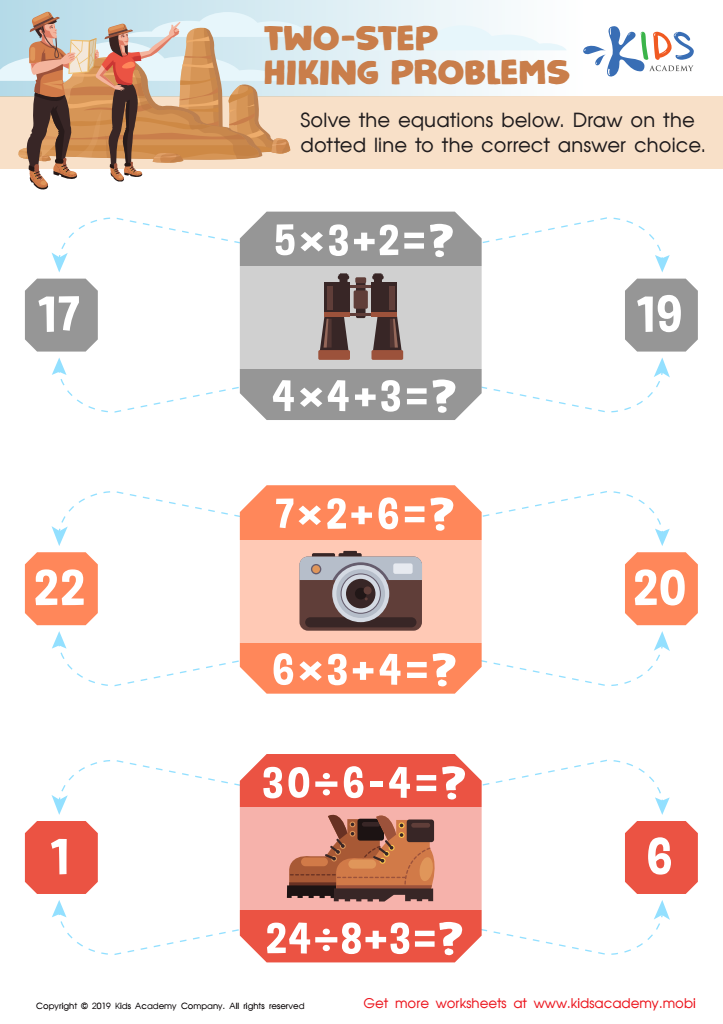
Two-Step Hiking Problems Worksheet
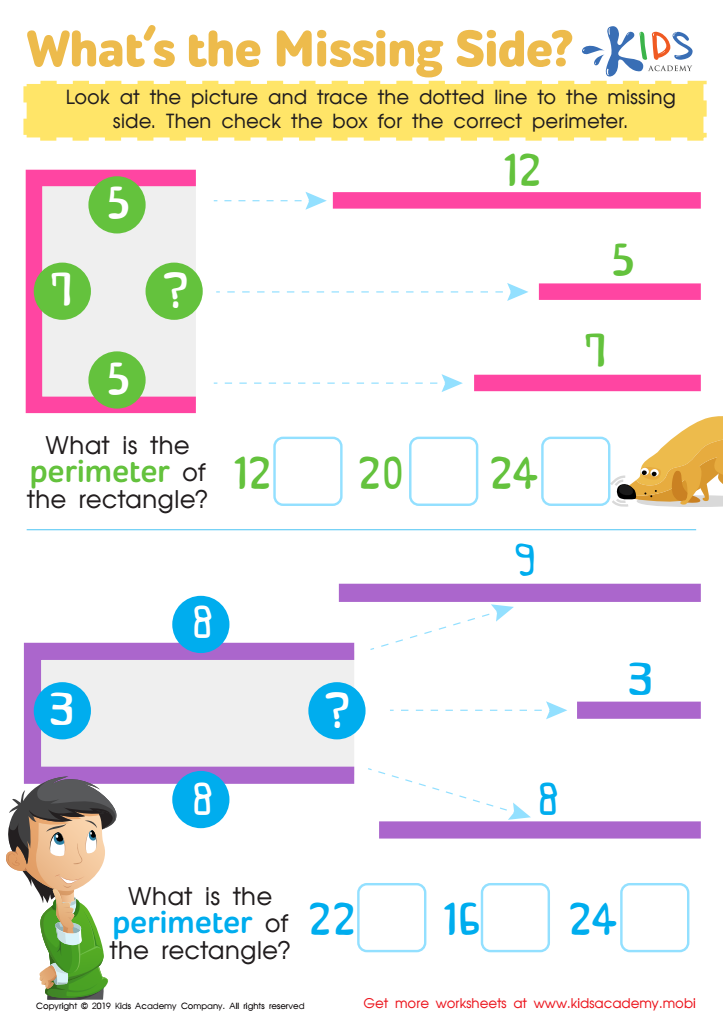
What's the Missing Side Worksheet
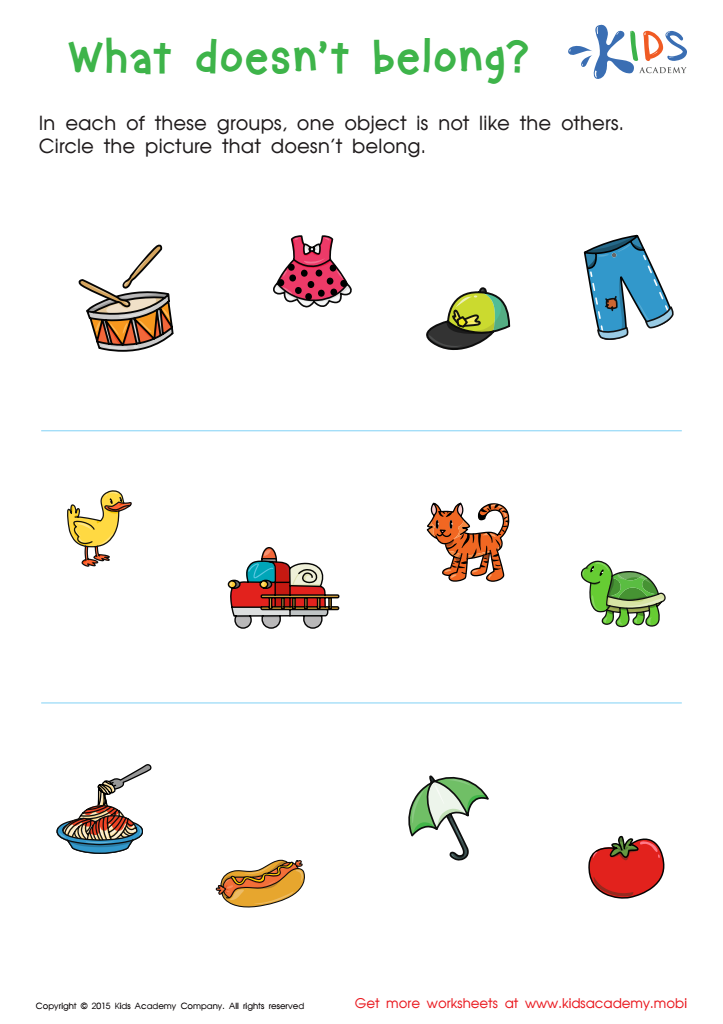
First Words: What Doesn't Belong Worksheet
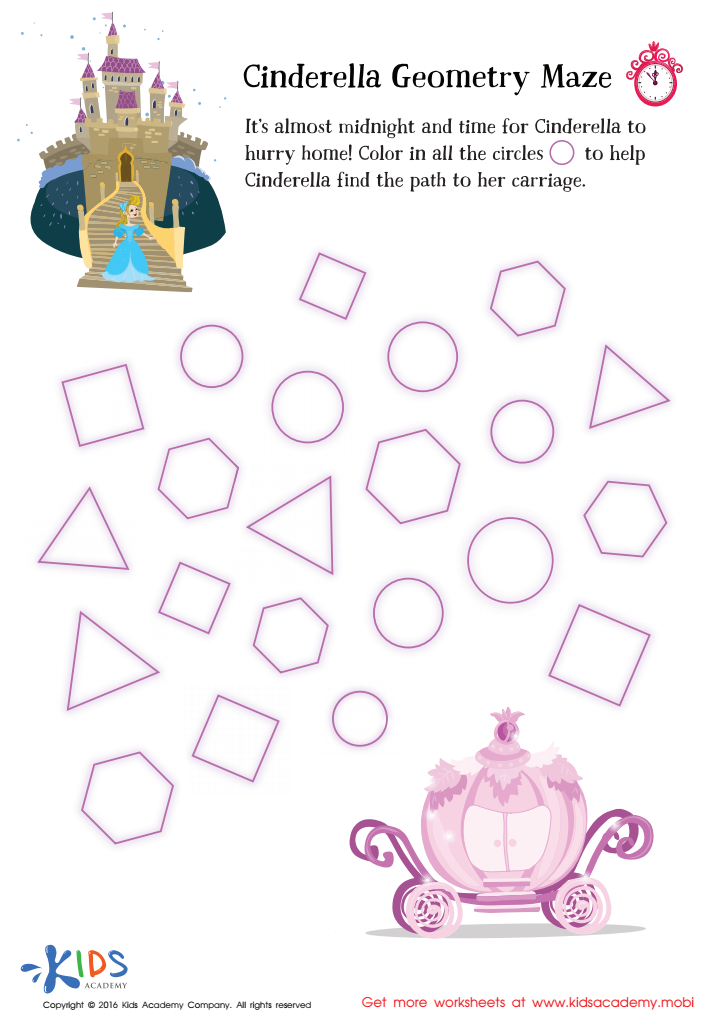
Cinderella Geometry Maze Worksheet
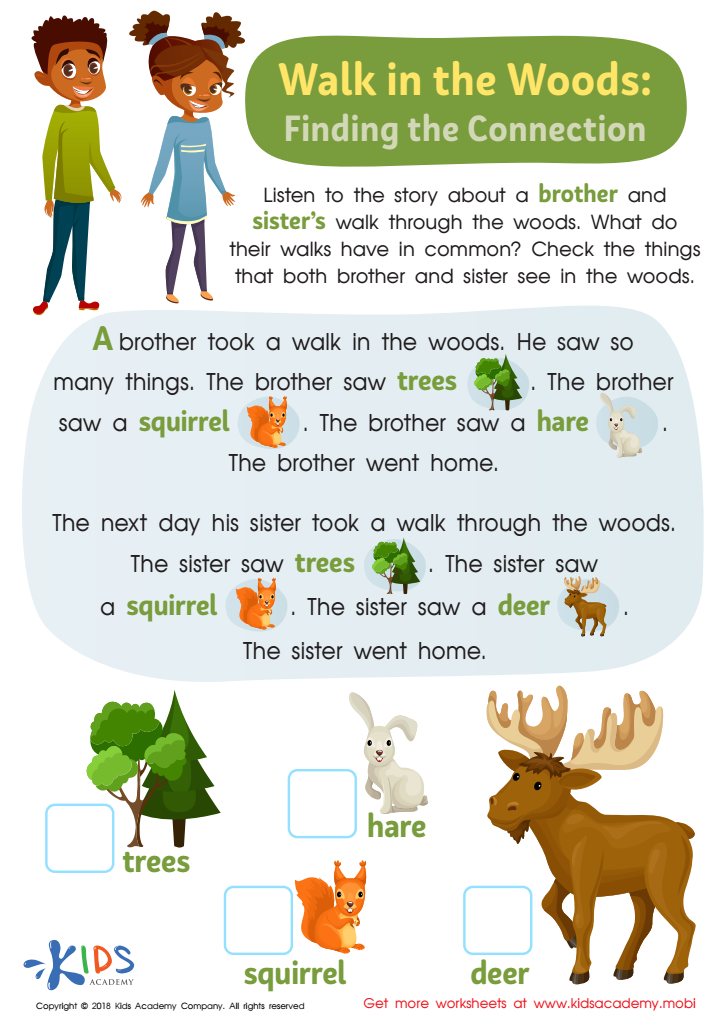
Walk In the Woods: Finding Connections Worksheet
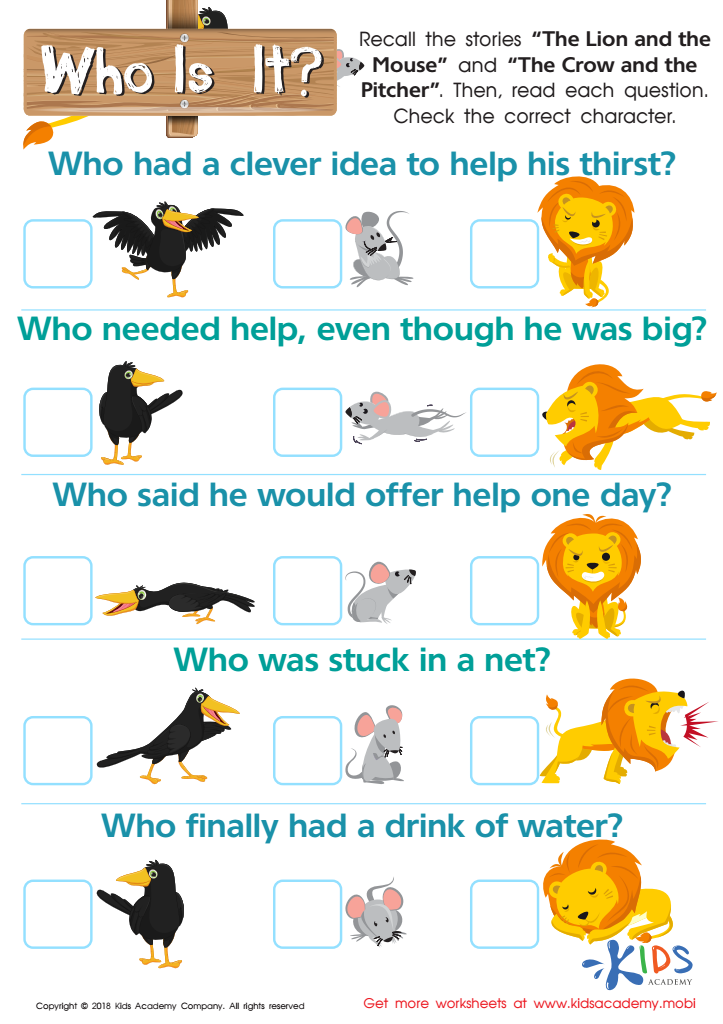
Who Is It? Worksheet
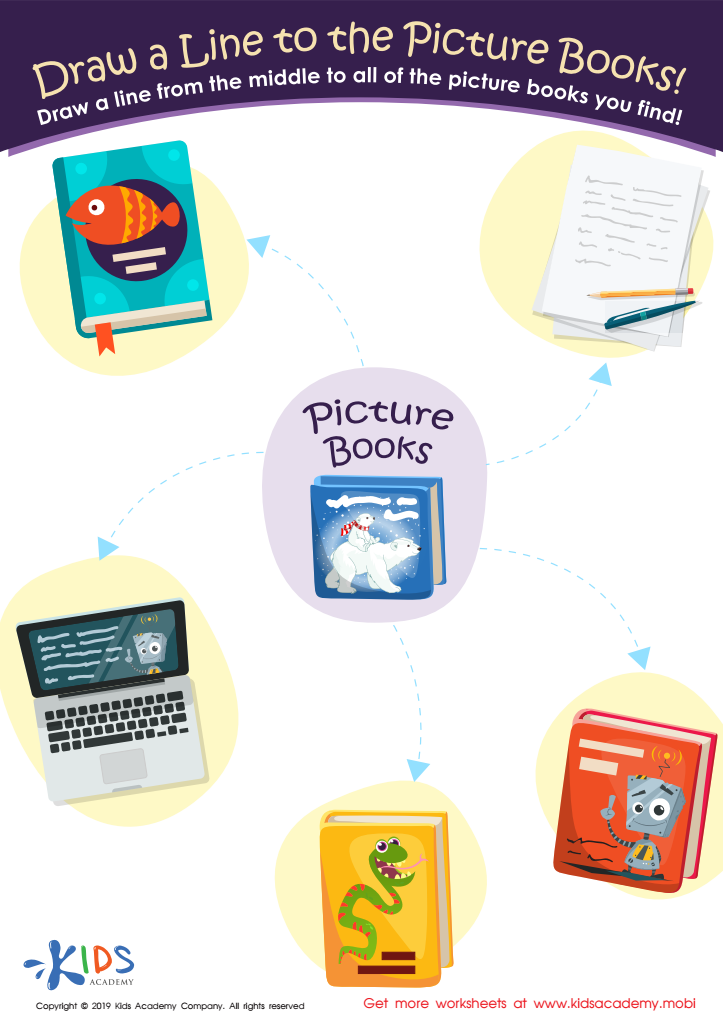
Draw a Line to the Picture Books Worksheet
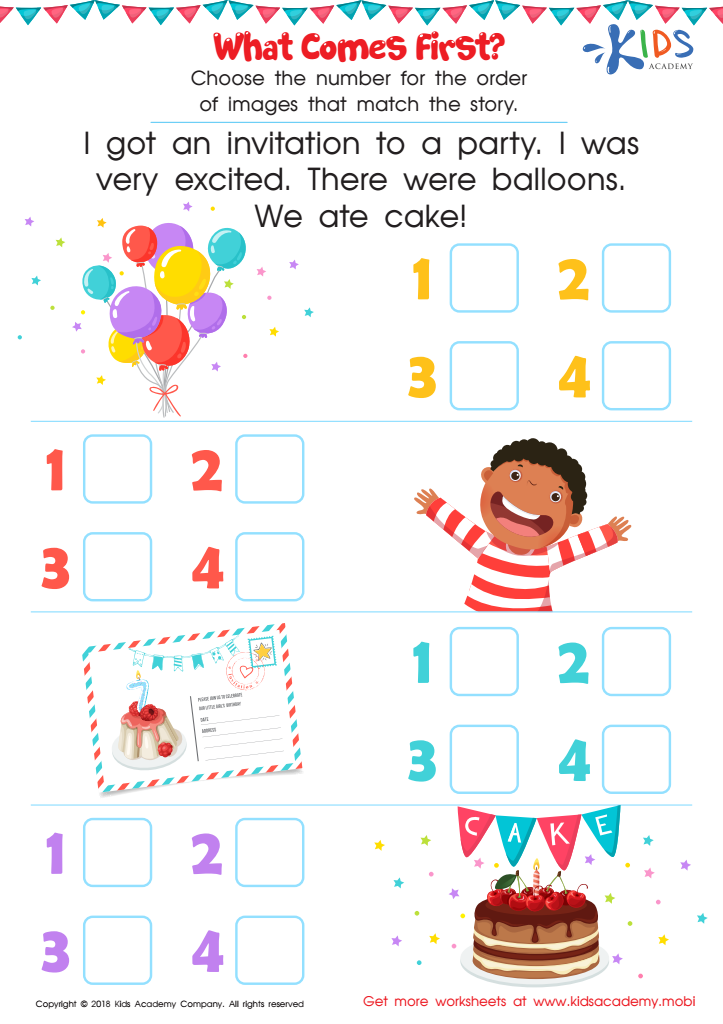
What Comes First Worksheet
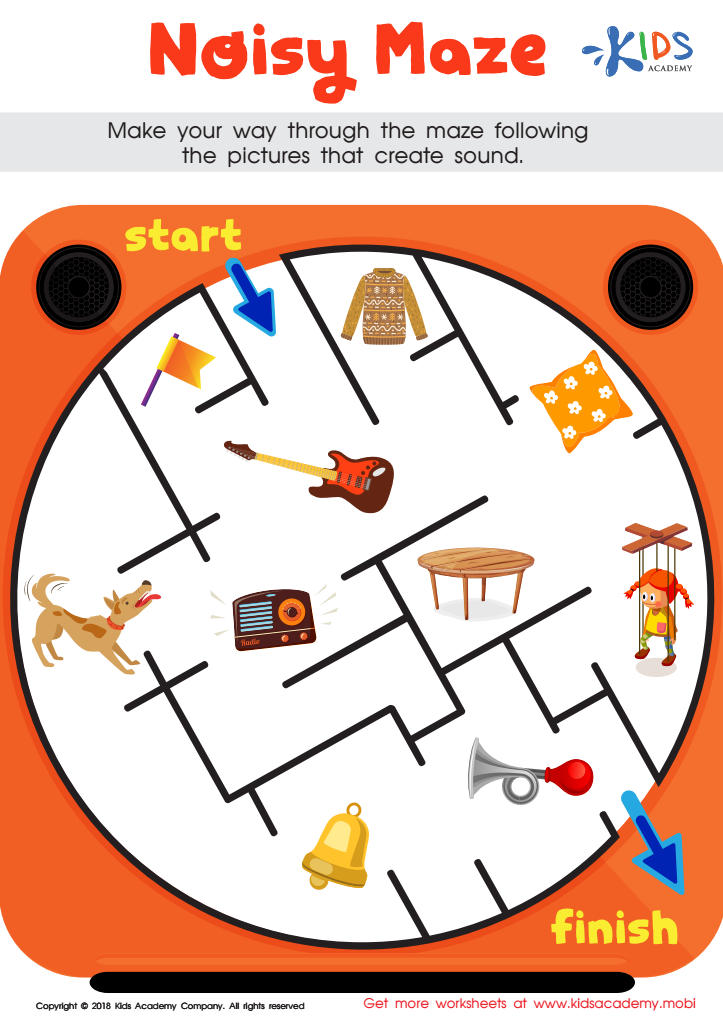
Noisy Maze Worksheet


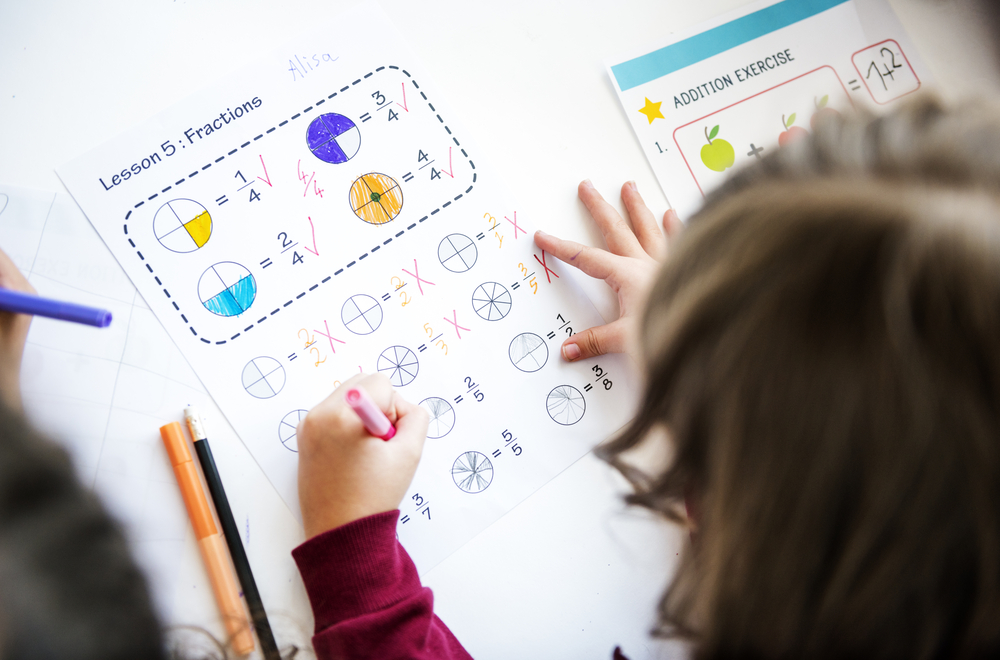



Logical thinking is a crucial skill for children ages 5-9, as it lays the foundational framework for problem-solving, critical thinking, and effective decision-making. During these formative years, children are rapidly developing cognitive abilities, and reinforcing logical reasoning can significantly enhance their academic performance and everyday life.
Parents and teachers should prioritize nurturing this skill because it encourages children to analyze situations, recognize patterns, and make sound judgments. Engaging in activities that promote logical thinking—such as puzzles, games, and open-ended questions—stimulates curiosity and sparks creativity. Additionally, these activities help children understand cause-and-effect relationships, which are essential for grasping more complex subjects later on, such as mathematics and science.
Moreover, the ability to think logically empowers children to solve conflicts and evaluate choices more effectively, developing their emotional intelligence and self-awareness. As they grow, these skills will aid in their social interactions and academic challenges. Ultimately, fostering logical thinking in young children equips them with the tools for future success and lays the groundwork for lifelong learning, making it vital for both parents and teachers to actively engage in promoting this essential skill.








