Pattern recognition Normal Worksheets for Ages 5-9
13 filtered results
-
From - To
Explore our engaging Pattern Recognition Normal Worksheets designed specifically for children aged 5-9! These worksheets are perfect for developing essential cognitive skills such as visual discrimination, observation, and logical thinking. Through colorful graphics and interactive activities, children will practice identifying, completing, and extending a variety of patterns, promoting critical thinking and problem-solving abilities. These fun exercises not only enhance academic learning but also provide a wonderful supplement to classroom routines or homeschooling. Download and inspire your young learners today with our affordable, high-quality resources that make mastering pattern recognition a delightful adventure! Perfect for educators and parents alike!
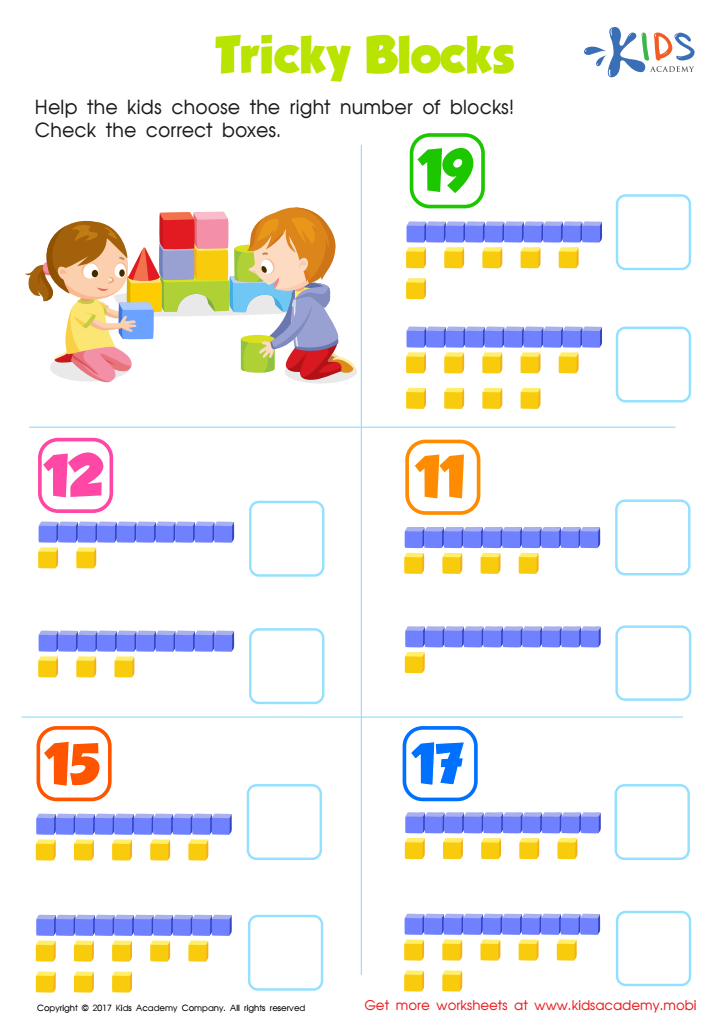
Tricky Blocks Worksheet
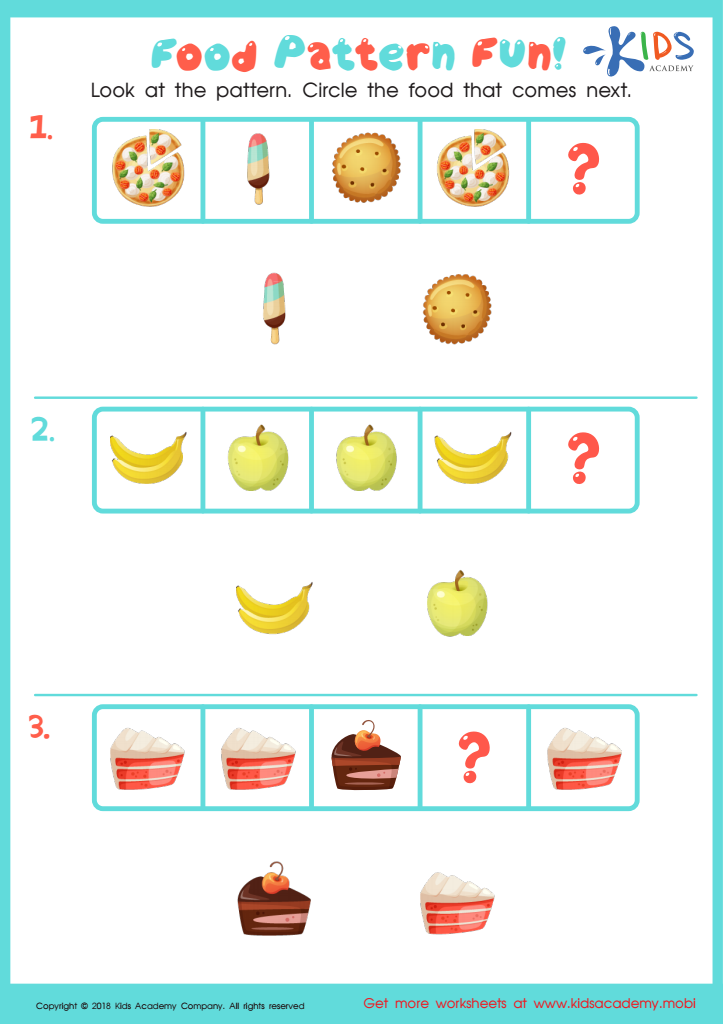
Food Pattern Fun Worksheet
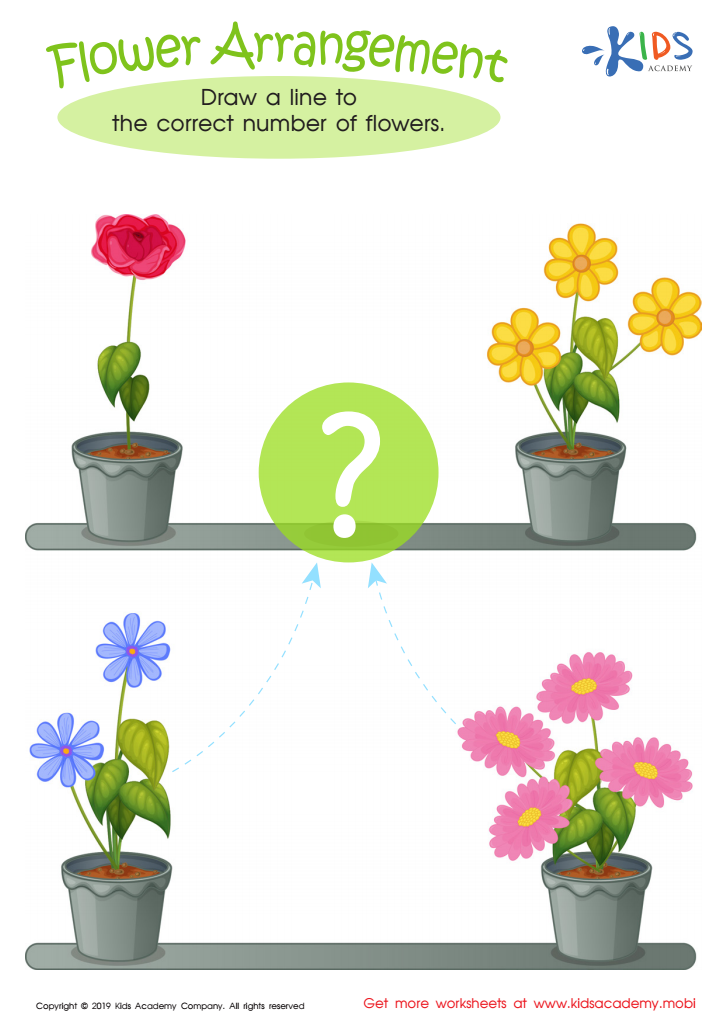
Flower Arrangement Worksheet
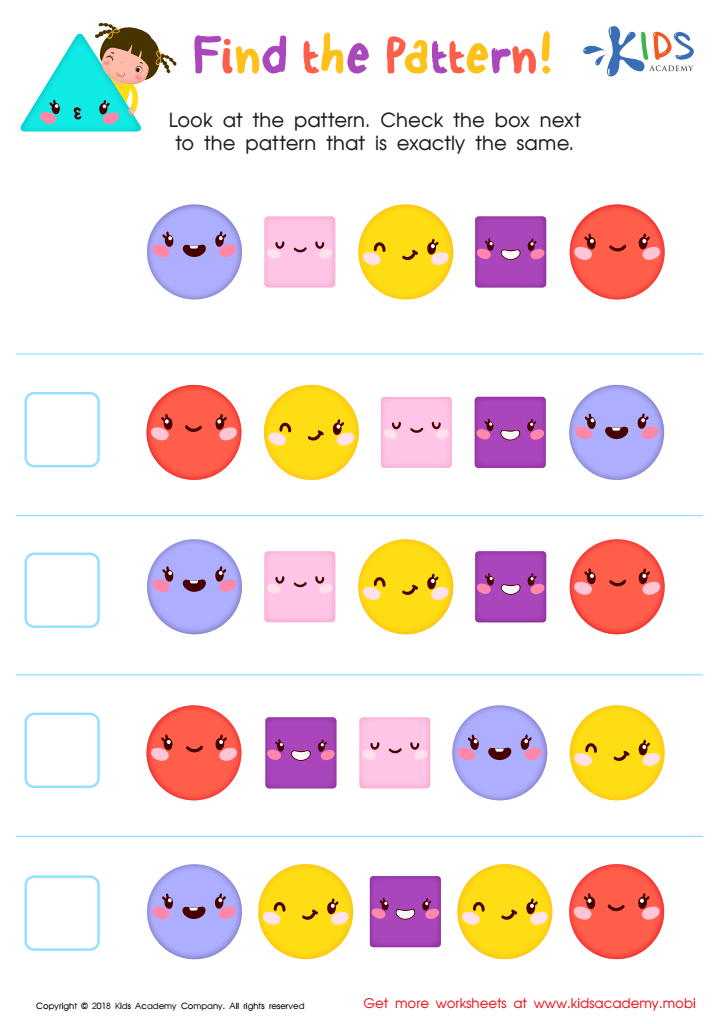
Find the Pattern Worksheet
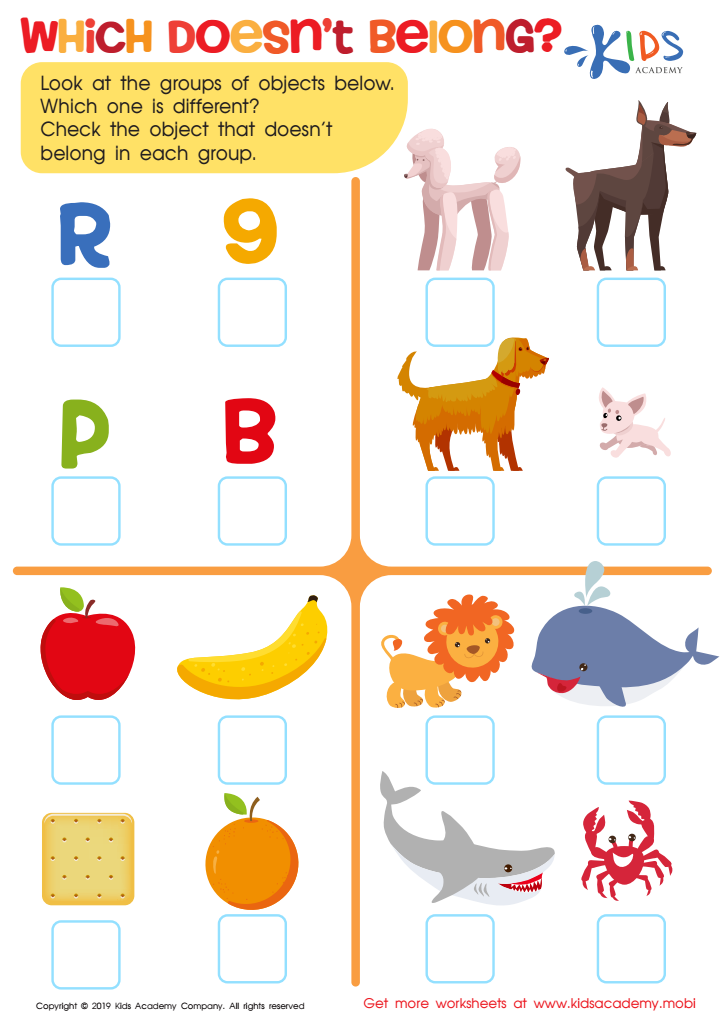
Which Doesn't Belong? Worksheet
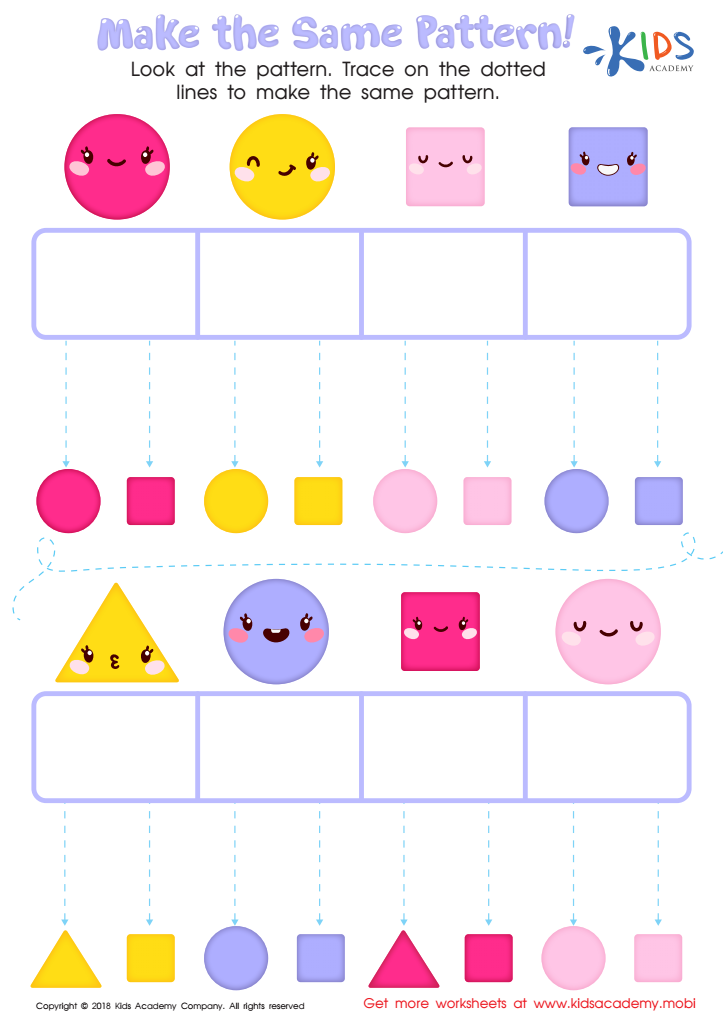
Make the Same Pattern Worksheet
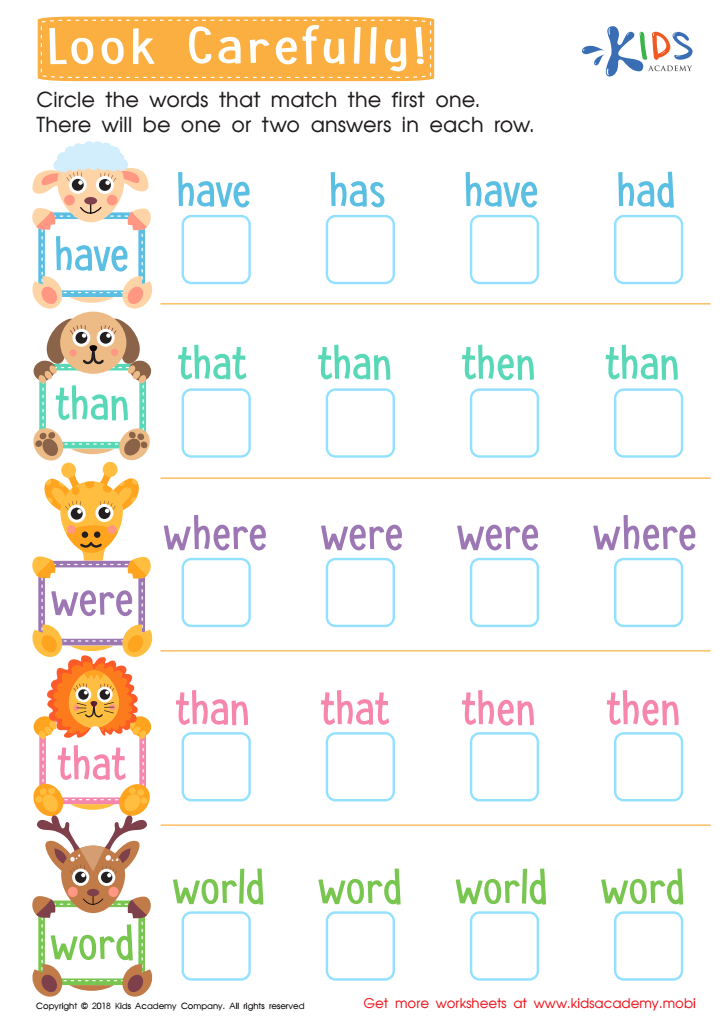
Look Carefully Worksheet
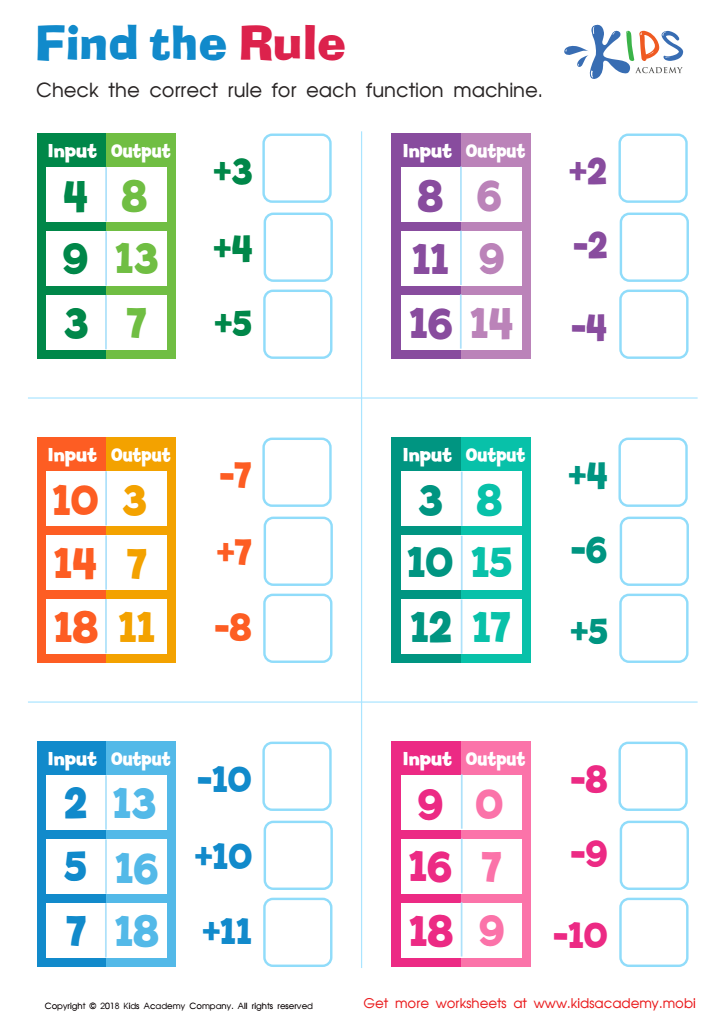
Find the Rule Worksheet
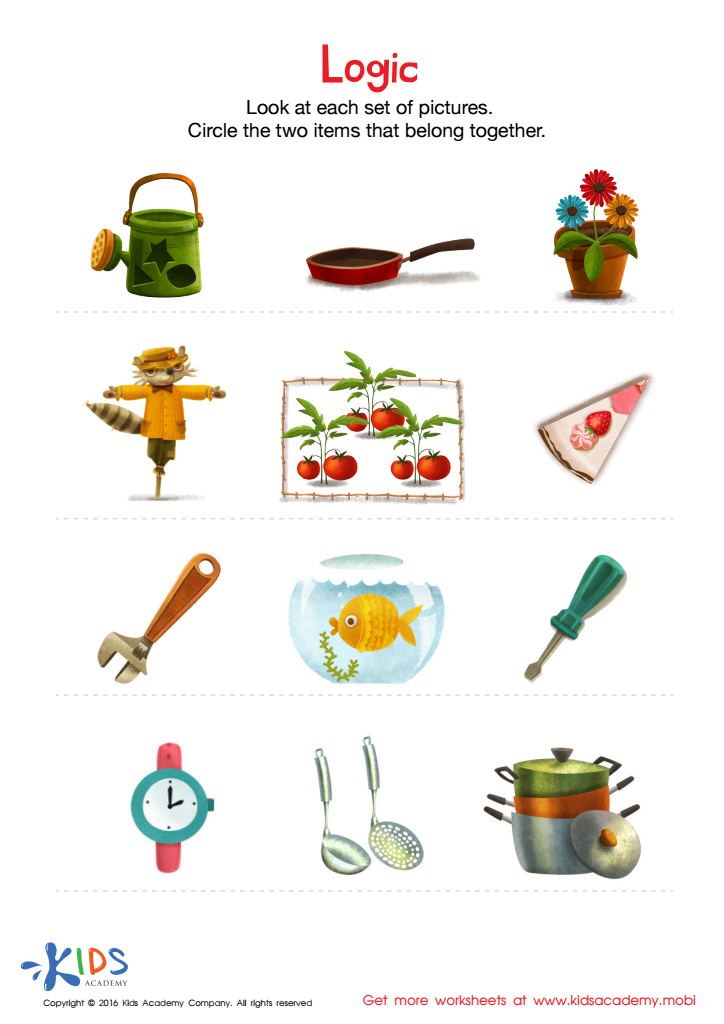
Logic Game Sorting Worksheet
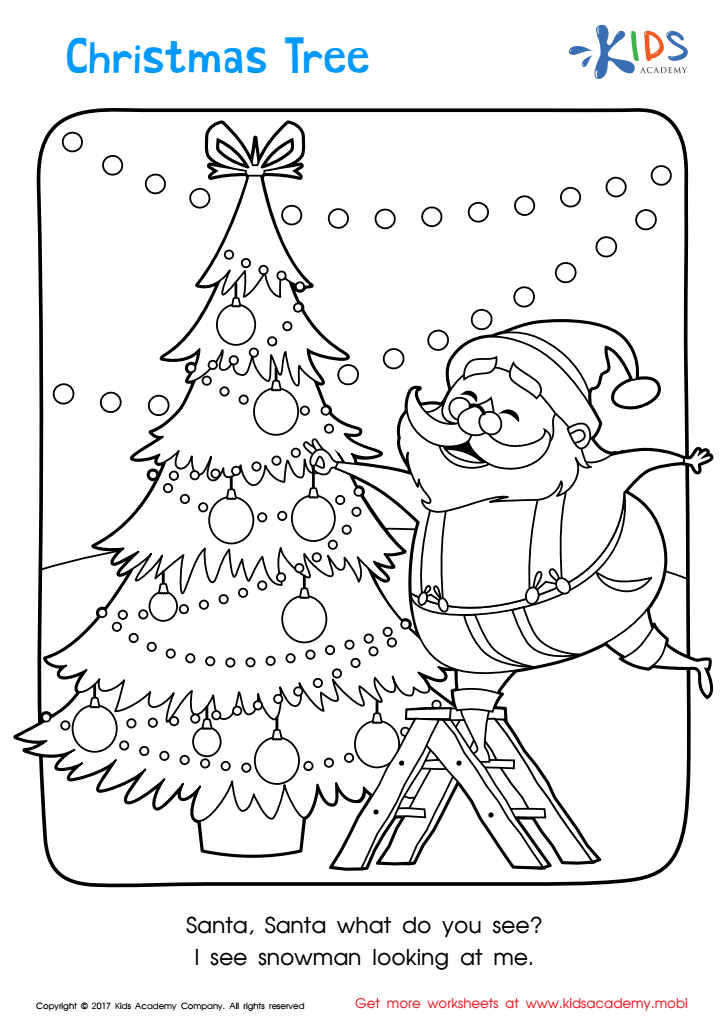
Christmas: Christmas Tree Printable
 Assign to My Students
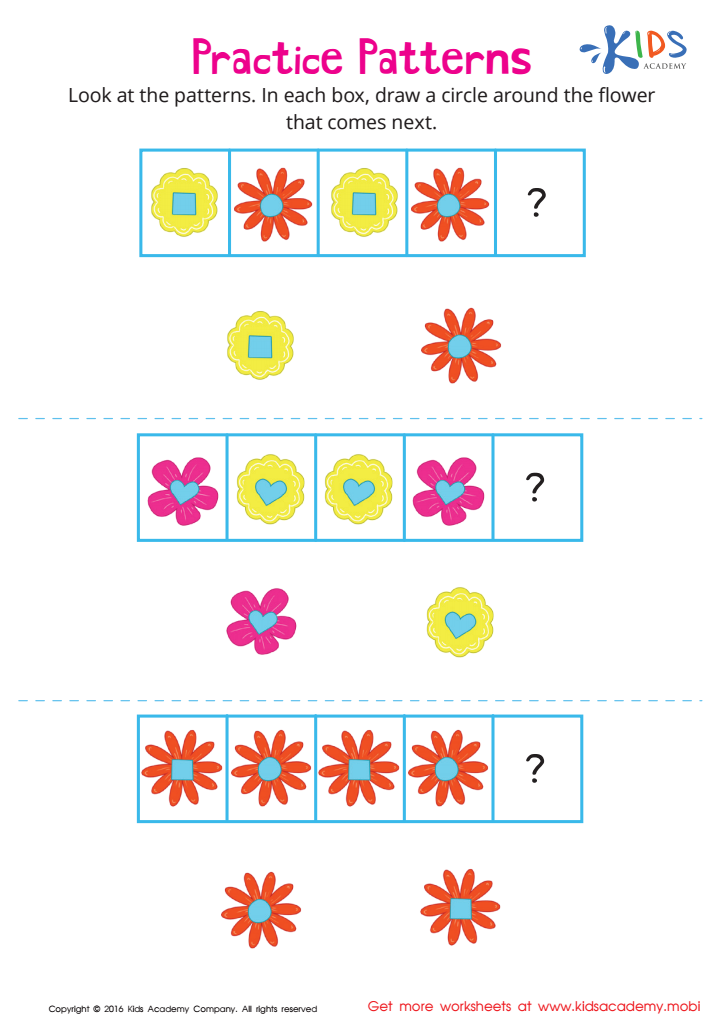
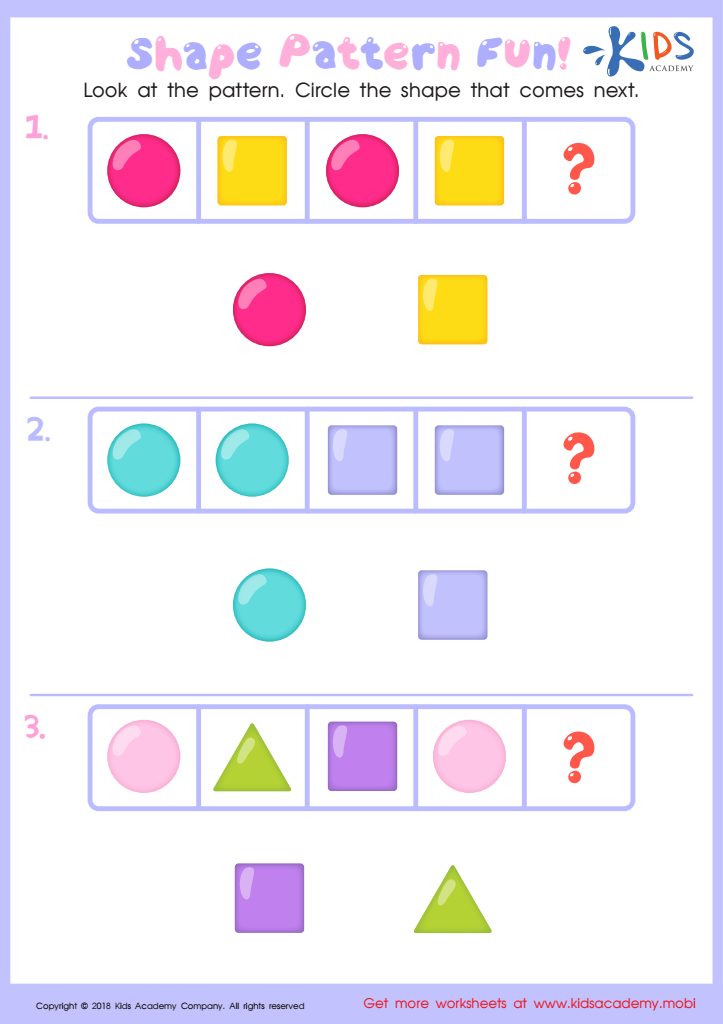
Shape Pattern Fun Worksheet
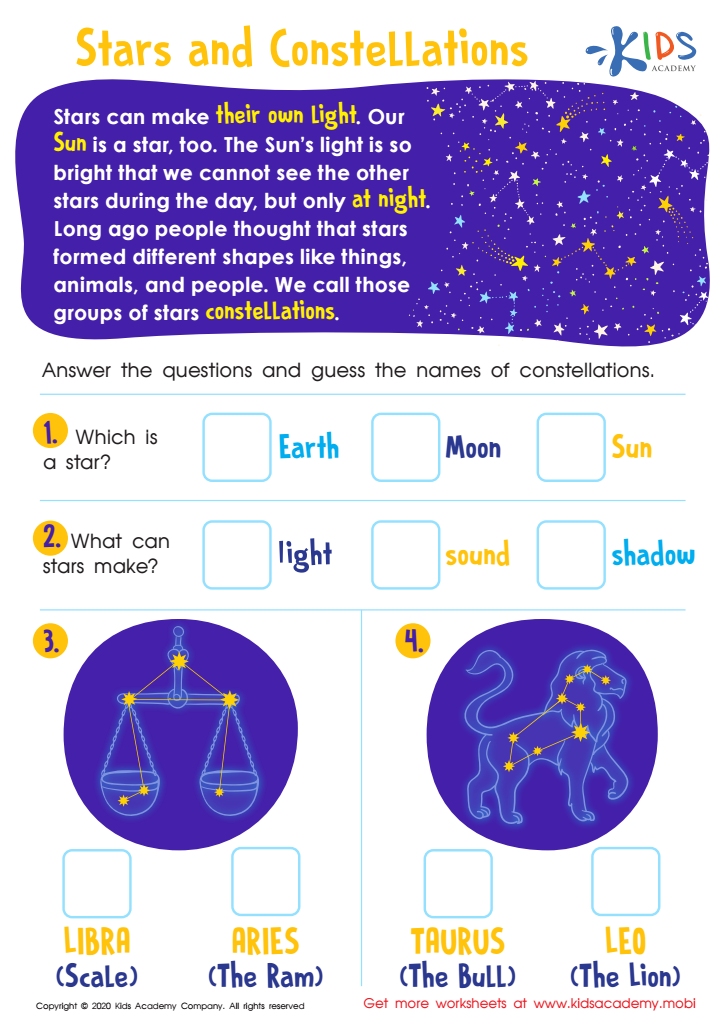
Stars and Constellations Worksheet








Pattern recognition is a crucial skill for children aged 5-9, as it lays the foundation for critical thinking and problem-solving abilities. At this age, children are naturally curious and eager to understand the world around them. Recognizing patterns helps them make connections, which is integral to their cognitive development.
For parents and teachers, fostering pattern recognition enhances children’s learning experiences across various subjects. For instance, in mathematics, recognizing numeric patterns aids in grasping concepts like addition, subtraction, and multiplication. In science, understanding patterns in nature—such as seasons or life cycles—encourages curiosity about the environment.
Additionally, pattern recognition extends to language development. Children learn word patterns and rhymes, enriching their vocabulary and reading skills. This skill also nourishes creativity, as it encourages children to identify similarities and differences in art, music, and stories.
Ultimately, by nurturing pattern recognition, adults can help children become more adept learners, leading to improved academic performance and confidence. Encouraging this skill at a young age not only benefits their immediate educational journey but also sets the groundwork for lifelong analytical skills, making it a priority for parents and teachers alike.








