Normal Math Worksheets for Ages 5-9 - Page 2
557 filtered results
-
From - To
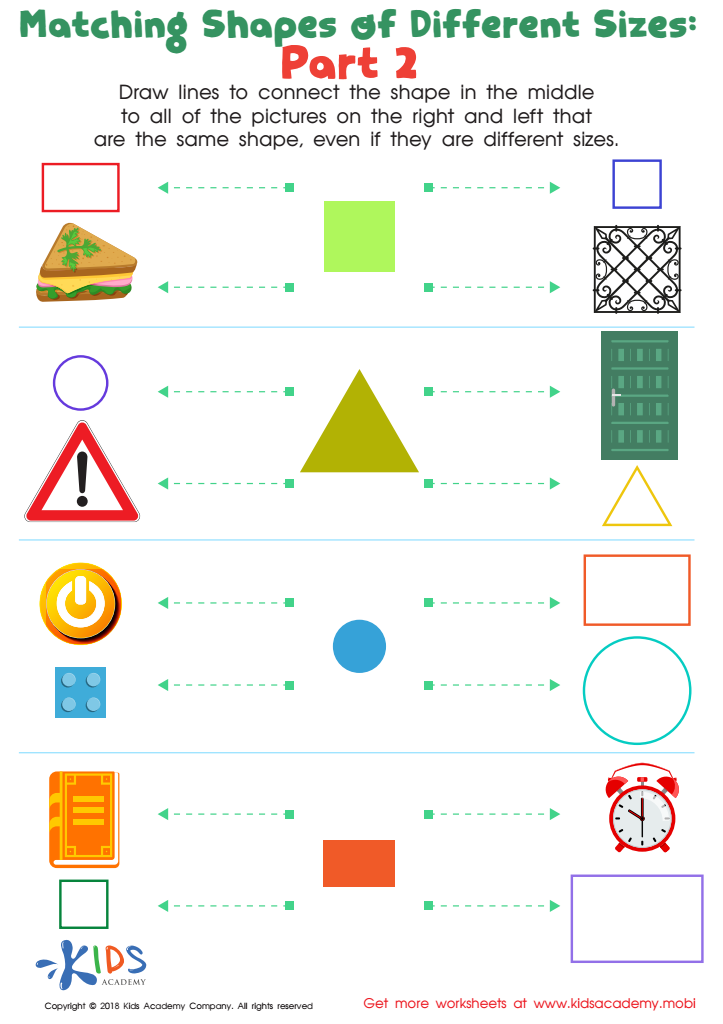
Geometry: Part 2 Worksheet
 Assign to My Students
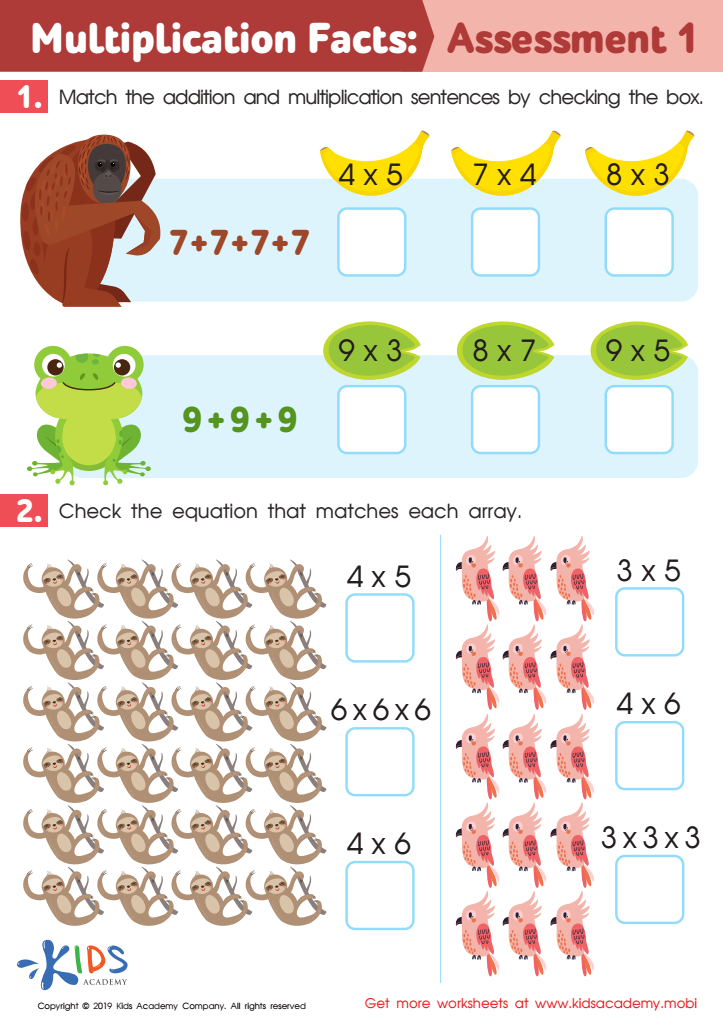
Multiplication Facts: Assessment 1 Worksheet
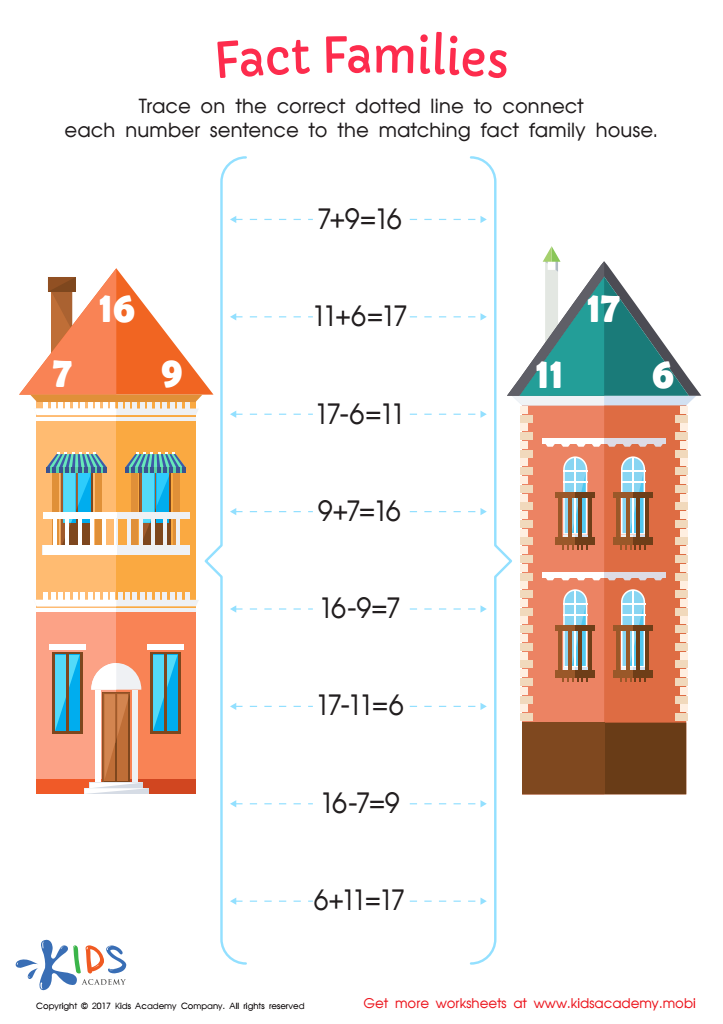
Fact Families — Add and Subtract Worksheet
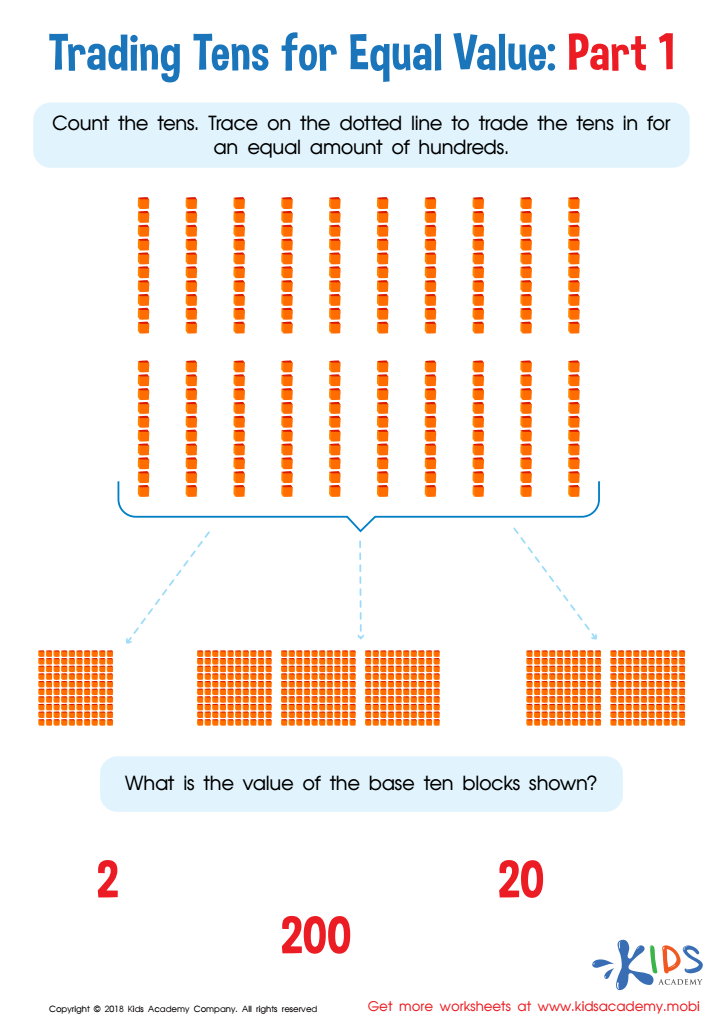
Trading Tens for Equal Value Worksheet: Part 1
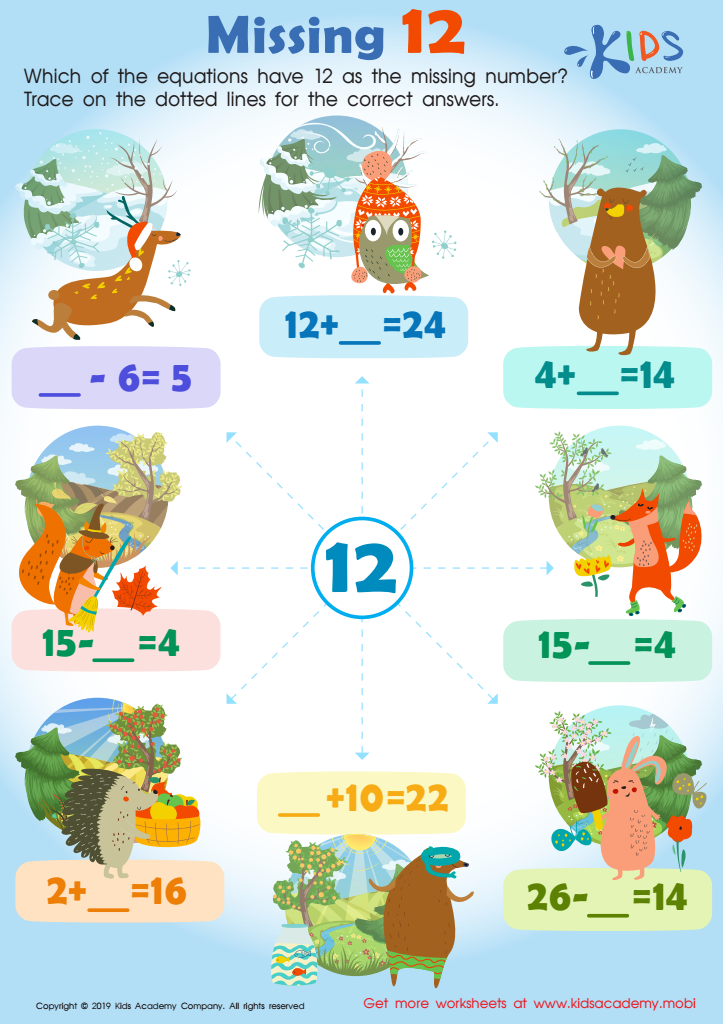
Missing 12 Worksheet
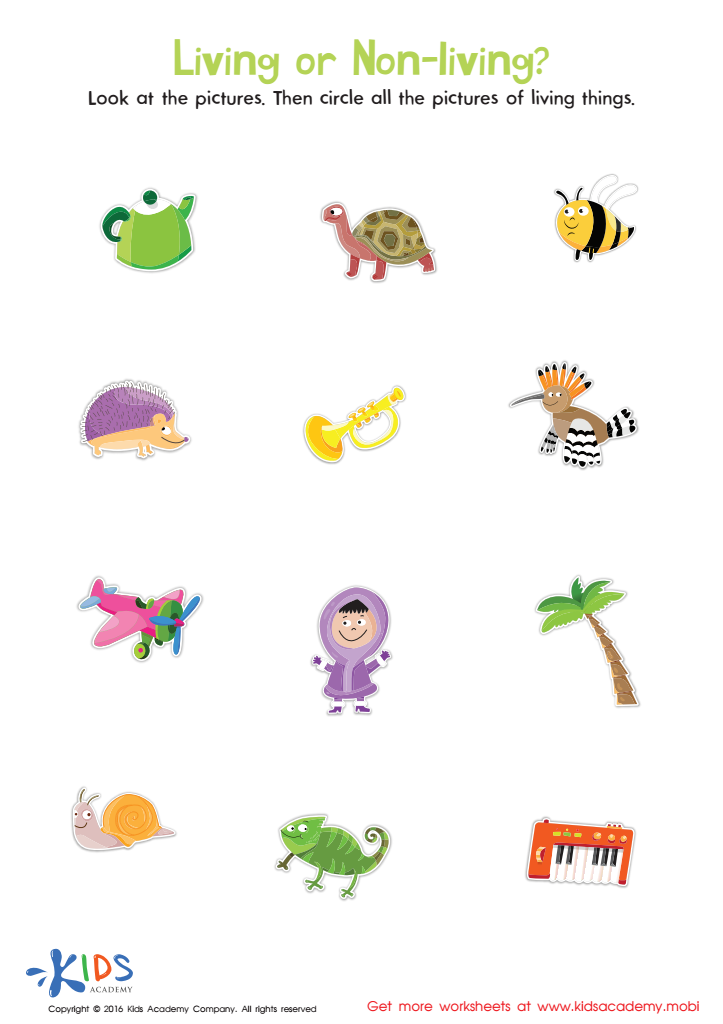
Identifying Living and Non–living Things Sorting Worksheet
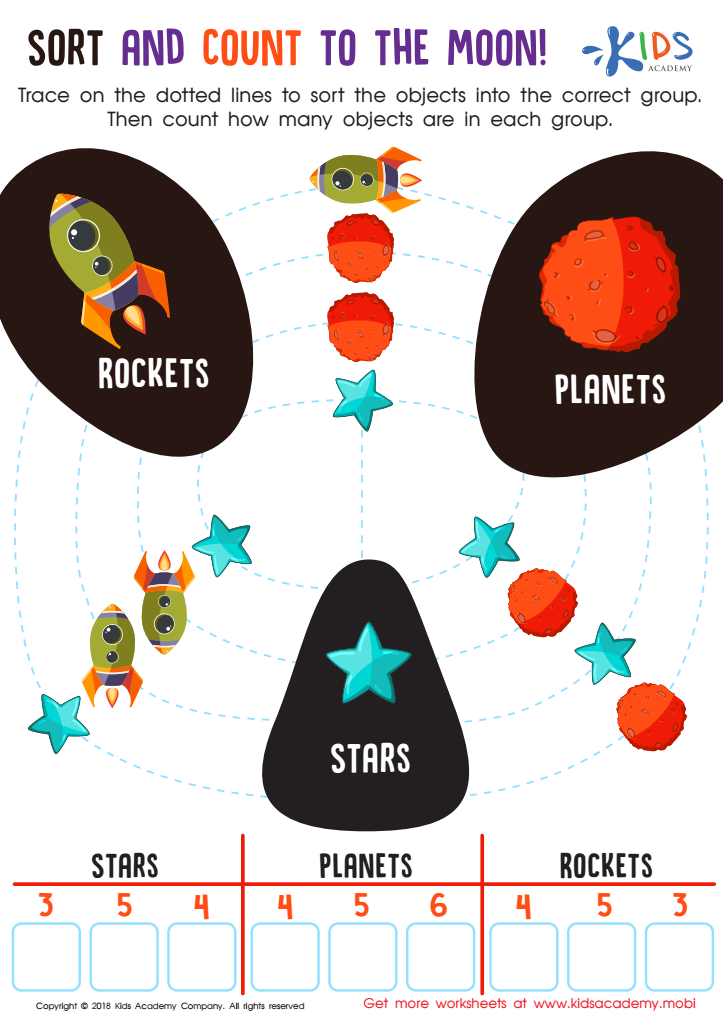
Sort and Count to the Moon Worksheet
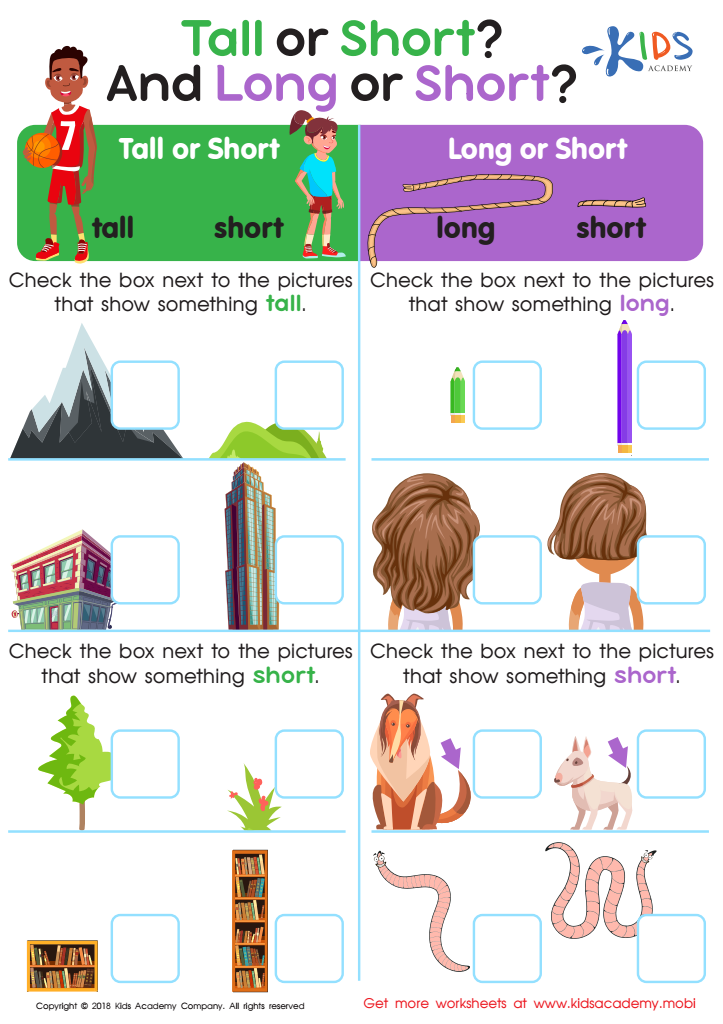
Tall or Short and Long or Short? Worksheet
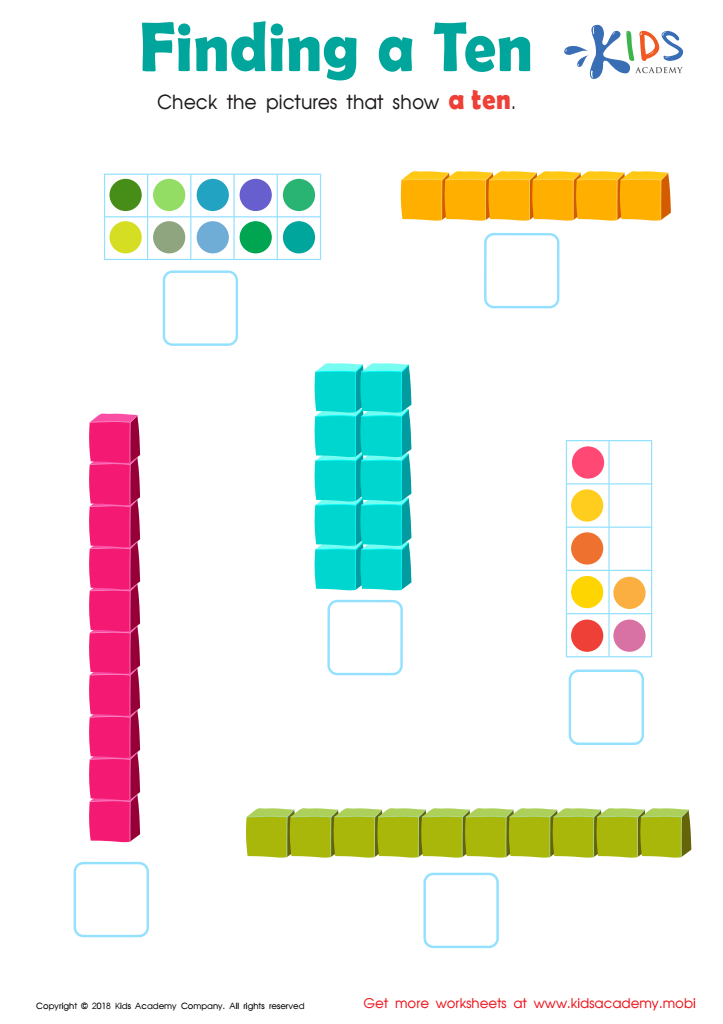
Finding a Ten Worksheet
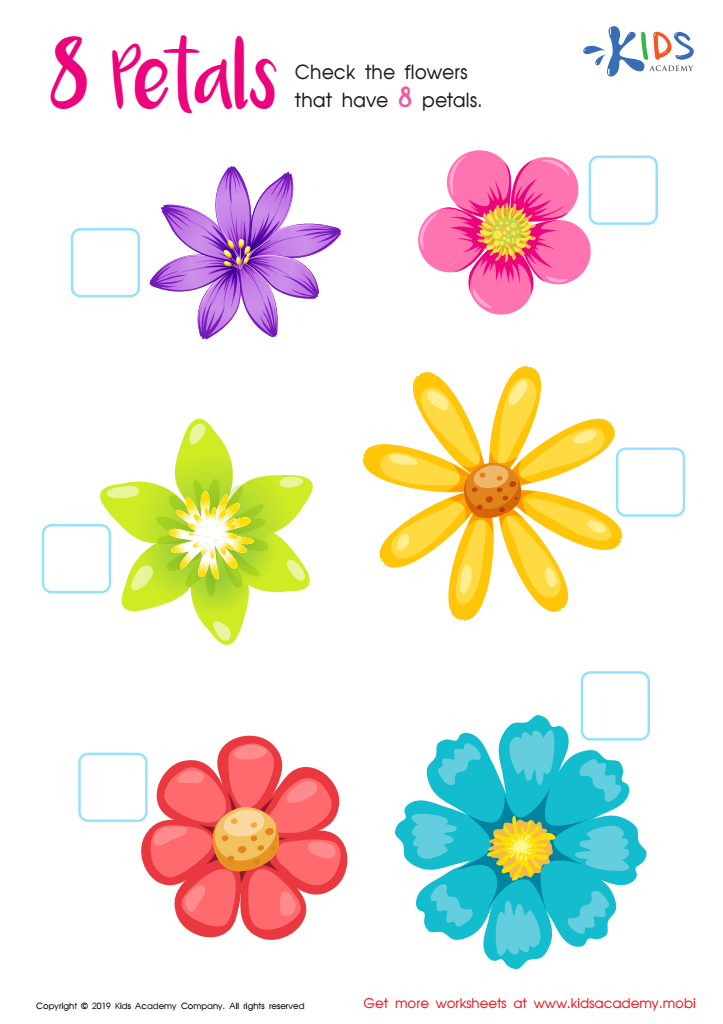
8 Petals Worksheet
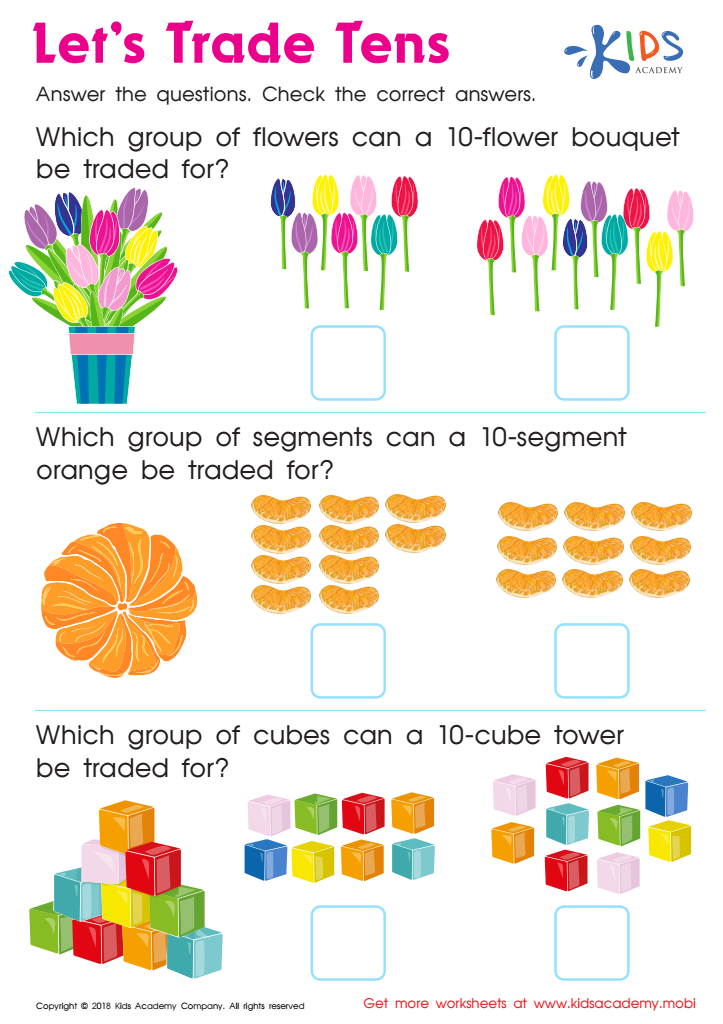
Lets Trade Tens Worksheet
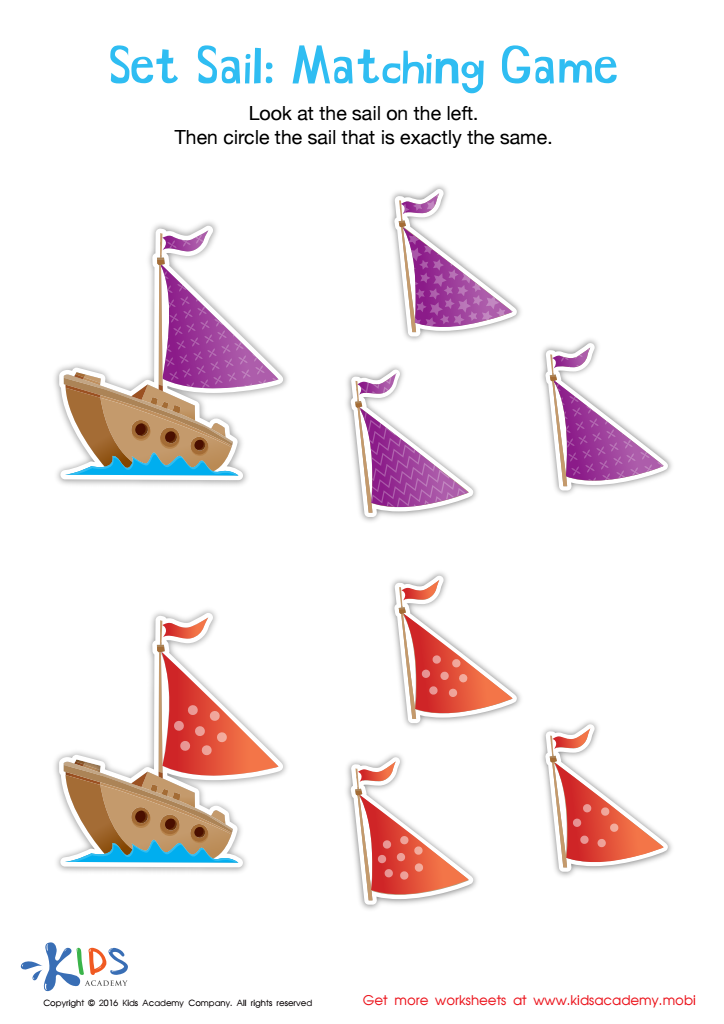
Set Sail Worksheet
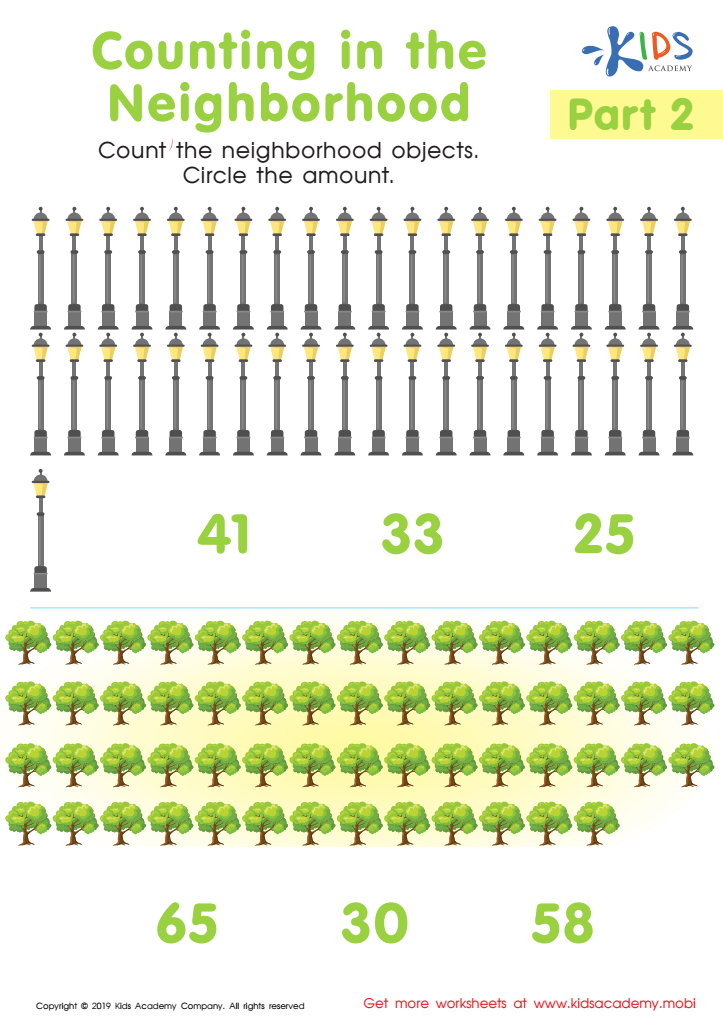
Counting In The Neighborhood Part 2 Worksheet
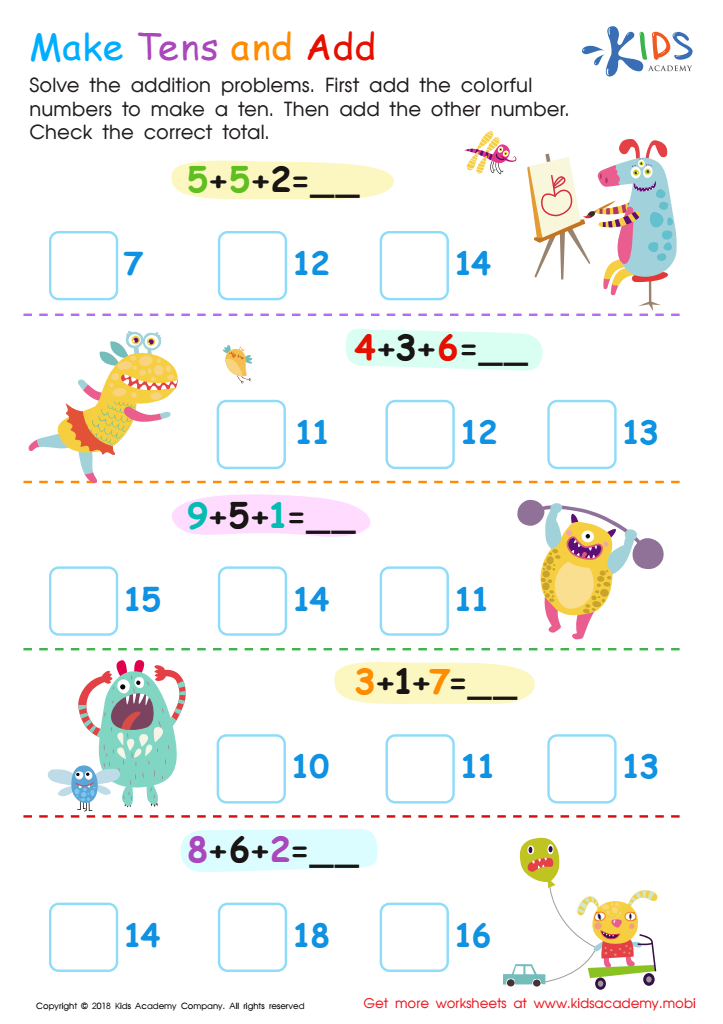
Make Tens and Add Worksheet
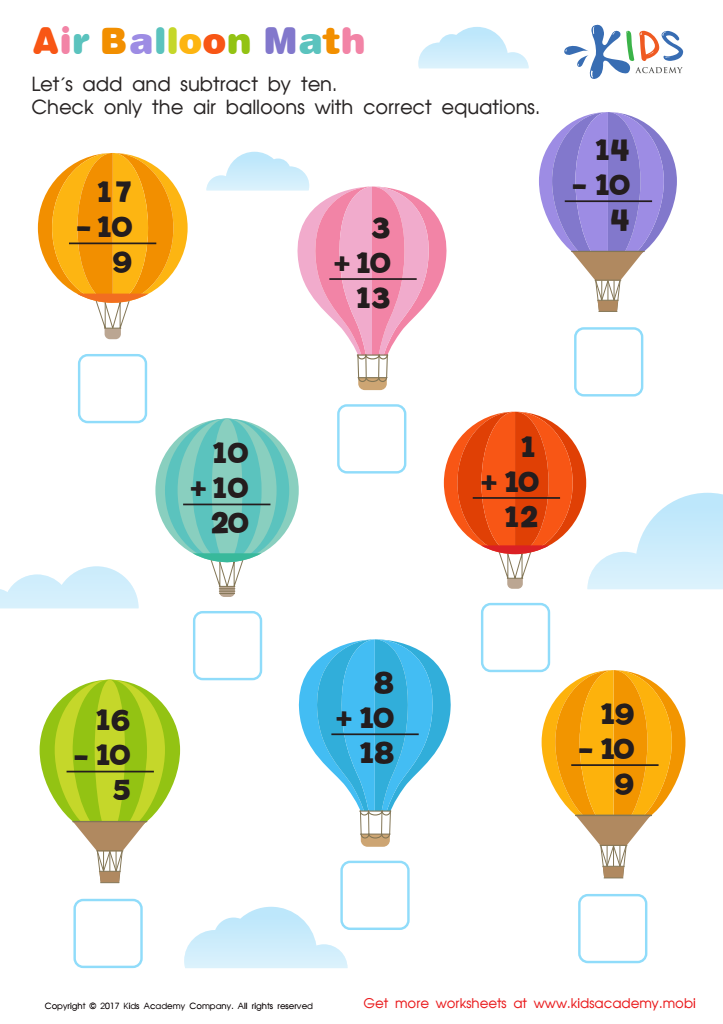
Air Balloon Math Worksheet
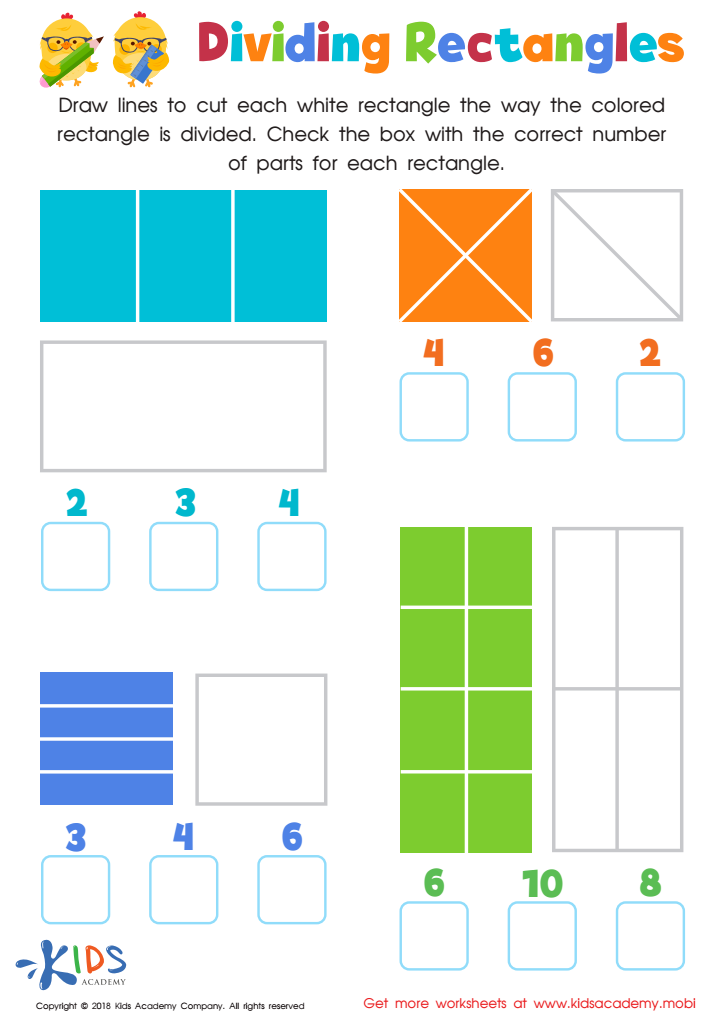
Dividing Rectangles Worksheet
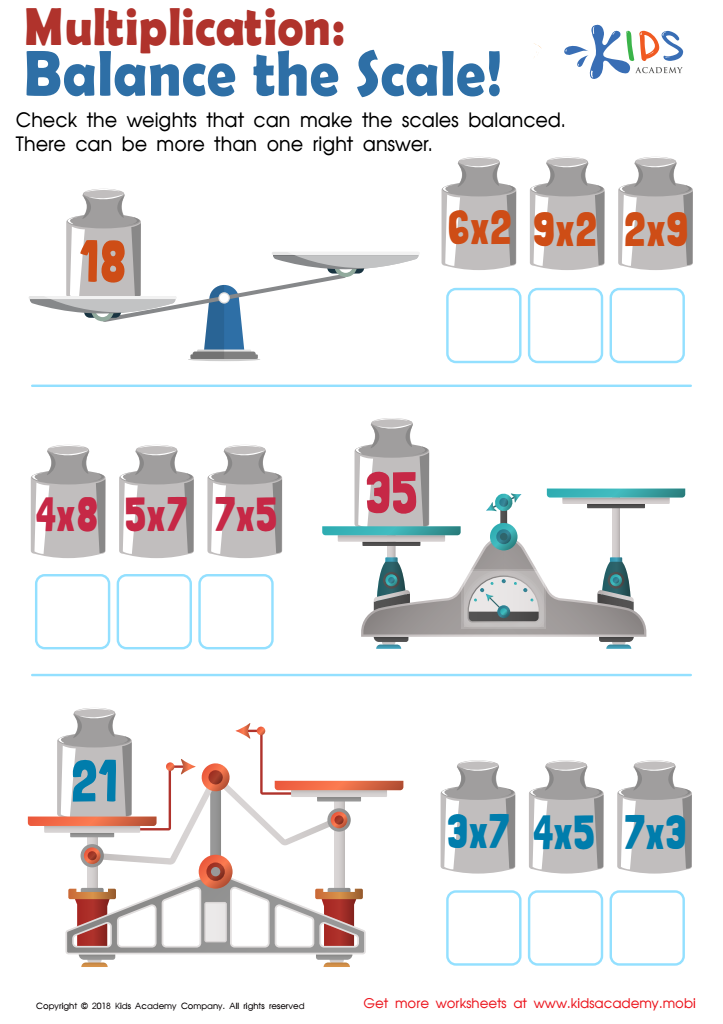
Balance the Scales Multiplication Worksheet
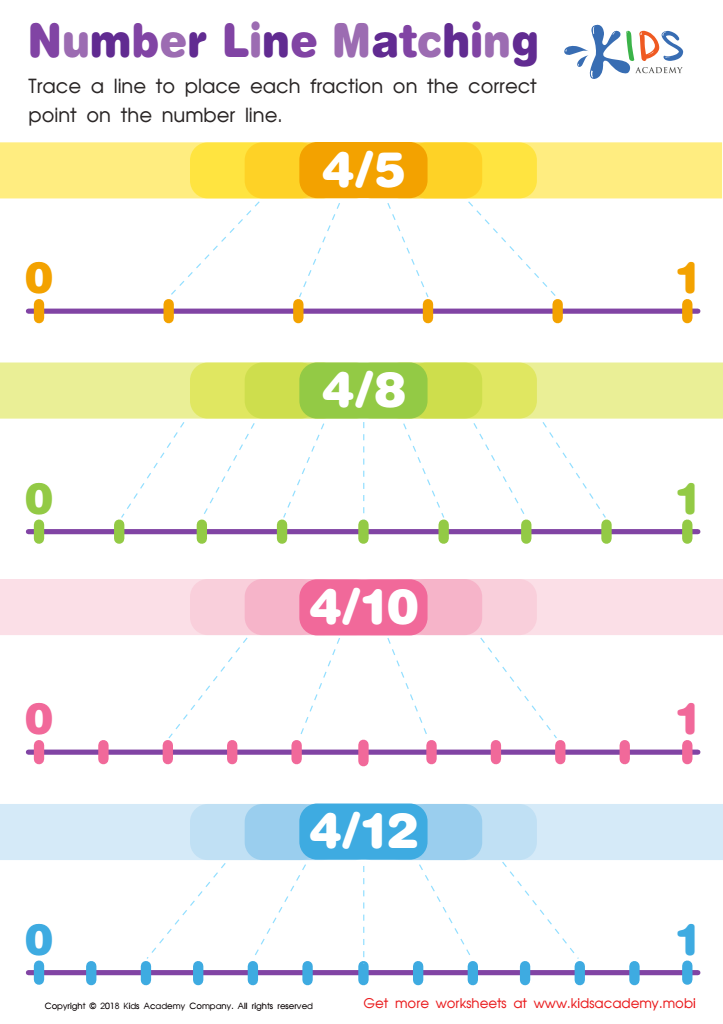
Number Line Matching Worksheet
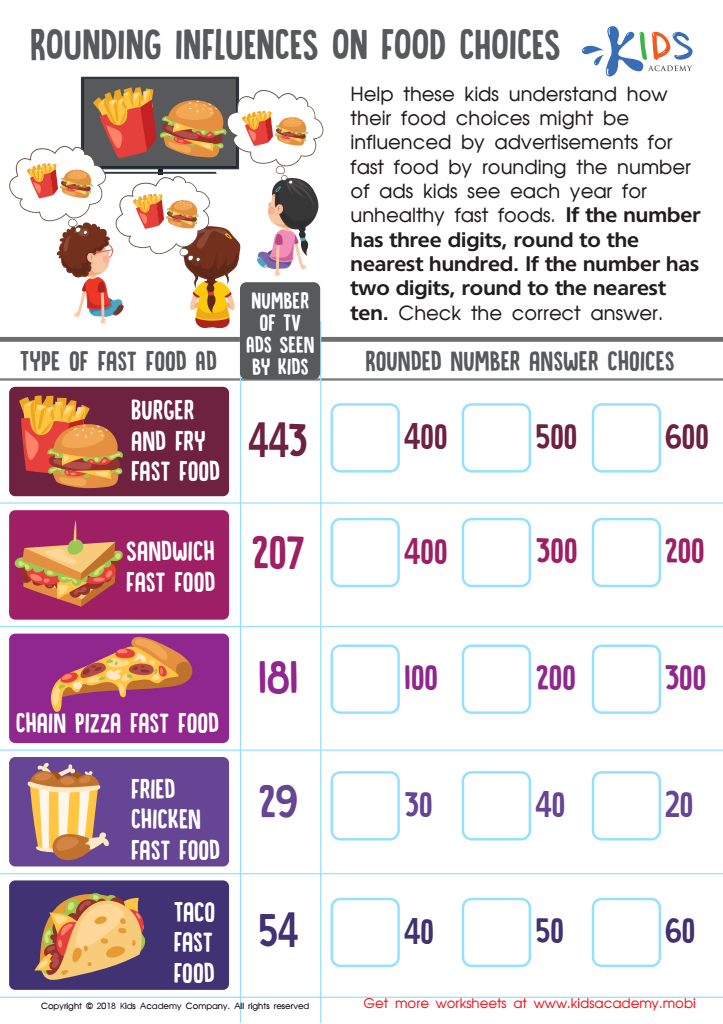
Rounding Influences Food Choices Worksheet
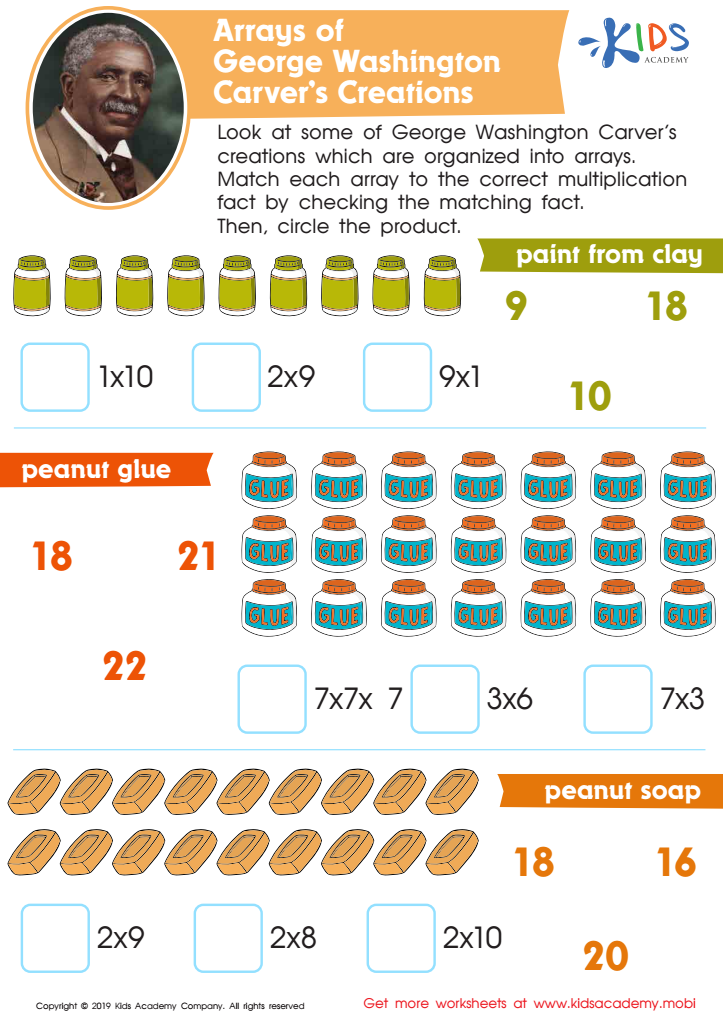
Arrays of George Washington Carver’s Creations Worksheet
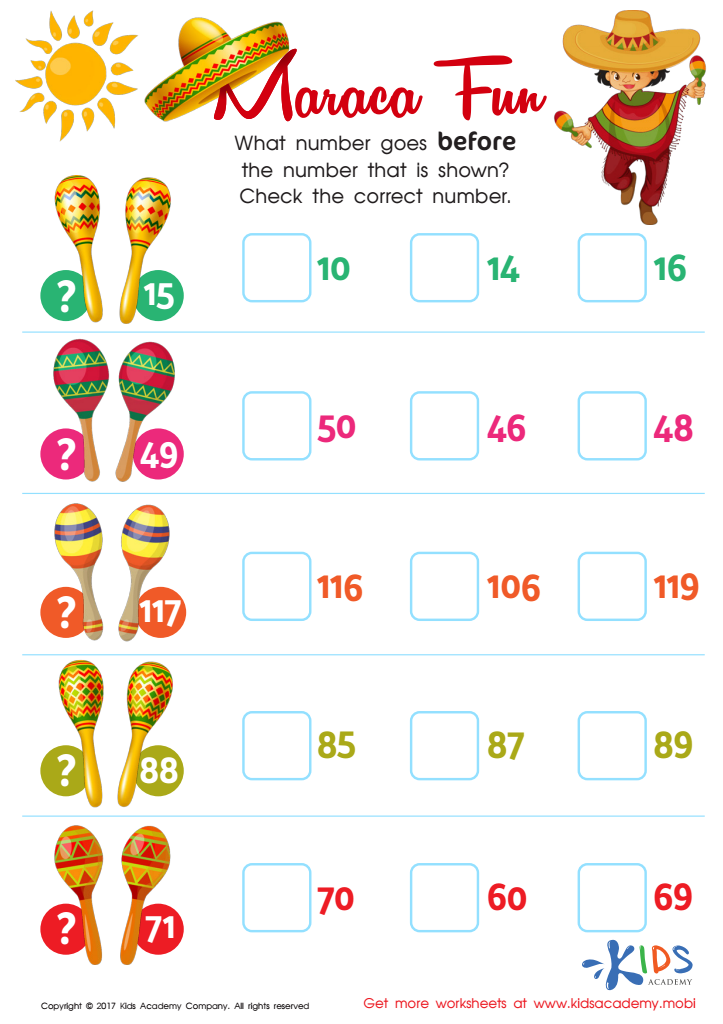
Counting: Maraca Fun Worksheet

Count and Match Boxes with Vegetables
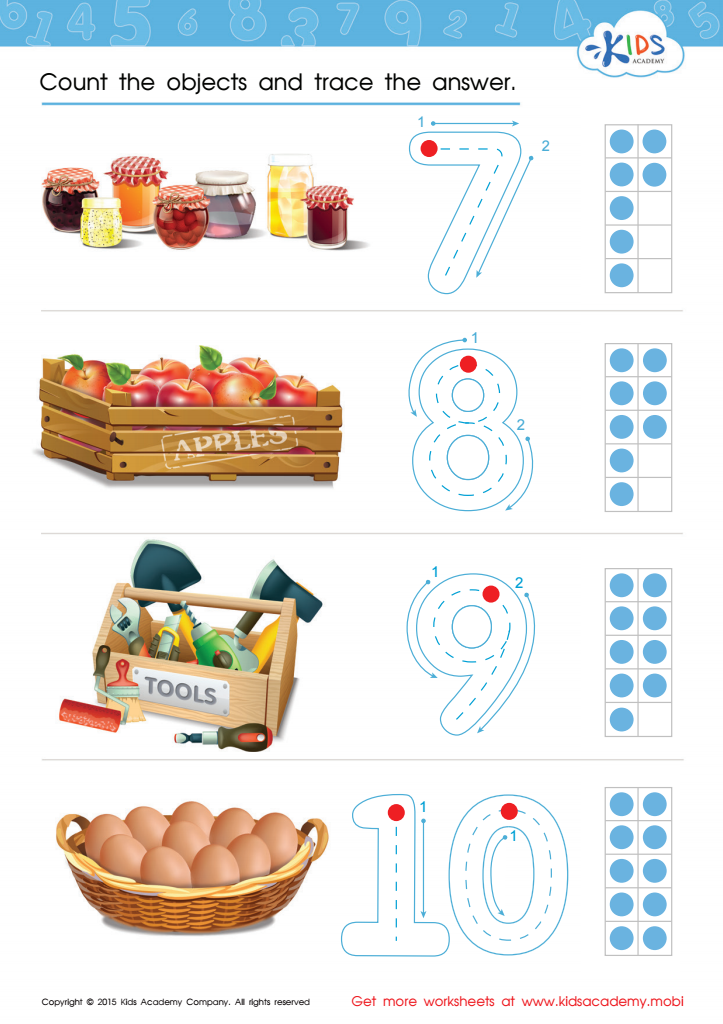
Count and Trace 7 – 10 Worksheet
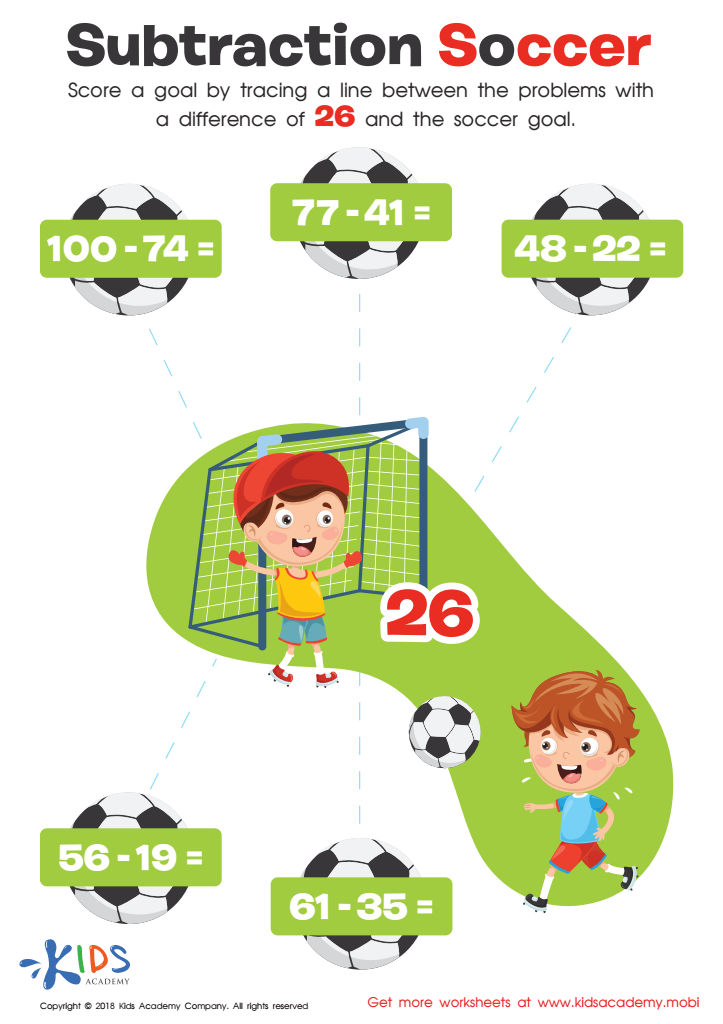
Subtraction Soccer Worksheet







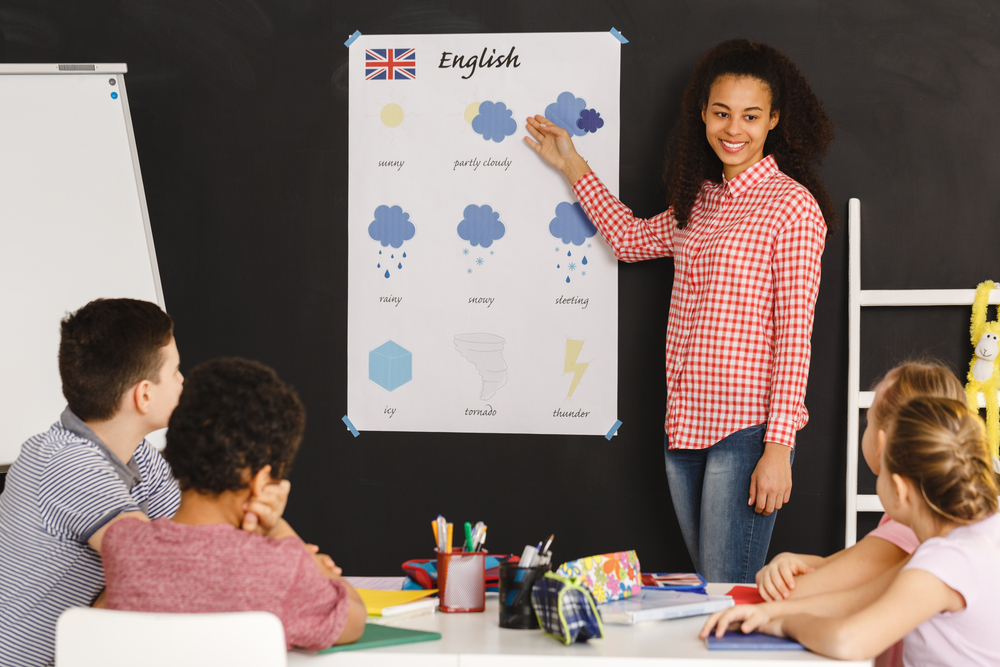
Parents and teachers should care about normal math for ages 5-9 because this foundational period is crucial for developing basic numeracy and problem-solving skills. During these early years, children are naturally curious and exhibit significant cognitive growth, making it the perfect time to introduce mathematical concepts. Understanding numbers, counting, basic arithmetic, shapes, and patterns forms the bedrock for future learning.
When parents and teachers emphasize math at this stage, they help develop a child's confidence and fluency in mathematical thinking. Early experiences with math can boost a child's curiosity, fostering a positive attitude toward learning that lasts a lifetime. Moreover, engaging in math activities enhances critical thinking, logical reasoning, and spatial awareness, all of which are vital across numerous academic subjects and everyday activities.
By supporting children in mastering age-appropriate math concepts, adults help pave the way for academic success. Skills learned through early math are linked to improved performance in later years, including standardized tests and advanced math courses. Therefore, caring about early math education isn't just about learning numbers; it's about equipping children with the tools they need to navigate a world increasingly centered around STEM (science, technology, engineering, and mathematics).








