Normal Addition Worksheets for Ages 5-9 - Page 2
68 filtered results
-
From - To
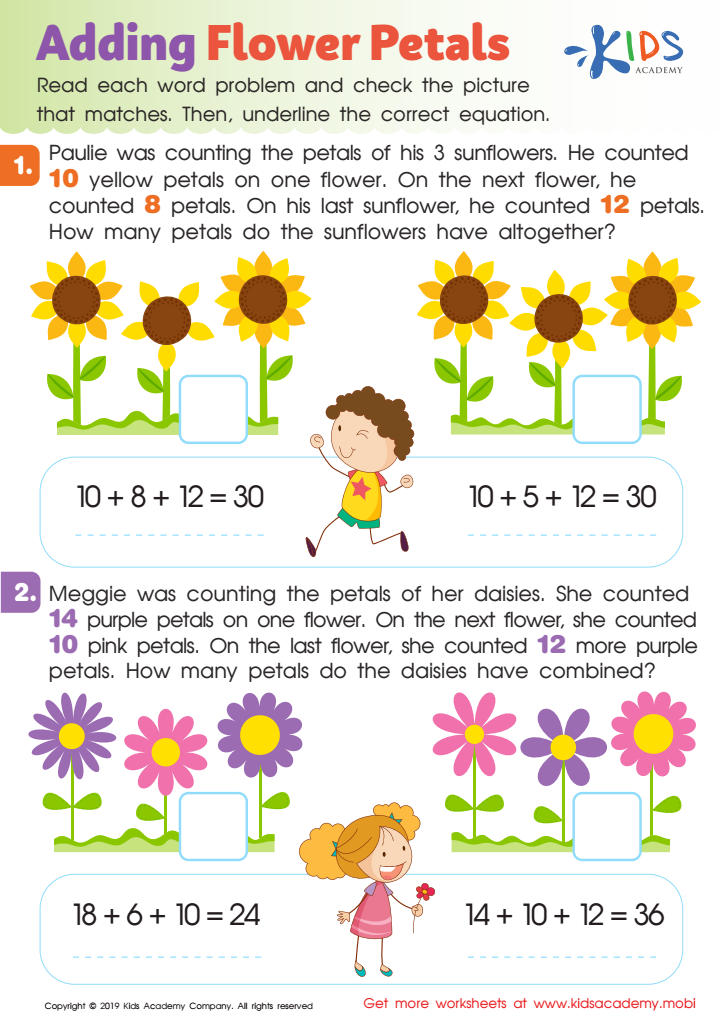
Adding Flower Petals Worksheet
 Assign to My Students
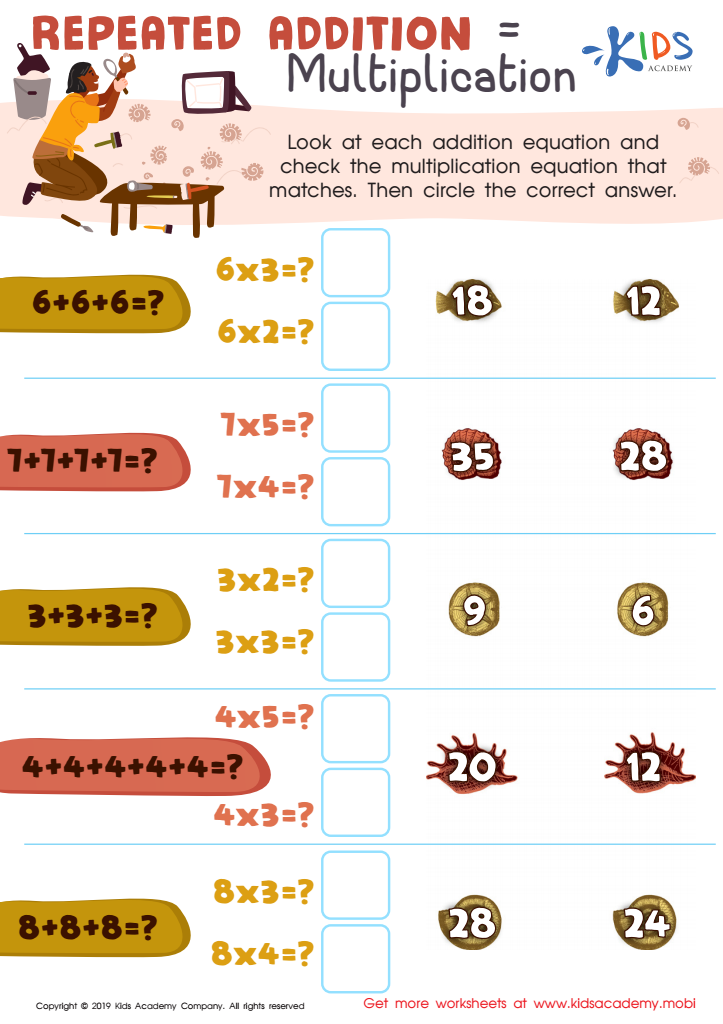
Repeated Addition = Multiplication Worksheet
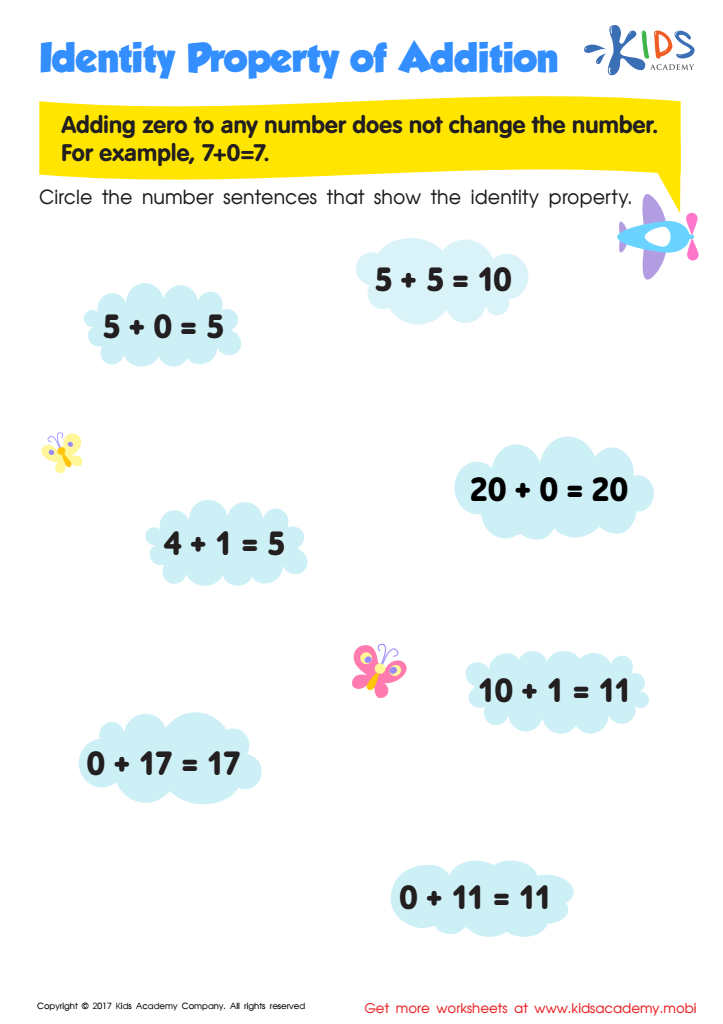
Identity Property of Addition Worksheet
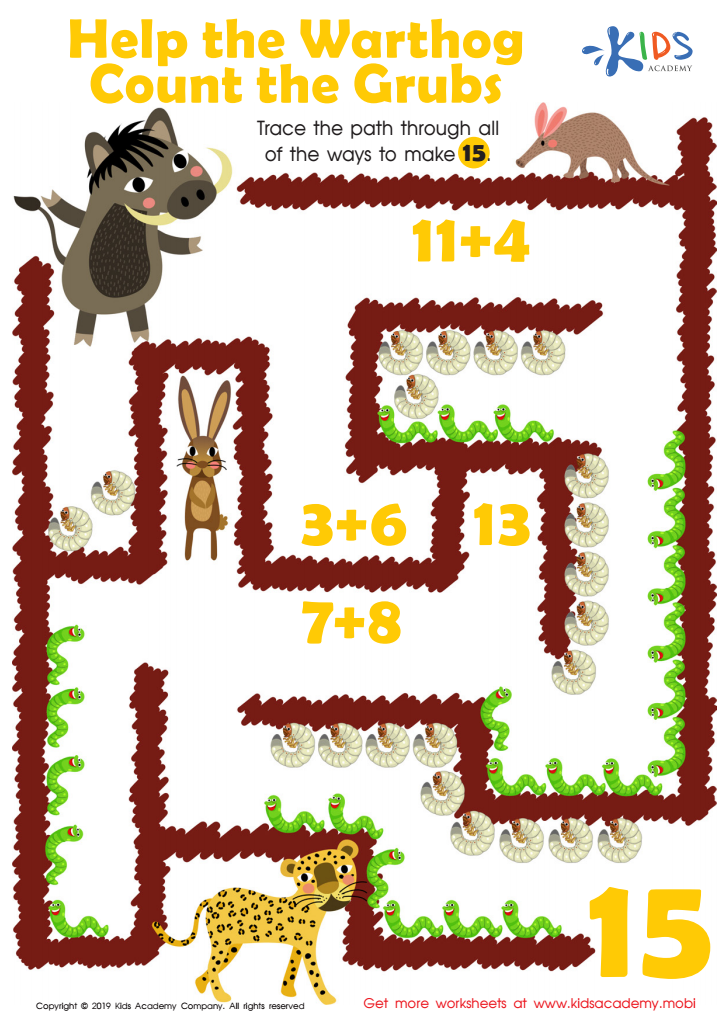
Help the Warthog Count the Grubs Worksheet
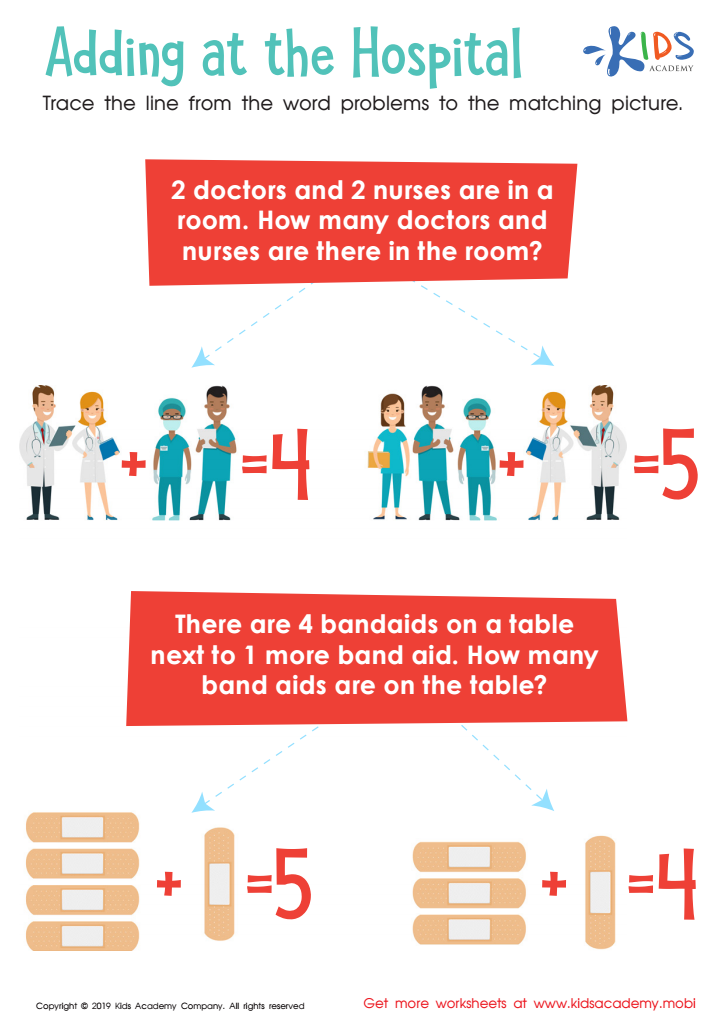
Adding at the Hospital Worksheet
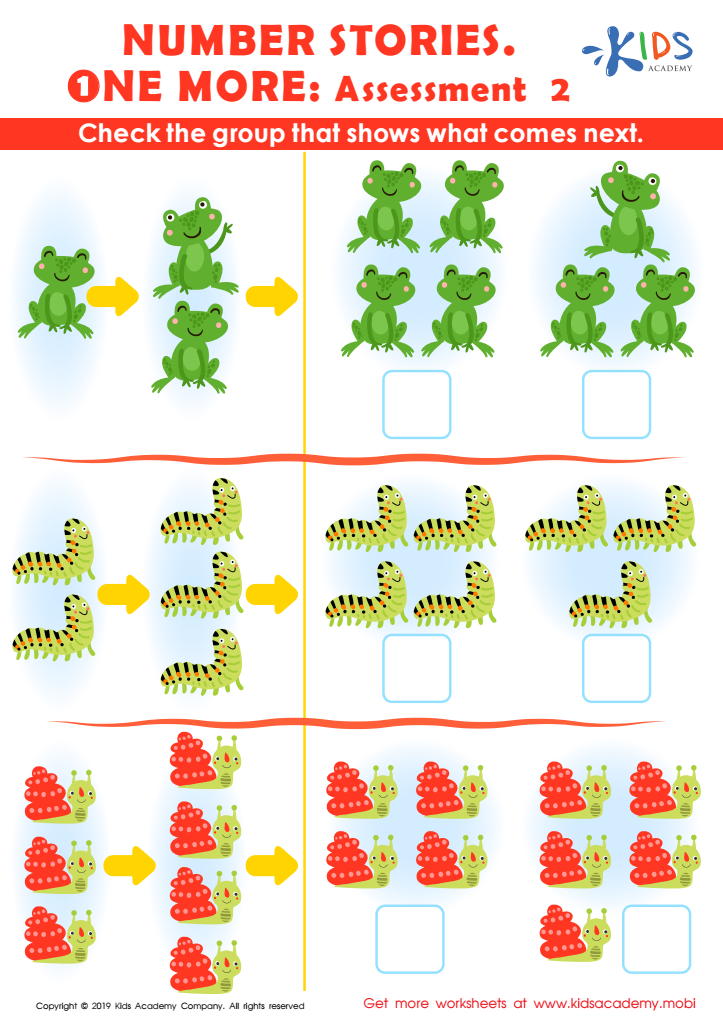
Number Stories One More – Assessment 2 Worksheet
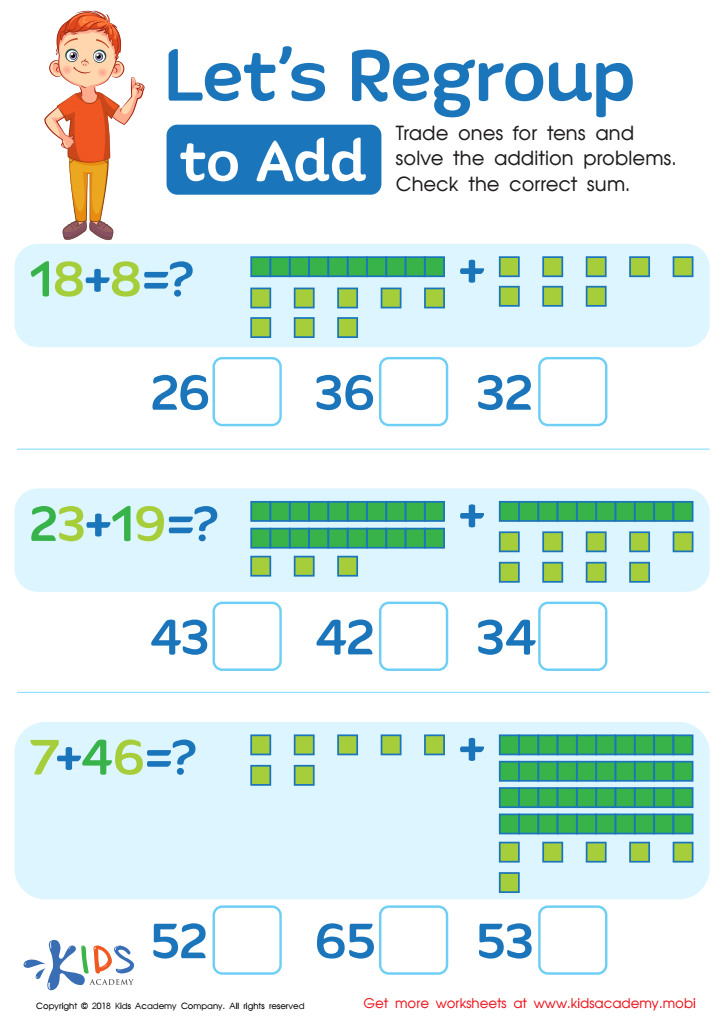
Let's Regroup to Add Worksheet
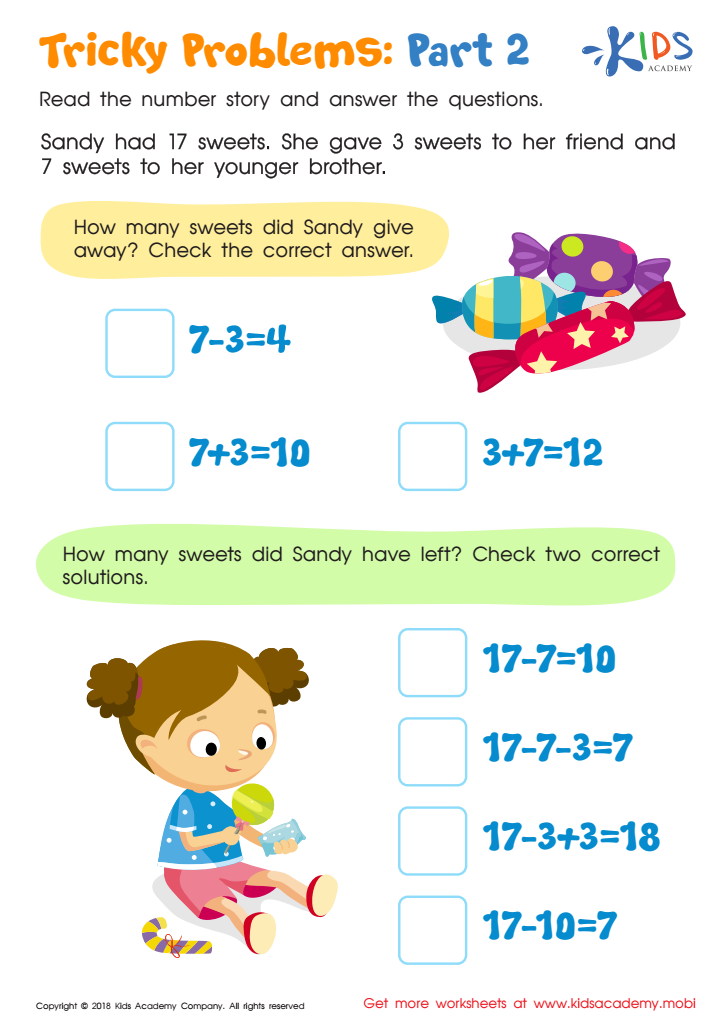
Tricky Problems Worksheet: Part 2
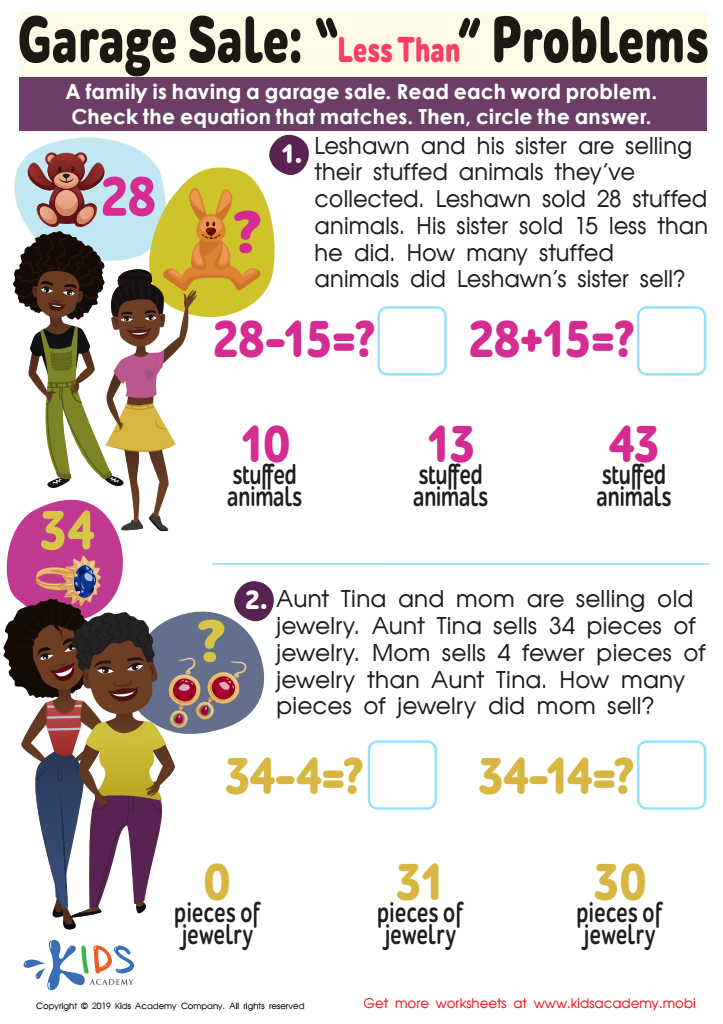
Garage Sale Less Than Worksheet
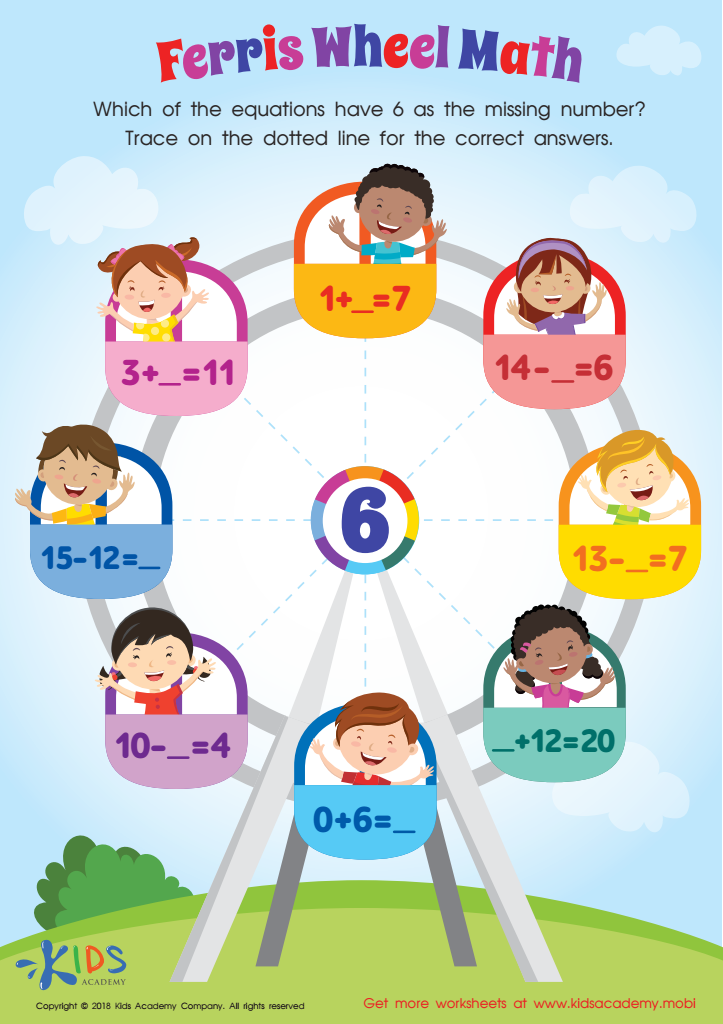
Missing Number: Ferris Wheel Math Worksheet
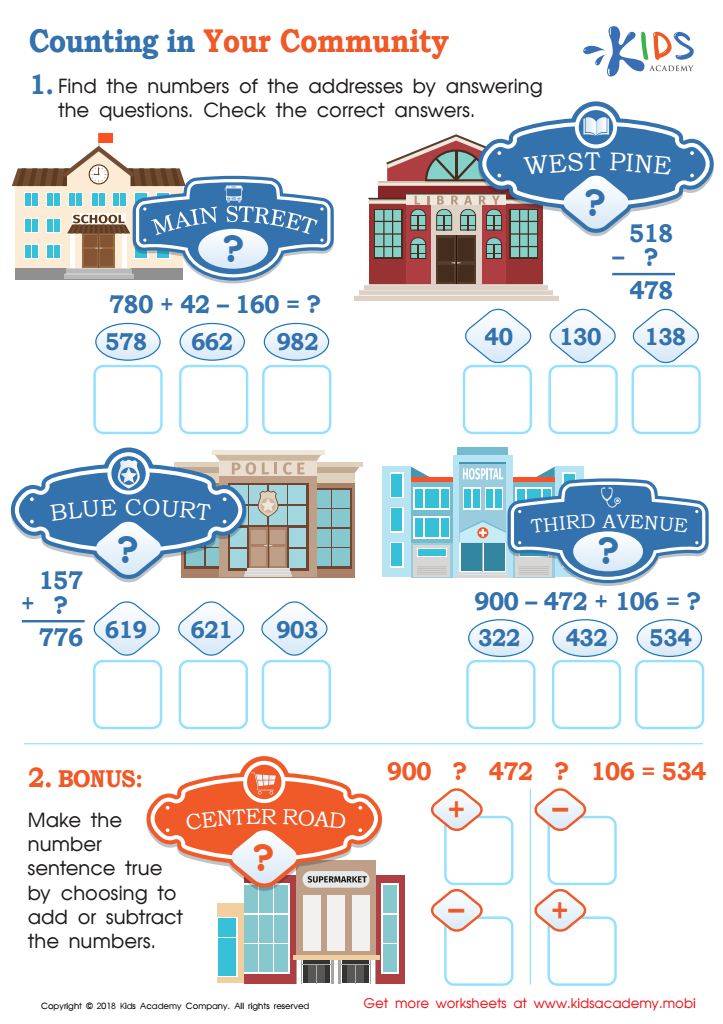
Counting in Your Community Worksheet
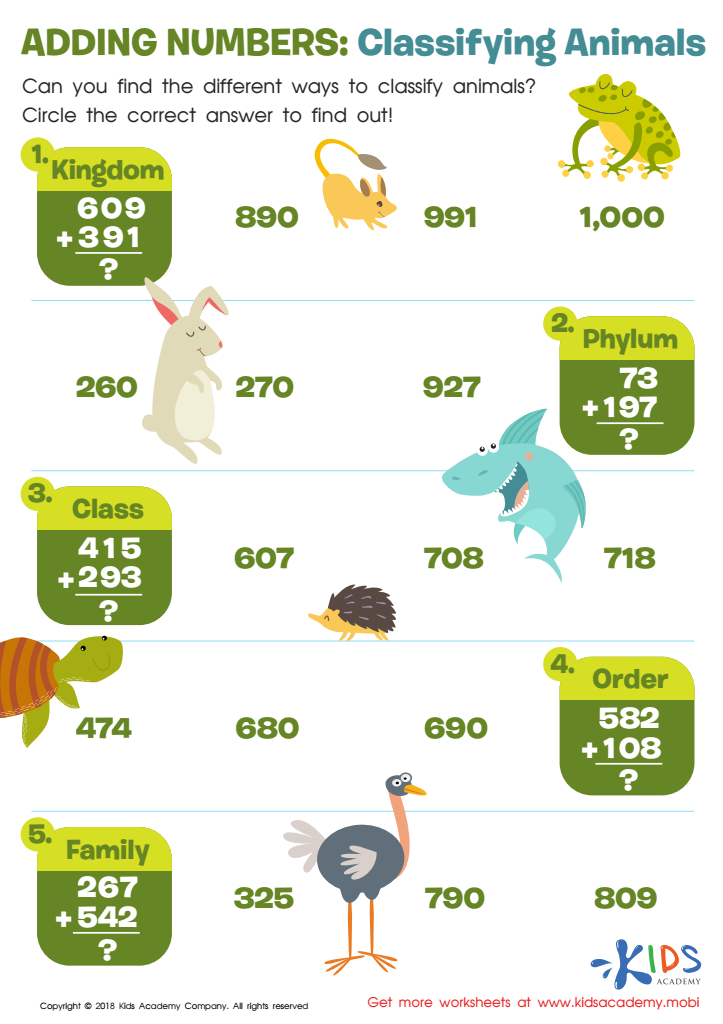
Adding Numbers: Classifying Animals Worksheet
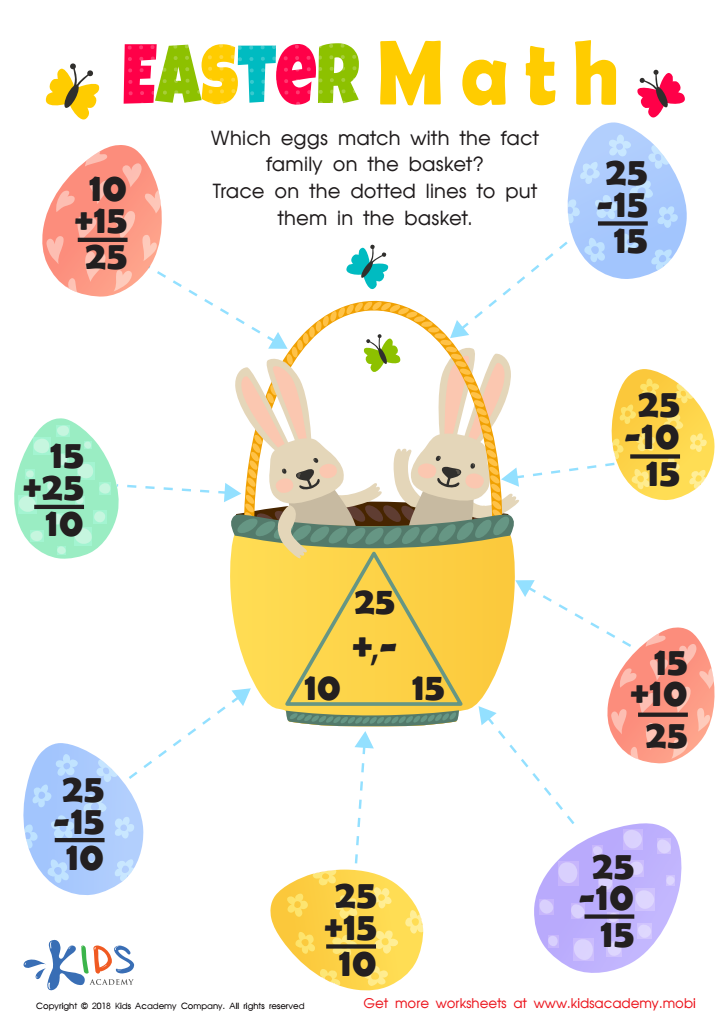
Fact Families: Easter Math Worksheet
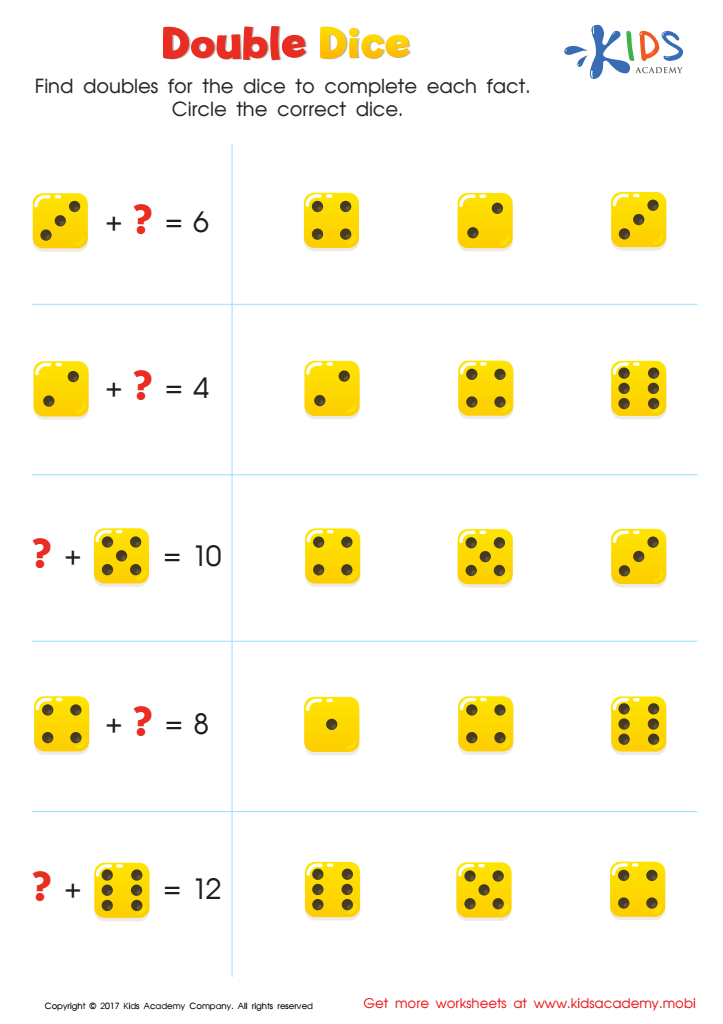
Addition Facts: Double Dice Worksheet
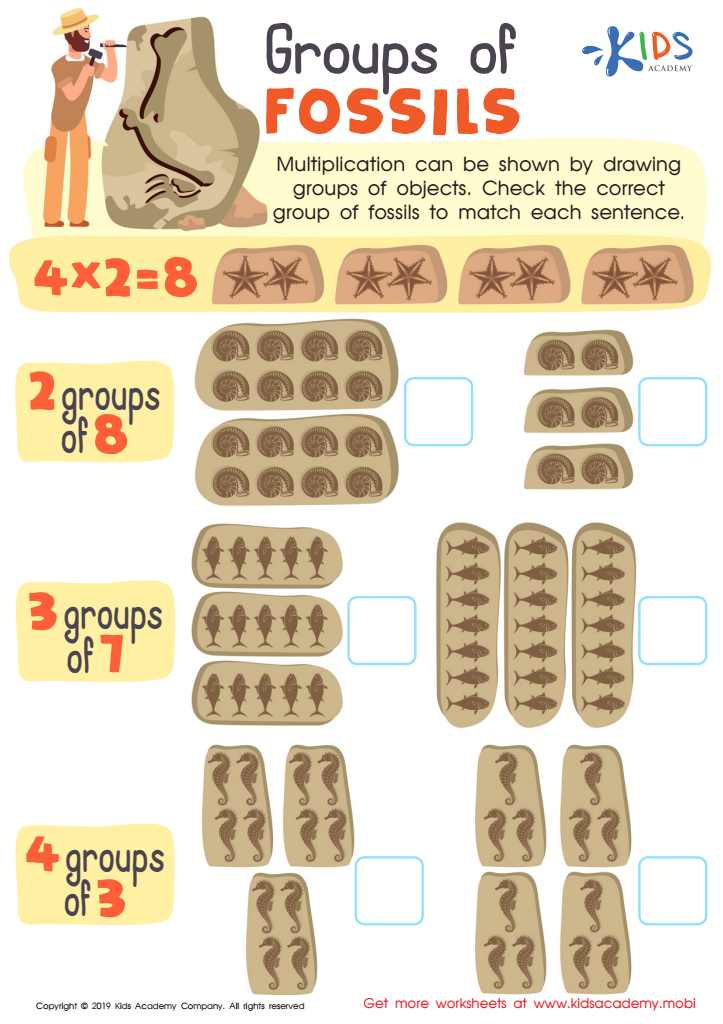
Groups of Fossils Worksheet
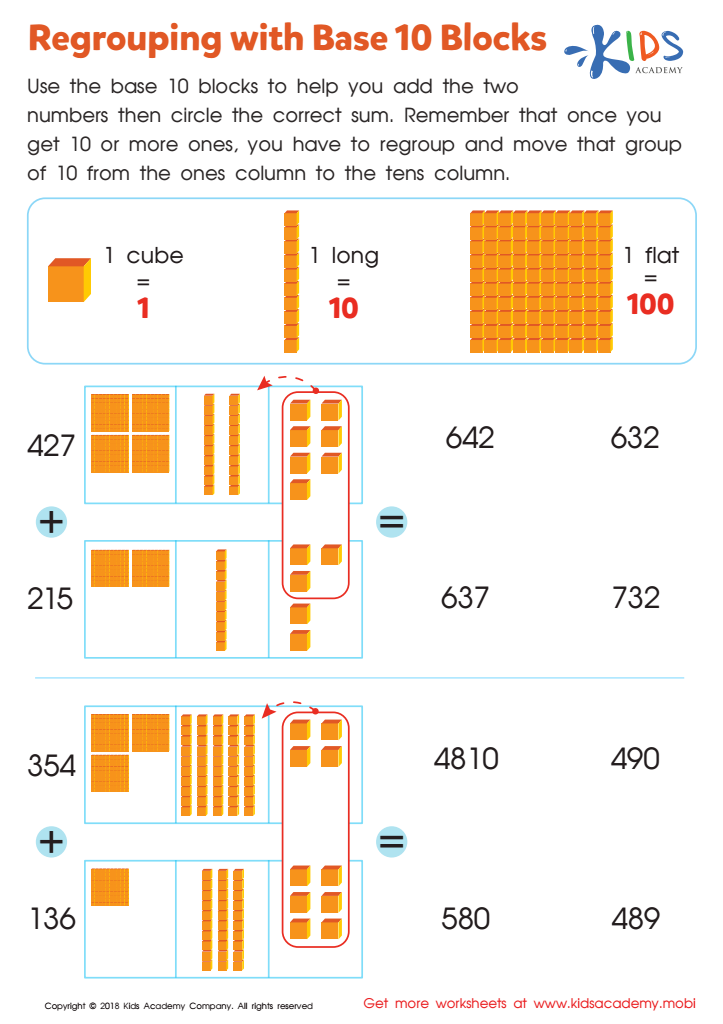
Regrouping with Base 10 Blocks Worksheet
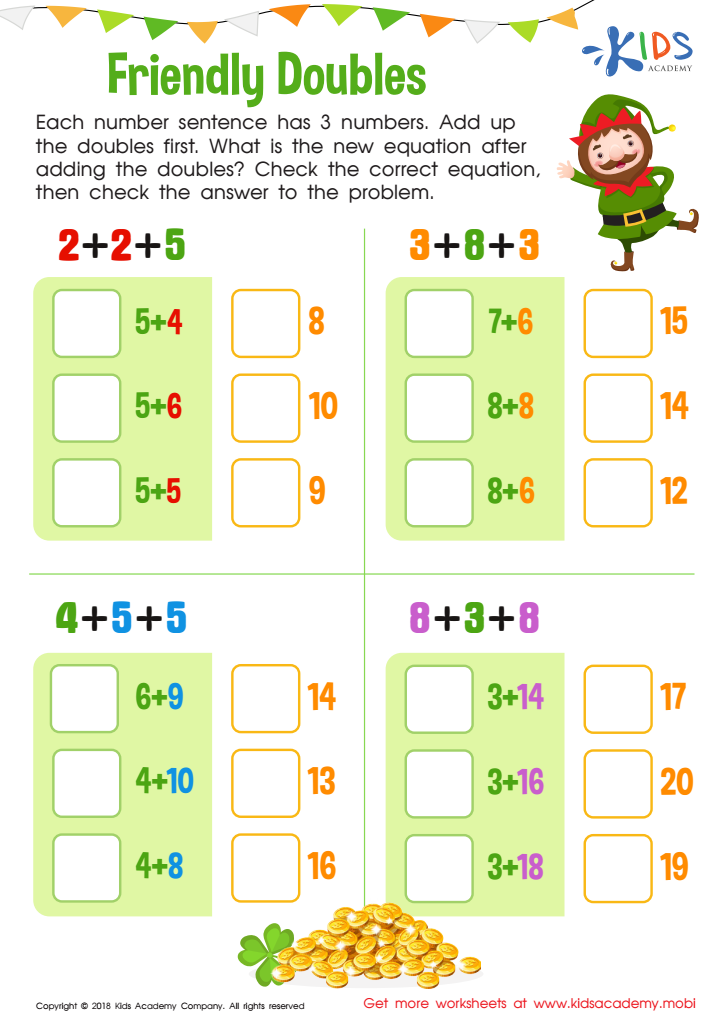
Friendly Doubles Worksheet
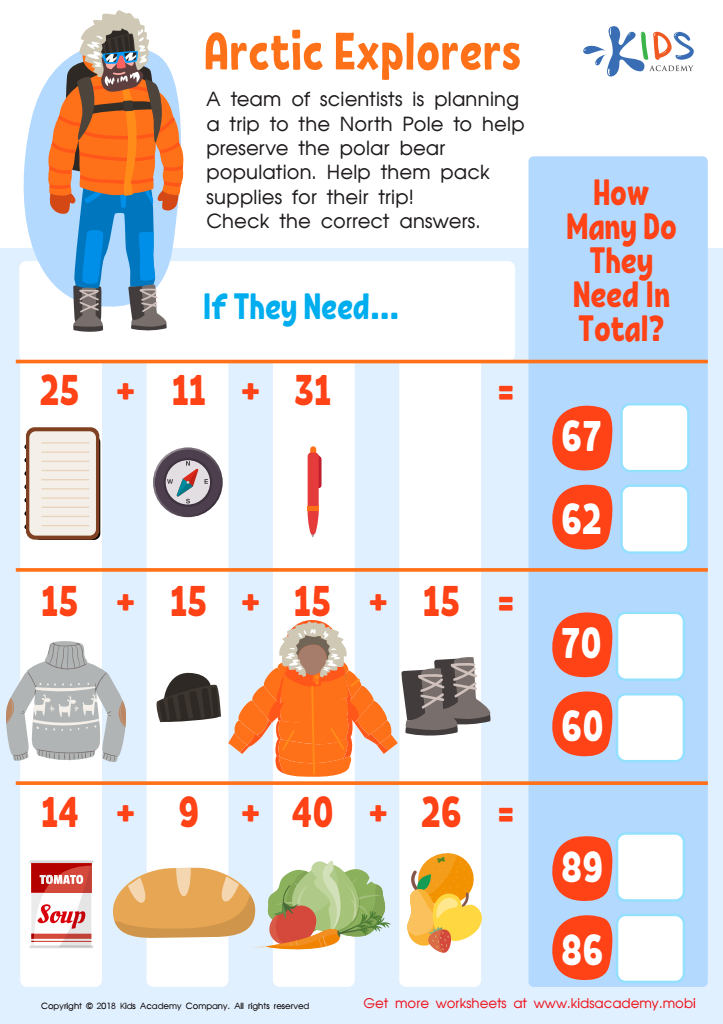
Arctic Explorers Worksheet
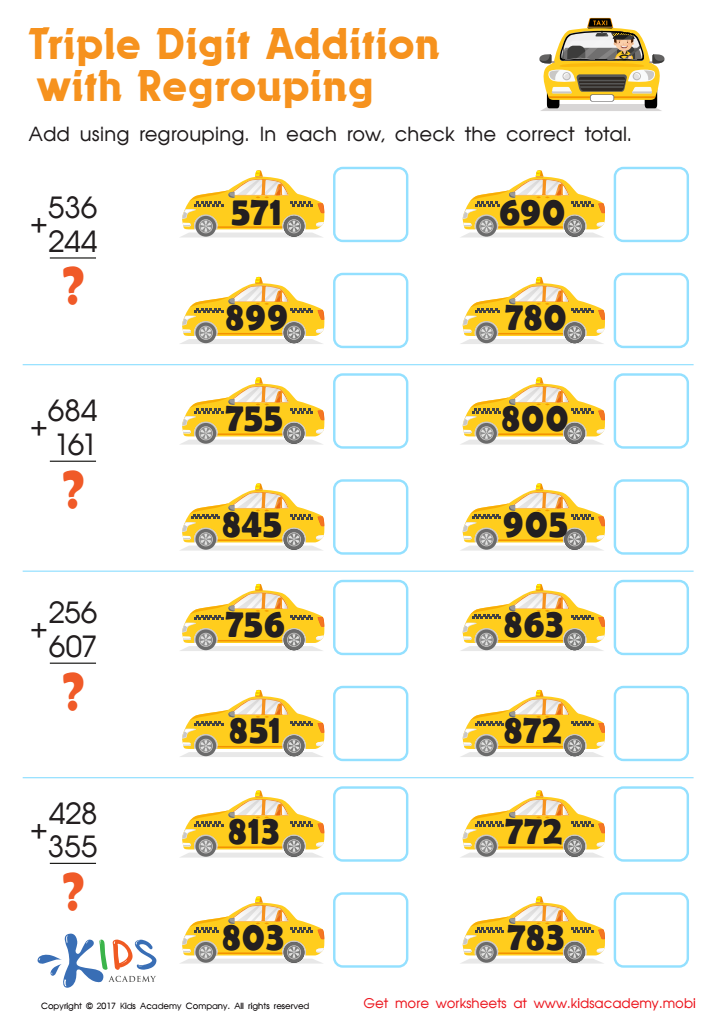
Triple Digit Addition with Regrouping Worksheet
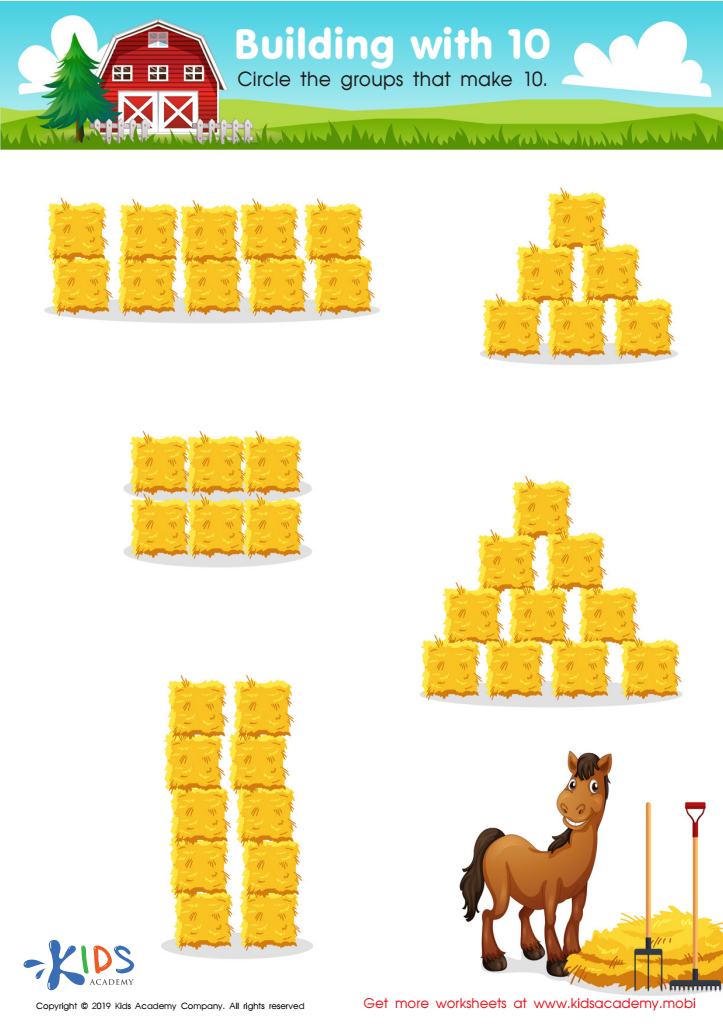
Building with 10 Worksheet
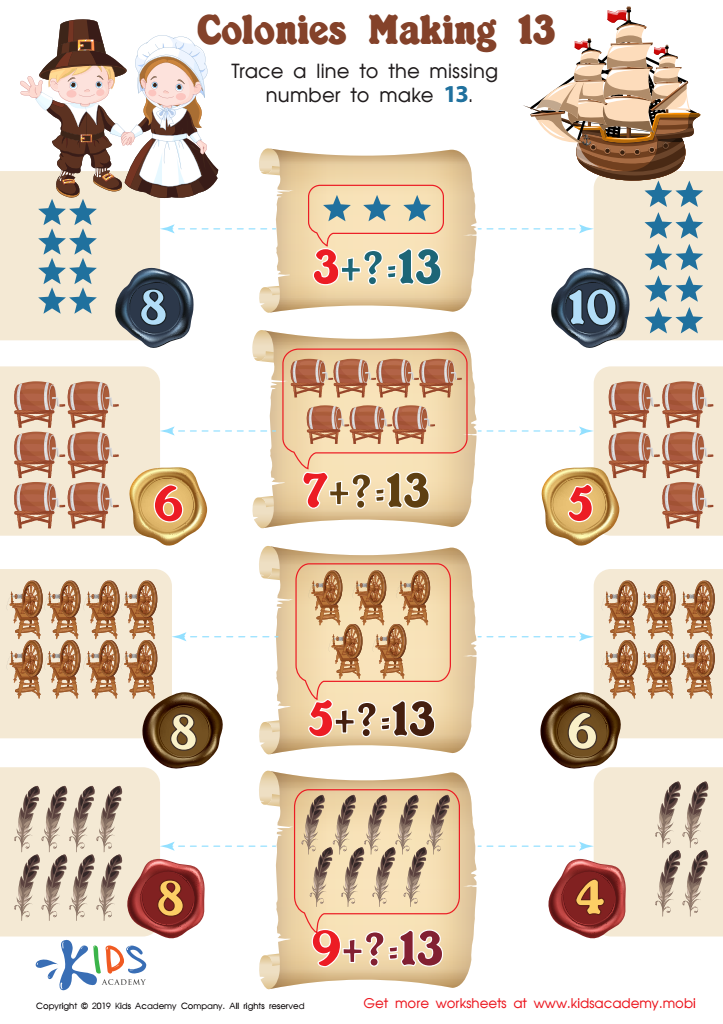
Colonies Making 13 Worksheet
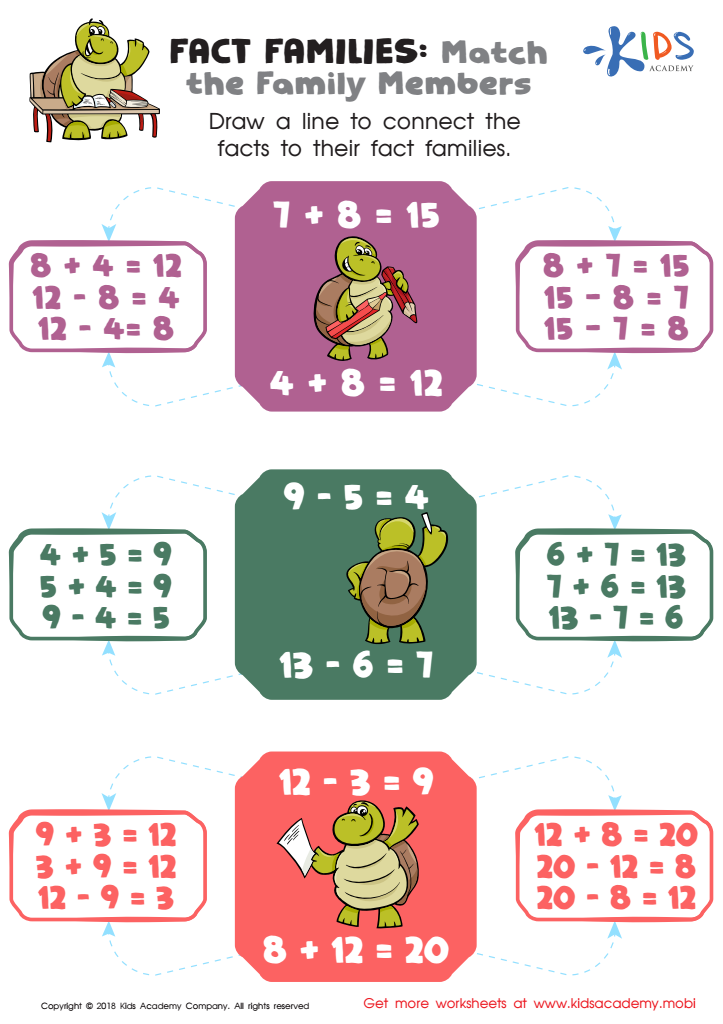
Fact Families: Match Family Members Worksheet
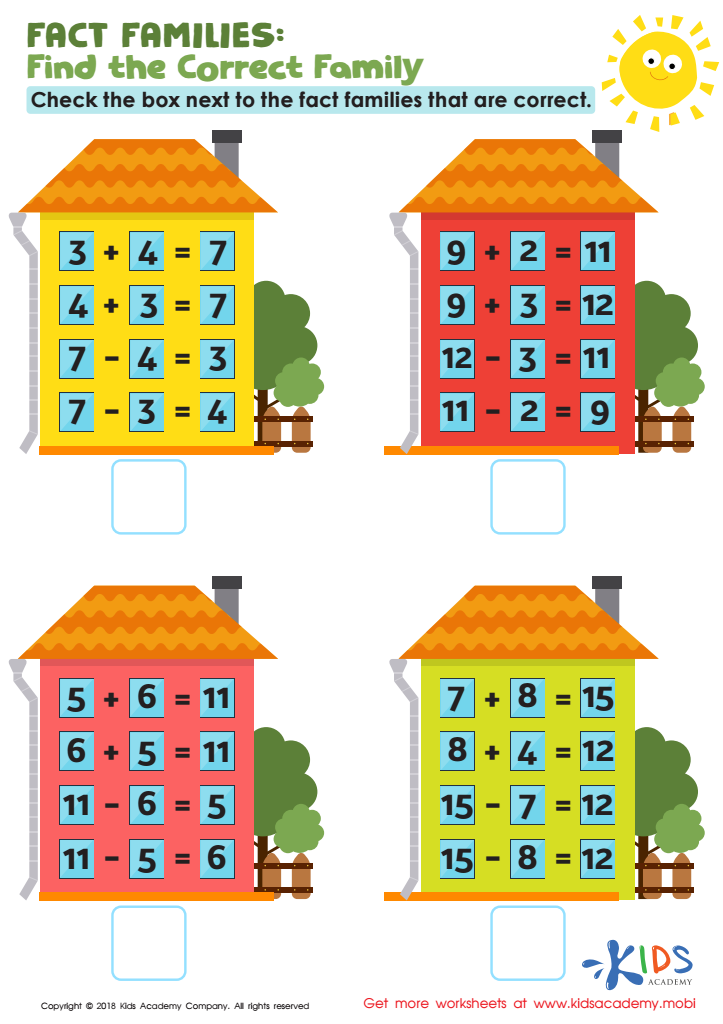
Fact Families: Find Correct Family Worksheet
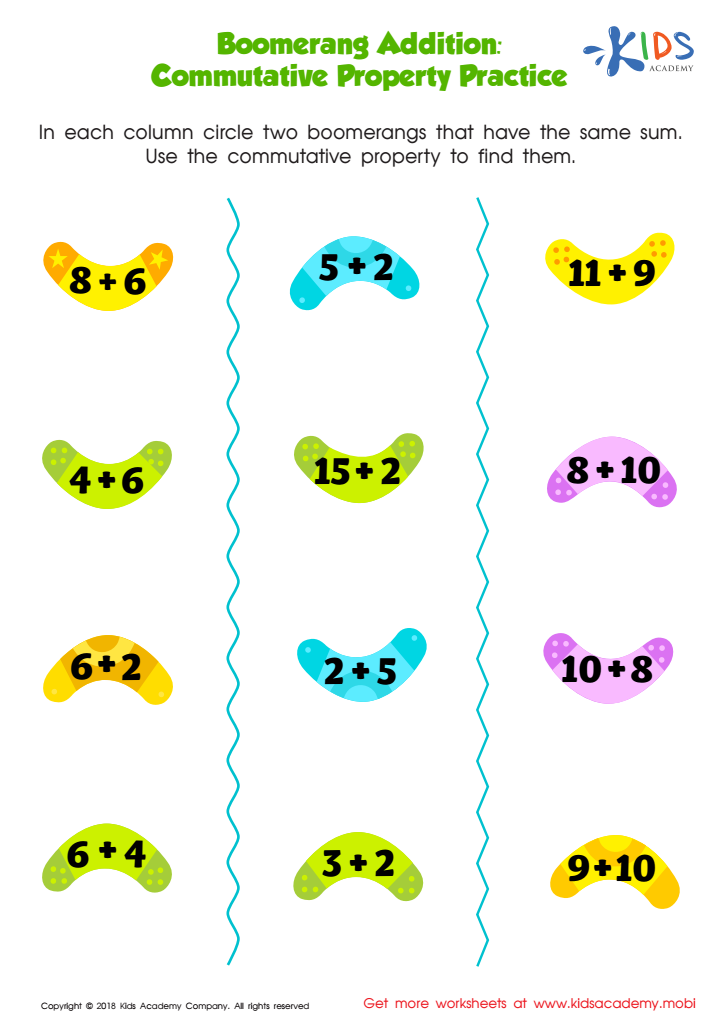
Boomerang Addition Worksheet








Parents and teachers should prioritize normal addition for children aged 5 to 9 because it forms the foundation for essential mathematical understanding. At this early age, children are developing critical thinking skills, and mastering addition fosters cognitive growth and problem-solving abilities. Normal addition introduces concepts of number sense—helping children understand quantities, relationships, and the properties of numbers, which is vital in their mathematical journey.
Moreover, early mastery of addition boosts confidence, encouraging a positive attitude towards math as children progress to more complex operations. It lays groundwork for future math concepts like subtraction, multiplication, and division. Introducing practical applications, such as using addition in real-life situations like shopping or sharing candies, helps children see the relevance and boosts engagement.
Beyond academics, proficiency in addition can enhance analytical skills, teaching children to approach problems with logical reasoning. Lastly, collaboration in learning addition encourages social skills, as children often work together to solve problems. By nurturing these skills, parents and teachers support not just math development, but a holistic approach to a child's learning experience. Ultimately, rooting strong foundational skills in early education creates successful, lifelong learners.