Normal Word Problems Worksheets for Ages 5-9 - Page 2
45 filtered results
-
From - To
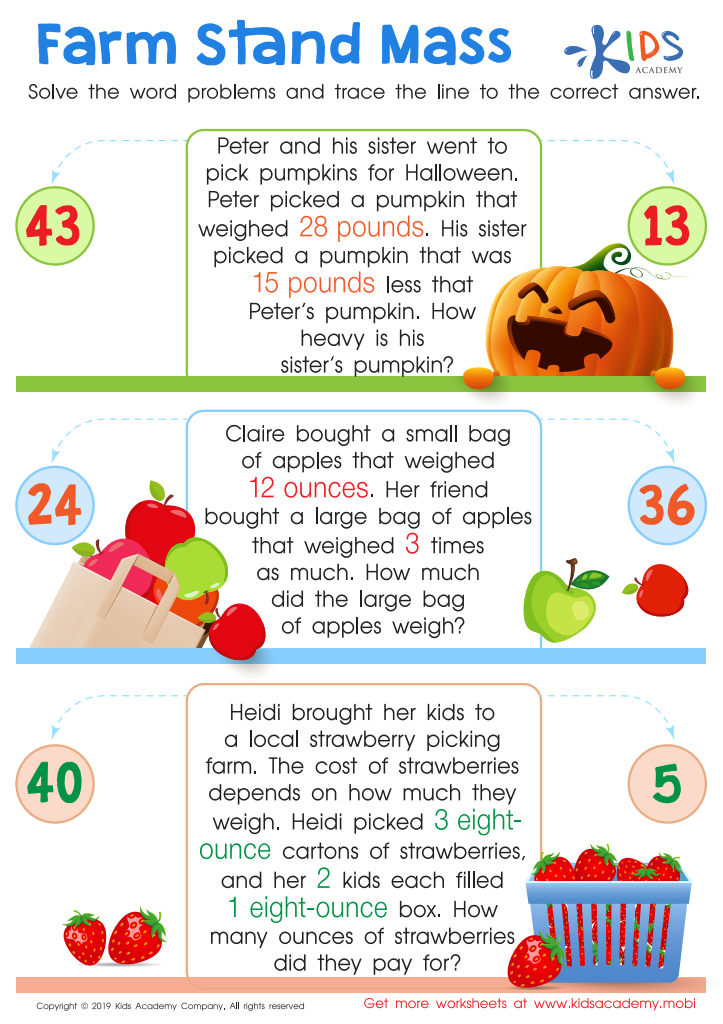
Farm Stand Mass Worksheet
 Assign to My Students
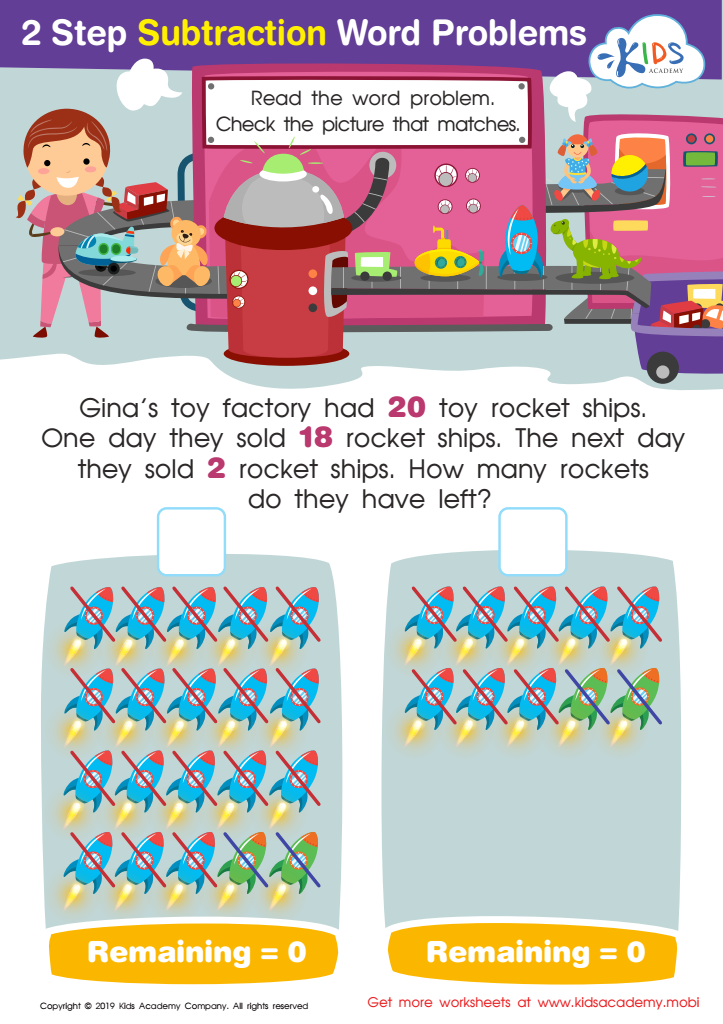
Step Subtraction Word Problems Worksheet
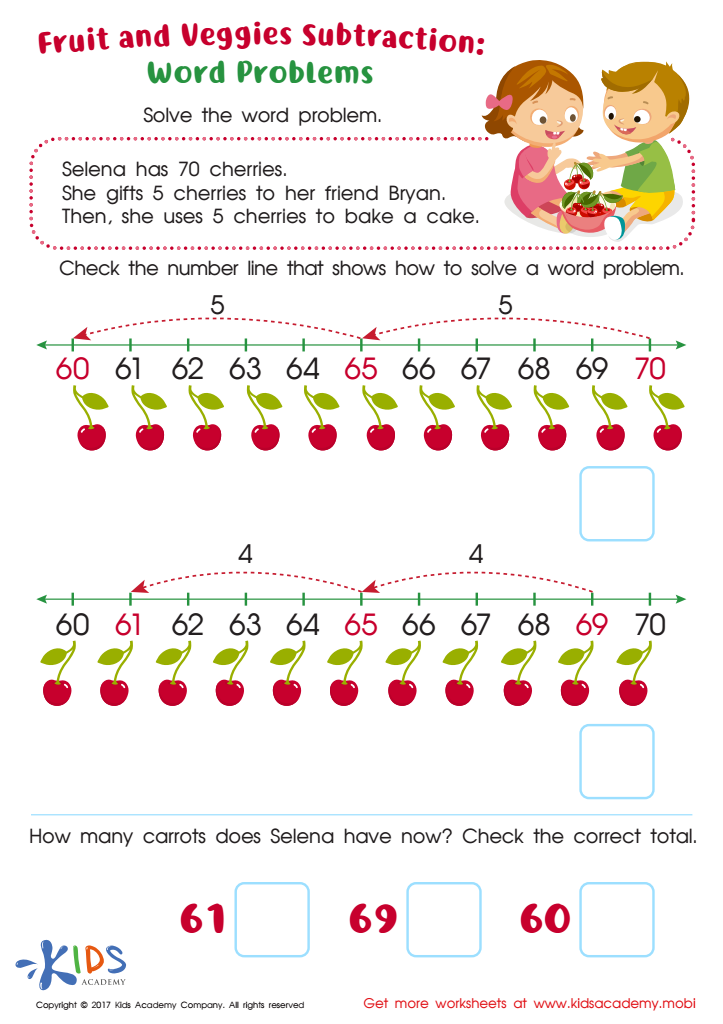
Subtraction Word Problems Free Printable
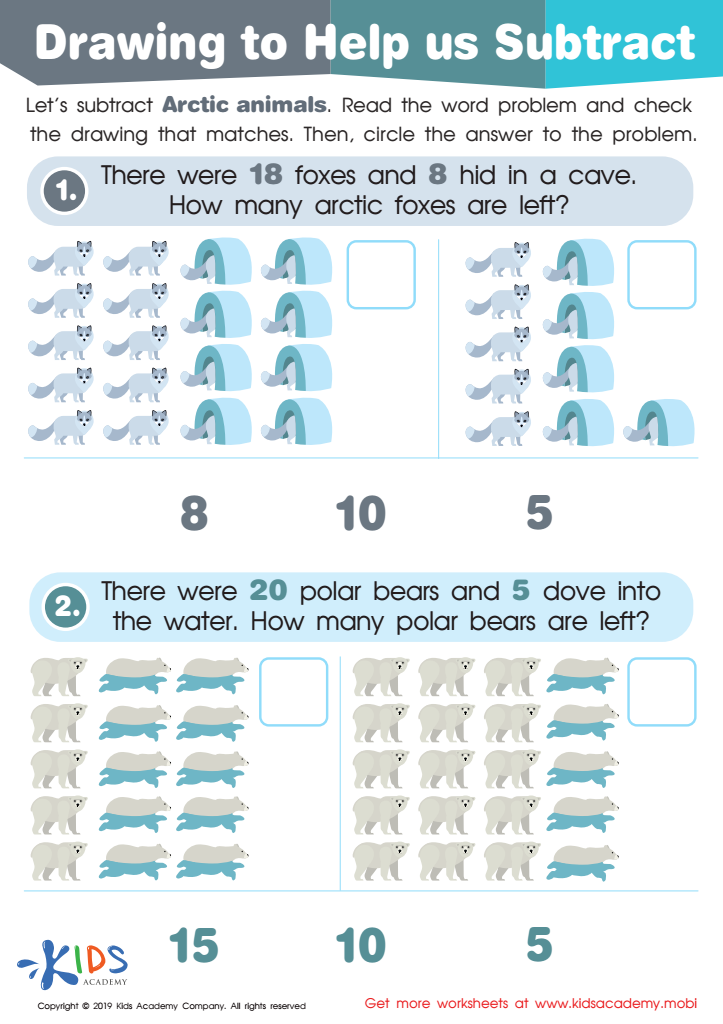
Drawing to Help Us Subtract Worksheet
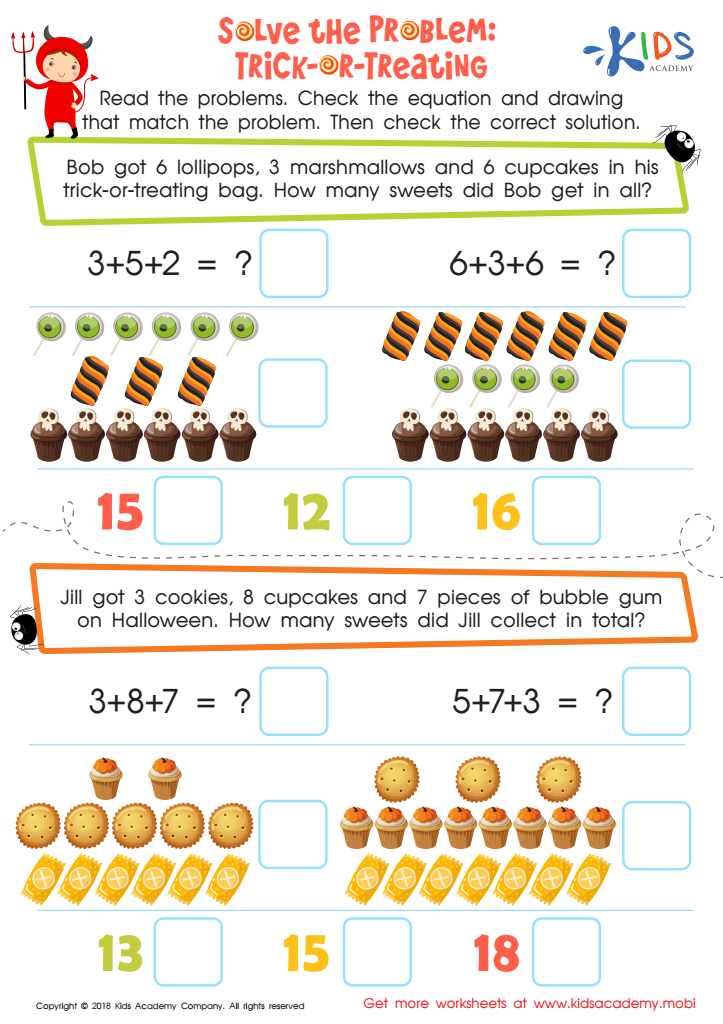
Solve the Problem: Trick–or–treating Worksheet
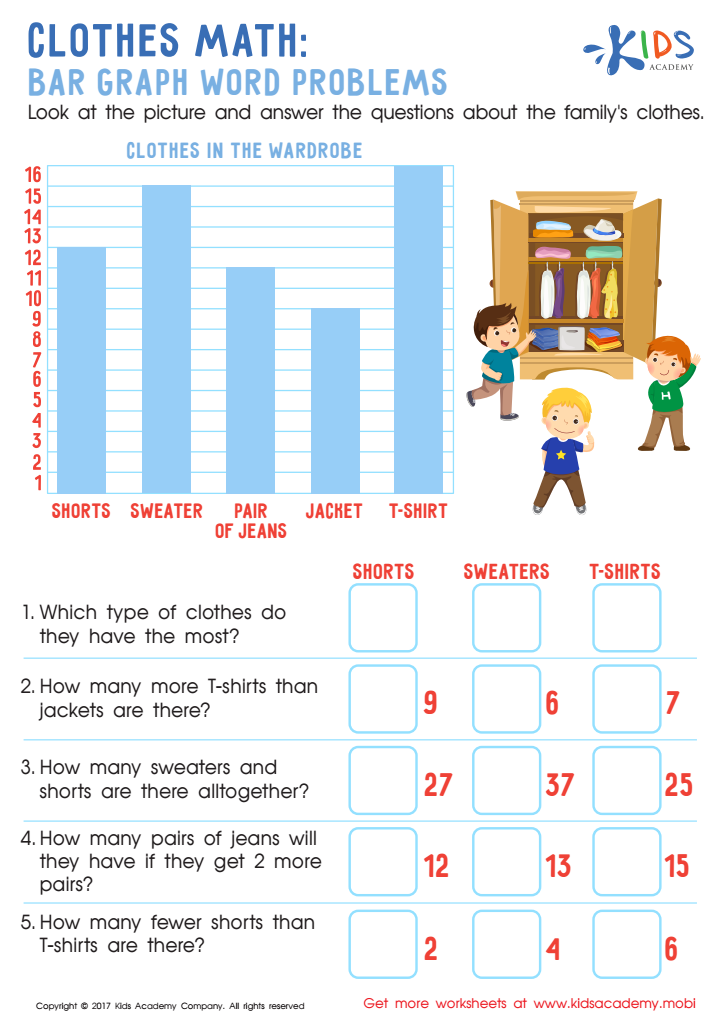
Clothes Math: Bar Graph Word Problems Worksheet
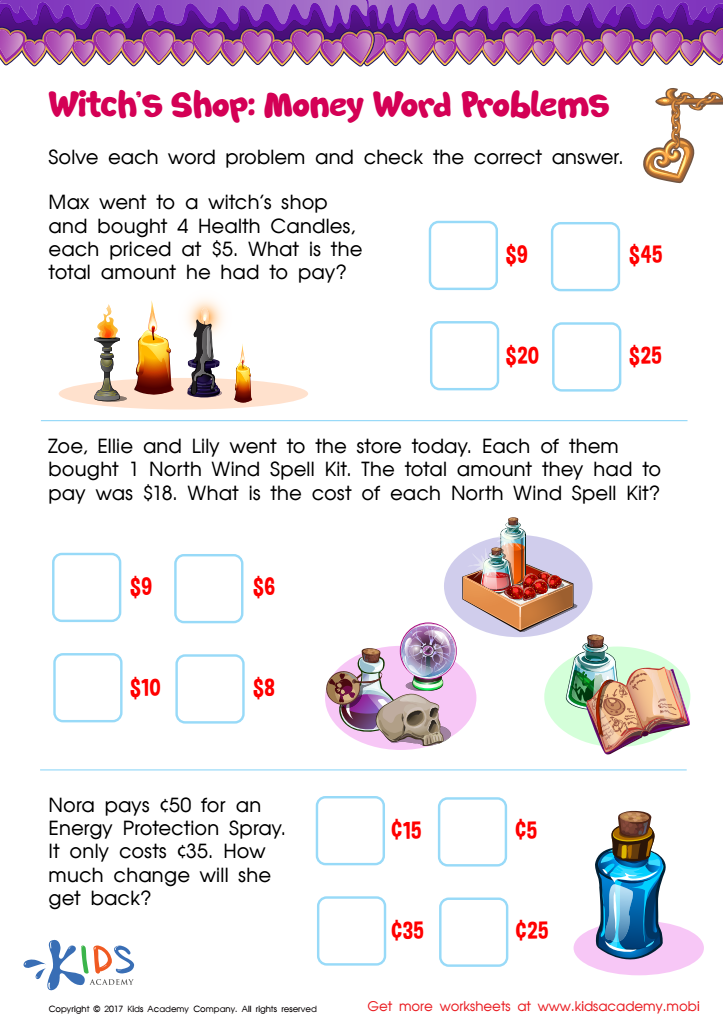
Money Word Problems Printable
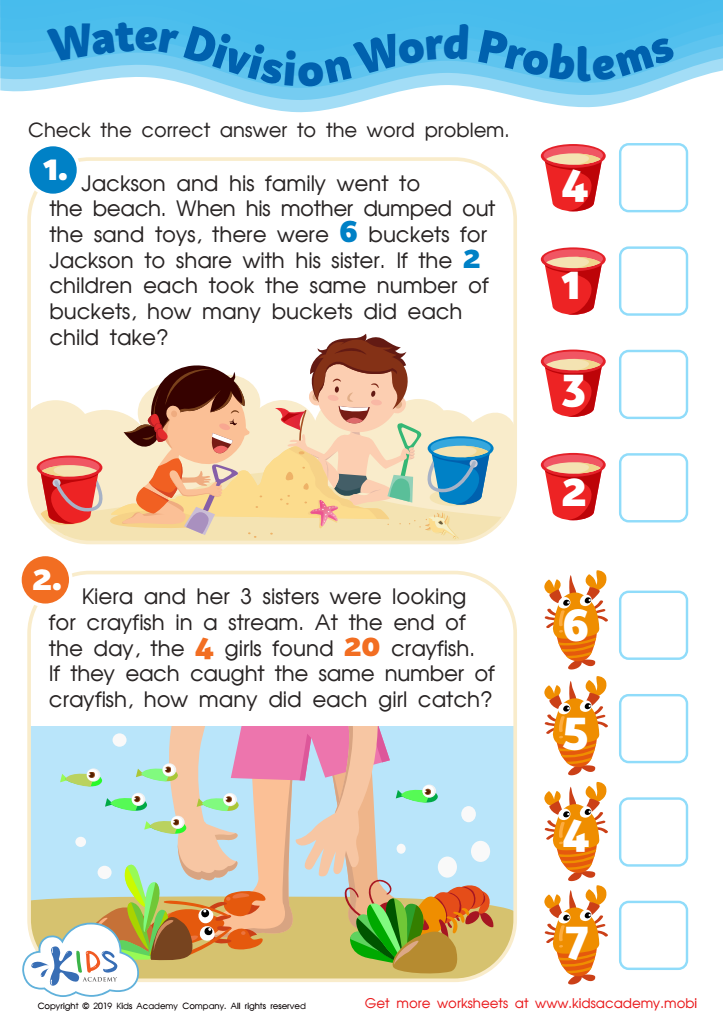
Water Division Word Problems Worksheet
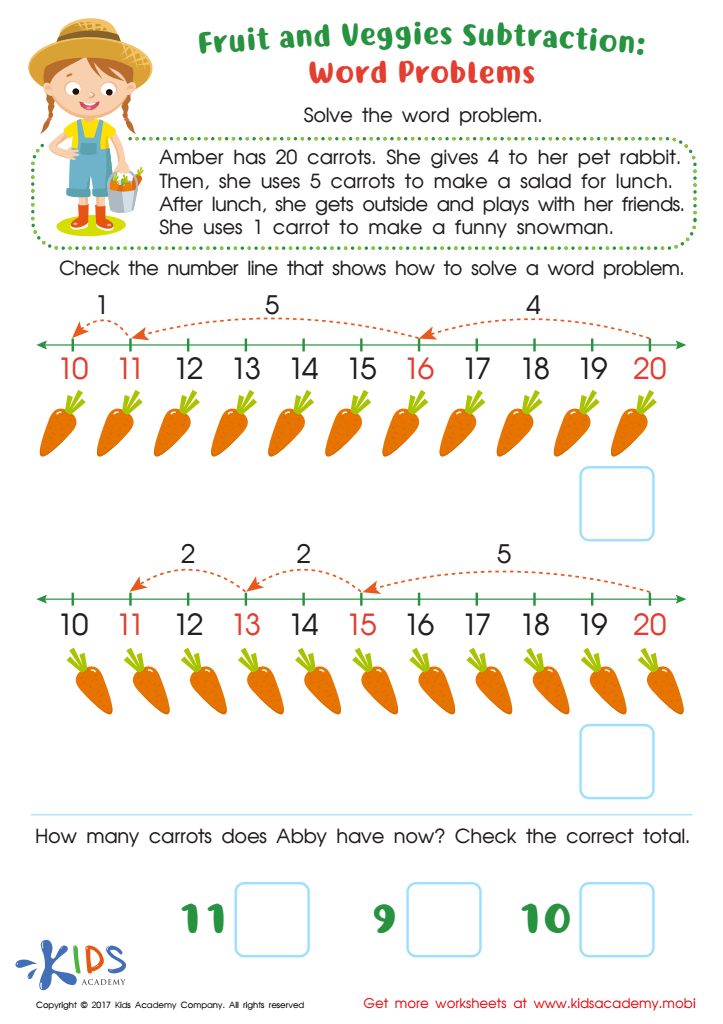
Subtraction Word Problems Printable
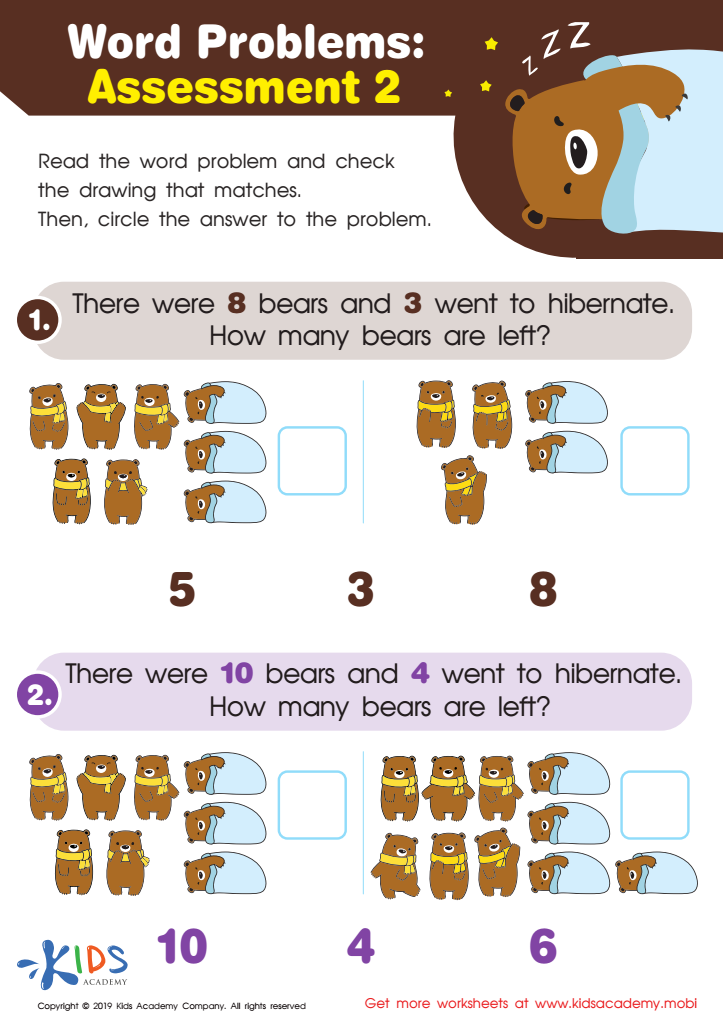
Word Problems: Assessment 2 Worksheet
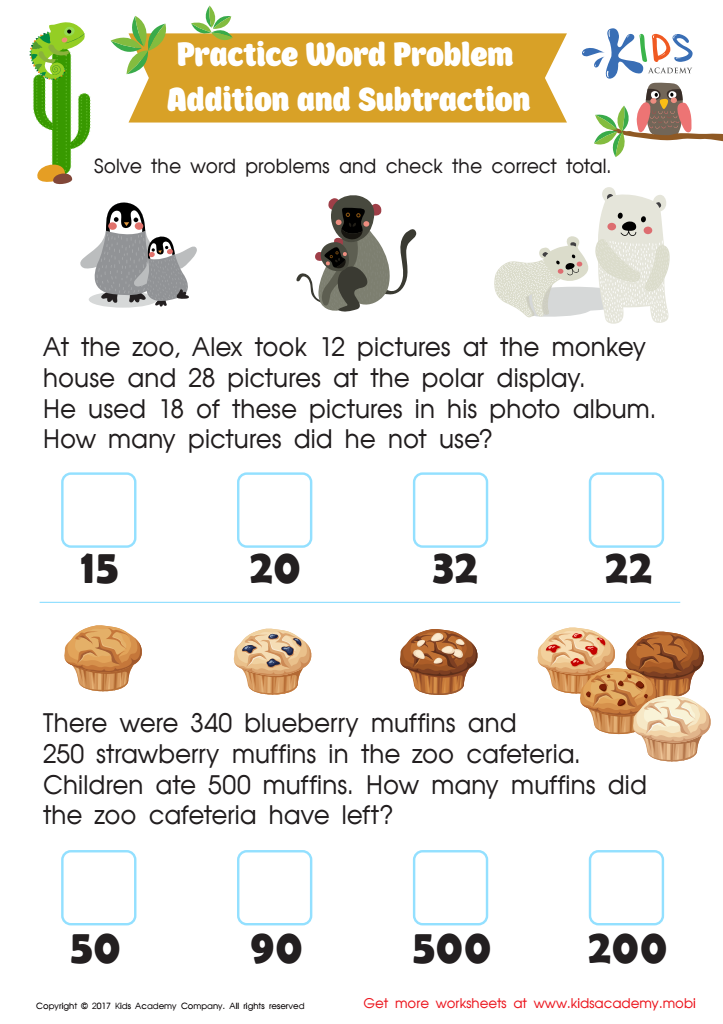
Addition and Subtraction: Word Problems Worksheet
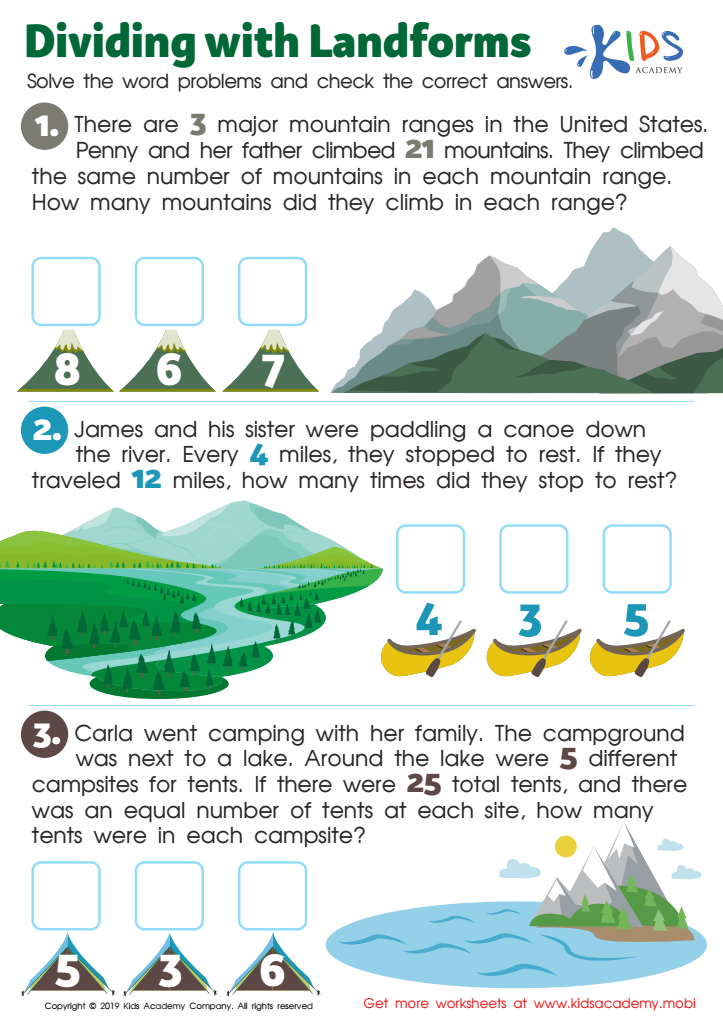
Dividing with Landforms
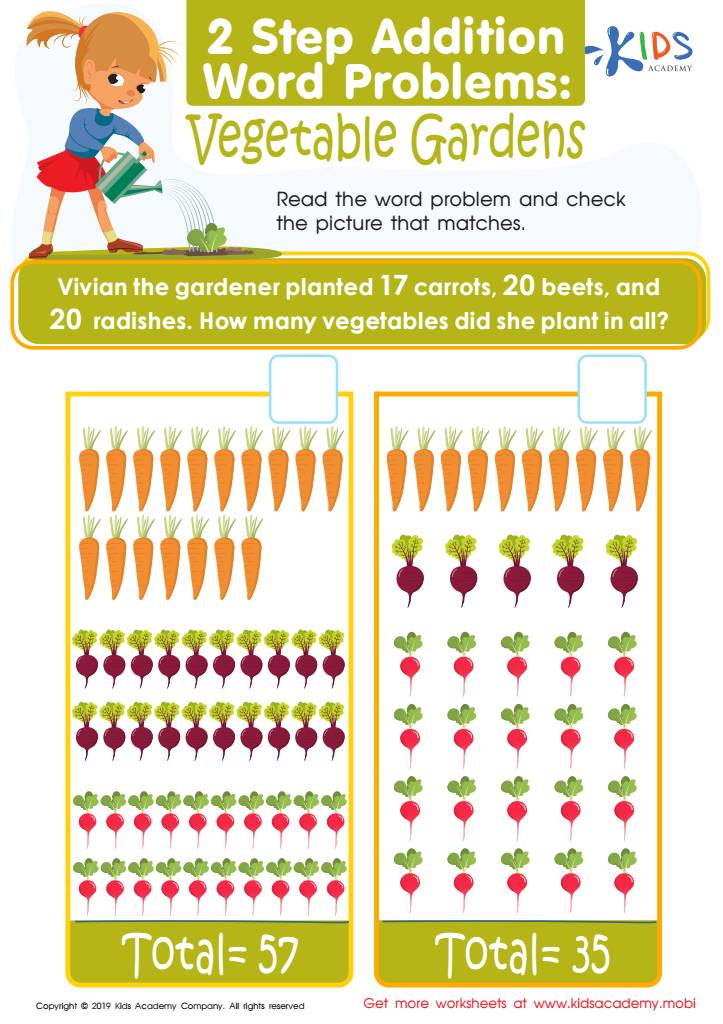
Vegetable Gardens Worksheet
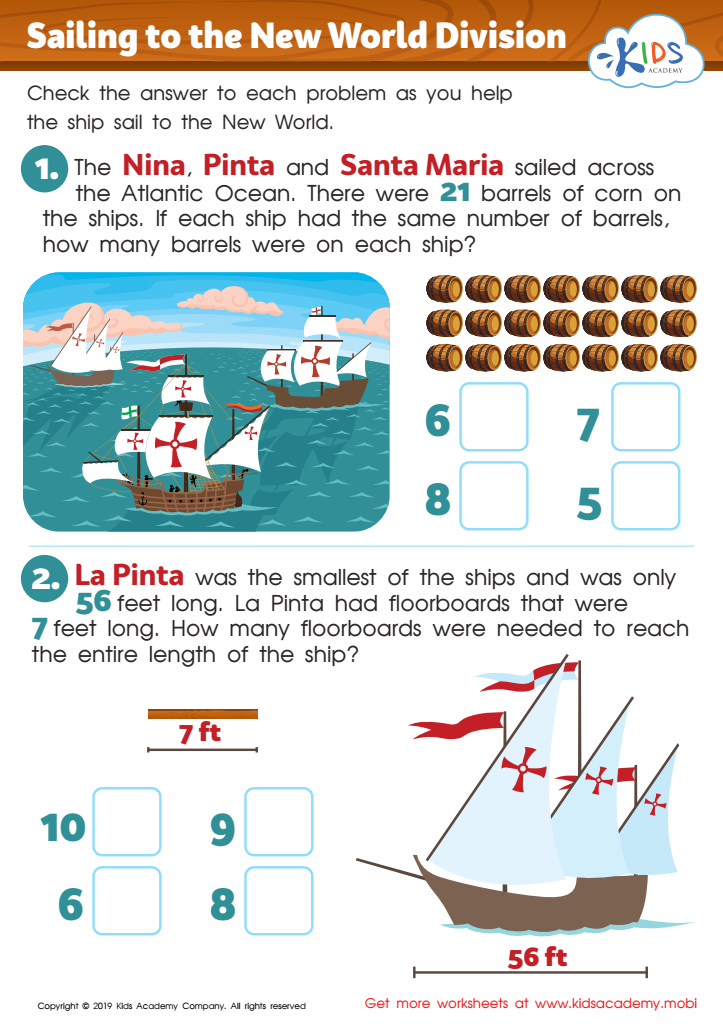
Sailing to the New World Division Worksheet
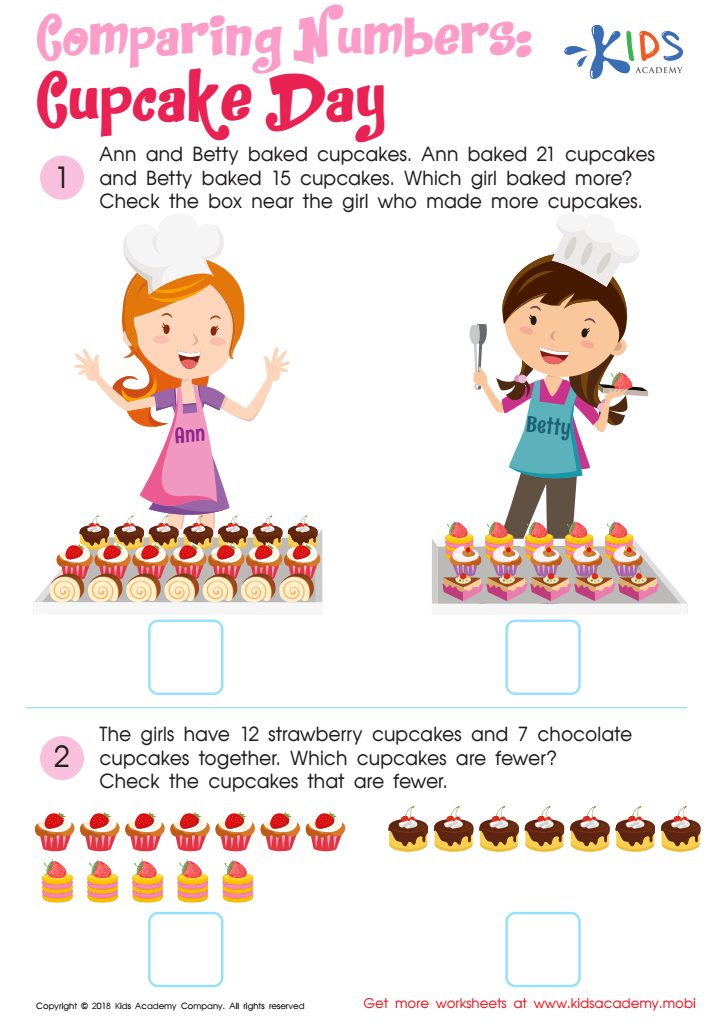
Cupcake Day Worksheet
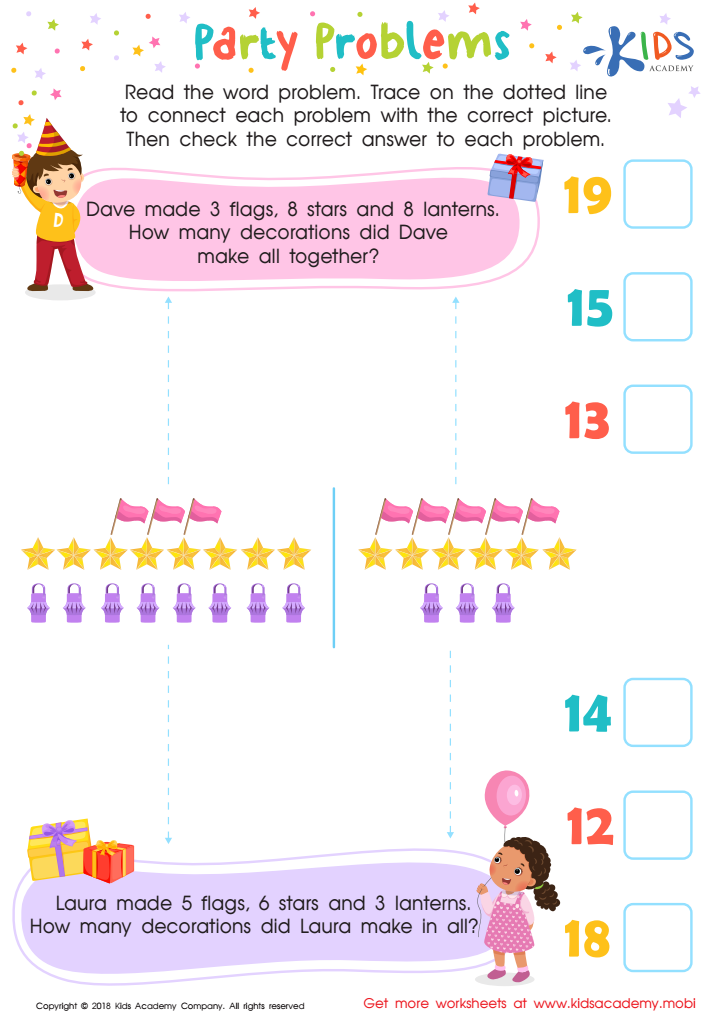
Party Problems Worksheet
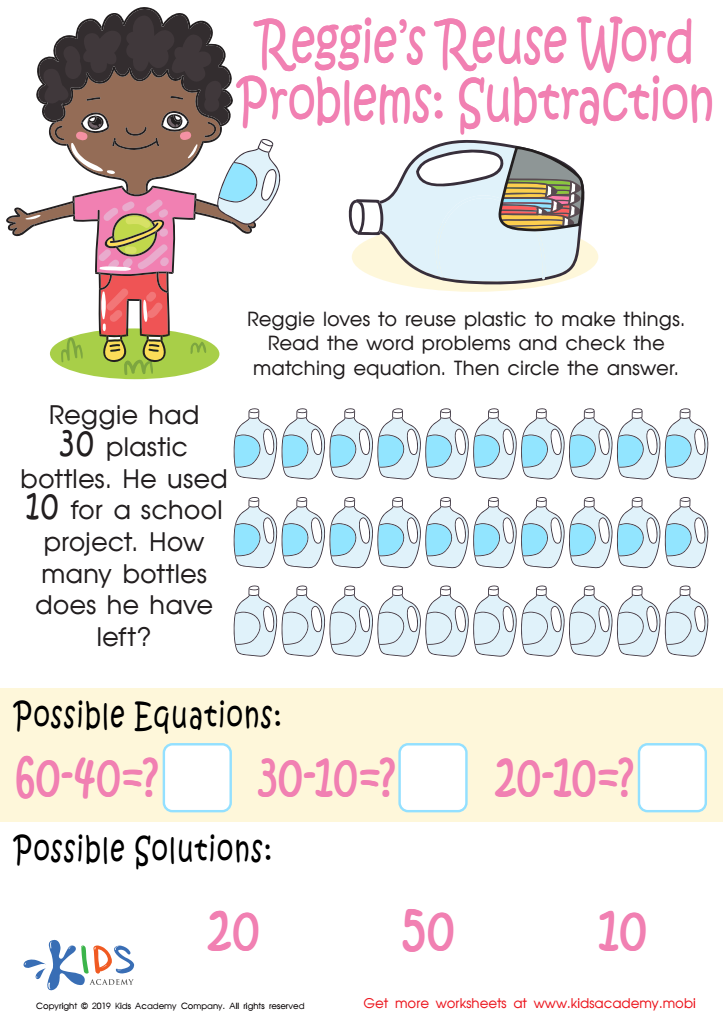
Reggie's Reuse Word Problems: Subtraction Worksheet
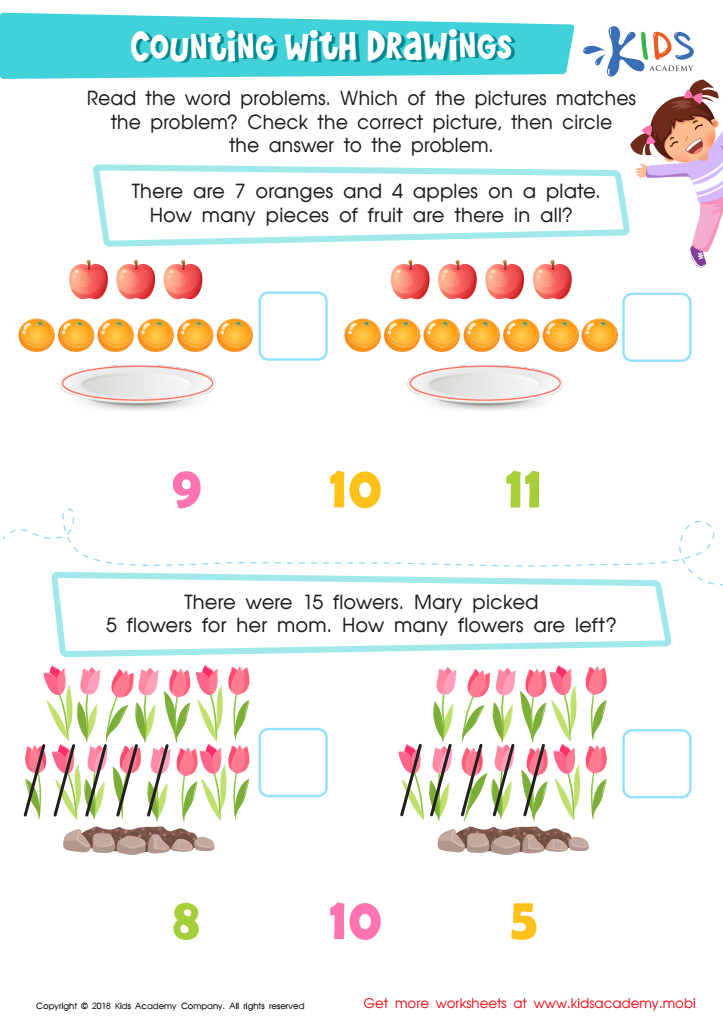
Counting with Drawings:Fruits & Flowers Worksheet
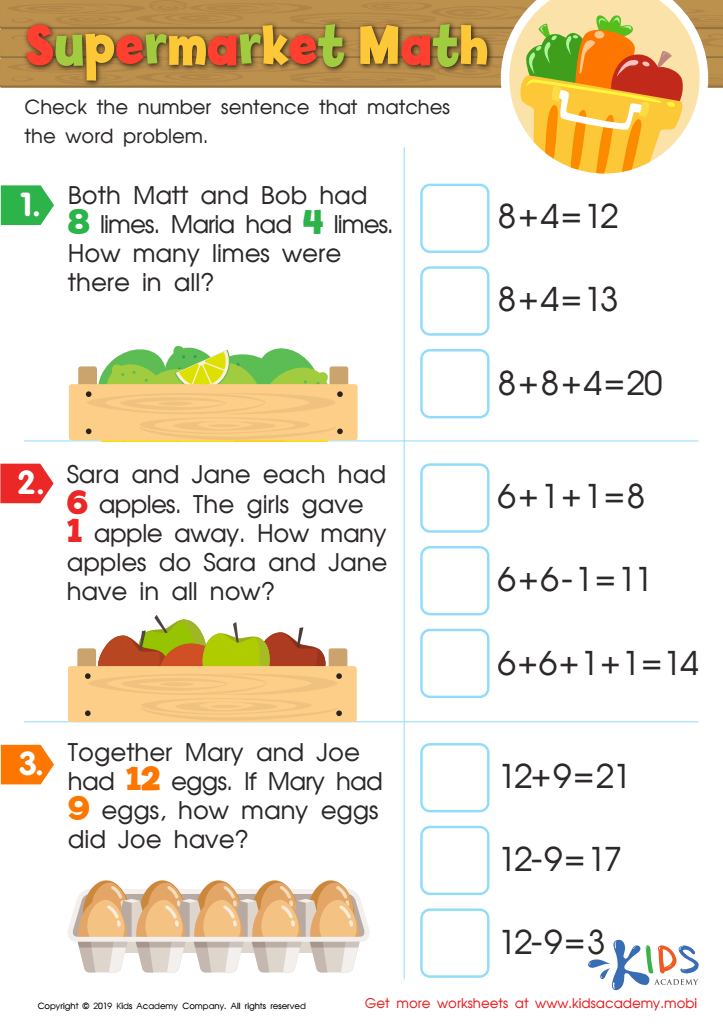
Supermarket Math Worksheet
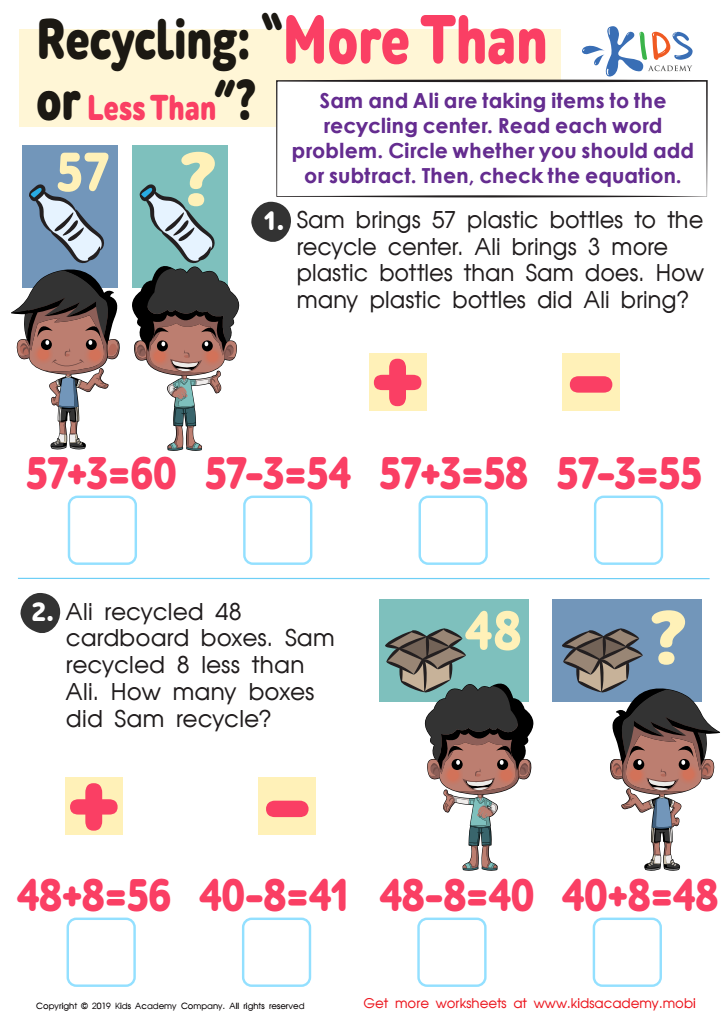
Recycling - More or Less Worksheet
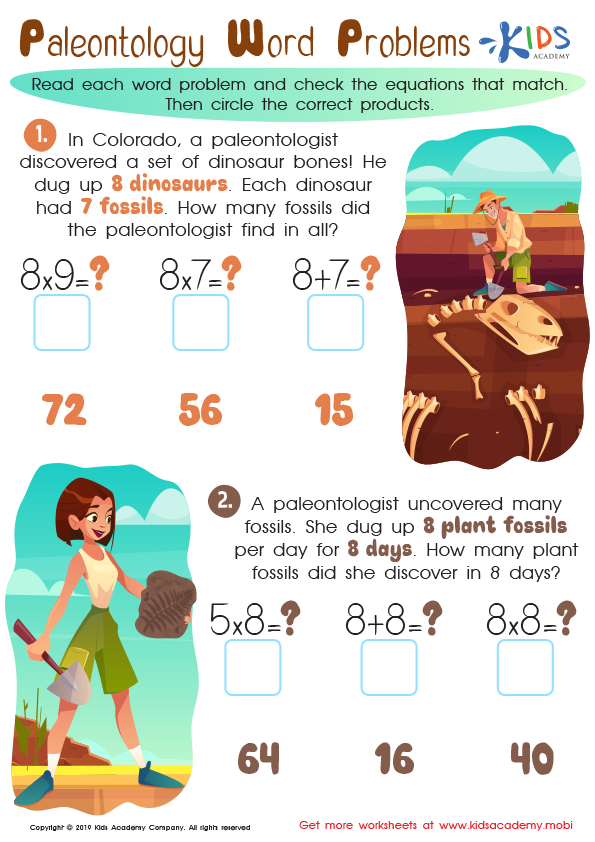
Archeology Word Problems Worksheet








Normal word problems for ages 5-9 hold immense importance in early childhood education, and parents and teachers should prioritize them. At this stage, children are developing critical thinking and foundational math skills. Word problems provide a context where numbers come alive through relatable, real-world scenarios, helping young learners understand the practical application of math. This connection is crucial for sustaining interest and showing that math isn’t just an abstract concept.
Solving word problems encourages reading comprehension, analytical thinking, and problem-solving abilities. Children learn to break down sentences into logical steps, interpret data correctly, and find solutions, which fosters cognitive development. Additionally, word problems enhance language skills by requiring students to understand, process, and articulate mathematical concepts verbally and in writing.
In a classroom or home setting, word problems promote interactive learning. Teachers and parents can engage children through discussions, making learning collaborative and fun. They also help identify areas where a child might struggle, allowing for tailored support.
By embedding math in everyday contexts like shopping or cooking, word problems encourage lifelong learning skills. Thus, whether through storytelling or real-life examples, integrating word problems is vital for holistic educational growth in young children.








