
Fine Motor Skills Normal Math Worksheets for Ages 6-8
38 filtered results
Difficulty Level
Grade
Age
-
From - To
Subject
Activity
Standards
Our "Fine Motor Skills Normal Math Worksheets for Ages 6-8" provide a fun, engaging way for children to enhance their mathematical abilities while honing essential fine motor skills. Perfectly suited for young learners, these worksheets feature activities like tracing, drawing, and connecting dots that support muscle control and hand-eye coordination. Designed to align with educational standards, these worksheets make learning math concepts such as addition, subtraction, counting, and more an enjoyable experience. Ideal for classrooms or at-home practice, our worksheets foster both confidence and competence in math, setting a strong foundation for future academic success.
Favorites
With answer key
Interactive
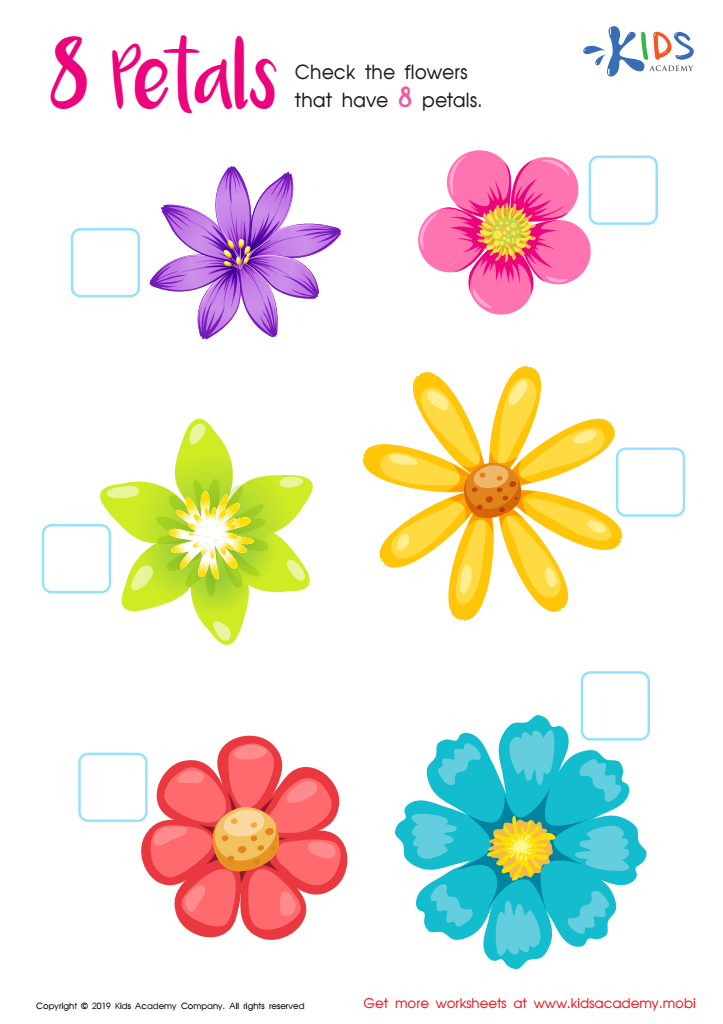
8 Petals Worksheet
Help your children master counting with this fun worksheet. It's filled with colorful flowers and they must count the petals and check the flowers with 8 petals. It's a great way to practice their counting skills and have some fun too!
 Assign to My Students
8 Petals Worksheet
Worksheet
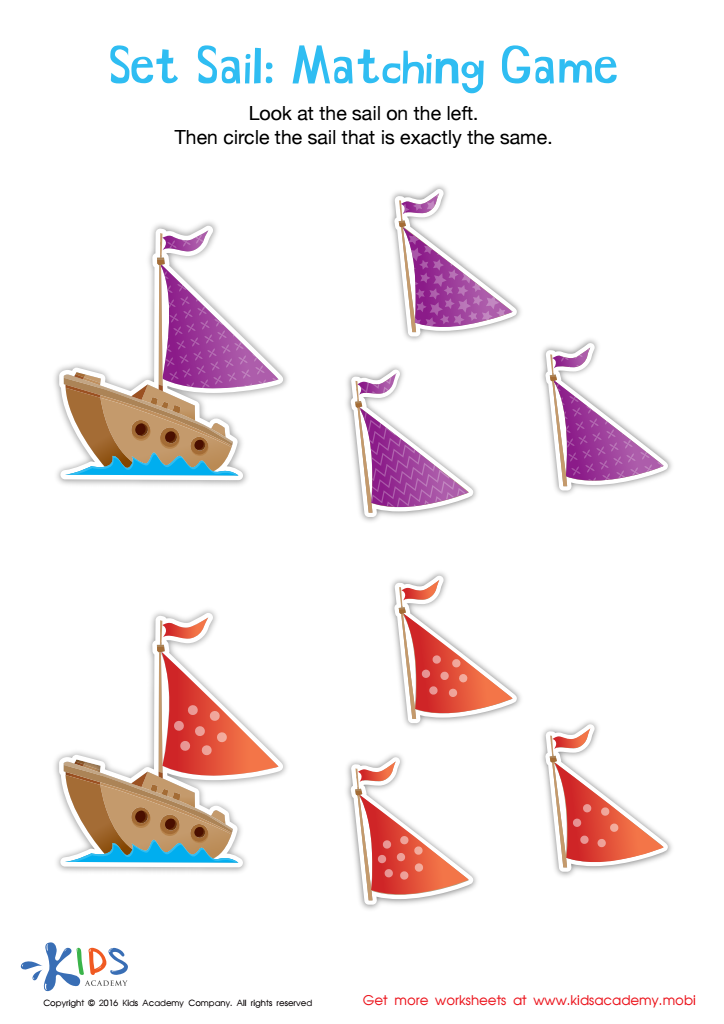
Set Sail Worksheet
Set sail with this fun matching game for toddlers! Kids will love finding the same pattern on the sails, improving their problem-solving and counting skills. Enjoy this bright and engaging worksheet!
Set Sail Worksheet
Worksheet
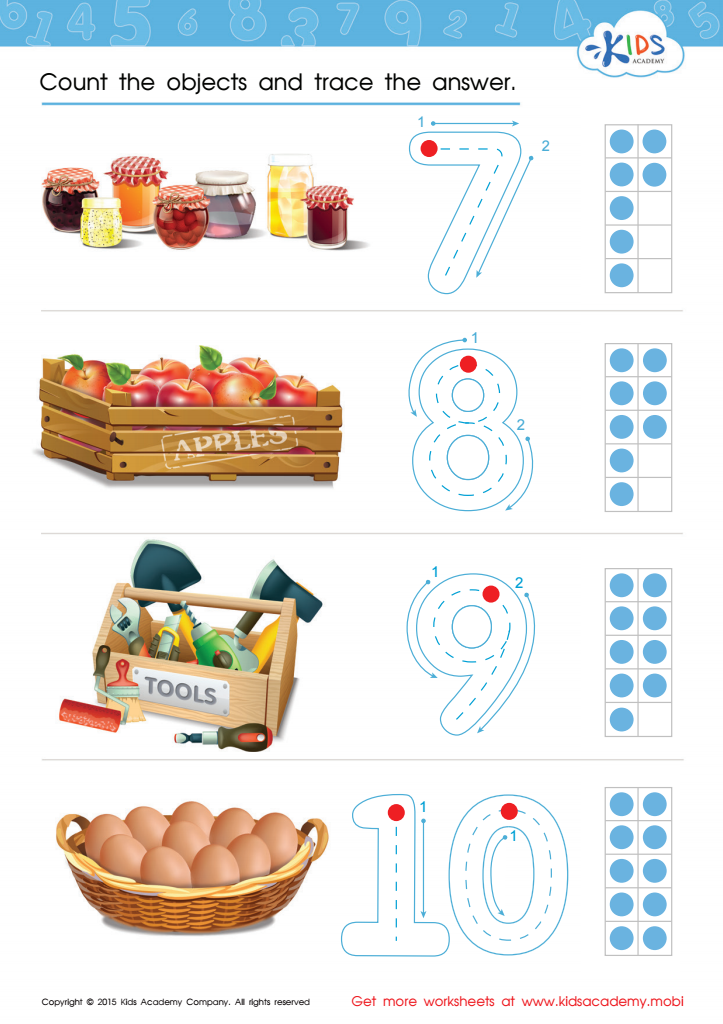
Count and Trace 7 – 10 Worksheet
Let your child develop a lifelong love of math with Kids Academy's printable math worksheet based on the innovative Singapore Math method. It uses funny pictures and graphs to help solve math problems. Check out our amazing collection of free printable math worksheets now!
Count and Trace 7 – 10 Worksheet
Worksheet
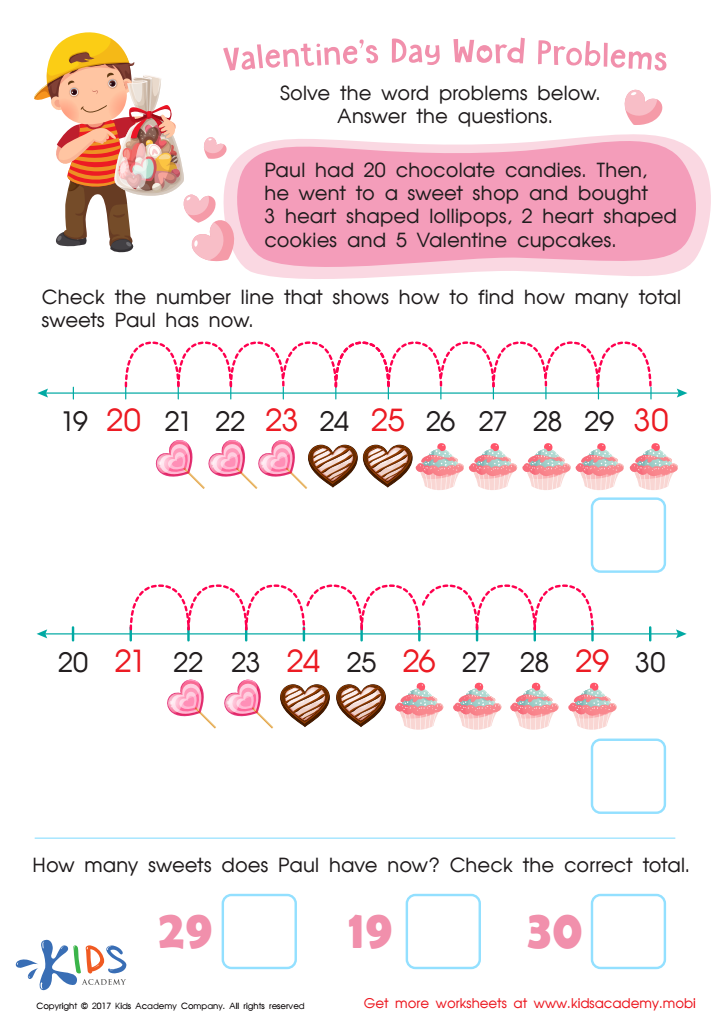
Valentines Day 2 Printable
This PDF worksheet uses a number line to help solve the problems. Your child will be ready for Valentine's Day after completing it. Counting and adding from 20 is also reinforced.
Valentines Day 2 Printable
Worksheet
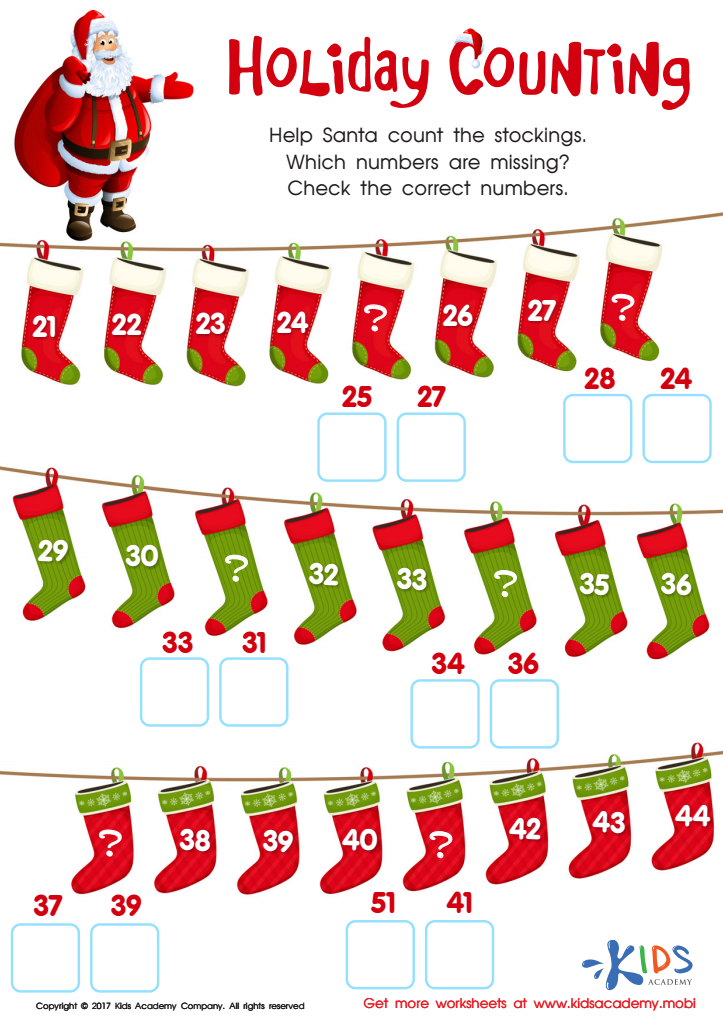
Holiday Counting Worksheet
Let's spread some holiday cheer! Santa needs help counting stockings hung up for gifts - can your little one lend a hand? Find the missing numbers on the worksheet and have them check the boxes for the correct answers. Time to get counting!
Holiday Counting Worksheet
Worksheet
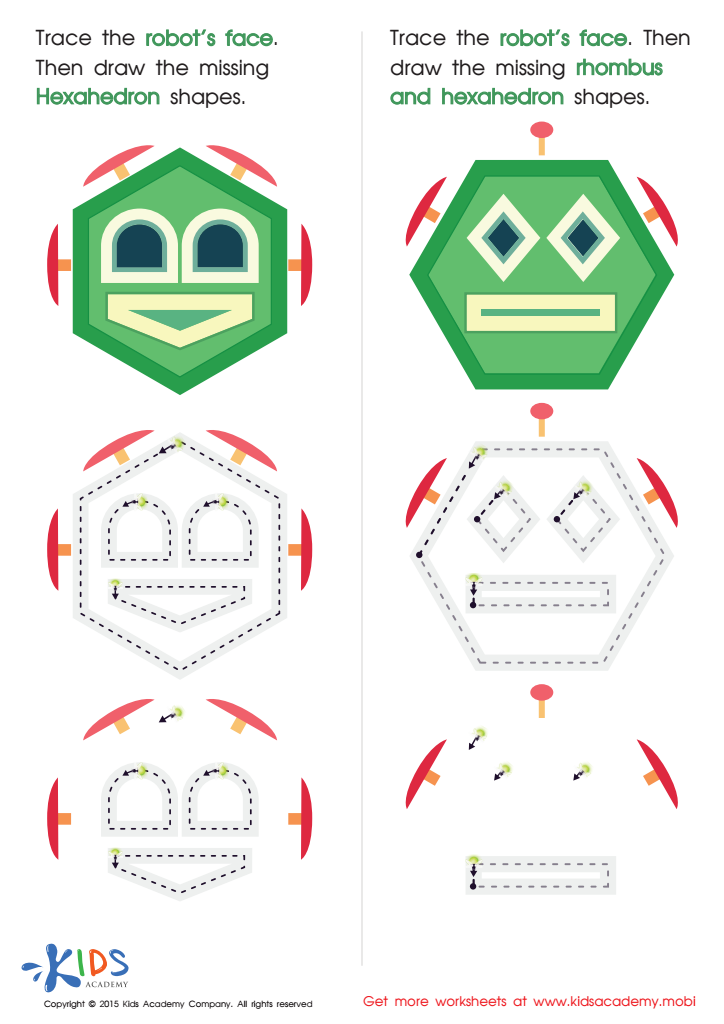
Practice Drawing Hexahedrons And a Rhombus Worksheet
Trace the Robot's face, draw hexahedron and rhombus shapes, then trace again. Our tracing shapes worksheets make it easy for kids to learn geometry. Get more materials from Kids Academy to practice all the shapes.
Practice Drawing Hexahedrons And a Rhombus Worksheet
Worksheet
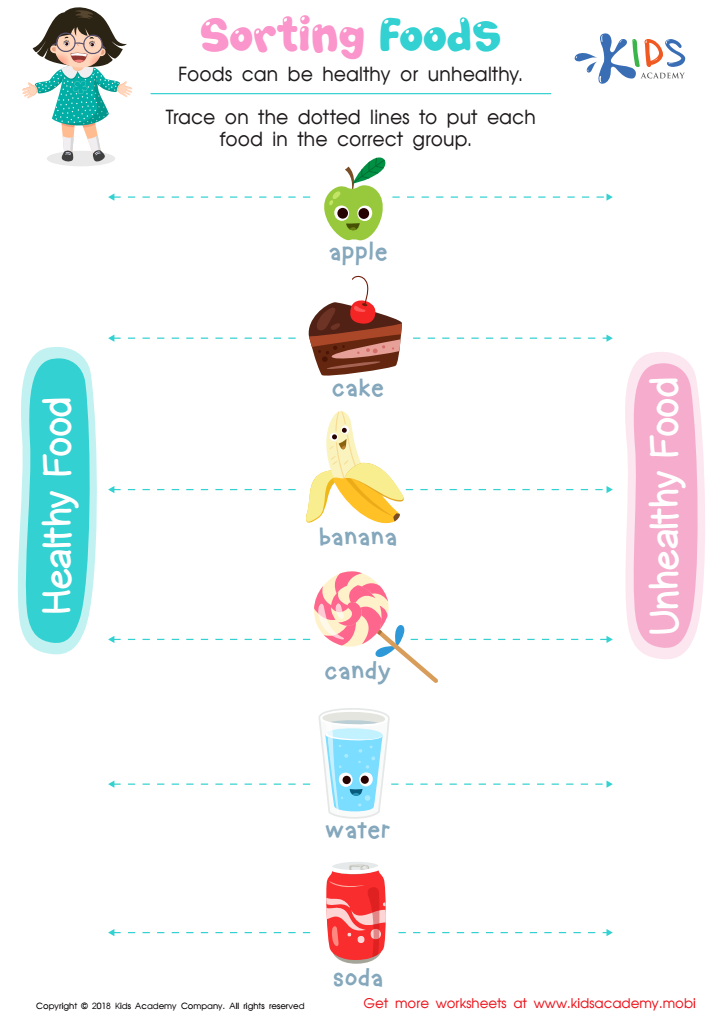
Sorting Food Worksheet
This delightful worksheet boosts critical thinking and fine motor skills. Kids use prior knowledge and pictures to sort foods into healthy and unhealthy groups. Tracing lines support accurate sorting and matching. Enjoy fun and free learning!
Sorting Food Worksheet
Worksheet
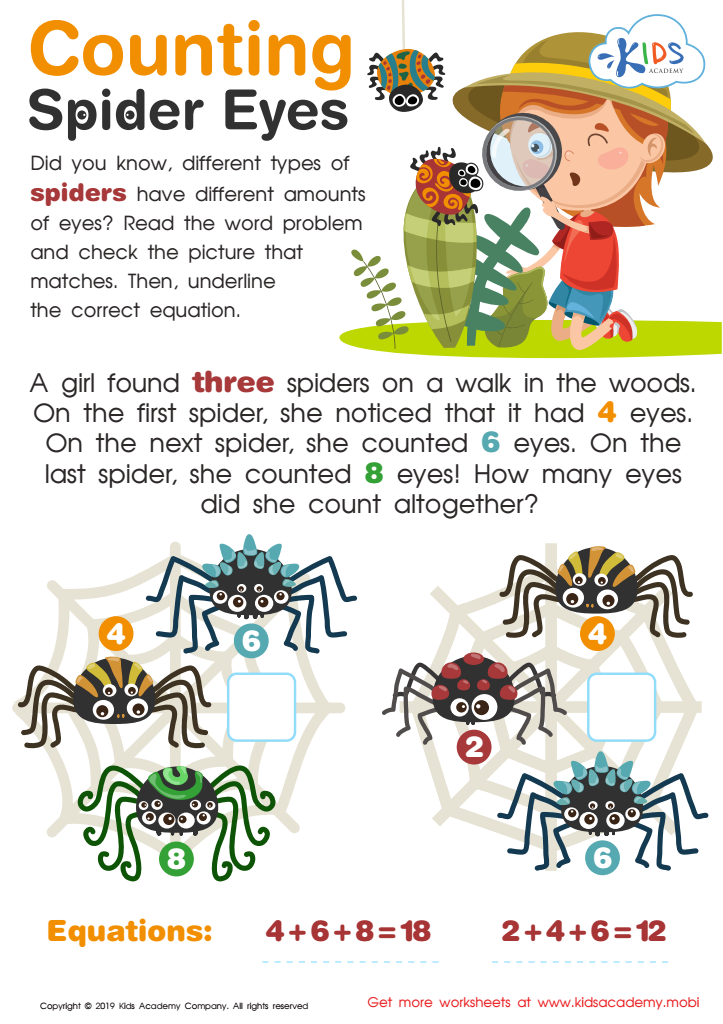
Counting Spider Eyes Worksheet
Did you know different spiders have different eye numbers? Kids will love learning this fact and solving the spider word problems on this free worksheet! Word problems promote a deeper understanding of the concept, plus they get to add up the spiders’ eyes while solving addition problems with more than one addend. Fun and math all in one!
Counting Spider Eyes Worksheet
Worksheet
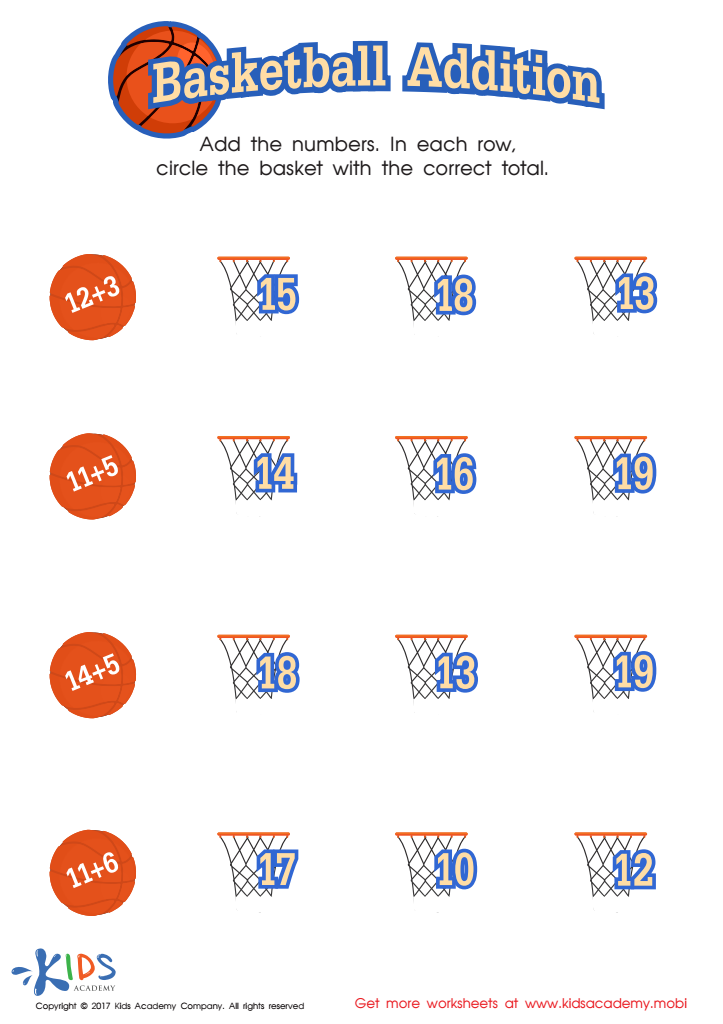
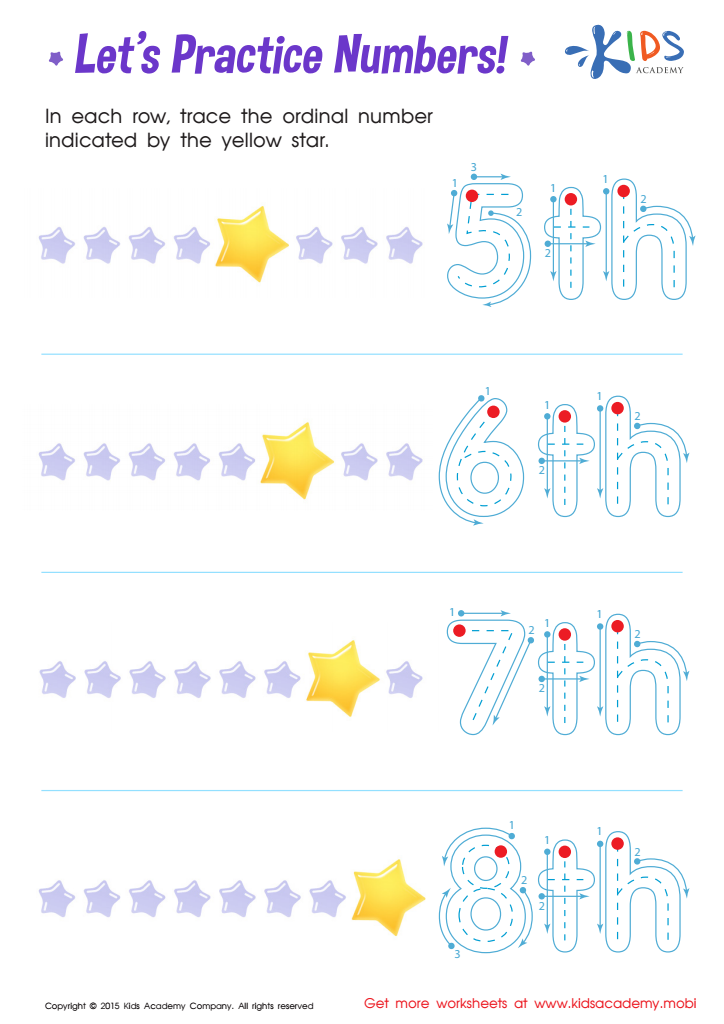
Ordinal Numbers: Let's Practice Numbers Printable
Worksheet
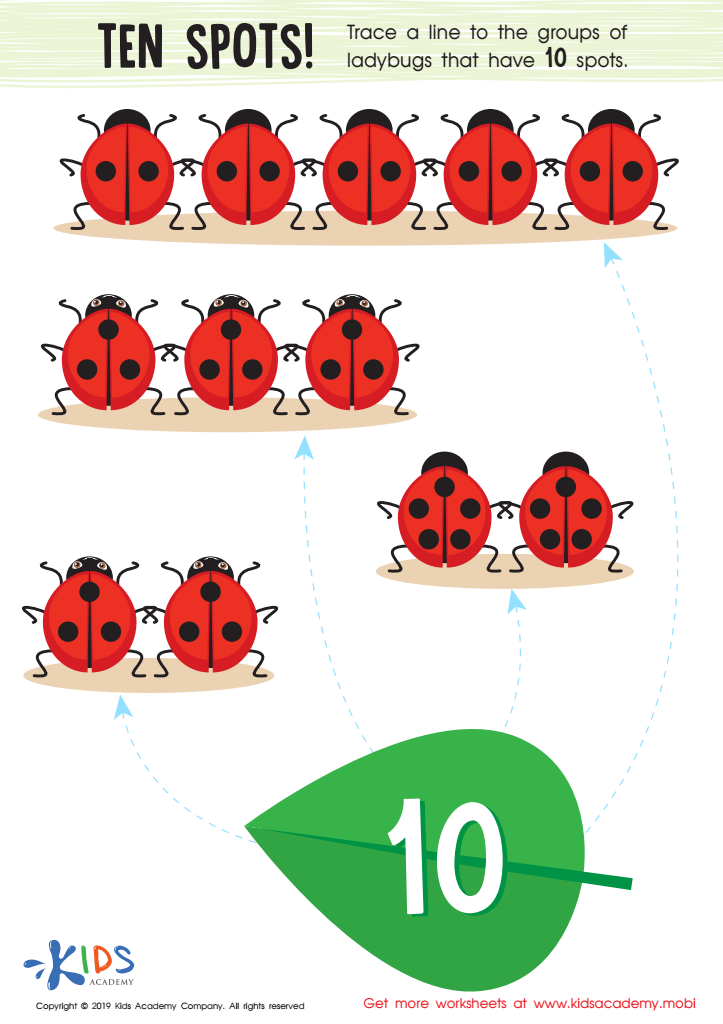
Ten Spots Worksheet
Kids love ladybugs! Ask them to tell you what stands out most--the spots. Show them a picture and help them count the spots. Trace a line to the group with 10 spots for a fun counting lesson.
Ten Spots Worksheet
Worksheet
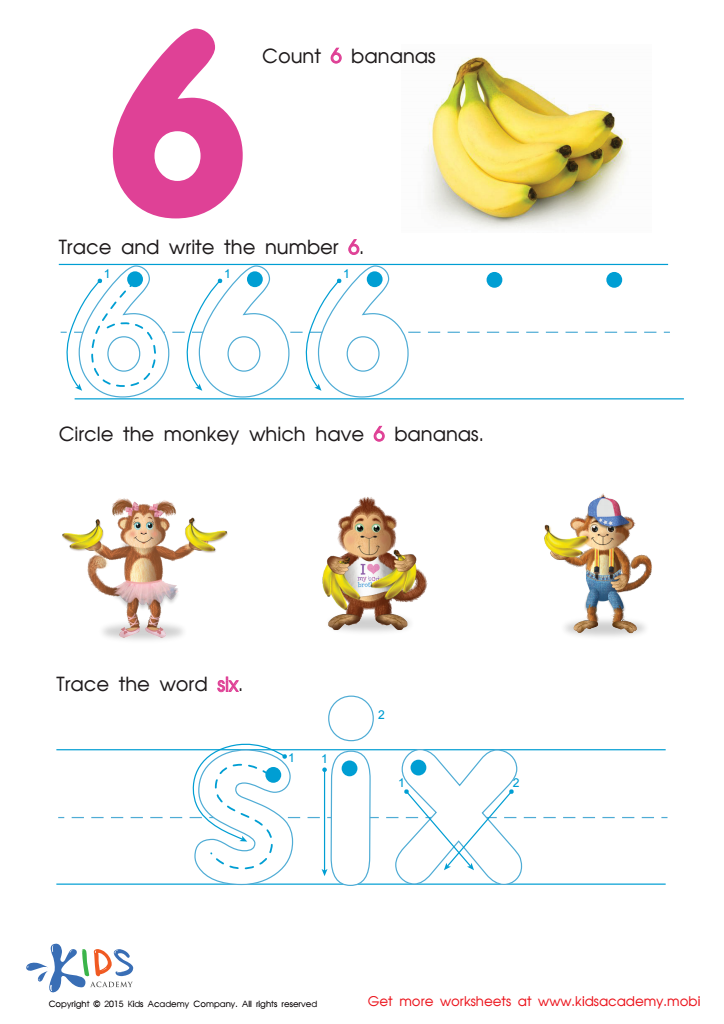
Tracing And Writing Number 6 Worksheet
Learn numbers in a fun way with our preschool number worksheets. Count six bananas, trace and write the number, find the monkey with six bananas, and trace the word "six." Explore more activities at Kids Academy.
Tracing And Writing Number 6 Worksheet
Worksheet
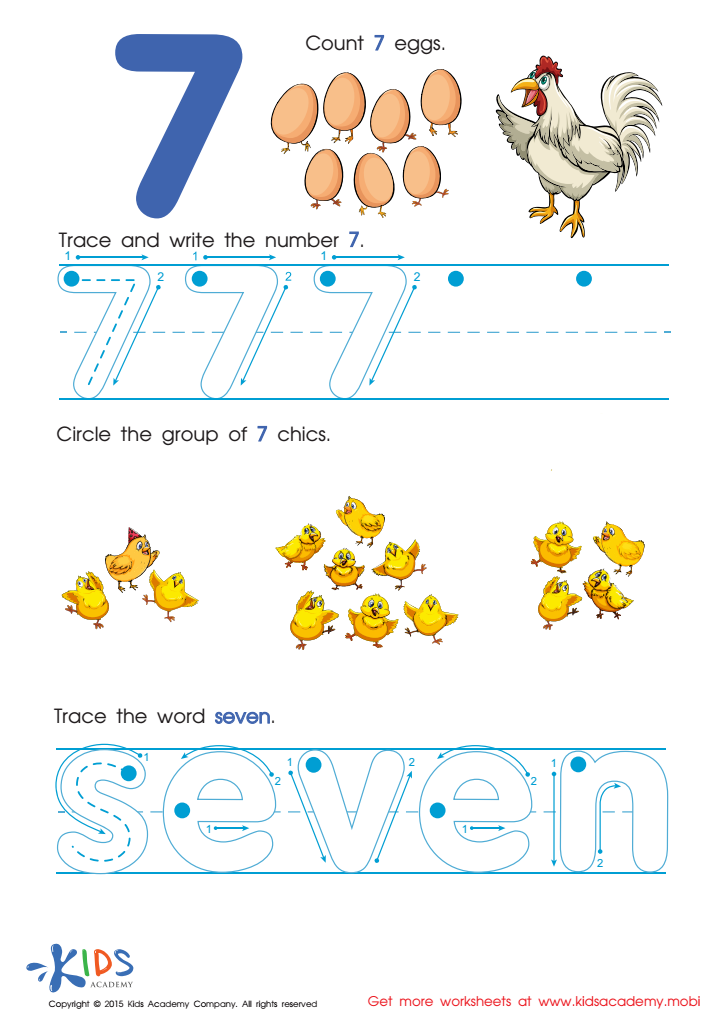
Trace And Write Number 7 with Fun Worksheet
Try one with a cute hen and its seven eggs! Trace and write the number 7, circle the group of seven chicks, and trace the word "seven". Fun and educational!
Trace And Write Number 7 with Fun Worksheet
Worksheet
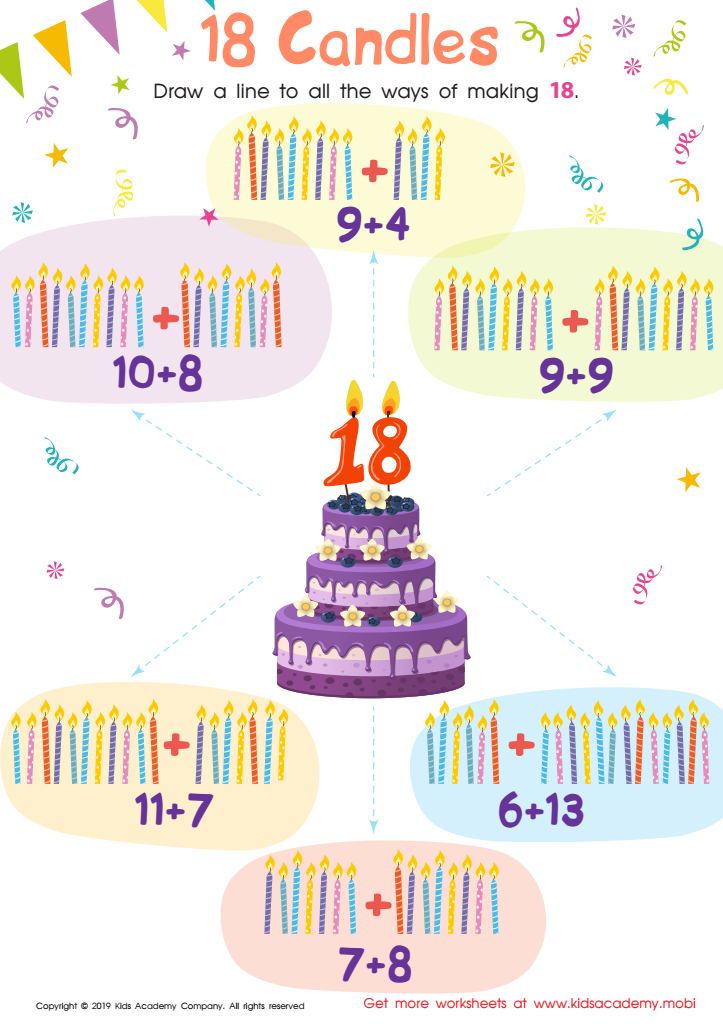
18 Candles Worksheet
This worksheet is great for introducing your students to addition and subtraction. Help your kids solve the simple equations on it and draw a line from the birthday cake with 18 on it to all the solutions. Practice like this will prepare them to tackle more complex math problems.
18 Candles Worksheet
Worksheet
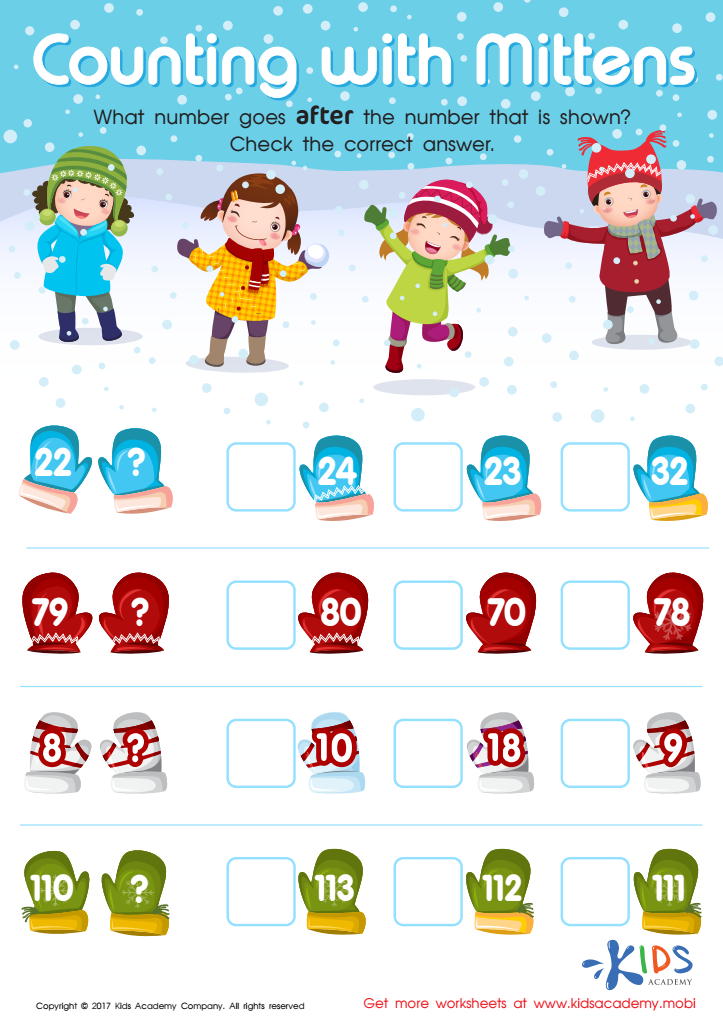
Counting with Mittens Worksheet
Let your kid have fun with this counting worksheet! It encourages them to count numbers and figure out which come next in the picture. Check the box with the correct answer - it's already provided. No more groaning and tears - this is a great way to learn!
Counting with Mittens Worksheet
Worksheet
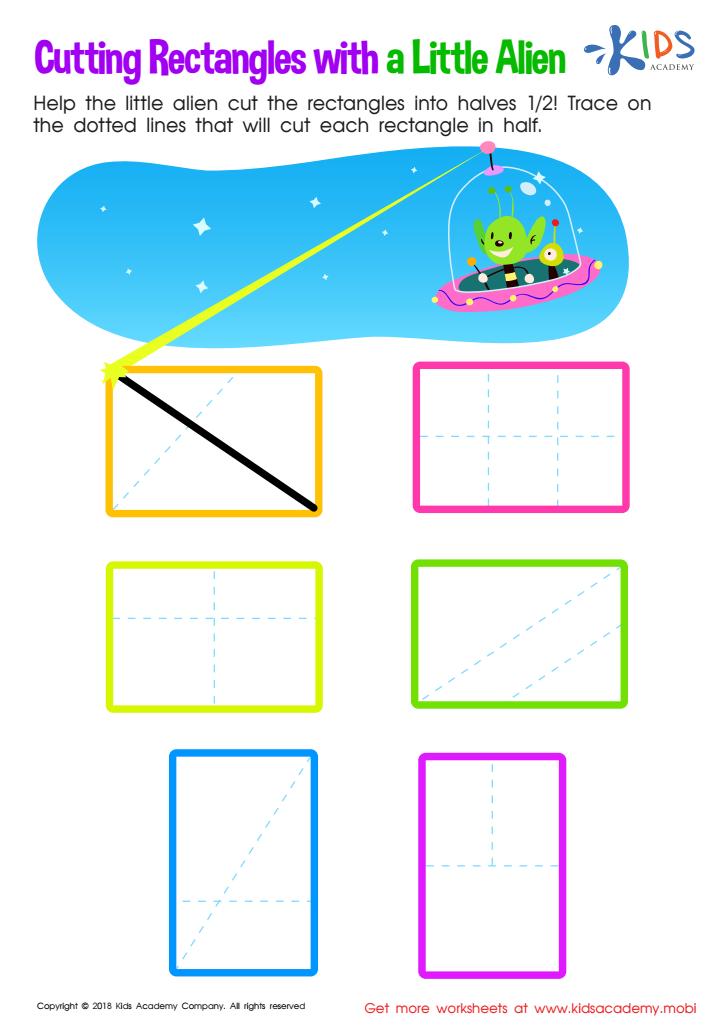
Cutting Rectangles with Alien Worksheet
If your students are interested in aliens and otherworldly events, they'll love this exercise! It requires them to help a small alien cut rectangles into halves (½). They must trace the dotted lines to accurately cut each rectangle.
Cutting Rectangles with Alien Worksheet
Worksheet
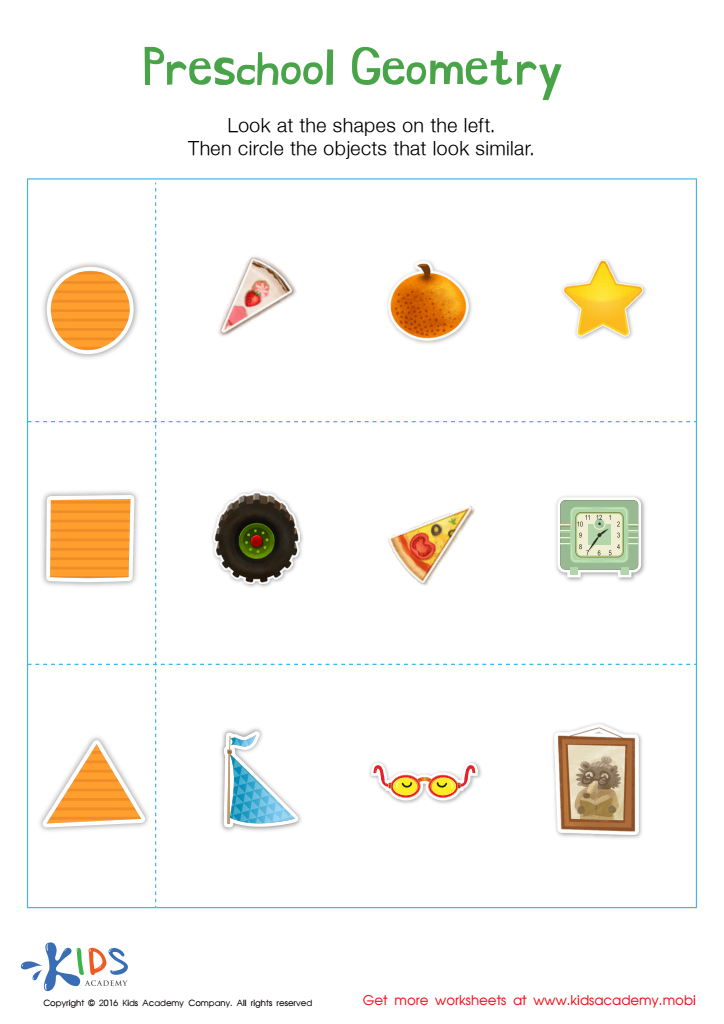
Preschool Geometry Match Up Worksheet
Teach your preschooler geometry using everyday objects. This printable worksheet helps them recognize, match, and follow directions like left and right. Start a conversation to extend their learning and they'll see how shapes appear in the world around them.
Preschool Geometry Match Up Worksheet
Worksheet
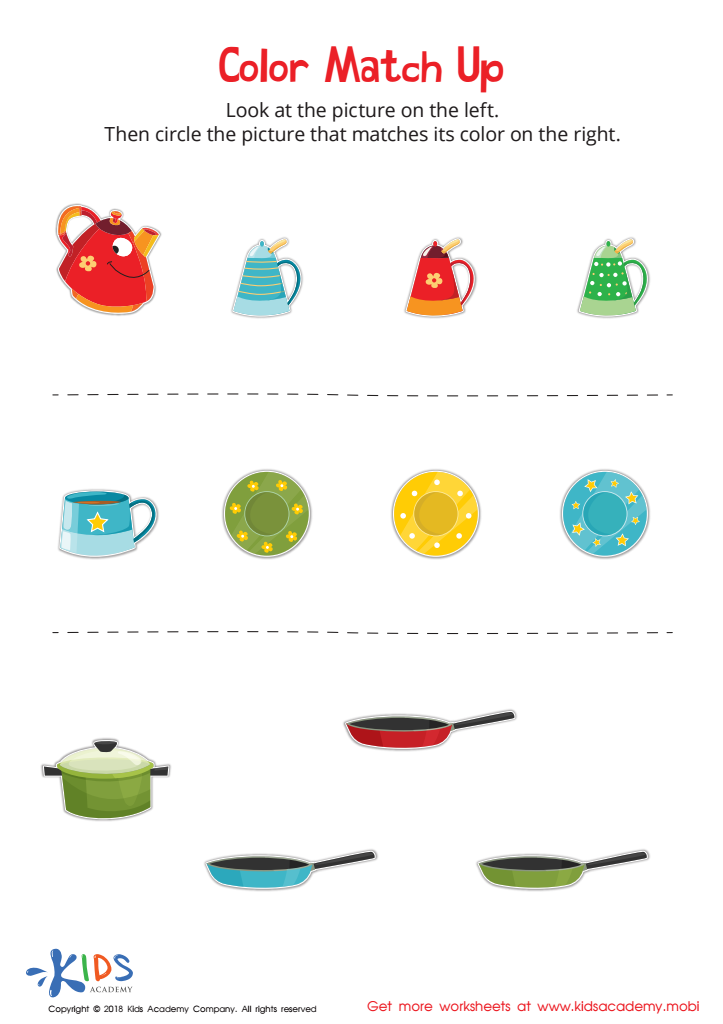
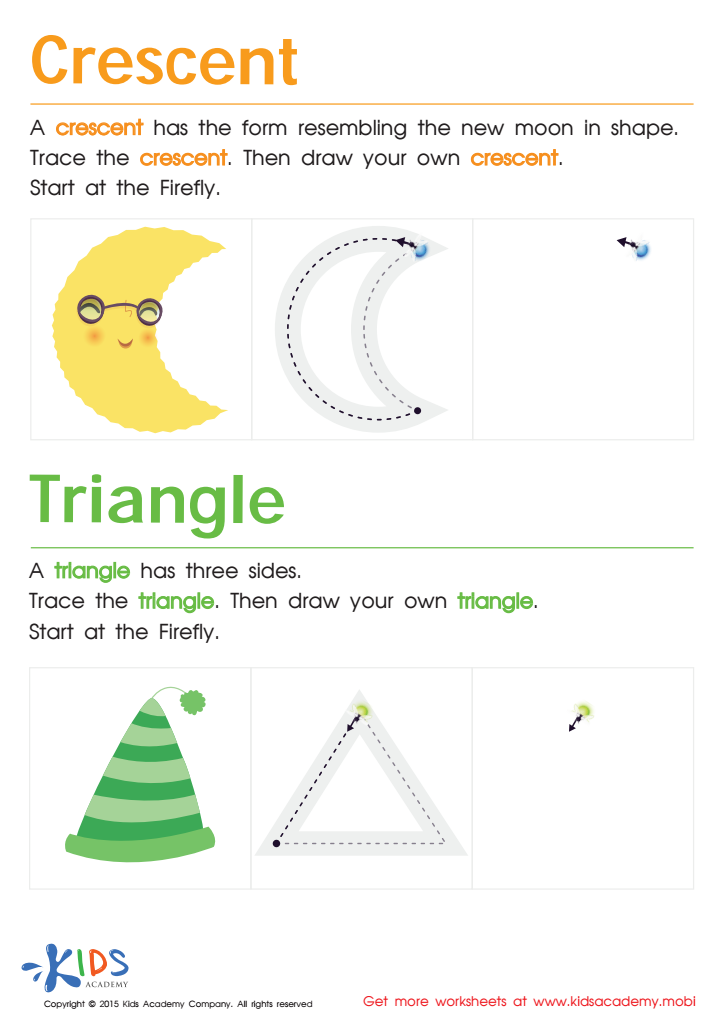
Learning to Draw Crescents And Triangles Worksheet
Help your kids draw a crescent and triangle with this free printable worksheet! Start by tracing a crescent in the form of the new moon, and then teach them that a triangle has three sides and looks like a hat. Find more geometry practice worksheets at Kids Academy!
Learning to Draw Crescents And Triangles Worksheet
Worksheet
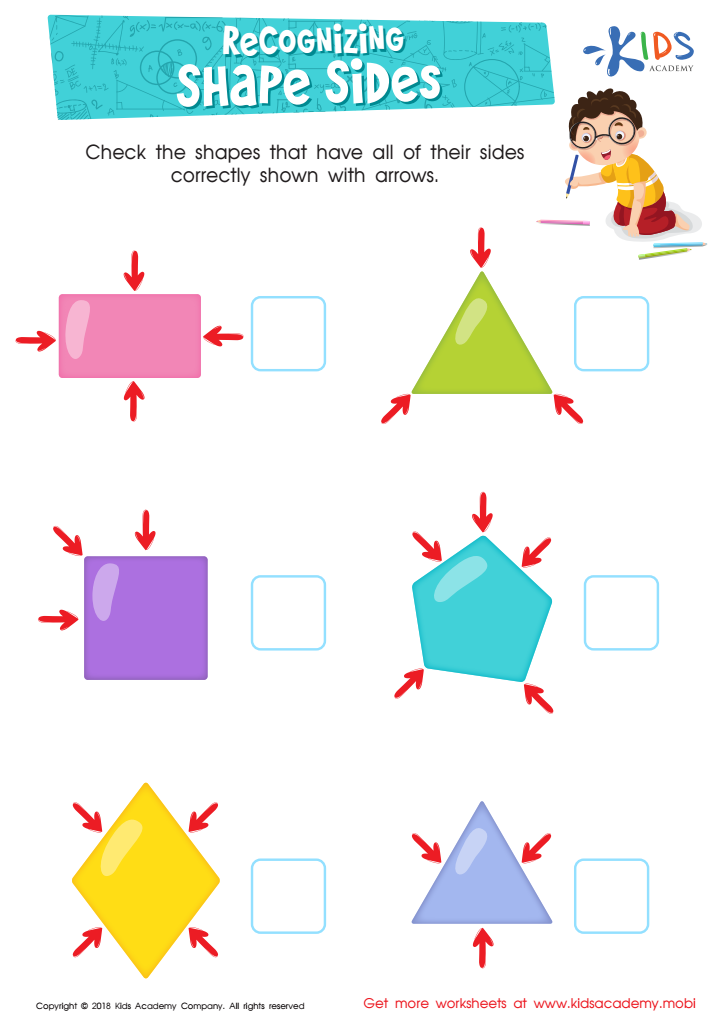
Recognizing Shape Sides Worksheet
This exercise will help your child recognize shape sides. Go over the difference between sides and angles first, then have them check the shapes with arrows to show the sides. They'll quickly get the hang of it and find it much easier after completing the colorful worksheet.
Recognizing Shape Sides Worksheet
Worksheet
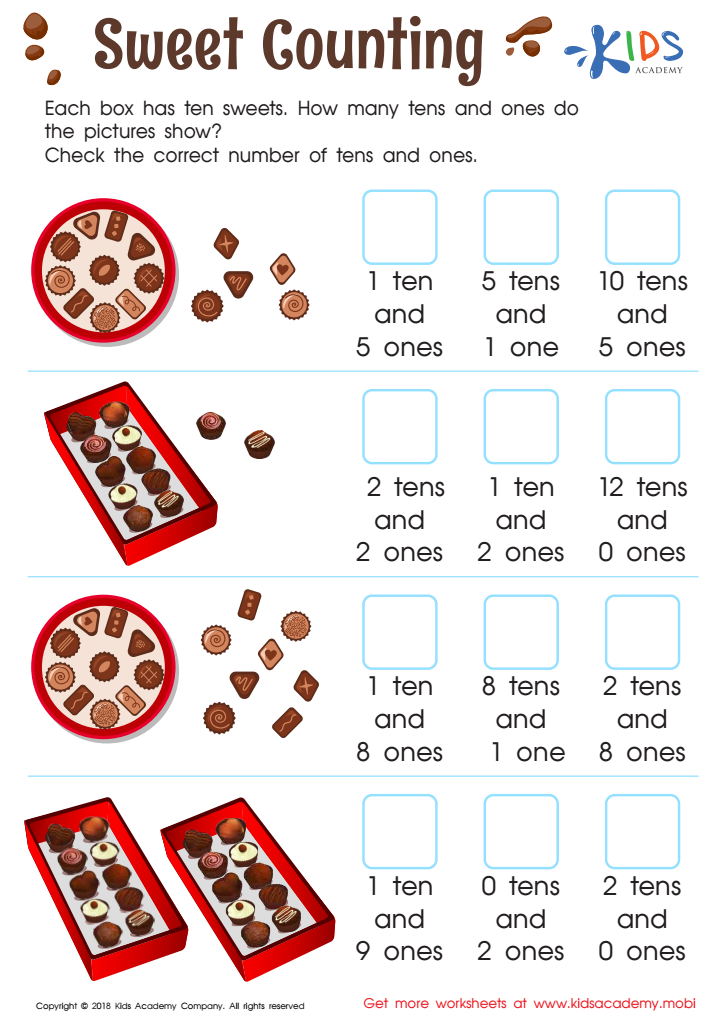
Sweet Counting - Part 2 Worksheet
Kids adore sweets! Make counting fun with this sweet-themed worksheet. Guide your child to count chocolates in boxes of 10, plus individual candies. Group them into tens and ones. Ask: "How many ones and tens are in each row?" Check the answer and complete the practice sheet.
Sweet Counting - Part 2 Worksheet
Worksheet
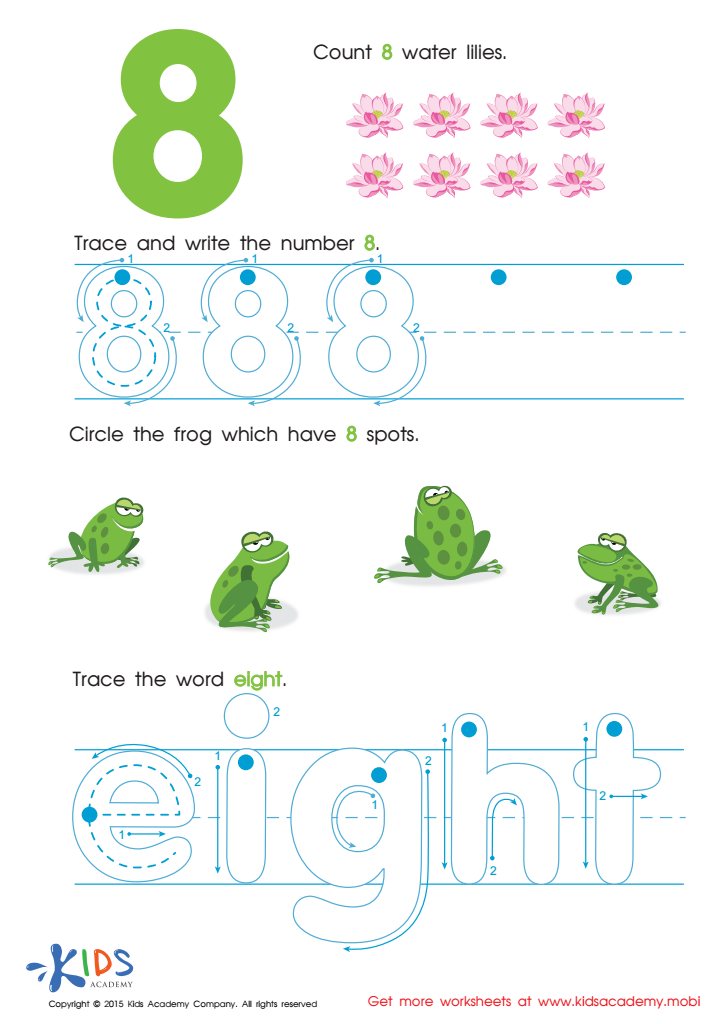
Learn Number 8 Easily Worksheet
Kids can trace, write numbers and learn to pronounce them through exciting activities and games. Try our number worksheets for preschoolers to make learning fun!
Learn Number 8 Easily Worksheet
Worksheet
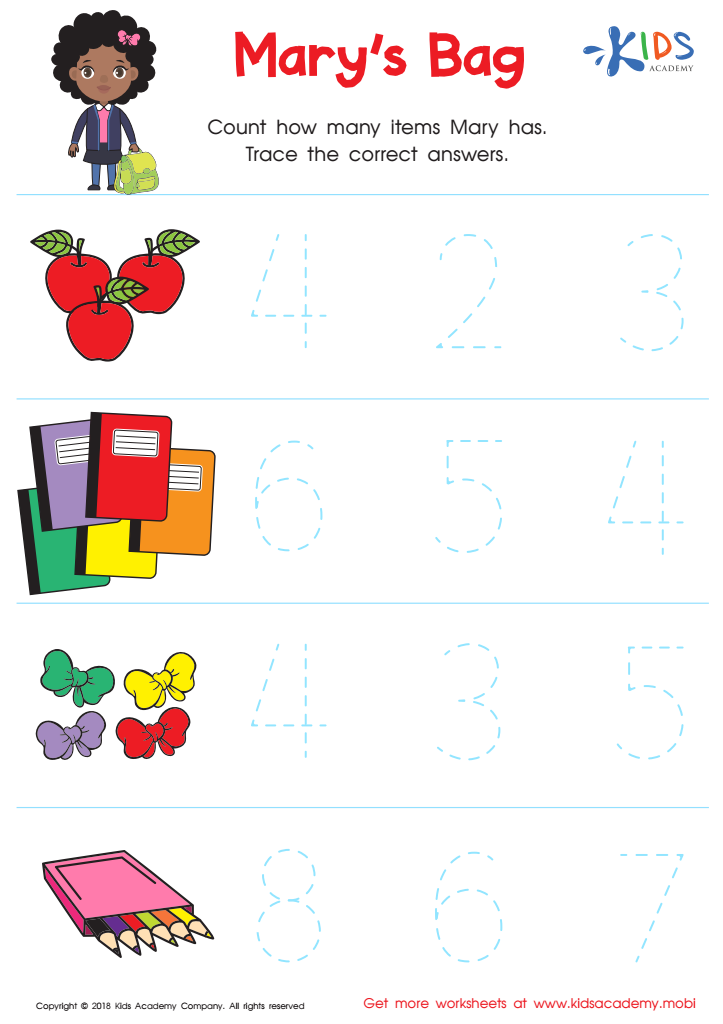
Kindergarten Number Tracing: Mary's Bag Worksheet
Counting and writing skills are honed with this kindergarten tracing worksheet. Guide Mary in counting the items in her bag then trace the correct number for each. Your child will get a great head start on essential kindergarten skills!
Kindergarten Number Tracing: Mary's Bag Worksheet
Worksheet
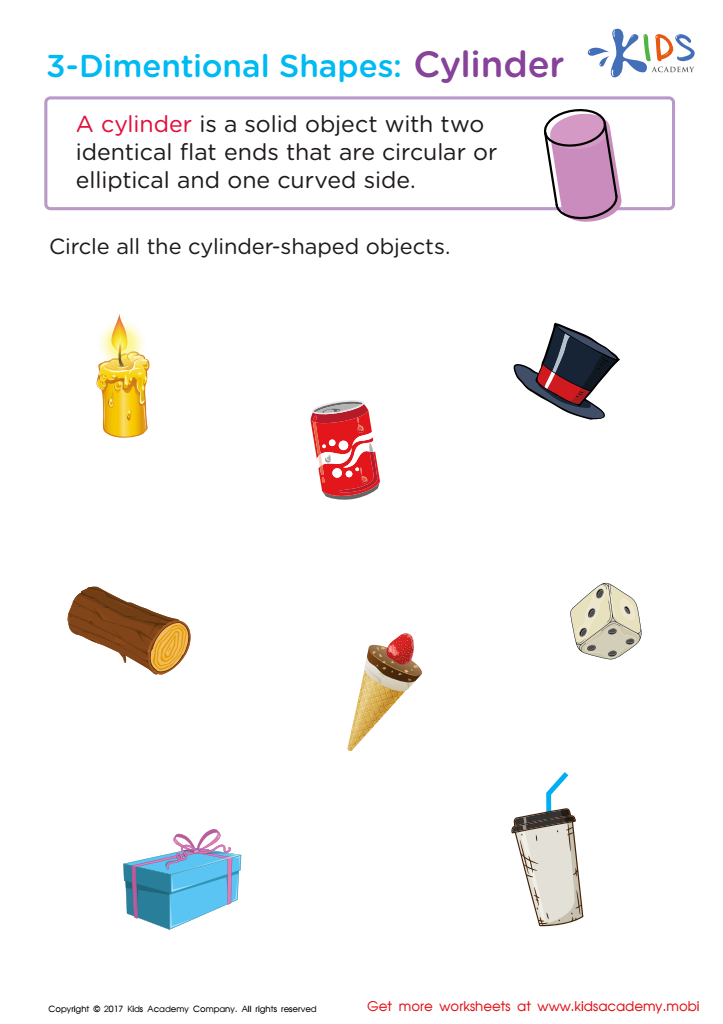
Three–Dimensional Shapes: Cylinder Worksheet
Introduce your toddler to geometry and 3D cylinders with this printable and watch their knowledge grow. It will help them recognize, define, and identify cylinders, as well as differentiate between 3D objects.
Three–Dimensional Shapes: Cylinder Worksheet
Worksheet
Join Kids Academy for Free
Who is primarily going to use this learning content?




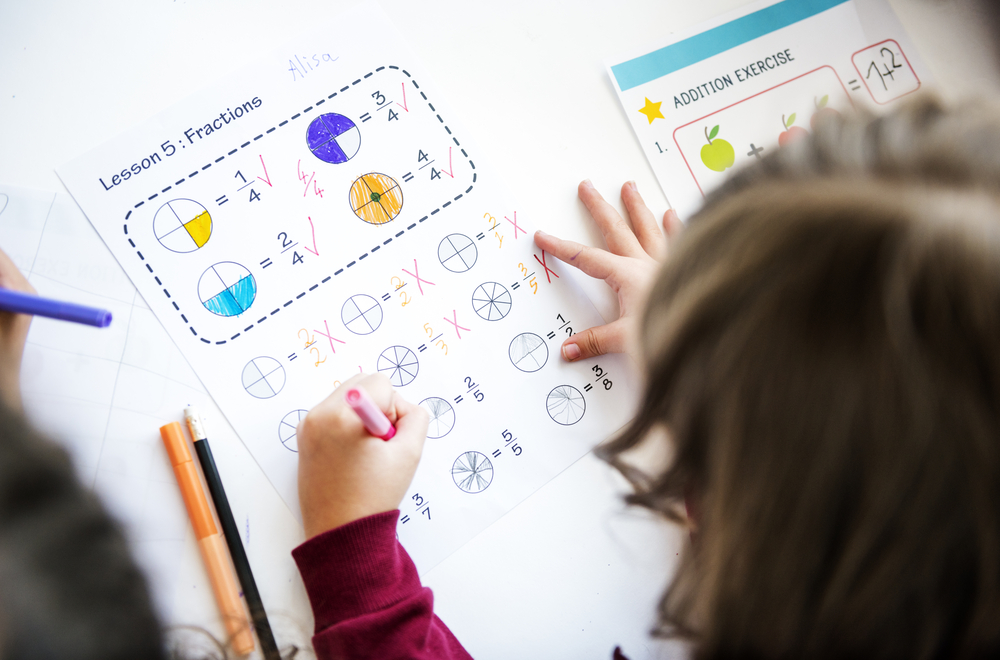



Fine motor skills refer to the coordinated movements of the small muscles in the hands and fingers, which are essential for everyday activities, especially for children aged 6-8. As a parent or teacher, understanding and nurturing these skills is crucial for several reasons. Firstly, fine motor skills directly impact a child’s ability to perform tasks that are fundamental in both academic and personal life, such as writing, drawing, and cutting with scissors. At this age, children are transitioning from basic scribbles to more refined hand movements that are necessary for legible handwriting and detailed illustrations, which are integral aspects of their learning process.
Secondly, fine motor skills are closely linked to cognitive development. Tasks that require precise hand movements also engage the brain in planning, focus, and problem-solving. For instance, math activities that involve manipulating small objects, such as counting beads or arranging number tiles, help enhance their numerical understanding and spatial awareness.
Moreover, practicing fine motor skills fosters independence and boosts self-esteem. When children can tie their shoes, button their clothes, or pack their school bags without adult help, they gain a sense of accomplishment and confidence. Therefore, caring about fine motor skills means supporting holistic development, ensuring children are well-prepared for future challenges, both in and out of the classroom.








