Normal World Around Us Worksheets for Ages 6-8 - Page 3
61 filtered results
-
From - To
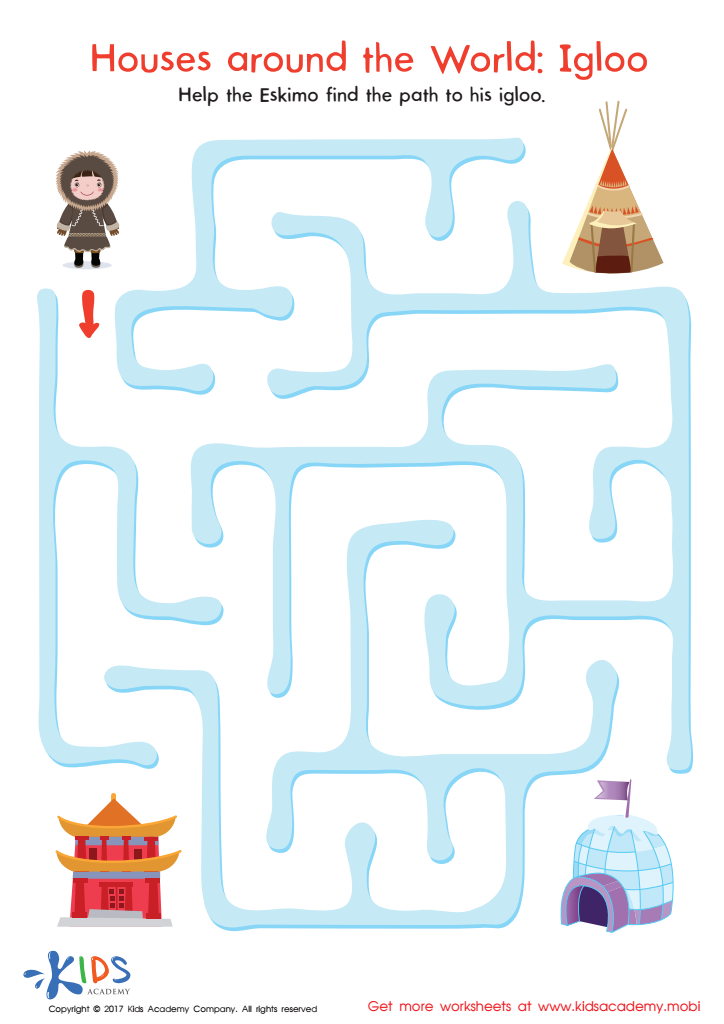
Houses Around the World: Igloo Printable
 Assign to My Students
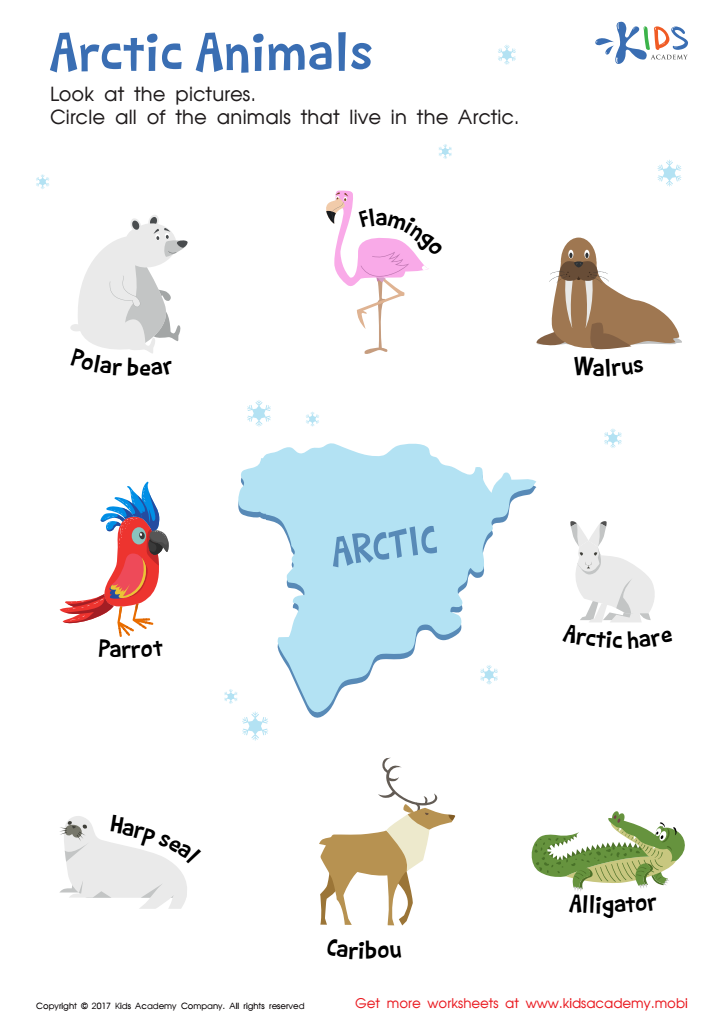
Arctic Animals Worksheet
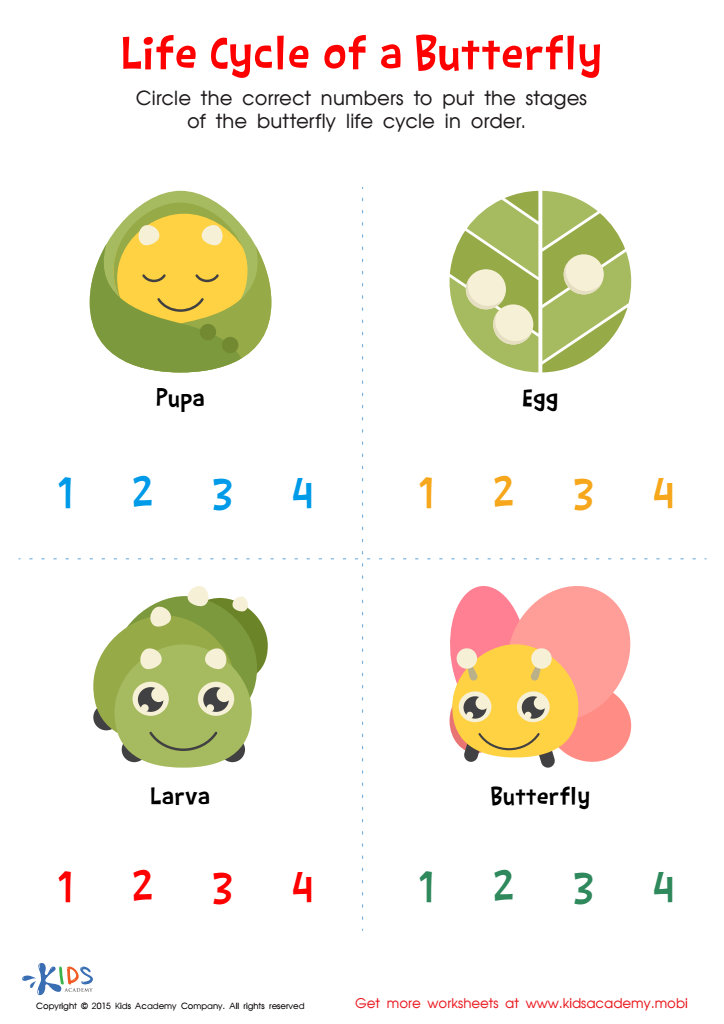
Life Cycle of Butterfly Printable
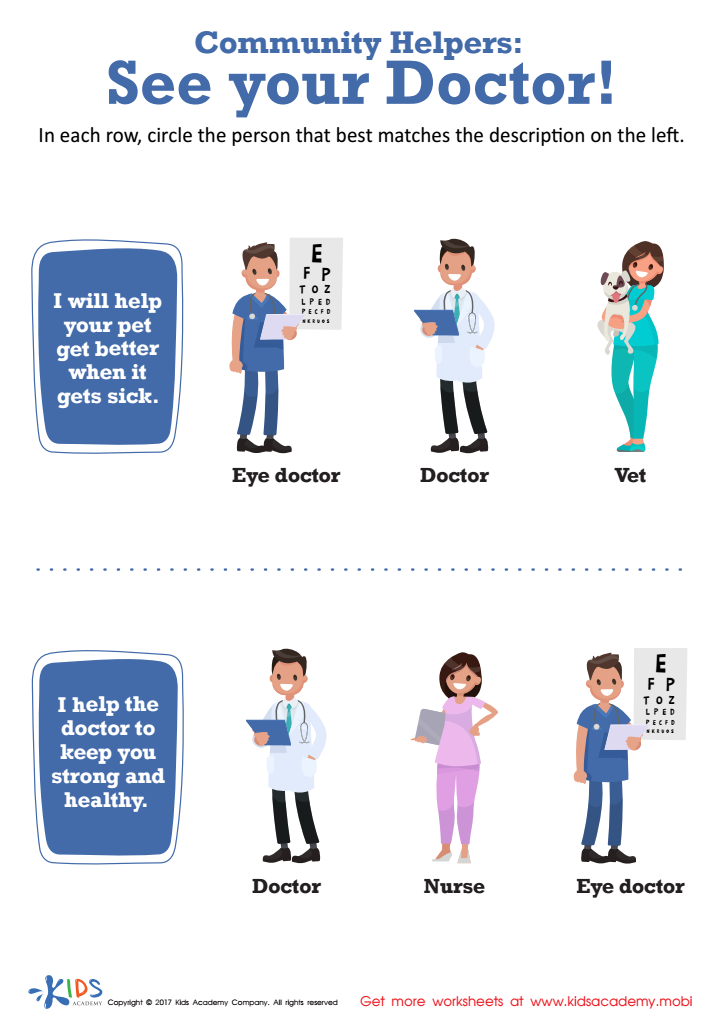
See Your Doctor (Part 2) Printable
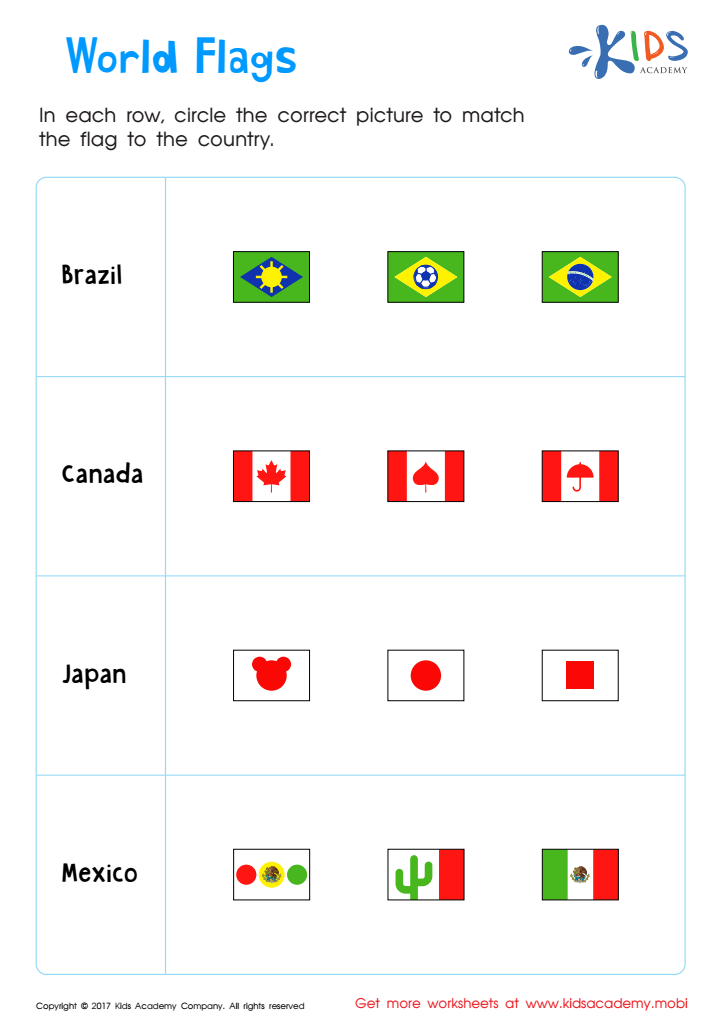
World Flags Printable
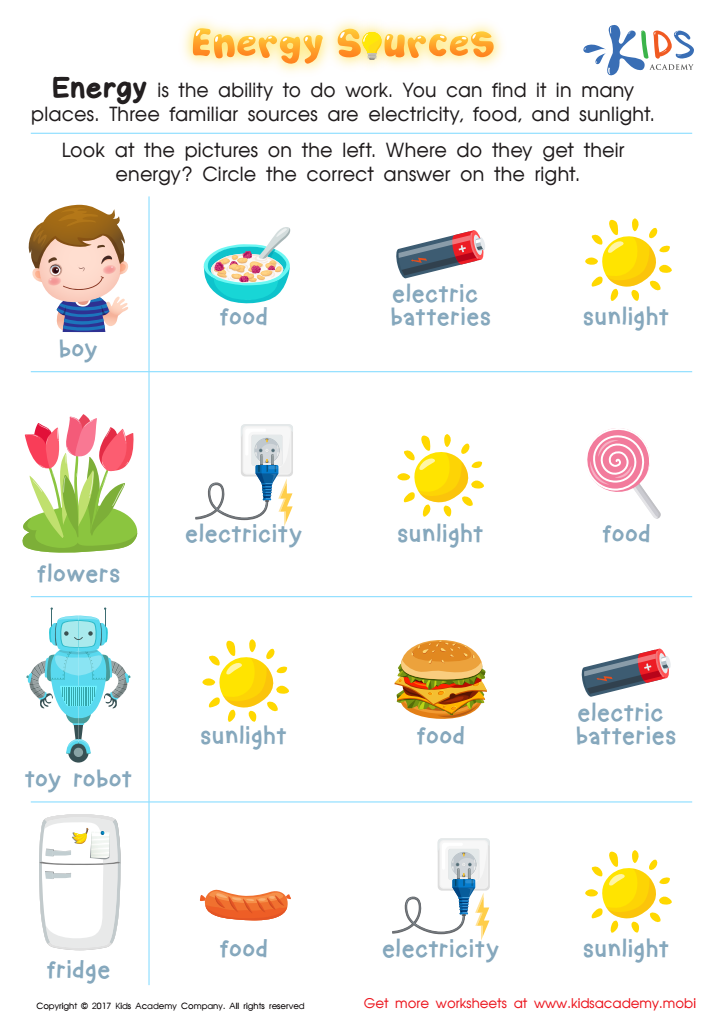
Energy Sources Printable
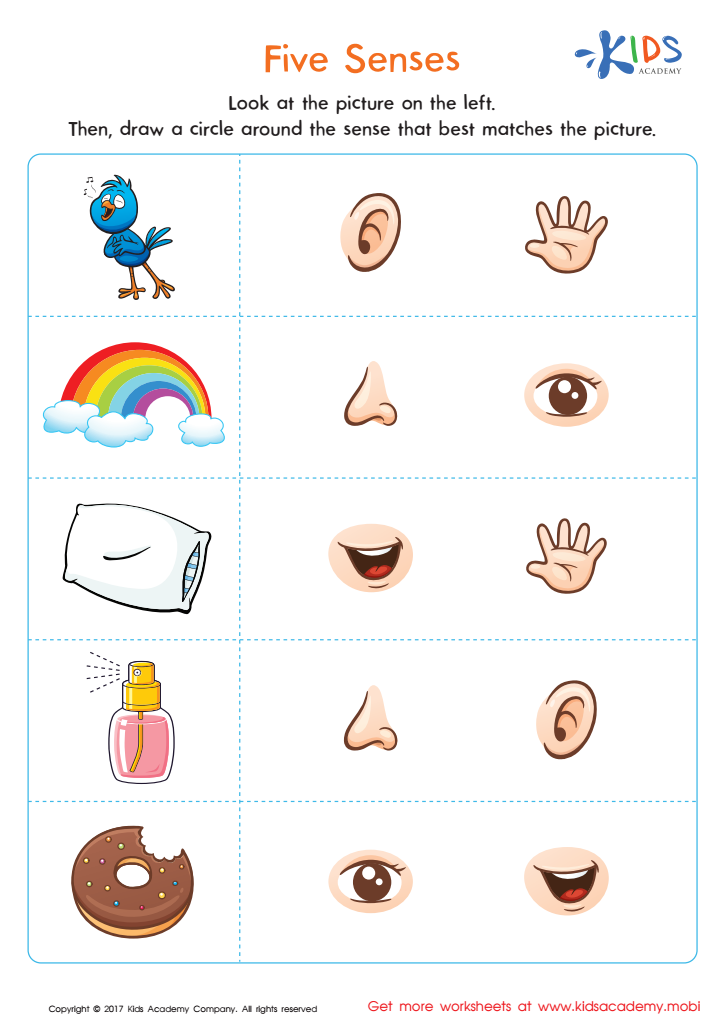
Five Senses Printable
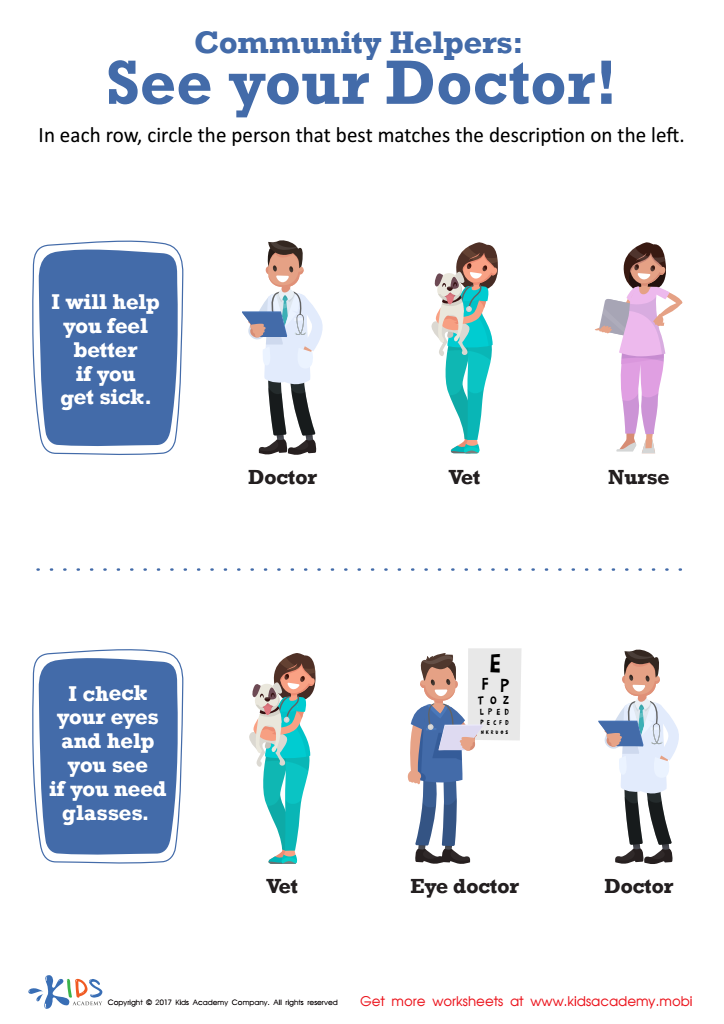
See Your Doctor (Part 1) Printable
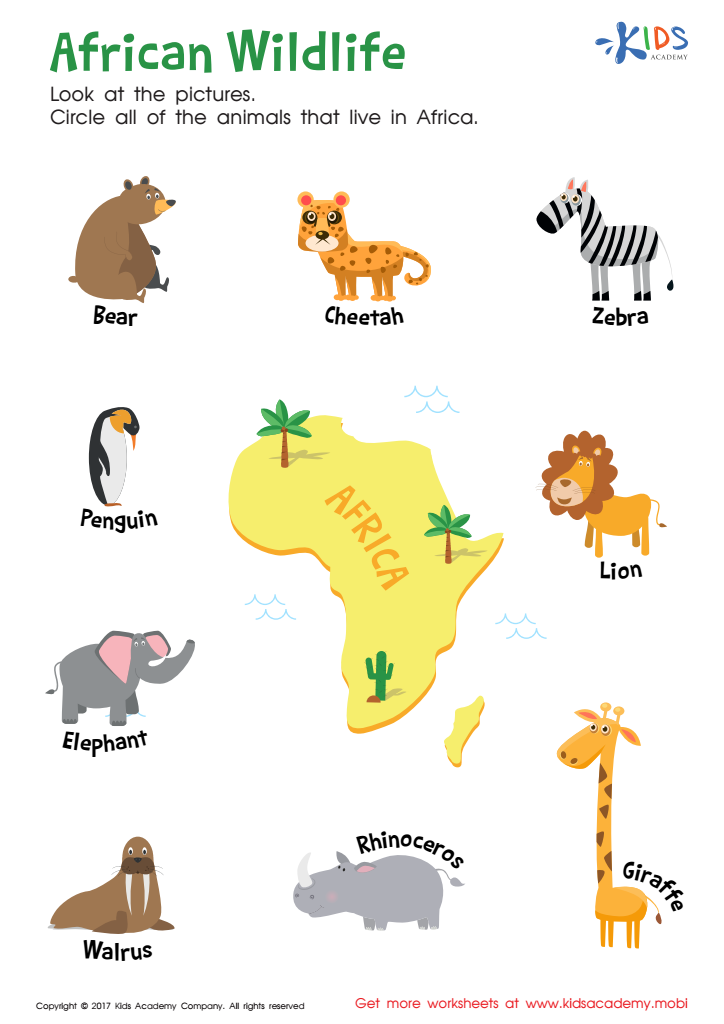
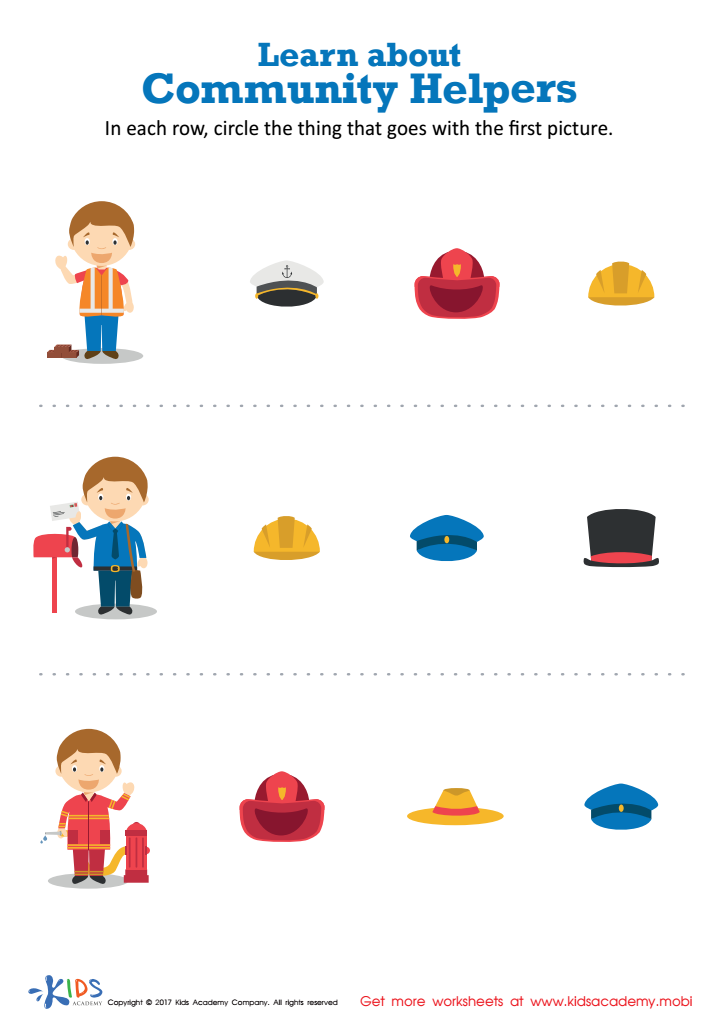
Learn about Community Helpers Printable
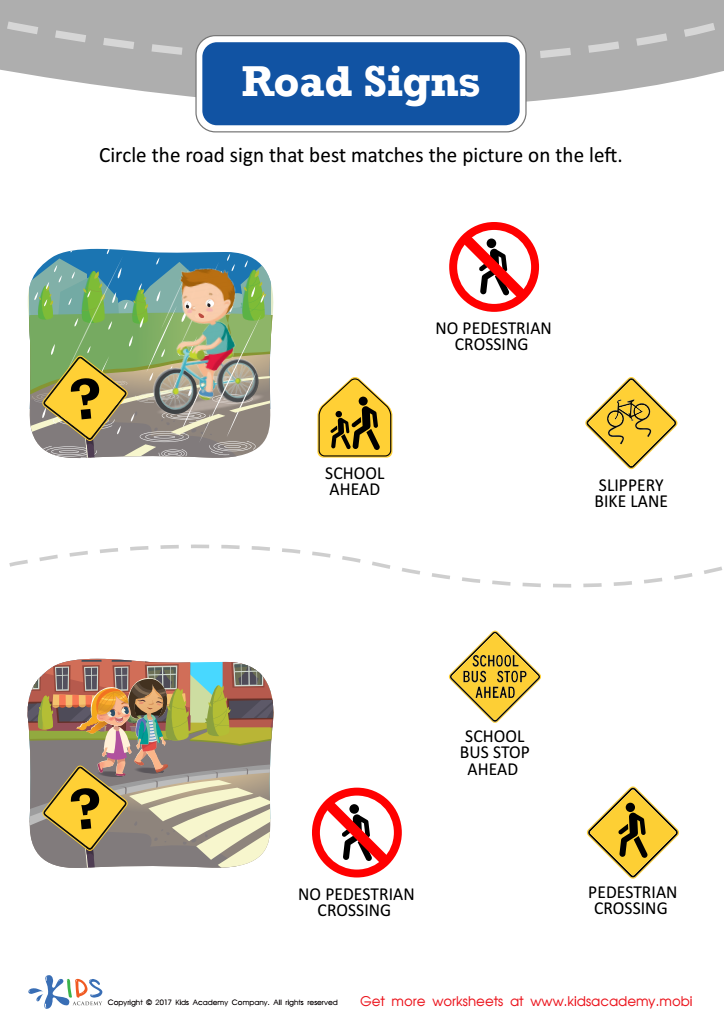
Road Signs (Part 2) Printable




.jpg)



Parents and teachers should prioritize understanding the "Normal World Around Us" for children aged 6-8 because this age group is pivotal for developing a sense of curiosity about their environment. At this stage, children begin forming their understanding of community, nature, and cultural diversity, which shapes their social awareness and emotional intelligence.
Engaging with the normal world helps children develop critical thinking skills as they explore cause and effect and learn problem-solving through observation. By discussing everyday experiences, parents and teachers can instill a sense of belonging and appreciation for the world, fostering empathy and respect for others.
Moreover, addressing incidental learning through activities like nature walks, community visits, and cultural celebrations enriches children's insights and connections. These real-world experiences also improve language development, as children learn to articulate what they see and feel.
Involving children in discussions about their surroundings encourages them to ask questions and seek answers, driving their innate curiosity. Ultimately, nurturing an awareness of the world equips children with the tools they need to become informed, engaged citizens who appreciate the rich tapestry of experiences around them, essential for academic and personal growth.