Normal Addition & Subtraction Worksheets for Ages 6-9 - Page 2
168 filtered results
-
From - To
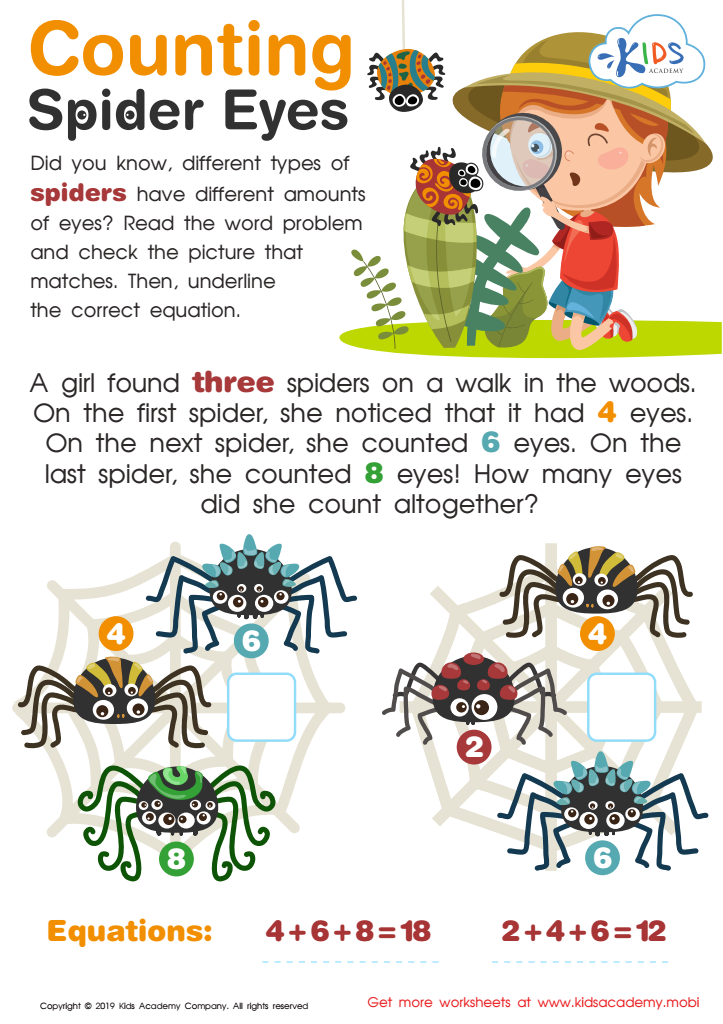
Counting Spider Eyes Worksheet
 Assign to My Students
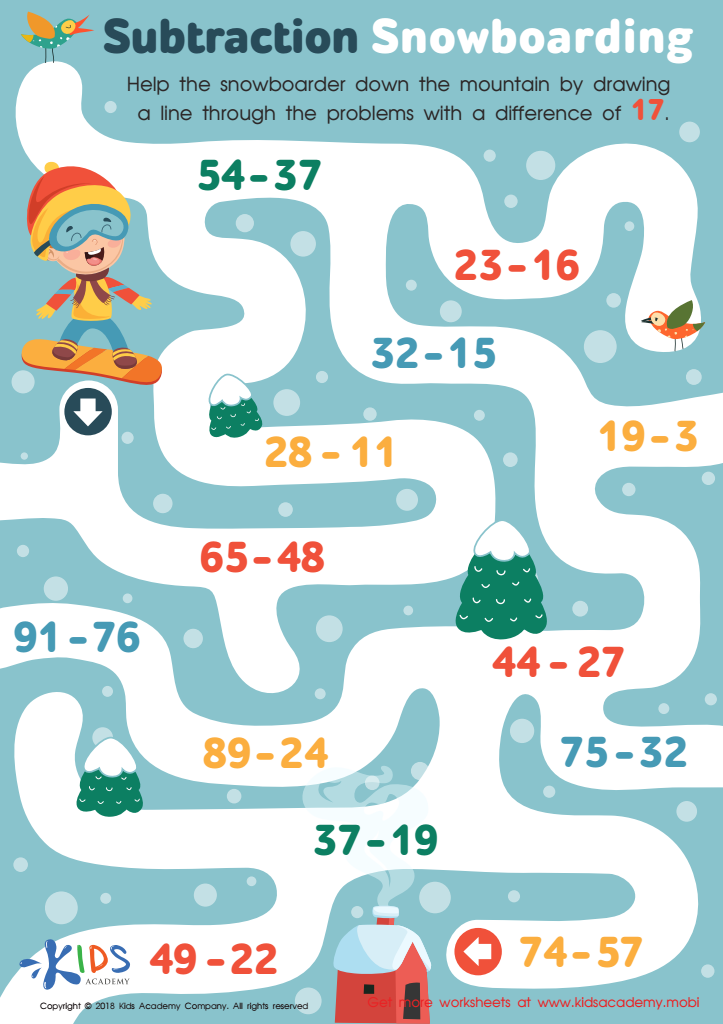
Subtraction Snowboarding Worksheet
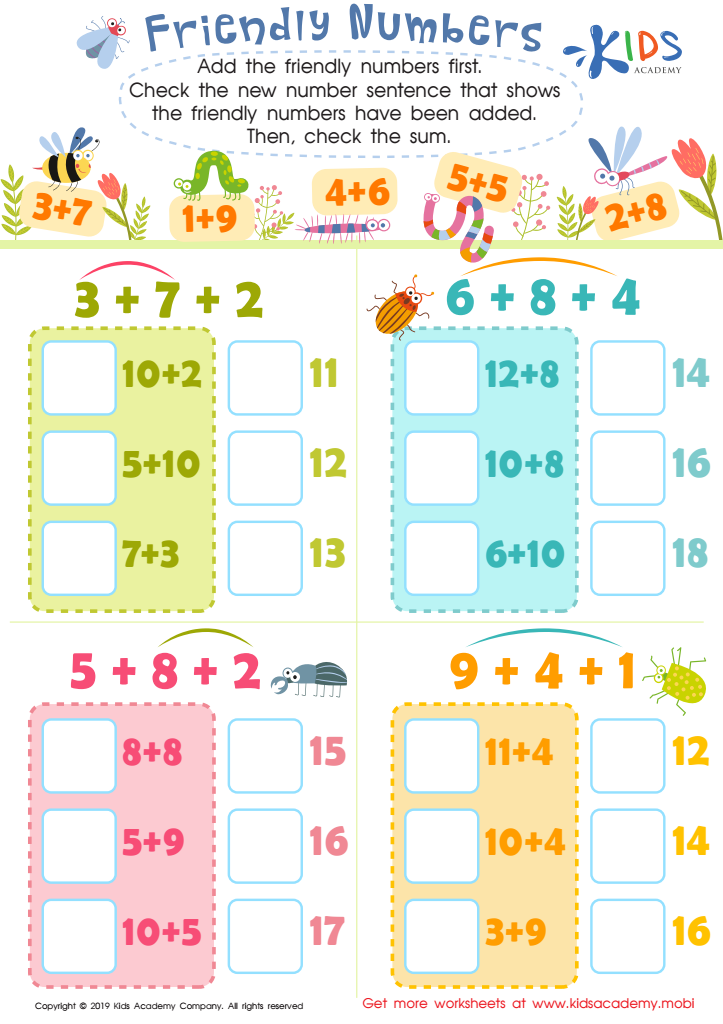
Friendly Numbers Worksheet
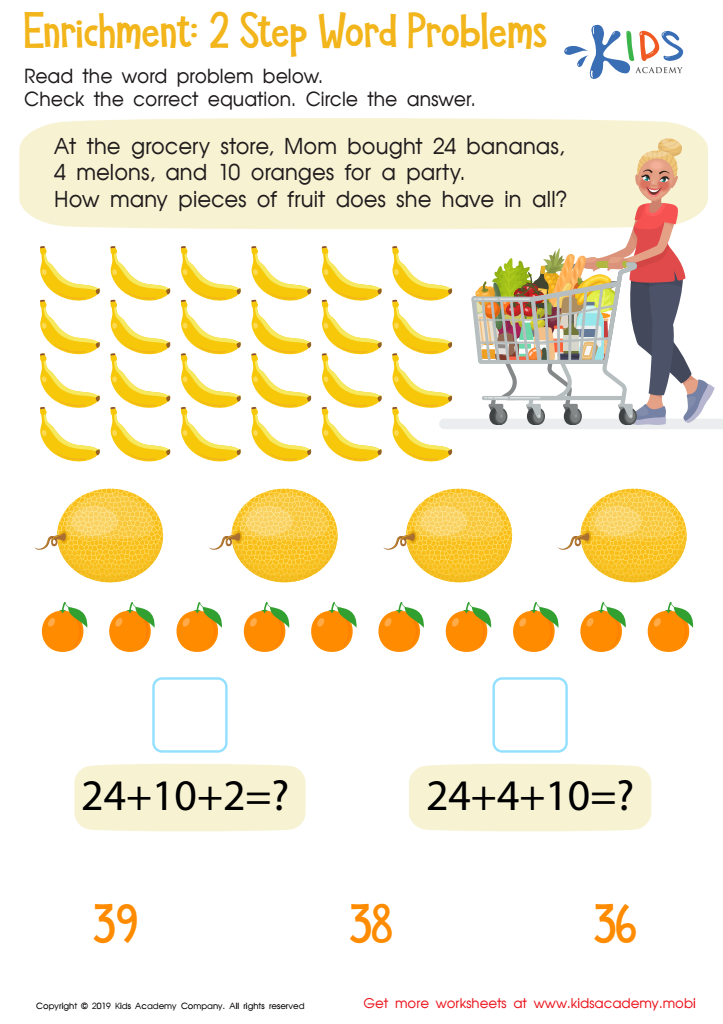
Enrichment -2 Step Word Problems Worksheet
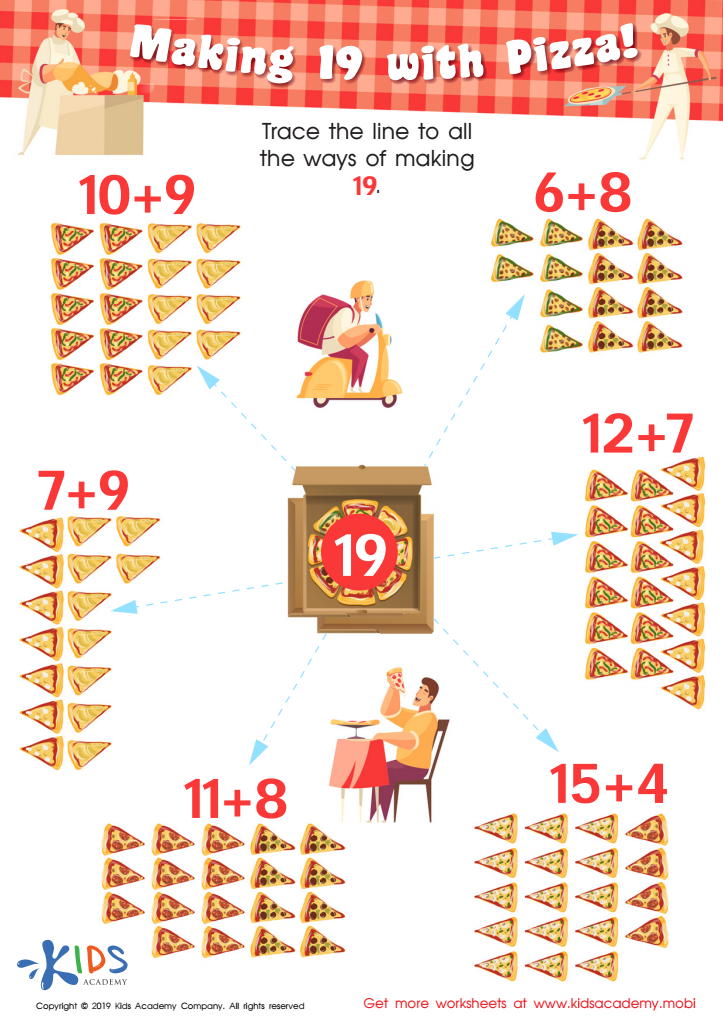
Making 19 with Pizza! Worksheet
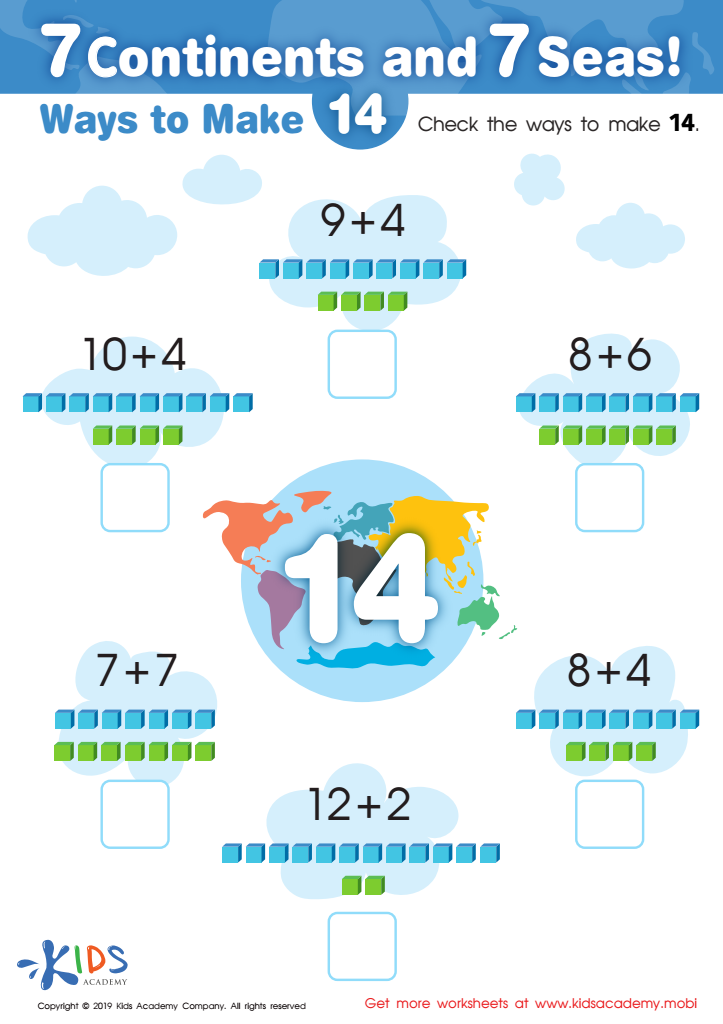
7 Continents and 7 Seas Worksheet
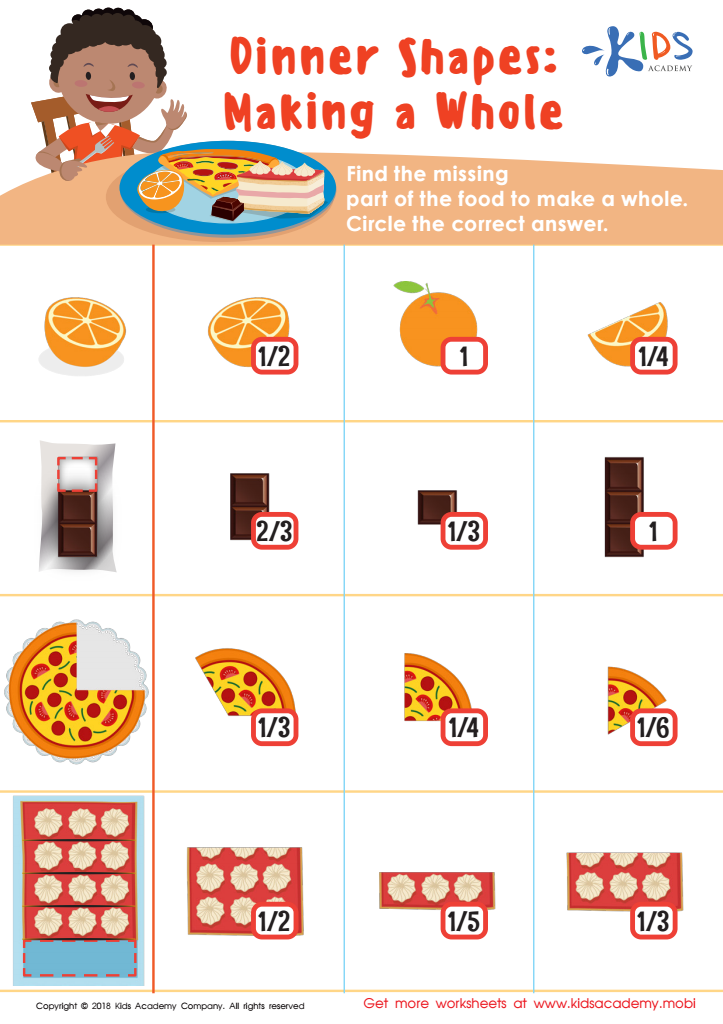
Dinner Shapes: Making a Whole Worksheet
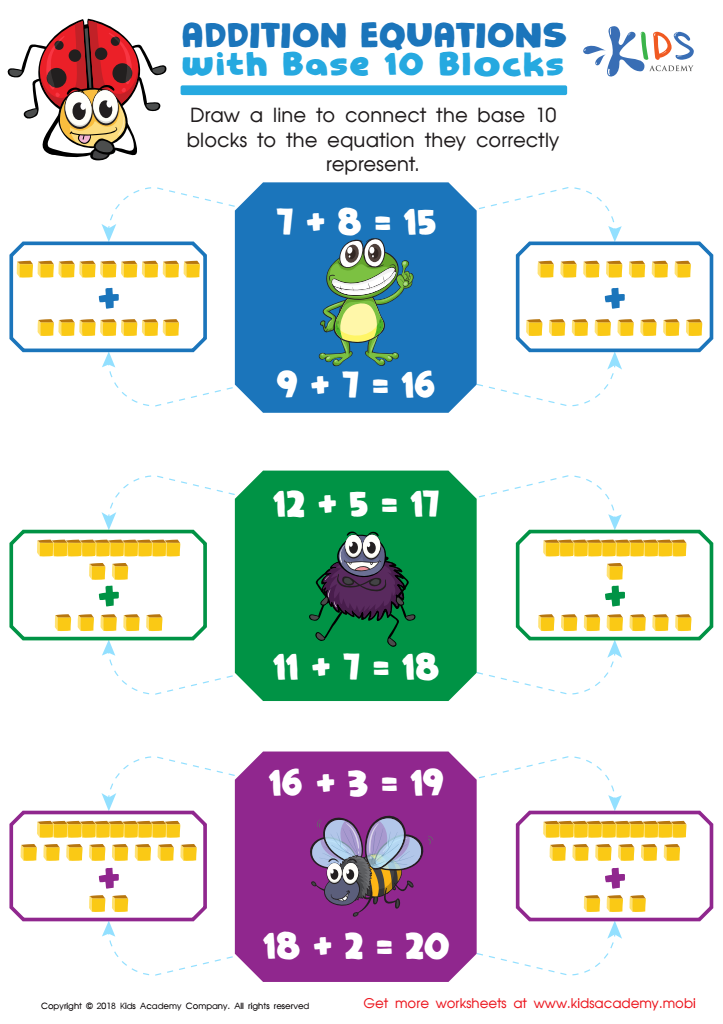
Addition Equations With Base 10 Blocks Worksheet
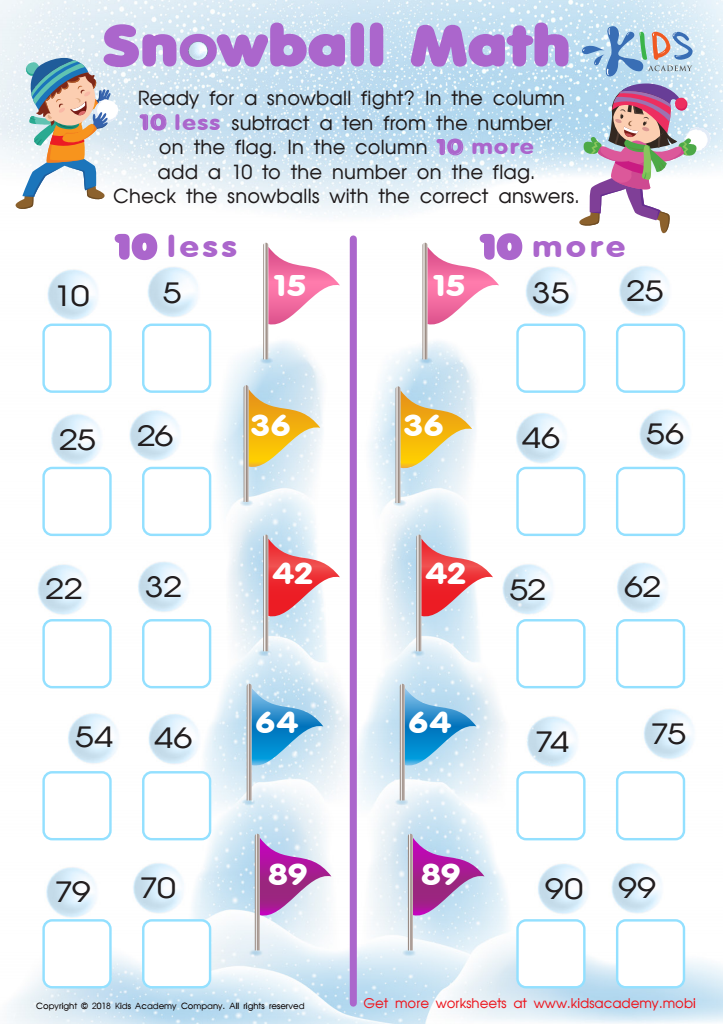
Snowball Math Worksheet
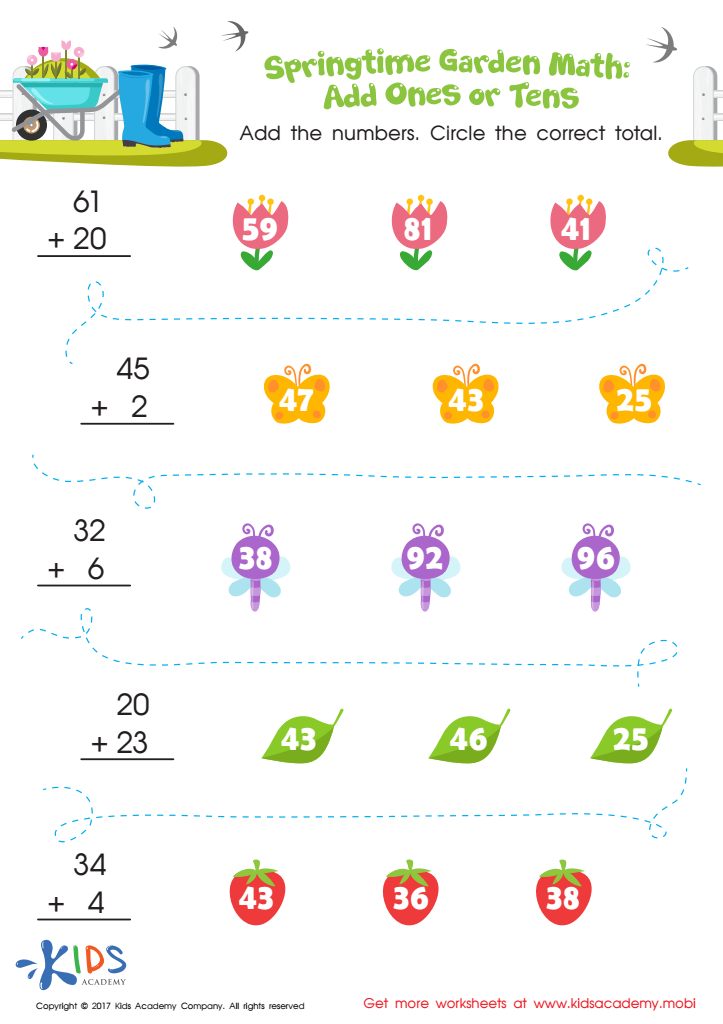
Springtime Garden Math Worksheet
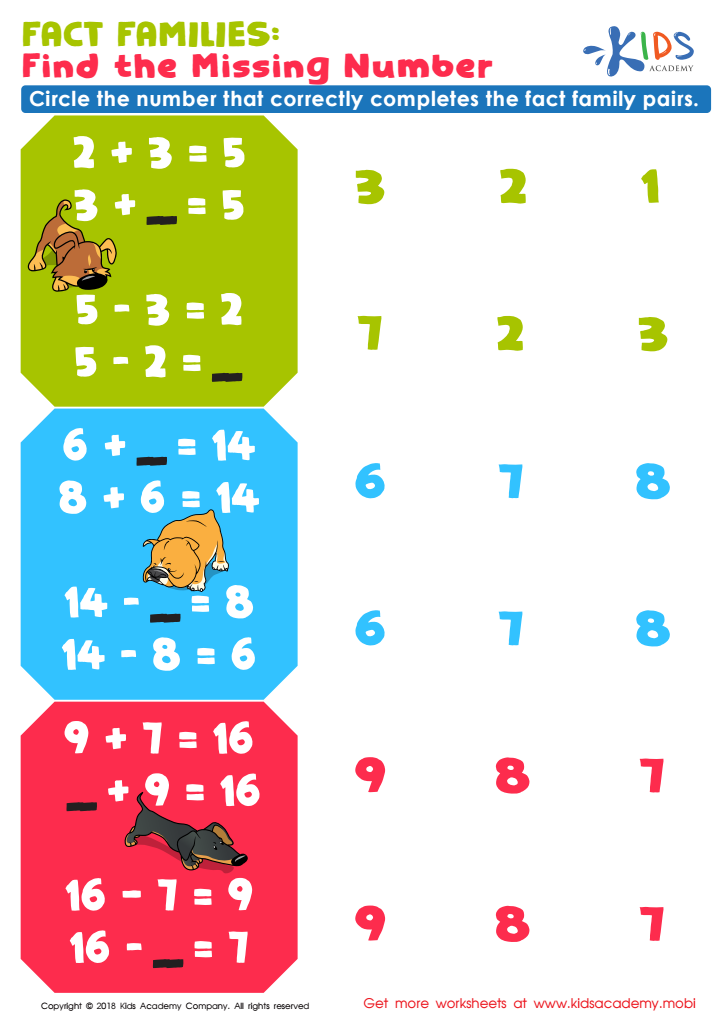
Fact Families: Find Missing Number Worksheet
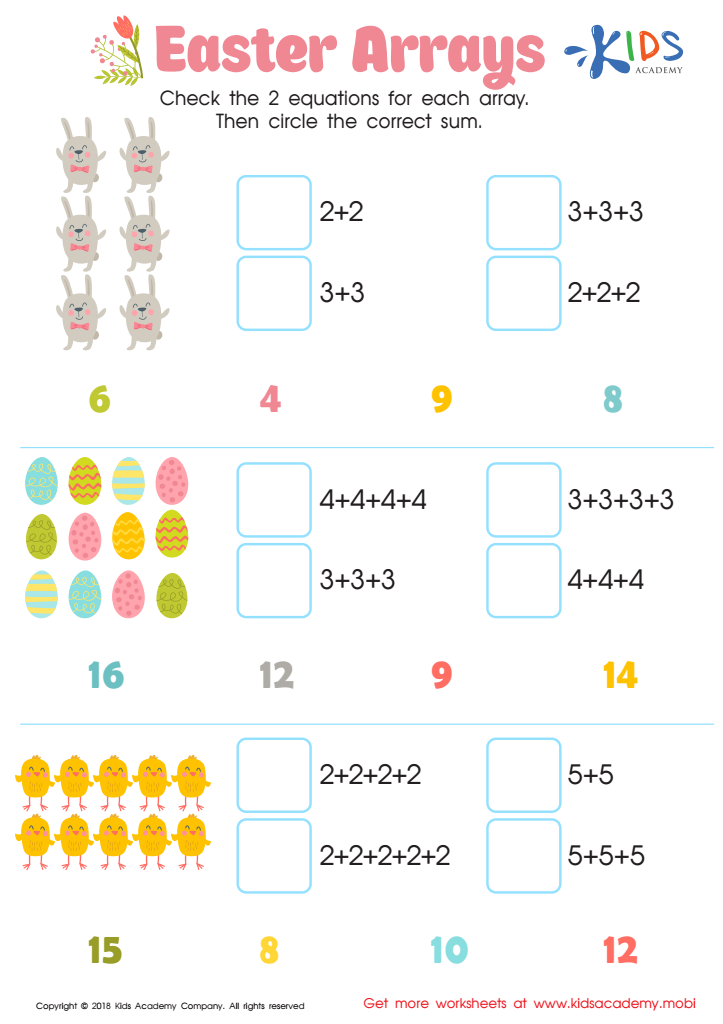
Easter Arrays Worksheet
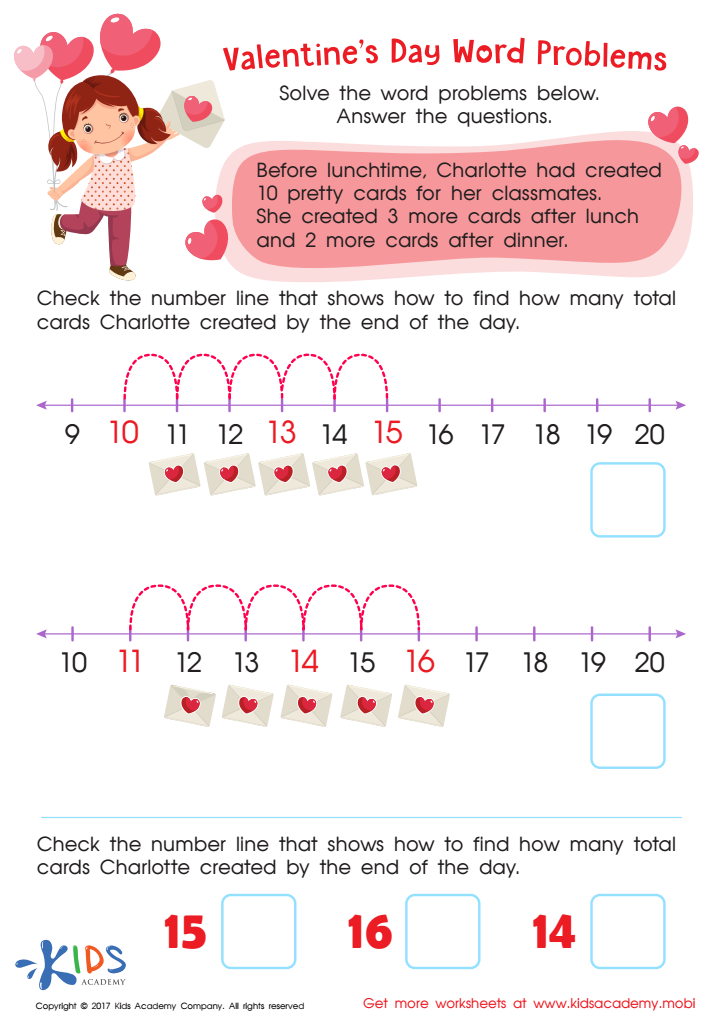
Valentines Day Word Problem Worksheet
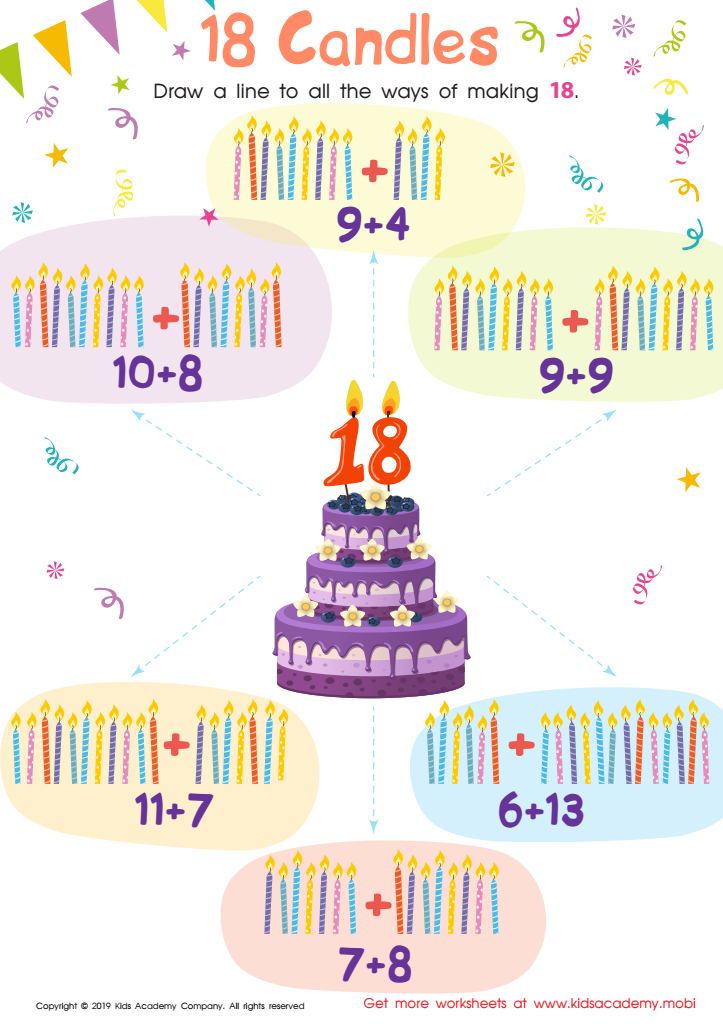
18 Candles Worksheet
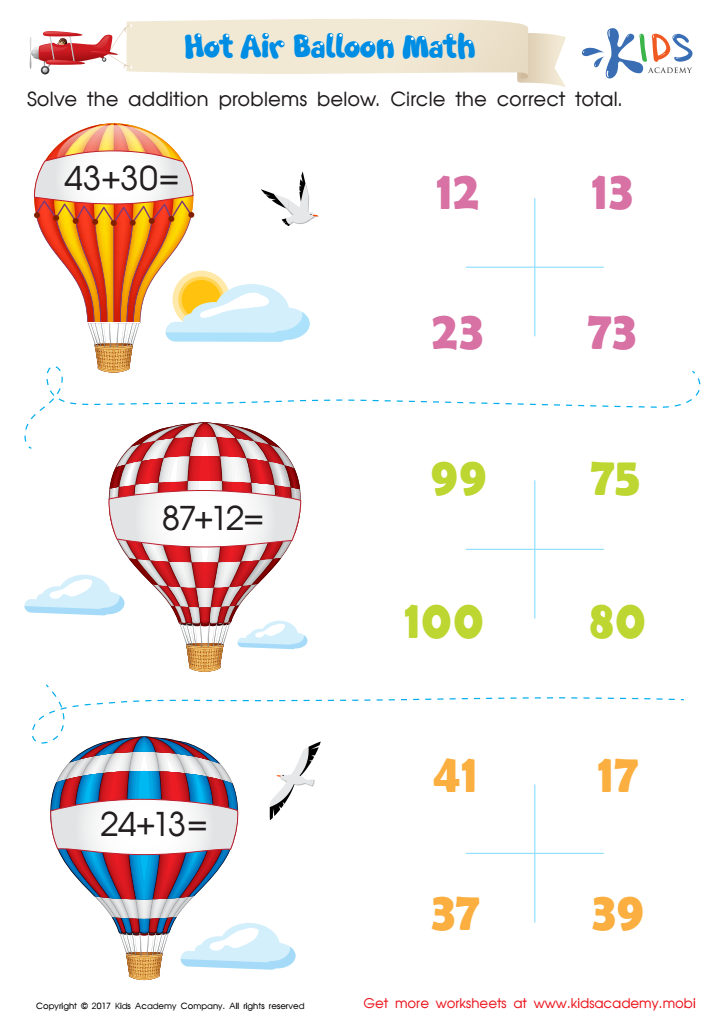
Hot Air Balloon Math Worksheet
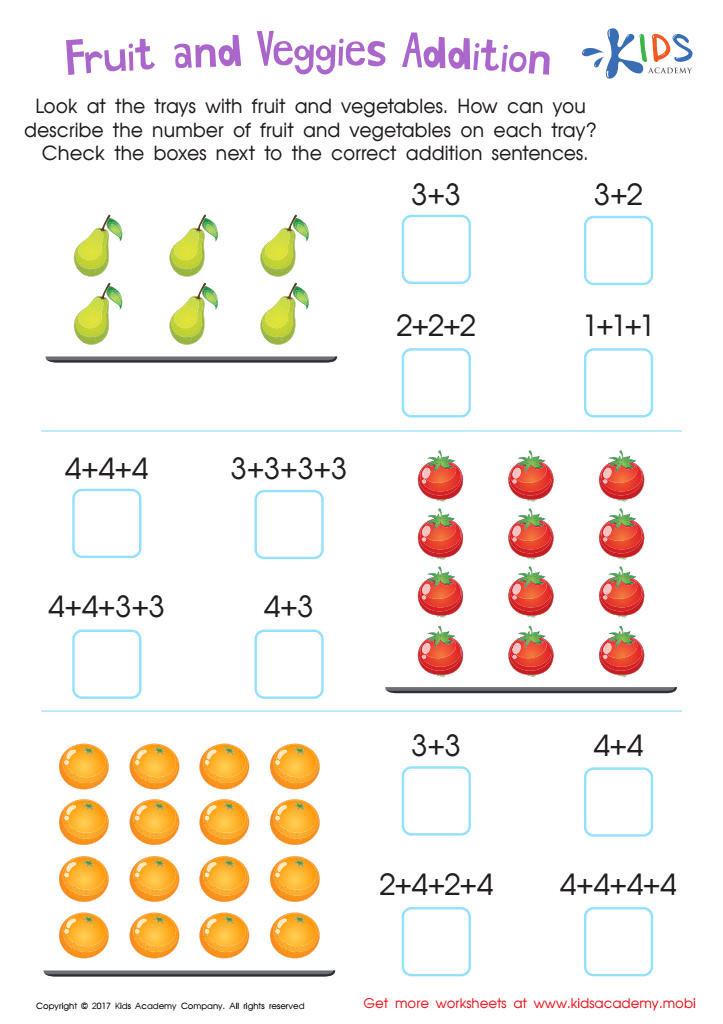
Fruit and Veggies Worksheet
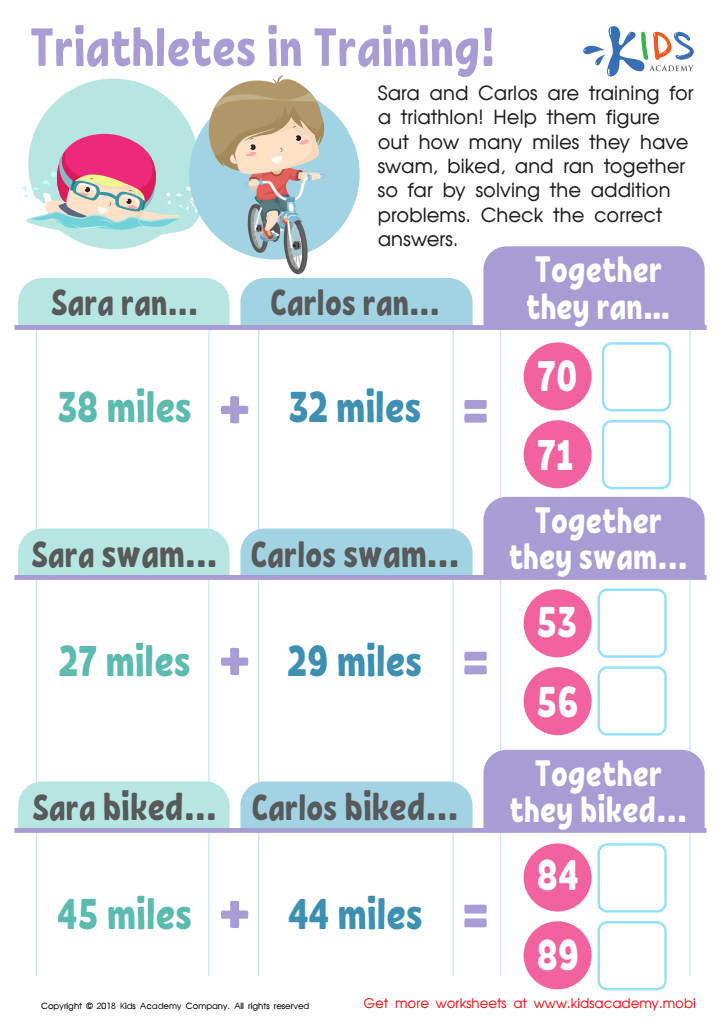
Triathletes in Training Worksheet
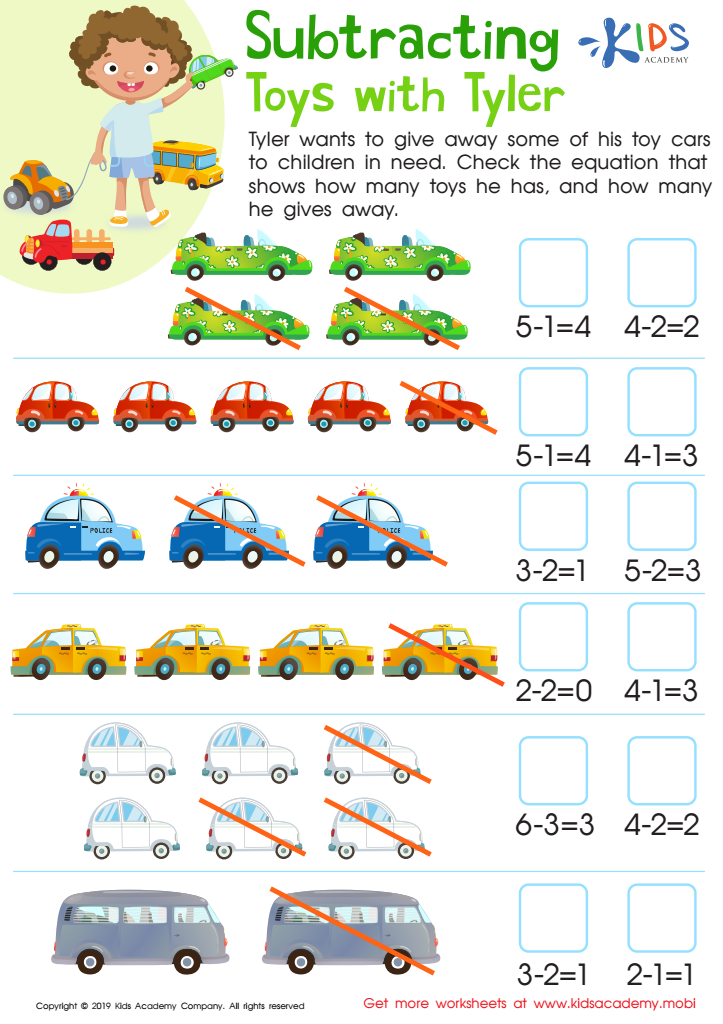
Subtracting Toys with Tyler Worksheet
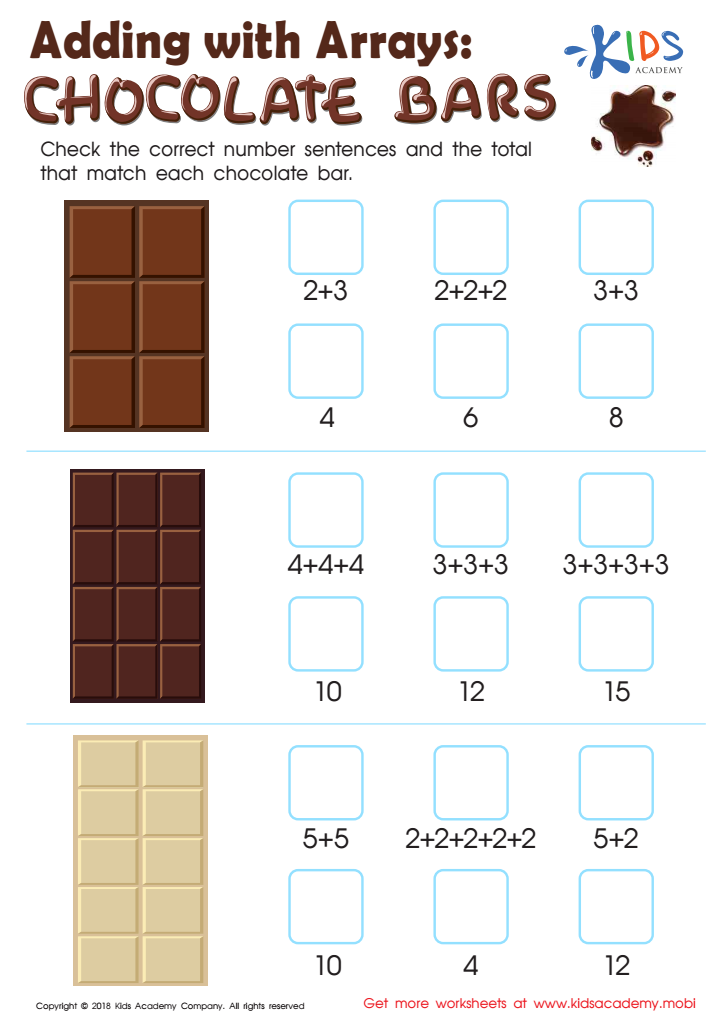
Adding with Arrays: Chocolate Bars Worksheet
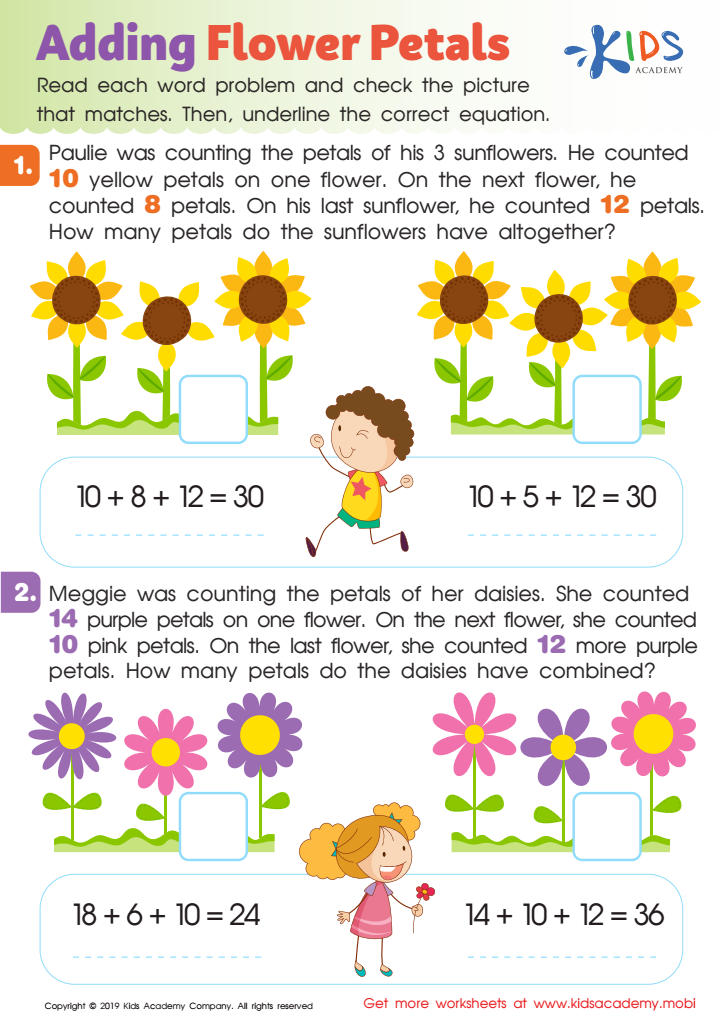
Adding Flower Petals Worksheet
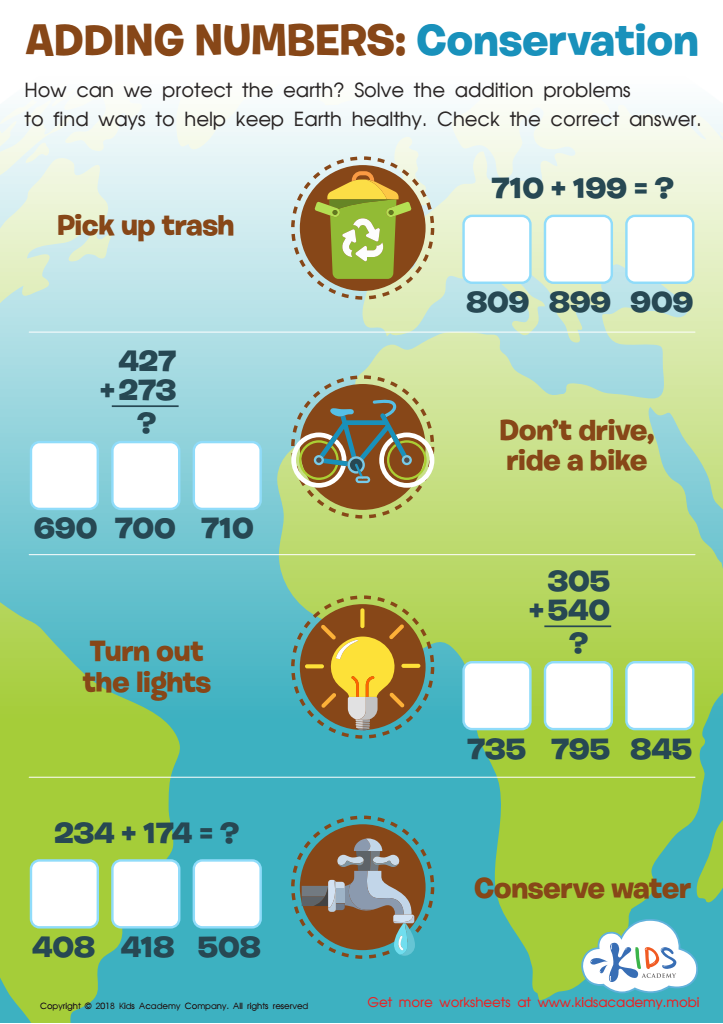
Adding Numbers: Conservation Worksheet
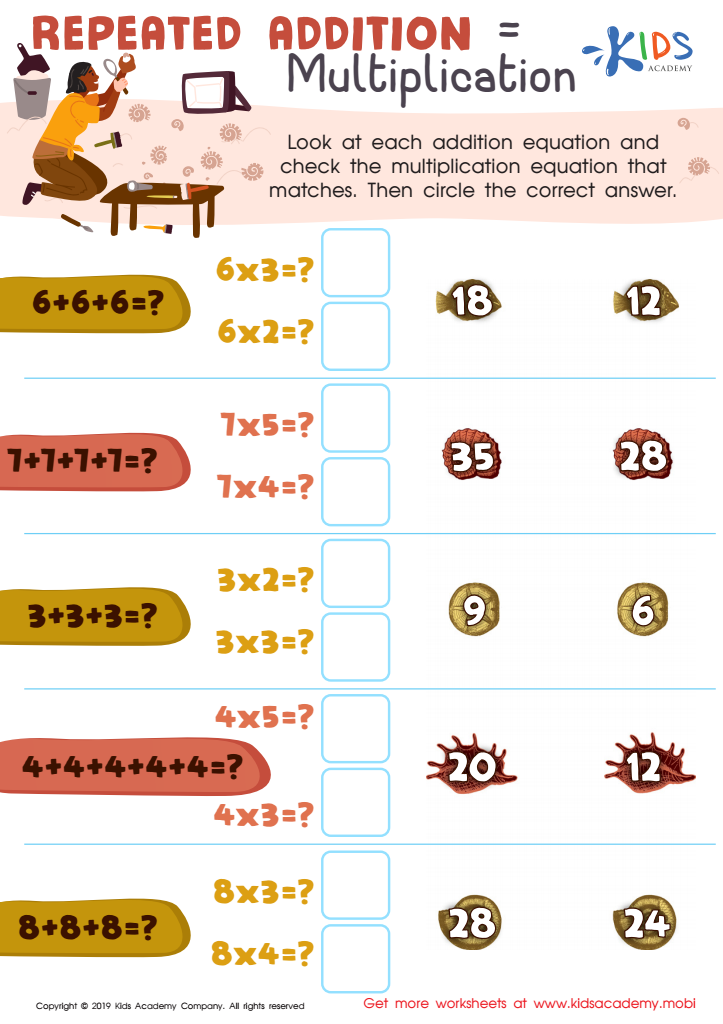
Repeated Addition = Multiplication Worksheet








Normal addition and subtraction are foundational math skills essential for children aged 6-9 as they form the basis for all future mathematical understanding. At this stage, children transition from concrete counting to more abstract problem-solving. Mastery of these operations enhances their number sense, helping them understand relationships between numbers and concepts like part-whole relationships.
Parents and teachers should care about these skills because they directly impact a child's confidence and ability to tackle more complex math concepts later on, such as multiplication and division. Proficiency in addition and subtraction also supports problem-solving skills across subjects, including science and everyday decision-making. Additionally, these skills encourage analytical thinking and logical reasoning, traits critical in academic success beyond mathematics.
Furthermore, children with strong grasp of normal addition and subtraction are better equipped to handle real-life situations, such as budgeting allowance, measuring ingredients for a recipe, or understanding time and schedules. Thus, fostering competence in these fundamental areas is crucial for overall development, ensuring that students not only succeed in school but also become informed, capable individuals in daily life. Encouraging practice in a fun and engaging way can significantly enhance retention and enjoyment of math learning.








