
Color recognition Normal Worksheets for 6-Year-Olds
30 filtered results
Difficulty Level
Grade
Age
-
From - To
Subject
Activity
Standards
Explore our engaging Color Recognition Worksheets designed specifically for 6-year-olds! These interactive activities help young learners identify and differentiate colors through fun, age-appropriate exercises. Each worksheet is crafted to enhance visual perception and color vocabulary, allowing children to practice sorting, matching, and coloring vibrant images. Perfect for classroom use or home learning, these resources encourage creativity and cognitive development. With our easy-to-print materials, parents and educators can foster essential skills while keeping kids entertained. Dive into the world of colors today and watch your little ones develop their understanding in an enjoyable and educational way!
Favorites
With answer key
Interactive
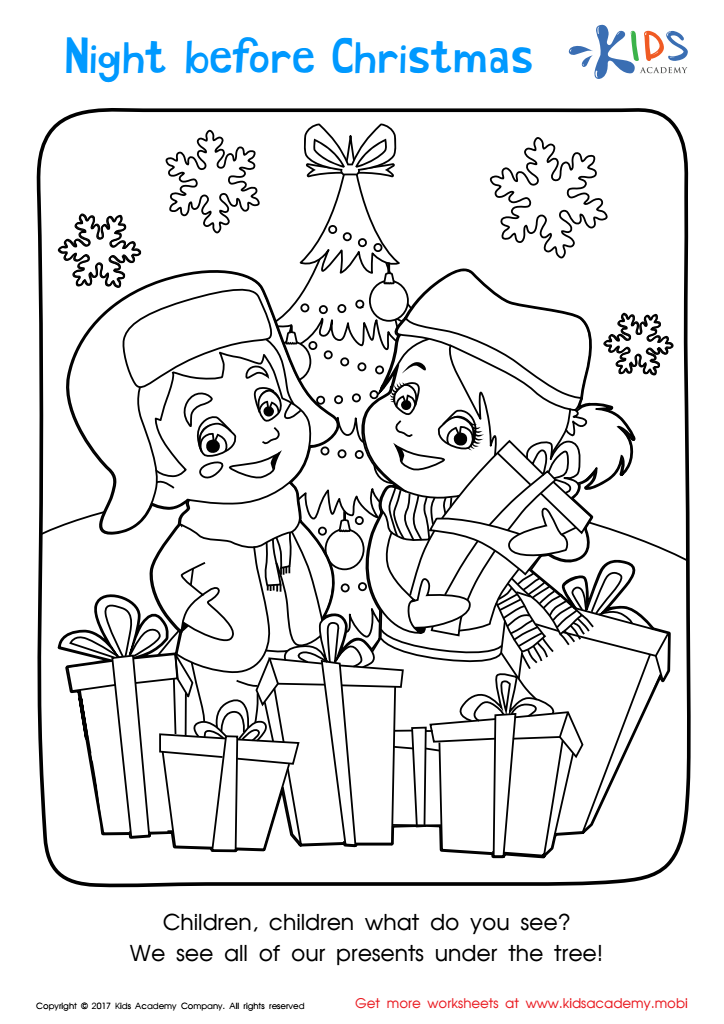
Christmas: Night Before Christmas Printable
Give your kids the gift of coloring this season! Use this boy and girl page to start a conversation on the spirit of giving. Ask your child what they'd like to give and remind them that giving is just as important as receiving. Then, help them pick the perfect colors to bring the image to life! Your child will get in the Christmas spirit while getting ready for Santa's arrival. Print the festive page and spread the joy of the season!
Download (PDF)
 Assign to My Students
Assign to My Students
Christmas: Night Before Christmas Printable
Worksheet
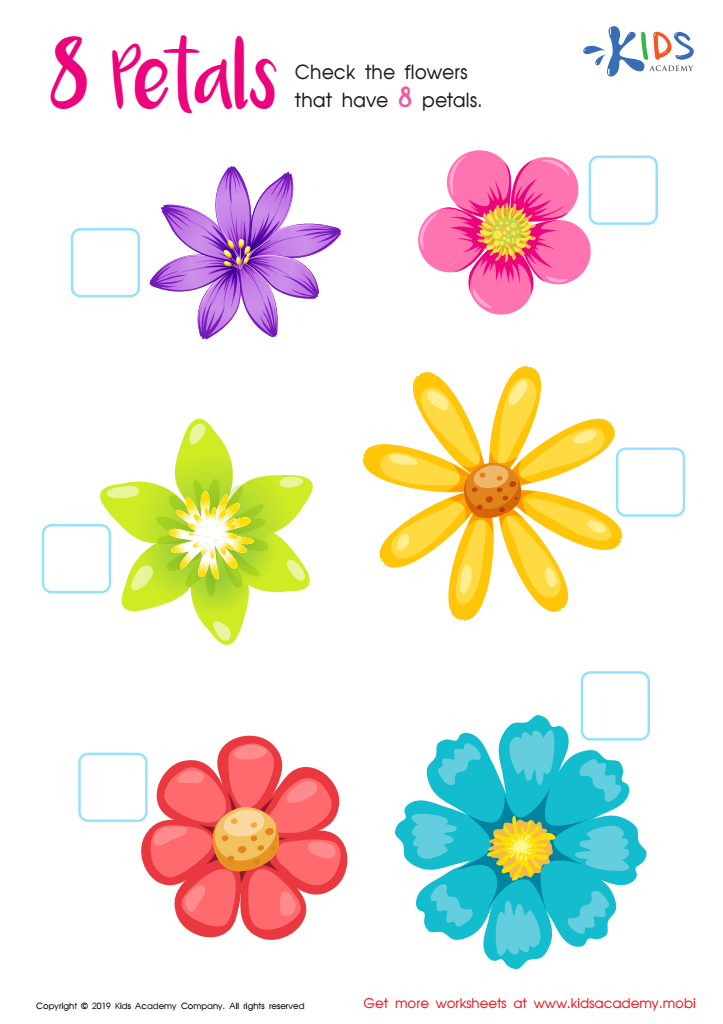
8 Petals Worksheet
Help your children master counting with this fun worksheet. It's filled with colorful flowers and they must count the petals and check the flowers with 8 petals. It's a great way to practice their counting skills and have some fun too!
8 Petals Worksheet
Worksheet
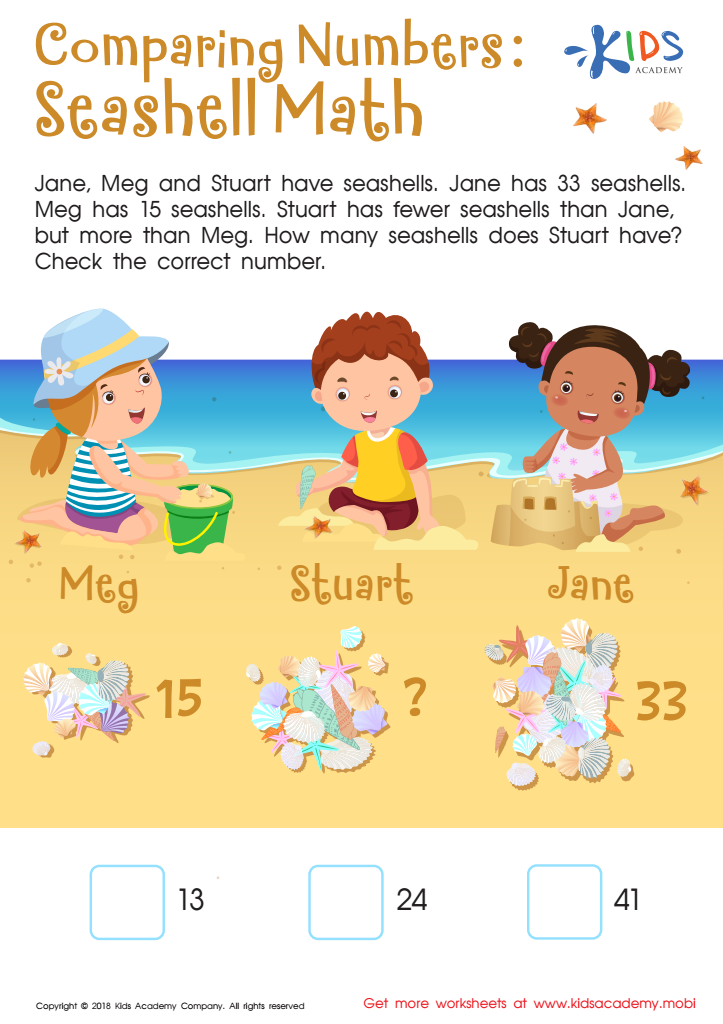
Seashell Collectors Worksheet
Bring beach fun into math with this printable worksheet! Carefully read the text with your child and figure out how many seashells Stuart has - more than Meg's, less than Jane's. Forget boring indoor math; your child won't want to miss out on this fun activity!
Seashell Collectors Worksheet
Worksheet
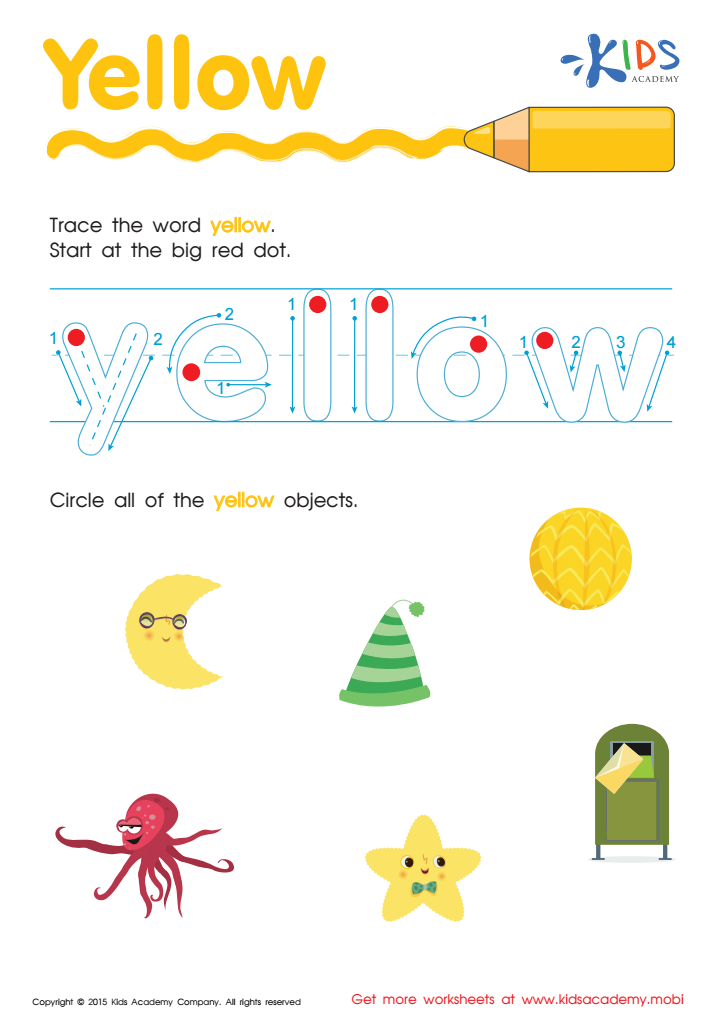
Yellow Tracing Color Words Worksheet
Tracing is a great way to start learning handwriting! Our printable worksheet helps your kindergartener practice and master the basics. They'll trace lines and fill in the word "yellow" with bright colors, sure to captivate and inspire them for more practice. Check out here for more tracing of color words.
Yellow Tracing Color Words Worksheet
Worksheet
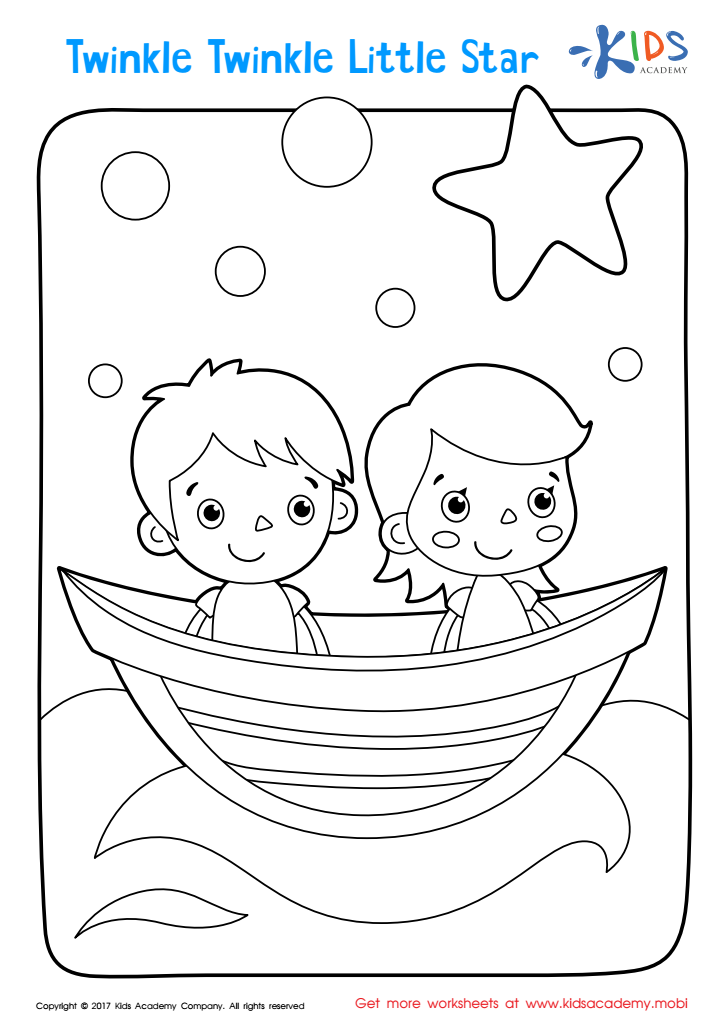
Twinkle Twinkle Little Star Coloring Page
Let your child wish upon a star as they color this scene of boy and girl stargazing. Sing Twinkle Twinkle Little Star while they choose colors to show the star twinkling in the night sky.
Download (PDF)
Assign to My Students
Assign to My Students
Twinkle Twinkle Little Star Coloring Page
Worksheet
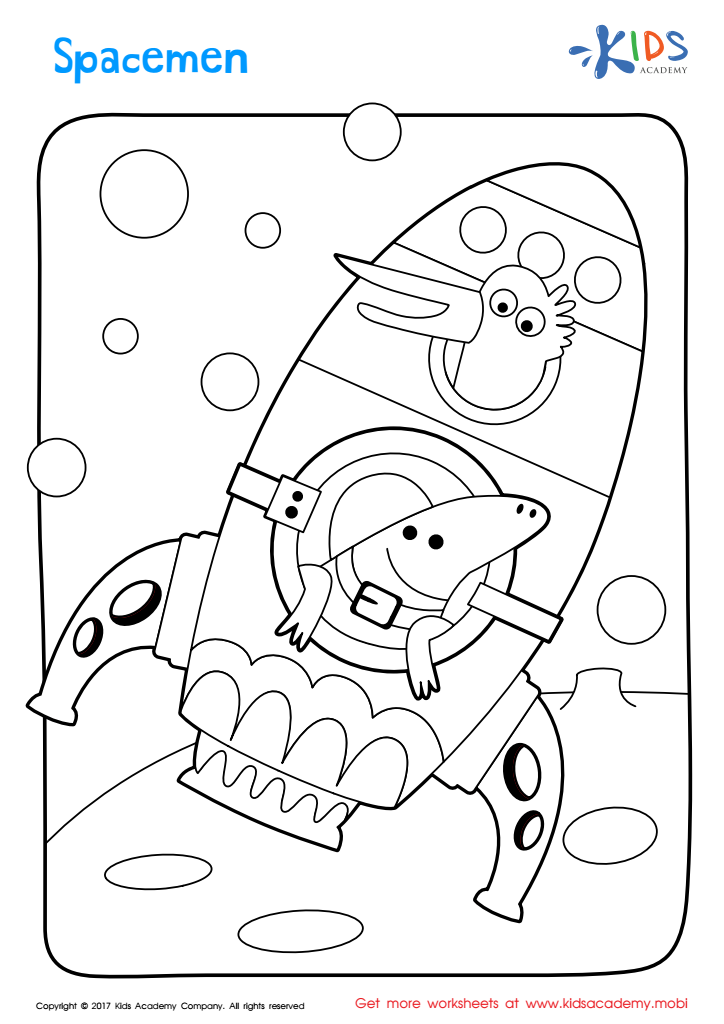
Spacemen Coloring Page
Let your child explore outer space with this fun coloring page featuring different spacemen shapes and sizes! From cute and funny creatures to distant planets and moons, this page is sure to spark your child’s imagination and interest!
Download (PDF)
Assign to My Students
Assign to My Students
Spacemen Coloring Page
Worksheet
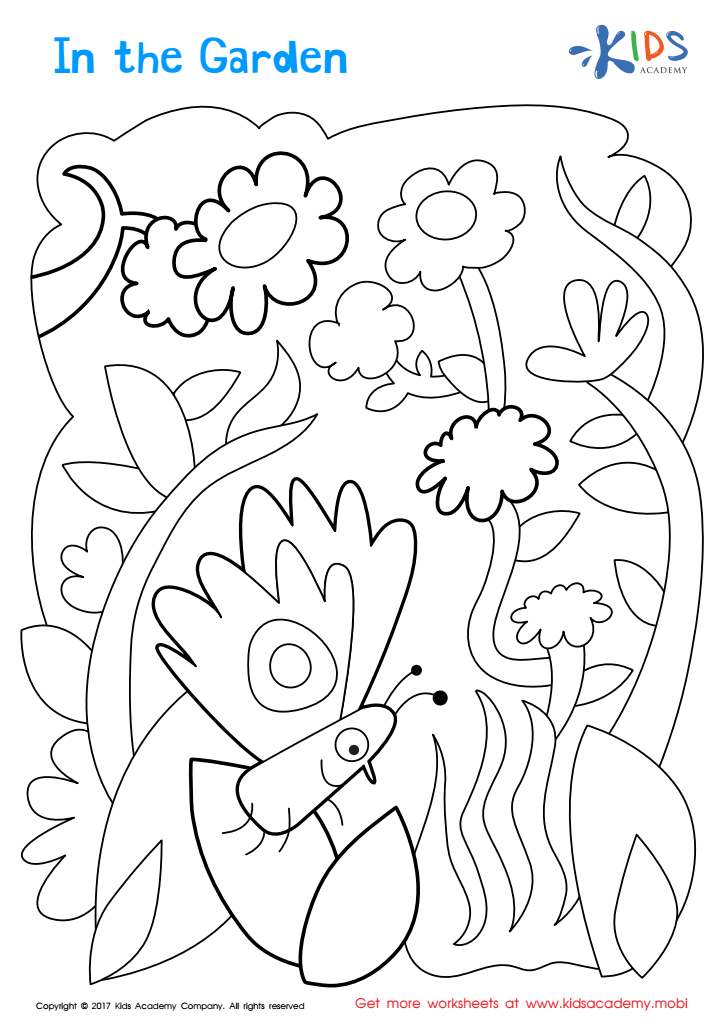
In The Garden Coloring Page
Explore nature with this fun coloring page! Take a walk out to the garden and observe the plants and animals. Help your kids learn and grow – connect the page to the natural wonders outside their window. In the Garden coloring page – make your kids smile!
Download (PDF)
Assign to My Students
Assign to My Students
In The Garden Coloring Page
Worksheet
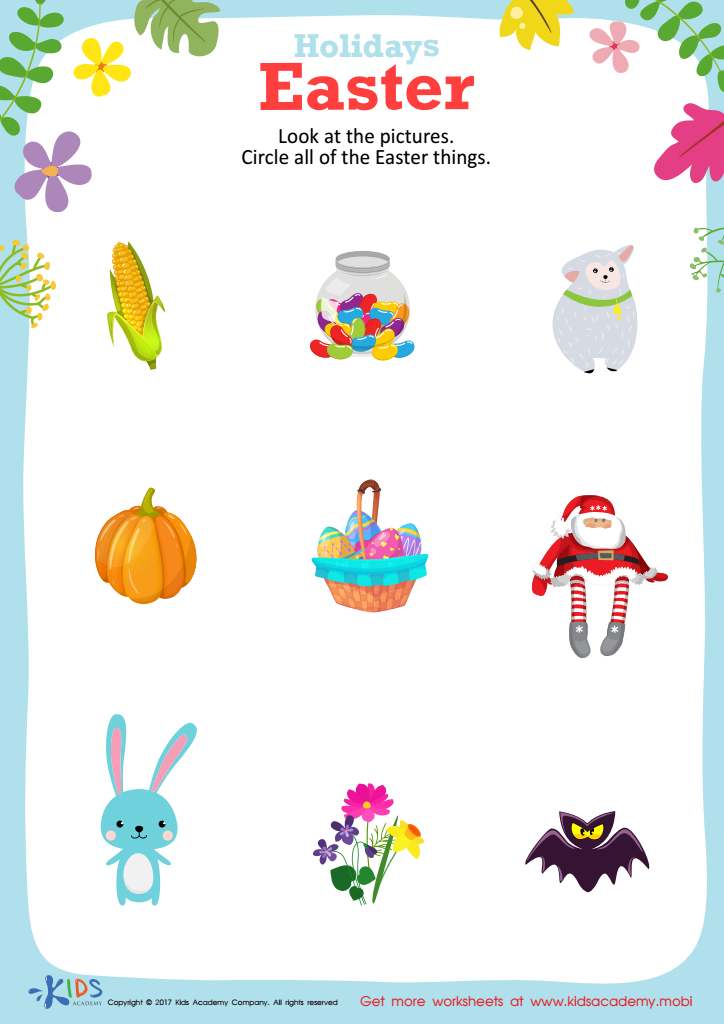
Easter Holiday Printable
This printable Easter worksheet helps your child identify symbols associated with the holiday. Pick out the pictures that usually signify Easter and your little one will gain an understanding of the holiday's meaning. With this free activity, springtime just got more exciting!
Easter Holiday Printable
Worksheet
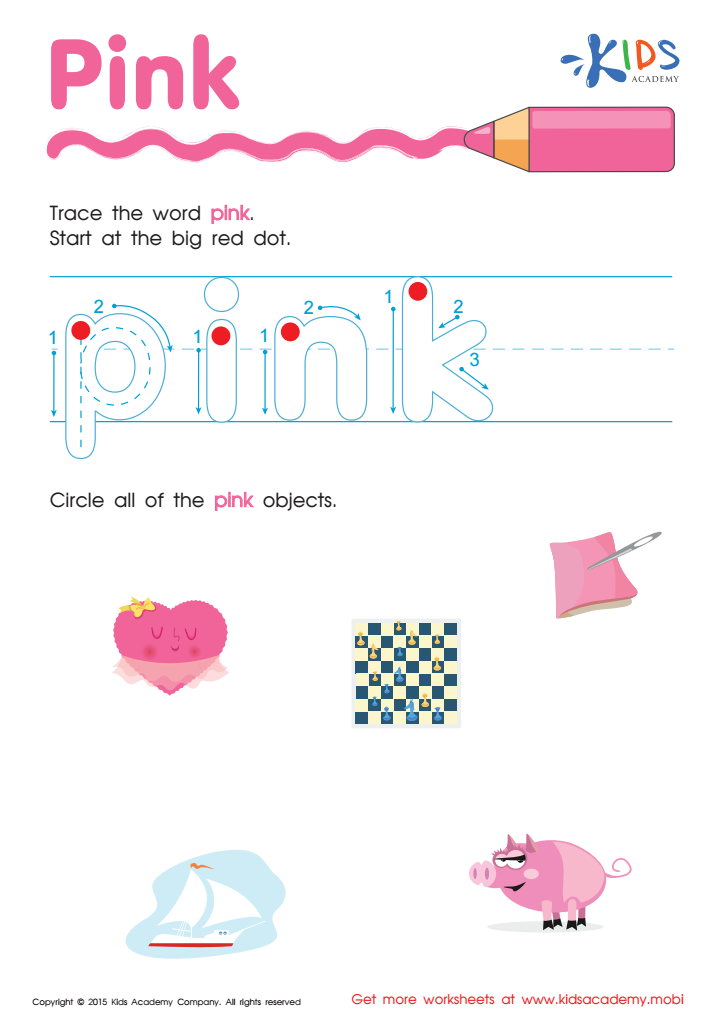
Pink Tracing Color Words Worksheet
Trace 'pink' with a pink crayon for an exciting handwriting lesson! Build fine motor skills and learn about sight words with this fun printable. Get creative and give it a splash of color for a colorful learning experience. For more tracing color words, explore here.
Pink Tracing Color Words Worksheet
Worksheet
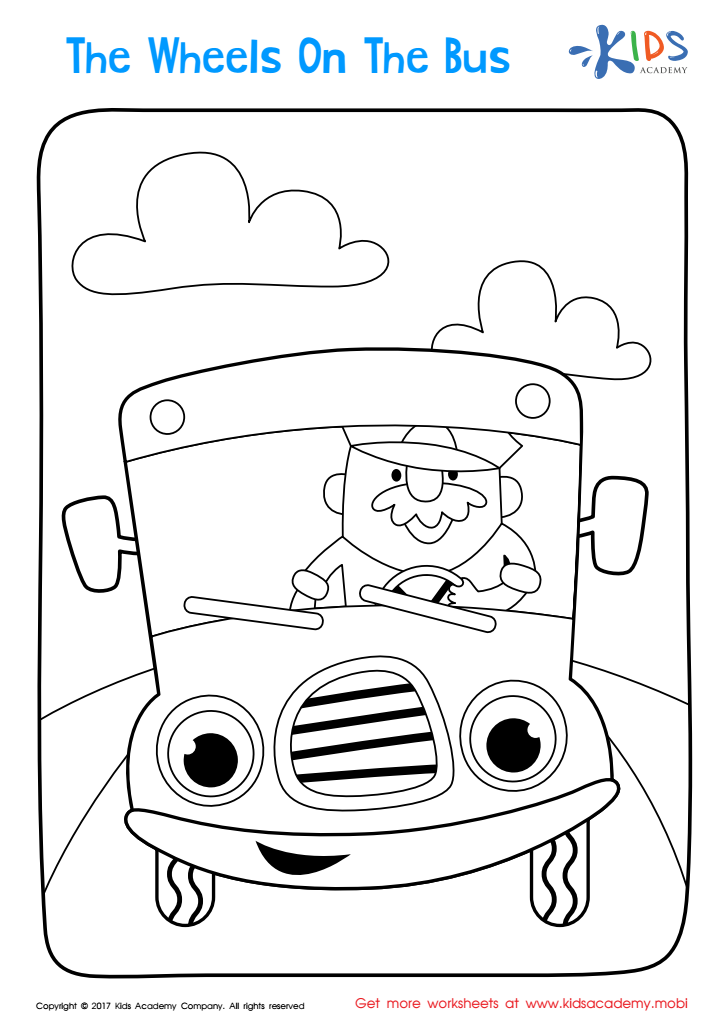
The Wheels on the Bus Coloring Page
Colour and sing with this printable Wheels on the Bus page! Let your child have fun singing the song with you as they colour. It'll make the activity even more entertaining and memorable.
Download (PDF)
Assign to My Students
Assign to My Students
The Wheels on the Bus Coloring Page
Worksheet
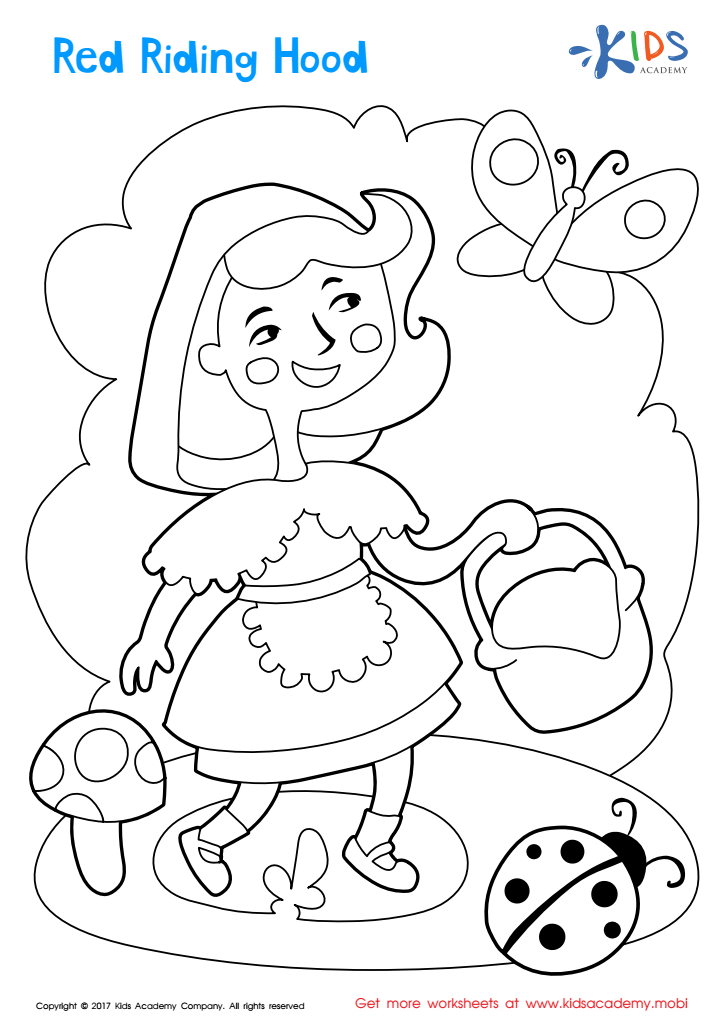
Red Riding Hood Coloring Page
Red Riding Hood awaits in the woods, with a butterfly, mushroom, and ladybug around her. Let your child bring the story to life with this magical printable coloring page. Fairytale fun for all!
Download (PDF)
Assign to My Students
Assign to My Students
Red Riding Hood Coloring Page
Worksheet
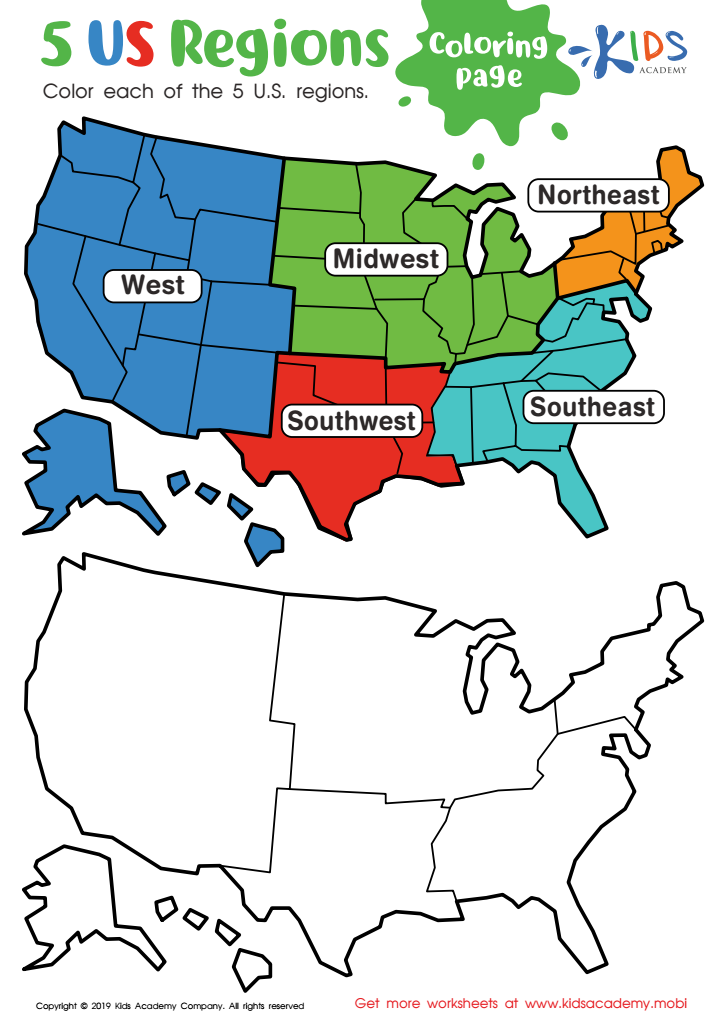
US Regions Coloring Page Worksheet
Our great nation is split into five distinct regions: Southeast, Southwest, West, Midwest, and Northeast. Each is known for its own special offerings and states. Let your kids have fun learning about the regions with a coloring activity! It's a great way for them to understand where each region stands on the map.
Download (PDF)
Assign to My Students
Assign to My Students
US Regions Coloring Page Worksheet
Worksheet
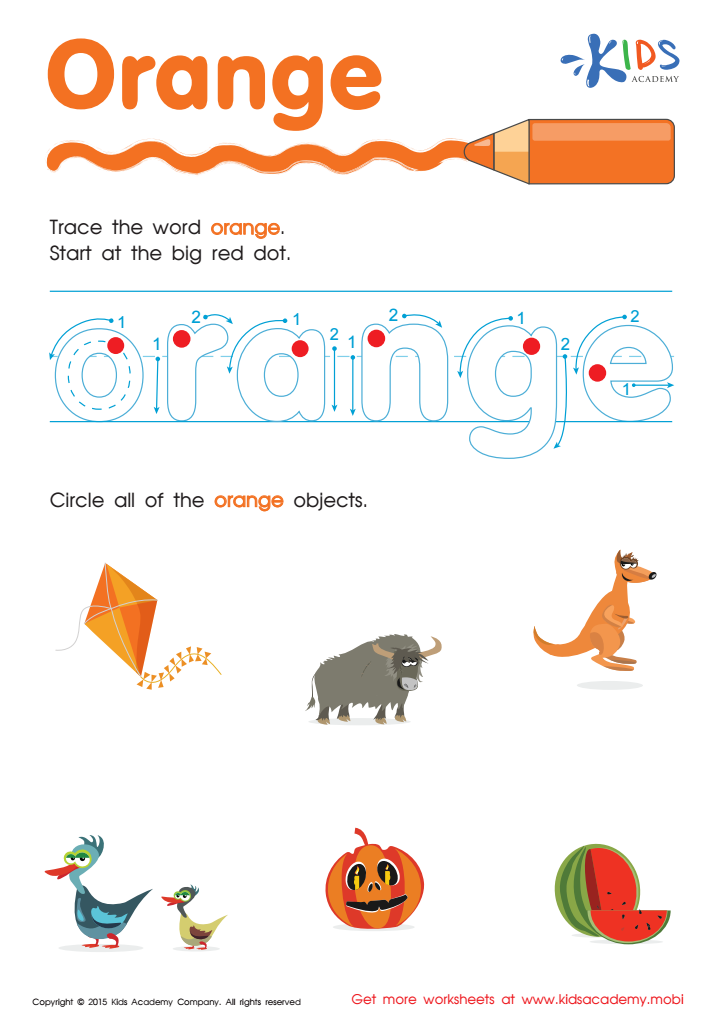
Orange Tracing Color Words Worksheet
This worksheet will surely bring a smile to your kid's face, even if orange isn't their favorite color. Let them trace the word "orange" and use an orange crayon. Ask them to find orange objects in their room for even more fun. Handwriting practice has never been more fun and exciting!
Orange Tracing Color Words Worksheet
Worksheet
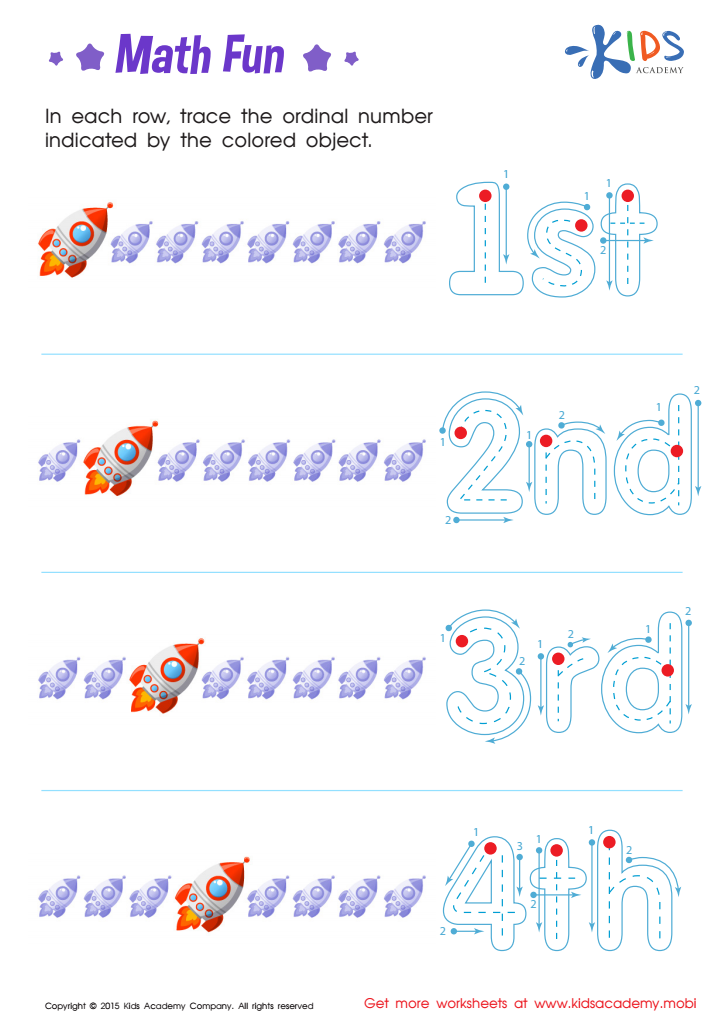
Ordinal Numbers: Math Fun Worksheet
Have fun learning ordinal numbers with our spaceship worksheet! Kids learn best while having fun and with repetition. Featuring vibrant spaceships, your child will understand placement, recognize and write ordinal numbers, and make connections. Understanding ordinal numbers leads to more advanced math concepts. Get your math whiz ready for preschool with our addition/subtraction worksheets! Have fun learning ordinal numbers and master them in no time!
Ordinal Numbers: Math Fun Worksheet
Worksheet
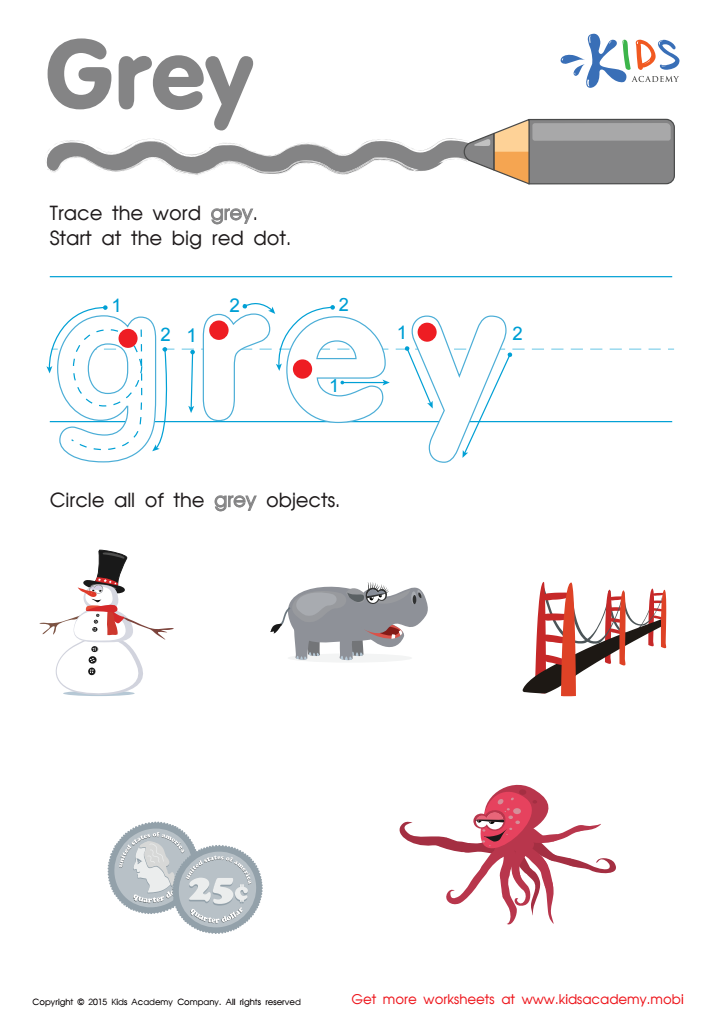
Grey Tracing Color Words Worksheet
Help your kindergartener boost their writing skills with this free printable handwriting worksheet! They can trace the sight word "grey" with a grey crayon, starting at the big red dots. Sounding out and tracing the letters can help strengthen their handwriting. Ask them to name and circle all the grey objects to give extra practice. Get more free worksheets here!
Grey Tracing Color Words Worksheet
Worksheet
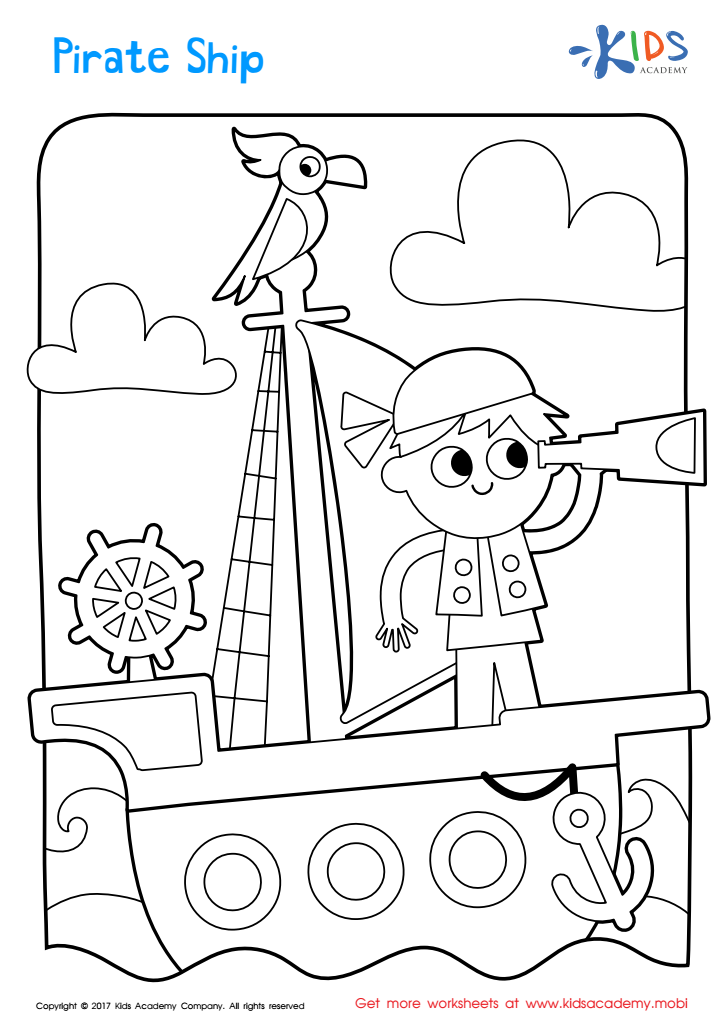
Pirate Ship Coloring Page
All hands on deck: your child can help navigate the sea with Pirate Ship. This printable encourages artistic expression, so get ready to set sail!
Download (PDF)
Assign to My Students
Assign to My Students
Pirate Ship Coloring Page
Worksheet
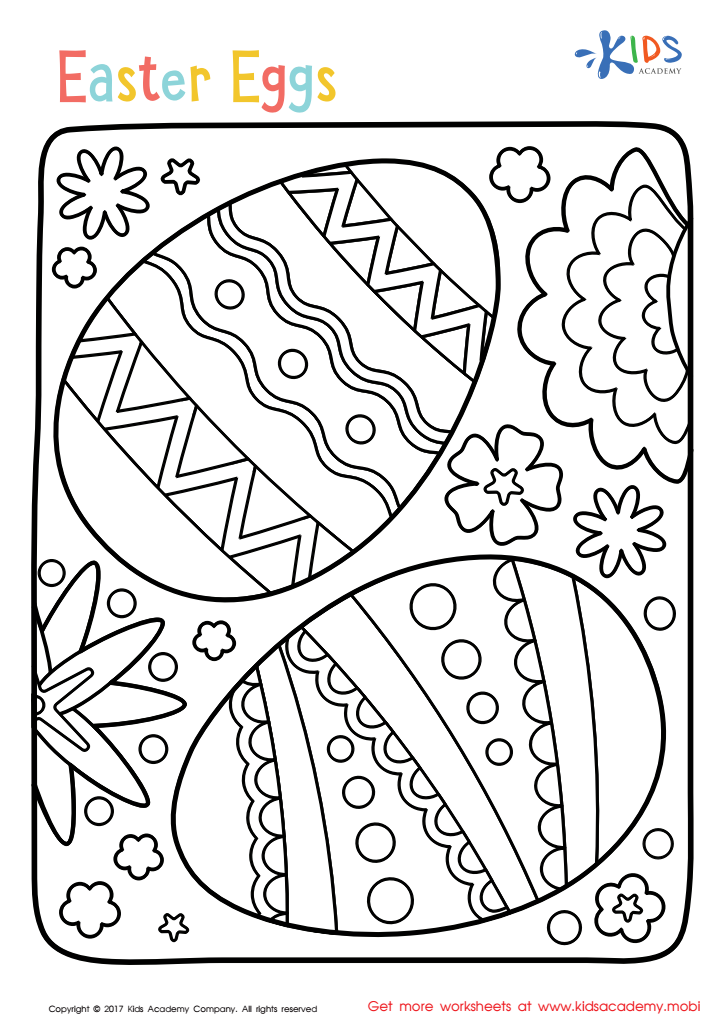
Easter: Easter Eggs Worksheet
Coloring Easter eggs is a beloved global tradition. Kids love to color eggs and hunt for goodies. This Easter, get your child excited with a printable coloring page. Let them use as many colors as they want and use it as inspiration to decorate real eggs. It's a time-honored tradition they'll look forward to each year!
Download (PDF)
Assign to My Students
Assign to My Students
Easter: Easter Eggs Worksheet
Worksheet
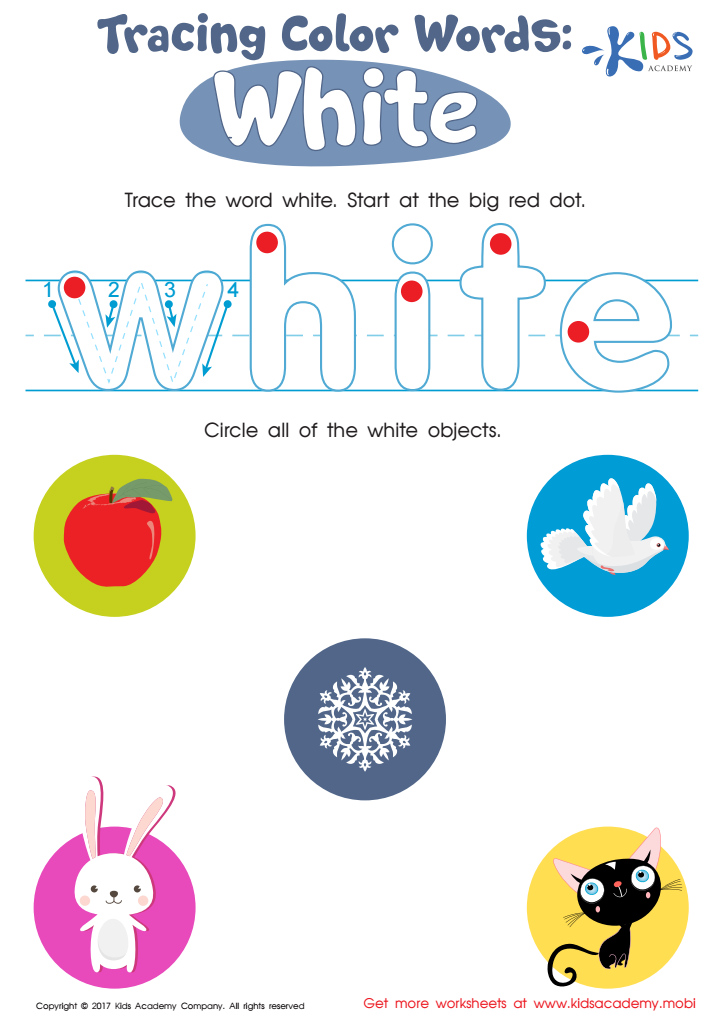
White Tracing Color Words Worksheet
This fun worksheet helps children learn color words quickly. They trace the letters and circle pictures of the color. This helps them practice reading and identifying objects, and they can do it without needing to read phonetically. Download it now and watch your child's skill grow!
White Tracing Color Words Worksheet
Worksheet
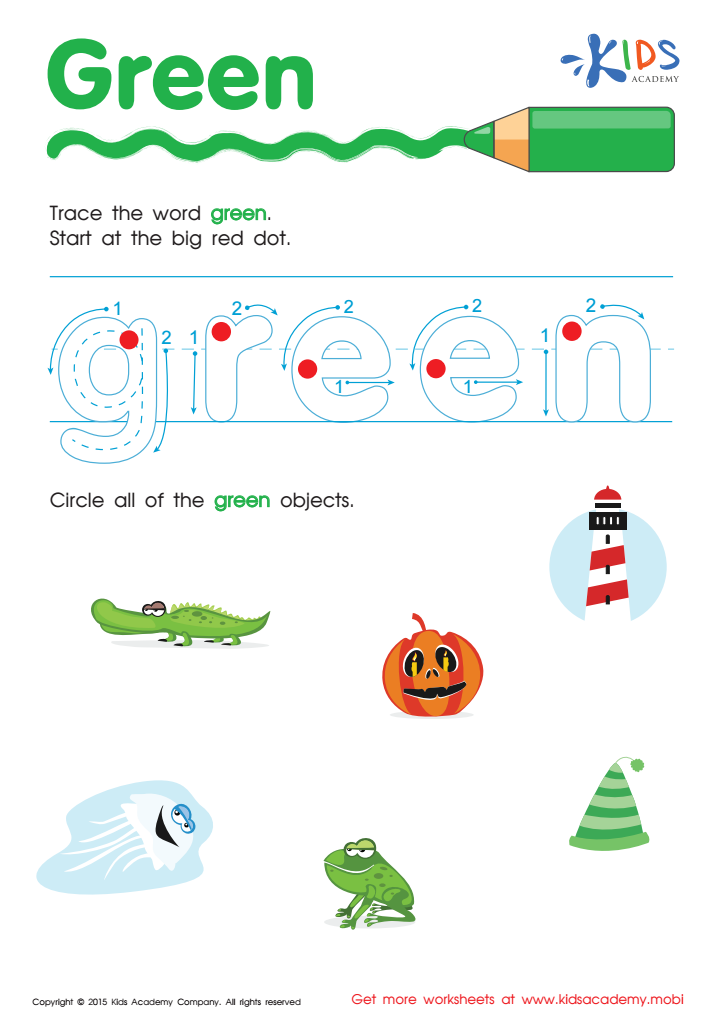
Green Tracing Color Words Worksheet
Encourage writing and spelling practice with this vibrant free handwriting worksheet. Have your child trace the new name of a primary color, "green," and circle green items in the picture. Ask them what else can be green for a challenging activity. Through this worksheet, your kindergartener can learn and play at the same time. For more free printables, look here.
Green Tracing Color Words Worksheet
Worksheet
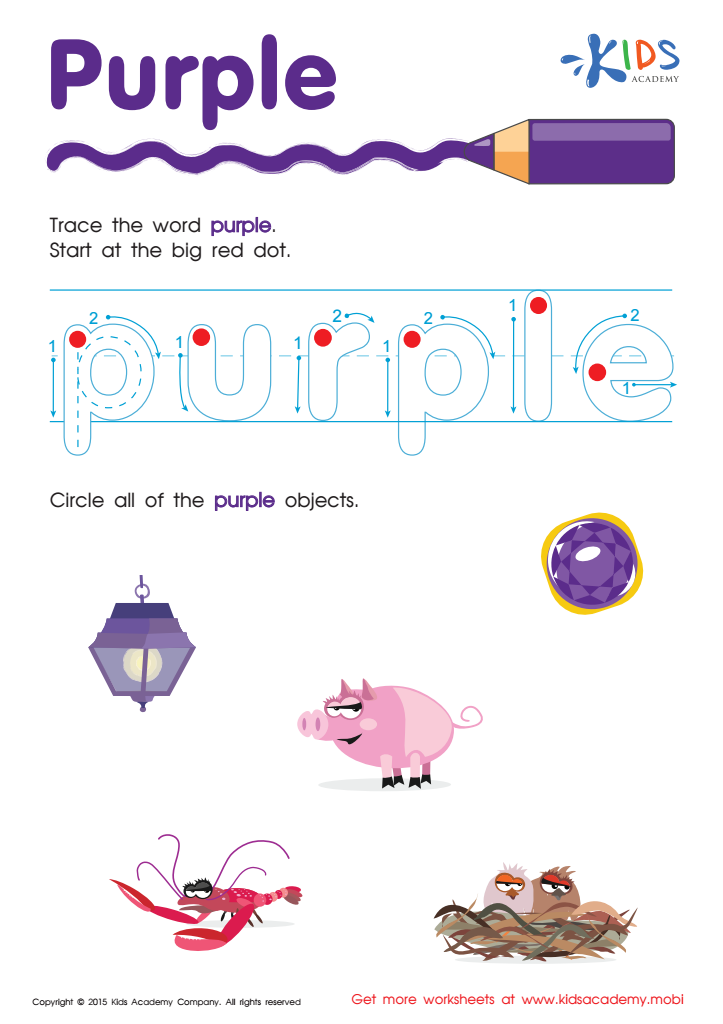
Purple Tracing Color Words Worksheet
Help your kindergartener practice their handwriting with this fun, free printable. They'll trace and color the word “purple”, starting at the big red dots, and pick out and circle all the purple objects they see. They'll get to train their fine motor muscles while having fun! Check out here for more handwriting practice.
Purple Tracing Color Words Worksheet
Worksheet
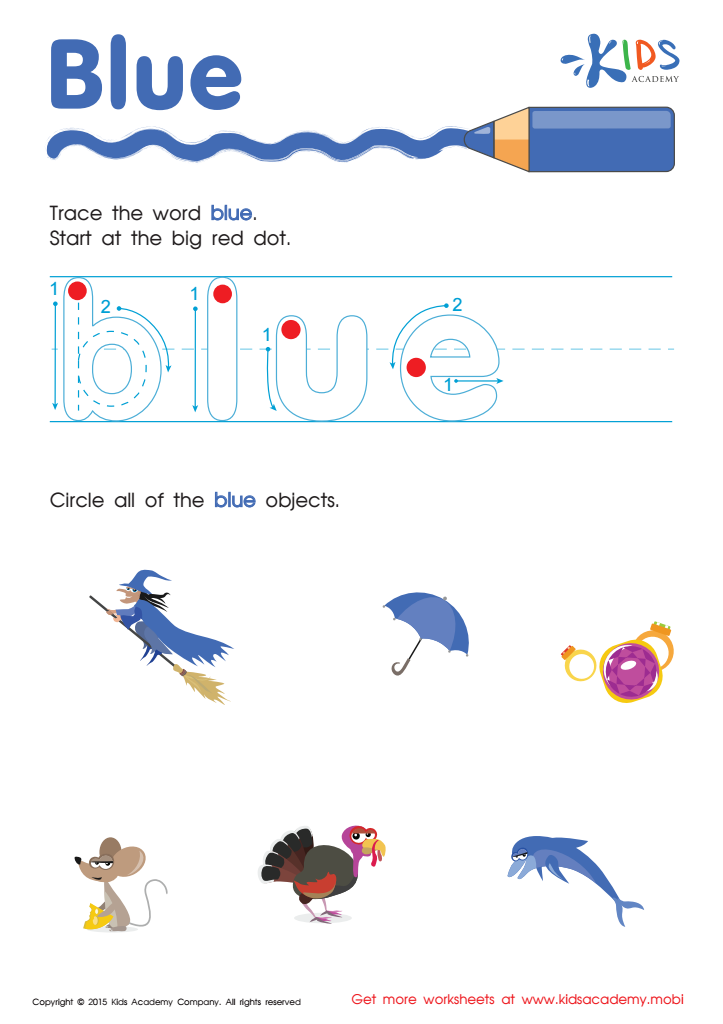
Blue Tracing Color Words Printable
Encourage your child's motor skills by having them trace the word "blue" with their blue crayon on this free printable handwriting worksheet, starting at the red dots. Ask them to circle all the blue objects they see. Check out here for more handwriting practice.
Blue Tracing Color Words Printable
Worksheet
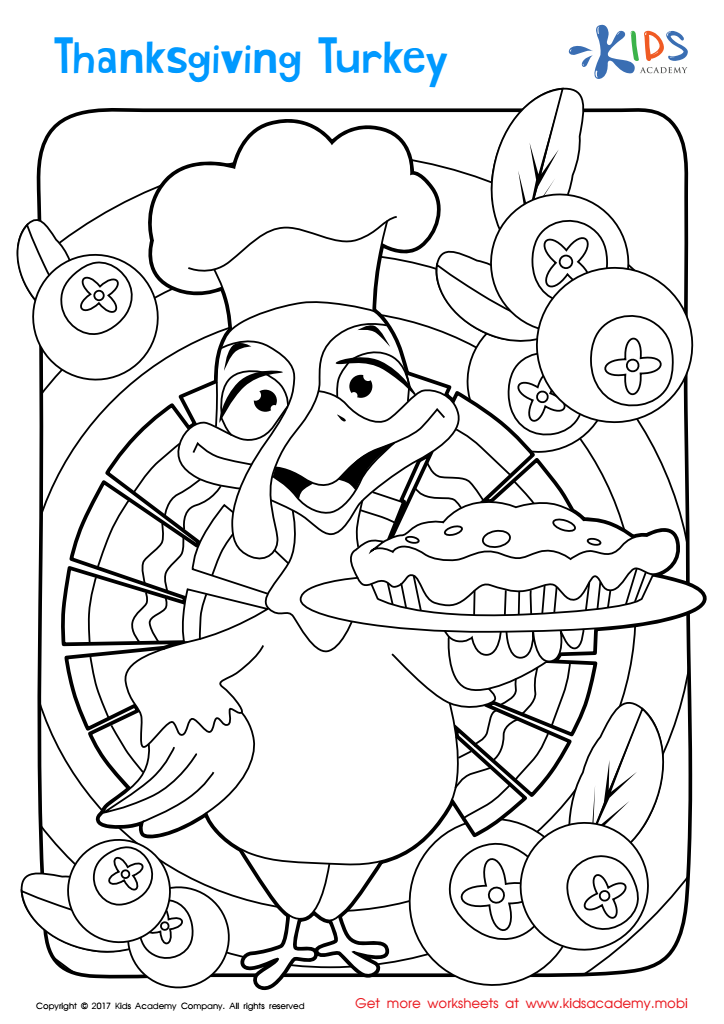
Turkey Thanksgiving Day Worksheet
Keep them occupied with a turkey-themed coloring page. Give them the opportunity to show off their creativity with colors related to the season. Make the car ride more enjoyable by letting them color as you travel. Let their imaginations soar!
Download (PDF)
Assign to My Students
Assign to My Students
Turkey Thanksgiving Day Worksheet
Worksheet
Join Kids Academy for Free
Who is primarily going to use this learning content?






Color recognition is a fundamental skill for 6-year-olds that serves as a building block for various areas of development. Parents and teachers should care about this skill because it plays a significant role in early learning. Recognizing colors helps children enhance their cognitive abilities, as they learn to categorize and differentiate objects in their environment. This foundational knowledge supports other subjects, particularly art, math, and language development.
Moreover, color recognition can assist in fostering social skills. As children identify colors, they participate in group activities that promote interaction and collaboration. It encourages them to express themselves and describe their ideas or preferences, enhancing communication skills.
Additionally, mastering color recognition aids in promoting emotional intelligence. Certain colors are often associated with specific feelings, and understanding these connections can help children articulate their own emotions and develop empathy toward others.
Finally, engaging children in color activities can strengthen their fine motor skills, especially through art and craft projects that require grasping, cutting, or counting colored objects. This holistic approach to learning colors ensures that children are psychologically, socially, and physically prepared for future academic challenges, making it essential for parents and teachers to prioritize color recognition in early education.








