Counting skills Normal Math Worksheets for Ages 7-8 - Page 2
47 filtered results
-
From - To
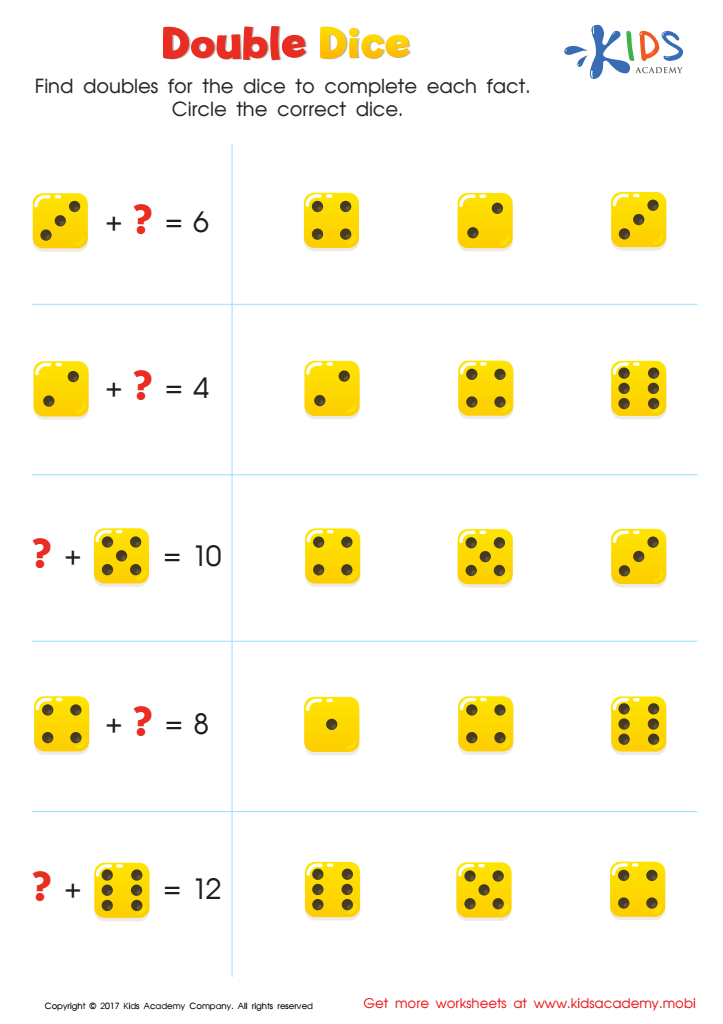
Addition Facts: Double Dice Worksheet
 Assign to My Students
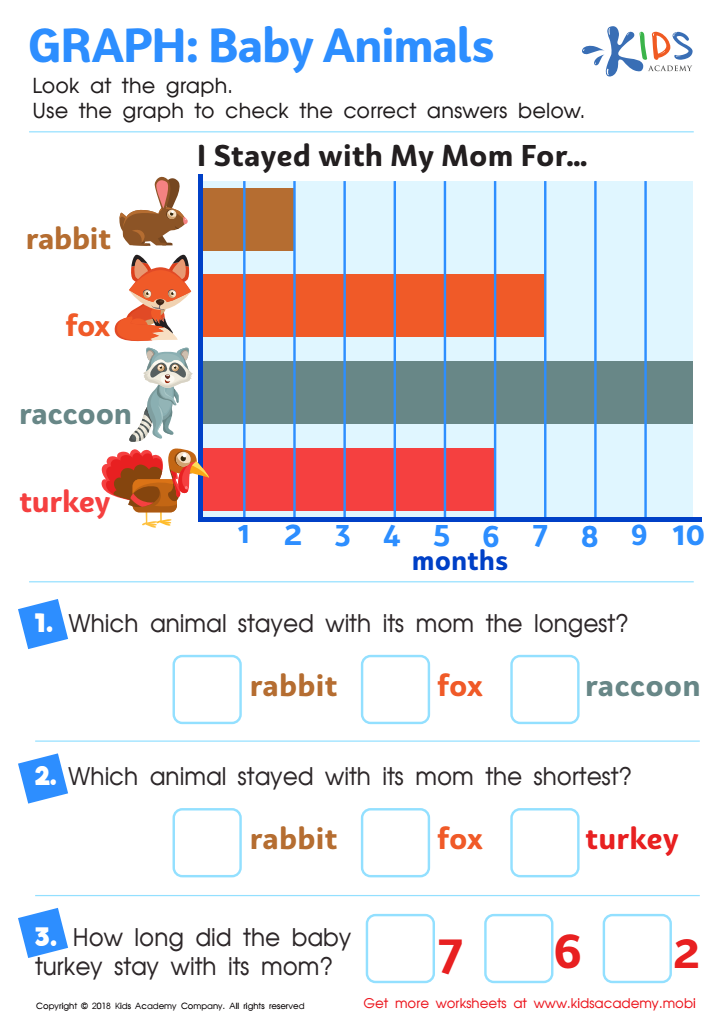
Graph: Baby Animals Worksheet
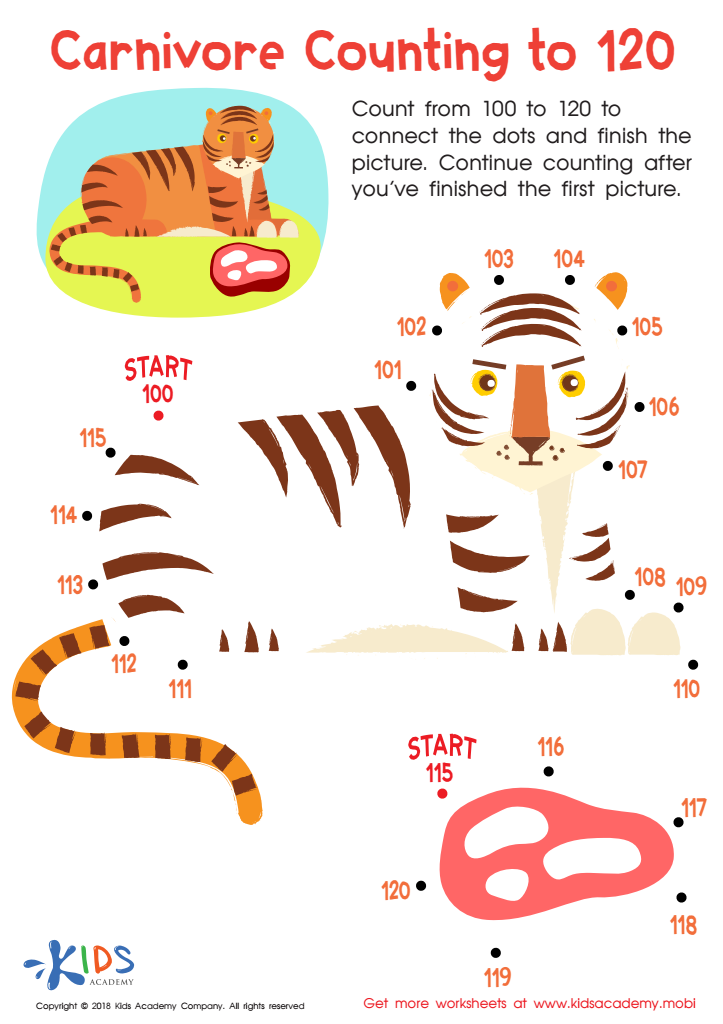
Carnivore Counting to 120 Worksheet
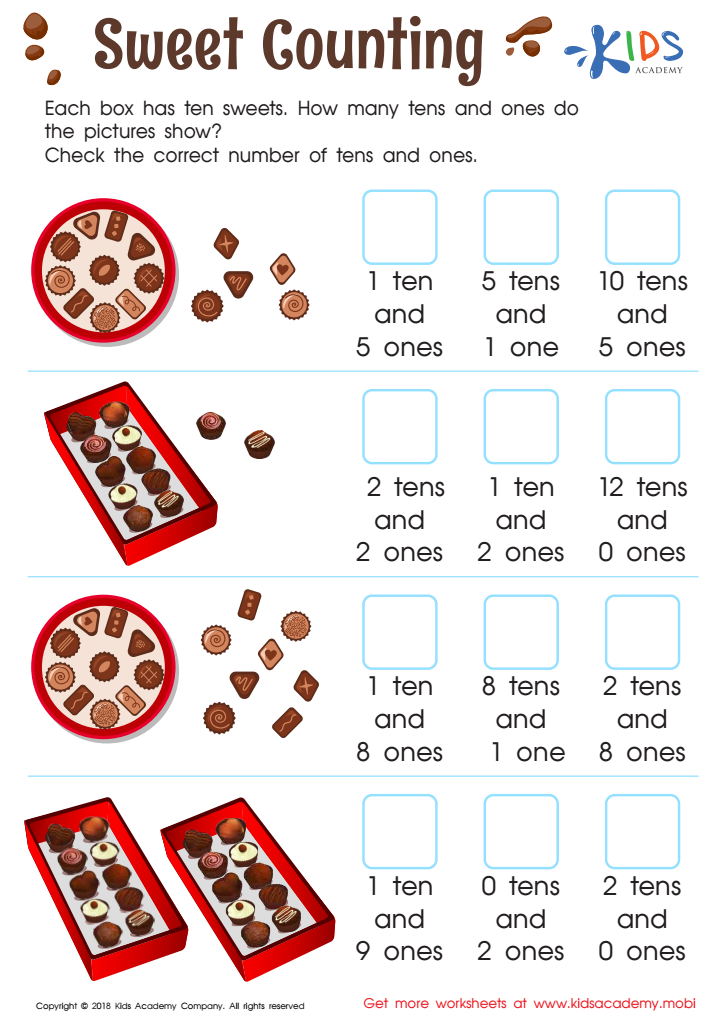
Sweet Counting - Part 2 Worksheet
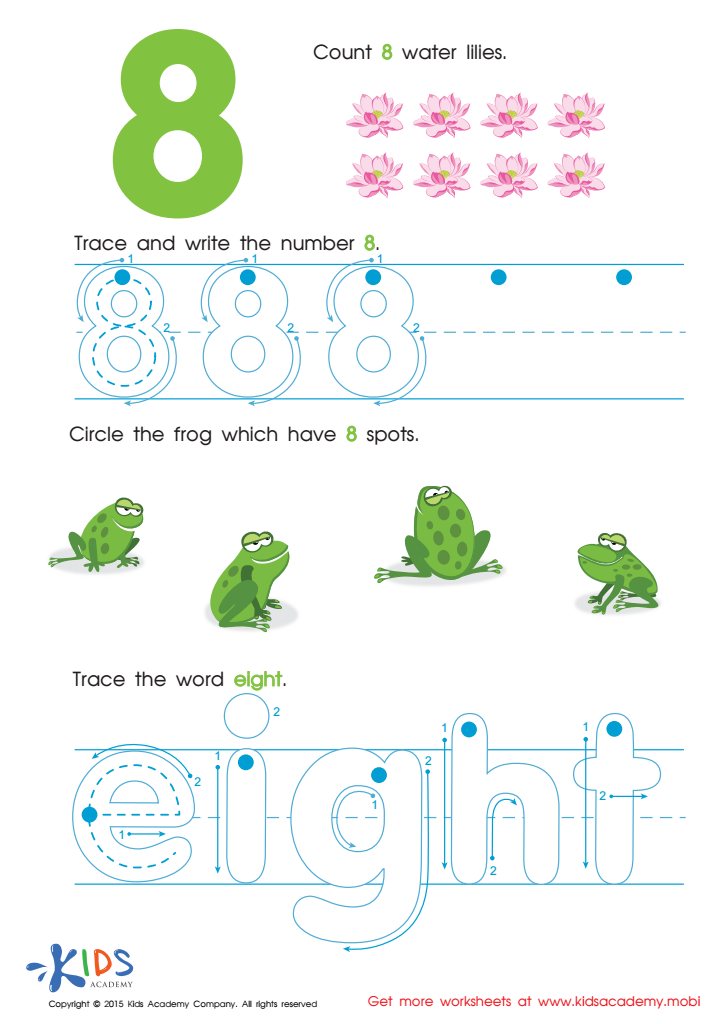
Learn Number 8 Easily Worksheet
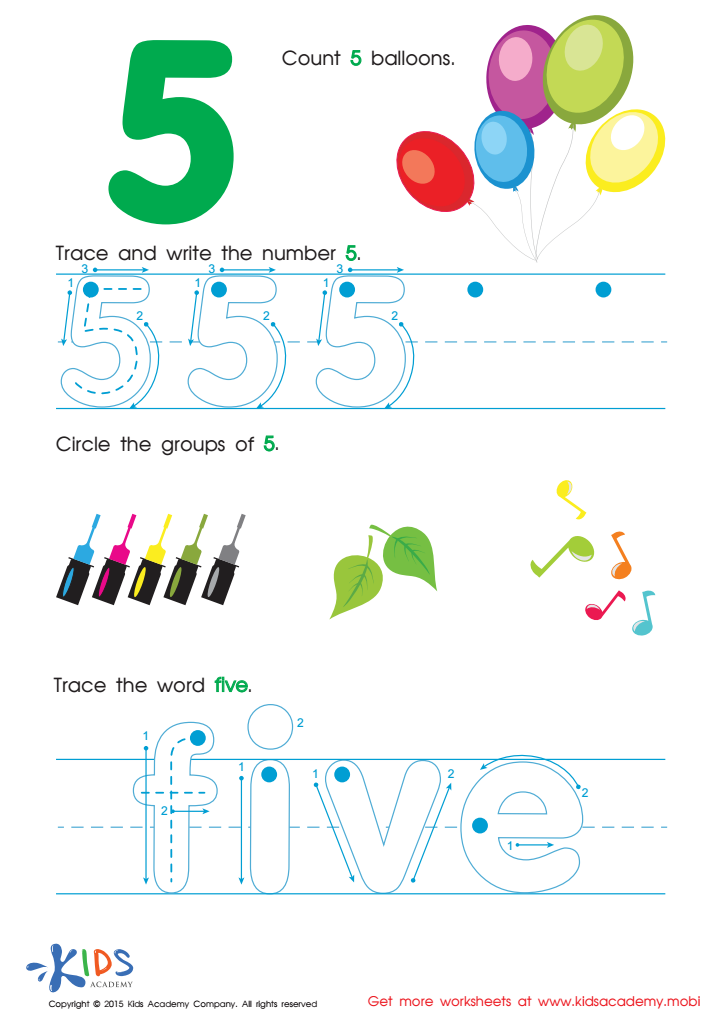
Practice Writing Number 5 Worksheet
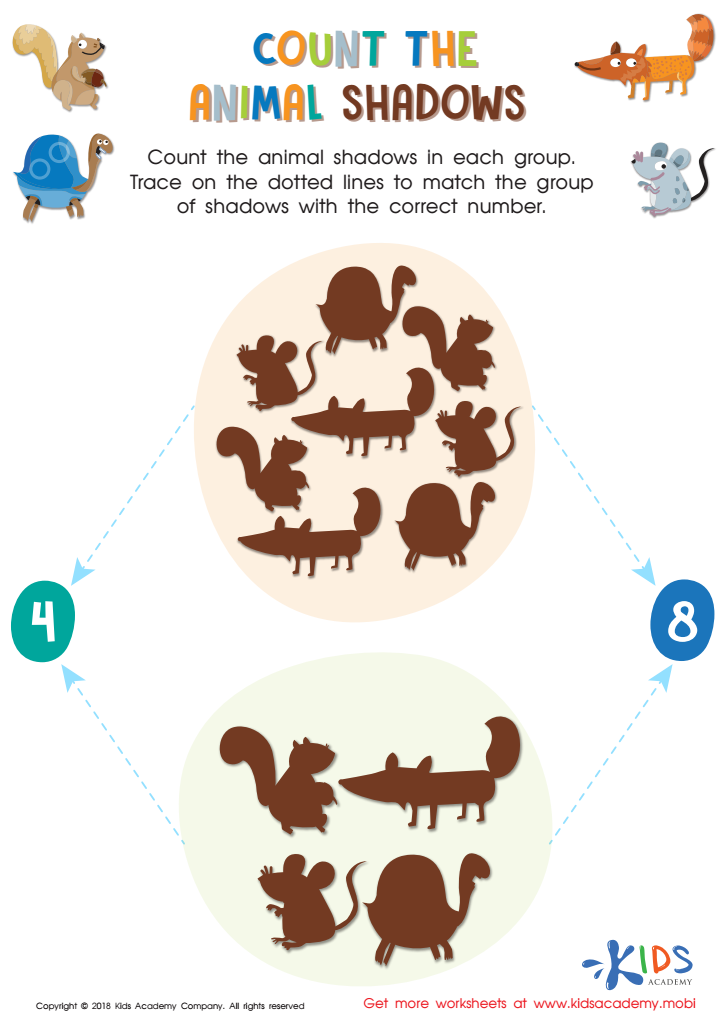
Count the Animal Shadows Worksheet
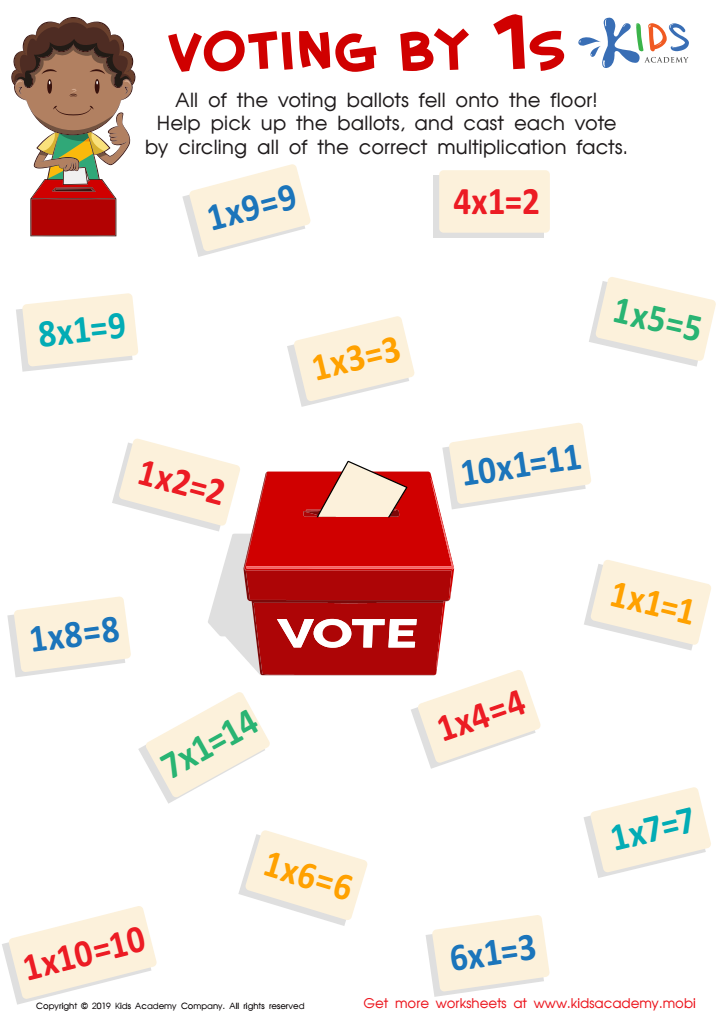
Voting by 1s Worksheet
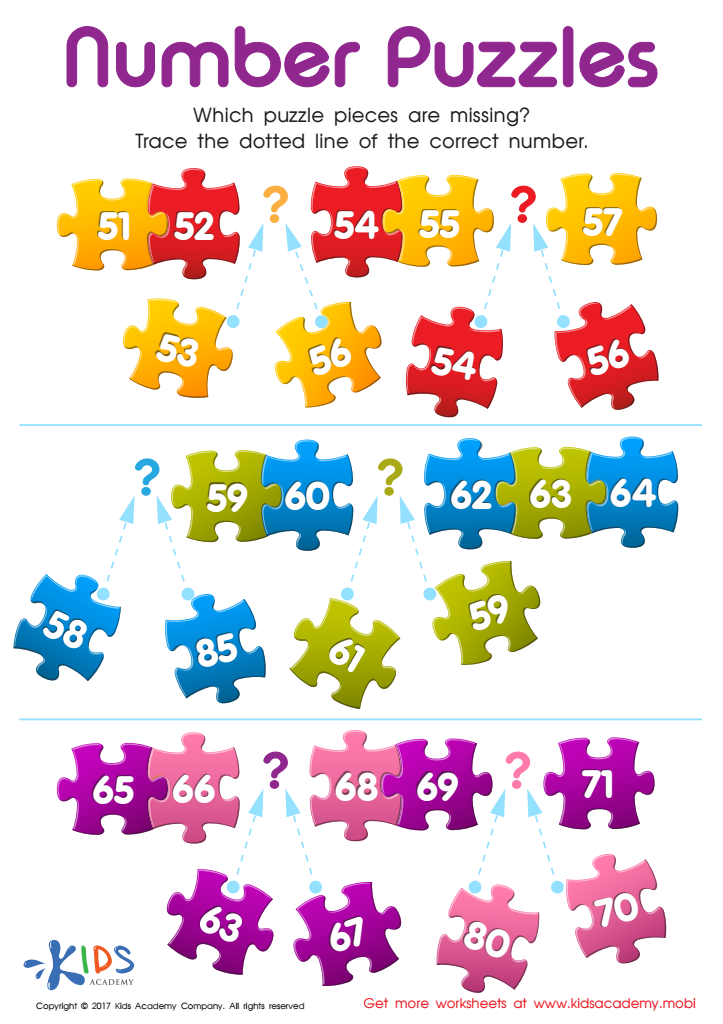
Number Puzzles Worksheet
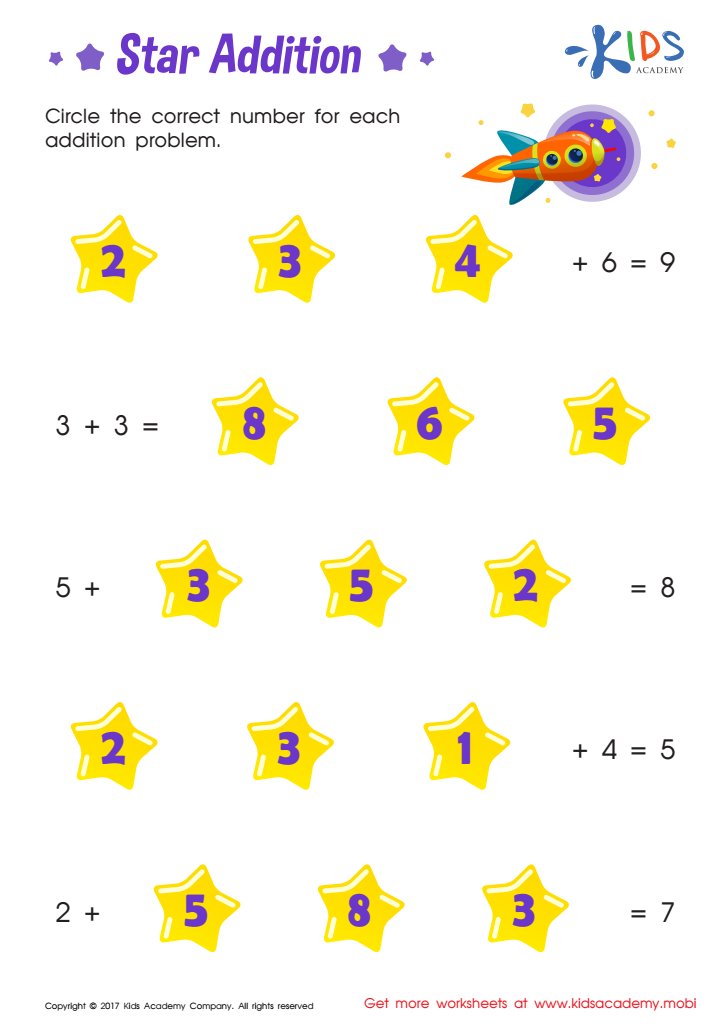
Star Addition Printable
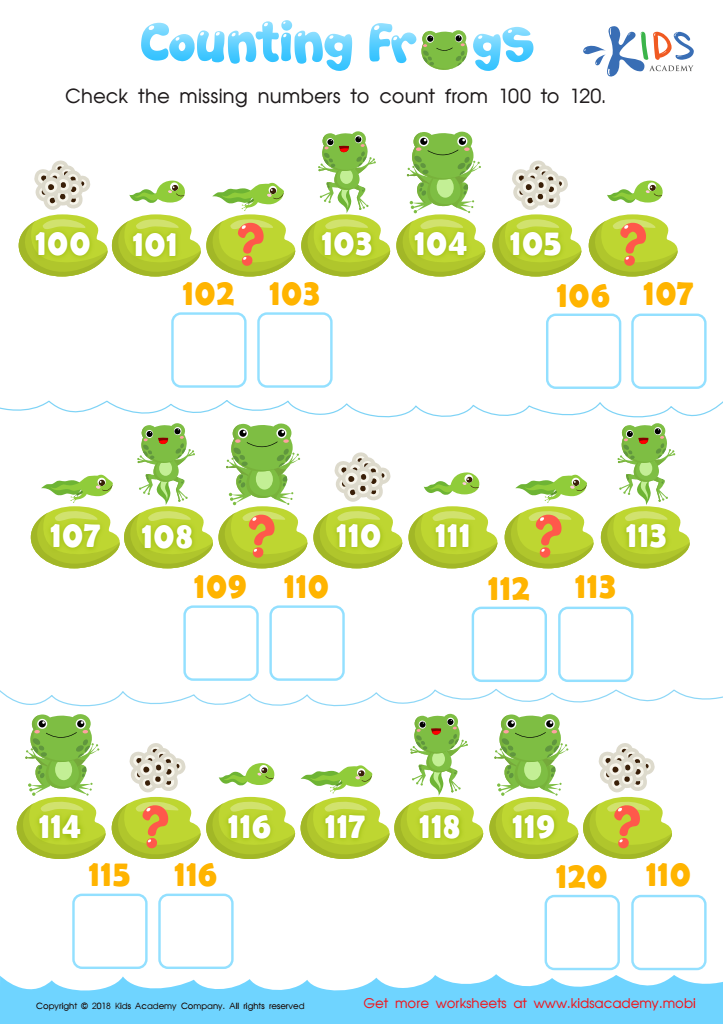
Counting Frogs Worksheet
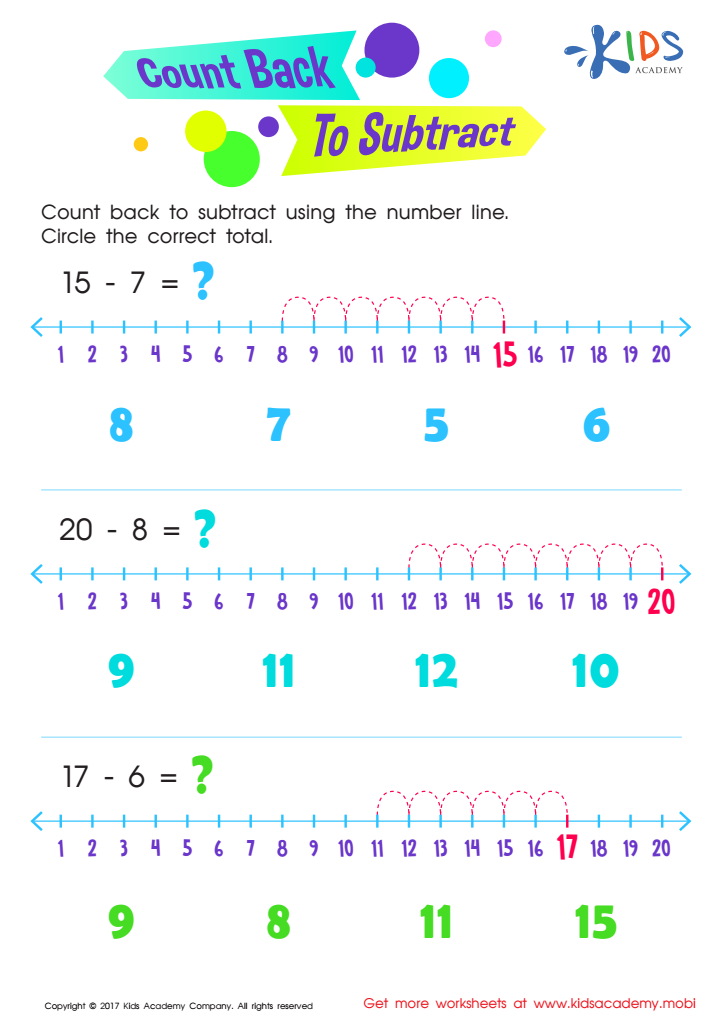
Count Back to Subtract Substraction Worksheet
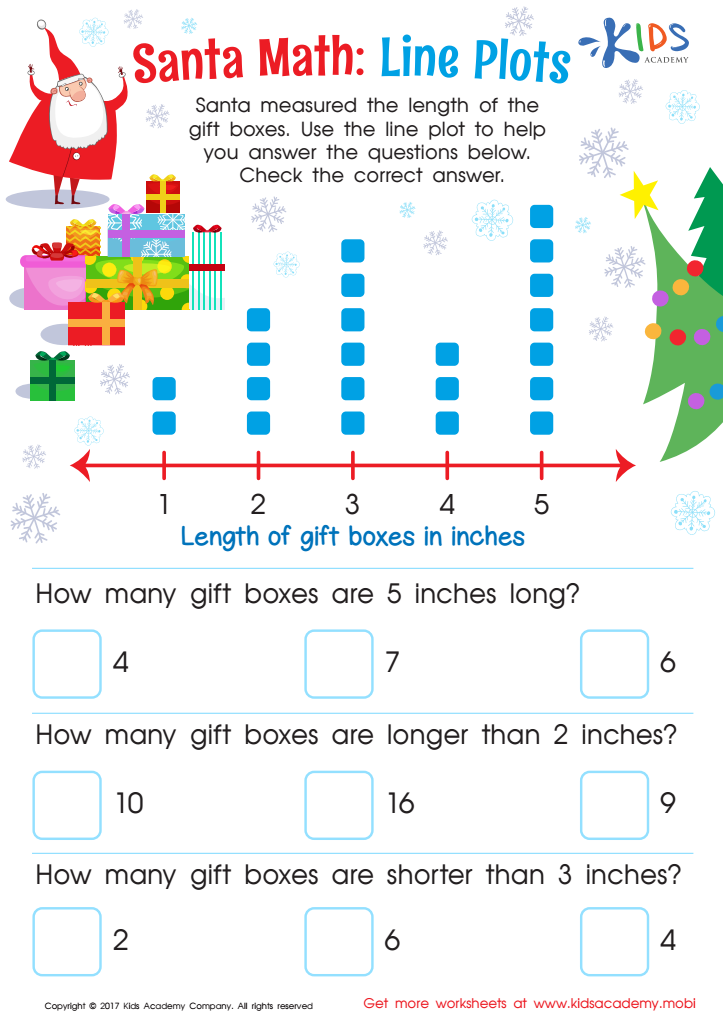
Line Plot Worksheet
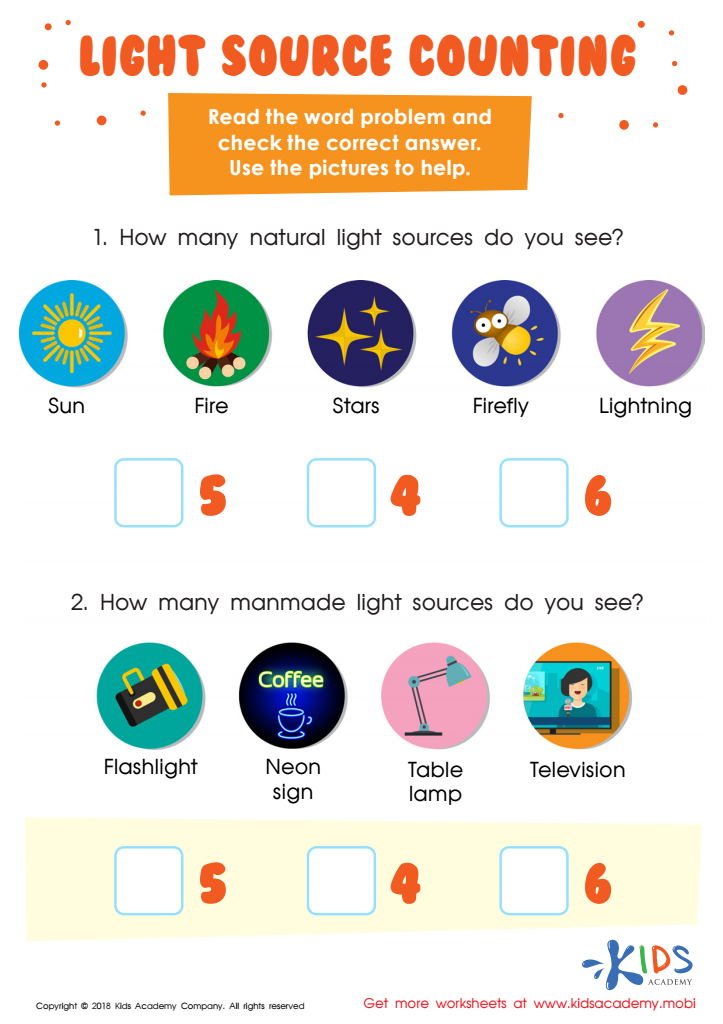
Light Source Counting Worksheet
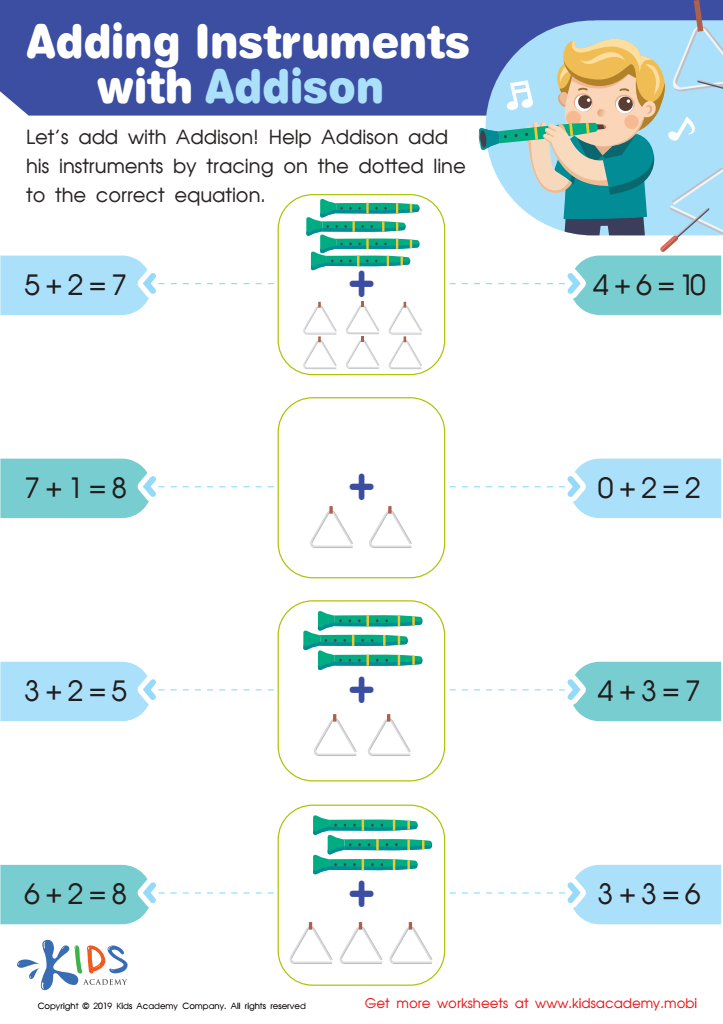
Adding Instruments with Addison Worksheet
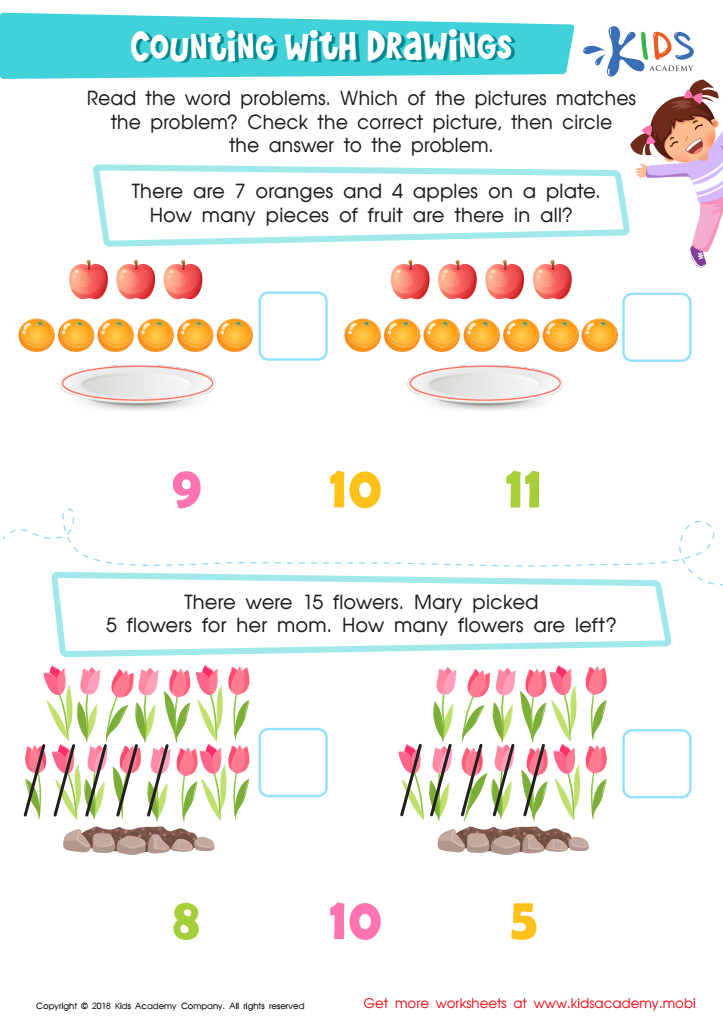
Counting with Drawings:Fruits & Flowers Worksheet
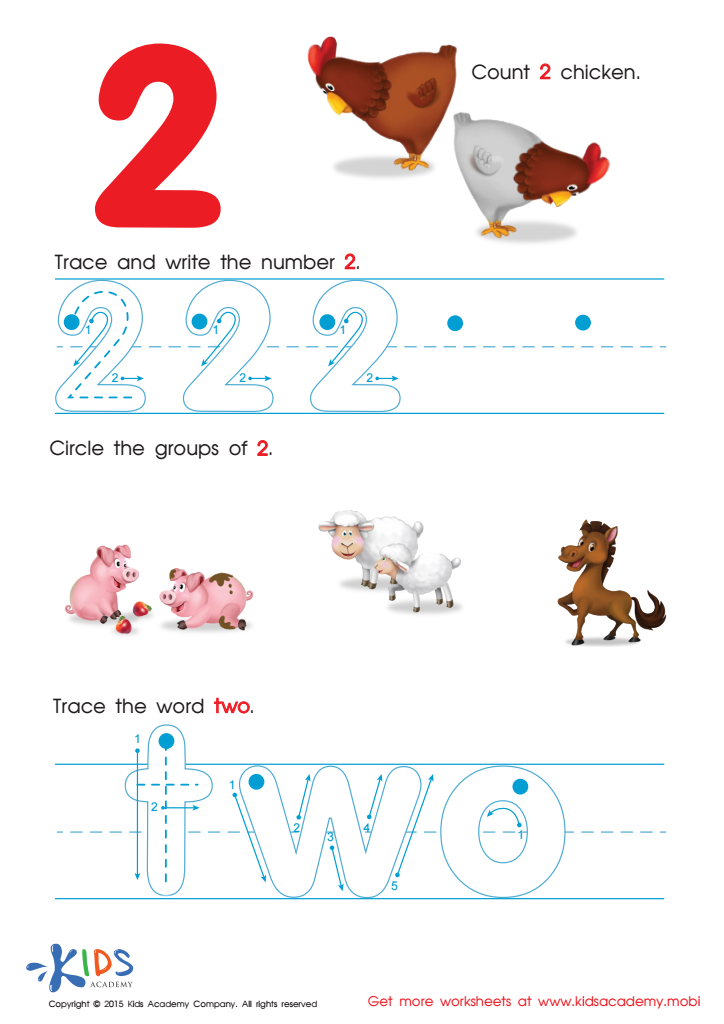
Learn to Write the Number 2 Worksheet
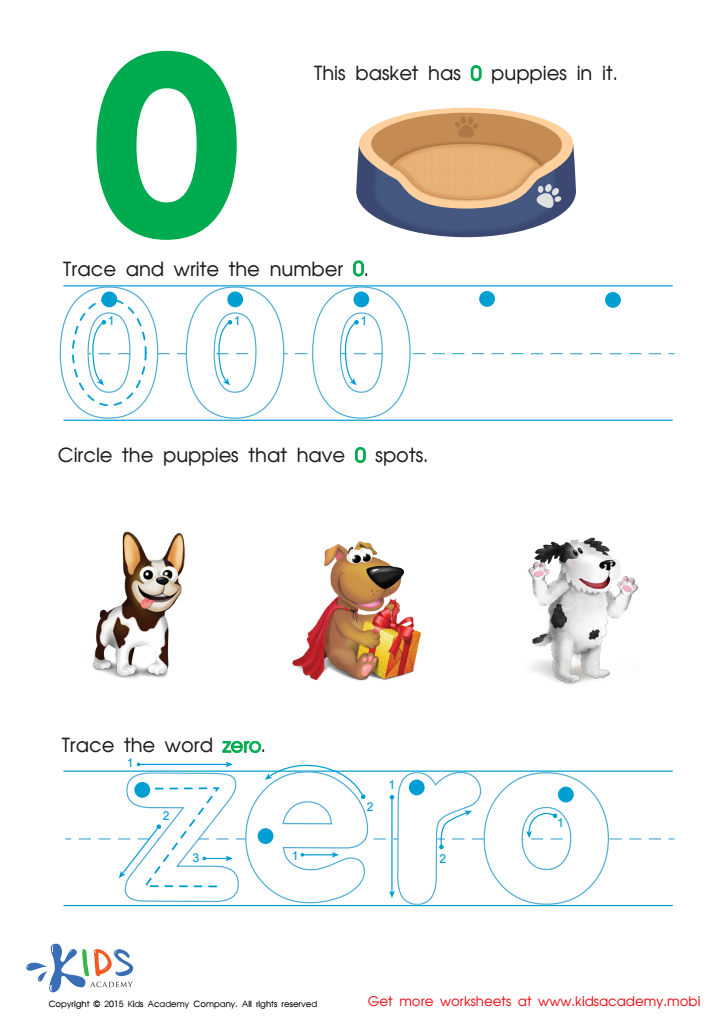
Trace And Write Number 0 Worksheet
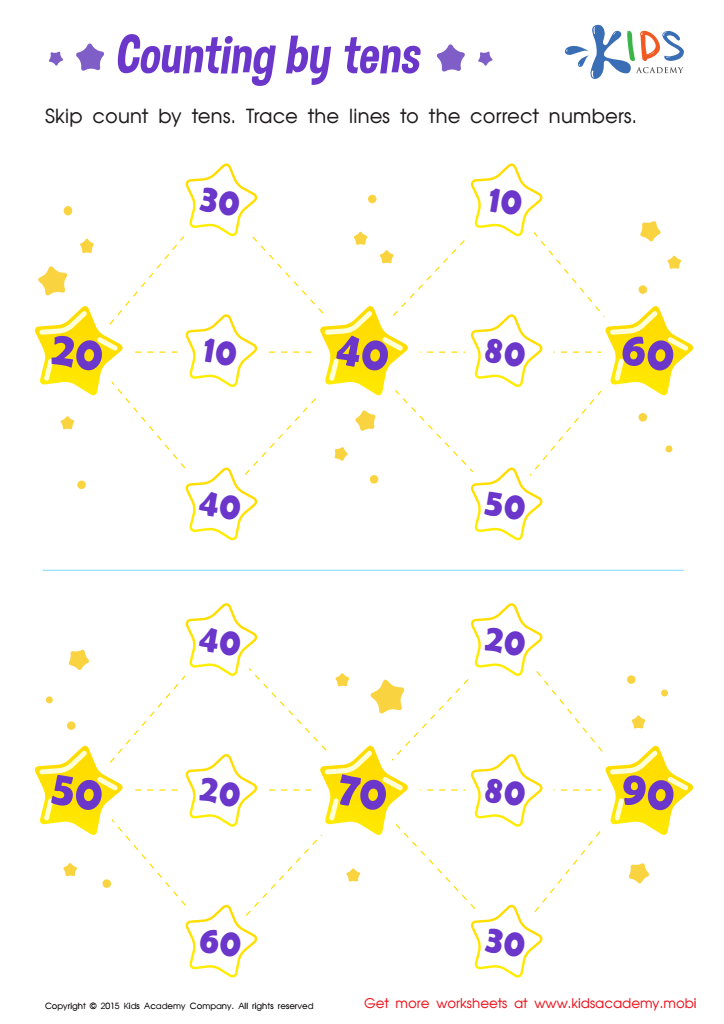
Learn Dozens: Counting by Tens Printable
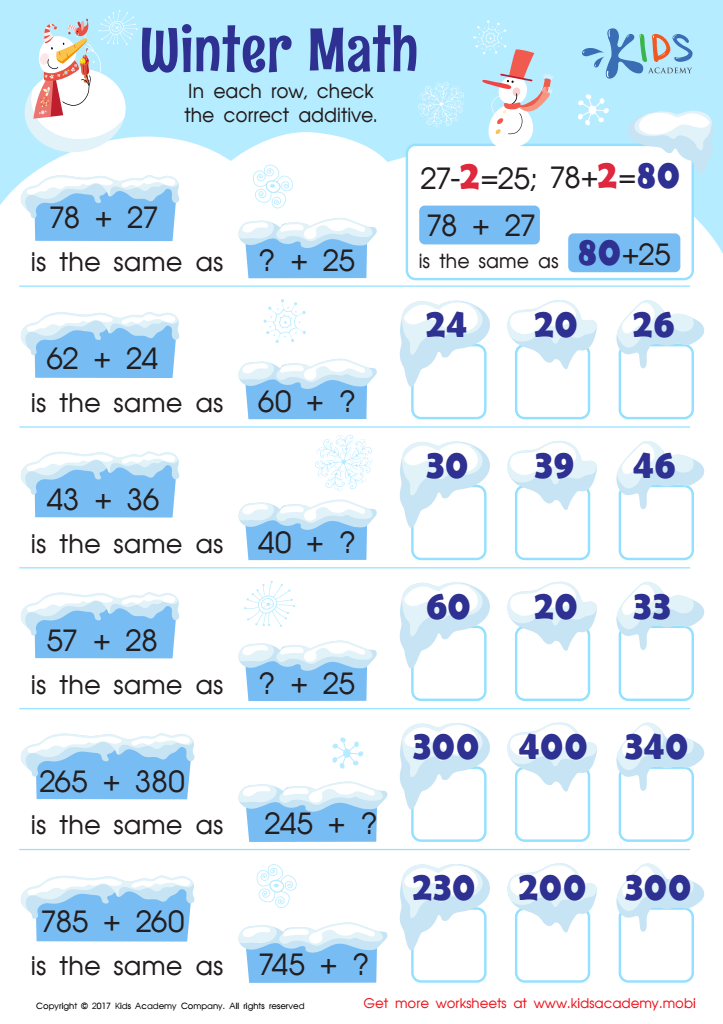
Free Addition Worksheet
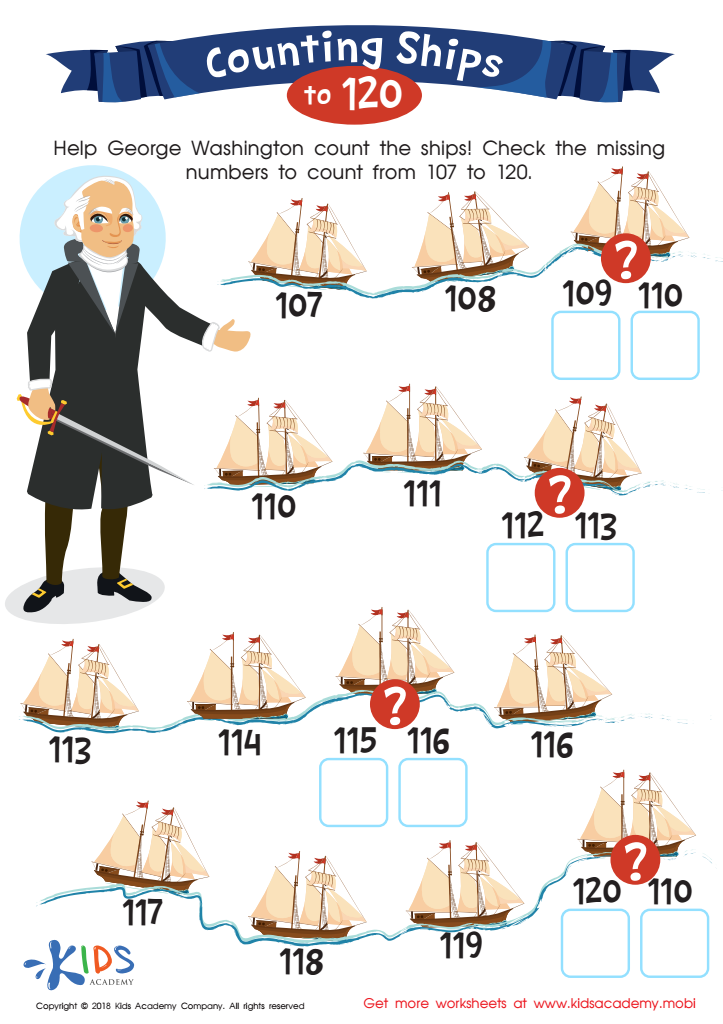
Counting Ships to 120 Worksheet
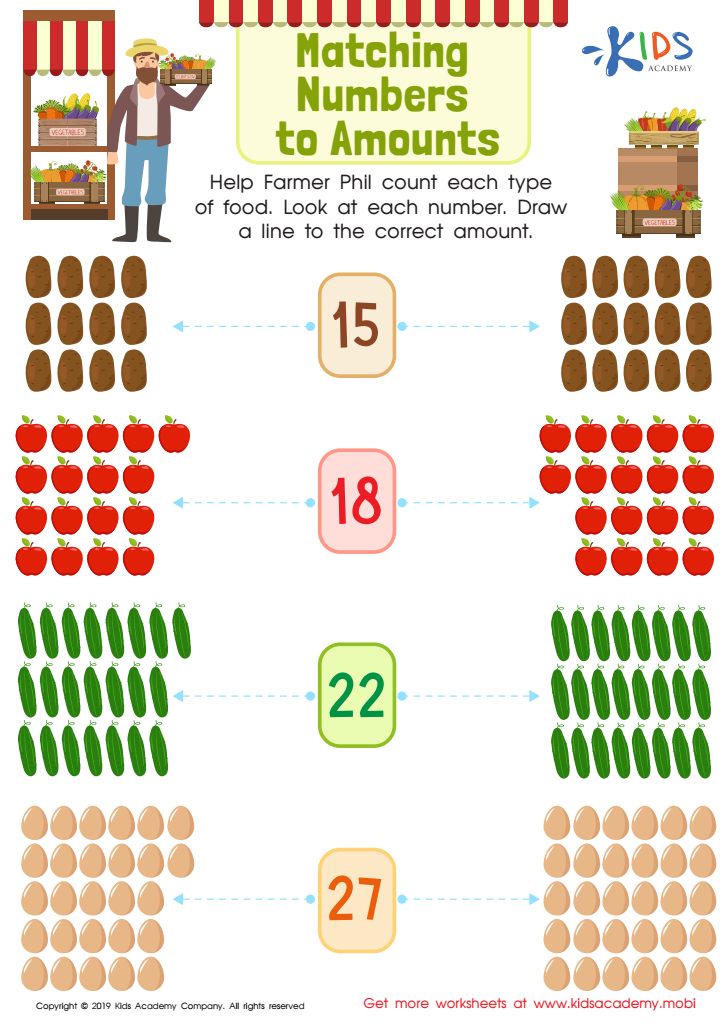
Matching Numbers to Amounts Worksheet
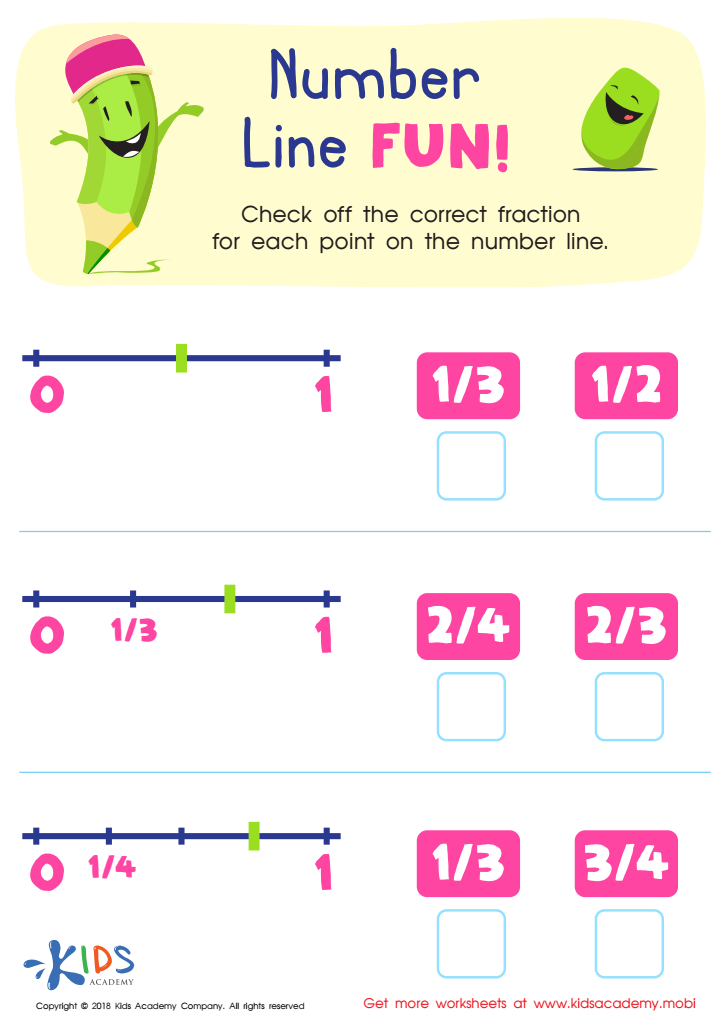
Number Line Fun Worksheet




.jpg)


Counting skills are the foundation of a child's mathematical understanding. For ages 7-8, this period is critical as children are transitioning from simple rote counting to more advanced arithmetic concepts. Parents and teachers should prioritize these skills because they form the building blocks for future mathematical learning.
Firstly, counting teaches number recognition and one-to-one correspondence, which are essential for understanding quantity and order. This understanding is not just academic; it's practical. Everyday activities such as telling time, handling money, and measuring ingredients while cooking all rely on counting skills.
Secondly, proficiency in counting helps develop a sense of numerical patterns and relationships, which are crucial for problem-solving. These skills promote logical thinking and can improve performance in other STEM (Science, Technology, Engineering, and Mathematics) areas.
Moreover, having solid counting skills boosts a child's confidence. Struggling with basic math can lead to anxiety and a dislike for the subject, whereas competency can inspire them to tackle more complex problems.
Teachers and parents who emphasize counting skills provide children with a toolkit for academic success and practical life skills. Understanding the importance of this foundational learning stage ensures children are well-prepared for future educational challenges. Hence, cultivating counting skills is an investment in a child's overall growth and development.








