Problem-Solving Skills Normal Worksheets for Ages 8-9 - Page 2
72 filtered results
-
From - To
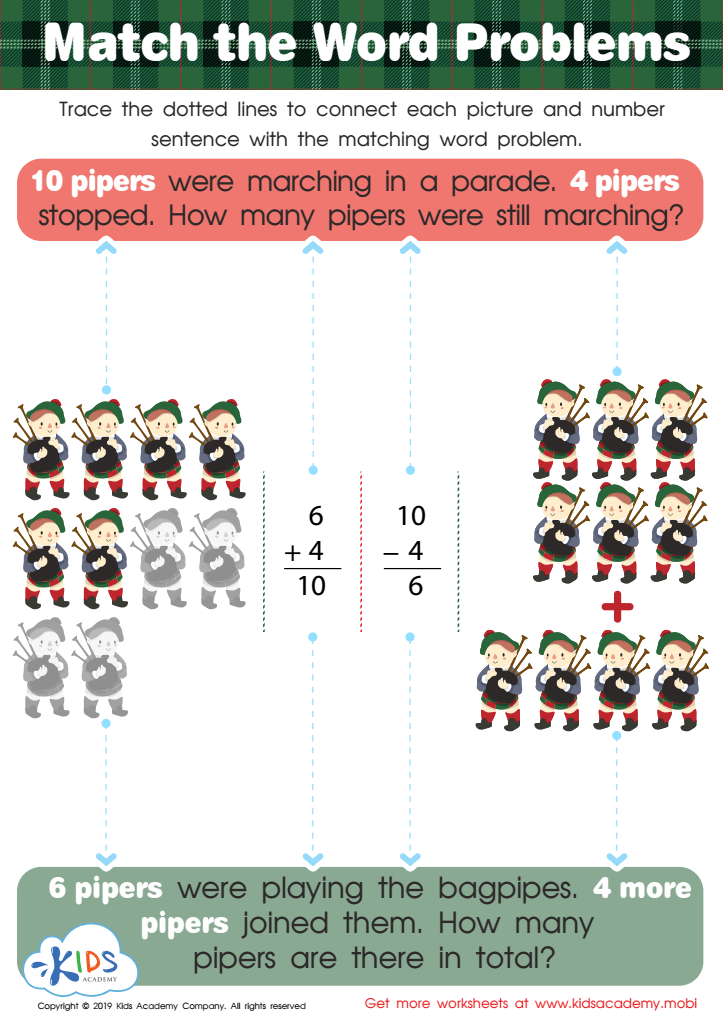
Match the Word Problems Worksheet
 Assign to My Students
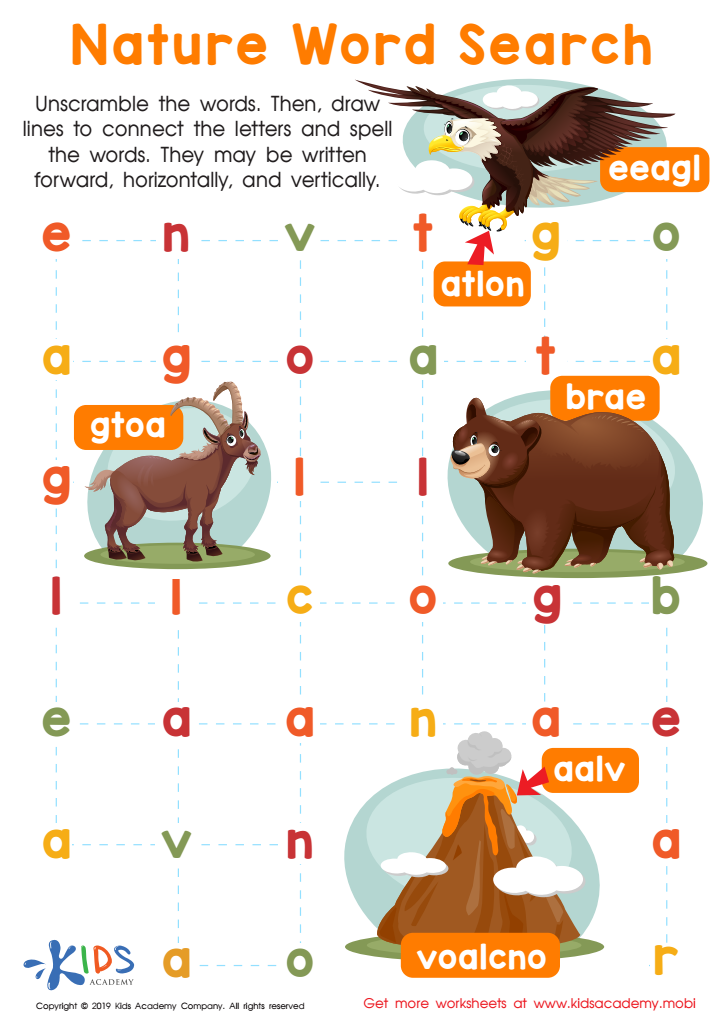
Nature Word Search Worksheet
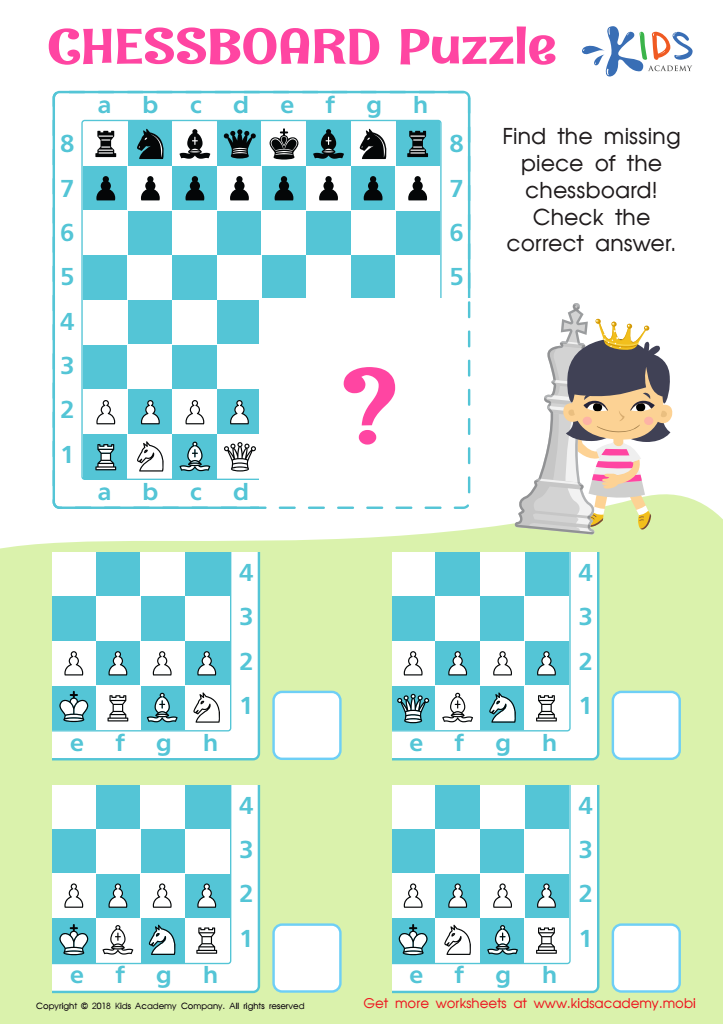
Chessboard Puzzle Worksheet
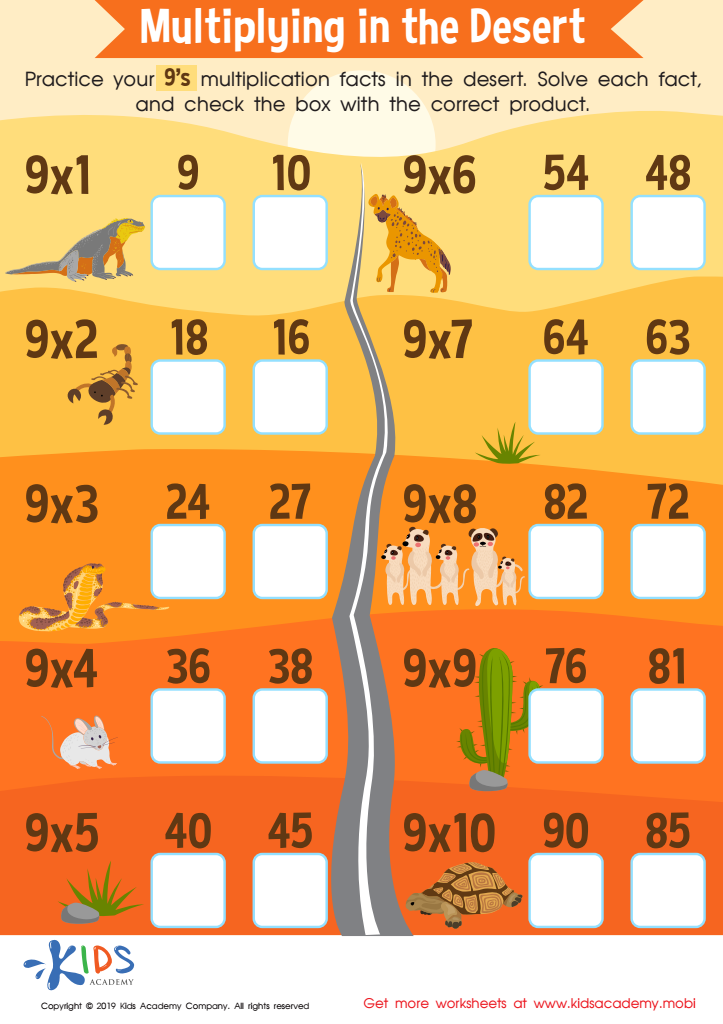
Multiplying in the Desert Worksheet
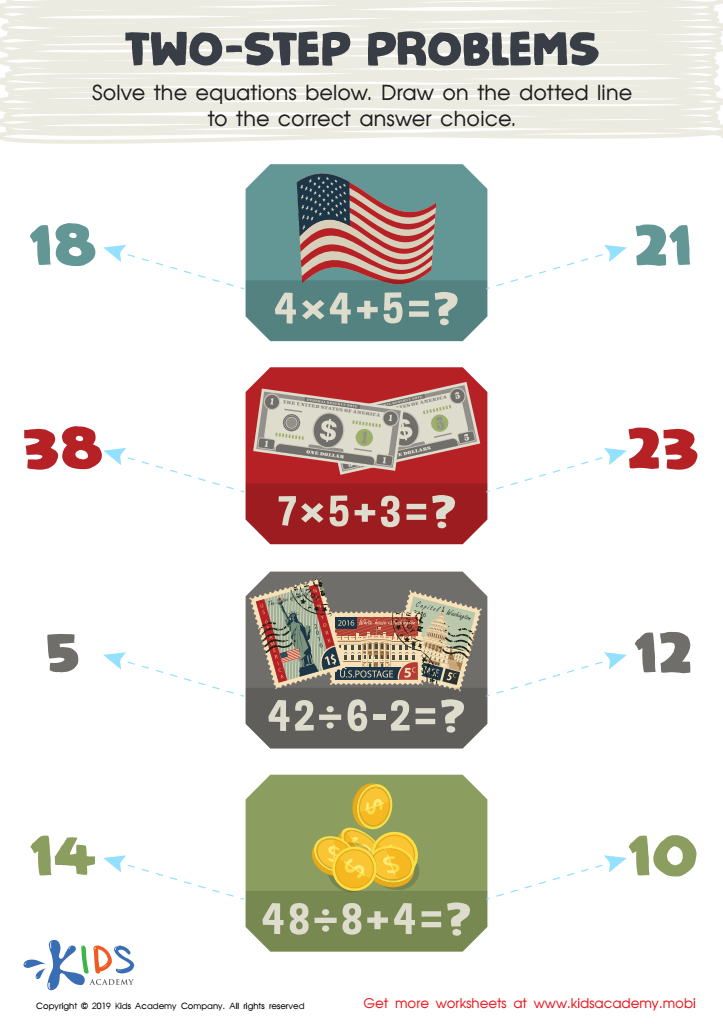
Two-Step Problems Worksheet
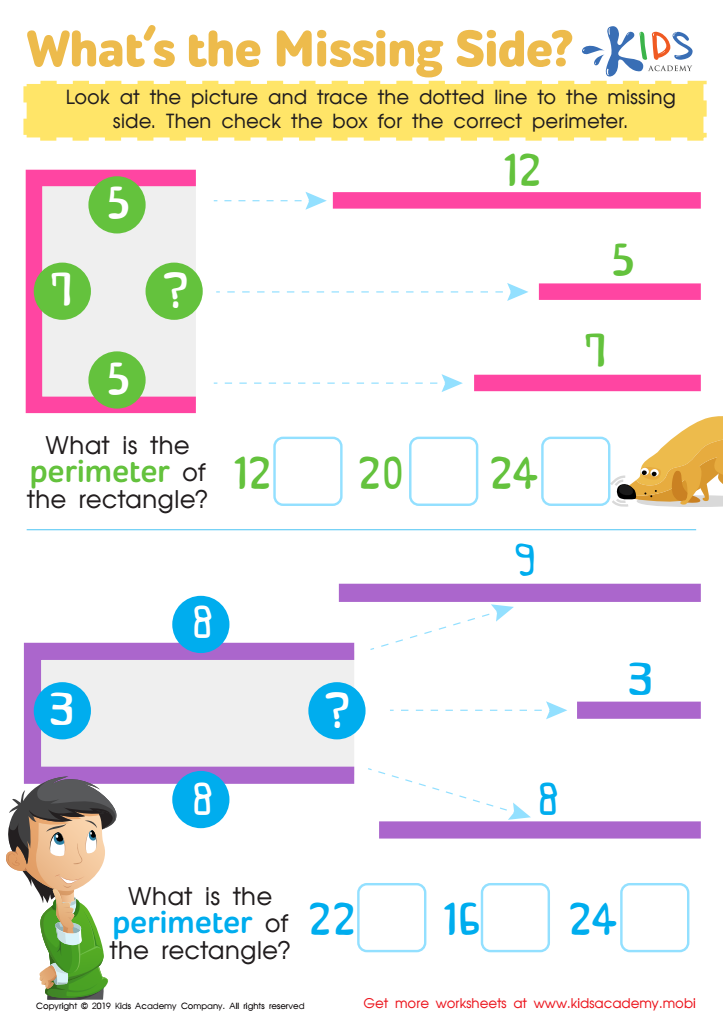
What's the Missing Side Worksheet
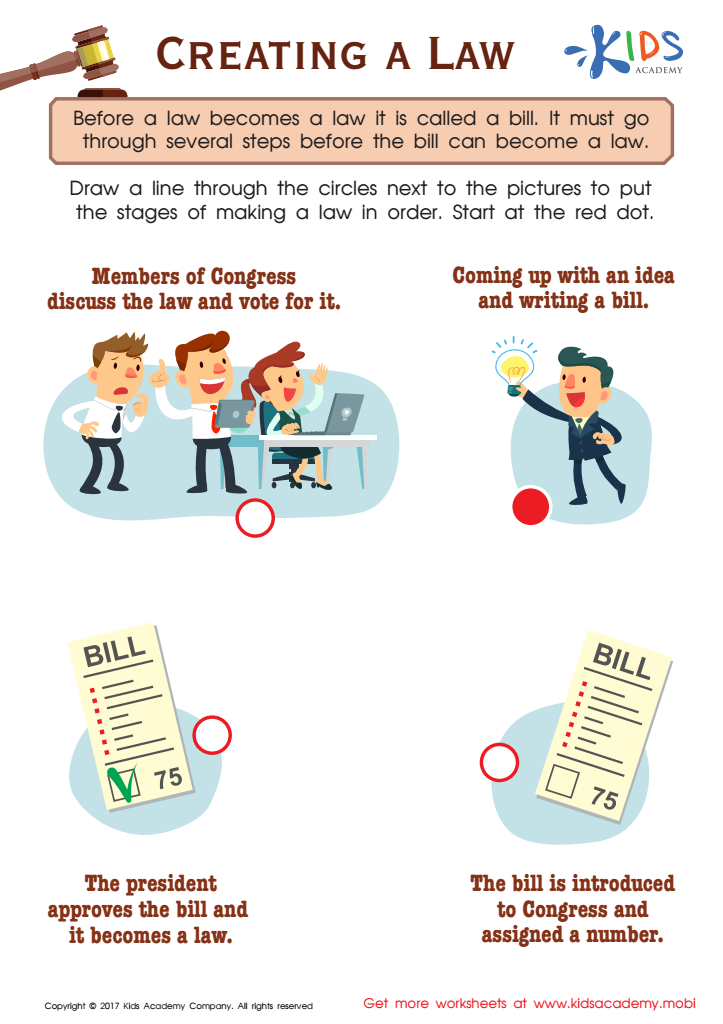
Creating a Law Worksheet
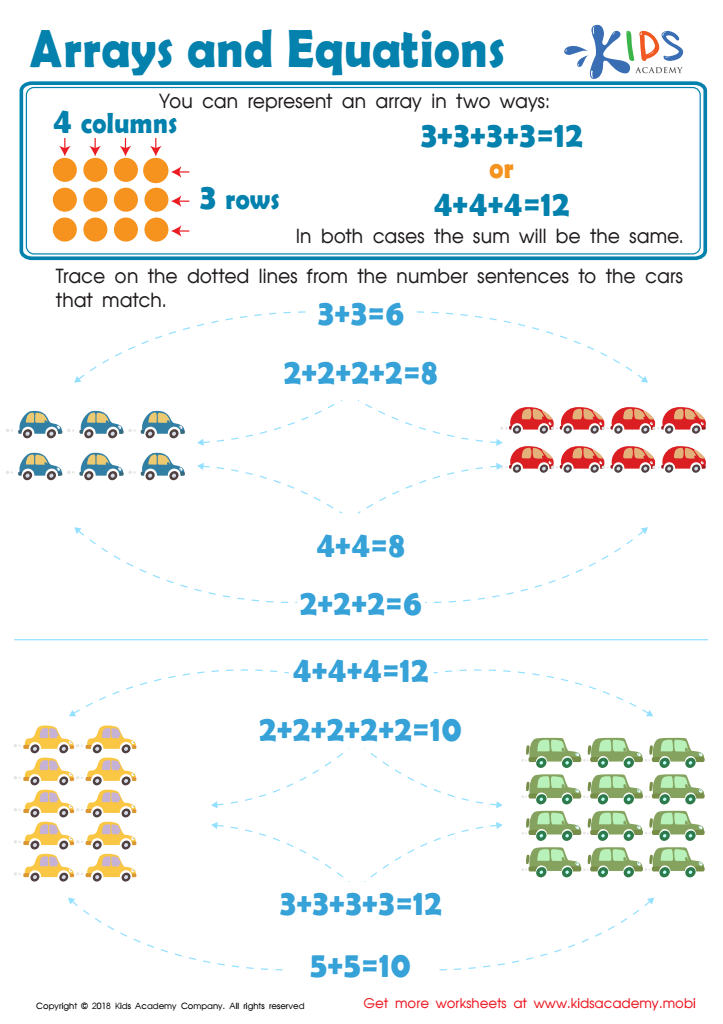
Arrays and Equations Worksheet
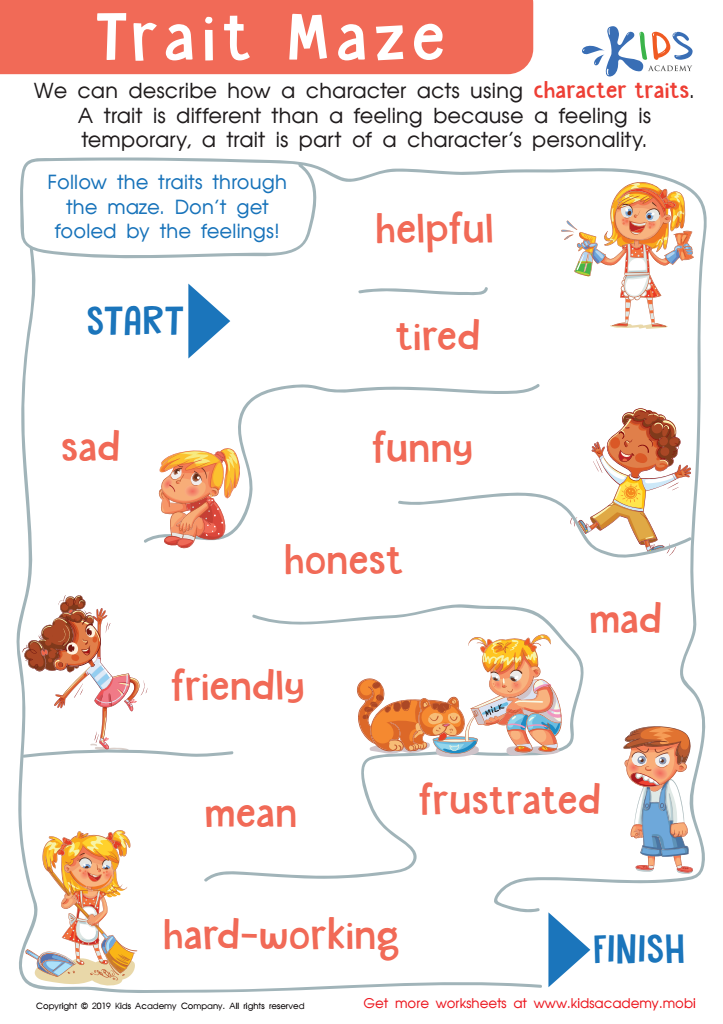
Trait Maze Worksheet
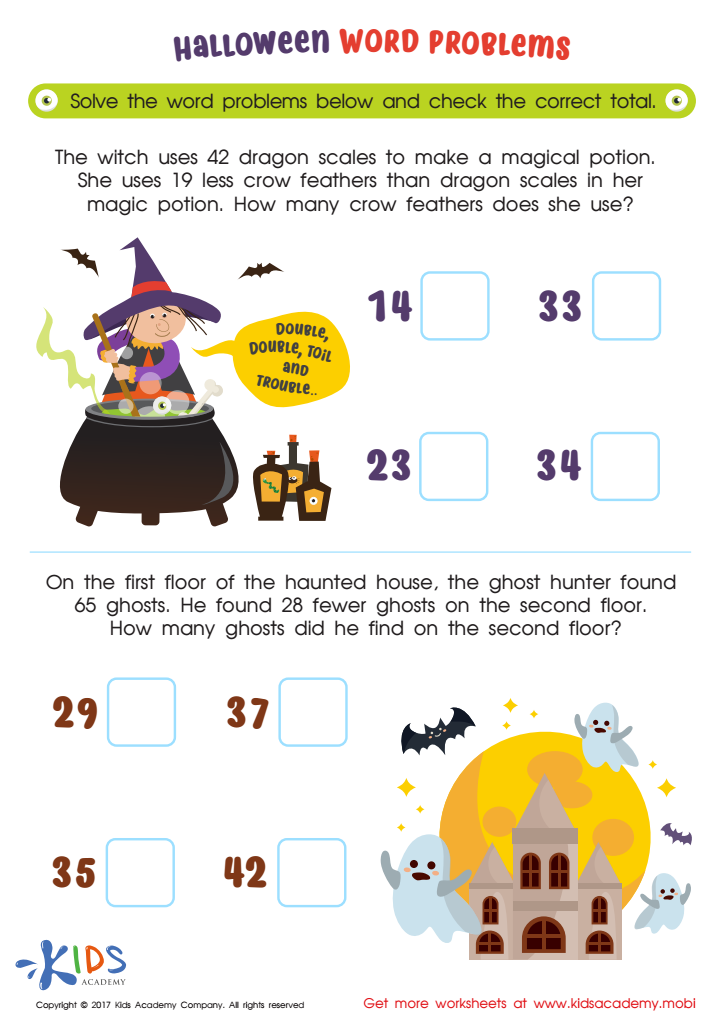
Halloween Word Problems Printable
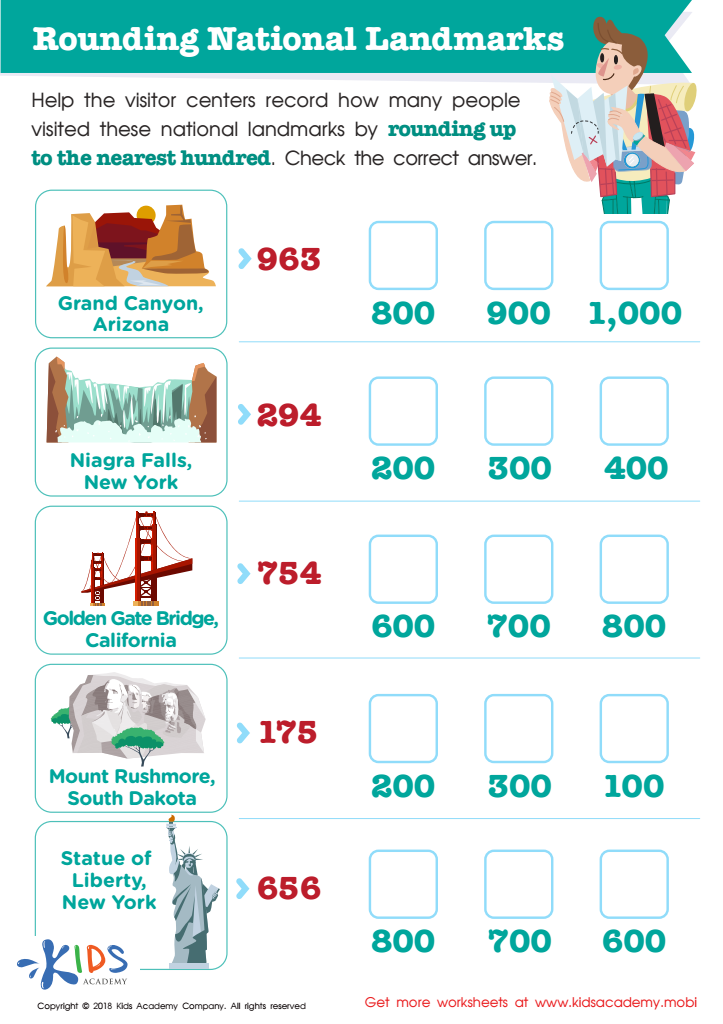
Rounding National Landmarks Worksheet
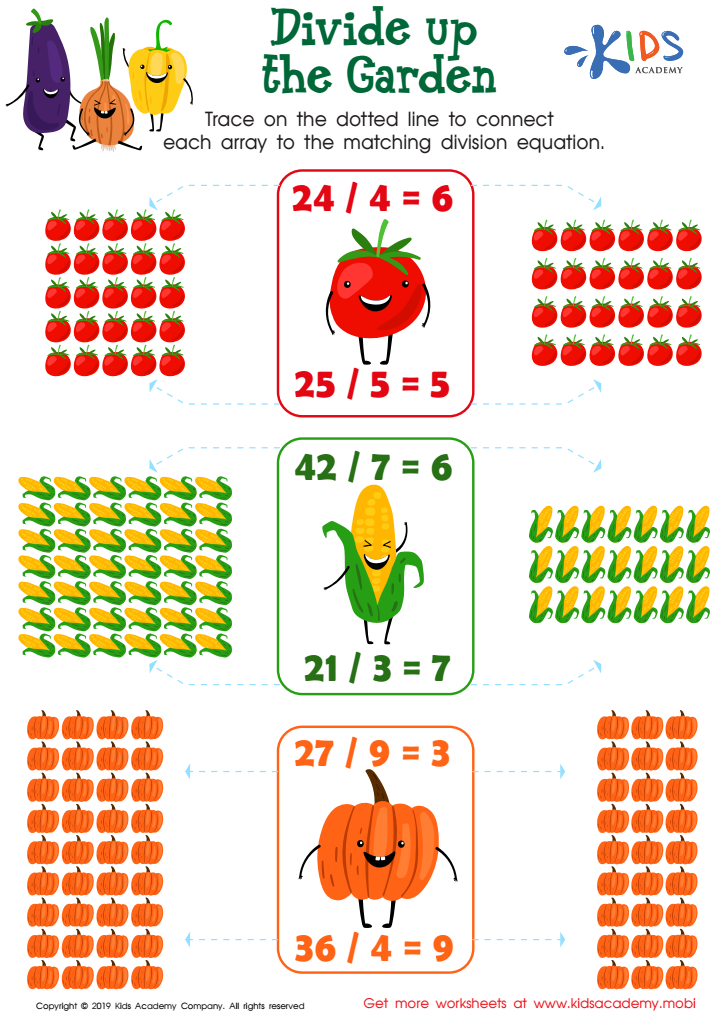
Divide up the Garden Worksheet
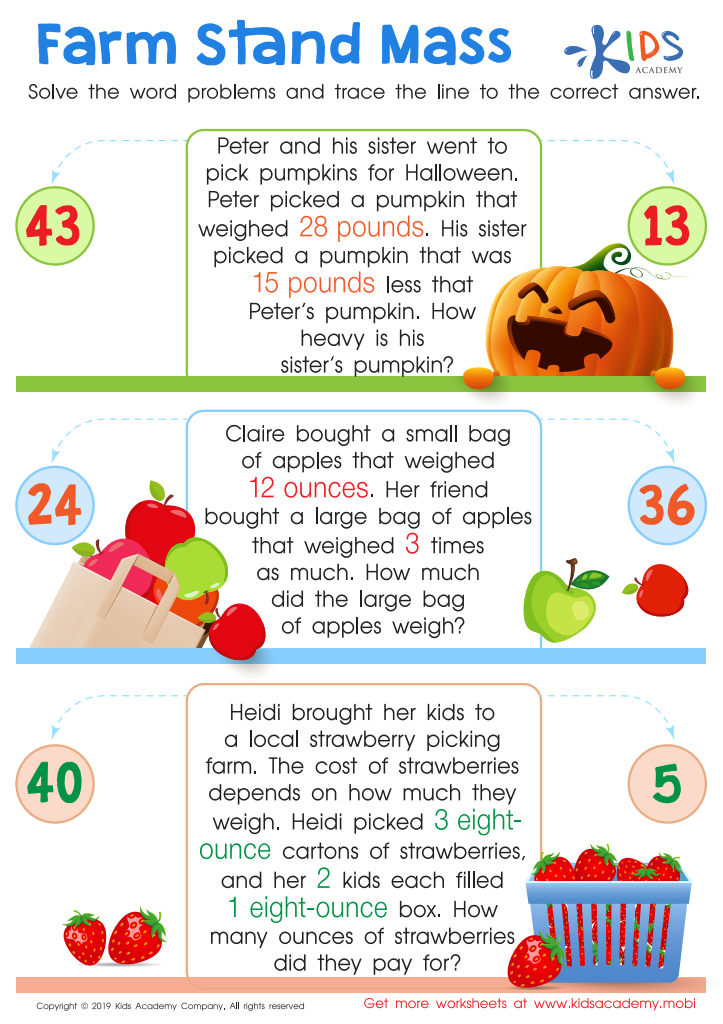
Farm Stand Mass Worksheet
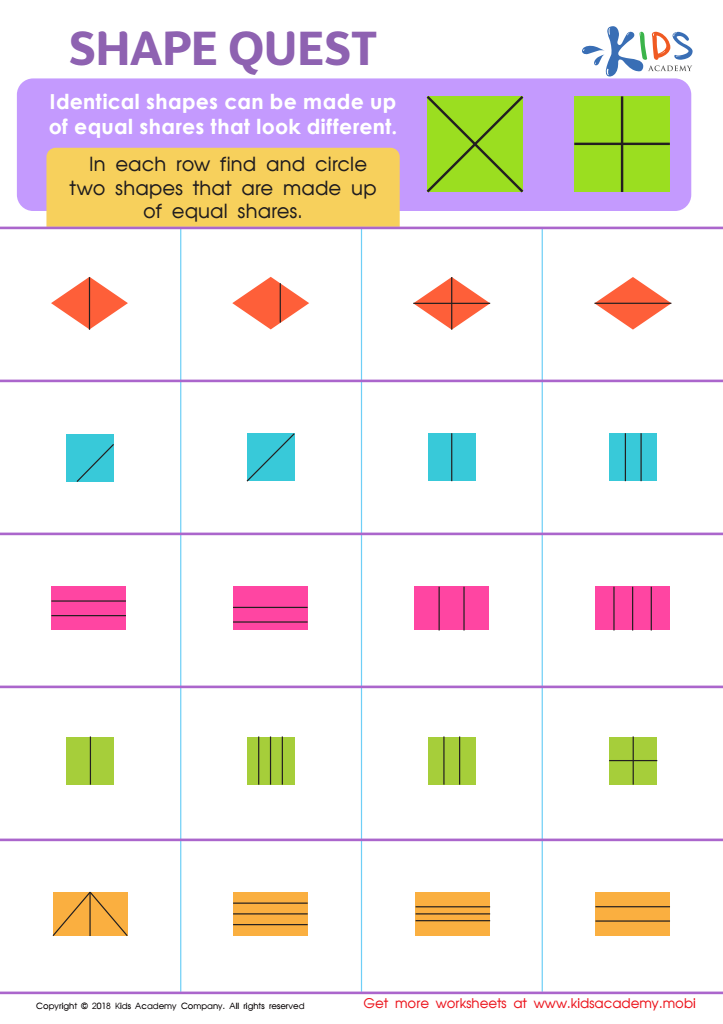
Shape Quest Worksheet
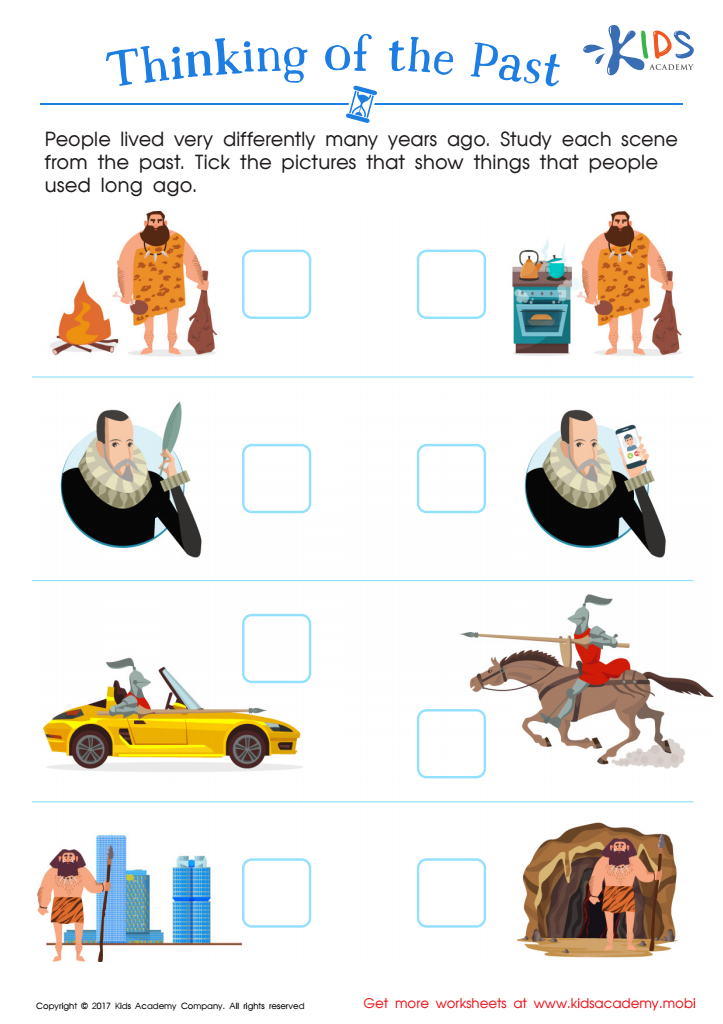
Thinking Past Printable
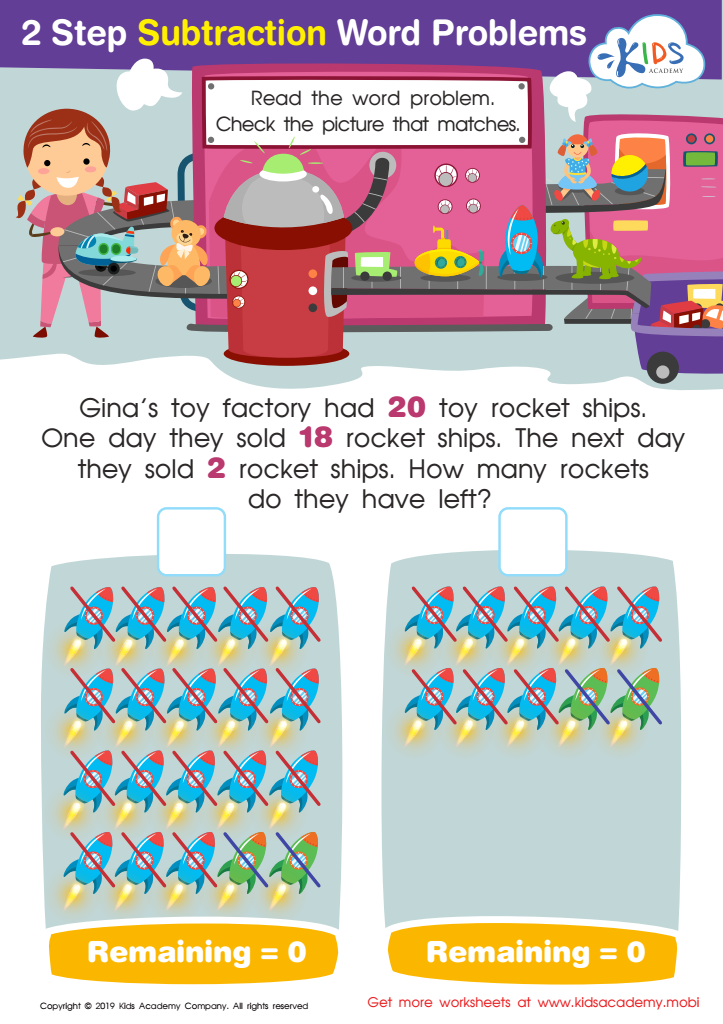
Step Subtraction Word Problems Worksheet
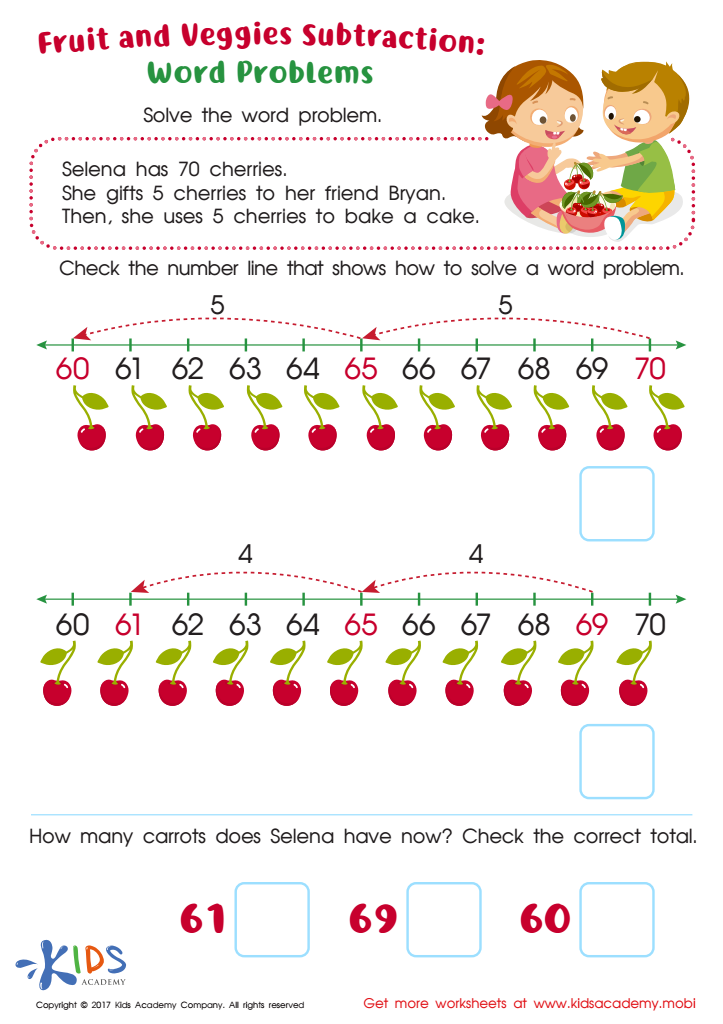
Subtraction Word Problems Free Printable
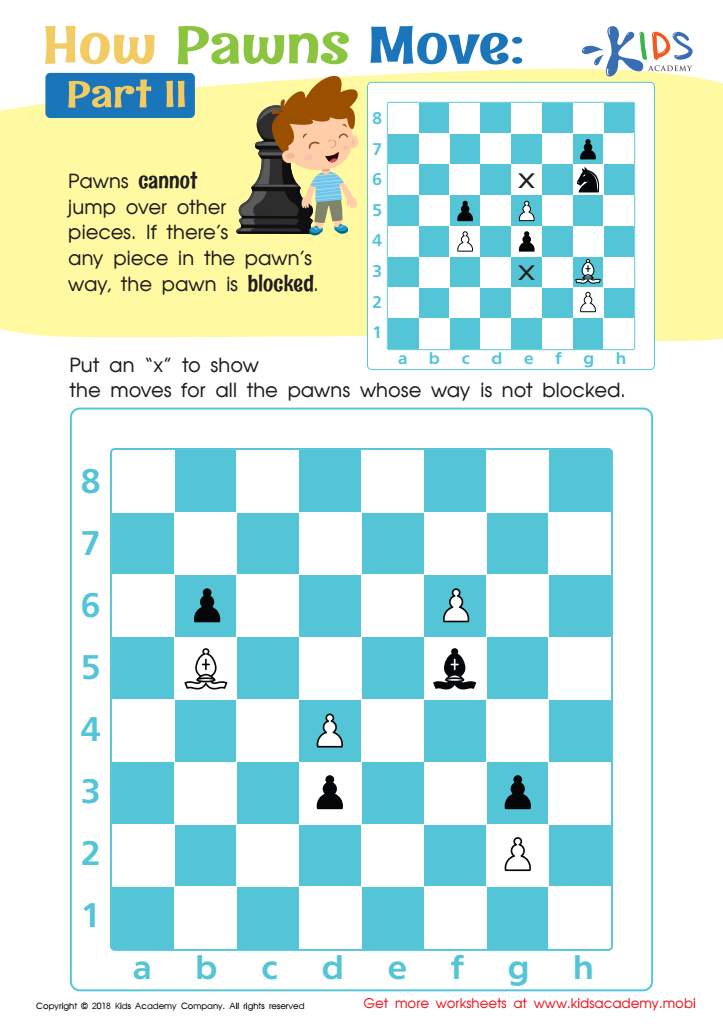
How Pawns Move: Part II Worksheet
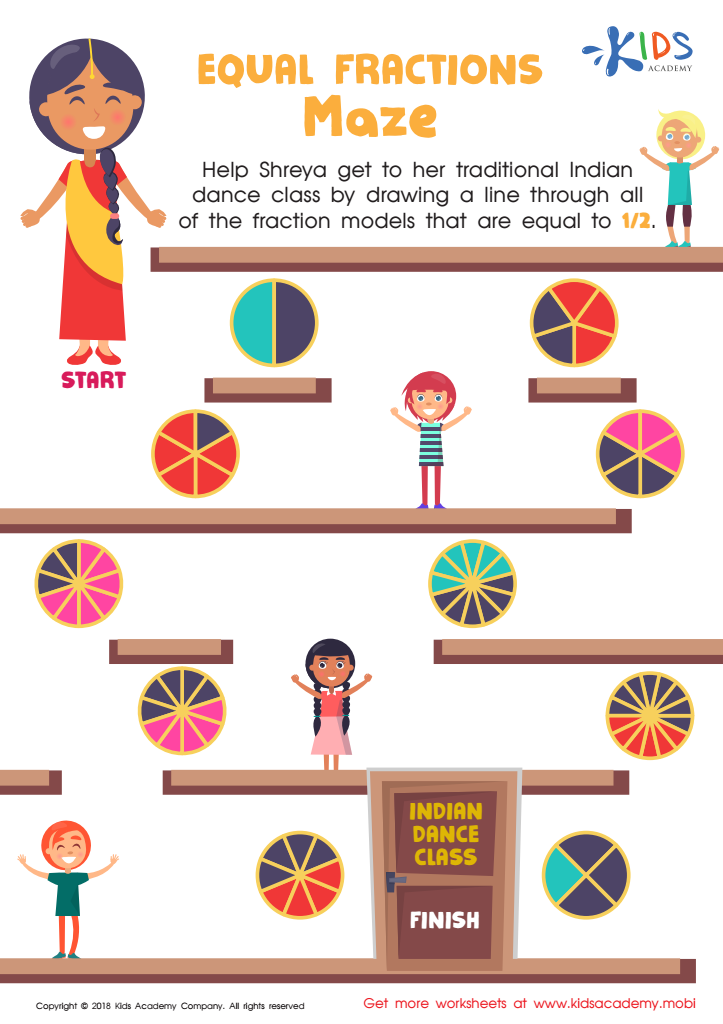
Equal Fractions Maze Worksheet

World Map Maze Worksheet
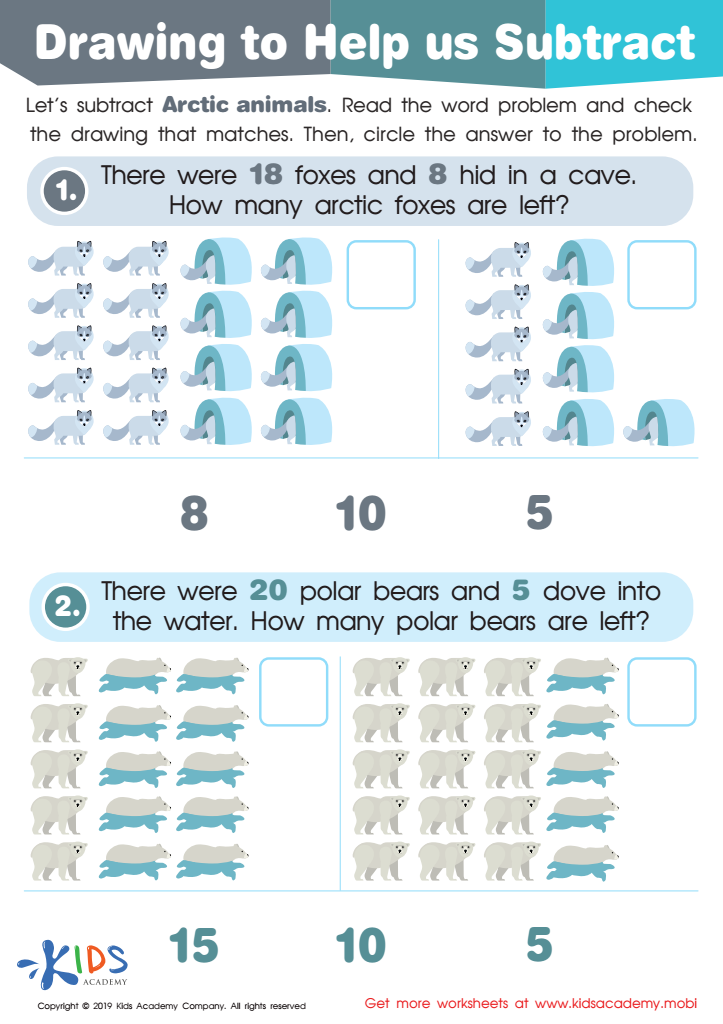
Drawing to Help Us Subtract Worksheet
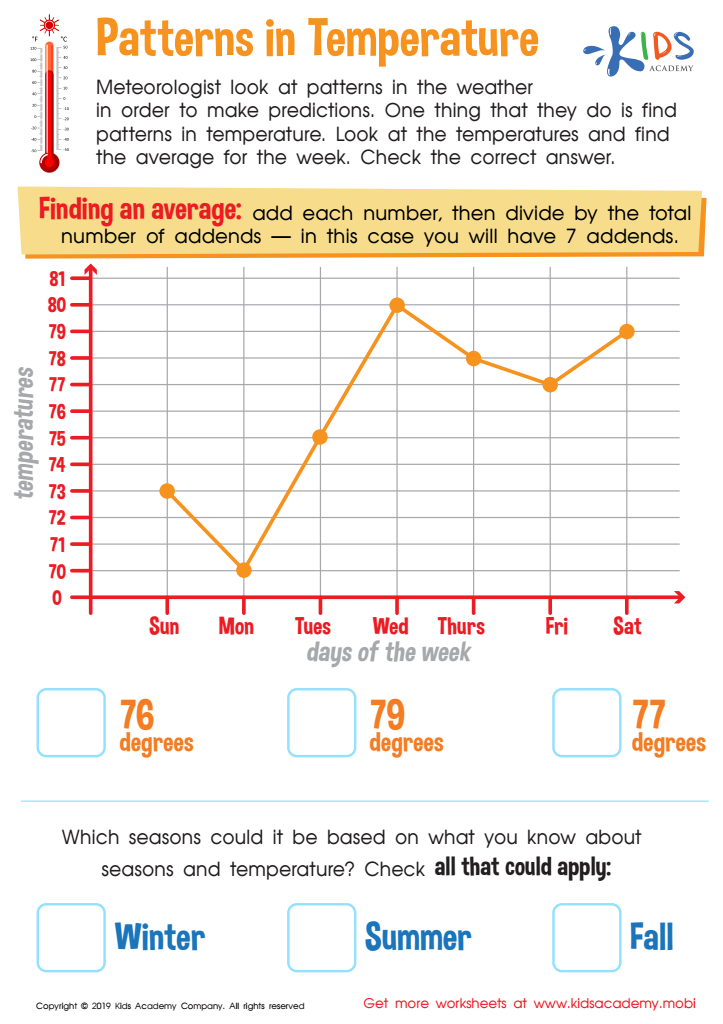
Patterns in Temperature Worksheet
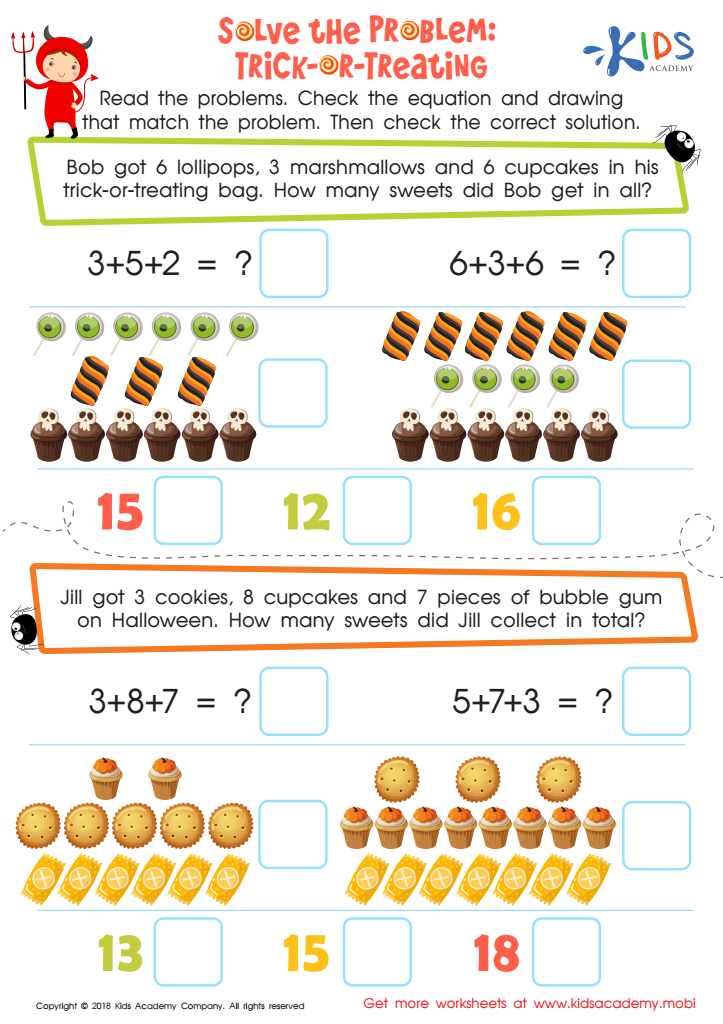
Solve the Problem: Trick–or–treating Worksheet
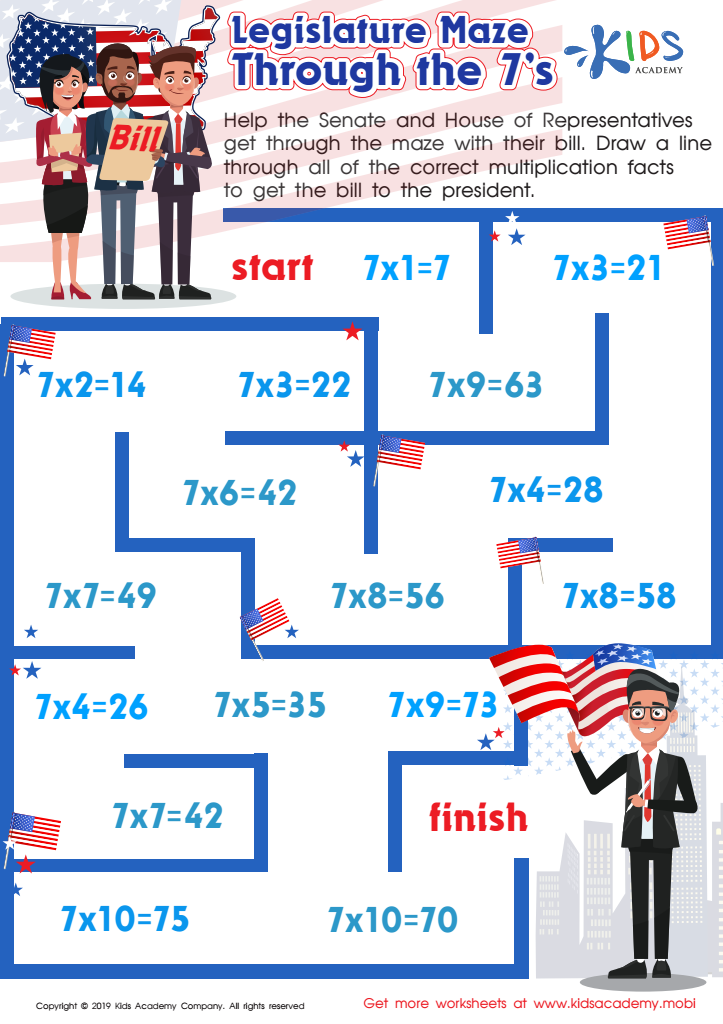
Legislature Maze Through the 7’s Worksheet






Parents and teachers should prioritize problem-solving skills for children aged 8-9 because these skills are foundational for academic success and personal development. At this age, children begin to encounter more complex challenges in school, from advanced math problems to group projects that require collaboration. Strong problem-solving abilities are essential for navigating these tasks effectively.
Moreover, developing problem-solving skills fosters critical thinking, creativity, and perseverance. Children learn to analyze situations, brainstorm solutions, and evaluate outcomes, which will serve them throughout their educational journey and into adulthood. These skills also help children become more independent and confident, as they learn to tackle challenges rather than shy away from them.
Additionally, problem-solving is not confined to academic scenarios. It plays a crucial role in social interactions and emotional well-being. Children equipped with effective problem-solving skills are better suited to handle conflicts, make decisions, and cope with the ups and downs of life.
Encouraging problem-solving from a young age supports developing resilience and adaptability, skills essential in an increasingly complex world. By fostering these abilities, parents and teachers can help children become capable, resourceful individuals ready to face future challenges.








