Alphabet worksheets activities for Ages 3-4
21 filtered results
-
From - To
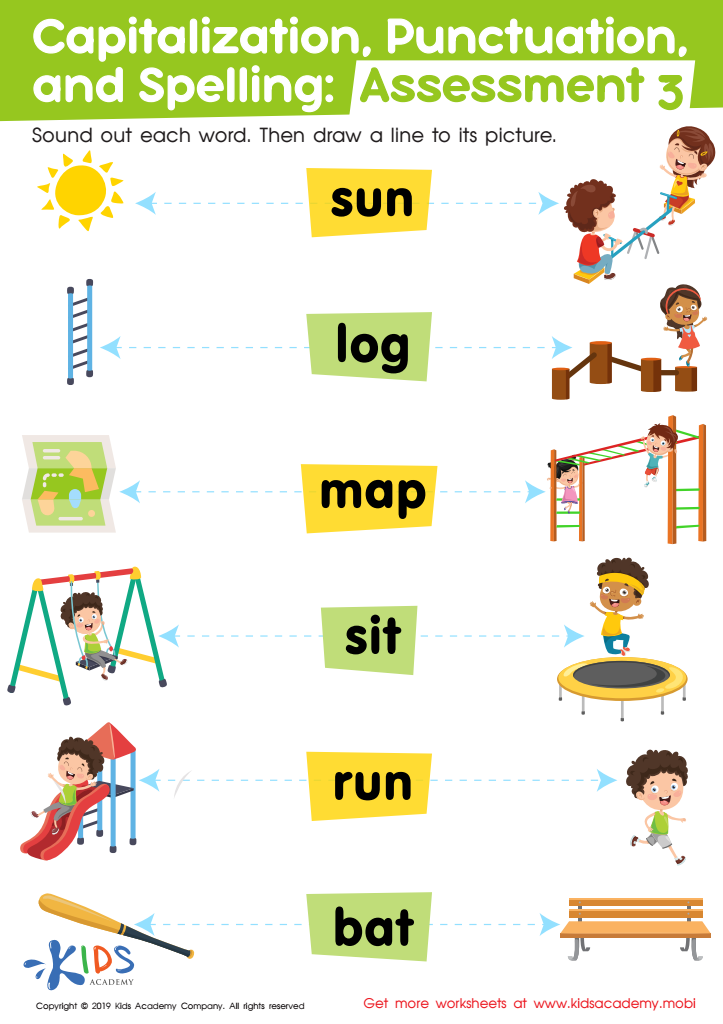
Capitalization. Punctuation. Spelling. Assessment 3 Worksheet
 Assign to My Students
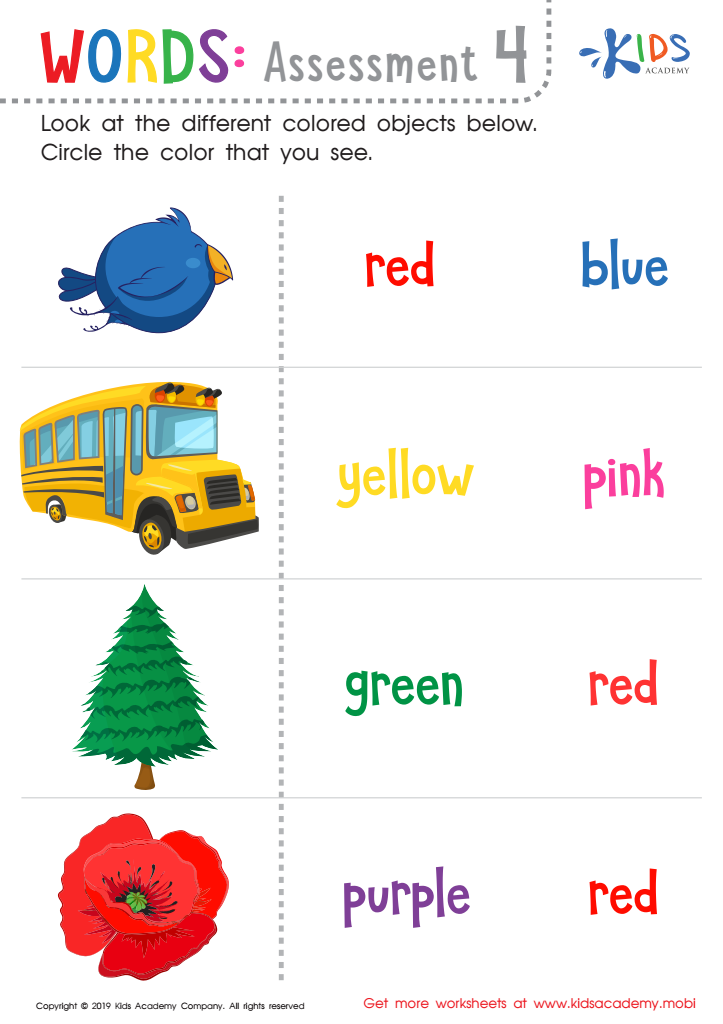
Words: Assessment 4 Worksheet
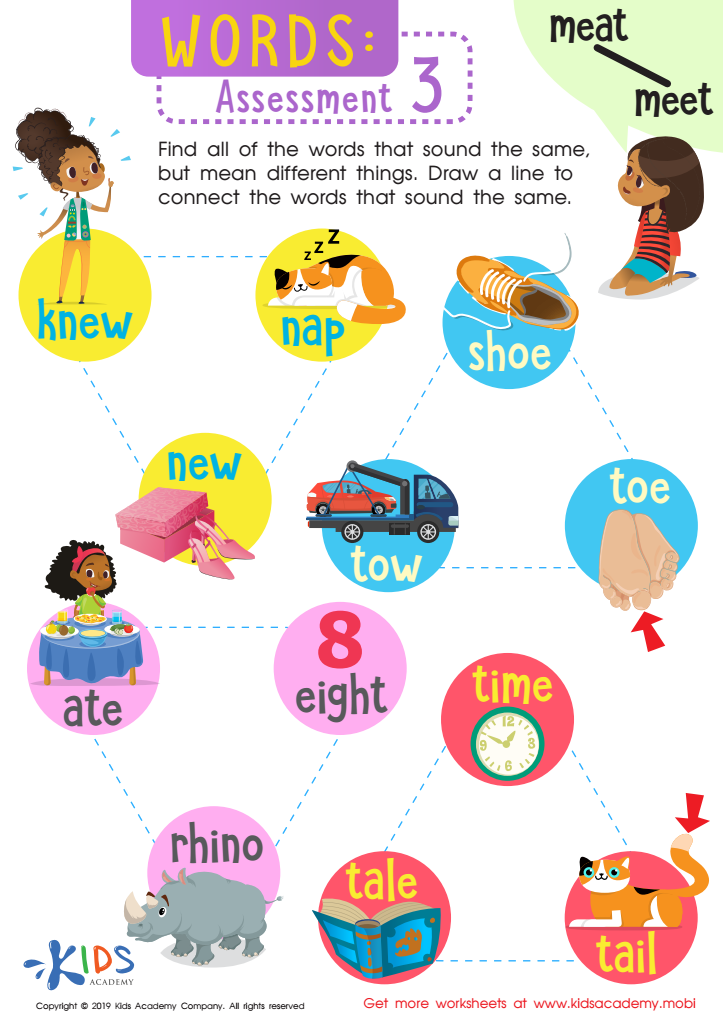
Words: Asessment 3 Worksheet
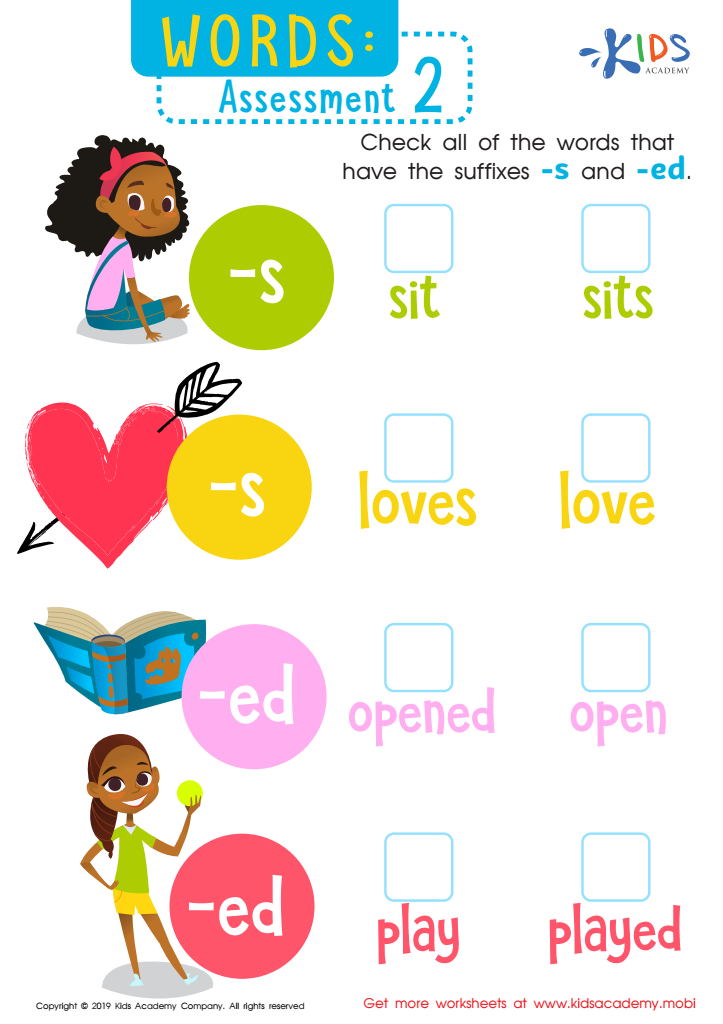
Words: Assessment 2 Worksheet
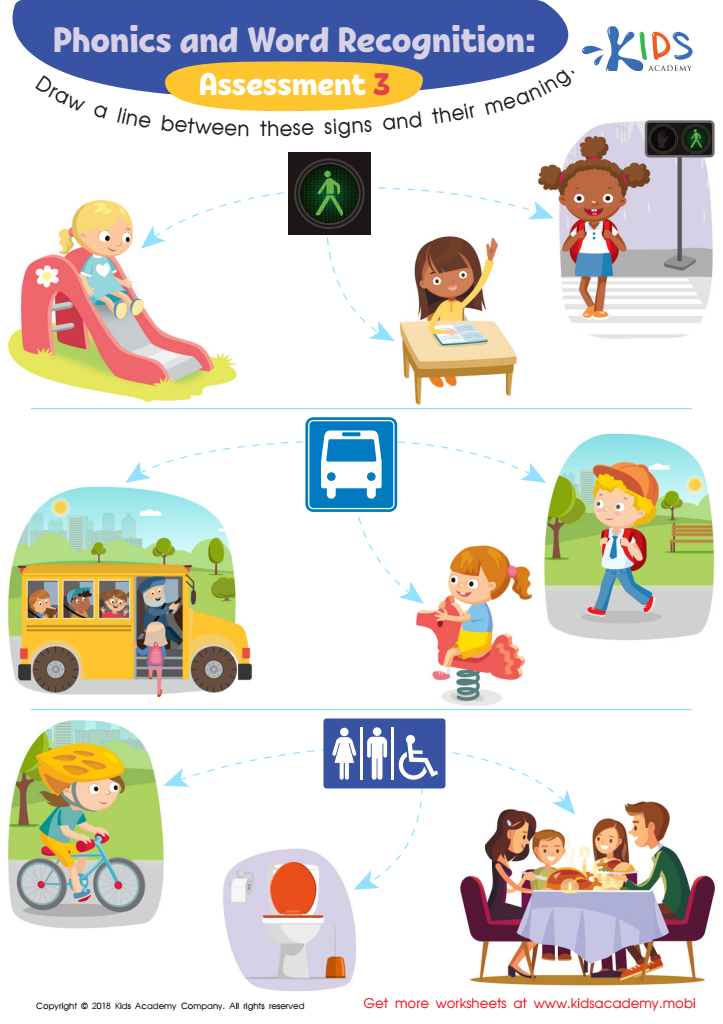
Phonological Awareness: Assessment 3 ELA Worksheet
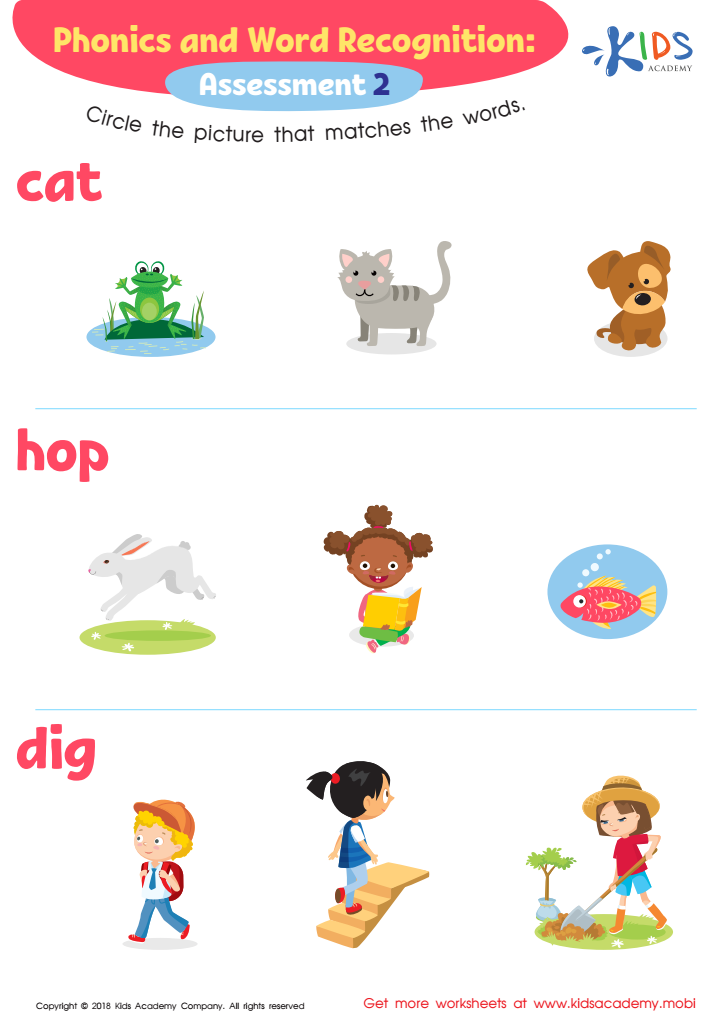
Phonological Awareness: Assessment 2 ELA Worksheet
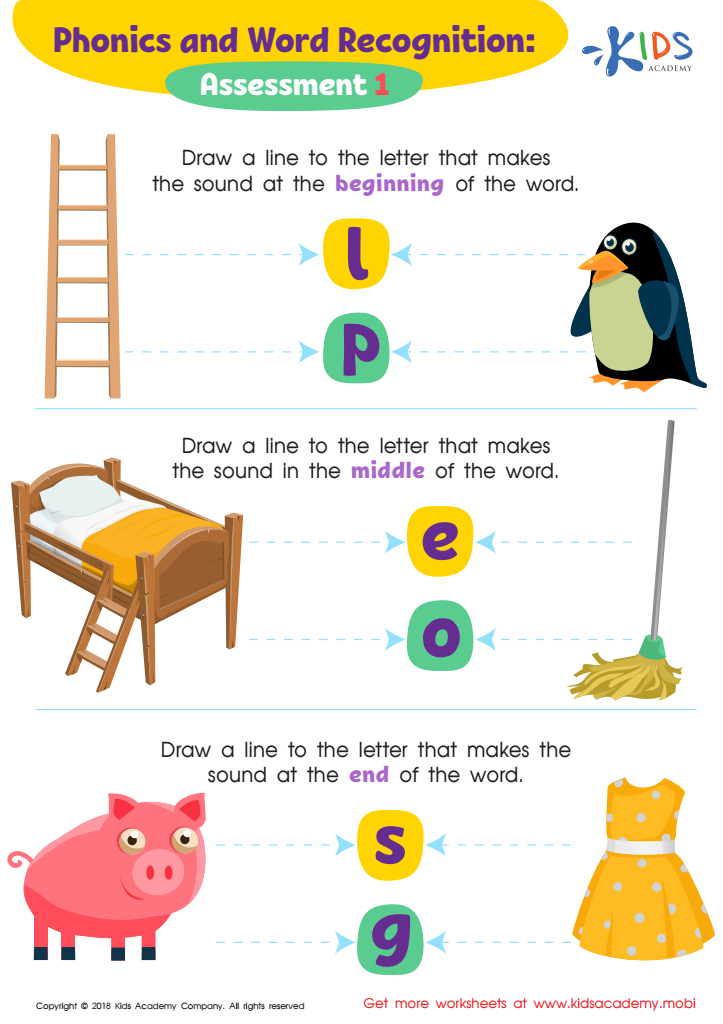
Phonics and Word Recognition: Assessment 1 ELA Worksheet
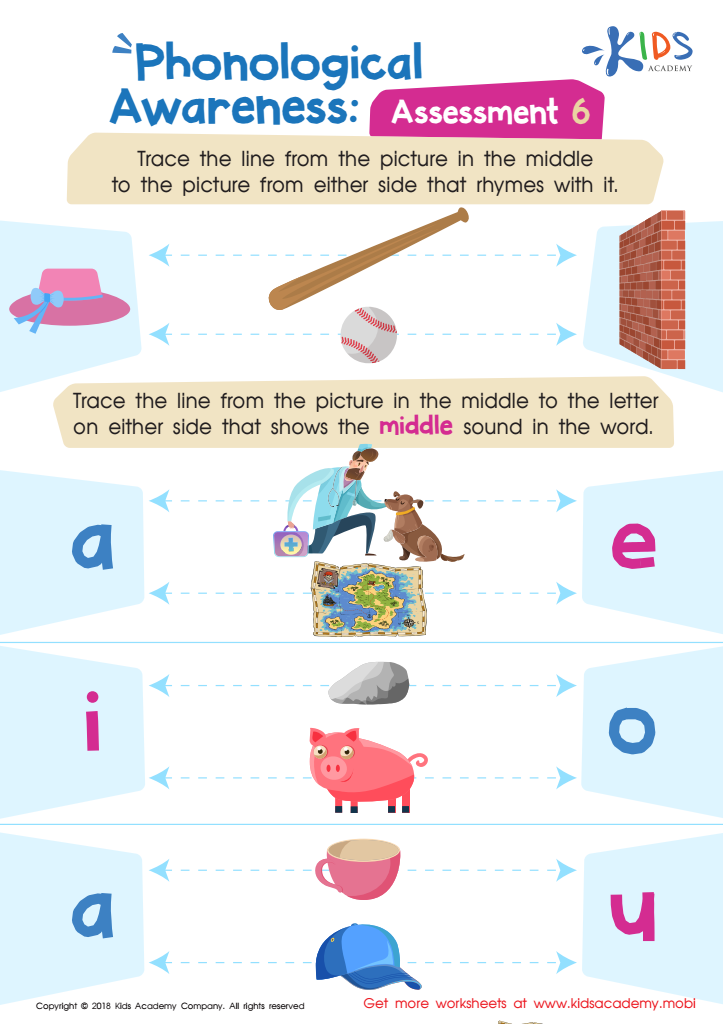
Phonological Awareness: Assessment 6 Worksheet
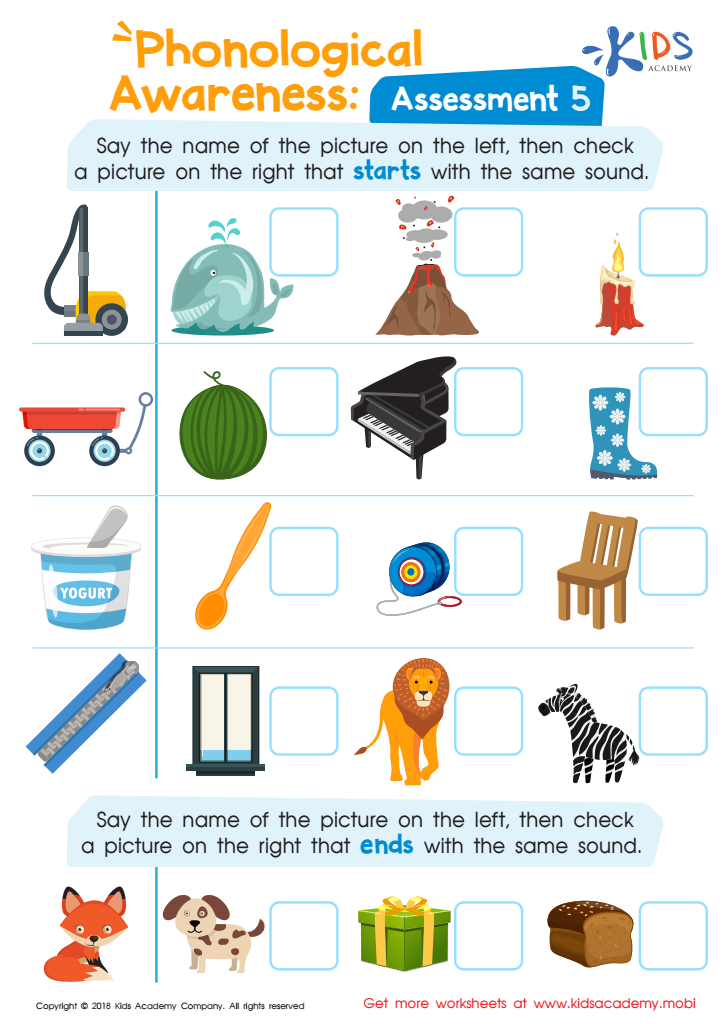
Phonological Awareness: Assessment 5 Worksheet
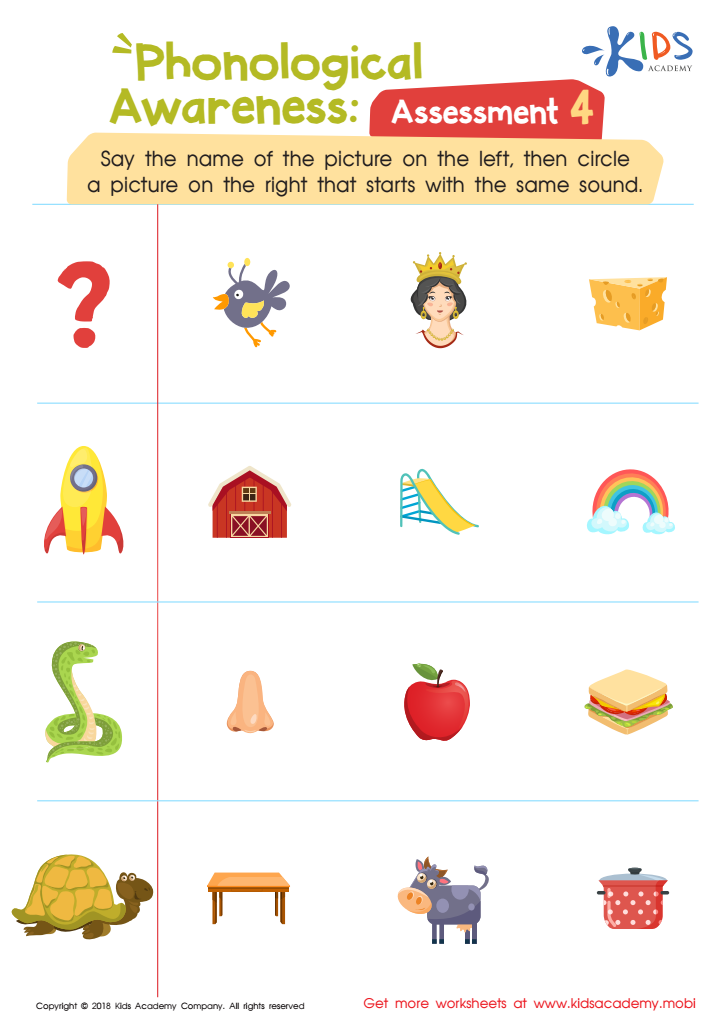
Phonological Awareness: Assessment 4 Worksheet
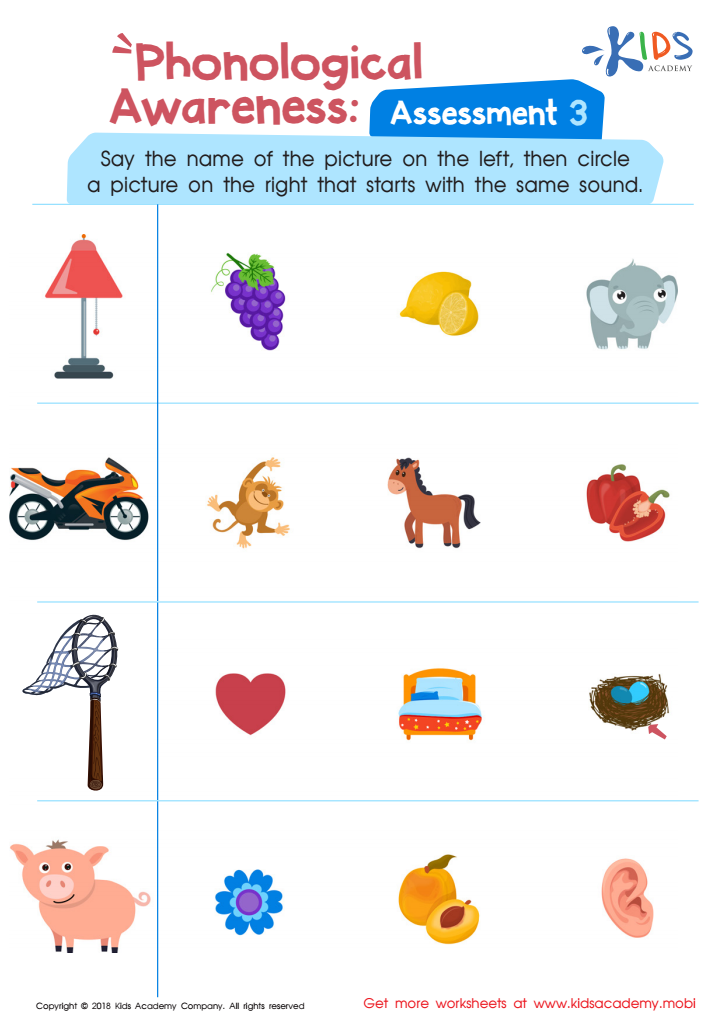
Phonological Awareness: Assessment 3 Worksheet
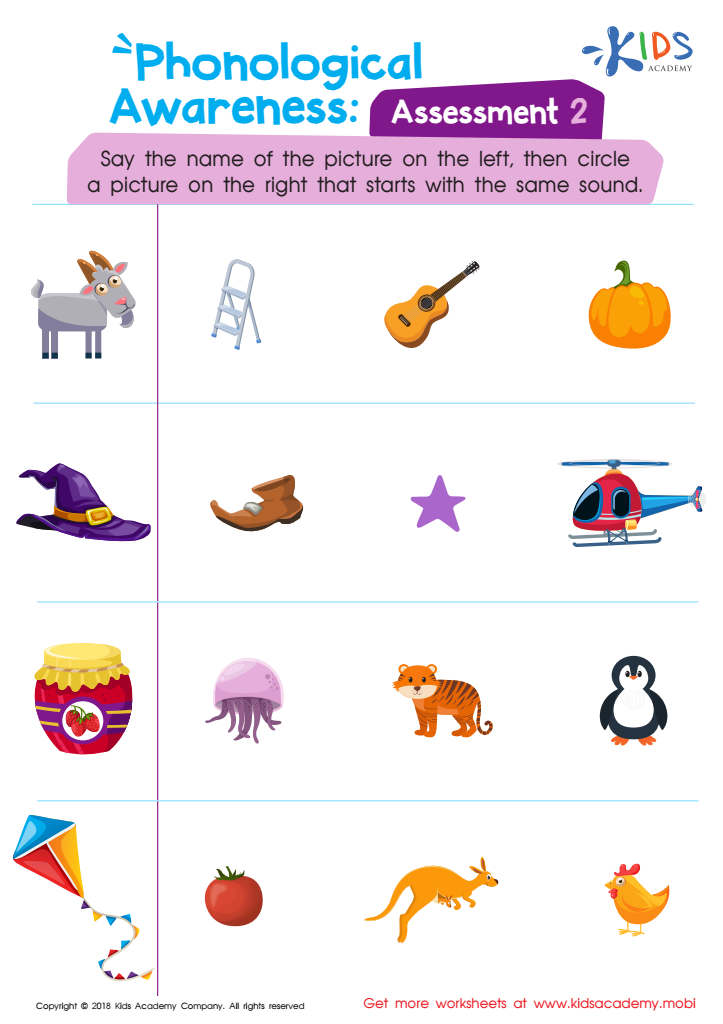
Phonological Awareness: Assessment 2 Worksheet
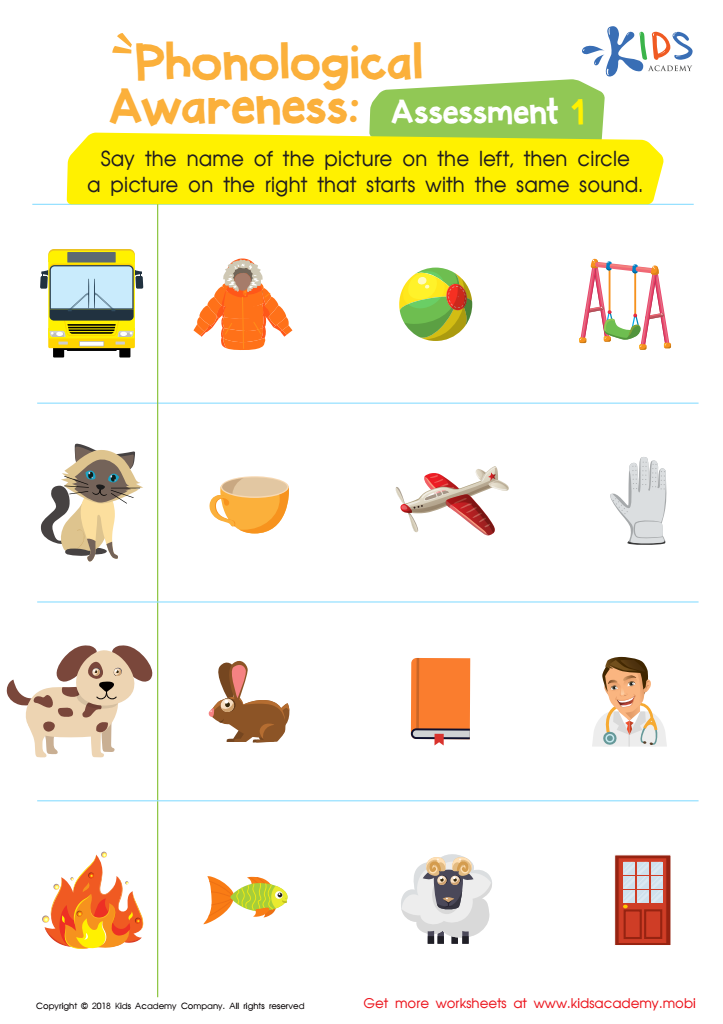
Phonological Awareness: Assessment 1 Worksheet
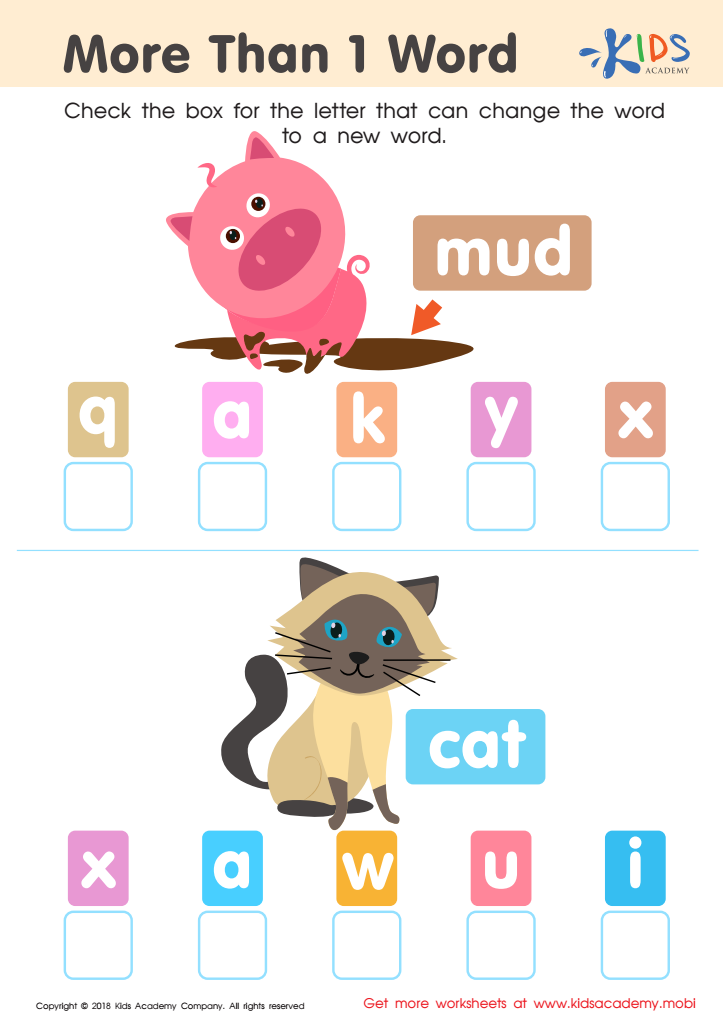
More than 1 word Worksheet
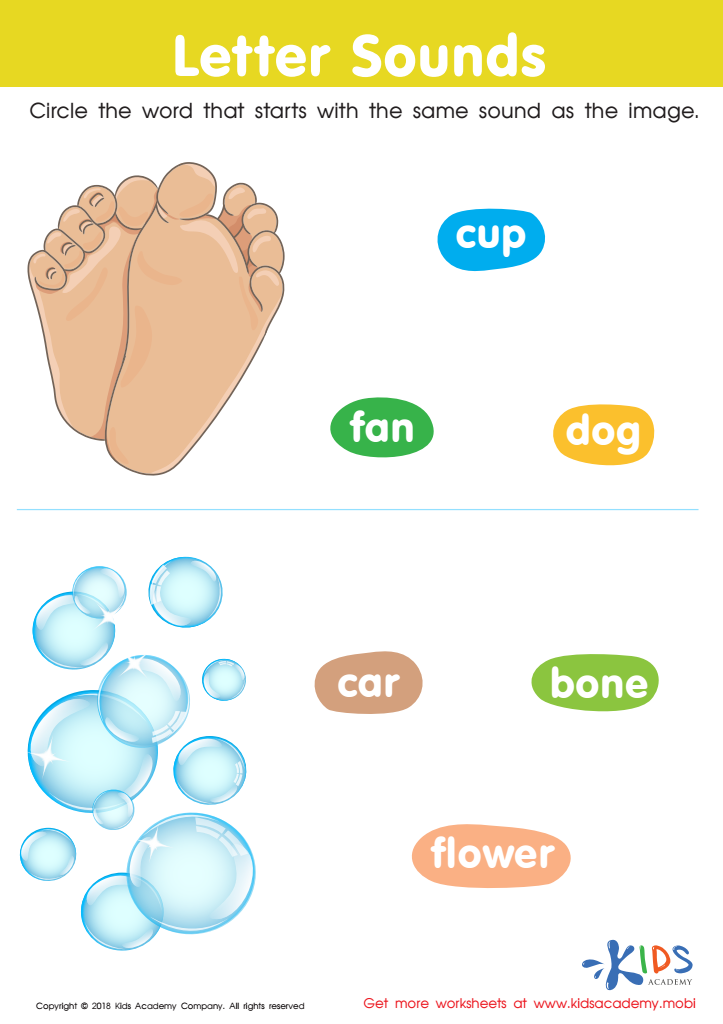
letter sounds Worksheet
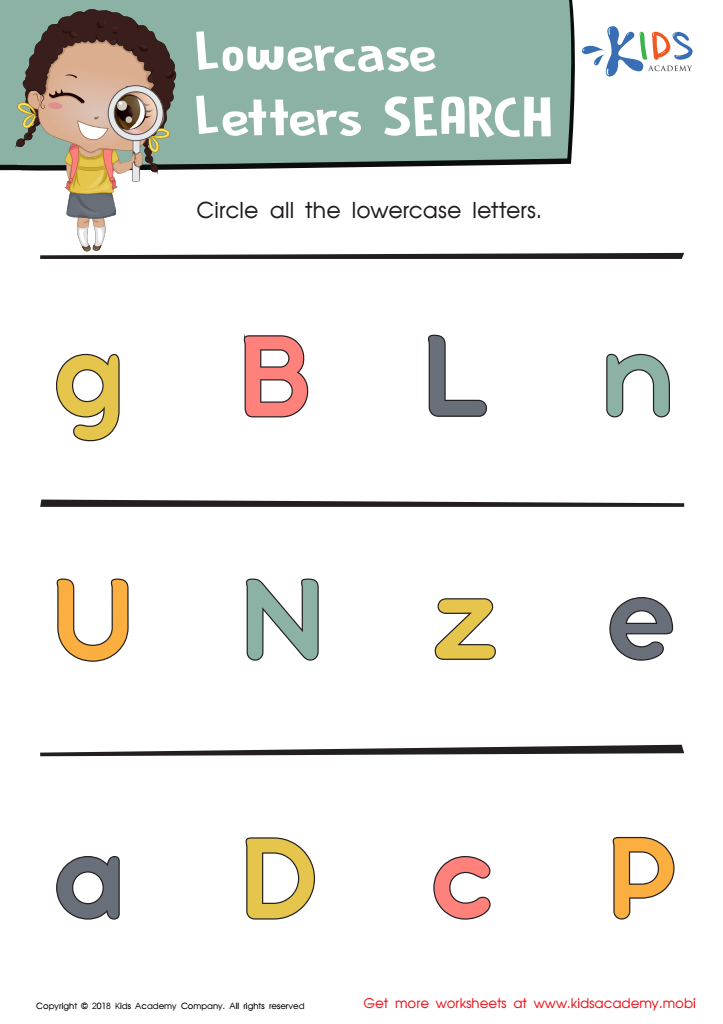
Lowercase Letters Search: Assessment Worksheet
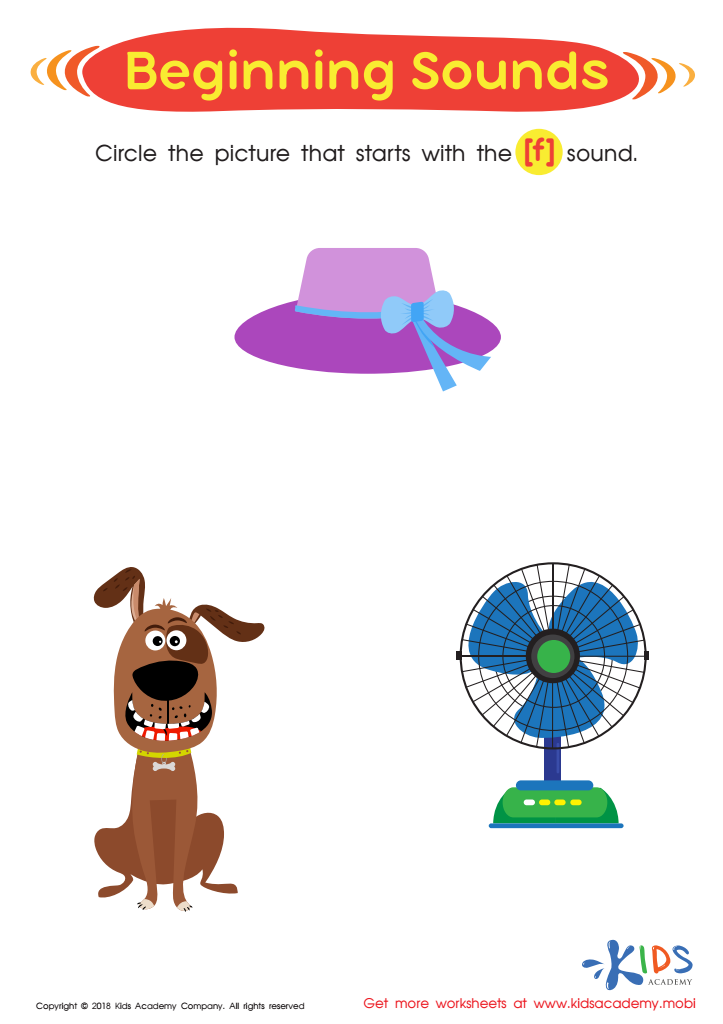
Beginning Sounds Assessment Printable
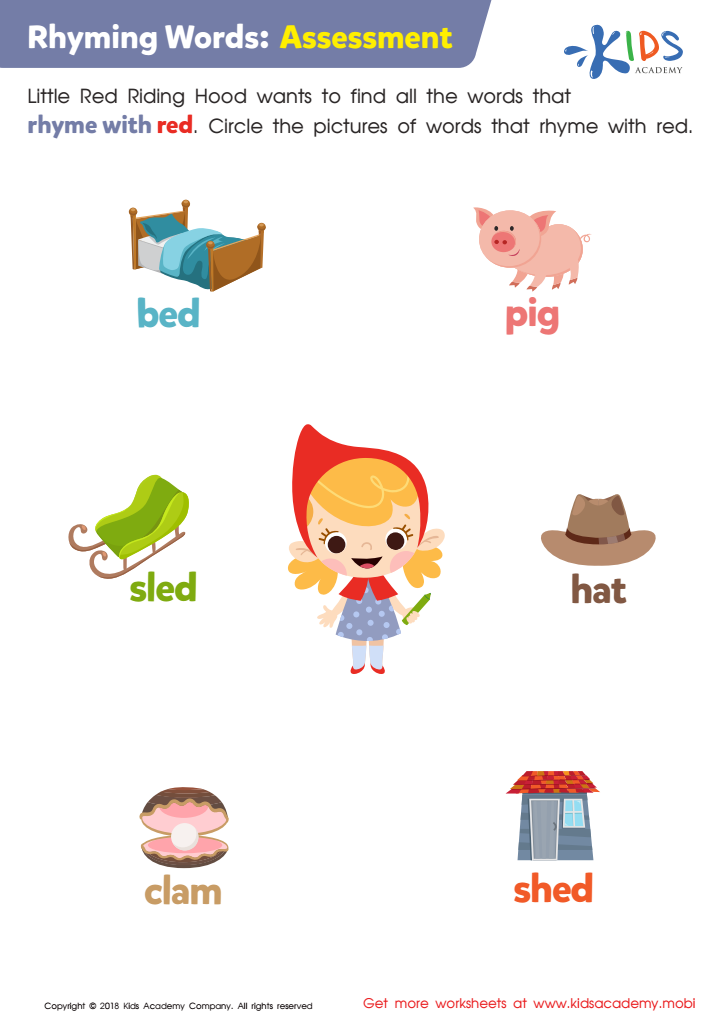
Rhyming Words: Assessment Worksheet
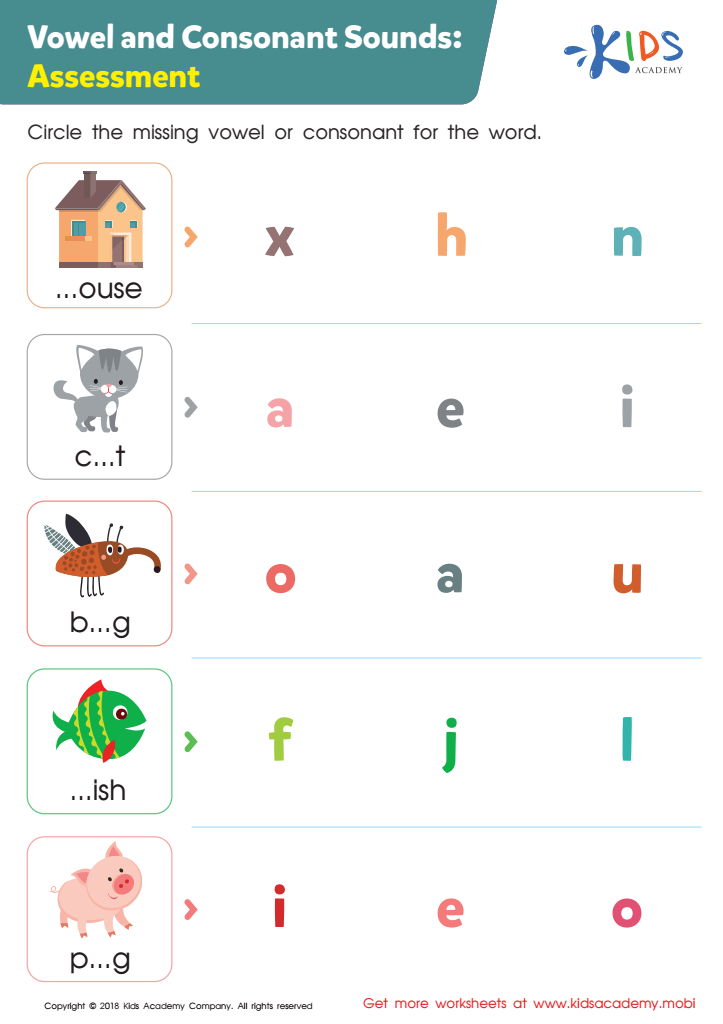
Vowel and Consonant Sounds: Assessment Worksheet
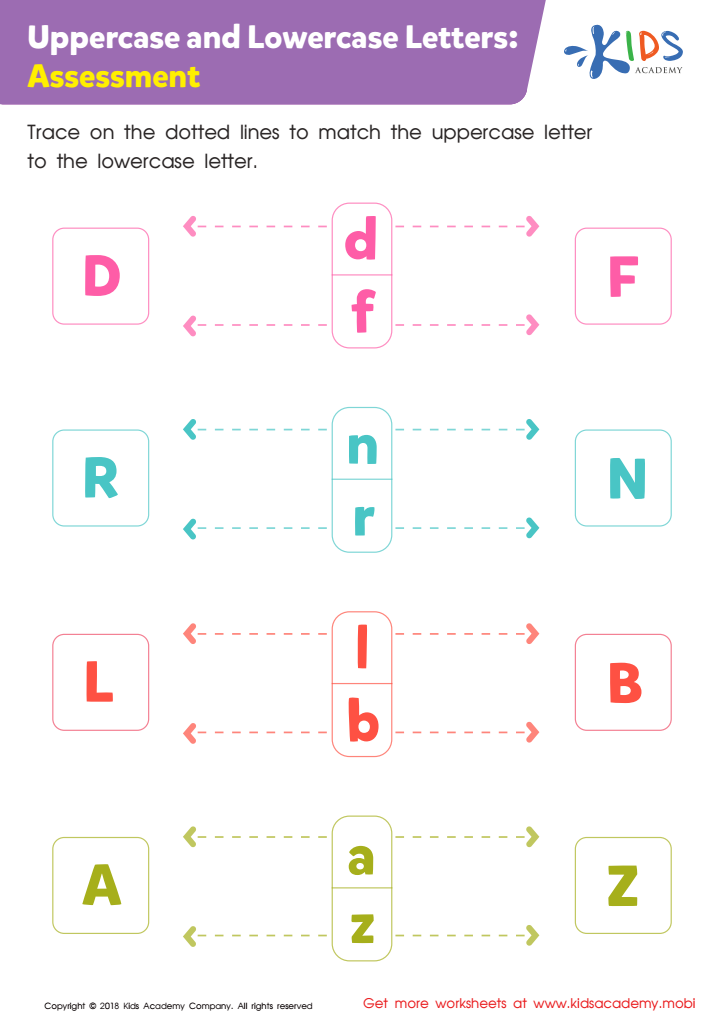
Uppercase and Lowercase Letters: Assessment Worksheet
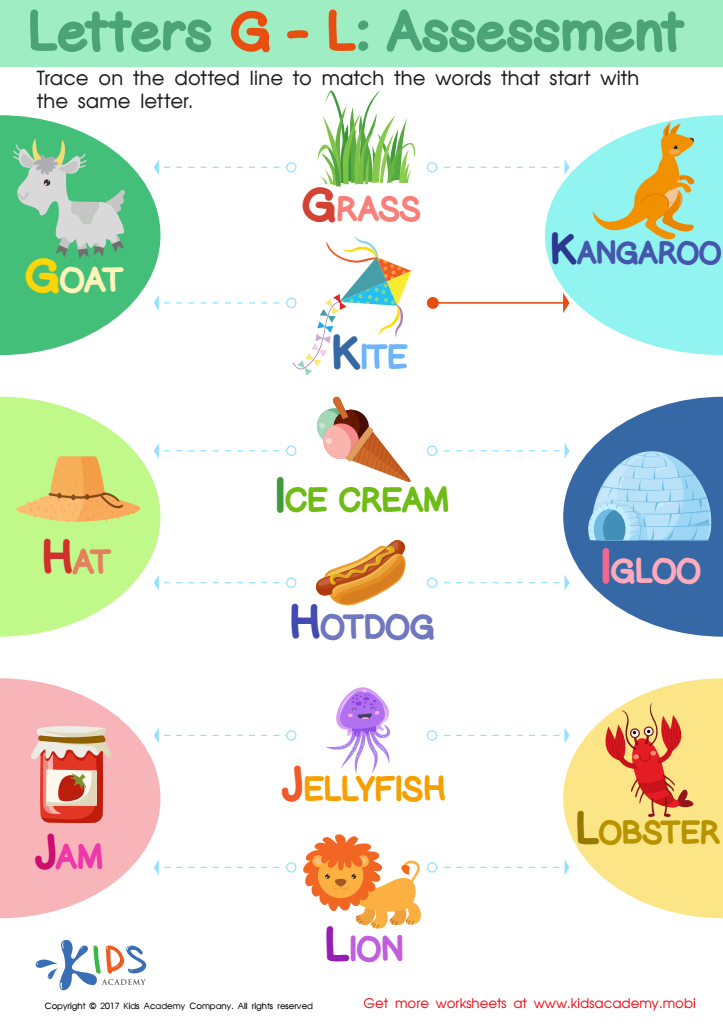
Letters G-L Worksheet







Alphabet worksheets activities are an invaluable resource for early childhood education, playing a pivotal role in introducing young learners to the fundamentals of reading and writing. These carefully designed exercises engage children in a fun, interactive way, making the process of learning the alphabet both enjoyable and effective. But why exactly are these activities so useful?
First and foremost, Alphabet worksheets activities are structured to enhance letter recognition. Through repetitive practice and varied approaches — such as tracing, matching, and coloring — children become familiar with the shapes and sounds of each letter, paving the way for fluent reading. This foundational knowledge is critical, as the ability to recognize and differentiate letters is the first step in literacy.
Moreover, these activities are crafted to develop fine motor skills. As children trace letters and fill in worksheets, they refine their pencil grip and control, laying the groundwork for neat, legible handwriting. In this way, alphabet worksheets do more than teach letters; they prepare children for all future writing endeavors.
Another significant advantage of Alphabet worksheets activities is their contribution to phonemic awareness. Many worksheets include exercises that pair letters with their sounds, helping children to understand that letters represent specific sounds in spoken language. This understanding is crucial for decoding words and is a cornerstone of reading proficiency.
Alphabet worksheets are also incredibly versatile, catering to a wide range of learning styles. Whether a child learns best by doing, seeing, or hearing, there's an alphabet worksheet designed to meet their needs. This adaptability ensures that every child can benefit from these activities, regardless of their preferred learning modality.
In conclusion, Alphabet worksheets activities are a fundamental tool in early childhood education. By fostering letter recognition, enhancing fine motor skills, building phonemic awareness, and accommodating diverse learning styles, these activities equip young learners with the skills they need to navigate the world of literacy with confidence and ease.








