Mazes worksheets activities for Ages 6-8 - Page 3
70 filtered results
-
From - To
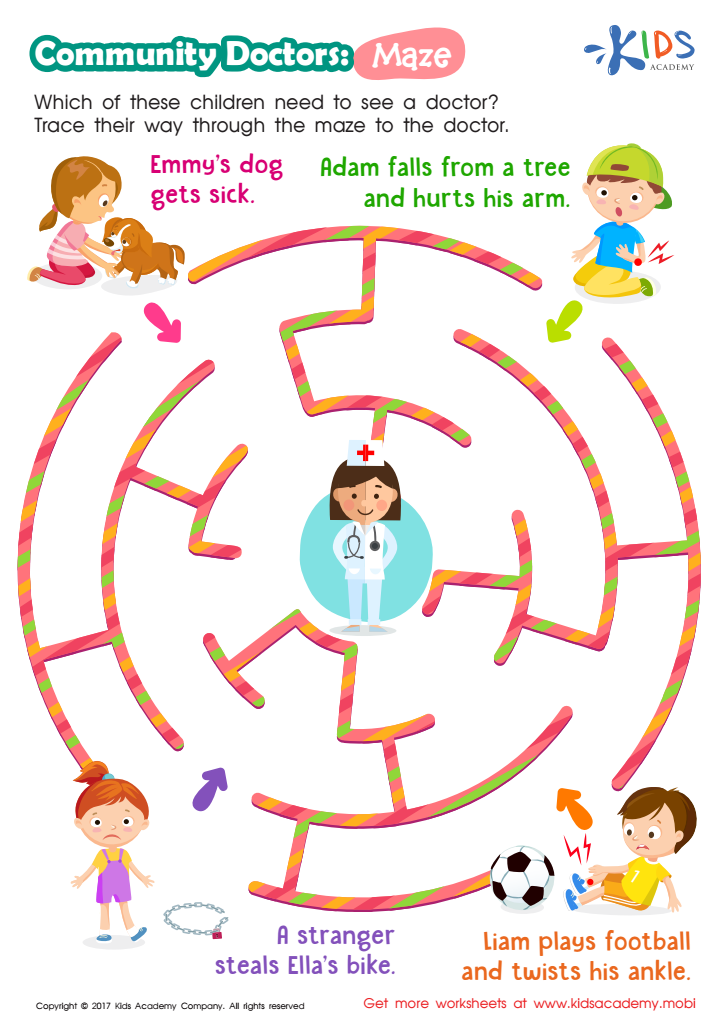
Community Doctors: Maze Printable
 Assign to My Students
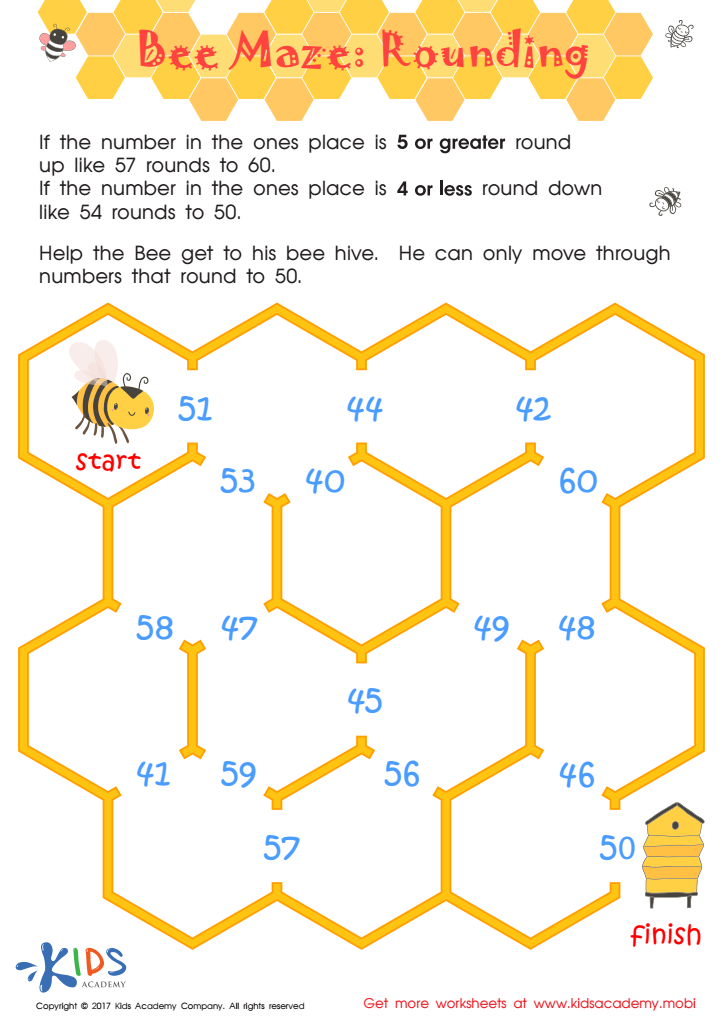
Bee Maze Worksheet
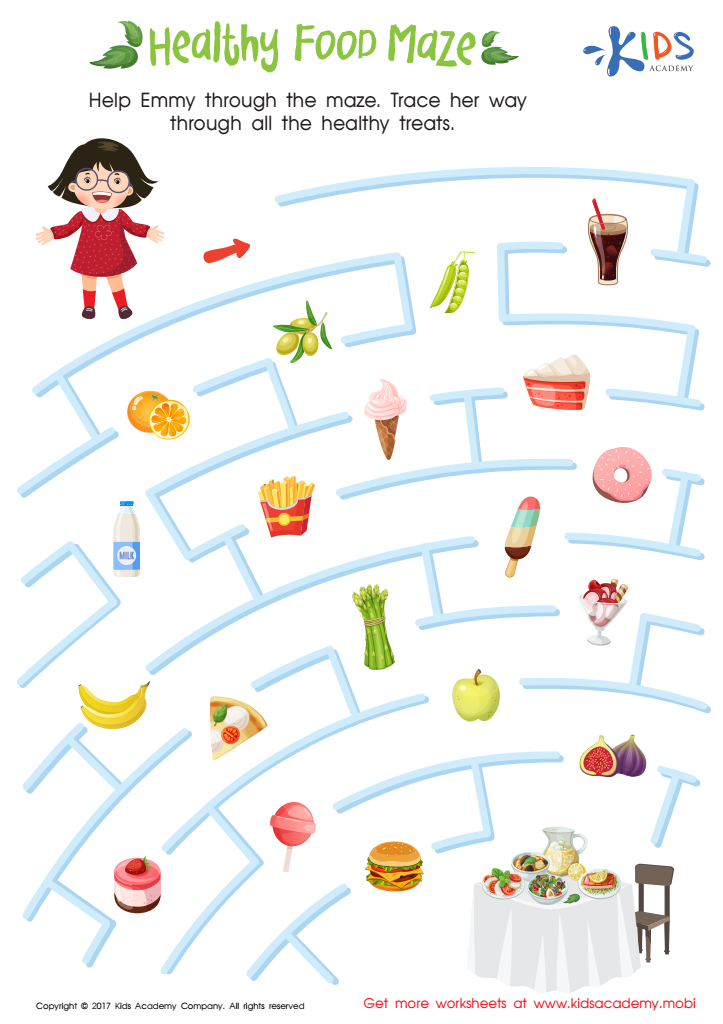
Healthy Food Maze Printable
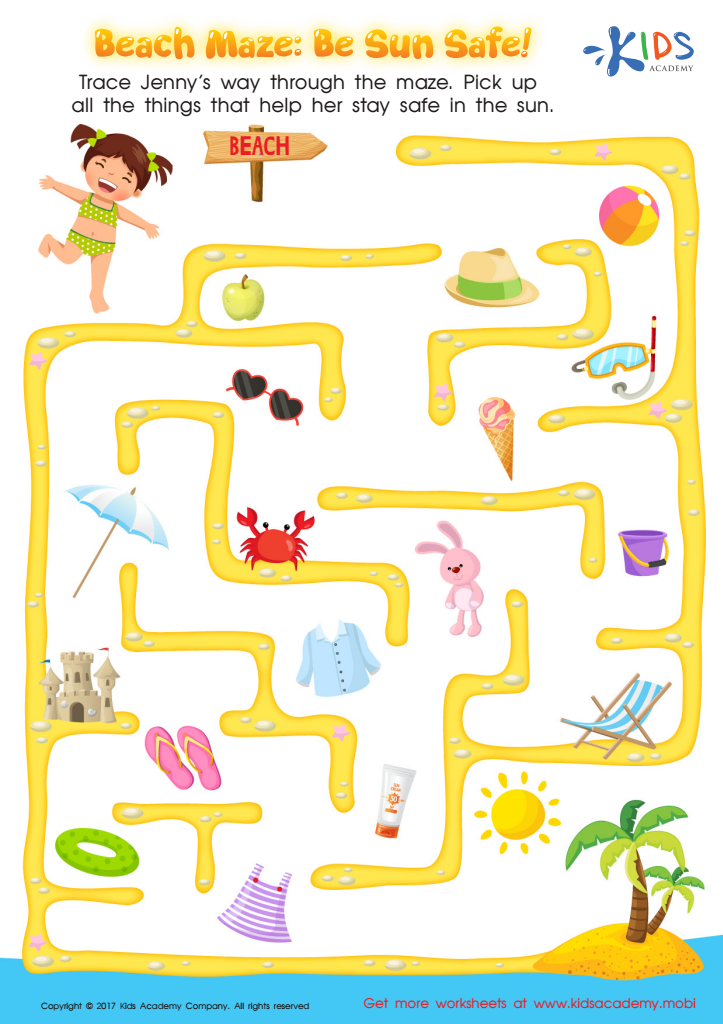
Beach Maze: Sun Safe Worksheet
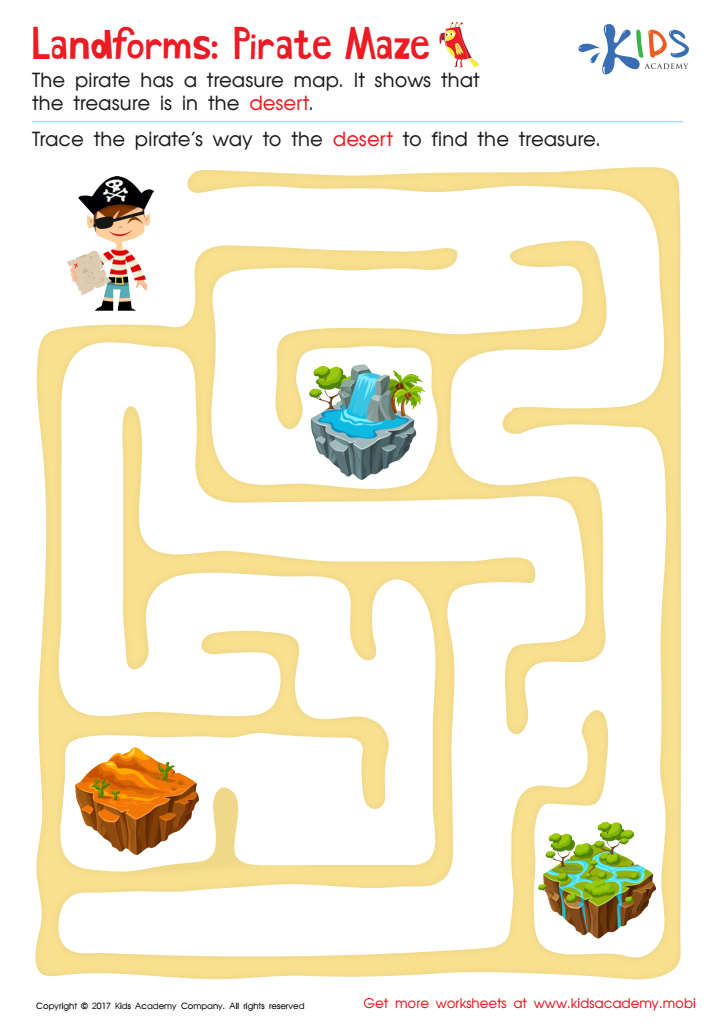
Landforms: Pirate Maze Printable
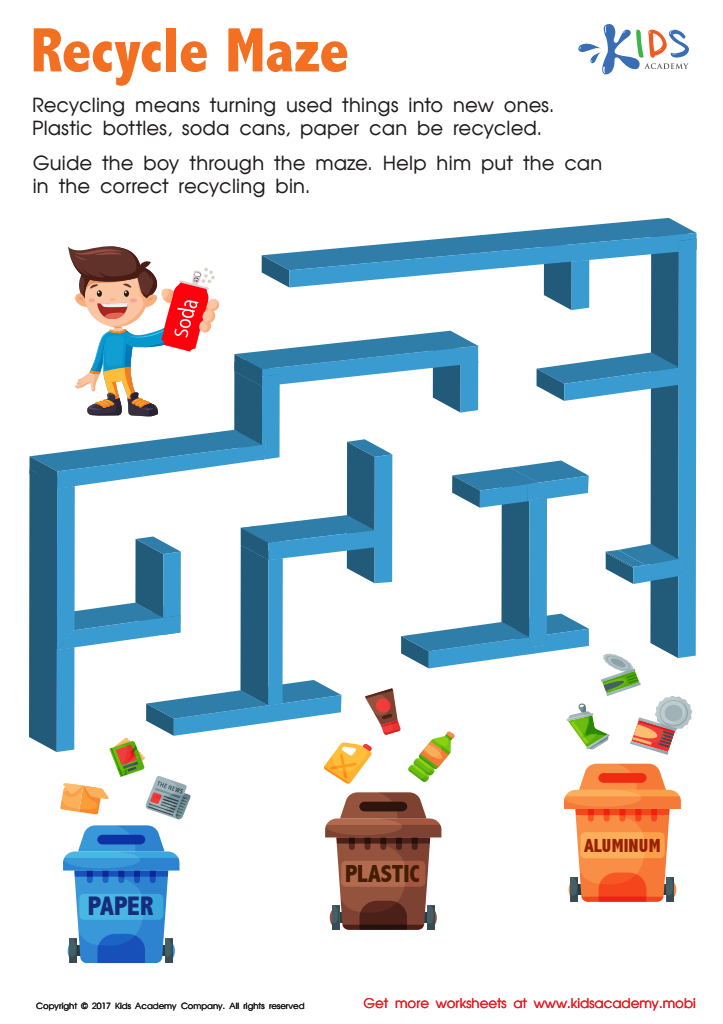
Recycle Maze Worksheet
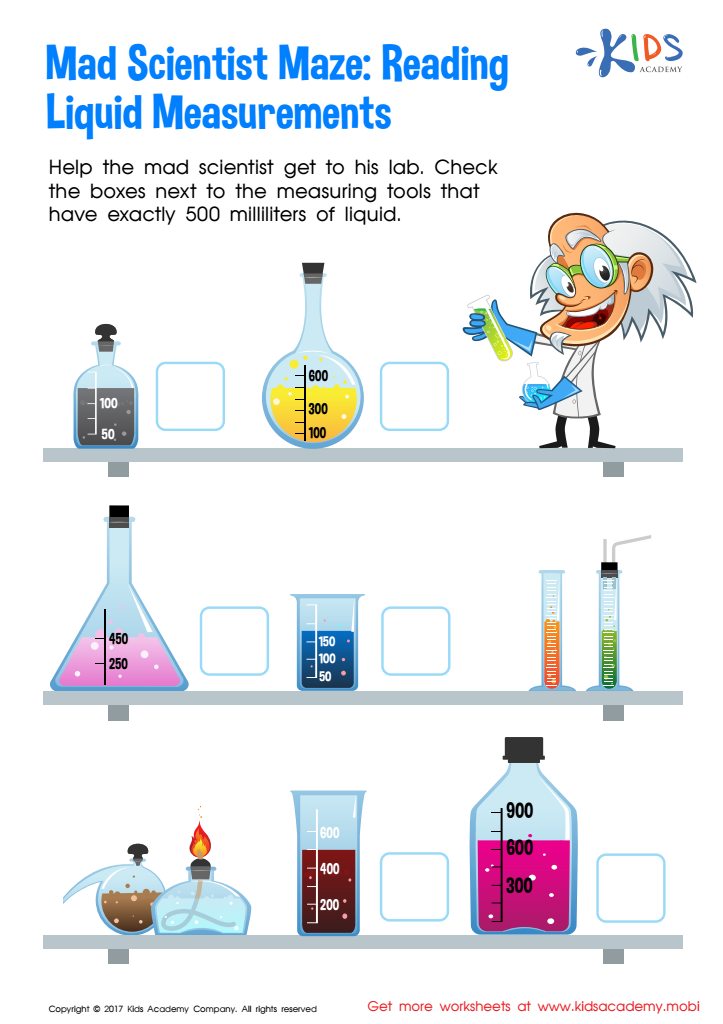
Reading Liquid Measurement Worksheet
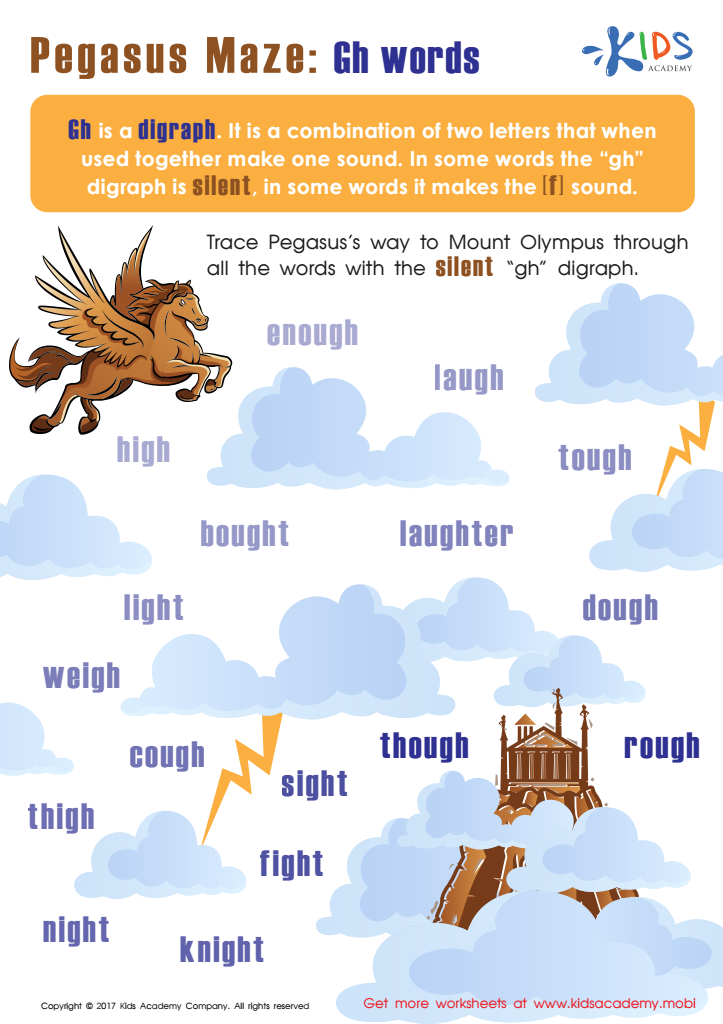
Pegasus Maze: GH Words Worksheet
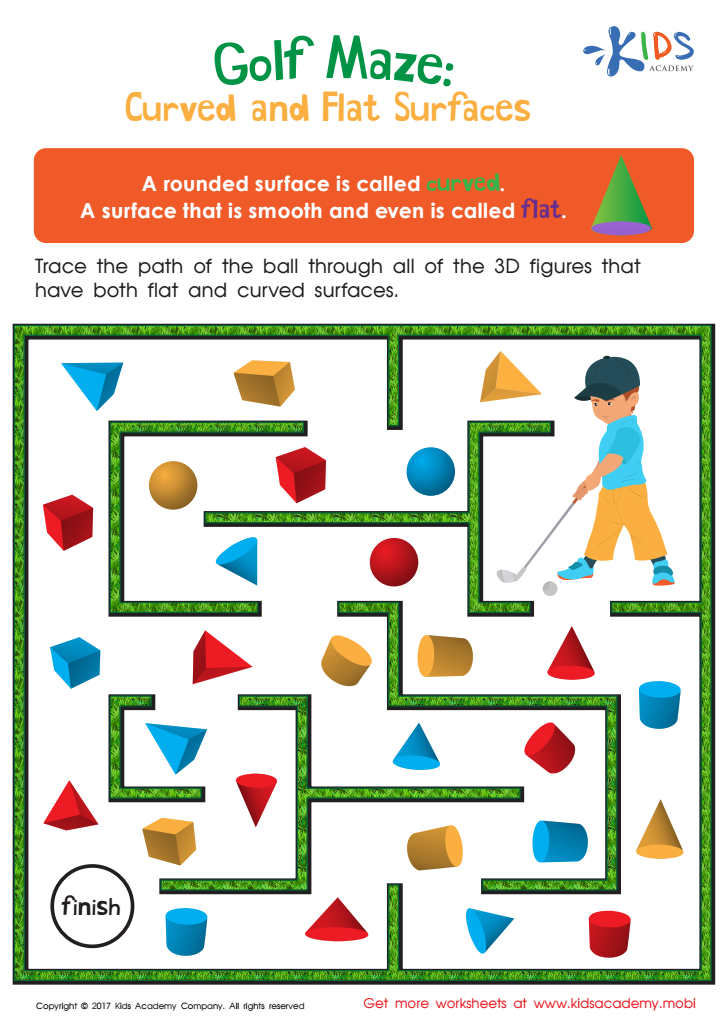
Golf Maze: Curved and Flat Surfaces Worksheet
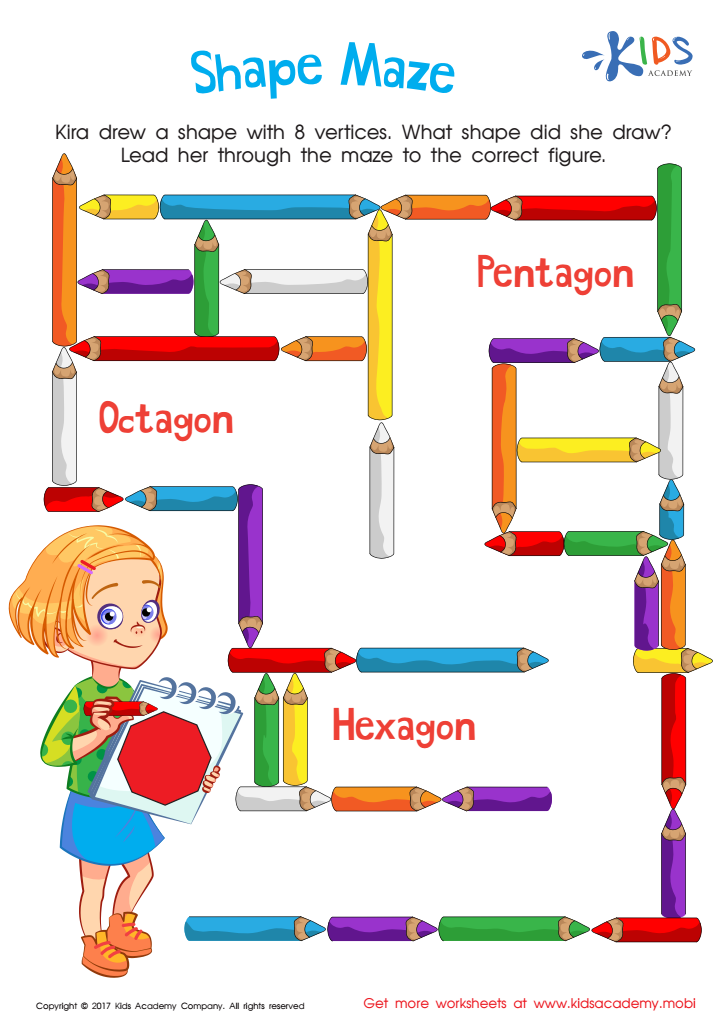
Shape Maze Worksheet
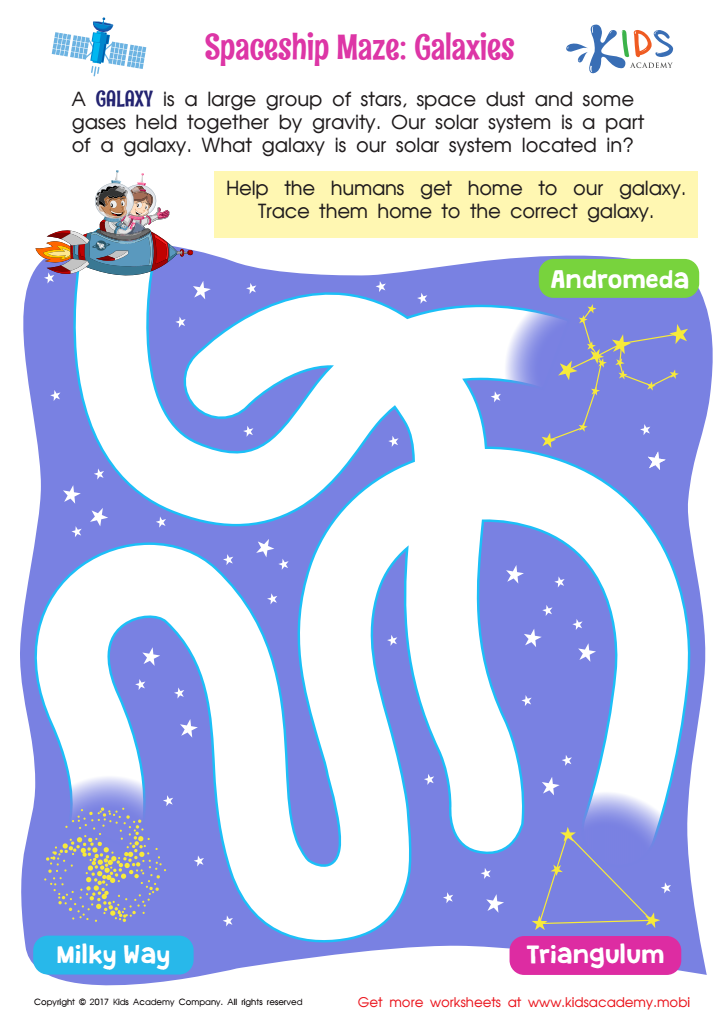
Spaceship Maze: Galaxies Worksheet
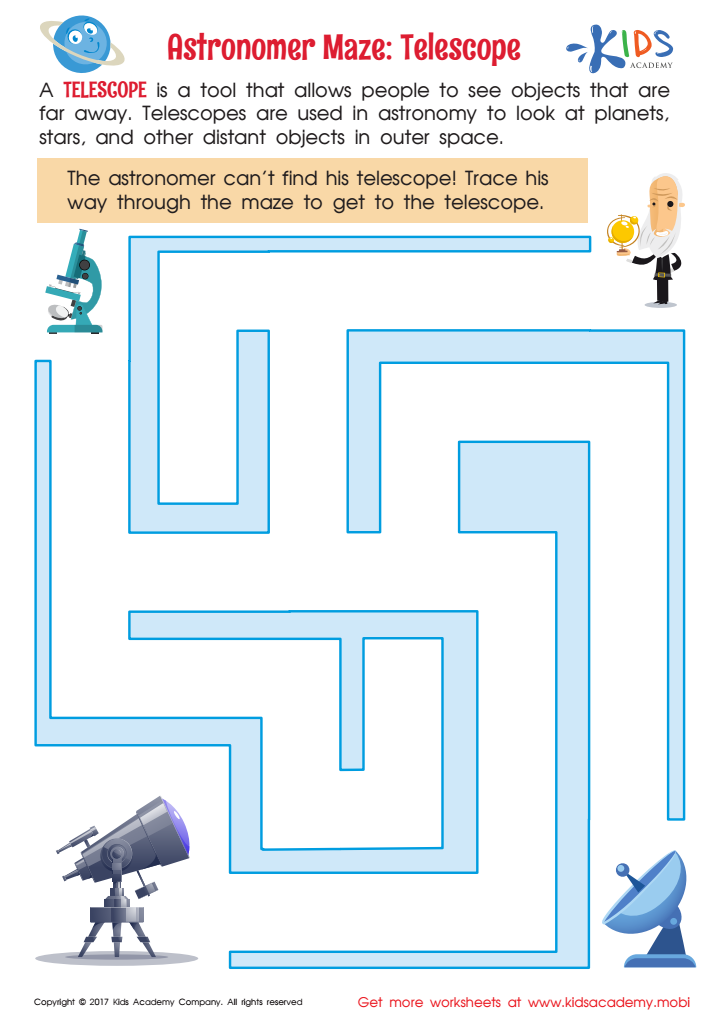
Astronomer Maze: Telescope Worksheet
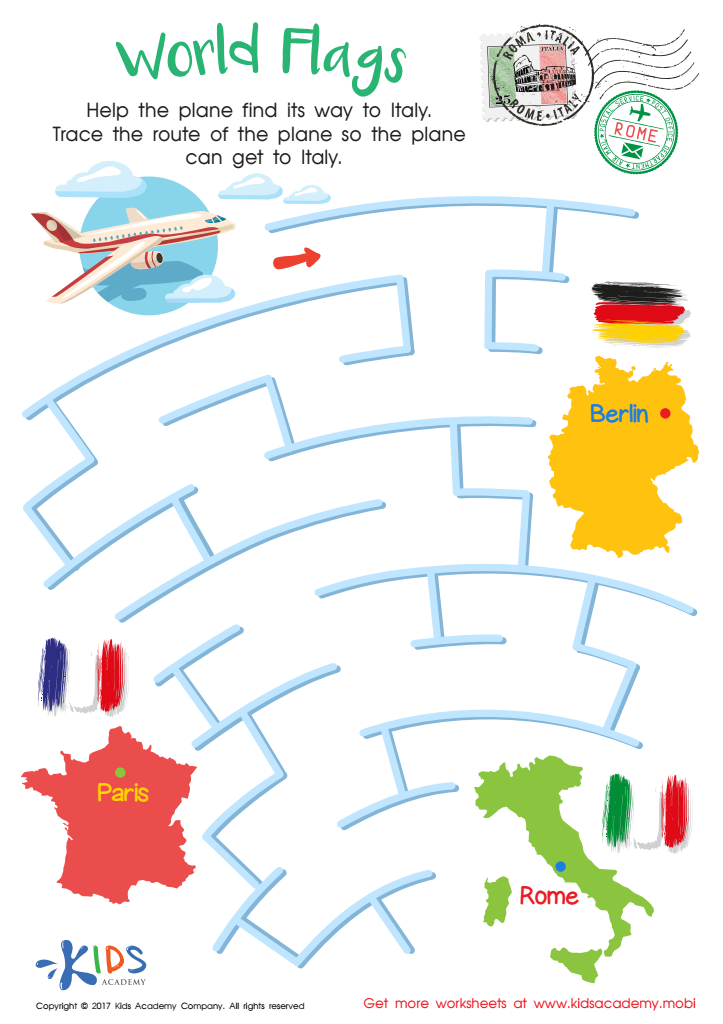
World Flags Maze Worksheet
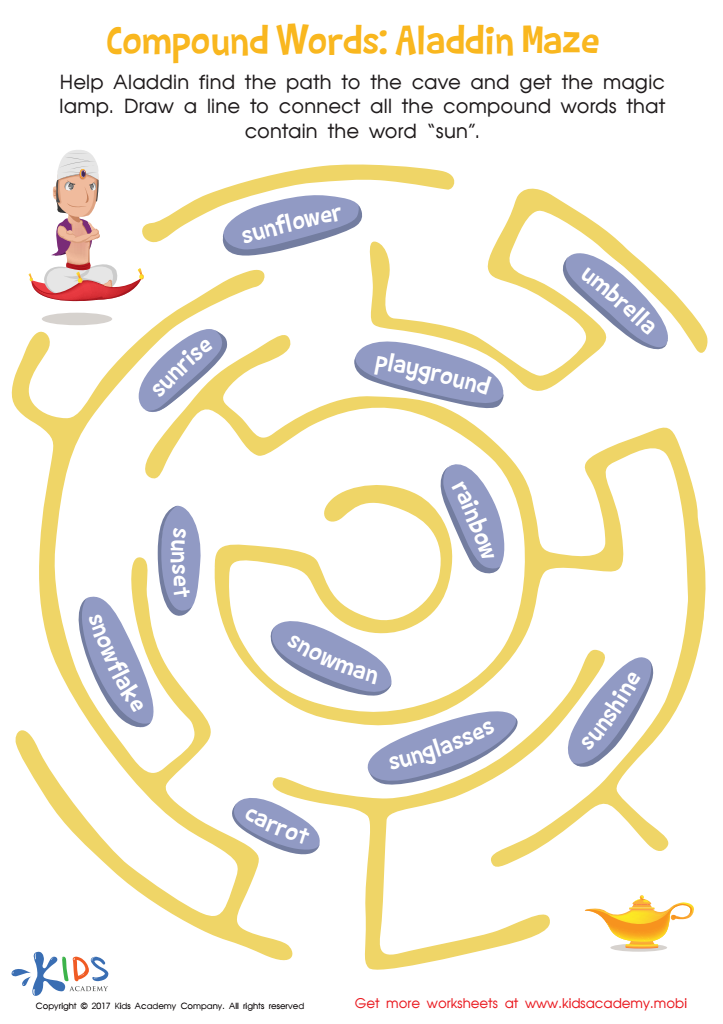
Compound Aladdin Maze Word Structure Worksheet
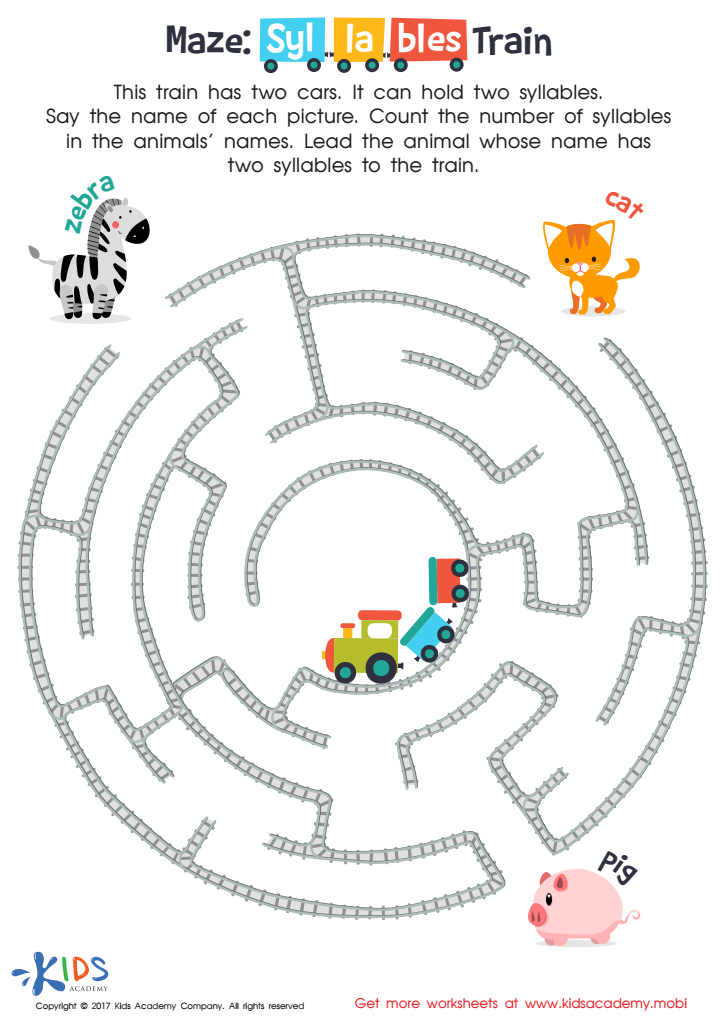
Maze Syllables Word Structure Worksheet
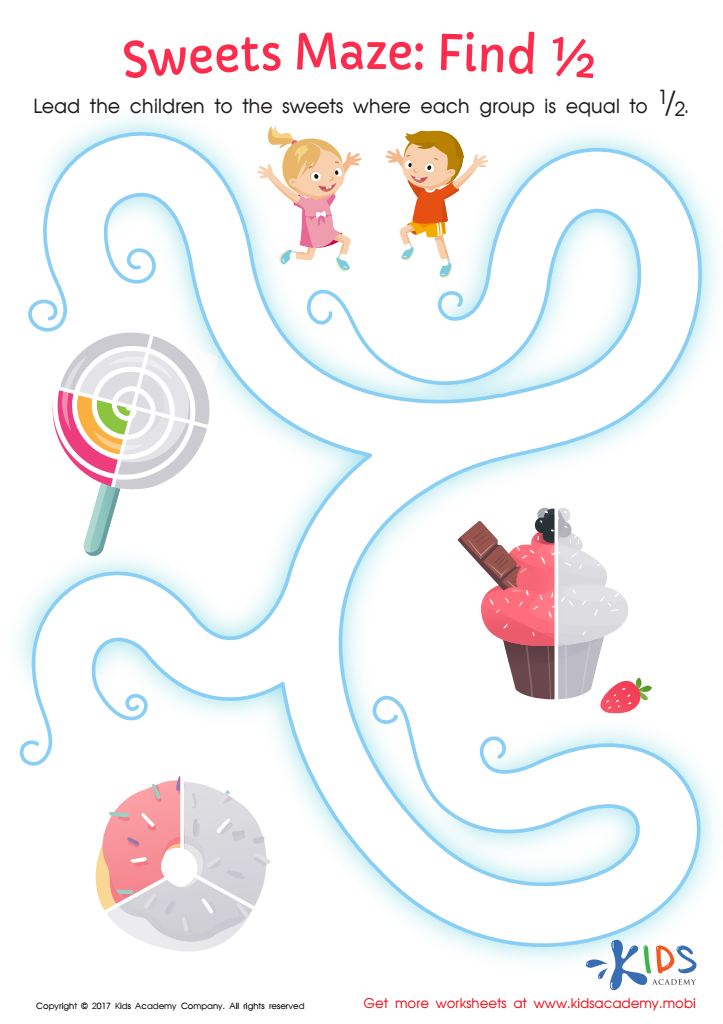
Fractions: Sweets Maze Worksheet
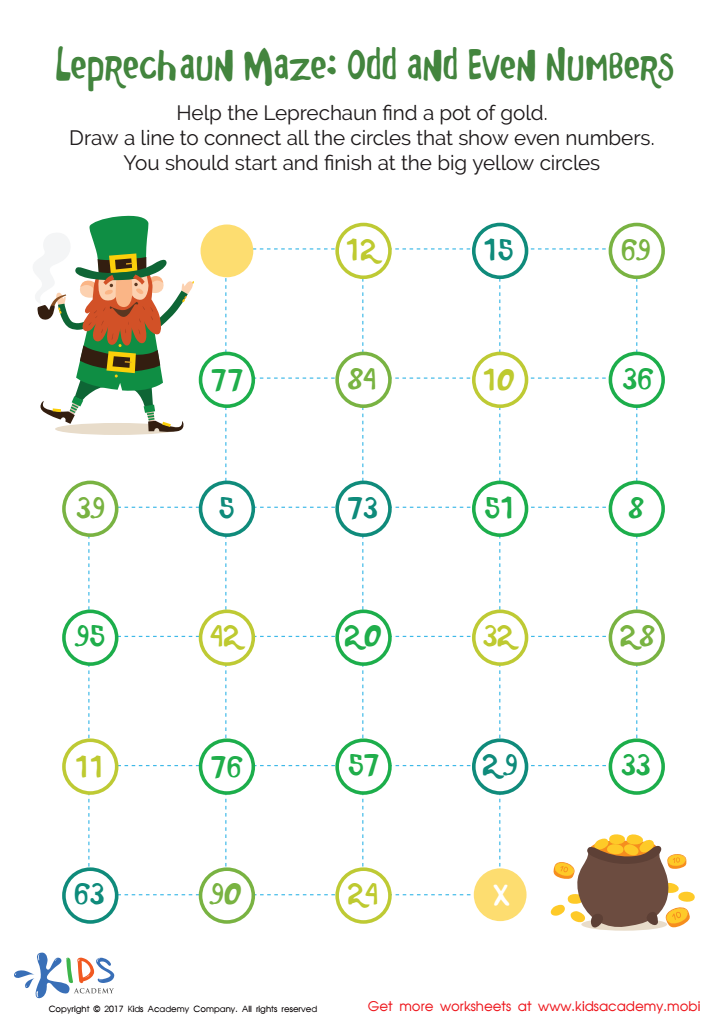
Leprechaun Maze Printable
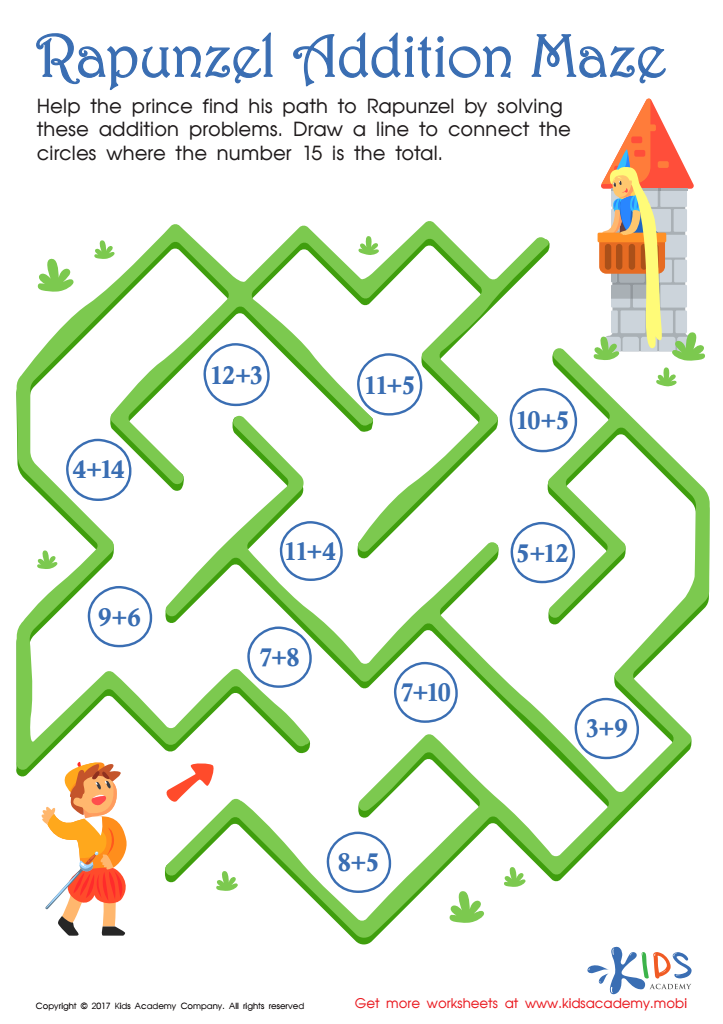
Rapunzel Addition Maze Worksheet
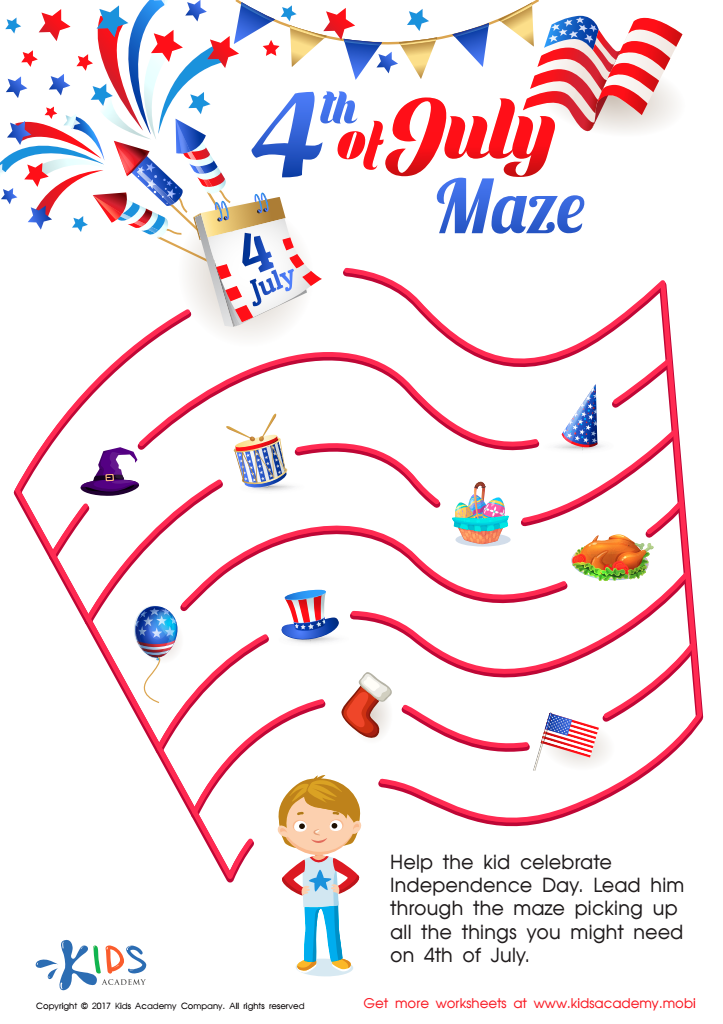
Fourth of July Maze Printable
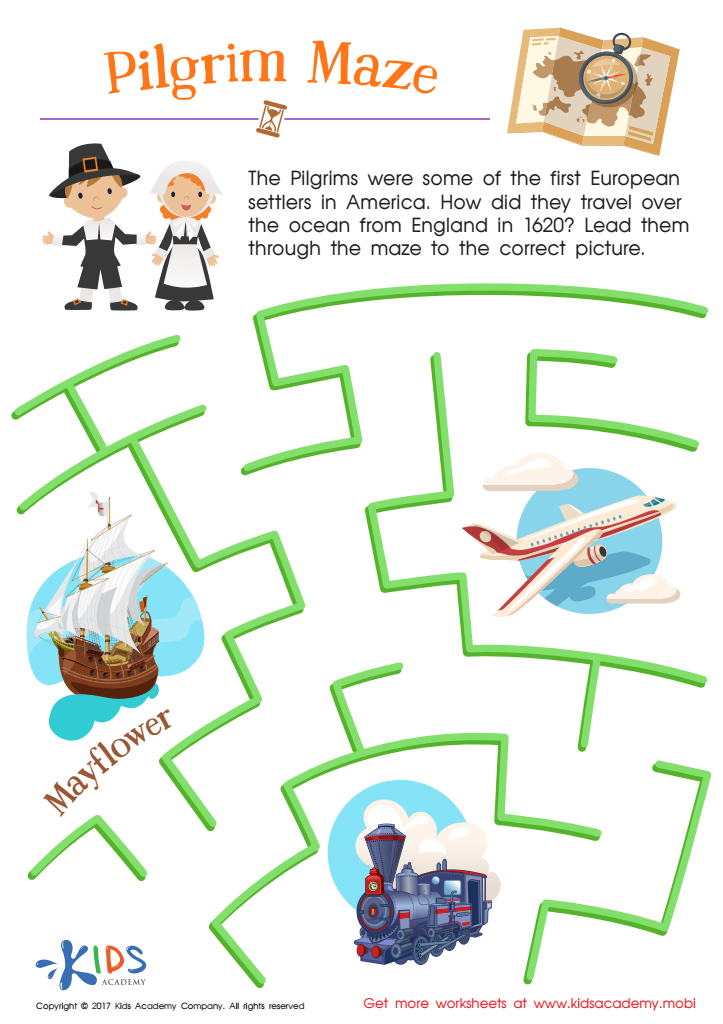
Pilgrim Maze Worksheet
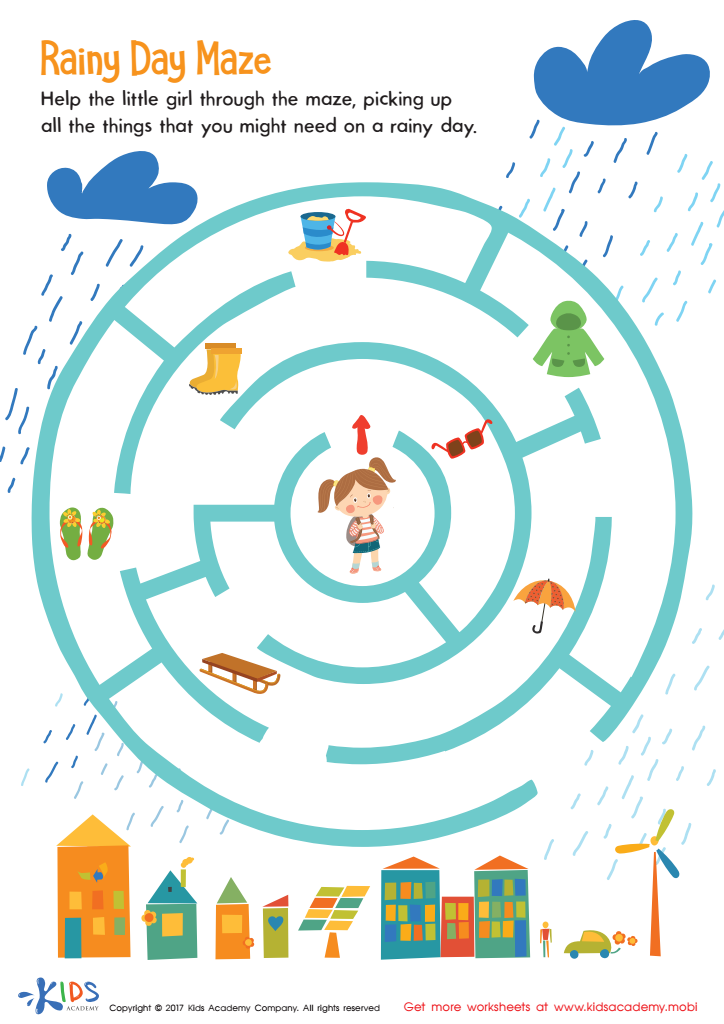
Rainy Day Maze Worksheet







Mazes are not only an enjoyable activity for children ages 6-8 but also a valuable educational tool that supports cognitive development. Engaging with mazes fosters critical thinking and problem-solving skills as children navigate paths and make decisions. This process enhances their ability to analyze situations, weigh options, and foresee outcomes, all of which are essential life skills.
Additionally, maze activities improve fine motor skills. Manipulating pencils or markers while tracing paths helps develop hand-eye coordination and dexterity. These skills are foundational for writing and other academic tasks.
Mazes also provide an opportunity for stress relief and focus enhancement. Completing a maze requires concentration, which helps students practice sustained attention—a key component in successful learning.
Moreover, incorporating mazes into learning can promote engagement. When learning feels like a game, children are more willing to participate and discover solutions. This interactive element can build confidence in their abilities.
As teachers and parents guide children through learning experiences, incorporating maze activities enriches their educational journey, making it fun and impactful. Emphasizing these benefits can foster discursive discussions about the interplay of play and learning, reinforcing crucial skills that serve children well beyond the classroom.








