Connect the Dots worksheets activities for 6-Year-Olds
21 filtered results
-
From - To
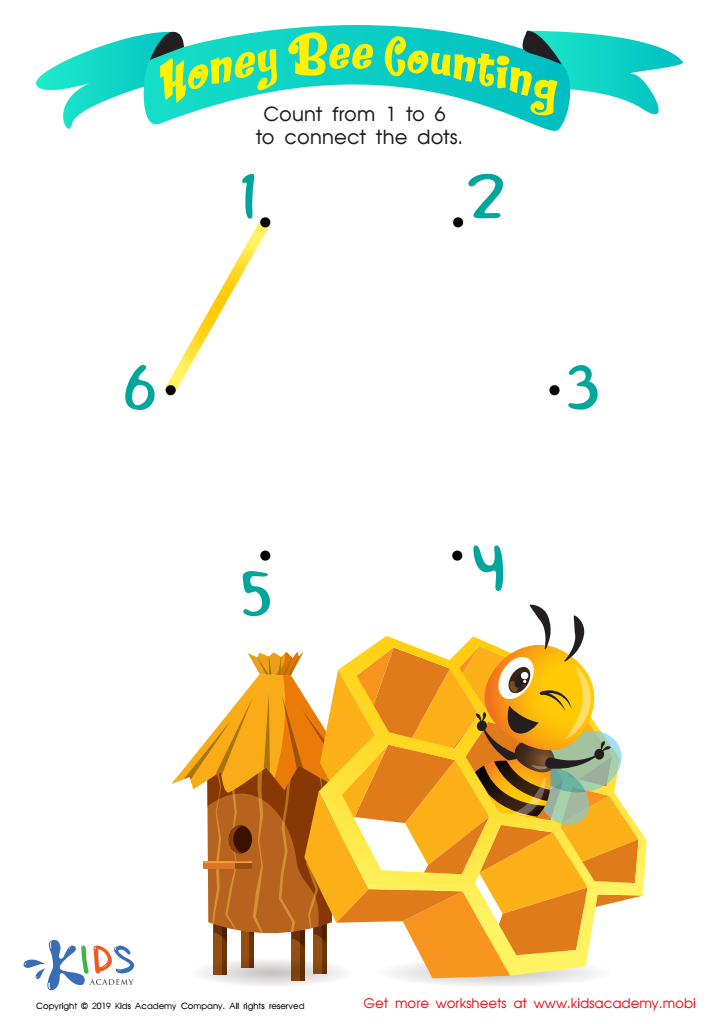
Honey Bee Counting Worksheet
 Assign to My Students
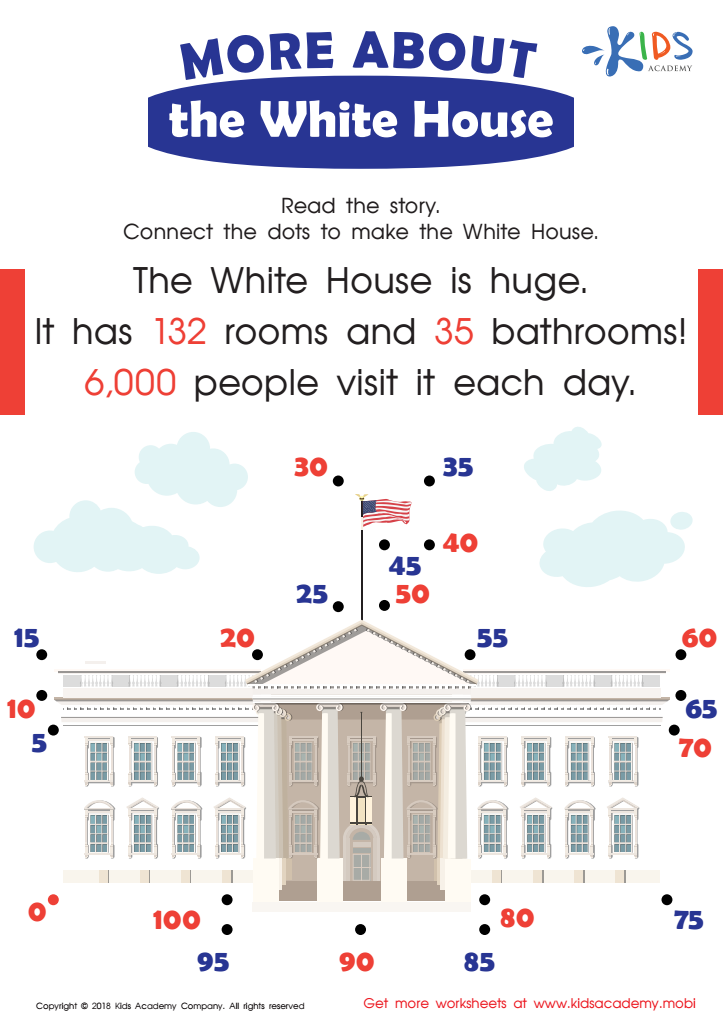
More About the White House Worksheet
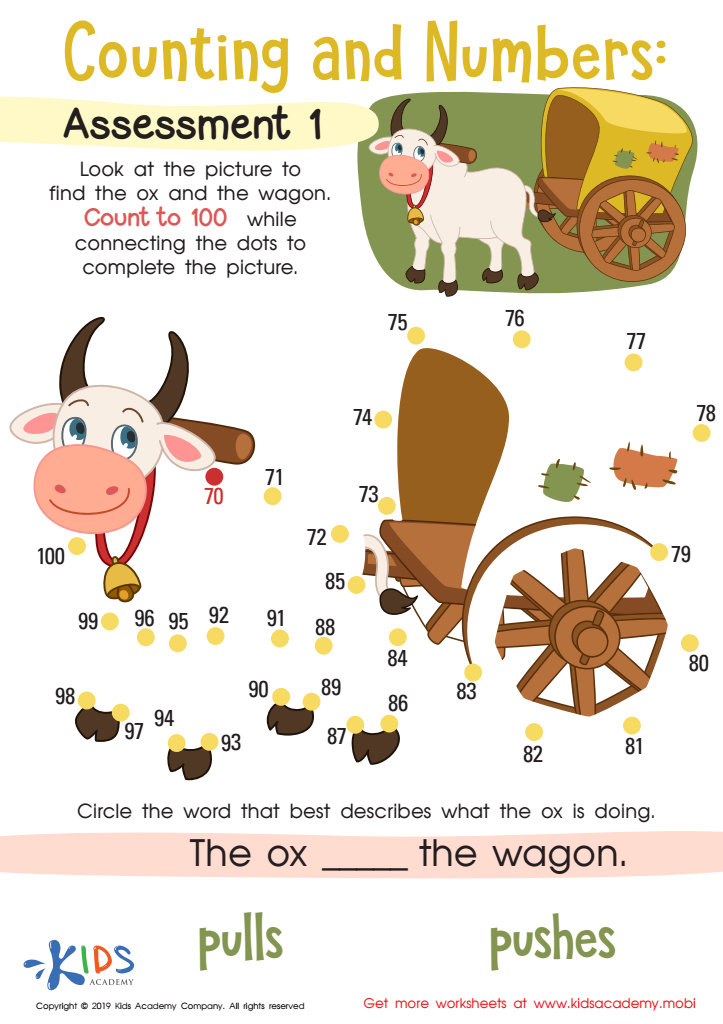
Counting and Numbers: Assessment 1 Worksheet

Counting on the City Skyline: Dot-to-Dot Worksheet
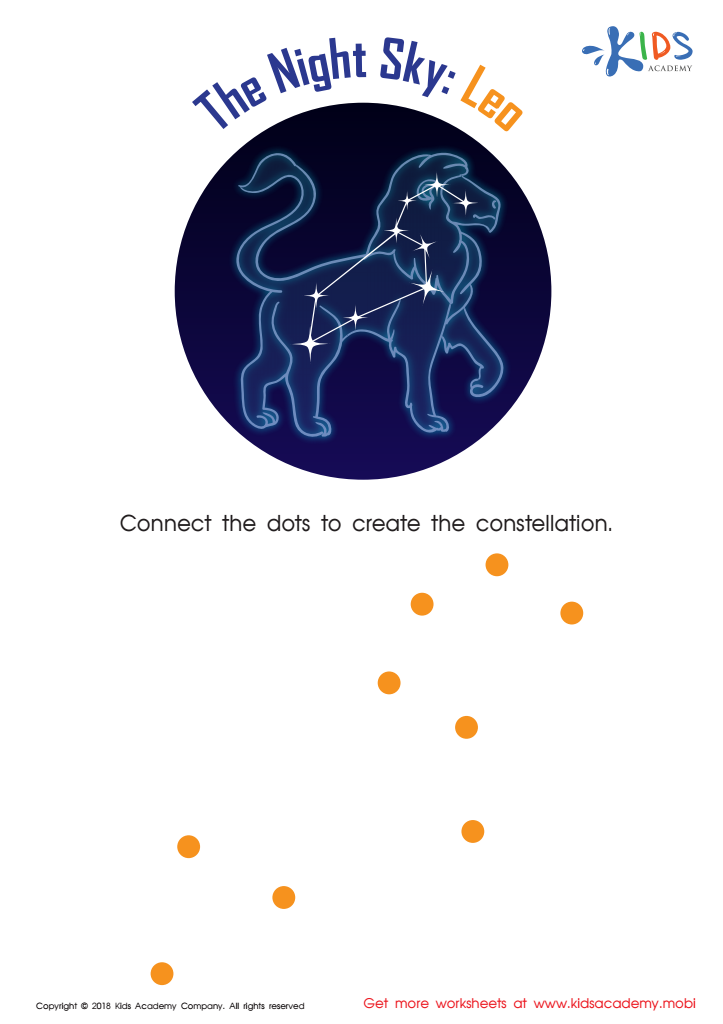
The Night Sky: Leo Worksheet
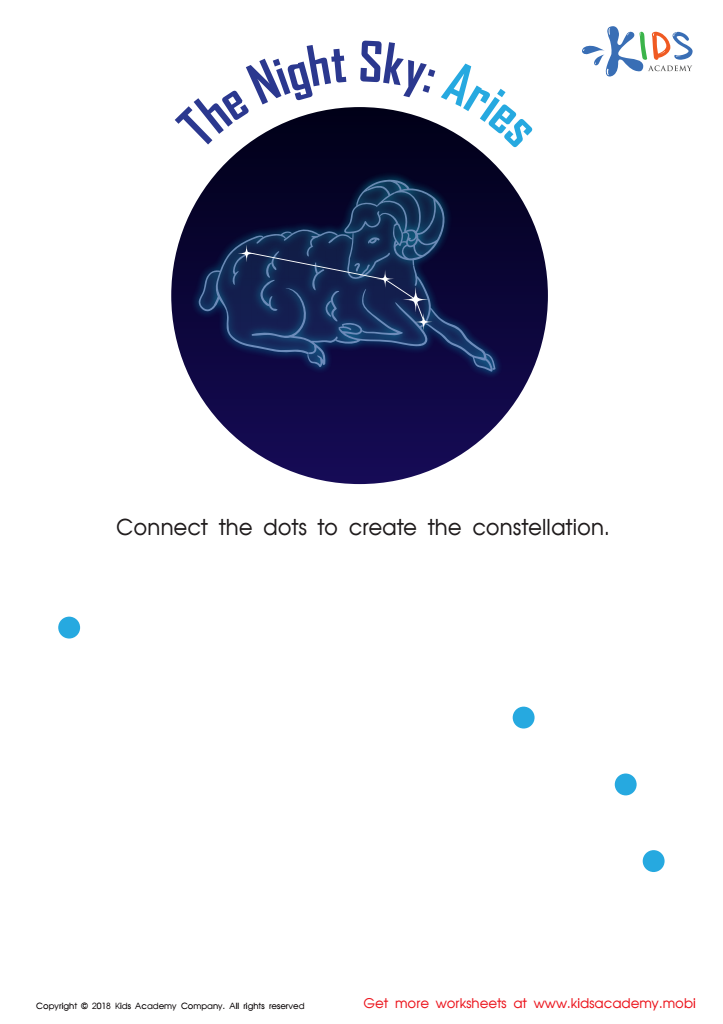
The Night Sky: Aries Worksheet
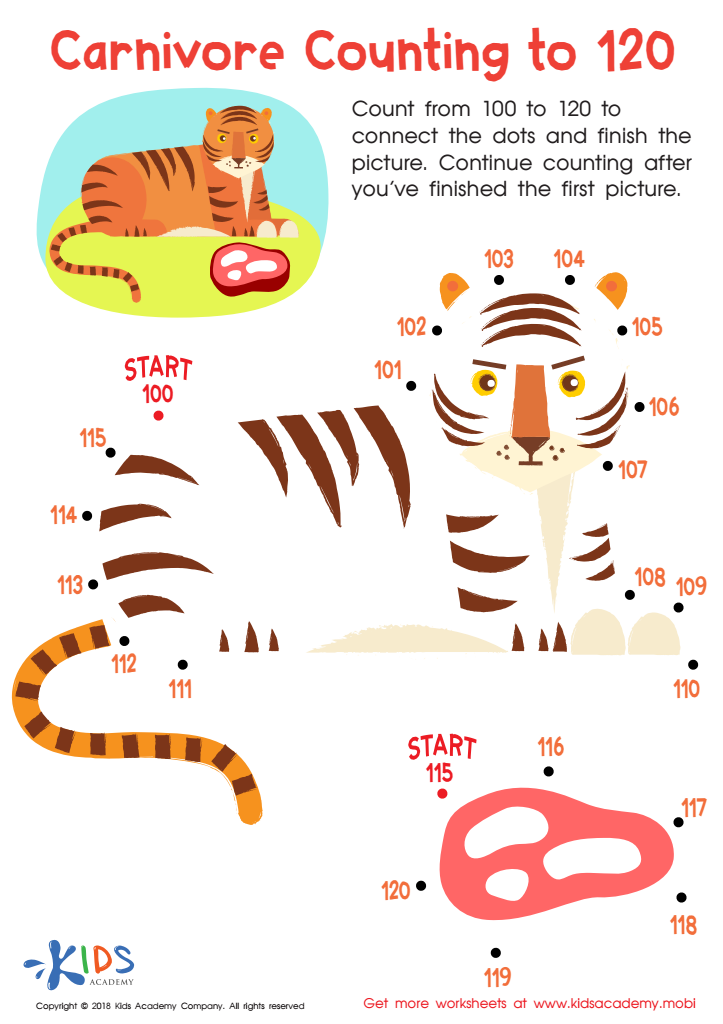
Carnivore Counting to 120 Worksheet
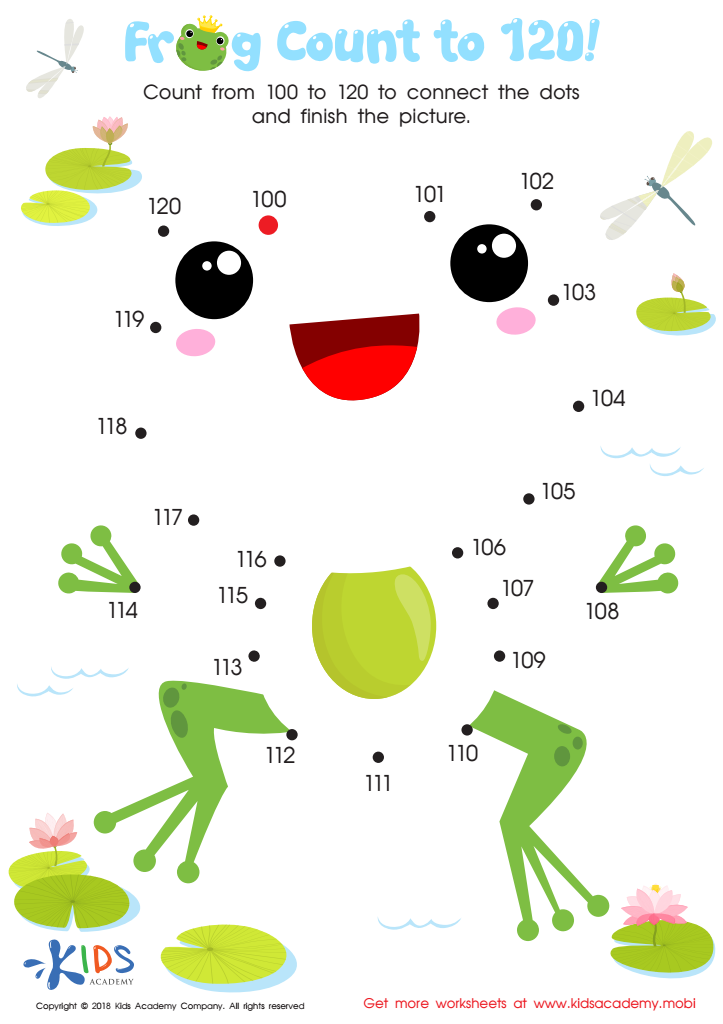
Frog Count to 120 Worksheet
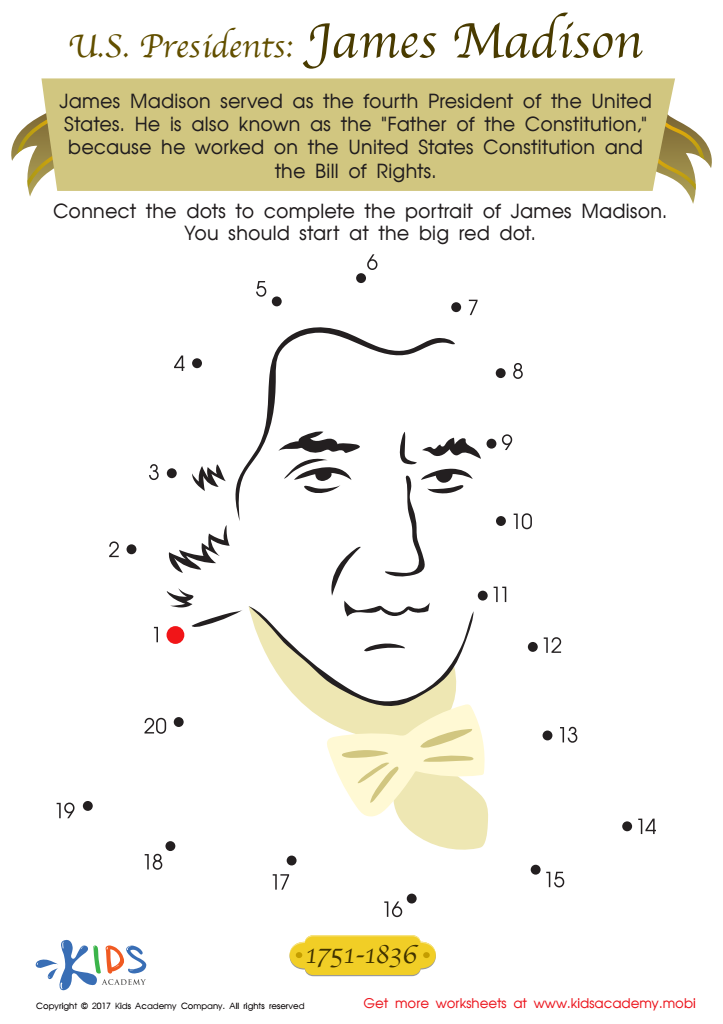
President Madison Printable
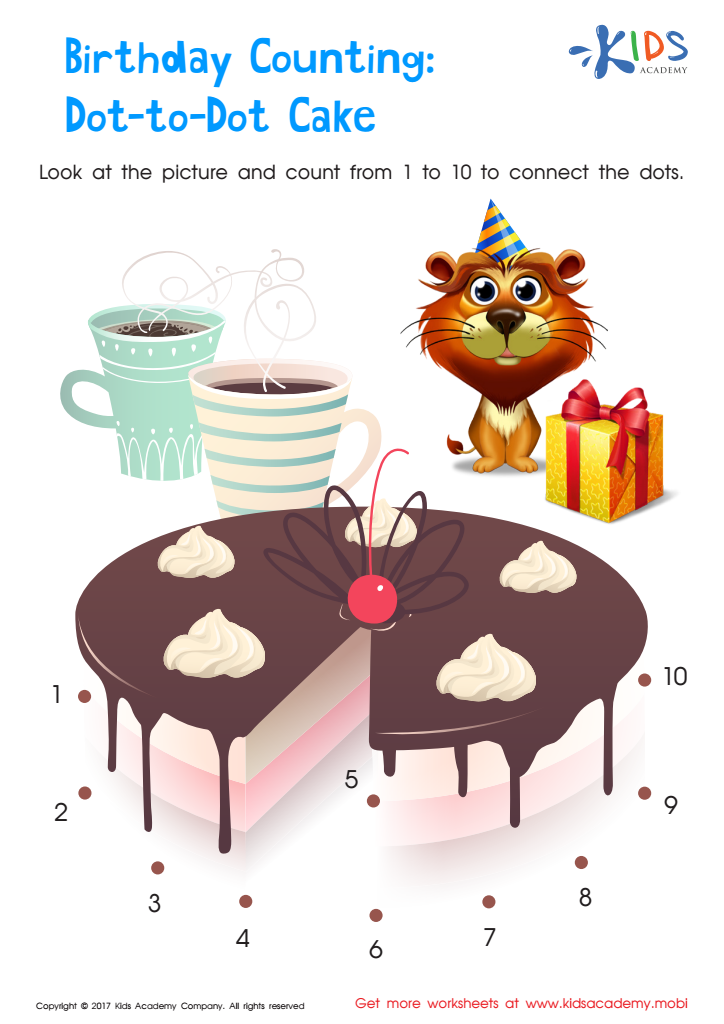
Birthday Counting Connect Dots Worksheet
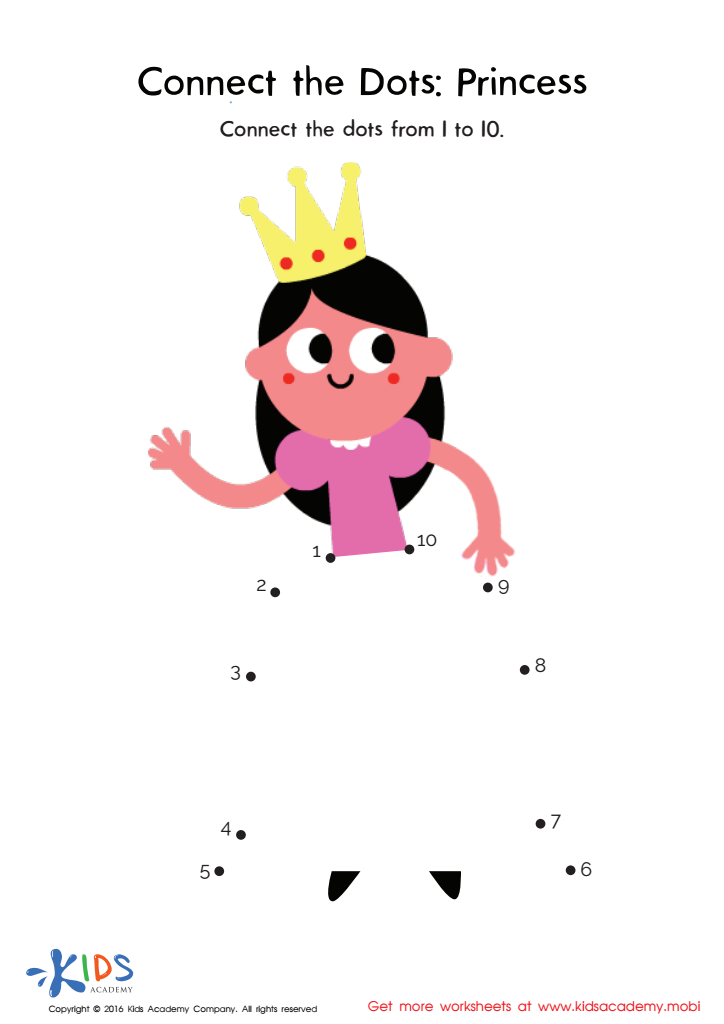
Princess Connect Dots Worksheet
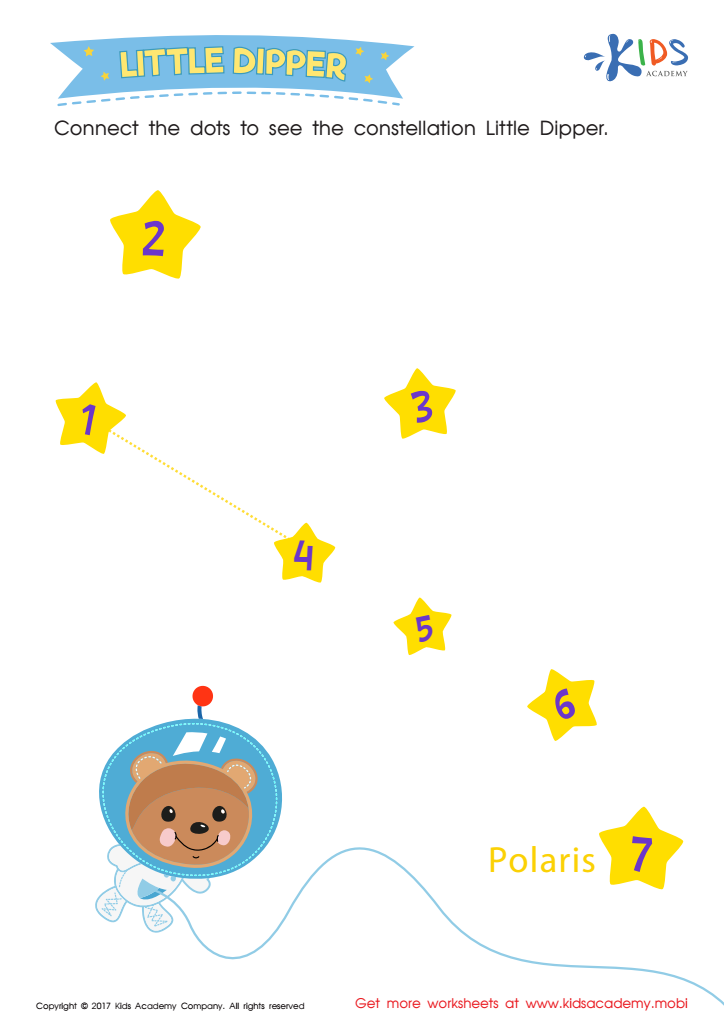
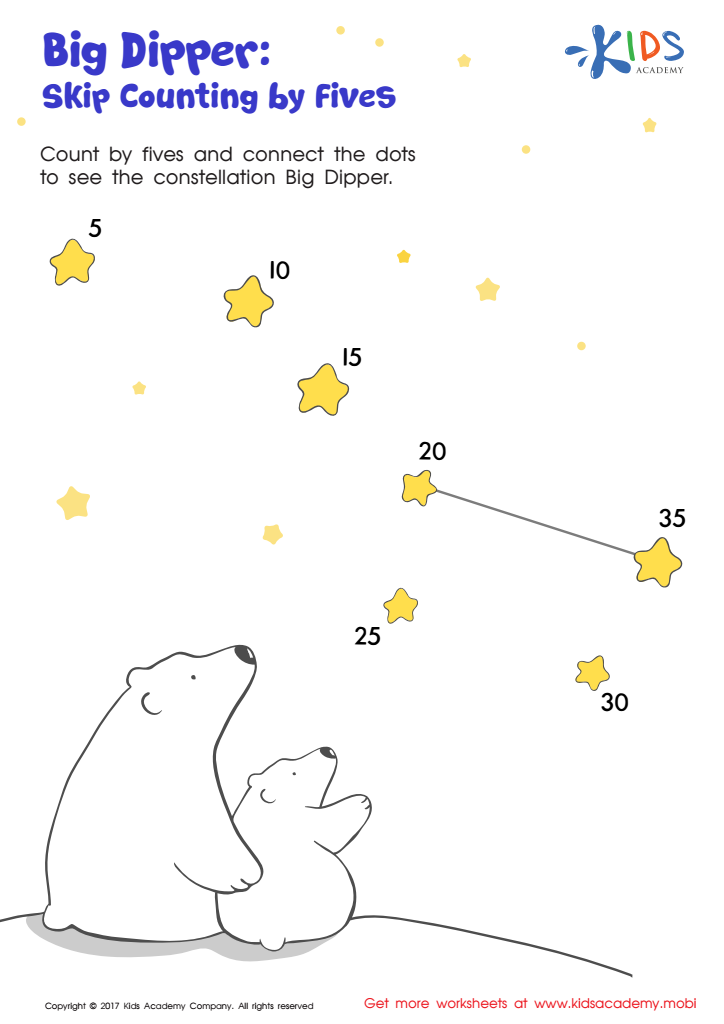
Pirate Ship Connect Dots Worksheet
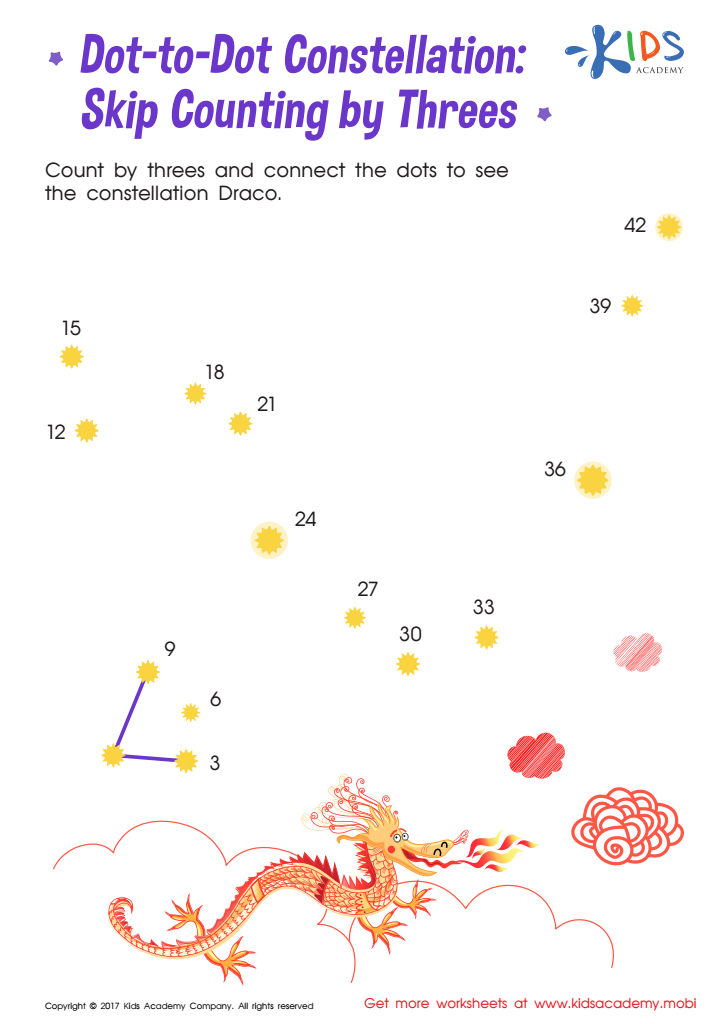
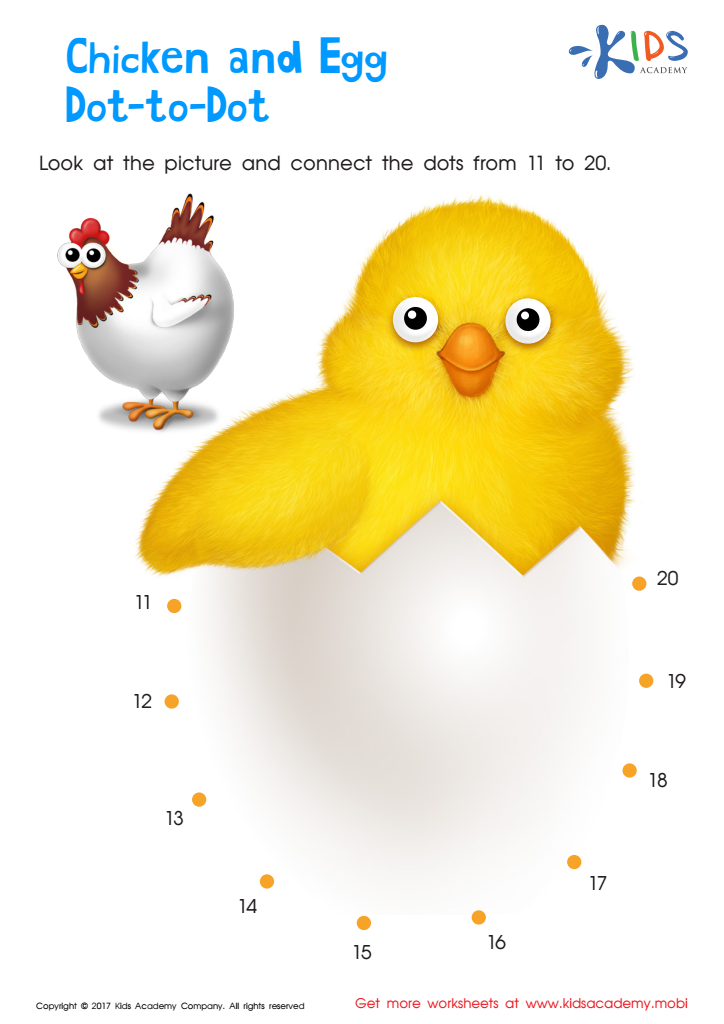
Ordering 11–20: Chicken & Egg Dot–to–dot Worksheet
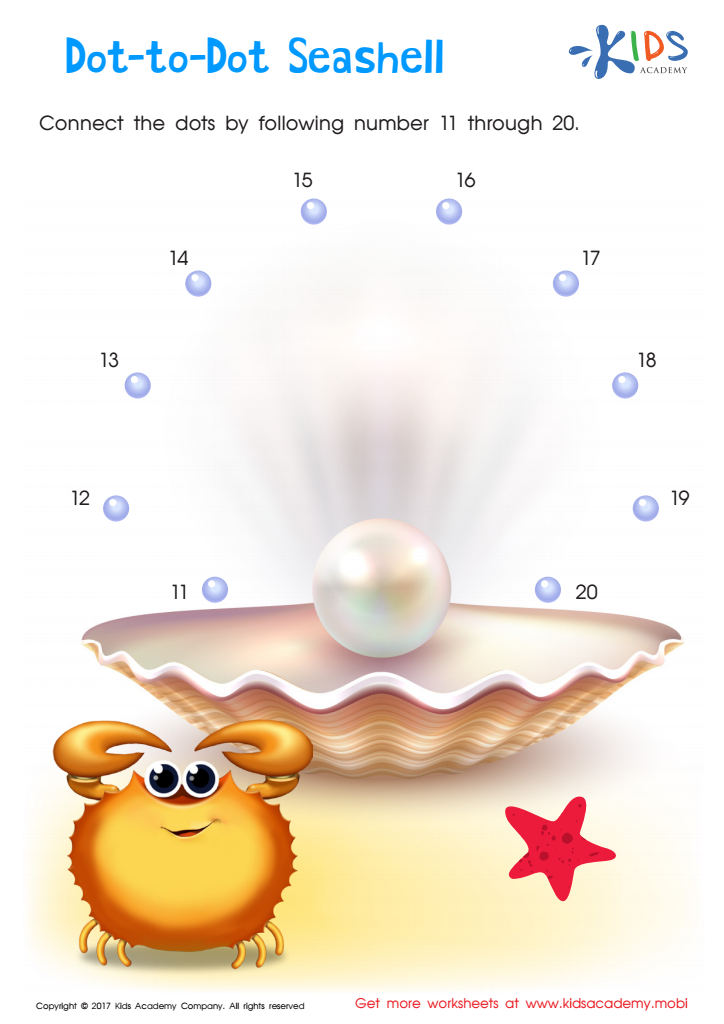
Ordering 11–20: Dot–to–dot Seashell Printable
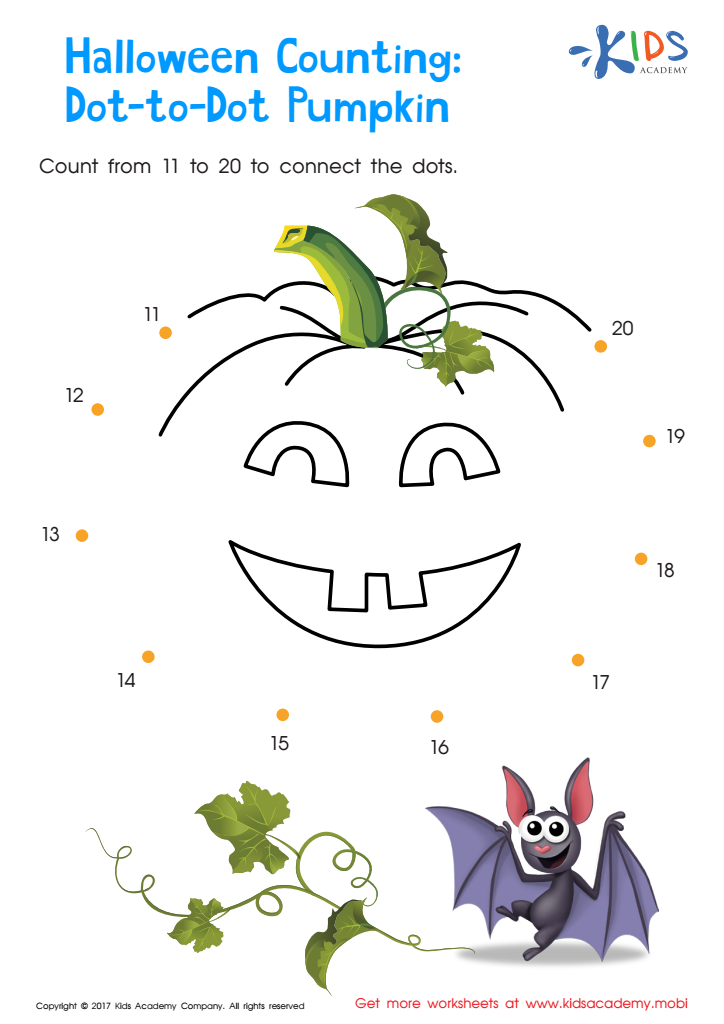
Ordering 11–20: Halloween Counting Worksheet








Connect the Dots worksheets activities are more than just child's play; they are a fundamental tool in early childhood education, offering a myriad of benefits that contribute to a child's development. These activities are ingeniously designed to blend fun with learning, providing a hands-on experience that engages young minds in a way few other learning tools can. Let's delve into why Connect the Dots worksheets activities are incredibly useful for children.
Firstly, these activities are instrumental in enhancing fine motor skills. As children connect the dots, they must control their pencil with precision, which in turn strengthens their hand-eye coordination and prepares them for writing. The act of drawing lines from one number or letter to the next requires a level of control and dexterity that is foundational for handwriting.
Moreover, Connect the Dots worksheets activities are excellent for teaching children about numbers and the alphabet. For younger children, these activities introduce the concept of numerical order and sequence, laying the groundwork for mathematical understanding. For those learning the alphabet, connecting dots in letter sequences reinforces letter recognition and phonetic sounds, an essential skill for reading.
Cognitive skills are also sharpened through Connect the Dots worksheets activities. Children learn to follow instructions, understand patterns, and solve problems as they figure out which dot comes next. This kind of logical thinking and problem-solving ability is crucial in all areas of learning and development.
Additionally, there's a creative and discovery aspect to these activities. The reveal of a hidden picture after connecting all the dots provides a sense of achievement and surprise, fostering a love for learning. It sparks creativity as children often color in their completed pictures, adding a personal touch to their work.
In conclusion, Connect the Dots worksheets activities are a versatile educational tool that supports early development across a range of skills. From enhancing fine motor skills to teaching numerical and alphabetical order, and fostering problem-solving abilities, these activities are delightfully effective in preparing children for more complex learning while keeping the joy in discovery alive.








