Easy Songs worksheets activities for Ages 5-7
8 filtered results
-
From - To
Discover our engaging collection of Easy Songs Worksheets and activities for children ages 5-7! Designed to make learning fun, these activities incorporate music and rhythm, helping young learners improve their literacy and language skills. Each worksheet features easy-to-follow lyrics, colorful illustrations, and interactive tasks that spark creativity and enhance memory retention. Our resources are perfect for classrooms or home learning, promoting an enjoyable educational experience. Whether singing along or completing fun exercises, your little ones will love exploring the world of songs while developing critical skills. Start your musical education journey today and watch your child's confidence soar!
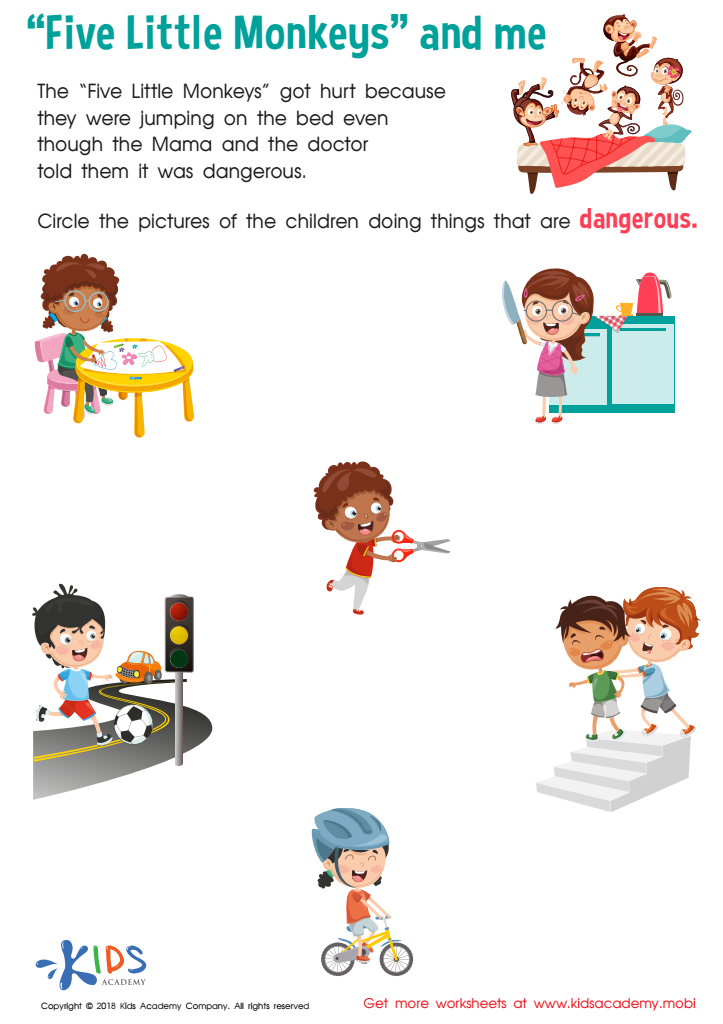
Five Little Monkeys and Me Worksheet
 Assign to My Students
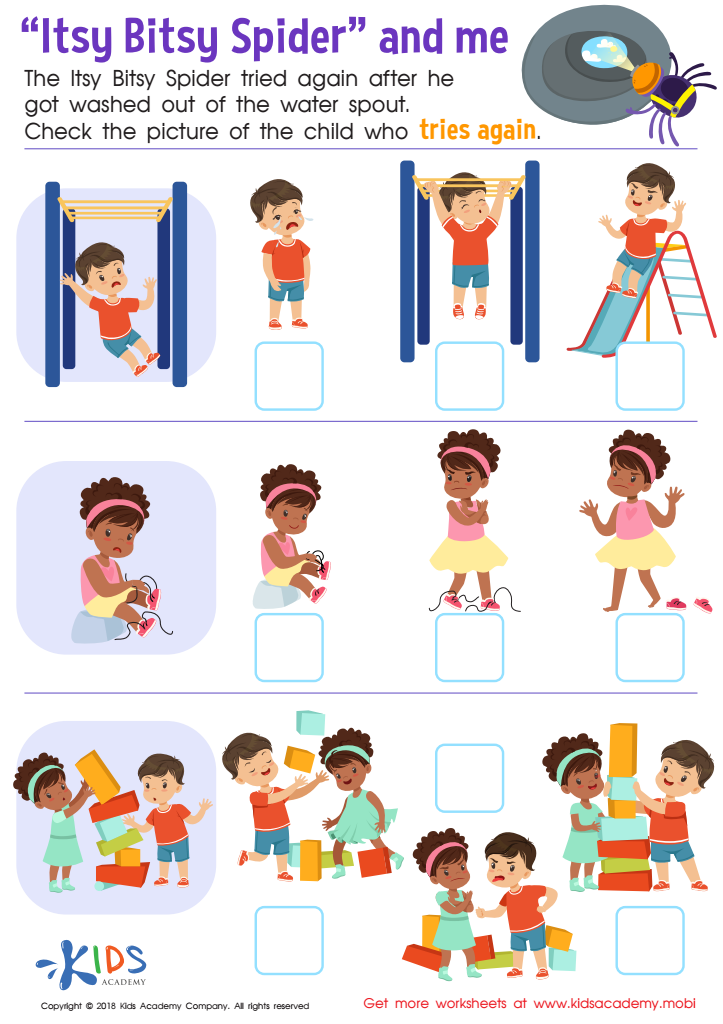
Itsy Bitsy Spider and Me Worksheet
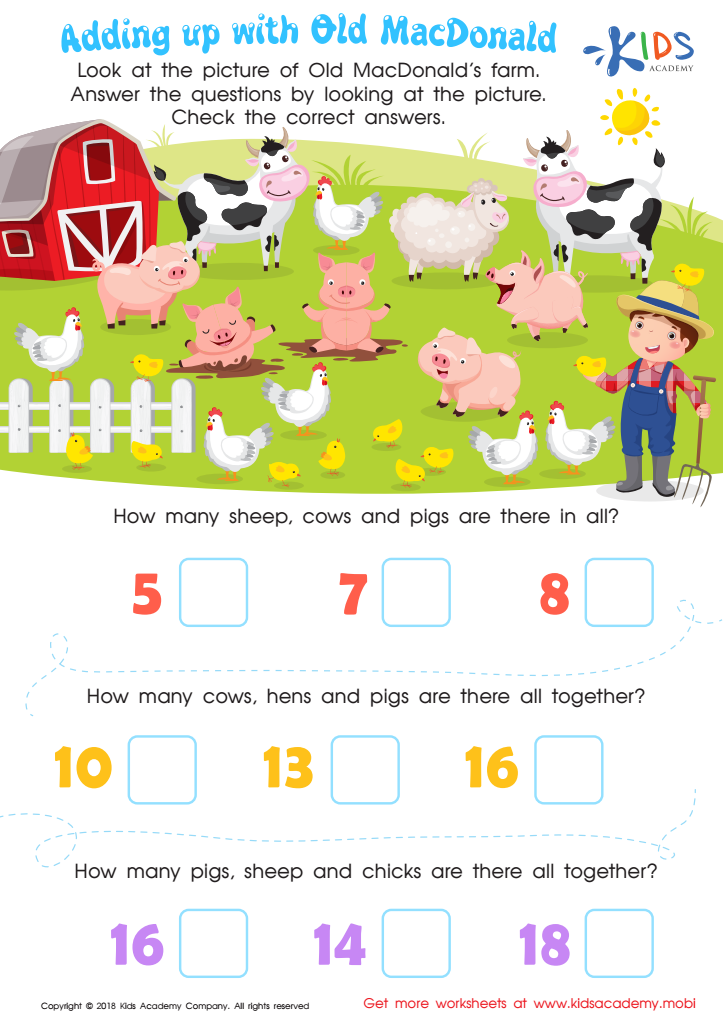
Adding Up with Old MacDonald Worksheet
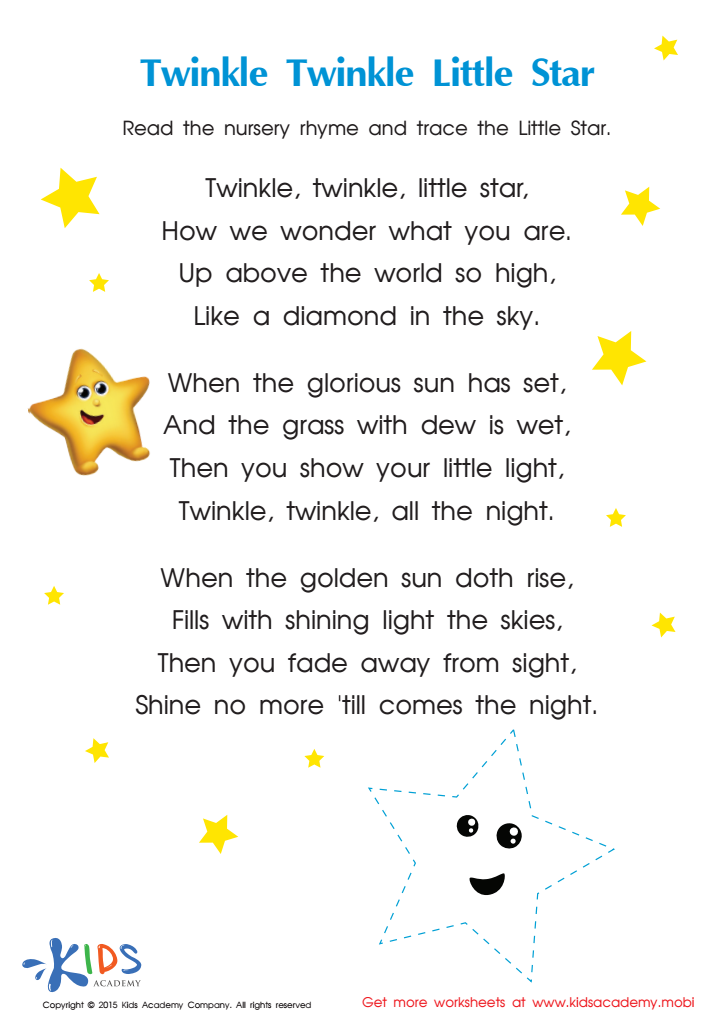
Nursery Rhymes: Twinkle Little Star Worksheet
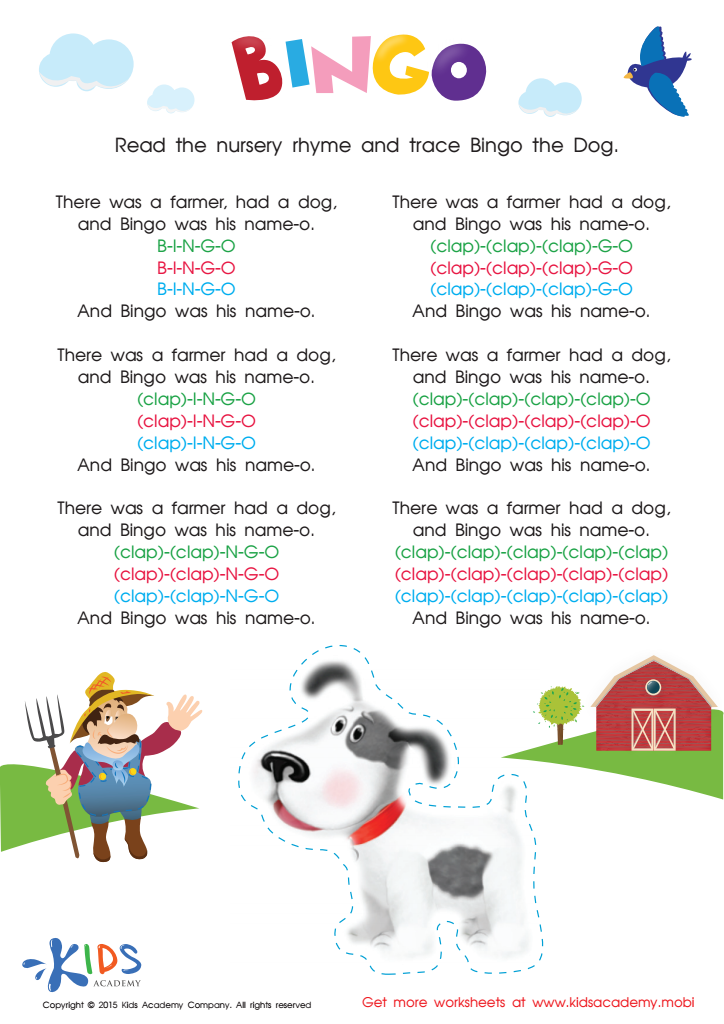
Nursery Rhymes: The Bingo Song Worksheet
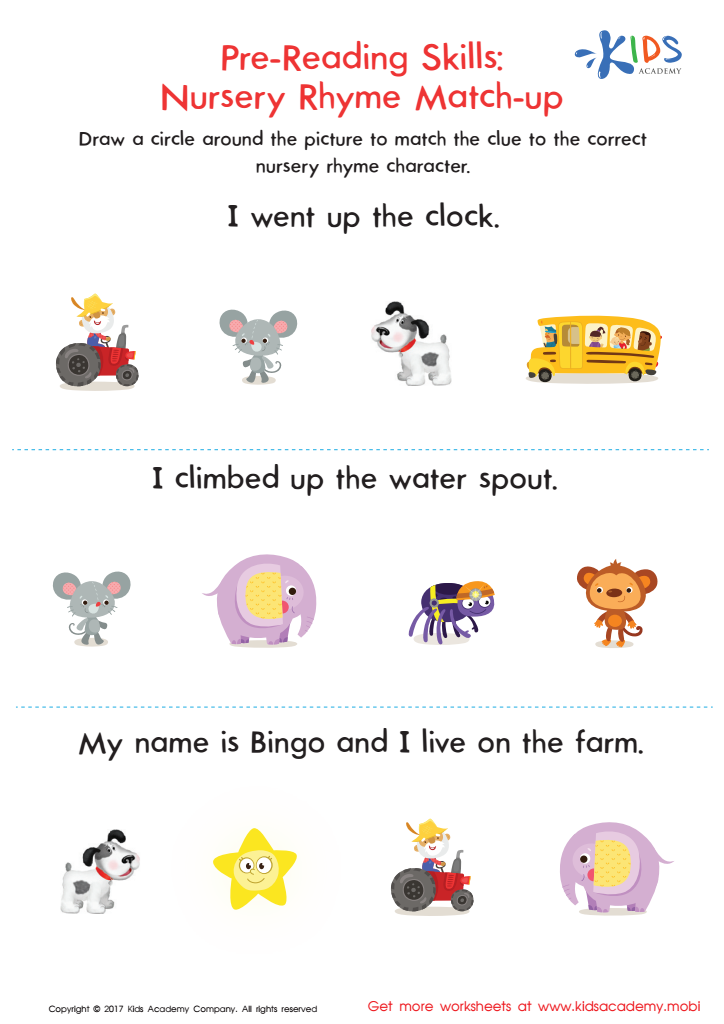
Nursery Rhyme Match–Up Worksheet
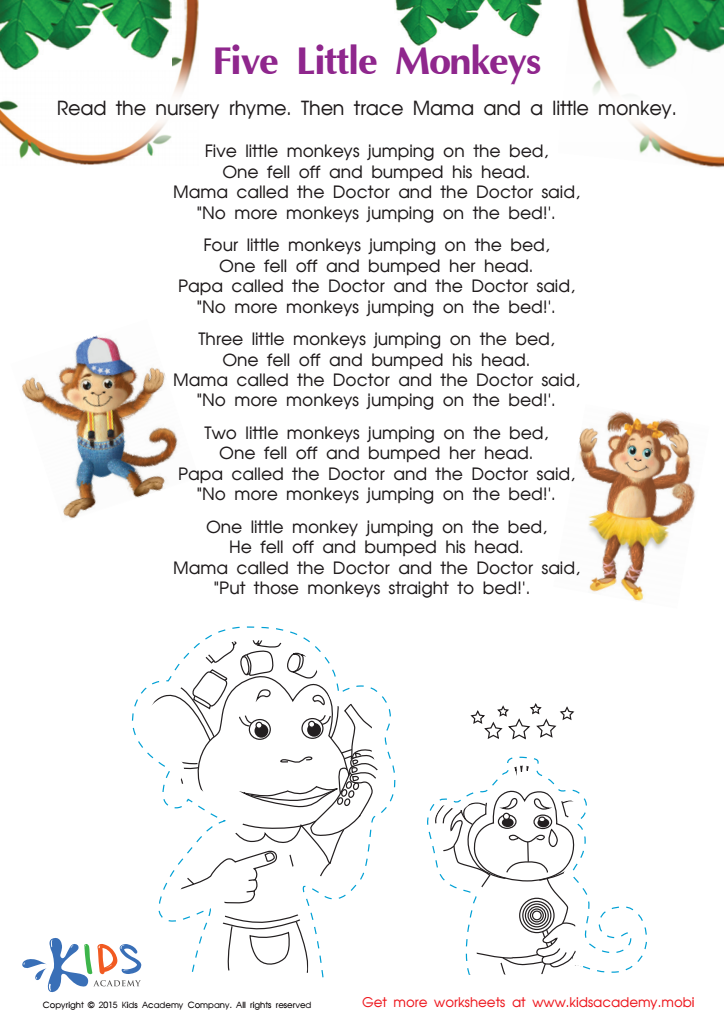
The Five Little Monkeys Nursery Rhyme Worksheet
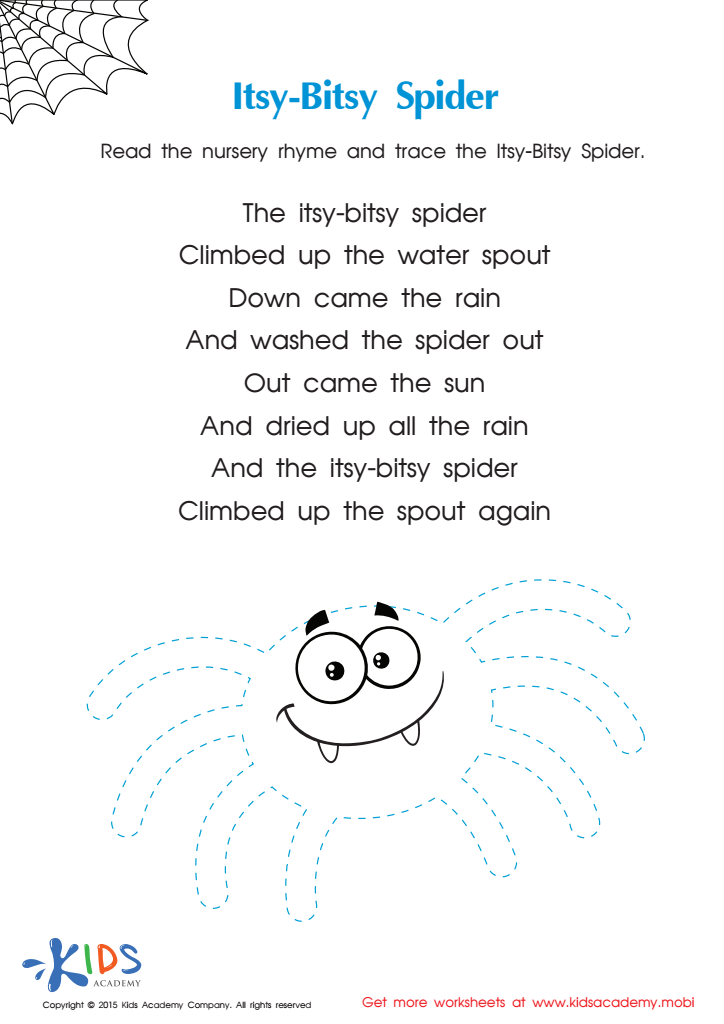
Itsy Bitsy Spider Nursery Rhyme PDF Worksheet






.jpg)
Parents and teachers should care about Easy Songs activities for ages 5-7 because these activities play a crucial role in early childhood education and development. At this age, children are highly receptive to learning, and music is an engaging way to enhance their cognitive skills. Easy Songs activities foster language development by introducing new vocabulary through lyrics, which helps children improve their communication abilities.
Moreover, music promotes social skills as children often participate in group singing or dancing, encouraging teamwork and cooperation. The rhythmic patterns help with memorization and enhance their ability to follow instructions, crucial skills for classroom readiness. Additionally, these activities support emotional development, allowing children to express feelings and cultivate a sense of joy and accomplishment.
Easy Songs also melodically introduce basic mathematical concepts, such as counting and patterns, making learning more enjoyable and effective. The repetition and simplicity of these songs cater specifically to their developmental stage, ensuring they grasp the concepts being taught.
Overall, incorporating Easy Songs activities into learning experiences can enrich a child’s formative years, laying a solid foundation for lifelong learning and creativity. By prioritizing musical activities, parents and teachers can effectively support a child’s holistic development.








