Building Vocabulary Worksheets for Ages 3-8 - Page 11
254 filtered results
-
From - To
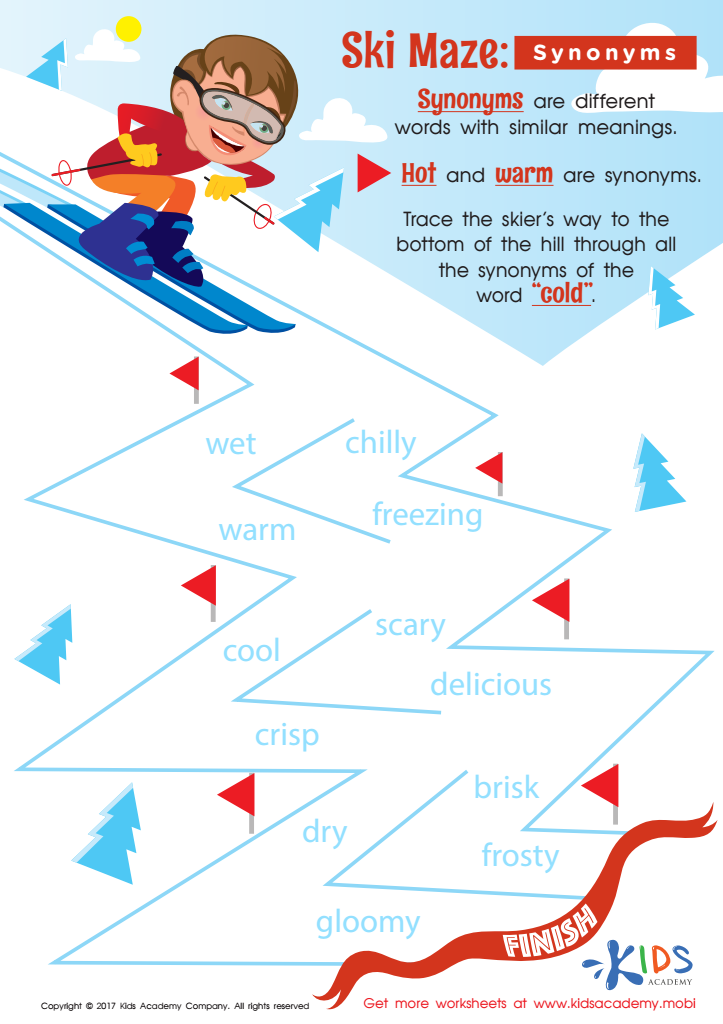
Free Printable Synonym Worksheet
 Assign to My Students











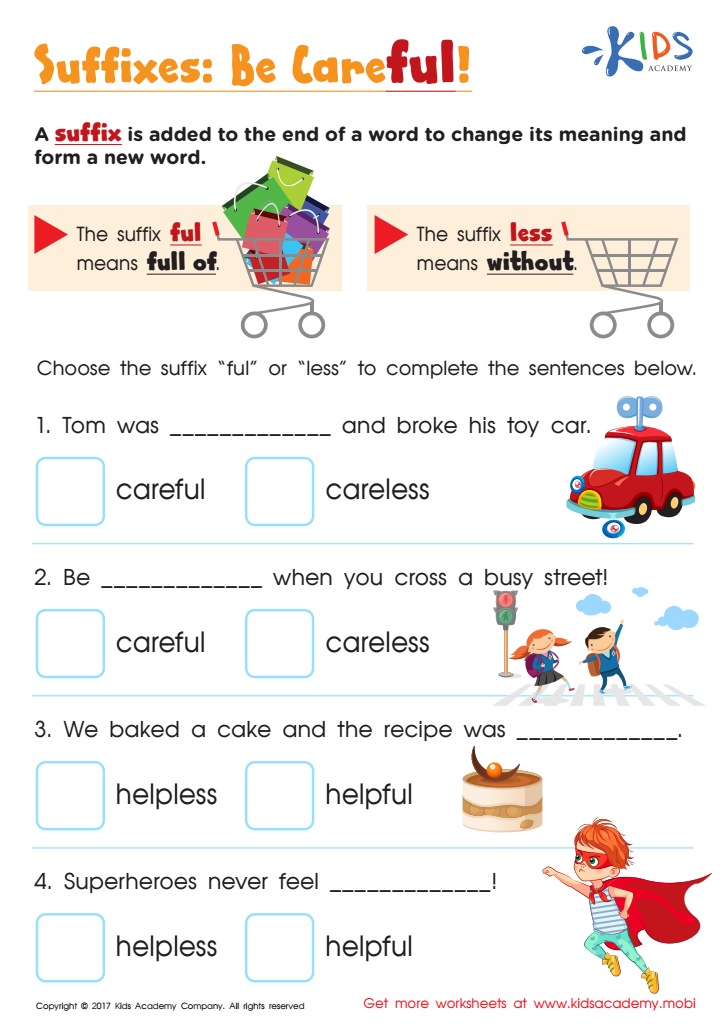
Suffixes Ful and Less Worksheet
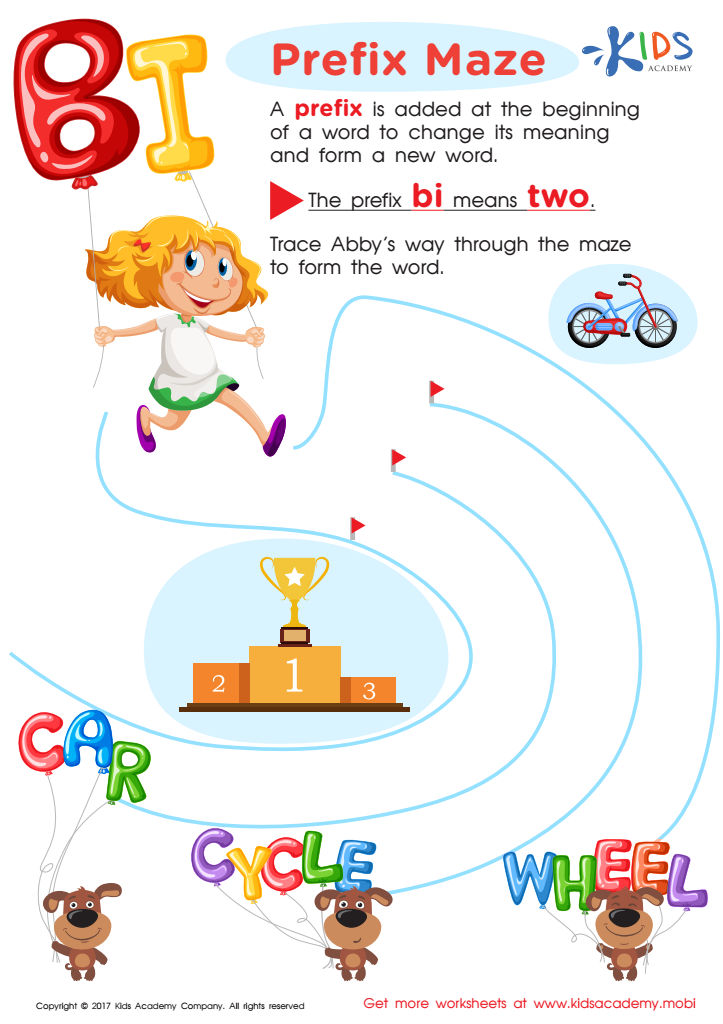
Prefix Bi Words Worksheet
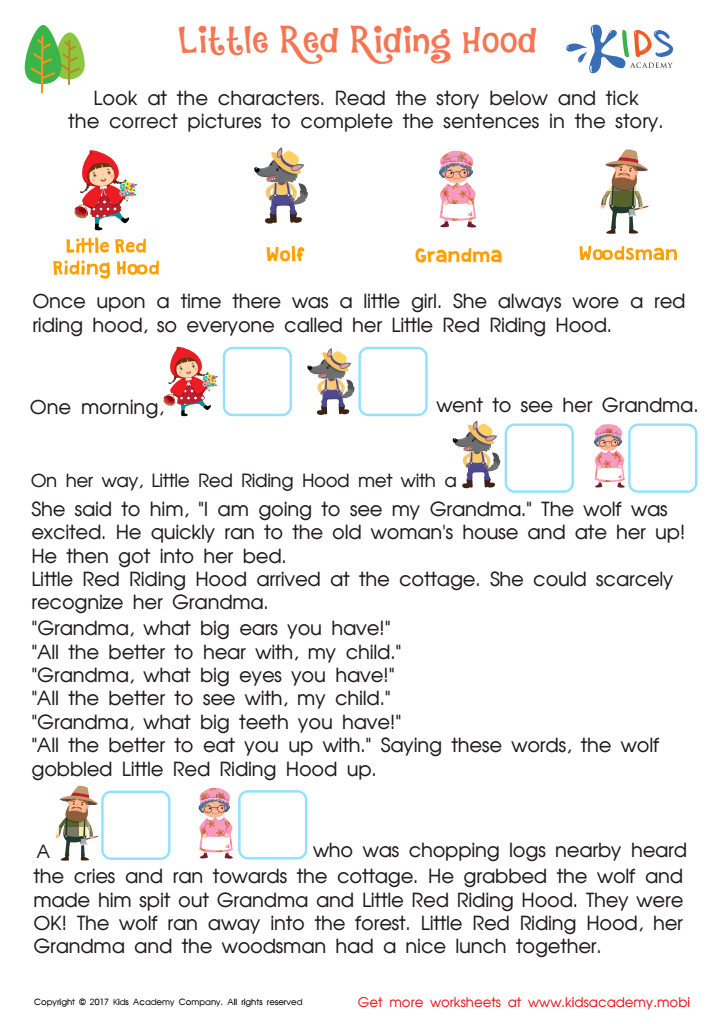
Little Red Riding Hood Printable
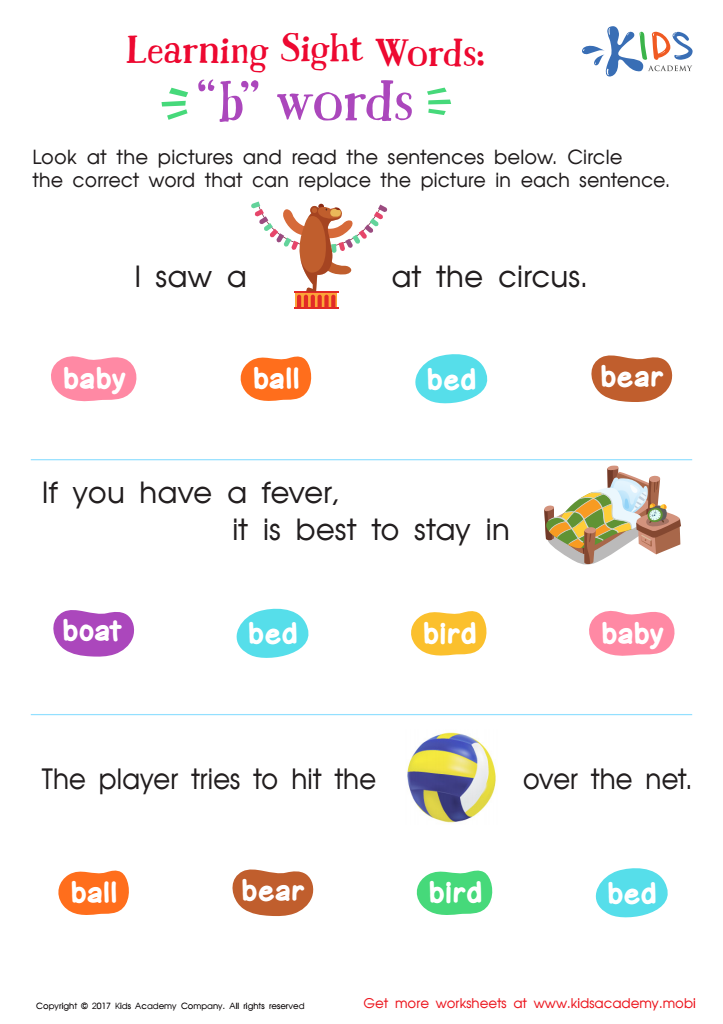
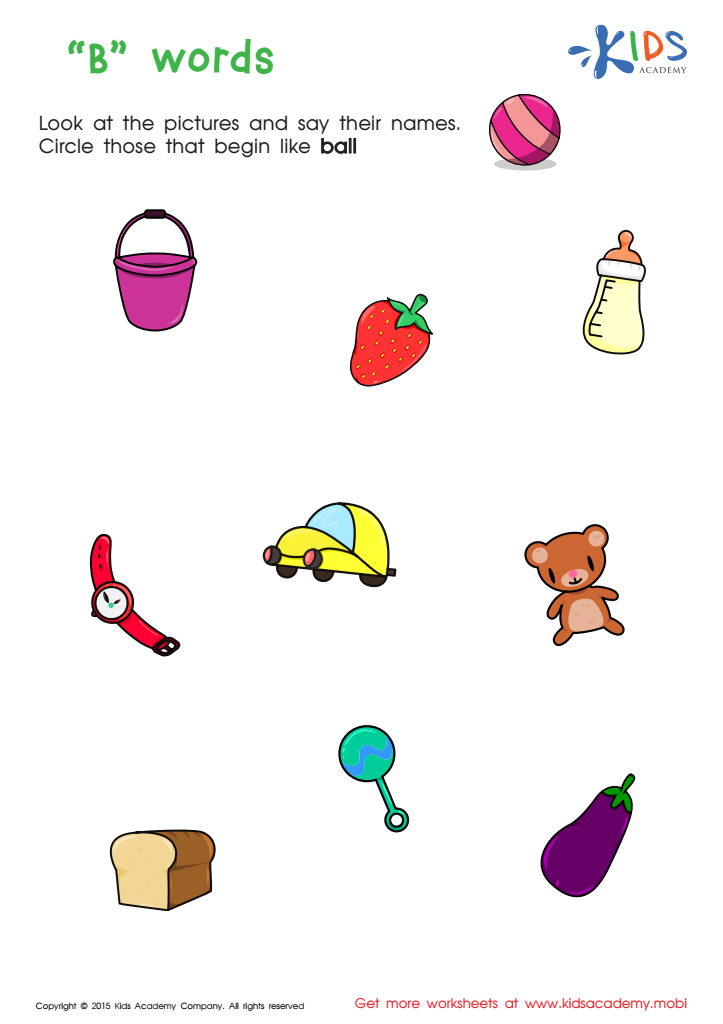
"B" Words Printable Sight Words Worksheet
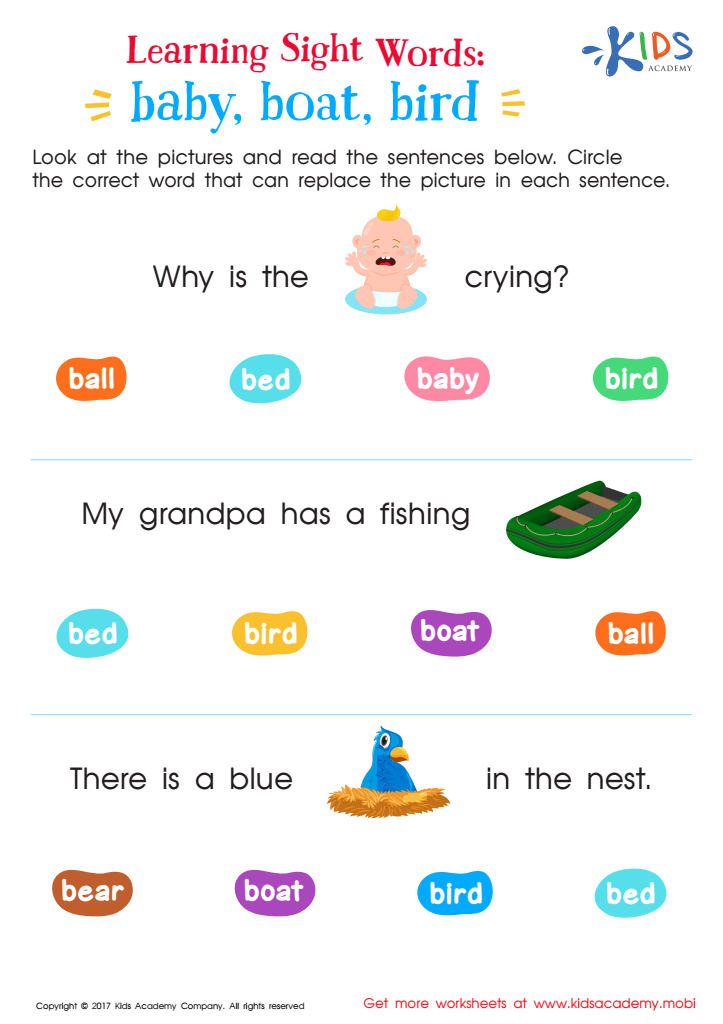
Baby, Boat, Bird Worksheet Sight Words Worksheet
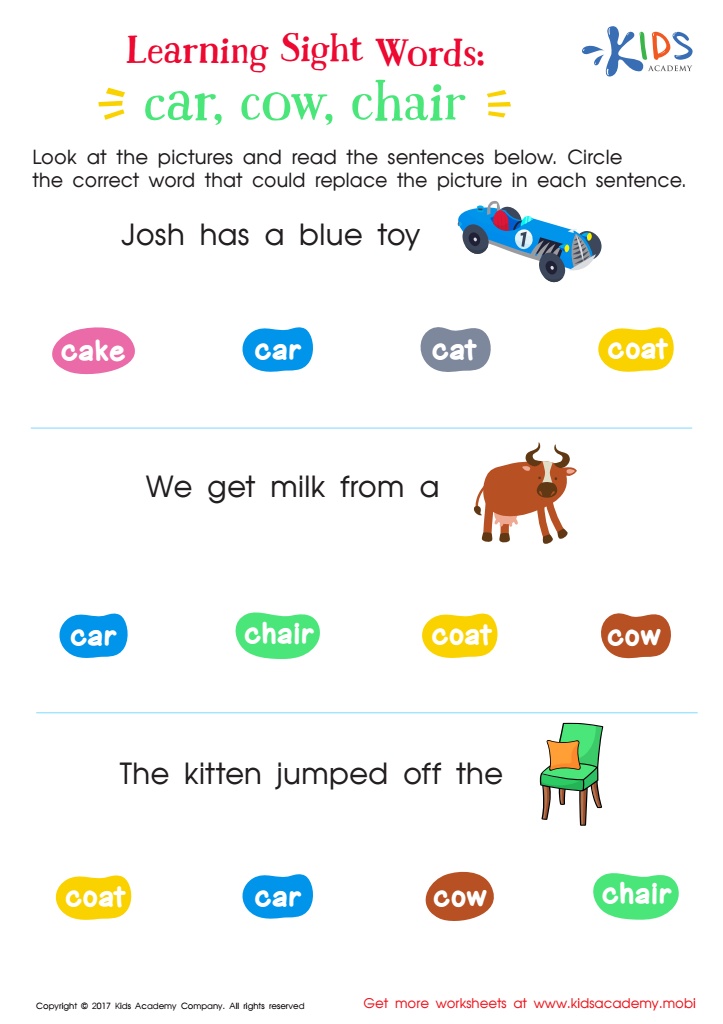
Car, Cow, Chair Worksheet Sight Words Worksheet
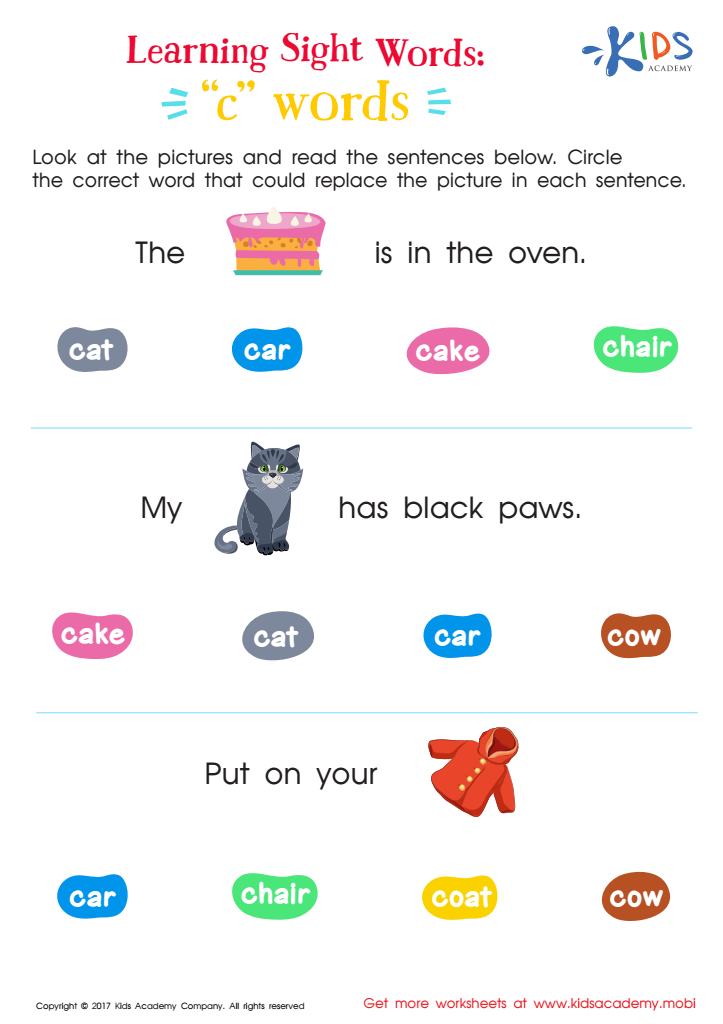
"C" Words Printable Sight Words Worksheet
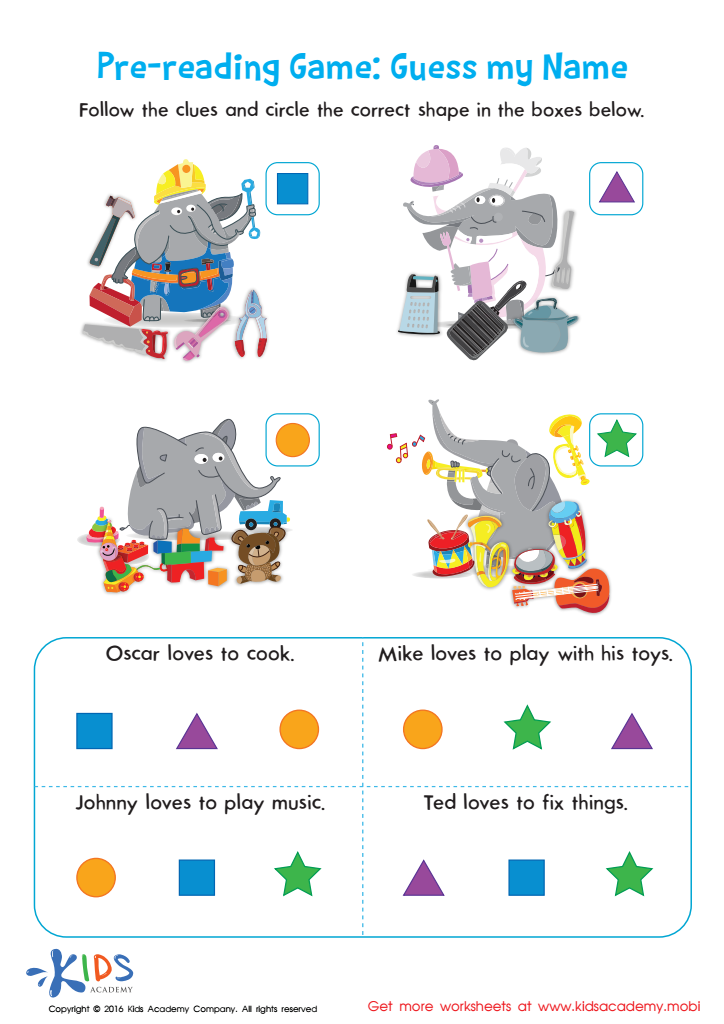
Pre Reading Worksheet Guess My Name
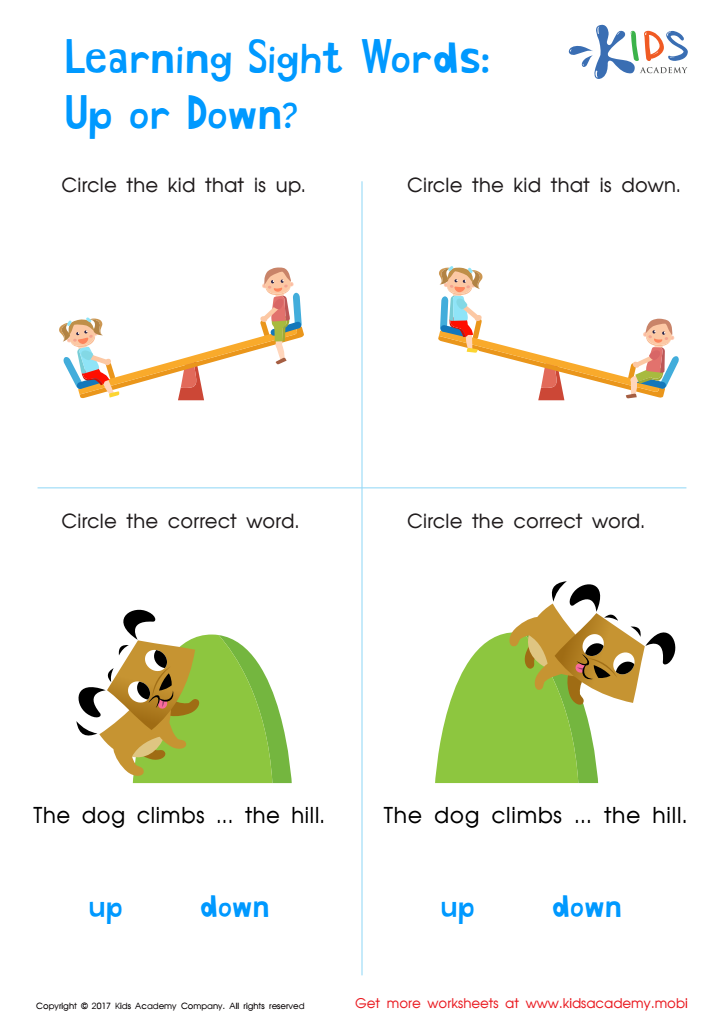
Up or Down Printable Sight Words Worksheet
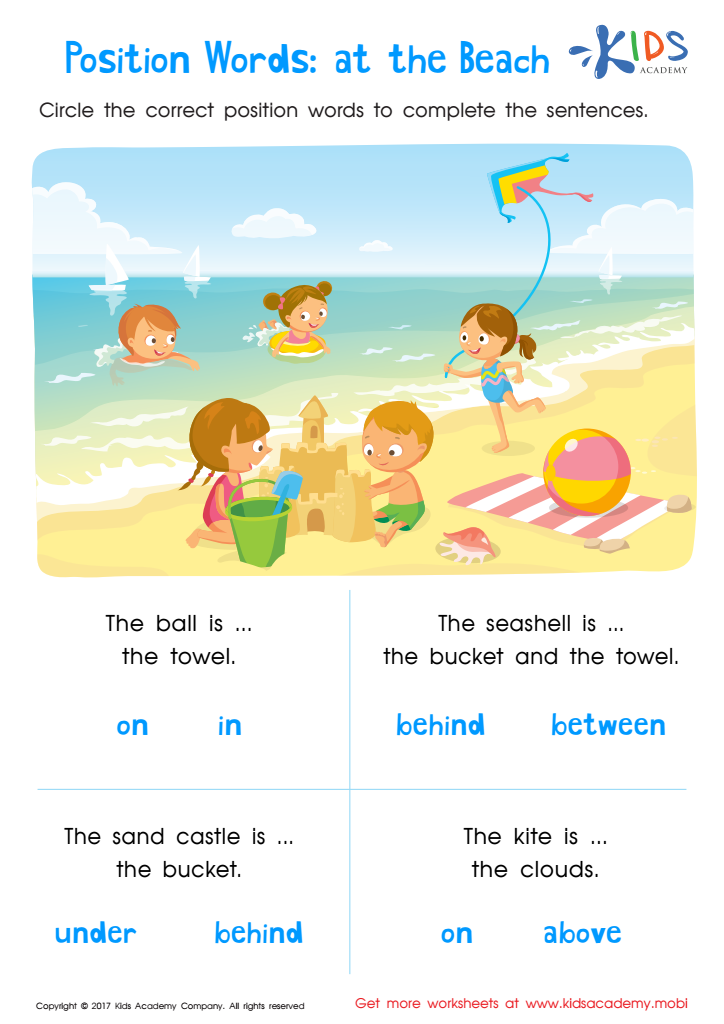
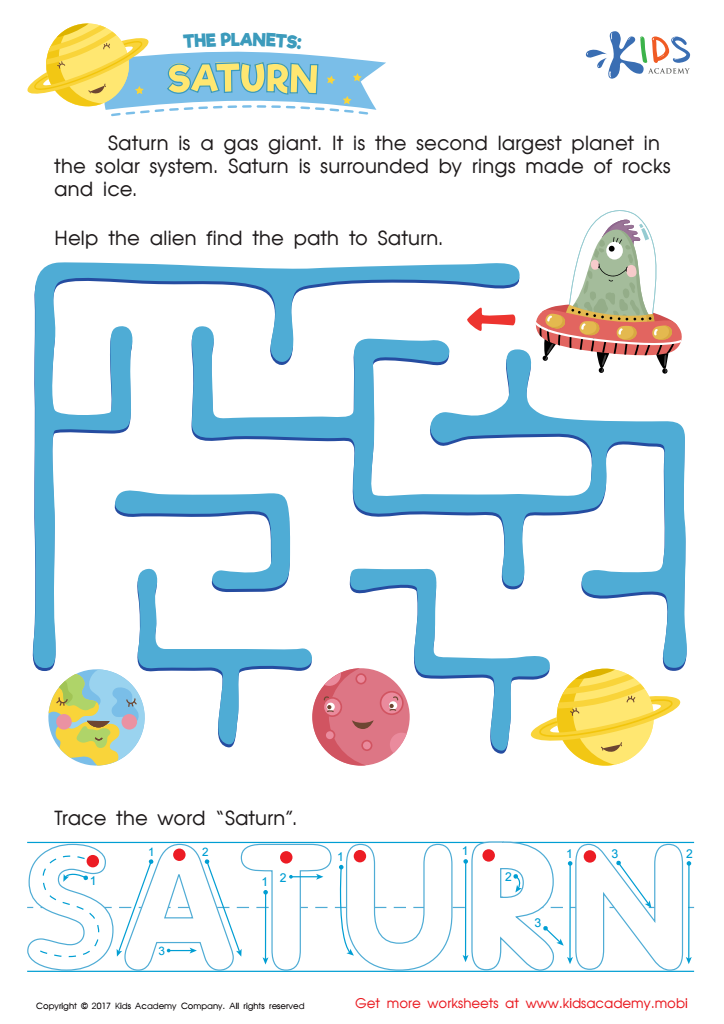
The Planets: Saturn Printable
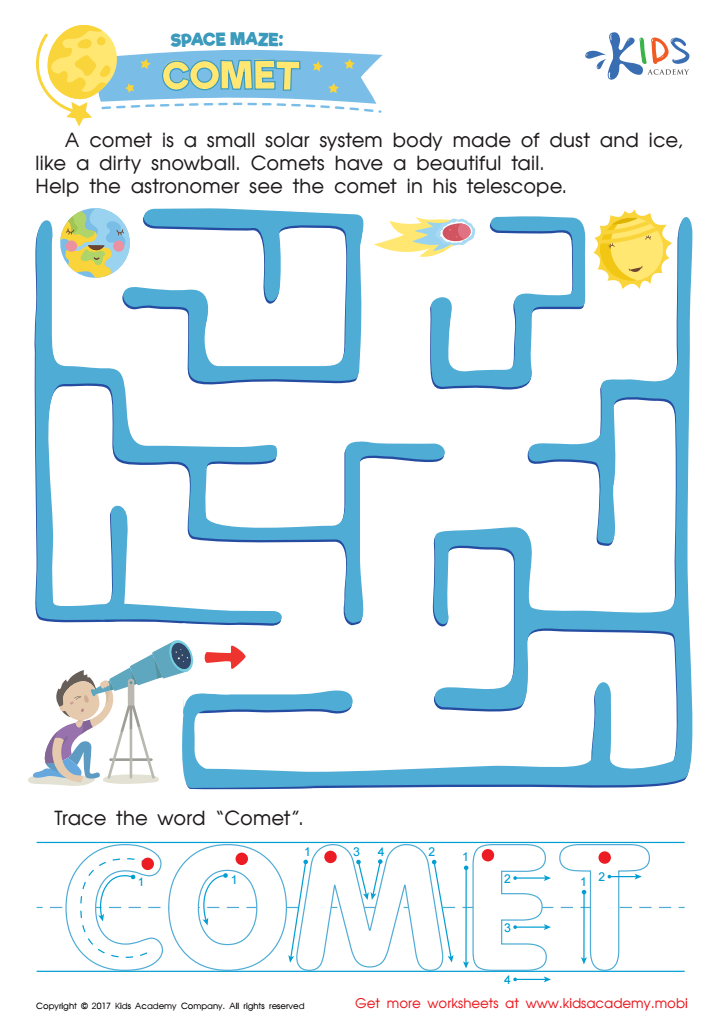
First Words Worksheet




.jpg)



Building vocabulary in children aged 3 to 8 is vital for their overall development, encompassing language skills, comprehension, and social interactions. During this formative stage, children are rapidly acquiring language, and an enriched vocabulary enables them to express thoughts, engage in conversations, and develop their identities. A robust vocabulary is closely linked to reading proficiency; children with a strong word bank are better equipped to understand texts, leading to improved academic performance in later years.
Parents and teachers play a crucial role in this developmental process. Engaging in conversations, reading diverse books, and encouraging children to explore new words fosters curiosity and enthusiasm for learning. When adults model rich language and provide opportunities for children to use words meaningfully, they lay the groundwork for lifelong linguistic skills.
Moreover, vocabulary building nurtures critical thinking and problem-solving skills. As children learn new words, they also expand their ability to categorize and articulate their experiences. This enriches their social interactions by empowering them to connect with peers and express feelings more accurately. In essence, prioritizing vocabulary development at this stage supports children's cognitive, emotional, and academic growth, ensuring they are well-prepared for the complexities of the world ahead.








