Songs Worksheets for Ages 3-8
11 filtered results
-
From - To
Welcome to our engaging "Songs Worksheets for Ages 3-8" page! Here, you'll discover a delightful collection of printable worksheets designed to spark your child's love for music and learning. Perfect for early learners, our resources combine playful song lyrics with interactive activities that enhance literacy and cognitive skills. Children will enjoy tracing letters, learning new vocabulary, and participating in fun crosswords and coloring exercises inspired by popular songs. These worksheets are not only educational but also magical, turning learning into an enjoyable adventure. Start exploring our vibrant collection today and watch your child's musical and academic abilities flourish!
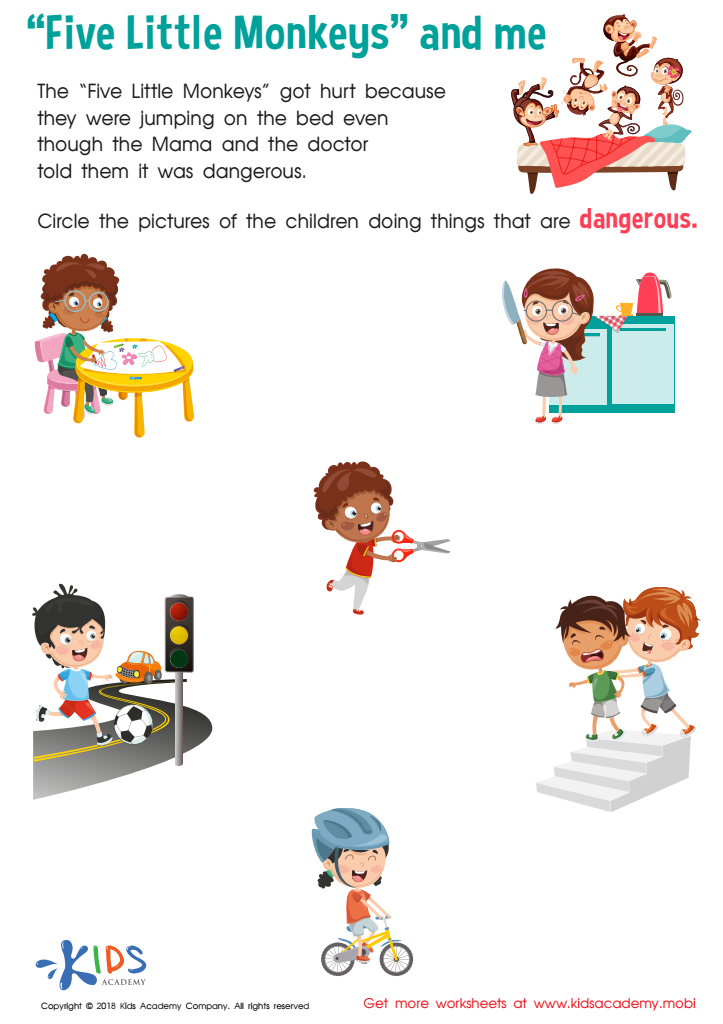
Five Little Monkeys and Me Worksheet
 Assign to My Students
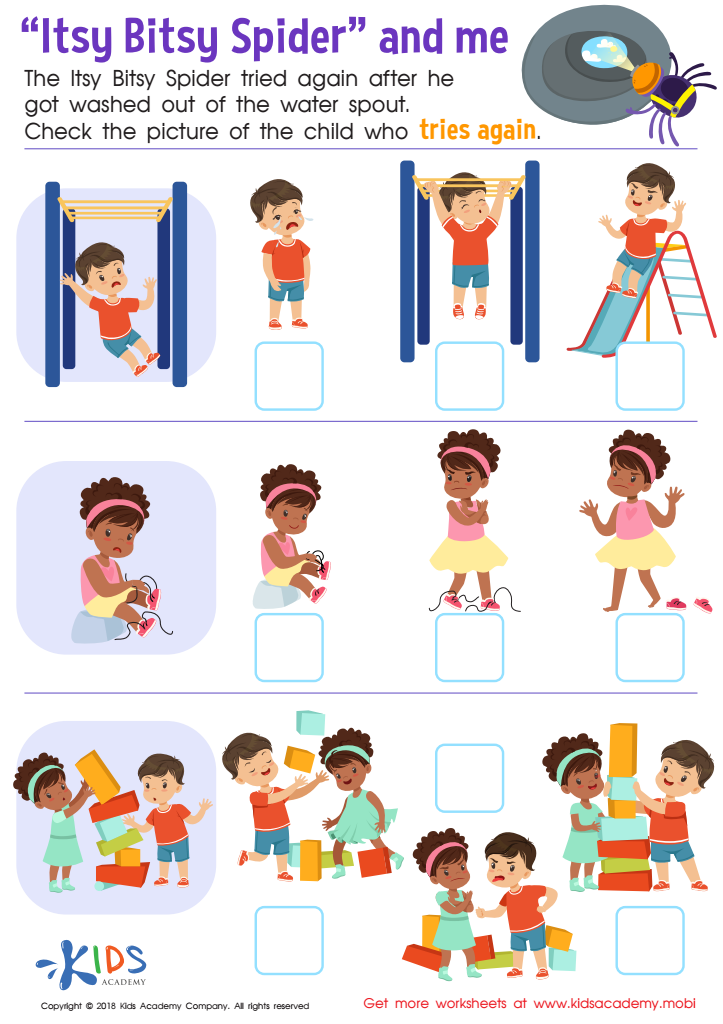
Itsy Bitsy Spider and Me Worksheet
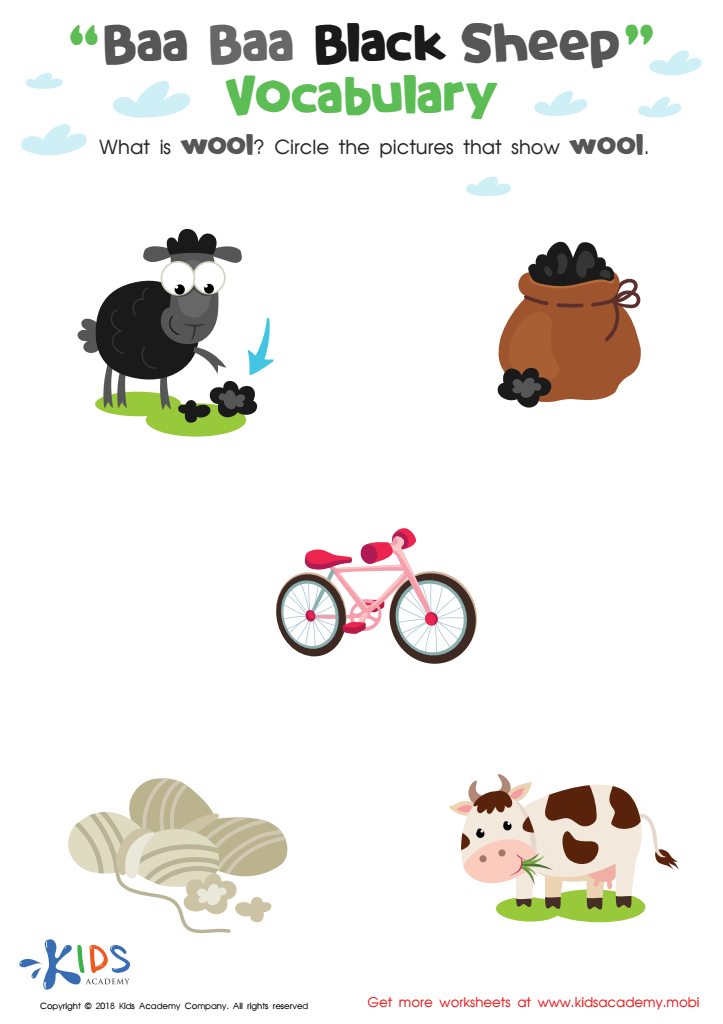
Baa Baa Black Sheep: Vocabulary Worksheet
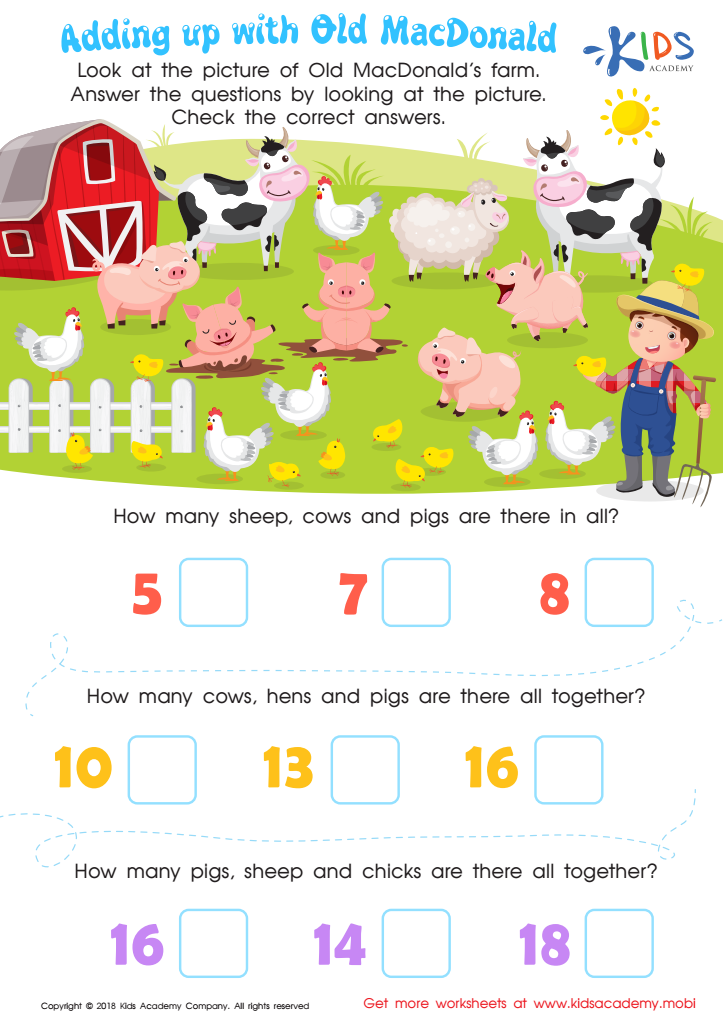
Adding Up with Old MacDonald Worksheet
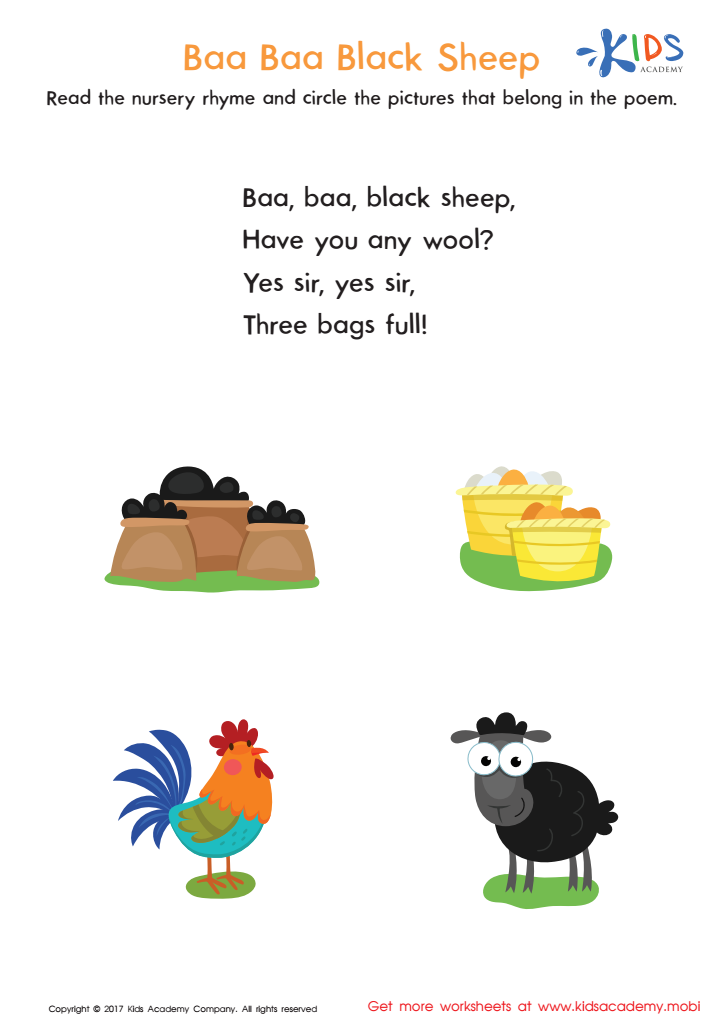
Baa Baa Black Sheep Printable
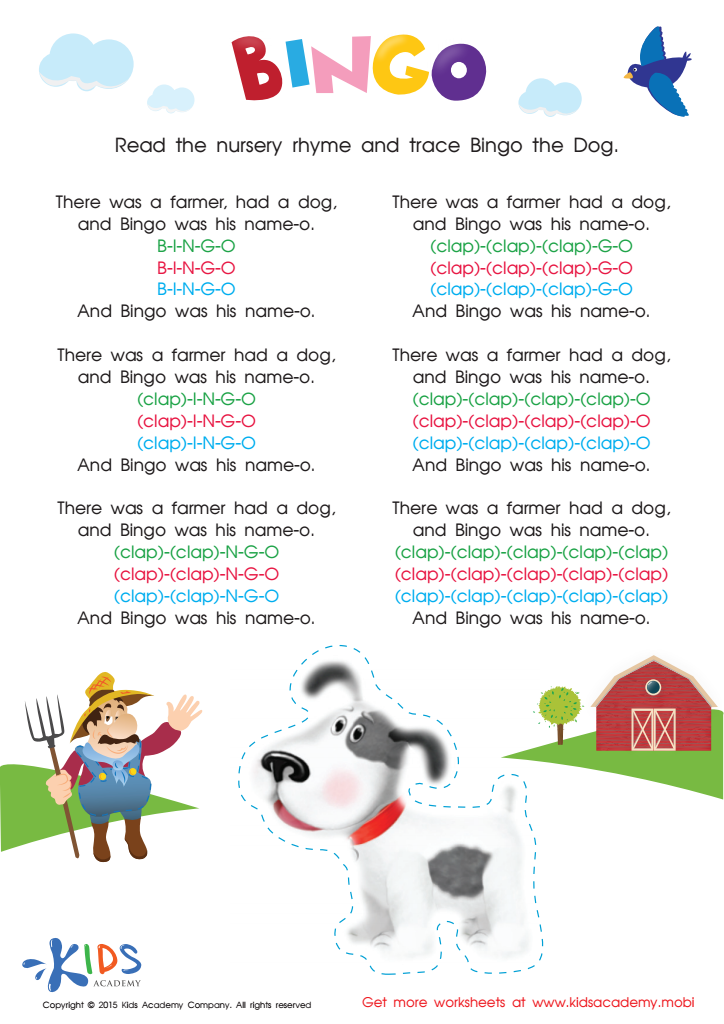
Nursery Rhymes: The Bingo Song Worksheet
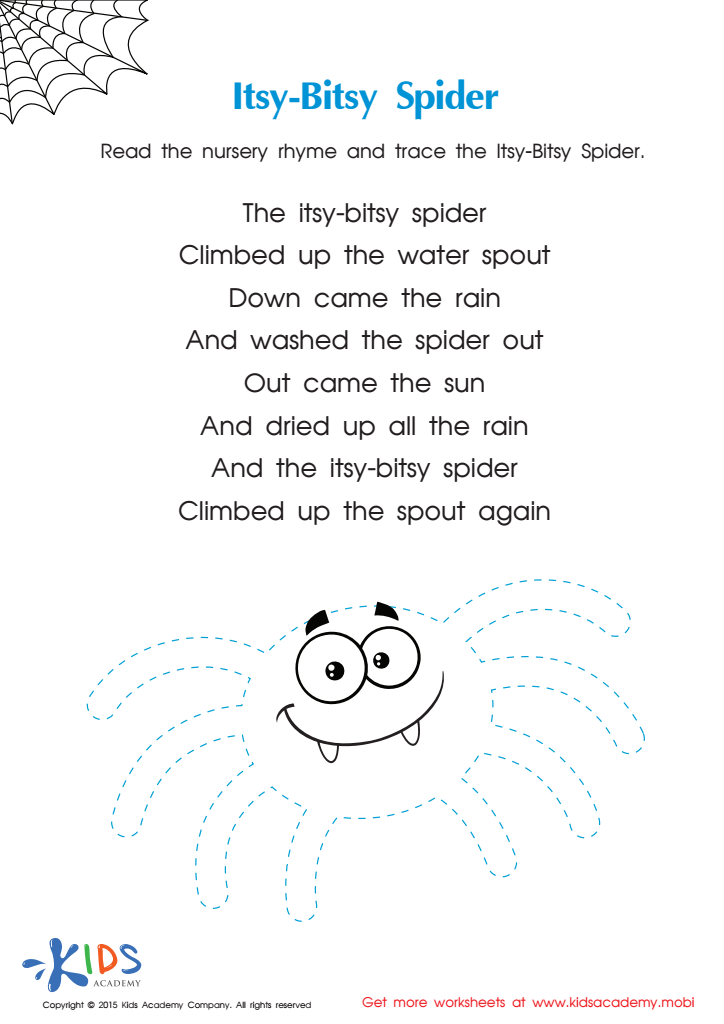
Itsy Bitsy Spider Nursery Rhyme PDF Worksheet
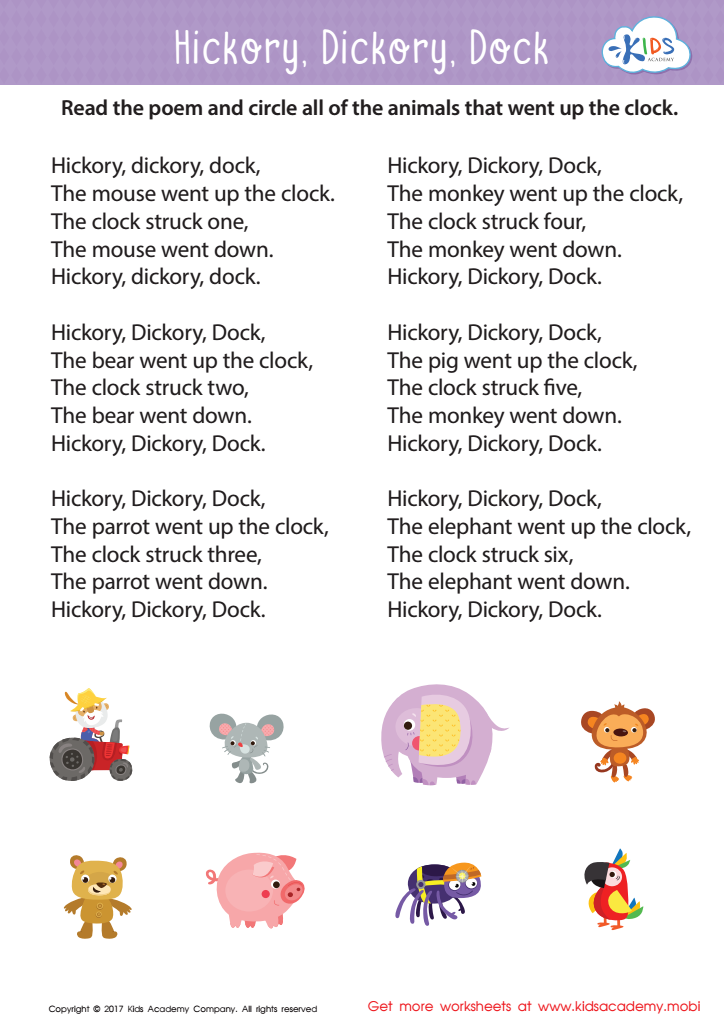
Hickory Dickory Dock Sequencing Worksheet
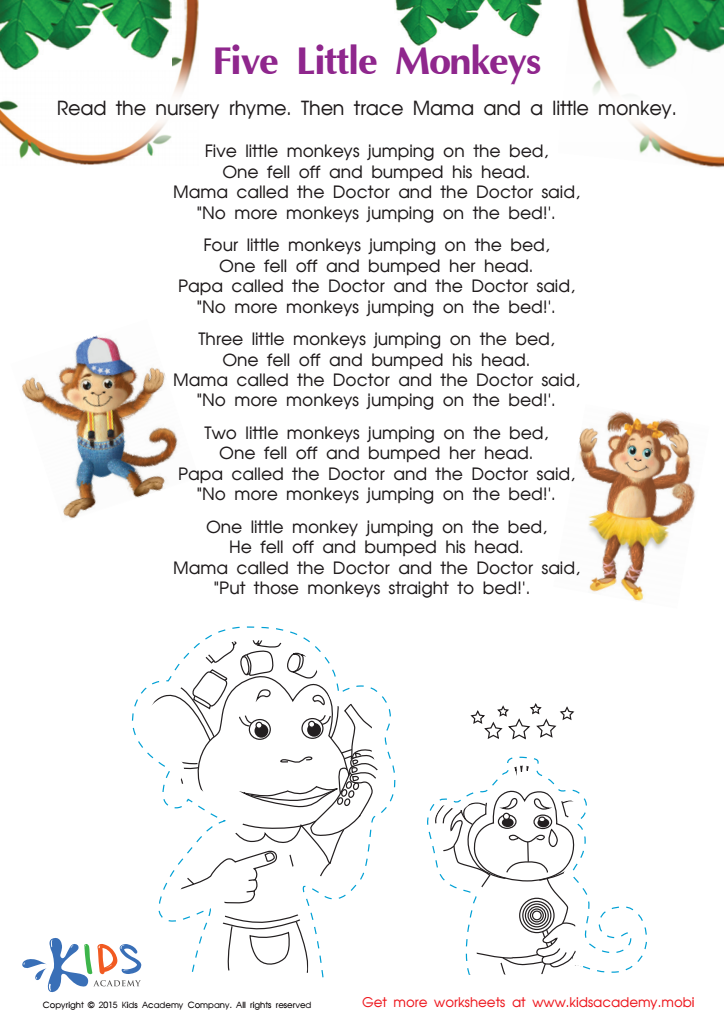
The Five Little Monkeys Nursery Rhyme Worksheet
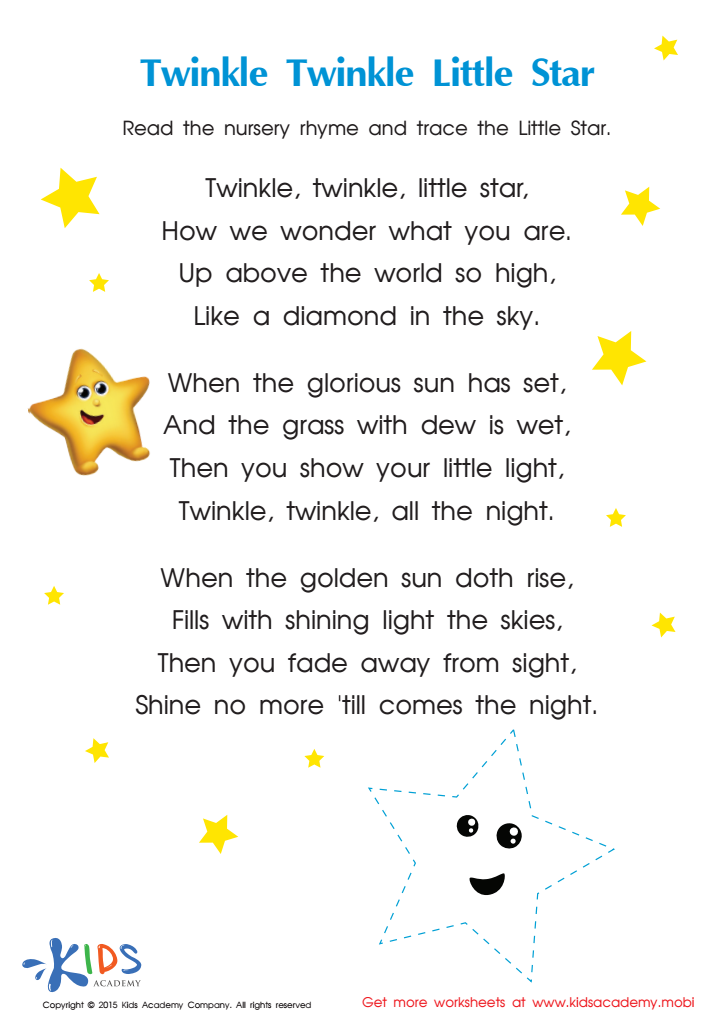
Nursery Rhymes: Twinkle Little Star Worksheet
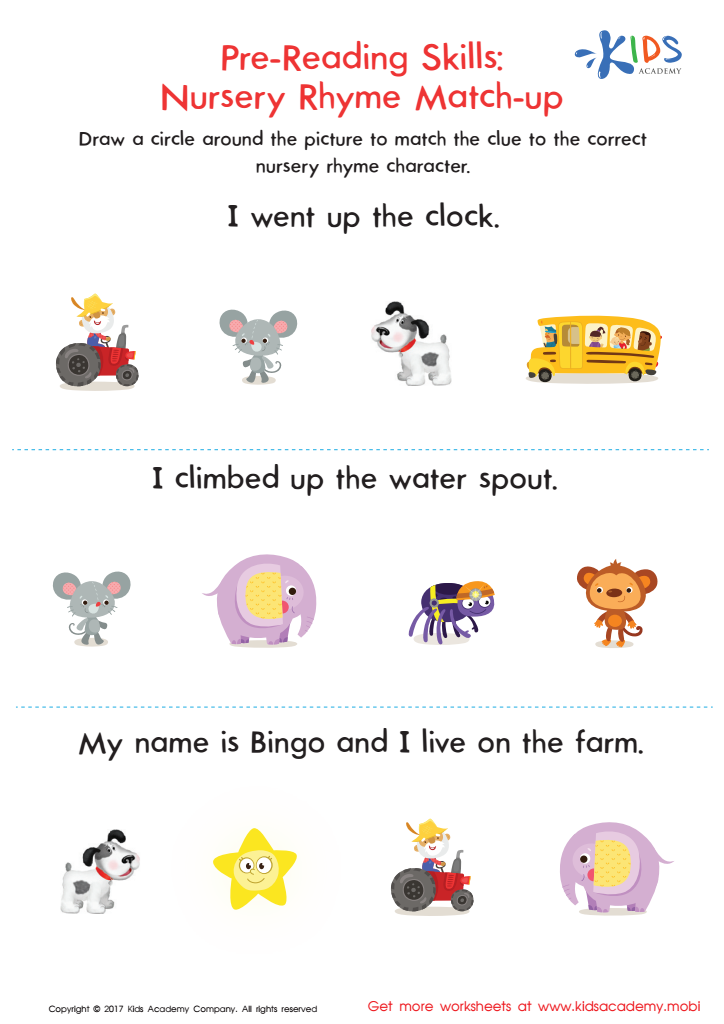
Nursery Rhyme Match–Up Worksheet








Songs for ages 3-8 play a crucial role in early childhood development, making them essential for parents and teachers to prioritize. Music is a powerful tool for learning and can enhance cognitive skills, language development, and social-emotional growth. When children sing, they practice phonetic sounds, improve their vocabulary, and develop listening skills, all of which lay the groundwork for literacy.
Moreover, songs with repetitive and catchy melodies facilitate memorization and improve attention spans, allowing young learners to engage more deeply with educational content. This age group thrives on engaging, interactive experiences, and music makes learning fun and stimulating. Incorporating songs into daily activities also fosters a sense of routine and predictability, providing comfort and security.
Beyond academics, music nurtures creativity and self-expression, supporting emotional intelligence as children learn to articulate feelings and collaborate with peers while singing or dancing. Songs that include themes of friendship, community, and diversity invite discussions about important social skills. Overall, caring about music for young children means fostering well-rounded, happy, and analytical individuals, ready to explore and navigate the world around them. By incorporating songs into their learning experiences, parents and teachers can enhance children's overall development and wellbeing.








