Animals Worksheets for Ages 3-8
66 filtered results
-
From - To
Discover the joy of learning with our "Animals Worksheets for Ages 3-8." Perfectly tailored for curious minds, these engaging worksheets introduce young learners to the fascinating world of animals. With activities focusing on animal names, habitats, sounds, and characteristics, kids will develop their cognitive and motor skills while enhancing their knowledge and love for science. Our worksheets are designed to be both educational and fun, ensuring that children stay motivated and excited about learning. Ideal for home or classroom use, these printable resources support guided and independent learning. Explore the animal kingdom with us today!
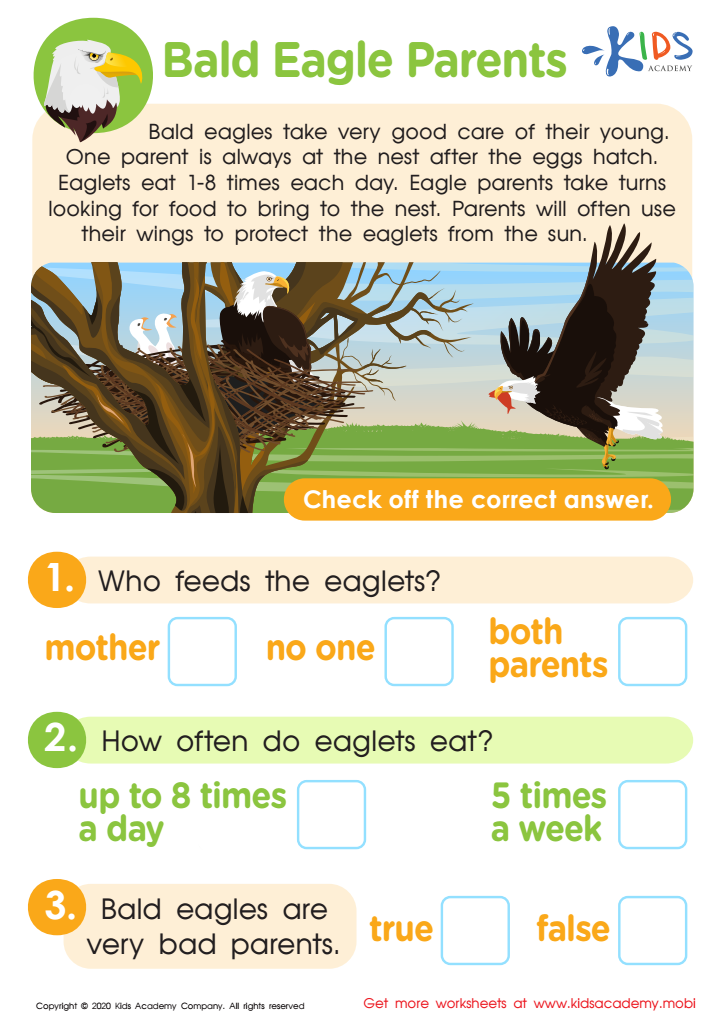
Bald Eagle Parents Worksheet
 Assign to My Students
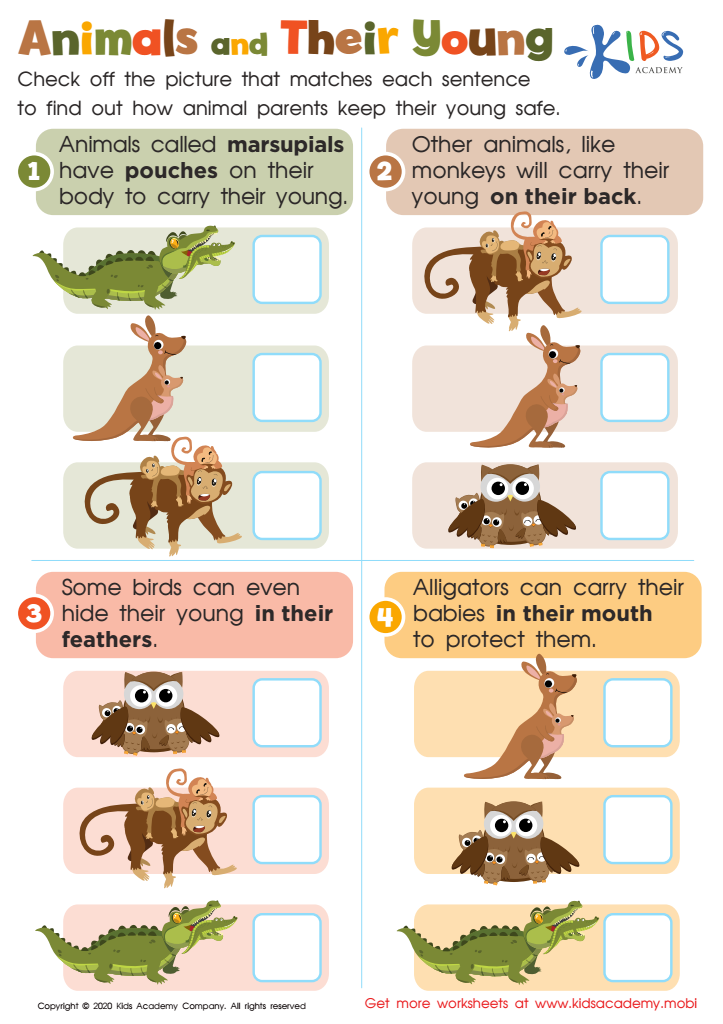
Animals and Their Young Worksheet
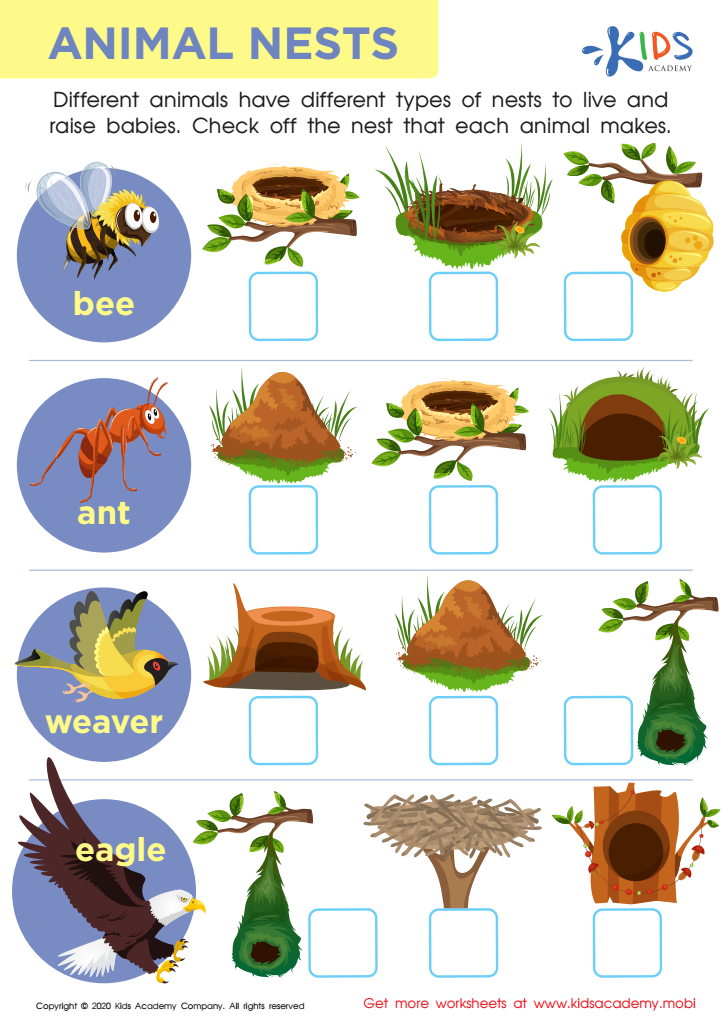
Animal Nests Worksheet
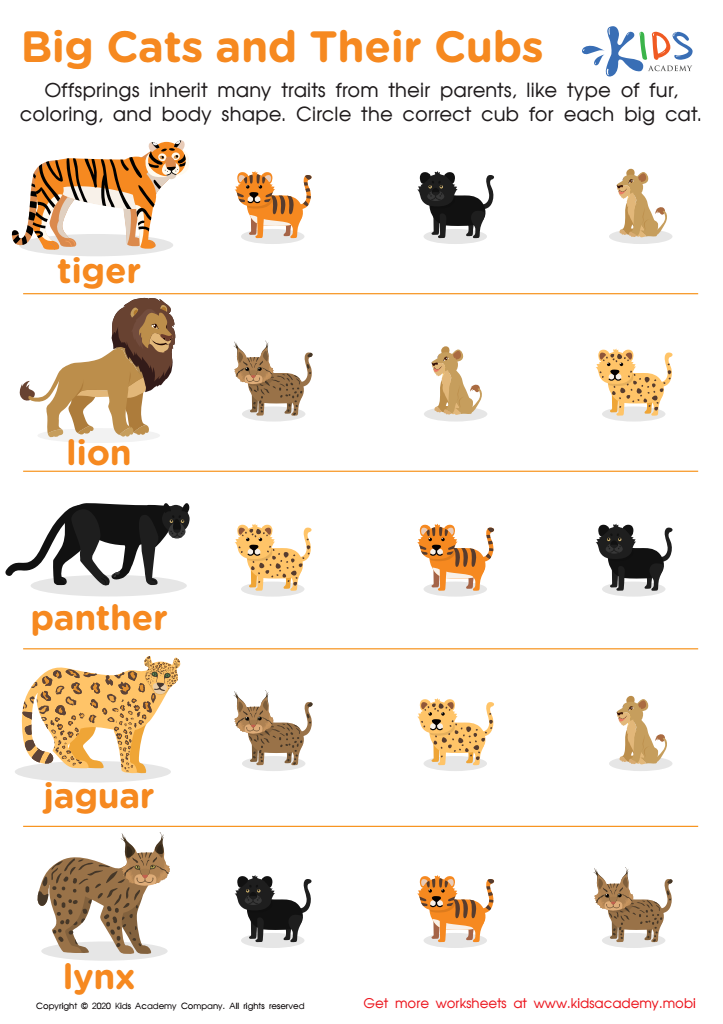
Big Cats and Their Cubs Worksheet
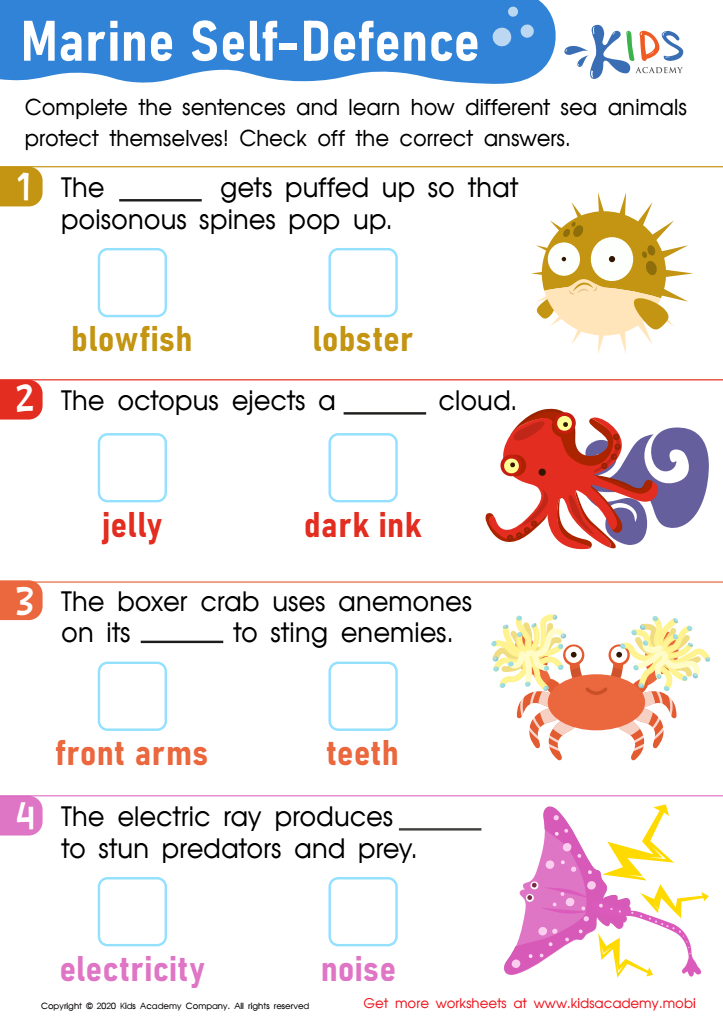
Marine Self-Defence Worksheet
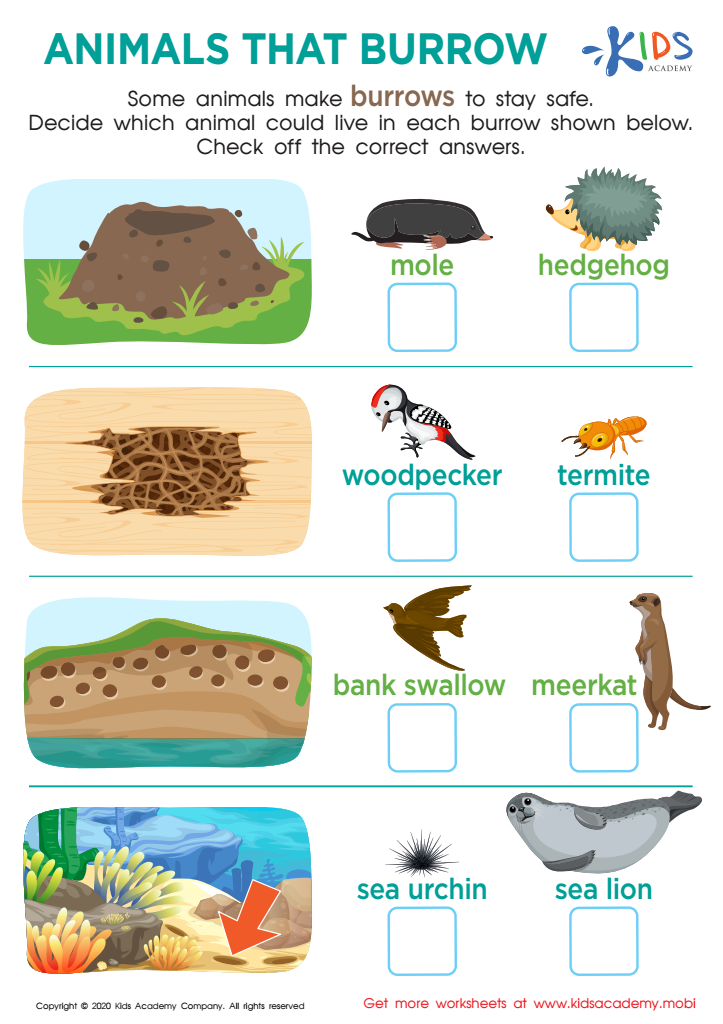
Animals That Burrow Worksheet
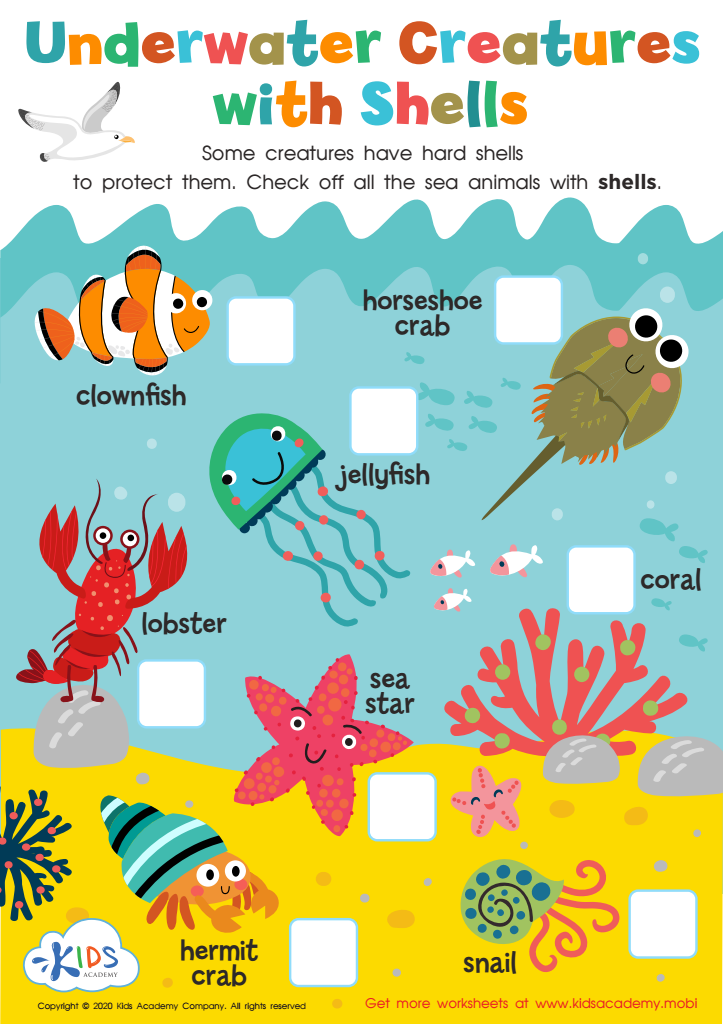
Underwater Creatures with Shells Worksheet
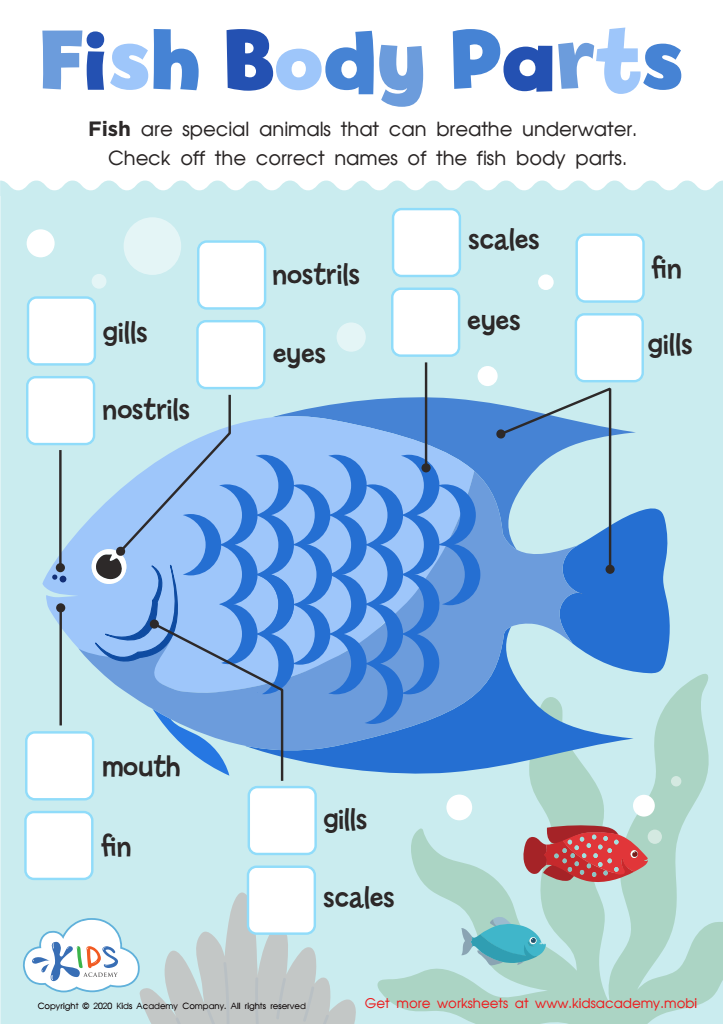
Fish Body Parts Worksheet
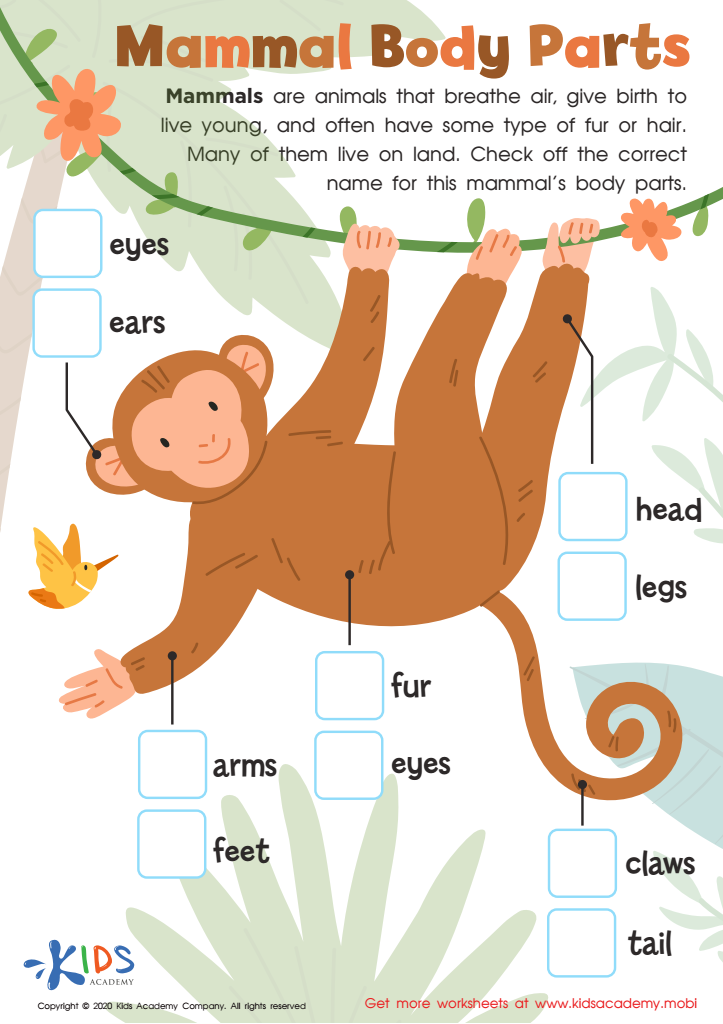
Mammal Body Parts Worksheet
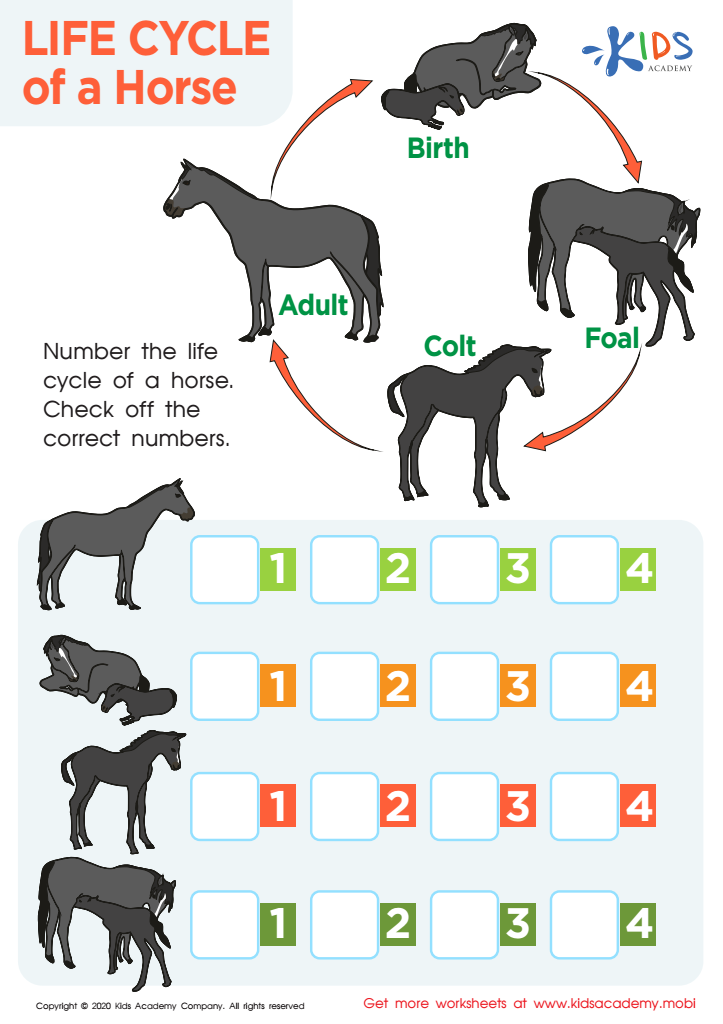
Life Cycle of a Horse Worksheet
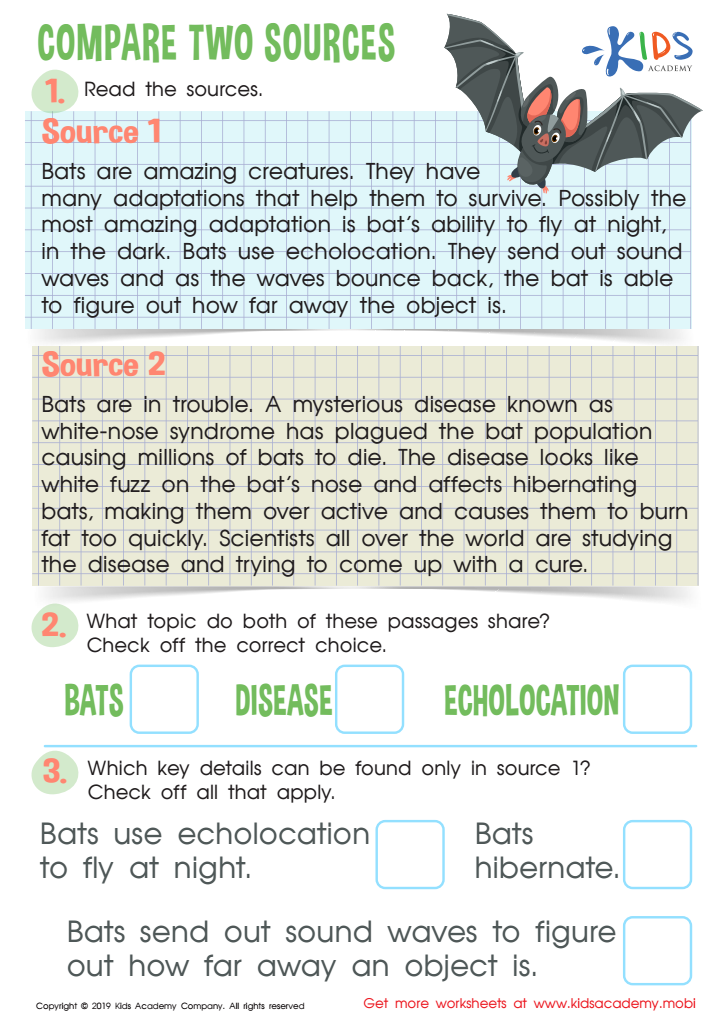
Compare Two Sources Worksheet
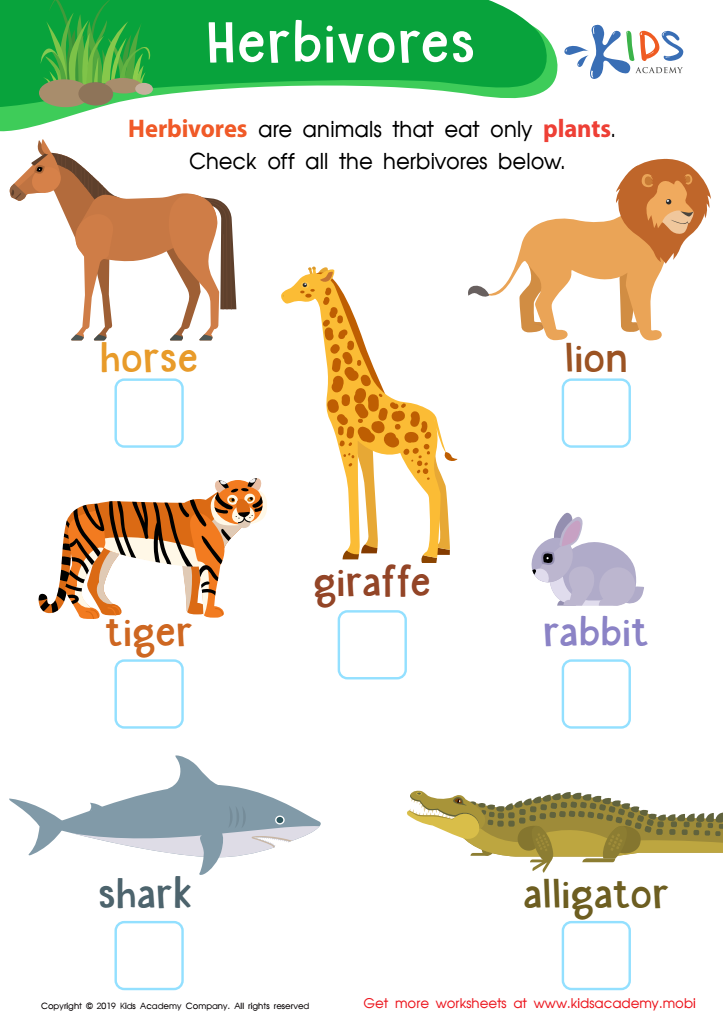
Herbivores Worksheet
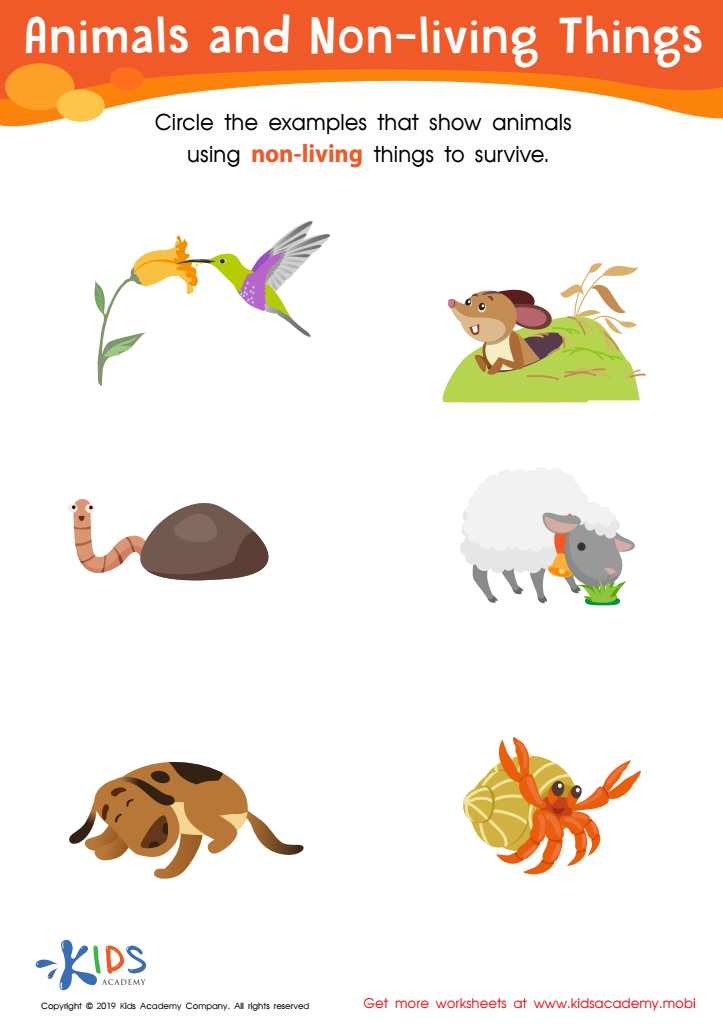
Animals and Non-Living Things Worksheet
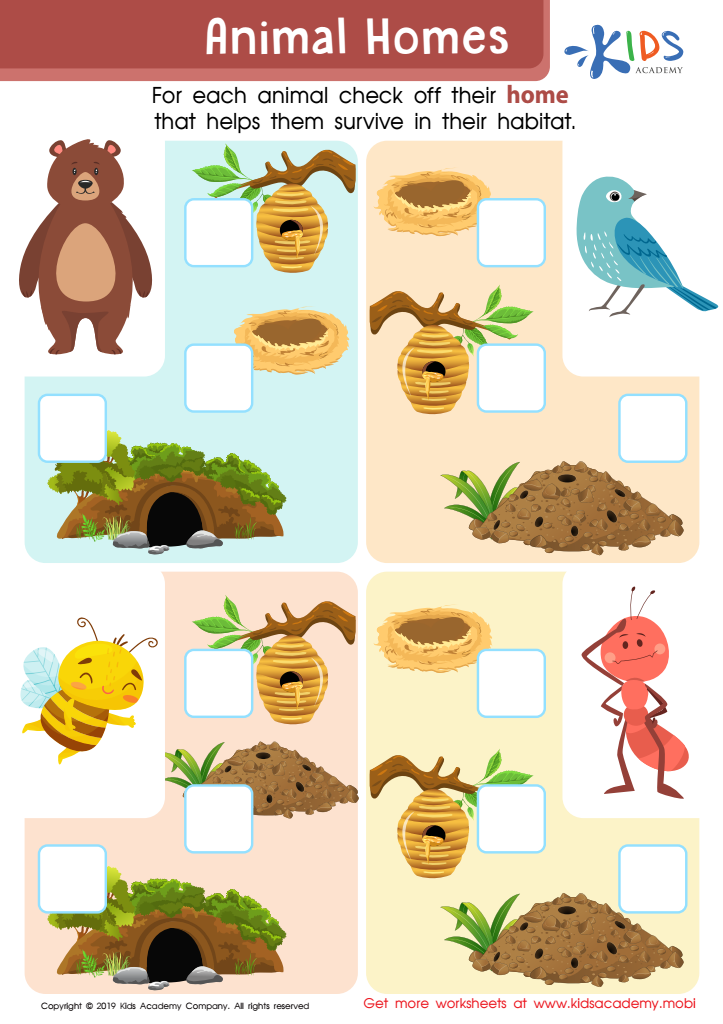
Animal Homes Worksheet
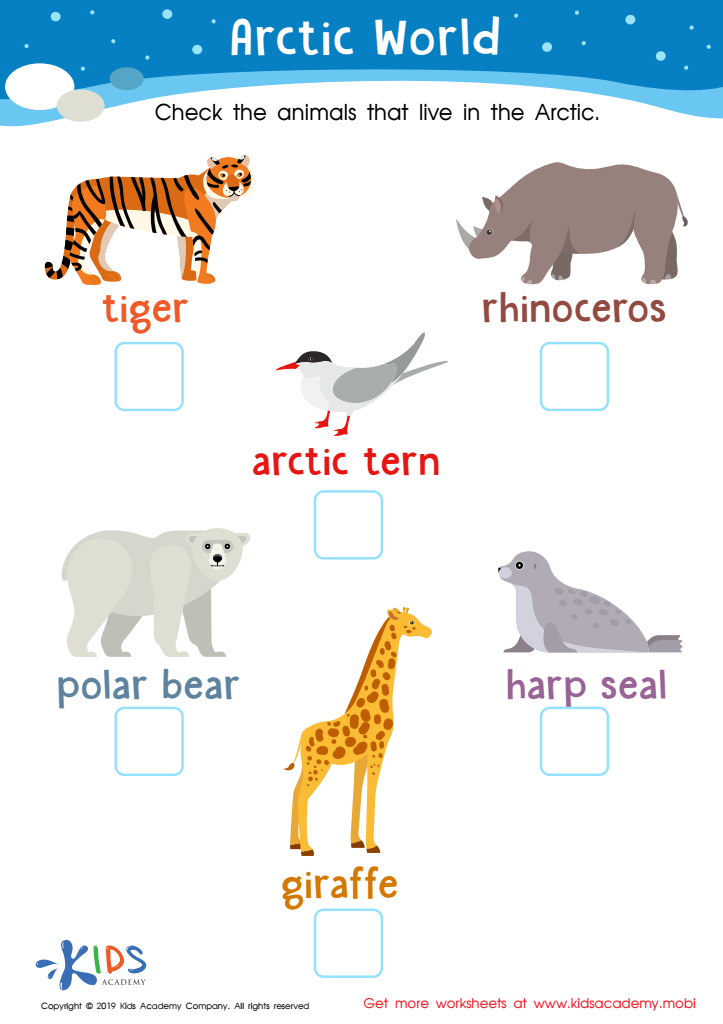
Arctic World Worksheet
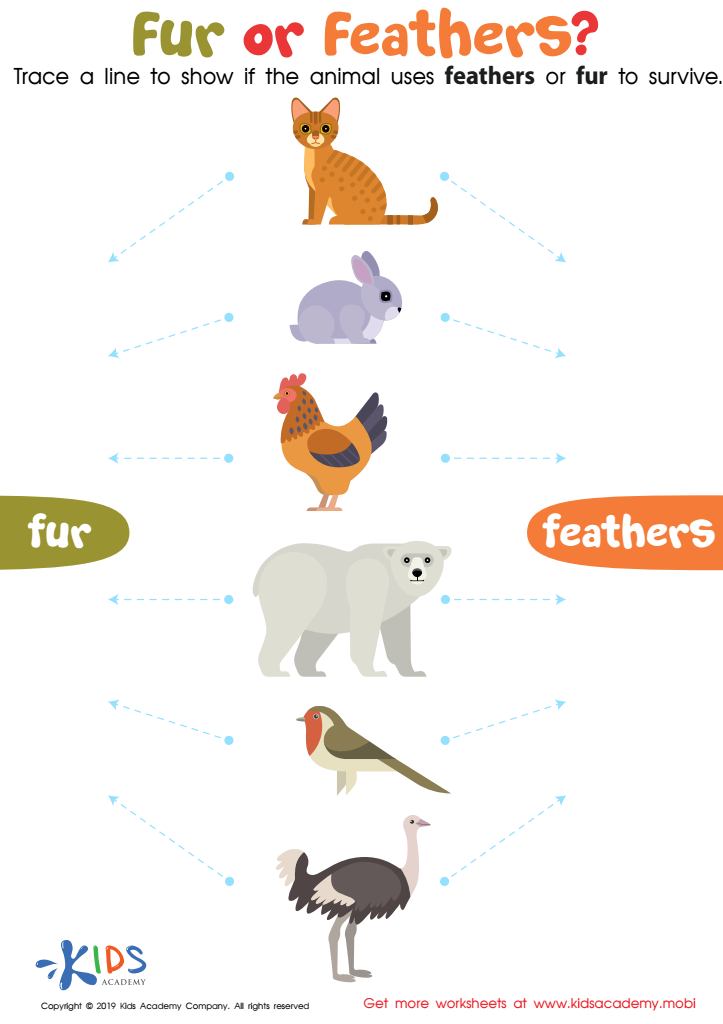
Fur or Feathers? Worksheet
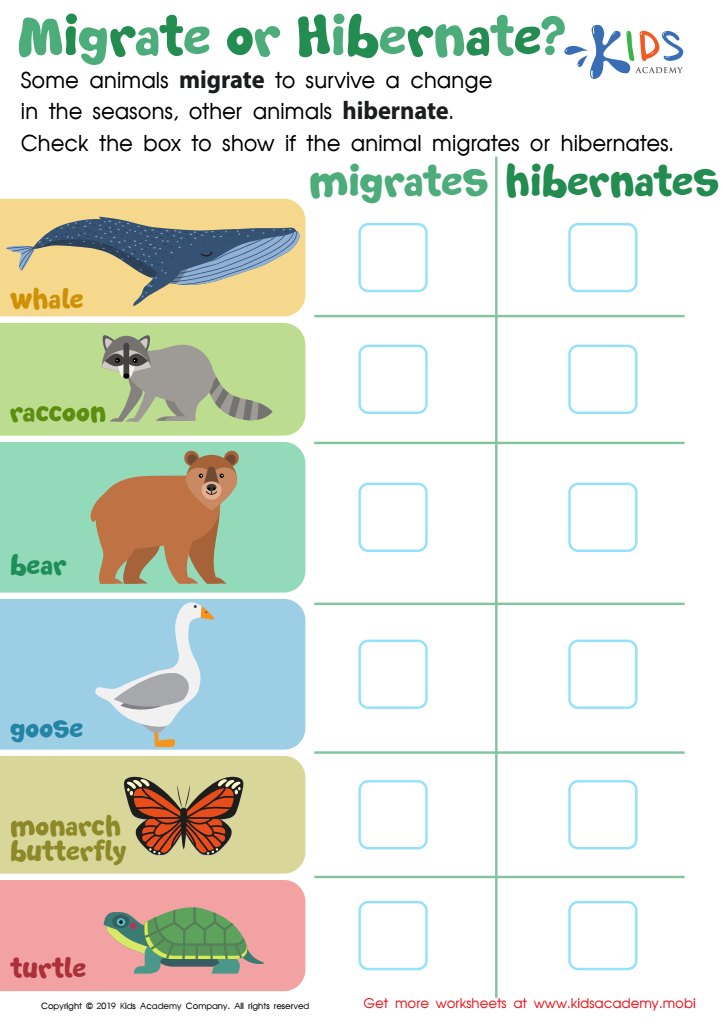
Migrate or Hibernate? Worksheet
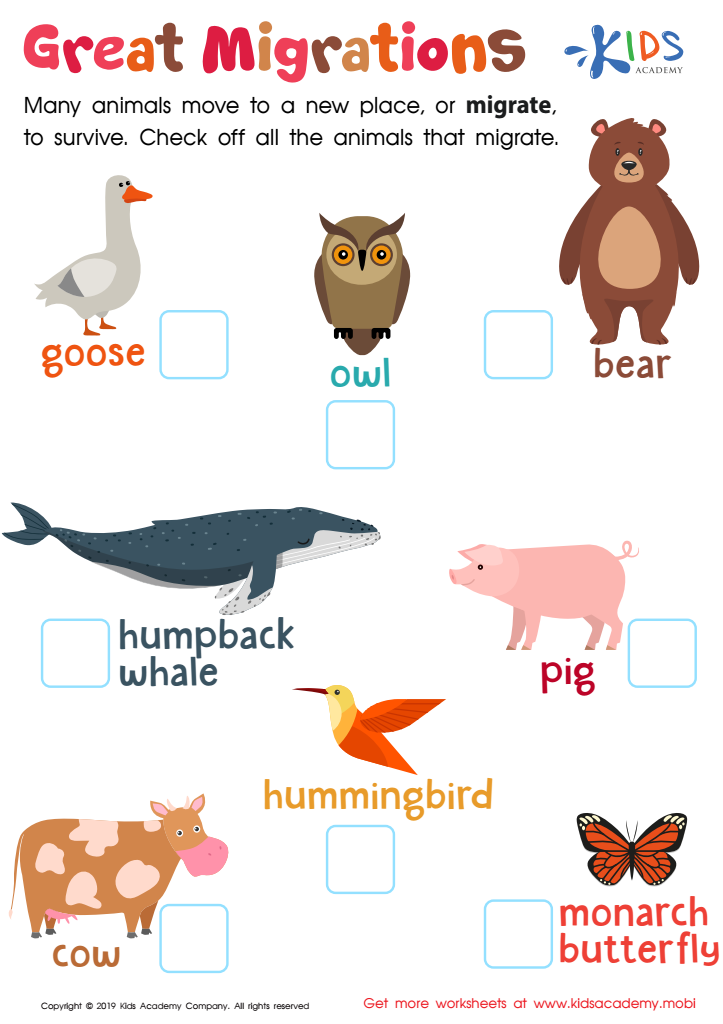
Great Migrations Worksheet
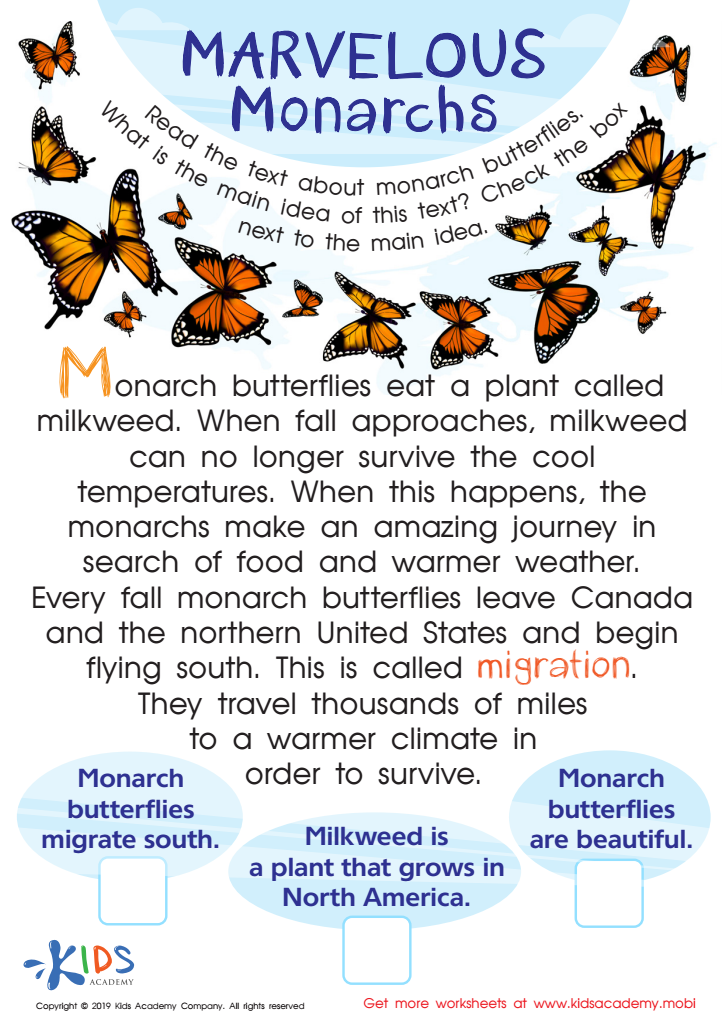
Marvelous Monarchs Worksheet
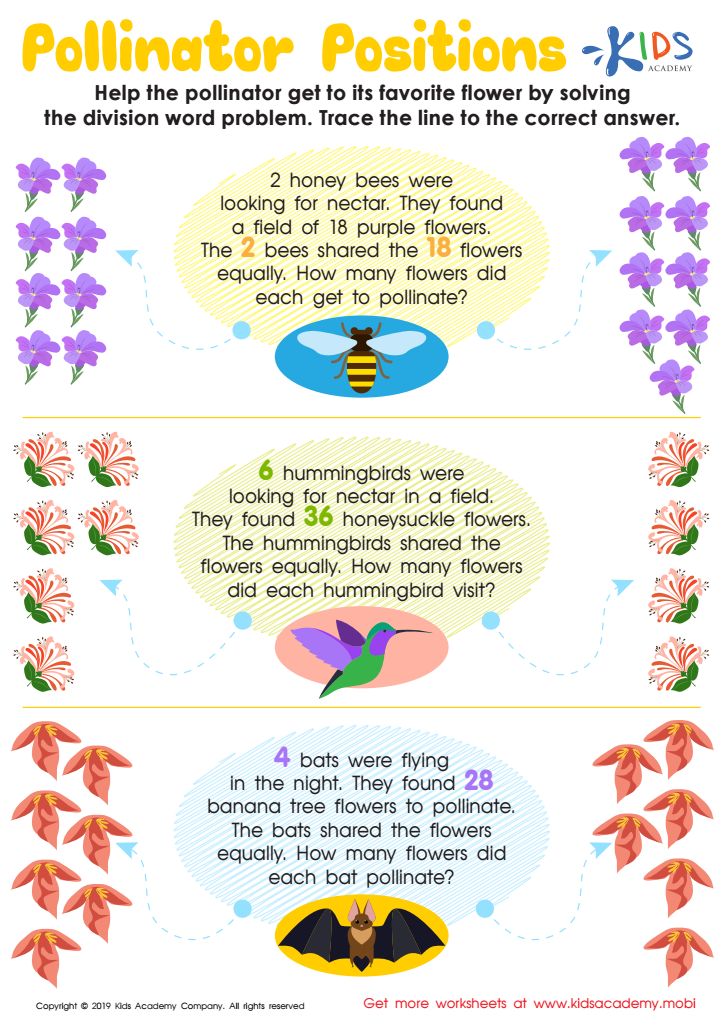
Pollinator Positions Worksheet
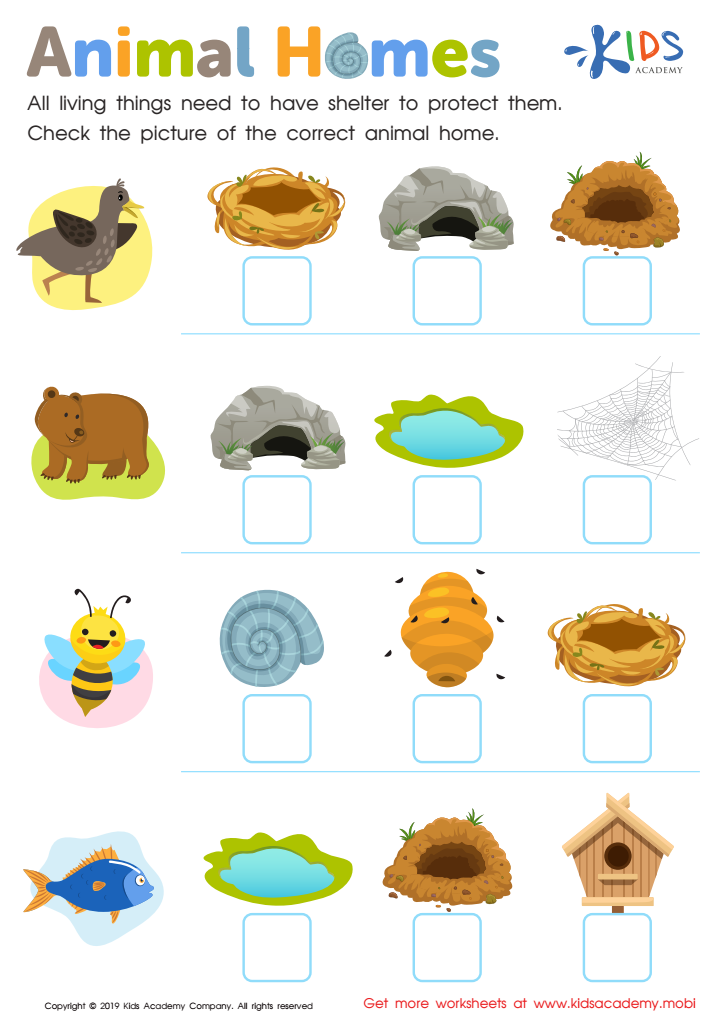
Animal Homes Worksheet
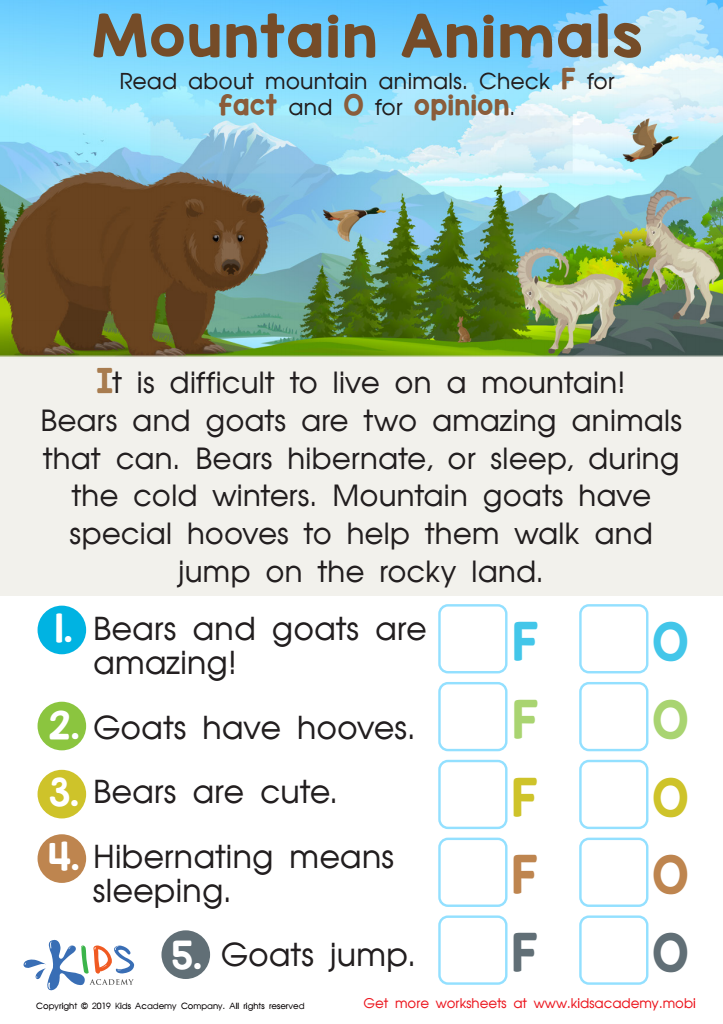
Mountain Animals Worksheet
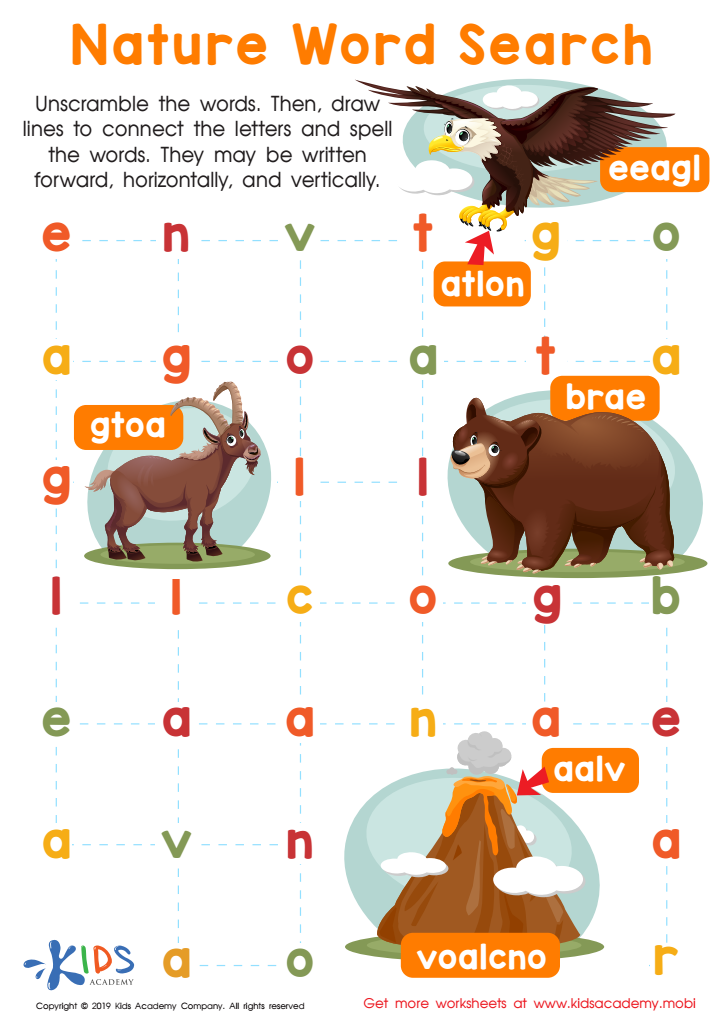
Nature Word Search Worksheet
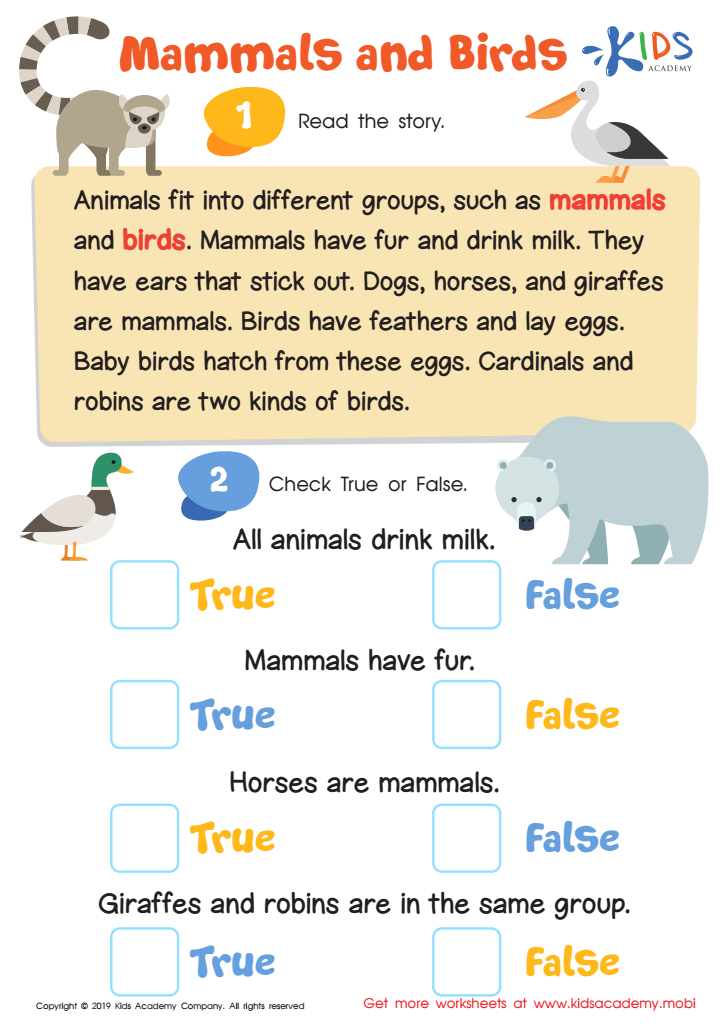
Mammals and Birds Worksheet








Teaching children about animals is valuable for their development in numerous ways. At ages 3-8, kids are naturally curious and eager to learn about the world around them. Animals captivate their interest and imagination, offering a perfect gateway for multifaceted learning experiences.
Firstly, understanding animals enhances children's empathy and compassion. When kids learn about different species, their habitats, and how animals live, they develop a sense of respect and kindness toward living creatures. This emotional growth translates into better social skills and more considerate behaviors towards people.
Secondly, learning about animals strengthens cognitive skills. Children who study various animal characteristics improve their observation, comparison, and classification abilities. These cognitive building blocks are fundamental for scientific inquiry and critical thinking, skills crucial for academic success in later years.
Furthermore, knowledge about animals can spark a lifelong interest in sciences, encouraging children to explore biology, ecology, and other related fields. Introductions to concepts like food chains, ecosystems, and biodiversity lay the groundwork for more advanced science education.
Lastly, children learn responsibility and care by understanding the needs of pets or even backyard wildlife. Activities such as feeding birds or taking care of a pet contribute to developing routine-building skills and accountability.
In essence, teaching kids about animals nurtures empathy, cognitive development, scientific interest, and responsibility, essential qualities for well-rounded growth.








