History Worksheets for Ages 3-8 - Page 4
88 filtered results
-
From - To
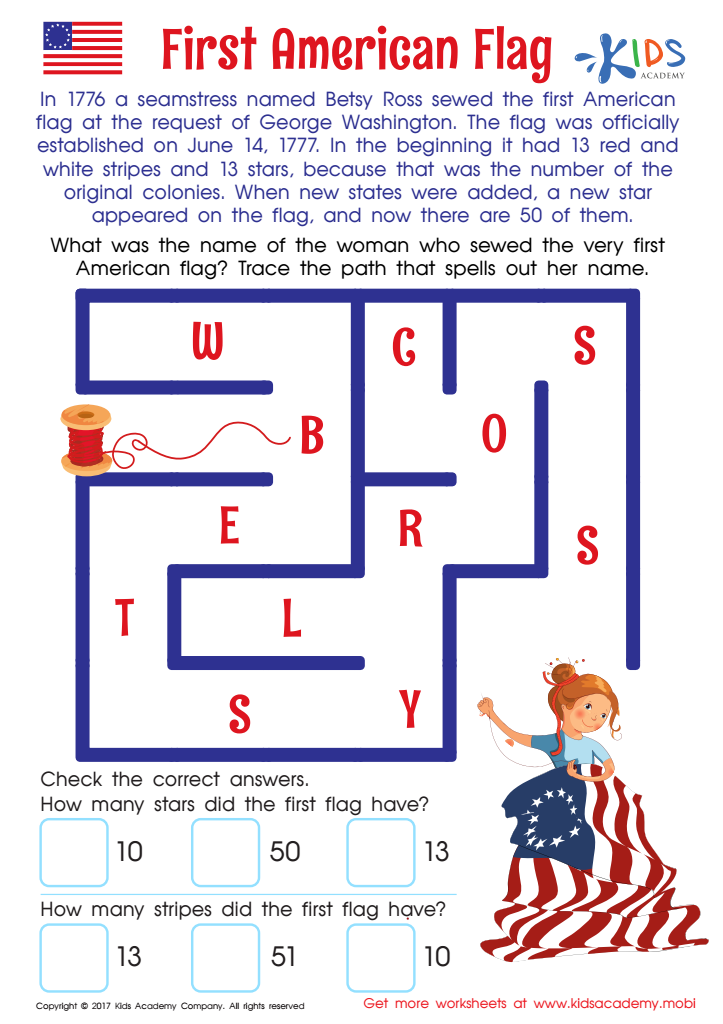
First American Flag Worksheet
 Assign to My Students
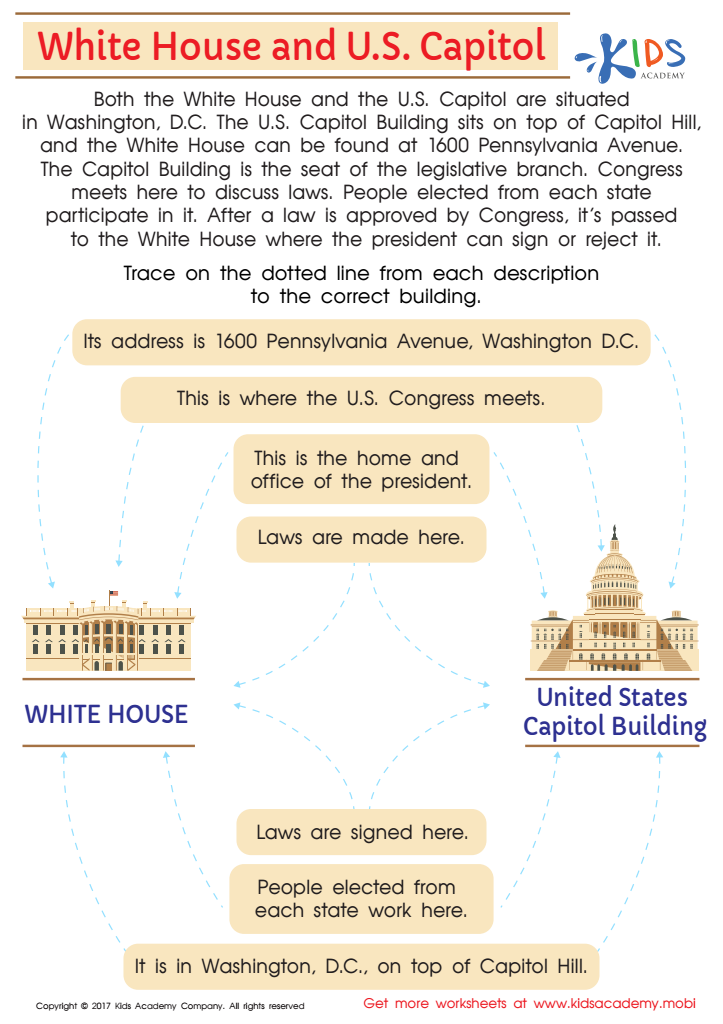
White House and US Capitol Worksheet
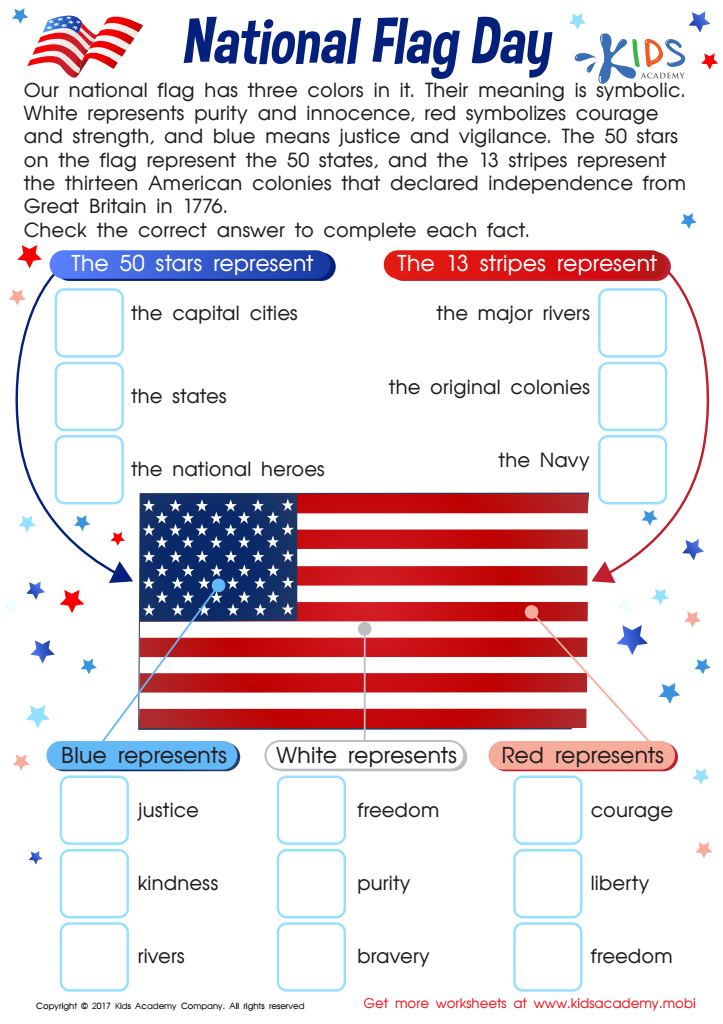
US National Flag Day Worksheet
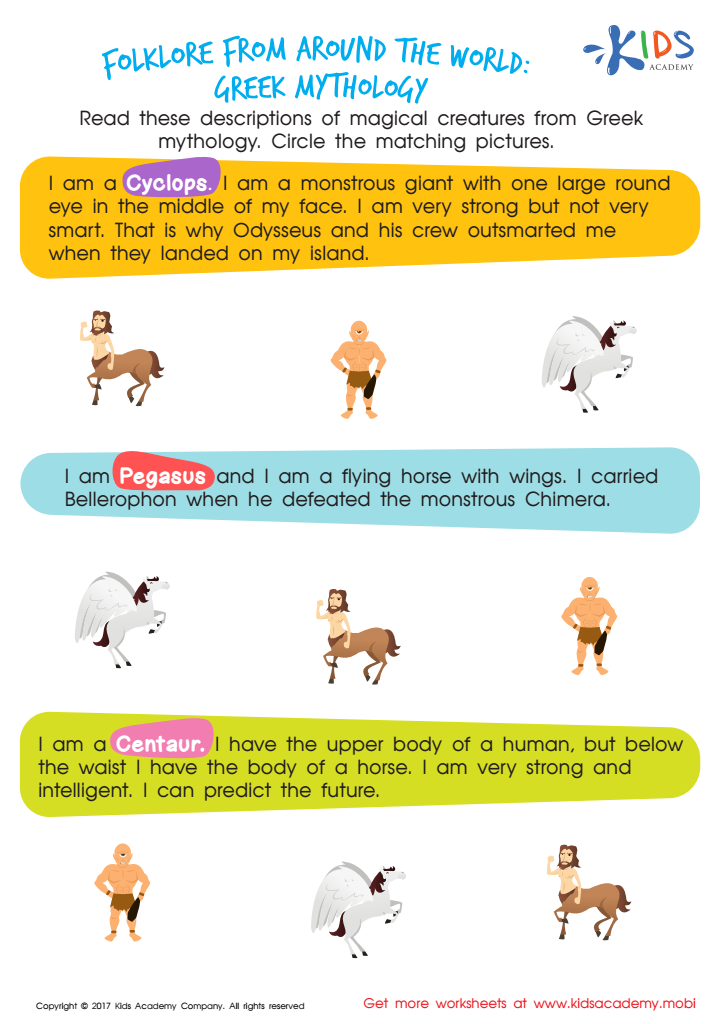
Greek Mythology Worksheet
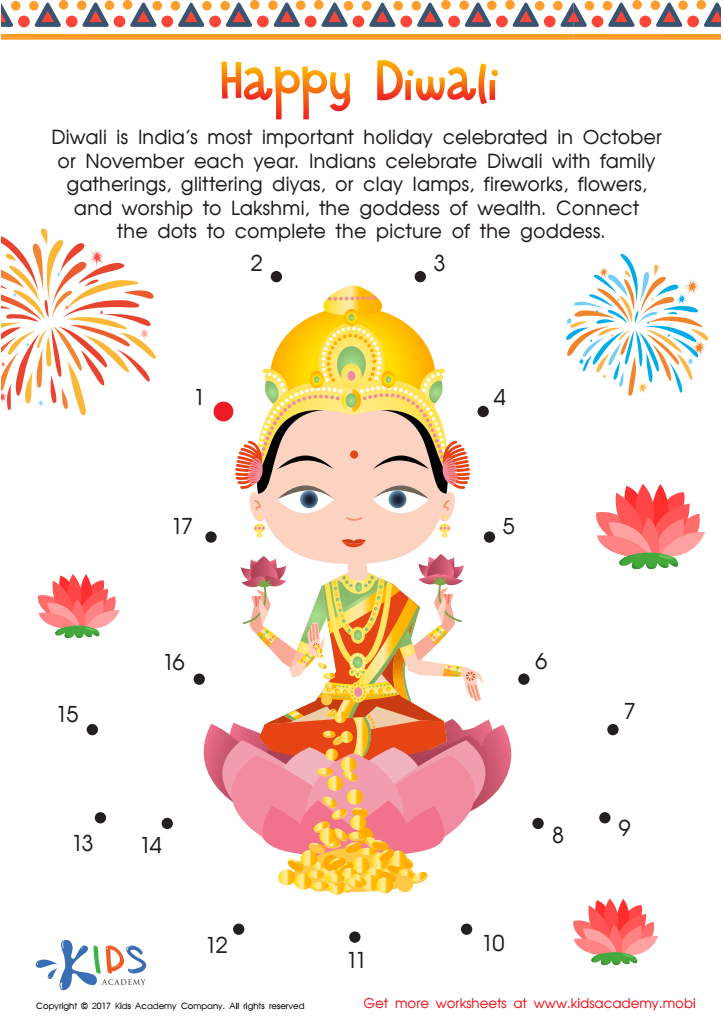
Happy Diwali Printable
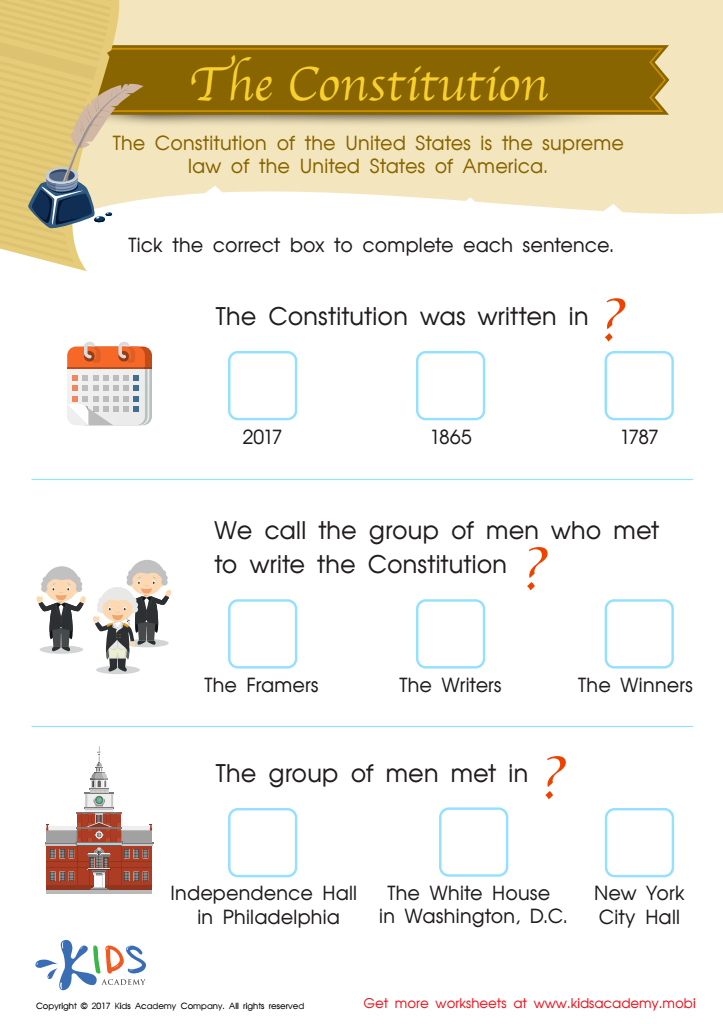
The Constitution Worksheet
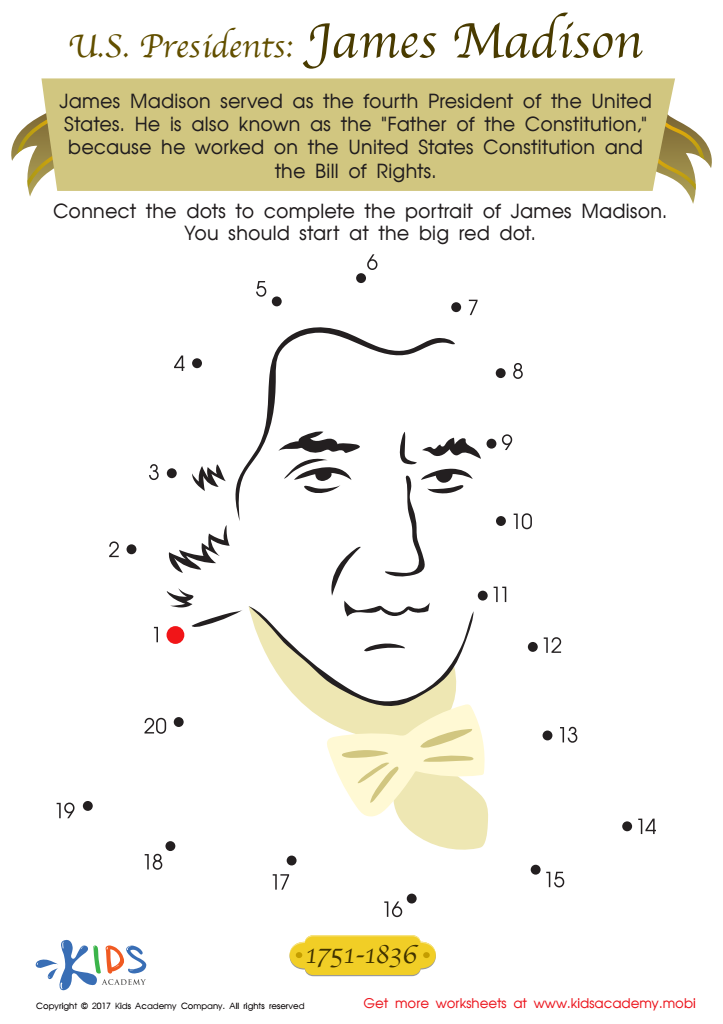
President Madison Printable
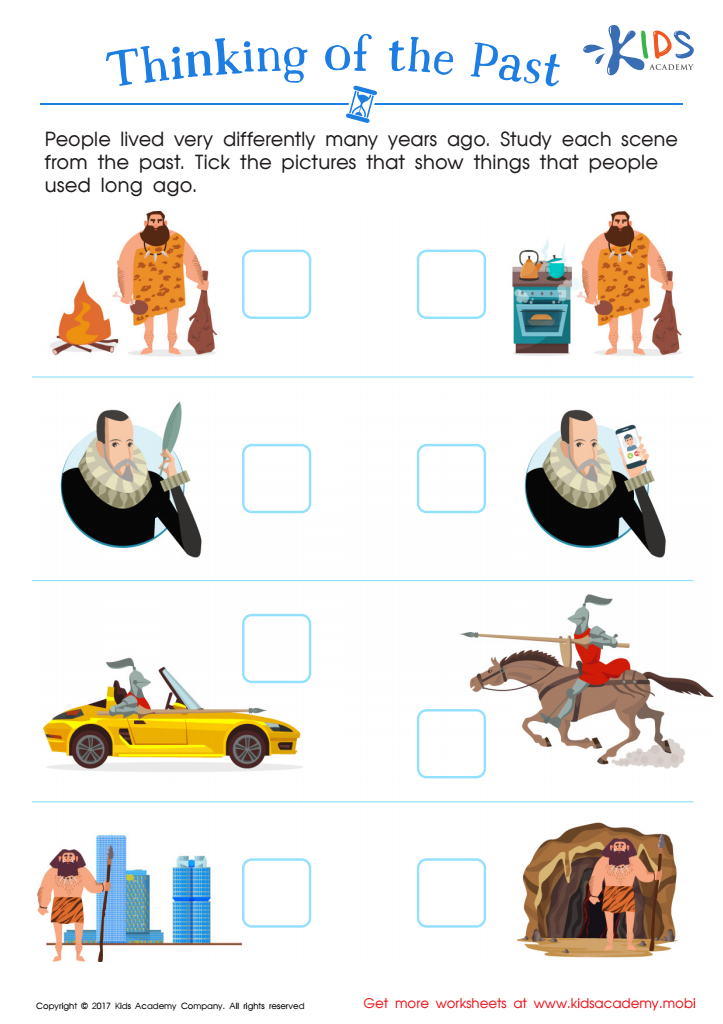
Thinking Past Printable
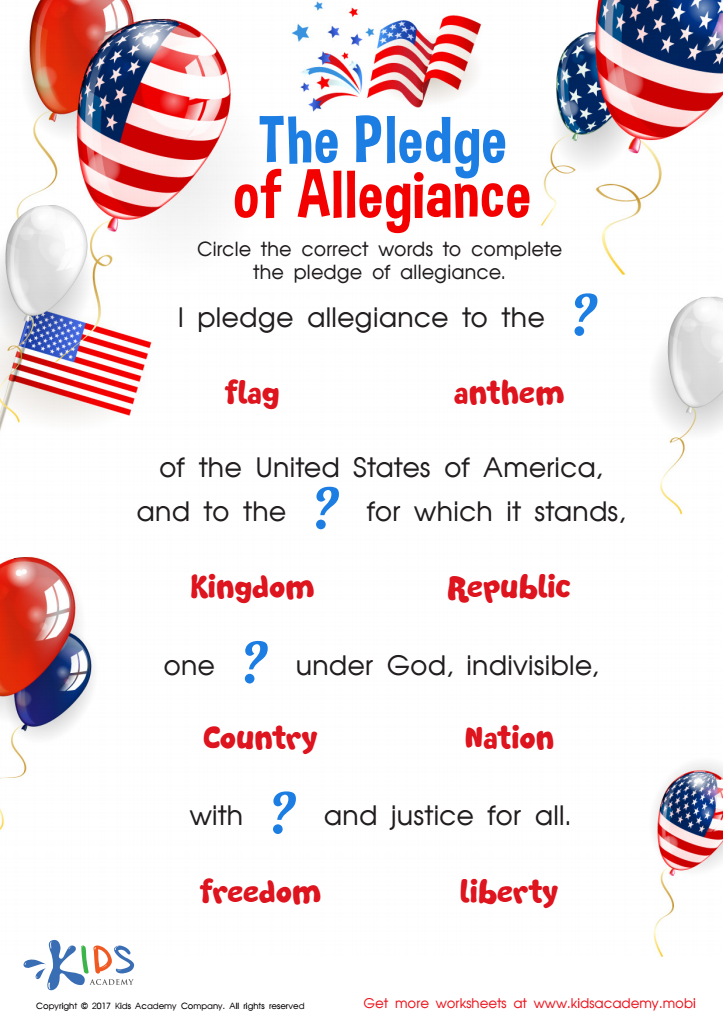
The Pledge of Allegiance Worksheet
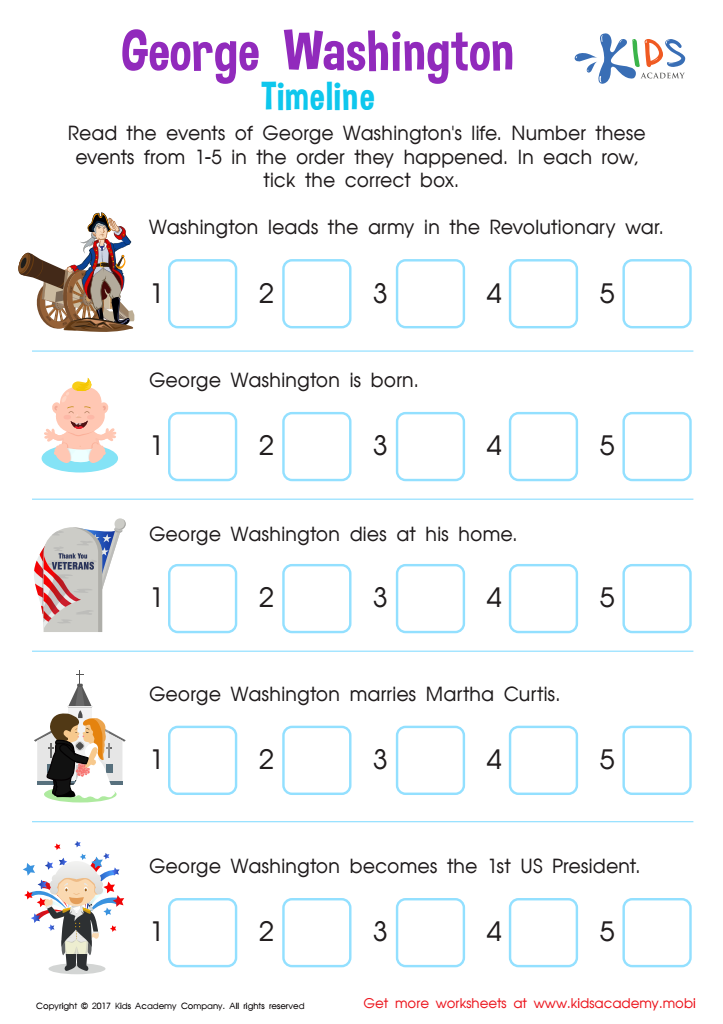
George Washington Timeline Worksheet
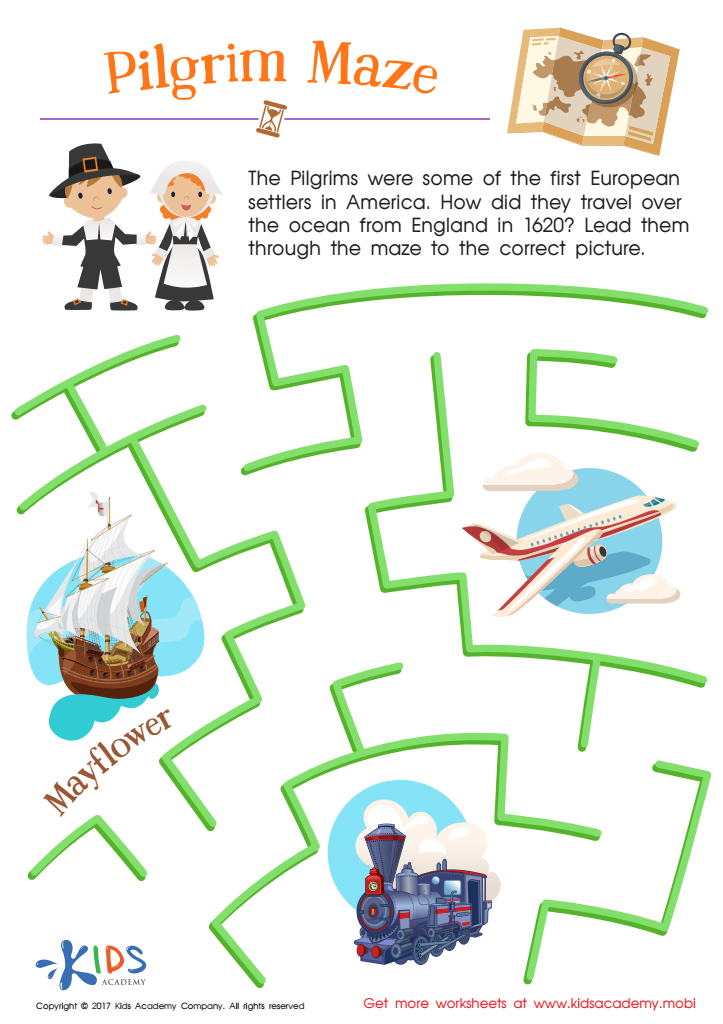
Pilgrim Maze Worksheet
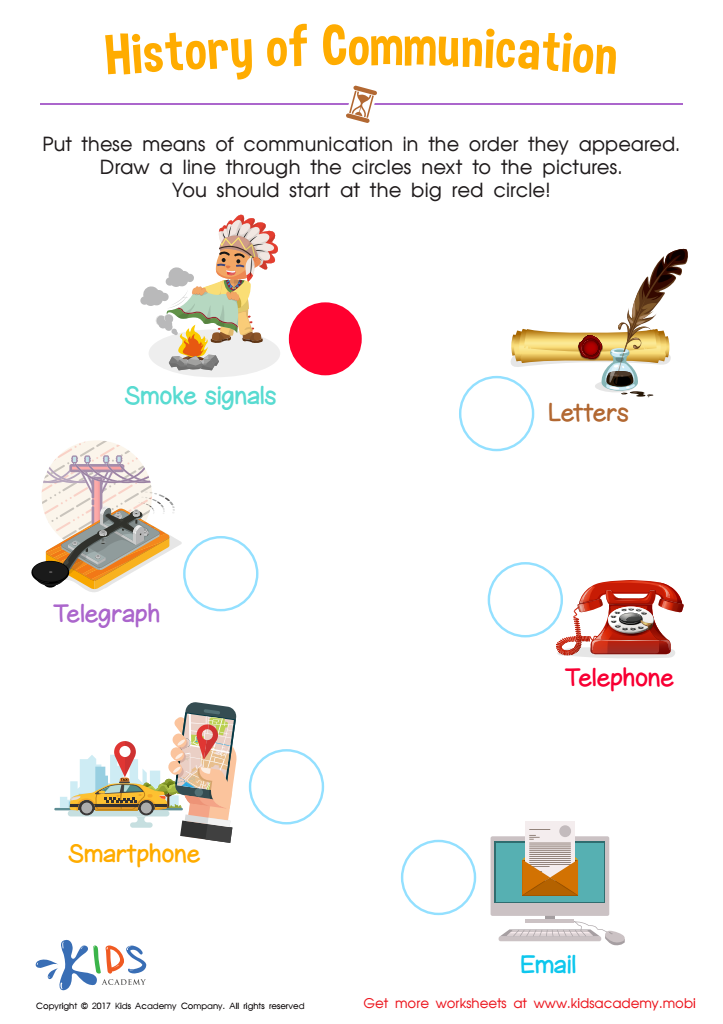
History of Communication Worksheet
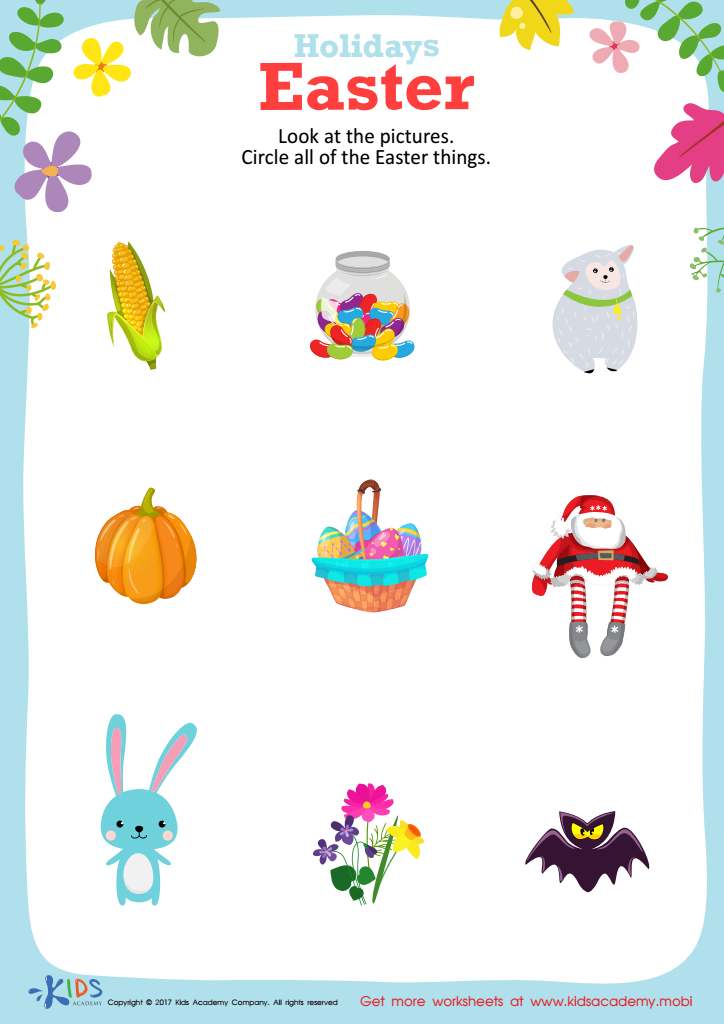
Easter Holiday Printable
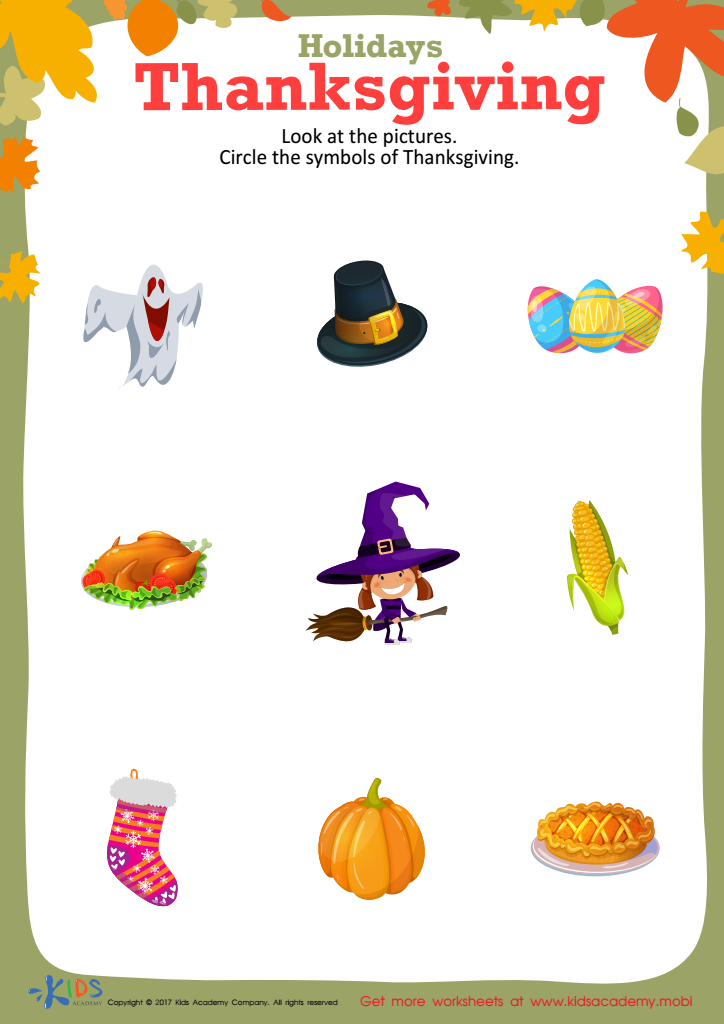
Thanksgiving Holiday Printable
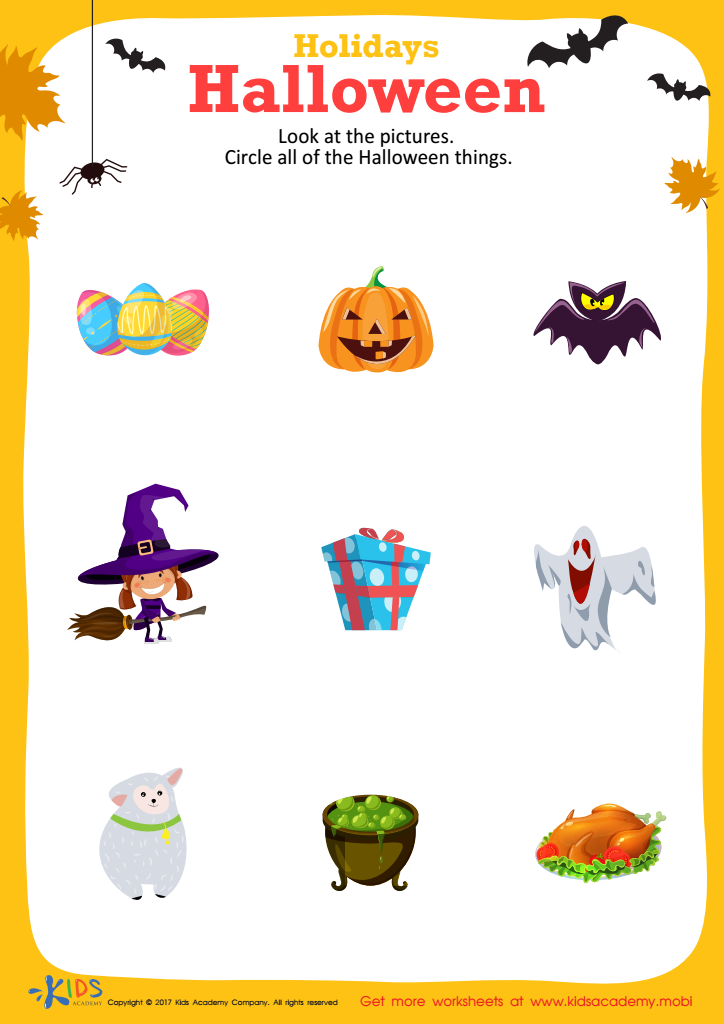
Halloween Holiday Worksheet
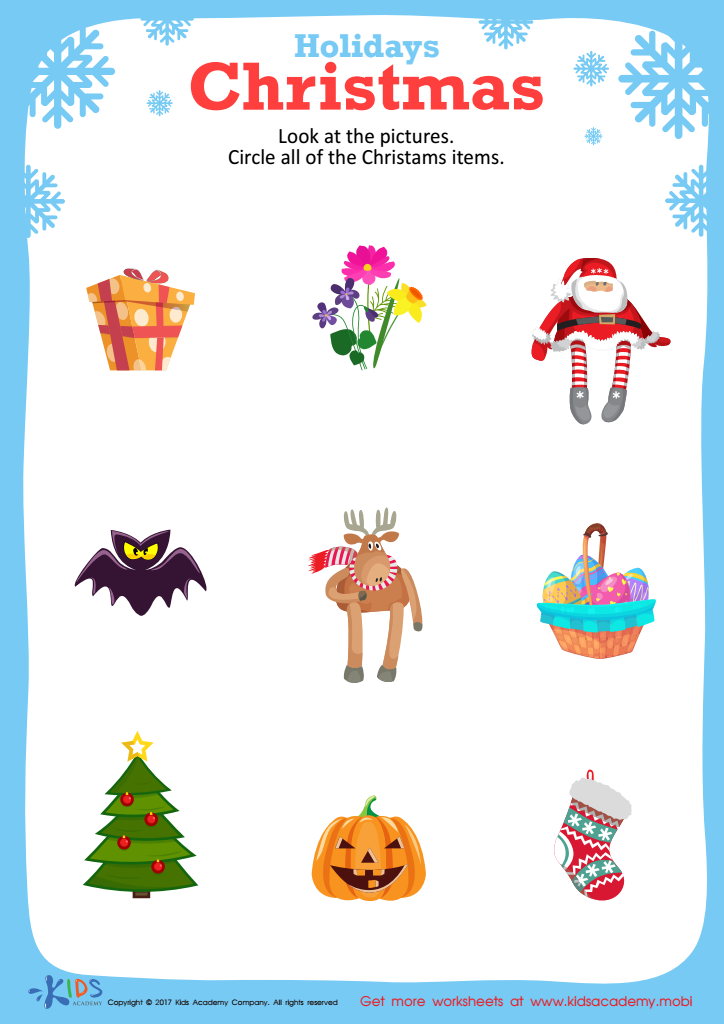
Christmas Holiday Worksheet






.jpg)

Parents and teachers should care about history for children ages 3-8 because it lays a foundational understanding of the world and fosters critical thinking skills early on. At this age, children are naturally curious about their surroundings, and introducing them to history can nurture that curiosity. Learning about the past helps children develop a sense of identity and belonging, as they come to understand their own heritage and the diverse cultures that shape society.
Moreover, exploring historical narratives enhances language skills and sparks imagination, as children engage with stories of different people, places, and events. This engagement can lead to a greater appreciation for art, music, and traditions that have emerged over time.
Introducing age-appropriate historical concepts also fosters empathy and social awareness. By learning about the struggles and triumphs of others, children can develop compassion and respect for differences among people. Additionally, understanding cause-and-effect relationships in history helps them to think critically about their own decisions and the impact they may have on their community.
Ultimately, integrating history into early education not only enriches children's learning experiences but also equips them with the foundational skills needed to navigate a complex, interconnected world.