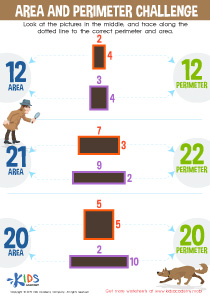
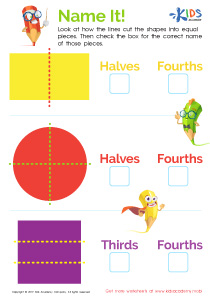
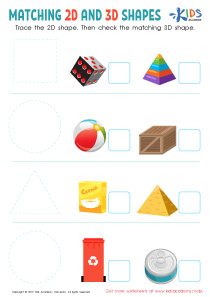
2D Shapes Worksheets for Ages 3-9
75 filtered results
Difficulty Level
Grade
Age
-
From - To
Subject
Activity
Standards
Discover a fun and engaging way to teach 2D shapes with our comprehensive worksheets designed for children aged 3 to 9! Our printable resources make learning about circles, squares, triangles, and rectangles enjoyable through interactive activities and colorful illustrations. These worksheets cater to various skill levels, ensuring that every child can grasp the concept of shapes while developing their fine motor skills. Ideal for both classroom and home use, they promote creativity and critical thinking in young learners. Explore our collection today and watch your child's understanding of 2D shapes grow while having a blast!
Favorites
With answer key
Interactive
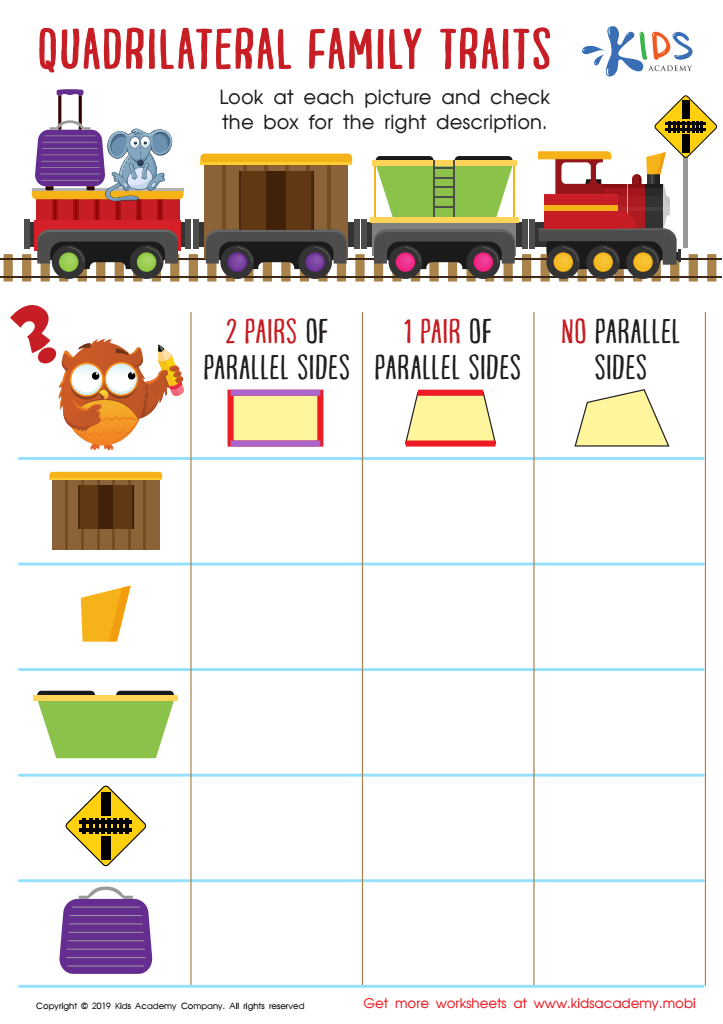
Quadrilateral Family Traits Worksheet
Review with your students what a quadrilateral is: four sides and angles. Now, go through the worksheet with them. Look at the pictures and help them check the boxes to identify the shapes.
 Assign to My Students
Quadrilateral Family Traits Worksheet
Worksheet


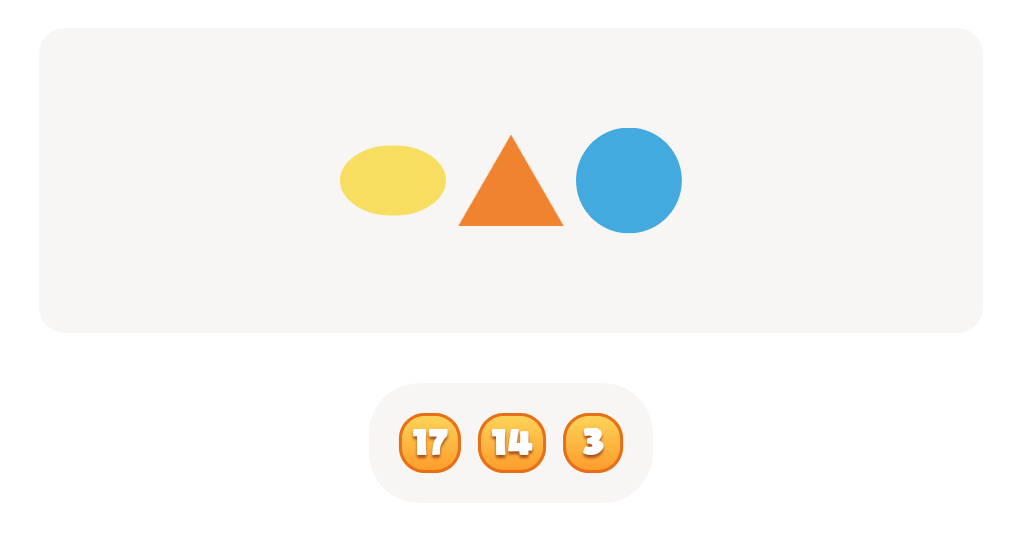
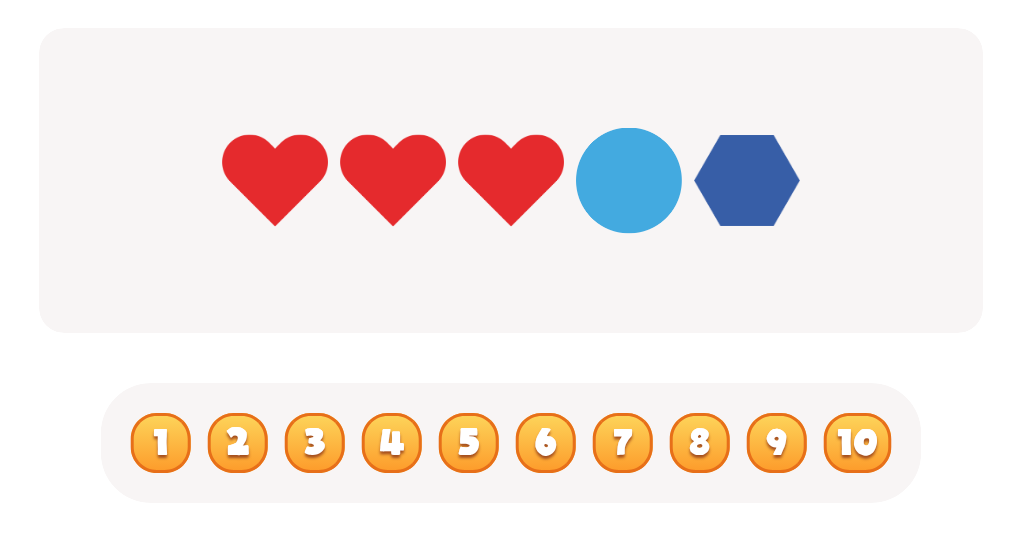
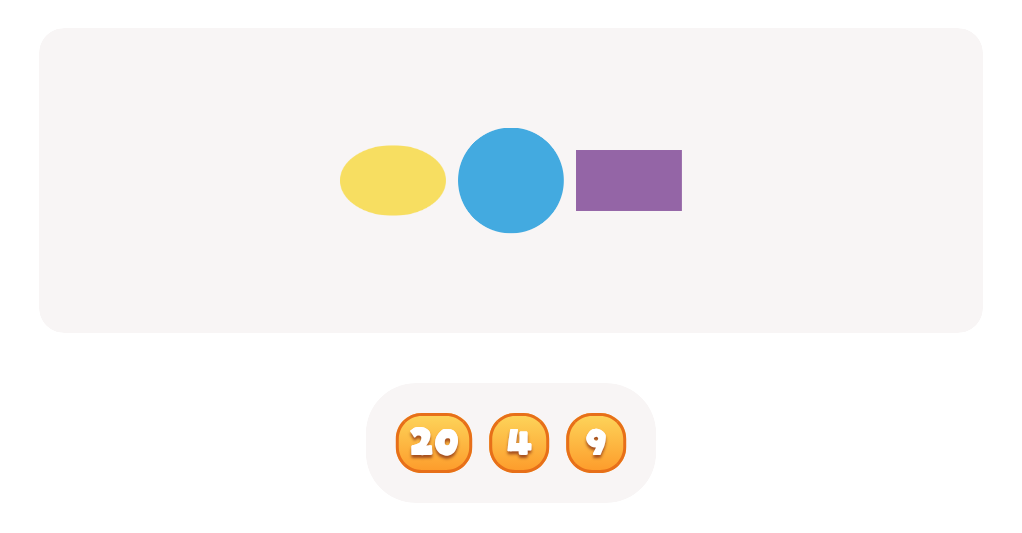
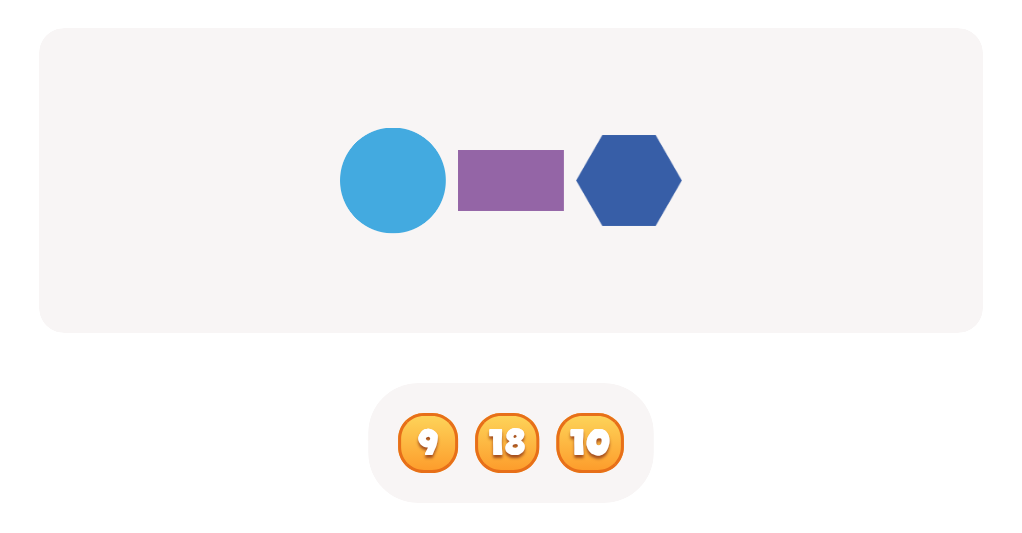
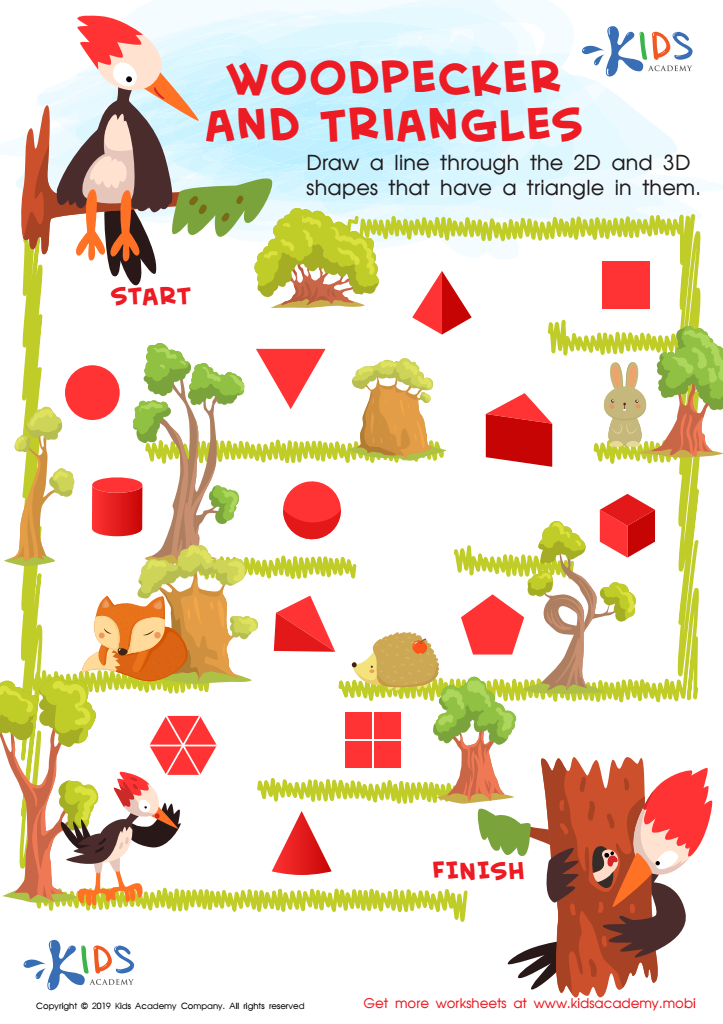
Woodpecker and Triangles Worksheet
Woodpeckers peck wood, and this printout helps kids learn about triangles. Ask your kindergartners to draw a triangle, then draw a line through the shapes that have a triangle in them to help the woodpecker get out of the maze.
Woodpecker and Triangles Worksheet
Worksheet
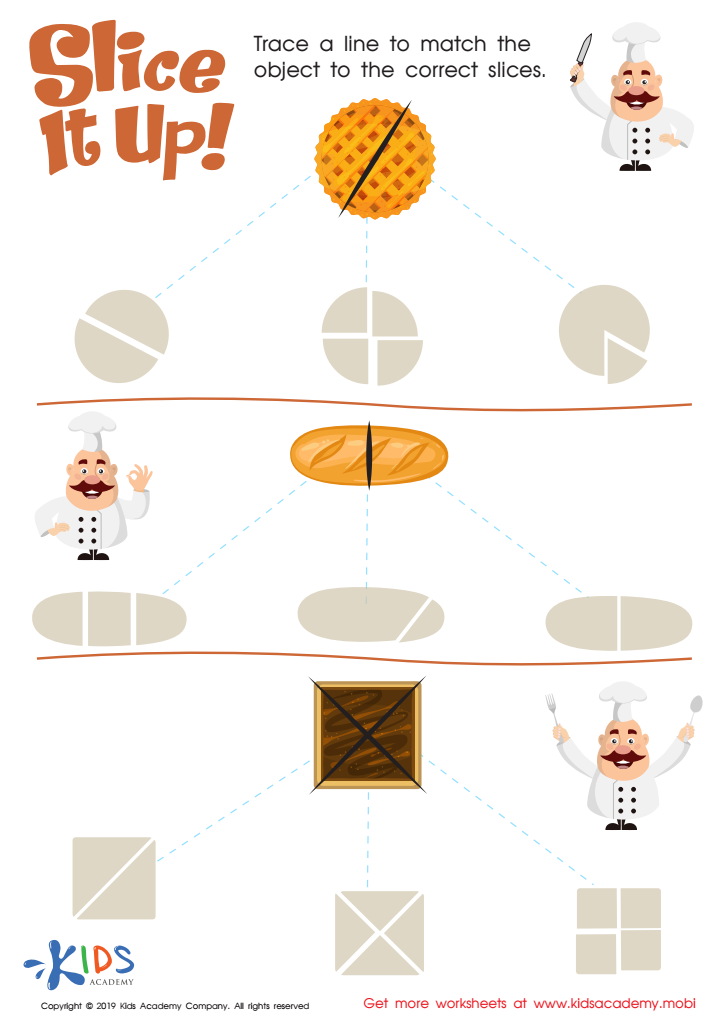
Slice It Up Worksheet
Try this fun math, reading and writing worksheet with your kids! They will love the colorful activities that perfect coordination and tracing. Engaging learning exercises help keep young minds sharp and boost skills. With these worksheets, your kids will be academically ahead of the curve!
Slice It Up Worksheet
Worksheet
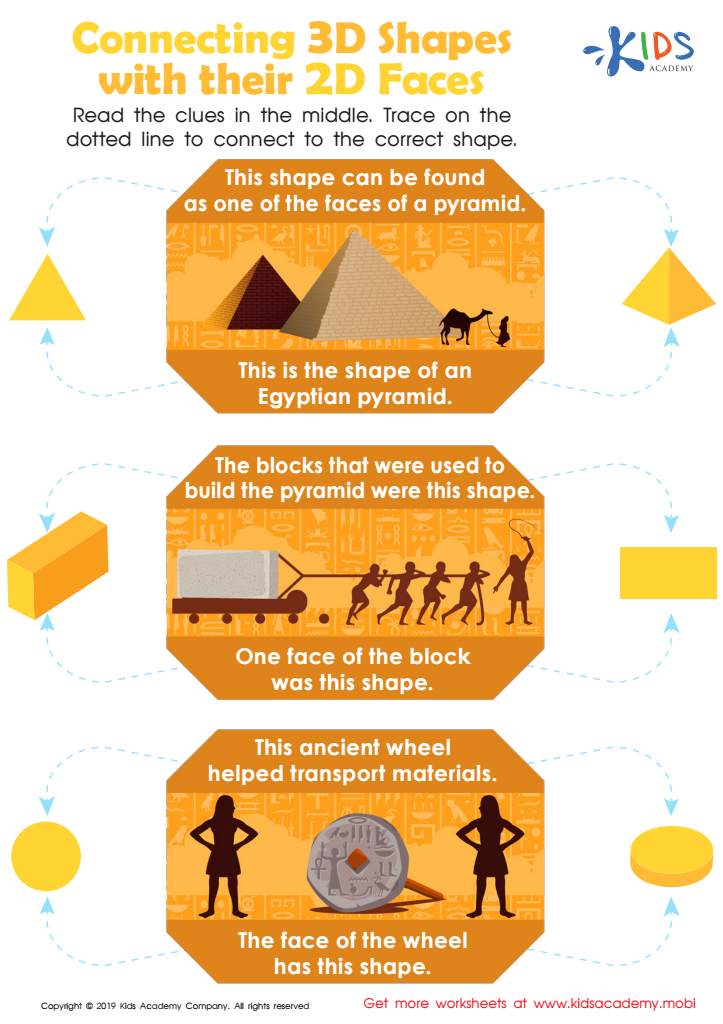
Connecting 3D Shapes with Their 2d Faces Worksheet
Engage your kids' minds with colorful, fun exercises like this worksheet. Learning should be continuous, so take the time to do extra activities with your children. Show them the pictures, then read the clues and help them trace the lines to match the shapes.
Connecting 3D Shapes with Their 2d Faces Worksheet
Worksheet
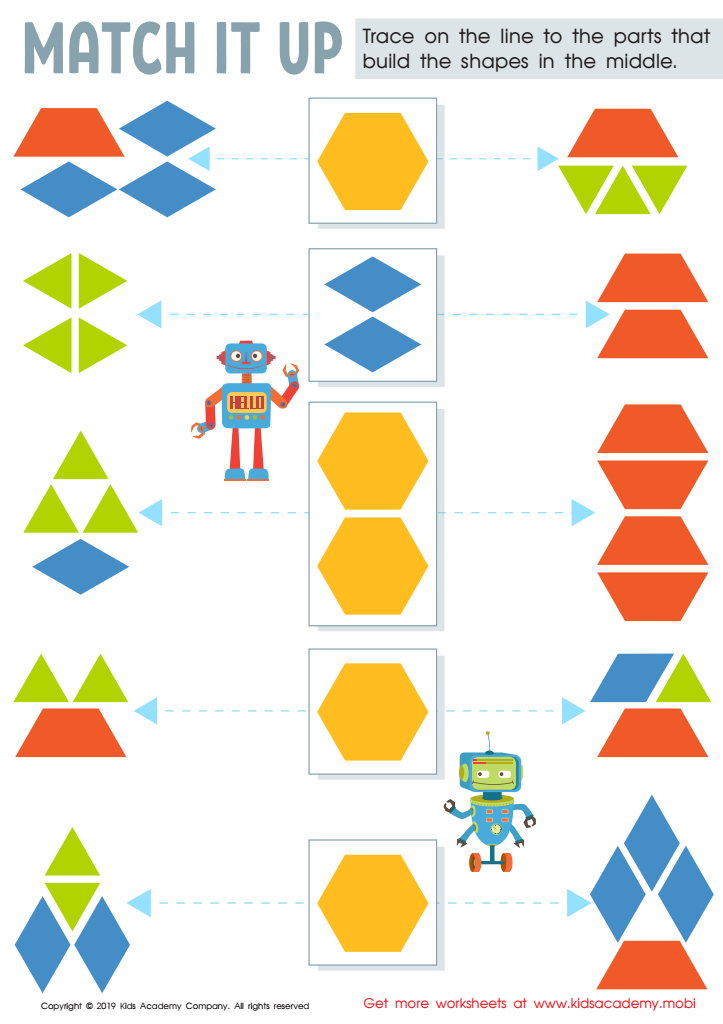
Match It up Worksheet
If your kids are into robots, they'll be thrilled to work on this worksheet. Ask them to name shapes they know, and help them draw and identify these shapes. Look at the shapes in the middle, and the sides. Finally, help your kids trace the lines to build the shapes in the middle.
Match It up Worksheet
Worksheet
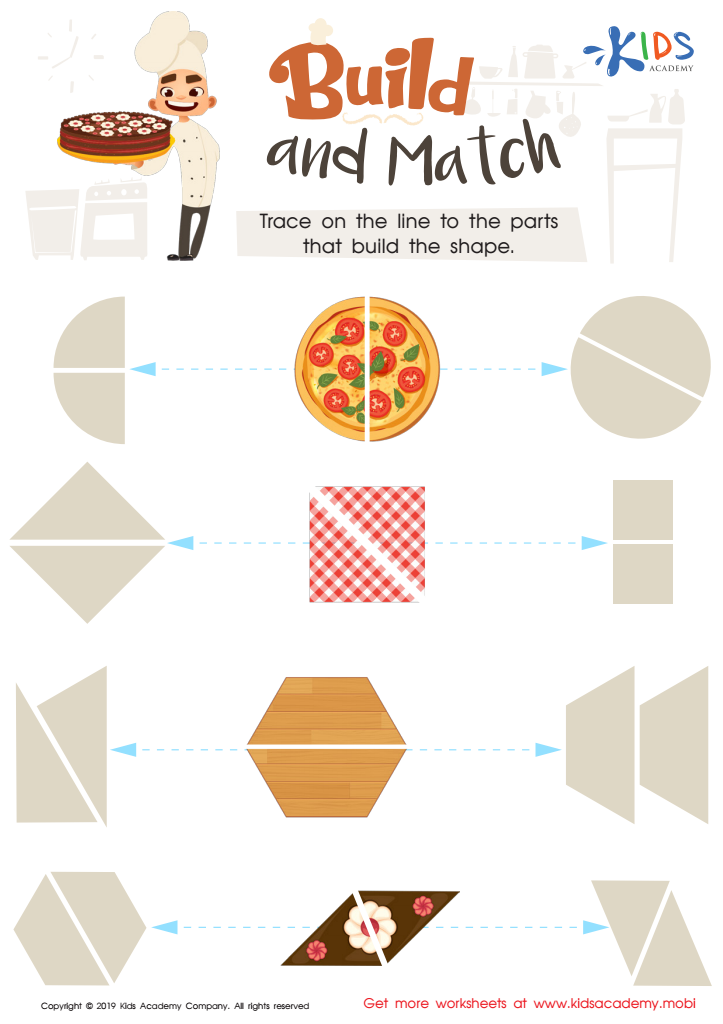
Build and Match Worksheet
This bright worksheet will get your kids excited to learn more! Use the colorful images and shapes to engage them and have them trace the parts to build the shape. This fun exercise will help them retain the lessons and make it an enjoyable experience.
Build and Match Worksheet
Worksheet
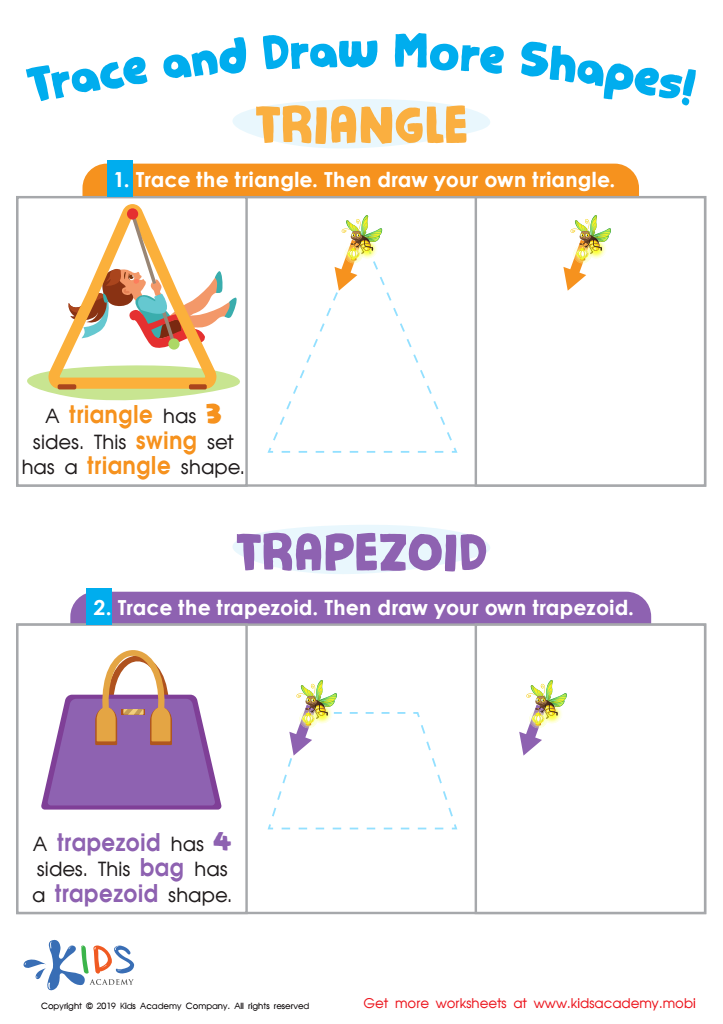
Trace and Draw More Shapes Worksheet
Help your kids with more learning! Look at images in the worksheet, read facts about the shapes, then help your kids trace and draw. This reinforces that learning is never done; use this simple worksheet to help your kids with school homework and more!
Trace and Draw More Shapes Worksheet
Worksheet
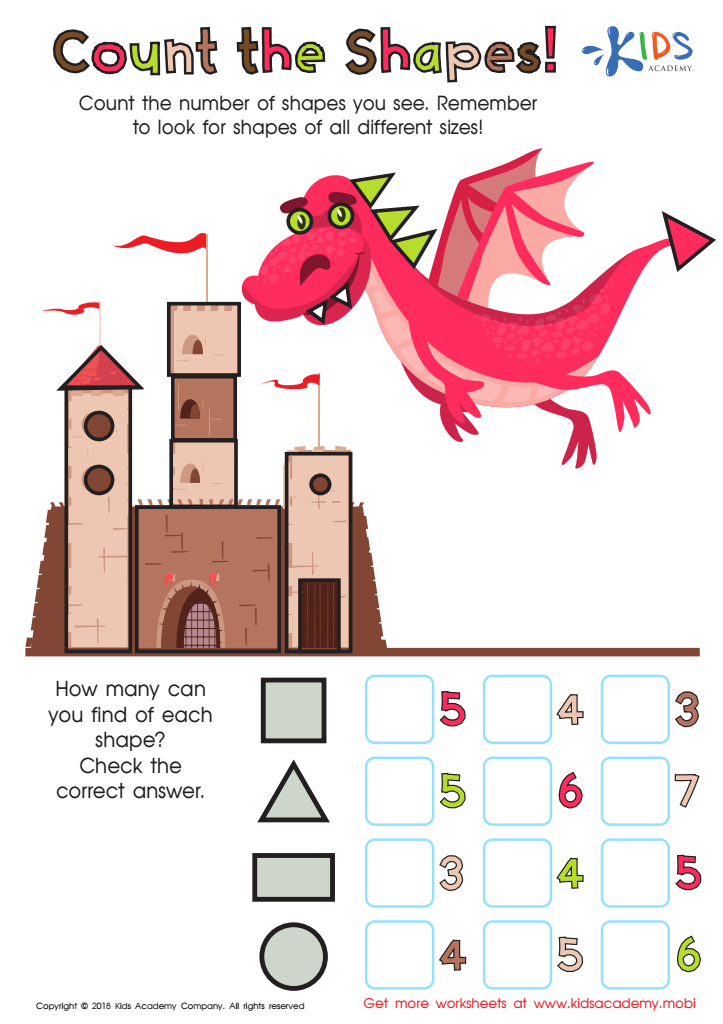
Count the Shapes Worksheet
This fun and learning worksheet is perfect for sharpening visual discrimination skills. Kids search a castle picture featuring a dragon and identify shapes, counting circles, squares, triangles and rectangles. Checking the correct box beside the number, they practice shape identification and counting. Download now and get started!
Count the Shapes Worksheet
Worksheet
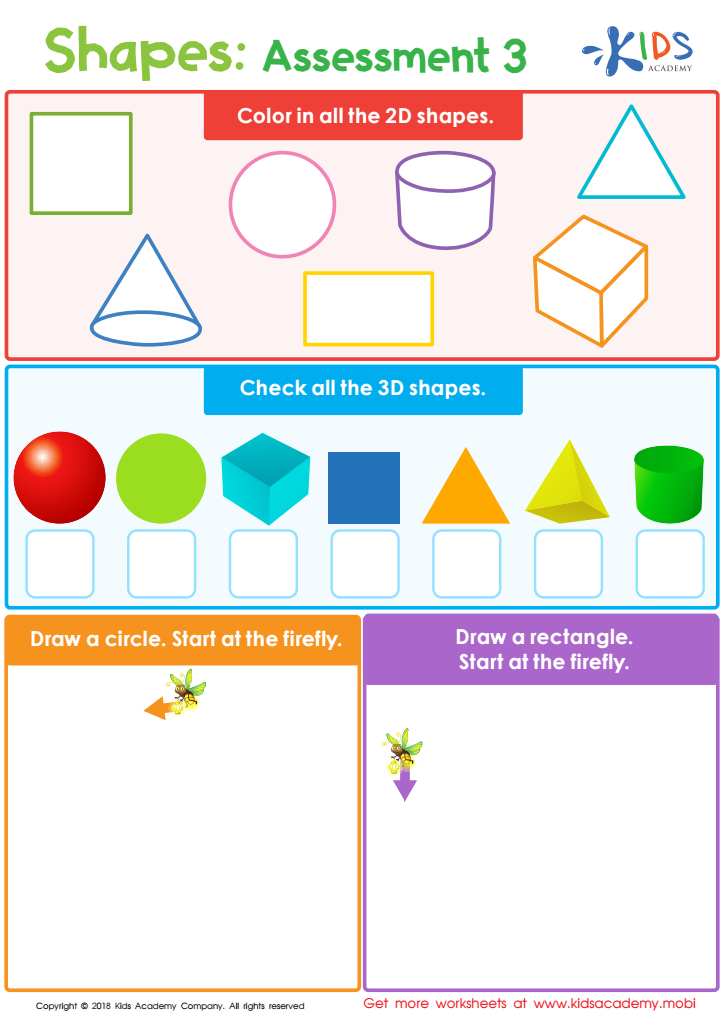
Shapes: Assessment 3 Worksheet
Shapes are everywhere! Help your students differentiate between 2D and 3D shapes. Ask them the difference between a triangle and pyramid, or a circle and a sphere. This worksheet tests their understanding of both types and is a useful assessment tool.
Shapes: Assessment 3 Worksheet
Worksheet
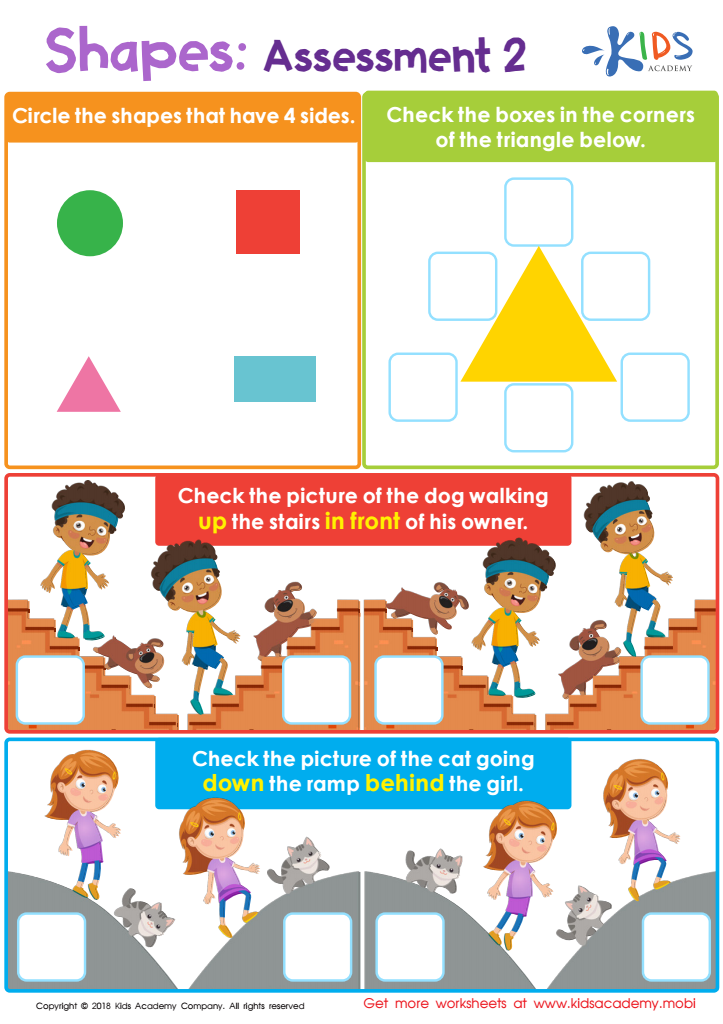
Shapes: Assessment 2 Worksheet
This geometry worksheet assesses a student's knowledge of shapes and positional words. They must identify shapes with 4 sides and corners on a triangle. The worksheet also tests understanding of words like "up", "front", "down" and "behind". Easily determine what your student knows about these concepts with this downloadable worksheet!
Shapes: Assessment 2 Worksheet
Worksheet
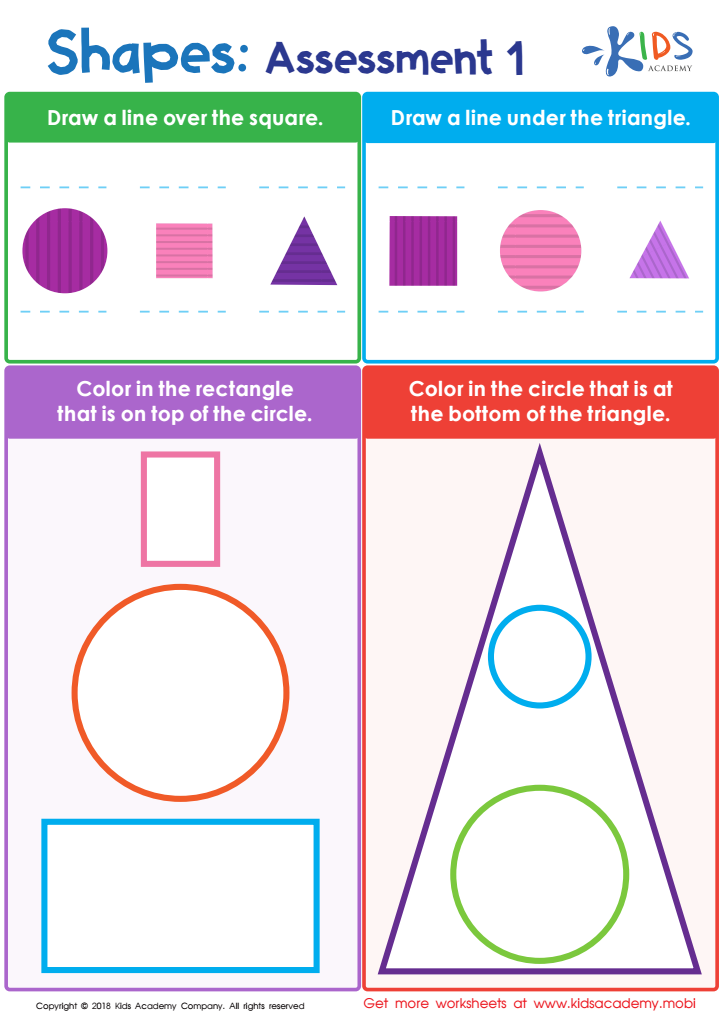
Shapes: Assessment 1 Worksheet
Test your students' understanding of the four basic shapes - circle, square, triangle and rectangle - with this assessment worksheet. Get them to draw a line over or under the shape indicated in the directions to show they can identify it correctly.
Shapes: Assessment 1 Worksheet
Worksheet
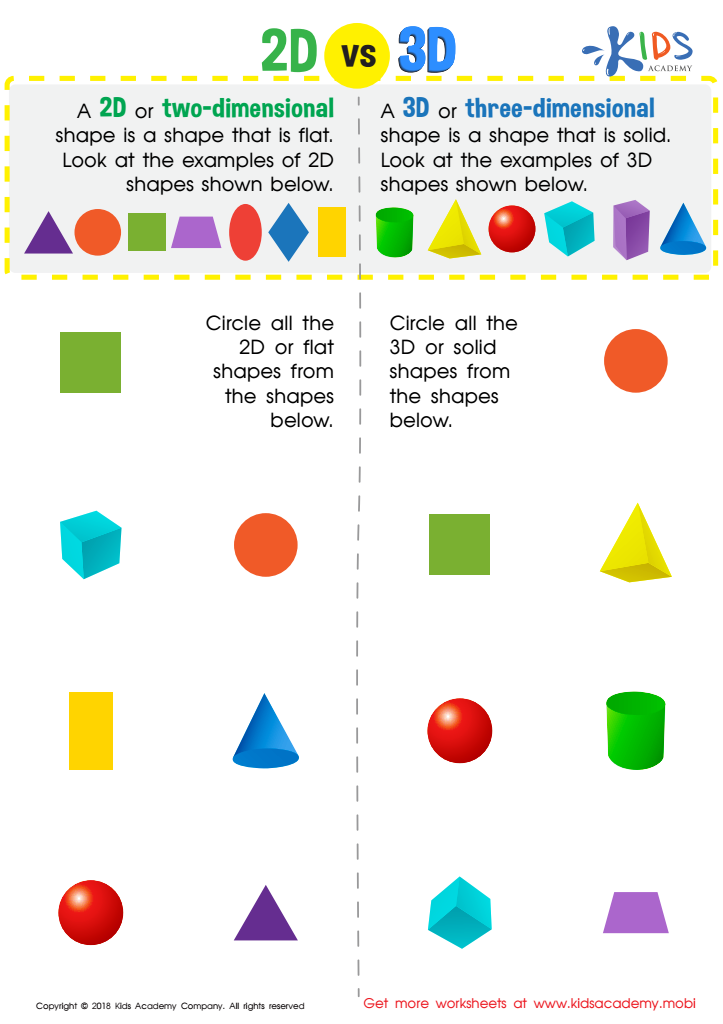
2D vs 3D Shapes Worksheet
Help your child understand 3D shapes using this engaging worksheet! Read the descriptions at the top and search for 2D and 3D shapes. An ideal activity for toddlers learning shapes. A fun way to understand the tricky concept of 3D shapes!
2D vs 3D Shapes Worksheet
Worksheet
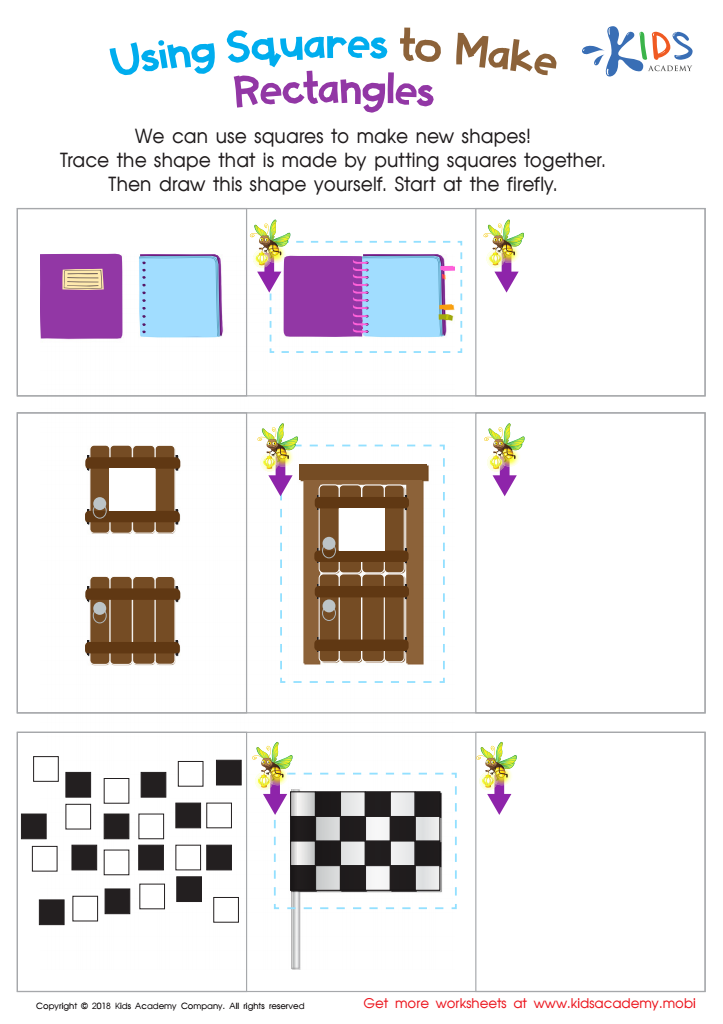
Using Squares to Make Rectangles Worksheet
Creating shapes from other shapes (composing shapes) develops spatial skills, an essential geometry standard for young students. This worksheet introduces familiar square objects, then demonstrates how they create rectangles. Students practice tracing and then drawing the shape independently. Download this free math resource for the classroom today! (80 words)
Using Squares to Make Rectangles Worksheet
Worksheet
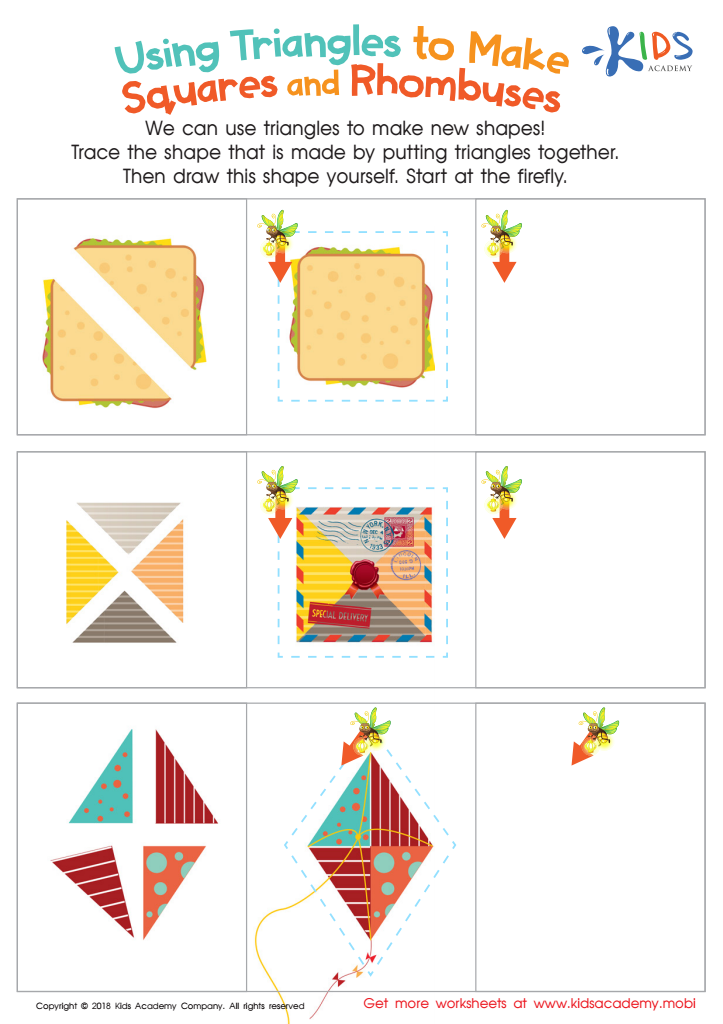
Using Triangles to Make Squares and Rhombuses Worksheet
Learning shapes is a fun way to boost spatial skills and critical thinking. This worksheet shows children how to use triangles to construct squares and rhombuses. Clear illustrations and a printout help children draw the new shape. A great activity for the math classroom! 80 words.
Using Triangles to Make Squares and Rhombuses Worksheet
Worksheet
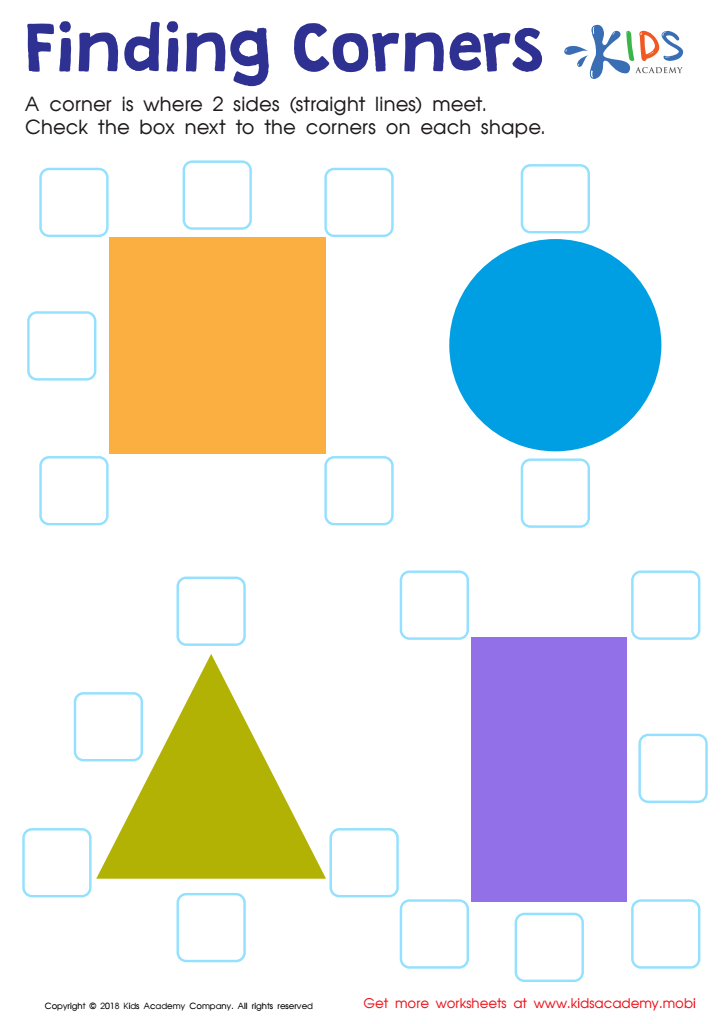
Finding Corners Worksheet
This vibrant worksheet introduces young learners to the fundamentals of geometric shapes. Through the downloadable PDF, they'll develop an understanding of corners - the intersection of two line segments - and how to identify them on different shapes. Fun colors and boxes let them label corners, helping them master this concept for future geometric reasoning.
Finding Corners Worksheet
Worksheet
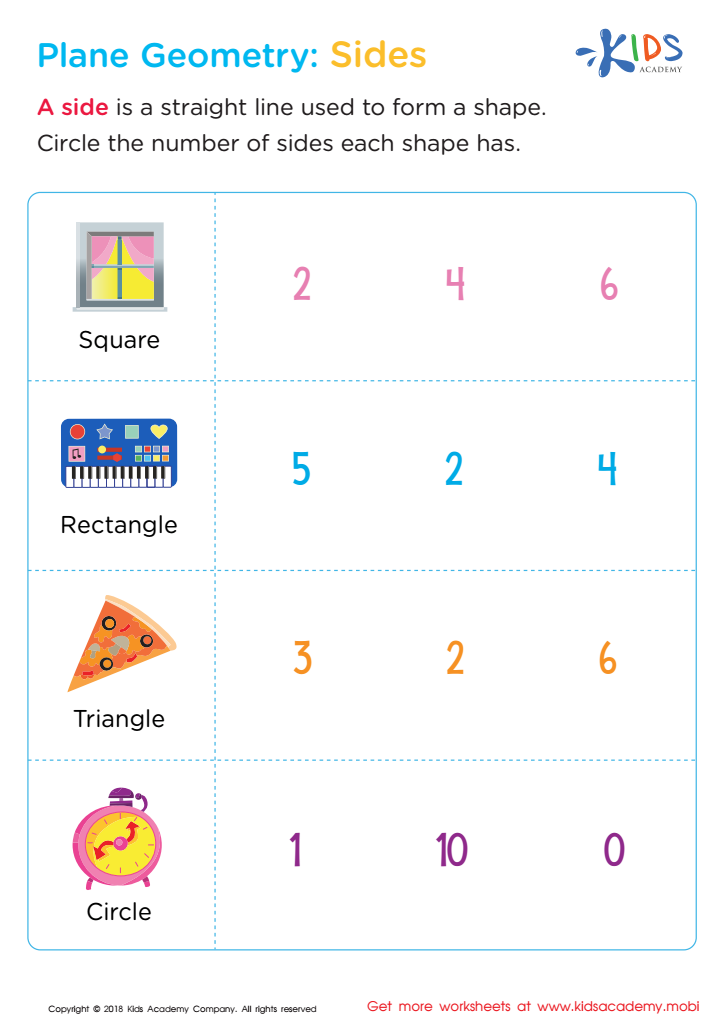
Plane Geometry: Sides Worksheet
Knowing the properties of basic geometric shapes is a great skill to have. Download this free worksheet and let your kids learn about sides and shapes using colorful pictures. They'll see each shape has its own number of sides, laying the groundwork for identifying and recognizing shapes in the future.
Plane Geometry: Sides Worksheet
Worksheet
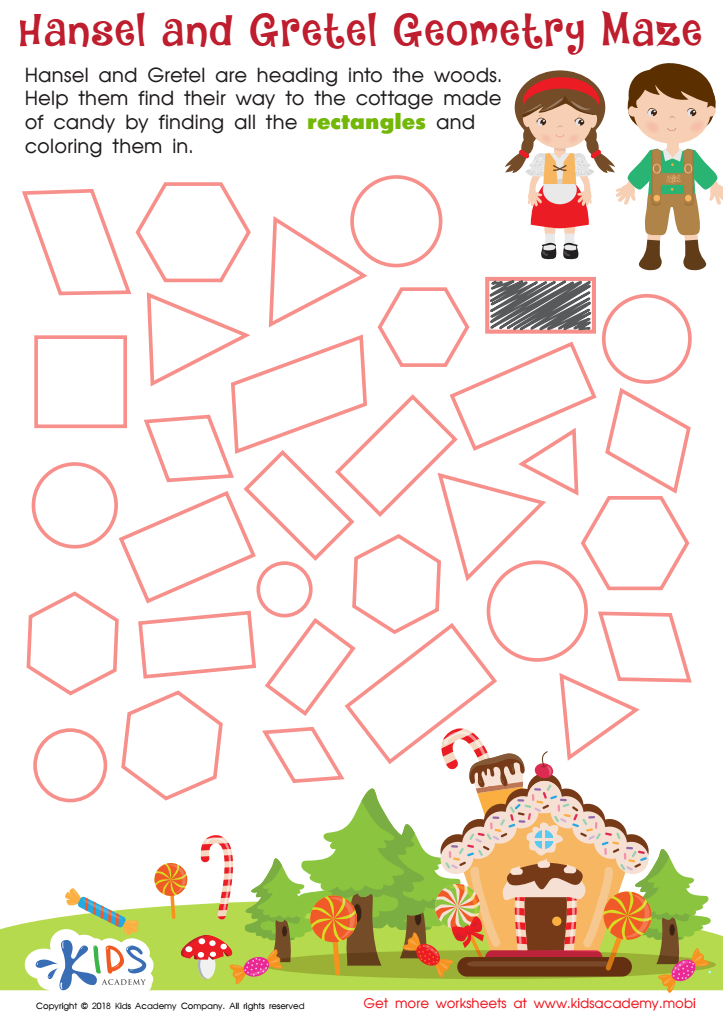
Hansel and Gretel Geometry Maze Worksheet
Your kids will have fun helping Hansel and Gretel get through a colorful forest of shapes! This free PDF reinforces the properties of rectangles, building skills in visual discernment and laying the foundations for geometry. They'll be too busy enjoying the story to realize they're learning!
Hansel and Gretel Geometry Maze Worksheet
Worksheet
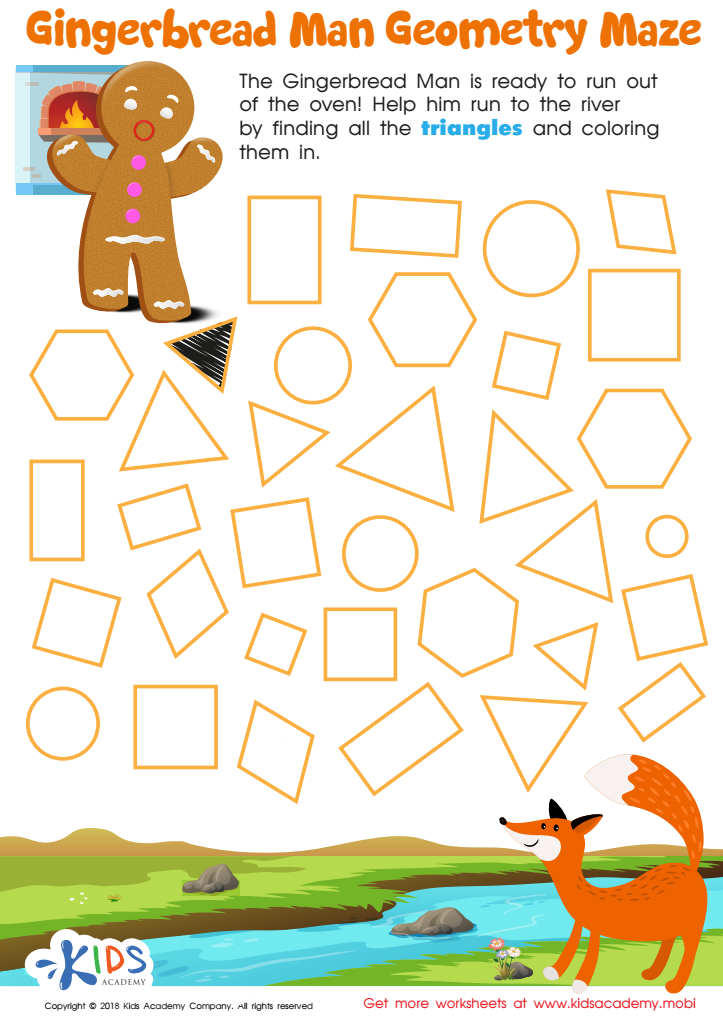
Gingerbread Man Geometry Maze Worksheet
Help a beloved character escape the oven! Kids race through a sea of geometrical shapes, searching for triangles of various sizes. With this free worksheet, they can have fun while learning about similarity of geometrical shapes concepts. Run, run, run as fast as they can!
Gingerbread Man Geometry Maze Worksheet
Worksheet
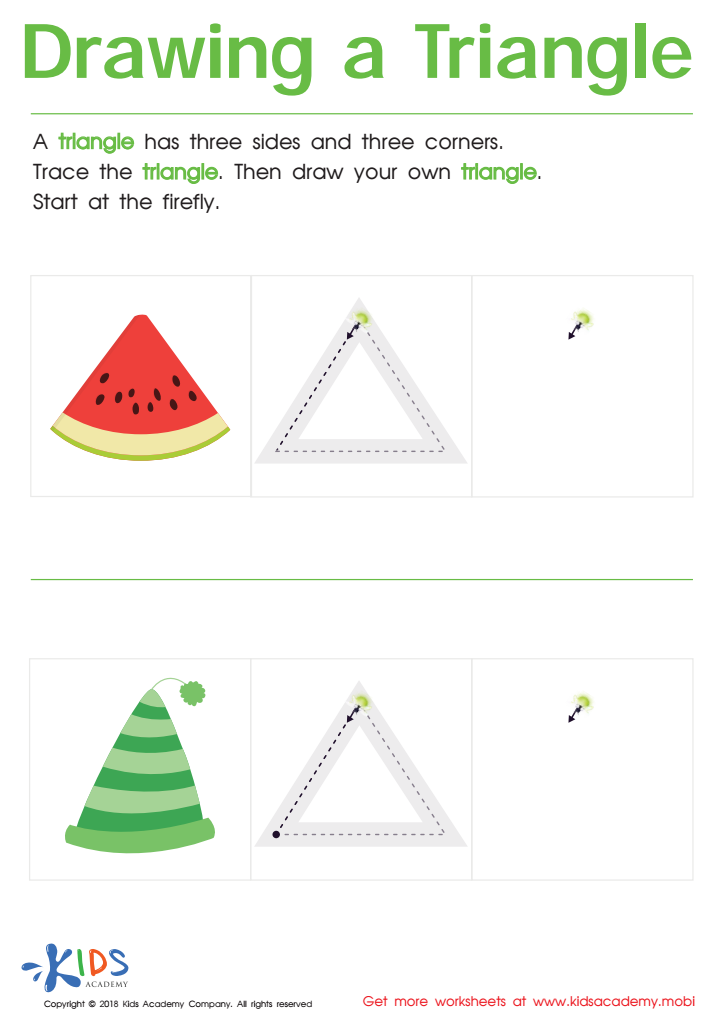
Drawing a Triangle Worksheet
Help your child develop fine motor skills with this fun, traceable printable! It teaches them how to draw a triangle, with easy steps and cute picture motivation. They'll work on pre-writing skills, pencil position, and grip control without even realizing it. With this basic shape, they'll gain a foundation for strong writing and drawing skills.
Drawing a Triangle Worksheet
Worksheet
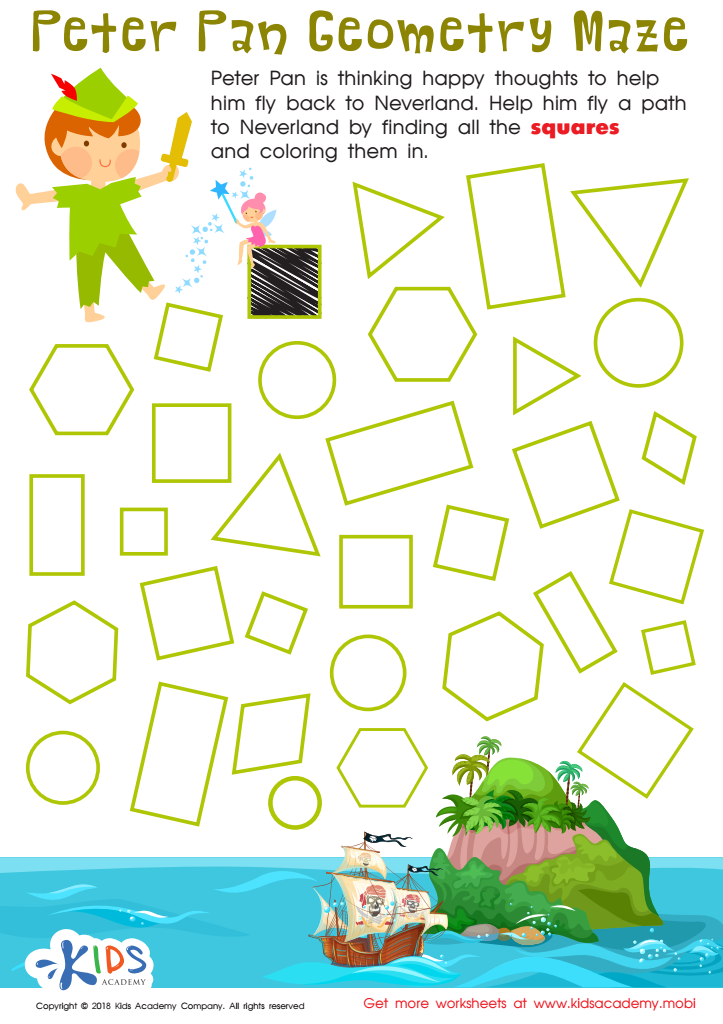
Peter Pan Worksheet
Kindergarteners can join Peter Pan on an adventure to Neverland! They can help him by coloring squares to create a path, strengthening their shape identification skills in a fun maze. Let the journey begin!
Peter Pan Worksheet
Worksheet
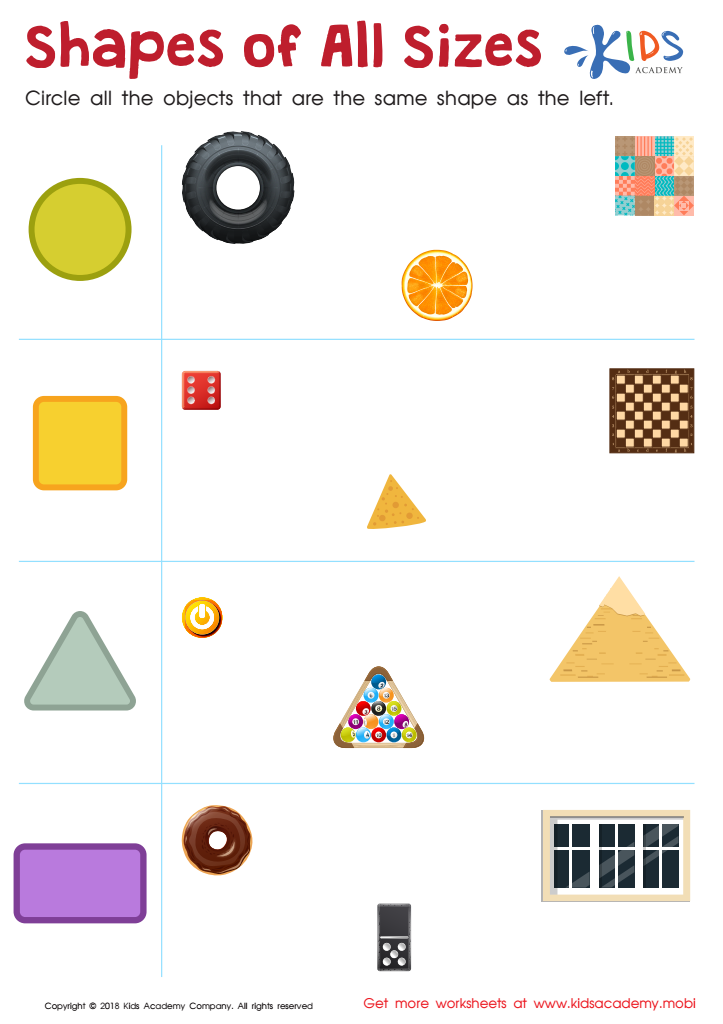
Shapes of All Sizes Worksheet
Students will have fun comparing basic shapes to familiar objects with this worksheet. It's an excellent way to help them recognize similarities in geometric shapes, building strong foundations for understanding congruence and similarity.
Shapes of All Sizes Worksheet
Worksheet
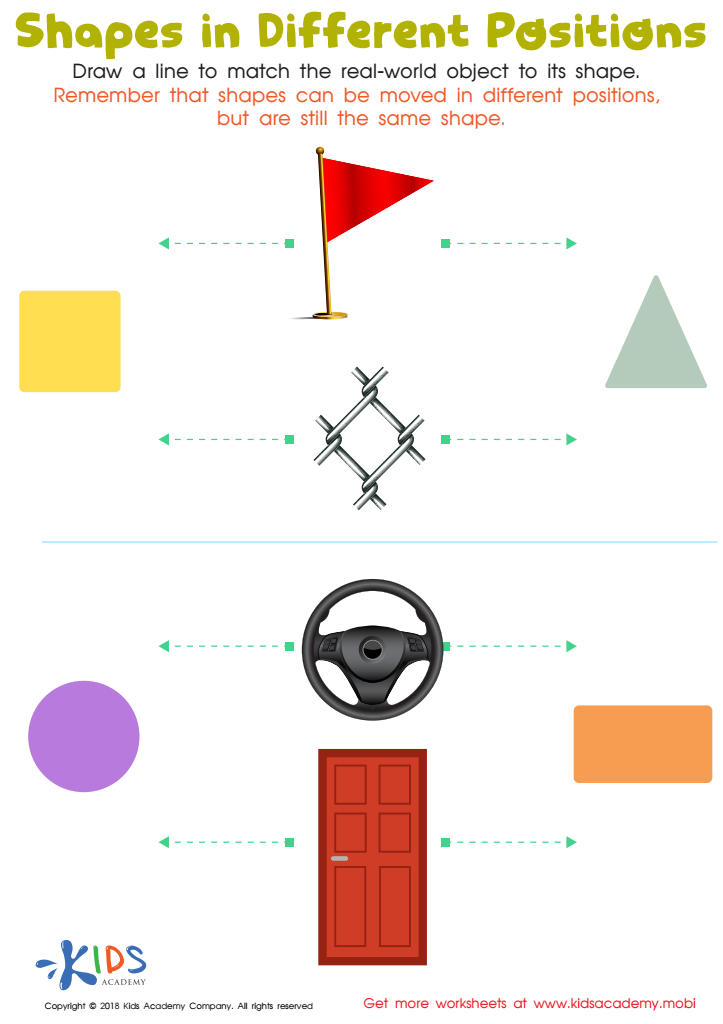
Shapes in Different Positions Worksheet
Children can practice and strengthen their visual-discernment, hand-eye coordination and neural connections by manipulating shapes in their minds and matching them with the right answer. This PDF with bright colors gives your kids the opportunity to do so.
Shapes in Different Positions Worksheet
Worksheet
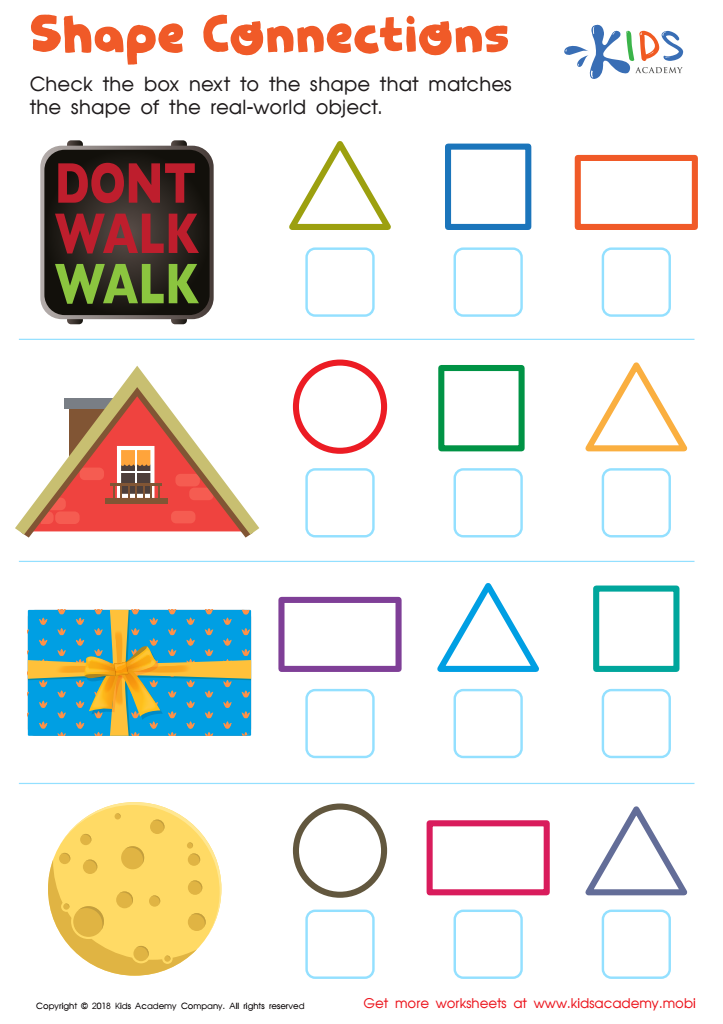
Shape Connections Worksheet
Geometric shapes are all around us and this fun worksheet brings it to life. Kids will match real-world pictures with the corresponding basic shapes, connecting how math is used in various aspects of daily life. A great way to reinforce these concepts!
Shape Connections Worksheet
Worksheet
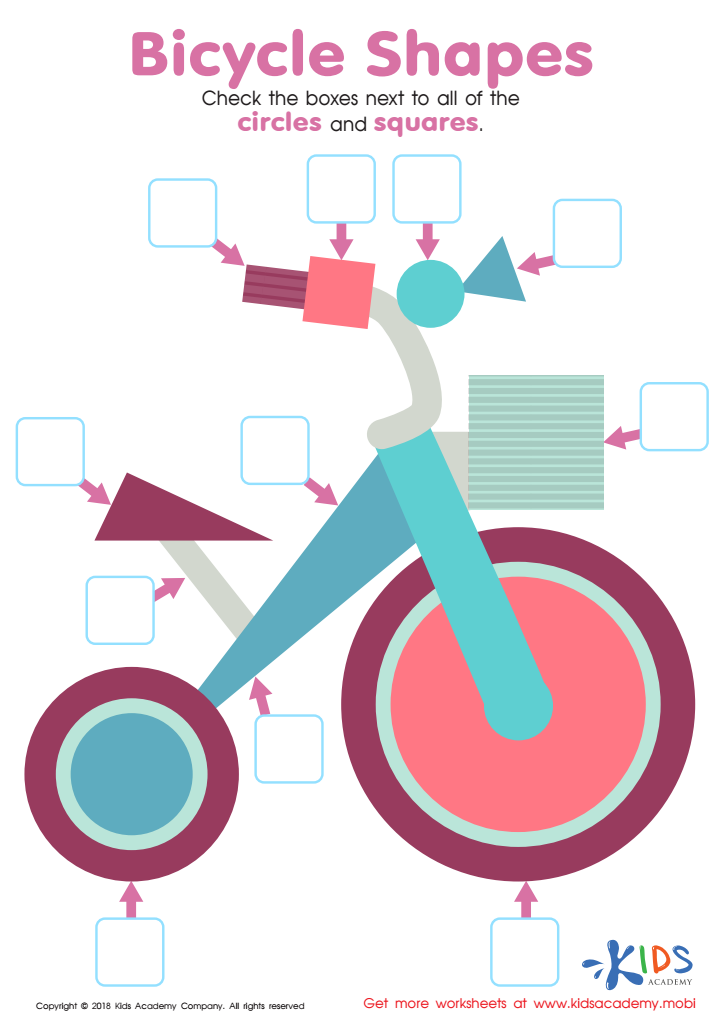
Bicycle Shapes Worksheet
This fun geometry worksheet for preschoolers asks the child to spot hidden shapes (circles, squares) in a colorful bicycle. Each shape varies in size and the child checks the box when it's found. It's a visual way to teach shapes.
Bicycle Shapes Worksheet
Worksheet
Join Kids Academy for Free
Who is primarily going to use this learning content?








Understanding 2D shapes is crucial for early childhood development as it lays the foundation for various essential skills. For children aged 3-9, recognizing and understanding 2D shapes enhances their cognitive abilities, including spatial awareness and critical thinking. Familiarity with shapes such as circles, squares, triangles, and rectangles helps children make connections with the world around them, aiding in their observation and interpretation of everyday surroundings.
Moreover, shape recognition contributes to early math skills. It fosters a child's ability to sort, classify, and create patterns, which are fundamental concepts for later mathematical learning. Teachers and parents can leverage playful activities like drawing, playing with blocks, or shape scavenger hunts to engage children meaningfully, making the learning process enjoyable and interactive.
Additionally, 2D shapes are often interlinked with artistic expression, allowing kids to explore creativity as they learn. Parents and teachers play a key role in integrating shapes into games, art projects, and real-life contexts, thereby reinforcing their significance.
By prioritizing shape recognition, adults empower children to become confident learners, ready to tackle more complex concepts in math, science, and art as they grow. Understanding shapes not only enriches academic skills but also fosters critical life skills as children navigate their environment.