Numbers Worksheets for Ages 3-9 - Page 3
510 filtered results
-
From - To

Make 6 Worksheet
 Assign to My Students
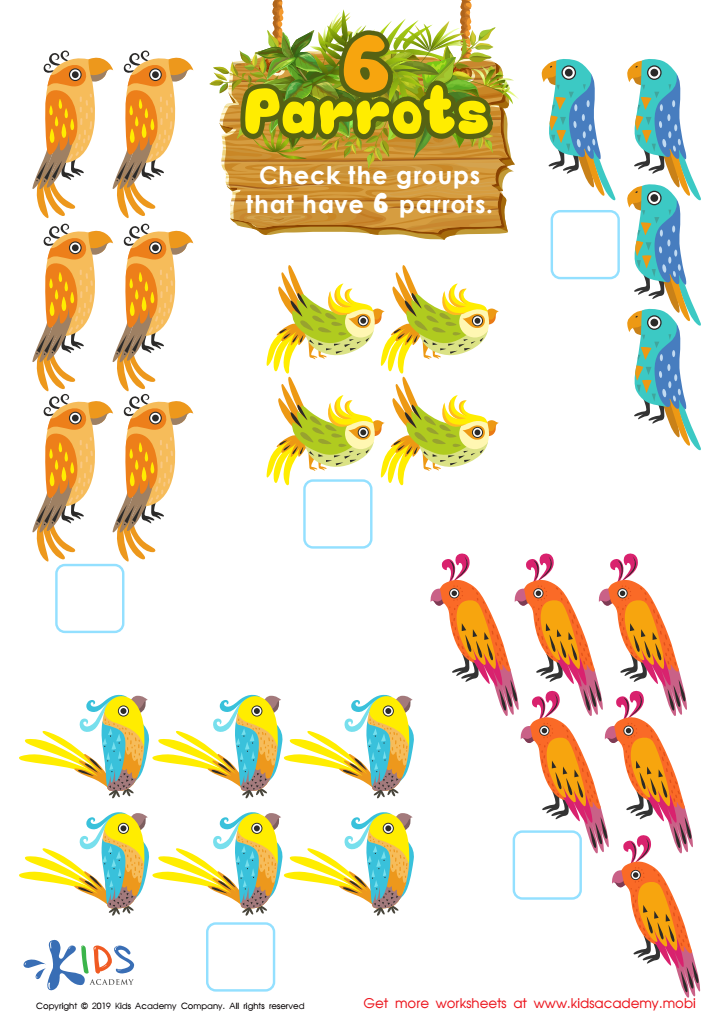
6 Parrots Worksheet
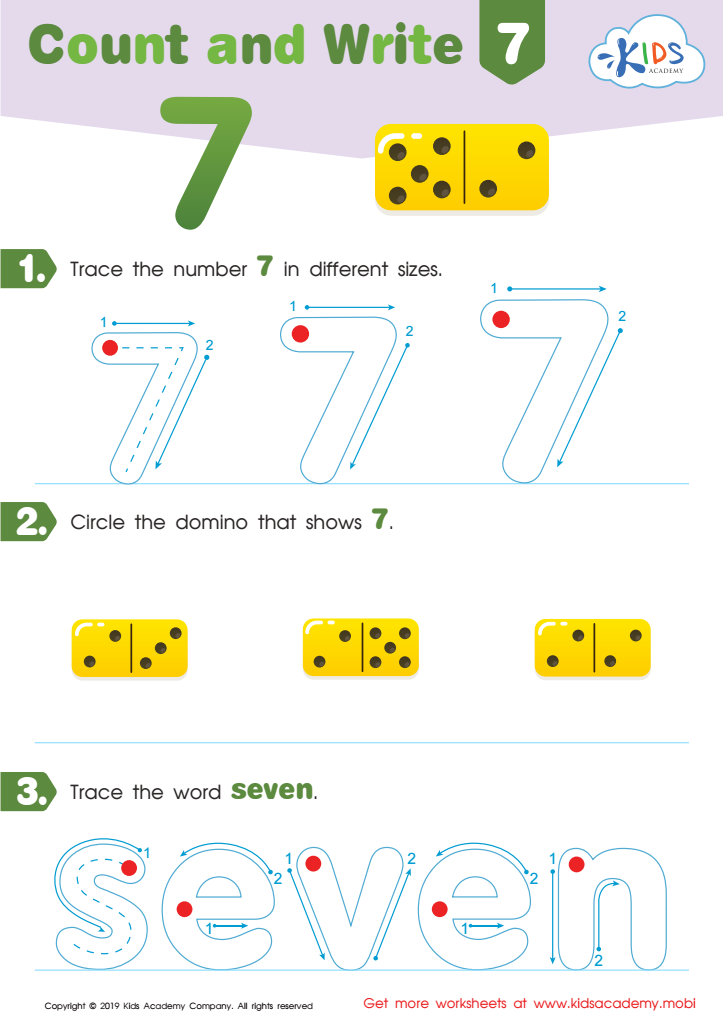
Count and Write 7 Worksheet
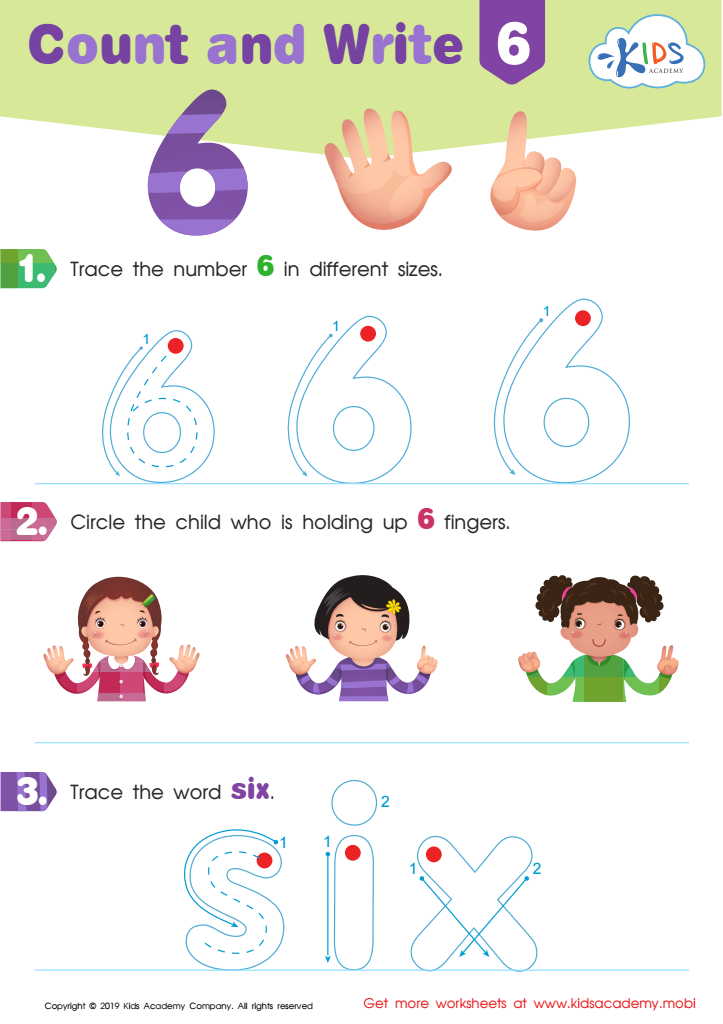
Count and Write 6 Worksheet
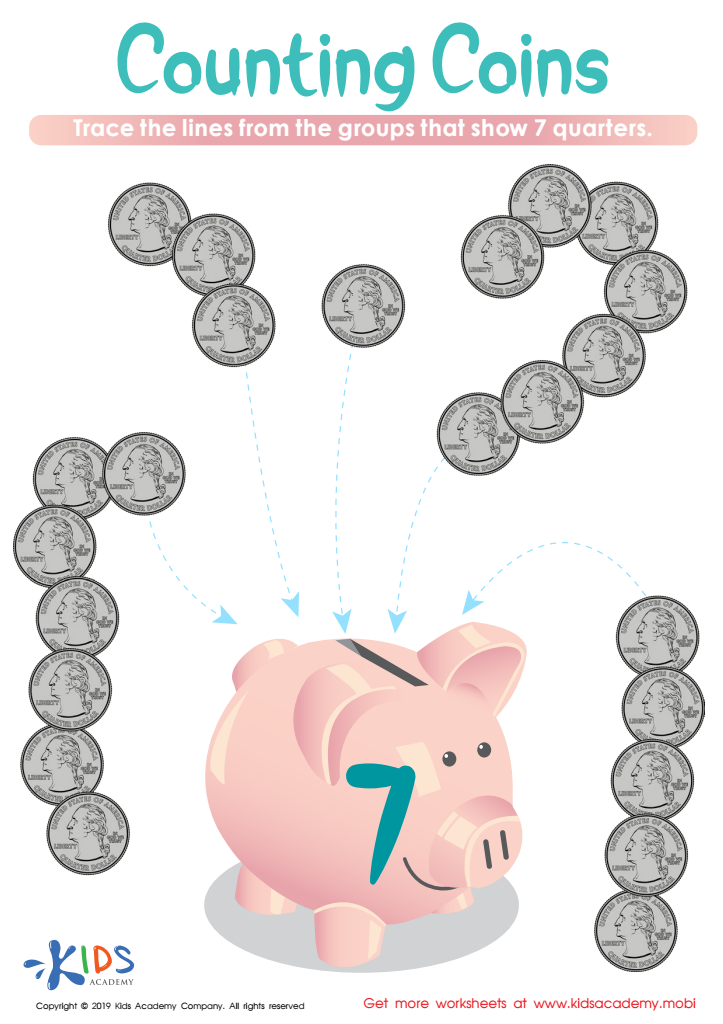
Counting Coins Worksheet
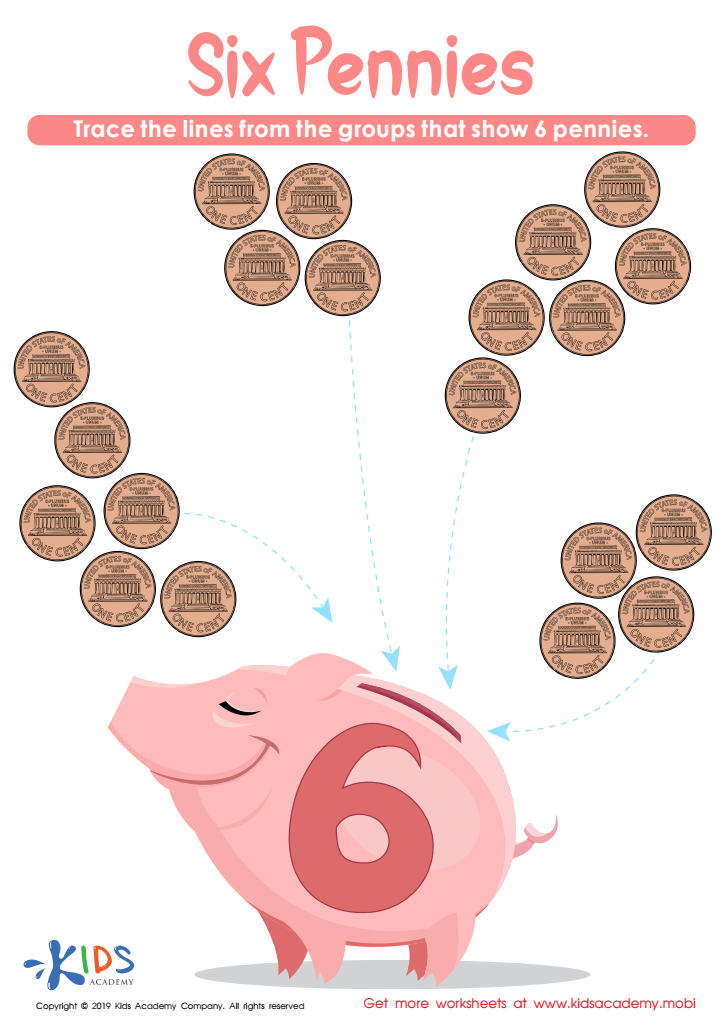
Six Pennies Worksheet
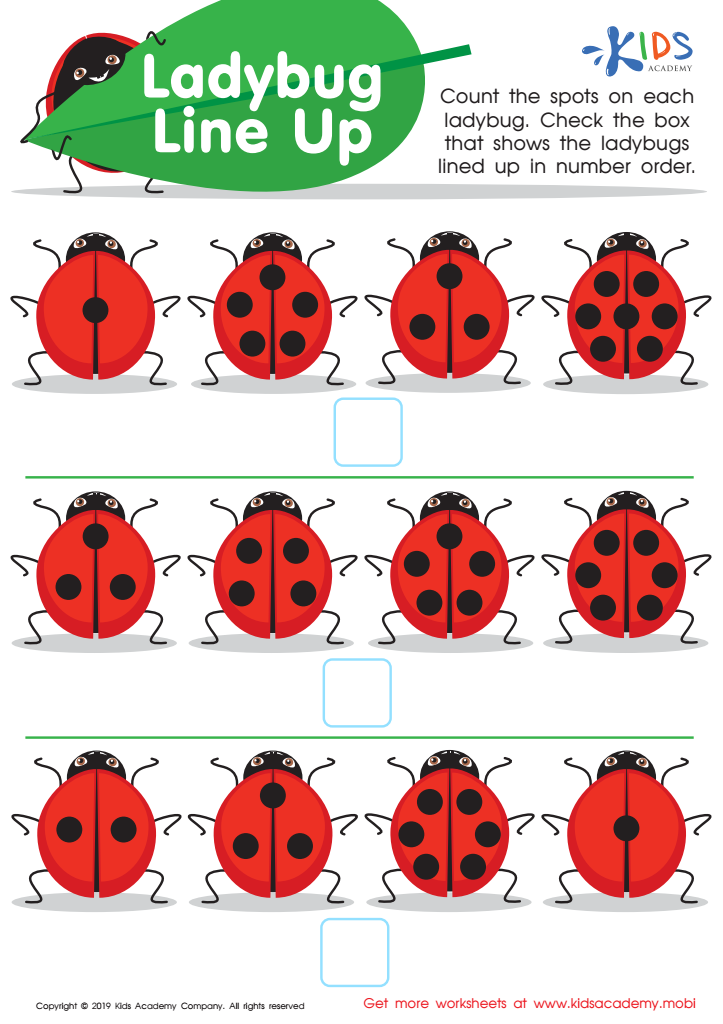
Ladybug Line Up Worksheet
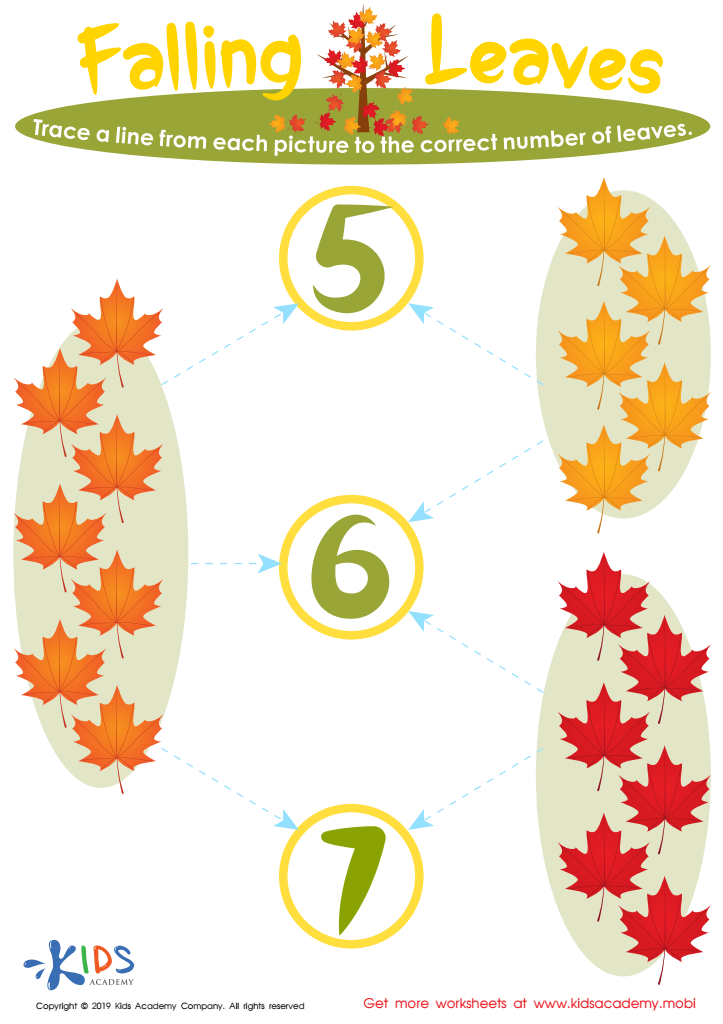
Falling Leaves Worksheet
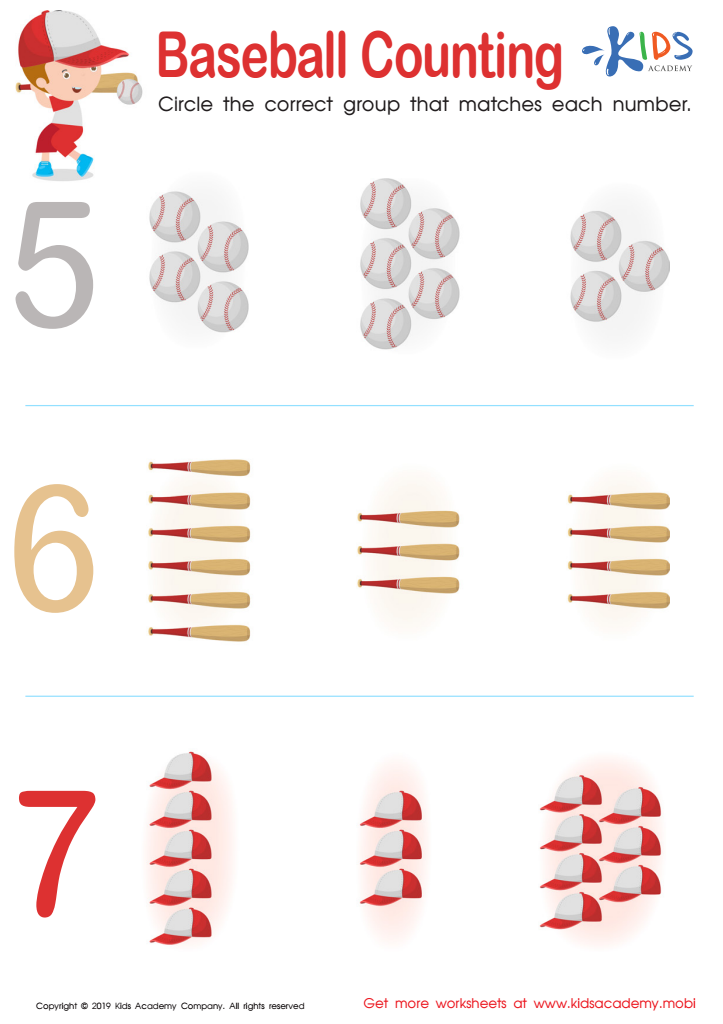
Baseball Counting Worksheet
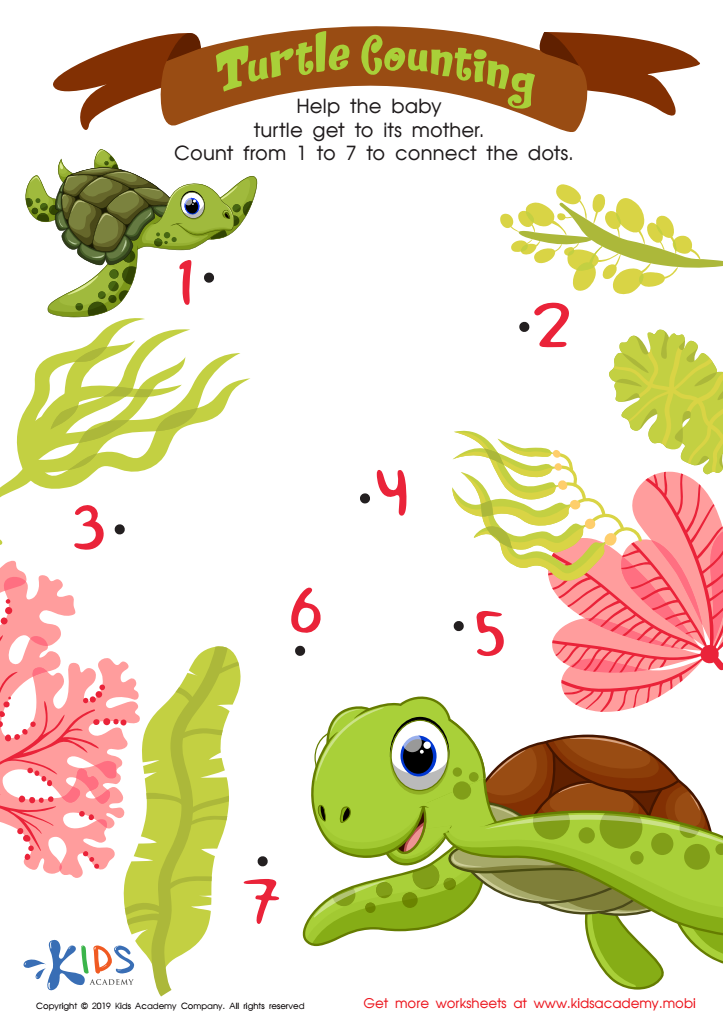
Turtle Counting Worksheet
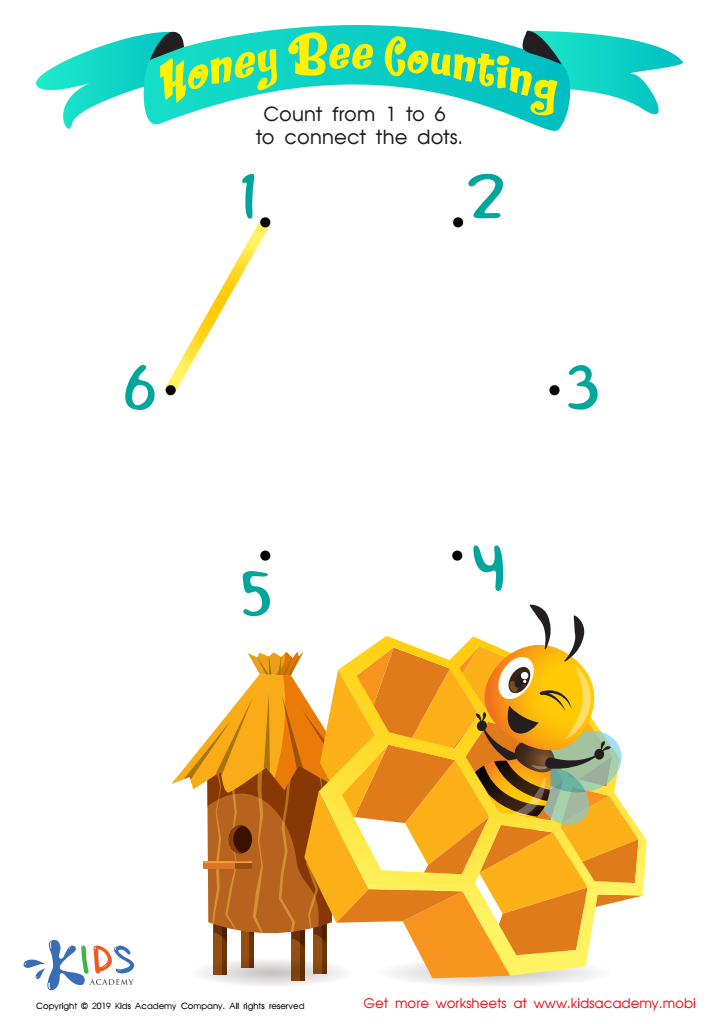
Honey Bee Counting Worksheet
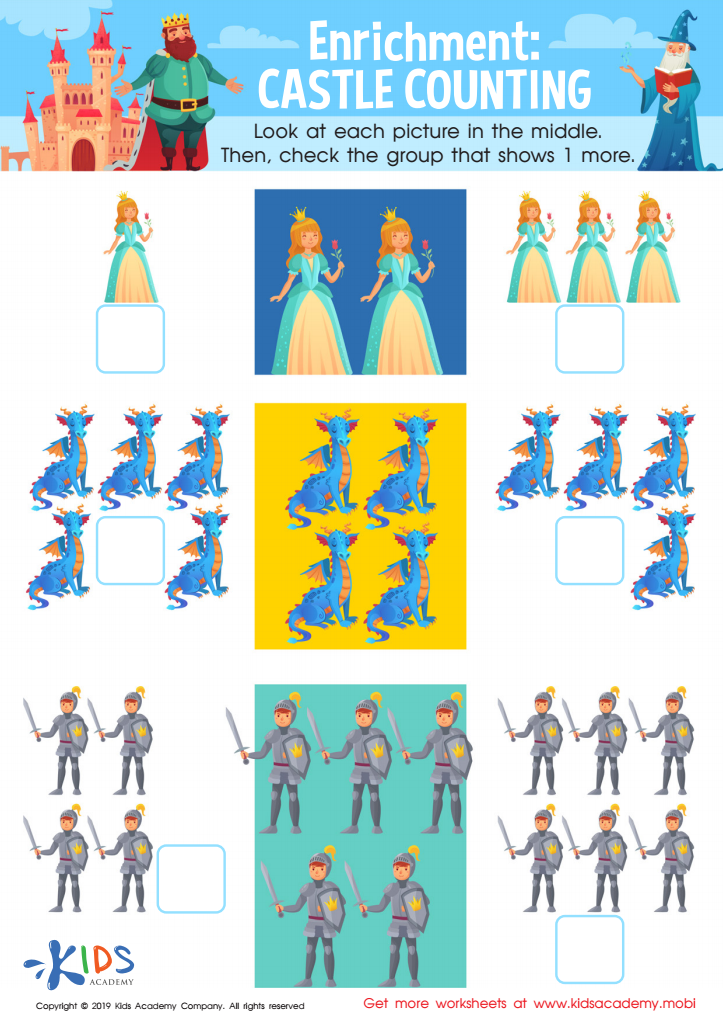
Enrichment: Castle Counting Worksheet
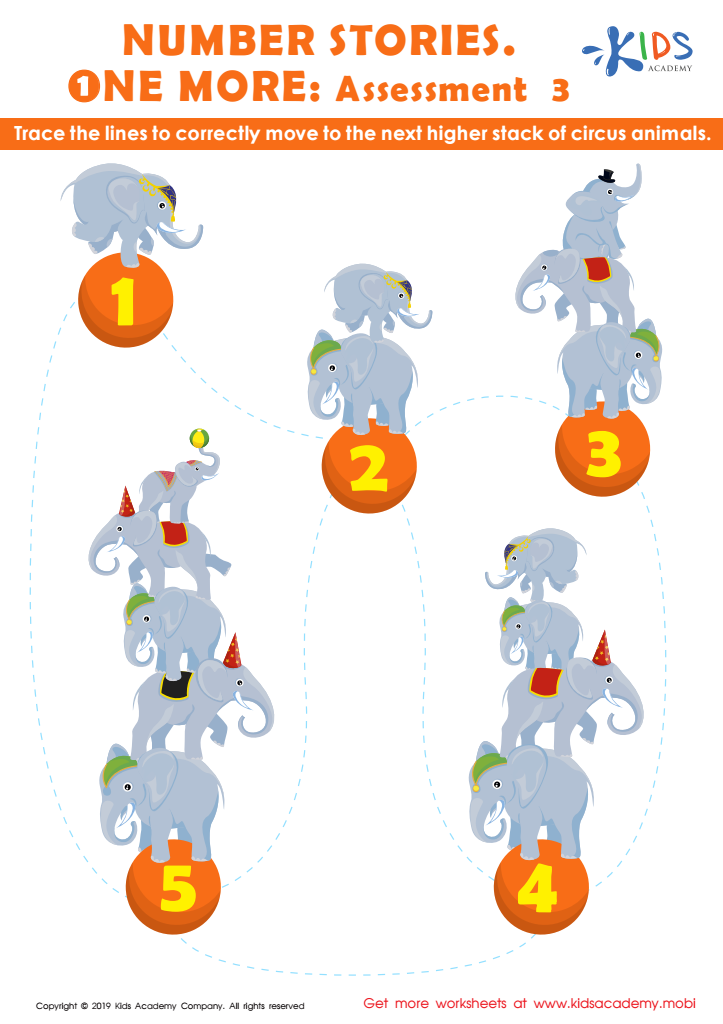
Number Stories One More: Assessment 3 Worksheet
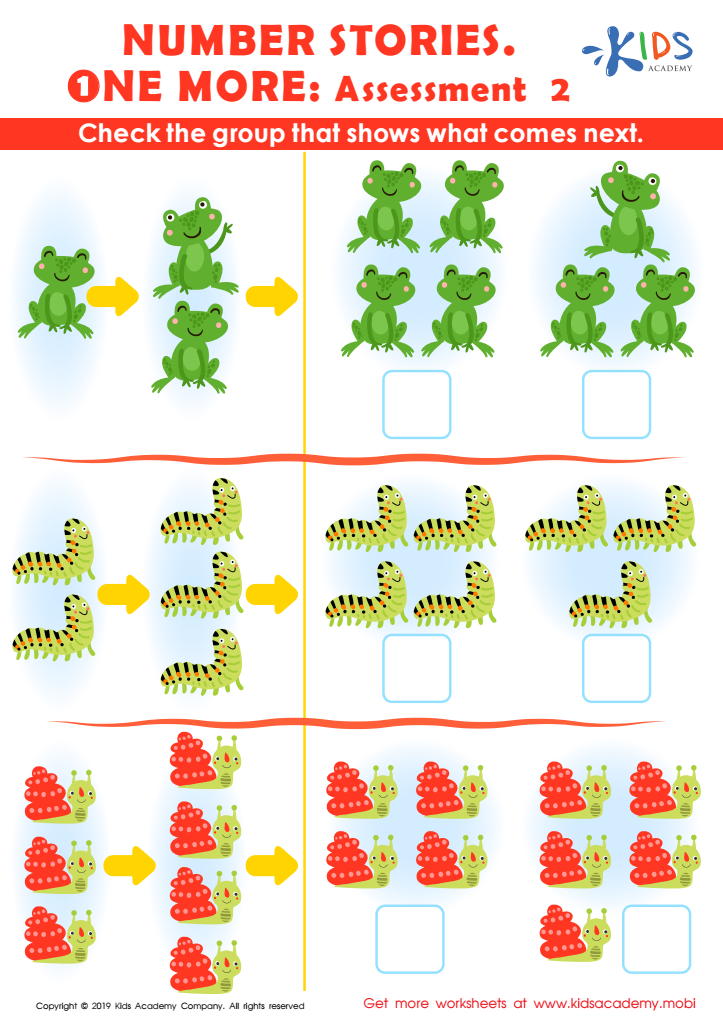
Number Stories One More – Assessment 2 Worksheet
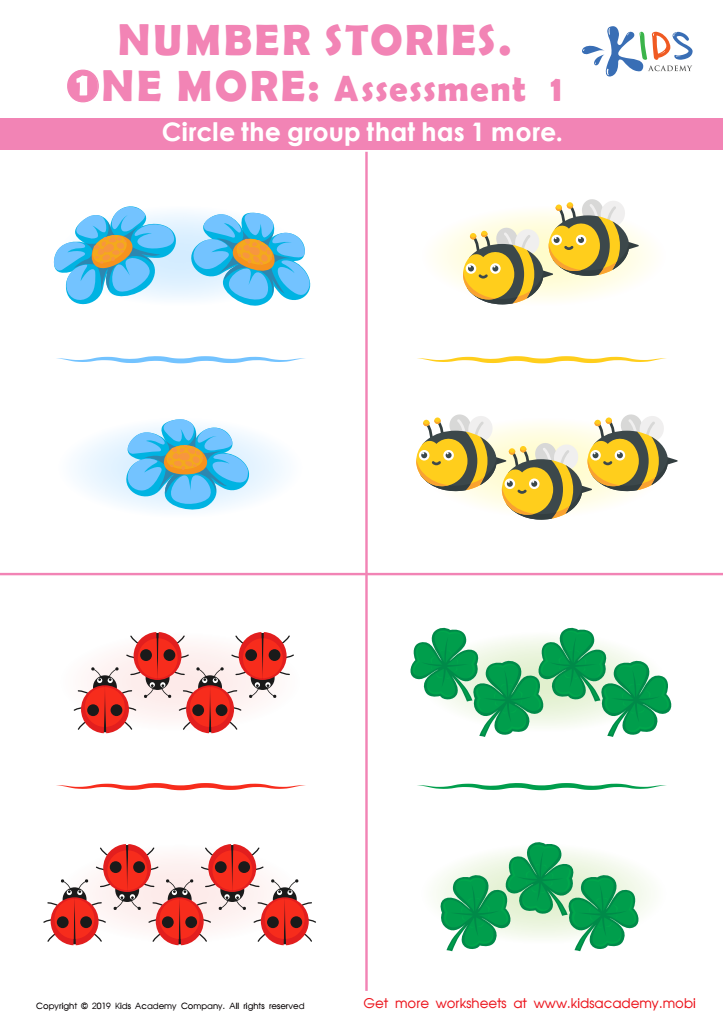
Number Stories One More – Assessment 1 Worksheet
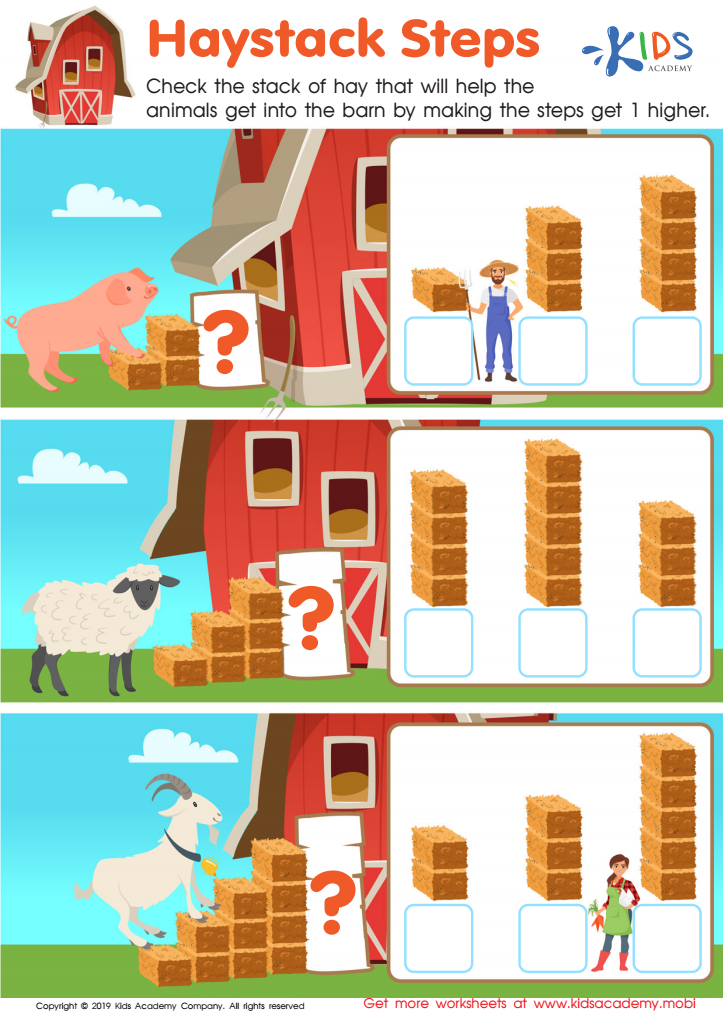
Haystack Steps Worksheet
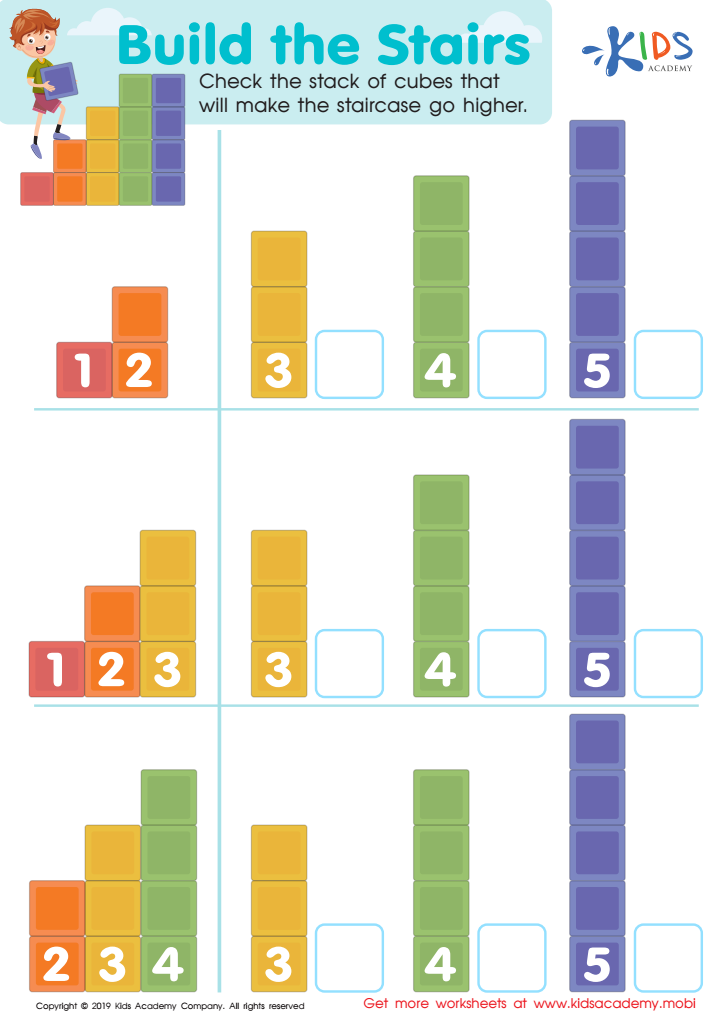
Build the Stairs Worksheet
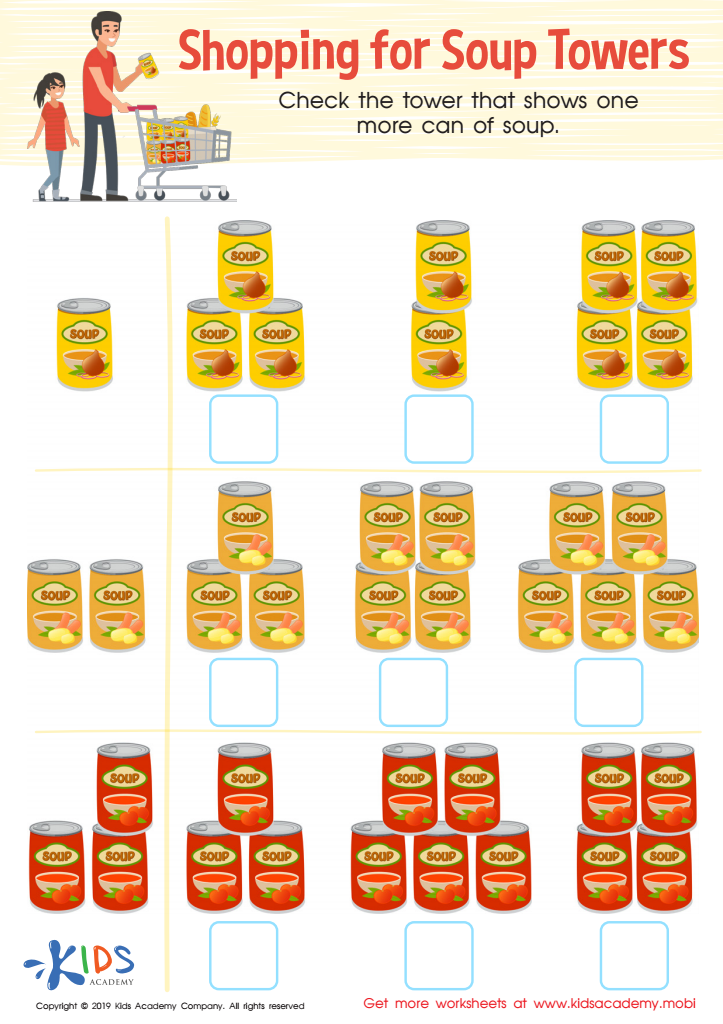
Soup Towers Worksheet
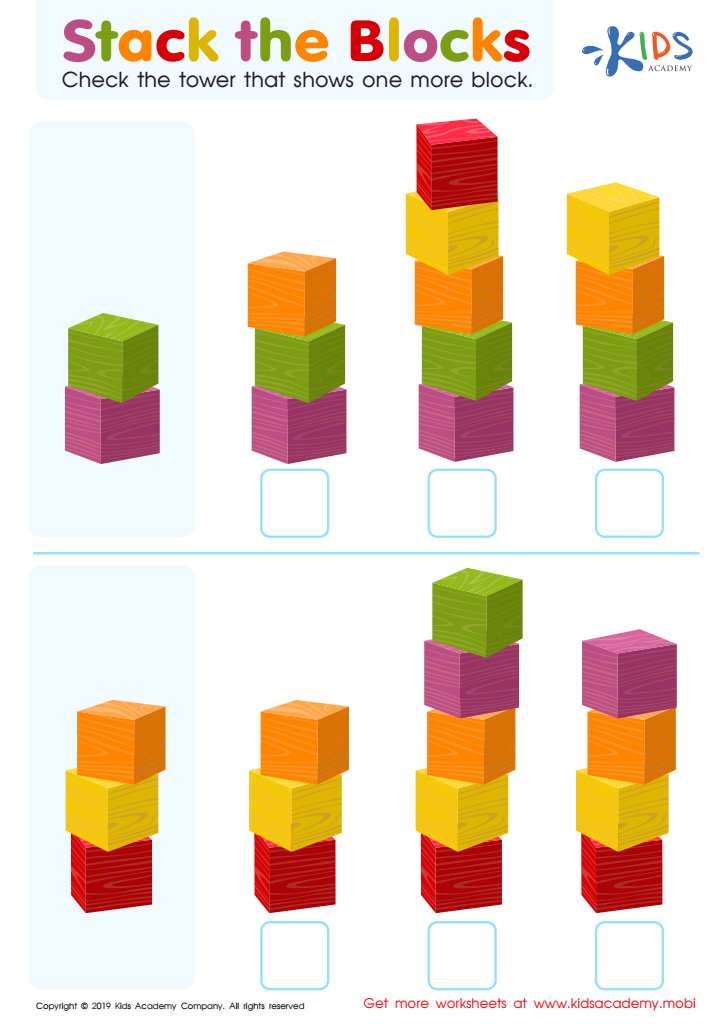
Stack the Blocks Worksheet
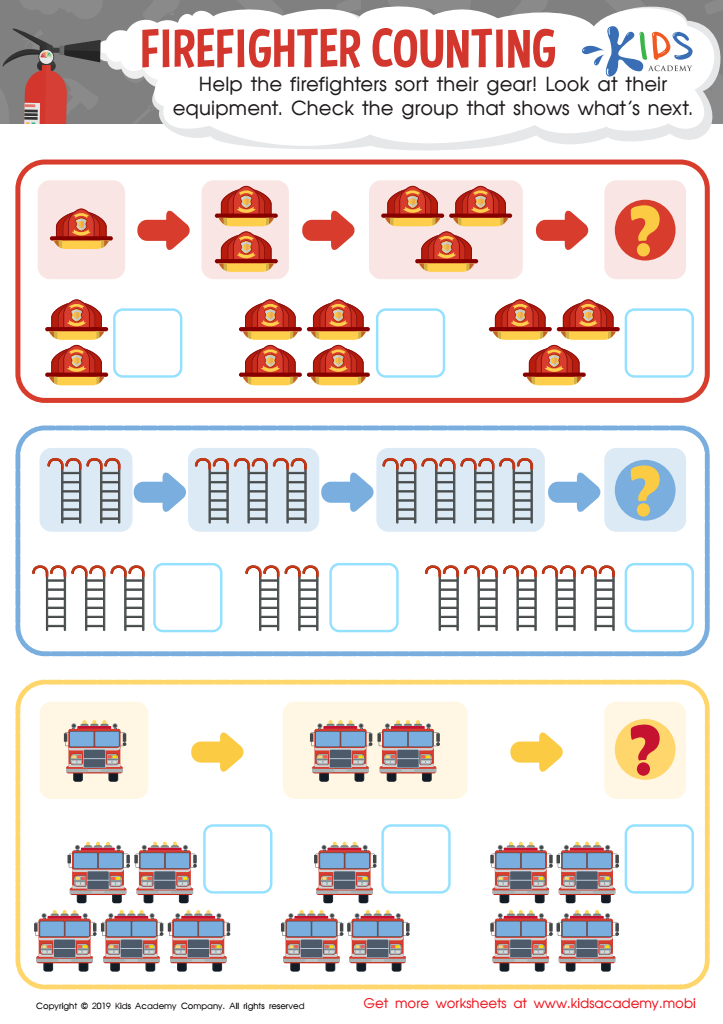
Firefighter Counting Worksheet
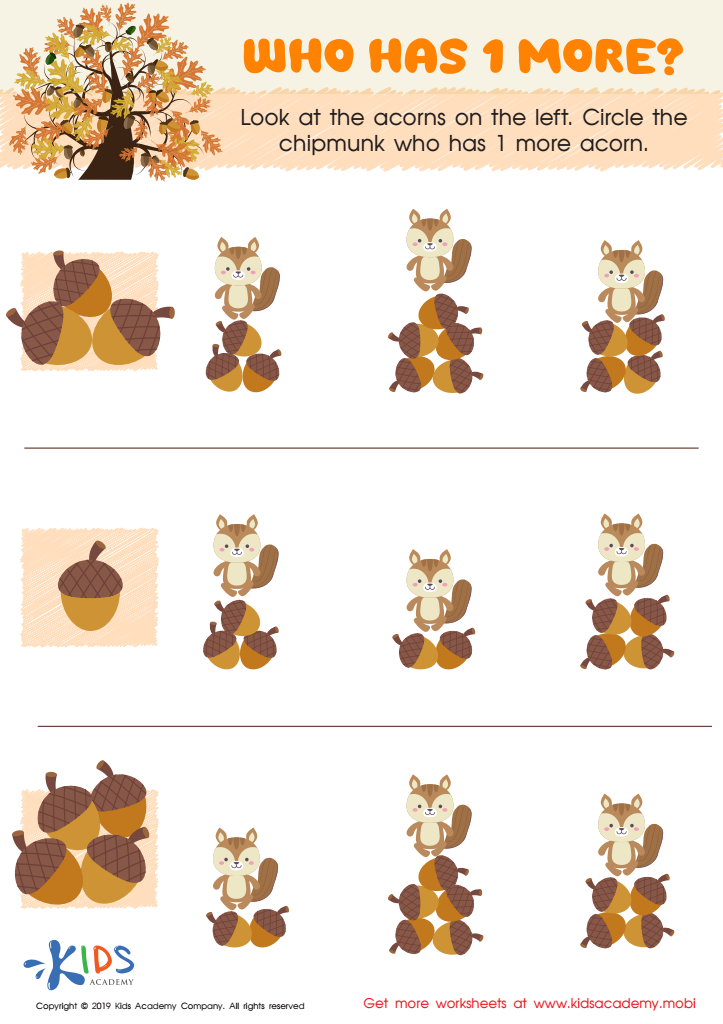
Who Has 1 More? Worksheet
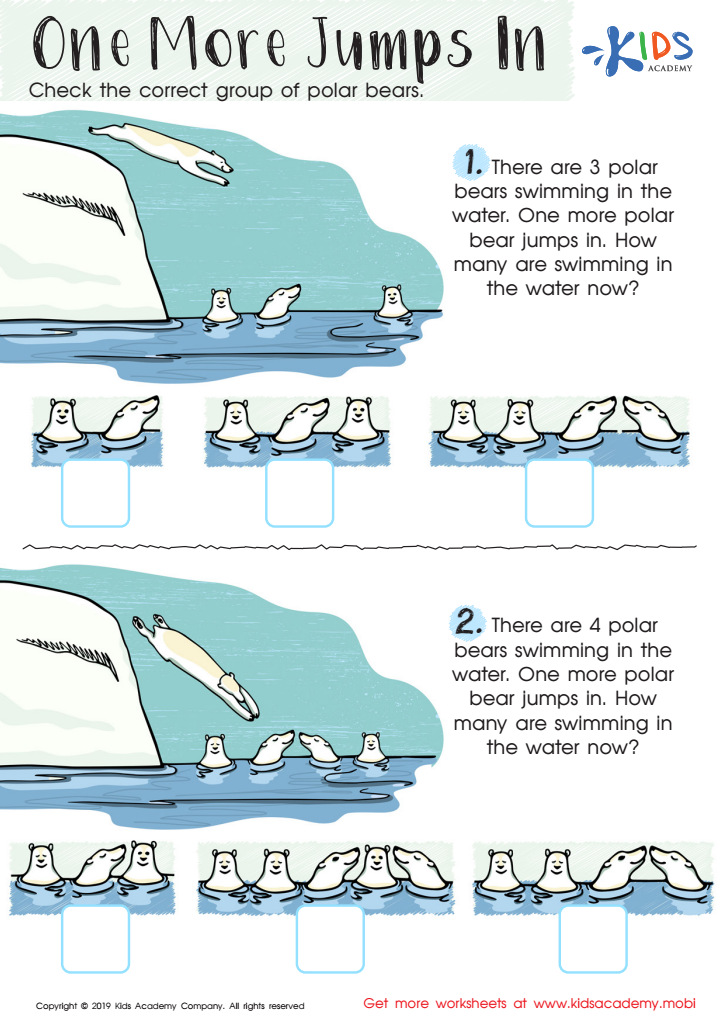
One More Jumps In Worksheet
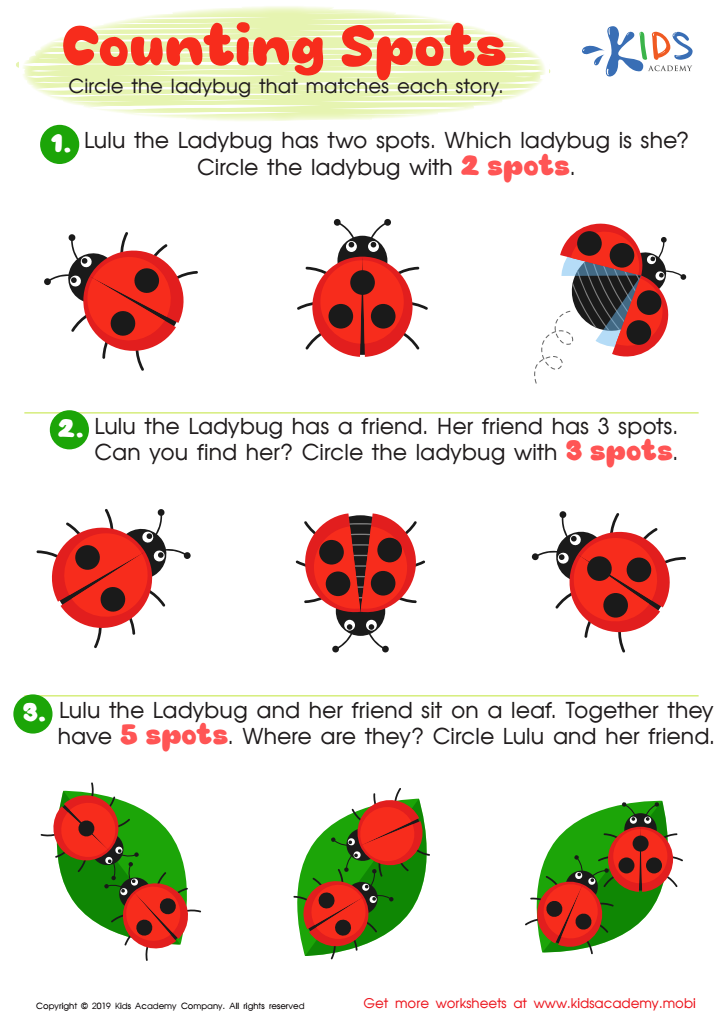
Counting Spots Worksheet
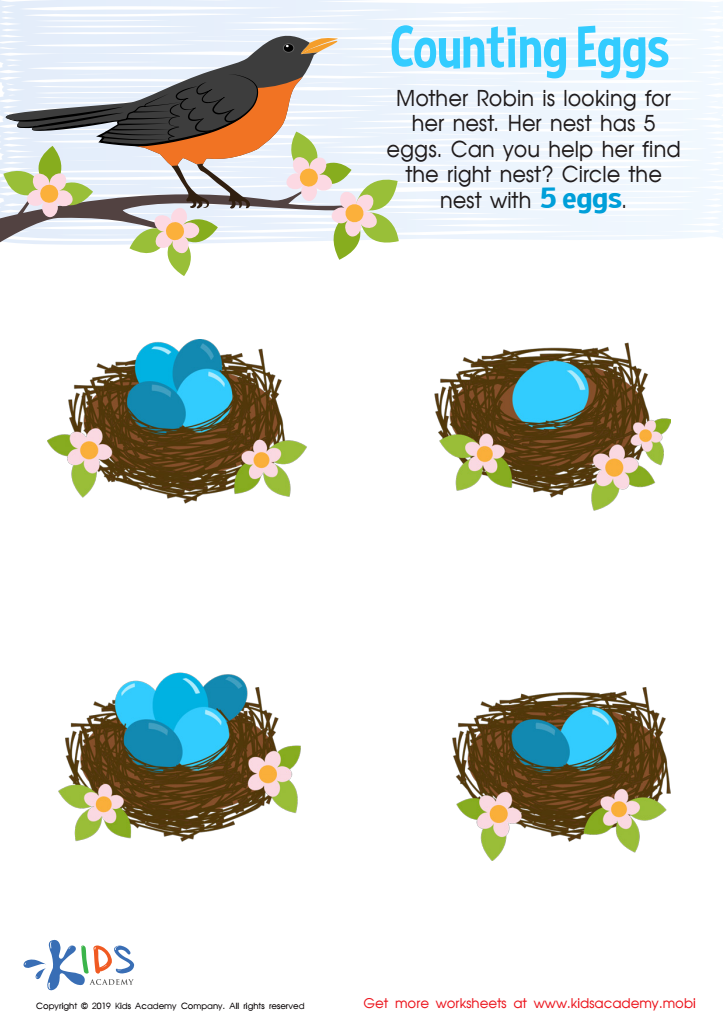
Counting Eggs Worksheet








Understanding numbers and basic mathematical concepts is crucial for children aged 3 to 9, as these skills lay the foundation for future learning. At this stage, children develop critical thinking and problem-solving abilities that are essential for academic success. Early exposure to numbers enhances cognitive development, improving not only math skills but also analytical thinking.
Parents and teachers play a vital role in nurturing a positive relationship with math. Engaging children in counting, measuring, and understanding shapes during everyday activities promotes learning in a fun and relatable way. By fostering a numerically rich environment through games, storytelling, and practical experiences, adults can help children develop confidence and a sense of curiosity toward mathematics.
Moreover, a solid grounding in number concepts supports literacy development, as many real-world contexts combine both numerical and verbal reasoning. Early math skills also correlate with later academic performance. Thus, by prioritizing numeracy, caregivers and educators contribute to children's overall educational journey, instilling skills essential not just in school but throughout life. In essence, caring about numbers during these formative years paves the way for well-rounded, capable learners prepared to tackle more complex challenges ahead.








