Matching Worksheets for Ages 3-9 - Page 4
82 filtered results
-
From - To
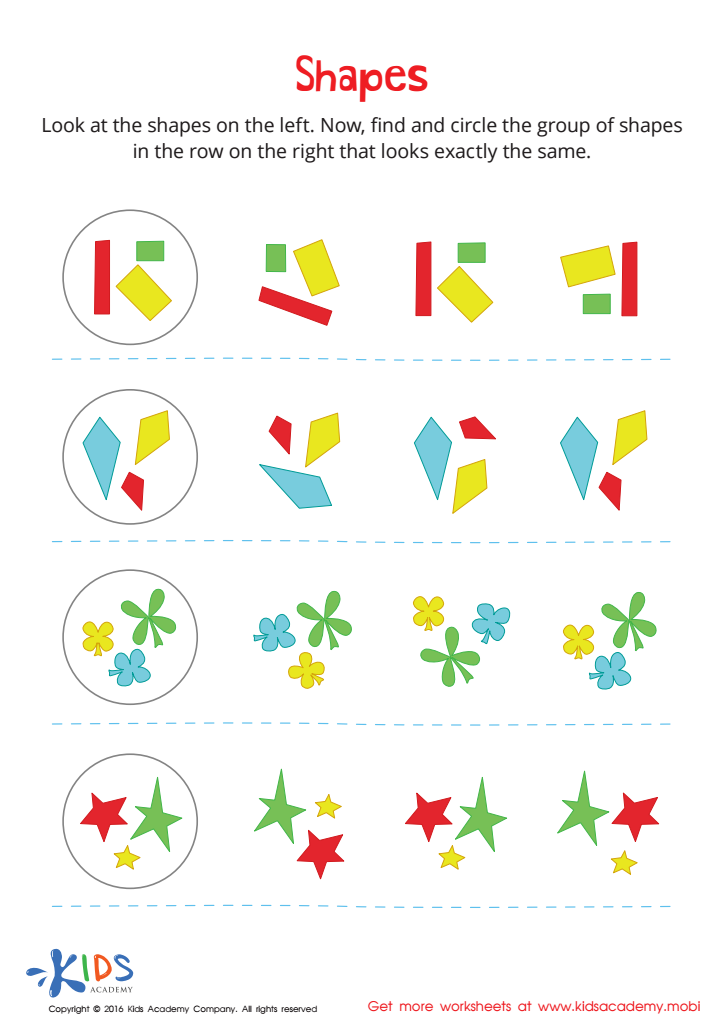
Shapes Worksheet
 Assign to My Students
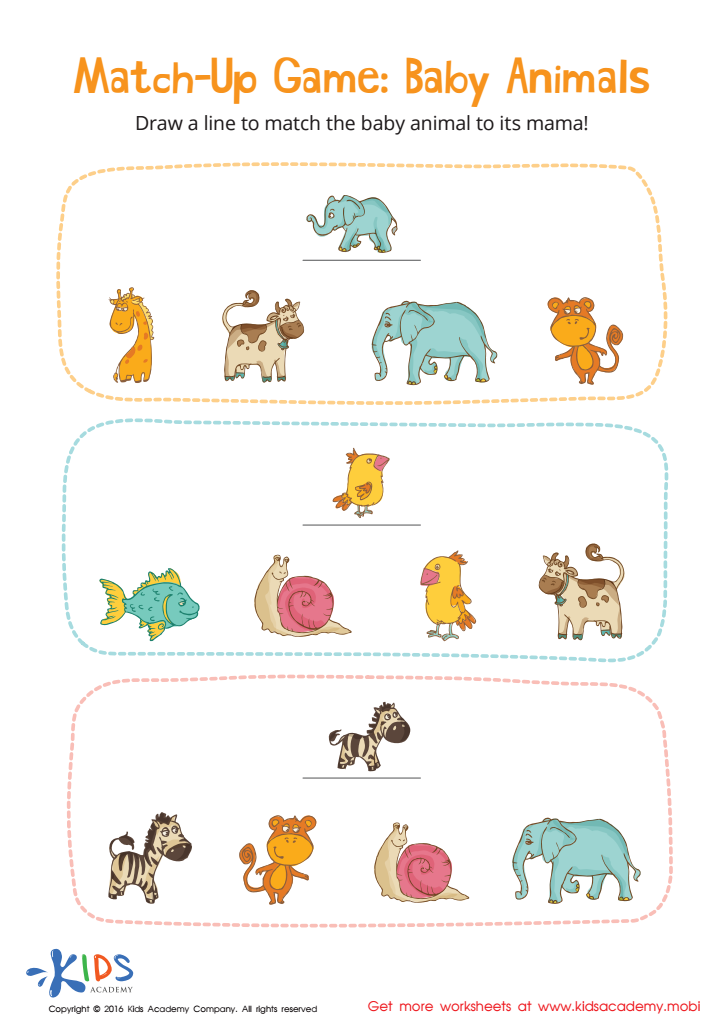
Baby Animals Match-Up Worksheet
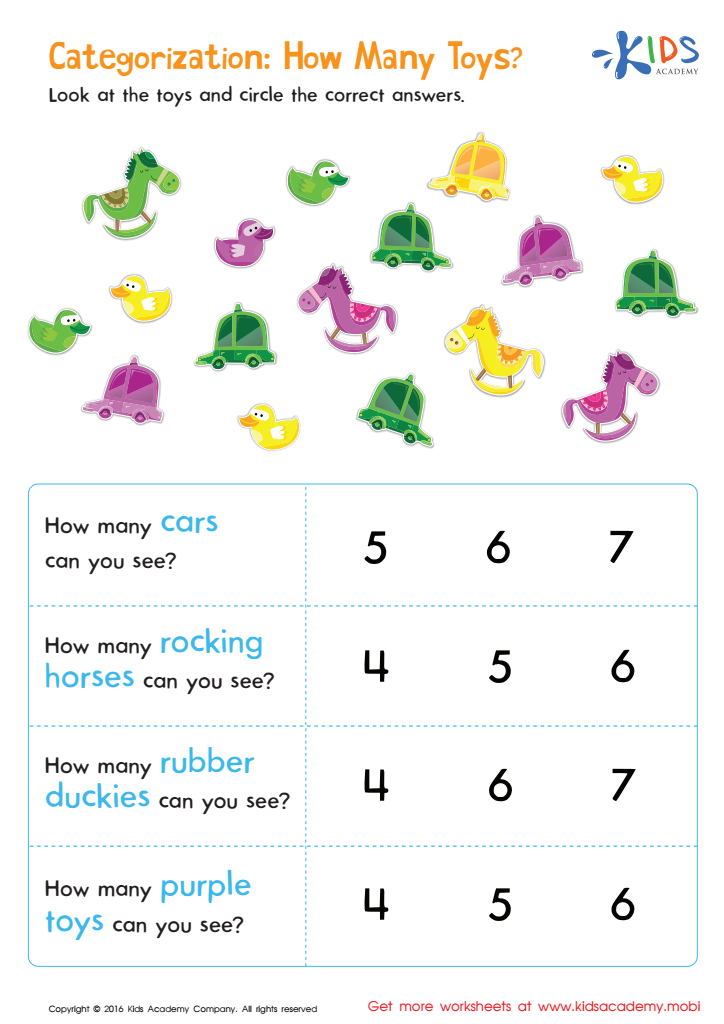
Classifying Toys by Type and Color Sorting Worksheet
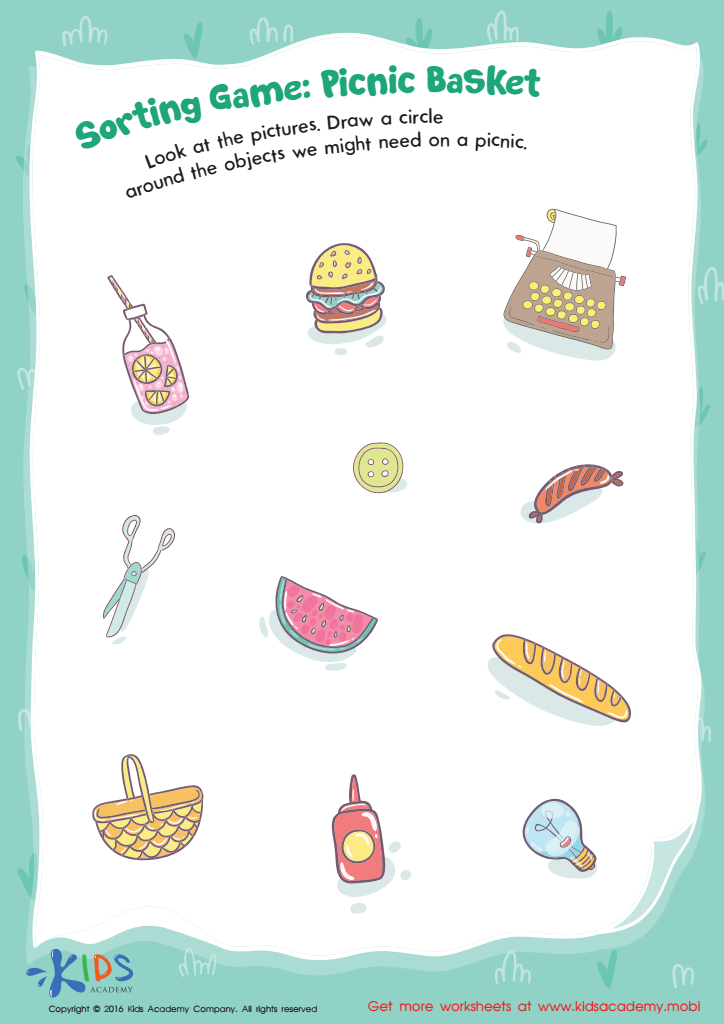
Picnic Basket Sorting Worksheet
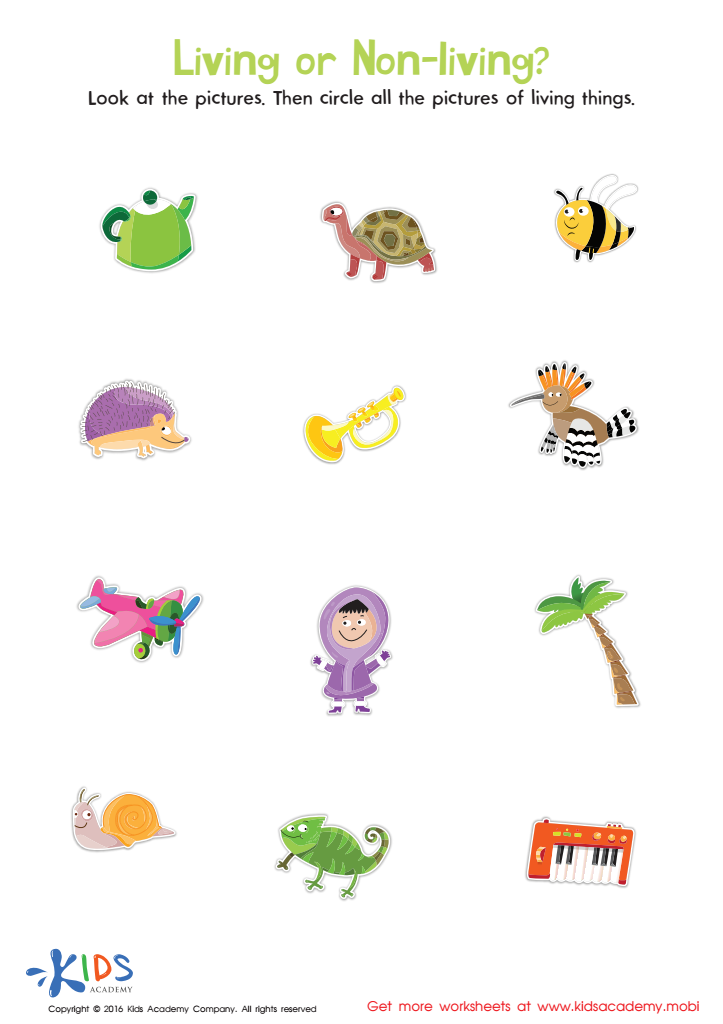
Identifying Living and Non–living Things Sorting Worksheet
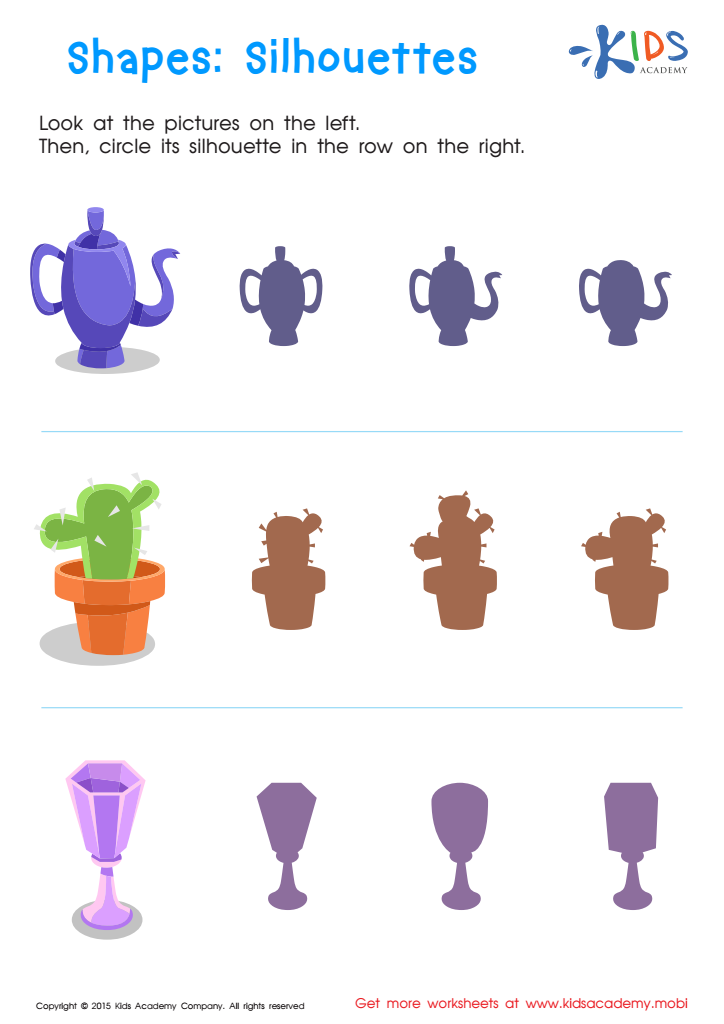
Silhouettes – Shapes Worksheet
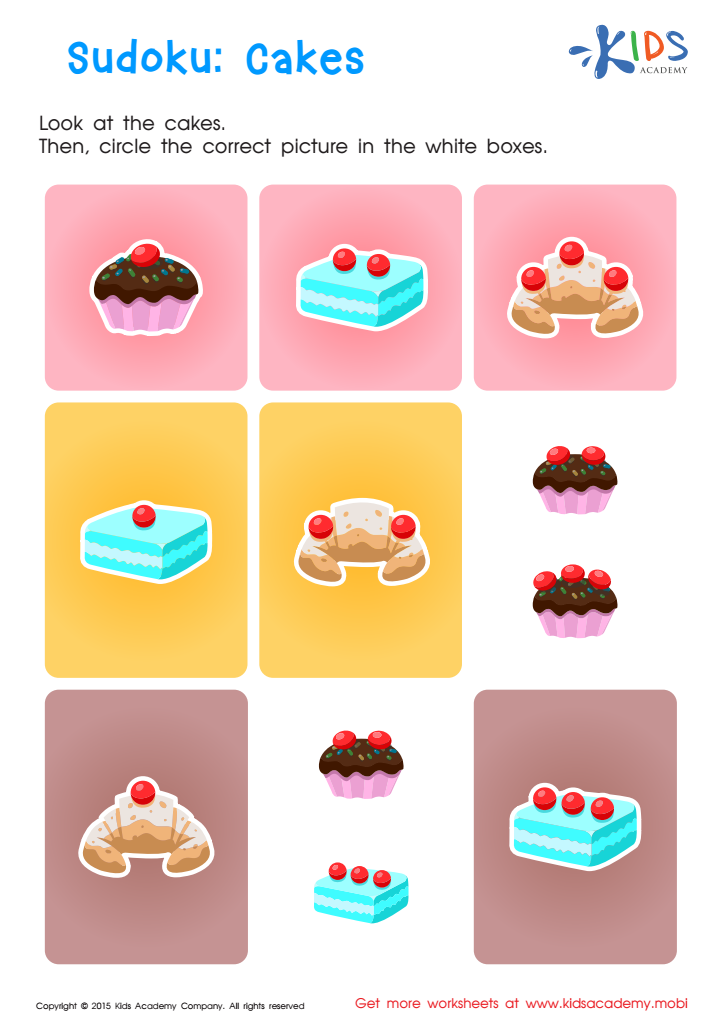
Sudoku Worksheet
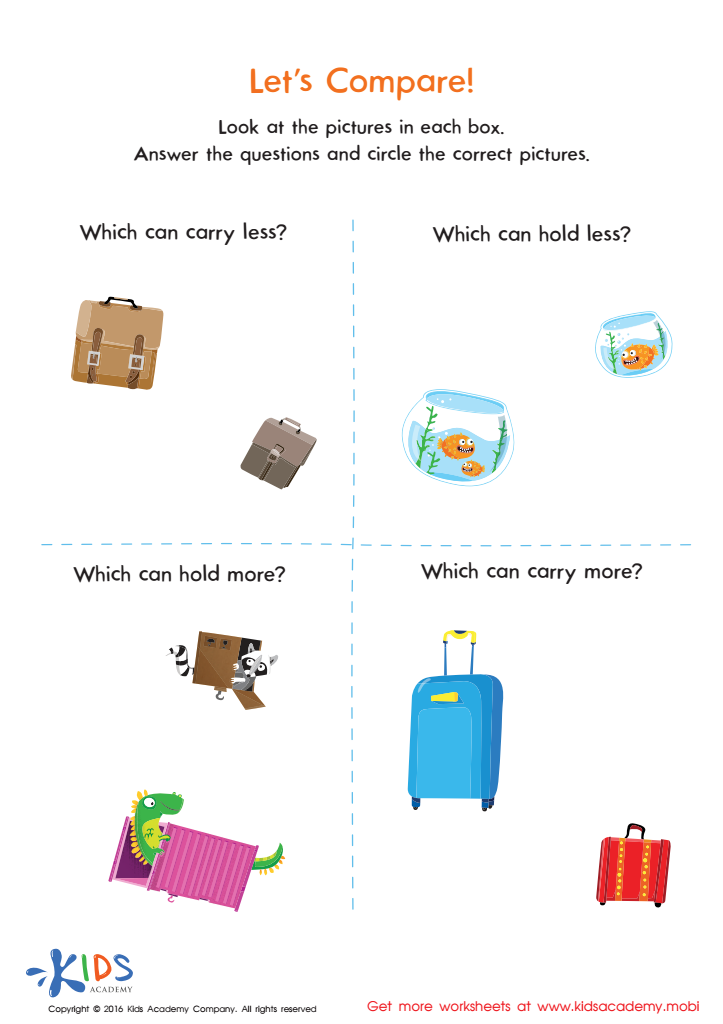
Let's Compare Worksheet: Big or Small








Matching activities are crucial for children aged 3-9 as they play a significant role in cognitive and developmental growth. At this critical stage, kids' brains are rapidly developing, and engaging in matching exercises can help in several key areas. Firstly, these activities enhance children's memory and attention to detail. By observing patterns and similarities, kids learn to focus and recall information, which is foundational for academic success.
Secondly, matching games bolster problem-solving skills and logical thinking. As children identify common attributes across different objects, they sharpen their ability to analyze and categorize information—a vital skill for subjects like math and science. Additionally, matching helps in developing fine motor skills. Manipulating cards, pieces, or objects to find pairs or sets requires dexterity and coordination.
Furthermore, these activities can support language development. When parents or teachers discuss the attributes being matched—like colors, shapes, or sizes—kids expand their vocabulary and comprehension skills. Social-emotional benefits are also apparent, particularly when these activities are done in groups or pairs, encouraging collaboration and communication.
In essence, matching exercises provide a multi-faceted learning experience that supports early childhood development, laying a strong foundation for future learning and daily life skills. Therefore, it’s imperative for parents and teachers to integrate matching activities into their routines.








