Multiplication Worksheets for Ages 3-9 - Page 3
70 filtered results
-
From - To
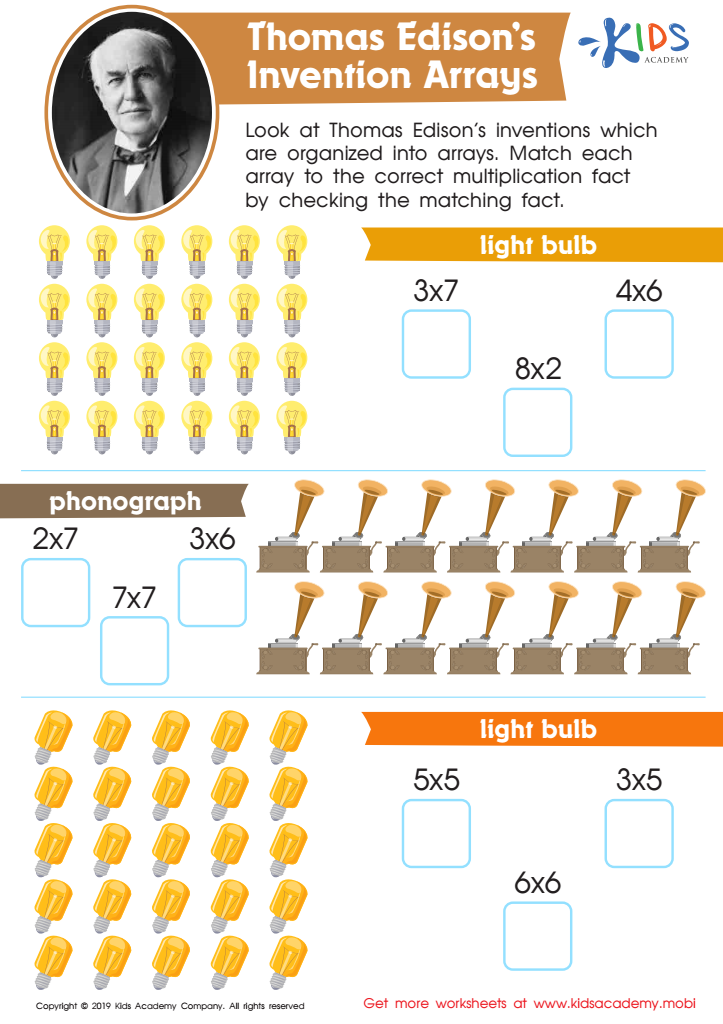
Thomas Edison’s Invention Arrays Worksheet
 Assign to My Students
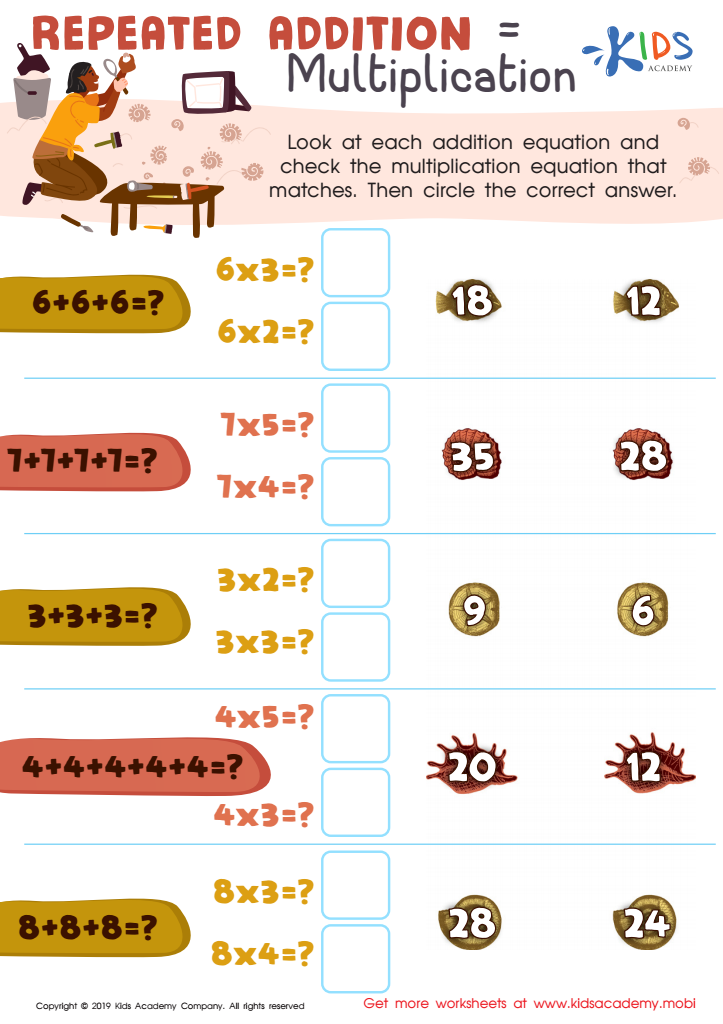
Repeated Addition = Multiplication Worksheet
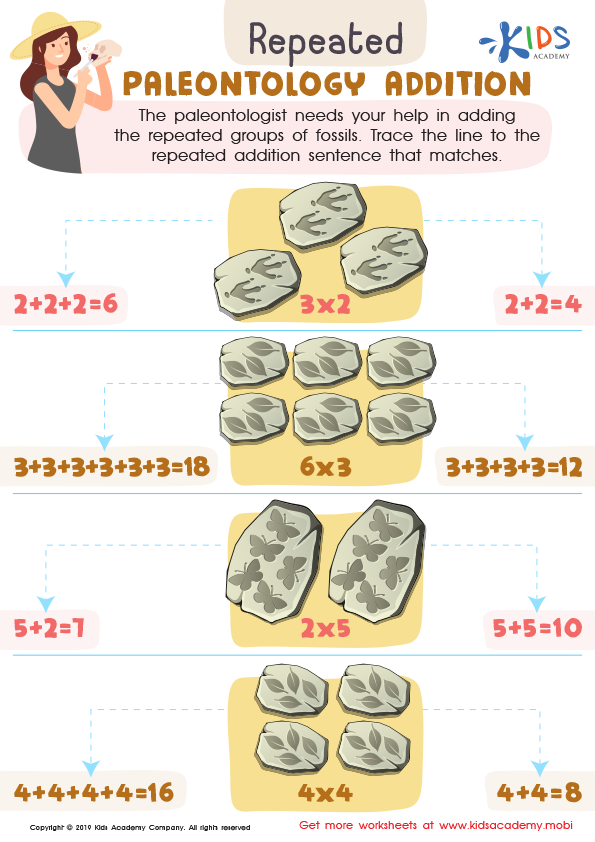
Repeated Archaeology Addition Worksheet
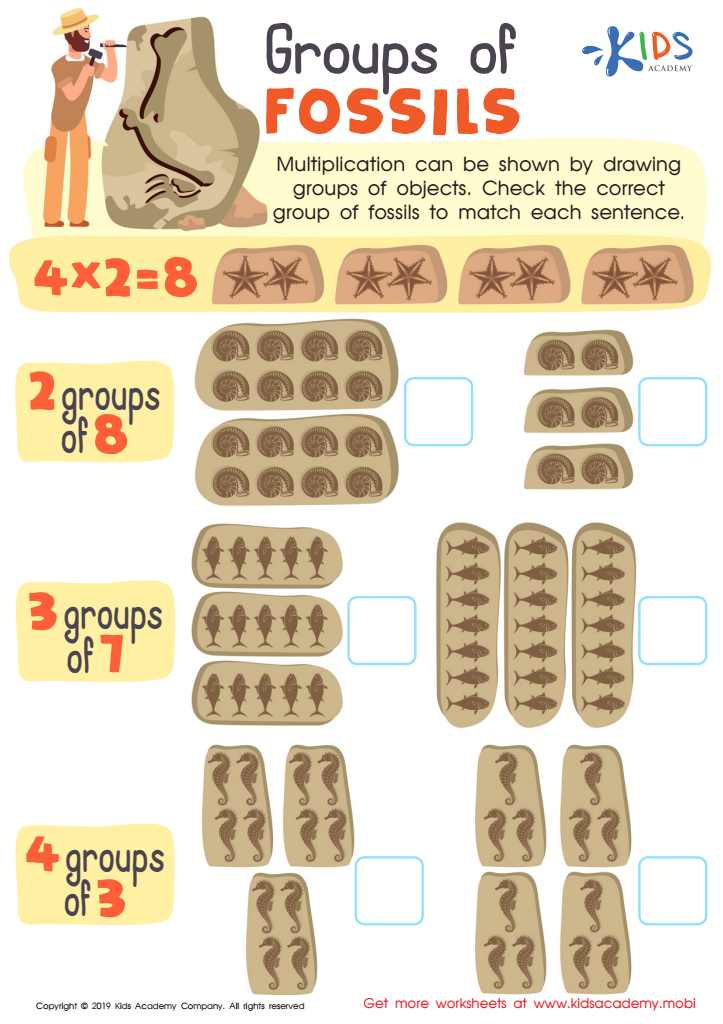
Groups of Fossils Worksheet
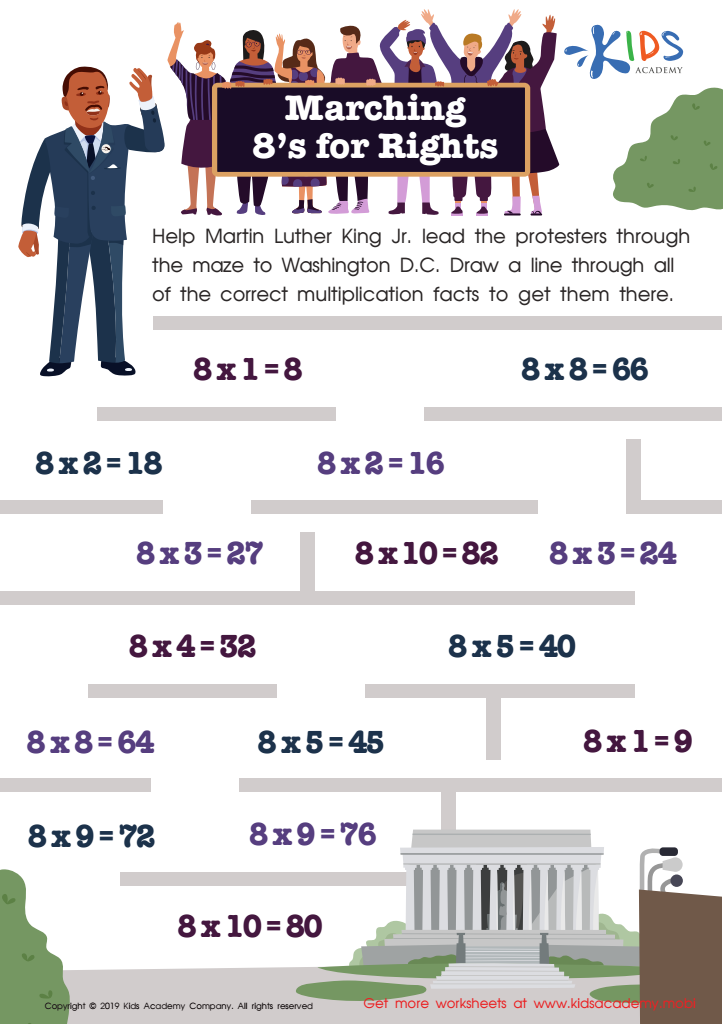
Marching 8’s for Rights Worksheet
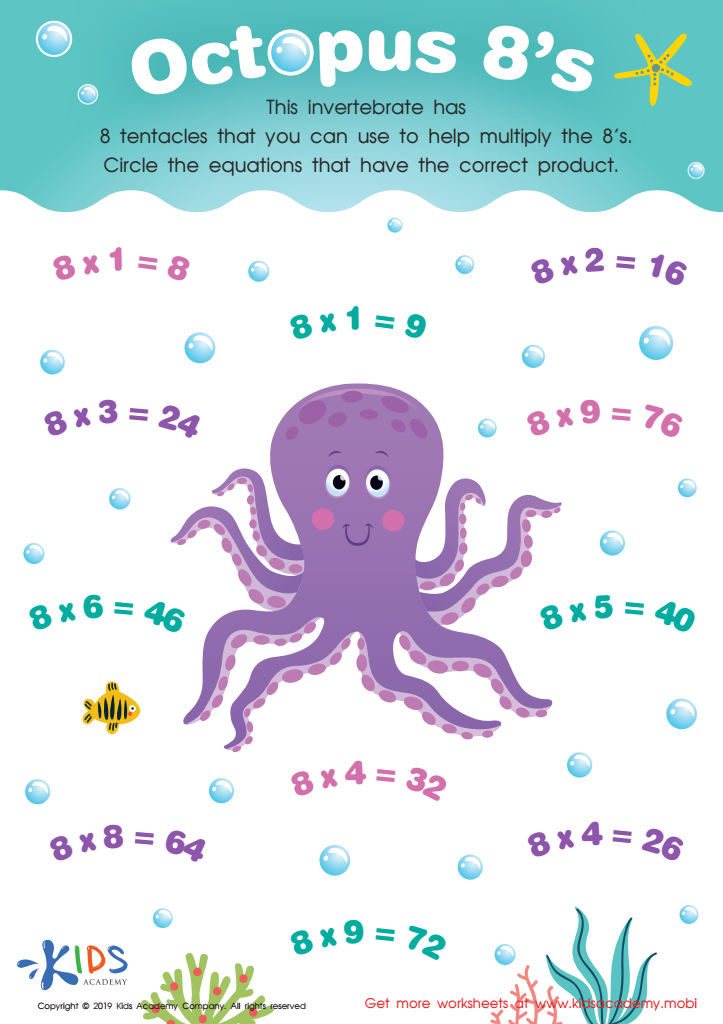
Octopus 8’s Worksheet
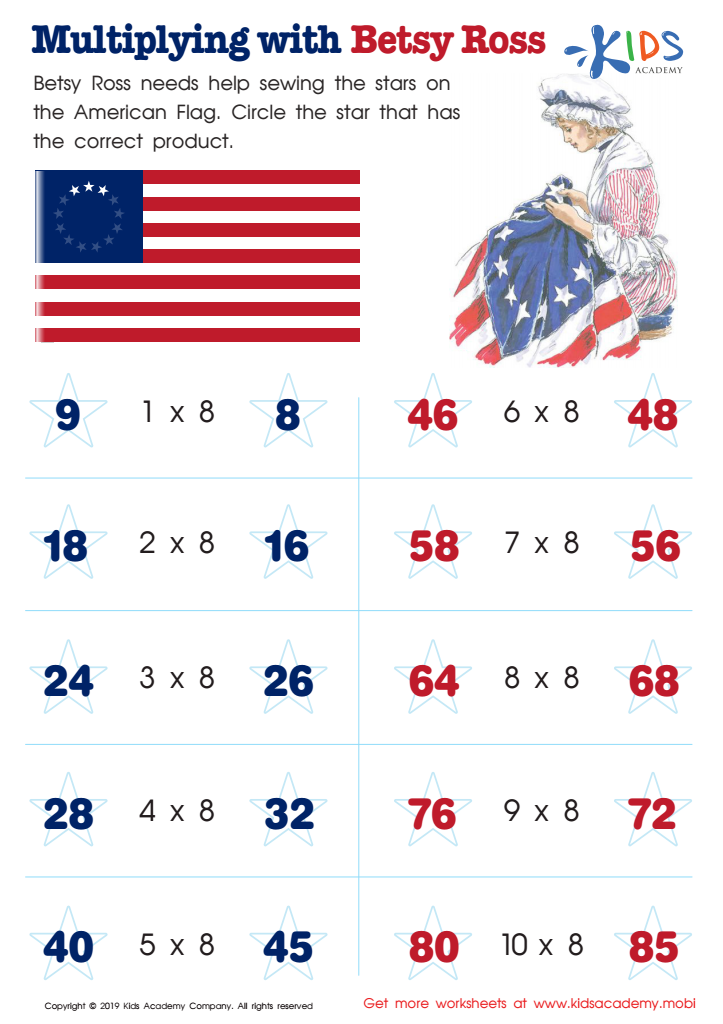
Multiplying with Betsy Ross Worksheet
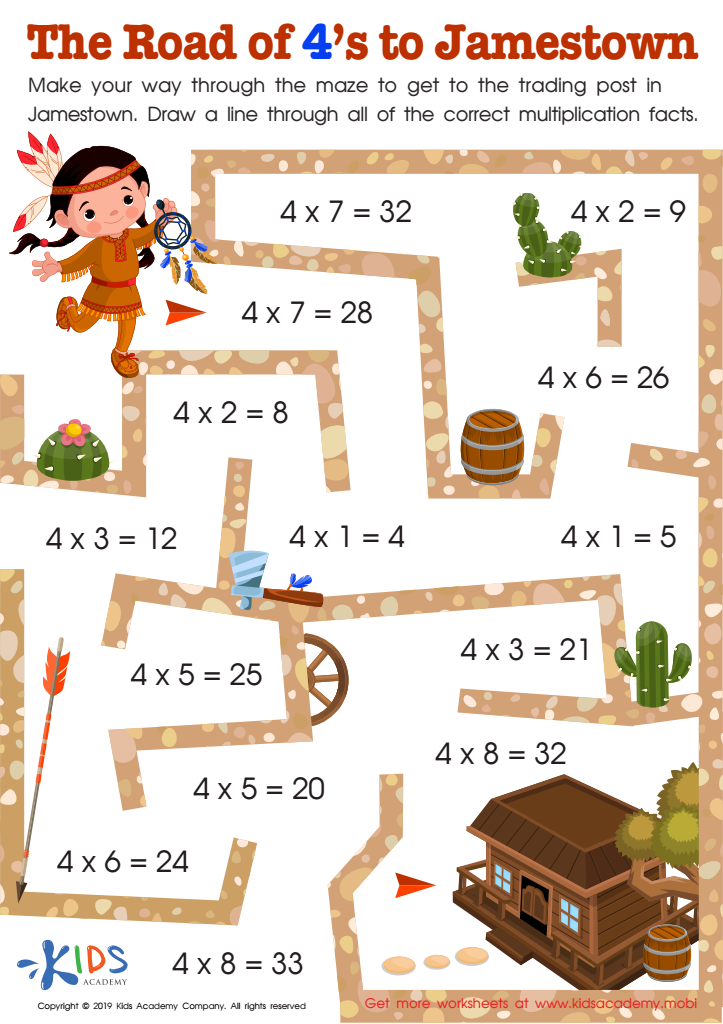
The Road of 4’s to Jamestown Worksheet
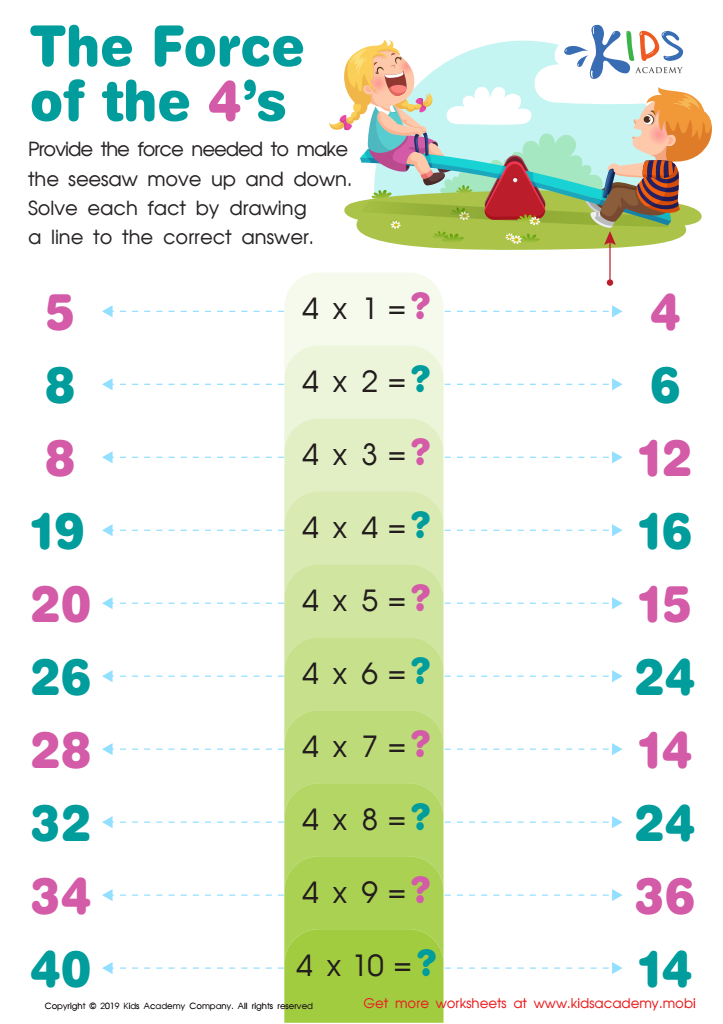
The Force of the 4's Worksheet
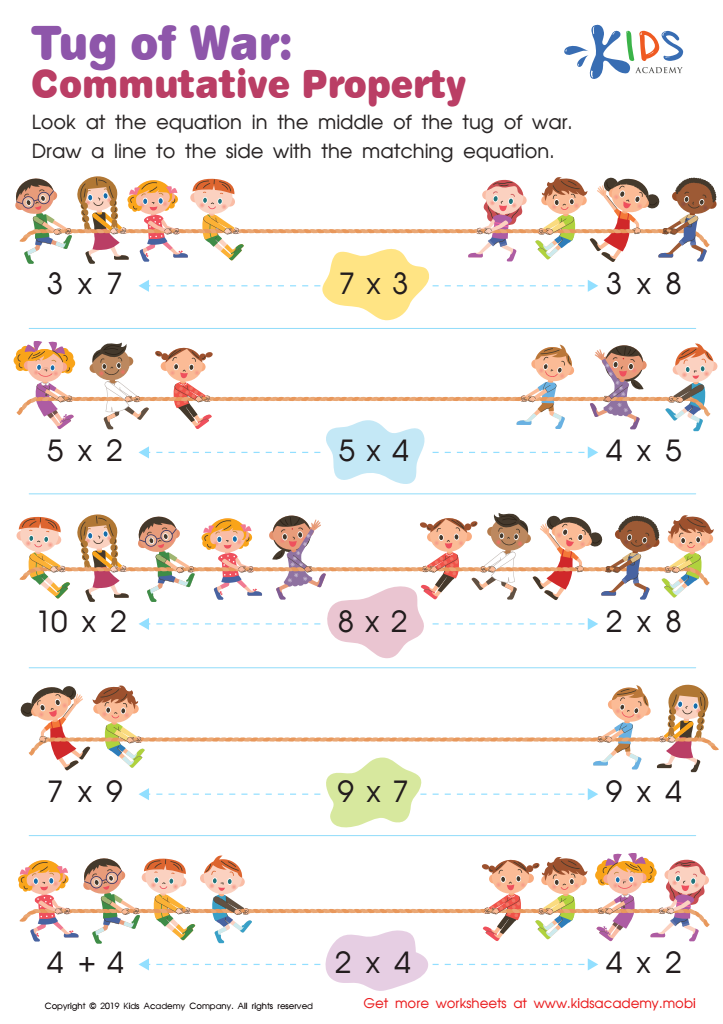
Tug of War: Commutative Property Worksheet
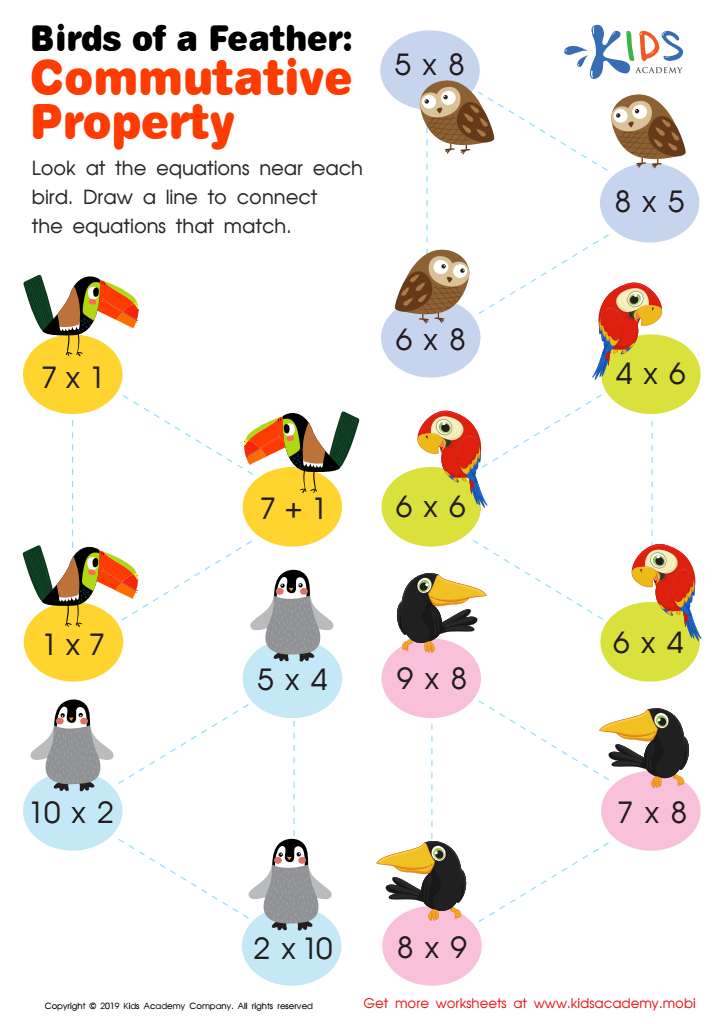
Birds of a Feather: Commutative Property Worksheet
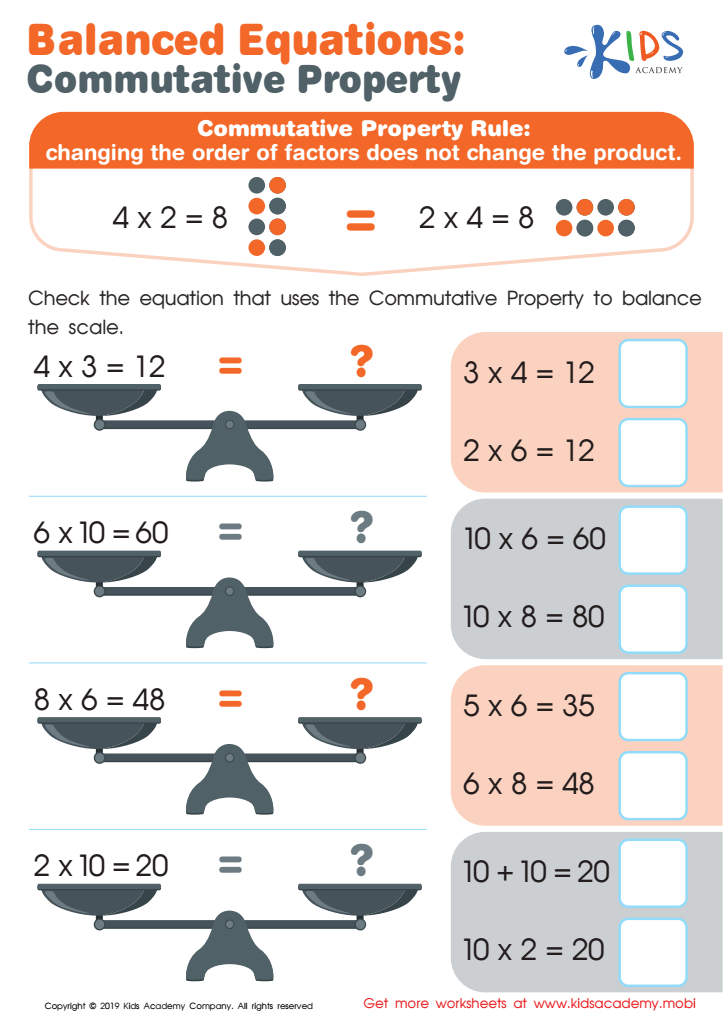
Balanced Equations: Commutative Property Worksheet
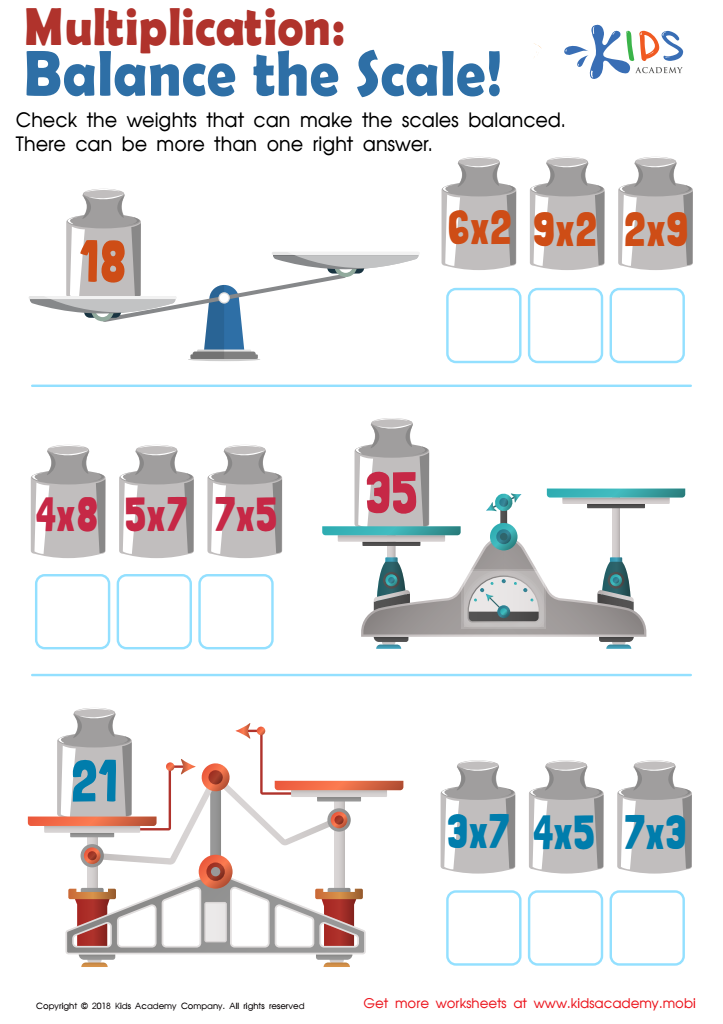
Balance the Scales Multiplication Worksheet
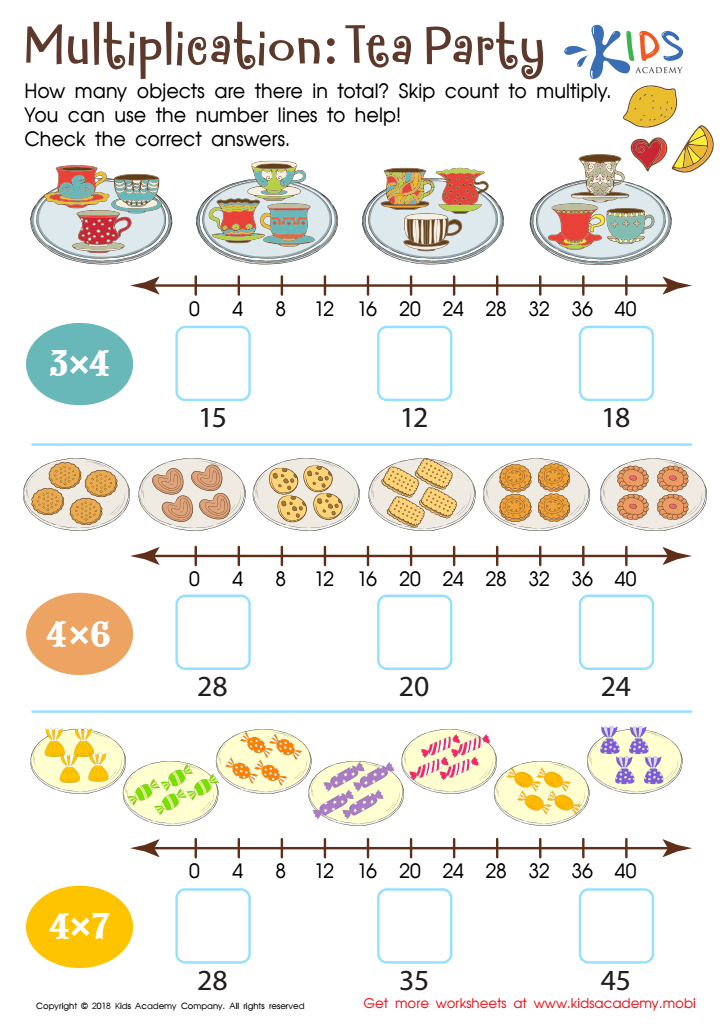
3rd Grade Math Worksheet Multiplication
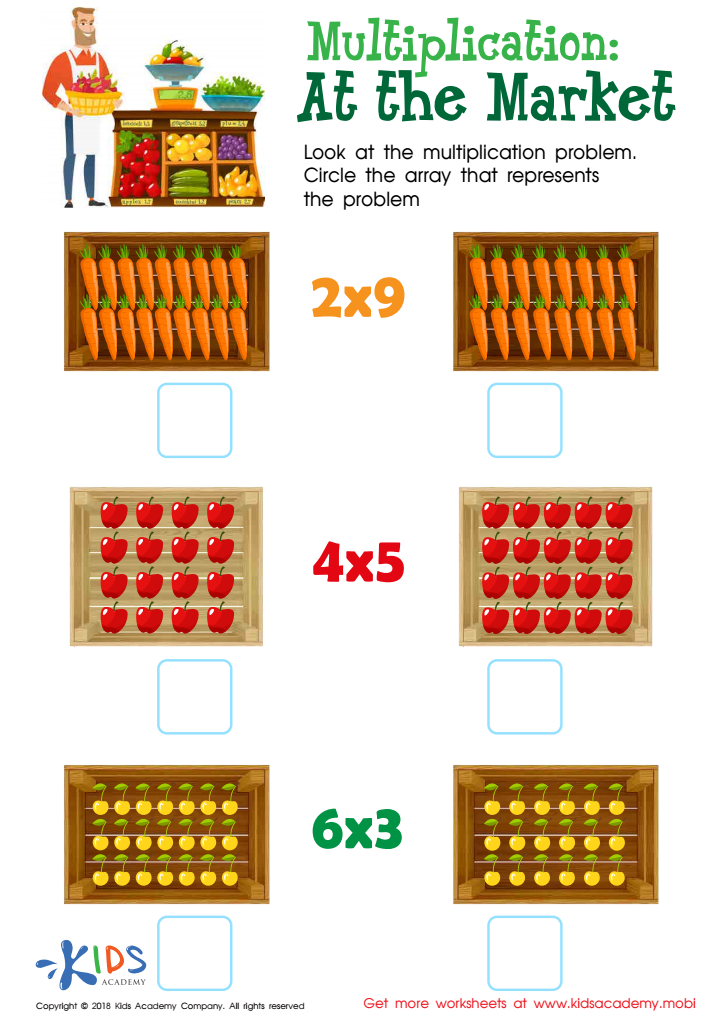
At the Market Worksheet
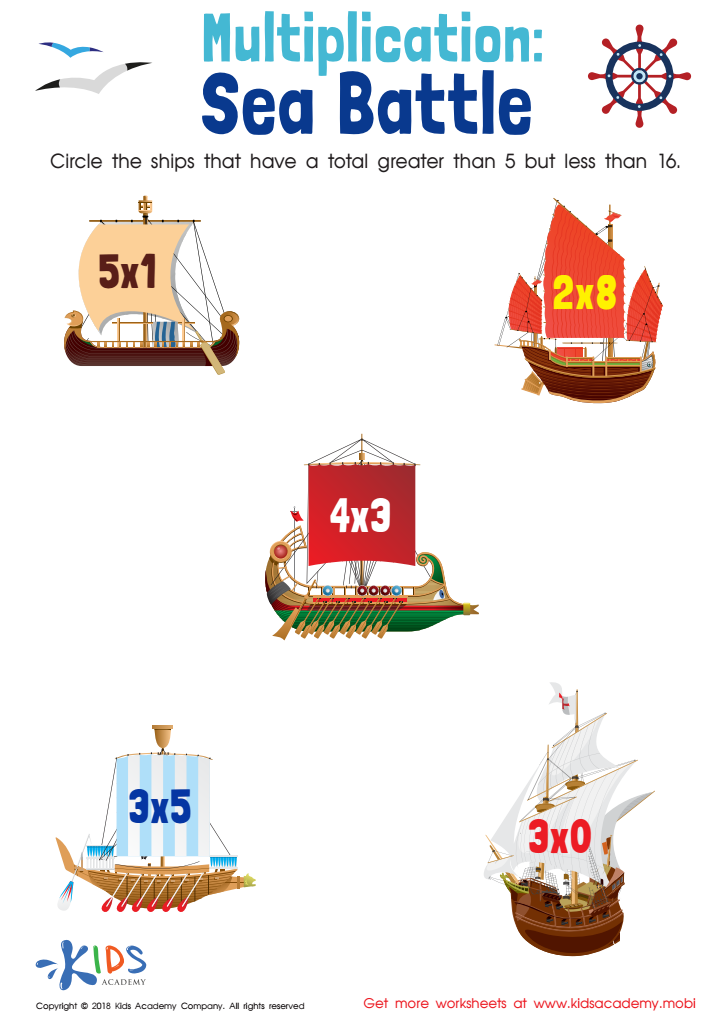
Sea Battle: Multiplication Worksheet
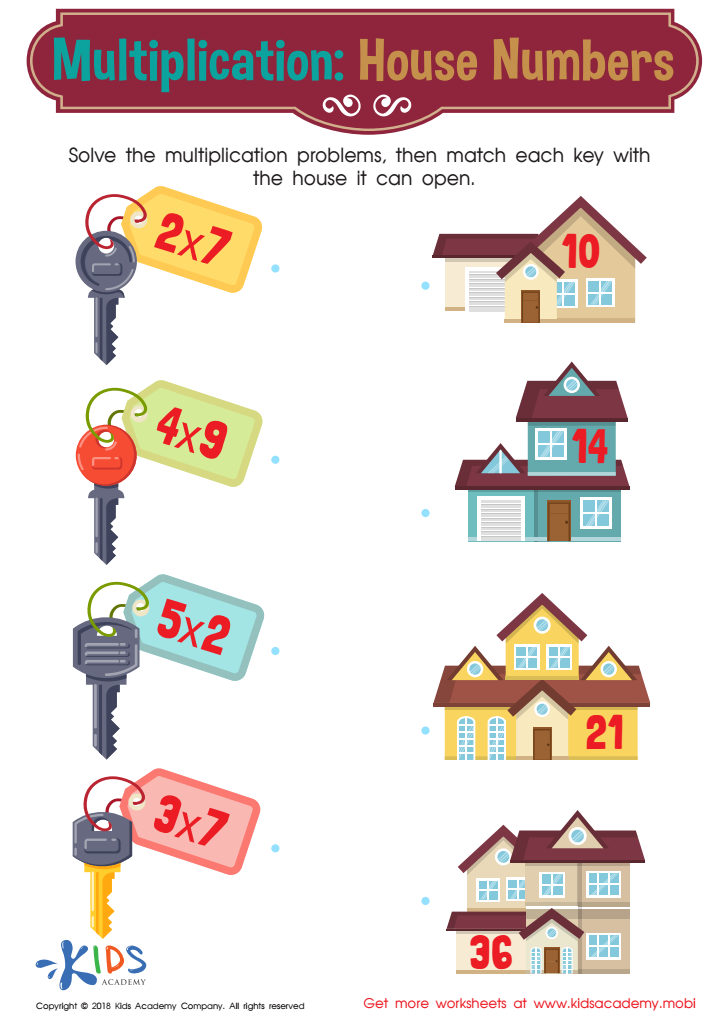
House Numbers Worksheet
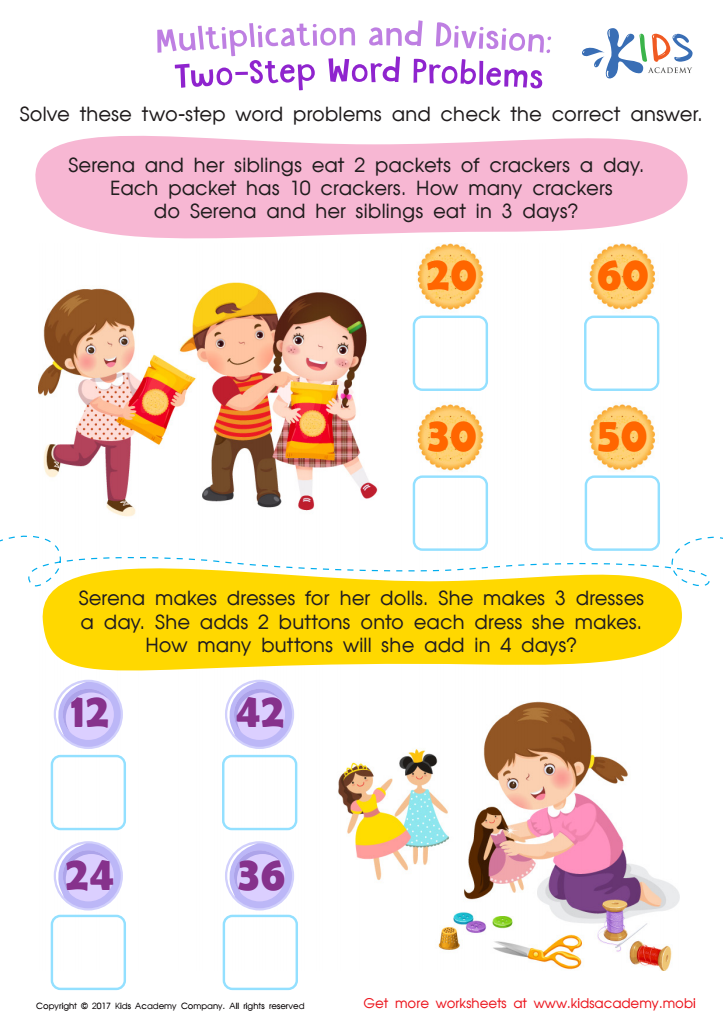
Two Step Word Problems Worksheet
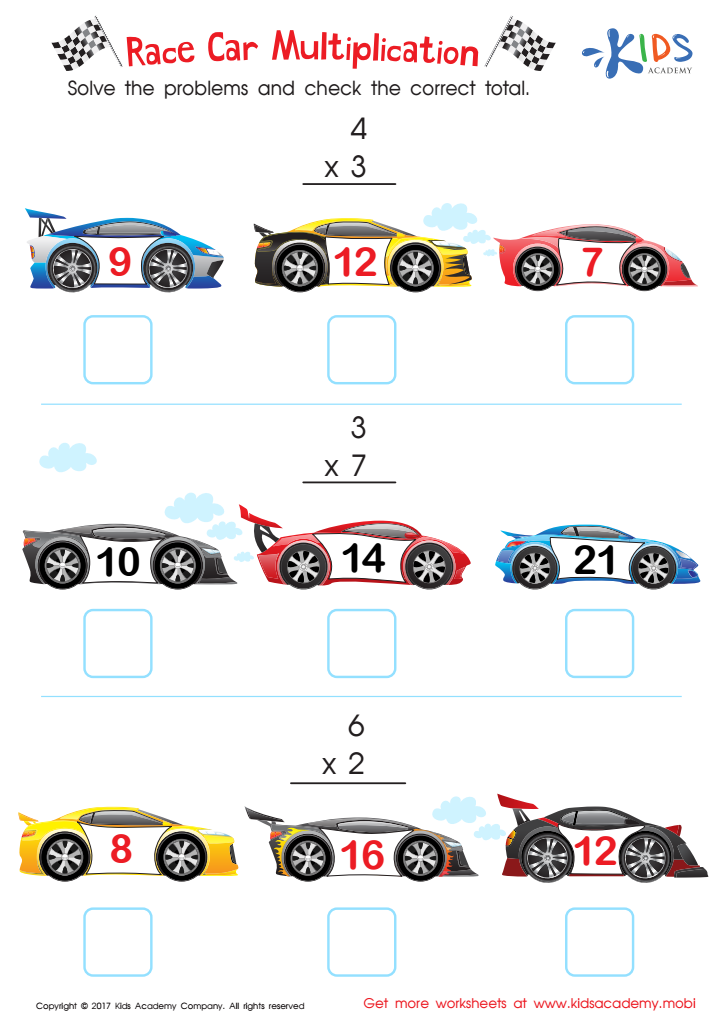
Race Car Worksheet
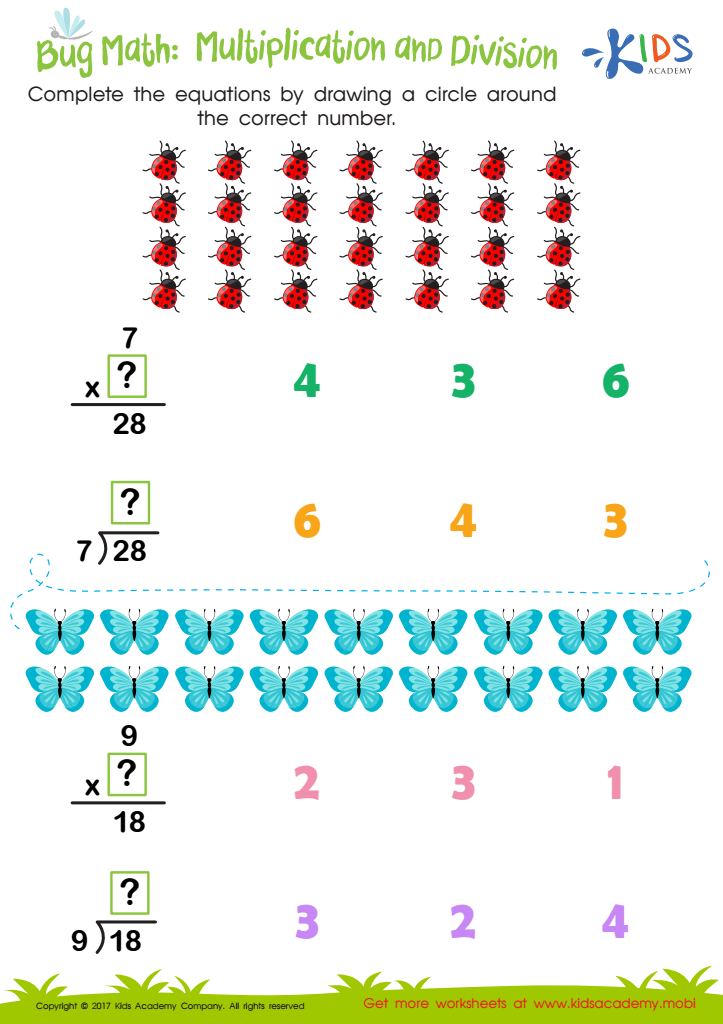
Multiplication and Division Worksheet
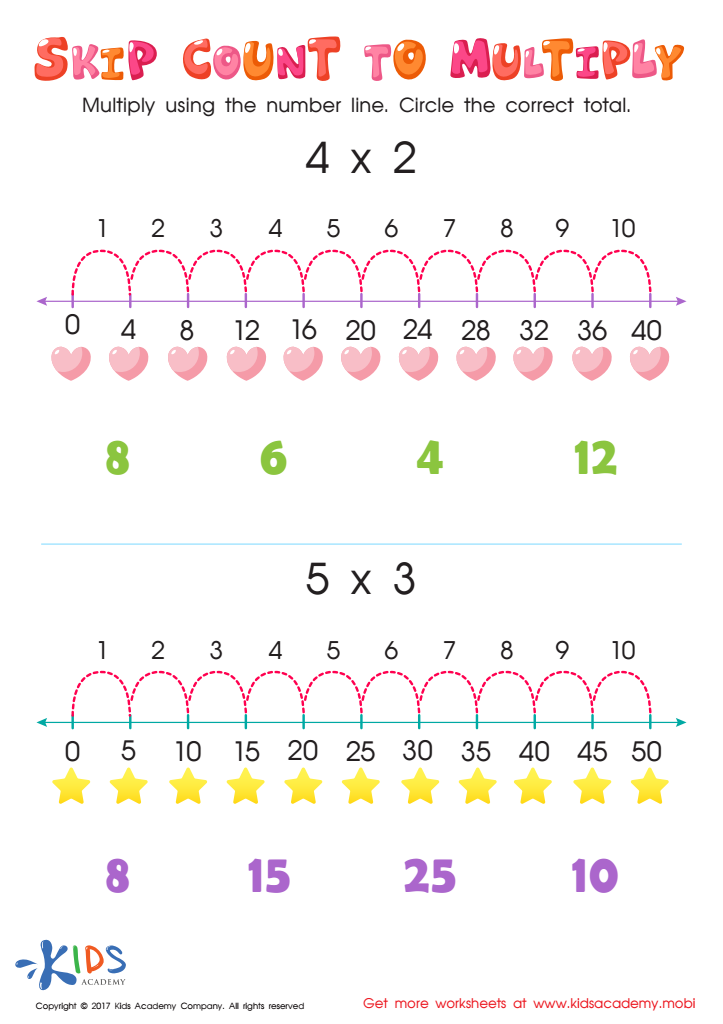
Skip Count Multiplication Worksheet
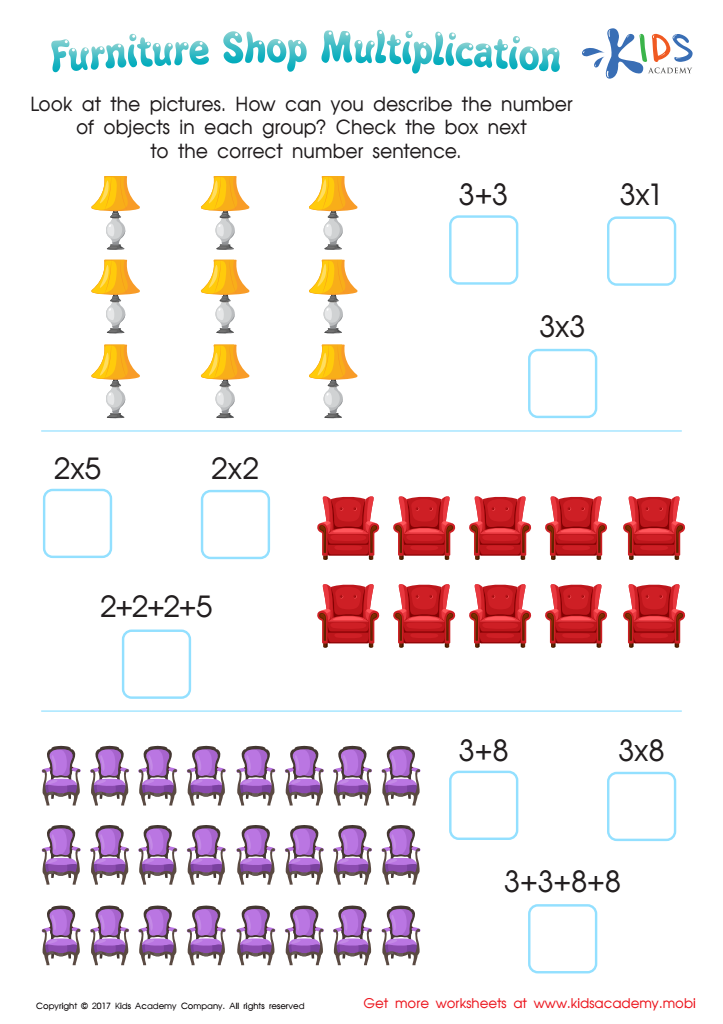
Furniture Shop Worksheet







Understanding multiplication at an early age establishes a vital foundation for future mathematical learning. For children aged 3-9, mastering multiplication not only supports their arithmetic skills but also enhances their cognitive development. Multiplication is a building block for more advanced math concepts, including division, fractions, and algebra. When children grasp multiplication early, they develop confidence and a positive attitude toward math, which benefits their overall academic performance.
Parents and teachers should care about teaching multiplication because it promotes critical thinking and problem-solving abilities. These skills are crucial in everyday life, from calculating expenses to understanding patterns in nature. Moreover, young children who practice multiplication tend to improve their memory, attention to detail, and logical reasoning.
Introducing multiplication through engaging, age-appropriate activities can make learning enjoyable and effective. For instance, using visual aids like number lines, arrays, and colorful charts helps children visualize the concept and relate it to their everyday experiences. Games and hands-on activities, such as grouping objects or playing with math-based toys, can make multiplication fun and meaningful.
In essence, prioritizing multiplication for children aged 3-9 enriches their mathematical understanding, builds essential life skills, and fosters a lifelong love for learning.








