Building Vocabulary Worksheets for Ages 3-9 - Page 8
254 filtered results
-
From - To
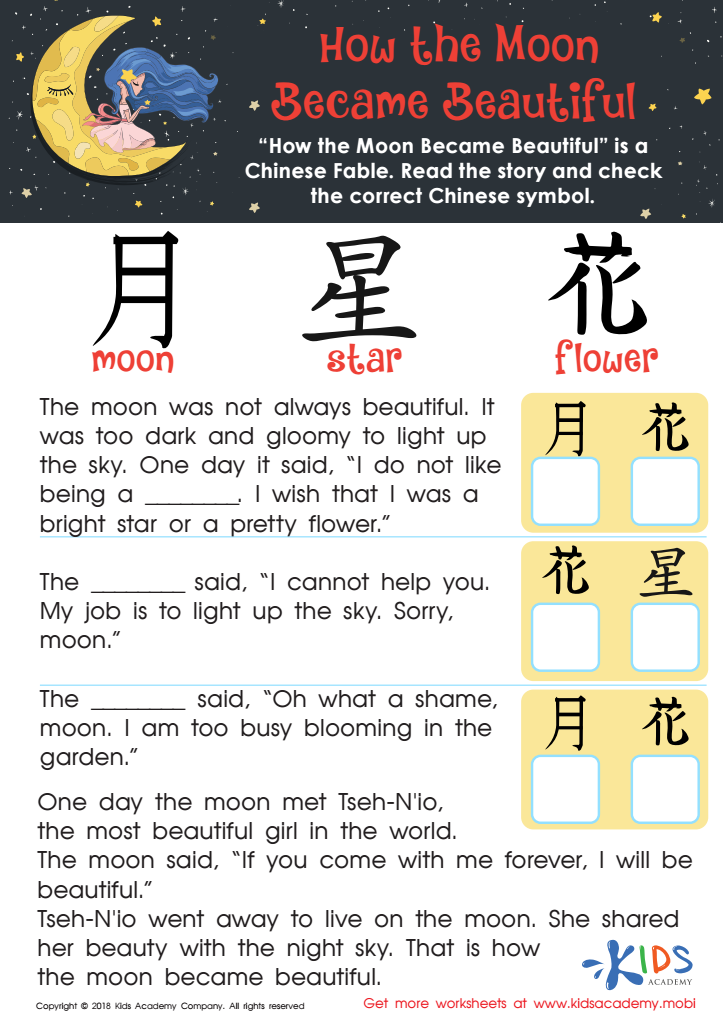
How the Moon Became Beautiful Worksheet
 Assign to My Students











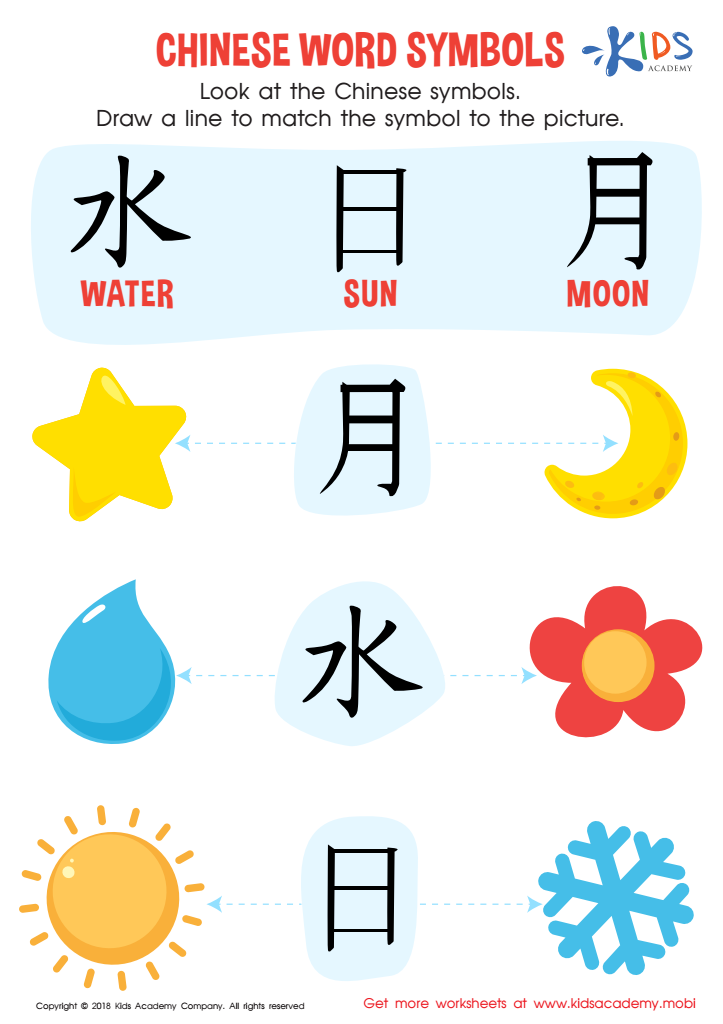
Chinese Word Symbols Worksheet
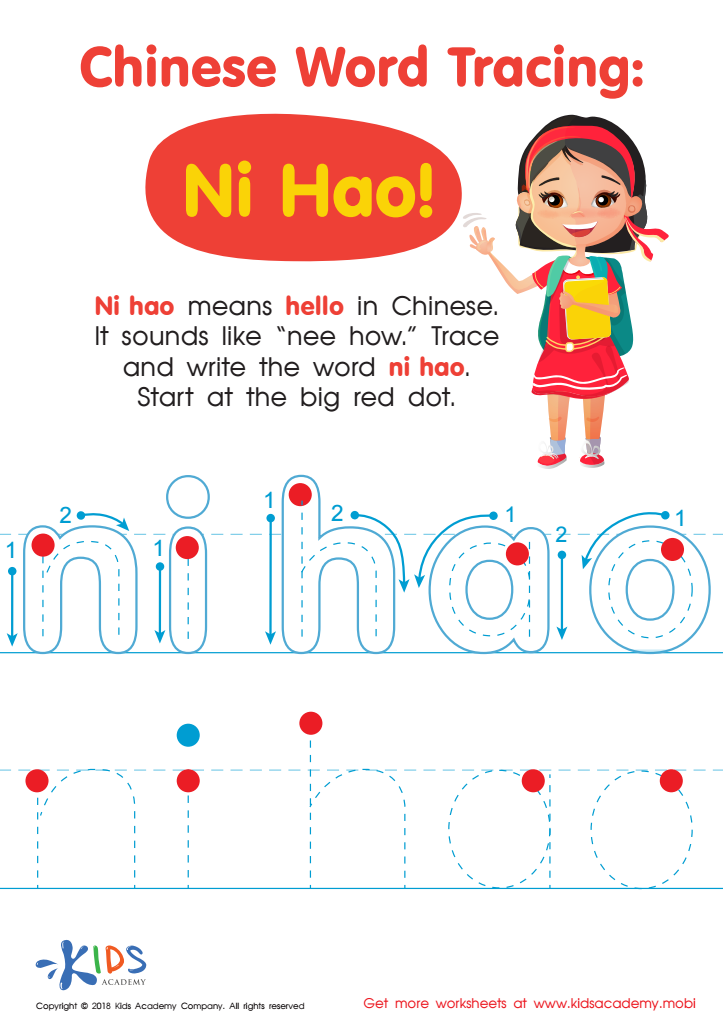
Chinese Word Tracing: Ni Hao Worksheet
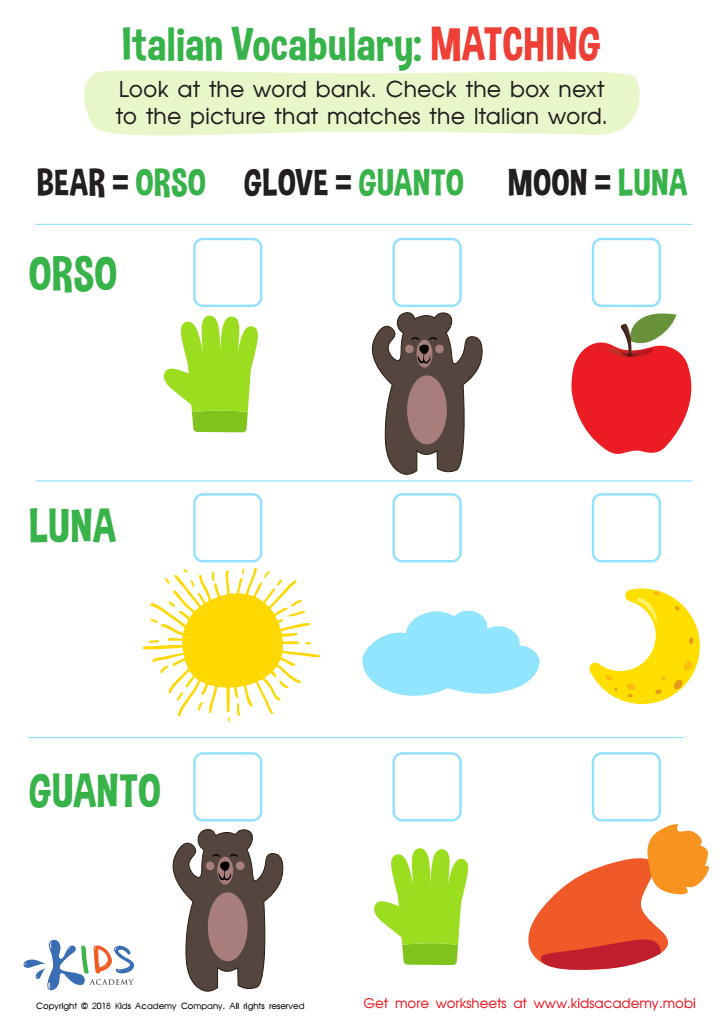
Italian Vocabulary Matching Worksheet
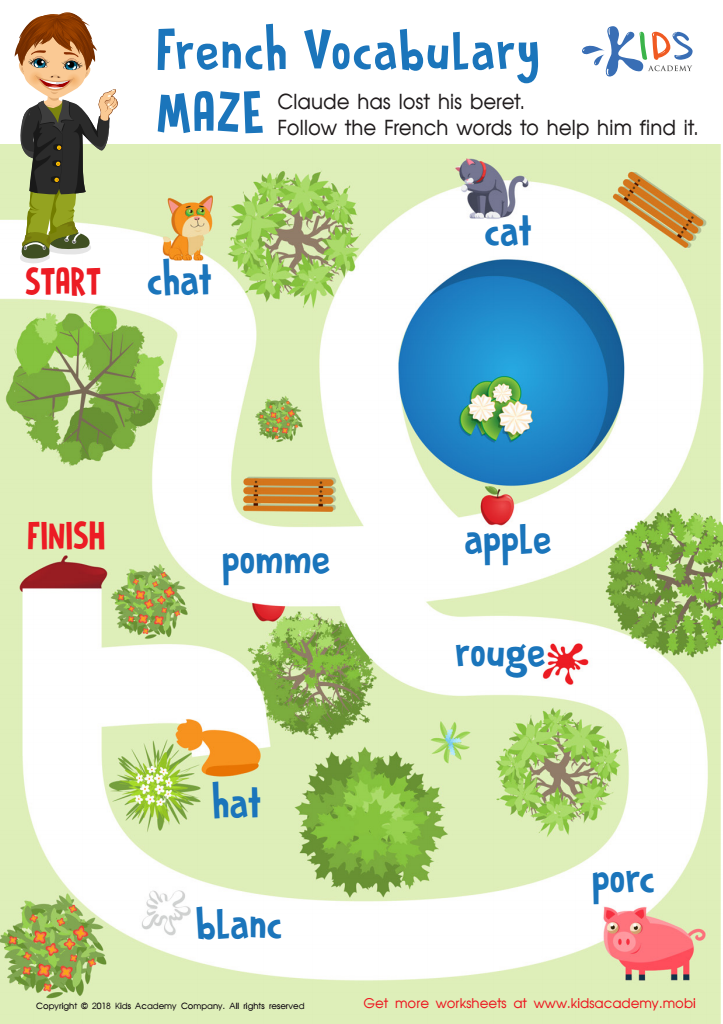
French Vocabulary Maze Worksheet
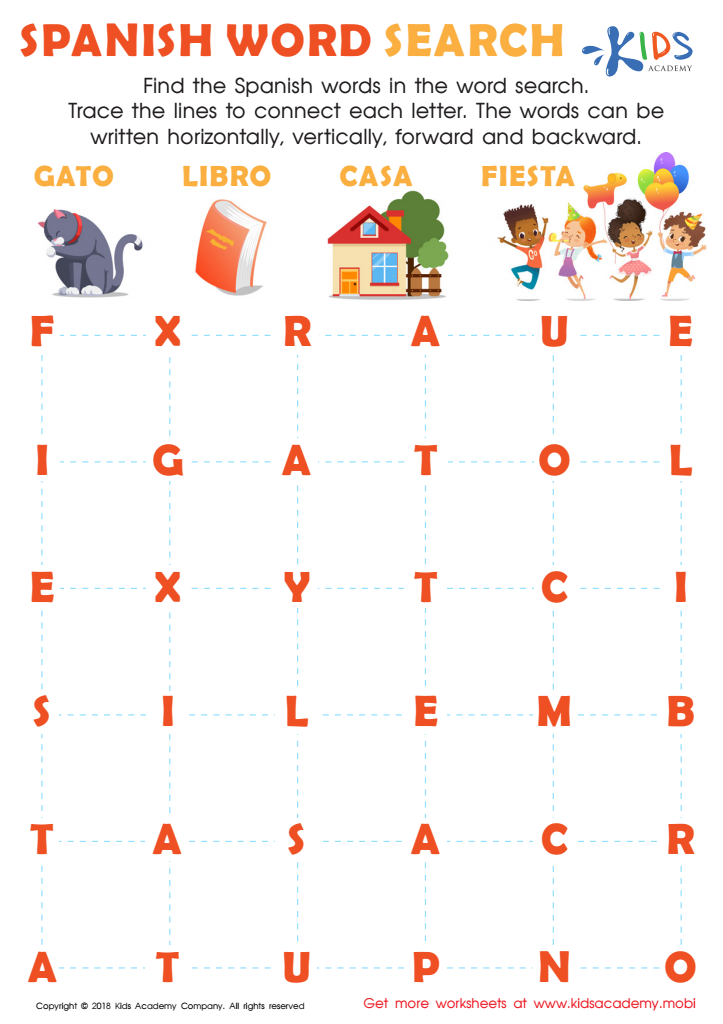
Spanish Word Search Worksheet
Ten in the Bed: Vocabulary Worksheet
Baa Baa Black Sheep: Vocabulary Worksheet
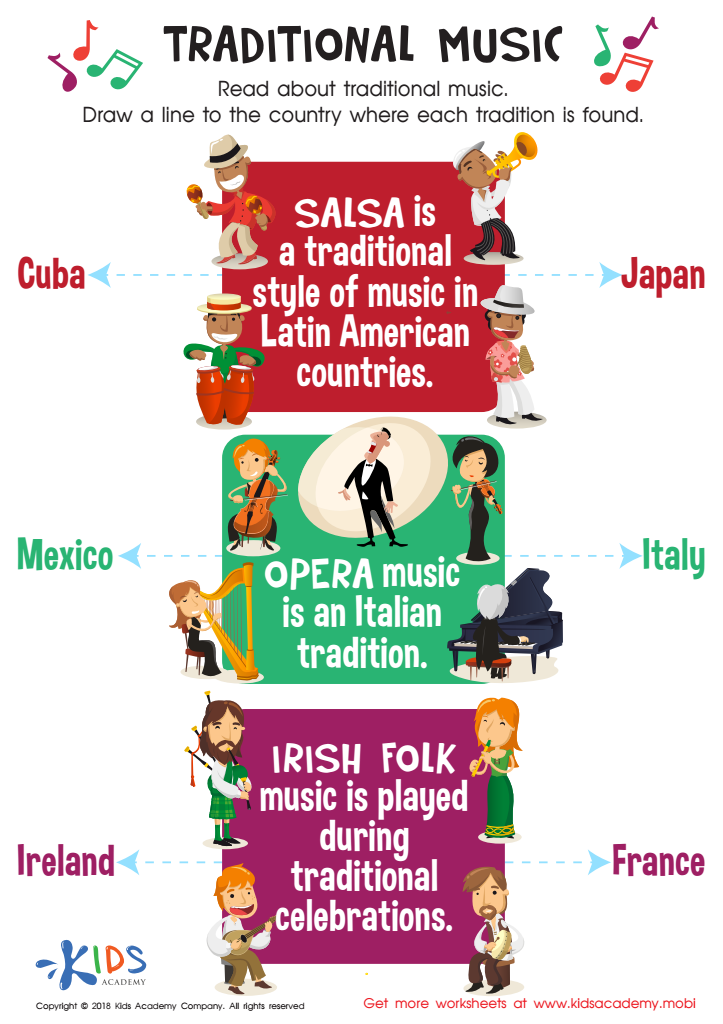
Traditional Music Worksheet
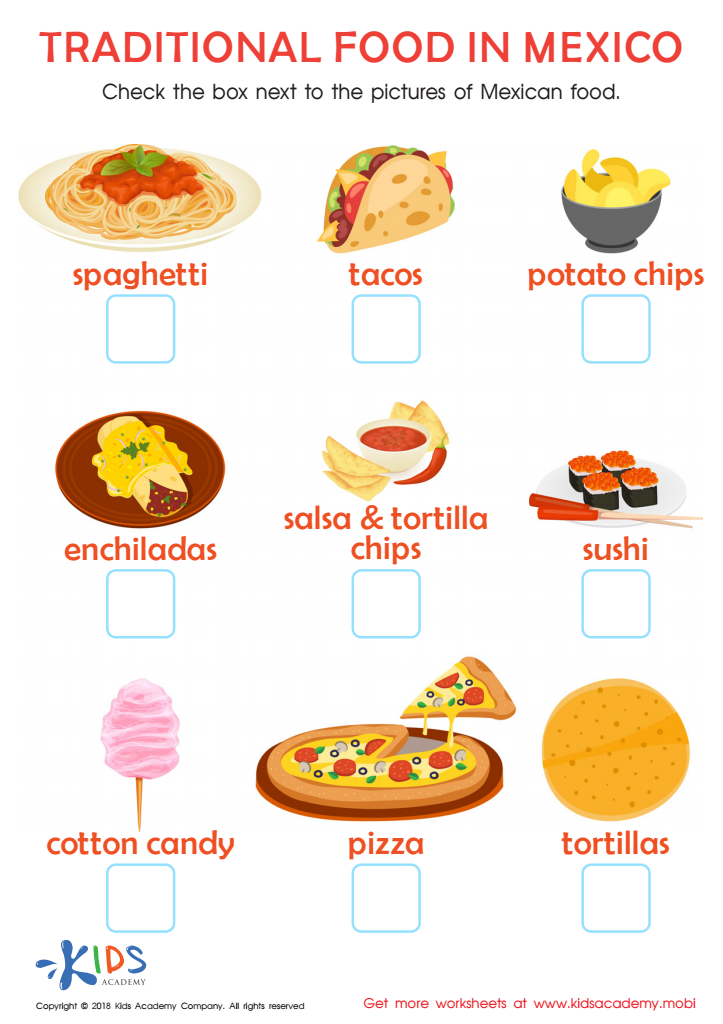
Traditional Food in Mexico Worksheet
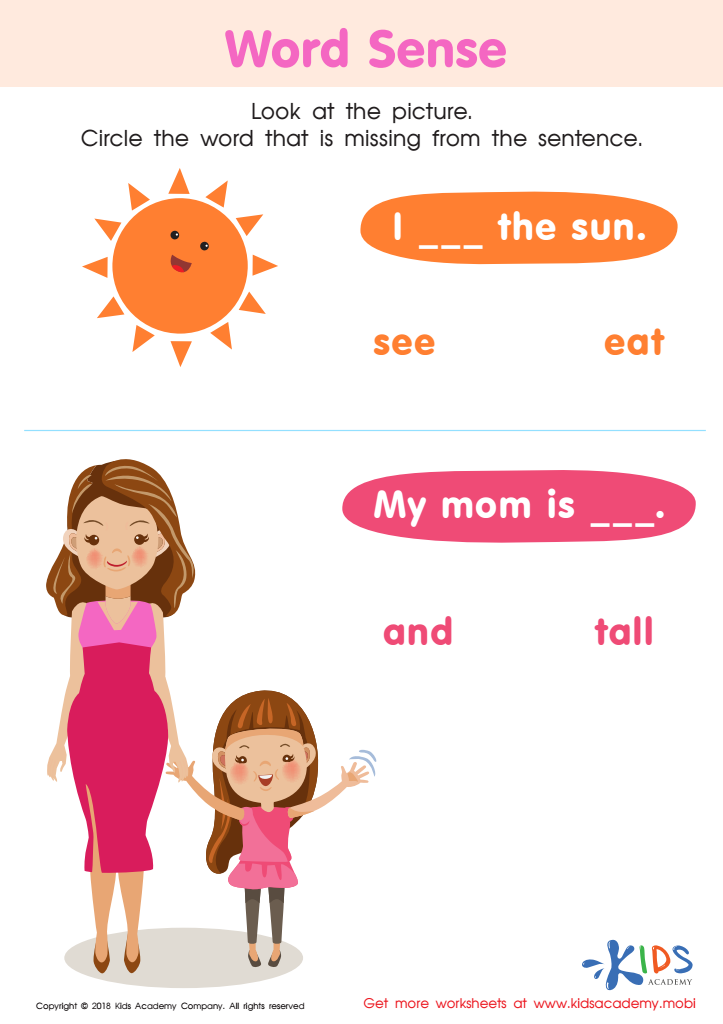
Word Sense Worksheet
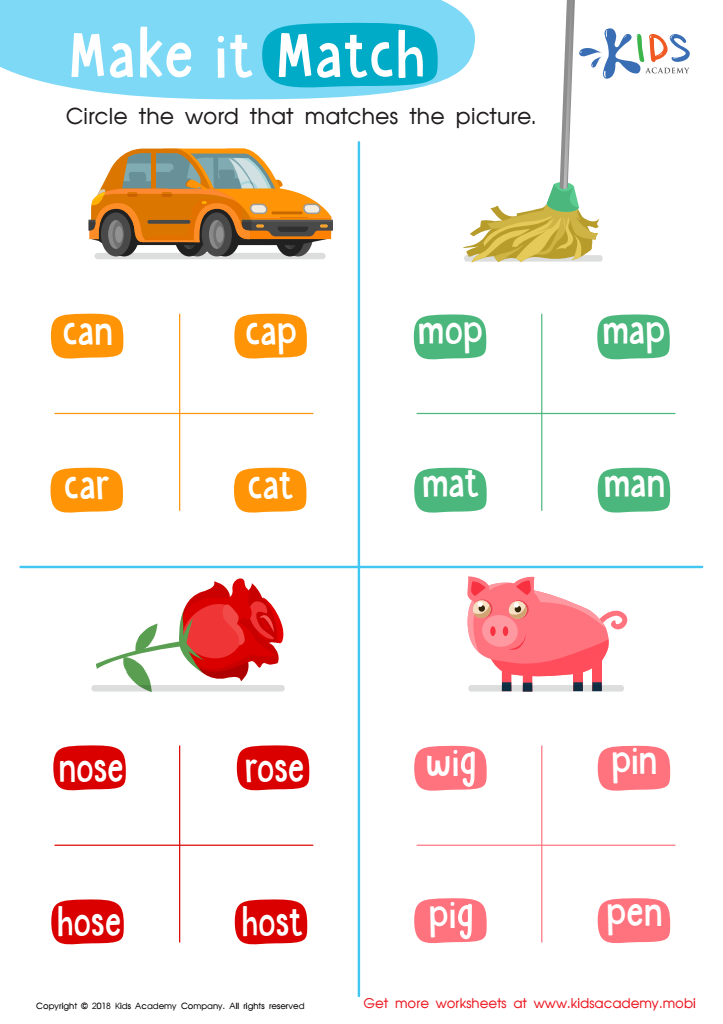
Make It Match Worksheet
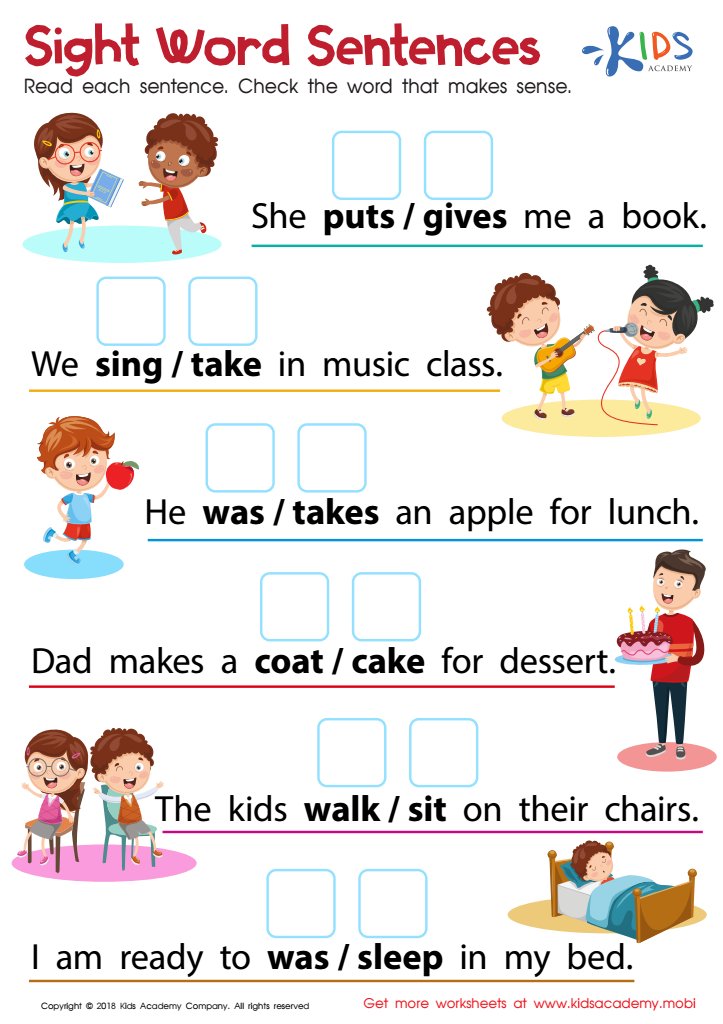
Sight Words Sentences Worksheet
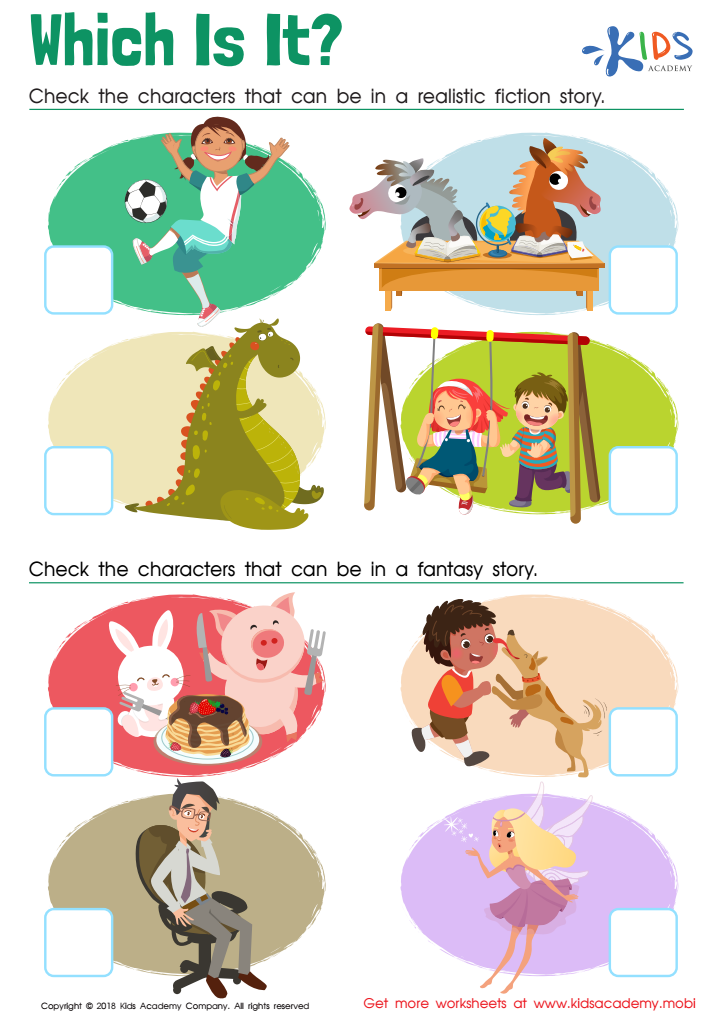
Which Is It? Worksheet
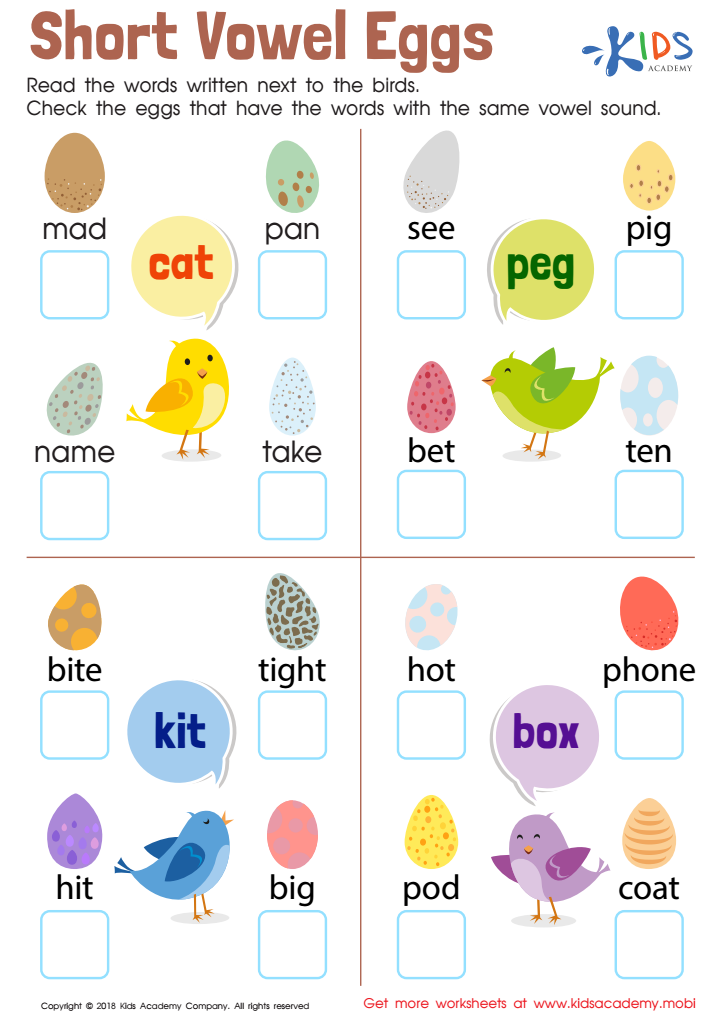
Short Vowel Eggs Worksheet
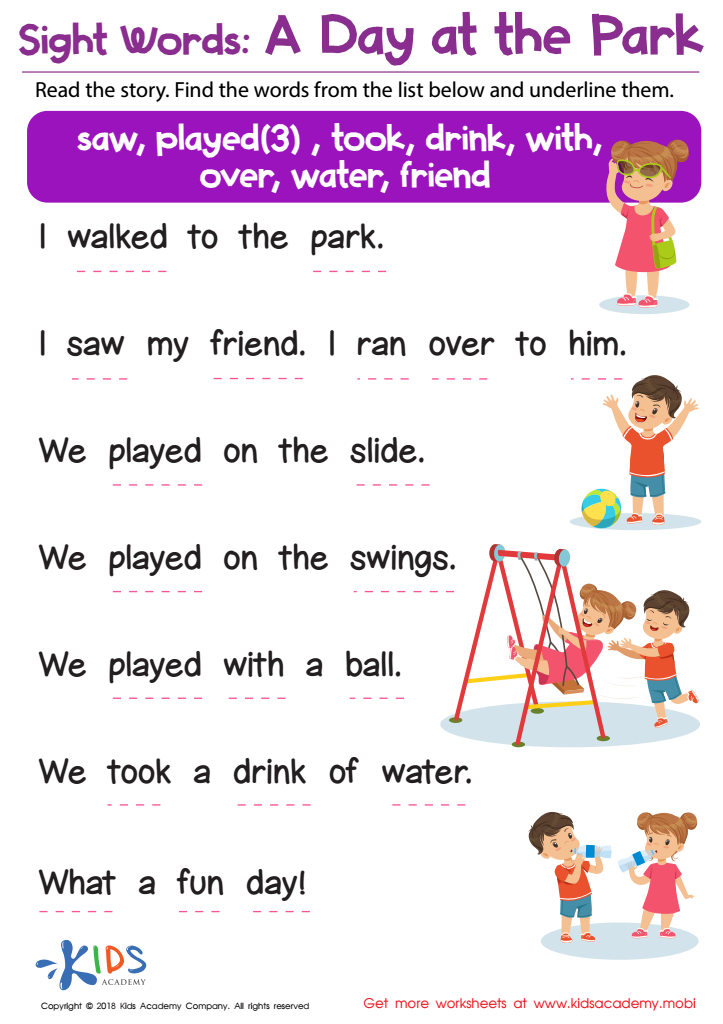
Sight Words: A Day at the Park Worksheet
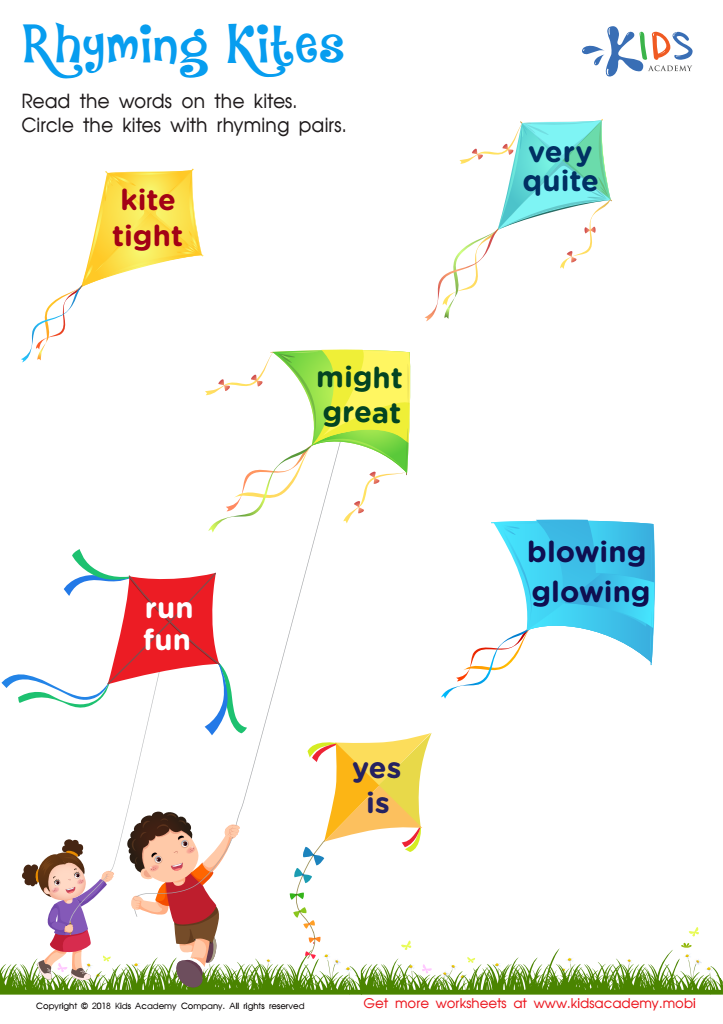
Rhyming Kites Worksheet
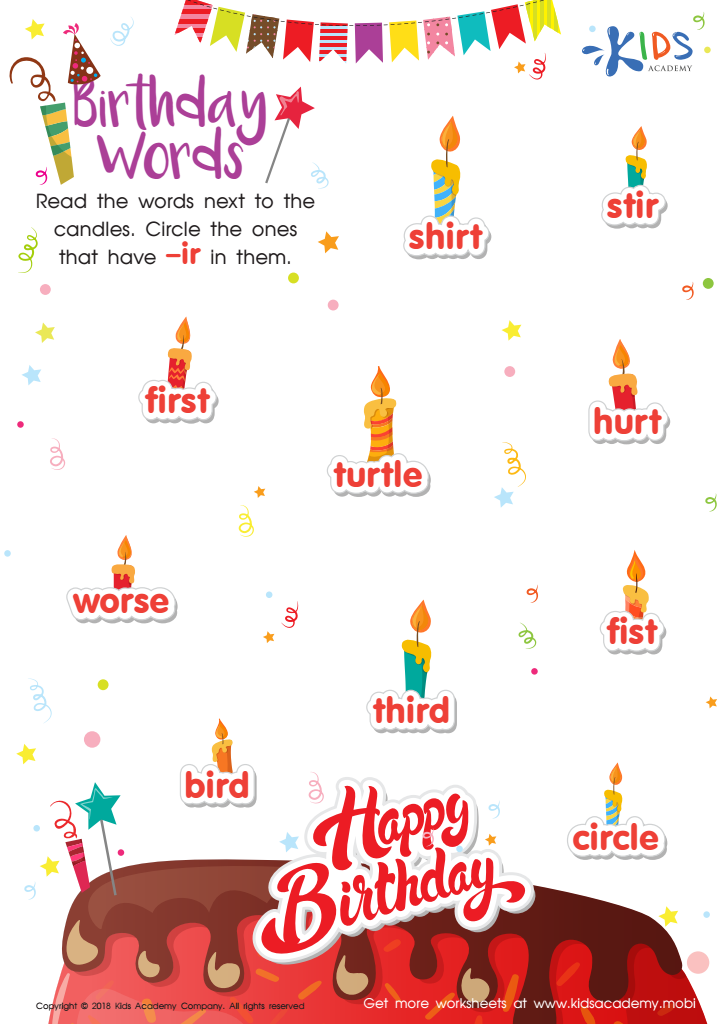
Birthday Words Worksheet
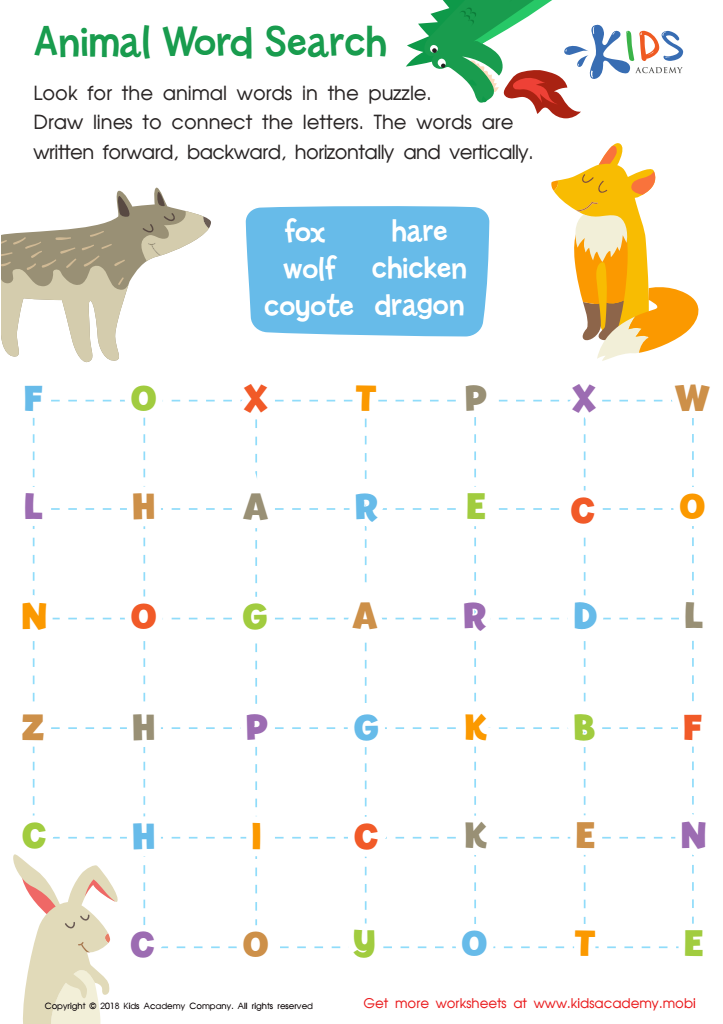
Animal Word Search Worksheet
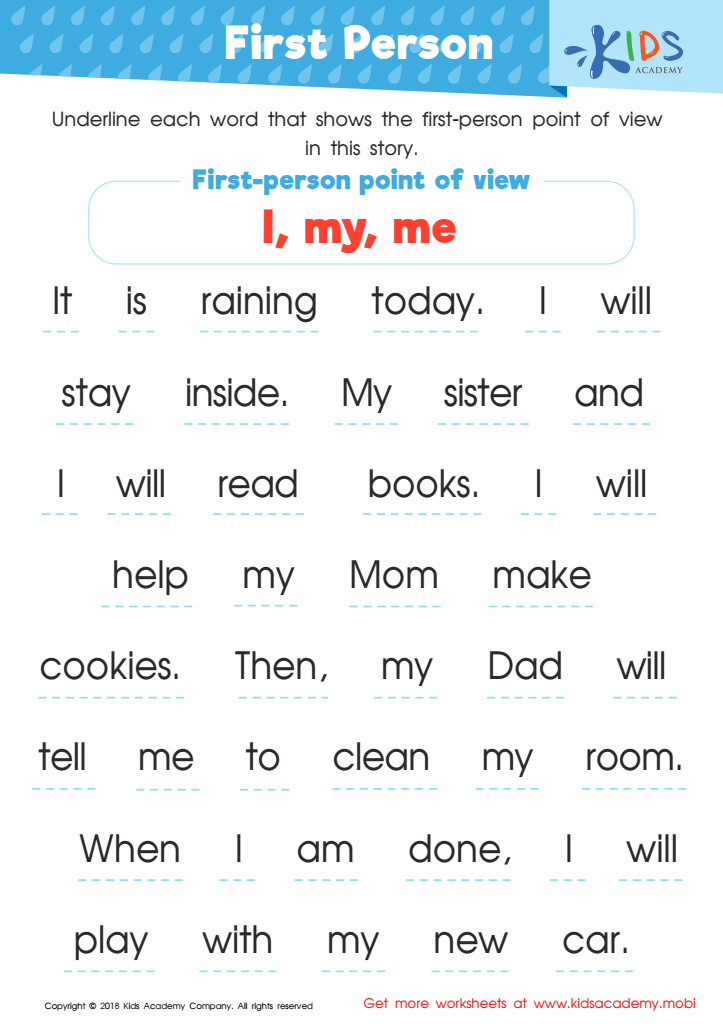
First Person Worksheet
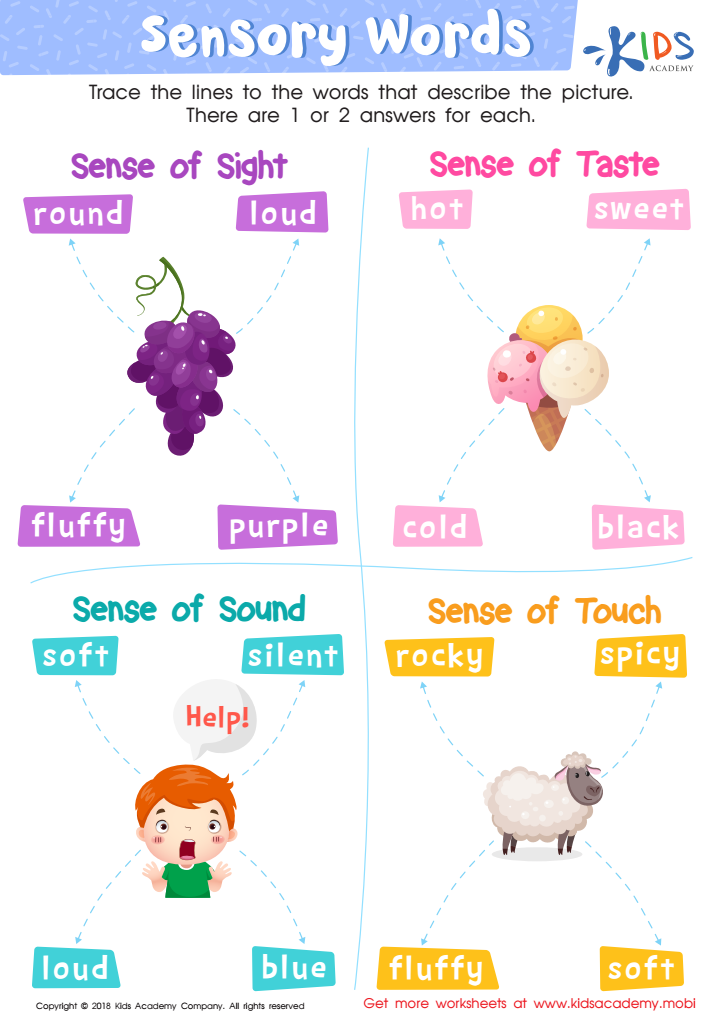
Sensory Words Worksheet
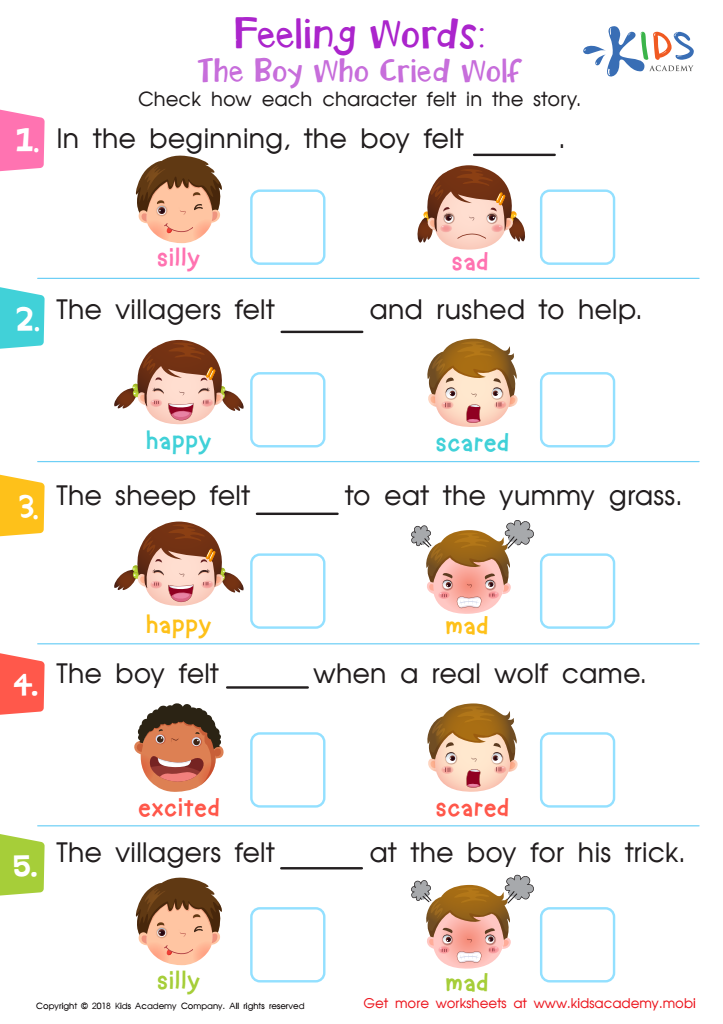
Feeling Words: The Boy Who Cried Wolf Worksheet
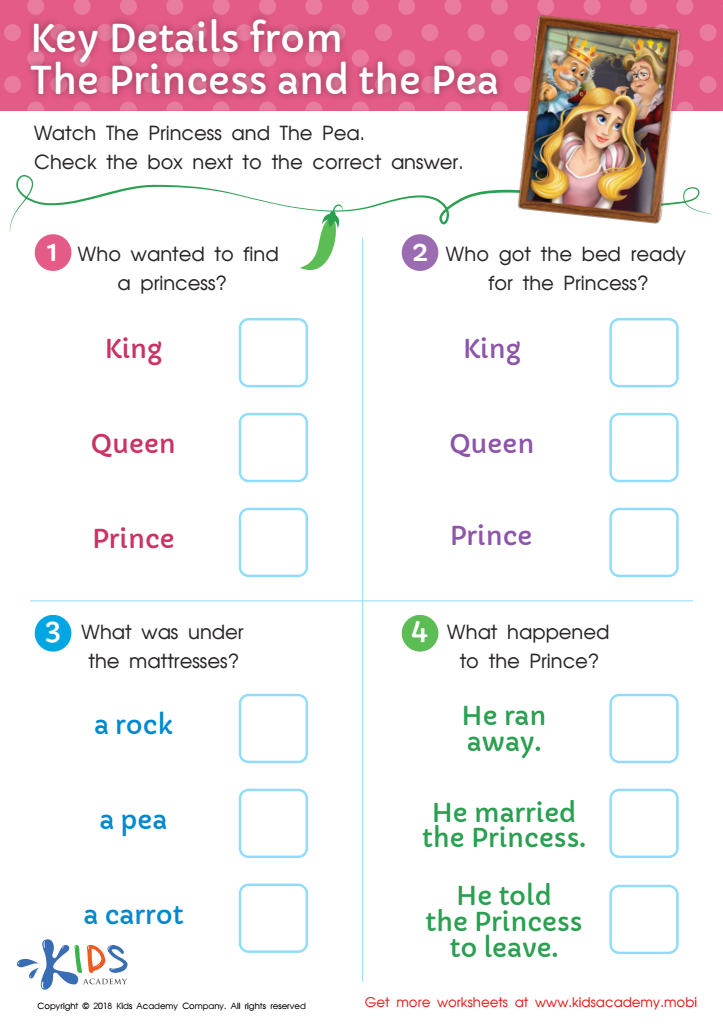
Key Details from the Princess and the Pea Worksheet
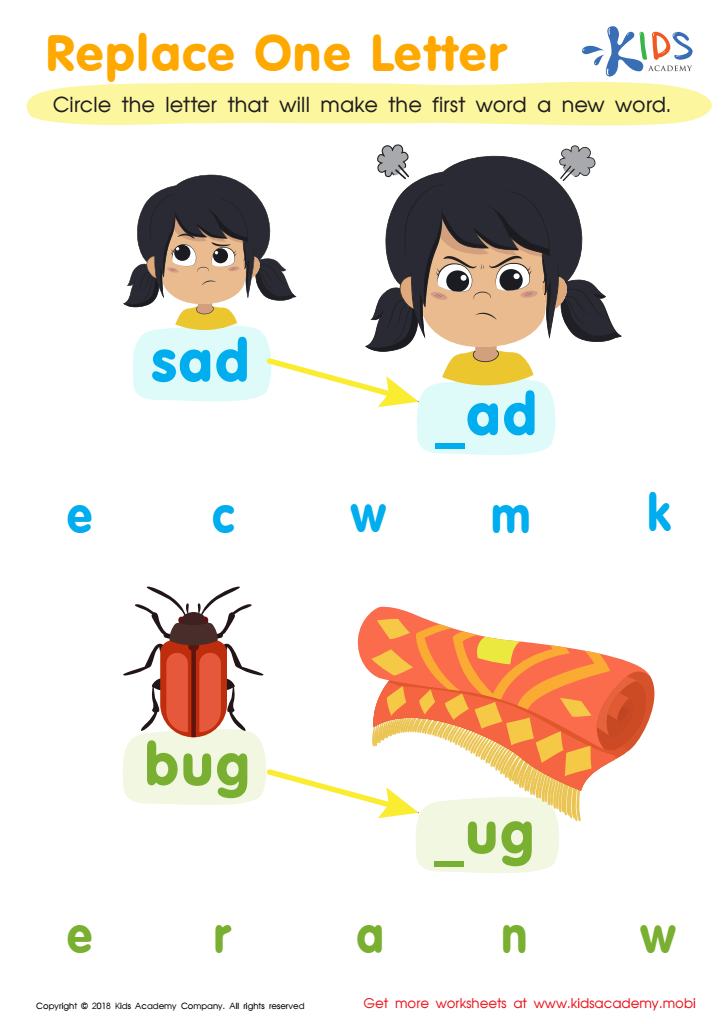
Replace One Letter Worksheet








Building vocabulary during the ages of 3-9 is crucial for several foundational reasons. Primarily, a rich vocabulary significantly enhances a child's communication skills. When children possess a diverse range of words, they can more accurately express their thoughts, emotions, and needs, leading to better interactions with peers and adults.
Additionally, early vocabulary development is closely linked to academic success. A strong vocabulary plays a critical role in reading comprehension. Children with a broad vocabulary can understand and engage with a wider range of texts, making them more confident readers. This proficiency not only aids in language arts but also supports learning across other subjects such as science and history.
Beyond academics, a good vocabulary fosters cognitive growth. It helps in developing critical thinking and problem-solving skills, as children learn to categorize and systematize their understanding of the world. Furthermore, vocabulary is essential for social development. Children with a robust vocabulary can navigate social situations more adeptly, understanding social cues, partaking in conversations, and forging meaningful relationships.
Parents and teachers should, therefore, prioritize vocabulary-building activities, such as reading aloud, engaging in conversations, and interactive games, to ensure that children have the tools they need to thrive in both social and academic settings.








