Physical Science Worksheets for Ages 3-9 - Page 4
85 filtered results
-
From - To
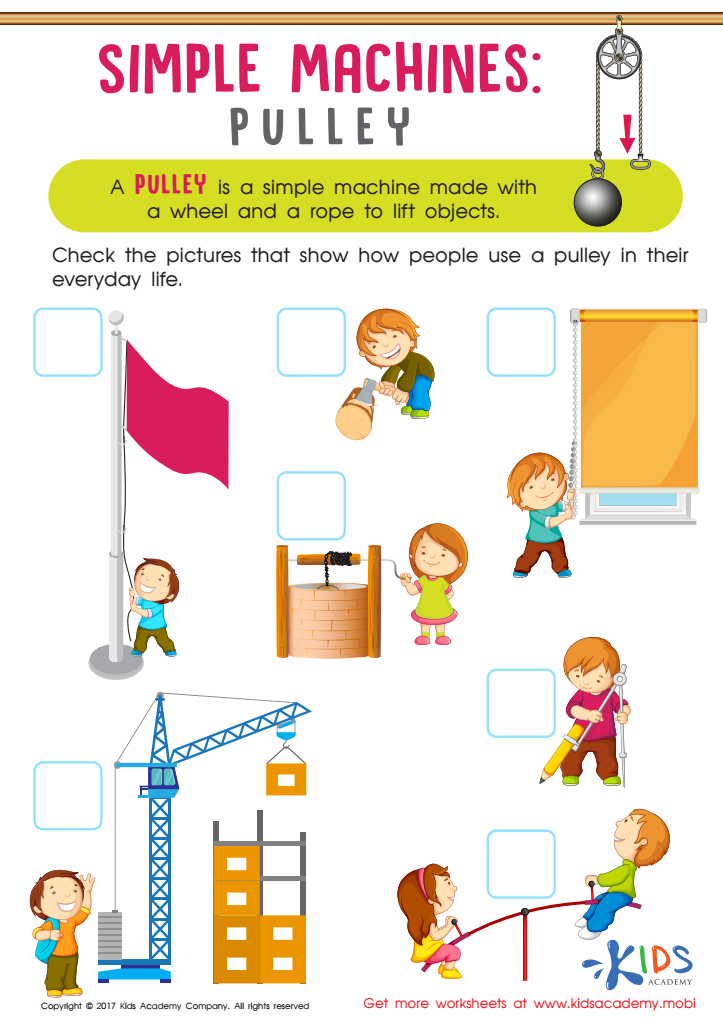
Simple Machines Pulley Worksheet
 Assign to My Students
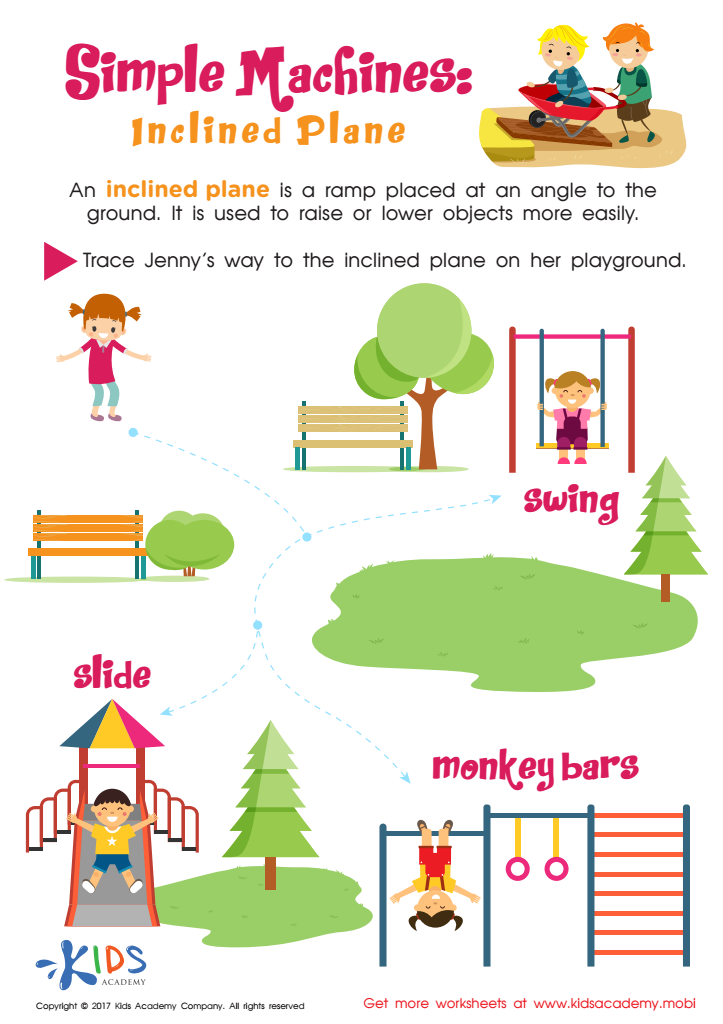
Simple Machines Inclined Plane Worksheet
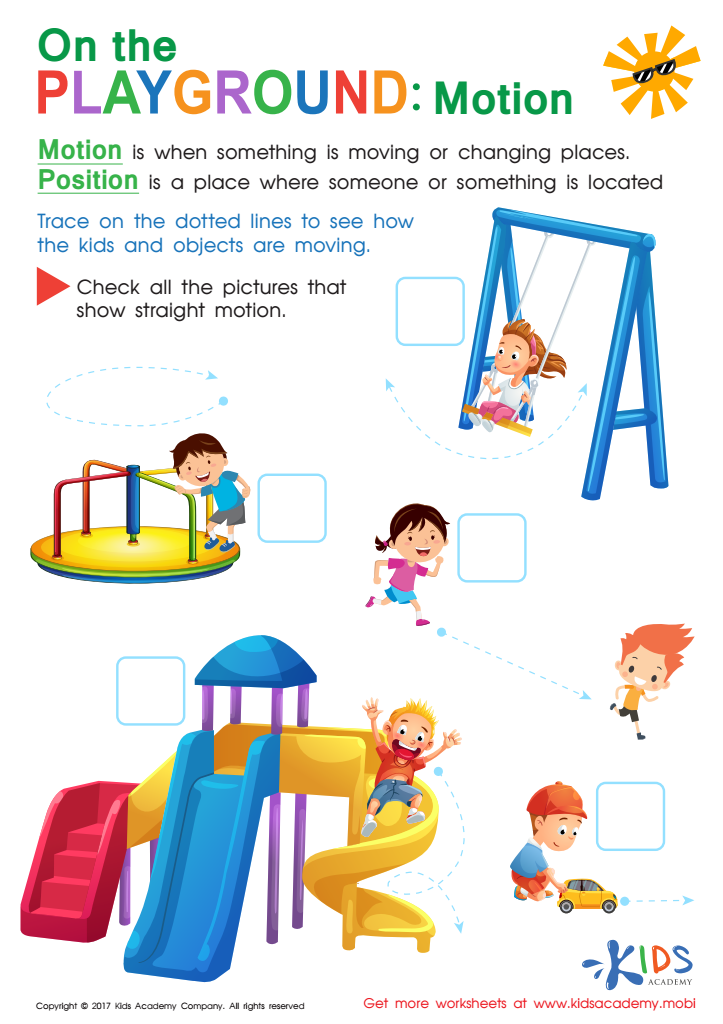
Position and Motion Worksheet
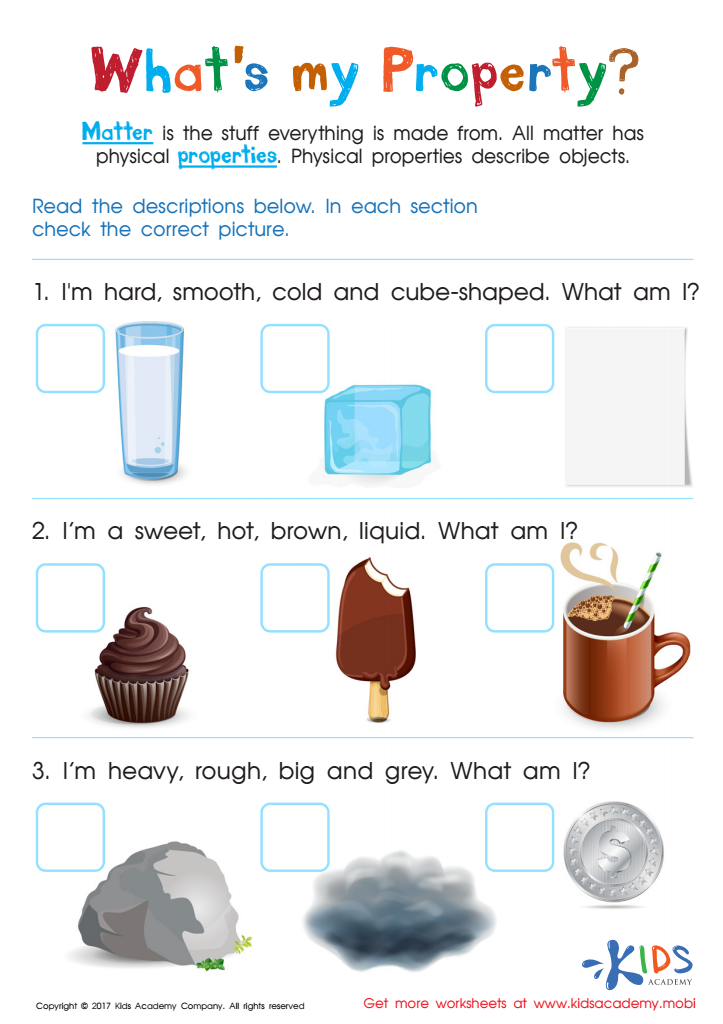
Physical Properties Of Matter Worksheet
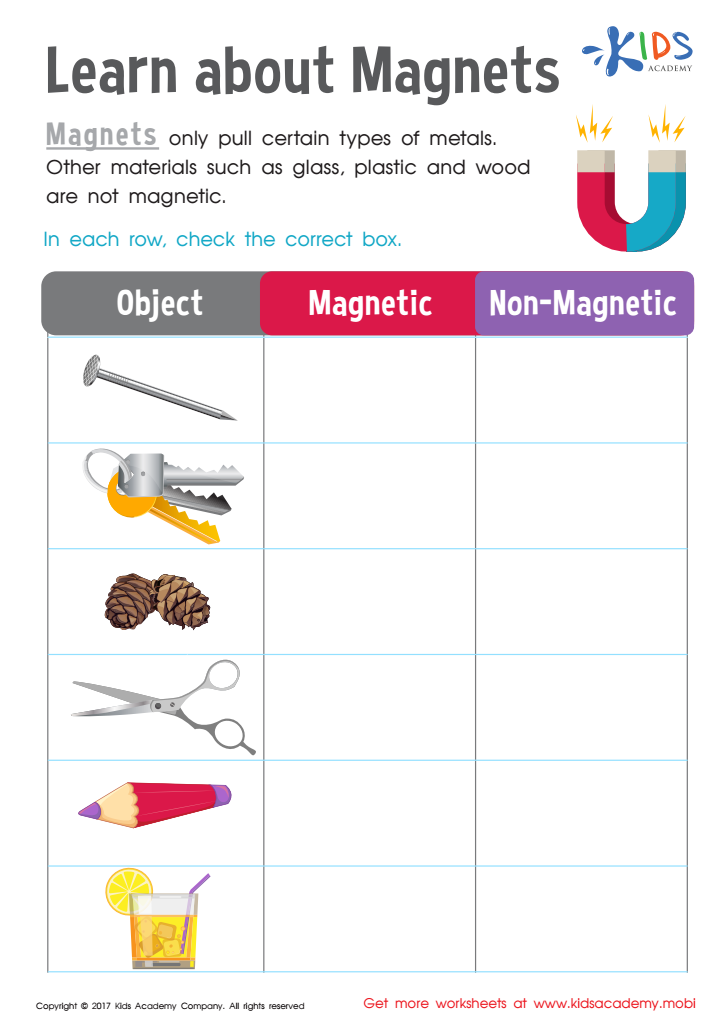
Magnetic Or Not Worksheet
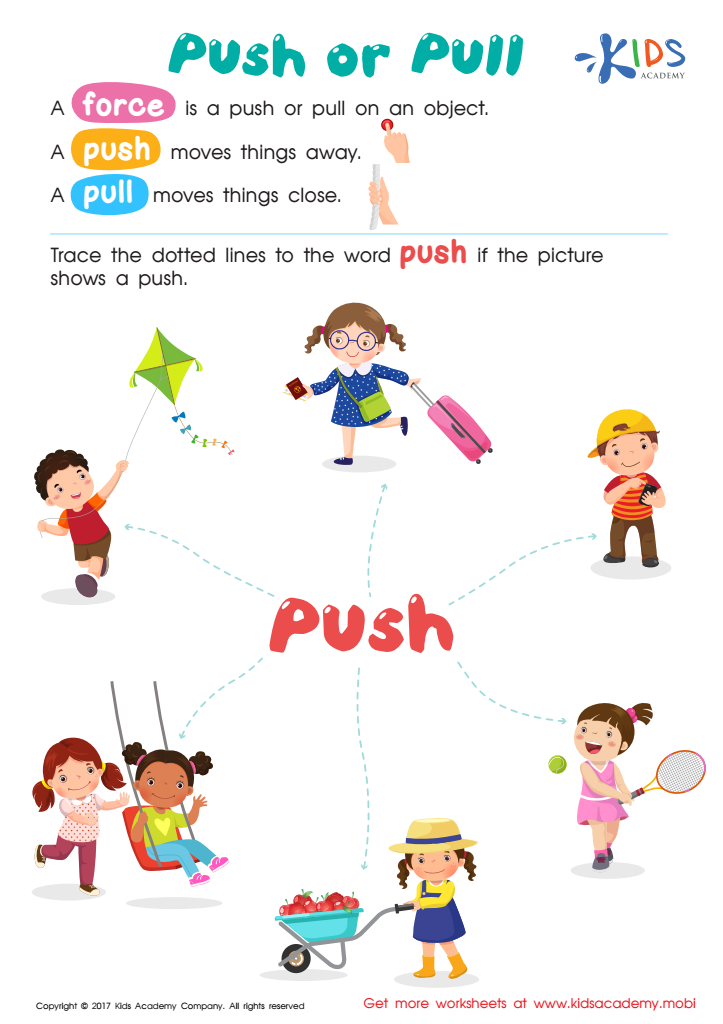
Push or Pull Worksheet
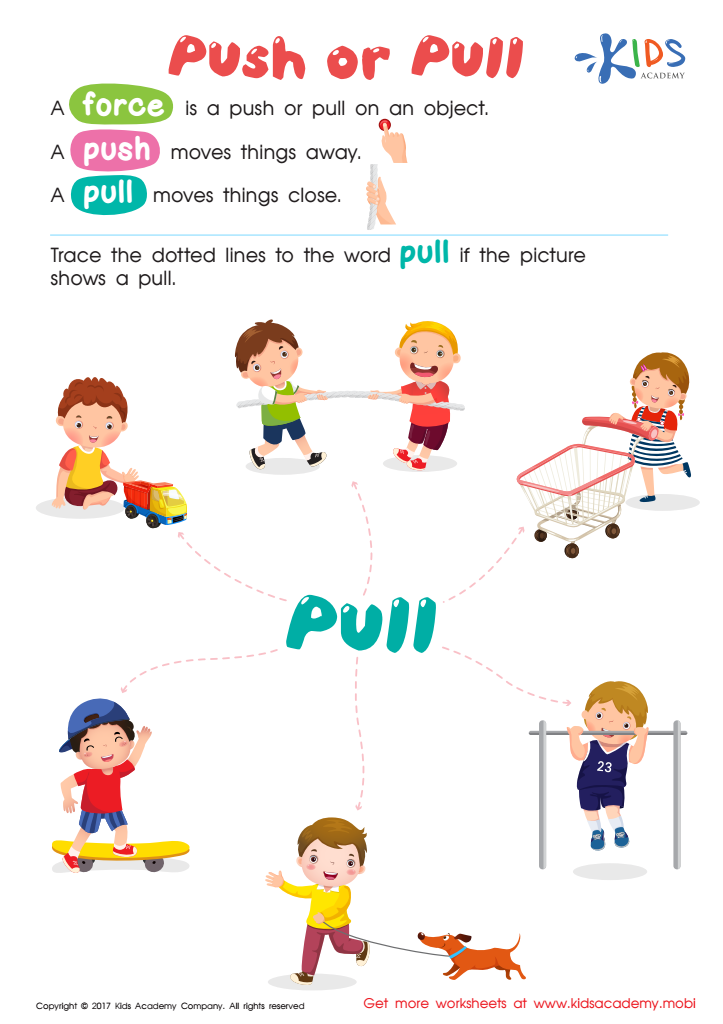
Pull or Push Worksheet
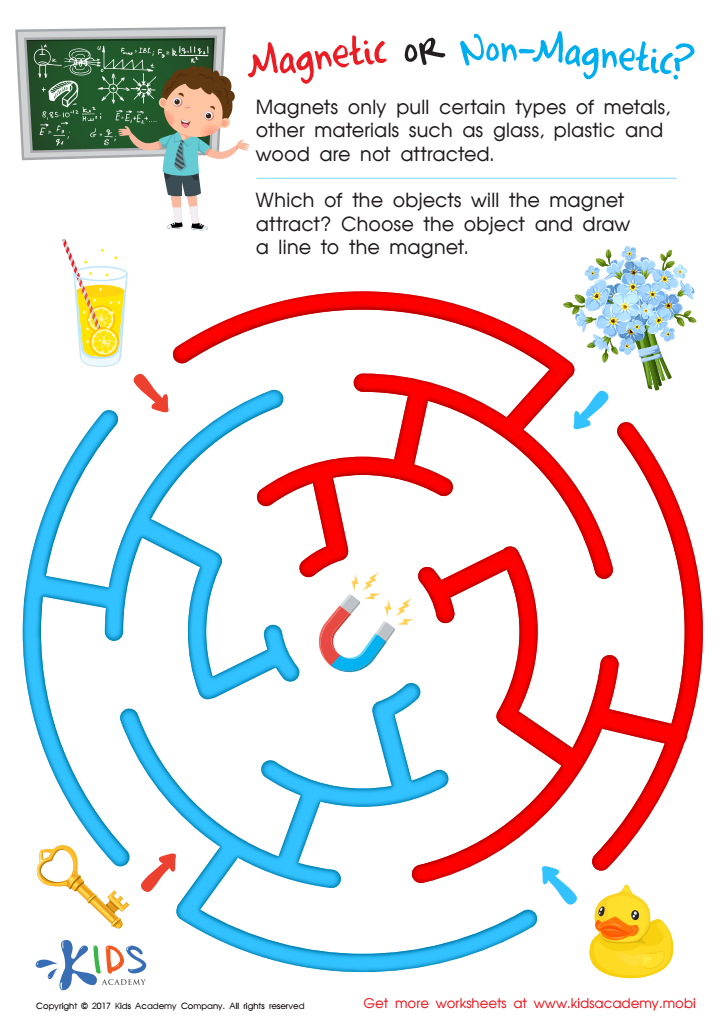
Magnetic or Non–Magnetic Worksheet
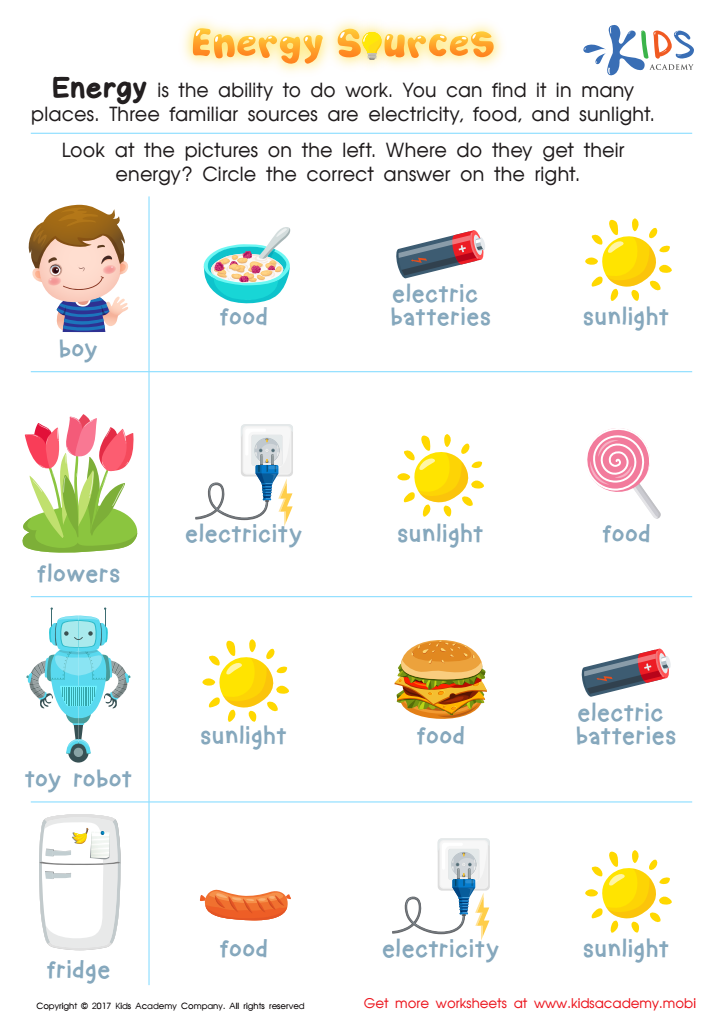
Energy Sources Printable
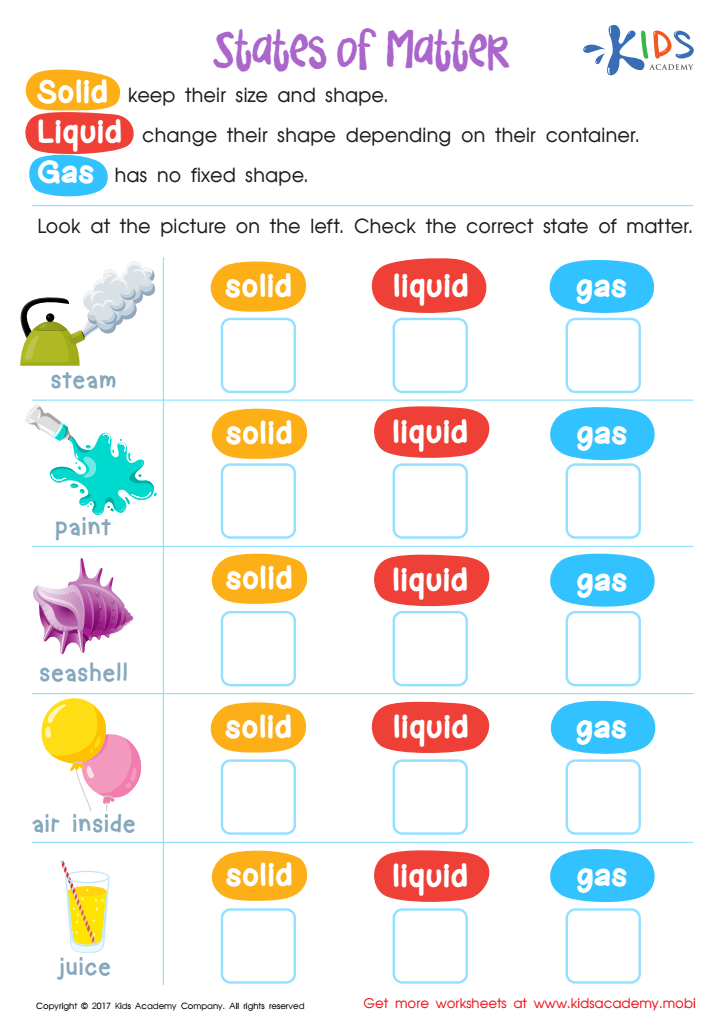
Physical Science: States of Matter Worksheet
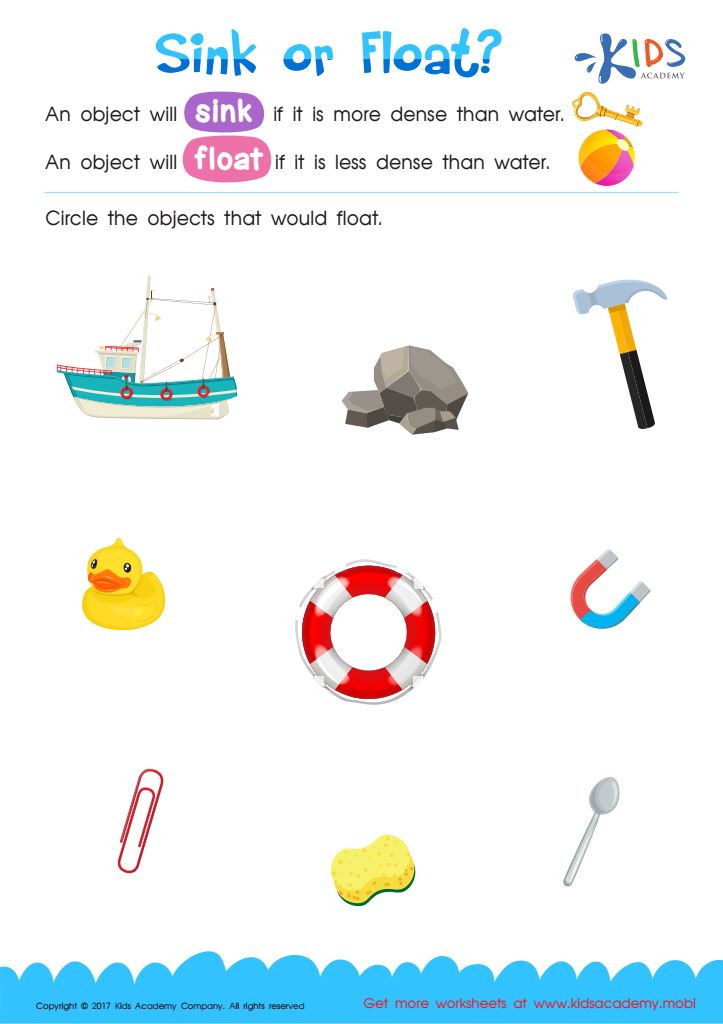
Sink or Float Printable
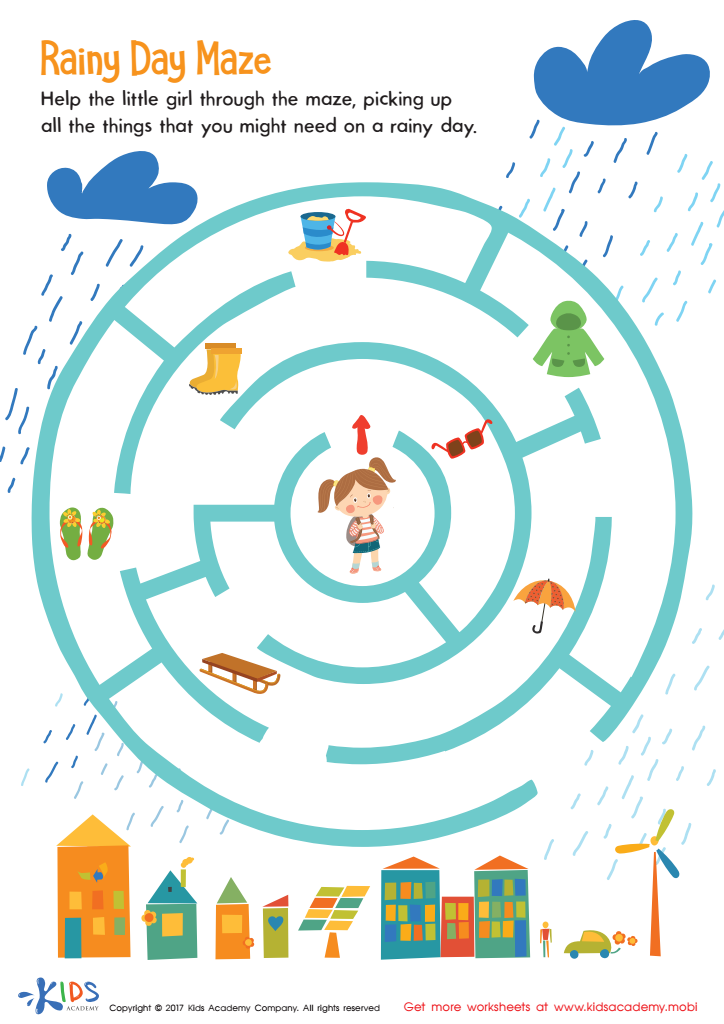
Rainy Day Maze Worksheet
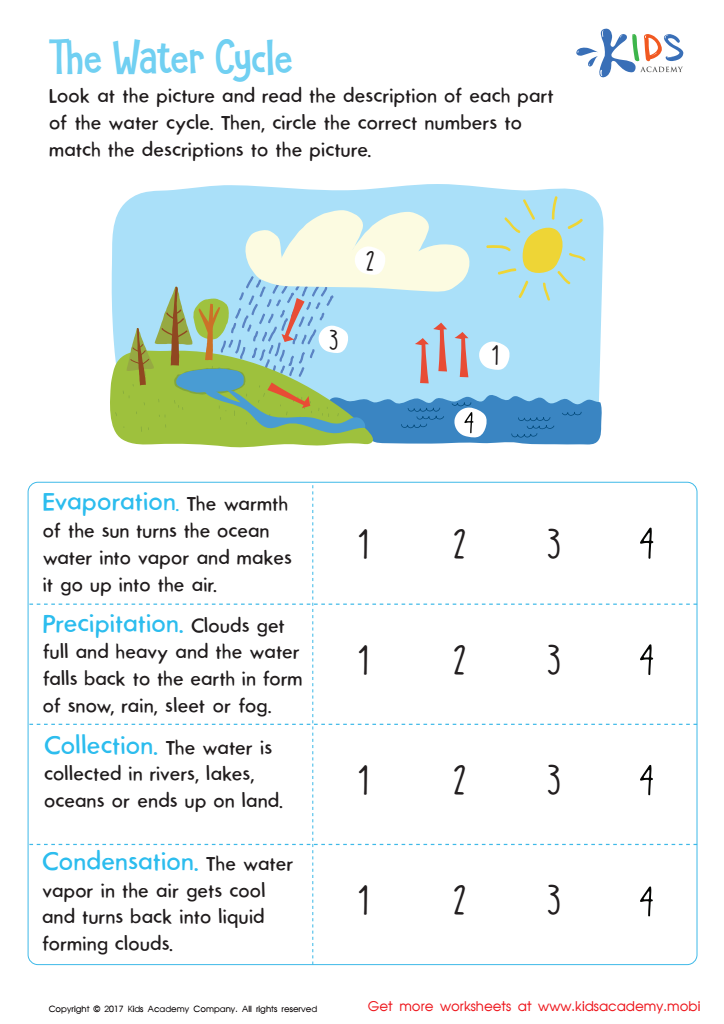
The Water Cycle Worksheet








Physical science is crucial for children ages 3-9 as it lays the foundation for their understanding of the natural world. At this early age, children are inherently curious, often asking "how" and "why" about the things they see and experience. By introducing them to physical science concepts, we nurture their curiosity and encourage critical thinking.
Engagement in physical science helps develop key skills such as observation, measurement, and experimentation. Through hands-on activities like building structures, exploring simple machines, or investigating materials, children learn not just theoretical concepts but also the importance of inquiry and exploration. These experiences promote problem-solving abilities and creativity, essential traits for future learning.
Moreover, physical science fosters a connection between children and their surroundings, instilling a sense of wonder and appreciation for the environment. Understanding basic scientific principles can also prepare young learners for more advanced topics in later education, ensuring they are well-equipped for future academic challenges.
Ultimately, teaching physical science at an early age creates inquisitive learners who are excited to explore, ask questions, and engage in discussions about the world around them. This passion for learning lays the groundwork for lifelong interest in science and related fields.







