World Around Us Worksheets for Ages 3-9 - Page 5
102 filtered results
-
From - To
 Assign to My Students
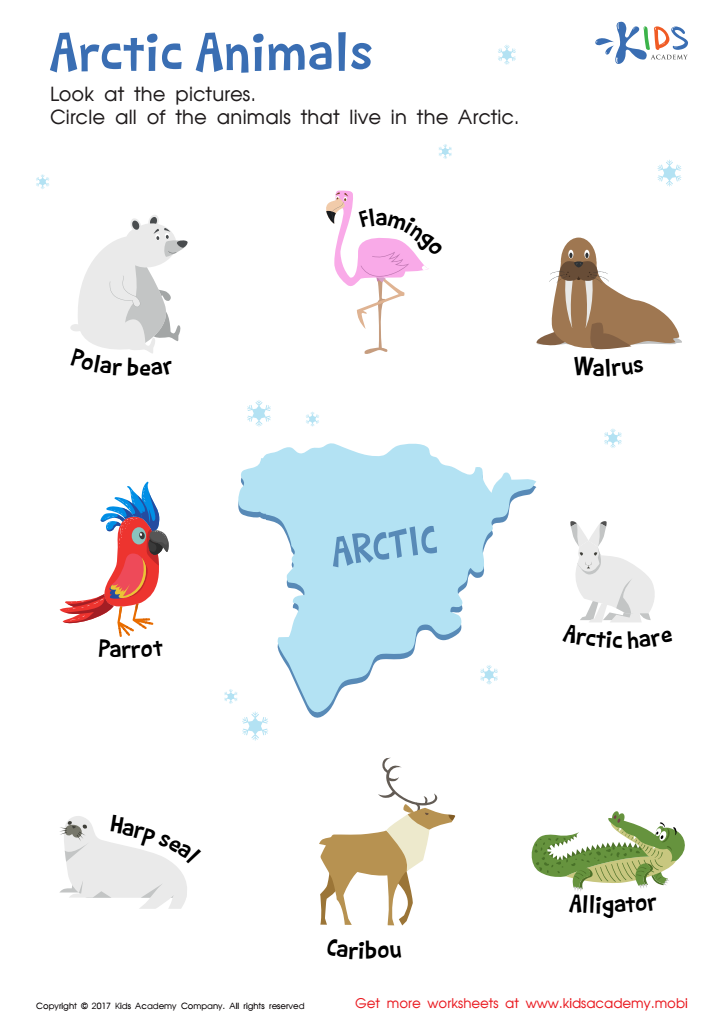
Arctic Animals Worksheet
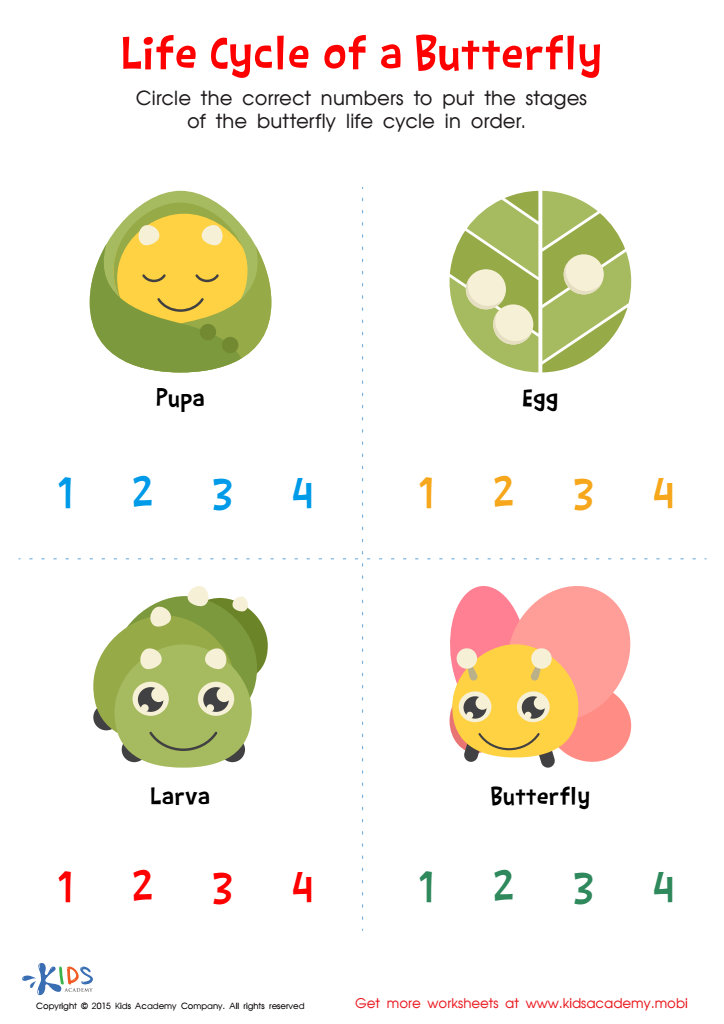
Life Cycle of Butterfly Printable
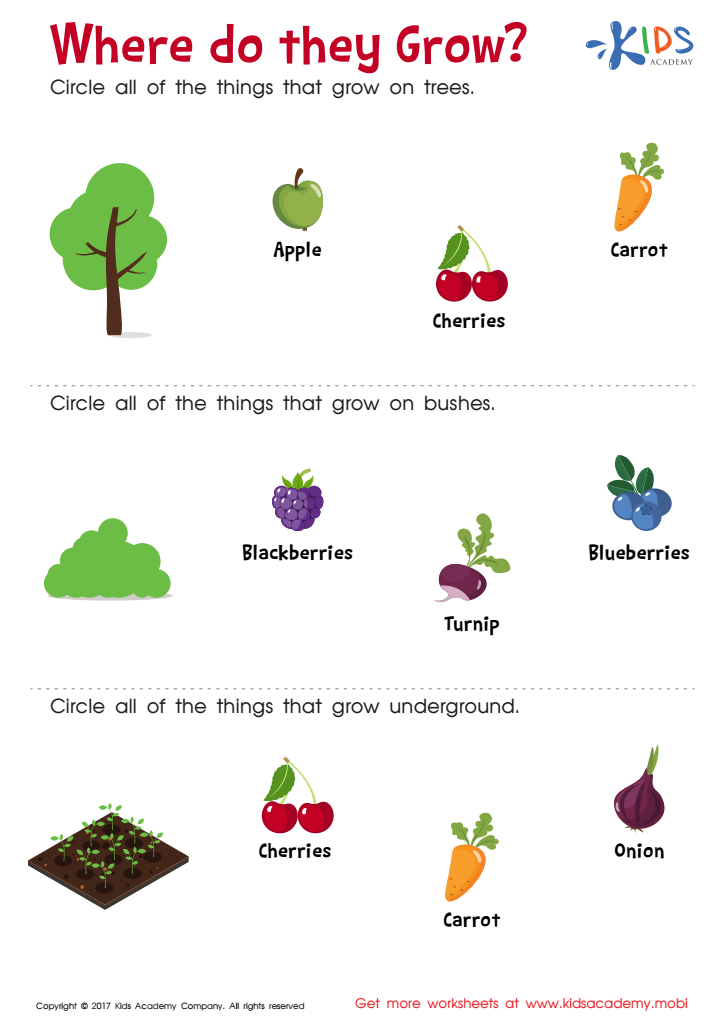
Where Do They Grow Worksheet







Parents and teachers should prioritize the "World Around Us" for children aged 3-9 as it lays the foundation for lifelong learning and curiosity. This curriculum is vital in fostering early cognitive development, social skills, and environmental awareness, which are crucial at this formative stage.
Firstly, young minds are highly impressionable and absorb information rapidly. By engaging them with topics about nature, cultures, and places, we ignite curiosity and creativity. This eagerness to learn can lead to better academic performance and a sustained interest in various subjects.
Secondly, teaching children about the environment helps cultivate respect and care for our planet. Understanding ecosystems, climate, and conservation instills responsible behavior, encouraging kids to make more eco-friendly choices as they grow.
Furthermore, a multicultural understanding promotes empathy, inclusivity, and appreciation for diversity. Learning about different cultures, languages, and traditions helps break down prejudices and builds more harmonious communities.
Lastly, such knowledge strengthens critical thinking and problem-solving skills. Real-world topics contextualize abstract concepts, making learning more meaningful and relevant.
In summary, caring about the "World Around Us" enriches children’s educational experiences, makes them globally aware citizens, and equips them with skills necessary for their future. It opens their eyes to the wonders and responsibilities of living in a connected world.