Our Planet and Environment Worksheets for Ages 4-7 - Page 2
60 filtered results
-
From - To
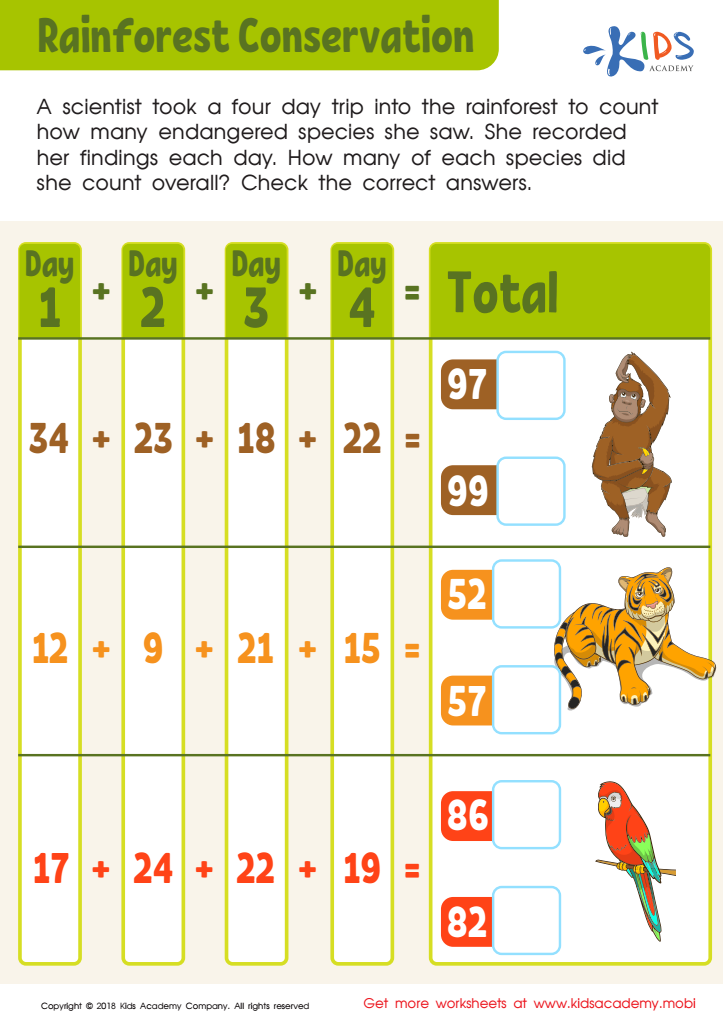
Rainforest Conservation Worksheet
 Assign to My Students
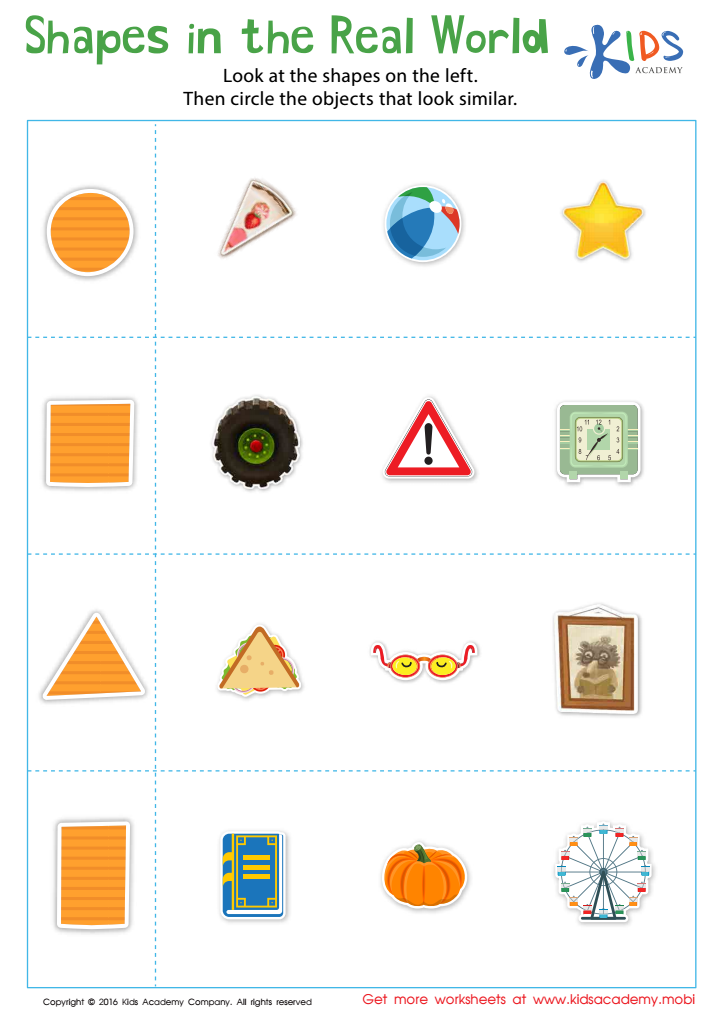
Shapes in the Real World Worksheet
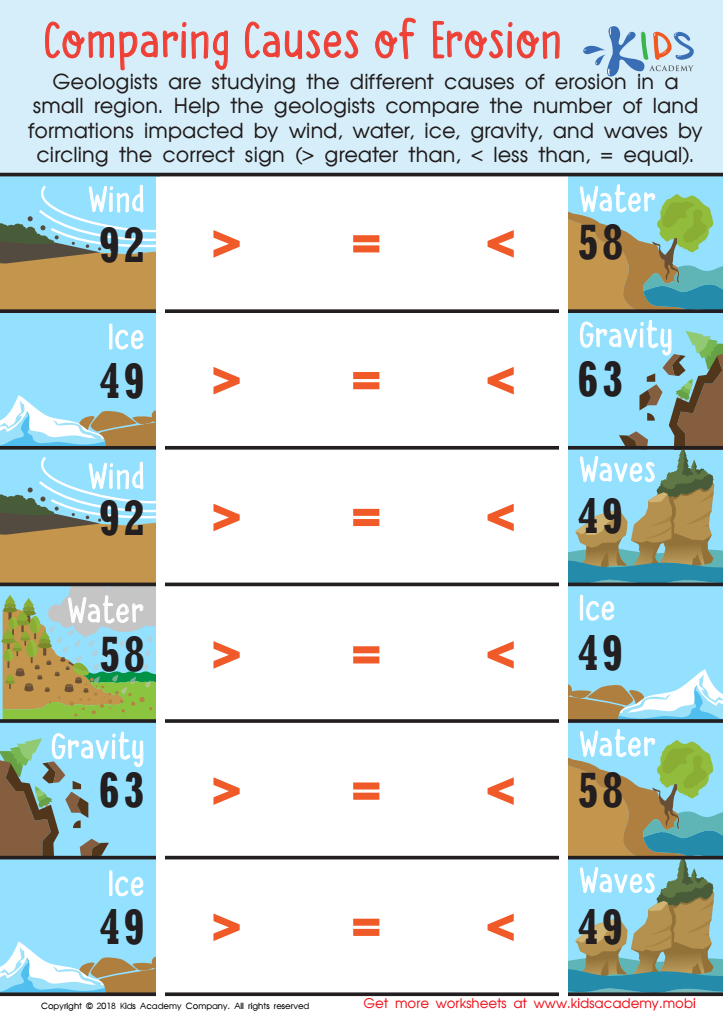
Comparing Causes of Erosion Worksheet
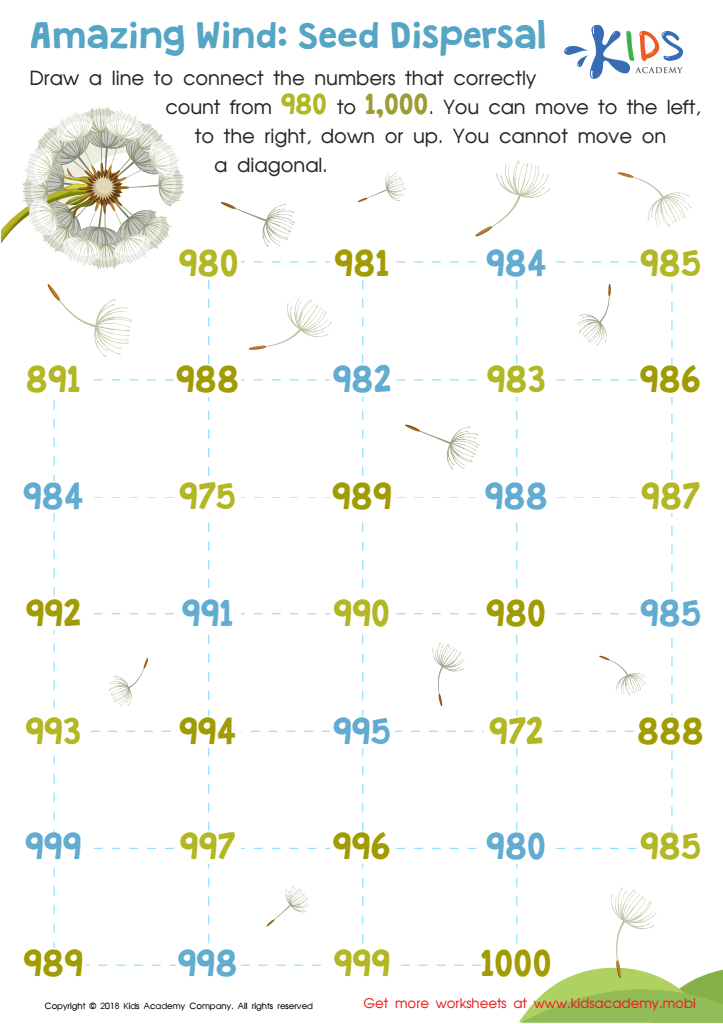
Amazing Wind: Seed Dispersal Worksheet
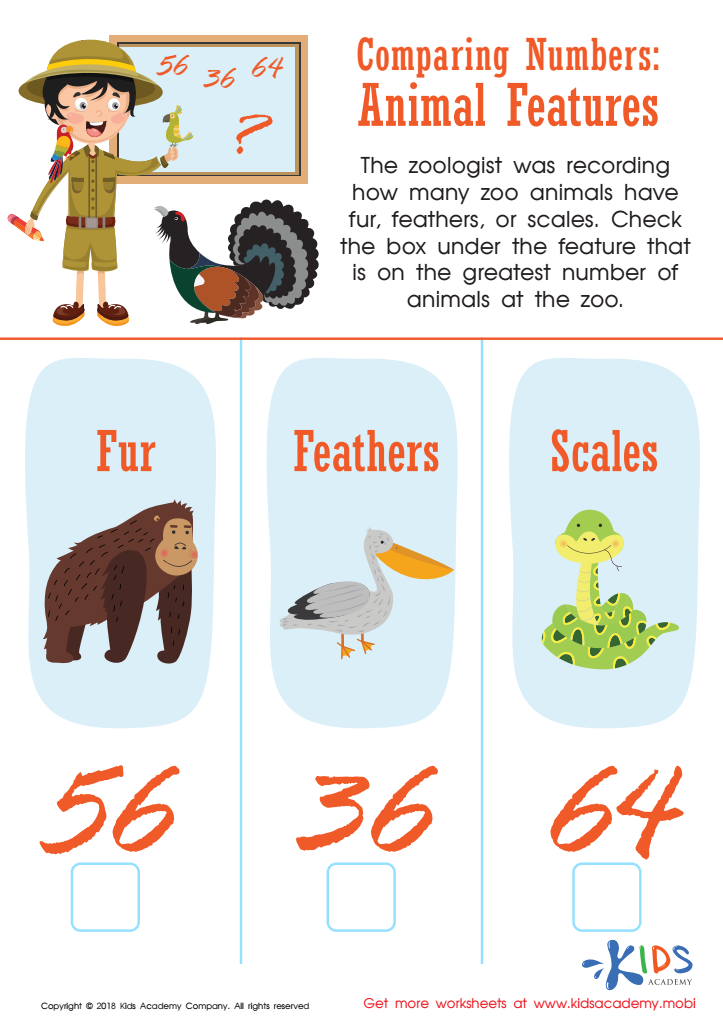
Animal Features Worksheet
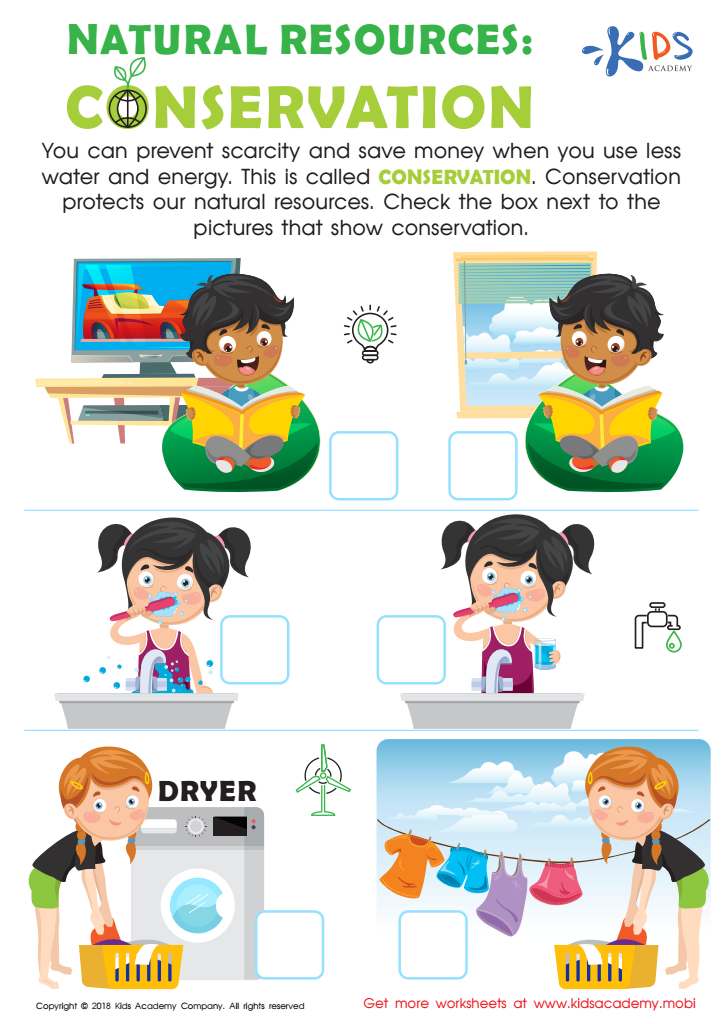
Natural Resources: Conservation Worksheet
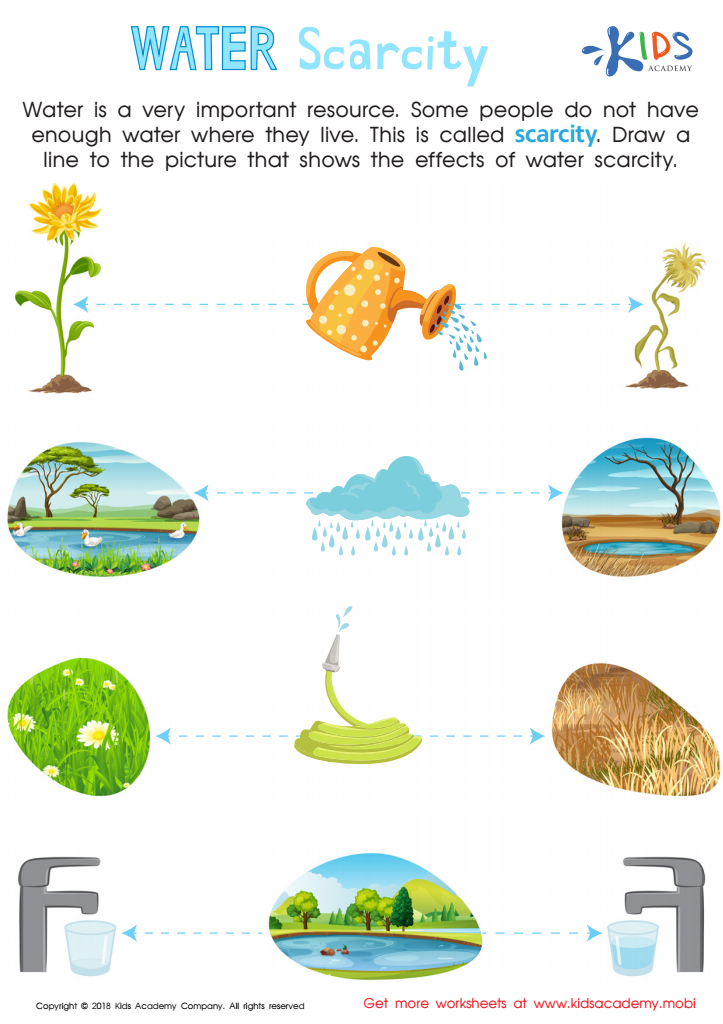
Water Scarcity Worksheet
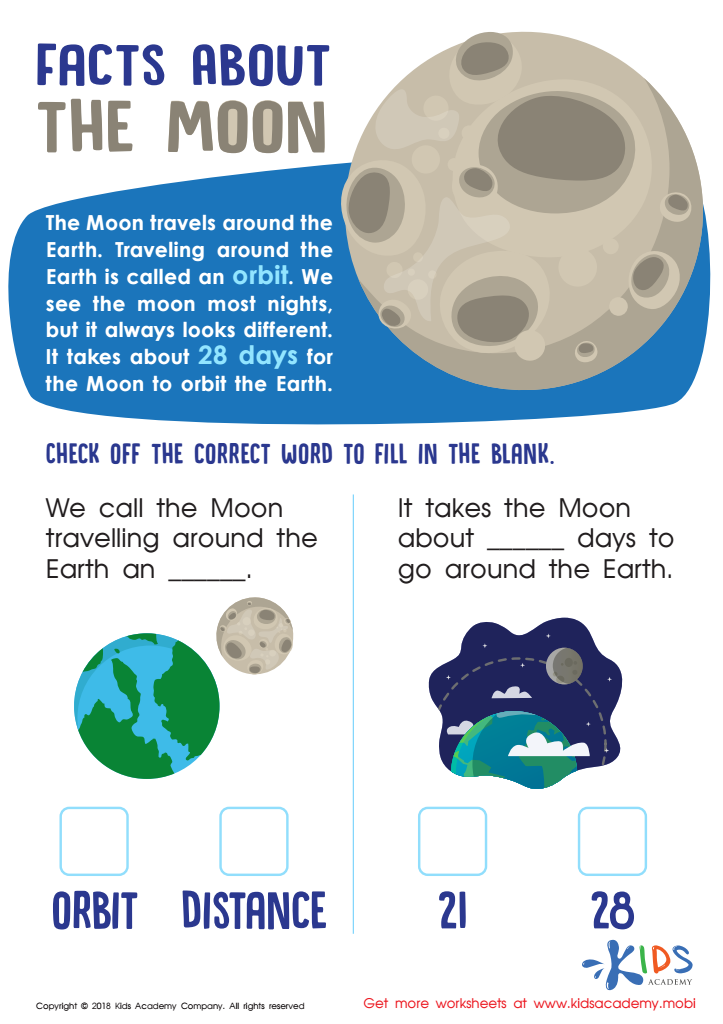
Facts About the Moon Worksheet
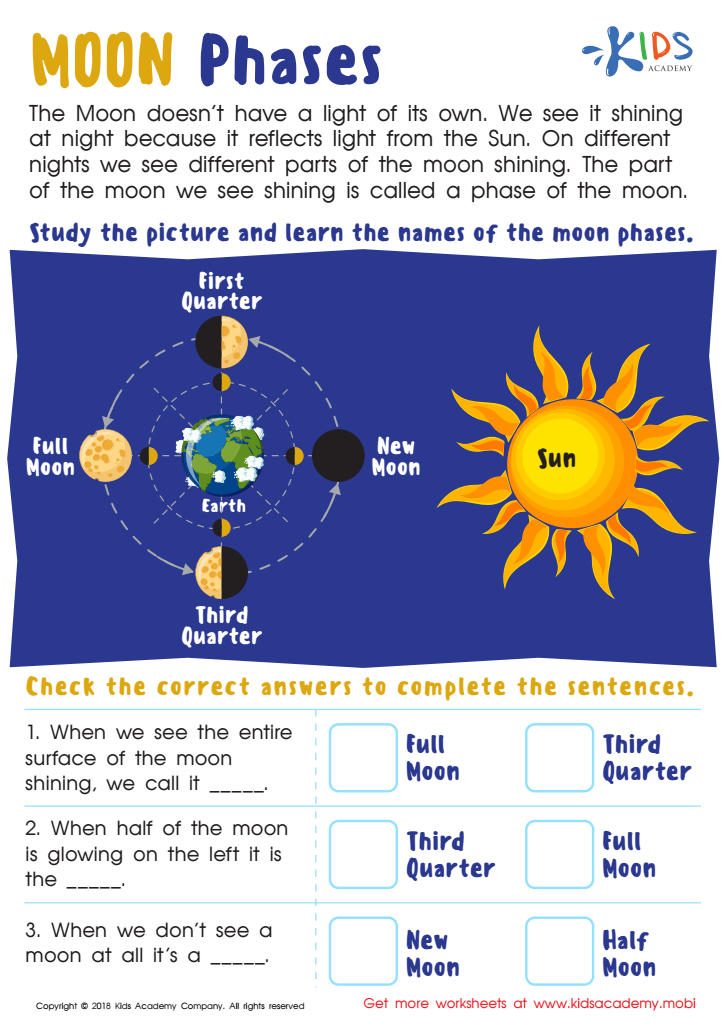
Moon Phases Worksheet
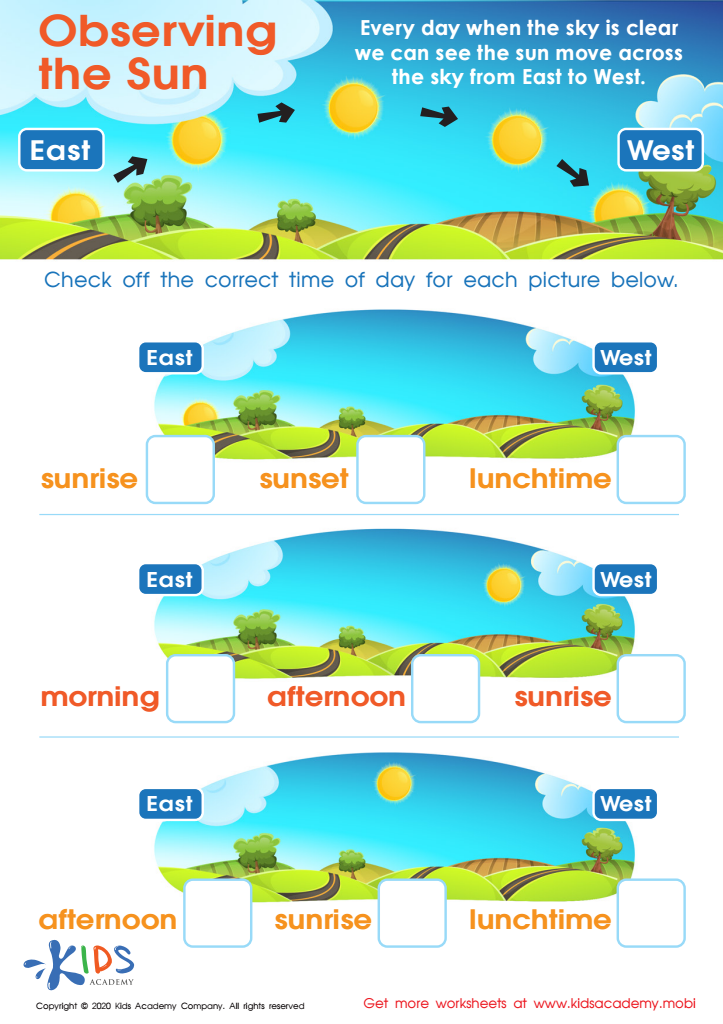
Observing the Sun Worksheet
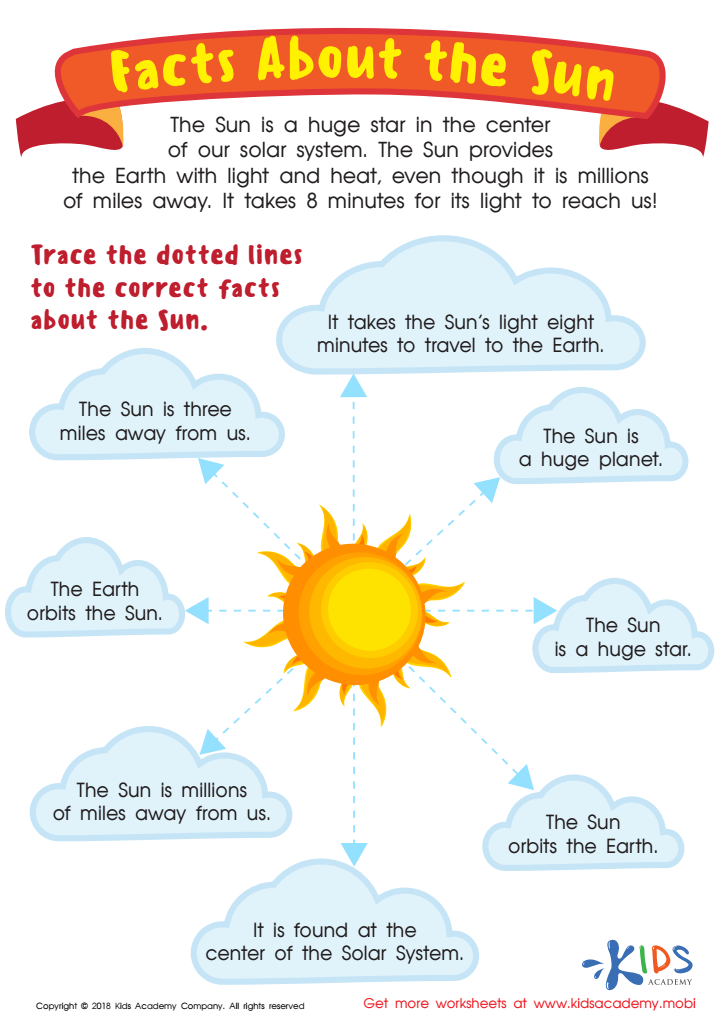
Facts About the Sun Worksheet
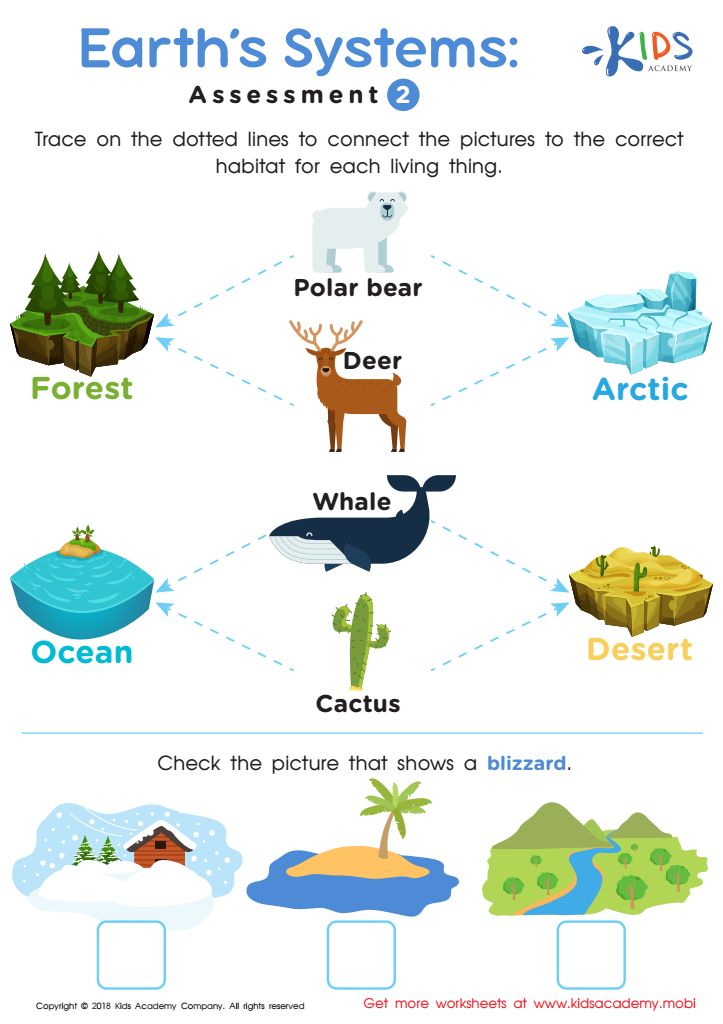
Earth's Systems: Assessment 2
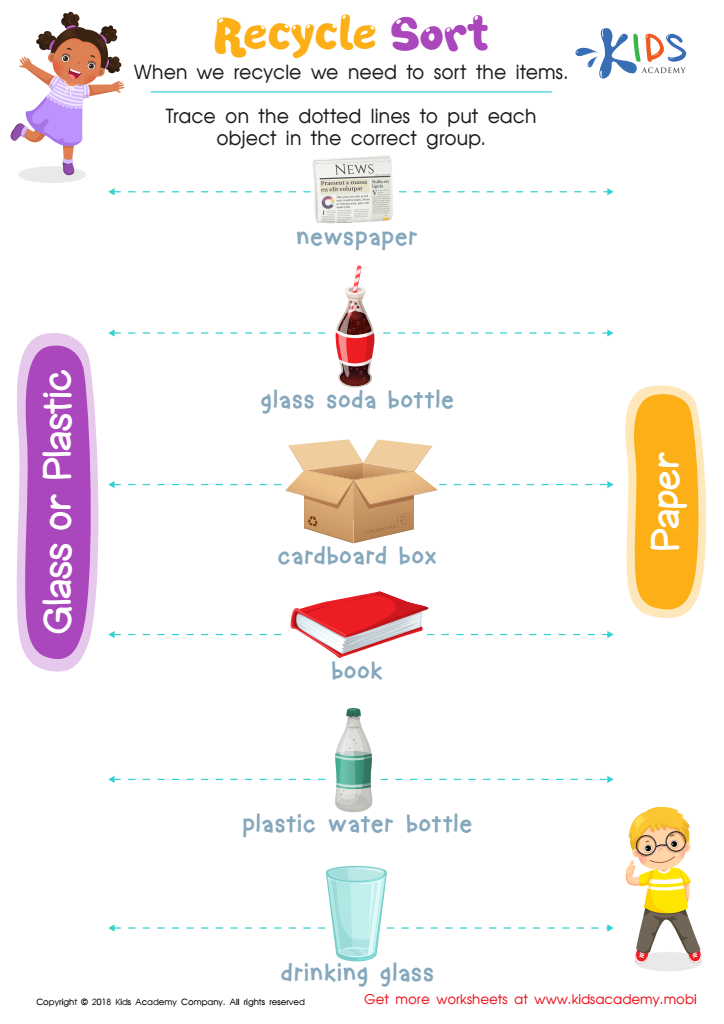
Recycle Sort Worksheet
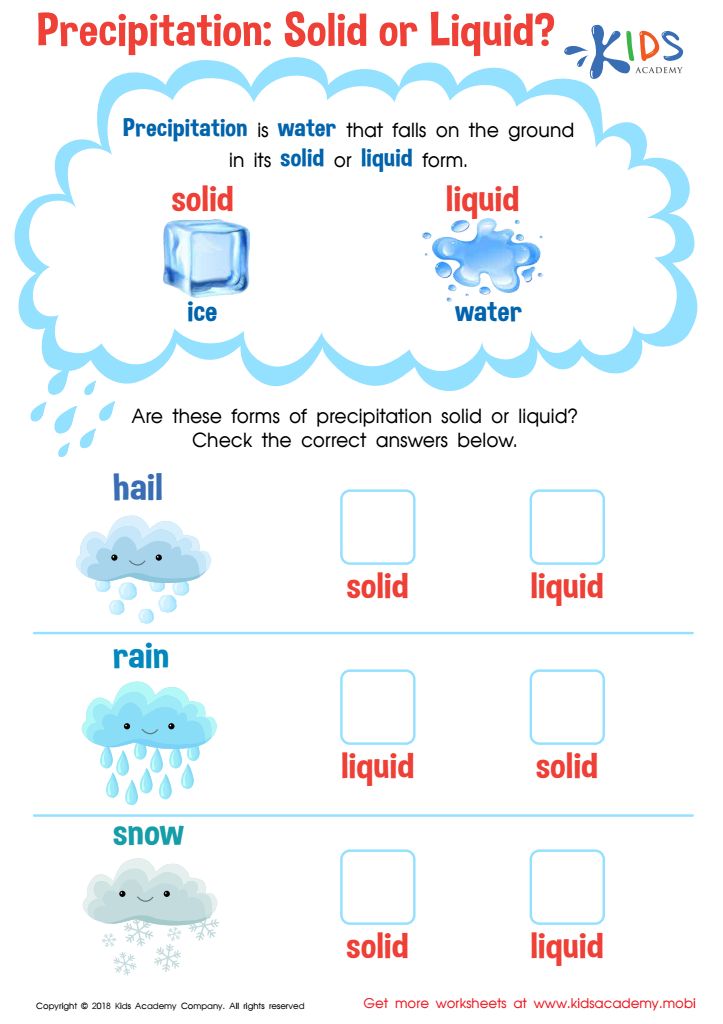
Precipitation: Solid or Liquid? Worksheet
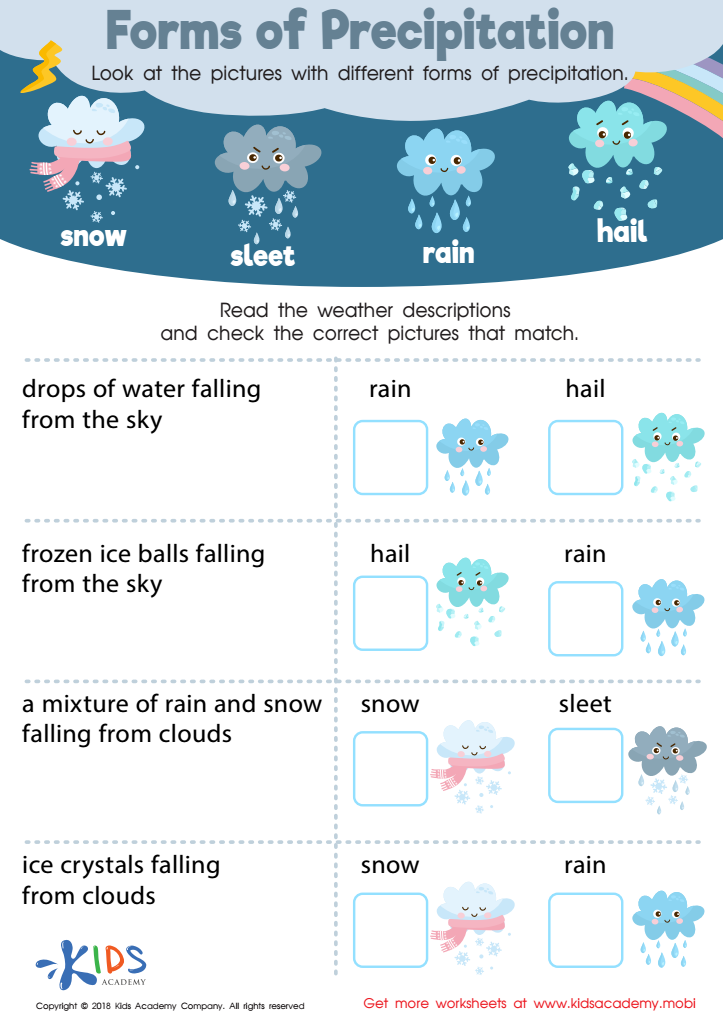
Forms of Precipitation Worksheet
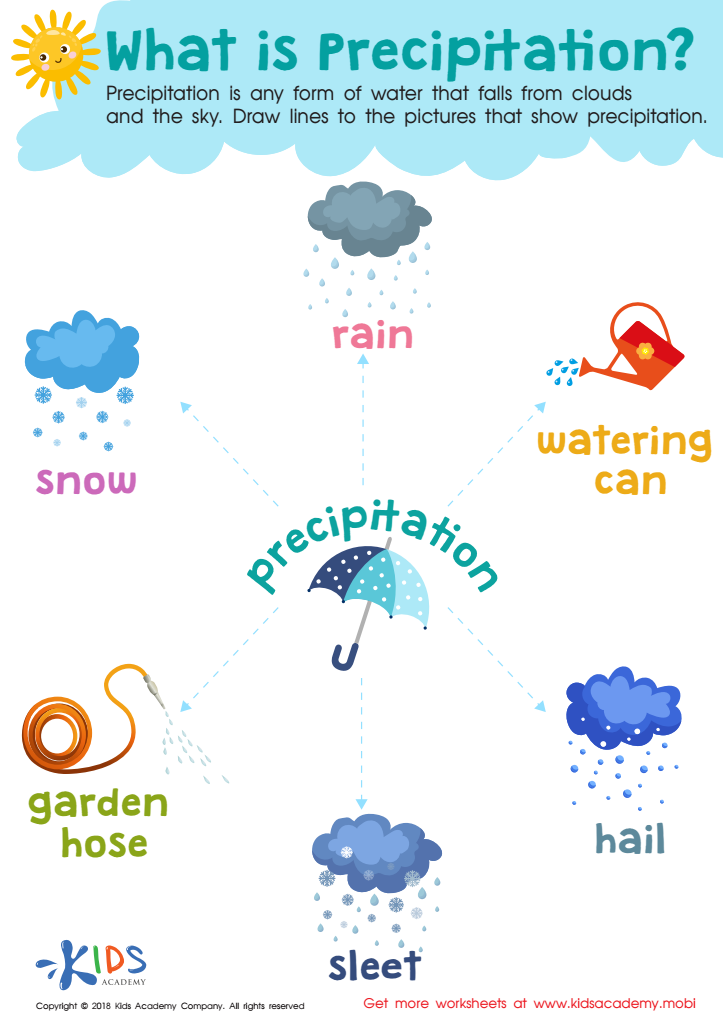
What Is Precipitation? Worksheet
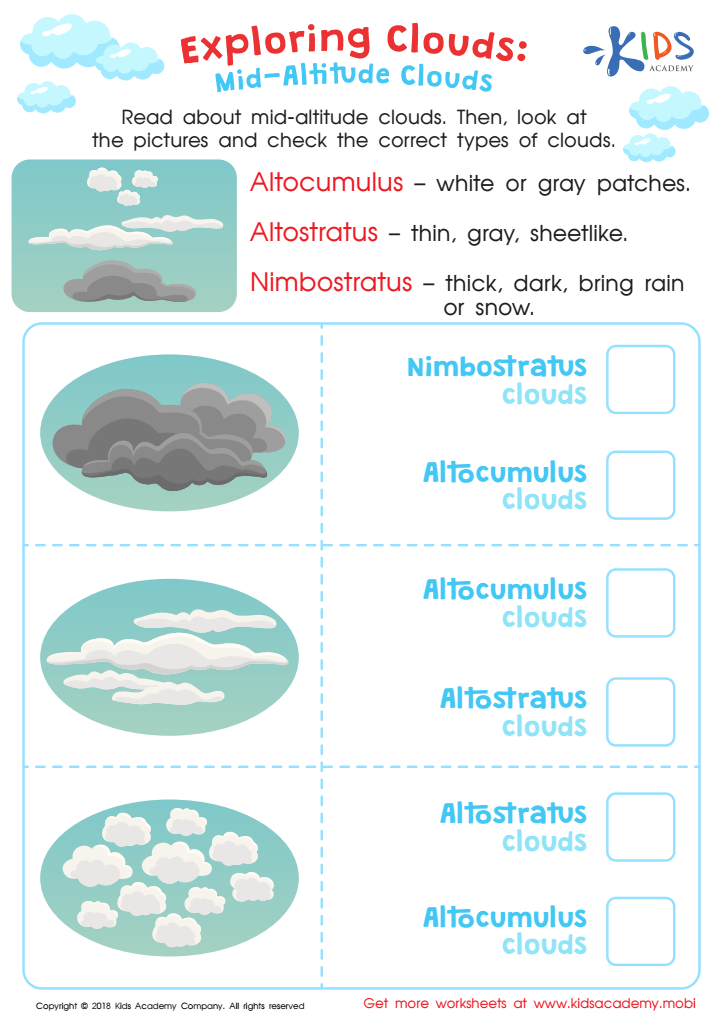
Exploring Clouds: Mid-altitude Clouds Worksheet
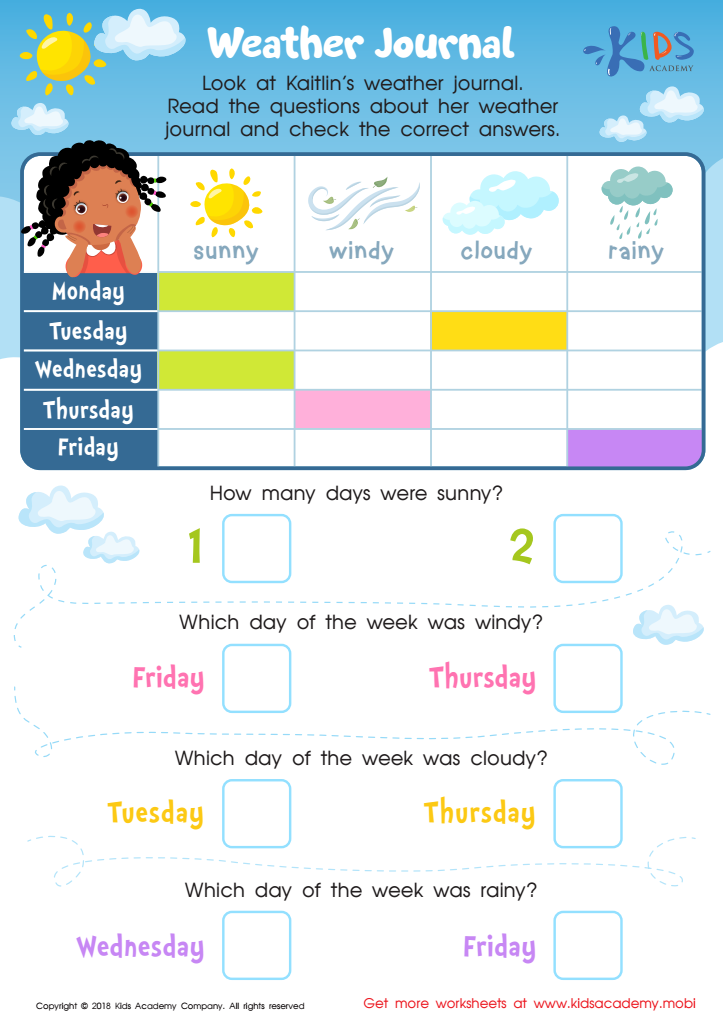
Weather Journal Worksheet
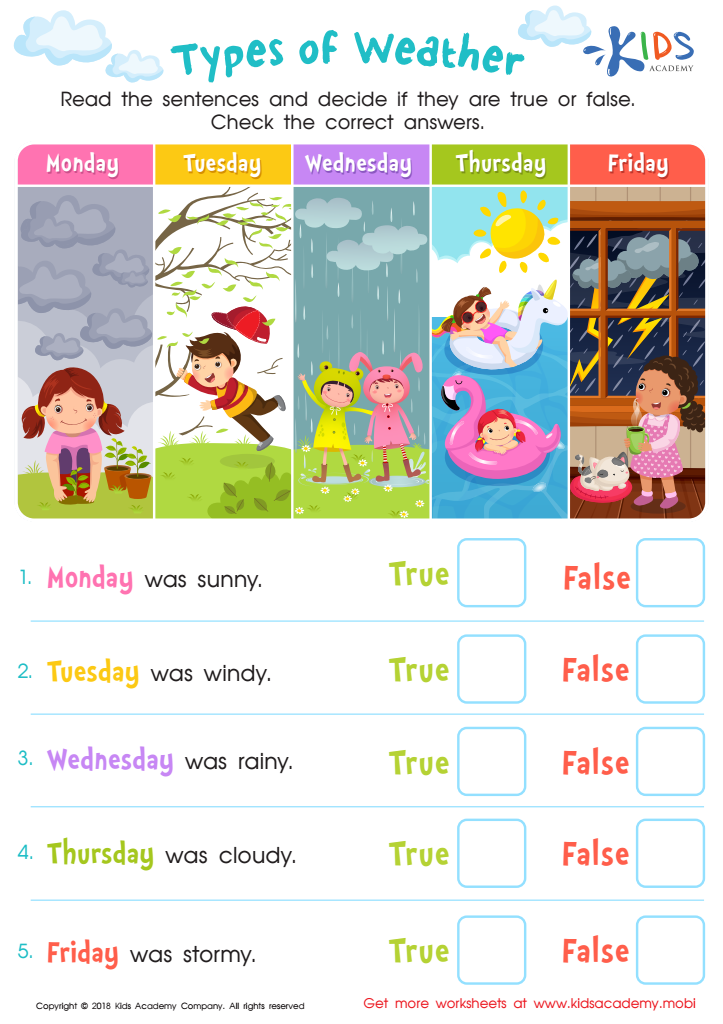
Types of Weather Worksheet
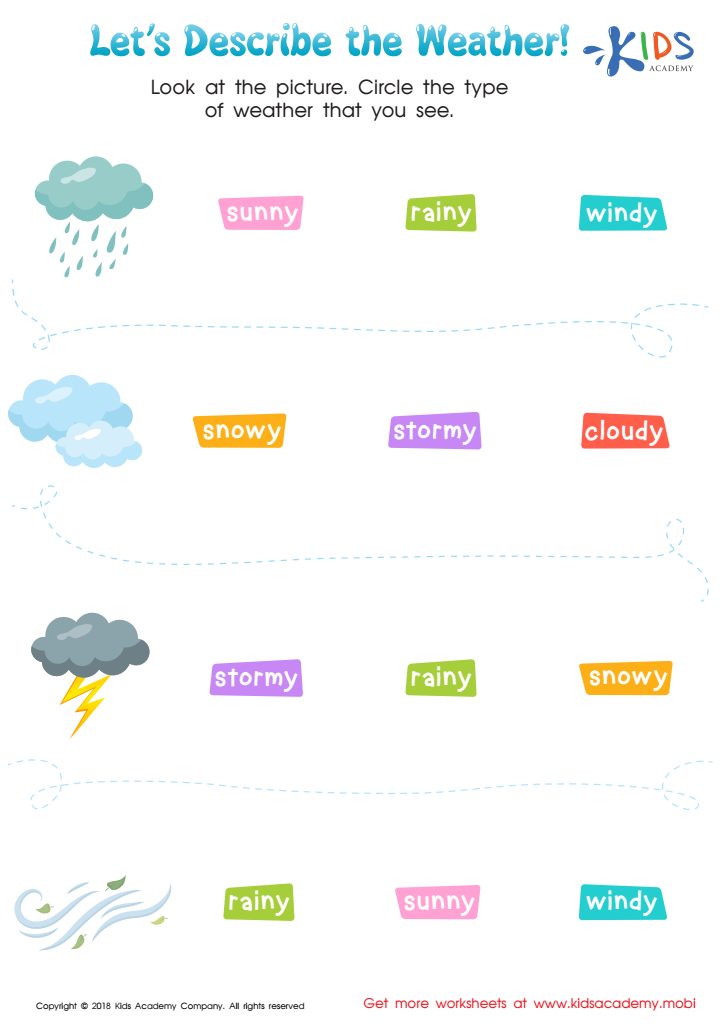
Let's Describe the Weather! Worksheet
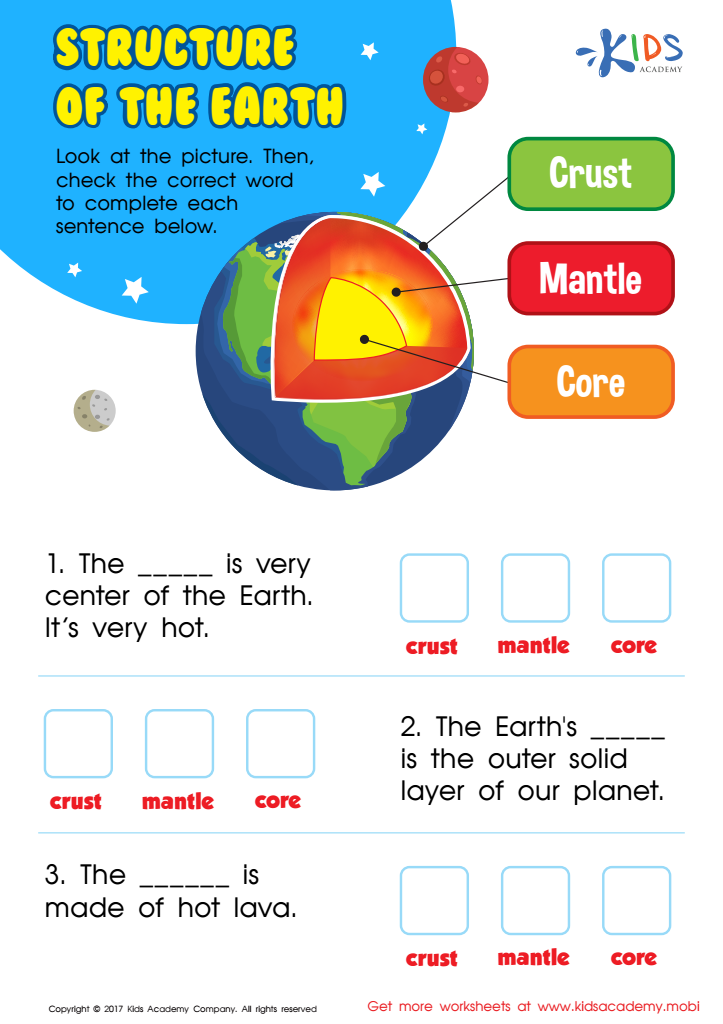
Structure of the Earth Worksheet
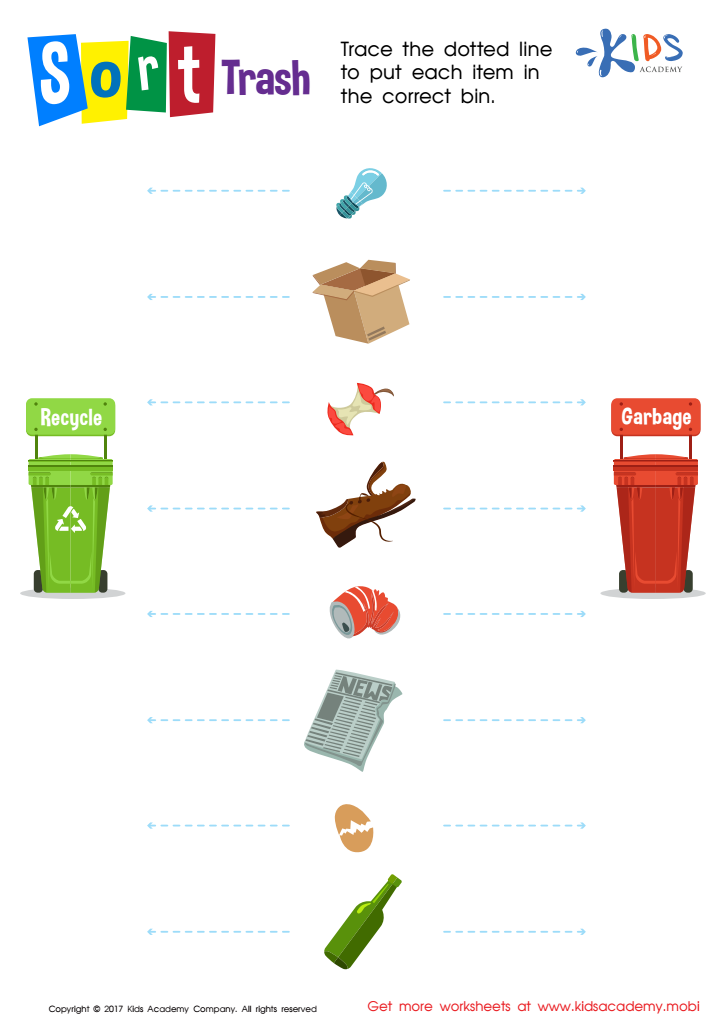
Trash Sorting Worksheet
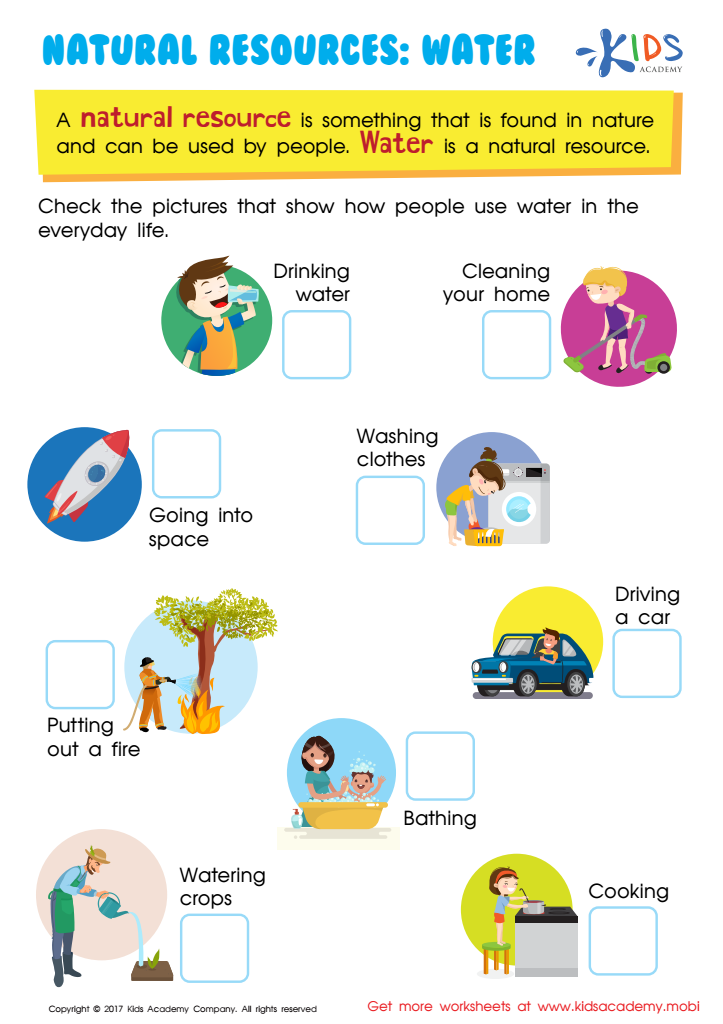
Natural Resources: Water Worksheet
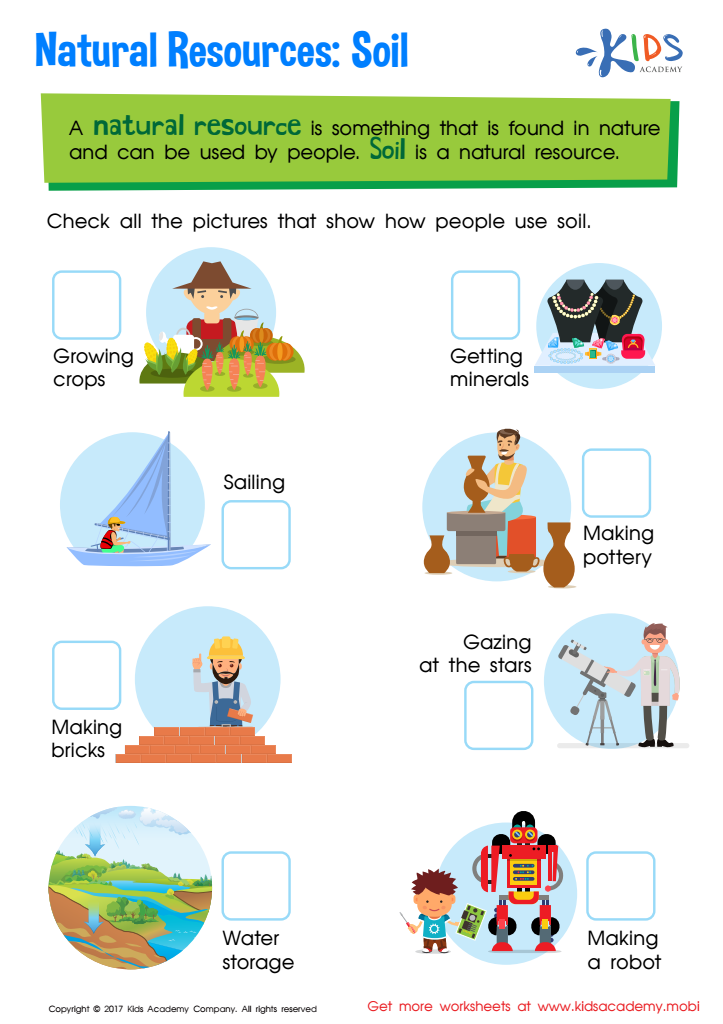
Natural Resources: Soil Worksheet


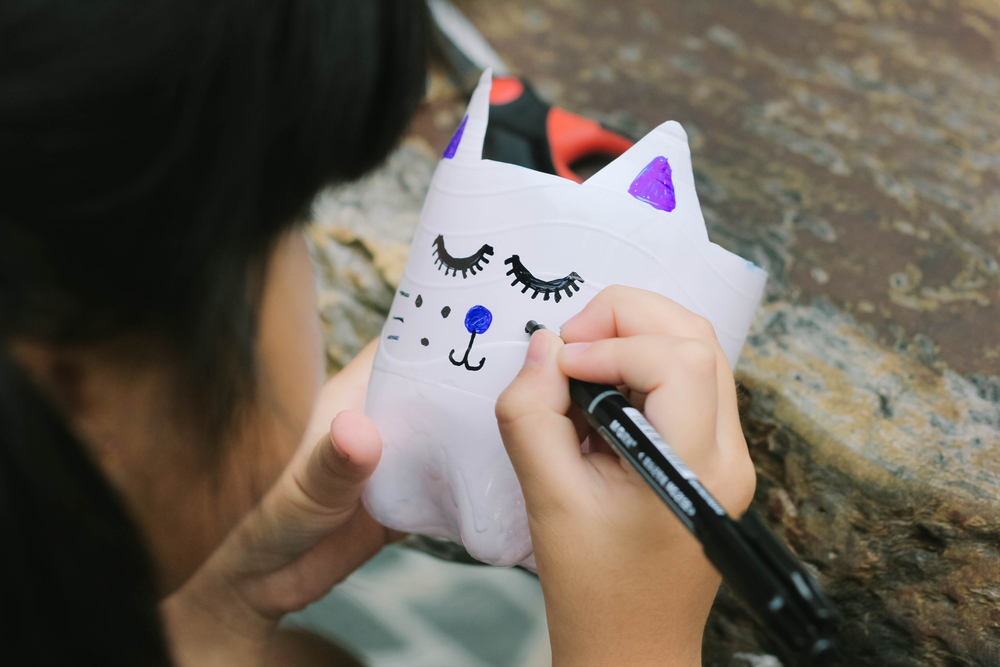

Caring for our planet and environment at a young age is essential because it instills a sense of responsibility and appreciation that can last a lifetime. Children aged 4-7 are in a critical stage of development where they are curious and eager to learn about the world around them. By teaching them about environmental conservation, we help them understand the importance of preserving nature for future generations.
At this tender age, children are also forming habits that can persist into adulthood. Introducing concepts like recycling, saving water, and respecting wildlife can encourage lifelong sustainable practices. When parents and teachers model these behaviors, children are more likely to follow suit.
Moreover, learning about the environment can enhance a child's cognitive and emotional development. Nature provides an excellent backdrop for hands-on learning, stimulating all five senses and fostering critical thinking skills. Additionally, spending time outdoors has been linked to reduced stress and increased creativity in young children.
Parents and teachers play a pivotal role in shaping a child’s values and attitudes. By prioritizing environmental education, we cultivate environmentally conscious citizens empathetic to the needs of our planet. This not only benefits the child's growth but also contributes to a healthier, more sustainable world.







