Numbers Worksheets for Ages 4-8 - Page 21
510 filtered results
-
From - To
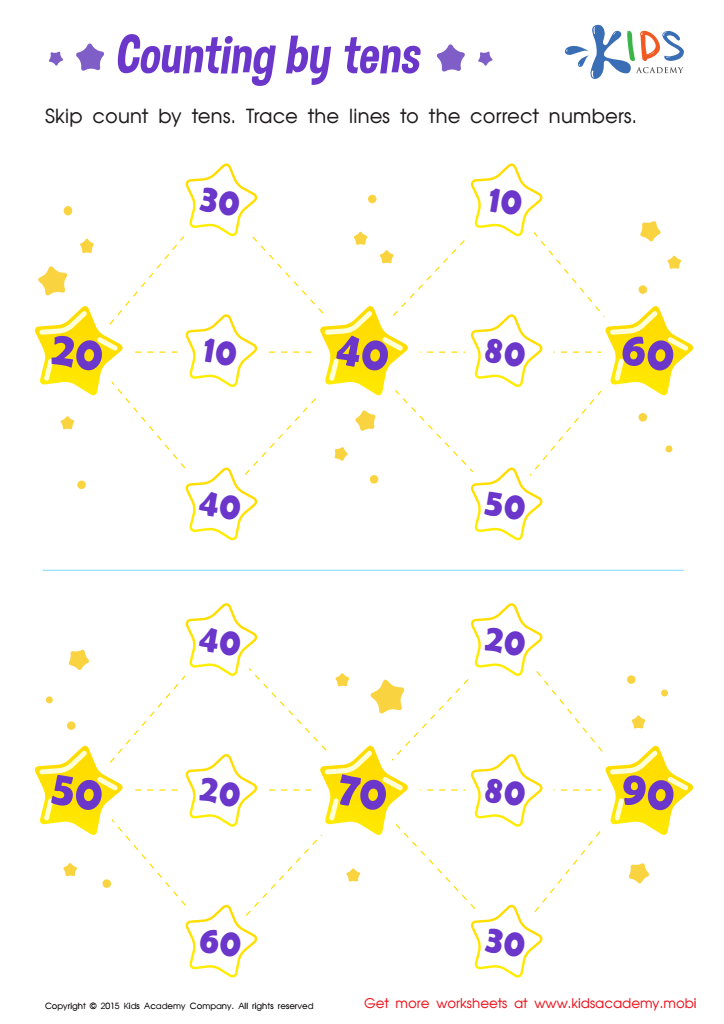
Learn Dozens: Counting by Tens Printable
 Assign to My Students
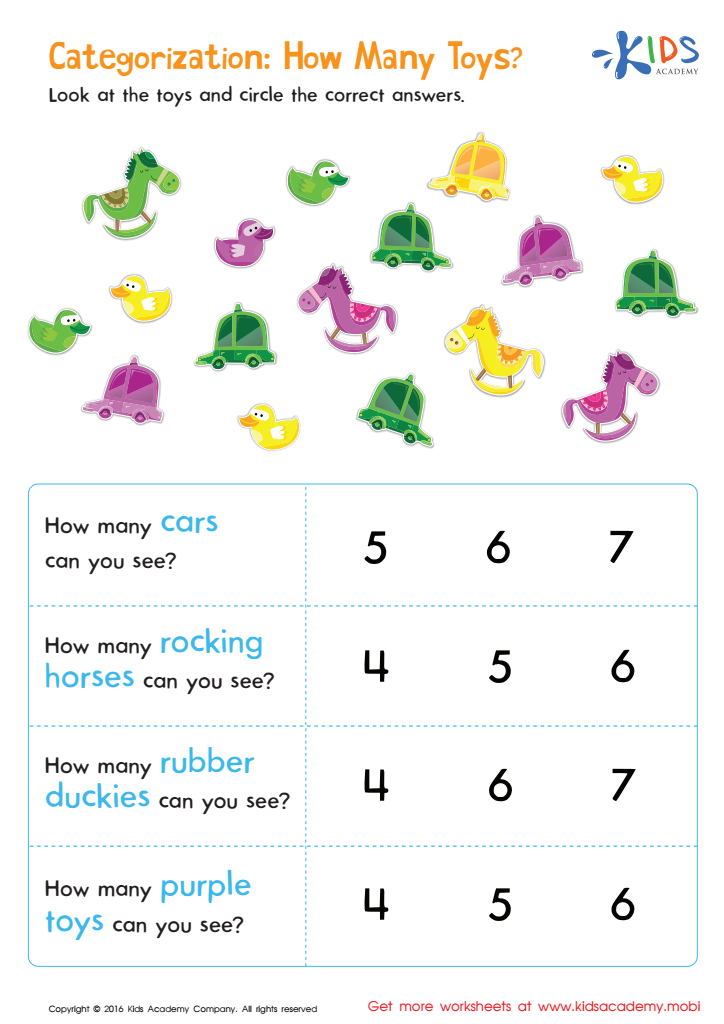
Classifying Toys by Type and Color Sorting Worksheet
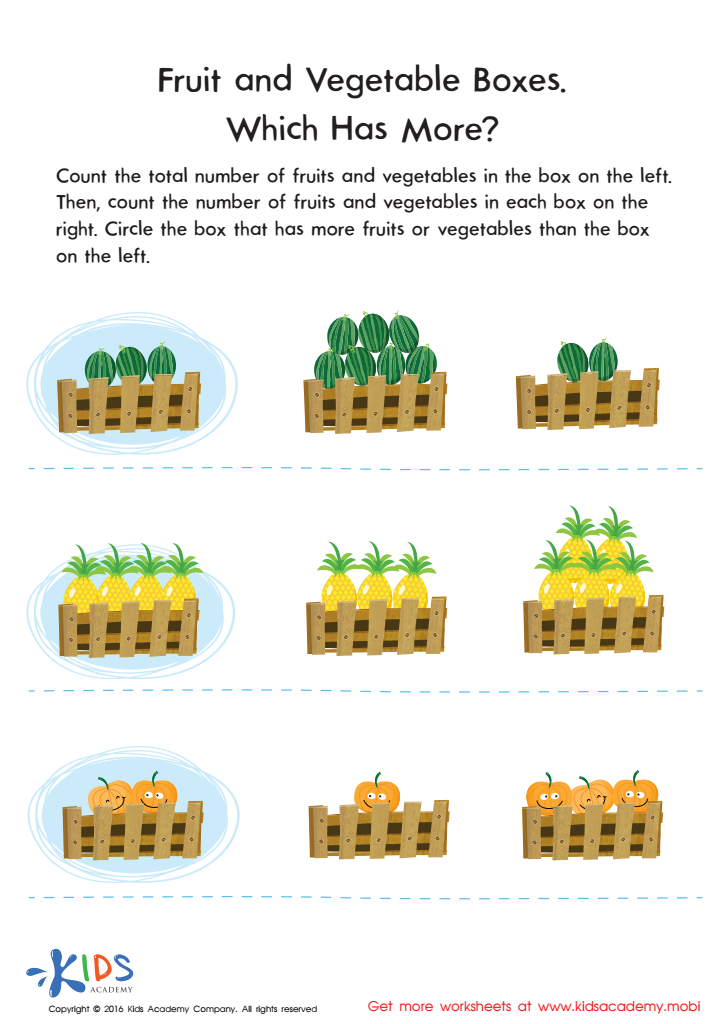
Which Has More? Size Worksheet

Pirate Ship Connect Dots Worksheet
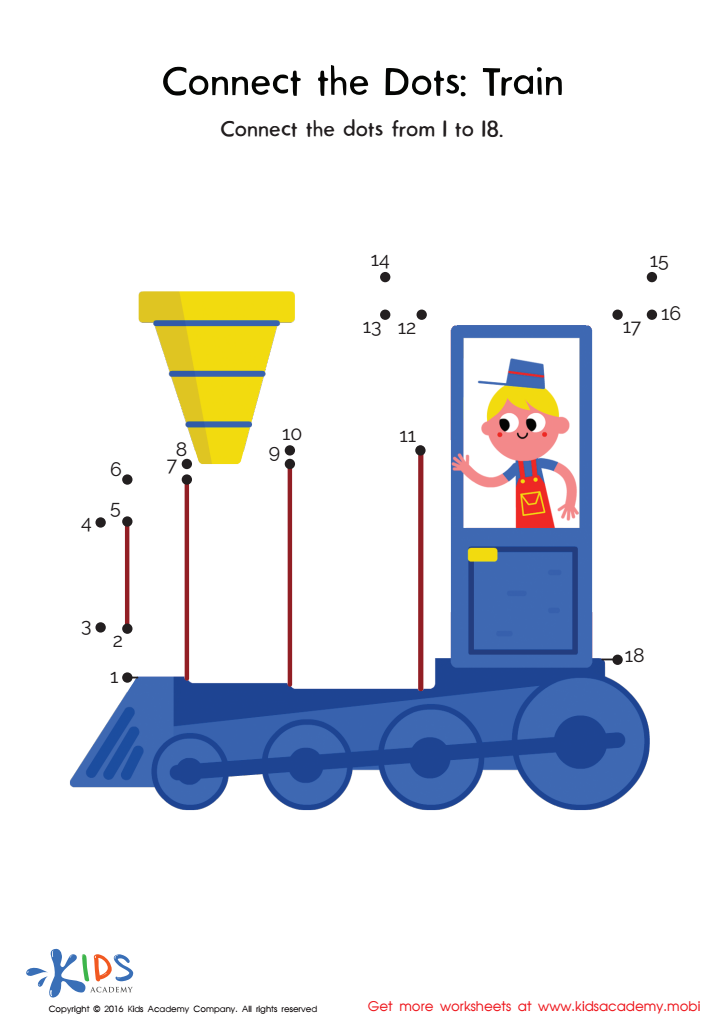
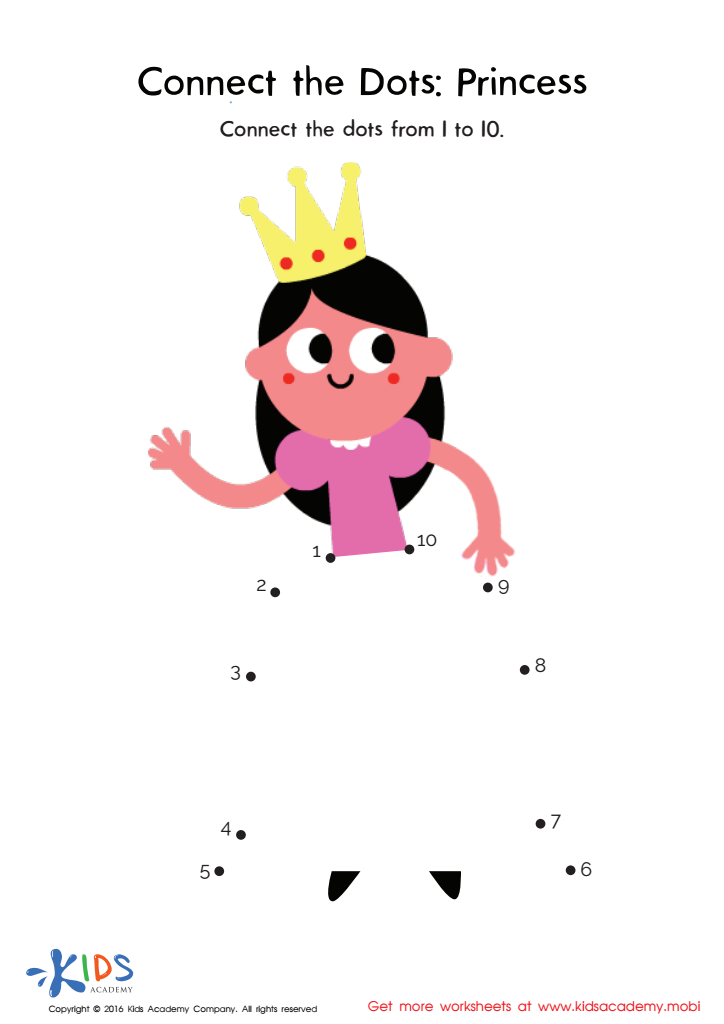
Princess Connect Dots Worksheet
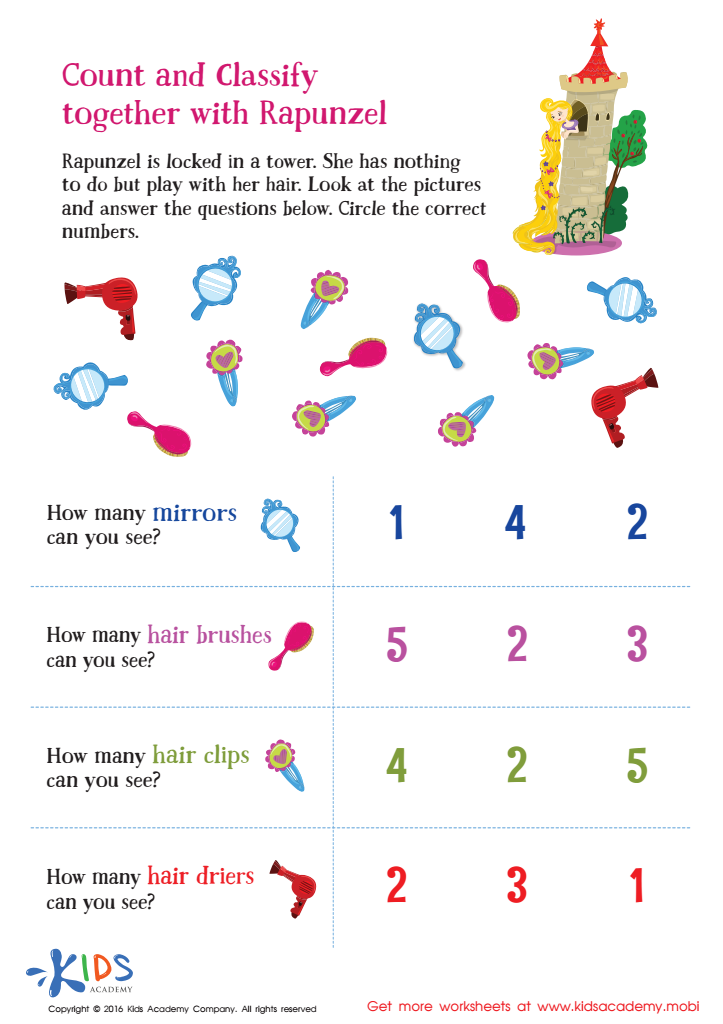
Fairy Tale Worksheet: Count and Classify with Rapunzel
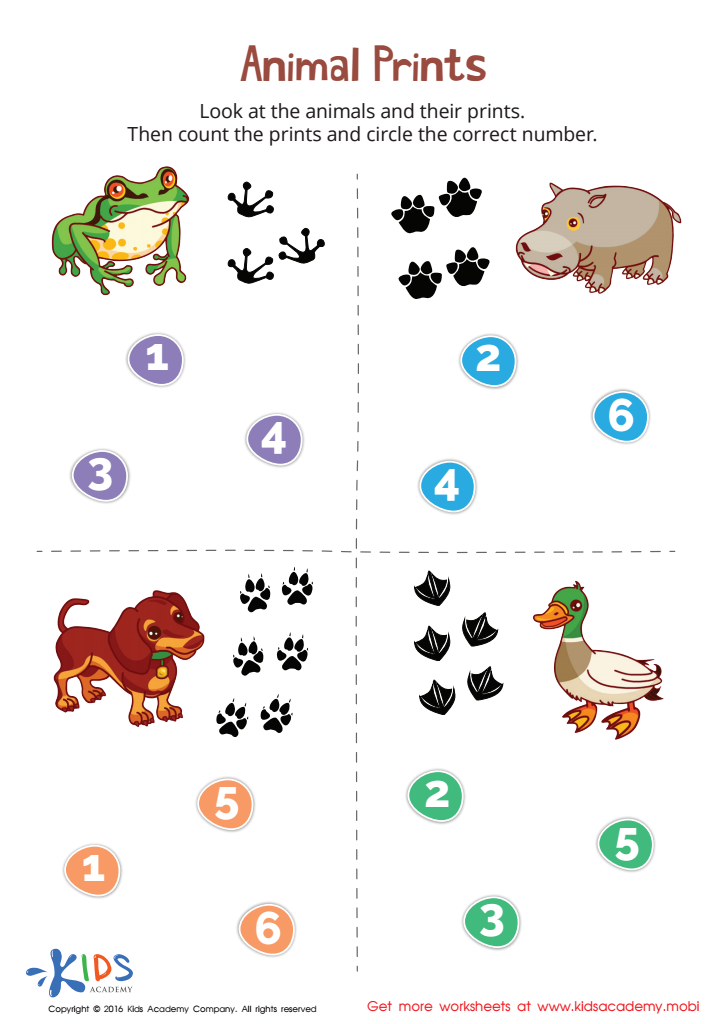
Animal Prints Match-Up Worksheet
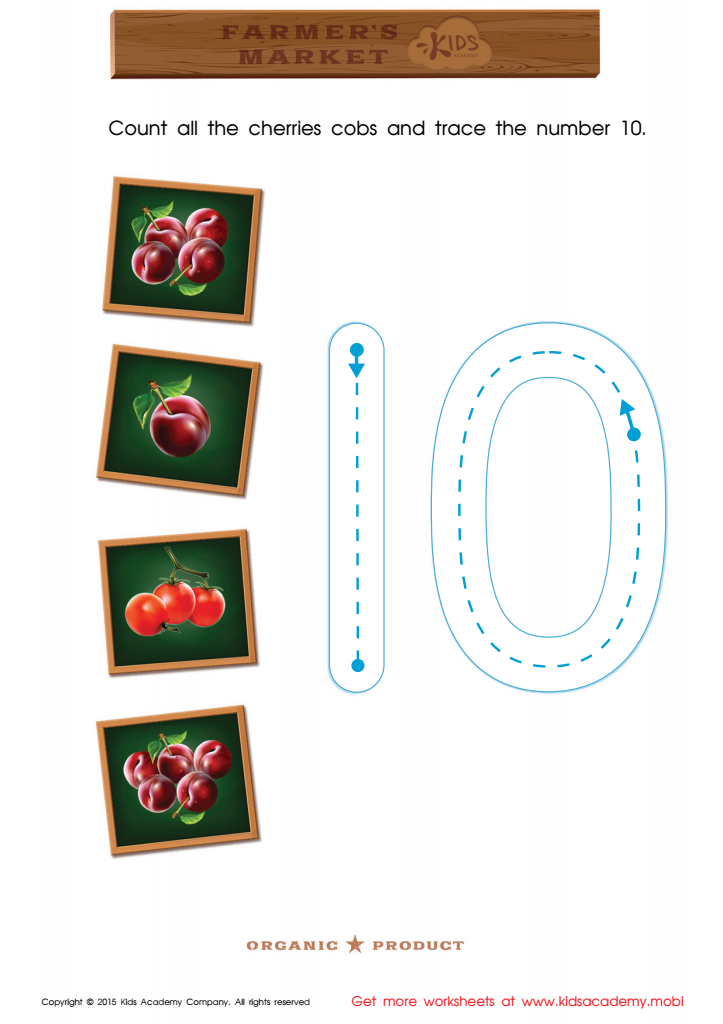
Count the Cherries and Trace the Number 10 Printable
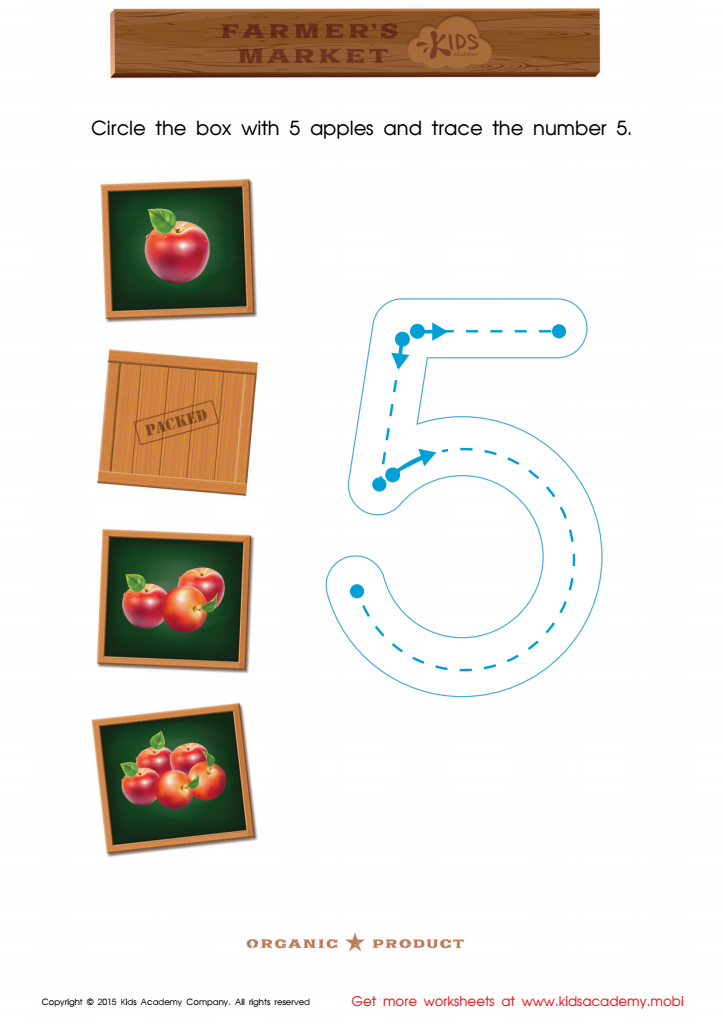
Count the Apples and Trace the Number 5 Printable
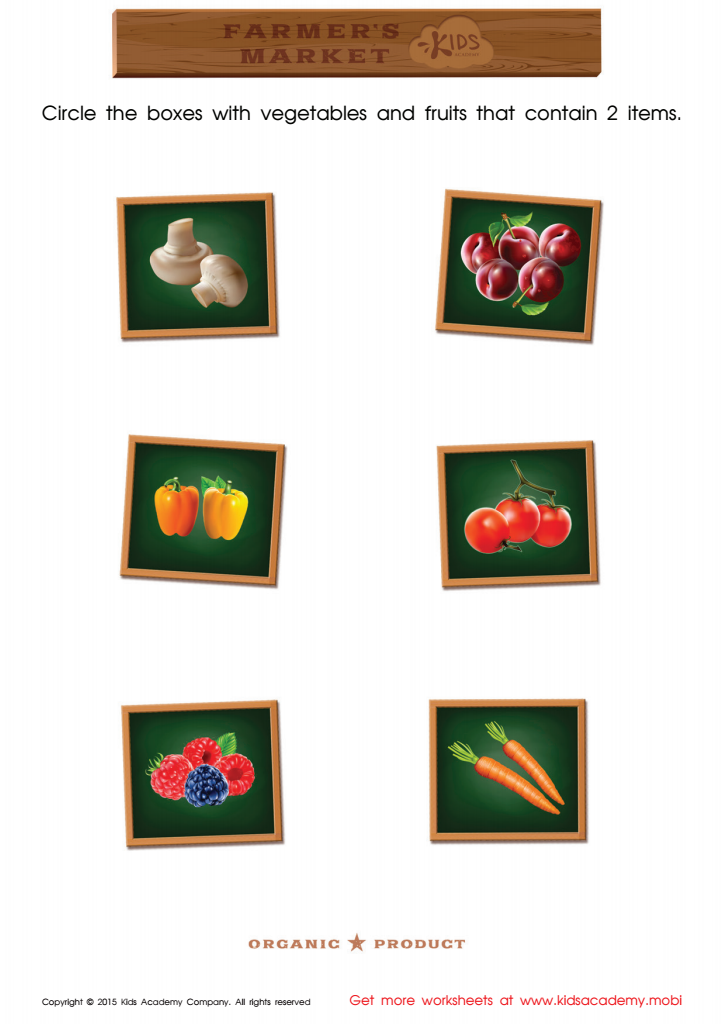
Count and Match Vegetables and Points Math Worksheet
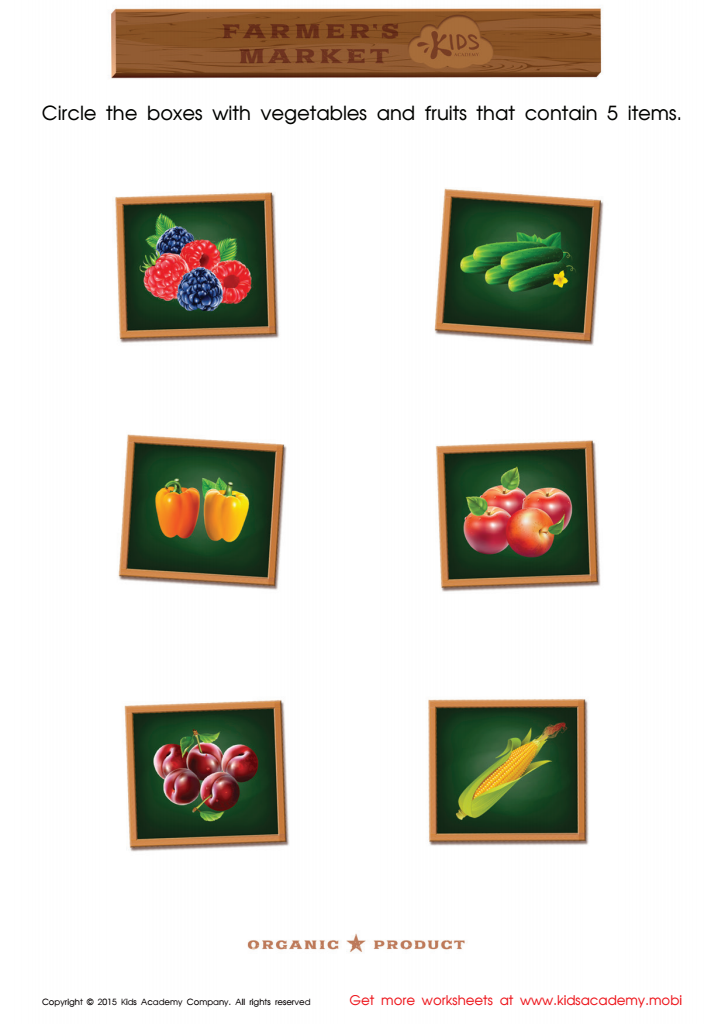
Count and Match Vegetables 1 – 7 Math Worksheet
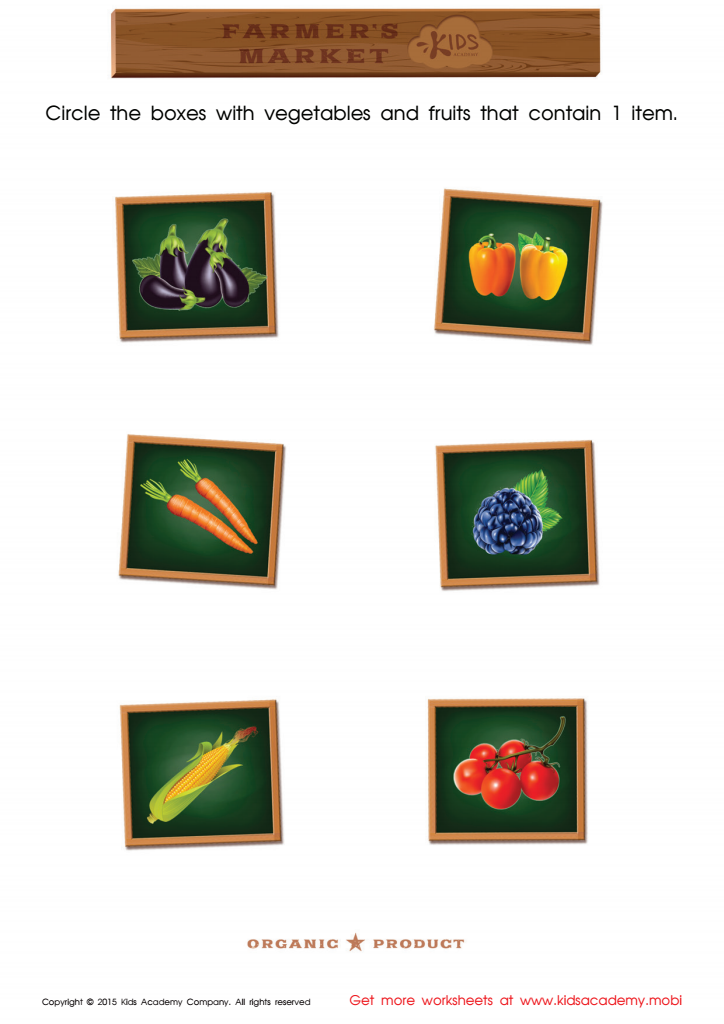
Count and Match Boxes with Vegetables
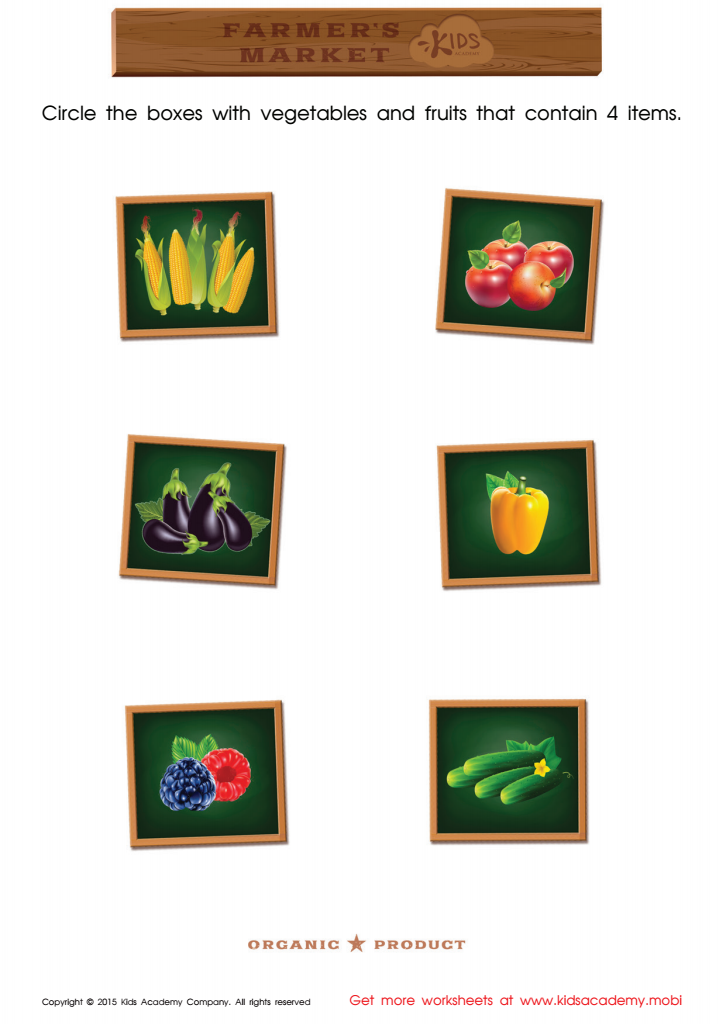
Count and Match Vegetables 2 – 8 Math Worksheet
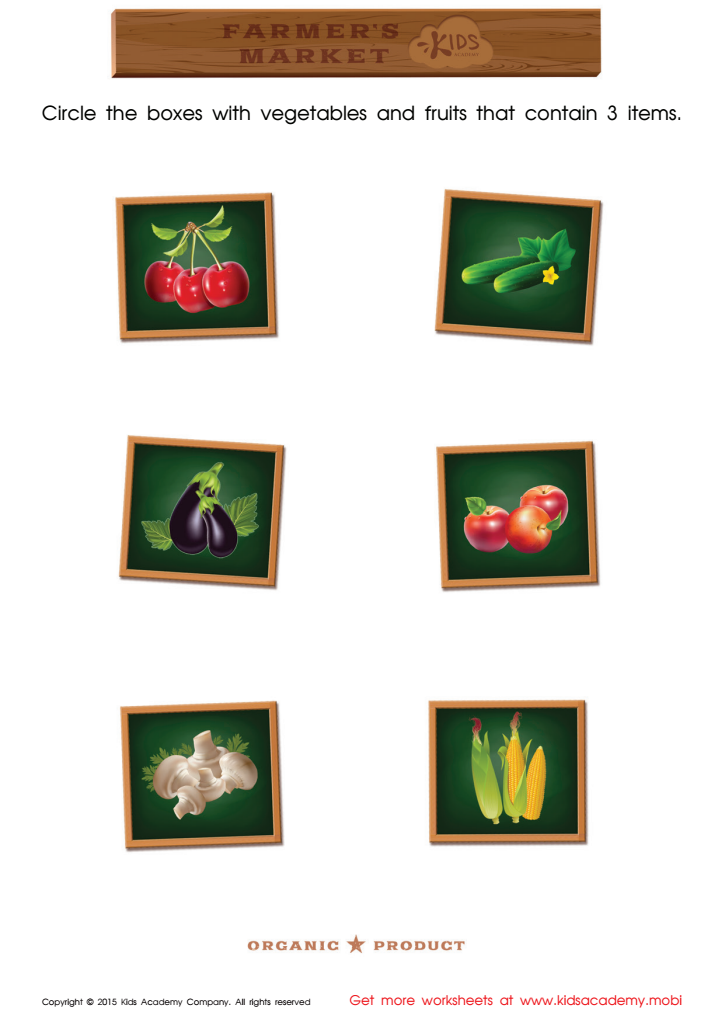
Count and Match Vegetables 1 – 5 Math Worksheet
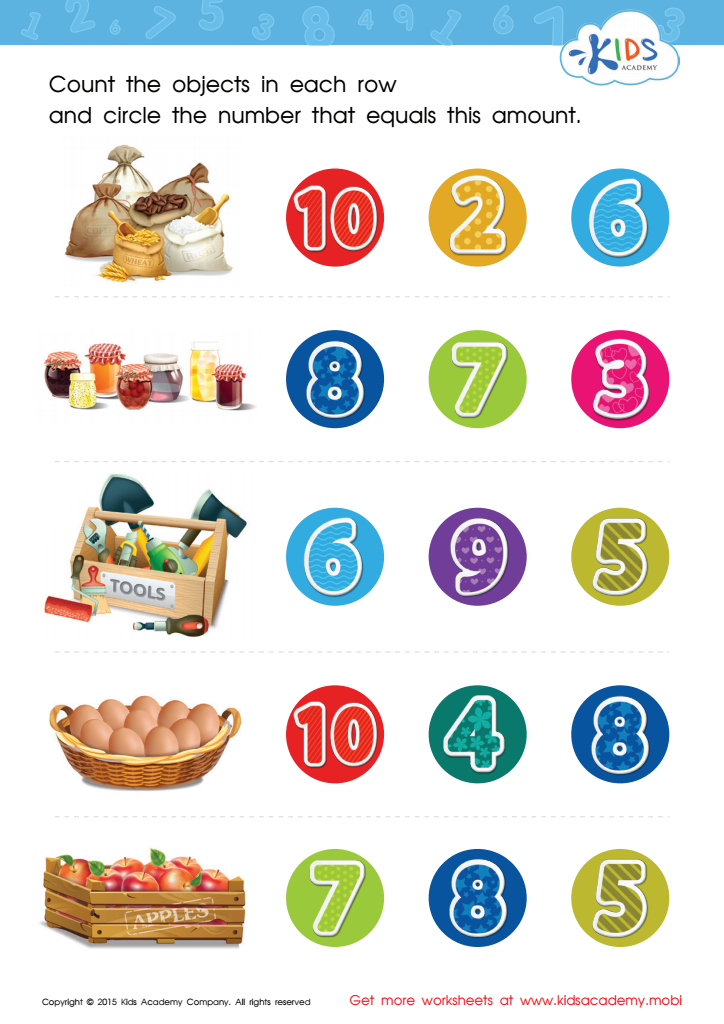
Count and Match 6 – 10 Math Worksheet
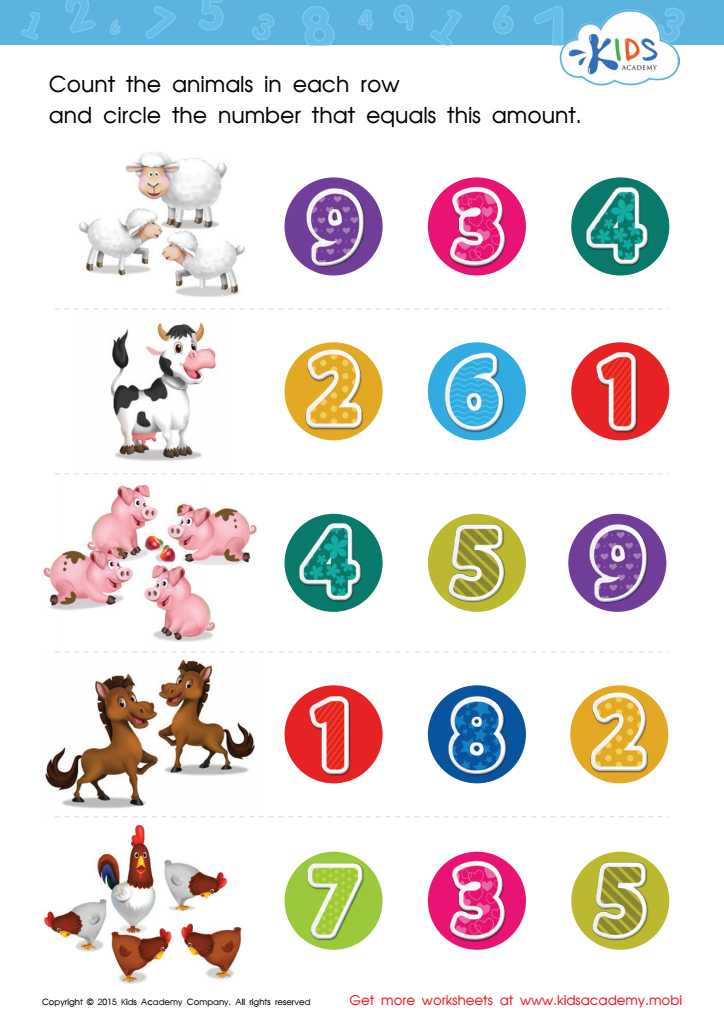
Count and Match 1 – 5 Math Worksheet
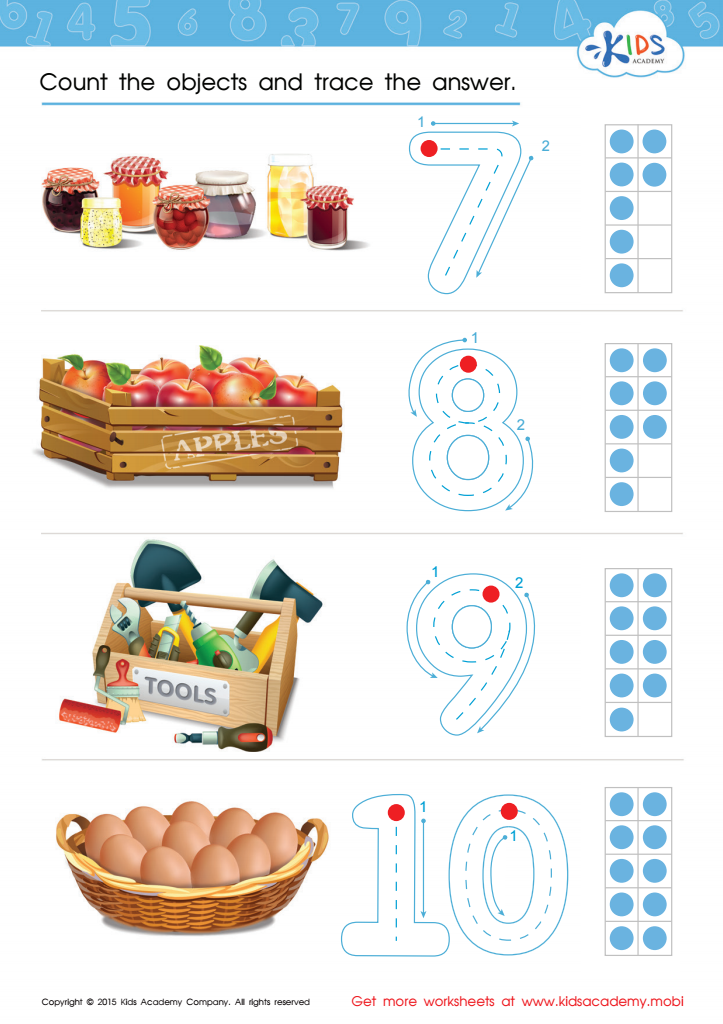
Count and Trace 7 – 10 Worksheet
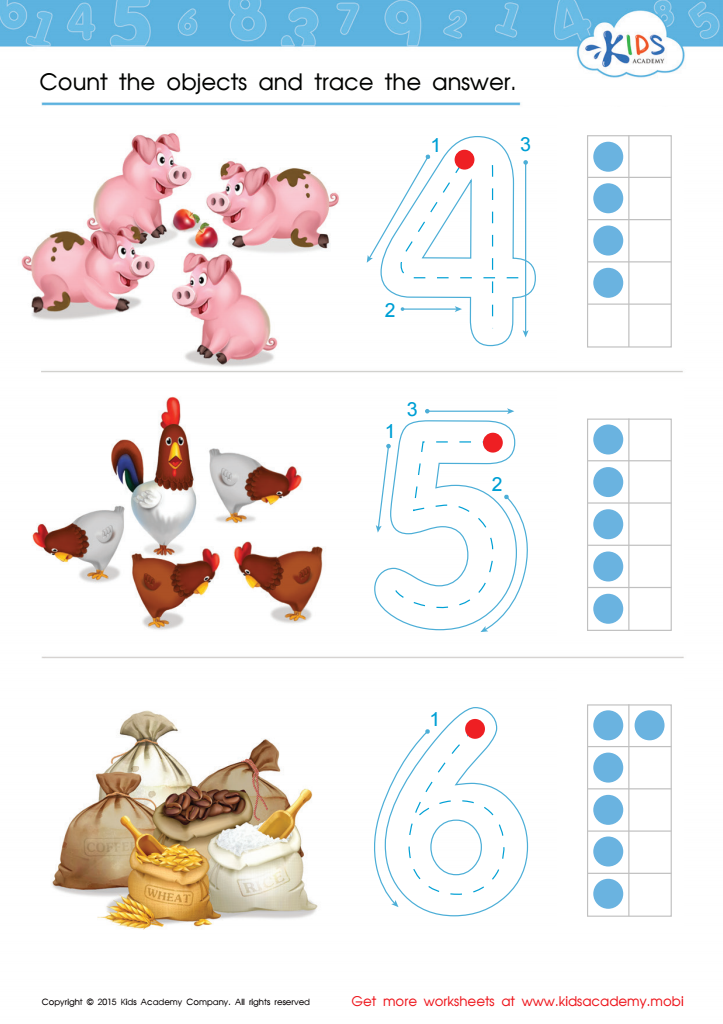
Count and Trace 4 – 6 Worksheet
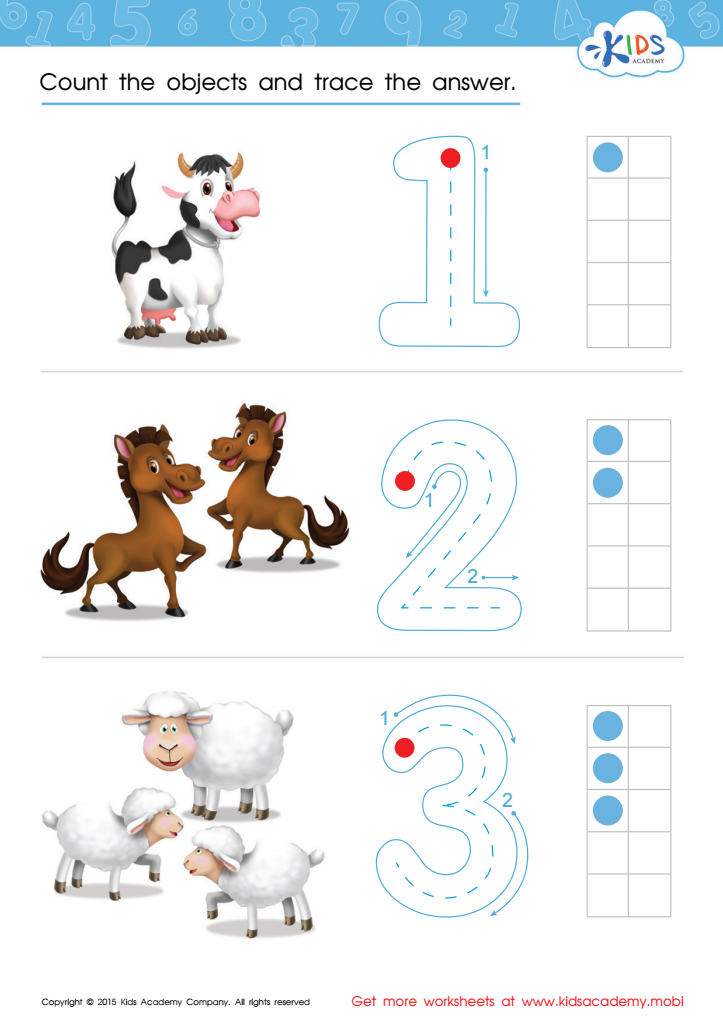
Count and Trace 1 – 3 Worksheet
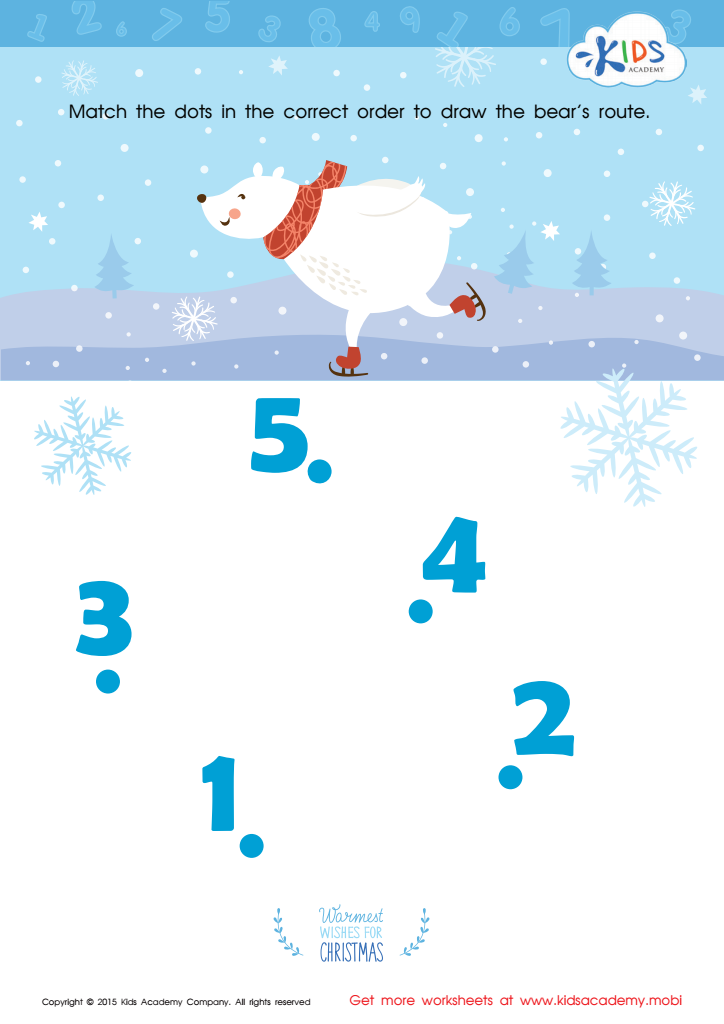
Drawing the Bear's Route by Number Worksheet
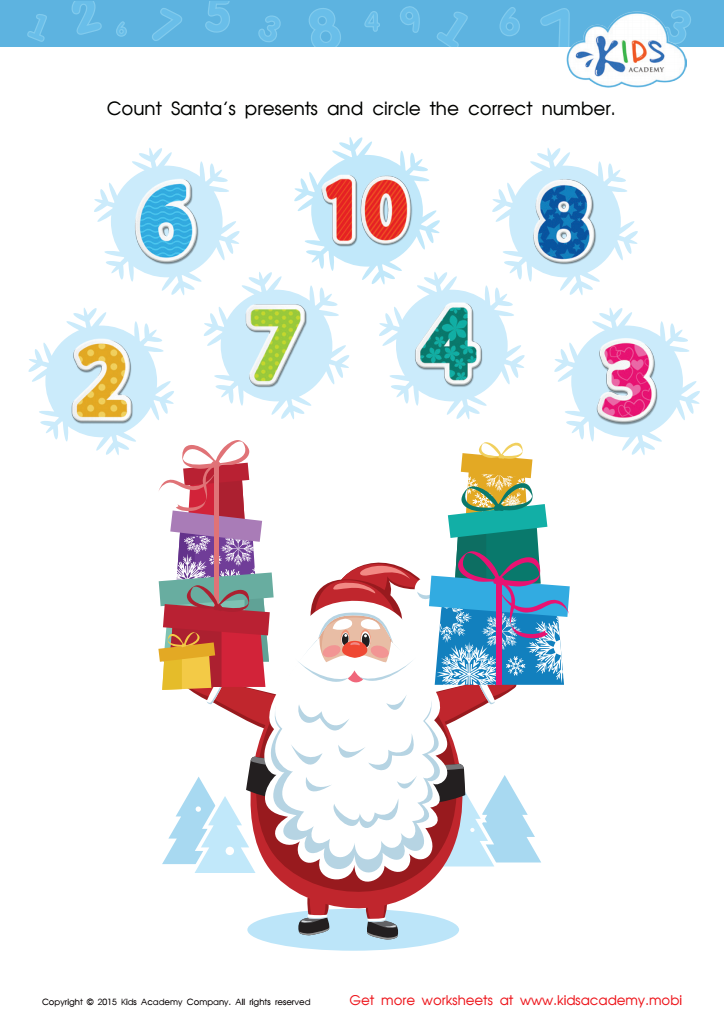
Count Santa's Presents Worksheet
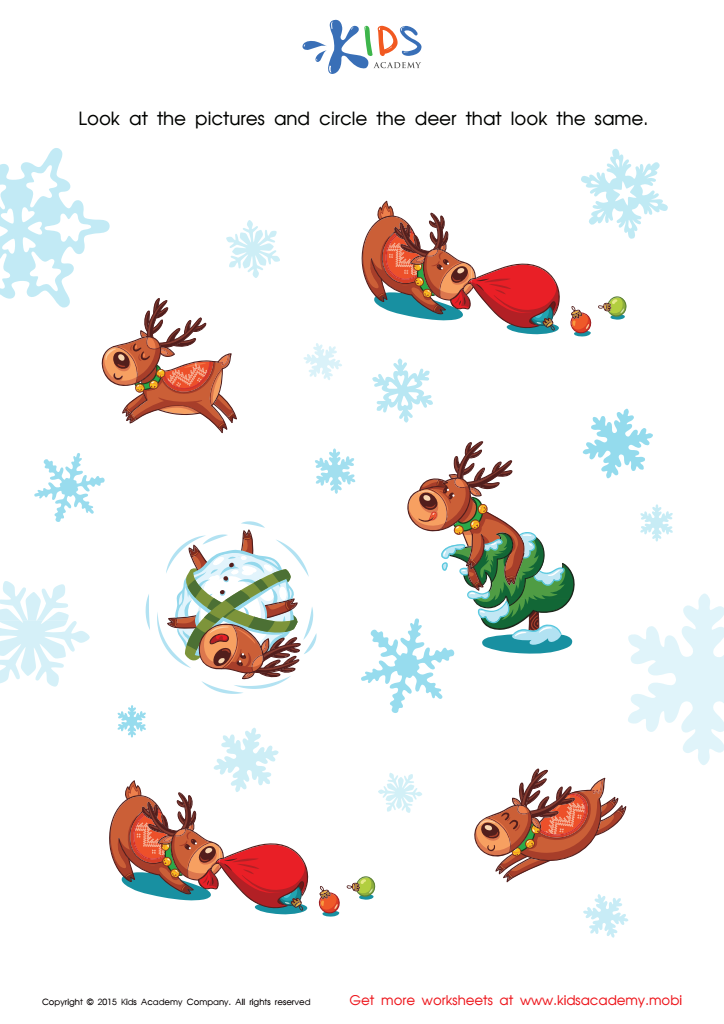
Count the Deer Worksheet
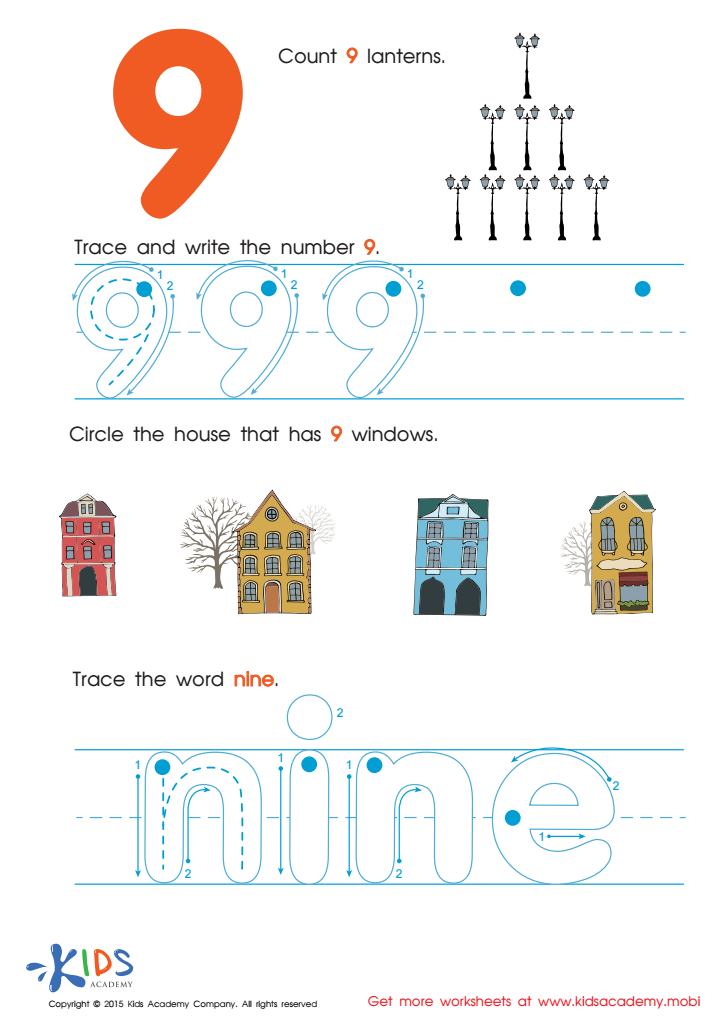
Tracing And Learning to Write Number 9 Worksheet








Understanding numbers is essential for children aged 4-8, as it lays the foundation for lifelong mathematical skills. At this stage, children are naturally curious and eager to explore concepts of quantity, patterns, and measurement through play and everyday interactions. Numbers play a crucial role in developing critical thinking, problem-solving abilities, and cognitive skills.
Parents and teachers should care about fostering numerical understanding during these formative years because early numeracy impacts later academic success. Research shows that a strong grasp of numbers by age 8 correlates with higher achievements in mathematics throughout schooling. Engaging with numbers helps children recognize relationships and make sense of the world, enhancing their confidence in problem-solving situations.
Furthermore, early number recognition can support emotional and social growth, as children learn to collaborate and communicate while engaging in number-related games or activities. It also prepares them for future concepts such as addition, subtraction, and advanced mathematical reasoning, making numbers not just a subject to learn, but an integral part of their day-to-day life. By valuing and nurturing a child's relationship with numbers, parents and teachers can inspire a sense of wonder and enjoyment in mathematics that lasts a lifetime.








