Plants and Animals Worksheets for Ages 4-8 - Page 6
141 filtered results
-
From - To
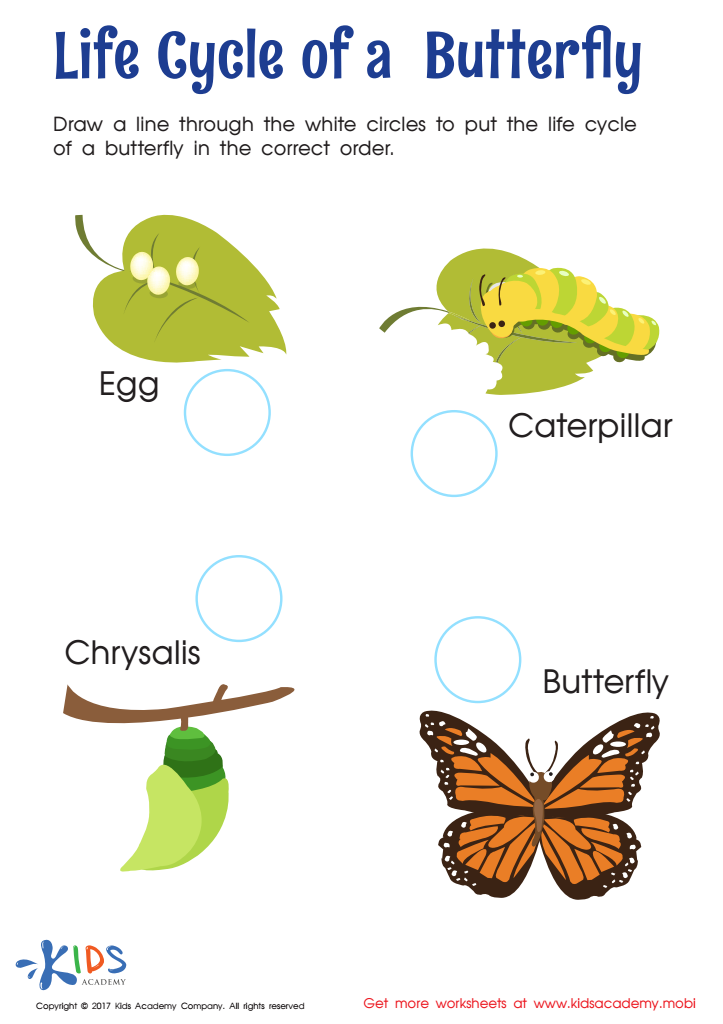
Life Cycle of Butterfly Worksheet
 Assign to My Students











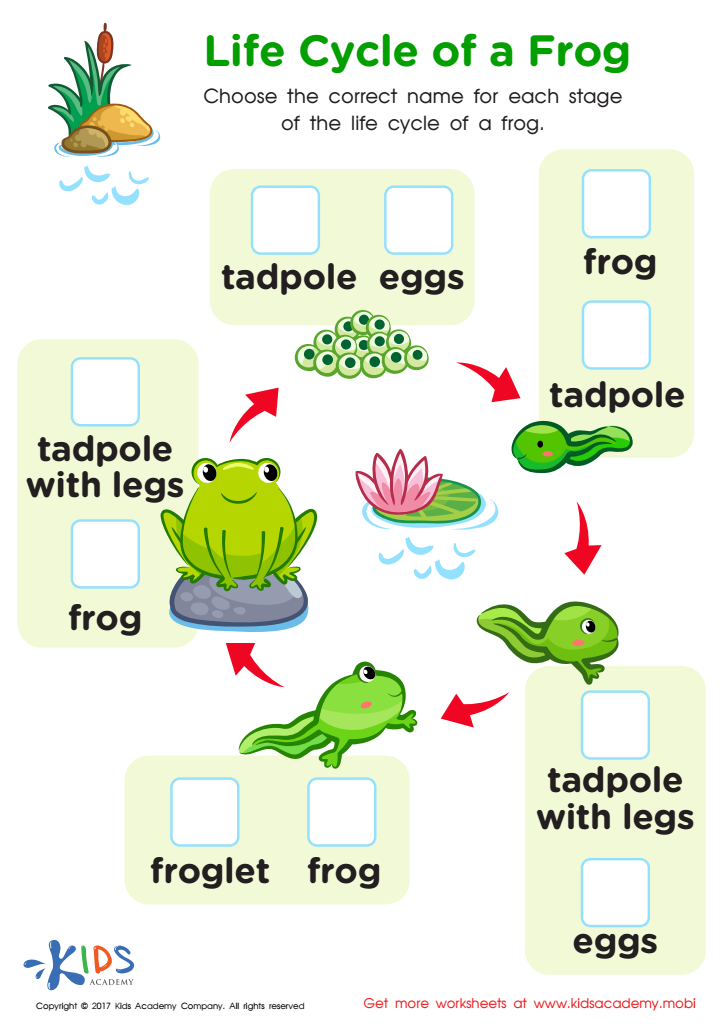
Life Cycle Frog Printable
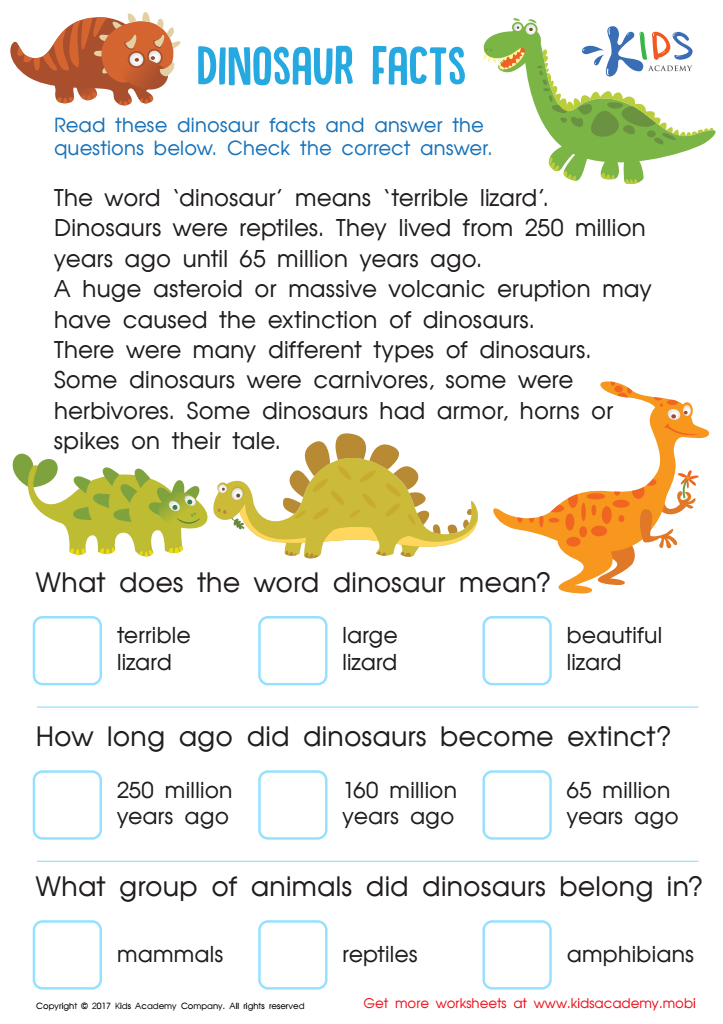
Dinosaur Facts Worksheet
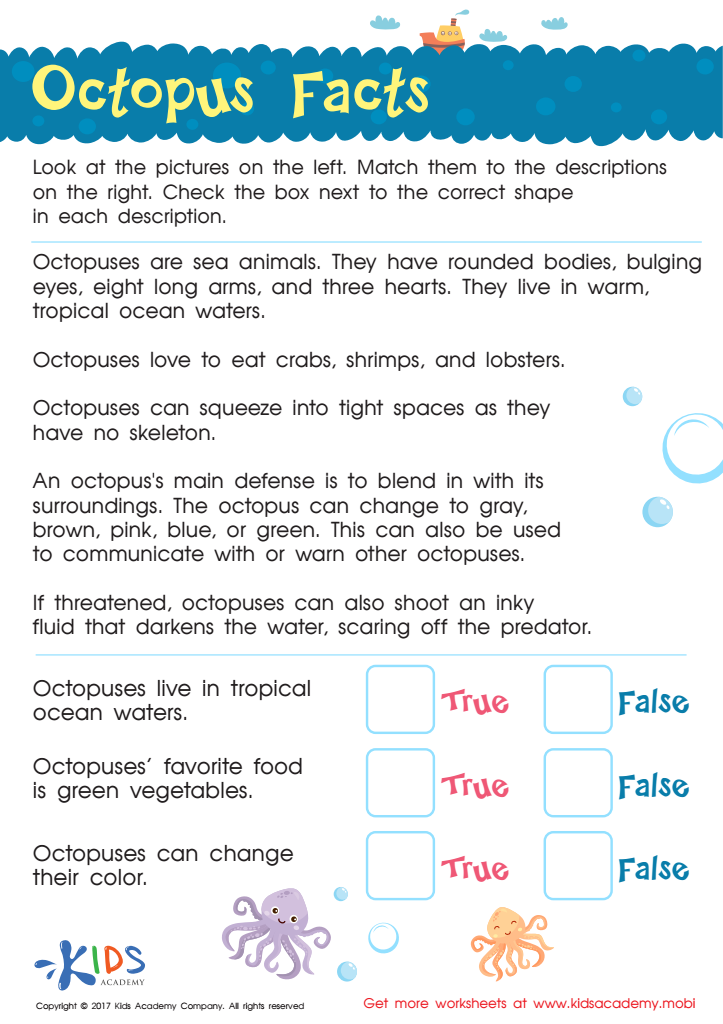
Octopus Facts Worksheet For Kids
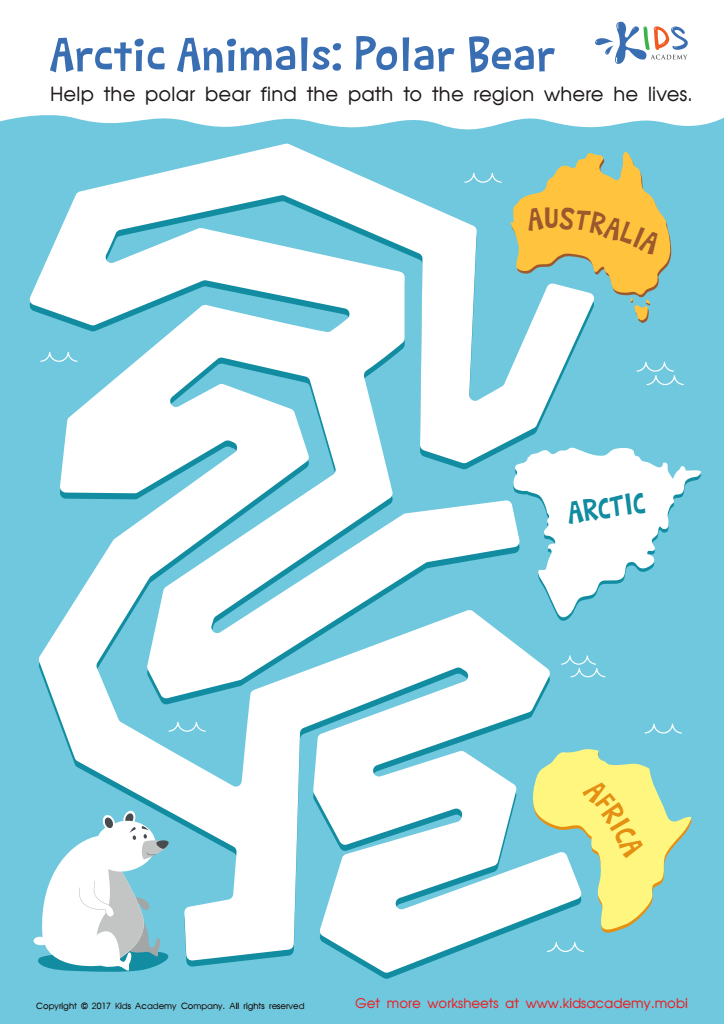
Arctic Animals: Polar Bear Worksheet
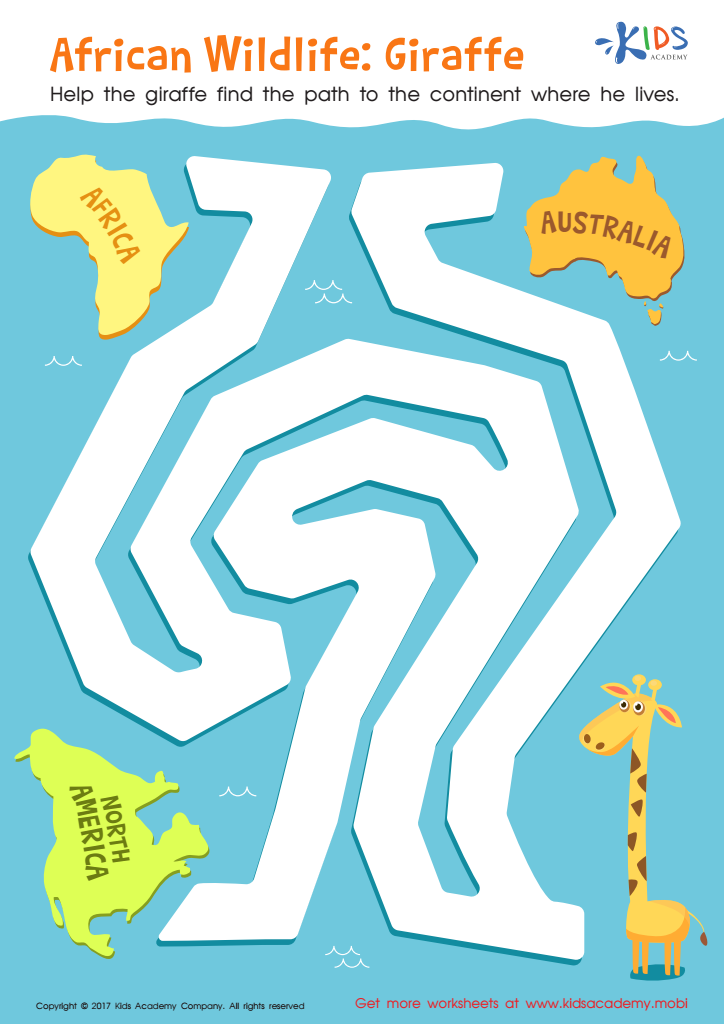
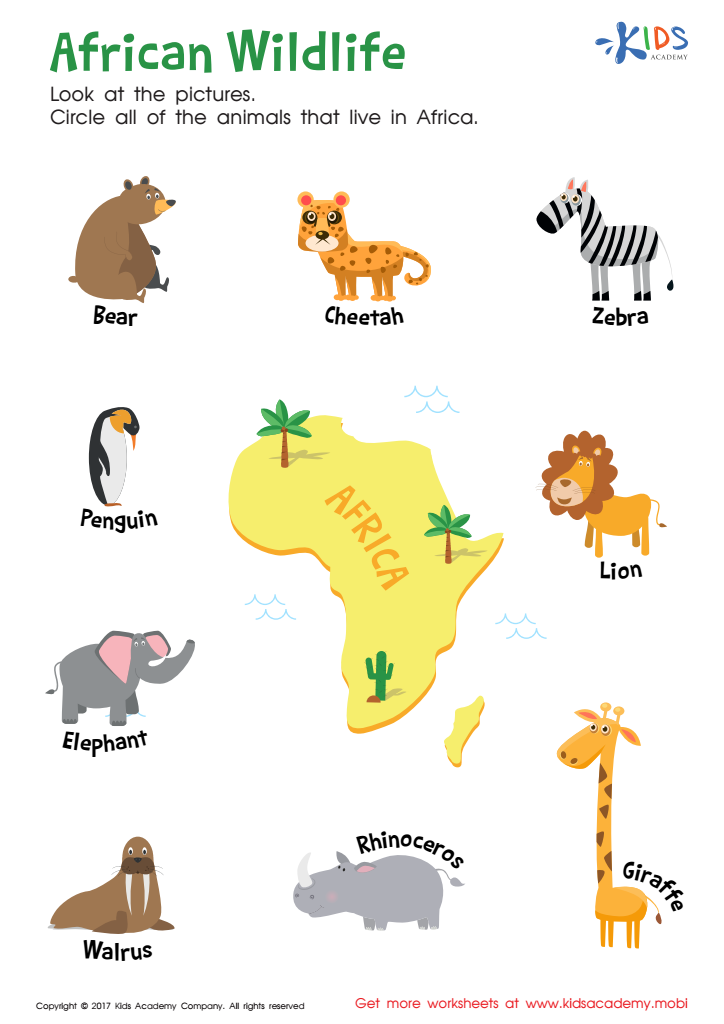
African Wildlife: Giraffe Worksheet
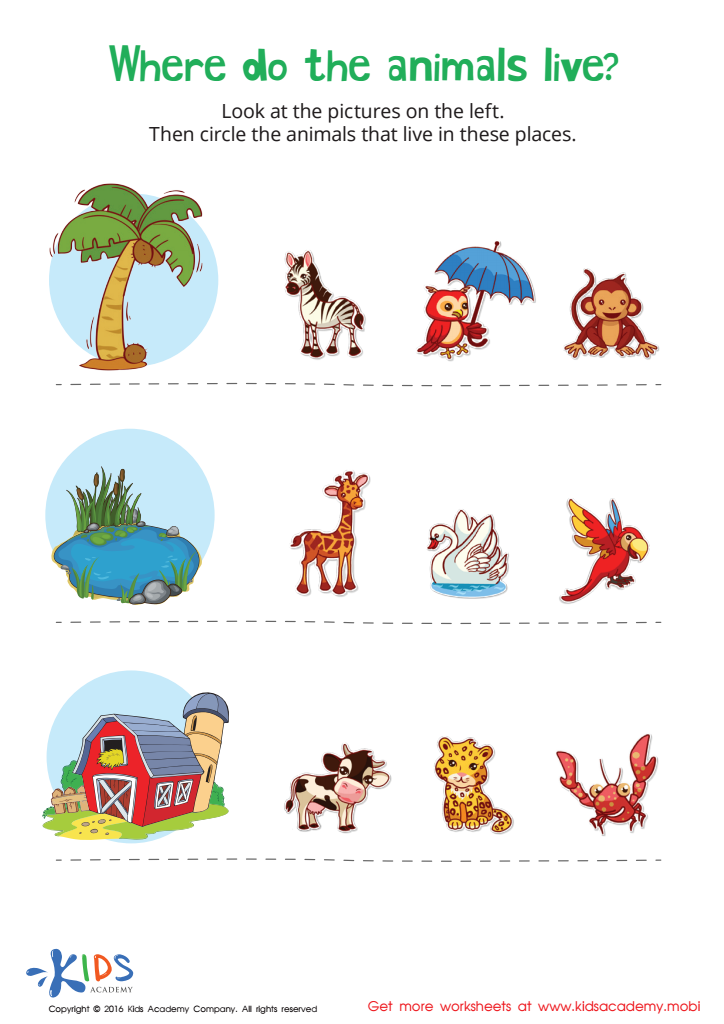
Where Animals Live Worksheet
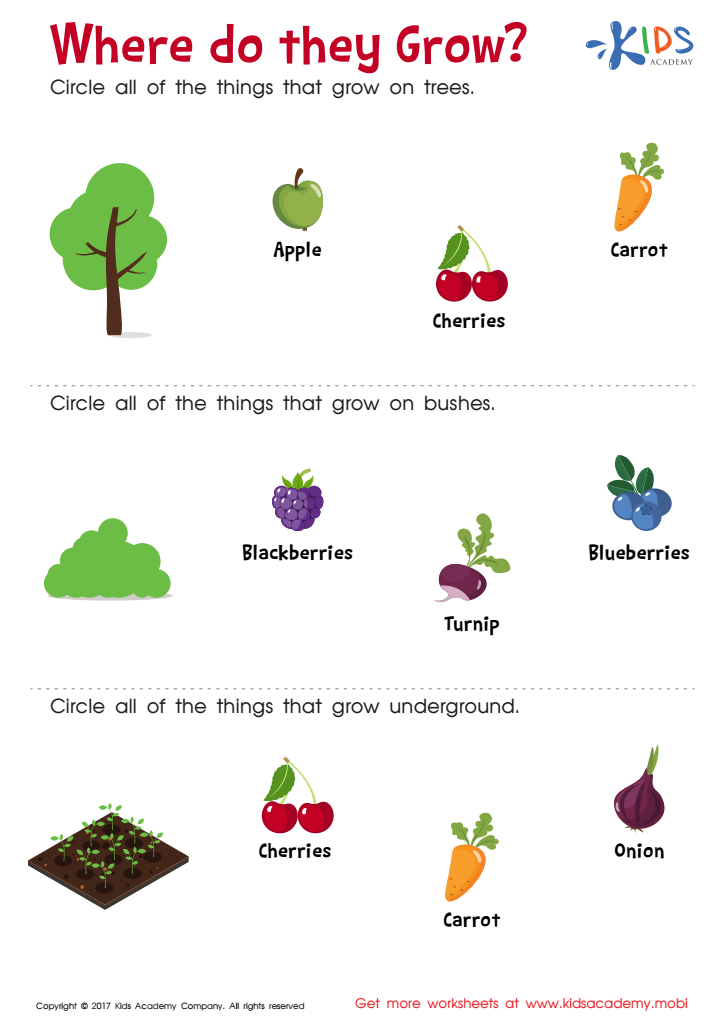
Where Do They Grow Worksheet
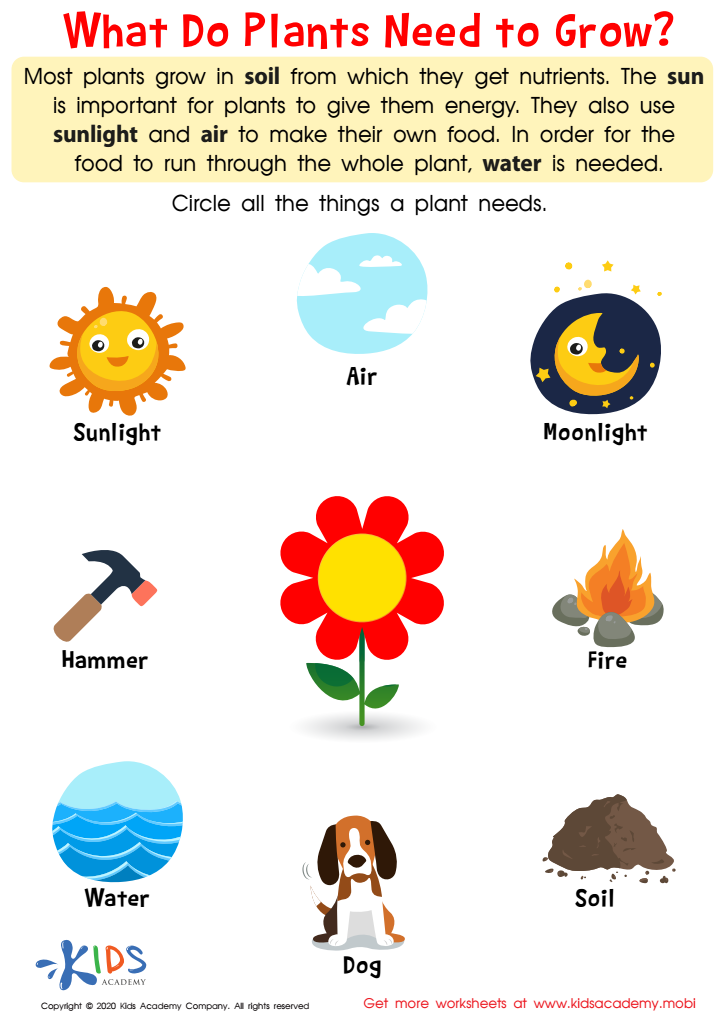
What Do Plants Need to Grow Worksheet
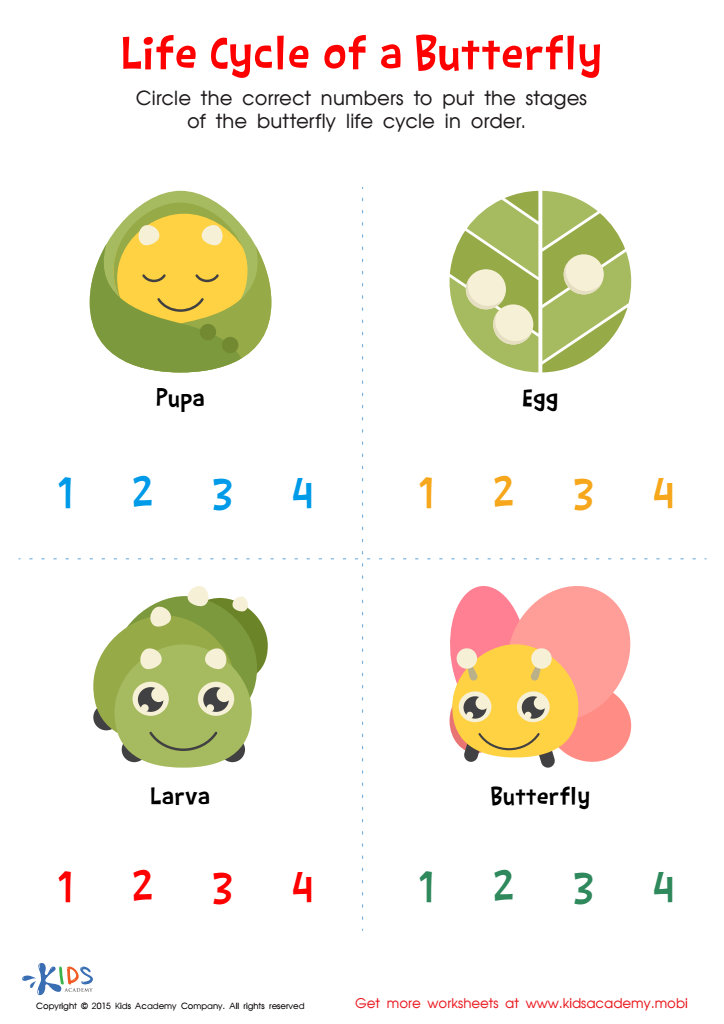
Life Cycle of Butterfly Printable
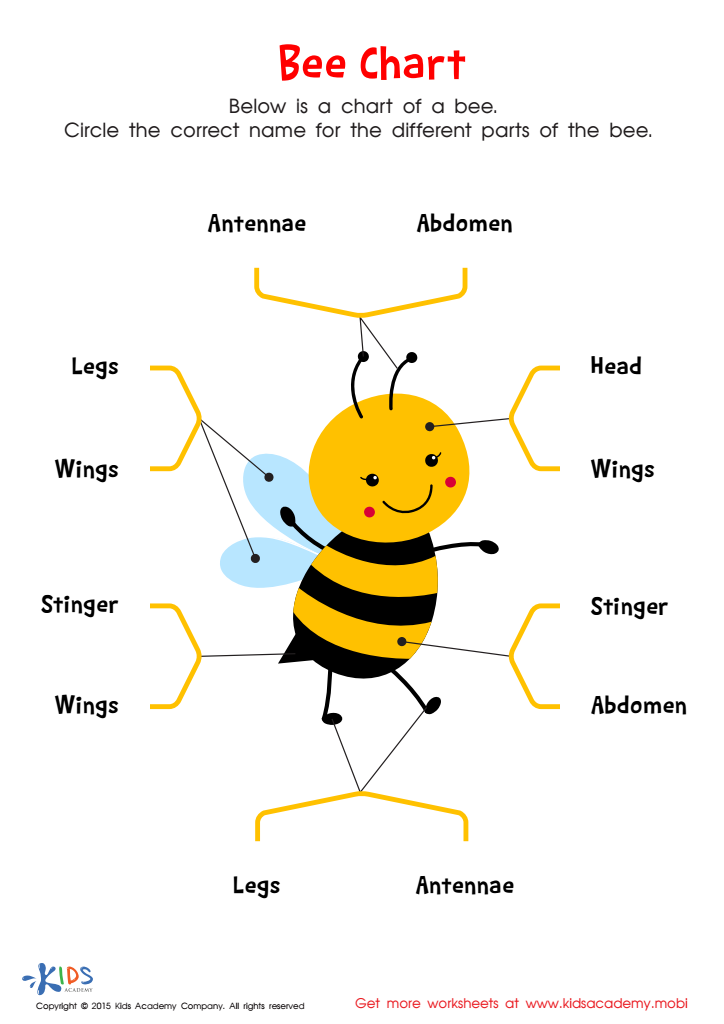
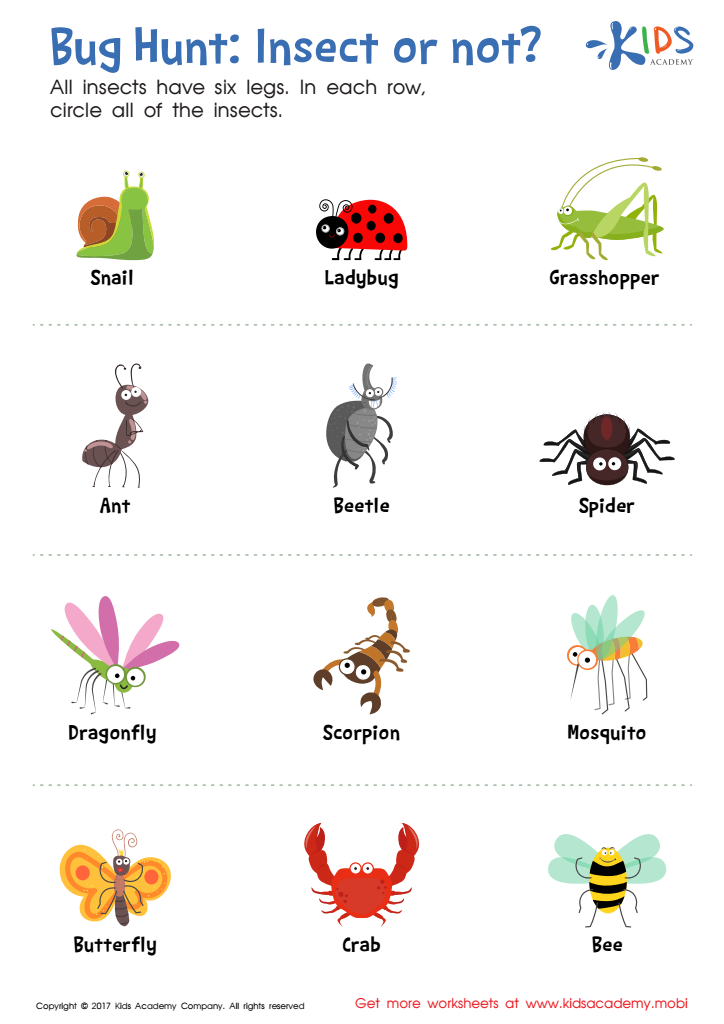
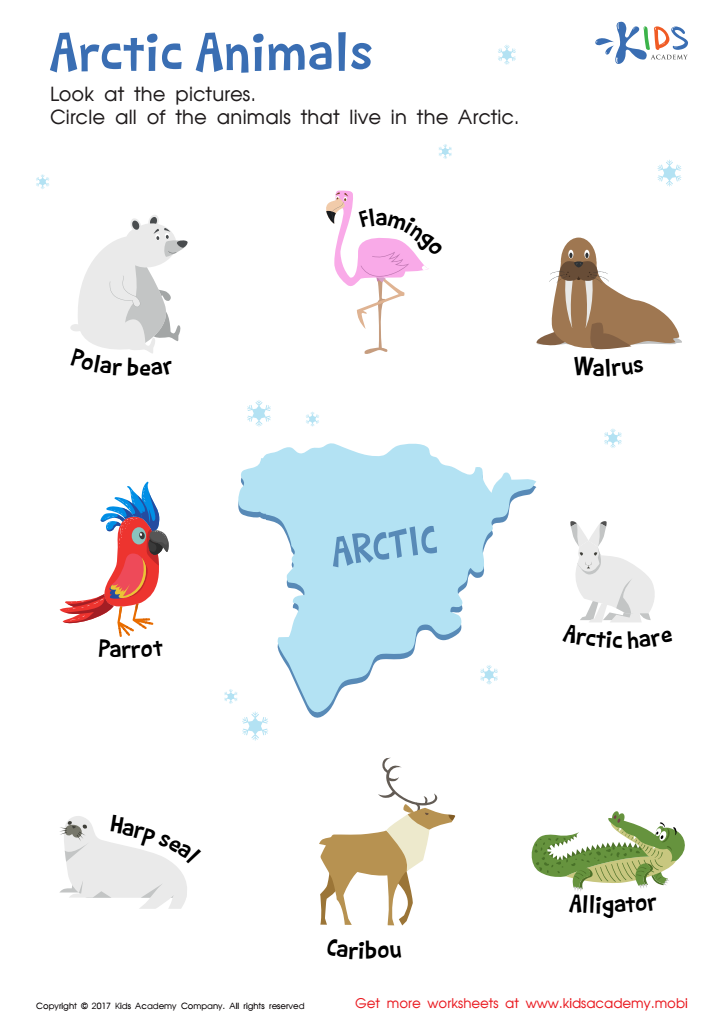
Arctic Animals Worksheet
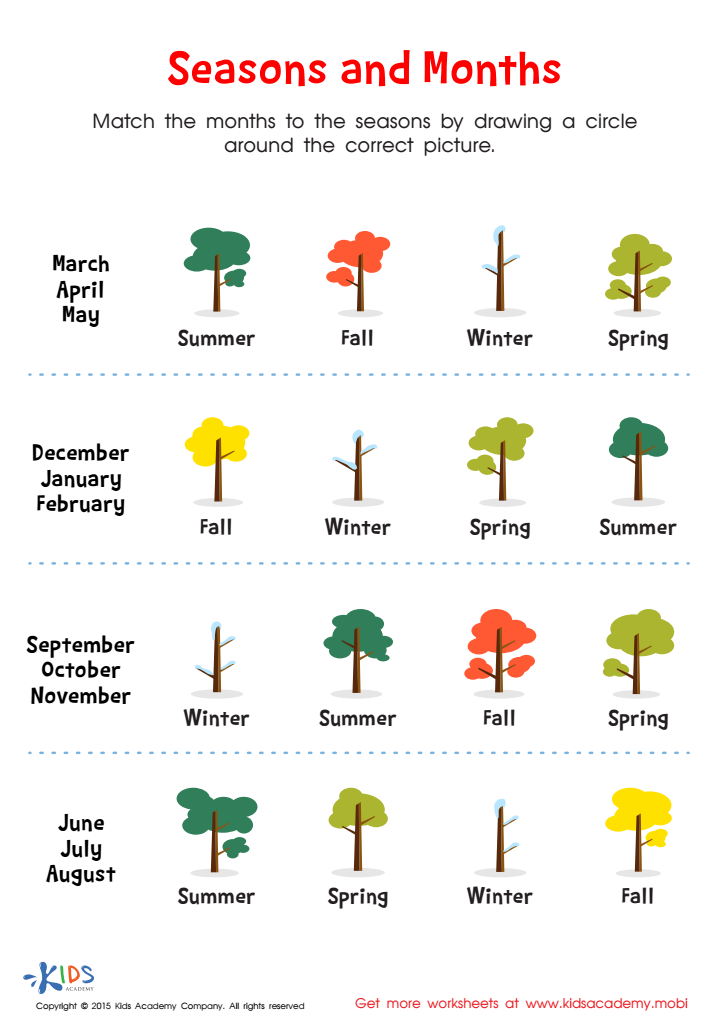
Seasons and Months Worksheet
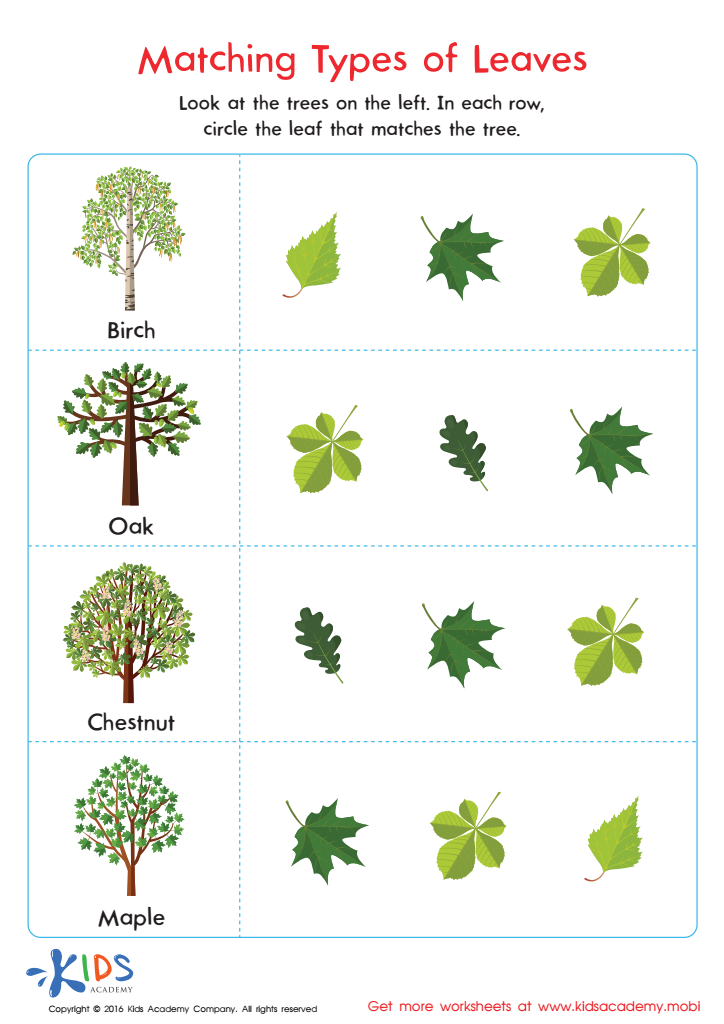
Matching Types of Leaves Printable
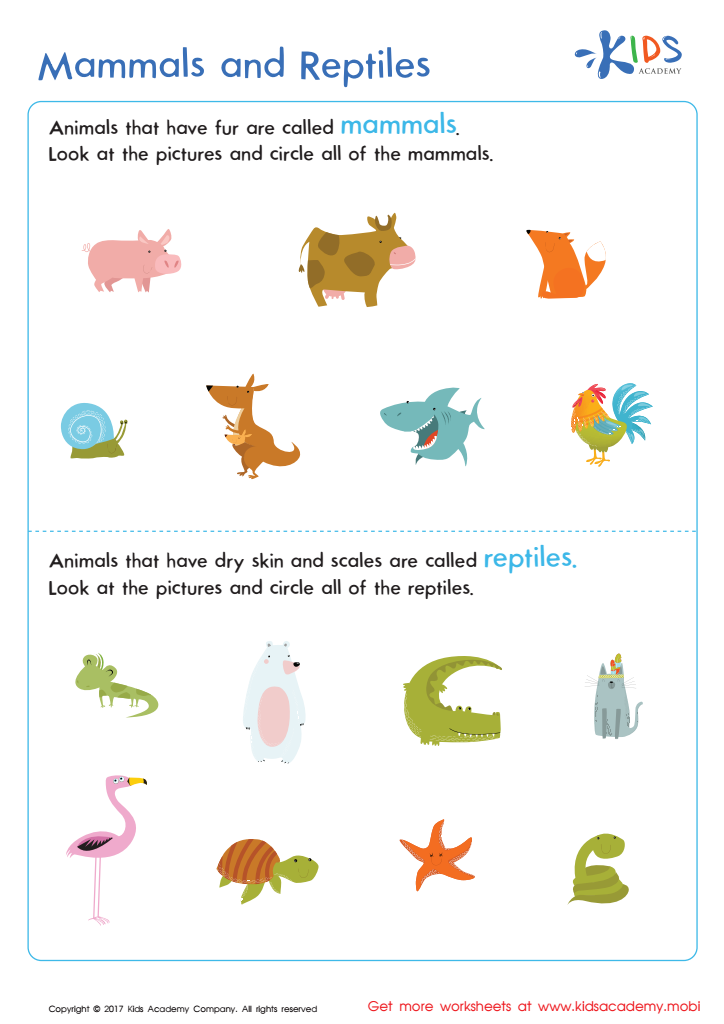
Mammals and Reptiles Worksheet
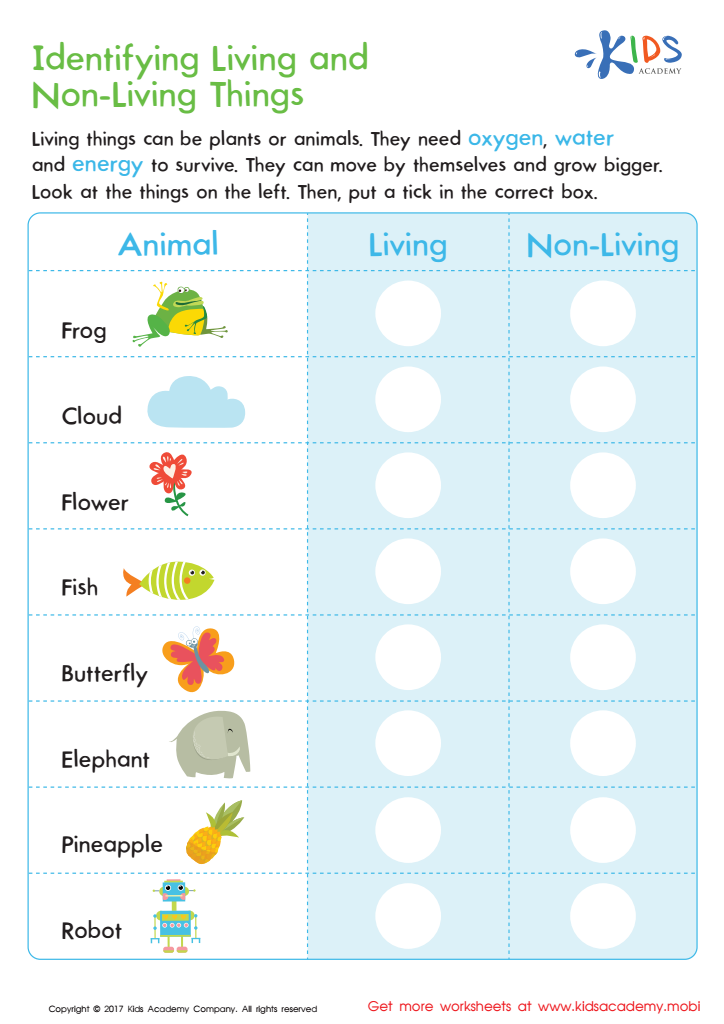
Identifying Living or Non–living Worksheet
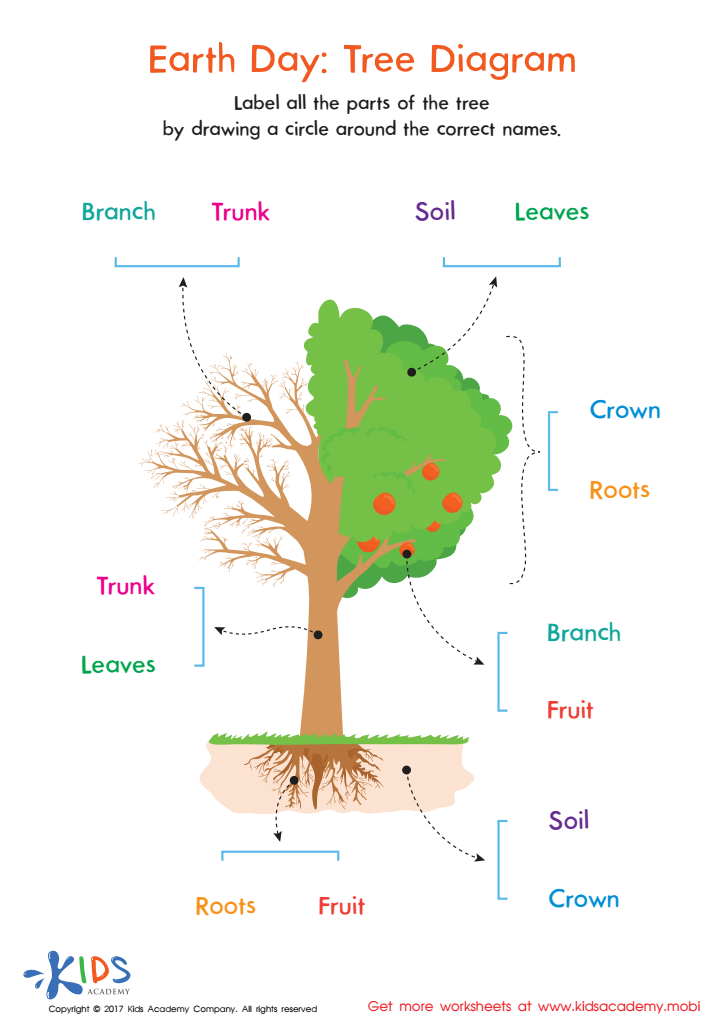
Earth Day: Tree Diagram Worksheet
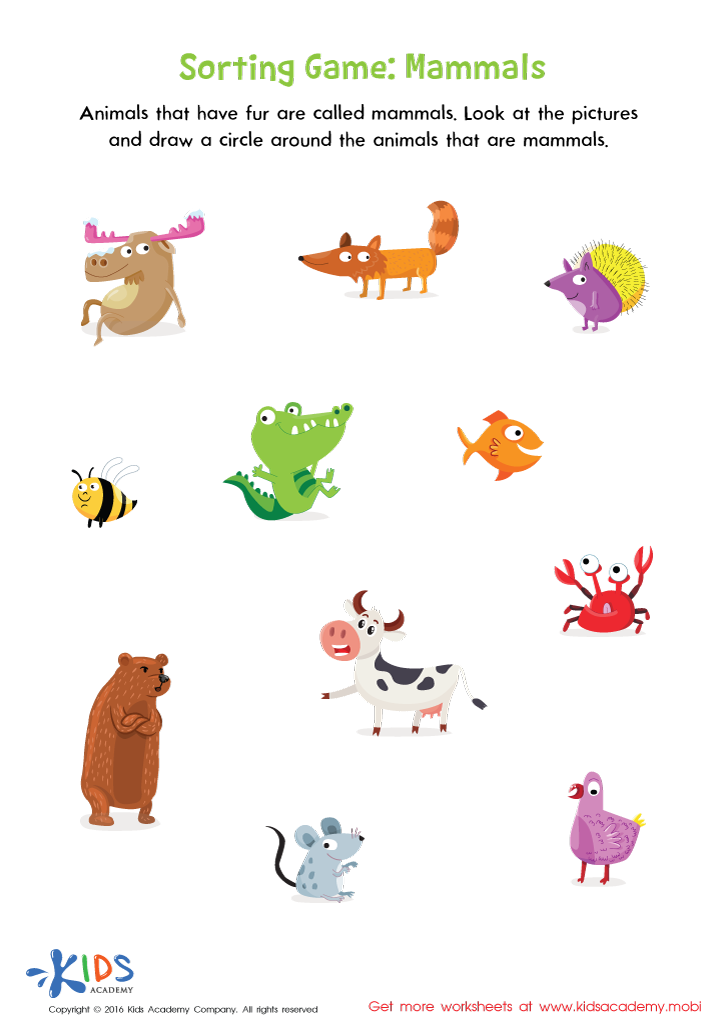
Mammals Sorting Worksheet
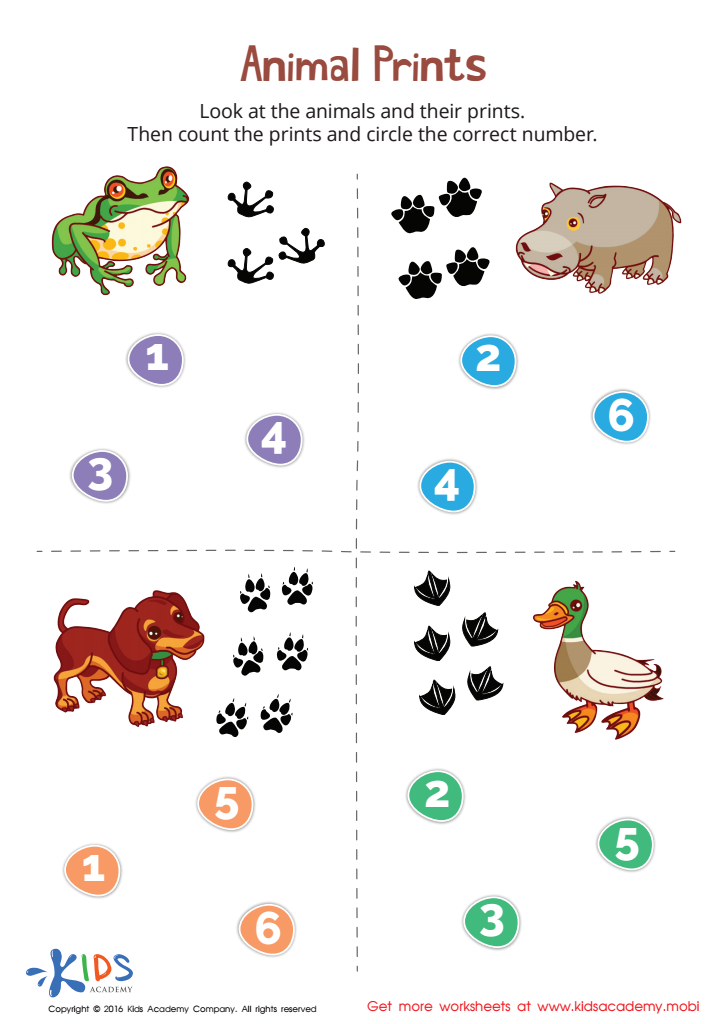
Animal Prints Match-Up Worksheet








Parents and teachers should care about plants and animals for children ages 4-8 because early exposure to the natural world fosters curiosity, learning, and empathy. At this young age, children develop foundational beliefs and attitudes about the environment. Learning about plants and animals helps them understand ecosystems, the interconnectedness of life, and the importance of biodiversity.
Engaging with plants and animals not only enhances children's observational skills and critical thinking, but it also encourages them to explore outdoor environments. Activities like gardening or nature walks can stimulate their senses and promote physical activity, contributing to a healthier lifestyle. Furthermore, understanding the roles of various species within ecosystems cultivates responsibility and stewardship.
Moreover, time spent interacting with nature can significantly boost emotional well-being by reducing stress and promoting a sense of calm. Stories about animals and plants can also provide valuable lessons about cooperation, resilience, and the importance of respecting all living things. By instilling a love and appreciation for nature in young children, parents and teachers help nurture environmentally aware individuals poised to care for our planet in the future. Thus, prioritizing plants and animals in early education is essential for developing informed, compassionate, and engaged citizens.








