Word Problems Worksheets for 4-Year-Olds - Page 2
107 filtered results
-
From - To
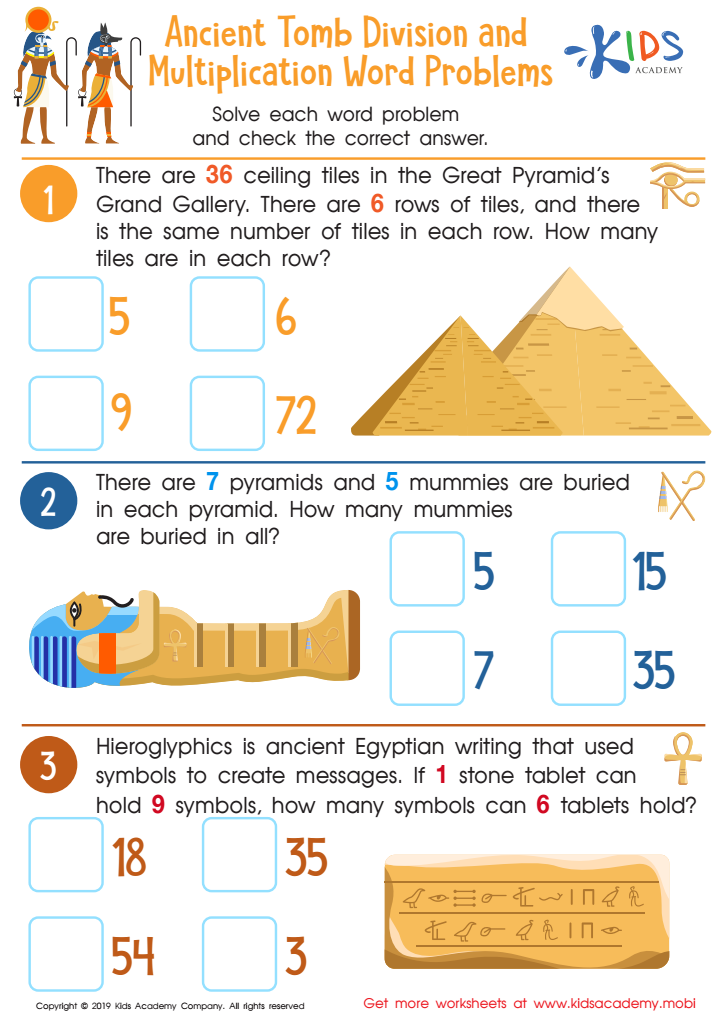
Ancient Tomb Division and Multiplication Word Problems Worksheet
 Assign to My Students
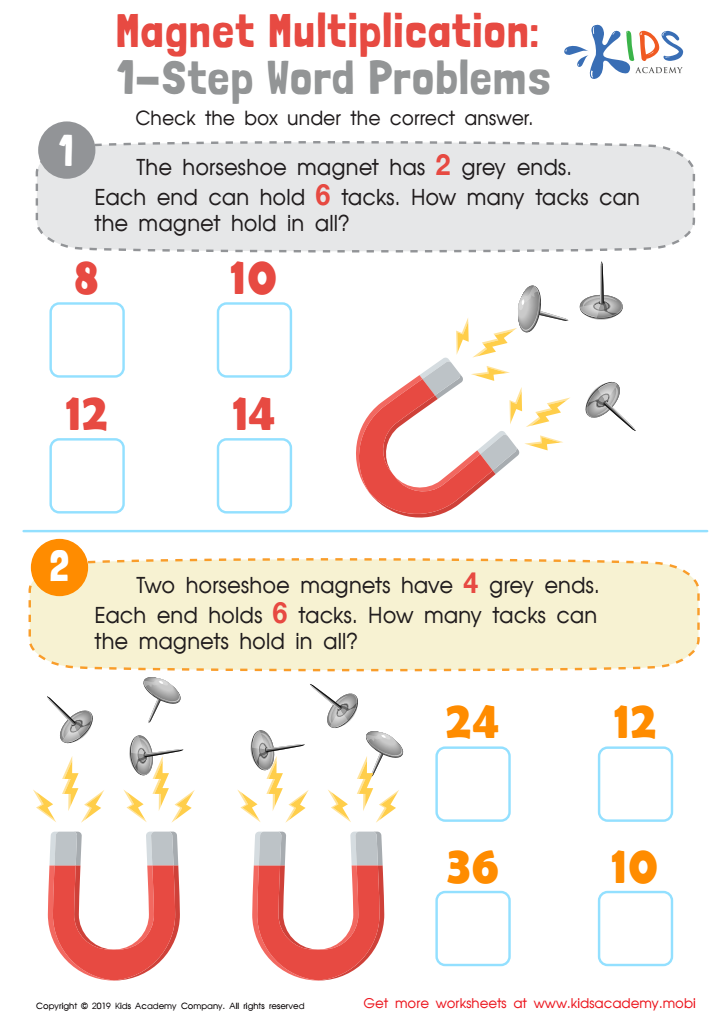
Magnet Multiplication: 1-Step Word Problems Worksheet
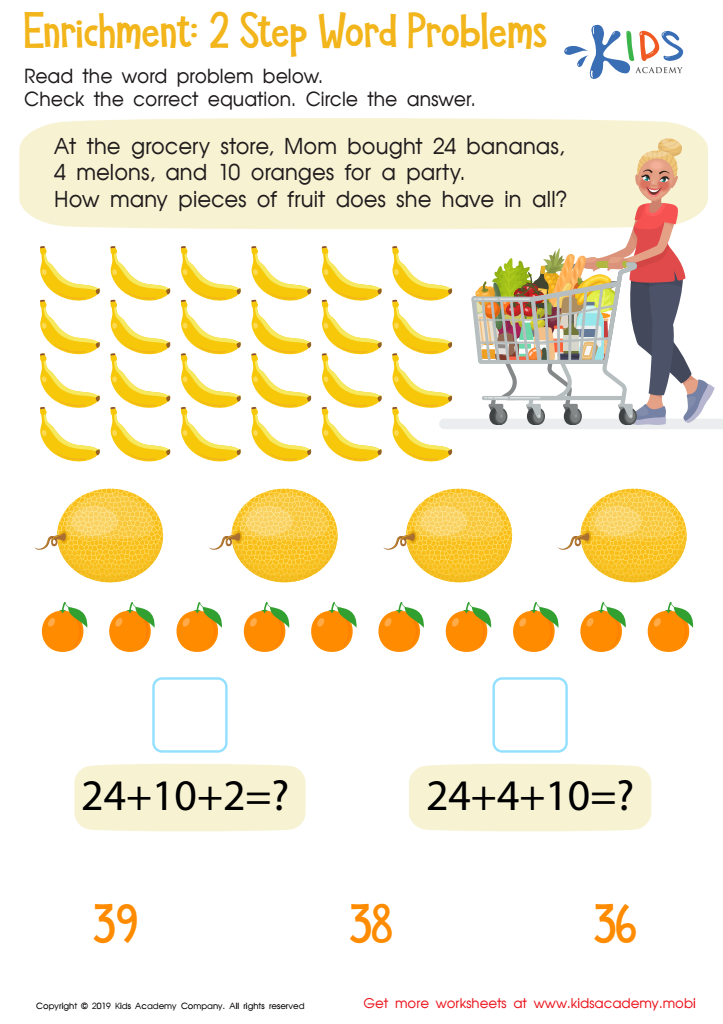
Enrichment -2 Step Word Problems Worksheet
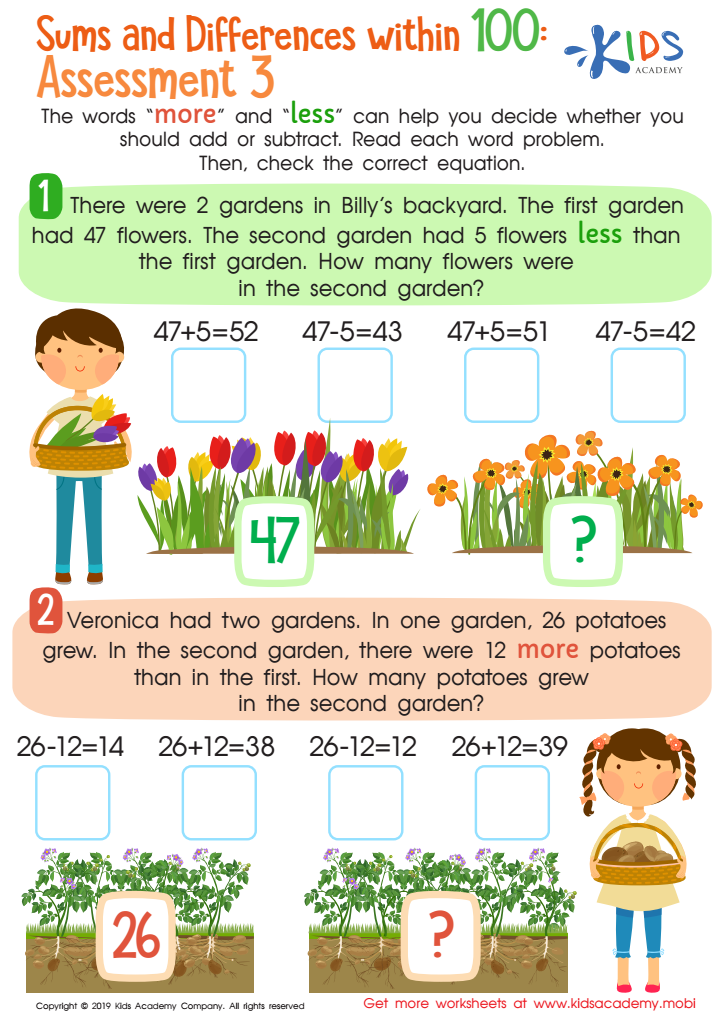
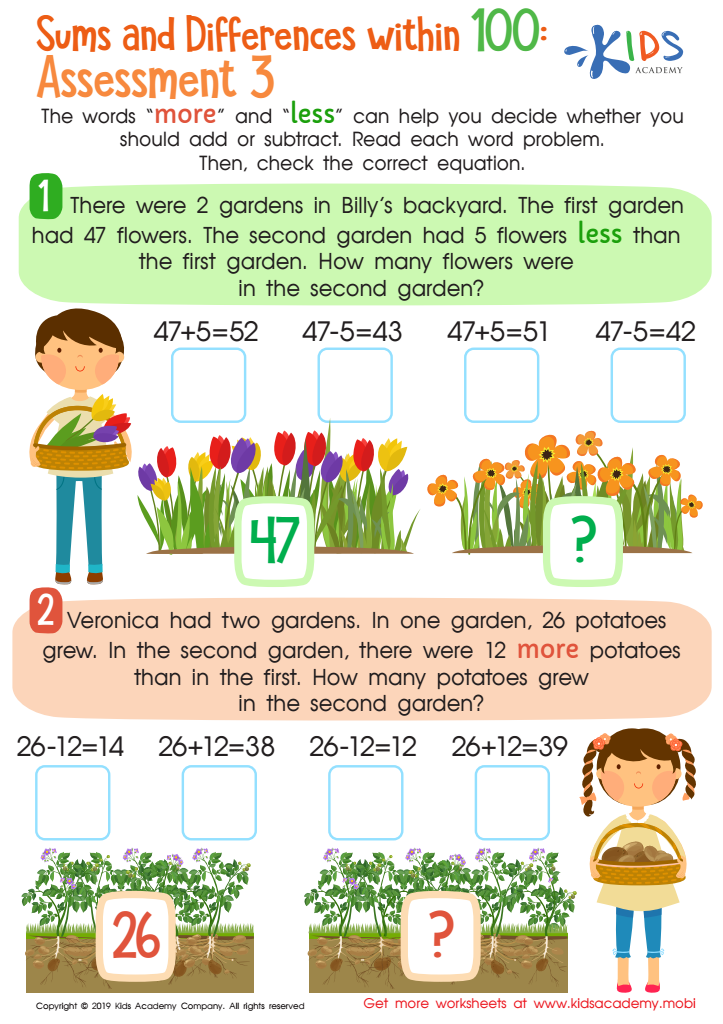
Sums and Differences Within 1 - Assessment 3 Worksheet
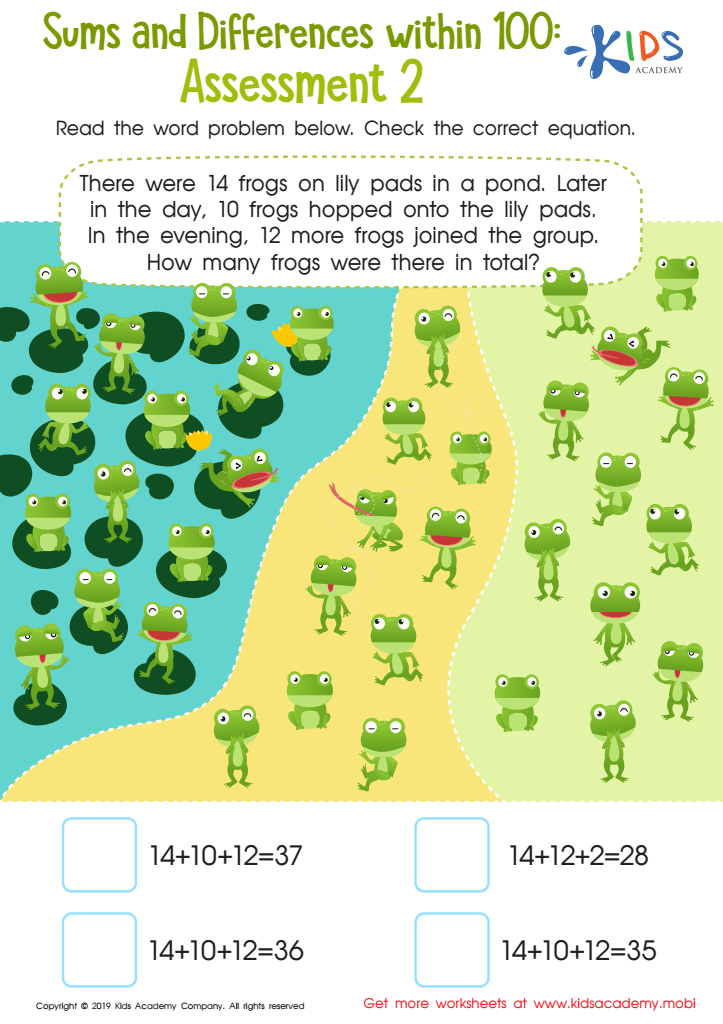
Sums and Differences Within 1 - Assessment 2 Worksheet
Sums and Differences Within 1 - Assessment 1 Worksheet
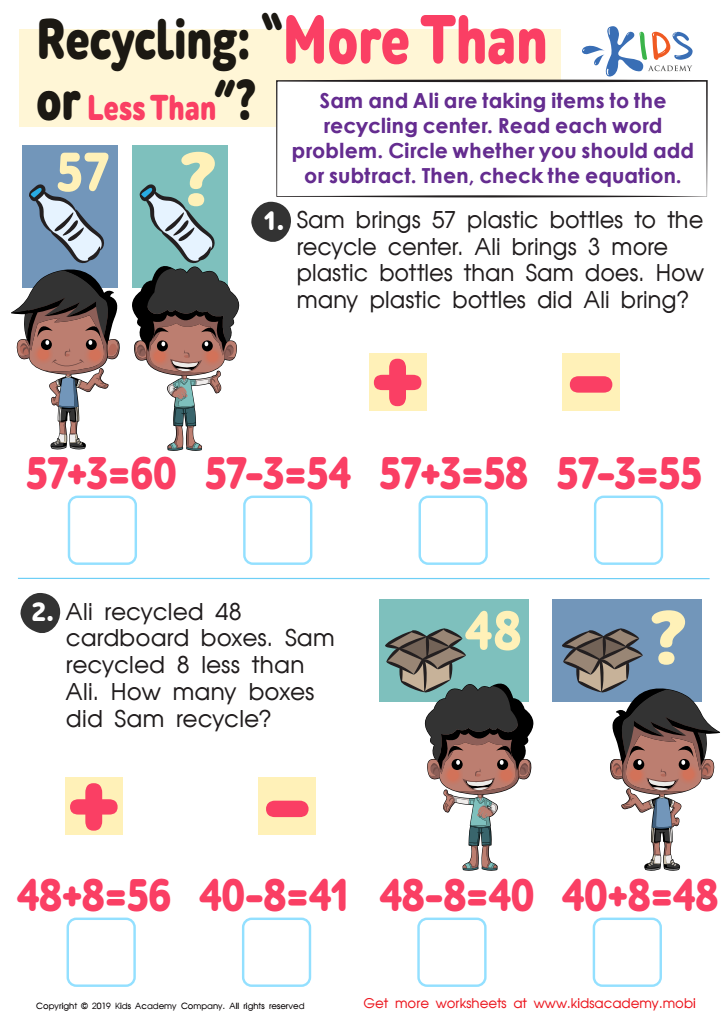
Recycling - More or Less Worksheet
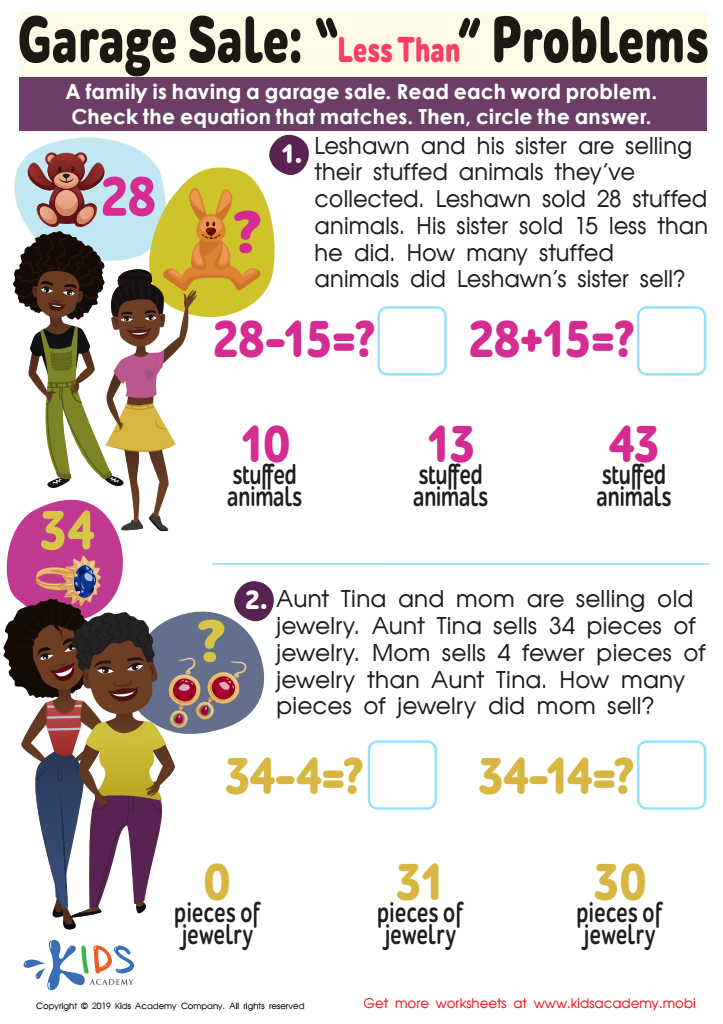
Garage Sale Less Than Worksheet
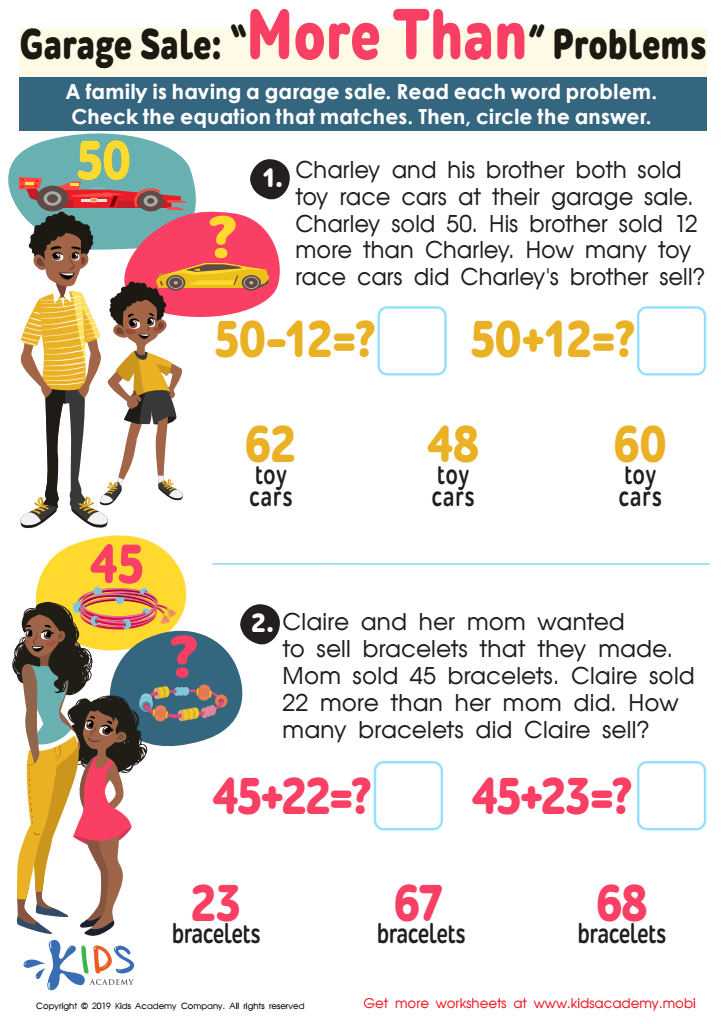
Garage Sale - More yhan Worksheet
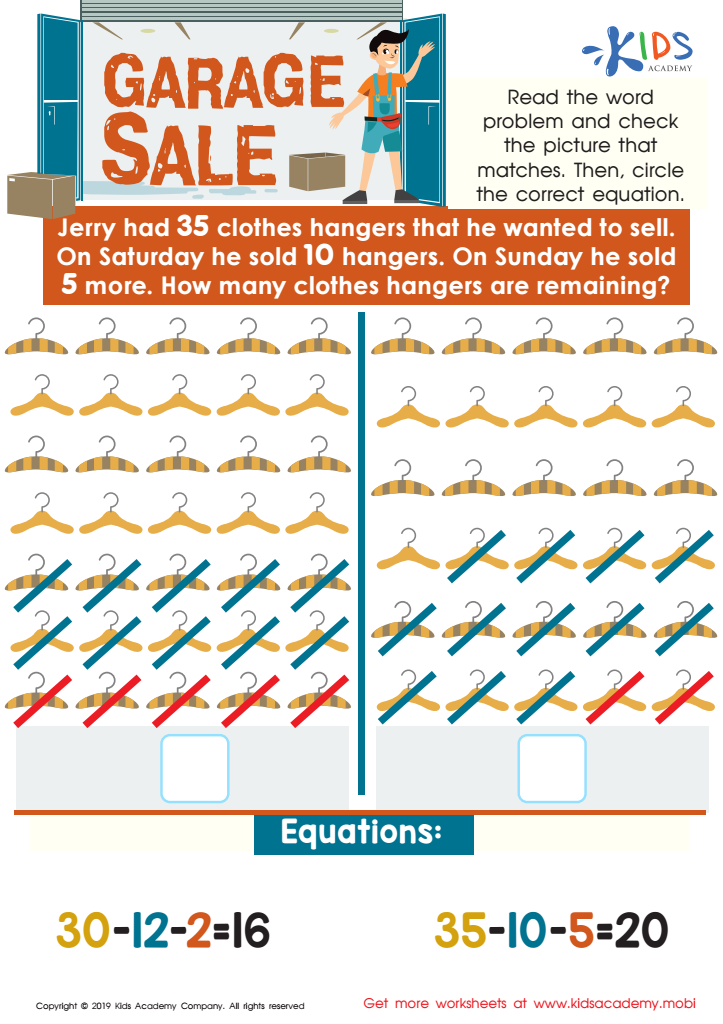
Garage Sale Worksheet
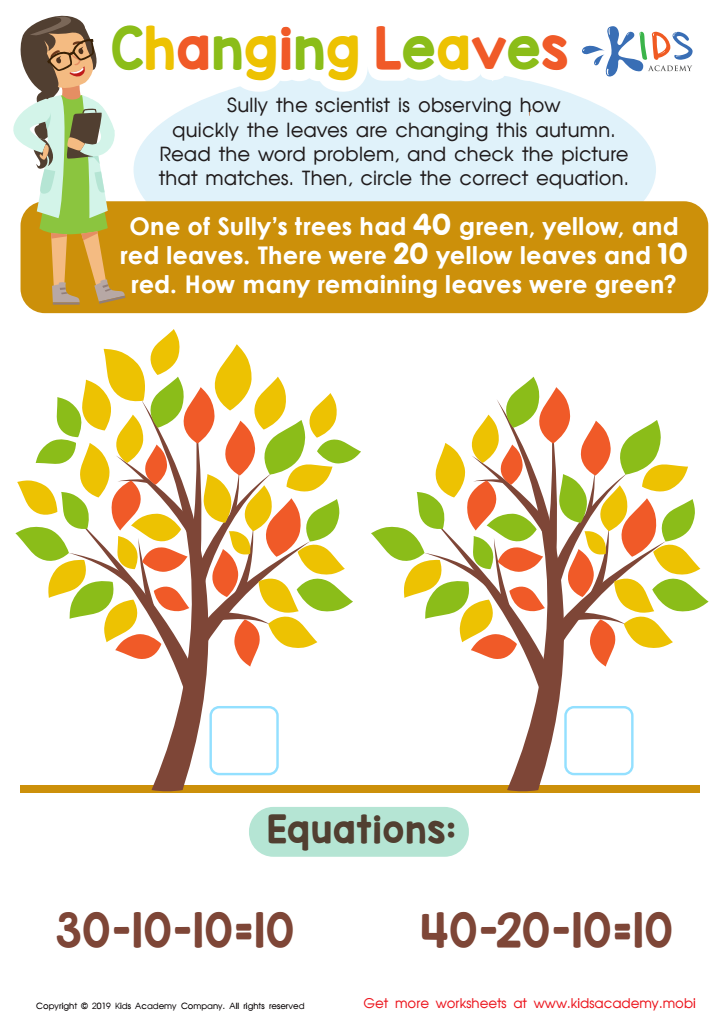
Changing Leaves Worksheet
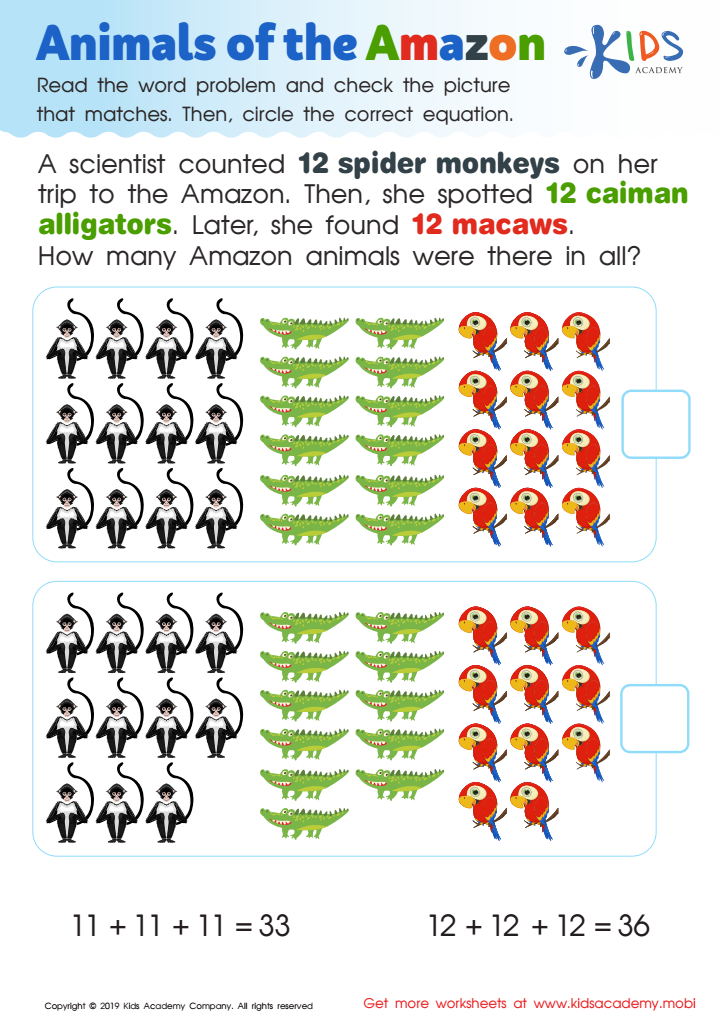
Animals of Amazon Worksheet
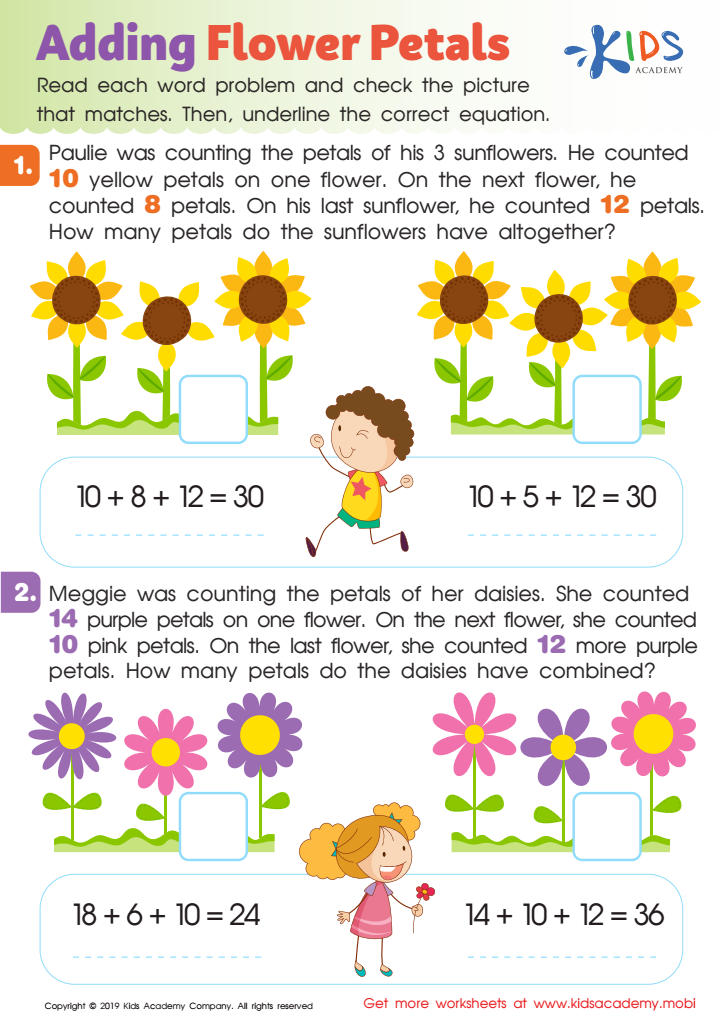
Adding Flower Petals Worksheet
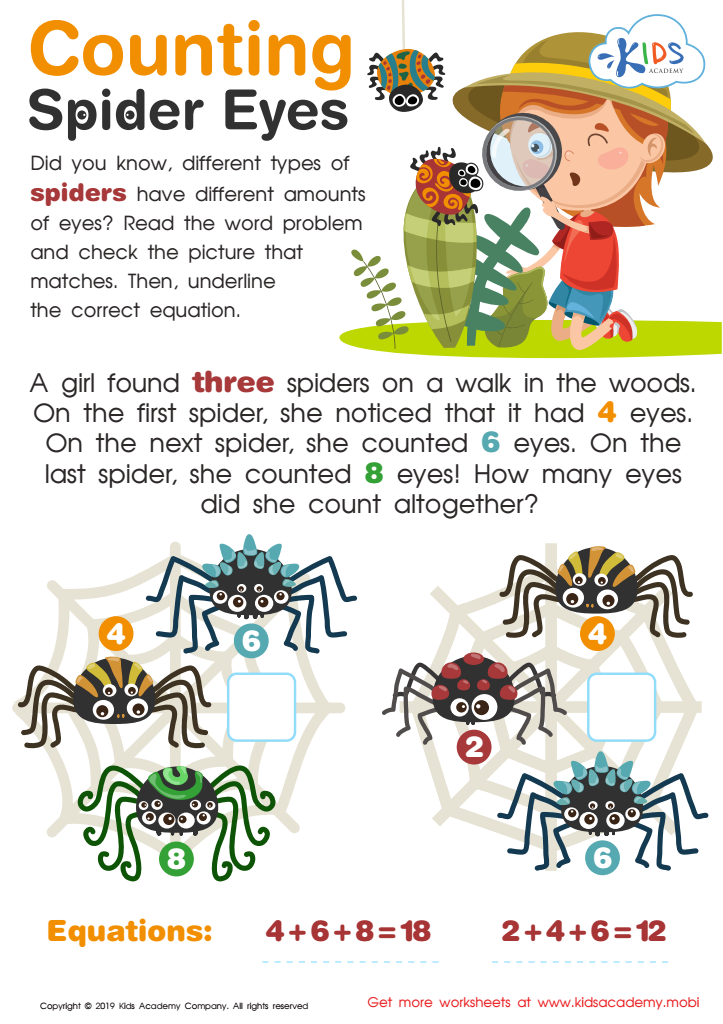
Counting Spider Eyes Worksheet
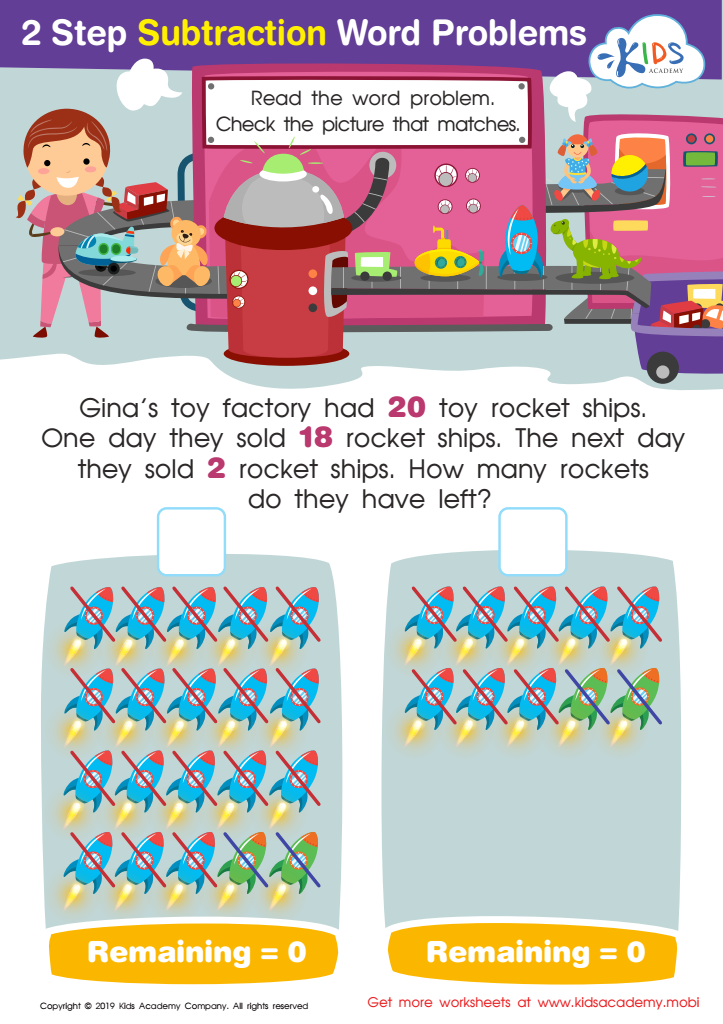
Step Subtraction Word Problems Worksheet
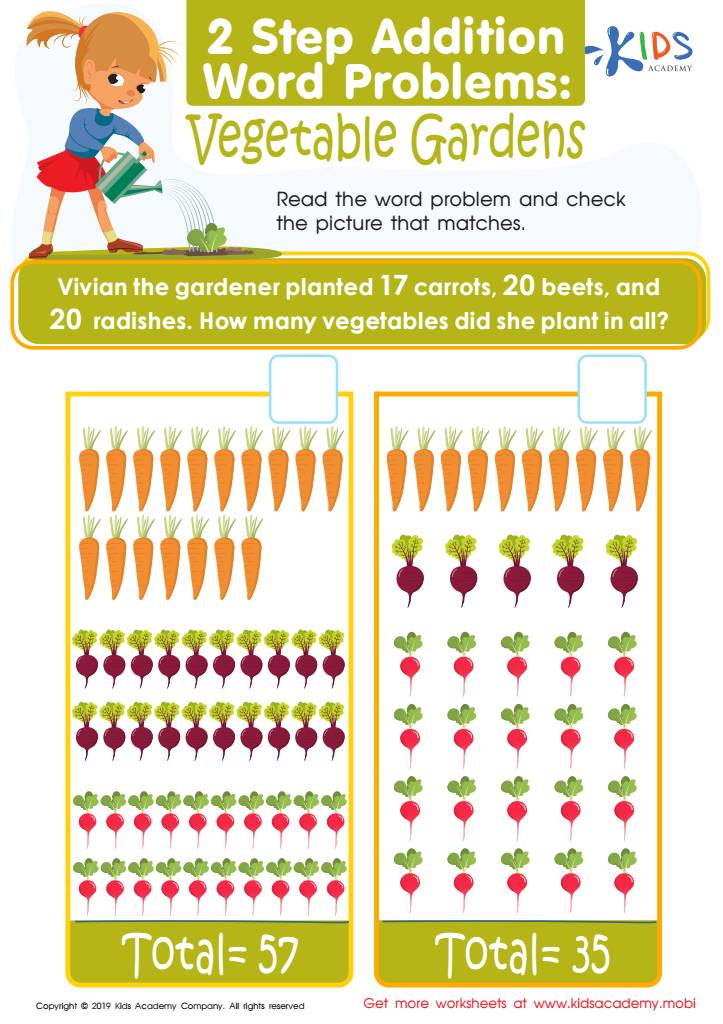
Vegetable Gardens Worksheet
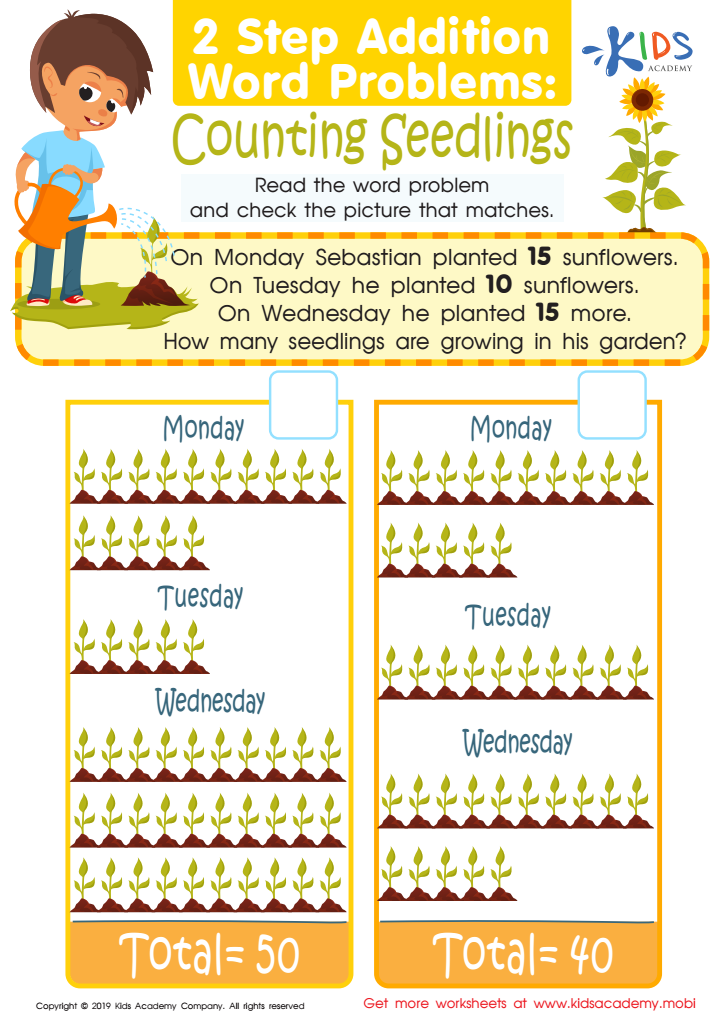
Counting Seedlings Worksheet
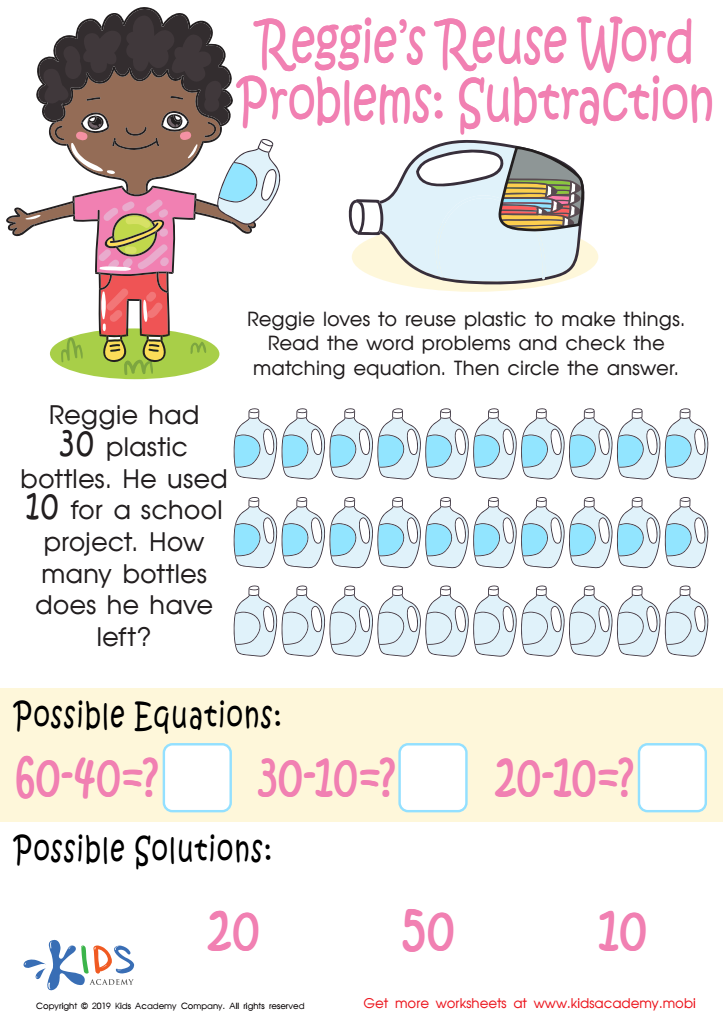
Reggie's Reuse Word Problems: Subtraction Worksheet
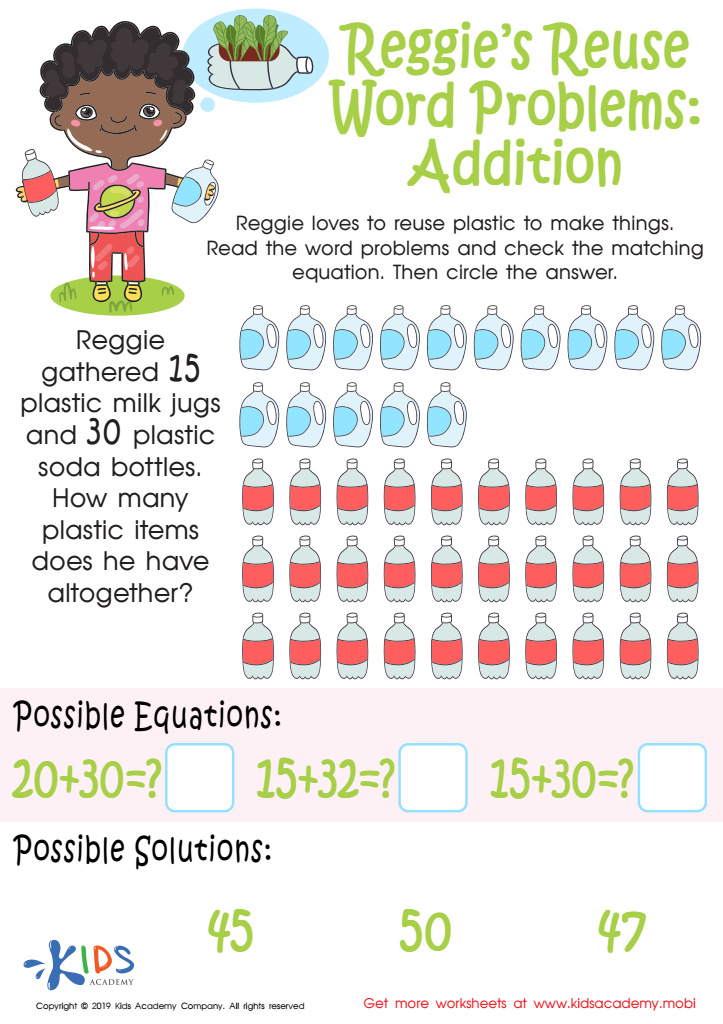
Reggie's Reuse Word Problems: Addition Worksheet
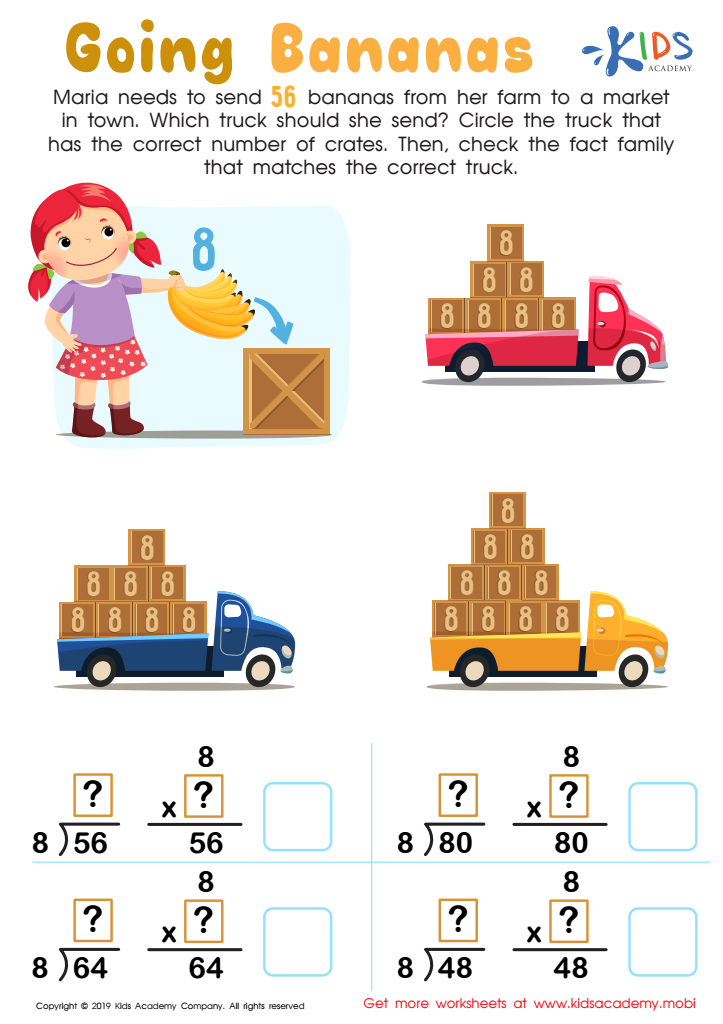
Going Bananas Worksheet
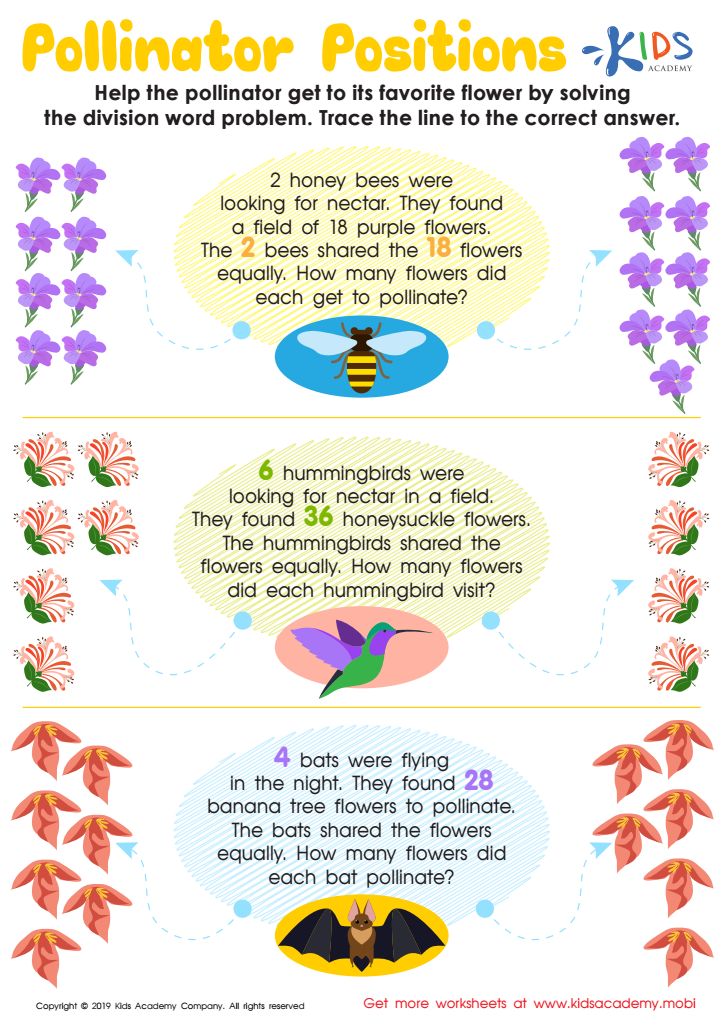
Pollinator Positions Worksheet
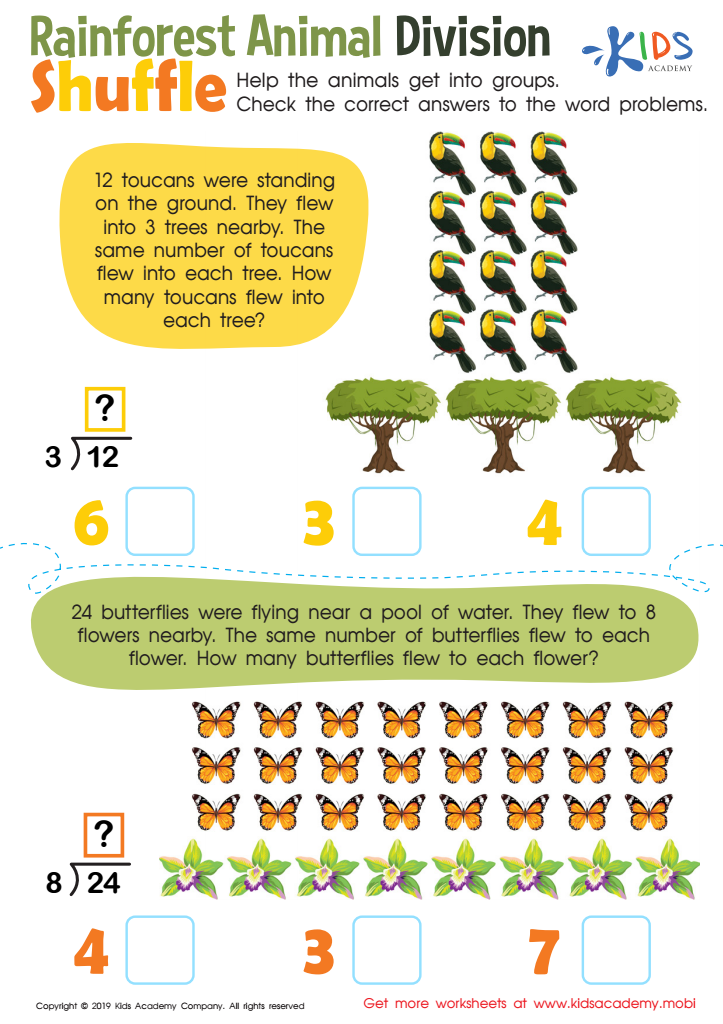
Rainforest Animal Division Worksheet
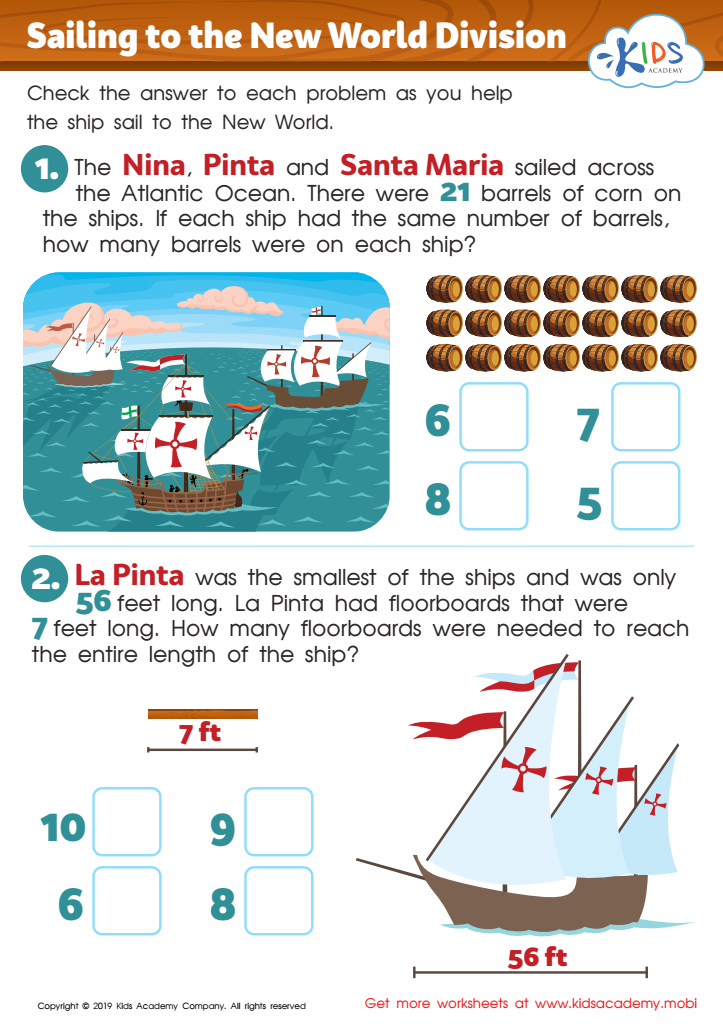
Sailing to the New World Division Worksheet
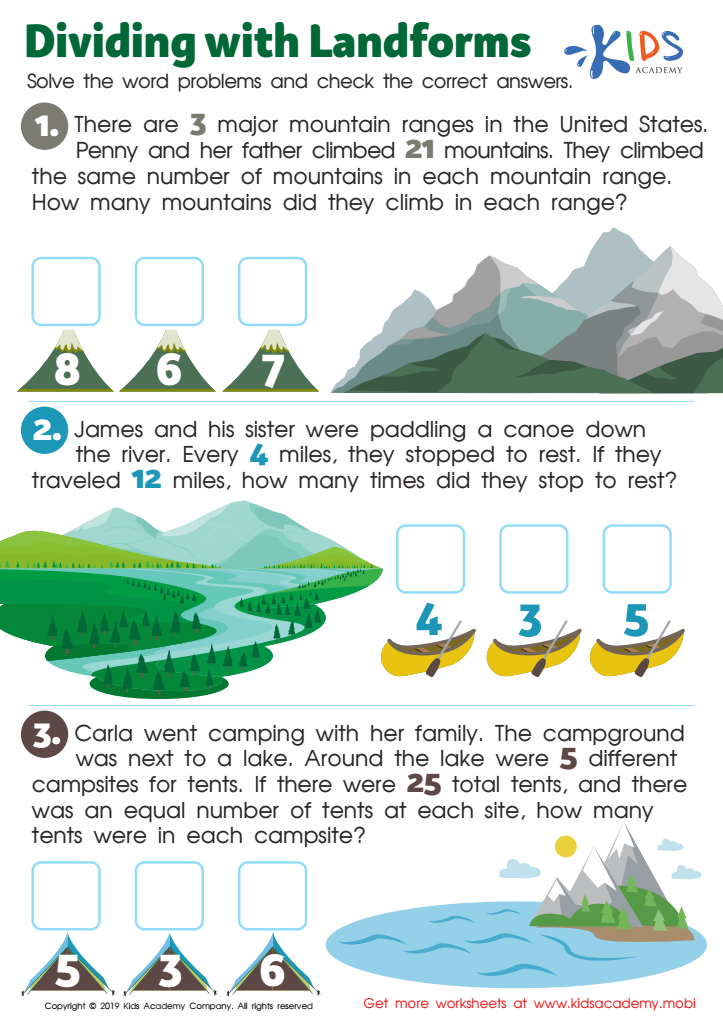
Dividing with Landforms






.jpg)

The Value of Educational Interactive Printables: Focusing on Word Problems for Four-Year-Olds
In the early stages of childhood development, the introduction of educational materials tailored to the age and learning capabilities of children is crucial. For four-year-olds, worksheets, specifically those focused on word problems, serve as essential tools in fostering cognitive skills, critical thinking, and basic problem-solving abilities. Educational interactive printables, especially those designed around word problems, offer a unique blend of learning and engagement that is perfectly suited for preschool-aged children.
Why Focus on Word Problems?
Word problems are not just about numbers; they are stories that require interpretation, reasoning, and solution-finding. For four-year-olds, these problems are simplified narratives that help them connect mathematics to real-world scenarios. This early exposure helps in demystifying numbers and operations, making them more tangible and understandable. Word problems help young learners see the relevance of math in their daily lives, enhancing their interest and willingness to engage with the subject.
Development of Language and Numeracy Skills
At four years old, children are at a critical phase of language development. Educational interactive printables that feature word problems facilitate the growth of both language and numerical skills simultaneously. As children read (or listen to) the problems, they learn new vocabulary and sentence structures. Simultaneously, they begin to understand numerical concepts and the relationships between numbers through practical examples. This dual stimulation of language and math skills amplifies their learning outcomes, setting a strong foundation for future academic endeavors.
Enhancing Cognitive Abilities
Word problems require thinking beyond rote memorization. They challenge children to comprehend the problem, identify what is being asked, and figure out how to use the numbers to find a solution. This process significantly enhances critical thinking and problem-solving skills. Educational interactive printables designed for this age group use engaging visuals and characters to guide children through this process, making complex concepts more accessible and enjoyable.
Interactive Nature of Printables
The interactive aspect of these printables is particularly beneficial for young children. Interactive elements such as cut-outs, matching pieces, or simple puzzles related to the word problems keep children engaged and make learning dynamic. This interactivity not only holds their attention but also improves their fine motor skills and hand-eye coordination as they manipulate the components of the worksheets.
Building Confidence and Independence
Successfully solving word problems can have a profound impact on a child’s confidence. Educational interactive printables provide a structured yet flexible framework that guides children to solutions through incremental challenges. These small wins boost their self-esteem and encourage a positive attitude towards learning and problem-solving. As children navigate through the worksheets, they also develop a sense of independence. They learn to work through questions at their own pace, explore different strategies, and check their work, fostering a growth mindset from an early age.
Encouraging Parental Involvement
Another significant benefit of educational interactive printables is their ability to facilitate interaction between children and parents or caregivers. When adults engage with children on word problems, it provides emotional support and reinforces learning concepts. This shared activity not only strengthens the child’s understanding and retention but also builds bonds through collaborative problem-solving. It turns learning into a fun, shared adventure, enhancing the educational experience.
Customizable Learning
One of the great advantages of educational interactive printables is their adaptability. They can be easily customized to match the learning level and interests of the child. Whether it is adding more visually attractive elements to capture the attention of a visually inclined child or incorporating favorite characters and themes to make the problems more relatable and exciting, these printables can be tailored to meet diverse needs. This customization ensures that learning remains a joyous and effective endeavor for every child.
Preparation for Formal Education
As children approach school age, having a familiar foundation with educational concepts like word problems can ease their transition into more formal educational settings. Early exposure through interactive printables helps acclimate them to the structure of classroom activities, the concept of homework, and the basics of academic learning. This preparation can reduce anxiety and adjustment challenges, allowing children to transition smoothly and successfully into the next stages of their educational journey.
Conclusion
Educational interactive printables focused on word problems are not just about learning math; they are about building a comprehensive skill set that includes numerical competence, language skills, cognitive development, and emotional growth. For four-year-olds, these resources are invaluable. They provide a playful yet challenging environment that nurtures early development across multiple dimensions, making them a cornerstone of modern early childhood education. Engaging, educational, and effective, these printables ensure that learning is as exciting as it is enriching, setting children on a path to lifelong curiosity and success.








