Geometry Worksheets for Ages 5-9 - Page 4
198 filtered results
-
From - To
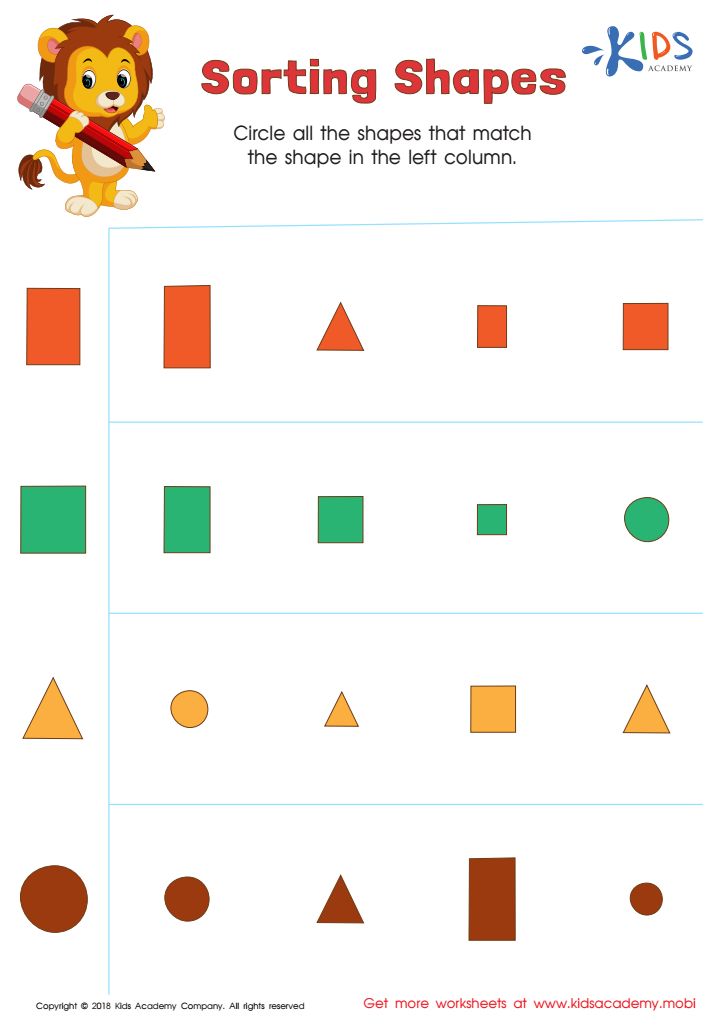
Sorting Shapes - Part 2 Worksheet
 Assign to My Students











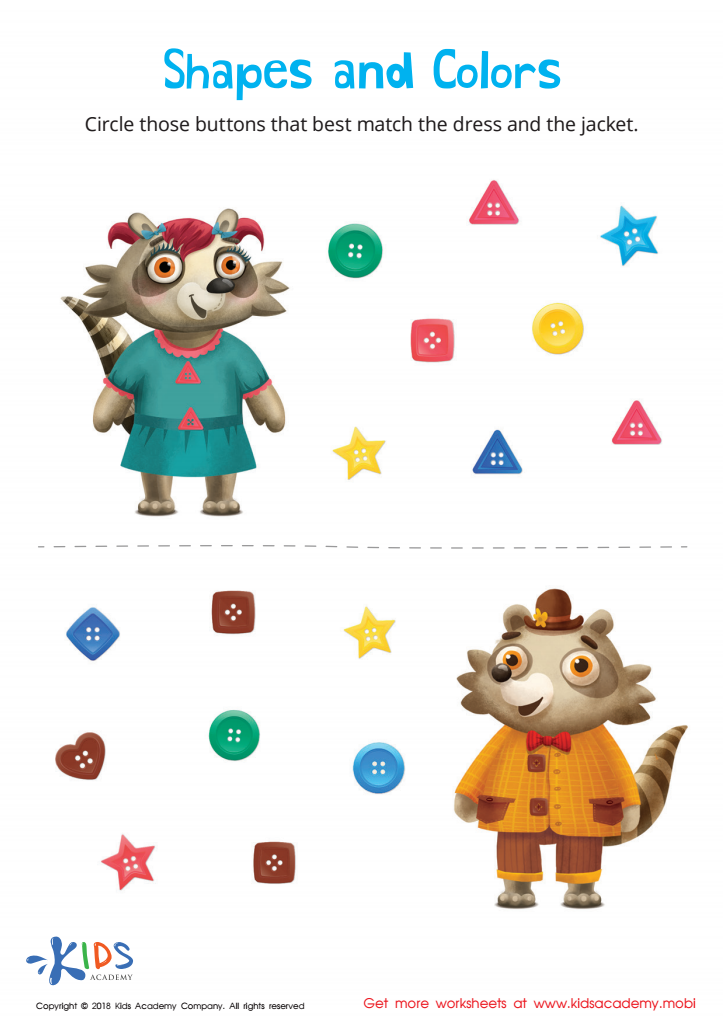
Shapes and Colors Worksheet
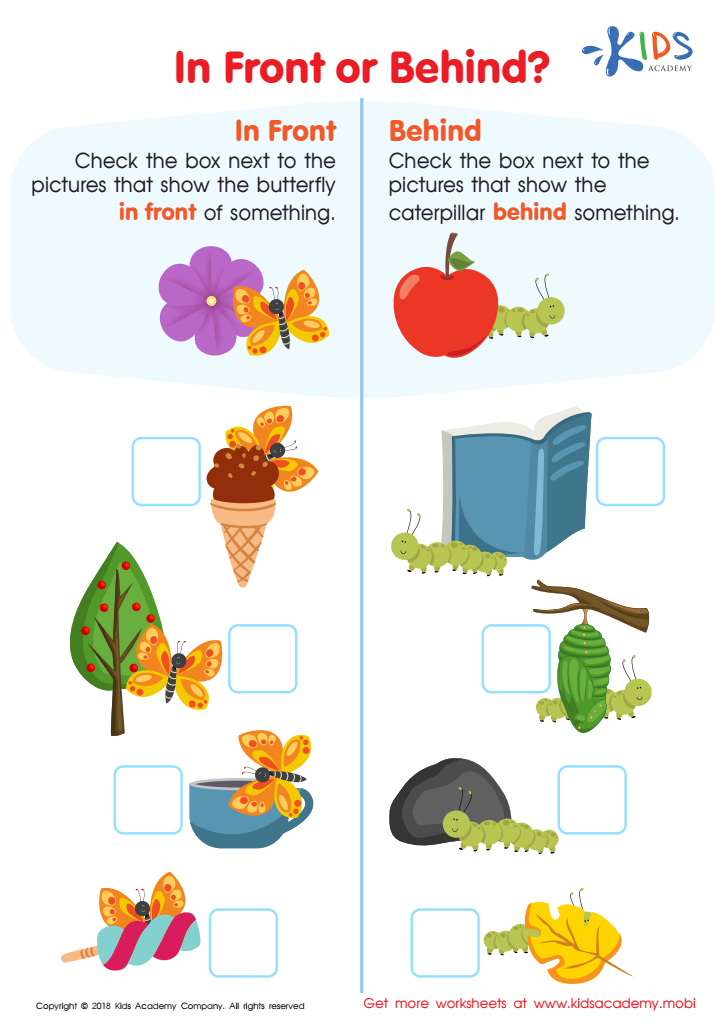
In Front or Behind Worksheet
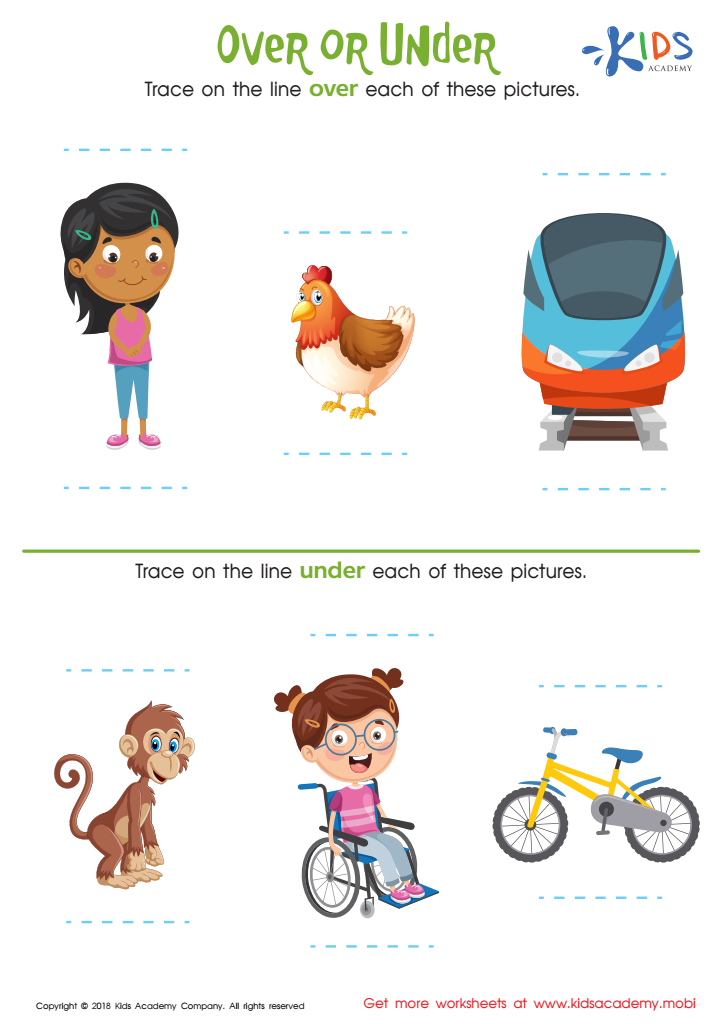
Over or Under Worksheet
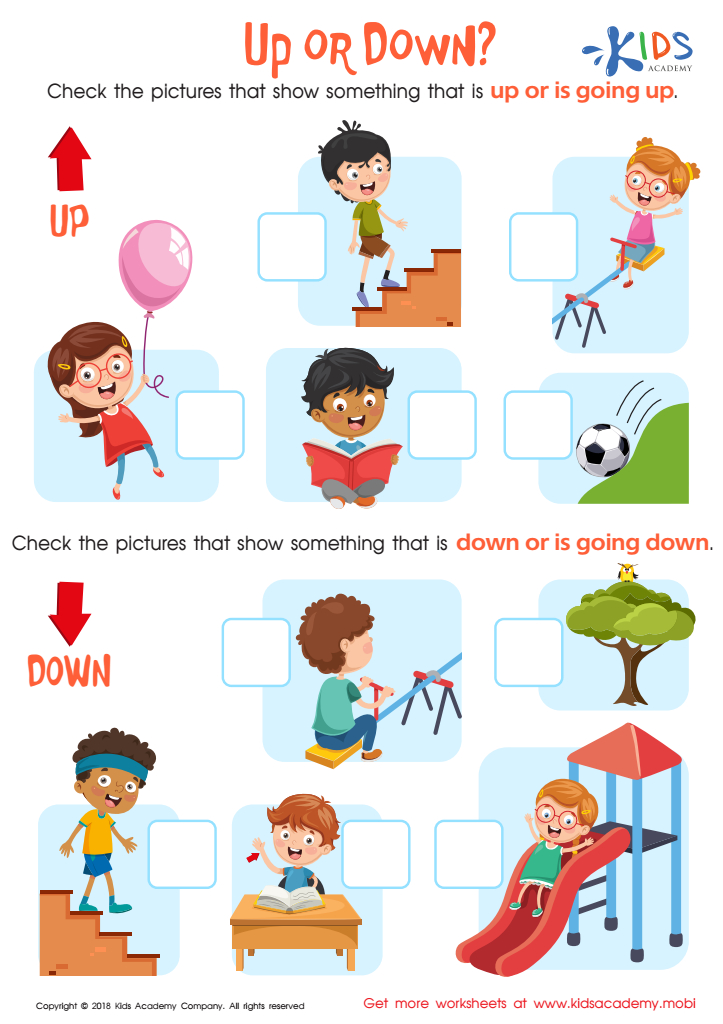
Up or Down Worksheet
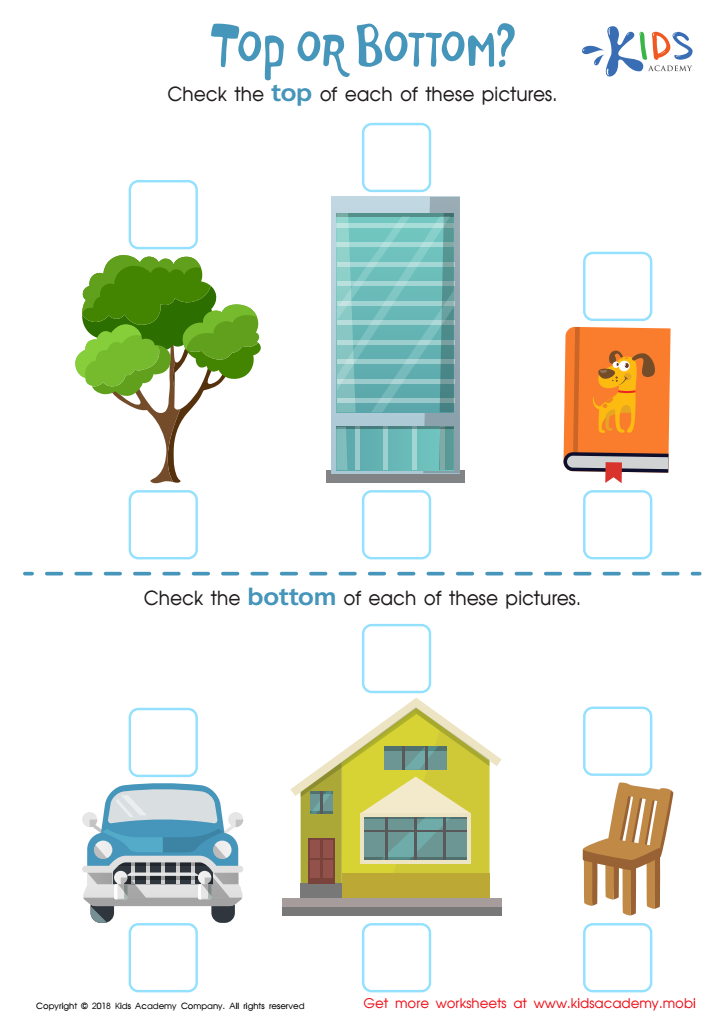
Top or Bottom Worksheet
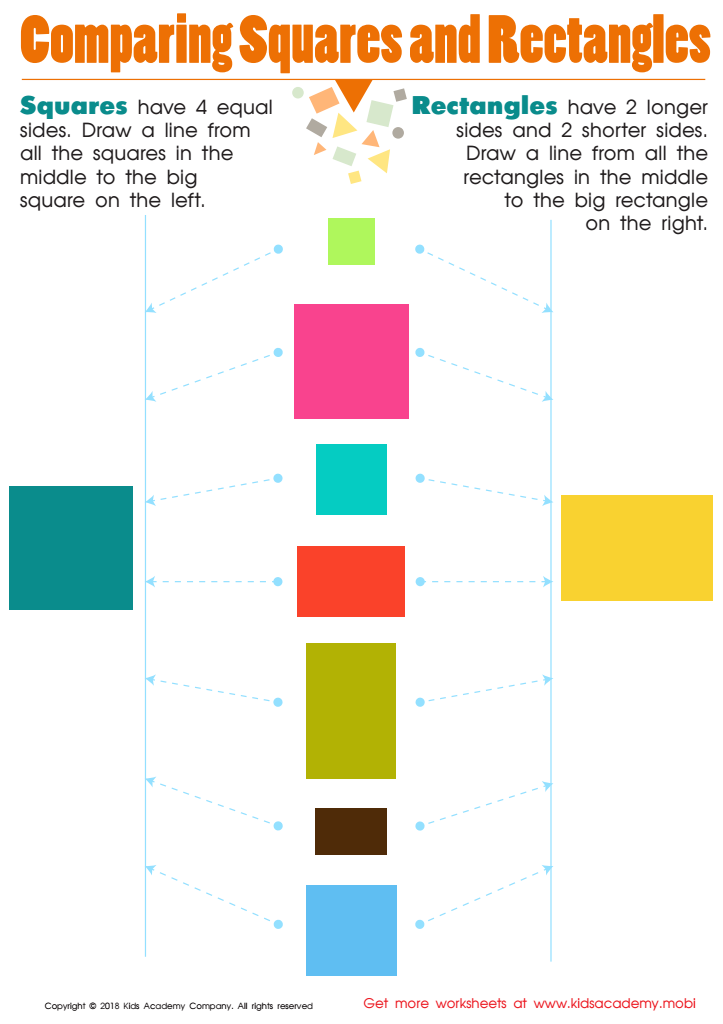
Comparing Squares Rectangles Worksheet
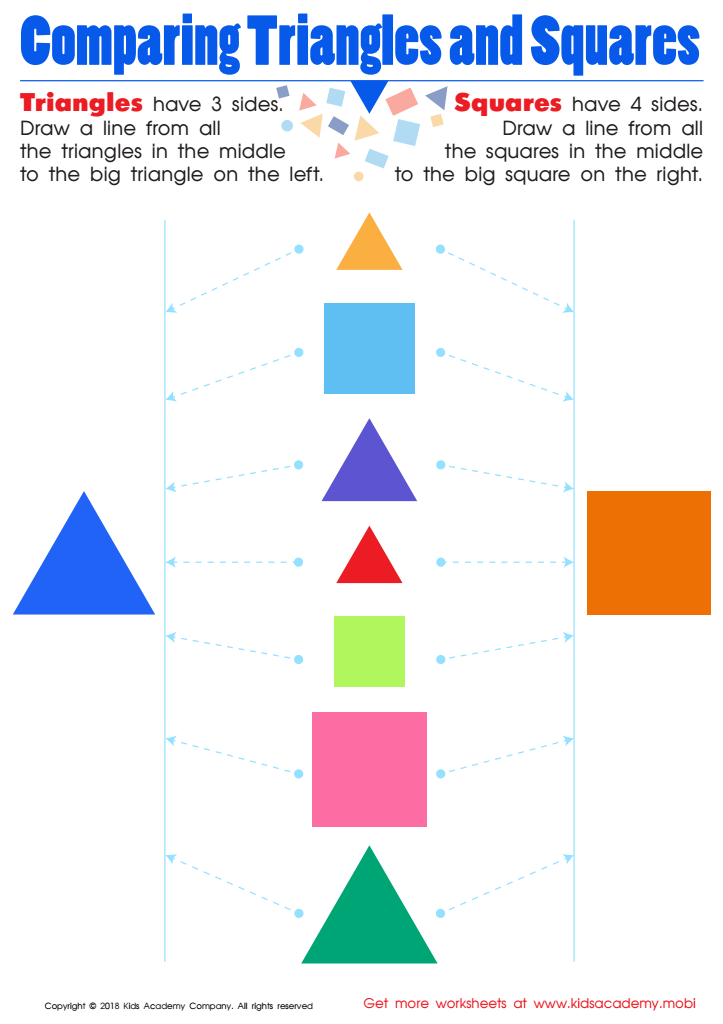
Comparing Triangles Squares Worksheet
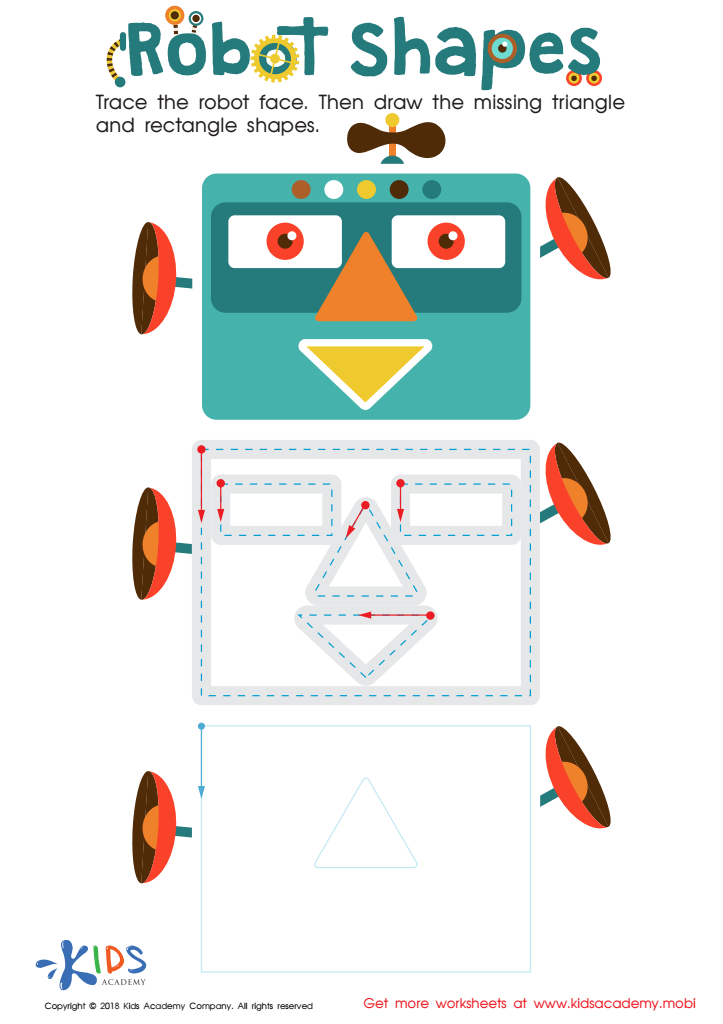
Robot Shapes Worksheet
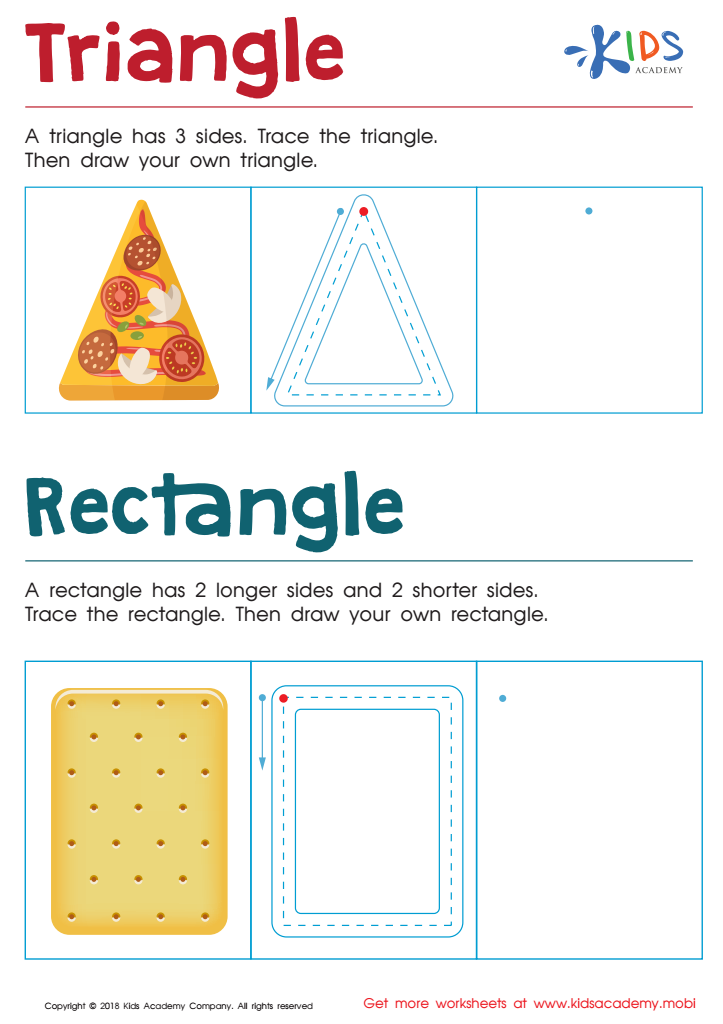
Triangle Rectangle Worksheet
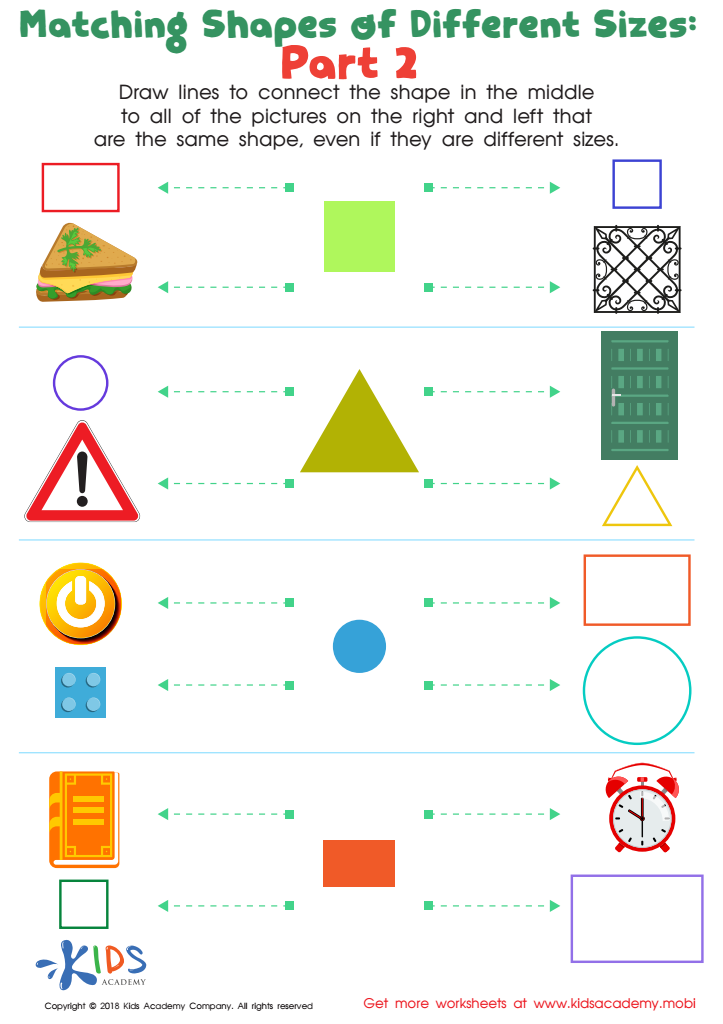
Geometry: Part 2 Worksheet
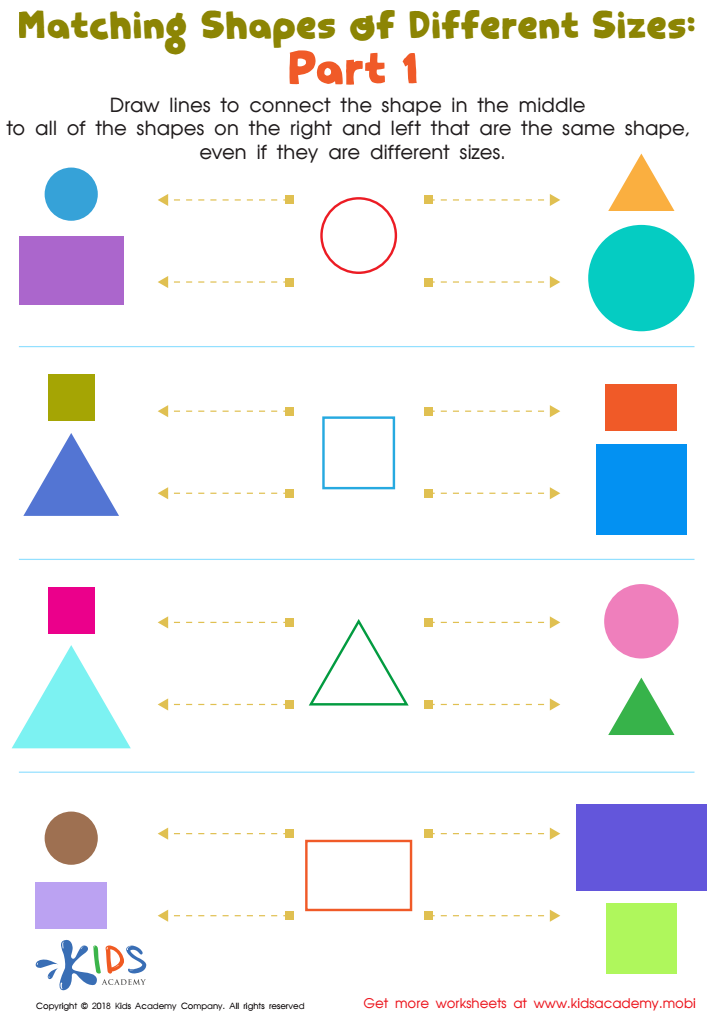
Geometry: part 1 Worksheet
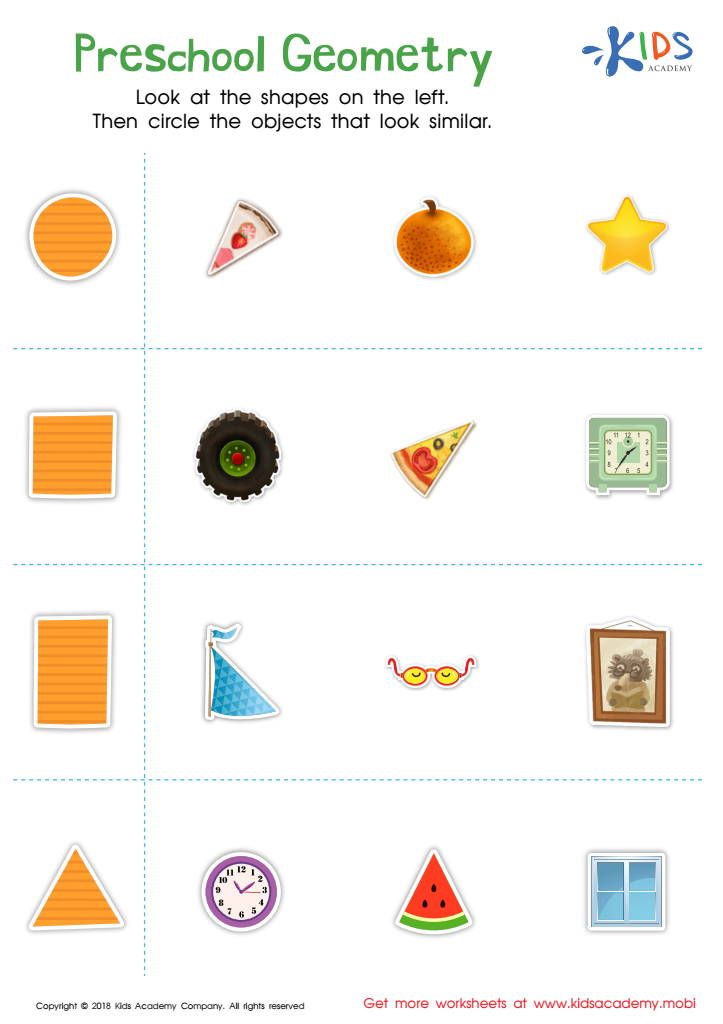
Preschool Geometry Worksheet
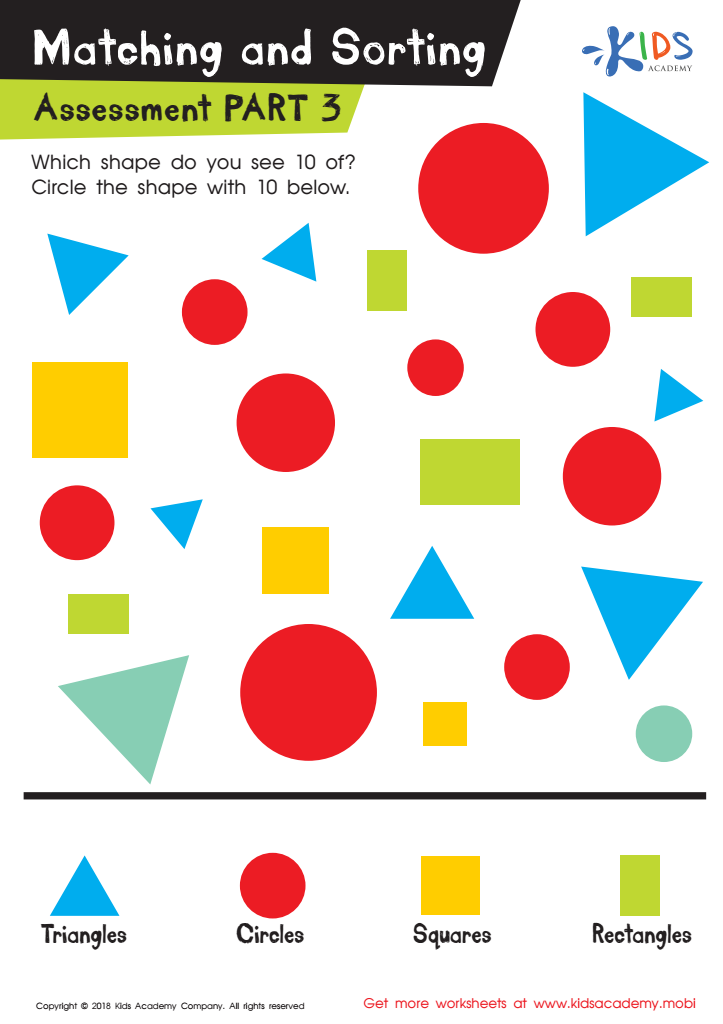
Matching and Sorting for Kindergarten: Assessment 3 Worksheet
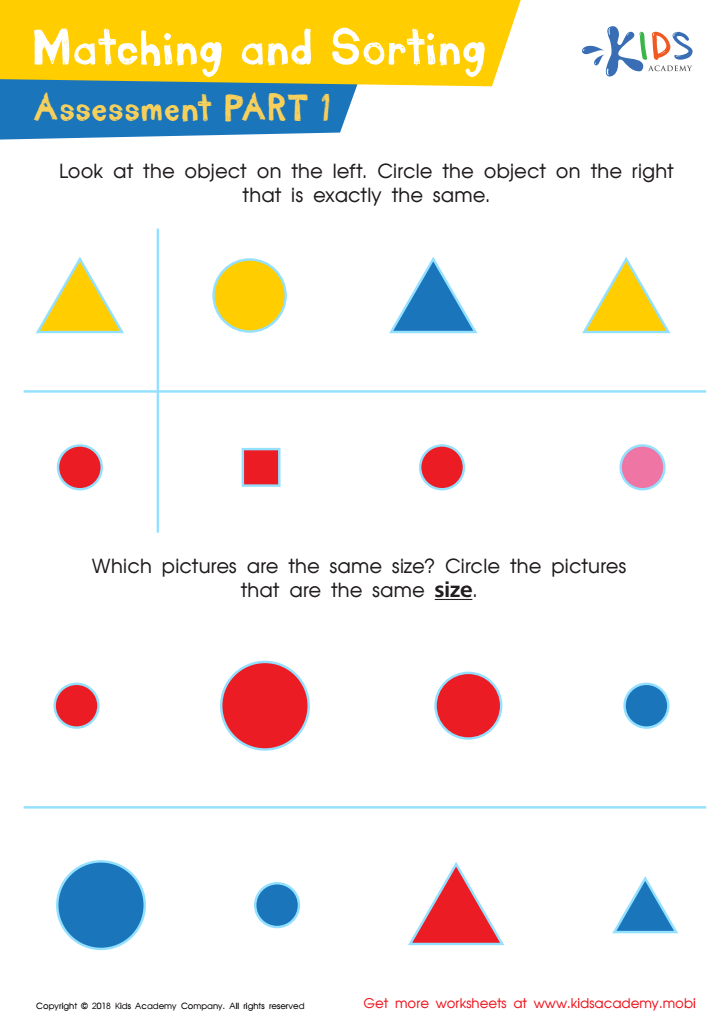
Matching and Sorting for Kindergarten: Assessment 1 Worksheet
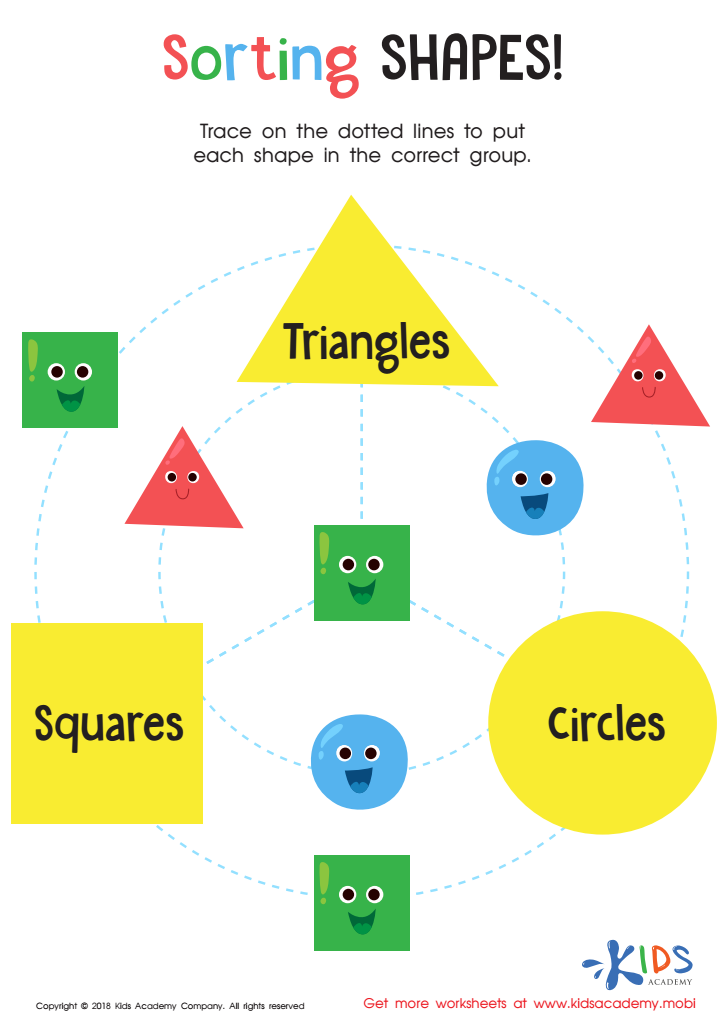
Sorting Shapes - Part 3 Worksheet
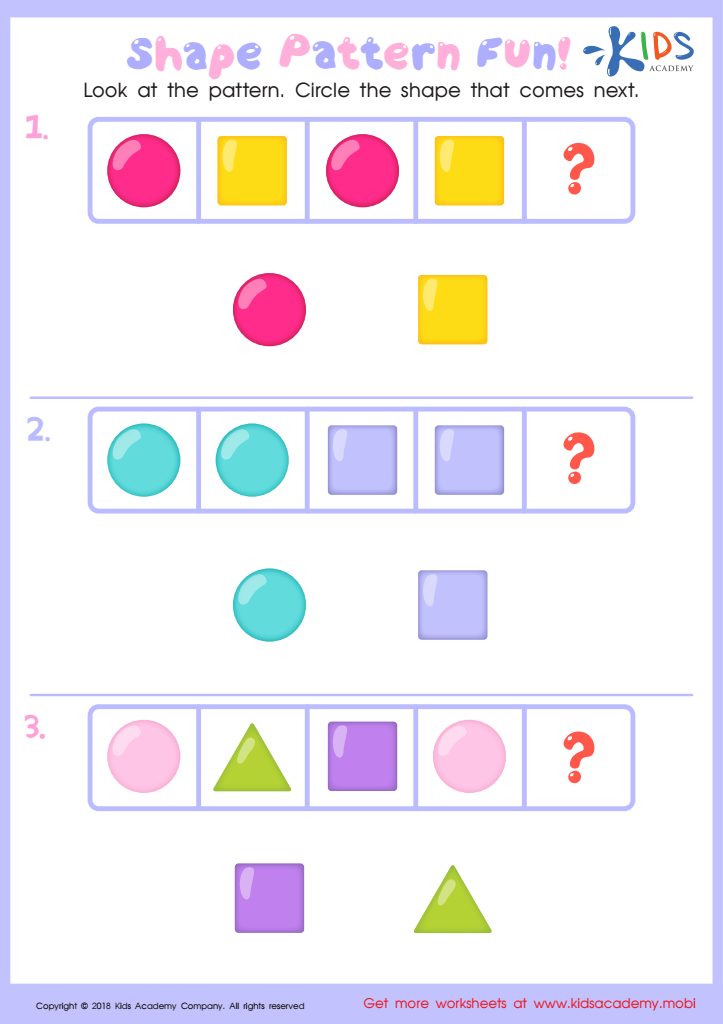
Shape Pattern Fun Worksheet
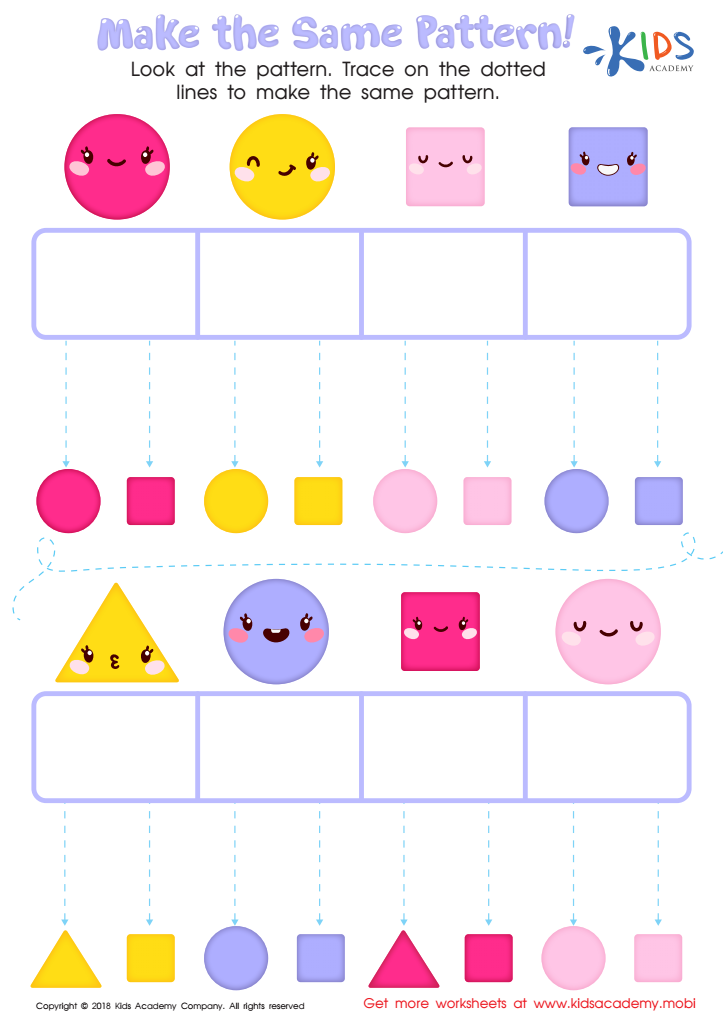
Make the Same Pattern Worksheet
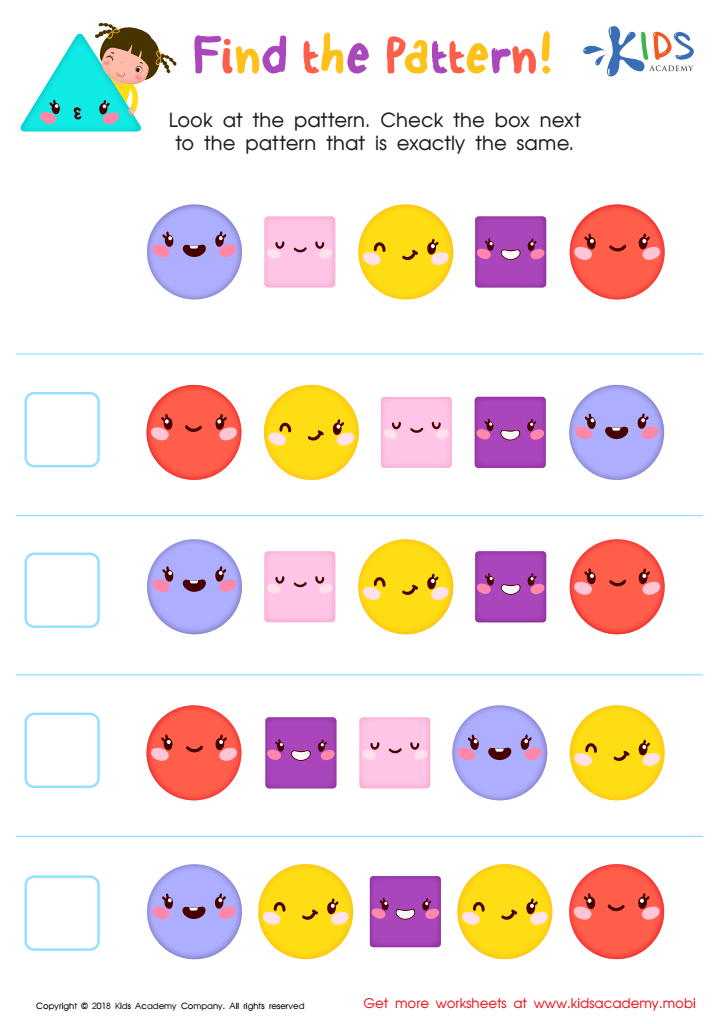
Find the Pattern Worksheet
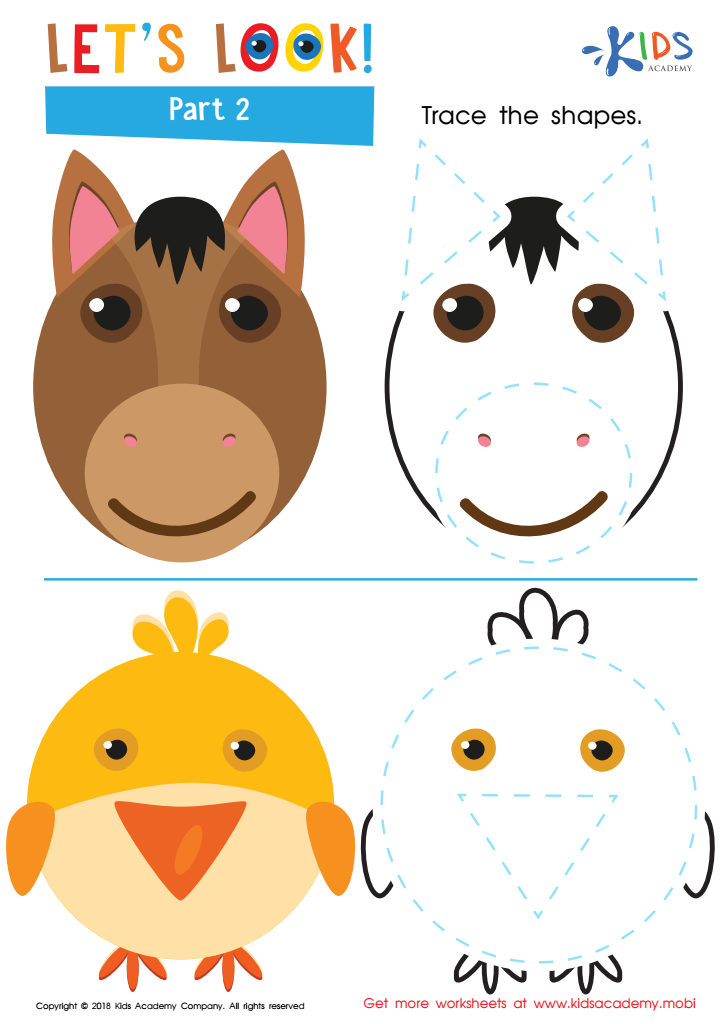
Let's Look! Part 2 Worksheet
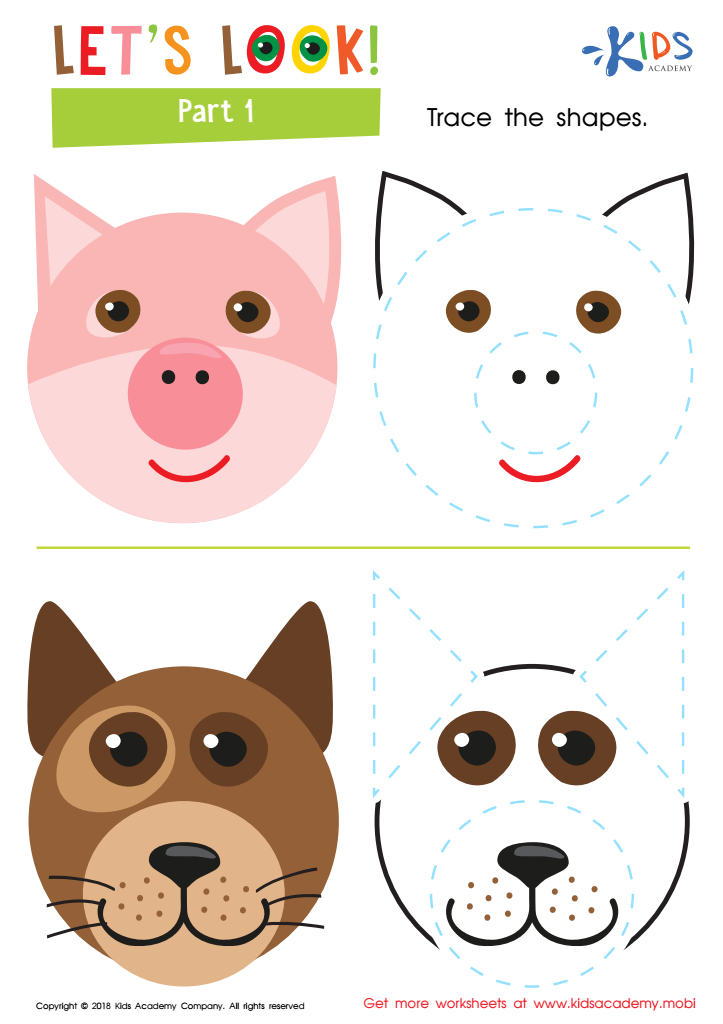
Let's Look! Part 1 Worksheet
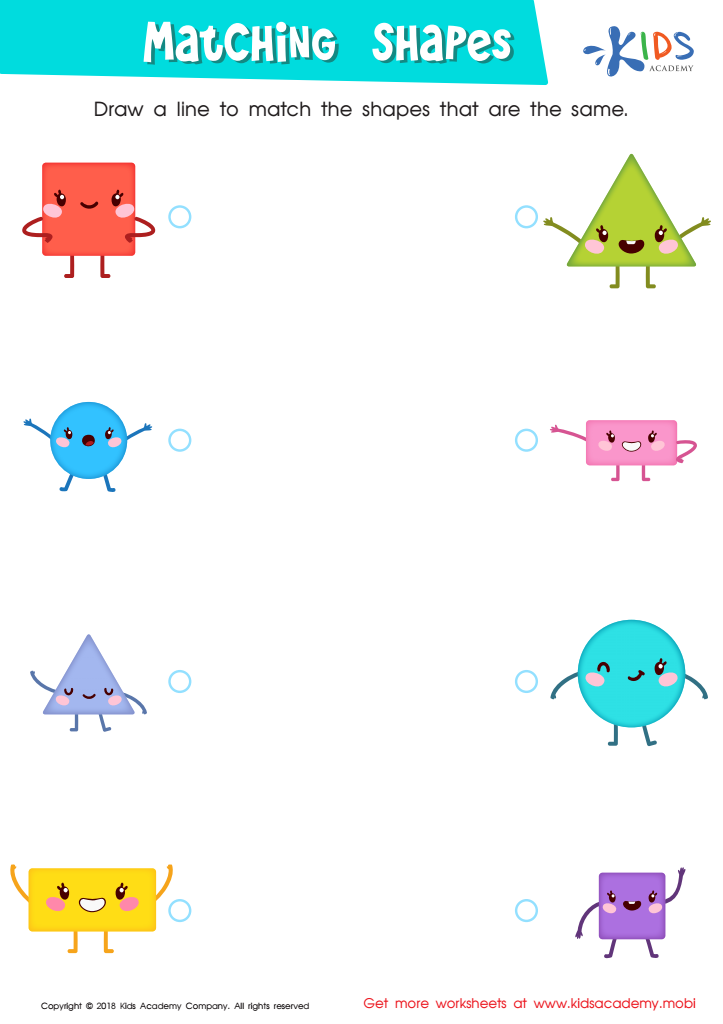
Matching Shapes Worksheet
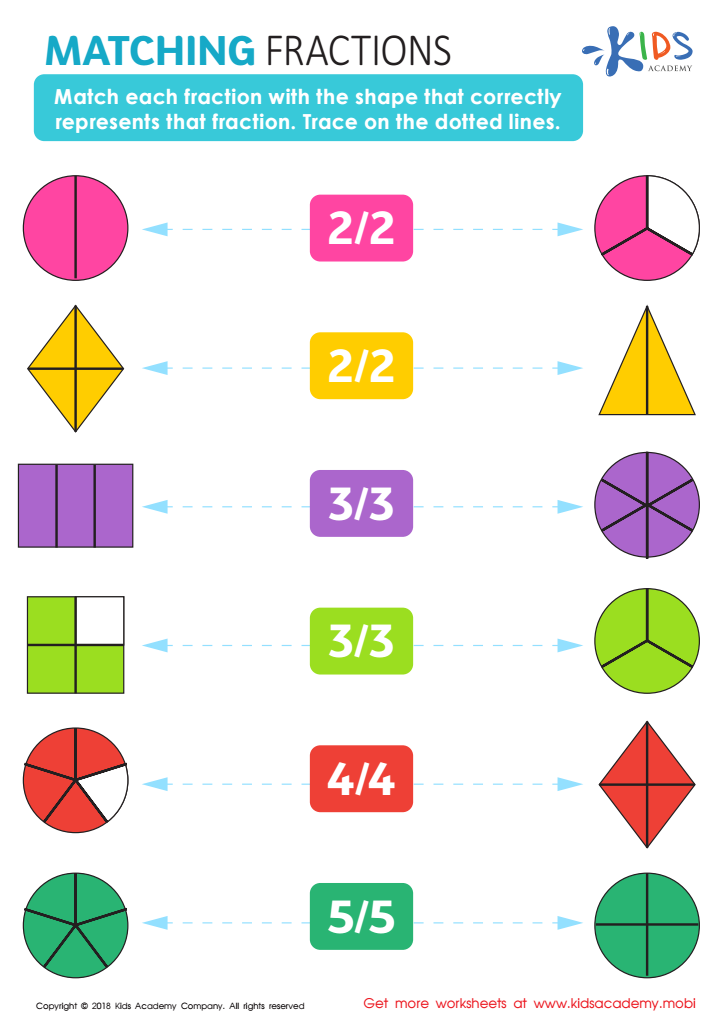
Matching Fractions Worksheet
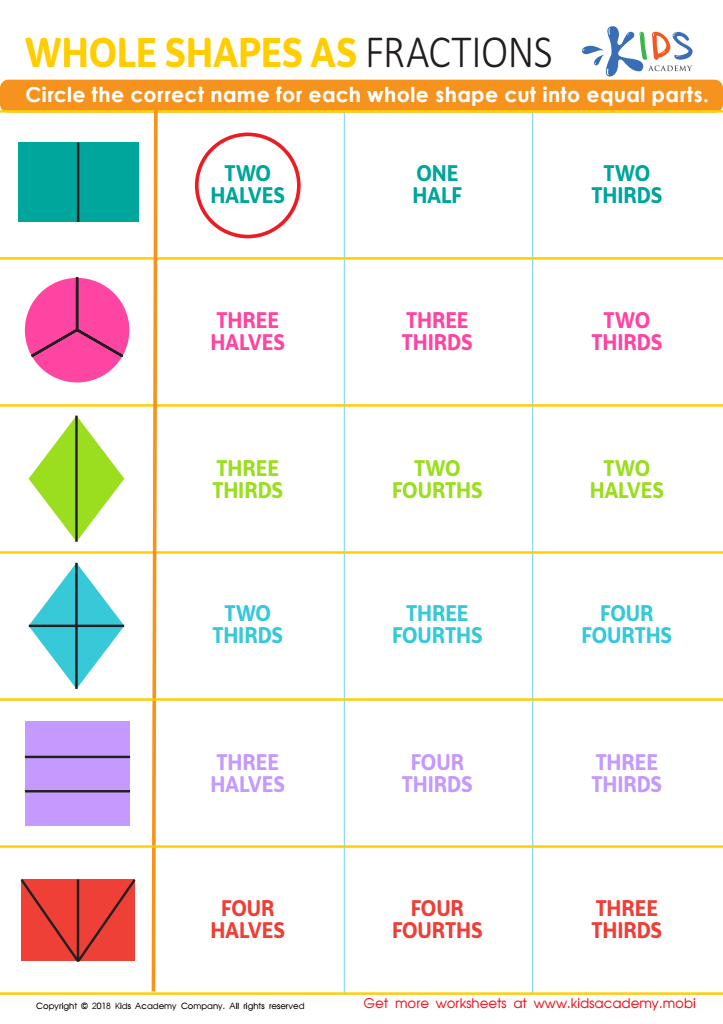
Whole Shapes as Fractions Worksheet








Geometry is a fundamental aspect of mathematics that significantly shapes young learners' understanding of the world around them. For children aged 5-9, geometry fosters critical thinking, spatial awareness, and problem-solving skills. Learning about shapes, sizes, and the relationships between them helps build a foundation for later mathematical concepts, as well as for everyday decision-making.
Moreover, geometry is visually engaging, allowing students to connect abstract ideas with tangible experiences. This age group is ripe for hands-on learning, and through activities like drawing, building, and shape manipulation, children can explore geometric concepts in a fun and interactive manner. Understanding geometry also enriches other subjects, from art to science, encouraging creativity and analytical reasoning.
Parents and teachers should prioritize geometry in early education to nurture a solid mathematical literacy, which can enhance academic performance in the future. Additionally, early familiarity with geometric concepts can foster a lasting interest in STEM (Science, Technology, Engineering, and Mathematics) fields, encouraging lifelong learning and adaptability. By supporting geometry education, adults can empower children with essential tools that will serve them both academically and in real-world applications throughout their lives.








