Matching Worksheets for Ages 5-9 - Page 2
82 filtered results
-
From - To
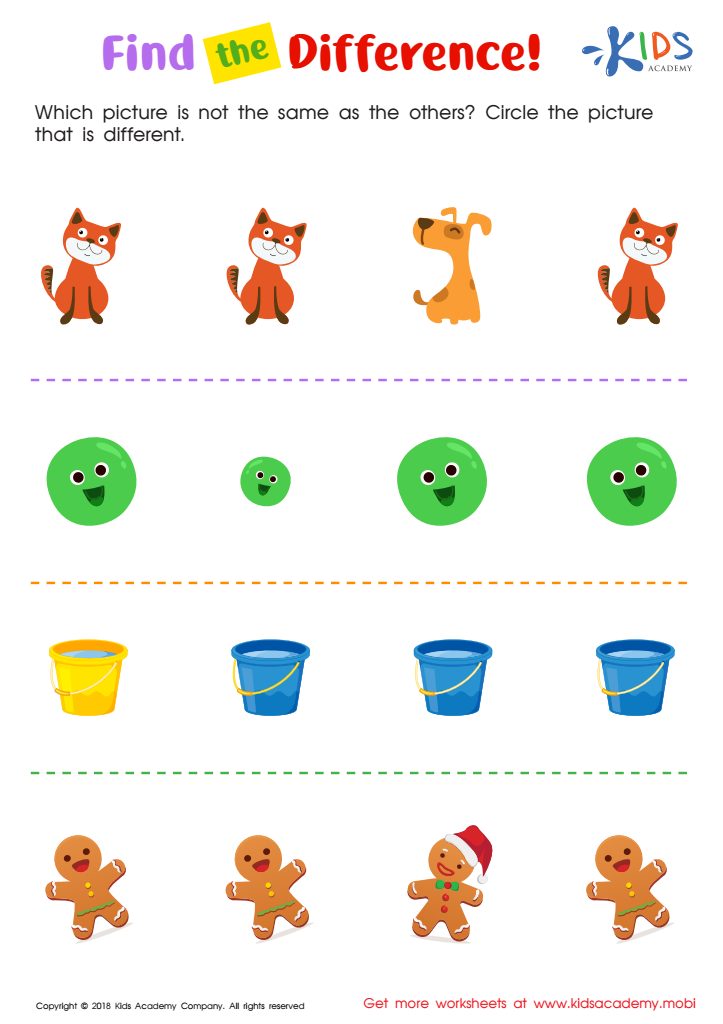
Find the Difference Worksheet
 Assign to My Students
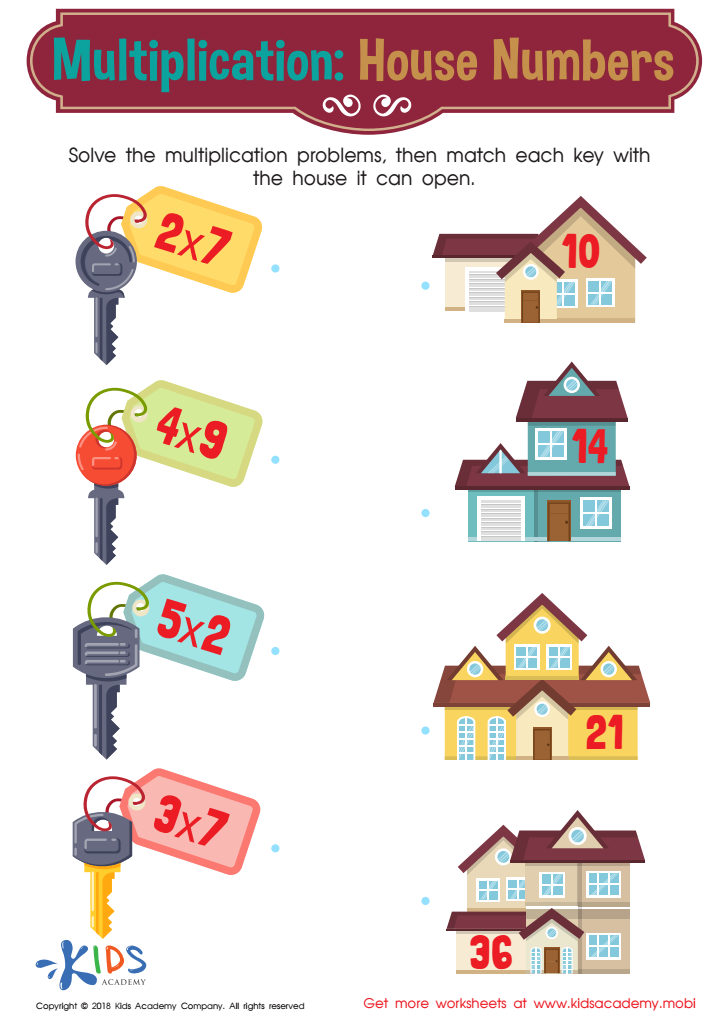
House Numbers Worksheet
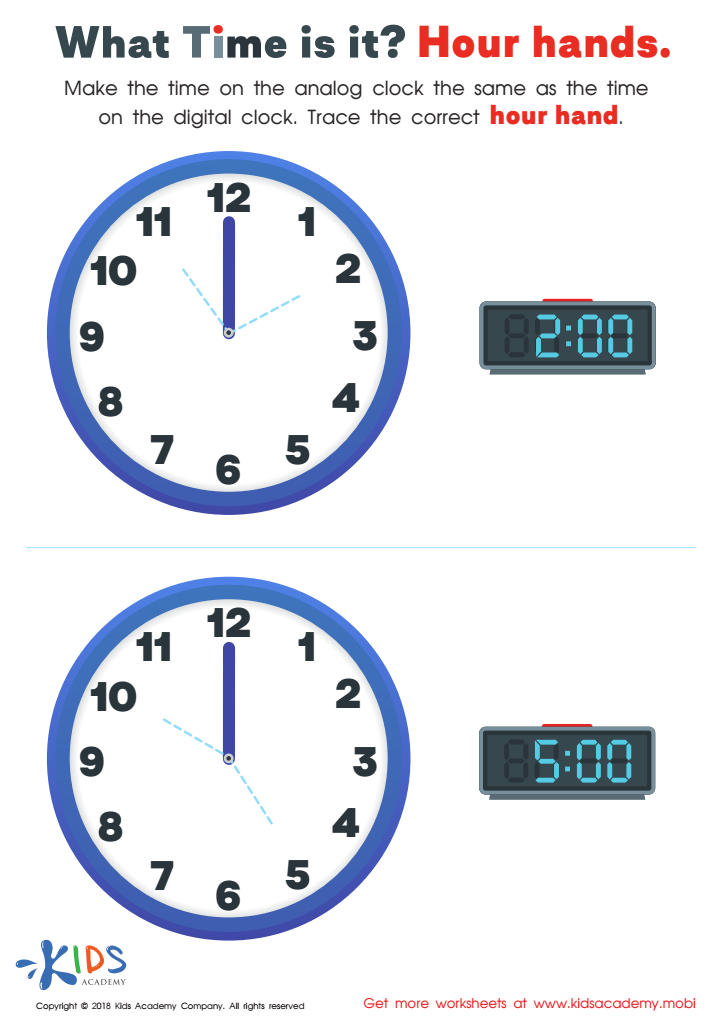
What Time Is it? Hour Hands Worksheet
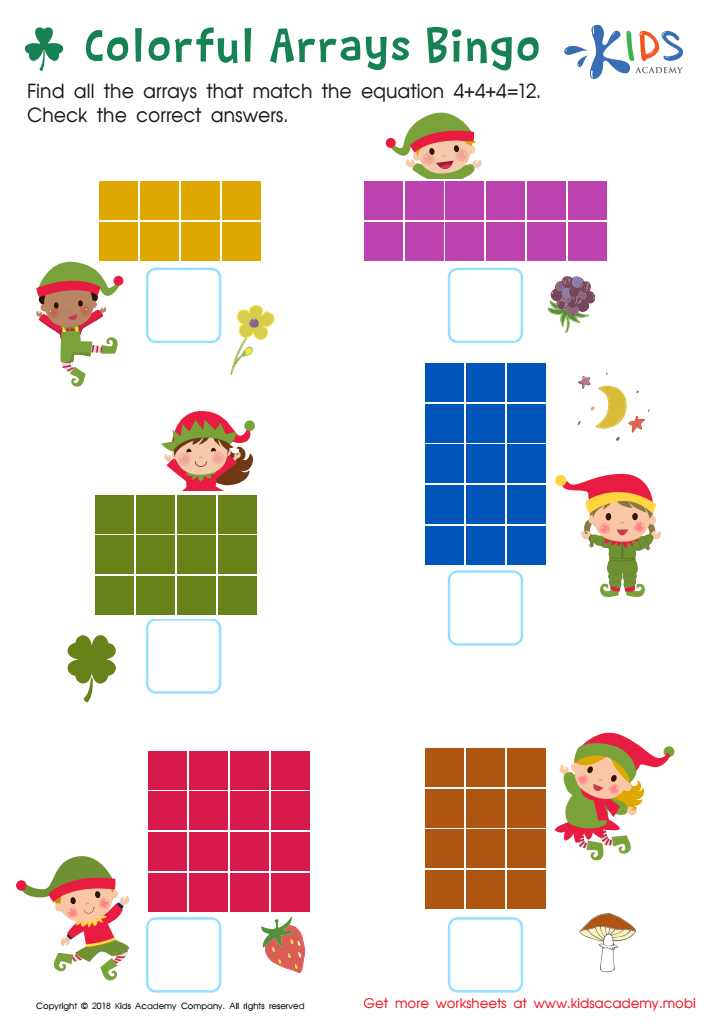
Colorful Arrays Bingo Worksheet
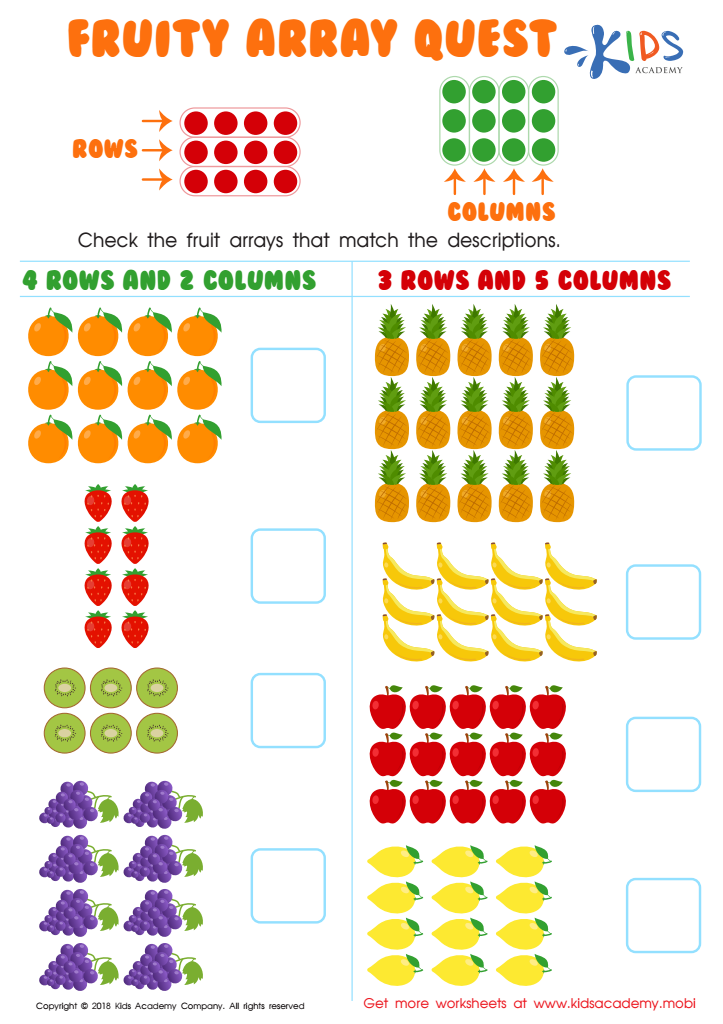
Fruity Array Quest Worksheet
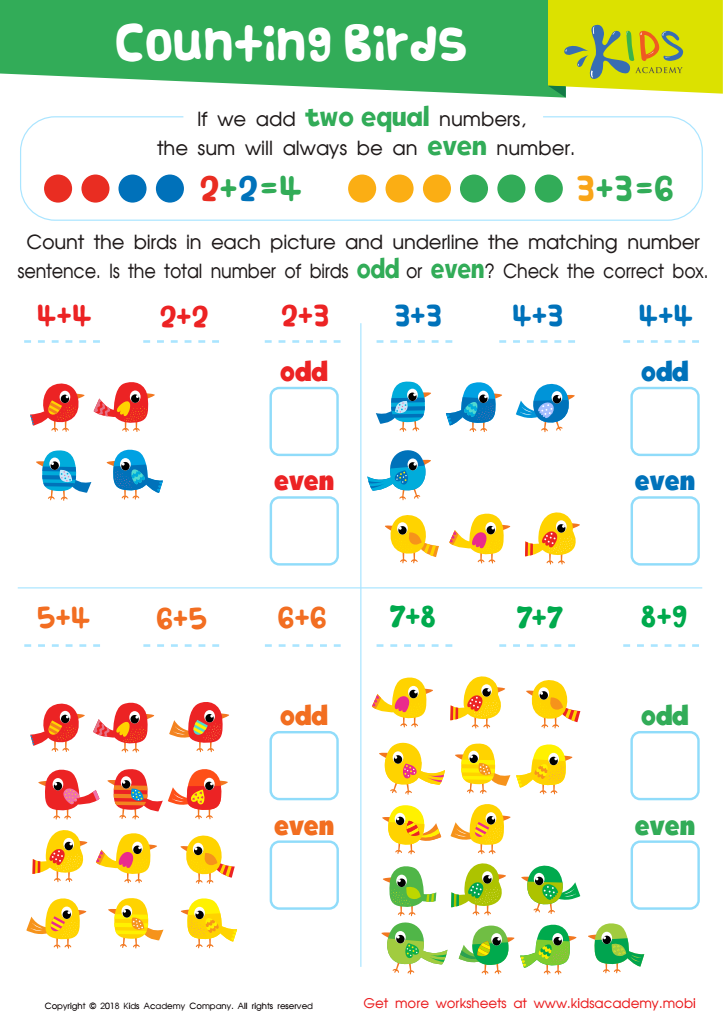
Counting Birds Worksheet
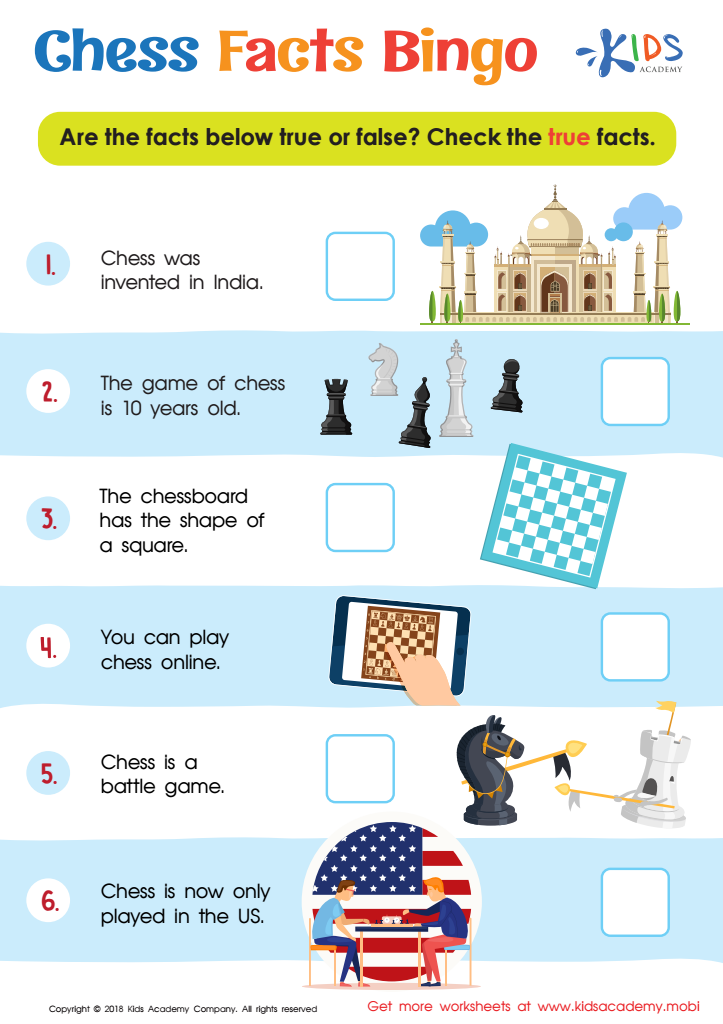
Chess Facts Bingo Worksheet
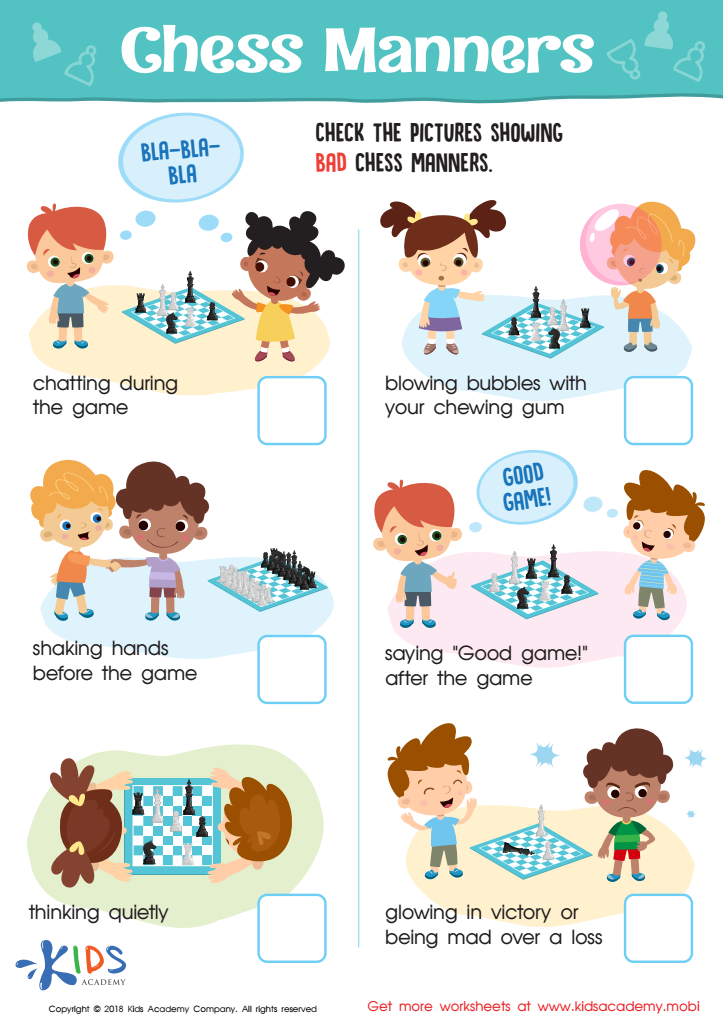
Chess Manners Worksheet
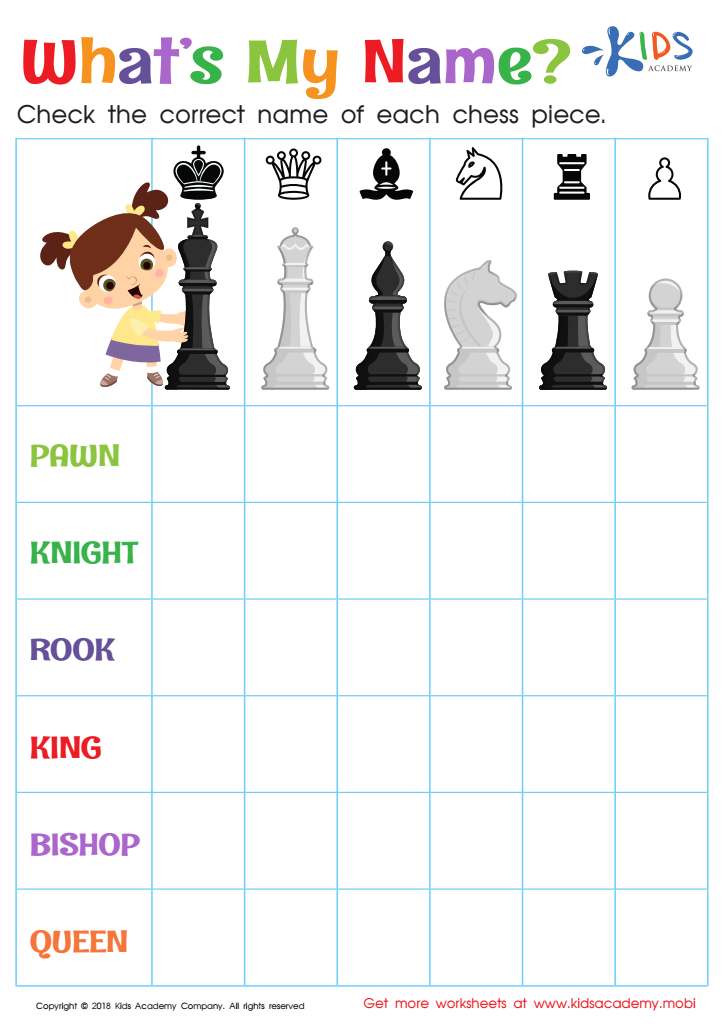
What's My Name? Worksheet
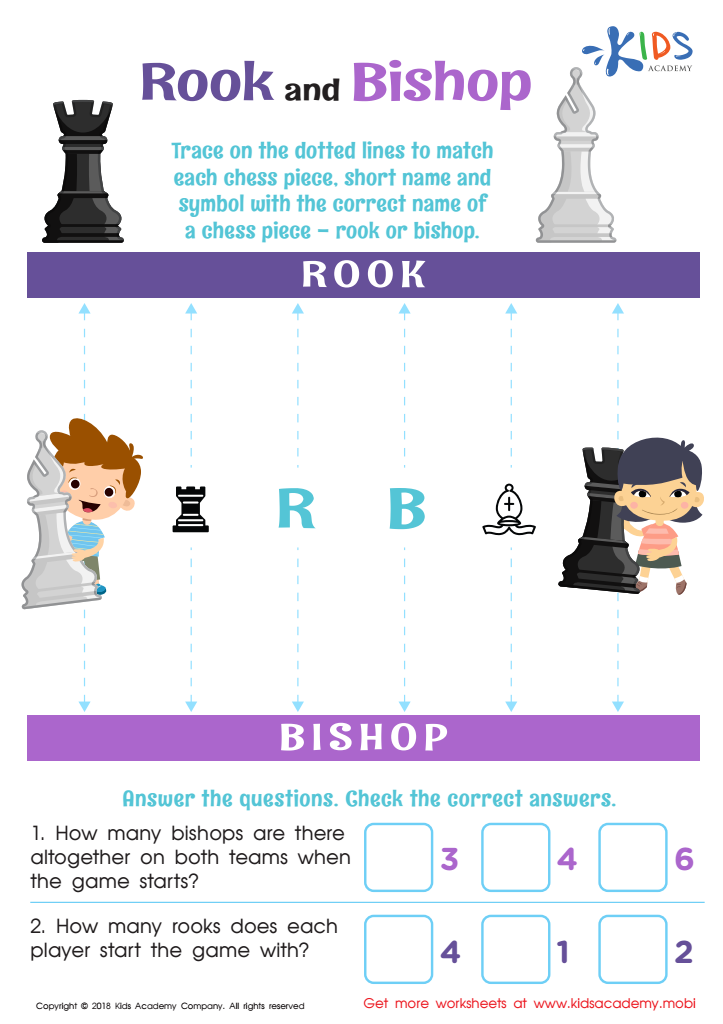
Rook and Bishop Worksheet
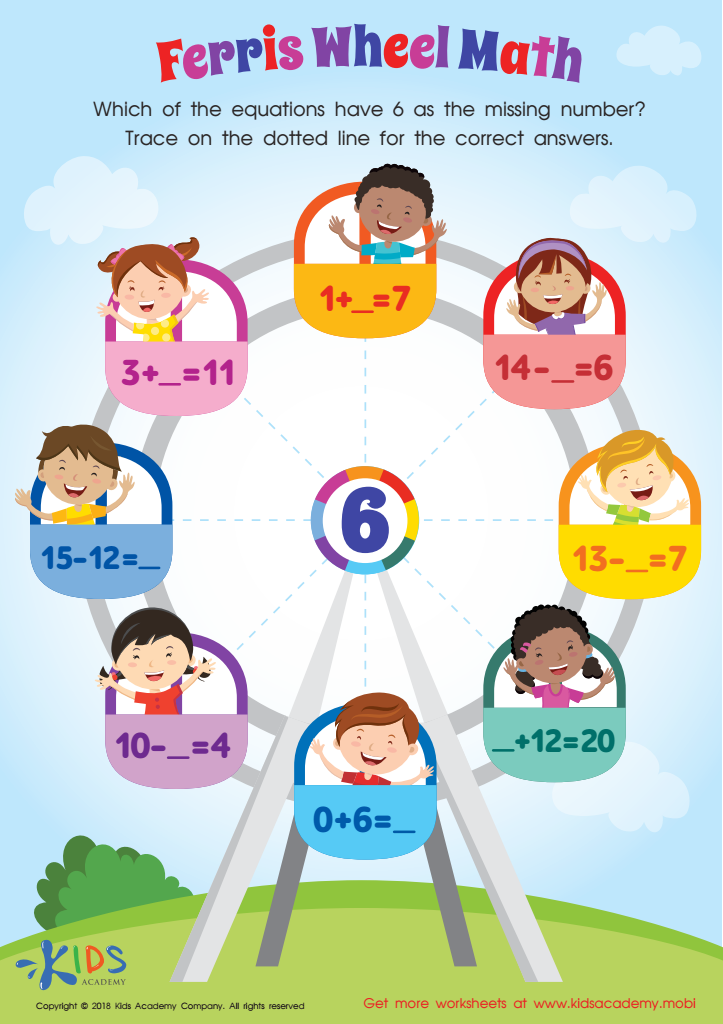
Missing Number: Ferris Wheel Math Worksheet
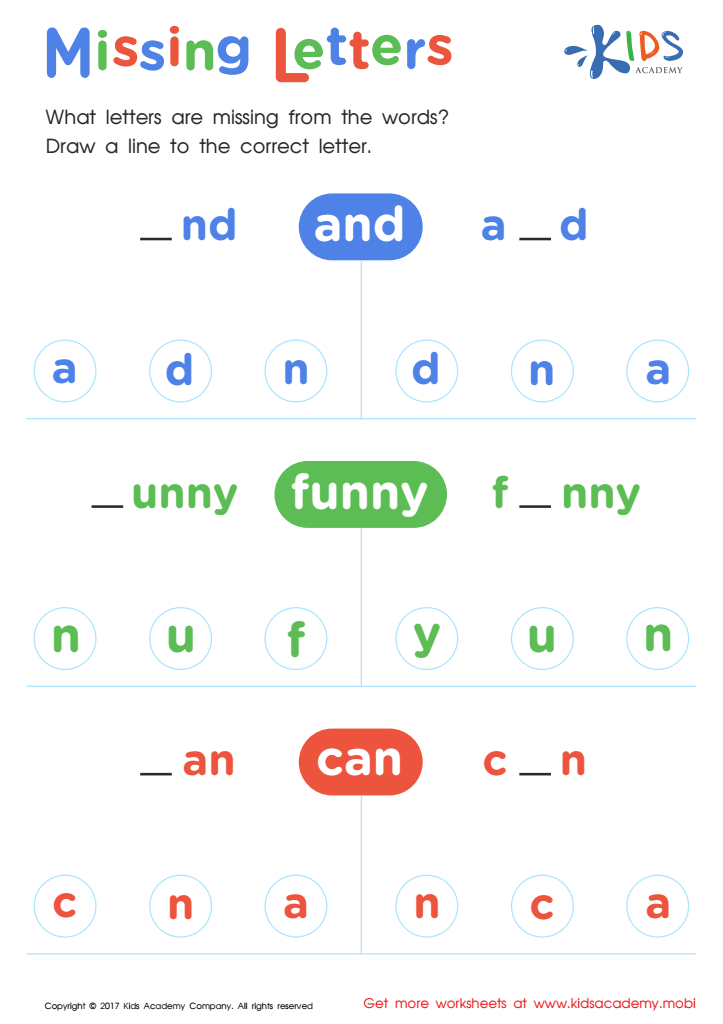
Missing Letters Worksheet
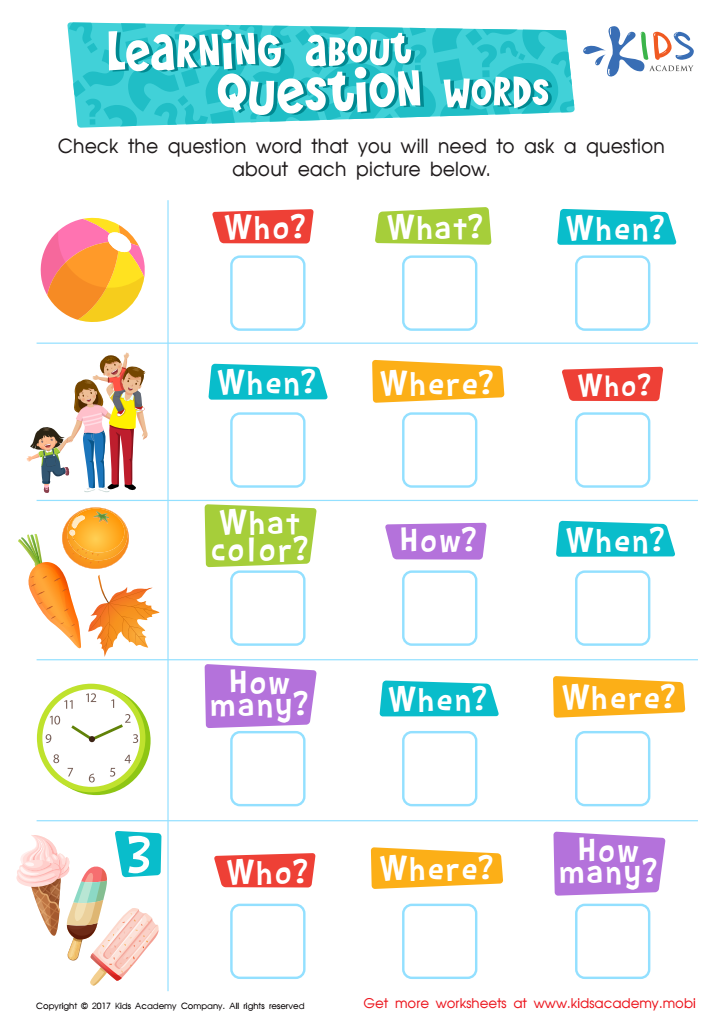
Learning about Question Words Worksheet
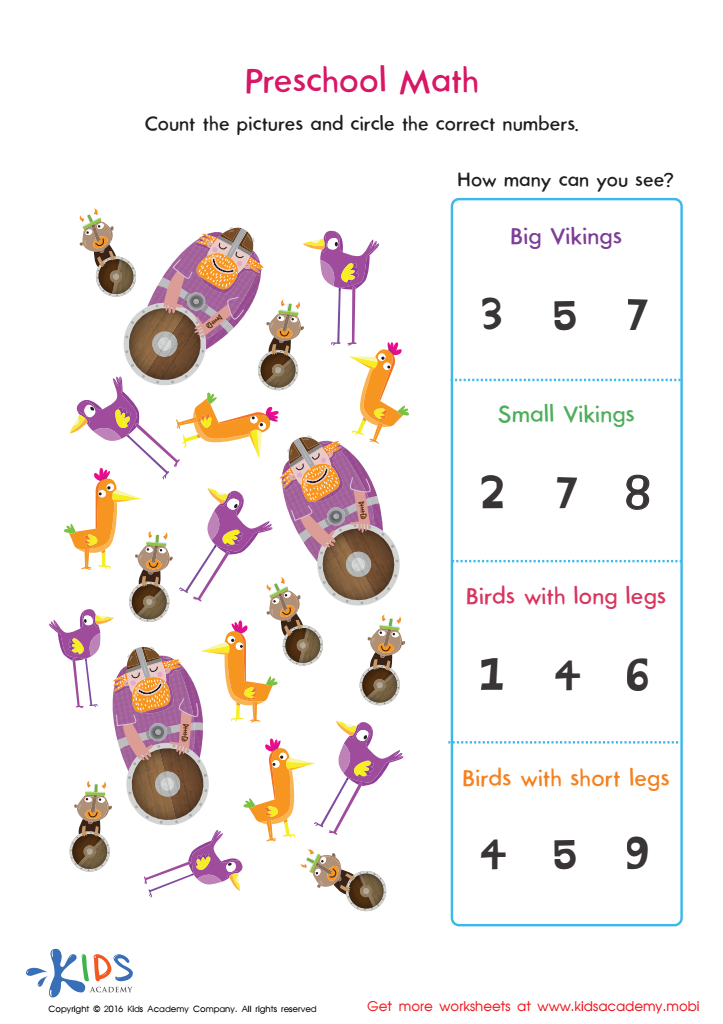
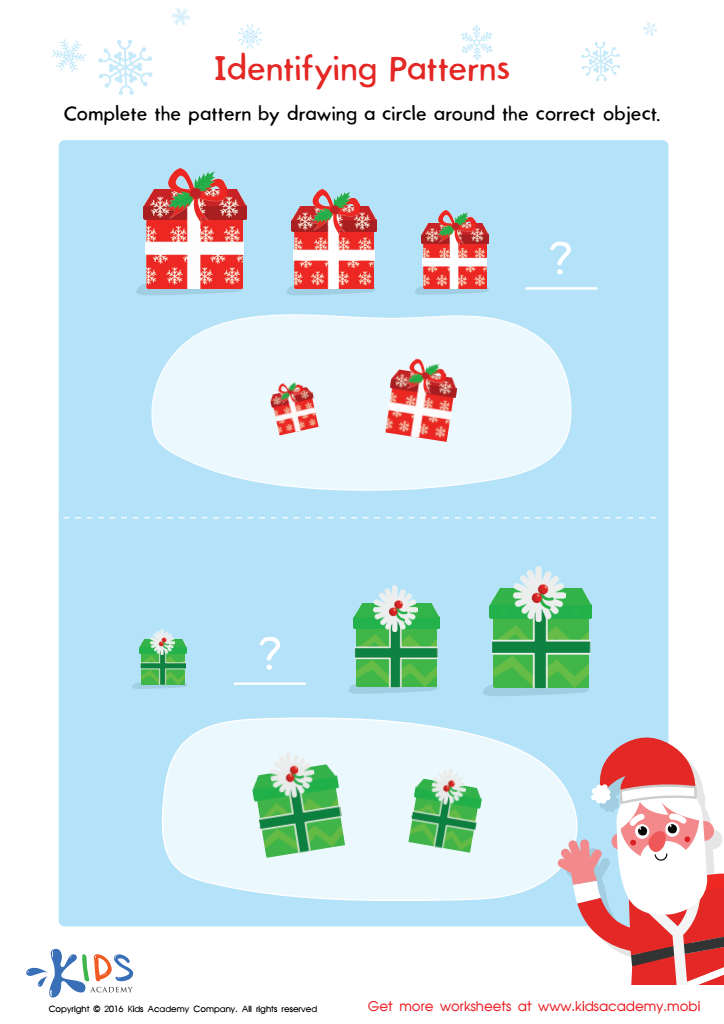
Identifying Patterns Worksheet
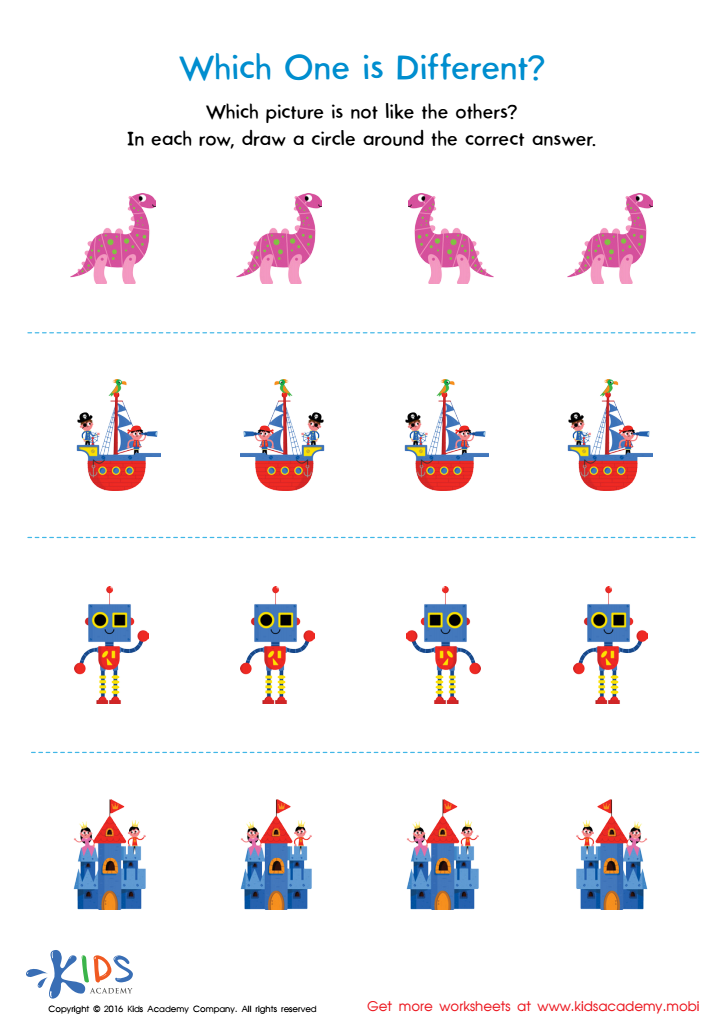
Which One Is Different Worksheet
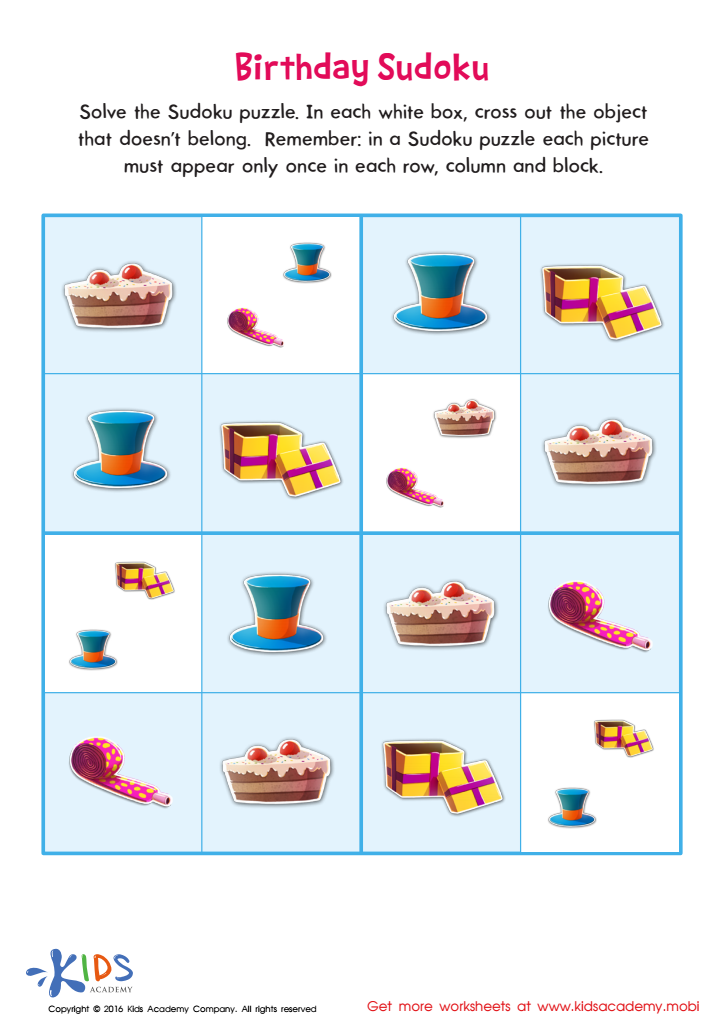
Birthday Sudoku Sorting Worksheet
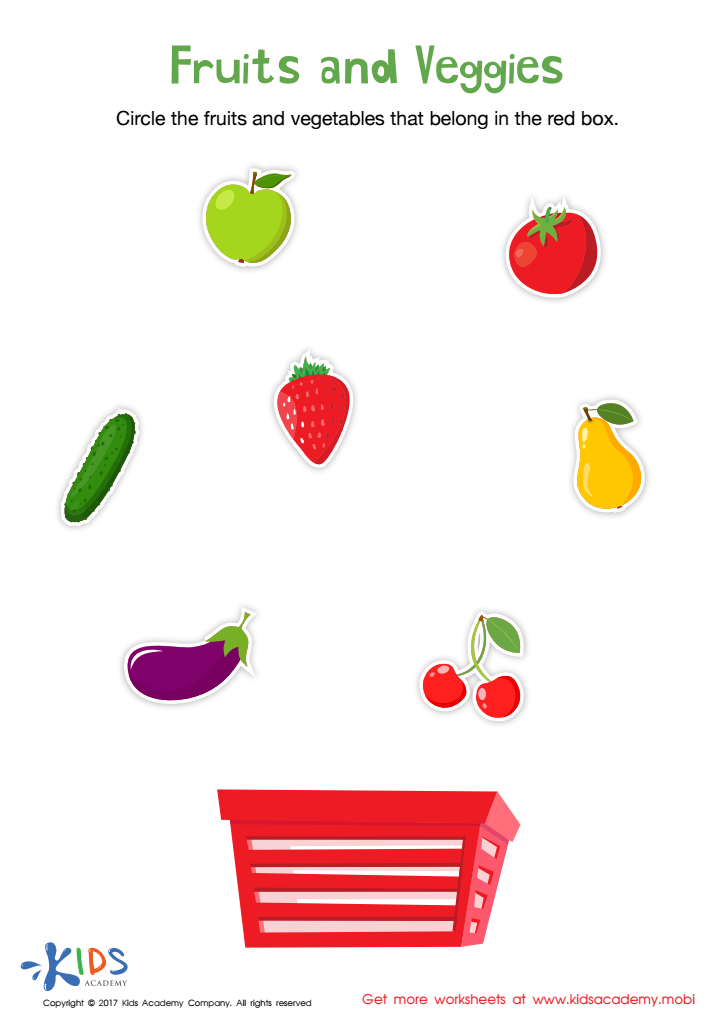
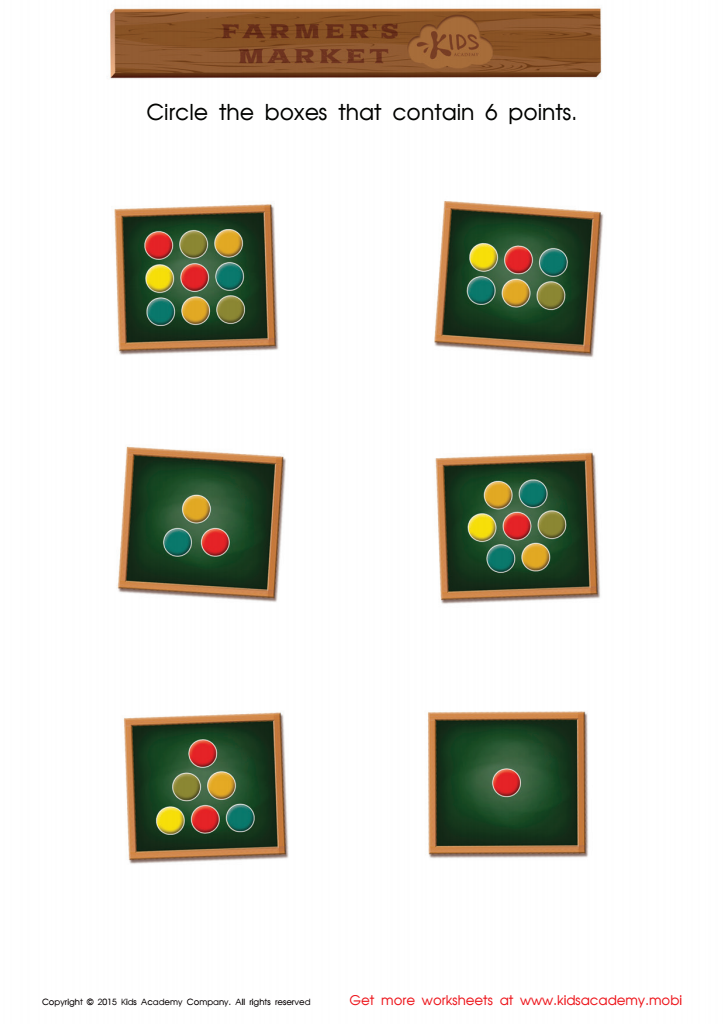
Count and Match Points 6 Math Worksheet
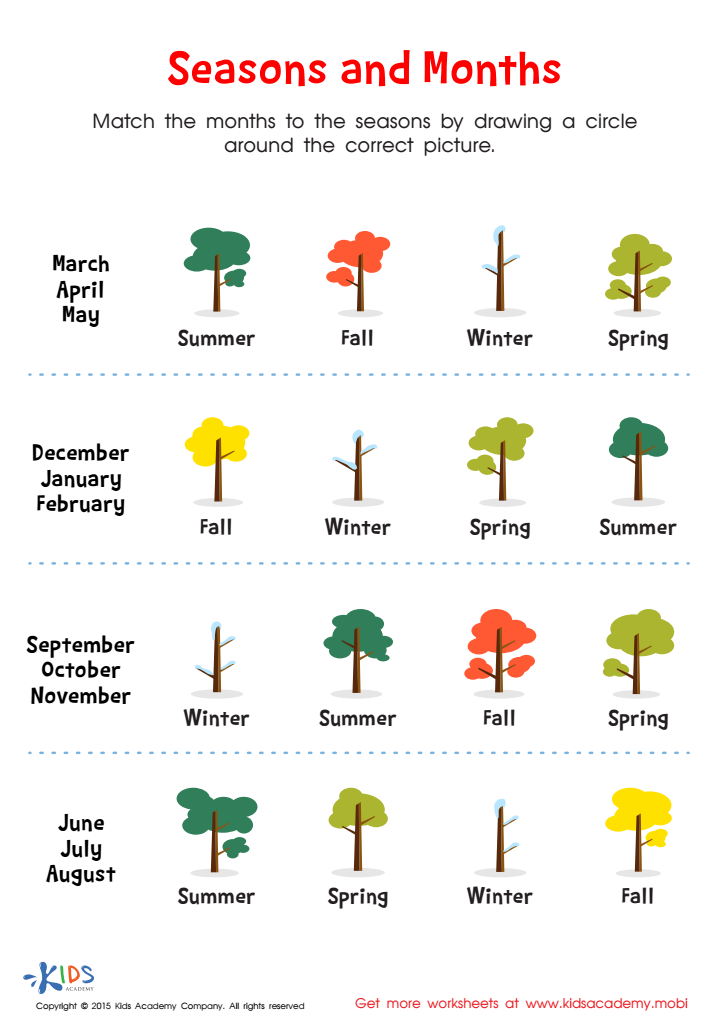
Seasons and Months Worksheet
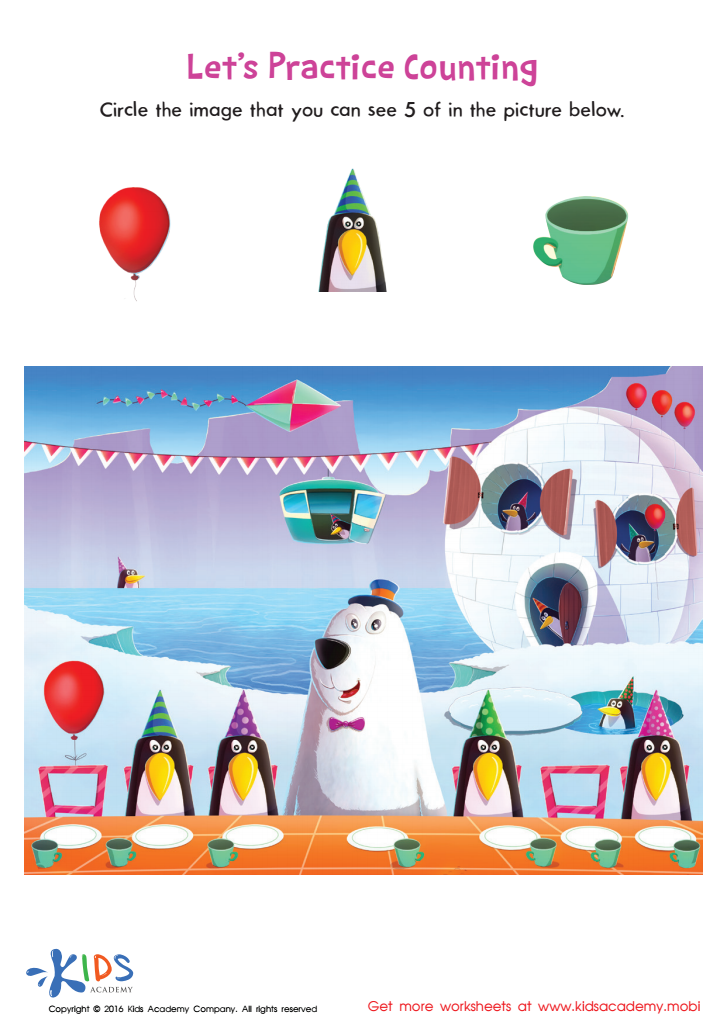
Counting Worksheet: Let's Practice Counting
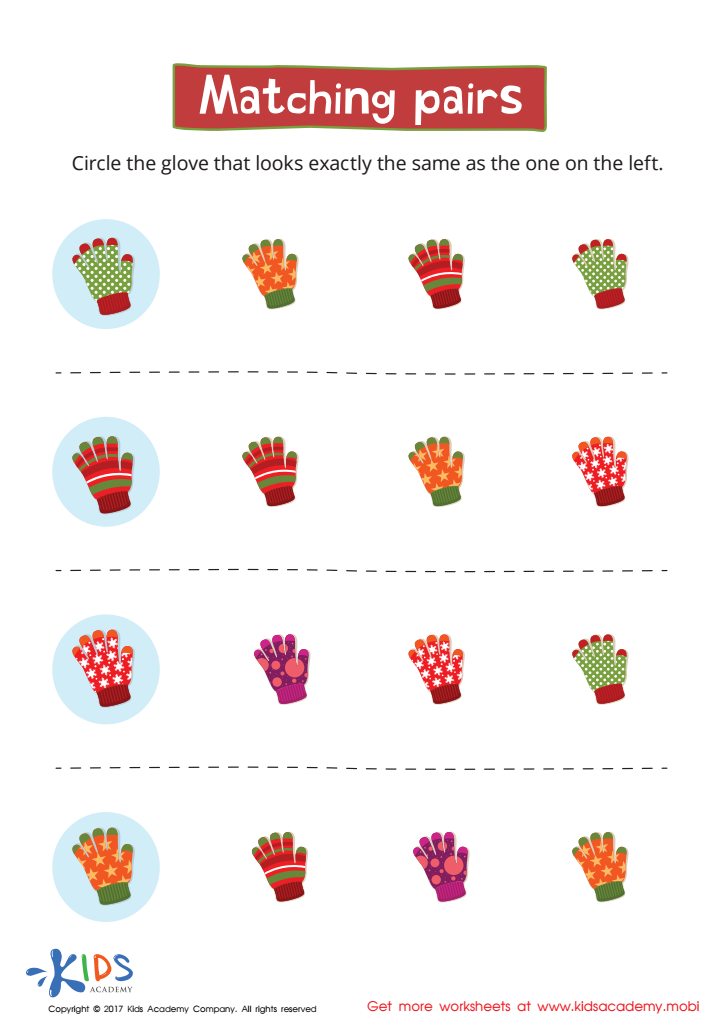
Matching: Matching Pairs Worksheet
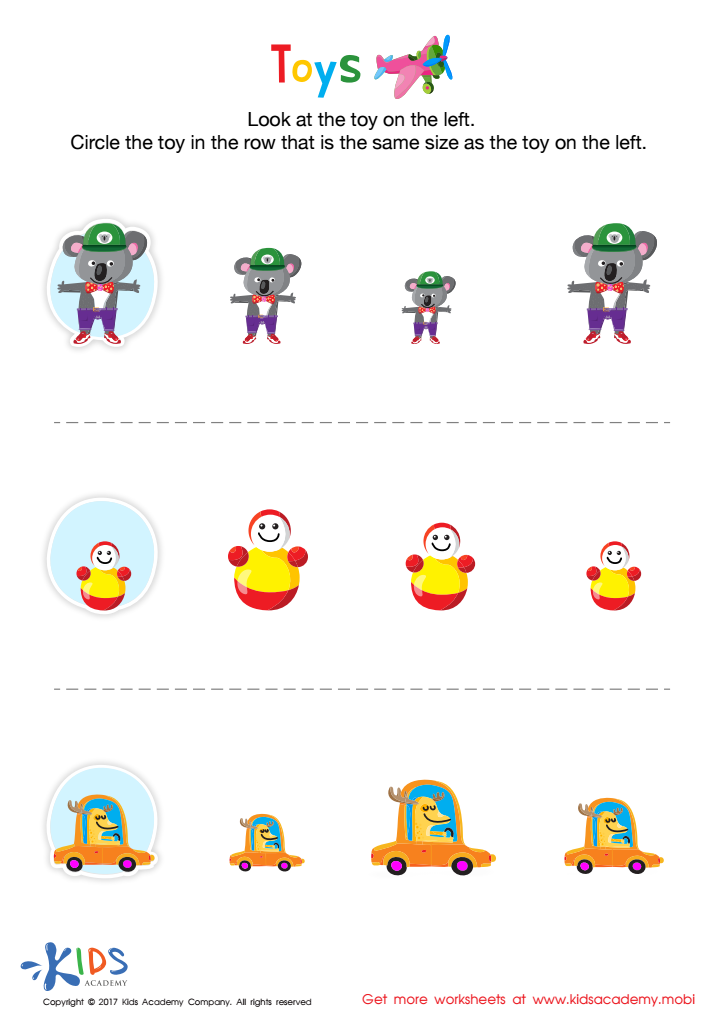
Matching: Classifying Toys by Size Worksheet



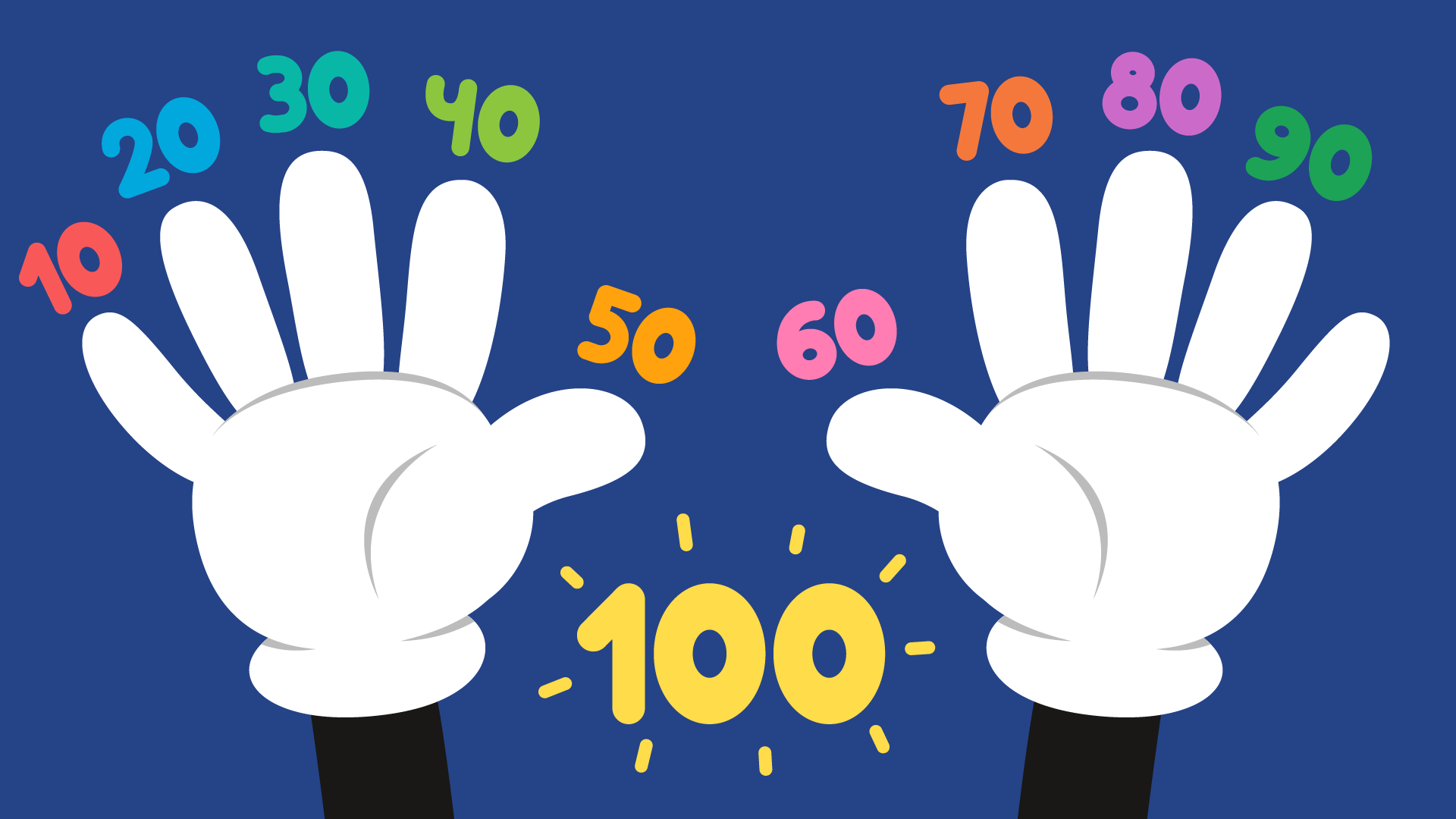




Parents and teachers should prioritize matching activities for children aged 5-9 because these tasks significantly enhance early cognitive and social development. Matching exercises involve connecting similar items, symbols, or concepts, fostering essential skills like pattern recognition and critical thinking. These foundational cognitive skills are vital for future learning throughout a child’s academic journey.
Moreover, matching enhances memory and concentration abilities. As young minds navigate various visual similarities and subtle differences, they engage actively, improving their focus and attention spans—key attributes for effective learning.
Socially, engaging in matching activities—whether through games, storytelling, or collaborative tasks—encourages teamwork and communication among peers. It offers opportunities for children to express thoughts, negotiate during play, and learn valuable social skills such as patience and turn-taking.
Lastly, matching activities can be easily tailored to various subjects, from math to literacy, making learning dynamic and enjoyable. This promotes a positive attitude towards education, encouraging lifelong learning habits. By incorporating matching into early education, parents and teachers can provide children with crucial transferable skills that will aid their intellectual growth and social integration well beyond the classroom.








