Reading Comprehension Worksheets for Ages 5-9 - Page 3
285 filtered results
-
From - To
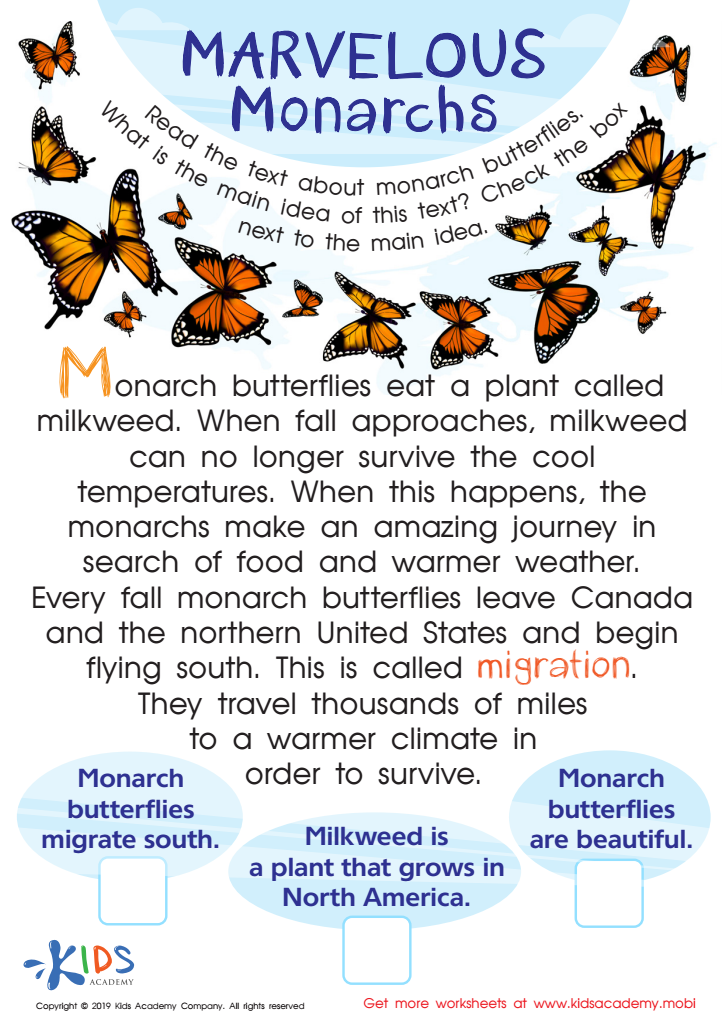
Marvelous Monarchs Worksheet
 Assign to My Students
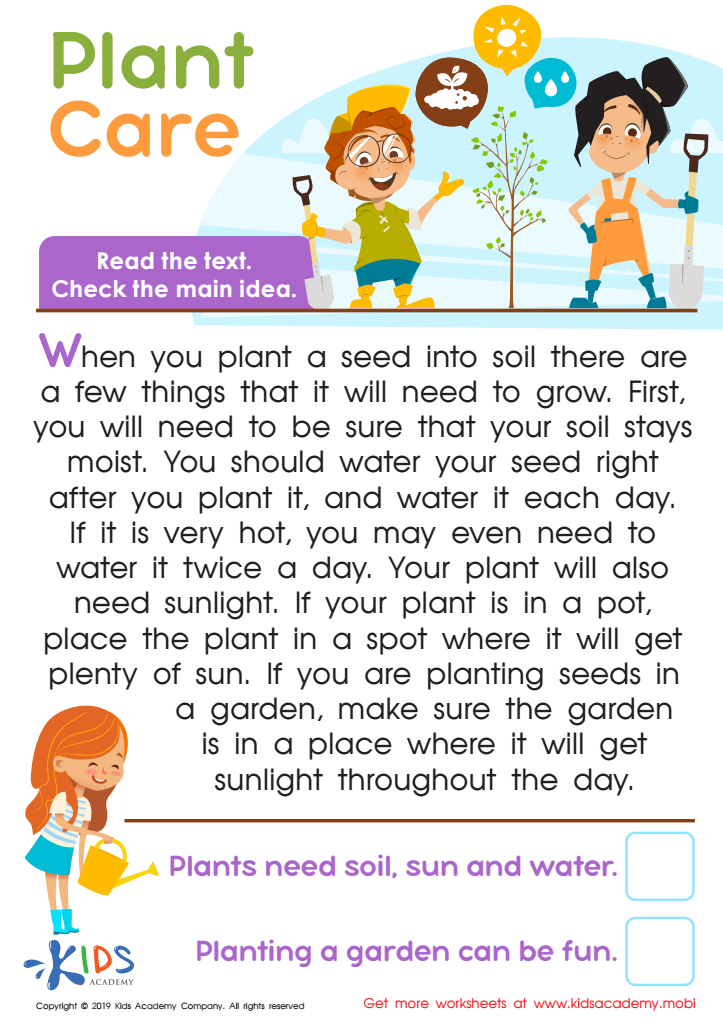
Plant Care Worksheet
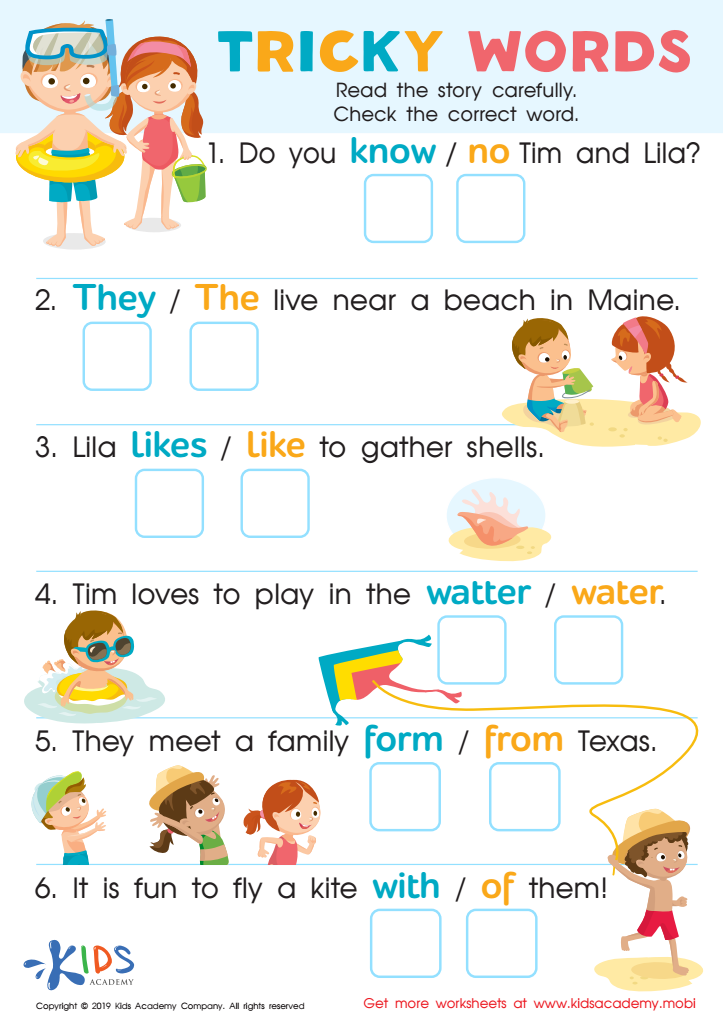
Tricky Words Worksheet
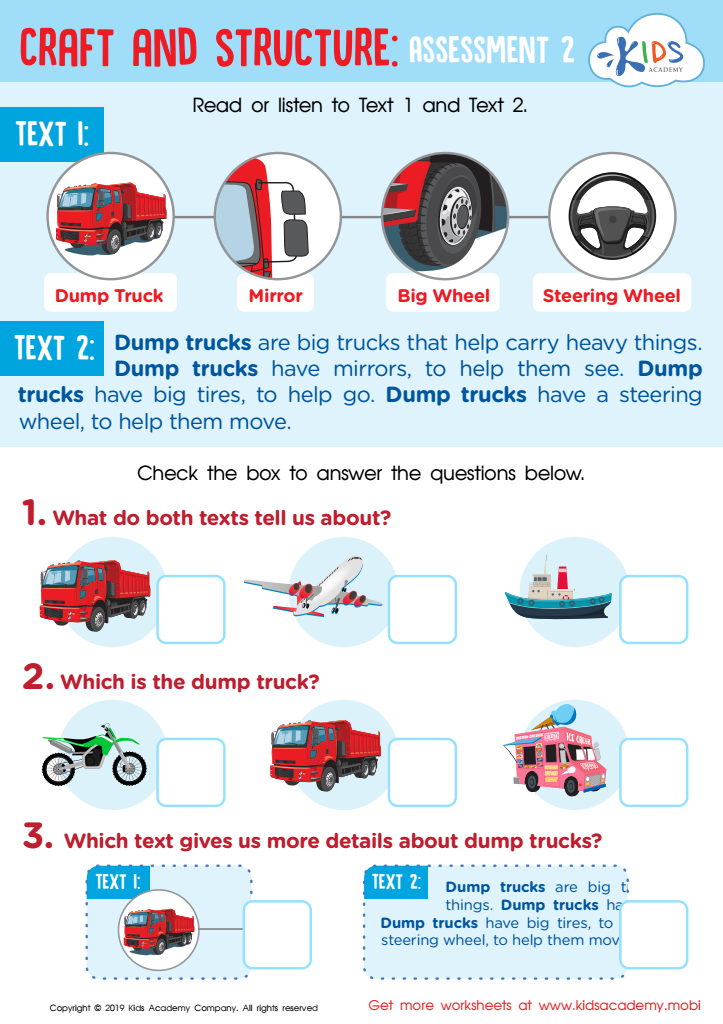
Craft and Structure: Assessment 2 Worksheet
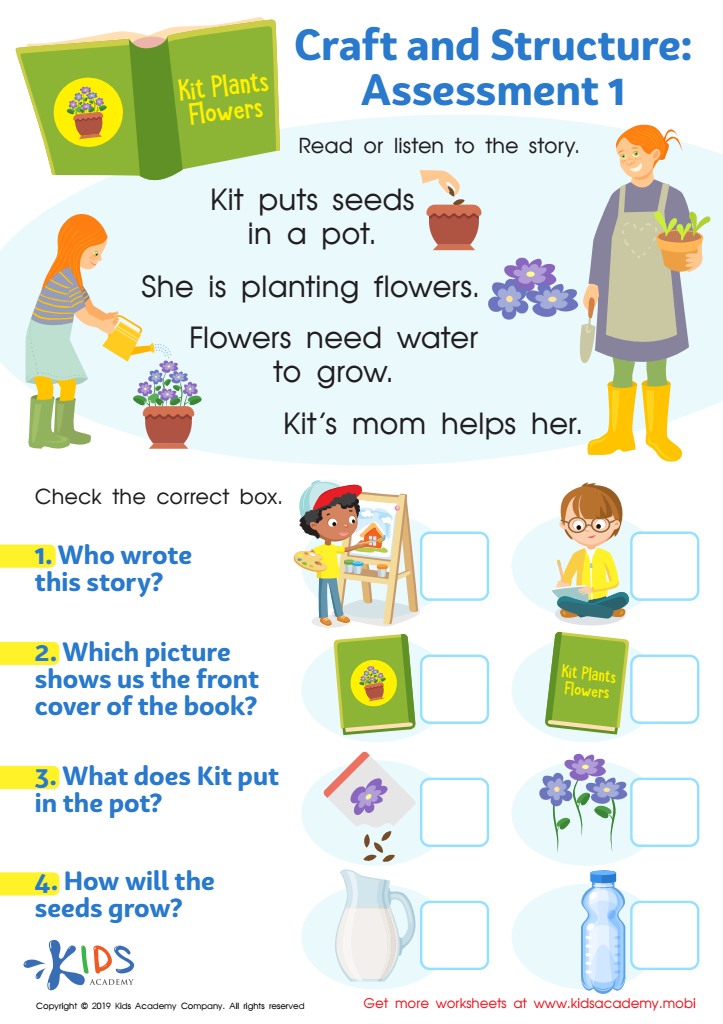
Craft and Structure: Assessment 1 Worksheet
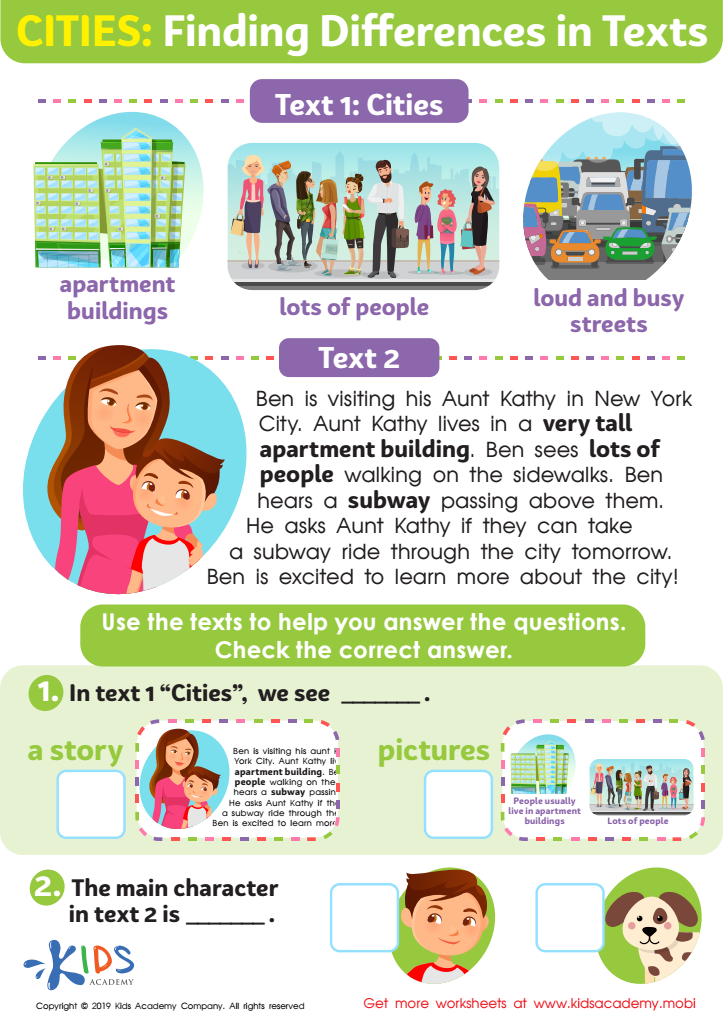
Cities: Finding Differences Worksheet
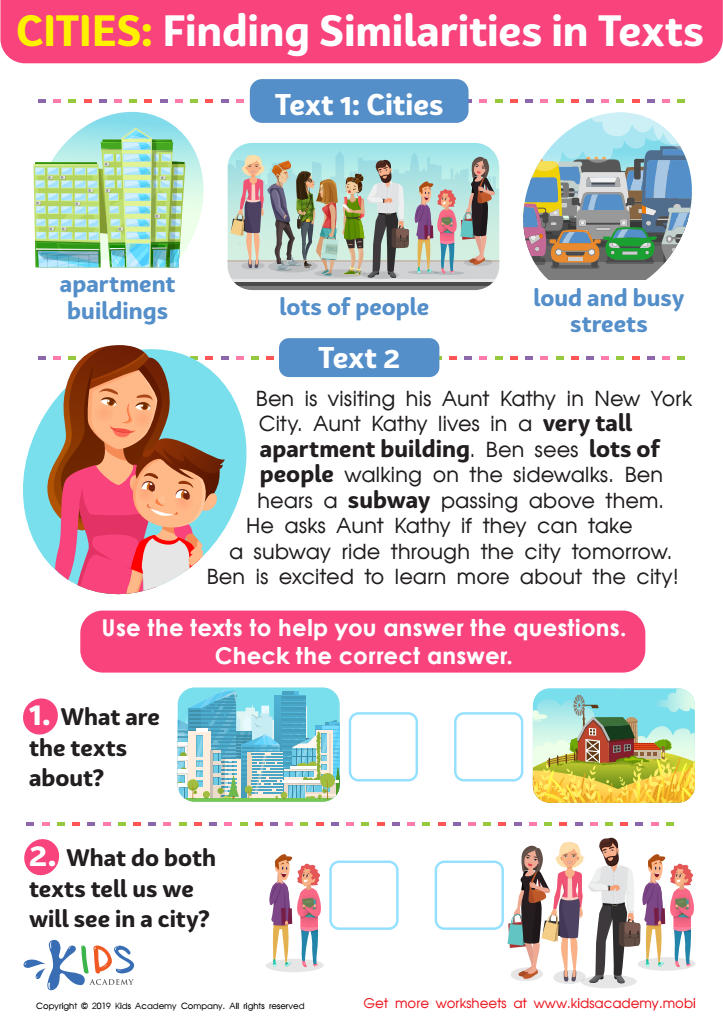
Cities: Finding Similarities Worksheet
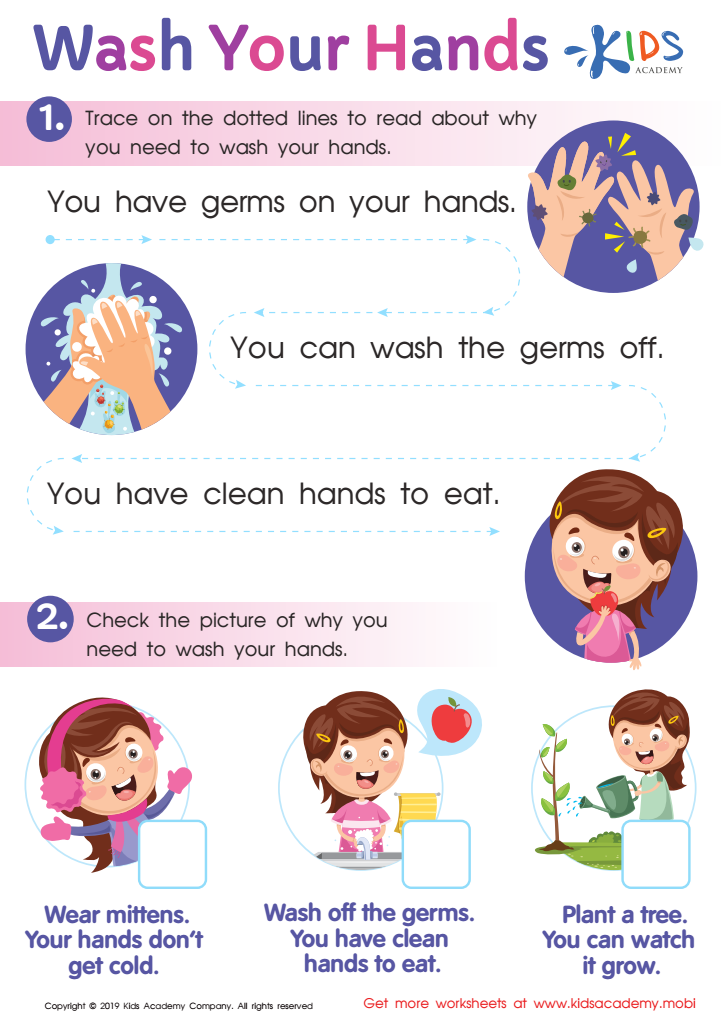
Wash Your Hands Worksheet
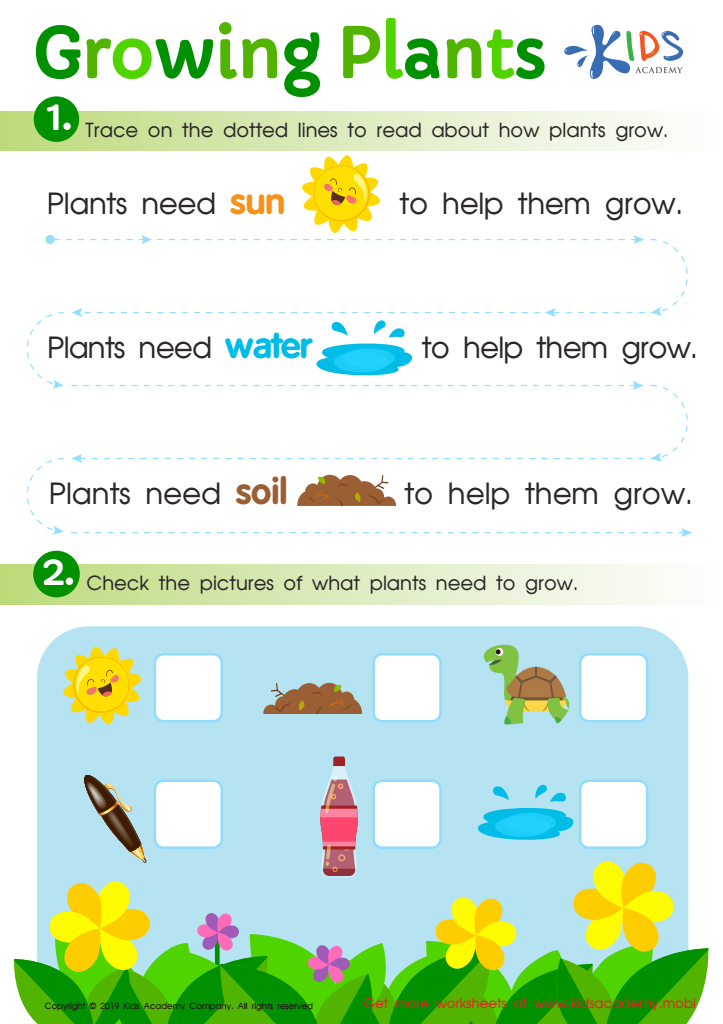
Growing Plants Worksheet
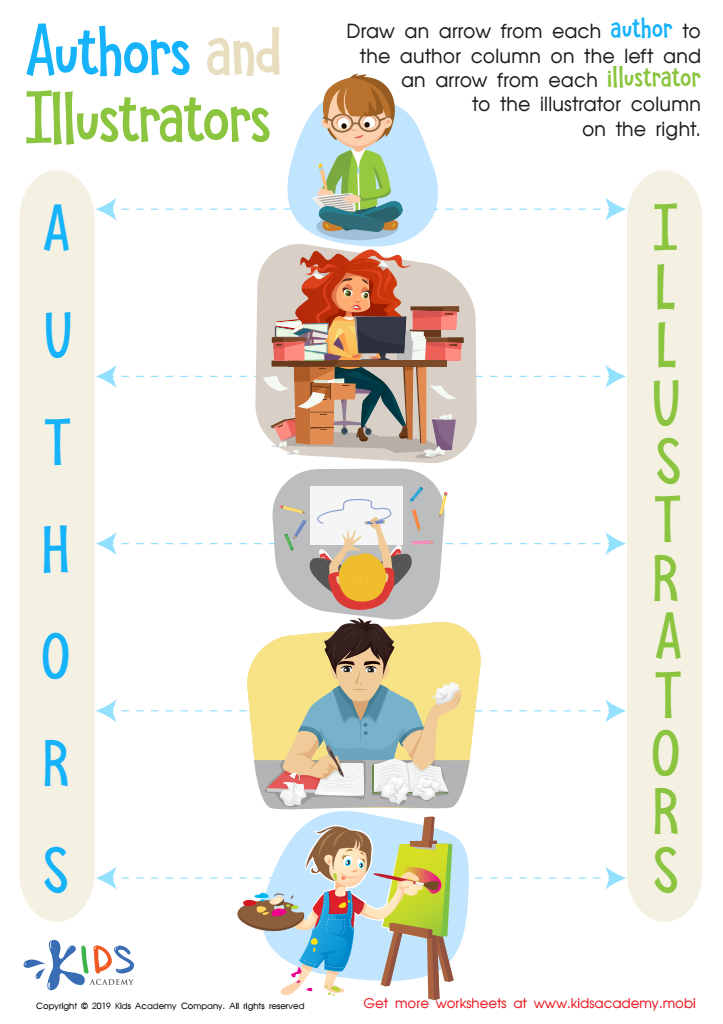
Authors and Illustrators Worksheet
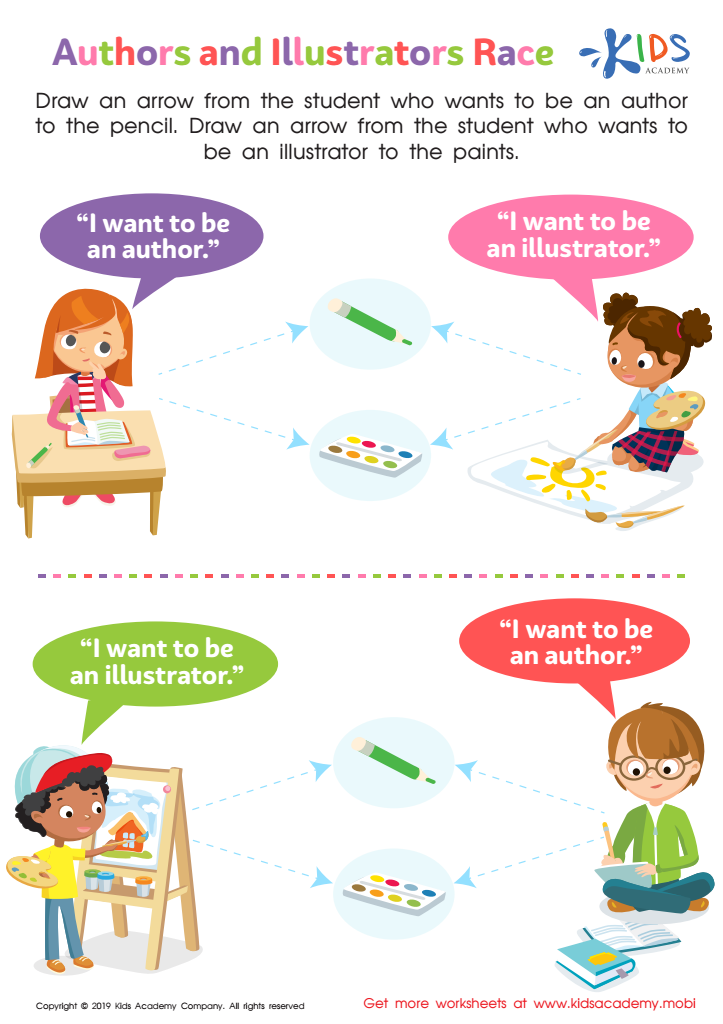
Authors and Illustrators Race Worksheet
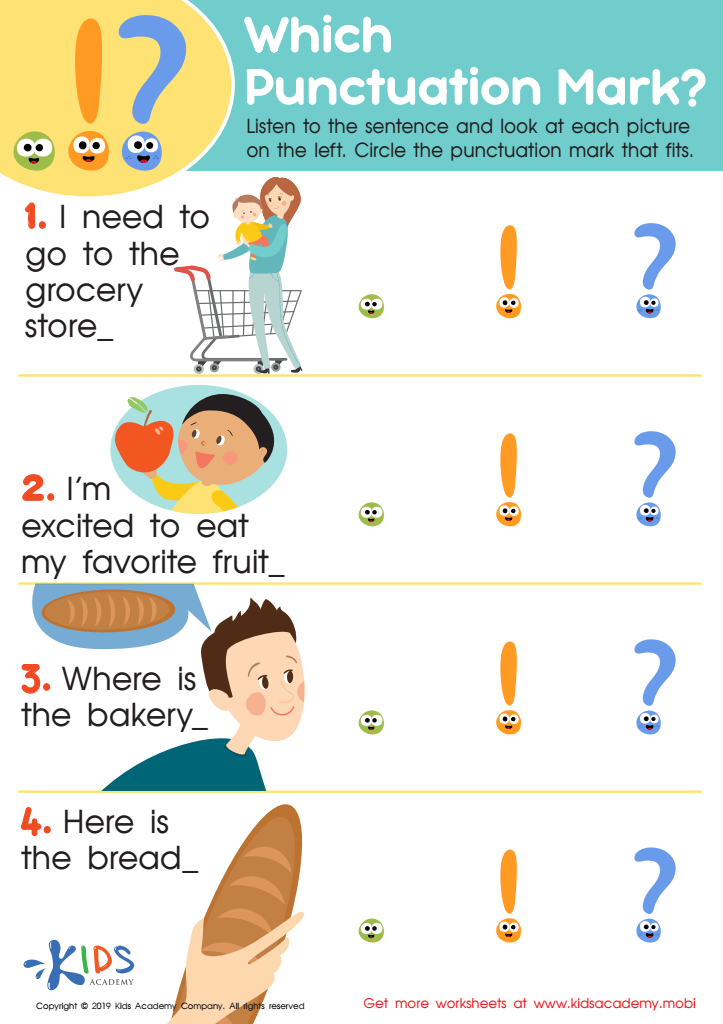
Which Punctuation Mark Worksheet
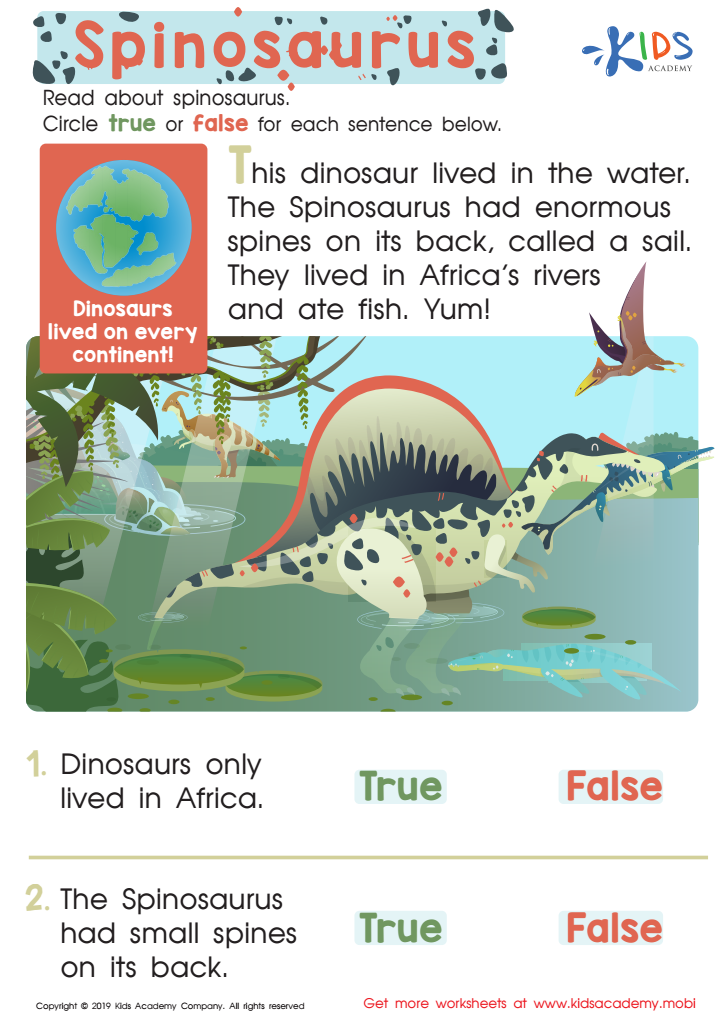
Spinosaurus Assessment Worksheet
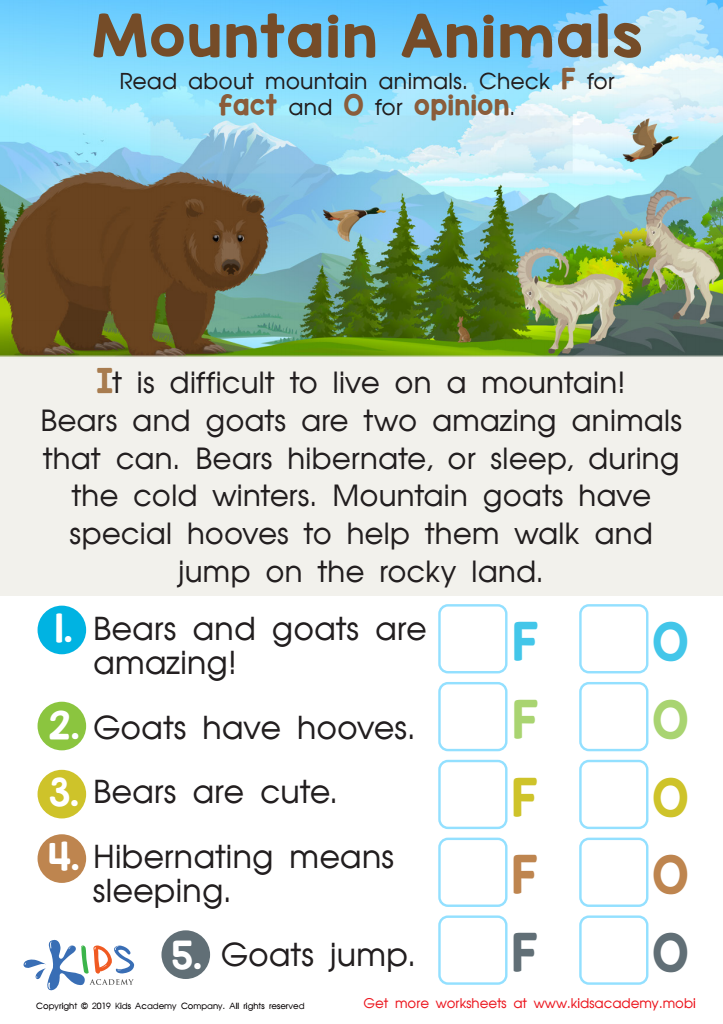
Mountain Animals Worksheet
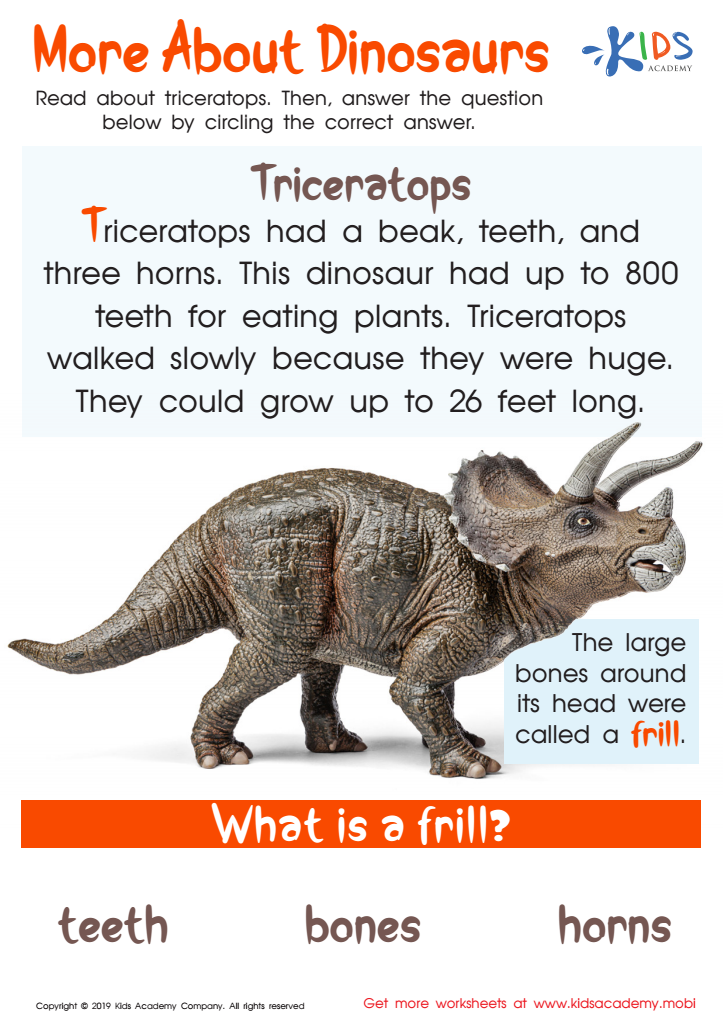
More About Dinosaurs Worksheet
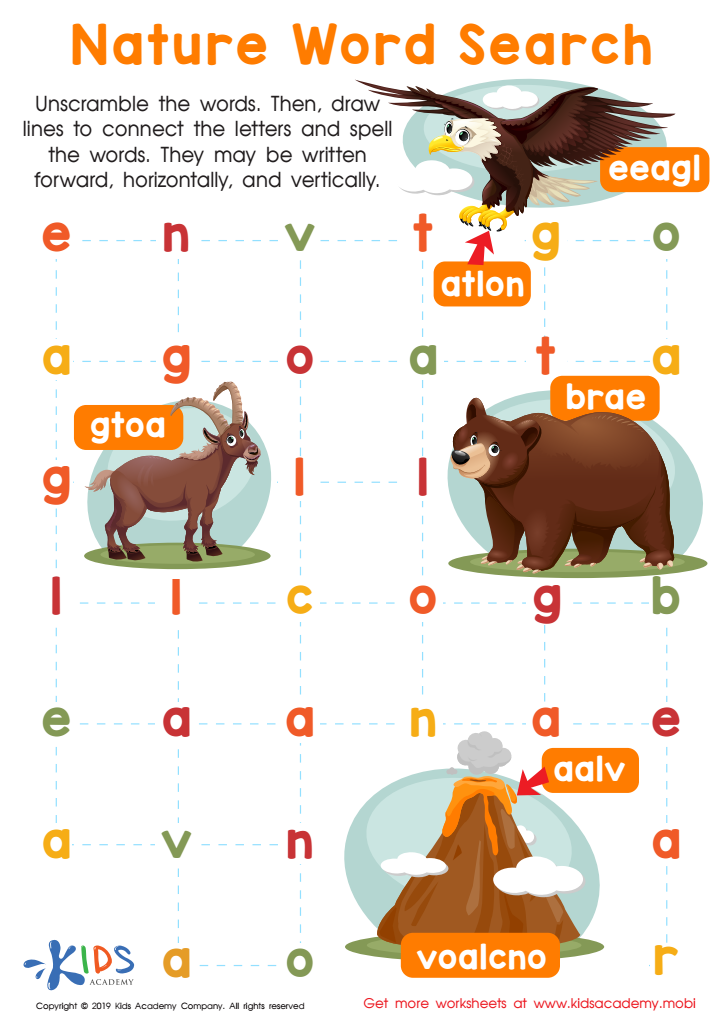
Nature Word Search Worksheet
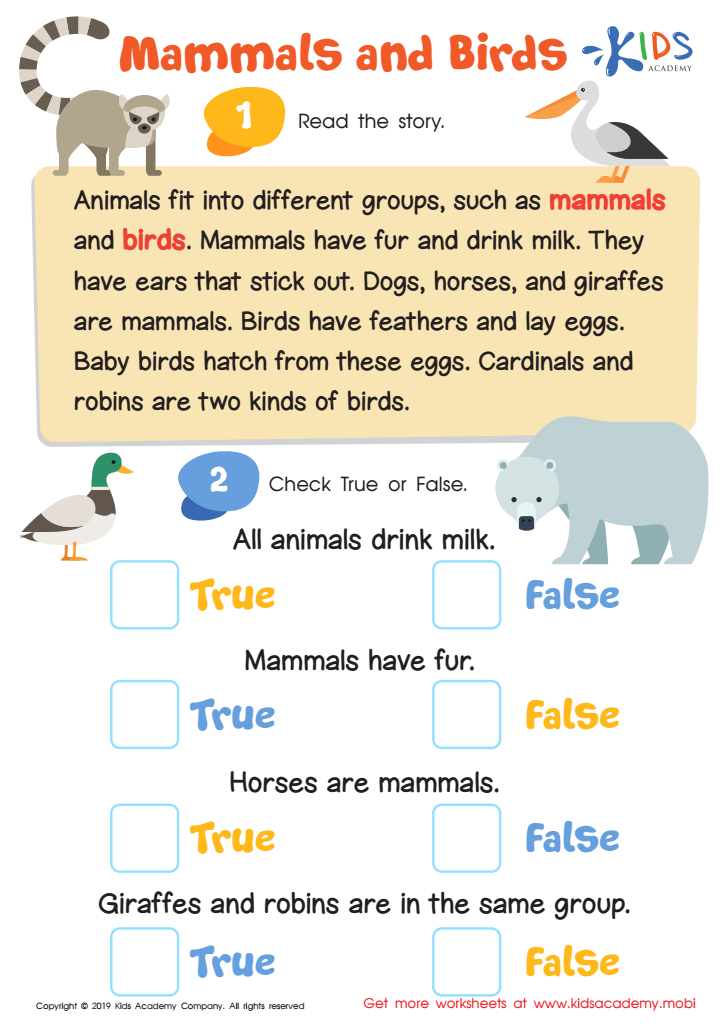
Mammals and Birds Worksheet
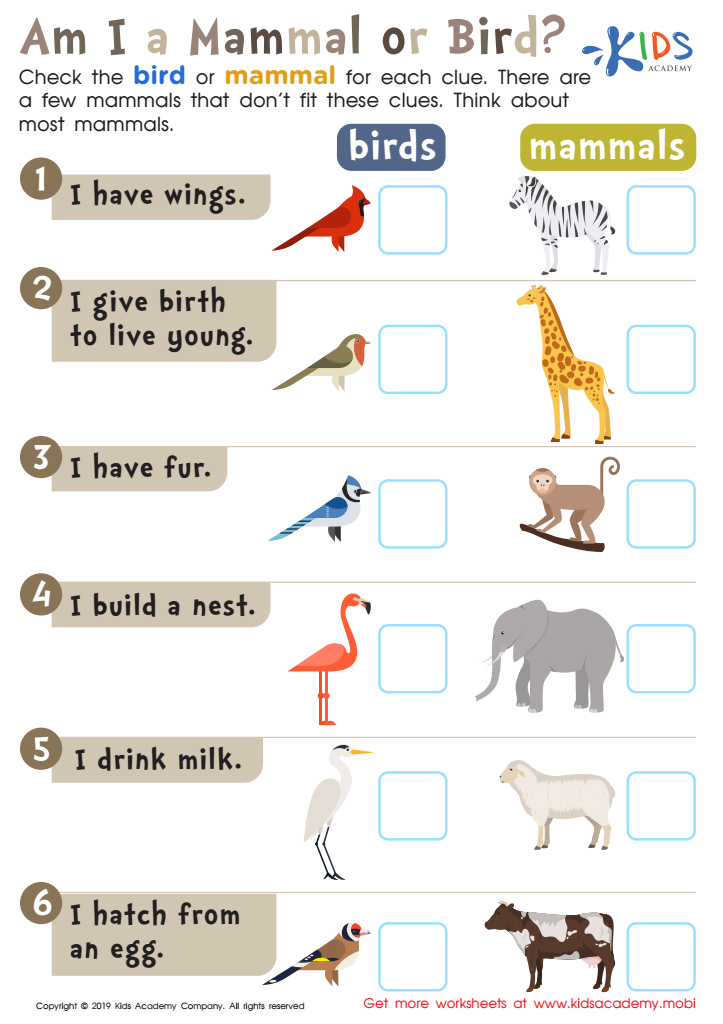
Am I a Mammal or Bird? Worksheet
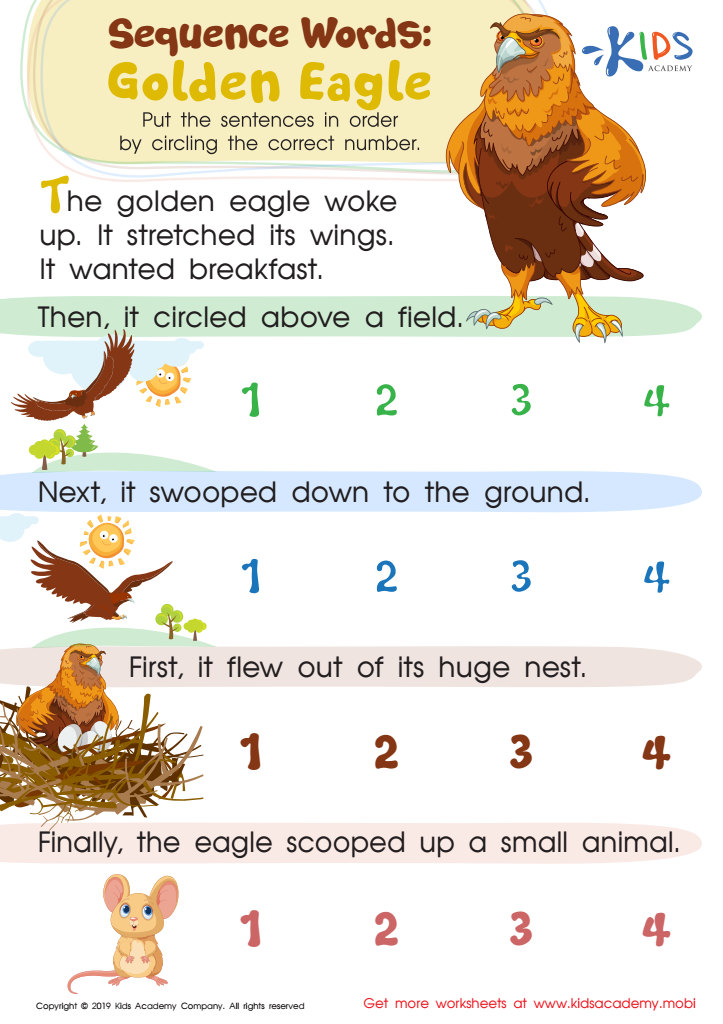
Sequence Word Eagle Worksheet
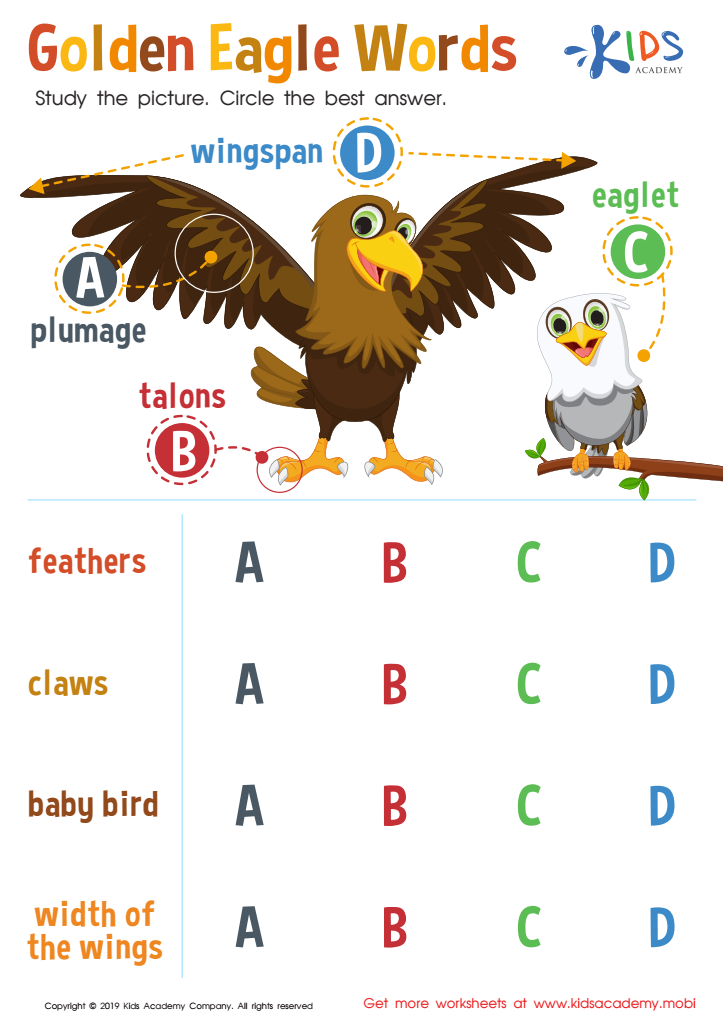
Golden Eagle Words Worksheet
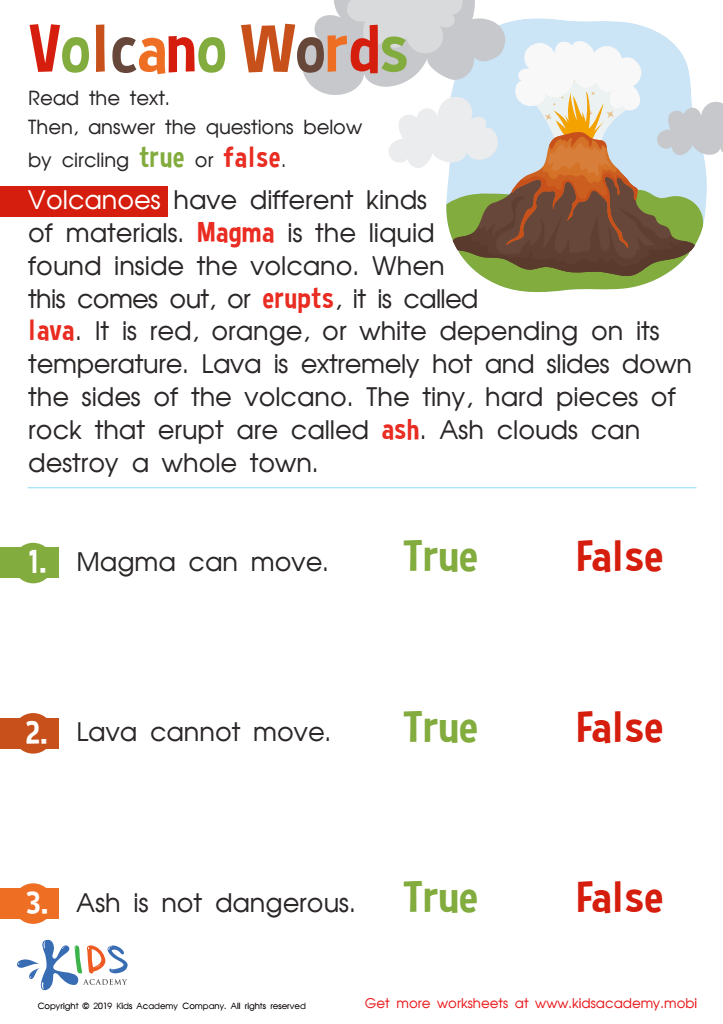
Volcano Words Worksheet
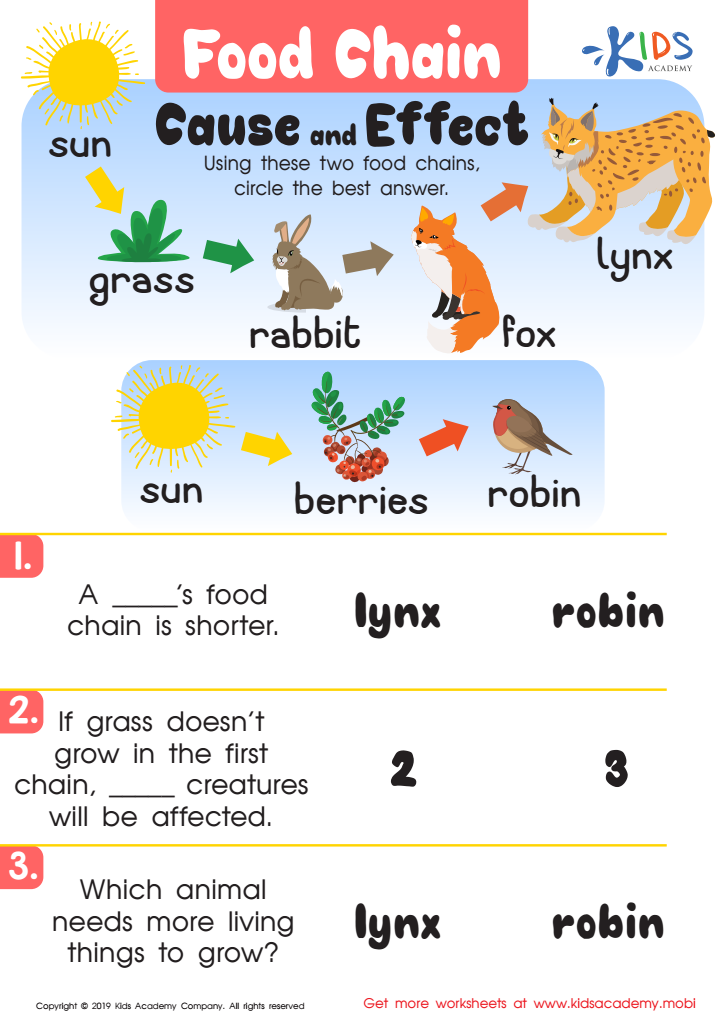
Food Chain Cause Worksheet
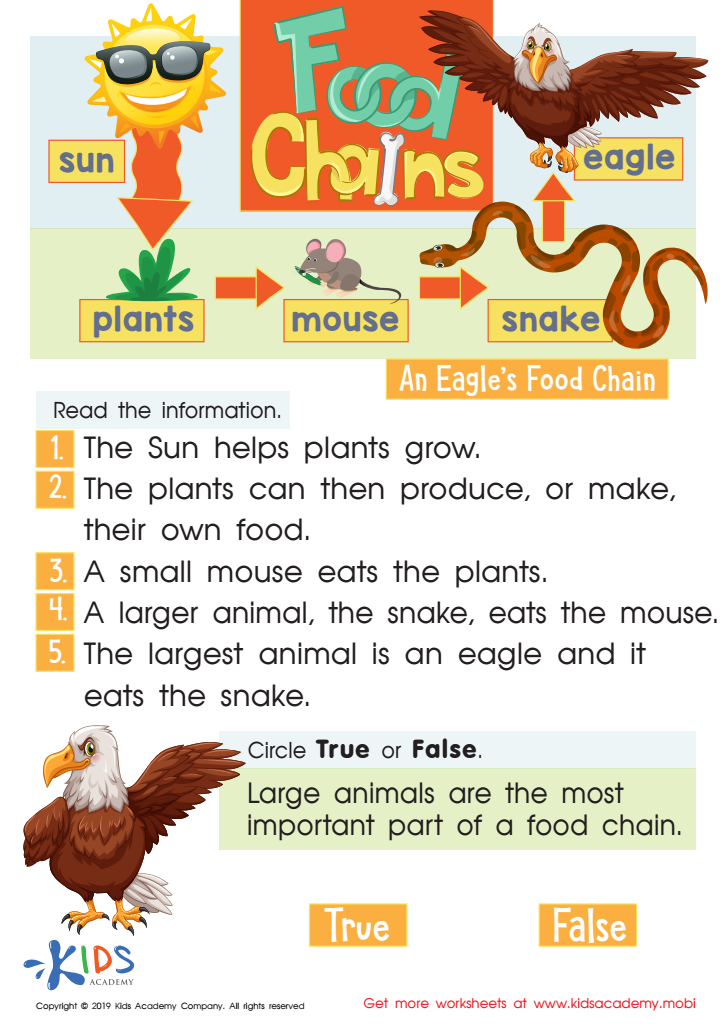
Food Chains Worksheet
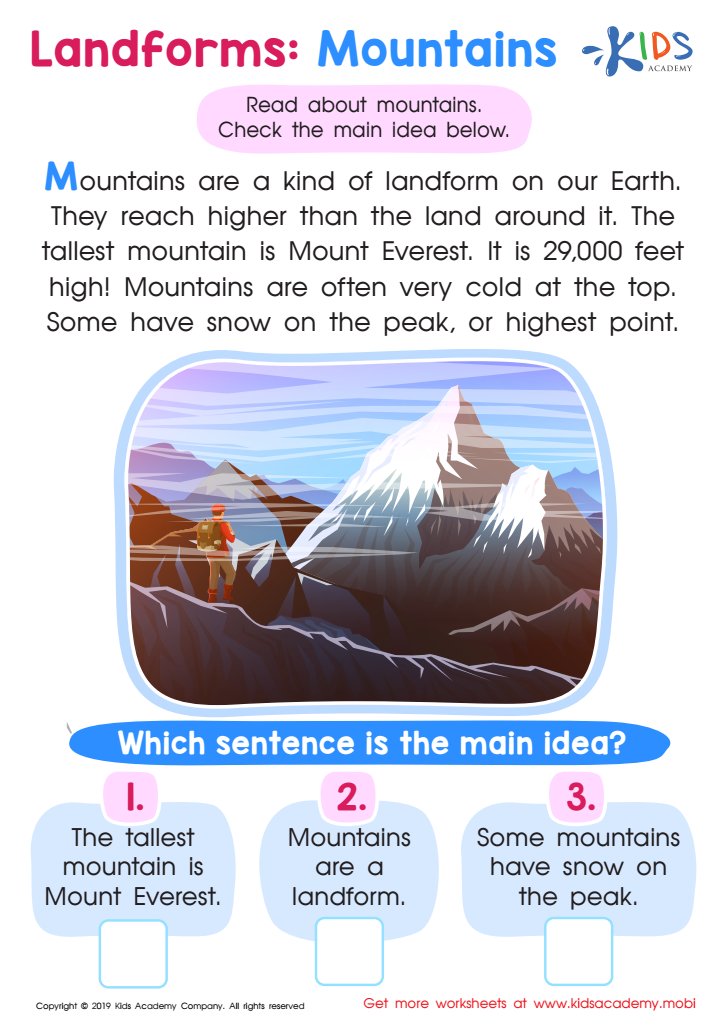
Landforms: Mountains Worksheet







Reading comprehension is foundational for the academic and lifelong success of children ages 5-9. This critical skill enables young learners to understand and process the information they read, which is essential across all subjects, from math word problems to understanding social studies texts.
First, strong reading comprehension contributes to cognitive development. When children grasp the meaning behind words and sentences, they build problem-solving abilities, enhance memory, and develop logical thinking. These skills are transferable across various disciplines and everyday activities.
Second, comprehension feeds curiosity and an eagerness to learn. When children understand what they read, they are more likely to find reading enjoyable and less of a chore. This intrinsic motivation promotes a love of learning and openness to new knowledge.
Additionally, fostering reading comprehension from an early age supports positive academic performance. Standardized tests and school assessments often depend heavily on reading skills. Children who can effectively understand text are more likely to perform well and maintain high academic achievement.
Finally, strong reading comprehension skills foster social development. Stories teach children about cultures, emotions, and different perspectives. This broader understanding promotes empathy and effective communication.
Therefore, parents and teachers should prioritize developing reading comprehension to build a strong academic foundation, stimulate intellectual curiosity, enhance social skills, and ultimately prepare children for future success.








