Science Worksheets for Ages 5-9 - Page 16
393 filtered results
-
From - To
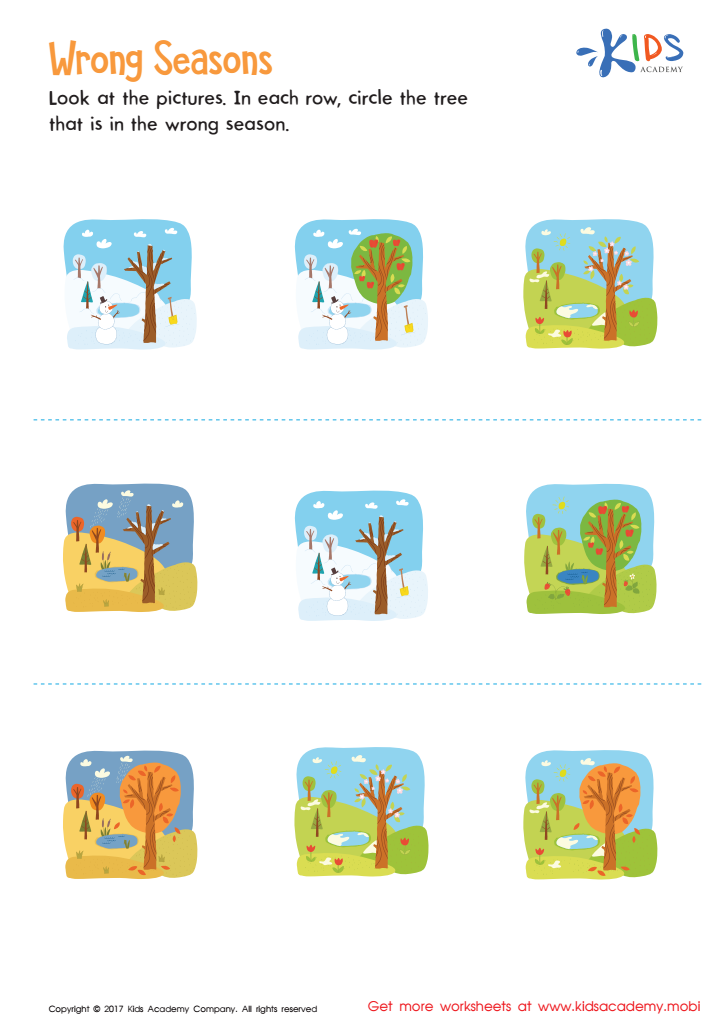
Wrong Seasons Worksheet
 Assign to My Students
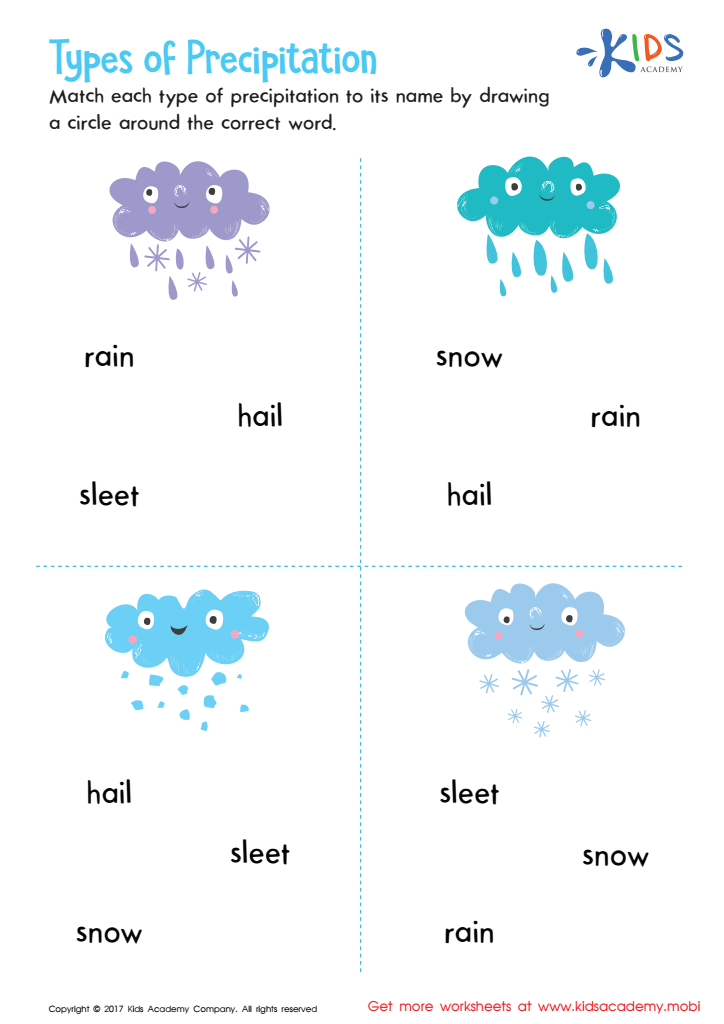
Types of Precipitation Printable
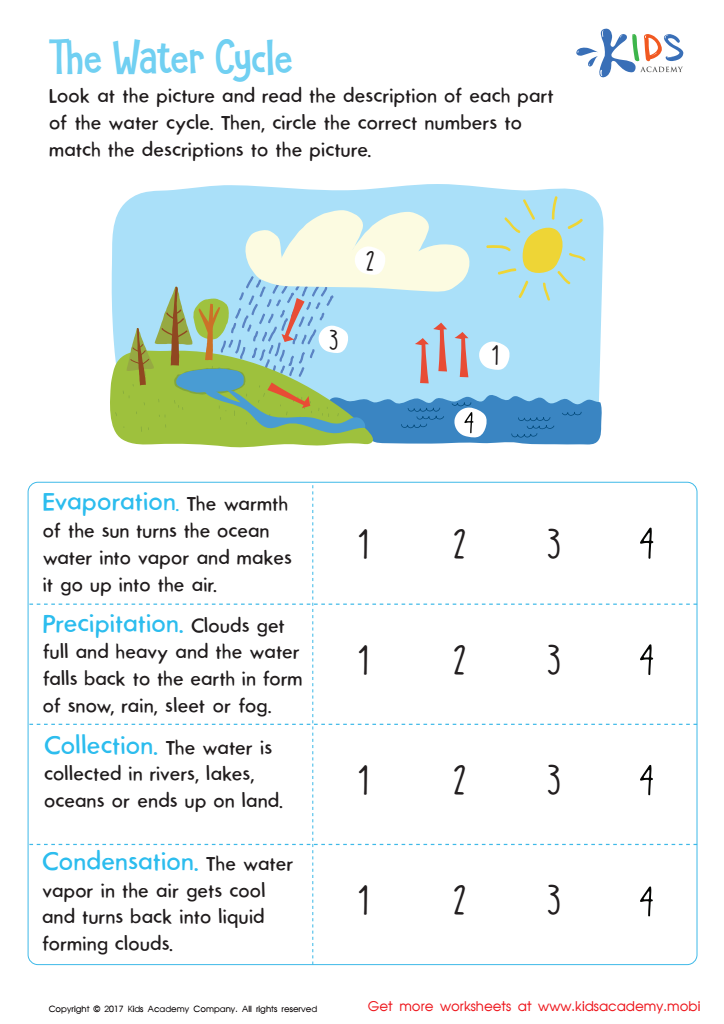
The Water Cycle Worksheet
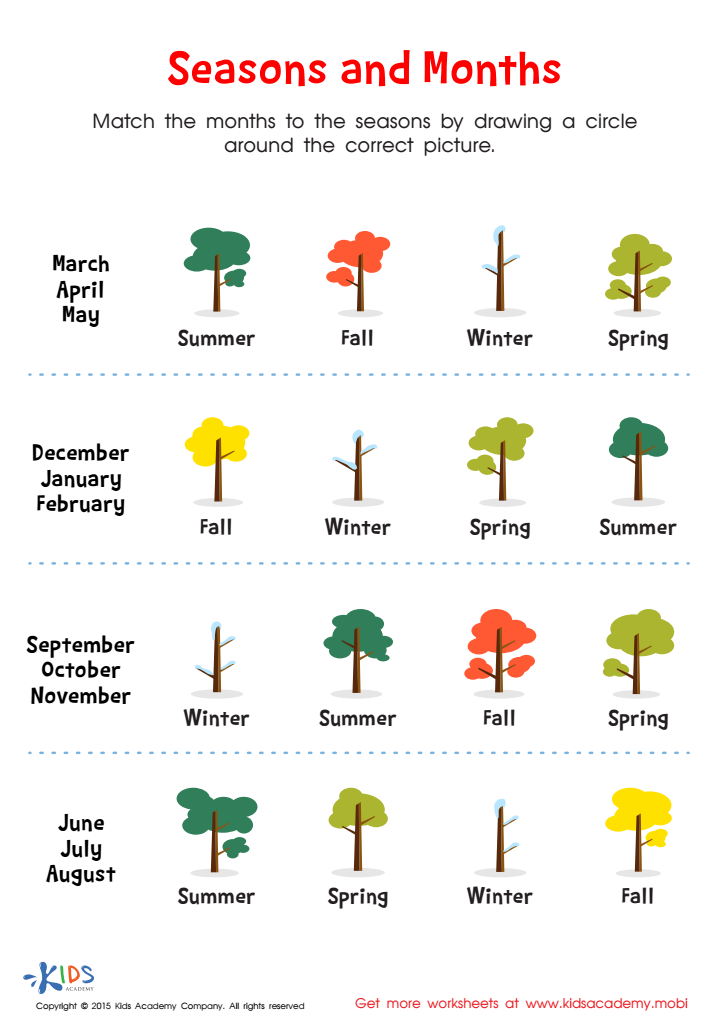
Seasons and Months Worksheet
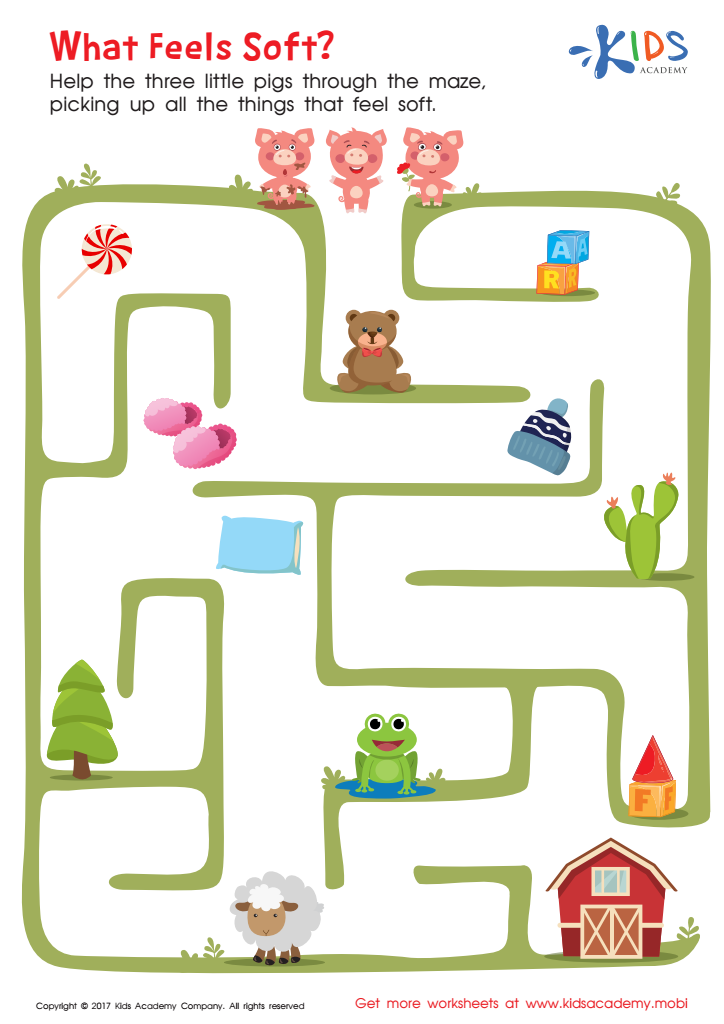
What Feels Soft Printable
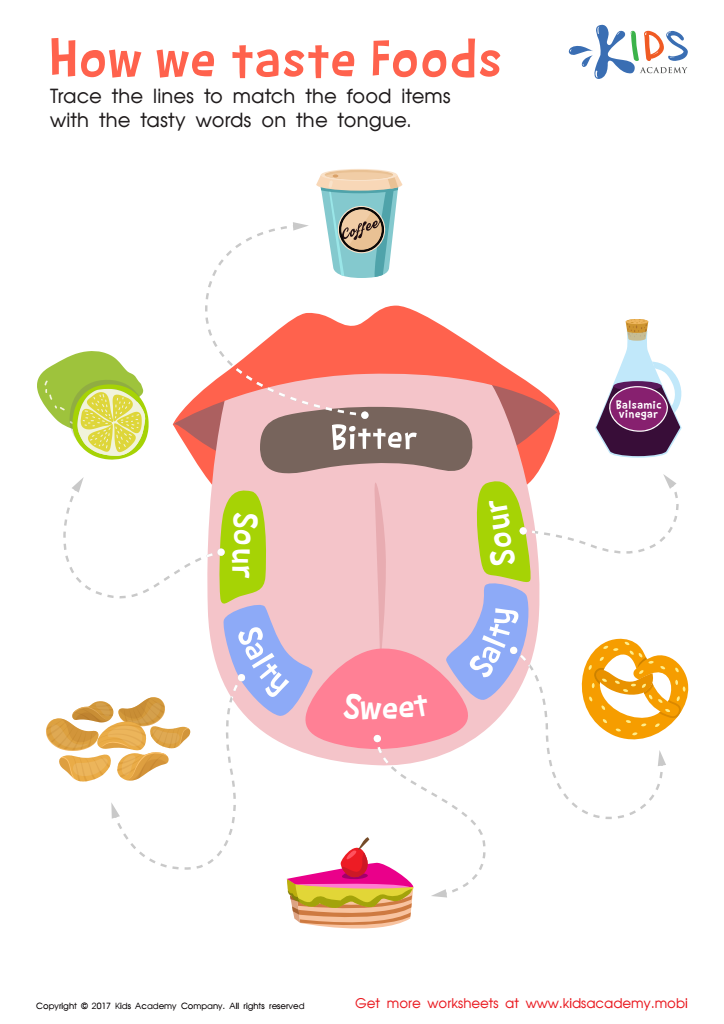
How We Taste Foods Worksheet
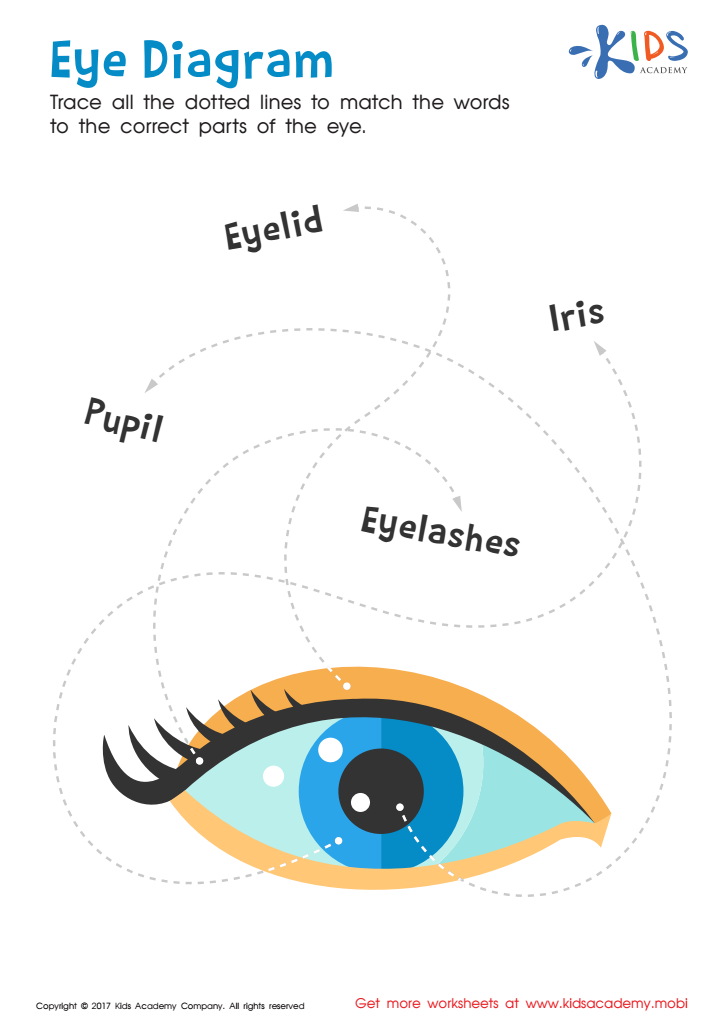
Eye Diagram Printable
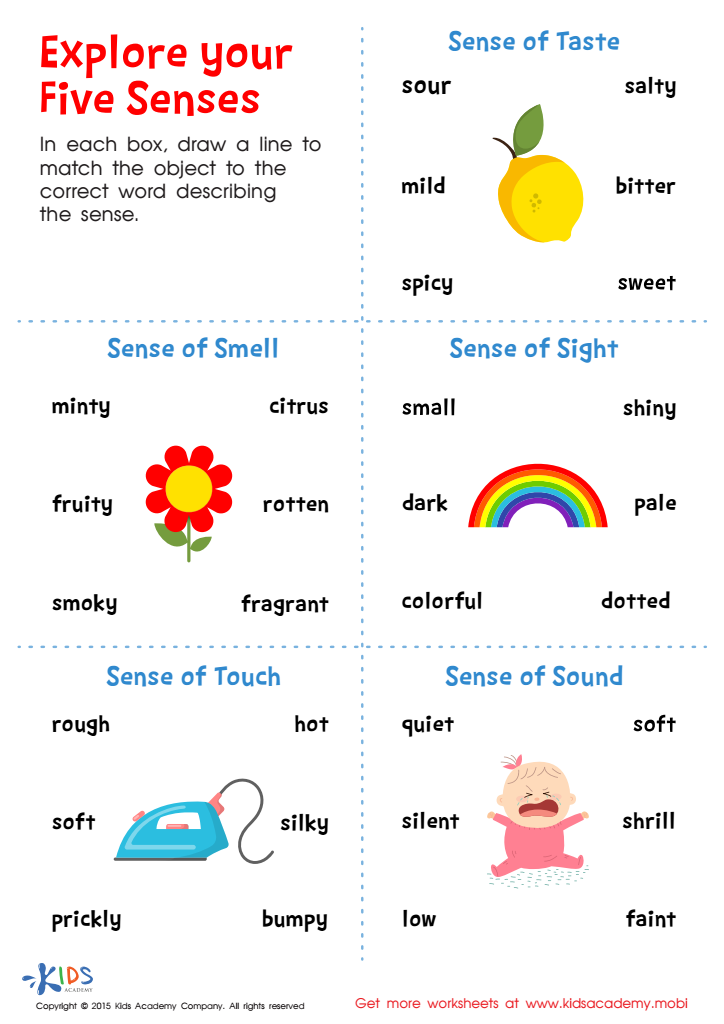
Explore Your Five Senses Printable
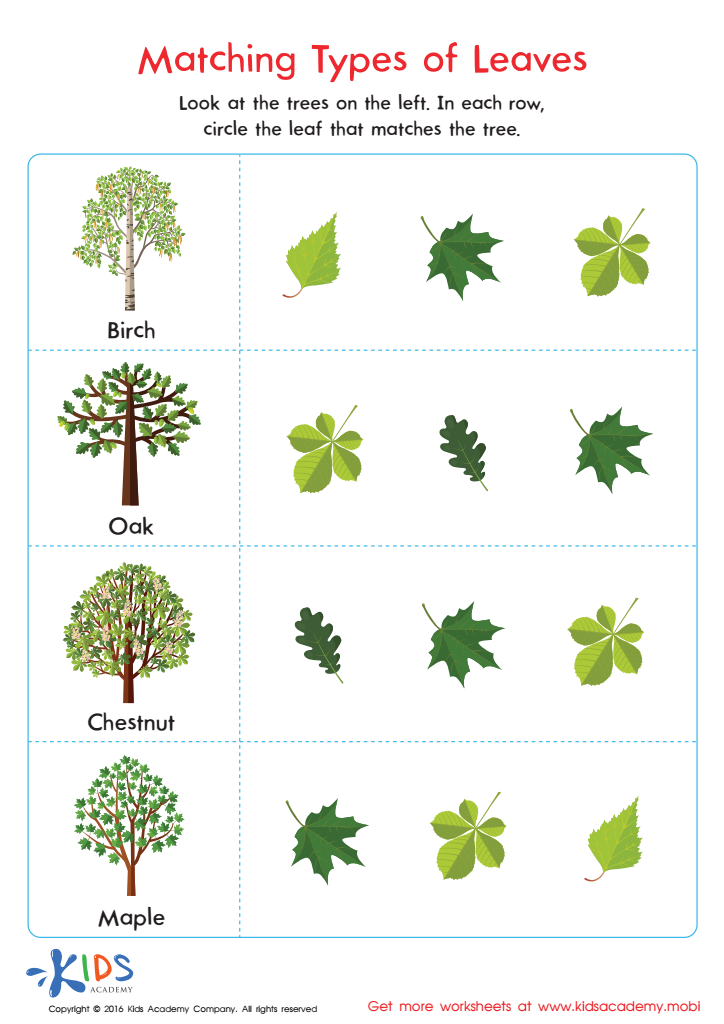
Matching Types of Leaves Printable
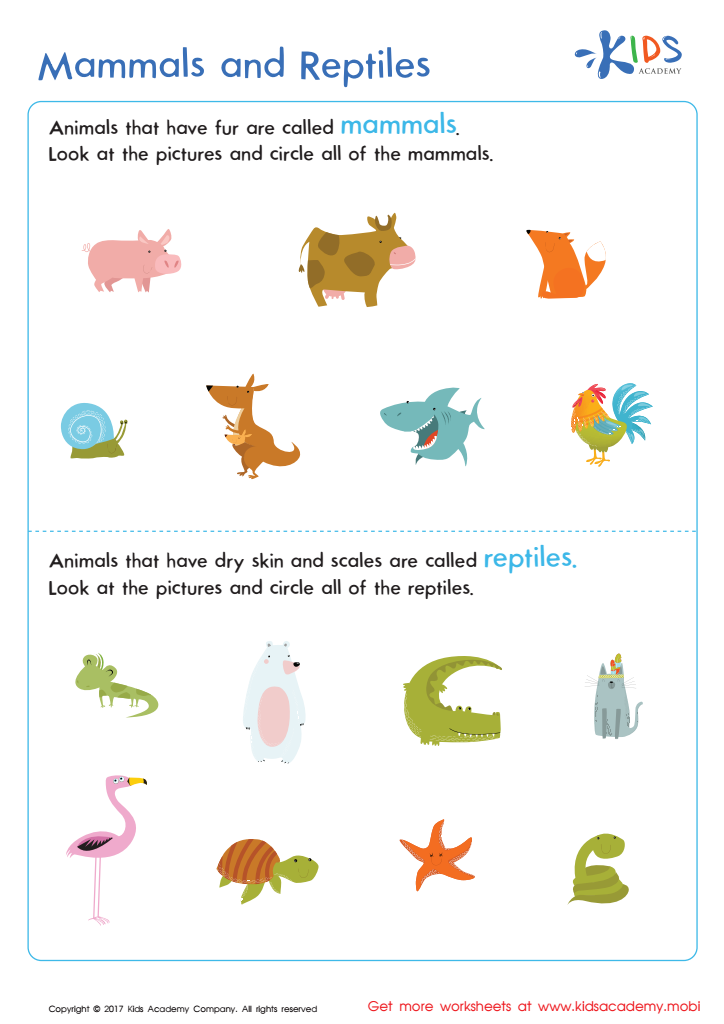
Mammals and Reptiles Worksheet

Identifying Living or Non–living Worksheet
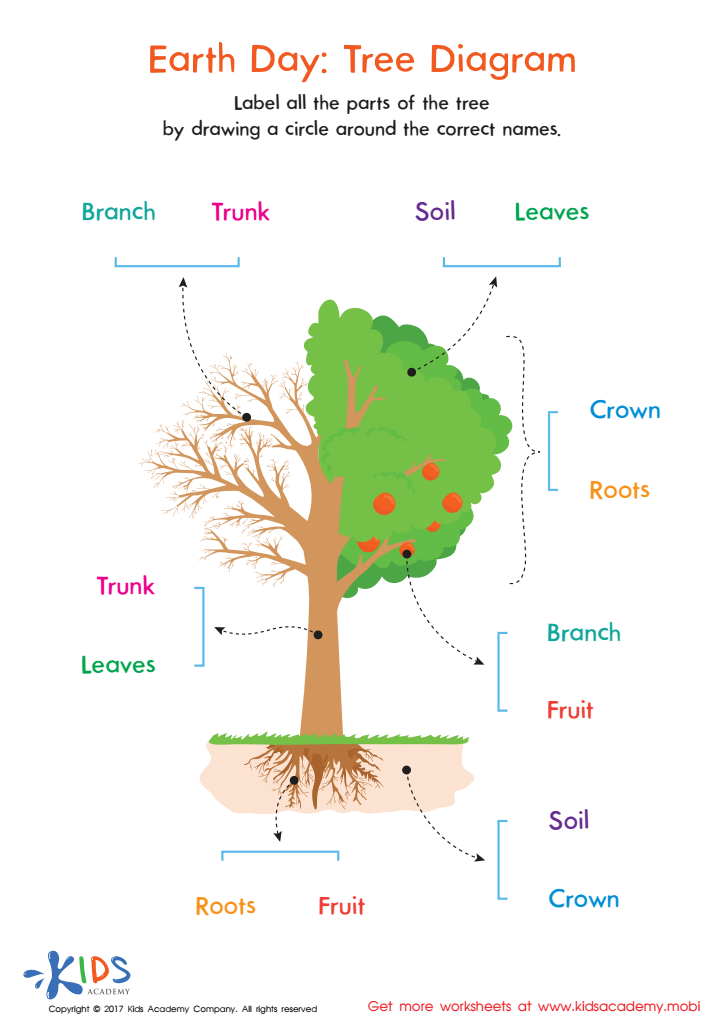
Earth Day: Tree Diagram Worksheet
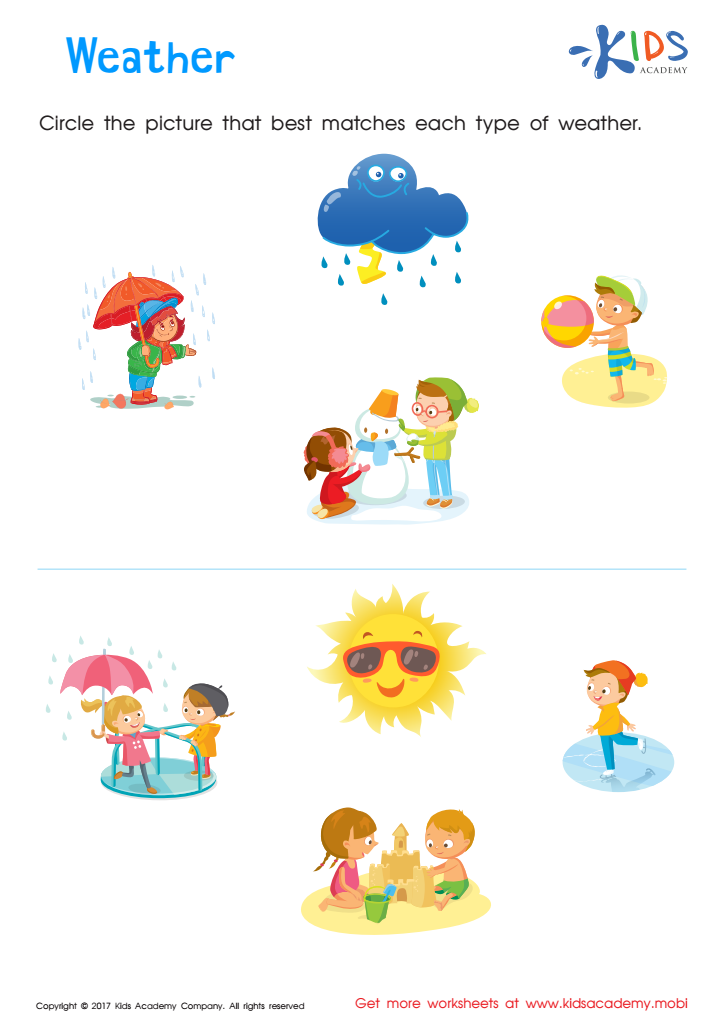
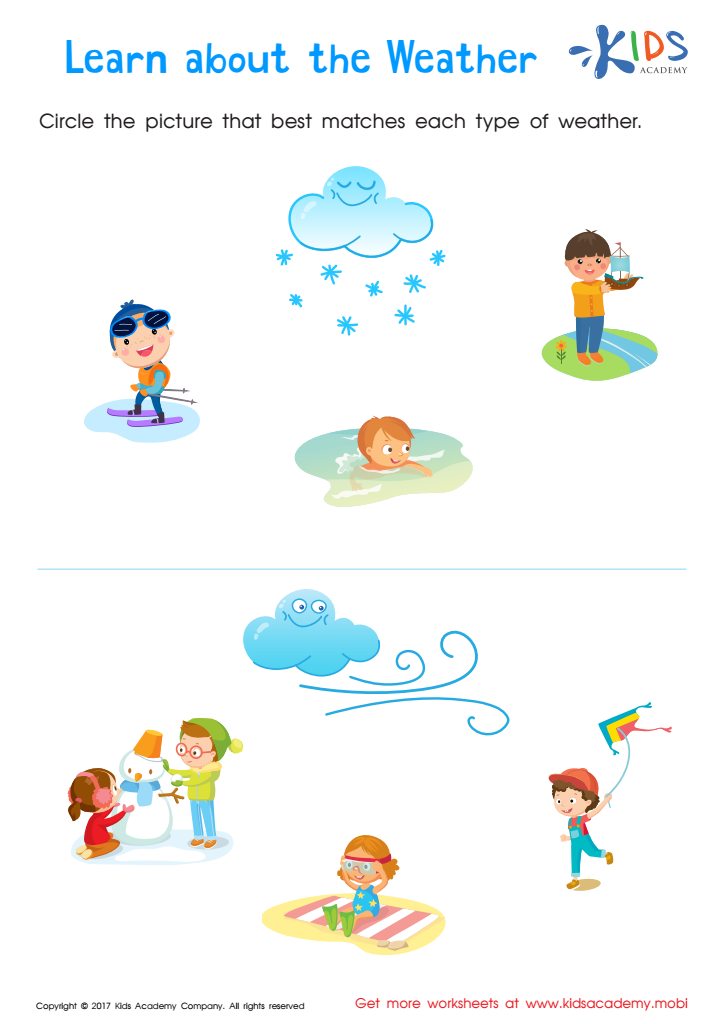
About the Weather Printable
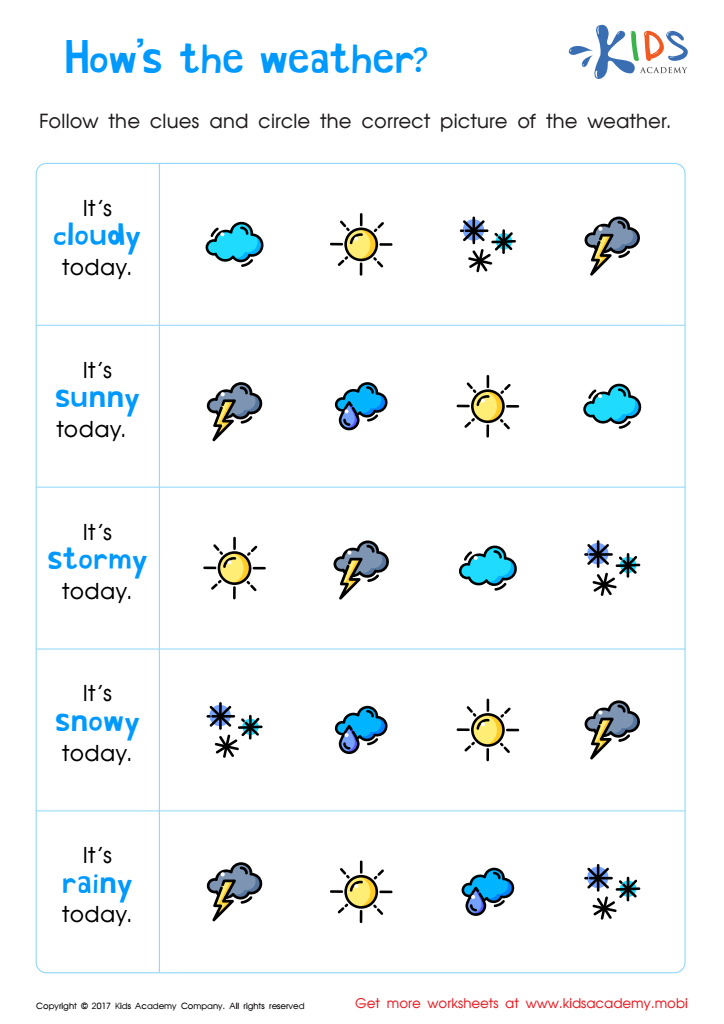
Hows the Weather Worksheet
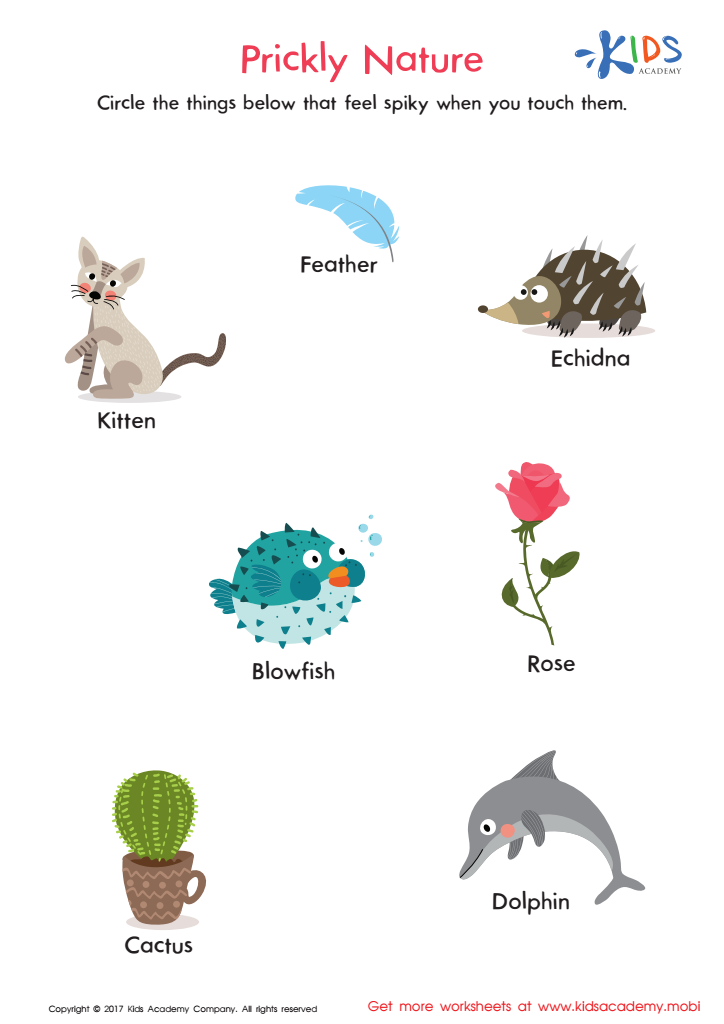
Prickly Nature Worksheet
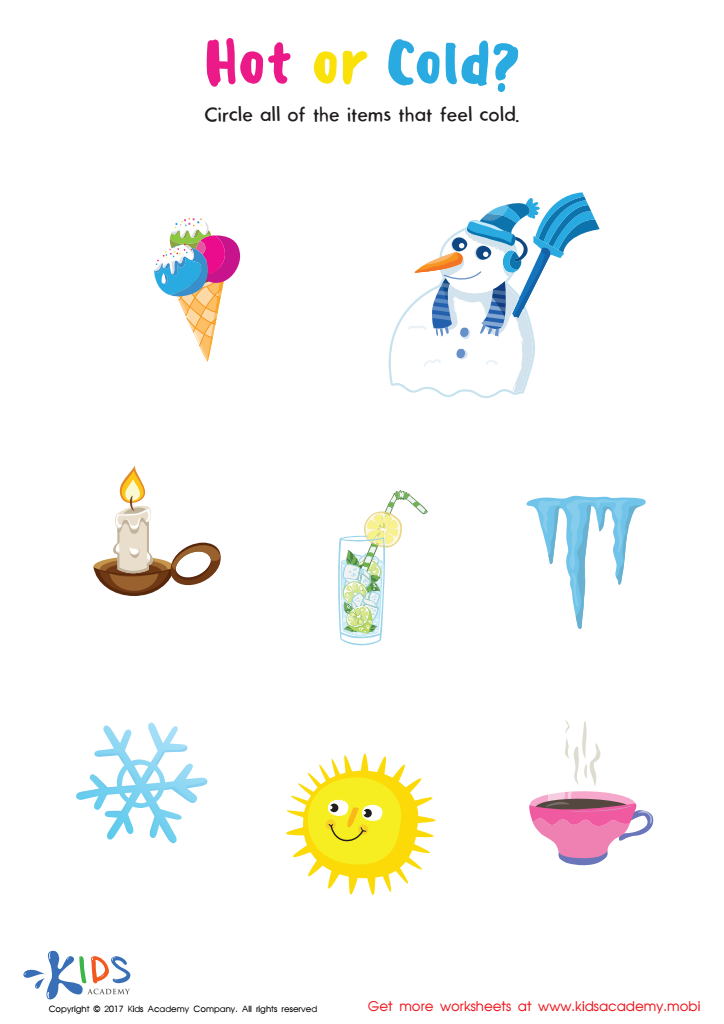
Hot or Cold Printable
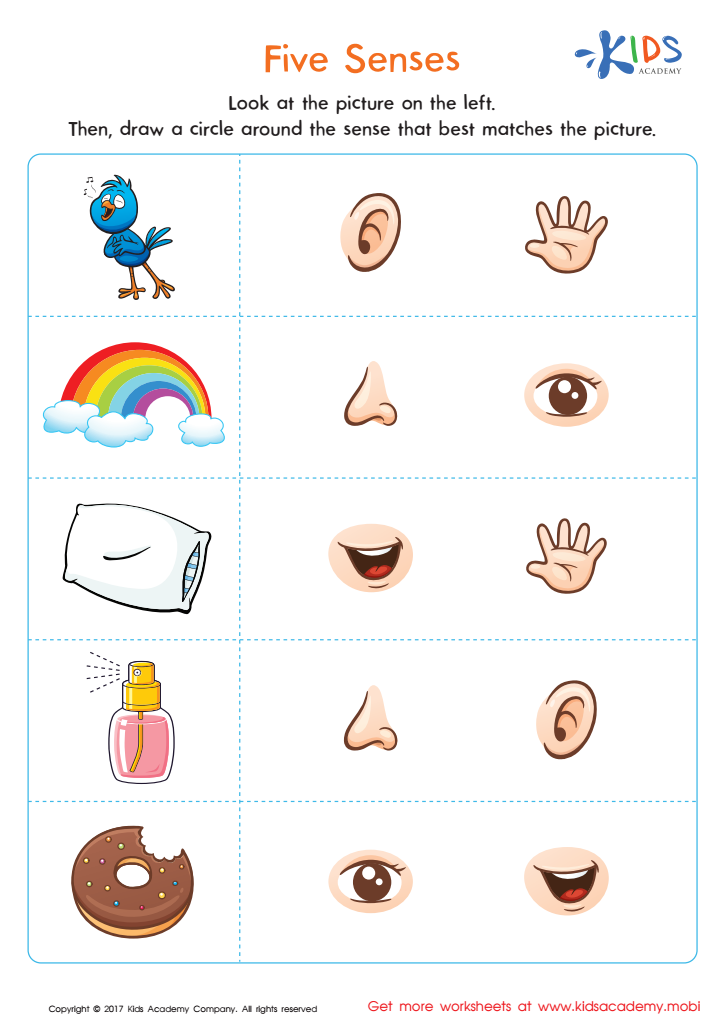
Five Senses Printable
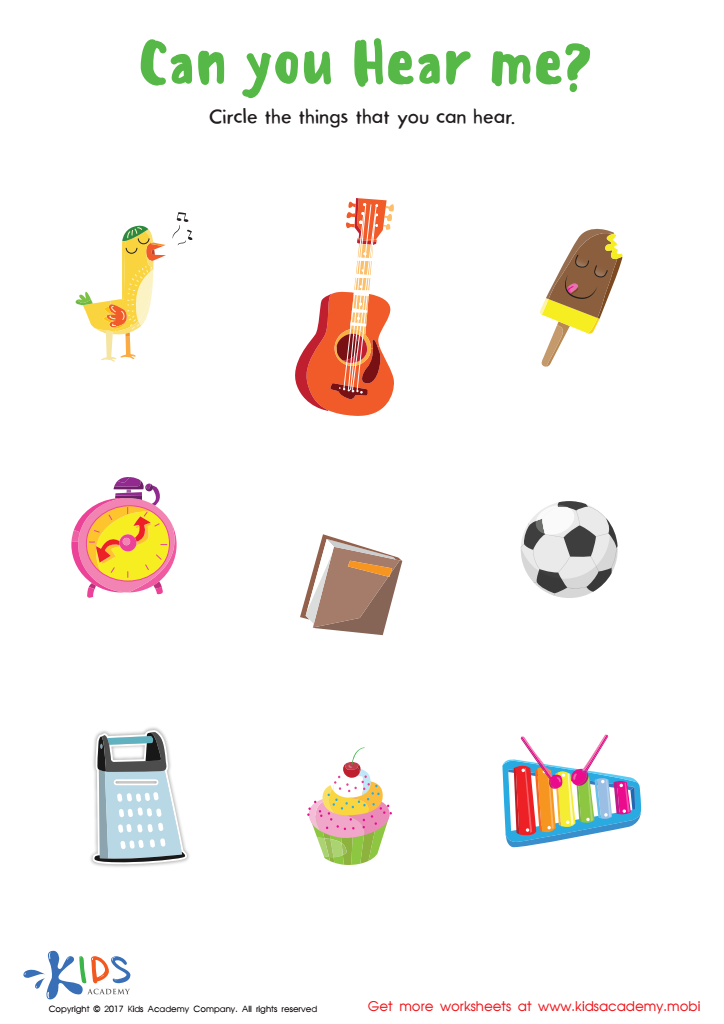
Can You Hear Me Worksheet
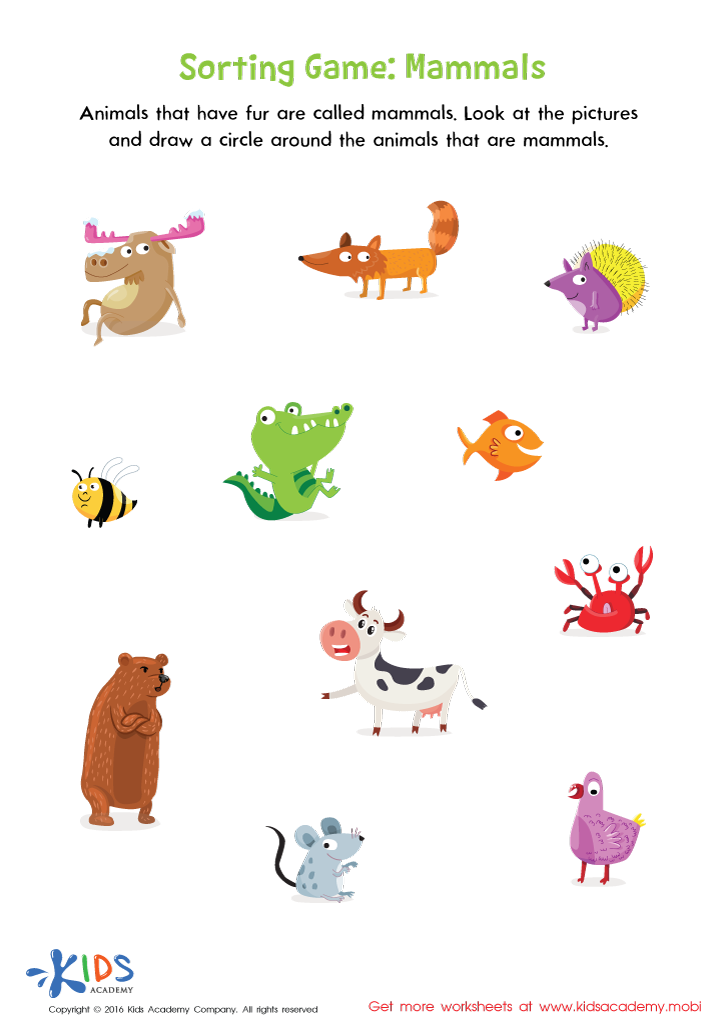
Mammals Sorting Worksheet
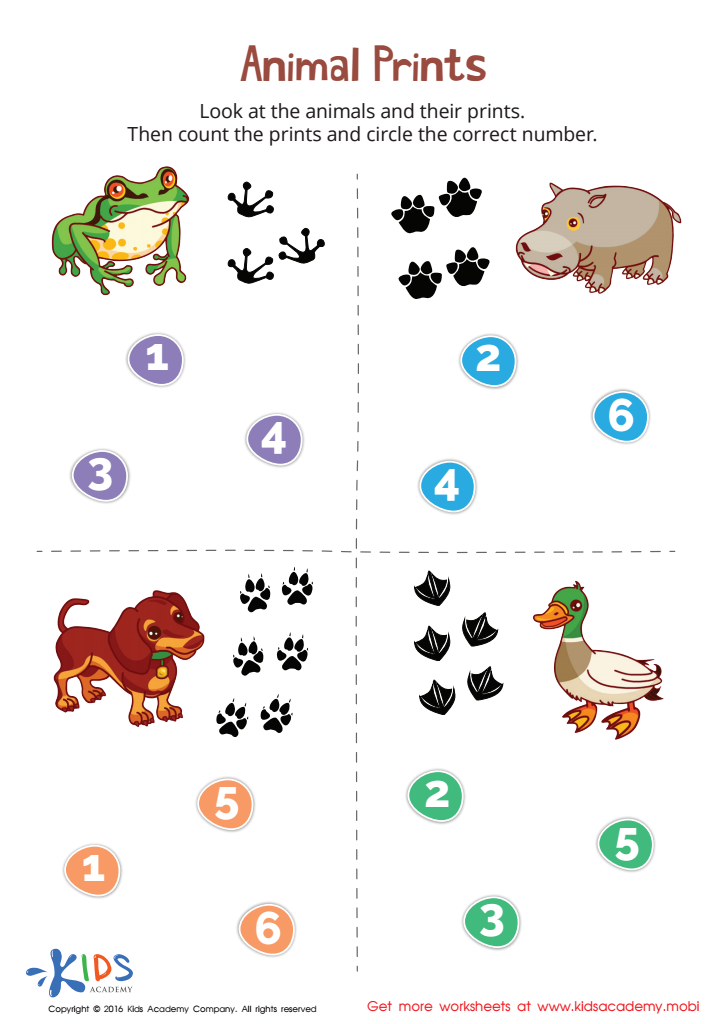
Animal Prints Match-Up Worksheet
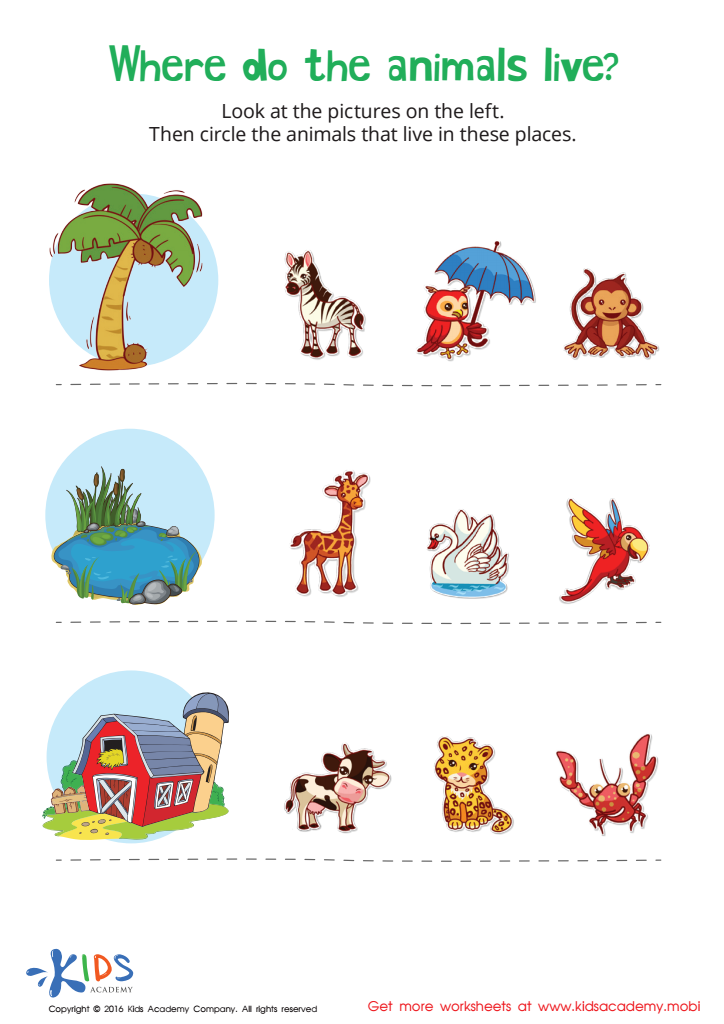
Where Animals Live Worksheet
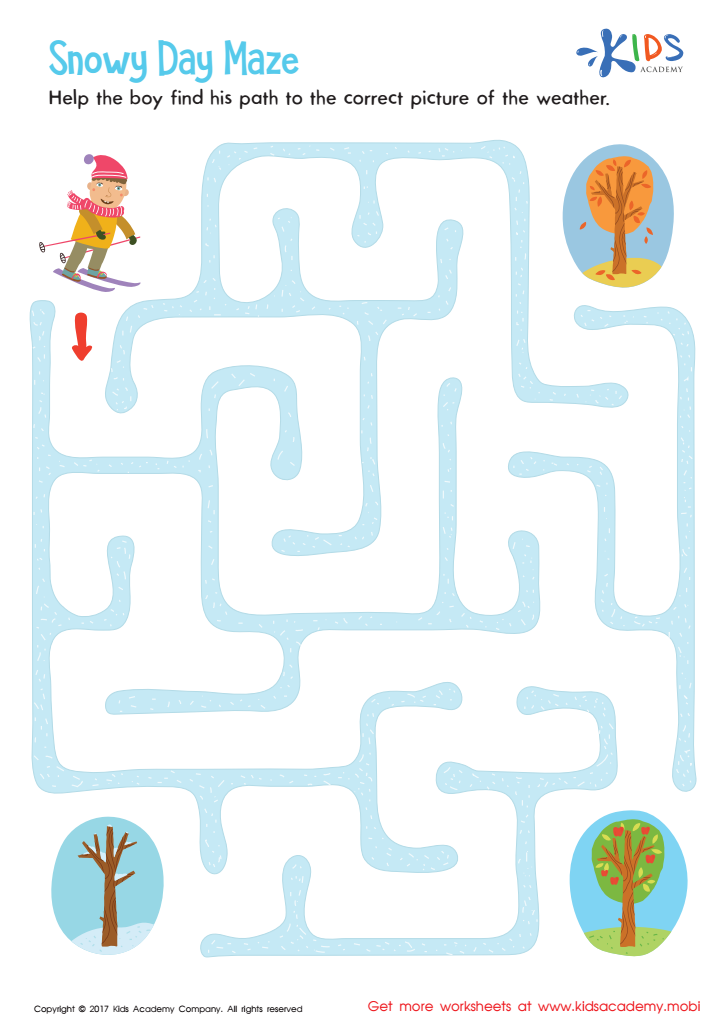
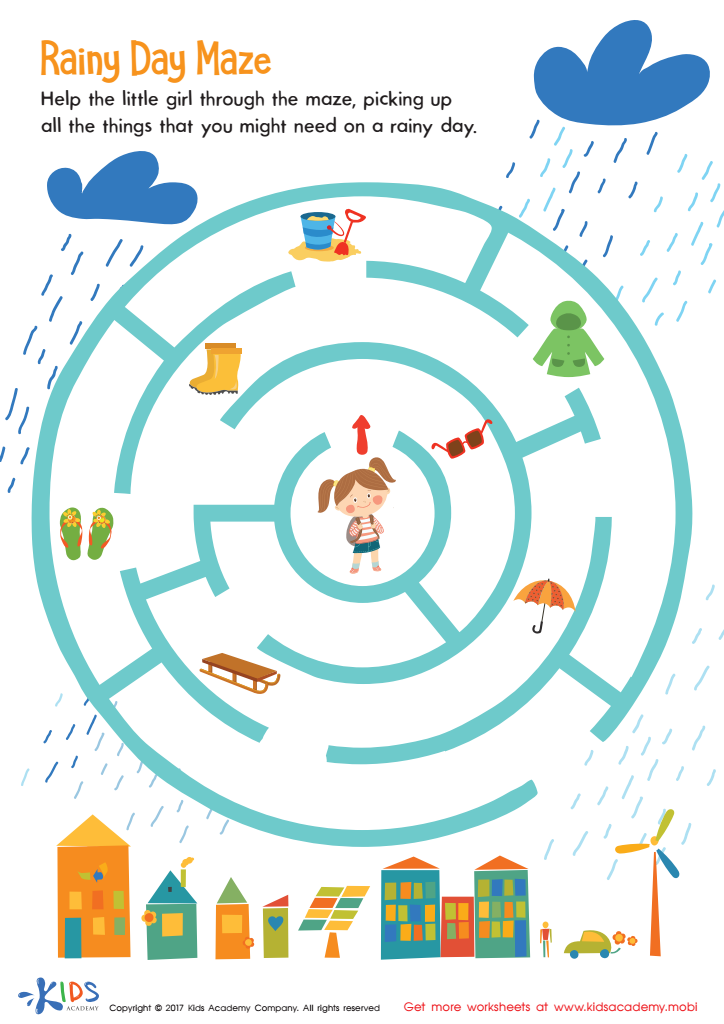
Rainy Day Maze Worksheet








Parents and teachers should prioritize science education for children aged 5-9 because it lays a foundational understanding of the world around them. At this age, children are naturally curious, asking questions and eagerly exploring their environment. Engaging them in scientific concepts encourages critical thinking and problem-solving skills essential for future learning.
Science fosters a spirit of inquiry. By encouraging children to observe, hypothesize, experiment, and draw conclusions, they learn to formulate their own ideas and think independently. This early introduction to scientific principles not only promotes intellectual growth but also inspires creativity and innovation.
Moreover, a strong grasp of science can bolster confidence as children work through challenges, which is vital in a world increasingly driven by technology and scientific advancement. Additionally, science education promotes awareness of environmental and health issues—important subjects as they grow into responsible citizens.
By integrating science at an early age, parents and teachers can cultivate a lifelong love for learning, building the skills needed for future academic pursuits and careers in STEM fields. In sum, prioritizing science education equips children with the tools needed for understanding and navigating a complex world, enabling them to become informed individuals.







